Official Paper

IBPS SO (Agriculture & IT Officer): Prelims Memory Based Paper (Held on:28 Decmeber 2019) (Previous Year Paper)

150 questions · 120 minutes · with answers · free

English Language (50 questions)

Direction: Read the passage given below and answer the questions that follow:

Entrepreneurship isn’t usually worth the risk, some research says, at least strictly in financial terms. Thankfully, plenty of people take the plunge anyway, because they’re drawn to it for other reasons, such as wanting to be their own boss, or wanting to pursue a personal passion.

But that conventional view is misleading, argues a recent paper by Gustavo Manso at the University of California, Berkeley. Instead, he finds that self-employment does pay off financially, but not in the way entrepreneurs might expect. The financial benefit doesn’t usually come from the entrepreneurship itself, but in the form of higher wages when the entrepreneur returns to the workforce.

Research in this area typically compares salaried workers to those working for themselves; the latter group tends to make less, on average, after controlling for factors like level of education, hence the finding that entrepreneurship isn’t worth it financially.

Instead of that approach, Manso looked at workers over a longer time period, capturing the earnings of more than 5,000 American adults between 1979 and 2012. The average annual earnings for a self-employed person in the sample is higher than for a salaried worker, while the median is lower. That squares with previous research, and with intuition: a small number of entrepreneurs will make a lot of money, but the typical entrepreneur will make less than they could at a bigger company.

However, according to Manso’s data, most entrepreneurs eventually go back to salaried work; just over half of self-employment _______ last for two years or less.

When Manso looked at lifetime earnings, he found that individuals who had been self-employed at one point in their career fared better, when compared to similar workers who hadn’t. “Individuals who attempt to be employees but abandon entrepreneurship in less than two years are not punished, achieving approximately the same earnings as similar individuals who have not attempted to be entrepreneurs,” he reports in the paper. “At the same time, entrepreneurs who stay longer than two years, make substantially more than similar salaried workers.”

“Overall,” he concludes, “I find that entrepreneurs earn approximately 10% more than salaried workers with similar characteristics.”

Manso’s theory of why people might try entrepreneurship and then head back to the labor market just a year or two later hinges on experimentation. Stepping away from a job to start a company offers a chance to experiment with a new idea, and to see if it works or not. If the idea works, the entrepreneur stays self-employed; if the idea doesn’t work, they get another job.

The data can’t explain why that next job pays as much or more than the entrepreneur would have made if they’d never been self-employed. “It seems that the labor market values the experience [of being] self-employed,” said Manso by email. “Maybe the skills developed during [a] self-employment spell are useful as [a] salaried worker.”
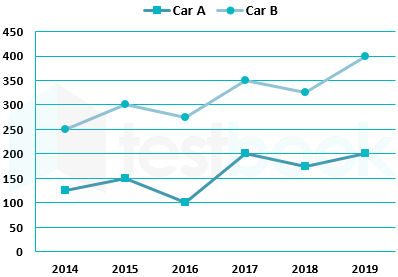
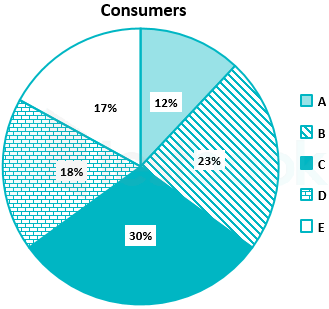
1

Which of the following statements can be inferred from the passage ?

  1. ((a))

    Entrepreneurship is not at all worth the risk.

  2. ((b))

    Entrepreneurs have a higher chance of earning as much or more than salaried workers when they go back to the workplace.

  3. ((c))

    The labor market does not encourage those entrepreneurs who have failed in their ideas.

  4. ((d))

    People should first do a salaried job and then move on to entrepreneurship.

  5. ((e))

    Both 1 and 2

Show Answer
Answer: ((b))

Entrepreneurs have a higher chance of earning as much or more than salaried workers when they go back to the workplace.

The correct answer is option 2)

  • Entrepreneurship may fail but it doesn't mean we should not try it.
  • According to the passage, entrepreneurship can bring us a good amount of money.
  • As per the passage, the labor market gives equal chances to those entrepreneurs who have failed in their ideas.
  • It is not stated anywhere that we should first try to do a job then go for entrepreneurship.
  • Thus, we can say that option 2, only can be inferred from the passage.
2

According to the author, how can entrepreneurship pay off in financial terms ?

  1. ((a))

    When the entrepreneurs are just driven only by the ideas of being their own boss and by their personal passion.

  2. ((b))

    When the entrepreneurs persevere and stay longer than two years working on their ideas.

  3. ((c))

    When the skills developed during self-employment give more monetary advantage on returning to the workforce.

  4. ((d))

    Entrepreneurs who fail in their ideas are not able to earn more than the salaried workers with similar characteristics.

  5. ((e))

    Both 2 and 3

Show Answer
Answer: ((e))

Both 2 and 3

The correct answer is option 5)

  • "At the same time, entrepreneurs who stay longer than two years, make substantially more than similar salaried workers.”
  • Maybe the skills developed during [a] self-employment spell are useful as [a] salaried worker.”
  • These two sentences are directly given in the passage and we can deduce the correct options from these lines.
3

Which of the following are not concluded by Manso's findings ?

  1. ((a))

    Entrepreneurs earn approximately 10% more than salaried workers with similar characteristics.

  2. ((b))

    Individuals who have been self-employed at one point in their career fare worse, when compared to similar workers who haven't.

  3. ((c))

    Entrepreneurship isn’t usually worth the risk in financial terms.

  4. ((d))

    It can be explained clearly that entrepreneurs earn less in their next job.

  5. ((e))

    Both 2 and 4.

Show Answer
Answer: ((e))

Both 2 and 4.

The correct answer is option 4)

  • The information given in options 1, 2 & 3 can be inferred from the passage.
  • There is nothing found in the passage as per statement 4 because 'next job pays as much or more than the entrepreneur would have made if they’d never been self-employed.'
  • The passage says : "he found that individuals who had been self-employed at one point in their career fared better.." but option 2 says fare worse.
  • Hence, the answer will be option 5.
4

Which of the following can be a suitable title for the passage ?

  1. ((a))

    Advantages of Entrepreneurship.

  2. ((b))

    Entrepreneurship - The new outlook.

  3. ((c))

    Entrepreneurship and financial stabiity.

  4. ((d))

    Risks of Entrepreneurship.

  5. ((e))

    A job is better than Entrepreneurship.

Show Answer
Answer: ((c))

Entrepreneurship and financial stabiity.

The correct answer is option 3)

  • Entrepreneurship has its risks also. So, option 1 is not the most appropriate and same for option 4.
  • It is nowhere stated that a job is better than entrepreneurship. So, option 5 is also not correct.
  • The passage mainly talks about the financial aspects of entrepreneurship rather than taking it as a new outlook.
5

What does the author mean when he says, "Thankfully, plenty of people take the plunge anyway" ?

  1. ((a))

    The author is thankful that people give first priority to a salaried job.

  2. ((b))

    Plenty of people know the financial risks of entrepreneurship.

  3. ((c))

    Plenty of people follows entrepreneurship as it gives the highest salaries much more than salaried jobs.

  4. ((d))

    Though entrepreneurship is risky financially, there are people who follow their passions.

  5. ((e))

    None of these.

Show Answer
Answer: ((d))

Though entrepreneurship is risky financially, there are people who follow their passions.

The correct answer is option 4)

  • "Entrepreneurship isn’t usually worth the risk, some research says, at least strictly in financial terms. Thankfully, plenty of people take the plunge anyway", from this sentence of the passage we can easily deduce that there are a lot of people try entrepreneurship despite it being very risky.
6

In the given passage, four words printed in bold type are given. One of these words printed in bold might either be wrongly spelt or inappropriate in the context of the sentence. Find out that word and mark it as your answer.

  1. ((a))

    Approach

  2. ((b))

    Financial

  3. ((c))

    Experiment

  4. ((d))

    Employees

  5. ((e))

    Entrepreneurship

Show Answer
Answer: ((d))

Employees

The correct answer is option 4)

  • “Individuals who attempt to be employees / entrepreneur but abandon entrepreneurship in less than two years are not punished,....." is the correct sentence.
  • Here, we are talking about entrepreneurs, not employees.
7

Which of the following words is opposite in meaning to ‘Pursue’?

  1. ((a))

    Circumvent

  2. ((b))

    Linger

  3. ((c))

    Withhold

  4. ((d))

    Avoid

  5. ((e))

    Both 1 and 4

Show Answer
Answer: ((e))

Both 1 and 4

The correct answer is option 5)

Key Points

WordMeaning
Circumventfind a way around( an obstacle )
Lingerstay in a place longer than necessary because of a reluctance to leave
Withholdrefuse to give (something that is due to or is desired by another).
Avoidkeep away from or stop oneself from doing (something)
Pursuefollow or chase (someone or something).


  • Both circumvent and avoid are opposite in meaning to the word pursue.
  • So, the correct option is no 5.
8

Which of the following is the correct meaning of the emboldened word or phrase in the given sentence?


Manso’s theory of why people might try entrepreneurship and then head back to the labor market just a year or two later hinges on experimentation.

  1. ((a))

    Depends on

  2. ((b))

    Works on

  3. ((c))

    Thrives on

  4. ((d))

    Breaks down

  5. ((e))

    None of the above

Show Answer
Answer: ((a))

Depends on

The correct answer is option 1)

PhraseMeaning
Works onto spend time producing or improving something
Depends onto need (someone or something) for support, help
Thrives onto do well in a particular kind of situation
Breaks downa failure to function
Hinges onto need (someone or something) for support, help**: to depend on (something)**
<br>

So, the phrase 'depends on' has the same meaning as 'hinges on' has.

9

Fill in the blank with the most appropriate word.

"Just over half of self-employment _______ last for two years or less."

  1. ((a))

    Situations

  2. ((b))

    journey

  3. ((c))

    Stunt

  4. ((d))

    Stints

  5. ((e))

    None of the above

Show Answer
Answer: ((d))

Stints

The correct answer is option 4)

WordsMeaning
Situationsa position of employment
journeya long and often difficult process of personal change and development.
Stintsa person's fixed or allotted period of work
Stuntprevent from growing or developing properly.


  • As we are talking about work or job so only 'stints' is a specific word that can serve the purpose.
10

Which of the following words is the closest in meaning to ‘conventional’?

  1. ((a))

    Symmetrical

  2. ((b))

    Atypical

  3. ((c))

    Traditional

  4. ((d))

    Imaginative

  5. ((e))

    None of the above

Show Answer
Answer: ((c))

Traditional

The correct answer is option 3)

WordMeaning
Symmetricalmade up of exactly similar parts facing each other or around an axis; showing symmetry.
Atypicalnot representative of a type, group, or class.
Traditionalhabitually done, used, or found.
Imaginativehaving or showing creativity or inventiveness.
Conventionalbased on or in accordance with what is generally done or believed.


  • So the word 'traditional' is similar in meaning to the word 'conventional'.

Direction: Read the passage given below and answer the questions that follow:

Retaining employees has become the most crucial challenge for companies in the information technology sector. With attrition rate in double digits, it is becoming tough for them to make employees stay for a longer period. The industry seems to be facing this problem mainly with junior employees. The reasons range from higher studies to better opportunities, which usually come with more money. The anchor for staying in a company for a longer period would be based on factors like the role, growth, job satisfaction, work environment and not just money.

Talent retention is crucial to delivery and client ___________, and there is a lot of focused effort that goes on to retain talent. Periodic talent review and planning process helps a company to identify the high potential talent pool. Retention efforts are around creating a visibility and exposure map for the top talent, providing them with ‘bubble' assignments, accelerated growth opportunities and differentiated rewards. 

Contrary to the widely held belief, compensation is not the only way for a company to make its employees feel valuable and wanted. A singular focus on compensation to attract and retain talent is inappropriate because it comes with limited shelf-life and feasibility.

Cognizant, says Srinivasan, believes in empowering people. It has created an entrepreneurial culture that encourages responsibility, commitment, sharing and excellence across all layers and gives associates a free hand to push the ‘limits of imagination' in doing what they think is right for the customer and for the company.

“We need to give employees the right tools to replicate their digital lives in the workplace to engage them better, improve our overall performance and in turn, enhance the quality of service we offer to our clients,” he said. One example of this is Cognizant 2.0, which is a Web 2.0-based platform serving as a virtual town square for over 140,000 Cognizant associates and over 100,000 active users who share knowledge such as best practices, process guidance and technological artefacts across the company's global delivery network and collaborate on hundreds of projects worldwide.

Cognizant's attrition, including both voluntary and involuntary, and all its businesses like BPO was 10.6 per cent for the first quarter 2012. It has been hovering around the 10 percent mark for the past two quarters. Attrition is mostly at the junior levels. The primary reason for attrition is higher education, according to Srinivasan. 

E. Balaji, CEO, Randstad India, a recruitment company, agrees that compensation was not a major factor in retaining employees.  "It all depends on the age group as sizeable people leave due to higher studies. The 1-3-year-olds in the company have aspirations and a few of the women get married and relocate to other places. A company also loses people due to personal factors," he said.

HCL Technologies follow the practice (A) of ‘Employees First' as the company believed (B) that retaining talent should be a constantly evolving procedure*(C)**.* "In today's aggressive business environment where customers have a lot of options to choose from, what distinguishes a company is the innovation and service delivery," says Naveen Narayanan, Global Head, Talent Acquisition, HCL Technologies. Innovation is the key to success and therefore companies are more dependent on their talent to distinguish themselves from the competitors, he adds.

11

What can be the most suited title for the given passage?

  1. ((a))

    How to control talent attrition.

  2. ((b))

    Causes of talent attrition.

  3. ((c))

    Importance of talent retention.

  4. ((d))

    Talent retention - A very crucial challenge for corporate world. 

  5. ((e))

    None of the above.

Show Answer
Answer: ((d))

Talent retention - A very crucial challenge for corporate world. 

The correct answer is option 4)

  • The writer talks not only about the methods of controlling attrition but also about its causes and importance of talent retention.
  • All the above factors are given in different options so we take options 1, 2 & 3 to be correct.
  • Option 4 can be a common title for all these factors, so Talent retention - "A very crucial challenge for corporate world" can be the most suited title for the passage.
12

Which of the following information can be inferred from the passage?

  1. ((a))

    The innovation and service delivery is the factor that makes a company different from others.

  2. ((b))

    Attrition can not be controlled by compensation.

  3. ((c))

    Attrition is only at the junior levels.

  4. ((d))

    Talent acquisition is one of the most crucial challenge for companies.

  5. ((e))

    Both 1 & 4

Show Answer
Answer: ((a))

The innovation and service delivery is the factor that makes a company different from others.

The correct answer is option 1)

  • Compensation is not the only way to control attrition, this is clearly given in passage, so option 2 is not correct.
  • Attrition is mostly at the junior levels but we can't say that it is only at the junior levels, so option 3) is also not correct.
  • The passage doesn't talk about talent acquisition so option 4) is not correct as well.
  • The only correct option is option 1), the same information is given in the last line of the passage.
13

Which of the following is most similar to the word 'cognizant' ?

  1. ((a))

    Insensible

  2. ((b))

     Oblivious

  3. ((c))

    Unwitting

  4. ((d))

    Conscious

  5. ((e))

    None of the above

Show Answer
Answer: ((d))

Conscious

The correct answer in option 4)

WordMeaning
cognizanthaving knowledge or awareness.
Insensibleunaware of or indifferent to
Obliviousnot aware of or concerned about what is happening around one.
Unwitting(of a person) not aware of the full facts.
Consciousaware of and responding to one's surroundings
14

Which of the following can be filled in the blank to make the sentence contextually correct?

Talent retention is crucial to delivery and client ___________, and there is a lot of focused effort that goes on to retain talent.

  1. ((a))

    Belief

  2. ((b))

    Satisfaction

  3. ((c))

    Distraction

  4. ((d))

    Absence

  5. ((e))

    Admiration

Show Answer
Answer: ((b))

Satisfaction

The correct answer is option 2)

Here we are talking about quality of product which relates with customer satisfaction. So, the correct word to be used is satisfaction which makes the sentence grammatically and contextually correct.

15

Which of the following is most opposite in meaning to the word 'attrition'?

  1. ((a))

    Corrosion

  2. ((b))

    Waste

  3. ((c))

    Buildup

  4. ((d))

    Reduction

  5. ((e))

    None of the above

Show Answer
Answer: ((c))

Buildup

The correct answer is option 3)

WordMeaning
Attritionthe process of reducing something's strength or effectiveness through sustained attack or pressure.
Corrosiondamage caused to metal, stone, or other materials by corrosion.
Wasteuse or expend carelessly, extravagantly, or to no purpose.
Buildupa gradual accumulation or increase
Reductionthe action or fact of making something smaller or less in amount, degree, or size.


  • So, 'buildup' is opposite in meaning to the word 'attrition'.
16

What is the most suitable reason of the fact "Attrition is mostly at the junior levels." ?

  1. ((a))

    Higher education

  2. ((b))

    Higher aspirations

  3. ((c))

    Getting married

  4. ((d))

    Some other personal factors

  5. ((e))

    All of the above

Show Answer
Answer: ((e))

All of the above

The correct answer is option 5)

Key Points

  • Even though Higher education is primary reason for attrition. There are other reasons as mentioned in the paragraph "E. Balaji, CEO, Randstad India....."
  • All the facts be it higher education, demand for a good salary, girls getting married and migrating and some other personal things are responsible for attrition in junior levels.
  • As the information given in all the options is correct so we will choose option 5.
17

The following sentence has been divided into sections out of which one section may be grammatically incorrect. Find out the section that has the error and mark it as your answer.

HCL Technologies follow the practice (A) of ‘Employees First' as the company believed (B) that retaining talent should be a constantly evolving procedure(C).

  1. ((a))

    Only A

  2. ((b))

    Only B

  3. ((c))

    Only C

  4. ((d))

    Both A & B

  5. ((e))

    No error.

Show Answer
Answer: ((d))

Both A & B

The correct answer is option 4)

  • As we are talking about some practice which is being followed at present, so the sentence must be in present indefinite tense.
  • 'HCL Technologies' is one company; it seems plural but it is singular, so we need to use 'follows' in place of 'follow' in part (A).
  • In part (B) believed should be replaced by believes for the reason mentioned in first point.
  • So both the parts A & B have errors.
18

Which of the following words can replace the group of words given below?

"A usually simple object (such as a tool or ornament) showing human workmanship or modification as distinguished from a natural object."

  1. ((a))

    Innovation

  2. ((b))

    Artefacts

  3. ((c))

    Replicate

  4. ((d))

    Voluntary

  5. ((e))

    Acquisition

Show Answer
Answer: ((b))

Artefacts

The correct answer is option 2)

WordsMeaning
Innovationa new method, idea, product, etc.
Artefactsan object made by a human being, typically one of cultural or historical interest.
Replicatemake an exact copy of; reproduce.
Voluntarydone, given, or acting of one's own free will.
Acquisitionan asset or object bought or obtained, typically by a library or museum.


  • So, 'artefacts' is the right word.
19

What conclusions can we draw from the passage?

  1. ((a))

    Young generation is running only after money.

  2. ((b))

    Talent retention is important because innovation is key to success.

  3. ((c))

    Talent attrition is equal in all age groups.

  4. ((d))

    Compensation is not the only factor to retain the talent.

  5. ((e))

    Both 2 & 4

Show Answer
Answer: ((e))

Both 2 & 4

The correct answer is option 5)

  • Young generation is not running only after money; option 1 is not correct.
  • In last paragraph importance of innovation and importance of employees for innovation have been stated so, option 2 states correct information.
  • Talent attrition is more in young age groups; so option 3 is incorrect.
  • There are other factors also not only compensation; so option 4 states the correct information.
  • Thus both option 2 & 4 are correct.
20

What is the tone of the passage?

  1. ((a))

    Apologetic

  2. ((b))

    Populist

  3. ((c))

    Commiserating

  4. ((d))

    Cynical

  5. ((e))

    Biased

Show Answer
Answer: ((b))

Populist

The correct answer is option 2)

  • The populist tone is used to discuss theories and characteristics exhibited by general populace. The author of the passage utilizes a populist tone to explain features and behavior of common people.
21

In the following question, a word has been given. Choose the sentence(s) in which it is used correctly and if all the sentences are correct, then choose Option 5.

Hoard

(A) A hoard of fans surrounded him as soon as he moved out.

(B) We have acquired a hoard of information about his work.

(C) He had a hoard of antiques stored in his basement.

  1. ((a))

    Only A

  2. ((b))

    Only B

  3. ((c))

    Only C

  4. ((d))

    Both B and C

  5. ((e))

    All are correct

Show Answer
Answer: ((d))

Both B and C

The correct answer is option 4.

Hoard means a stock or store of money or valued objects, typically one that is secret or carefully guarded or an amassed store of useful information, retained for future use.

In A, it should be horde to refer to a group of people.

In B, it is correct as it means a store of information.

In C, it is correct as it means a stock or store of money or valued objects, typically one that is secret or carefully guarded.

So, B and C are correct.

22

Below a word is given followed by three sentences which consist of that word. Identify the sentence/s which best expresses the meaning of the word. Choose option 5 (None of these) if the word is not suitable in any of the sentences.

BUCKLE

A. The smooth polyamide provides an athletic-looking fit and there's a cool buckle detail at the waist to complete this great trunk.

B. Her hands were shaking and her knees wanted to buckle.

C. The general average yields of the corn crops are not comparable one with the other, because they are given by measure and not by weight, whereas the weight per buckle varies considerably.

  1. ((a))

    Only B

  2. ((b))

    Only A

  3. ((c))

    Both A and B

  4. ((d))

    Both B and C

  5. ((e))

    None of these

Show Answer
Answer: ((c))

Both A and B

The correct answer is option 3, i.e. sentences A and B.

The word buckle carries several meanings:

  1. a flat, typically rectangular frame with a hinged pin, used for joining the ends of a belt or strap.
  2. fasten or decorate with a buckle especially one's seat belt in a car or aircraft.
  3. bend and give way under pressure or strain.

Among these, the meaning given in 1, makes statement A correct. the meaning in 3 makes statement B correct.

But it has been incorrectly used in statement C. the correct word here should be bushel which means a measure of capacity equal to 8 gallons (equivalent to 36.4 litres), used for corn, fruit, liquids, etc.

23

Below a word is given followed by three sentences which consist of that word. Identify the sentence/s which best expresses the meaning of the word. Choose option 5 (None of these) if the word is not suitable in any of the sentences.

BAIT

A. He did indeed preach righteousness and judgment to come: but this was merely a bait for the unwary.

B. The only bait he could find was a bright red blossom from a flower; but he knew fishes are easy to fool if anything bright attracts their attention, so he decided to try the blossom.

C. It is a safe bait that no one has ever asked that question before, and yet this system is designed to answer it.

  1. ((a))

    Both A and C

  2. ((b))

    Both B and C

  3. ((c))

    Both A and B

  4. ((d))

    All A, B and C

  5. ((e))

    None of these

Show Answer
Answer: ((c))

Both A and B

The correct answer is Both A and B.

The word bait carries several meanings:

  1. something intended to entice someone to do something
  2. deliberately annoy or taunt (someone).
  3. put bait on (a hook) or in (a trap, net, or fishing area) to entice fish or animals.

Among these, the meaning given in 1, makes statement A correct.

The meaning in 3 makes statement B correct.

But it has been incorrectly used in statement C. the correct word here should be bet which means 'guess' in this case.

24

In the following question, a word has been given. Choose the sentence(s) in which it is used correctly and if all the sentences are correct, then choose Option 5. 

Current

(A) Currents are dried grapes.

(B) This fashion is current nowadays.

(C) The current of this river is very strong.

  1. ((a))

    Only A

  2. ((b))

    Only B

  3. ((c))

    Only C

  4. ((d))

    Both B and C

  5. ((e))

    All are correct

Show Answer
Answer: ((d))

Both B and C

The correct answer is option 4 i.e, both B and C.

In sentence B, it is used as an adjective to mean 'belonging to the present time'. 

In sentence C, it is used as a noun to mean 'a body of water or current moving in a definite direction.

Whereas, in sentence A, it should have been 'currants' and not 'currents'. 

Therefore, sentences B and C are correct and not sentence A.

25

Below a word is given followed by three sentences which consist of that word. Identify the sentence/s which best expresses the meaning of the word. Choose option 5 (None of these) if the word is not suitable in any of the sentences.

TEAM

A. We have a team of eight working on product development.

B. The rain was teaming down.

C. You can team up with one other class member if you want

  1. ((a))

    Only B

  2. ((b))

    Only A

  3. ((c))

    Both A and C

  4. ((d))

    Both B and C

  5. ((e))

    None of these

Show Answer
Answer: ((c))

Both A and C

The correct answer is option 3, i.e. Both A and C.

The word team carries several meanings:

  1. A group of people who work together at a particular job.
  2. (team up) to join with another person or group in order to do something together
<br>

Among these, the meaning given in 1, makes statement A correct. the meaning in 2 makes statement C correct.

It has been incorrectly used in statement B. the correct word here should be teem which means (of rain) to fall heavily.

Direction: In the following passage some words have been deleted. Fill in the blanks with the help of the alternatives given. Select the most appropriate option for each number.

Wild numbers of the vulnerable Hippopotamus amphibious are (1) __________ because of habitat loss and hunting for meat and ivory, so monitoring their population is (2) __________ for conservation management. (3) __________ methods of counting hippos include unreliable aerial surveys and hazardous land and water surveys, and ground-based observations are (4)_________ for surveyors because the hippo is one of the most dangerous animals in Africa and lives in (5)_________ areas. Furthermore, hippos also prefer an aquatic lifestyle and regularly submerge themselves in water, further complicating efforts to keep an (6)_________ on their population. These challenges (7)_________ UNSW researchers, in collaboration with conservation organization: Elephants Without Borders, to take to the skies with drones to film hippo pods and thus, more accurately estimate hippo numbers. The researchers eventually found the drone method just as effective as land surveys in estimating hippo numbers.

26

Which of these should be filled at (1) as per the context of the passage?

  1. ((a))

    Declining

  2. ((b))

    Increasing 

  3. ((c))

    Demonstrating 

  4. ((d))

    Devastating 

  5. ((e))

    Exasperating

Show Answer
Answer: ((a))

Declining

The correct answer is option 1)

WordMeaning
Decliningbecoming smaller, fewer, or less; decreasing.
Increasingbecoming greater in size, amount, or degree; growing.
Devastatinghighly destructive or damaging
Demonstratinggive a practical exhibition and explanation of
Exasperatingintensely irritating and frustrating.


  • Habitat loss and hunting will definitely result in to decrement in number. So, declining is the right word to use here.
27

Which of these should be filled at (2) as per the context of the passage?

  1. ((a))

    Banal

  2. ((b))

    Crucial

  3. ((c))

    Efficient

  4. ((d))

    Radical 

  5. ((e))

    Rational 

Show Answer
Answer: ((b))

Crucial

The correct answer is option 2)

WordMeaning
Banalso lacking in originality as to be obvious and boring.
Crucialdecisive or critical, especially in the success or failure of something
Efficientachieving maximum productivity with minimum wasted effort or expense.
Radicalrelating to or affecting the fundamental nature of something
Rationalbased on or in accordance with reason or logic.


  • For conservation management monitoring the number of hippos is very important because this is part of their responsibility.
  • So, the word to be used here is crucial.
28

Which of these should be filled at (3) as per the context of the passage?

  1. ((a))

    Leading

  2. ((b))

    Important

  3. ((c))

    Scientific

  4. ((d))

    Advanced

  5. ((e))

    Traditional

Show Answer
Answer: ((e))

Traditional

The correct answer is option 5)

WordMeaning
Leadingmost important
Importantof great significance or value
Scientificbased on or characterized by the methods and principles of science.
Advancedahead in development or progress.
Traditionalexisting in or as part of a tradition; long-established.


  • An unreliable survey can not be leading or scientific or advanced.
  • Something which is traditional may be inappropriate for today so, traditional is the best-suited word here.
29

Which of these should be filled at (4) as per the context of the passage?

  1. ((a))

    Easy

  2. ((b))

    Unsafe

  3. ((c))

    Safe

  4. ((d))

    Haunting

  5. ((e))

    Interesting

Show Answer
Answer: ((b))

Unsafe

The correct answer is option 2)

  • When Hippos are dangerous how will the surveyors feel ease or safe or interesting.
  • Haunting means bringing strong images, memories, or feelings to mind.
  • Although haunting may fit in here, the use of unsafe will be more appropriate because haunting is higher in degree as per sense; the context is not that much intense to use a word like 'haunting'.
30

Which of these should be filled at (5) as per the context of the passage?

  1. ((a))

    Accessible 

  2. ((b))

    Exposed

  3. ((c))

    Affordable 

  4. ((d))

    Inaccessible 

  5. ((e))

    Popular

Show Answer
Answer: ((d))

Inaccessible 

The correct answer is option 4)

WordsMeaning
Accessibleable to be reached or entered.
Affordableinexpensive; reasonably priced
Exposednot covered or hidden; visible.


  • Hippos are dangerous and surveyors are unsafe then for sure the area will be inaccessible where one can not reach easily.
  • So the correct word to be used here is 'inaccessible'.
31

Which of these should be filled at (6) as per the context of the passage?

  1. ((a))

    Head

  2. ((b))

    Ear

  3. ((c))

    Eye

  4. ((d))

    Importance

  5. ((e))

    Track

Show Answer
Answer: ((c))

Eye

The correct answer is option 3)

  • The correct phrase is 'to keep an eye on' which means to keep under careful observation.
32

Which of these should be filled at (7) as per the context of the passage?

  1. ((a))

    Annoyed

  2. ((b))

    Inspired

  3. ((c))

    Threatened

  4. ((d))

    Cheered

  5. ((e))

    Demotivated

Show Answer
Answer: ((b))

Inspired

The correct answer is option 2)

WordMeaning
Annoyedslightly angry; irritated
Inspired(of a person) displaying a creative impulse in the activity specified
Threatenedstate one's intention to do (something undesirable) in retribution.
Cheeredshout for joy or in praise or encouragement.
Demotivatedmake (someone) less eager to work or study.


  • Researchers are always ready to take new challenges for this is a part of their work.
  • These challenges will create an impulse to find something new about Hippos.
  • So, the most appropriate word to be used here is 'inspired'.
33

In the question below, three statements are given which may or may not be grammatically correct. Identify the statement/statements that is/are incorrect.

A) The number of automobiles plying on Indian roads in the 1980s increased by a staggering 400% over the previous decade.

B) This steady decline must have had an adverse impact on employment and poverty reduction.

C) A group of bureaucrat and scientists sat down to ponder the future of technology in the country. The irony of analyzing technologies that would unshackle the Indian economy.

  1. ((a))

    A and B

  2. ((b))

    Only C

  3. ((c))

    Only A

  4. ((d))

    A and C

  5. ((e))

    No error

Show Answer
Answer: ((b))

Only C

Correct option: 2)

Option C) is incorrect because group of bureaucrat is wrong we will use group of bureaucrats.

The rest of the sentences are free of errors.

34

In the question below, three statements are given which may or may not be grammatically correct. Identify the statement/statements that is/are incorrect.

I.No sooner did I speak, than he left.

II. The patient was accompanied with his friend.

III.Mr. Sharma may be late but I am sure Mr. Kapoor won't be.

  1. ((a))

    Only I

  2. ((b))

    Only II

  3. ((c))

    Only III

  4. ((d))

    Only I and II

  5. ((e))

    Only II and III

Show Answer
Answer: ((b))

Only II

Statements I and III are contextually and grammatically correct.

Key Points

In statement II, by will replace with because –

by (Prep.) is used for indicating the agent/object after a Passive Verb in case of Passive Voice.

Agent/Objecthis friend & Passive Verbaccompanied

With (Prep.) indicates being in the company of

e.g - His friend stayed with him in the hospital.

        He was knocked down by a bus.

Additional Information

In statement II: the usage of 'No sooner....than' is correct whenever we use 'no sooner' an adverb at the starting of the sentence, use the inversion form of the verb.  

Correct Statement II: The patient was accompanied (Passive verb) with/by his friend (Object). [as the given sentence is in the Passive Voice.]

Thus, the correct answer is option 2.

35

In the question below, three statements are given which may or may not be grammatically correct. Identify the statement/statements that is/are incorrect.

I. John is working very hardly as the examinations are fast approaching. 

II. I have seen him a couple of times since May.

III. A short story should not exceed two hundred words.

  1. ((a))

    Only I

  2. ((b))

    Only II

  3. ((c))

    Only III

  4. ((d))

    Only I and II

  5. ((e))

    Only II and III

Show Answer
Answer: ((a))

Only I

Statements II and III are contextually and grammatically correct.

In statement I, hard will replace hardly because –

hardly (Adverb): almost no/not/none but

hard (Adjective) : needing/using effort.

<br>

e.g: It is a hard problem to solve / It is hard practising meditation as the mind is always wandering.

      There is hardly any tea left.

In our statement, John is working - and to answer the question, how is he working ? the correct answer will be he is working very hard  / not very hardly - which means he is not working at all and negates the intended meaning of the sentence.

Correct statement I: John is working very hardly / hard as the examinations are fast approaching. 

option 1 is the right answer

36

In the question below, three statements are given which may or may not be grammatically correct. Identify the statement/statements that is/are incorrect.

I. Young people in Britain eats more snacks than people of the same age in other European countries.

II. He spends a good deal of money on eating out.

III. Without waiting for the instructions from the Government, some cable operators in the city had block the news.

  1. ((a))

    Only I.

  2. ((b))

    Only II.

  3. ((c))

    Only III

  4. ((d))

    Only I and II

  5. ((e))

    Only I and III.

Show Answer
Answer: ((e))

Only I and III.

  • Statement II is contextually and grammatically correct.
  • In statement I, the usage of the word eats is incorrect.

The subject - young people - is Plural and thus must agree with a Plural verb. Thus, 'eat' will replace eats to rectify the incorrect sentence.

Correct Statement I: Young people in Britain eats / eat more snacks than people of the same age in other European countries.

  • In statement III, the usage of the word block is incorrect.

Correct structutre of sentence with 'had'-Past Perfect Tense: Subject + had + v3 + object + other words.

According to the structure, Had is followed by V3.

But in statement III, Had is followed by 'block' - V1, that should be replaced with blocked'-V3 for making the sentence grammatically correct.

Correct statement III. Without waiting for the instructions from the Government, some cable operators in the city had block / blocked the news.

Thus, Option 5 is the correct answer.

37

In the question below, three statements are given which may or may not be grammatically correct. Identify the statement/statements that is/are incorrect.

I. When shall we arrive to our destination?

II. Neither Rohit nor Mohit were there at the restaurant when I went there.

III. Ten kilometres is a long distance to walk.

  1. ((a))

    Only I

  2. ((b))

    Only II

  3. ((c))

    Only III

  4. ((d))

    Only I and II

  5. ((e))

    Only II and III

Show Answer
Answer: ((d))

Only I and II

Statement III is contextually and grammatically correct.

In statement I, the usage of word to is incorrect.

at will replace to because –

We usually say that someone arrives at a place vs arrives in a country/city.

e.g: We arrived at the station at 3 o'clock.

       The President arrived in Rome today.

Correct sentence I: When shall we arrive to / at our destination?

In statement II, the usage of the word were is incorrect.

When there are 2 different subjects that are joined by either____or/ neither____nor / not only____but also/ _or_ ,and are different in numbers, the subject closer to the verb decides whether the verb will be singular or plural,

  • For e.g: There is / are either some boys (subject closer to the verb ) or a girl in the class.
  • Neither the ministers nor the King (subject closer to the verb) have / has been arrested.
  • Not only Sapna but also her friends (subject closer to the verb) has / have come. 

Here, the subject closer to the verb 'were' is Mohit and thus the verb ‘were’ will be replaced by was to agree with the Singular subject.

Correct sentence II. Neither Rohit nor Mohit were / was there at the restaurant when I went there. 

<br>

Thus, option 4 is the correct answer.

38

Select the phrase/connector from the given options which can be used to form a single sentence from the two sentences given below, implying the same meaning as expressed in the statement sentences.

(A) Parents generally try to maximize the welfare of their children.

(B) This is subject to constraints of money and time.

  1. ((a))

    Which

  2. ((b))

    and

  3. ((c))

    How

  4. ((d))

    What

  5. ((e))

    None of the above

Show Answer
Answer: ((a))

Which

The correct option is 1 i.e., which

The correct sentence is “Parents generally try to maximize the welfare of their children which is subject to constraints of money and time.” This formation correctly conveys the meaning to the sentence that the parents try to maximize the welfare of their children looking at their financial status. The rest of the connectors do not create a grammatically and contextually sound sentence.

39

Select the phrase/connector from the given options which can be used to form a single sentence from the two sentences given below, implying the same meaning as expressed in the statement sentences.

(A) The lecturer wandered from topic to topic.

(B) We wondered if there was any point to his discursive remarks.

  1. ((a))

    But

  2. ((b))

    As

  3. ((c))

    While

  4. ((d))

    Both 2 and 3

  5. ((e))

    None of these

Show Answer
Answer: ((d))

Both 2 and 3

Both As and While can be used to begin the sentence:

As the lecturer wandered from topic to topic, we wondered if there was any point to his discursive remarks.

While the lecturer wandered from topic to topic, we wondered if there was any point to his discursive remarks.

Options 1 i.e. but cannot act as a link.

Thus the correct answer is option 4.

40

Select the phrase/connector from the given options which can be used to form a single sentence from the two sentences given below, implying the same meaning as expressed in the statement sentences.

(A) His story is based on a modicum of truth.

(B) Most of the events he describes are fictitious.

  1. ((a))

    Since

  2. ((b))

    Although

  3. ((c))

    Hence

  4. ((d))

    Because

  5. ((e))

    None of these

Show Answer
Answer: ((b))

Although

The correct sentence is-

Although his story is based on a modicum of truth, most of the events he describes are fictitious.

Option 1, 3 and 4 cannot act as links.

Thus the correct answer is option 2.

41

Select the phrase/connector from the given options which can be used to form a single sentence from the two sentences given below, implying the same meaning as expressed in the statement sentences.

(A) I didn’t want to take a side in the argument.

(B) I put my headphones on and listened to some smooth jazz.

  1. ((a))

    Since

  2. ((b))

    Yet

  3. ((c))

    Although

  4. ((d))

    Nevertheless

  5. ((e))

    None of these

Show Answer
Answer: ((a))

Since

Only 'Since' can be used to join the sentences - Since I didn't want to take a side, I put my headphones on and listened to some smooth jazz.

Rest of the options cannot act as a link.

Thus the correct answer is option 1.

42

Select the phrase/connector from the given options which can be used to form a single sentence from the two sentences given below, implying the same meaning as expressed in the statement sentences.

(A) Akriti needs to learn Chinese.

(B) I will teach her.

  1. ((a))

    As

  2. ((b))

    Since

  3. ((c))

    However

  4. ((d))

    Both A and B

  5. ((e))

    None of these

Show Answer
Answer: ((d))

Both A and B

The correct answer is option 4.

Only 1 and 2 can be used to begin the sentence correctly, without changing the meaning of the initial sentences. The words 'as' and 'since' mean 'for the reason that'. They join the two sentences meaningfully. The correct sentences would be:

i. As Akriti needs to learn Chinese, I will teach her.

ii. Since Akriti needs to learn Chinese, I will teach her.

Therefore, the correct answer is option 4.

43

In each question, one sentence is given in which certain words are in bold and numbered from A to E. Below the sentence are given five options with  possible pairs of interchange of those bold words. Choose the pair(s) of words which are needed to be interchanged to make the sentence grammatically correct and meaningful.

Radical feminists seek to (A)liberate patriarchy by (B)challenging existing social (C)norms and institutions, and believe that (D)eliminating patriarchy will (E)abolish everyone from an unjust society.

  1. ((a))

    B-D

  2. ((b))

    A-E

  3. ((c))

    C-E

  4. ((d))

    B-C and D-E

  5. ((e))

    A-B and C-D

Show Answer
Answer: ((b))

A-E

The correct answer is option 2 i.e. A-E.

We can look into the sentence the following way:

Radical feminists seek to (A)_______ patriarchy by (B)_______ existing social (C)_______ and institutions, and believe that (D)_______ patriarchy will (E)_______ everyone from an unjust society.

It is clear that (B) and (C) has grammatically and meaningfully correct words. Also (D) justifies its bold word.

But from the point of view of grammar, A and E should be interchanged even though they are both verbs.

Abolish means "formally put an end to (a system, practice, or institution)." Patriarchy is a system of society or government in which men hold the power and women are largely excluded from it.

Liberate means "set (someone) free from imprisonment, slavery, or oppression."

Hence A and E should be interchanged.

Correct sentence: Radical feminists seek to (A)abolish patriarchy by (B)challenging existing social (C)norms and institutions, and believe that (D)eliminating patriarchy will (E)liberate everyone from an unjust society.

44

In each question, one sentence is given in which certain words are in bold and numbered from A to E. Below the sentence are given five options with possible pairs of interchange of those bold words. Choose the pair(s) of words which are needed to be interchanged to make the sentence grammatically correct and meaningful.

Since the (A)liberalization of the economy occurred under the Narasimha Rao government, even the Congress has (B)fervently itself from the Nehruvian socialist (C)ideology it had so (D)distanced advocated right up until and during Rajiv Gandhi's (E)leadership.

  1. ((a))

    C-E

  2. ((b))

    B-D

  3. ((c))

    A-C

  4. ((d))

    A-B and C-D

  5. ((e))

    B-E and A-D

Show Answer
Answer: ((b))

B-D

The correct answer is option 2 i.e. B-D.

Explanation 

We can look into the sentence the following way:

Since the (A)_______ of the economy occurred under the Narasimha Rao government, even the Congress has (B)_______ itself from the Nehruvian socialist (C)_______ it had so (D)_______ advocated right up until and during Rajiv Gandhi's (E)_______.

Liberalization is a noun meaning "a process whereby a state lifts restrictions on some private individual activities." Liberalization occurs when something which used to be banned is no longer banned, or when government regulations are relaxed.

It is clear that (A) and (C) has grammatically and meaningfully correct words. Also (E) justifies its bold word.

But from the point of view of grammar, B should be a verb and D should be an adverb. 

Distanced means "made (someone or something) far off or remote in position or nature." The "has" before B indicates that B should be a verb, no other verbs are present in that part of the sentence.

Fervently means "very enthusiastically or passionately." The verb "advocated" after D indicates that D should be an adverb.

Hence B and D should be interchanged.

Correct sentence: Since the (A)liberalization of the economy occurred under the Narasimha Rao government, even the Congress has (B)distanced itself from the Nehruvian socialist (C)ideology it had so (D)fervently advocated right up until and during Rajiv Gandhi's (E)leadership.

45

In each question, one sentence is given in which certain words are in bold and numbered from A to E. Below the sentence are given five options with possible pairs of interchange of those bold words. Choose the pair(s) of words which are needed to be interchanged to make the sentence grammatically correct and meaningful.

In 2017, a (A)composition study published in Heritage Science found a (B)connection between the chemical (C)groundbreaking of old books and people’s (D)reactions to them, which (E)allowed researchers to create a “historic book odour wheel.”

  1. ((a))

    B-D

  2. ((b))

    A-D and B-E

  3. ((c))

    A-C

  4. ((d))

    D-E

  5. ((e))

    B-C and A-E

Show Answer
Answer: ((c))

A-C

The correct answer is option 3 i.e. A-C.

Explanation 

We can look into the sentence the following way:

In 2017, a (A)_______ study published in Heritage Science found a (B)_______ between the chemical (C)_______ of old books and people’s (D)_______ to them, which (E)_______ researchers to create a “historic book odour wheel.”

Connection and reactions are nouns.

It is clear that (B) and (D) has grammatically and meaningfully correct words. Also (E) justifies its bold word.

But from the point of view of grammar, A should be an adjective and C should be a noun. 

Groundbreaking means "innovative; pioneering."

Composition means "the nature of something's ingredients or constituents; the way in which a whole or mixture is made up." Chemical composition is the arrangement, type, and ratio of atoms in molecules of chemical substances.

Hence A and C should be interchanged.

Correct sentence: In 2017, a (A)groundbreaking study published in Heritage Science found a (B)connection between the chemical (C)composition of old books and people’s (D)reactions to them, which (E)allowed researchers to create a “historic book odour wheel.”

46

In each question, one sentence is given in which certain words are in bold and numbered from A to E. Below the sentence are given five options with  possible pairs of interchange of those bold words. Choose the pair(s) of words which are needed to be interchanged to make the sentence grammatically correct and meaningful.

Apple’s work on communications satellites and next-generation (A)wireless technology means the (B)aim is likely to beam data to a user’s device, potentially (C)dependence the (D)mitigating on wireless carriers, or for linking devices together without a (E)traditional network.

  1. ((a))

    A-C

  2. ((b))

    A-E and B-C

  3. ((c))

    B-D

  4. ((d))

    A-B and C-E

  5. ((e))

    C-D

Show Answer
Answer: ((e))

C-D

The correct answer is option 5 i.e. C-D.

We can look into the sentence the following way:

Apple’s work on communications satellites and next-generation (A)_______ technology means the (B)_______ is likely to beam data to a user’s device, potentially (C)_______ the (D)_______ on wireless carriers, or for linking devices together without a (E)_______ network.

Wireless is an adjective meaning "using radio, microwaves, etc. (as opposed to wires or cables) to transmit signals."

It is clear that (A) and (B) has grammatically and meaningfully correct words. Also (E) justifies its bold word.

But from the point of view of grammar, C should be a verb and D should be a noun. 

Mitigating means "making something less severe; diminish." The adverb "potentially" used before C indicates that a verb should follow.

Dependence means "the state of relying on or being controlled by someone or something else."

Hence C and D should be interchanged.

Correct sentence: Apple’s work on communications satellites and next-generation (A)wireless technology means the (B)aim is likely to beam data to a user’s device, potentially (C)mitigating the (D)dependence on wireless carriers, or for linking devices together without a (E)traditional network.

47

In each question, one sentence is given in which certain words are in bold and numbered from A to E. Below the sentence are given five options with  possible pairs of interchange of those bold words. Choose the pair(s) of words which are needed to be interchanged to make the sentence grammatically correct and meaningful.

Fascists believe that liberal democracy is (A)totalitarian and regard the complete (B)mobilization of society under a (C)obsolete one-party state as necessary to prepare a nation for armed (D)respond and (E)conflict effectively to economic difficulties.

  1. ((a))

    A-C and D-E

  2. ((b))

    A-B

  3. ((c))

    B-D and C-E

  4. ((d))

    A-D

  5. ((e))

    B-E

Show Answer
Answer: ((a))

A-C and D-E

The correct answer is option 1 i.e. A-C and D-E. 

Key Points

  • We can look into the sentence the following way:
  • Fascists believe that liberal democracy is (A)_______ and regard the complete (B)_______ of society under a (C)_______ one-party state as necessary to prepare a nation for armed (D)_______ and (E)_______ effectively to economic difficulties.
  • Only B here has a grammatically correct and meaningful word. The rest of the bold words have to be interchanged.
  • A and C have to be interchanged even though they are both adjectives.
  • Obsolete means "no longer produced or used; out of date."
  • Totalitarian means "relating to a system of government that is centralized and dictatorial and requires complete subservience to the state."
  • D and E have to be interchanged. D should be a noun and E should be a verb.
  • An armed conflict is a political conflict in which armed combat involves the armed forces of at least one state (or one or more armed factions seeking to gain control of all or part of the state), and in which at least 1,000 people have been killed by the fighting during the course of the conflict.
  • Respond means "do something as a reaction to someone or something."

Correct sentence: Fascists believe that liberal democracy is (A)obsolete and regard the complete (B)mobilization of society under a (C)totalitarian one-party state as necessary to prepare a nation for armed (D)conflict and (E)respond effectively to economic difficulties.

48

Directions: Which of the phrases (a), (b), (c) and (d) given below should replace the phrase given in bold the following sentences to make the sentence grammatically meaningful and correct. If the sentence is correct as it is and there is no correction required mark (e) as the answer.

The runner was called at home plate, and the manager came out to argue about the call.

  1. ((a))

    called in

  2. ((b))

    called out

  3. ((c))

    called away 

  4. ((d))

    called on

  5. ((e))

    No improvement

Show Answer
Answer: ((b))

called out

The correct answer is option 2. 

Call out -a decision made by an official in a sports contest

49

Directions: Which of the phrases (a), (b), (c) and (d) given below should replace the phrase given in bold the following sentences to make the sentence grammatically meaningful and correct. If the sentence is correct as it is and there is no correction required mark (e) as the answer. 

She went out with her friends every night instead of studying and threw further her chance of a place at university.

  1. ((a))

    threw away

  2. ((b))

    threw out

  3. ((c))

    threw off

  4. ((d))

    threw in

  5. ((e))

    No improvement

Show Answer
Answer: ((a))

threw away

To throw away something (or throw something away) means to ruin or lose something valuable or important, by doing something reckless or foolish.

50

Directions: Which of the phrases (a), (b), (c) and (d) given below should replace the phrase given in bold the following sentences to make the sentence grammatically meaningful and correct. If the sentence is correct as it is and there is no correction required mark (e) as the answer.

Your grandmother is coming to visit today, so don't forget to hang around your clothes when you tidy your room.

  1. ((a))

    hang on

  2. ((b))

    hang out

  3. ((c))

    hung up

  4. ((d))

    hang up

  5. ((e))

    No improvement

Show Answer
Answer: ((d))

hang up

To hang up something (or hang something up) means to hang something, especially clothes, on a hanger or hook.

Reasoning (50 questions)

Direction: Read the following information carefully and answer the questions that follow:

Eight people – P, Q, R, S, T, U, V and W are sitting around a square table (not necessarily in the same order) in such a way that four of them who are sitting at the corners of the table facing outside while other four who are sitting in the middle of each of the four sides facing inside. Each of them likes different colors – Red, Yellow, Green, Orange, Blue, White, Pink, and Black. Two people who are facing the same direction (either inside or outside) are not sitting with each other. The one who likes Blue is not facing outside. U is sitting fifth to the left of the one who likes Blue. Only one person is sitting between U and the one who likes orange. P is sitting third to the right of the one who likes orange. Two persons are sitting between P and W. W doesn’t like orange. Neither W nor P is an immediate neighbor of Q. The one who likes Yellow is sitting third to the right of Q. R and T are the immediate neighbors. R is not an immediate neighbor of W nor he likes orange. The one who likes White is an immediate neighbor of S. S is sitting third to the left of R. The one who likes Red is sitting second to the left of the one who likes green. R neither likes red nor Black.

51

Who among the following likes balck color?

  1. ((a))

    S

  2. ((b))

    V

  3. ((c))

    W

  4. ((d))

    The one who is sitting immediate left of V

  5. ((e))

    The one who is sitting fourth to the right of W

Show Answer
Answer: ((c))

W

8 People: P, Q, R, S, T, U, V and W.

8 colors: Red, Yellow, Green, Orange, Blue, White, Pink, and Black

Facing directions: 4 people are facing inside and other 4 are facing outside.

  1. The one who likes blue is not facing outside.

  2. U is sitting fifth to the left of the one who likes blue.

  3. Only one person is sitting between U and the one who likes orange.

  4. P is sitting third to the right of the one who likes orange. 

  1. Two persons are sitting between P and W.

  2. W doesn’t like orange.

So, case 2 gets eliminated.

  1. Neither W nor P is an immediate neighbour of Q.

  2. The one who likes yellow is sitting third to the right of Q.

  1. R and T are the immediate neighbours.

  2. R is not an immediate neighbour of W nor he likes orange. 

  1. The one who likes White is an immediate neighbour of S.

  2. S is sitting third to the left of R.

This condition doesn’t satisfy in case 1(b) so this case gets eliminated.

  1. The one who likes Red is sitting second to the left of the one who likes green.

  2. R neither likes red nor black.

So, V likes Green and S likes Red.

Thus, we get that R likes Pink and W likes Black and the final arrangement will be as follows:

Hence, W black color.

52

R likes which color?

  1. ((a))

    White

  2. ((b))

    Red

  3. ((c))

    Pink

  4. ((d))

    Yellow

  5. ((e))

    None of these

Show Answer
Answer: ((c))

Pink

8 People: P, Q, R, S, T, U, V and W.

8 colors: Red, Yellow, Green, Orange, Blue, White, Pink, and Black

Facing directions: 4 people are facing inside and other 4 are facing outside.

  1. The one who likes blue is not facing outside.

  2. U is sitting fifth to the left of the one who likes blue.

  3. Only one person is sitting between U and the one who likes orange.

  4. P is sitting third to the right of the one who likes orange. 

  1. Two persons are sitting between P and W.

  2. W doesn’t like orange.

So, case 2 gets eliminated.

  1. Neither W nor P is an immediate neighbour of Q.

  2. The one who likes yellow is sitting third to the right of Q.

  1. R and T are the immediate neighbours.

  2. R is not an immediate neighbour of W nor he likes orange. 

  1. The one who likes White is an immediate neighbour of S.

  2. S is sitting third to the left of R.

This condition doesn’t satisfy in case 1(b) so this case gets eliminated.

  1. The one who likes Red is sitting second to the left of the one who likes plum.

  2. R neither likes red nor black.

So, V likes Green and S likes Red.

Thus, we get that R likes Pink and W likes Black and the final arrangement will be as follows:

Hence, R likes Pink color.

53

Which of the following statement is not true as per the given information?

  1. ((a))

    T is the facing the one who likes Red color

  2. ((b))

    Q is sitting fifth to the left of the one who likes Blue color

  3. ((c))

    P is an immediate neighbour of R

  4. ((d))

    V is facing to P

  5. ((e))

    The one who likes white color is sitting immediate right of P

Show Answer
Answer: ((b))

Q is sitting fifth to the left of the one who likes Blue color

8 People: P, Q, R, S, T, U, V and W.

8 colors: Red, Yellow, Green, Orange, Blue, White, Pink, and Black

Facing directions: 4 people are facing inside and other 4 are facing outside.

  1. The one who likes blue is not facing outside.

  2. U is sitting fifth to the left of the one who likes blue.

  3. Only one person is sitting between U and the one who likes orange.

  4. P is sitting third to the right of the one who likes orange. 

  1. Two persons are sitting between P and W.

  2. W doesn’t like orange.

So, case 2 gets eliminated.

  1. Neither W nor P is an immediate neighbour of Q.

  2. The one who likes yellow is sitting third to the right of Q.

  1. R and T are the immediate neighbours.

  2. R is not an immediate neighbour of W nor he likes orange. 

  1. The one who likes White is an immediate neighbour of S.

  2. S is sitting third to the left of R.

This condition doesn’t satisfy in case 1(b) so this case gets eliminated.

  1. The one who likes Red is sitting second to the left of the one who likes plum.

  2. R neither likes red nor black.

So, V likes Green and S likes Red.

Thus, we get that R likes Pink and W likes Black and the final arrangement will be as follows:

Hence, the statement ‘Q is sitting fifth to the left of the one who likes Blue’ is not true.

54

How many people are sitting between R and the one who likes green color, when counted from the right of R?

  1. ((a))

    Two

  2. ((b))

    Three

  3. ((c))

    Four

  4. ((d))

    Five

  5. ((e))

    Six

Show Answer
Answer: ((a))

Two

8 People: P, Q, R, S, T, U, V and W.

8 colors: Red, Yellow, Green, Orange, Blue, White, Pink, and Black

Facing directions: 4 people are facing inside and other 4 are facing outside.

  1. The one who likes blue is not facing outside.

  2. U is sitting fifth to the left of the one who likes blue .

  3. Only one person is sitting between U and the one who likes orange.

  4. P is sitting third to the right of the one who likes orange. 

  1. Two persons are sitting between P and W.

  2. W doesn’t like orange.

So, case 2 gets eliminated.

  1. Neither W nor P is an immediate neighbour of Q.

  2. The one who likes yellow is sitting third to the right of Q.

  1. R and T are the immediate neighbours.

  2. R is not an immediate neighbour of W nor he likes orange. 

  1. The one who likes White is an immediate neighbour of S.

  2. S is sitting third to the left of R.

This condition doesn’t satisfy in case 1(b) so this case gets eliminated.

  1. The one who likes Red is sitting second to the left of the one who likes plum.

  2. R neither likes red nor black.

So, V likes Green and S likes Red.

Thus, we get that R likes Pink and W likes Black and the final arrangement will be as follows:

Hence, only two persons are sitting between R and the one who likes green color, when counted from the right of R.

55

Which of the following combination is correct?

  1. ((a))

    Q, Orange

  2. ((b))

    S, Red

  3. ((c))

    U, White

  4. ((d))

    V, Green

  5. ((e))

    All the above

Show Answer
Answer: ((e))

All the above

8 People: P, Q, R, S, T, U, V and W.

8 colors: Red, Yellow, Green, Orange, Blue, White, Pink, and Black

Facing directions: 4 people are facing inside and other 4 are facing outside.

  1. The one who likes blue is not facing outside.

  2. U is sitting fifth to the left of the one who likes blue .

  3. Only one person is sitting between U and the one who likes orange.

  4. P is sitting third to the right of the one who likes orange. 

  1. Two persons are sitting between P and W.

  2. W doesn’t like orange.

So, case 2 gets eliminated.

  1. Neither W nor P is an immediate neighbour of Q.

  2. The one who likes yellow is sitting third to the right of Q.

  1. R and T are the immediate neighbours.

  2. R is not an immediate neighbour of W nor he likes orange. 

  1. The one who likes White is an immediate neighbour of S.

  2. S is sitting third to the left of R.

This condition doesn’t satisfy in case 1(b) so this case gets eliminated.

  1. The one who likes Red is sitting second to the left of the one who likes plum.

  2. R neither likes red nor black.

So, V likes Green and S likes Red.

Thus, we get that R likes Pink and W likes Black and the final arrangement will be as follows:

Hence, all the given combinations are correct.

56

In a certain code, STICKER is written as TSJBLDS. How is IMPOSE coded in that code?

  1. ((a))

    JLQNTD

  2. ((b))

    JLQNTB

  3. ((c))

    JLONTD

  4. ((d))

    JLQPYD

  5. ((e))

    JLQMRD

Show Answer
Answer: ((a))

JLQNTD

The logic followed here is:

Similarly,

 Hence, the correct answer is JLQNTD.

Direction: Study the information given below carefully and answer the questions that follow.

There are eight members in a family. S is the father of U. Q is the father of A. G is married to S. T is the mother - in - law of G. M is the granddaughter of Q. T has only 2 children. Y is the son in law of Q. U and A are cousins.

57

How many male members are there in the family?

  1. ((a))

    1

  2. ((b))

    3

  3. ((c))

    4

  4. ((d))

    5

  5. ((e))

    Either 3 or 4

Show Answer
Answer: ((e))

Either 3 or 4

The family tree problem is as follows:

Since, the gender of U is not known, we cannot find the relation between T and U.

58

How is U related to T?

  1. ((a))

    Grand daughter

  2. ((b))

    Grandson

  3. ((c))

    Son

  4. ((d))

    Daughter

  5. ((e))

    Cannot be determined

Show Answer
Answer: ((e))

Cannot be determined

The family tree problem is as follows:

Since the gender of U is not known, we cannot find the relation between T and U.

59

Who is the wife of Y?

  1. ((a))

    A

  2. ((b))

    U

  3. ((c))

    T

  4. ((d))

    G

  5. ((e))

    S

Show Answer
Answer: ((a))

A

The family tree problem is as follows:

Hence, A is the wife of Y.

Direction: Read the information carefully and answer the question asked below.

Eight persons A, B, C, D, E, F, G and H have to attend a meeting in January, Feb, June and August. All the meetings are in different cities, Mumbai, Hyderabad, Kolkata, Bangalore, Chennai, Delhi, Pune, and Lucknow. In each month the meeting is on either 9th or 18th of the month. Only one person attends the meeting on a given date.

E attends the meeting on 9th of the month which has only 30 days and in Mumbai. Only three people attend the Meeting between E and G. Meeting in Pune is before the Meeting in Bangalore. 2 people attend the Meeting between G and D. D attend meeting in Chennai. There are 3 meetings between the meetings of Chennai and Kolkata. Meeting in Hyderabad is on an even number date. C does not attend the Meeting on 18th of any months and not in the city Lucknow. C and A attend the Meeting in the same month but not in February. H and D attend the Meeting on the same date. There are five meetings between meeting in Bangalore and meeting in Kolkata. H attends the Meeting before D. B does not attend the meeting on even number date.

60

Who attends a meeting on 18 August?

  1. ((a))

    C

  2. ((b))

    D

  3. ((c))

    A

  4. ((d))

    H

  5. ((e))

    G

Show Answer
Answer: ((c))

A

Persons: A, B, C, D, E, F, G and H.

Cities: Mumbai, Hyderabad, Kolkata, Bangalore, Chennai, Delhi, Pune, and Lucknow.

Months: January, Feb, June and August

  1. E attends the meeting on 9th of the month which has only 30 days and in Mumbai.
  2. Only three people attend the Meeting between E and G.
  3. 2 people attend Meetings between G and D.
  4. D attend meeting in Chennai.
MonthDateNo. of daysPersonCity
January931G
18
February928
18DChennai
June930EMumbai
18
August931
18


  1. There are 3 meetings between the meetings of Chennai and Kolkata.
  2. H attends the Meeting before D.
  3. H and D attend the Meeting on the same date.
  4. There are five meetings between meeting in Bangalore and meeting in Kolkata.
MonthDateNo. of daysPersonCity
January931G
18HBangalore
February928
18DChennai
June930EMumbai
18
August931
18Kolkata


  1. Meeting in Hyderabad is on an even number date.
  2. C does not attend the Meeting on 18th of any months and not in the city Lucknow.
  3. C and A attend the Meeting in the same month but not in February.
  4. Meeting in Pune is before the Meeting in Bangalore.
  5. B does not attend the meeting on even number date.
MonthDateNo. of daysPersonCity
January931GPune
18HBangalore
February928BLucknow
18DChennai
June930EMumbai
18FHyderabad
August931CDelhi
18AKolkata


This is the final arrangement.

Hence, A attends meeting on 18th August.

61

How many people have meetings between the meetings of C and the one who has meeting in Pune?

  1. ((a))

    2

  2. ((b))

    5

  3. ((c))

    1

  4. ((d))

    0

  5. ((e))

    3

Show Answer
Answer: ((b))

5

Persons: A, B, C, D, E, F, G and H.

Cities: Mumbai, Hyderabad, Kolkata, Bangalore, Chennai, Delhi, Pune, and Lucknow.

Months: January, Feb, June and August

  1. E attends the meeting on 9th of the month which has only 30 days and in Mumbai.
  2. Only three people attend the Meeting between E and G.
  3. 2 people attend Meetings between G and D.
  4. D attend meeting in Chennai.
MonthDateNo. of daysPersonCity
January931G
18
February928
18DChennai
June930EMumbai
18
August931
18


  1. There are 3 meetings between the meetings of Chennai and Kolkata.
  2. H attends the Meeting before D.
  3. H and D attend the Meeting on the same date.
  4. There are five meetings between meeting in Bangalore and meeting in Kolkata.
MonthDateNo. of daysPersonCity
January931G
18HBangalore
February928
18DChennai
June930EMumbai
18
August931
18Kolkata


  1. Meeting in Hyderabad is on an even number date.
  2. C does not attend the Meeting on 18th of any months and not in the city Lucknow.
  3. C and A attend the Meeting in the same month but not in February.
  4. Meeting in Pune is before the Meeting in Bangalore.
  5. B does not attend the meeting on even number date.
MonthDateNo. of daysPersonCity
January931GPune
18HBangalore
February928BLucknow
18DChennai
June930EMumbai
18FHyderabad
August931CDelhi
18AKolkata


This is the final arrangement.

G has meeting in Pune.

There are 5 meetings between G and C.

Hence, 5 is the correct answer.

62

Four among the five are the same in a certain way and thus form a group, which of the following does not belong to that group?

  1. ((a))

    B, D

  2. ((b))

    C, A

  3. ((c))

    G, H

  4. ((d))

    D, G

  5. ((e))

    E, F

Show Answer
Answer: ((d))

D, G

Persons: A, B, C, D, E, F, G and H.

Cities: Mumbai, Hyderabad, Kolkata, Bangalore, Chennai, Delhi, Pune, and Lucknow.

Months: January, Feb, June and August

  1. E attends the meeting on 9th of the month which has only 30 days and in Mumbai.
  2. Only three people attend the Meeting between E and G.
  3. 2 people attend Meetings between G and D.
  4. D attend meeting in Chennai.
MonthDateNo. of daysPersonCity
January931G
18
February928
18DChennai
June930EMumbai
18
August931
18


  1. There are 3 meetings between the meetings of Chennai and Kolkata.
  2. H attends the Meeting before D.
  3. H and D attend the Meeting on the same date.
  4. There are five meetings between meeting in Bangalore and meeting in Kolkata.
MonthDateNo. of daysPersonCity
January931G
18HBangalore
February928
18DChennai
June930EMumbai
18
August931
18Kolkata


  1. Meeting in Hyderabad is on an even number date.
  2. C does not attend the Meeting on 18th of any months and not in the city Lucknow.
  3. C and A attend the Meeting in the same month but not in February.
  4. Meeting in Pune is before the Meeting in Bangalore.
  5. B does not attend the meeting on even number date.
MonthDateNo. of daysPersonCity
January931GPune
18HBangalore
February928BLucknow
18DChennai
June930EMumbai
18FHyderabad
August931CDelhi
18AKolkata


This is the final arrangement.

Except D and G, all have meetings in same month.

Hence, “D, G” is the correct answer.

63

Who attends meeting in Lucknow?

  1. ((a))

    A

  2. ((b))

    F

  3. ((c))

    D

  4. ((d))

    C

  5. ((e))

    B

Show Answer
Answer: ((e))

B

Persons: A, B, C, D, E, F, G and H.

Cities: Mumbai, Hyderabad, Kolkata, Bangalore, Chennai, Delhi, Pune, and Lucknow.

Months: January, Feb, June and August

  1. E attends the meeting on 9th of the month which has only 30 days and in Mumbai.
  2. Only three people attend the Meeting between E and G.
  3. 2 people attend Meetings between G and D.
  4. D attend meeting in Chennai.
MonthDateNo. of daysPersonCity
January931G
18
February928
18DChennai
June930EMumbai
18
August931
18


  1. There are 3 meetings between the meetings of Chennai and Kolkata.
  2. H attends the Meeting before D.
  3. H and D attend the Meeting on the same date.
  4. There are five meetings between meeting in Bangalore and meeting in Kolkata.
MonthDateNo. of daysPersonCity
January931G
18HBangalore
February928
18DChennai
June930EMumbai
18
August931
18Kolkata


  1. Meeting in Hyderabad is on an even number date.
  2. C does not attend the Meeting on 18th of any months and not in the city Lucknow.
  3. C and A attend the Meeting in the same month but not in February.
  4. Meeting in Pune is before the Meeting in Bangalore.
  5. B does not attend the meeting on even number date.
MonthDateNo. of daysPersonCity
January931GPune
18HBangalore
February928BLucknow
18DChennai
June930EMumbai
18FHyderabad
August931CDelhi
18AKolkata


This is the final arrangement.

Hence, B attends meeting in Lucknow.

64

Which of the following combination of Date, Person, and Place is not true?

  1. ((a))

    18th June, H, Lucknow

  2. ((b))

    9th January, G, Pune

  3. ((c))

    18th August, A, Kolkata

  4. ((d))

    9th June, E, Mumbai

  5. ((e))

    18th February, D, Chennai

Show Answer
Answer: ((a))

18th June, H, Lucknow

Persons: A, B, C, D, E, F, G and H.

Cities: Mumbai, Hyderabad, Kolkata, Bangalore, Chennai, Delhi, Pune, and Lucknow.

Months: January, Feb, June and August

  1. E attends the meeting on 9th of the month which has only 30 days and in Mumbai.
  2. Only three people attend the Meeting between E and G.
  3. 2 people attend Meetings between G and D.
  4. D attend meeting in Chennai.
MonthDateNo. of daysPersonCity
January931G
18
February928
18DChennai
June930EMumbai
18
August931
18


  1. There are 3 meetings between the meetings of Chennai and Kolkata.
  2. H attends the Meeting before D.
  3. H and D attend the Meeting on the same date.
  4. There are five meetings between meeting in Bangalore and meeting in Kolkata.
MonthDateNo. of daysPersonCity
January931G
18HBangalore
February928
18DChennai
June930EMumbai
18
August931
18Kolkata


  1. Meeting in Hyderabad is on an even number date.
  2. C does not attend the Meeting on 18th of any months and not in the city Lucknow.
  3. C and A attend the Meeting in the same month but not in February.
  4. Meeting in Pune is before the Meeting in Bangalore.
  5. B does not attend the meeting on even number date.
MonthDateNo. of daysPersonCity
January931GPune
18HBangalore
February928BLucknow
18DChennai
June930EMumbai
18FHyderabad
August931CDelhi
18AKolkata


This is the final arrangement.

  1. 18th June, H, Lucknow → False

  2. 9th January, G, Pune → True

  3. 18th August, A, Kolkata → True

  4. 9th June, E, Mumbai → True

  5. 18th February, D, Chennai → True

Hence, “18th June, H, Lucknow” is not true.

Direction: Study the following information carefully and answer the questions given below.

The weight of six persons A, B, C, D, E and F is measured. All of them have different weights. D is lighter than only one person. E is heavier than B but lighter than F. A is heavier than F. Person B is not the lightest one. The person which is the third lightest has a weight of 73 kg and the person which is the heaviest is of 96 kg.

65

Which of the following is the heaviest one?

  1. ((a))

    A

  2. ((b))

    F

  3. ((c))

    E

  4. ((d))

    C

  5. ((e))

    D

Show Answer
Answer: ((a))

A

Persons: A, B, C, D, E and F.

  1. D is lighter than only one person.
  2. E is heavier than B but lighter than F.
  3. A is heavier than F.
  4. The person which is the third lightest has a weight of 73 kg and the person which is the heaviest is of 96 kg.
NumberPersonWeight
1A96
2D
3F
4E73
5B
6C


Hence, A is the heaviest among them.

66

Who is the second lightest?

  1. ((a))

    A

  2. ((b))

    D

  3. ((c))

    E

  4. ((d))

    B

  5. ((e))

    F

Show Answer
Answer: ((d))

B

Persons: A, B, C, D, E and F.

  1. D is lighter than only one person.
  2. E is heavier than B but lighter than F.
  3. A is heavier than F.
  4. The person which is the third lightest has a weight of 73 kg and the person which is the heaviest is of 96 kg.
NumberPersonWeight
1A96
2D
3F
4E73
5B
6C


Hence, B is second lightest among them.

67

What could be the weight of D?

  1. ((a))

    97 Kg

  2. ((b))

    85 Kg

  3. ((c))

    73 Kg

  4. ((d))

    62 Kg

  5. ((e))

    None of these

Show Answer
Answer: ((b))

85 Kg

Persons: A, B, C, D, E and F.

  1. D is lighter than only one person.
  2. E is heavier than B but lighter than F.
  3. A is heavier than F.
  4. The person which is the third lightest has a weight of 73 kg and the person which is the heaviest is of 96 kg.
NumberPersonWeight
1A96
2D
3F
4E73
5B
6C


D is second heaviest among them.

So, weight of D must be in between 73 and 96.

Hence, 85 is the correct answer.

68

How many pairs of digits in the number 28462742 have as many numbers between them as in the series of natural numbers both in backward and forward directions?

  1. ((a))

    Six

  2. ((b))

    Seven

  3. ((c))

    Five

  4. ((d))

    More than seven

  5. ((e))

    None of these

Show Answer
Answer: ((d))

More than seven

Given number: 28462742

Thus, we get 8 pairs:

Forward: (2, 4), (2, 7), (4, 7), (2, 4)

Backward: (2, 8), (2, 6), (2, 4), (6,8)

Hence, the correct answer is ‘more than seven’.

Direction: Study the following information carefully and answer the given questions.

In a certain code language,

‘Naina bought dream catcher’ is written as ‘ani rad chr ogt’

‘they bought dream house’ is written as ‘ogt yet rad ose’,

‘everybody have a dream house’ is written as ‘lsn avn voy ose rad’

‘Naina have a clinic ‘ is written as ‘cnc ani lsn avn’.

69

What is the code for ‘catcher’ in the given code language?

  1. ((a))

    yet

  2. ((b))

    chr

  3. ((c))

    ogt

  4. ((d))

    ani

  5. ((e))

    rad

Show Answer
Answer: ((b))

chr

First, let us decode the words,

Hence, the code for ‘catcher’ in the given code language is chr.

70

If ‘everybody have dream’ is coded as ‘rad avn voy’, then what does ‘lsn’ mean in the given code language?

  1. ((a))

    a

  2. ((b))

    have

  3. ((c))

    they

  4. ((d))

    clinic

  5. ((e))

    catcher

Show Answer
Answer: ((a))

a

First, let us decode the words,

Hence, if ‘everybody have dream’ is coded as ‘rad avn voy’, then ‘lsn’ means ‘a’ in the given code language.

71

Which of the following is the code for ‘Naina’ in the given code language?

  1. ((a))

    cnc

  2. ((b))

    ani

  3. ((c))

    avn

  4. ((d))

    yet

  5. ((e))

    voy

Show Answer
Answer: ((b))

ani

First, let us decode the words,

Hence, ‘ani’ is the code for ‘Naina’ in the given code language.

Direction: Study the information given below carefully and answer the questions that follow.

Maria starts from point A, walks 6 m north and reaches point B. At point B, she turns right and reaches point C after walking 4 m.  After reaching point C, she turns right and walks 3 m to reach point D. Further, she walks to point E which is 8 m to the west of point D. She further goes 5 m south to point F, turns left and walks 8 m to reach point G.

72

What is the shortest distance between point E and B?

  1. ((a))

    4 m

  2. ((b))

    5 m

  3. ((c))

    3 m

  4. ((d))

    6 m

  5. ((e))

    8 m

Show Answer
Answer: ((b))

5 m

The figure according to the information given in the question will be as follows:

Here, distance between E and B can be determined using Pythagoras theorem.

EB2 = 32 + 42 = 52

Hence, the distance between E and B is 5 m.

73

If a person goes 2 m South from point A, what is the distance between the current position of person and point F?

  1. ((a))

    4 m

  2. ((b))

    5 m

  3. ((c))

    3 m

  4. ((d))

    6 m

  5. ((e))

    8 m

Show Answer
Answer: ((a))

4 m

The figure according to the information given in the question will be as follows:

Hence, If a person goes 2 m South from point A, the distance between the current position of person and point F will be 4 m.

74

What is the direction of Point A with respect to point G?

  1. ((a))

    North

  2. ((b))

    North-West

  3. ((c))

    South-West

  4. ((d))

    North-East

  5. ((e))

    South-East

Show Answer
Answer: ((b))

North-West

The figure according to the information given in the question will be as follows:

Hence, Point A is in North-West direction with respect to point G.

75

In the question below are given two statements followed by two conclusions numbered I and II. You have to take the given statements to be true even if they seem to be at variance with commonly known facts. Read all the conclusions and then decide which of the given conclusions logically follows from the given statements disregarding commonly known facts.

Statements:

I. Only a few apples are good

II. Some apples are not rotten

Conclusions:

I. Some rotten being good is a possibility

II. Some apples are not good

  1. ((a))

    Only conclusion I follows

  2. ((b))

    Only conclusion II follows

  3. ((c))

    Both the conclusion follows

  4. ((d))

    Neither conclusion I nor II follows

  5. ((e))

    None of the conclusion follows

Show Answer
Answer: ((c))

Both the conclusion follows

The least possible Venn diagram for the given statements is as follows,

I. Some rotten being good is a possibility → True (It can be possible as it is not definite)

II. Some apples are not good → True (It is definite)

Hence, both the conclusion follows.

76

In the question below are given two statements followed by two conclusions numbered I and II. You have to take the given statements to be true even if they seem to be at variance with commonly known facts. Read all the conclusions and then decide which of the given conclusions logically follows from the given statements disregarding commonly known facts.

Statements:

I. Only potato is tomato

II. Some pumpkin are potato

Conclusions:

I. Some tomato being pumpkin is a possibility

II. Some pumpkin being potato is a possibility

  1. ((a))

    Only conclusion I follows

  2. ((b))

    Only conclusion II follows

  3. ((c))

    Both the conclusion follows

  4. ((d))

    Either conclusion I or II follows

  5. ((e))

    None of the conclusion follows

Show Answer
Answer: ((e))

None of the conclusion follows

The least possible Venn diagram for the given statements is as follows,

I. Some tomato being pumpkin is a possibility → False (only potato is tomato which means all tomato are potato and other element can never be tomato. so, some tomato can never be pumpkin)

II. Some pumpkin being potato is a possibility → False (As some pumpkin are potato is definite from the statement ‘some pumpkin are potato’)

Hence, none of the conclusion follows.

77

In the question below are given two statements followed by two conclusions numbered I and II. You have to take the given statements to be true even if they seem to be at variance with commonly known facts. Read all the conclusions and then decide which of the given conclusions logically follows from the given statements disregarding commonly known facts.

Statements:

I. All homosapiens are brave

II. Only a few homosapiens are crazy

Conclusions:

I. Some homosapiens are not crazy

II. All brave being crazy is a possibility

  1. ((a))

    Only conclusion I follows

  2. ((b))

    Only conclusion II follows

  3. ((c))

    Both the conclusion follows

  4. ((d))

    Neither conclusion I nor II follows

  5. ((e))

    Either conclusion I or II follows

Show Answer
Answer: ((a))

Only conclusion I follows

The least possible Venn diagram for the given statements is as follows,

I. Some homosapiens are not crazy→ True (It is definite)

II. All brave being crazy is a possibility → False (It is not possible as ‘Only few homosapiens are crazy’ which implies some homosapiens are not crazy, thus making the possibility impossible)

Thus, only conclusion I follows.

'Only a few' means 'Some' and 'Some Not'

For example:

Statement: Only a few A are B.

Inference: Some A are B. Some A are not B.

78

In the question below are given three statements followed by three conclusions numbered I, II and III. You have to take the given statements to be true even if they seem to be at variance with commonly known facts. Read all the conclusions and then decide which of the given conclusions logically follows from the given statements disregarding commonly known facts.

Statements:

I. Some preparation are not good

II. Only a few good are wise

III. No wise is preparation

Conclusions:

I. Some good are not wise is a possibility

II. No preparation is wise

III. Some preparation are good is a possibility

  1. ((a))

    Neither I nor II follows

  2. ((b))

    Only conclusion III follows

  3. ((c))

    All follows

  4. ((d))

    Both conclusion II and III follows

  5. ((e))

    Only II and either I or III follows

Show Answer
Answer: ((d))

Both conclusion II and III follows

The least possible Venn diagram for the given statements is as follows,

I. Some good are not wise is a possibility → False (Some good are not wise is definite so its possibility is false)

II. No preparation is wise → True (It is definite)

III. Some preparation are good is a possibility → True (It can be possible)

Hence, Both conclusion II and III follows.

79

In the question below are given three statements followed by three conclusions numbered I, II and III. You have to take the given statements to be true even if they seem to be at variance with commonly known facts. Read all the conclusions and then decide which of the given conclusions logically follows from the given statements disregarding commonly known facts.

Statements:

I. Few holders are share

II. Only a few accounts are bank

III. No bank is share

Conclusions:

I. All share can be holders

II. Some bank is not share

III. Some accounts are not bank is a possibility

  1. ((a))

    Only conclusion III follows

  2. ((b))

    Only conclusion I and II follows

  3. ((c))

    Both conclusion I and III follows

  4. ((d))

    Only conclusion II follows

  5. ((e))

    Only conclusion I follows

Show Answer
Answer: ((b))

Only conclusion I and II follows

The least possible Venn diagram for the given statements is as follows,

I. All share can be holders → True (It can be possible)

II. Some bank is not share → True (It is definite)

III. Some accounts are not bank is a possibility → False (It is definite)

Hence, only conclusion I and II follows.

80

Directions: In the following question assuming the given statements to be true, find which of the conclusion among the given conclusions is/are definitely true and then give your answers accordingly.

Statements:

K ≤ D, H ≥ R < P < K

Conclusions:

I. R < D

II. H > K

III. D > P

  1. ((a))

    Only conclusion III is True

  2. ((b))

    Either conclusion I and II is True

  3. ((c))

    Only conclusion I is True

  4. ((d))

    Neither conclusion I nor II is True

  5. ((e))

    Only conclusions I and III are True

Show Answer
Answer: ((e))

Only conclusions I and III are True

Given statement: K ≤ D, H ≥ R < P < K

On combining: H ≥ R < P < K ≤ D

Conclusions:

I. R < D → True (As, R < P < K ≤ D)

II. H > K → False (As, H ≥ R < P < K)

III. D > P → True (As, D ≥ K > P)

Therefore, only conclusions I and III are True.

81

Direction: In the following question, assume the given statement to be true. Find which of the following conclusion(s) is/are definitely true and then give your answer accordingly.

Statement: U < V, W > X ≥ Y, Y = V

Conclusion:

I. X > V

II. U < W

  1. ((a))

    Both I and II are true

  2. ((b))

    None is true

  3. ((c))

    Only I is true

  4. ((d))

    Only II is true

  5. ((e))

    Either I or II is true

Show Answer
Answer: ((d))

Only II is true

Given Statements: U < V, W > X ≥ Y, Y = V

On combining: U < V = Y ≤ X < W

Conclusion:

I. X > V → False (as V = Y ≤ X → X ≥ V)

II. U < W → True (as U < V = Y ≤ X < W → U < W)

Hence, only II is true.

82

Directions: In the following question assuming the given statements to be True, find which of the conclusion among given conclusions is/are true and then give your answers accordingly.

Statements: X > P < Z; P < J = O > M

Conclusions:

I. P > M

II. X < J

  1. ((a))

    Only I is true

  2. ((b))

    Only II is true

  3. ((c))

    Both I and II are true

  4. ((d))

    Neither I nor II is true

  5. ((e))

    Either I or II is true

Show Answer
Answer: ((d))

Neither I nor II is true

Given statements: X > P < Z; P < J = O > M

On combining: X > P < J = O > M; P < Z

Conclusions:

I. P > M → False (as P < O and O > M → thus clear relation between P and M cannot be established)

II. X < J → False (as X > P and P < J → thus clear relation between X and J cannot be established)

Hence, ‘Neither conclusion I nor II is true’ is the correct answer.

Direction: Read the information carefully and answer the question given below.

Eight cars Nano, Maruti, Ford, BMW, Creta, Desire, Honda and I10 are parked in a parking place. Some are facing north direction while some are facing south direction. Not more than two cars parked adjacent to each other are facing the same direction. Cars parked at extreme ends are facing the opposite direction.

Two cars are parked between Ford and Creta and one of them is parked at an extreme end. Honda is parked third to the left of Ford. Maruti is second to the right of BMW, which faces north and none are parked near Ford. I10 and Nano are parked adjacent to each other. Desire is third to the right of Maruti. Nano is parked second to the right of Desire. Cars which are near BMW are facing the opposite direction.

83

Which of the following car is parked immediately to the right of Ford?

  1. ((a))

    Desire

  2. ((b))

    Nano

  3. ((c))

    I10

  4. ((d))

    Maruti

  5. ((e))

    BMW

Show Answer
Answer: ((b))

Nano

  1. Two cars are parked between Ford and Creta and one of them is parked at an extreme end.

  2. Honda is parked third to the left of Ford.

  3. Maruti is second to the right of BMW, which faces north and none of these are parked near Ford.

  4. Desire is third to the right of Maruti.

  5. Nano is parked second to the right of Desire.

  1. I10 and Nano are parked adjacent to each other.(This eliminates case 2)

  2. Cars parked at extreme ends are facing the opposite direction.

  3. Cars which are near BMW are facing the opposite direction.

  4. Not more than two cars parked adjacent facing the same direction.

Hence, Nano is parked immediately to the right of Ford.

84

How many cars are there between Honda and Nano?

  1. ((a))

    None

  2. ((b))

    One

  3. ((c))

    Two

  4. ((d))

    Three

  5. ((e))

    Four

Show Answer
Answer: ((d))

Three

  1. Two cars are parked between Ford and Creta and one of them is parked at an extreme end.

  2. Honda is parked third to the left of Ford.

  3. Maruti is second to the right of BMW, which faces north and none of these are parked near Ford.

  4. Desire is third to the right of Maruti.

  5. Nano is parked second to the right of Desire.

  1. I10 and Nano are parked adjacent to each other.(This eliminates case 2)

  2. Cars parked at extreme ends are facing the opposite direction.

  3. Cars which are near BMW are facing the opposite direction.

  4. Not more than two cars parked adjacent facing the same direction.

Hence, three cars are there between Honda and Nano.

85

What is the position of Desire with respect to Honda?

  1. ((a))

    Immediate to the right

  2. ((b))

    Second to the left

  3. ((c))

    Second to the right

  4. ((d))

    Immediate to the left

  5. ((e))

    Third to the right

Show Answer
Answer: ((b))

Second to the left

  1. Two cars are parked between Ford and Creta and one of them is parked at an extreme end.

  2. Honda is parked third to the left of Ford.

  3. Maruti is second to the right of BMW, which faces north and none of these are parked near Ford.

  4. Desire is third to the right of Maruti.

  5. Nano is parked second to the right of Desire.

  1. I10 and Nano are parked adjacent to each other.(This eliminates case 2)

  2. Cars parked at extreme ends are facing the opposite direction.

  3. Cars which are near BMW are facing the opposite direction.

  4. Not more than two cars parked adjacent facing the same direction.

Hence, Desire is second to the left of Honda.

86

How many cars are parked to the right of BMW?

  1. ((a))

    Two

  2. ((b))

    None

  3. ((c))

    Four

  4. ((d))

    Five

  5. ((e))

    More than five

Show Answer
Answer: ((a))

Two

  1. Two cars are parked between Ford and Creta and one of them is parked at an extreme end.

  2. Honda is parked third to the left of Ford.

  3. Maruti is second to the right of BMW, which faces north and none of these are parked near Ford.

  4. Desire is third to the right of Maruti.

  5. Nano is parked second to the right of Desire.

  1. I10 and Nano are parked adjacent to each other.(This eliminates case 2)

  2. Cars parked at extreme ends are facing the opposite direction.

  3. Cars which are near BMW are facing the opposite direction.

  4. Not more than two cars parked adjacent facing the same direction.

Hence, only two cars are parked to the right of BMW.

87

Directions: One statement is given, followed by two conclusions, I and II. You have to consider the statement to be true, even if it seems to be at variance from commonly known facts. You are to decide which of the given conclusions can be definitely drawn from the given statement.

Statement: There is an 86% chance that a person with OCD is suffering from depression.

Conclusions:

I. A person who is suffering from depression has OCD.

II. People with the condition of OCD suffer from the symptoms of depression.

  1. ((a))

    Only conclusion I is true.

  2. ((b))

    Only conclusion II is true.

  3. ((c))

    Either I or II is true.

  4. ((d))

    Neither I nor II is true.

  5. ((e))

    Both I and II are true.

Show Answer
Answer: ((d))

Neither I nor II is true.

Answer: Option 4. Neither I nor II is true.

I. The statement doesn’t in any way imply that depression causes OCD. Rather it is the other way around.

II. It is not necessary that a person having OCD suffers depression. It is only in 86% of such cases that it happens so a generalized statement cannot be made about all people with OCD.

88

Directions: In each of the following questions, the statement is given followed by two conclusions numbered I and II. You have to consider the statement to be true, even if it seems to be at variance from commonly known facts. You are to decide which of the given conclusions can be drawn definitely from the given statement.

Statements: We should inform all our employees not to read newspapers during office hours - Chief Manager tells Chief Administrator.

Conclusions:

I. Reading newspapers during office hours is desirable.

II. Office efficiency will not increase by stopping this.

  1. ((a))

    Only 1 follows

  2. ((b))

    only 2 follows

  3. ((c))

    both 1 and 2 follows

  4. ((d))

    either 1 or 2 follows

  5. ((e))

    neither 1 or 2 follows

Show Answer
Answer: ((e))

neither 1 or 2 follows

The correct answer is option 5.

Since the given statement talks of an order not to let the officers read newspapers during office hours, it implies that reading newspapers during office hours is undesirable. So, I does not follow. Also, it is not possible to determine the impact of this decision on office efficiency. Thus, II also does not follow.

89

Directions: In each question below is given one/more statements that followed by two assumptions numbered I and II. Consider the statement and decide which of the given assumptions is implicit.

Statement: As the prices of petrol and diesel shoot up, more and more people are resorting to the use of electric vehicles.

Assumptions:

I. Using electricity for powering vehicles is less expensive than using petrol or diesel

II. Many people cannot afford the raised prices of petrol and diesel

  1. ((a))

    Only assumption I is implicit

  2. ((b))

    Only assumption II is implicit

  3. ((c))

    Both I and II are implicit

  4. ((d))

    Neither I nor II is implicit

  5. ((e))

    Either I or II

Show Answer
Answer: ((a))

Only assumption I is implicit

More and more people are resorting to the use of electric vehicles due to rising fuel prices concludes that the use of electricity for powering cars is much cheaper than conventional fuels.

Hence, the assumption I is implicit.

The economic background of the people resorting to electric vehicles cannot be determined.

Hence, assumption II is not implicit.

Thus only assumption I is implicit.

90

Directions: A statement is given followed by two inferences I and II. You have to consider the statement to be true even if it seems to be at variance from commonly known facts. You have to decide which of the given inferences, if any, follow from the given statement.

Statements: The main reasons for a poor yield were not only the floods and heavy rains but also the insouciant use of chemicalized disinfectants destroying the plants from within and damaging the fertility of the soil, in turn ruining the chance of further use as well. 

Inferences:

I. The soil will not be able to produce a good yield in the future.

II. The floods and rains made the soil infertile and futile.

  1. ((a))

    Only I follows.

  2. ((b))

    Only II follows.

  3. ((c))

    Both I and II follow.

  4. ((d))

    None of them follows.

  5. ((e))

    Either I or II follows.

Show Answer
Answer: ((a))

Only I follows.

Answer: Option 1

Solution:  The statement clearly suggests that the soil's fertility is damaged and it cannot be used again, so inference I follows. The statement also directly says that the floods and rain were not the only reasons for the damage caused to the soil, but it was rather the use of chemicalized disinfectants, so inference II does not follow.

Directions: Study the following information carefully and answer the below questions.

Six persons Akhil, Anuj, Aakash, Anish, Arun and Ajay work in office at different posts viz. Clerk, Manager, Director, Chairman, Vice President and President but not necessarily in the same order. (Please Note: the Position has been given increasing order of seniority with Clerk being the junior most position whilst President being the senior most position). No two persons are at same positions. They are ordered as such that the least senior person is at the bottom whereas the senior most person is at the top.

Anish is not the senior most person but he is senior than Ajay. There are three positions between Arun and Anish. There are two positions between Ajay and Arun. Ajay is senior than Arun. Neither Aakash nor Arun is the President in the department. Akhil is senior than Aakash. Anuj is not junior than Anish but he is senior than Aakash.

91

What is the position of Aakash in the department?

  1. ((a))

    Clerk

  2. ((b))

    Manager

  3. ((c))

    Director

  4. ((d))

    Chairman

  5. ((e))

    None of these

Show Answer
Answer: ((b))

Manager

Given: 

Six persons: Akhil, Anuj, Aakash, Anish, Arun, and Ajay

Different posts: Clerk, Manager, Director, Chairman, Vice President, and President

They are ordered as such that the least senior person is at the bottom whereas the senior-most person is at the top.

  1. Anish is not the senior-most person but he is senior to Ajay.

  2. There are three positions between Arun and Anish.

3)There are two positions between Ajay and Arun.

  1. Ajay is a senior to Arun.

  2. Neither Aakash nor Arun is the President of the department.

  3. Akhil is senior than Aakash.

  4. Anuj is not a junior to Anish but he is a senior to Aakash.

The final arrangement is:

PositionPerson
PresidentAnuj
Vice PresidentAnish
ChairmanAjay
DirectorAkhil
ManagerAakash
ClerkArun


Hence, Aakash is the manager in the department.

92

The one who is senior than Ajay but junior than Anuj is at which post in the department?

  1. ((a))

    Clerk

  2. ((b))

    Manager

  3. ((c))

    Director

  4. ((d))

    Chairman

  5. ((e))

    None of these

Show Answer
Answer: ((e))

None of these

Given: 

Six persons: Akhil, Anuj, Aakash, Anish, Arun, and Ajay

Different posts: Clerk, Manager, Director, Chairman, Vice President, and President

They are ordered as such that the least senior person is at the bottom whereas the senior-most person is at the top.

  1. Anish is not the senior-most person but he is senior to Ajay. 

  2. There are three positions between Arun and Anish. 

3)There are two positions between Ajay and Arun. 

  1. Ajay is a senior to Arun. 

  2. Neither Aakash nor Arun is the President of the department. 

  3. Akhil is senior than Aakash. 

  4. Anuj is not a junior to Anish but he is a senior to Aakash.

The final arrangement is:

PositionPerson
PresidentAnuj
Vice PresidentAnish
ChairmanAjay
DirectorAkhil
ManagerAakash
ClerkArun

Thus, Anish, who is senior to Ajay but junior to Anuj is a Vice President.

Hence, none of these is the answer.

93

If all the person are arranged according to their name in alphabetical order than who will be the fifth most senior person in the department? From President to the clerk order

  1. ((a))

    Ajay

  2. ((b))

    Akhil

  3. ((c))

    Arun

  4. ((d))

    Anish

  5. ((e))

    Anuj

Show Answer
Answer: ((e))

Anuj

Given: 

Six persons: Akhil, Anuj, Aakash, Anish, Arun, and Ajay

Different posts: Clerk, Manager, Director, Chairman, Vice President, and President

They are ordered as such that the least senior person is at the bottom whereas the senior-most person is at the top.

  1. Anish is not the senior-most person but he is senior to Ajay. 

  2. There are three positions between Arun and Anish. 

3)There are two positions between Ajay and Arun. 

  1. Ajay is a senior to Arun. 

  2. Neither Aakash nor Arun is the President of the department. 

  3. Akhil is senior than Aakash. 

  4. Anuj is not a junior to Anish but he is a senior to Aakash.

The final arrangement is:

PositionPerson
PresidentAnuj
Vice PresidentAnish
ChairmanAjay
DirectorAkhil
ManagerAakash
ClerkArun

 If all the person are arranged according to their name in alphabetical order:

PositionPerson
PresidentAakash
Vice PresidentAjay
ChairmanAkhil
DirectorAnish
ManagerAnuj
ClerkArun

Hence, after rearrangement Anuj will be the fifth most senior person in the department.

94

Who is working as chairman in the company?

  1. ((a))

    Ajay

  2. ((b))

    Anil

  3. ((c))

    Arun

  4. ((d))

    Anish

  5. ((e))

    Anuj

Show Answer
Answer: ((a))

Ajay

Given: 

Six persons: Akhil, Anuj, Aakash, Anish, Arun, and Ajay

Different posts: Clerk, Manager, Director, Chairman, Vice President, and President

They are ordered as such that the least senior person is at the bottom whereas the senior-most person is at the top.

  1. Anish is not the senior-most person but he is senior to Ajay. 

  2. There are three positions between Arun and Anish. 

3)There are two positions between Ajay and Arun. 

  1. Ajay is a senior to Arun. 

  2. Neither Aakash nor Arun is the President of the department. 

  3. Akhil is senior than Aakash. 

  4. Anuj is not a junior to Anish but he is a senior to Aakash.

The final arrangement is:

PositionPerson
PresidentAnuj
Vice PresidentAnish
ChairmanAjay
DirectorAkhil
ManagerAakash
ClerkArun

Hence,  Ajay is the Chairman in the company.

95

Which of the following person working as second junior most position in the company?

  1. ((a))

    Ajay

  2. ((b))

    Akhil

  3. ((c))

    Arun

  4. ((d))

    Aakash

  5. ((e))

    Anuj

Show Answer
Answer: ((d))

Aakash

Given: 

Six persons: Akhil, Anuj, Aakash, Anish, Arun, and Ajay

Different posts: Clerk, Manager, Director, Chairman, Vice President, and President

They are ordered as such that the least senior person is at the bottom whereas the senior-most person is at the top.

  1. Anish is not the senior-most person but he is senior to Ajay.

  2. There are three positions between Arun and Anish.

3)There are two positions between Ajay and Arun.

  1. Ajay is a senior to Arun.

  2. Neither Aakash nor Arun is the President of the department.

  3. Akhil is senior than Aakash.

  4. Anuj is not a junior to Anish but he is a senior to Aakash.

The final arrangement is:

PositionPerson
PresidentAnuj
Vice PresidentAnish
ChairmanAjay
DirectorAkhil
ManagerAakash
ClerkArun


Hence, Aakash is the manager in the department.

Directions: Study the given information carefully and answer the questions.

Seven persons Rahul, Ramesh, Garvit, Angad, Arjun, Mahesh and Ravish went to an event with three different gadgets viz. Laptop, TV, Tablet not necessarily in the same order. Not more than 3 people has same gadget.

Ramesh went to event with TV. Mahesh has the gadget not same as the gadget of Ramesh. Tablet was owned by Garvit. Angad went to the event with Laptop. Arjun’s gadget is not same as the gadget of Ramesh. Rahul’s gadget is neither same as the gadget of Angad nor of Garvit. Only two people has gadget TV. Mahesh does not have Laptop. Ravish’s Gadget is not same as the gadget of Garvit. Arjun’s gadget is not same as the gadget of Mahesh.

96

Who has Laptop?

  1. ((a))

    Rahul

  2. ((b))

    Mahesh

  3. ((c))

    Garvit

  4. ((d))

    Ravish

  5. ((e))

    None of these

Show Answer
Answer: ((d))

Ravish

Persons: Angad, Ramesh,Garvit,Rahul, Mahesh, Ravish and Arjun. 

  1. Ramesh went to event with TV.
  2. Tablet was owned by Garvit.
  3. Angad went to the event with Laptop.
LaptopTVTablet
AngadRameshGarvit


  1. Rahul’s gadget is neither same as the gadget of Angad nor of Garvit.
  2. Only two people has gadget TV.
  3. Mahesh does not have Laptop
LaptopTVTablet
AngadRameshGarvit
RahulMahesh

 7.  Ravish’s Gadget is not same as the gadget of Garvit 8. Arjun’s gadget is not same as the gadget of Mahesh.

LaptopTVTablet
AngadRameshGarvit
RavishRahulMahesh
Arjun


Hence, Ravish has a laptop.

97

Which of the following pair has Tablet?

  1. ((a))

    Garvit and Ravish

  2. ((b))

    Mahesh and Garvit

  3. ((c))

    Rahul and Garvit

  4. ((d))

    Ramesh and Garvit

  5. ((e))

    None of these

Show Answer
Answer: ((b))

Mahesh and Garvit

Persons: Angad, Ramesh,Garvit,Rahul, Mahesh, Ravish and Arjun. 

  1. Ramesh went to event with TV.
  2. Tablet was owned by Garvit.
  3. Angad went to the event with Laptop.
LaptopTVTablet
AngadRameshGarvit


  1. Rahul’s gadget is neither same as the gadget of Angad nor of Garvit.
  2. Only two people has gadget TV.
  3. Mahesh does not have Laptop
LaptopTVTablet
AngadRameshGarvit
RahulMahesh

 7.  Ravish’s Gadget is not same as the gadget of Garvit 8. Arjun’s gadget is not same as the gadget of Mahesh.

LaptopTVTablet
AngadRameshGarvit
RavishRahulMahesh
Arjun


Hence, Mahesh and Garvit is the correct answer.

98

Which of the following pair has TV?

  1. ((a))

    Garvit and Ravish

  2. ((b))

    Mahesh and Garvit

  3. ((c))

    Rahul and Garvit

  4. ((d))

    Ramesh and Rahul

  5. ((e))

    None of these

Show Answer
Answer: ((d))

Ramesh and Rahul

Persons: Angad, Ramesh,Garvit,Rahul, Mahesh, Ravish and Arjun. 

  1. Ramesh went to event with TV.
  2. Tablet was owned by Garvit.
  3. Angad went to the event with Laptop.
LaptopTVTablet
AngadRameshGarvit


  1. Rahul’s gadget is neither same as the gadget of Angad nor of Garvit.
  2. Only two people has gadget TV.
  3. Mahesh does not have Laptop
LaptopTVTablet
AngadRameshGarvit
RahulMahesh

 7.  Ravish’s Gadget is not same as the gadget of Garvit 8. Arjun’s gadget is not same as the gadget of Mahesh.

LaptopTVTablet
AngadRameshGarvit
RavishRahulMahesh
Arjun


Hence, Ramesh and Rahul is the correct answer.

99

Three out of four form a group which of the following does not belong to that group?

  1. ((a))

    Arjun

  2. ((b))

    Garvit

  3. ((c))

    Ravish

  4. ((d))

    Angad

  5. ((e))

    None of these

Show Answer
Answer: ((b))

Garvit

Persons: Angad, Ramesh,Garvit,Rahul, Mahesh, Ravish and Arjun. 

  1. Ramesh went to event with TV.
  2. Tablet was owned by Garvit.
  3. Angad went to the event with Laptop.
LaptopTVTablet
AngadRameshGarvit


  1. Rahul’s gadget is neither same as the gadget of Angad nor of Garvit.
  2. Only two people has gadget TV.
  3. Mahesh does not have Laptop
LaptopTVTablet
AngadRameshGarvit
RahulMahesh

 7.  Ravish’s Gadget is not same as the gadget of Garvit 8. Arjun’s gadget is not same as the gadget of Mahesh.

LaptopTVTablet
AngadRameshGarvit
RavishRahulMahesh
Arjun


Hence, Garvit is the correct answer.

100

Which of the following gadget Arjun has?

  1. ((a))

    Laptop

  2. ((b))

    TV

  3. ((c))

    Tablet

  4. ((d))

    either a or b

  5. ((e))

    None of these

Show Answer
Answer: ((a))

Laptop

Persons: Angad, Ramesh,Garvit,Rahul, Mahesh, Ravish and Arjun. 

  1. Ramesh went to event with TV.
  2. Tablet was owned by Garvit.
  3. Angad went to the event with Laptop.
LaptopTVTablet
AngadRameshGarvit


  1. Rahul’s gadget is neither same as the gadget of Angad nor of Garvit.
  2. Only two people has gadget TV.
  3. Mahesh does not have Laptop
LaptopTVTablet
AngadRameshGarvit
RahulMahesh

 7.  Ravish’s Gadget is not same as the gadget of Garvit 8. Arjun’s gadget is not same as the gadget of Mahesh.

LaptopTVTablet
AngadRameshGarvit
RavishRahulMahesh
Arjun


Hence, Laptop is the correct answer.

Quantitative Aptitude (50 questions)

101

Find the wrong number in the given series.

1320, 980, 660, 220, 55, 11

  1. ((a))

    220

  2. ((b))

    980

  3. ((c))

    55

  4. ((d))

    11

  5. ((e))

    660

Show Answer
Answer: ((b))

980

The series follows the following pattern:

1320 

1320 ÷ 1 = 1320

1320 ÷ 2 = 660

660 ÷ 3 = 220

220 ÷ 4 = 55

55 ÷ 5 = 11

∴ The wrong number in the given series is 980.

102

Find the wrong number in the given series.

17, 25, 52, 112, 241, 457

  1. ((a))

    457

  2. ((b))

    52

  3. ((c))

    25

  4. ((d))

    112

  5. ((e))

    241

Show Answer
Answer: ((d))

112

The series follows the following pattern:

17 + 23 = 25

25 + 33 = 52

52 + 43 = 116

116 + 53 = 241

241 + 63 = 457

∴ The wrong term in the given series is 112

103

Find the wrong number in the given series.

120, 210, 330, 504, 720, 990, 1320

  1. ((a))

    210

  2. ((b))

    504

  3. ((c))

    330

  4. ((d))

    1320

  5. ((e))

    990

Show Answer
Answer: ((c))

330

The series follows the following pattern:

53 - 5 = 120

63 - 6 = 210

73 - 7 = 336 ≠ 330

83 - 8 =504

93 - 9 = 720

103 - 10 = 990

113 - 11 = 1320

∴ The wrong term in the series is 330

104

Find the wrong number in the given series.

32, 16, 24, 60, 210, 360

  1. ((a))

    24

  2. ((b))

    16

  3. ((c))

    210

  4. ((d))

    60

  5. ((e))

    360

Show Answer
Answer: ((e))

360

The series follows the following pattern:

32 × 0.5 = 16

16 × 1.5 = 24

24 × 2.5 = 60

60 × 3.5 = 210

210 × 4.5 = 945 ≠ 360

∴ The wrong number in the series is 360.

105

Find the wrong number in the given series.

4, 3, 16, 12, 40, 48

  1. ((a))

    3

  2. ((b))

    12

  3. ((c))

    48

  4. ((d))

    40

  5. ((e))

    16

Show Answer
Answer: ((d))

40

In the given series, 2 series are formed as follows:

4 × 4 = 16

16 × 4 = 64 ≠ 40

and

3 × 4 = 12

12 × 4 = 48

∴ The wrong number in the given series is 40

106

In the following question, two statements are numbered as A and B. On solving these statements, we get quantities A and B respectively. Solve both quantities and choose the correct option.

Quantity A: The simple interest received on a sum of Rs.24000 for 3 years at a certain rate of interest is Rs. 10800. Find the rate of Interest.

Quantity B: The compound interest received on a sum of Rs.16000 for 3 years at a certain rate of interest is Rs. 8334. Find the rate of interest.

  1. ((a))

    Quantity A ≥ Quantity B

  2. ((b))

    Quantity A ≤ Quantity B

  3. ((c))

    Quantity A < Quantity B

  4. ((d))

    Quantity A > Quantity B

  5. ((e))

    Quantity A = Quantity B or No relation

Show Answer
Answer: ((e))

Quantity A = Quantity B or No relation

Quantity A:

S.I. = PRT/100

⇒ 10800 = (24000 × R × 3)/100

⇒ R = 15%

Quantity B:

C.I. = P(1 + r/100)n - P

⇒ 8334 = 16000(1 + r/100)3 - 16000

⇒ 8334 + 16000 = 16000(1 + r/100)3

⇒ 24334 = 16000(1 + r/100)3

⇒ 24334/16000 = (1 + r/100)3

⇒ 12167/8000 = (1 + r/100)3

⇒ 23/20 = 1 + r/100

⇒ 23/20 - 1 = r/100

⇒ 3/20 = r/100

⇒ r = 15%

∴ Quantity A = Quantity B

107

In the following question, two statements are numbered as A and B. On solving these statements, we get quantities A and B respectively. Solve both quantities and choose the correct option.

Quantity A: A invests Rs. 12000 in a business. After 6 months, B joined him with the investment of Rs. 18000. After one year, they earned a profit of Rs. 21000. Find the share of B.

Quantity B: B invests Rs. 30000 in a business. After 4 months, C joined him with the investment of Rs. 20000. After one year, they earned a profit of Rs. 13000. Find the share of B.

  1. ((a))

    Quantity A ≥ Quantity B

  2. ((b))

    Quantity A ≤ Quantity B

  3. ((c))

    Quantity A < Quantity B

  4. ((d))

    Quantity A > Quantity B

  5. ((e))

    Quantity A = Quantity B or No relation

Show Answer
Answer: ((e))

Quantity A = Quantity B or No relation

Quantity A:

Ratio of profit of A and B = 12000 × 12 : 18000 × 6 = 4 : 3

∴ Profit share of B = 3/7 × 21000 = Rs.9000

Quantity B:

Ratio of profit of B and C = 30000 × 12 : 20000 × 8 = 9 : 4

∴ Profit share of B = 9/13 × 13000 = Rs.9000

∴ Quantity A = Quantity B

108

In the following question, two statements are numbered as A and B. On solving these statements, we get quantities A and B respectively. Solve both quantities and choose the correct option.

Quantity A: A can do a piece of work in 10 days and B can do the same work in 15 days. They start working together and after 4 days, A left the work. Find in how many days the total work will be completed.

Quantity B: P can do a piece of work in 15 days and Q can do the same work in 25 days. They start working together and after 5 days, Q left the work. Find in how many days the remaining work will gets completed.

  1. ((a))

    Quantity A ≥ Quantity B

  2. ((b))

    Quantity A ≤ Quantity B

  3. ((c))

    Quantity A < Quantity B

  4. ((d))

    Quantity A > Quantity B

  5. ((e))

    Quantity A = Quantity B or No relation

Show Answer
Answer: ((d))

Quantity A > Quantity B

Quantity A:

One day work of A = 1/10

One day work of B = 1/15

One day work of A and B together = 1/10 + 1/15 = 1/6

⇒ 4 day work of A and B together = 4/6 = 2/3

Remaining work after 4 days = 1 - 2/3 = 1/3

Remaining work will be completed by B in (1/3)/(1/15) = 5 days

∴ The total work will be completed in 4 + 5 = 9 days

Quantity B:

One day work of P = 1/15

One day work of Q = 1/25

One day work of P and Q together = 1/15 + 1/25 = 8/75

⇒ 5 day work of P and Q together = 5 × 8/75 = 8/15

Remaining work = 1 - 8/15 = 7/15

∴ Remaining work will be done by P in (7/15)/(1/15) = 7 days.

∴ Quantity A > Quantity B

109

In the following question, two statements are numbered as A and B. On solving these statements, we get quantities A and B respectively. Solve both quantities and choose the correct option.

Quantity A: Find the value of x: 598 ÷ 23 + √144 = √x + 288 ÷ 16

Quantity B: Find the value of x: 2378 – 542 + 642 = 3x + 80 × 15

  1. ((a))

    Quantity A ≥ Quantity B

  2. ((b))

    Quantity A ≤ Quantity B

  3. ((c))

    Quantity A < Quantity B

  4. ((d))

    Quantity A > Quantity B

  5. ((e))

    Quantity A = Quantity B or No relation

Show Answer
Answer: ((c))

Quantity A < Quantity B

Quantity A:

598 ÷ 23 + √144 = √x + 288 ÷ 16

⇒ 26 + 12 = √x + 18

⇒ √x = 26 + 12 - 18

⇒ √x = 20

⇒ x = 400

Quantity B:

2378 – 542 + 642 = 3x + 80 × 15

⇒ 2478 = 3x + 1200

⇒ 3x = 1278

⇒ x = 426

∴ Quantity A < Quantity B

110

In the following question, two statements are numbered as A and B. On solving these statements, we get quantities A and B respectively. Solve both quantities and choose the correct option.

Quantity A: A shopkeeper allows a discount of 10% on an article and still earns 20%. If the Marked price of an Article is Rs. 12000. Find the Cost price.

Quantity B: After selling an article for Rs. 10800, A shopkeeper earns a profit of 12.5%. Find the cost price of the article.

  1. ((a))

    Quantity A ≥ Quantity B

  2. ((b))

    Quantity A ≤ Quantity B

  3. ((c))

    Quantity A < Quantity B

  4. ((d))

    Quantity A > Quantity B

  5. ((e))

    Quantity A = Quantity B or No relation

Show Answer
Answer: ((c))

Quantity A < Quantity B

Quantity A:

According to the question:

MP × 90/100 = CP × 120/100

⇒ 3 × MP = 4 × CP

⇒ 3 × 12000 = 4 × CP

⇒ CP = Rs.9000

Quantity B

CP = 10800 × 100/112.5

⇒ CP = Rs.9600

∴ Quantity A < Qunatity B

111

A lends Rs. 700 to B and a certain amount to C at the same time at 3% annual simple interest. If after 2 years, A receives Rs. 252 as interest from both. Then what amount did A give to C?

  1. ((a))

    Rs. 3200

  2. ((b))

    Rs. 4000

  3. ((c))

    Rs. 3500

  4. ((d))

    Rs. 2400

  5. ((e))

    Rs. 3000

Show Answer
Answer: ((c))

Rs. 3500

The total interest for 2 years = Rs.252

⇒ The total interest for 1 year = Rs.126

Given: Rate of interest = 3%

The interest that A receives from B for 1 year = 700 × 3/100 = Rs.21

⇒ The interest that A receives from C for 1 year = 126 - 21 = Rs.105

The amount that A gave to C = (100 × I)/RN,

where I = Interest

R = Rate of interest

N = Number of years

∴ The amount that A gave to C = (100 × 105)/(3 × 1) = Rs.3500

112

Milk and water are mixed in vessel A in the ratio of 3 : 7 and in the vessel B in the ratio of 5 : 7. In what ratio should quantities be taken from the two vessels so as to form a mixture in which milk and water will be in the ratio 17 : 28?

  1. ((a))

    2 : 3

  2. ((b))

    3 : 4

  3. ((c))

    1 : 2

  4. ((d))

    2 : 5

  5. ((e))

    2 : 1

Show Answer
Answer: ((c))

1 : 2

GIVEN :

Milk and water are mixed in vessel A in the ratio of 3 : 7.

∴ quantity of milk = 3/10

Milk and water are mixed in vessel B in the ratio of 5 : 7

∴ quantity of milk = 5/12

These two are mixed together to get milk and water in ratio 17 : 28

Quantity of milk in mixture = 17/45


CONCEPT :

Replacement of Mixtures.


ASSUMPTION :

Let the ratio from vessel A be ‘a’.

∴ Ratio from vessel B = 1 – a


CALCULATION :

310a+512(1a)=1745 3a10+5125a12=1745 5121745=7a60 7180=7a60\begin{array}{l} \therefore \frac{3}{{10}}a + \frac{5}{{12}}\left( {1 - a} \right) = \frac{{17}}{{45}}\ \Rightarrow \frac{{3a}}{{10}} + \frac{5}{{12}} - \frac{{5a}}{{12}} = \frac{{17}}{{45}}\ \Rightarrow \frac{5}{{12}} - \frac{{17}}{{45}} = \frac{{7a}}{{60}}\ \Rightarrow \frac{7}{{180}} = \frac{{7a}}{{60}} \end{array}

⇒ a = 1/3

Ratio for vessel B = 1 – a = 2/3

∴ Ratio of quantities from vessel A and vessel B =13:23= \frac{1}{3}:\frac{2}{3}

= 1 : 2

113

A person travels from X to Y at a constant speed. If his speed was increased by 10 km/hour, it would have taken one hour lesser to cover the distance. It would have taken further 45 minutes lesser if the speed was further increased by 10 km/h. Find the distance between X and Y.

  1. ((a))

    300 km

  2. ((b))

    380 km

  3. ((c))

    400 km

  4. ((d))

    340 km

  5. ((e))

    420 km

Show Answer
Answer: ((e))

420 km

Let ‘s’ be the speed of the person and ‘t’ be the time taken by the person to cover the distance between X and Y.

If his speed were increase by 10 km/h, it would have been taken one hour lesser or cover the distance.

⇒ st = (s+10) (t – 1)

⇒ st = st – s + 10t – 10

⇒ 10t – s = 10      ---- (1)

It would have taken further 45 minutes lesser if the speed was further increased by 10 km/h.

⇒ st=(s+20)(t134)st = \left( {s + 20} \right)\left( {t - 1\frac{3}{4}} \right)

st=st74;s+20t35\Rightarrow st = st - \frac{7}{4};s + 20t - 35

20t74;s=35\Rightarrow 20t - \frac{7}{4};s = 35

⇒ 80t - 7s = 140      ---- (2)

Multiply (1) by 7

70t – 7s = 70      ---- (3)

From (2) and (3)

10t = 70

⇒ t = 7 hours

Put this value of t in (1)

10 × 7 – s = 10

⇒ s = 60 km/hr

Distance = st = 60 × 7 = 420 km

114

If the area of a triangle is 14196 cm2 and the ratio of its height to its base is 6 : 7, then find the base of triangle.

  1. ((a))

    194 cm

  2. ((b))

    186 cm

  3. ((c))

    176 cm

  4. ((d))

    172 cm

  5. ((e))

    182 cm

Show Answer
Answer: ((e))

182 cm

Given:

Area of the triangle = 14196 cm2

Ratio of height and base of the triangle = 6 : 7

Formula used:

Area of triangle = 1/2 × base × height

Calculation:

Let the height of the triangle be 6x and the base of the triangle be 7x.

Area of triangle = 1/2 × base × height

⇒ 14196 = 1/2 × 7x × 6x 

⇒ 14196 = 21x2

⇒ x2 = 676

⇒ x = 26

∴ The base of the triangle = 7x = 7 × 26 = 182 cm

115

Curved surface area of a cylinder is 440 sq cm. If circumference of its base is 44 cm, what is the height of the cylinder?

  1. ((a))

    15 cm

  2. ((b))

    8 cm

  3. ((c))

    10 cm

  4. ((d))

    12 cm

  5. ((e))

    20 cm

Show Answer
Answer: ((c))

10 cm

Curved surface area of a cylinder is 440 sq cm. Circumference of its base is 44 cm. 

So, 2πr = 44

⇒ r = 44 × ½ × (7/22)

⇒ r = 7

So, the radius of the cylinder = 7 cm.

We know,

Curved surface area of cylinder = 2πrh

So, 2πrh = 440

⇒ 2 × (22/7) × 7 × h = 440

⇒ h = 440/44

⇒ h = 10 cm

∴ The height of the cylinder is 10 cm

116

The average expenditure of a person for 10 days is Rs. 45 per day. If his average expenditure for the first 3 days is Rs. 52 per day, then what will be his average expenditure for the remaining 7 days.

  1. ((a))

    Rs. 32

  2. ((b))

    Rs. 48

  3. ((c))

    Rs. 38

  4. ((d))

    Rs. 42

  5. ((e))

    Rs. 26

Show Answer
Answer: ((d))

Rs. 42

Total expenditure for 10 days = 45 × 10 = Rs.450

Total expenditure for first 3 days = 52 × 3 = Rs.156

Expenditure for last 7 days = 450 - 156 = 294

∴ The average expenditure for the remaining 7 days = 294/7 = Rs.42

117

5 men, 6 women and 4 children can complete a work in 10 days. 6 women and 6 children can do it in 20 days, while 2 men and 6 women can do it in 18 days. In how many days will 2 men and 1 woman will complete the same work?

  1. ((a))

    30 days

  2. ((b))

    36 days

  3. ((c))

    42 days

  4. ((d))

    40 days

  5. ((e))

    52 days

Show Answer
Answer: ((b))

36 days

GIVEN :

5 men, 6 women and 4 children can complete a work in 10 days.

6 women and 6 children can do it in 20 days.

2 men and 6 women can do it in 18 days.


ASSUMPTION :

Let, a man’s efficiency = x/day

A woman’s efficiency = y/day

A child's efficiency = z/day


CALCULATION :

⇒ 5x + 6y + 4z = 1/10      ----(1)

⇒ 6y + 6z = 1/20      ----(2)

⇒ 2x + 6y = 1/18      ----(3)

From (1) - (2) we get,

5x2z=110120\Rightarrow 5x - 2z = \frac{1}{{10}} - \frac{1}{{20}}

5x2z=120\Rightarrow 5x - 2z = \frac{1}{{20}}      ----(4)

From (1) - (3) we get,

3x+4z=110118\Rightarrow 3x + 4z = \frac{1}{{10}} - \frac{1}{{18}}

3x+4z=245\Rightarrow 3x + 4z = \frac{2}{{45}}      ----(5)

From (4) and (3) we get,

⇒ x = 1/90

Putting the value of x in (3),

290+6y=118\Rightarrow \frac{2}{{90}} + 6y = \frac{1}{{18}}

⇒ y = 1/180

Let, 2 men and 1 woman can complete the work in = a days

According to problem,

290+1180=1a\Rightarrow \frac{2}{{90}} + \frac{1}{{180}} = \frac{1}{a}

1a=5180\Rightarrow \frac{1}{a} = \frac{5}{{180}}

⇒ a = 36

∴ 2 men and 1 woman can complete the work in 36 days.

118

Two pipes can fill a cistern in 12 minutes and 24 minutes respectively. The pipes are opened simultaneously, and it is found that due to leakage in the both pipes it took 2 minutes more to fill the cistern. When the tank is completely full, in what time will the leak empty it?

  1. ((a))

    30 minutes

  2. ((b))

    20 minutes

  3. ((c))

    60 minutes

  4. ((d))

    40 minutes

  5. ((e))

    50 minutes

Show Answer
Answer: ((d))

40 minutes

Let the leak empty the tank in h minutes.

∴ In 1 min, it empties 1/h part.

Given, two pipes can fill a tank in 12 min and 24 min respectively

1 min, they can fill 1/12 and 1/24 part respectively.

Thus, working together, in 1 min part of tank they can fill = 1/12 + 1/24 = 1/8

∴ They can fill the tank in 8 min.

Now due to the leak it took 2 min more.

Thus, the tank was filled in 10 min.

In 1min, part of tank filled = 1/10

⇒ 1/8 - 1/h = 1/10

⇒ 1/8 - 1/10 = 1/h

⇒ h = 40 min

119

The ratio between the present ages of A and B is 4 : 5. If the difference between their present ages is 8 years, Find the sum of their present ages.

  1. ((a))

    56 years

  2. ((b))

    60 years

  3. ((c))

    72 years

  4. ((d))

    64 years

  5. ((e))

    70 years

Show Answer
Answer: ((c))

72 years

Let the present ages of A and B be X and Y. Then, according to the question:

XY=45 \Rightarrow \frac{X}{Y} = \frac{4}{5}

⇒ 5X = 4Y ….(1)

From the present age ratio, it is clear that B is elder than A. Since the age diff. is 8 yrs. Thus,

⇒ Y – X = 8 …(2)

Solving above two equations we get,

⇒ X = 32 years & Y = 40 years

Thus, the sum of their present age = X + Y

The sum of their present age will be 72 years

120

The ratio of incomes of A and B is 5 : 4 and ratio of their expenditure is 2 : 1. If the savings of both A and B are equal, then what is the ratio between income and expenditure of A?

  1. ((a))

    3 : 2

  2. ((b))

    4 : 1

  3. ((c))

    2 : 1

  4. ((d))

    5 : 3

  5. ((e))

    5 : 2

Show Answer
Answer: ((e))

5 : 2

Let the income of A and B be 5x, 4x respectively

Let the Expenditure of A and B be 2y, 1y respectively

∴ Savings of A = 5x - 2y

∴ Savings of B = 4x - y

As the savings of both are equal

⇒ 5x - 2y = 4x - y

⇒ x = y

∴ Ratio between income and expenditure of A = 5x/2y = 5 :  2

Directions: Read the line graph carefully and answer the following questions carefully.

The following line graph shows sales of two different Cars A and B in six different years.

121

Total number of cars A sold in the year 2015, 2016 and 2019 together is what percent of the total number of cars B sold in the year 2014 and 2017 together?

  1. ((a))

    50%

  2. ((b))

    66.66%

  3. ((c))

    60%

  4. ((d))

    75%

  5. ((e))

    125%

Show Answer
Answer: ((d))

75%

Number of car sold by A in 2015,2016 and 2019 = 150 + 100 + 200 = 450

Number of car sold by B in 2014 and 2017 = 250 + 350 = 600

Required Percentage = 450/600 × 100 = 75%

122

Total number of cars B sold in the year 2016 and 2018 together is how much percent more than the total number of cars A sold in the year 2017 and 2019 together?

  1. ((a))

    33.33%

  2. ((b))

    120%

  3. ((c))

    75%

  4. ((d))

    25%

  5. ((e))

    50%

Show Answer
Answer: ((e))

50%

Number of car sold by B in 2016 and 2018 = 275 + 325 = 600

Number of car sold by A in 2017 and 2019 = 200 + 200 = 400

Required Percentage = (600 - 400)/400 × 100 = 50%

123

Find the ratio between the average number of cars A sold in the year 2015, 2016 and 2017 together to the average number of cars B sold in the year 2014, 2015 and 2017 together.

  1. ((a))

    2 : 1

  2. ((b))

    1 : 3

  3. ((c))

    1 : 2

  4. ((d))

    2 : 3

  5. ((e))

    3 : 2

Show Answer
Answer: ((c))

1 : 2

Number of car sold by A in 2015, 2016 and 2017 = 150 + 100 + 200 = 450

Number of car sold by B in 2014, 2015 and 2017 = 250 + 300 +350 = 900

Required Ratio = 450/3 ∶ 900/3 = 1 ∶ 2

124

Total number of cars sold in the year 2016 is how much percent more/less than the total number of cars sold in the year 2018?

  1. ((a))

    50%

  2. ((b))

    25%

  3. ((c))

    12.5%

  4. ((d))

    10%

  5. ((e))

    20%

Show Answer
Answer: ((b))

25%

Total number of cars sold in the year 2016 = 375

Total number of cars sold in the year 2018 = 500

Required percentage = (500 - 375)/500 × 100 = 25%

125

Find the difference between Car A and B sold in the all the years together.

  1. ((a))

    850

  2. ((b))

    950

  3. ((c))

    750

  4. ((d))

    1050

  5. ((e))

    1150

Show Answer
Answer: ((b))

950

Number of car A sold in all the years = 125 + 150 + 100 + 200 + 175 + 200 = 950

Number of car B sold in all the years = 250 + 300 + 275 + 350 + 325 + 400 = 1900

Required Difference = 1900 - 950 = 950

126

A and B together can do a piece of work in 7157\frac{1}{5} days, B and C together can do the same piece of work in 102710\frac{2}{{7}} days. A, B and C working together can complete the work in 4124\frac{1}{2} days. In what time B working alone can complete the work?

  1. ((a))

    18 days

  2. ((b))

    24 days

  3. ((c))

    72 days

  4. ((d))

    36 days

  5. ((e))

    48 days

Show Answer
Answer: ((c))

72 days

GIVEN :

A and B together can do a piece of work in 36/5 days.

B and C together can do a piece of work in 72/7 days.

A, B and C together can do a piece of work in 9/2 days.


CALCULATION :

⇒ One day work of (A + B) = 5/36

⇒ One day work of (B + C) = 7/72

⇒ One day work of (A + B + C) = 2/9

One day work A = One day work of (A + B + C) - One day work work of (B + C)

⇒ 2/9 - 7/72

⇒ 1/8

One day work of C = One day work of (A + B + C) - One day work work of (A + B)

⇒ 2/9 - 5/36

⇒ 1/12

One day work of (A + C) = 1/8 + 1/12 = 5/24

One day work of B = One day work of (A + B + C) - One day work work of (A + C)

⇒ 2/9 - 5/24

⇒ 1/72

∴ B alone can complete the work in 72 days.

127

A and B started a business in partnership and made investment in the ratio of 3 : 5. After 8 months A left the business and the profit share of B at the end of the year is Rs. 7200. Find the difference of the profit share of A and B.

  1. ((a))

    Rs. 2280

  2. ((b))

    Rs. 2400

  3. ((c))

    Rs. 4120

  4. ((d))

    Rs. 2240

  5. ((e))

    Rs. 4320

Show Answer
Answer: ((e))

Rs. 4320

Given:

A and B invested in the ratio 3 : 5.

A left the business after 8 months.

The profit share of B at the end of the year = Rs.7200

Calculation:

The ratio of profit share of A and B = 3 × 8 : 5 × 12 = 24 : 60

Let the profit share of A be 24x and the profit share of B be 60x.

According to question:

60x = 7200

⇒ x = 120

⇒ The profit share of A = 24x = 24 × 120 = Rs.2880

∴ The  difference of the profit share of A and B = 7200 - 2880 = Rs.4320

128

A person invested Rs. 46875 at some rate of compound interest for 3 years. At the end of 3 years he receives Rs. 12174 as interest. Find the rate of compound interest.

  1. ((a))

    10%

  2. ((b))

    8%

  3. ((c))

    12%

  4. ((d))

    6%

  5. ((e))

    9%

Show Answer
Answer: ((b))

8%

GIVEN :

A person invested Rs.46875 at compound interest for 3 years.

The interest received at the end of 3 years is Rs.12174.


FORMULA USED :

C.I. = P(1 + r/100)n - P

Where, 

C.I. = Compound Interest

P = Principal

r = rate of interest

n = number of years


CALCULATION :

C.I. = P(1 + r/100)n - P

⇒ 12174 = 46875(1 + r/100)3 - 46875

⇒ 12174 + 46875 = 46875(1 + r/100)3

⇒ 59049 = 46875(1 + r/100)3

⇒ 19683/15625 = (1 + r/100)3

⇒ 27/25 = 1 + r/100

⇒ 27/25 - 1 = r/100

⇒ 2/25 = r/100

⇒ r = 8%

129

A person sold a camera at a profit of Rs. 1200 and lens at the profit of 25%. If the overall profit results to Rs. 2700, then find the cost price of the lens.

  1. ((a))

    Rs. 6600

  2. ((b))

    Rs. 4800

  3. ((c))

    Rs. 6000

  4. ((d))

    Rs. 4000

  5. ((e))

    Rs. 7000

Show Answer
Answer: ((c))

Rs. 6000

Given:

Profit on camera = Rs.1200

Profit on lens = 25%

Overall profit = Rs.2700

Calculation:

Profit on lens = Overall profit - Profit on camera

⇒ 2700 - 1200

⇒ Rs.1500

According to question:

25% of C.P. of lens = Rs.1500

⇒ 100% of C.P. of lens = 100/25 × 1500 = Rs.6000

∴ The cost price of the lens is Rs.6000

130

A person can row a boat from A to B upstream in 4 hours 30 minutes, and downstream in 3 hours. If the speed of the stream is 2 km/hr, find the speed of the boat in still water.

  1. ((a))

    14 km/hr

  2. ((b))

    10 km/hr

  3. ((c))

    12 km/hr

  4. ((d))

    8 km/hr

  5. ((e))

    16 km/hr

Show Answer
Answer: ((b))

10 km/hr

Speed with the stream is the speed of the boat downstream, and speed against the stream is the Speed of the boat upstream.

Let the Speed of the boat downstream be ‘a’ km/hr and Speed of the boat upstream be ‘b’ km/hr.

Let the distance travelled upstream be ‘d’ km.

We know that,

Time = Distance/Speed

Time upstream = d / b = 4.5   (∵ 1 hr = 60 min)

⇒ d = 4.5b

Time downstream = d / a = 3

⇒ d = 3a

Equating,

3a = 4.5b

⇒ a = 1.5b

We know that,

Speed of the stream = ½ (Speed of the boat downstream- Speed of the boat upstream)

⇒ 2 = ½ (a - b)

⇒ 4 = a - b

⇒ 4 = 1.5b - b

⇒ 0.5 b = 4

⇒ b = 8 km/hr

⇒ a = 1.5(8) = 12 km/hr

We know that,

Speed of boat in still water = ½ (Speed of the boat downstream+ Speed of the boat upstream)

⇒ Speed of boat in still water = ½ (12 + 8) = ½ (20) = 10 km/hr

∴ Speed of boat in still water = 10 km/hr

131

In the given question, two equations numbered l and II are given. You have to solve both the equations and mark the appropriate answer-

I. 12x2 – 7x + 1 = 0

II. 12y2 – 11y + 2 = 0

  1. ((a))

    x > y

  2. ((b))

    x < y

  3. ((c))

    x ≥ y

  4. ((d))

    x ≤ y

  5. ((e))

    Either x = y or Relationship between x and y cannot be established.

Show Answer
Answer: ((e))

Either x = y or Relationship between x and y cannot be established.

I. 12x2 – 7x + 1 = 0

⇒ 12x2 - 4x - 3x + 1 = 0

⇒ 4x(3x - 1) -1(3x - 1) = 0

⇒ (3x - 1)(4x - 1) = 0

⇒ x = 1/3 or x = 1/4

II. 12y2 – 11y + 2 = 0

⇒ 12y2 - 8y - 3y + 2 = 0

⇒ 4y(3y - 2) - 1(3y - 2) = 0

⇒ (4y - 1)(3y - 2) = 0

⇒ y = 1/4 or y = 2/3

If x = 1/3 and y = 1/4, x > y

If x = 1/3 and y = 2/3, x < y

If x = 1/4 and y = 1/4, x = y

If x = 1/4 and y = 2/3, x < y

Hence, Either x = y or relationship cannot be established.

132

In the given question, two equations numbered l and II are given. You have to solve both the equations and mark the appropriate answer-

I. 2x2 – 9x + 4 = 0

II. 3y2 – 4y + 1 = 0

  1. ((a))

    x > y

  2. ((b))

    x < y

  3. ((c))

    x ≥ y

  4. ((d))

    x ≤ y

  5. ((e))

    Either x = y or Relationship between x and y cannot be established.

Show Answer
Answer: ((e))

Either x = y or Relationship between x and y cannot be established.

I. 2x2 – 9x + 4 = 0

⇒ 2x2 - 8x - x + 4 = 0

⇒ 2x(x - 4) -1(x - 4) = 0

⇒ (2x - 1)(x - 4) = 0

⇒ x = 1/2 or x = 4

II. 3y2 – 4y + 1 = 0

⇒ 3y2 - 3y - y + 1 = 0

⇒ 3y(y - 1) -1(y - 1) = 0 

⇒ (3y - 1)(y - 1) = 0

⇒ y = 1/3 or y = 1

If x = 1/2 and y = 1/3, x > y

If x = 1/2 and y = 1, x < y

If x = 4 and y = 1/3, x > y

If x = 4 and y = 1, x > y

Hence, Relationship cannot be established.

133

In the given question, two equations numbered l and II are given. You have to solve both the equations and mark the appropriate answer-

I. x4=2\sqrt {x-4} = 2

II. (y – 5)2 = 9

  1. ((a))

    x > y

  2. ((b))

    x < y

  3. ((c))

    x ≥ y

  4. ((d))

    x ≤ y

  5. ((e))

    Either x = y or Relationship between x and y cannot be established.

Show Answer
Answer: ((c))

x ≥ y

I. x4=2\sqrt {x-4} = 2

⇒ x - 4 = 4

⇒ x = 4 + 4

⇒ x = 8

II. (y – 5)2 = 9

⇒ y - 5 = 3 or y - 5 = -3

Taking y - 5 = 3

y = 3 + 5 = 8

Taking y - 5 = -3

y = -3 + 5 = 2

If x = 8 and y = 8, x = y

If x = 8 and y = 2, x > y

Hence, x ≥ y

134

In the given question, two equations numbered l and II are given. You have to solve both the equations and mark the appropriate answer-

I. x2 – 6x + 8 = 0

II. 2y2 – 7y + 6 = 0

  1. ((a))

    x > y

  2. ((b))

    x < y

  3. ((c))

    x ≥ y

  4. ((d))

    x ≤ y

  5. ((e))

    Either x = y or Relationship between x and y cannot be established.

  6. ((5))

    none of these

Show Answer
Answer: ((c))

x ≥ y

I. x2 – 6x + 8 = 0

⇒ x2 - 4x - 2x + 8 = 0

⇒ x(x - 4) -2(x - 4) = 0

⇒ (x - 2)(x - 4) = 0

⇒ x = 2 or x = 4

II. 2y2 – 7y + 6 = 0

⇒ 2y2 - 4y - 3y + 6 = 0 

⇒ 2y(y - 2) -3(y - 2) = 0

⇒ (2y - 3)(y - 2) = 0

⇒ y = 3/2 or y = 2

If x = 2 and y = 3/2, x > y

If x = 2 and y = 2, x = y

If x = 4 and y = 3/2, x > y

if x = 4 and y = 2, x > y

Hence, x ≥ y

135

In the given question, two equations numbered l and II are given. You have to solve both the equations and mark the appropriate answer-

I. x2 – 18x + 77 = 0

II. y2 – 11y + 30 = 0

  1. ((a))

    x > y

  2. ((b))

    x < y

  3. ((c))

    x ≥ y

  4. ((d))

    x ≤ y

  5. ((e))

    Either x = y or Relationship between x and y cannot be established.

Show Answer
Answer: ((a))

x > y

I. x2 – 18x + 77 = 0

⇒ x2 - 11x - 7x + 77 = 0

⇒ x(x - 11) - 7(x - 11) = 0

⇒ (x - 7)(x - 11) = 0

⇒ x = 7 or x = 11

II. y2 – 11y + 30 = 0

⇒ y2 - 6y - 5y + 30 = 0

⇒ y(y - 6) - 5(y - 6) = 0

⇒ (y - 5)(y - 6) = 0

⇒ y = 5 or y = 6

If x = 7 and y = 5, x > y

if x = 7 and y = 6, x > y

If x = 11 and y = 5, x > y

If x = 11 and y = 6, x > y

Hence, x > y

136

Two trains having lengths of 90 m and 110 m are running on parallel track in the same direction with slower trains running at a speed of 45 km/h. The train, having a length of 110 m, crosses a man in the slower train in 18 s. Find the speed of the faster train. 

  1. ((a))

    67 km/hour

  2. ((b))

    72 km/hour

  3. ((c))

    70 km/hour

  4. ((d))

    66 km/hour

  5. ((e))

    74 km/hour

Show Answer
Answer: ((a))

67 km/hour

Given speed of slower train V1 = 45 km/h

Let the speed of faster train V2 = V km/h

Since both the trains are moving in parallel direction.

∴ Relative speed = V2 – V1 = V – 45

∴ To cross a man in the smaller train longer train has to cross it’s own length with relative speed

Time taken to cross the 110 m length = 18 s

Speed = Distance/Time

⇒ (V – 45) × (1000/3600) = 110/18               (since 1 km/h = (1000/3600) m/s)

 ⇒ V – 45 = (110/18) × (3600/1000)             [(3600/1000) m/s = 1 km/h]

⇒ V – 45 = 22

⇒ V = 67 km/h

∴ Speed of longer train = 67 km/h

137

A person invested a sum of Rs. 4000 at compound interest for 3 years at 10% per annum rate of interest. How much money should he invest at simple interest so that he earns the same amount of interest at 10% rate of interest in 4 years?

  1. ((a))

    Rs. 3820

  2. ((b))

    Rs. 3420

  3. ((c))

    Rs. 3000

  4. ((d))

    Rs. 3310

  5. ((e))

    Rs. 3400

Show Answer
Answer: ((d))

Rs. 3310

Given:

At compound interest:

Principal = Rs. 4000

Time period = 3 years

Rate of interest = 10% per annum

Formula used:

Simple Interest = (Principal × Rate × Time)/100

Compound Interest = Principal[(1 + Rate/100)n – 1]

Calculation:

C.I. = P(1 + r/100)n - P

⇒ C.I. = 4000(1 + 10/100)3 - 4000

⇒ C.I. = 4000 × (1.1)3 - 4000

⇒ C.I. = 5324 - 4000

⇒ C.I. = Rs.1324

Now, 

S.I. = PRT/100

⇒ 1324 = (P × 10 × 4)/100

⇒ P = (1324 × 100)/(10 × 4) 

⇒ P = Rs.3310

∴ The required answer is Rs. 3310.

138

The speed of a car is 1.5 times the speed of a bus. If the speed of the car is 60 km/hr then what will be the difference in the time taken by the bus and the time taken by the car to cover a distance of 720 km?

  1. ((a))

    6 hours

  2. ((b))

    8 hours

  3. ((c))

    9 hours

  4. ((d))

    7 hours

  5. ((e))

     5 hours

Show Answer
Answer: ((a))

6 hours

Let the speed of bus be x km/hr.

Then, the speed of car = 1.5x = 60 km/hr

∴ x = 60/1.5 = 40 km/hr

Therefore, speed of bus = 40 km/hr

Now, time taken by car to cover 720 km = 720/ 60 = 12 hr

 Time taken by bus to cover 720 km = 720/ 40 = 18 hr

Thus, difference in the time taken by the bus and the time taken by the car to cover 720 km = (18 – 12) hr = 6 hr.

139

If 9 men, 6 women and 6 children can do a piece of work in 8 days, 16 women and 6 children can do the same work in 10 days and 6 men and 10 women can do the same work in 10 days then in how many days will 2 men and 10 women will complete the same work?

  1. ((a))

    16 days

  2. ((b))

    20 days

  3. ((c))

    18 days

  4. ((d))

    15 days    

  5. ((e))

     14 days

Show Answer
Answer: ((d))

15 days    

Let men, women and children be denoted by M, w and C.

9M + 6W + 6C = 8      ------(1)

16W + 6C = 10      ------(2)

6M + 10W = 10      ------(3)

Comparing equation 2 and 3

16W + 6C = 6M + 10W

⇒ 6W = 6M - 6C

⇒ 6M = 6W + 6C

⇒ M = W + C      ------(4)

By equation 1 and equation 3

[9M + 6(W + C)] × 8 = (6M + 10W) × 10

⇒ (9M + 6M) × 8 = (6M + 10W) × 10

⇒ 120M = 60M + 100W

⇒ 60M = 100W

⇒ 3M = 5W      ------(4)

Using equation 3 and equation 4

2 men and 10 women will complete the same work in:

 [(6M + 10W) × 10]/(2M + 10W)

⇒ [(6M + 6M) × 10]/(2M + 6M)

⇒ 120M/8M

⇒ 15 days

140

The ratio of incomes of A, B and C is 7 ∶ 9 ∶ 10 and their respective savings are in the ratio of 21 ∶ 27 ∶ 32. If the total savings of the three is Rs. 16,000 and the total income is 80% of Rs. 1,30,000 then what is the total expenditure of A and C?

  1. ((a))

    Rs. 61480

  2. ((b))

    Rs. 56800

  3. ((c))

    Rs. 57400

  4. ((d))

    Rs. 66780

  5. ((e))

    Rs. 59300

Show Answer
Answer: ((c))

Rs. 57400

Let the incomes of A, B and C be 7x, 9x and 10x respectively.

⇒ 7x + 9x + 10x = 0.8 × 130000

⇒ x = 104000/26 = 4000

Let their respective savings be 21y, 27y and 32y respectively.

⇒ 21y + 27y + 32y = Rs. 16,000

⇒ y = 16000/80 = 200

We know that,

Income = Expenditure + Savings

⇒ Total expenditure for A and C = (7 × 4000 – 21 × 200) + (10 × 4000 – 32 × 200) = Rs. 57,400

∴ Total expenditure for A and C = Rs. 57,400

Directions: Study the following information carefully to answer the questions that follow:

A Shopkeeper sells 4 different types of products A, B, C and D. The cost price of product B is Rs. 2000 which is marked up by 20%. The marked price of product A is Rs. 150 less than the marked price of product B. The average of the cost price of all 4 products is Rs. 2050. He earns a profit of Rs. 450 on selling product D. The marked price of product D is Rs. 1400 more than the marked price of product C. Shopkeeper also offers the discount of 20%, 10% and 15% on products A, B and C respectively. He also earns the profit of 20%, 30% and 15% on products A, C and D respectively.

141

Find the difference between selling price of product C and product D.

  1. ((a))

    Rs. 1540

  2. ((b))

    Rs. 1380

  3. ((c))

    Rs. 1160

  4. ((d))

    Rs. 1440

  5. ((e))

    Rs. 1240

Show Answer
Answer: ((e))

Rs. 1240

Given:

If we solve the caselet step by step, we get the following output.

ProductCost priceSelling priceMarked priceProfit(SP - CP)Profit %Discount %
A1500180022503002020
B20002160240016010
C1700221026005103015
D30003450400045015
<br>

Formula used:

Profit% = (Profit/Cost price) × 100

Discount% = (Discount/Marked Price) × 100

Calculation:

The selling price of product C = Rs. 2210

The selling price of product D = Rs. 3450

Difference = 3450 – 2210

⇒ Rs. 1240

∴ The difference is Rs. 1240.

142

Find the total profit earned by the shopkeeper on selling all the 4 products.

  1. ((a))

    Rs. 1640

  2. ((b))

    Rs. 1420

  3. ((c))

    Rs. 1560

  4. ((d))

    Rs. 1380

  5. ((e))

    Rs. 1180

Show Answer
Answer: ((b))

Rs. 1420

If we solve the caselet step by step, we get the following output.

ProductCost priceSelling priceMarked priceProfit(SP - CP)Profit %Discount %
A1500180022503002020
B20002160240016010
C1700221026005103015
D30003450400045015


Total profit earned = 300 + 160 + 510 + 450

⇒ Rs. 1420

143

Find the discount percentage offered by shopkeeper on product D.

  1. ((a))

    12.25%

  2. ((b))

    14.5%

  3. ((c))

    13.75%

  4. ((d))

    16.5%

  5. ((e))

    10.25%

Show Answer
Answer: ((c))

13.75%

If we solve the case let step by step, we get the following output.

ProductCost priceSelling priceMarked priceProfit(SP - CP)Profit %Discount %
A1500180022503002020
B20002160240016010
C1700221026005103015
D30003450400045015


Discount % offered on product D = (Discount / MP) × 100

550 ÷ 4000 × 100

⇒ 13.75%

144

The selling price of product E is 11.11% more than the selling price of product B. If it is sold after giving two successive discounts of 10% and 16.67%, then find the marked price of product E.

  1. ((a))

    Rs. 3200

  2. ((b))

    Rs. 2600

  3. ((c))

    Rs. 4000

  4. ((d))

    Rs. 3000

  5. ((e))

    Rs. 2800

Show Answer
Answer: ((a))

Rs. 3200

If we solve the caselet step by step, we get the following output.

ProductCost priceSelling priceMarked priceProfit(SP - CP)Profit %Discount %
A1500180022503002020
B20002160240016010
C1700221026005103015
D30003450400045015


Selling price of product B = Rs. 2160

Selling price of product E = 2160 + 100/900 × 2160

⇒ 2160 + 240

⇒ 2400

∵ It has been given two successive discounts of 10% and 16.67%

⇒ 0.9 × 0.833 × Marked price = 2400

⇒ Marked price = 2400 ÷ 0.75

⇒ Marked price = Rs. 3200

145

Had he sold product C at a loss of 10%, then what would have been the selling price of product C?

  1. ((a))

    Rs. 1470

  2. ((b))

    Rs. 1530

  3. ((c))

    Rs. 1640

  4. ((d))

    Rs. 1820

  5. ((e))

    Rs. 1720

Show Answer
Answer: ((b))

Rs. 1530

If we solve the caselet step by step, we get the following output.

ProductCost priceSelling priceMarked priceProfit(SP - CP)Profit %Discount %
A1500180022503002020
B20002160240016010
C1700221026005103015
D30003450400045015


Cost price of product C = Rs. 1700

If it is sold at a loss of 10%

Selling price = 0.9 × 1700

⇒ Rs. 1530

Direction: The pie chart shows the number of consumers of 5 different companies from A To E. The total number of consumers are 4500. Study the pie chart carefully and answer the following questions.

146

If 12% of consumers of company C shift to company A, then find the ratio of the consumers of company A and C.

  1. ((a))

    77 : 152

  2. ((b))

    85 : 147

  3. ((c))

    83 : 144

  4. ((d))

    71 : 141

  5. ((e))

    13 : 22

Show Answer
Answer: ((e))

13 : 22

12% of consumer of company C = 12/100 × 30/100 × 4500 = 162.

Numbers of consumers of company A initially = 12/100 × 4500 = 540.

Number of consumers of company A after 12% of consumers of company C shift to company A = 540 + 162 = 702.

Number of consumers of company C initially = 30/100 × 4500 = 1350

Number of consumers of company C after 12% of consumers of company C shift to company A = 1350 - 162 = 1188

∴ The required ratio = 702 : 1188 = 78 : 132 = 13 : 22

147

The consumer of company E and D together is approximately what percent of the consumer of company A, B and C together?

  1. ((a))

    54%

  2. ((b))

    58%

  3. ((c))

    49%

  4. ((d))

    61%

  5. ((e))

    47%

Show Answer
Answer: ((a))

54%

Total consumers of company E and D together = (18 + 17)% of 4500

⇒ 35% of 4500

⇒ 35/100 × 4500

⇒ 1575

Total consumers of company A, B and C together = (12 + 23 + 30)% of 4500

⇒ 65% of 4500

⇒ 65/100 × 4500

⇒ 2925

∴ Required percentage = 1575/2925 × 100 = 53.84% ≈ 54%.

148

Find the average of the consumers of company D, E and C, if 10% of consumer from D and 20% of consumer from C shift to company B and A respectively.

  1. ((a))

    937

  2. ((b))

    858

  3. ((c))

    841

  4. ((d))

    872

  5. ((e))

    923

Show Answer
Answer: ((b))

858

Total number of consumers of company D when 10% consumers shift to company B = (100 - 10)/100 × 18/100 × 4500.

⇒ 90/100 × 18/100 × 4500

⇒ 729

Total number of consumers of company C when 20% consumers shift to company A = (100 - 20)/100 × 30/100 × 4500.

⇒ 80/100 × 30/100 × 4500

⇒ 1080

Total number of consumers of company E = 17/100 × 4500 = 765

∴ The required average = (729 + 765 + 1080)/3 = 858

149

Find the difference of the consumers of company A and company C, if all the consumers from company B shift to company A and C in the ratio of 11 : 12.

  1. ((a))

    885

  2. ((b))

    775

  3. ((c))

    757

  4. ((d))

    855

  5. ((e))

    798

Show Answer
Answer: ((d))

855

Number of consumers of company B = 23/100 × 4500 = 1035

Number of consumers of company A initially = 12/100 × 4500 = 540

Number of consumers of company C initially = 30/100 × 4500 = 1350

Given: All the consumers from company B shift to company A and C in the ratio of 11 : 12.

Number of consumers that shift to company A from company B = 11/23 × 1035 = 495

⇒ Number of consumers of company A finally = 540 + 495 = 1035

Number of consumers that shift to company C from company B = 12/23 × 1035 = 540

⇒ Number of consumers of company C finally = 1350 + 540 = 1890

∴ The required difference = 1890 - 1035 = 855.

150

If 230 consumers from company C shift to company E and some consumers from company B shift to company D, the ratio of the consumers of company C and B becomes 7 : 5. Find the number of consumers that shifted from company B.

  1. ((a))

    241

  2. ((b))

    247

  3. ((c))

    223

  4. ((d))

    230

  5. ((e))

    235

Show Answer
Answer: ((e))

235

Number of consumers of company C = 30/100 × 4500 = 1350

When 230 consumers shift from company C to E, the number of consumers of company C = 1350 - 230 = 1120

Number of consumers of company B = 23/100 × 4500 = 1035

Let x consumers shift from company B to company D.

When x consumers shift from company B to D, the number of consumers of company B = 1035 - x

According to question:

1120/(1035 - x) = 7/5

⇒ 5600 = 7245 - 7x

⇒ 7x = 7245 - 5600

⇒ 7x = 1645

⇒ x = 235

∴ The number of consumers that shifted from company B is 235

Attempt this paper under real exam conditions

Timed interface, section switching, instant scoring, and question-by-question analytics — free.

Start Timed Attempt