Previous Year Paper

SSC GD Constable 2026 Official Paper (Held On 27 May, 2026 Shift 3) (Previous Year Paper)

Held in 2026

100 questions60 minutes
With answers
Free

Paper last updated:

Practise under exam conditions

Take this paper as a timed mock test. Review your answers after you submit.

Attempt timed test

Questions & answers

Read the paper at your pace. Open an explanation when you need it.

General Intelligence and Reasoning (20 questions)

Question 1

A series is given with one term wrong. Select the wrong term from the given alternatives.

-194, -187, -180, -173, -166, -160, -152, -145

  1. AOption (a)

    -173

  2. BOption (b)

    -166

  3. COption (c)

    -180

  4. DOption (d)

    -160

View answer & explanation

Correct answer

Answer: (d)D.

-160

Why this answer is correct

Logic followed here is,

−194 + 7 = −187

−187 + 7 = −180

−180 + 7 = −173

−173 + 7 = −166

−166 + 7 = −159 ≠ -160

−159 + 7 = −152

−152 + 7 = −145

Therefore, the wrong term in the series is −160.

Hence, the correct answer is “Option 4”.

Question 2

A series is given with one term missing. Select the correct alternative from the given ones that will complete the series.

-69, -139, -418, -837, ?, -5025, -15076, -30153

  1. AOption (a)

    -2511

  2. BOption (b)

    -2512

  3. COption (c)

    -2516

  4. DOption (d)

    -2508

View answer & explanation

Correct answer

Answer: (b)B.

-2512

Why this answer is correct

Logic followed here is,

(−69 × 2) − 1 = −138 − 1 = −139

(−139 × 3) − 1 = −417 − 1 = −418

(−418 × 2) − 1 = −836 − 1 = −837

(−837 × 3) − 1 = −2511 − 1 = −2512

(−2512 × 2) − 1 = −5024 − 1 = −5025

(−5025 × 3) − 1 = −15075 − 1 = −15076

(−15076 × 2) − 1 = −30152 − 1 = −30153

Hence, the correct answer is “Option 2”.

Question 3

A series is given with one term missing. Select the correct alternative from the given ones that will complete the series.

?, M, T, Z, G, M, T, Z

  1. AOption (a)

  2. BOption (b)

    G

  3. COption (c)

    E

  4. DOption (d)

View answer & explanation

Correct answer

Answer: (b)B.

G

Why this answer is correct

Pattern followed here is,

Hence, the correct answer is “Option 2”.

Question 4

A series is given with one term missing. Select the correct alternative from the given ones that will complete the series.

EN, IS, MX, QC, ?, YM, CR, GW

  1. AOption (a)

    UH

  2. BOption (b)

    TK

  3. COption (c)

    WH

  4. DOption (d)

    UI

View answer & explanation

Correct answer

Answer: (a)A.

UH

Why this answer is correct

Pattern followed here is,

Hence, the correct answer is “Option 1”.

Question 5

Select the option that is related to the fourth letter cluster in the same way as the first letter cluster is related to the second letter cluster and fifth letter cluster is related to sixth letter cluster.

YA : CG :: ? : TH :: RL : VR

  1. AOption (a)

    RB

  2. BOption (b)

    PZ

  3. COption (c)

    NZ

  4. DOption (d)

    PB

View answer & explanation

Correct answer

Answer: (d)D.

PB

Why this answer is correct

For 'YA' related to 'CG':

Y(25)A(1)
+4 ↓+6 ↓
C(3)G(7)

For 'RL' related to 'VR':

R(18)L(12)
+4 ↓+6 ↓
V(22)R(18)

Applying the same logic to find the missing cluster for 'TH':

P(16)B(2)
+4 ↓+6 ↓
T(20)H(8)

The missing letter cluster is PB.

Hence, the correct answer is 'Option 4'.

Question 6

In the following question, set of letter clusters are given. The letter clusters of each set are related to the letter clusters of the same set by some Logic/Rule/Relation. From the given alternatives, select a group of letter clusters which follows the same Logic/Rule/Relation.

(IY, KA, PZ) (PS, RU, IF)

  1. AOption (a)

    (DG, FK, VT)

  2. BOption (b)

    (CD, EC, WU)

  3. COption (c)

    (EH, GJ, TQ)

  4. DOption (d)

    (QD, SH, IT)

View answer & explanation

Correct answer

Answer: (c)C.

(EH, GJ, TQ)

Why this answer is correct

For the set '(IY, KA, PZ)':

I(9)Y(25)
+2 ↓+2 ↓
K(11)A(1)
Opposite ↓Opposite ↓
P(16)Z(26)

For the set '(PS, RU, IF)':

P(16)S(19)
+2 ↓+2 ↓
R(18)U(21)
Opposite ↓Opposite ↓
I(9)F(6)

Applying the same logic to '(EH, GJ, TQ)':

E(5)H(8)
+2 ↓+2 ↓
G(7)J(10)
Opposite ↓Opposite ↓
T(20)Q(17)

Thus, (EH, GJ, TQ) follows the same logic.

Hence, the correct answer is 'Option 3'.

Question 7

February 10 of a leap year is Monday. How many total Thursdays and Mondays are there in March of that year?

  1. AOption (a)

    7

  2. BOption (b)

    8

  3. COption (c)

    9

  4. DOption (d)

    10

View answer & explanation

Correct answer

Answer: (c)C.

9

Why this answer is correct

Given that February 10 is a Monday.

Days remaining in February = 29 − 10 = 19 days.

To reach March 1, we add the remaining days of February plus 1 day for the start of March:

Total days from February 10 to March 1 = 19 + 1 = 20 days.

Now, divide the total days by 7 to find the number of odd days:

20 ÷ 7 = 2 weeks and 6 odd days.

Day on March 1 = Monday + 6 days = Sunday.

Since March 1 is a Sunday, we can list the Mondays and Thursdays in March:

Mondays in March:

March 2, March 9, March 16, March 23, and March 30.

Total Mondays = 5.

Thursdays in March:

If March 2 is Monday, then March 3 is Tuesday, March 4 is Wednesday, and March 5 is Thursday.

The Thursdays are: March 5, March 12, March 19, and March 26.

Total Thursdays = 4.

Total count of Mondays and Thursdays = 5 + 4 = 9.

Hence, the correct answer is “Option 3”.

Question 8

5 boys L, M, N, P and A are sitting in a row facing north (not necessarily in the same order). N is second to the right of L. A is fourth to the right of L. P is not the immediate neighbour of L. How many boys are sitting to the right of P?

  1. AOption (a)

    2

  2. BOption (b)

    1

  3. COption (c)

    0

  4. DOption (d)

    3

View answer & explanation

Correct answer

Answer: (b)B.

1

Why this answer is correct

5 boys L, M, N, P and A are sitting in a row facing north (not necessarily in the same order).

  1. N is second to the right of L.
  2. A is fourth to the right of L.
  3. P is not the immediate neighbour of L.

Only one boy is sitting to the right of P.

Hence, the correct answer is “Option 2”.

Question 9

7 girls G1, G2, G3, G4, G5, G6 and G7 are sitting around a circular table facing opposite to the centre (not necessarily in the same order). G4 is not next to G6. G2 is not next to G1.G6 is second to the left of G3. G1 is third to the right of G3. G7 is third to the right of G6. Who is sitting second to the left of G5?

  1. AOption (a)

    G7

  2. BOption (b)

    G4

  3. COption (c)

    G3

  4. DOption (d)

    G2

View answer & explanation

Correct answer

Answer: (b)B.

G4

Why this answer is correct

7 girls G1, G2, G3, G4, G5, G6 and G7 are sitting around a circular table facing opposite to the centre (not necessarily in the same order).

  1. G4 is not next to G6.
  2. G2 is not next to G1.
  3. G6 is second to the left of G3.
  4. G1 is third to the right of G3.
  5. G7 is third to the right of G6.

G4 is sitting second to the left of G5.

Hence, the correct answer is “Option 2”.

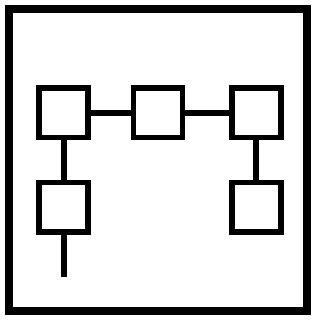
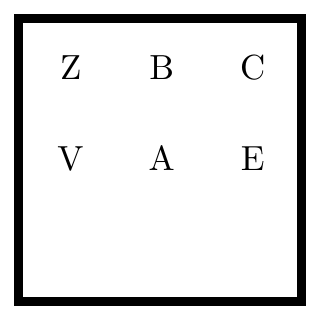
Question 10

Two figures given on the left side of (::) are related with some logic/rule/relation. Select the missing figure on the right side of (:) from the given alternatives based on the same logic/rule/relation.

  1. AOption (a)

  2. BOption (b)

  3. COption (c)

  4. DOption (d)

View answer & explanation

Correct answer

Answer: (d)D.

Why this answer is correct

Pattern followed here is,

Similarly,

Hence, the correct answer is “Option 4”.

Question 11

Two figures given on the left side of (::) are related with some logic/rule/relation. Select the missing figure on the right side of (::) from the given alternatives based on the same logic/rule/relation.

  1. AOption (a)

  2. BOption (b)

  3. COption (c)

  4. DOption (d)

View answer & explanation

Correct answer

Answer: (d)D.

Why this answer is correct

Pattern followed here is,

Similarly,

Hence, the correct answer is “Option 4”.

Question 12

Select the option that is related to the third letter-number cluster in the same way as the second letter-number cluster is related to the first letter-number cluster and sixth letter-number cluster is related to fifth letter-number cluster. (NOTE: Operations should be performed on the whole numbers, without breaking down the numbers into its constituent digits. E.g.13 - Operations on 13 such as adding /subtracting /multiplying etc. to 13 can be performed. Breaking down 13 into 1 and 3 and then performing mathematical operations on 1 and 3 is not allowed)

CLR22 : GPW44 :: TKU33 : ? :: ADJ55 : EHO110

  1. AOption (a)

    XOZ66

  2. BOption (b)

    OZX46

  3. COption (c)

    XZO66

  4. DOption (d)

    ZCX46

View answer & explanation

Correct answer

Answer: (a)A.

XOZ66

Why this answer is correct

CLR22 : GPW44 → 

ADJ55 : EHO110 →

Similarly,

TKU33 : ? →

Hence, the correct answer is 'Option 1'.

Question 13

Arrange the given words in the sequence in which they occur in the dictionary.

  1. Receipt 2. Receptacle 3. Recessim 4. Reception 5. Recess
  1. AOption (a)

    12354

  2. BOption (b)

    21453

  3. COption (c)

    12453

  4. DOption (d)

    21543

View answer & explanation

Correct answer

Answer: (c)C.

12453

Why this answer is correct

Dictionary order of given words:

  1. Receipt
  2. Receptacle 
  3. Reception
  4. Recess
  5. Recessim

Correct order is: 12453

Hence, the correct answer is “Option 3”.

Question 14

Select the option that is related to the fifth number in the same way as the second number is related to the first number and fourth number is related to third number. (NOTE: Operations should be performed on the whole numbers, without breaking down the numbers into its constituent digits. E.g.13 - Operations on 13 such as adding /subtracting /multiplying etc. to 13 can be performed. Breaking down 13 into 1 and 3 and then performing mathematical operations on 1 and 3 is not allowed)

2794 : 2739 :: 102 : 47 :: 7618 : ?

  1. AOption (a)

    7558

  2. BOption (b)

    7563

  3. COption (c)

    7556

  4. DOption (d)

    7569

View answer & explanation

Correct answer

Answer: (b)B.

7563

Why this answer is correct

The logic followed here is:

Logic: Second Number = First Number − 55

For the first pair 2794 : 2739

⇒ 2794 − 55 = 2739

For the second pair 102 : 47

⇒ 102 − 55 = 47

Applying the same logic to the third pair

7618 : ?

⇒ 7618 − 55 = 7563

Hence, the correct answer is 'Option 2'.

Question 15

Select the option that is related to the fifth number in the same way as the second number is related to the first number and fourth number is related to third number. (NOTE: Operations should be performed on the whole numbers, without breaking down the numbers into its constituent digits. E.g.13 - Operations on 13 such as adding /subtracting /multiplying etc. to 13 can be performed. Breaking down 13 into 1 and 3 and then performing mathematical operations on 1 and 3 is not allowed)

13 : 121 :: 15 : 169 :: 19 : ?

  1. AOption (a)

    256

  2. BOption (b)

    289

  3. COption (c)

    324

  4. DOption (d)

    400

View answer & explanation

Correct answer

Answer: (b)B.

289

Why this answer is correct

The logic followed here is:

Logic: Second Number = (First Number − 2)2

For the first pair 13 : 121

⇒ (13 − 2)2

⇒ 112 = 121.

For the second pair 15 : 169

⇒ (15 − 2)2

⇒ 132 = 169.

Applying the same logic to the third pair

19 : ?

⇒ (19 − 2)2

⇒ 172 = 289.

Hence, the correct answer is 'Option 2'.

Question 16

In a certain code language,

'PAID' is coded as '28', 'DEAR' is coded as '26'. How will 'PEAR' be coded in that code language?

  1. AOption (a)

    35

  2. BOption (b)

    41

  3. COption (c)

    43

  4. DOption (d)

    38

View answer & explanation

Correct answer

Answer: (d)D.

38

Why this answer is correct

The pattern observed is: (Sum of positional values of letters) − 2.

PAID is coded as 28 →

Sum of positional values = 16 + 1 + 9 + 4 = 30

Code = 30 − 2 = 28

DEAR is coded as 26 →

Sum of positional values = 4 + 5 + 1 + 18 = 28

Code = 28 − 2 = 26

Similarly, let's find the code for PEAR:

Sum of positional values = 16 + 5 + 1 + 18 = 40

Code = 40 − 2 = 38

Hence, the correct answer is “Option 4”.

Question 17

A series is given with one term wrong. Select that wrong term from the given alternatives.

GHI1800, JMA1586, MRS1372, OPD1158, SBC944, VGU730

  1. AOption (a)

    SBC944

  2. BOption (b)

    VGU730

  3. COption (c)

    MRS1372

  4. DOption (d)

    OPD1158

View answer & explanation

Correct answer

Answer: (d)D.

OPD1158

Why this answer is correct

Pattern followed here is,

Hence, the correct answer is “Option 4”.

Question 18

A series is given with one term missing. Select the correct alternative from the given ones that will complete the series.

WCD100, YEB204, AGZ308, ?, EKV516

  1. AOption (a)

    EHW420

  2. BOption (b)

    CIX412

  3. COption (c)

    BJY421

  4. DOption (d)

    DIX402

View answer & explanation

Correct answer

Answer: (b)B.

CIX412

Why this answer is correct

Pattern followed here is,

Hence, the correct answer is “Option 2”.

Question 19

In the following figure series, select the figure which can be placed at the sign of question mark (?) from the given alternatives.

  1. AOption (a)

  2. BOption (b)

  3. COption (c)

  4. DOption (d)

View answer & explanation

Correct answer

Answer: (d)D.

Why this answer is correct

Pattern followed here is,

Hence, the correct answer is “Option 4”.

Question 20

In the following figure series, select the figure which can be placed at the sign of question mark (?) from the given alternatives.

  1. AOption (a)

  2. BOption (b)

  3. COption (c)

  4. DOption (d)

View answer & explanation

Correct answer

Answer: (c)C.

Why this answer is correct

Pattern followed here is,

Hence, the correct answer is “Option 3”.

General Knowledge and General Awareness (20 questions)

Question 21

Which was the first Constitutional Amendment Act?

  1. AOption (a)

    1951

  2. BOption (b)

    1952

  3. COption (c)

    1961

  4. DOption (d)

    1969

View answer & explanation

Correct answer

Answer: (a)A.

1951

Why this answer is correct

The correct answer is 1951.

Key Points

  • The Constitution (First Amendment) Act, 1951, was the inaugural amendment to the Constitution of India, enacted shortly after the constitution came into force in 1950.
  • It was introduced by the Provisional Parliament of India on May 10, 1951, and received presidential assent on June 18, 1951.
  • The primary objective of this amendment was to overcome various judicial roadblocks regarding the Right to Property, enabling the implementation of land reform legislations and the abolition of the Zamindari system.
  • It introduced the Ninth Schedule to the Constitution, which protects laws included in it from being challenged in courts on the grounds of violating Fundamental Rights.
  • The amendment modified several articles, including Article 15, Article 19, Article 31, Article 85, Article 87, Article 174, Article 176, Article 341, Article 342, Article 372, and Article 376.
  • It placed reasonable restrictions on the Freedom of Speech and Expression under Article 19(2), adding grounds such as public order, incitement to an offence, and friendly relations with foreign states.

 Additional Information

  • Article 31A and 31B:
  • These articles were inserted to shield land acquisition and reform laws from judicial scrutiny under Articles 14 and 19.
  • While Article 31A protects specific classes of laws, Article 31B validates all acts and regulations listed in the Ninth Schedule.
  • Social Justice Provisions:
  • The amendment modified Article 15 by adding clause (4), empowering the state to make special provisions for the advancement of socially and educationally backward classes (SEBCs) or for the Scheduled Castes (SC) and Scheduled Tribes (ST).
  • This was a direct response to the Supreme Court judgment in the State of Madras v. Champakam Dorairajan case.
  • Sessions of Parliament:
  • The amendment changed the provisions regarding the summoning and proroguing of Parliament and the State Legislatures, ensuring greater flexibility in legislative schedules.

Question 22

The Speaker of Lok Sabha can be removed by:

  1. AOption (a)

    President

  2. BOption (b)

    Prime Minister

  3. COption (c)

    Joint Session of Parliament

  4. DOption (d)

    Lok Sabha by majority resolution

View answer & explanation

Correct answer

Answer: (d)D.

Lok Sabha by majority resolution

Why this answer is correct

The correct answer is Lok Sabha by majority resolution.

Key Points

  • The Speaker of the Lok Sabha is the presiding officer of the lower house of the Indian Parliament, and their removal is strictly governed by the provisions of the Constitution of India.
  • Under Article 94(c), the Speaker can be removed from office by a resolution passed by a majority of all the then members of the Lok Sabha, which is technically referred to as an Effective Majority.
  • A mandatory requirement for moving such a resolution is that at least 14 days notice must be given to the Speaker expressing the intention to move the removal resolution.
  • According to Article 96, while a resolution for the removal of the Speaker is under consideration, the Speaker cannot preside over the sitting of the House, although they have the right to be present and participate in the proceedings.
  • During the voting on such a resolution, the Speaker is entitled to vote in the first instance but cannot exercise a casting vote in the event of an equality of votes.

 Additional Information

  • Constitutional Framework
  • Article 93: Mandates that the Lok Sabha shall choose two members of the House to be Speaker and Deputy Speaker respectively as soon as may be.
  • Money Bill: Under Article 110, the Speaker possesses the final authority to certify whether a particular bill is a Money Bill, and this decision cannot be challenged in a court of law.
  • Joint Sittings: The Speaker presides over the Joint Sitting of both Houses of Parliament, which is summoned by the President under Article 108 to resolve deadlocks on ordinary bills.
  • Independence: To maintain the neutrality of the office, the Speaker's salary and allowances are charged on the Consolidated Fund of India and are not subject to the annual vote of Parliament.

Question 23

Kuchipudi dance originated in which Indian state?

  1. AOption (a)

    Tamil Nadu

  2. BOption (b)

    Andhra Pradesh

  3. COption (c)

    Karnataka

  4. DOption (d)

    Kerala

View answer & explanation

Correct answer

Answer: (b)B.

Andhra Pradesh

Why this answer is correct

The correct answer is Andhra Pradesh.

Key Points

  • Kuchipudi is one of the eight principal Indian classical dance forms, recognized for its seamless blend of dance, music, and drama.
  • The dance form originated in the village of Kuchipudi (also known as Kuchelapuram) located in the Krishna district of Andhra Pradesh.
  • It was traditionally performed by Brahmins known as Bhagavathulu, who traveled across villages to perform Bhagavatha Mela, depicting stories from the Puranas.
  • The modern framework of Kuchipudi was systematized in the 17th century by Siddhendra Yogi, an ascetic and scholar who composed the iconic dance-drama Bhamakalapam.
  • Originally a male-dominated art form where men played female roles, it evolved into a prominent solo and group performance style for both men and women during the 20th century.
  • The performance is characterized by fast-paced footwork, fluid body movements, and expressive eye movements accompanied by Carnatic music.

 Additional Information

  • Geographical Origins of Other Classical Dances:
  • Tamil Nadu: This state is the home of Bharatanatyam, the oldest classical dance form in India, traditionally associated with Devadasis in temples.
  • Kerala: Known for two classical forms: Kathakali, a vigorous dance-drama reflecting the Tandava style, and Mohiniyattam, a graceful solo dance representing the Lasya style.
  • Uttar Pradesh: The origin state for Kathak, which focus on intricate footwork and Chakkars (pirouettes).
  • Special Features of Kuchipudi:
  • Tarangam: A unique feat where the dancer performs on the rim of a brass plate, often while balancing a water pot on their head.
  • Manduka Shabdam: A rhythmic sequence that tells the story of a frog, showcasing the mimetic skills of the performer.
  • Famous Proponents: Legendary artists include Vempati Chinna Satyam, Raja and Radha Reddy, and Yamini Krishnamurthy.

Question 24

Which of the following devices works on Archimedes' principle?

  1. AOption (a)

    Thermometer

  2. BOption (b)

    Lactometer

  3. COption (c)

    Barometer

  4. DOption (d)

    Ammeter

View answer & explanation

Correct answer

Answer: (b)B.

Lactometer

Why this answer is correct

The correct answer is Lactometer.

Key Points

  • Archimedes' principle is a fundamental law in fluid mechanics stating that any object, wholly or partially immersed in a fluid, is buoyed up by a force equal to the weight of the fluid displaced by the object.
  • A Lactometer is a specialized instrument used to check the purity of milk by measuring its density or specific gravity.
  • The device operates based on the principle of buoyancy; when placed in a milk sample, it sinks to a specific level where the weight of the displaced milk equals the weight of the lactometer.
  • If milk is pure, its density is higher (typically between 1.026 and 1.032 g/ml), causing the device to sink less; if water is added, the density decreases, and the device sinks further into the liquid.
  • Other common applications of Archimedes' principle include the design of ships, submarines, and hydrometers used for testing various liquid densities.

 Additional Information

  • Thermometer:
  • Function: Used to measure temperature.
  • Principle: Primarily works on the thermal expansion of substances (like mercury or alcohol) or changes in electrical resistance.
  • Barometer:
  • Function: Used to measure atmospheric pressure.
  • Principle: Measures the pressure exerted by the atmosphere using mercury or a vacuum-sealed capsule (aneroid).
  • Ammeter:
  • Function: Used to measure the electric current in a circuit.
  • Principle: Operates based on electromagnetism, where current passing through a coil creates a magnetic field that moves a needle.

Question 25

What is the central theme of the novel Across the Black Waters written by Mulk Raj Anand?

  1. AOption (a)

    Partition of India

  2. BOption (b)

    Indian soldiers in World War I

  3. COption (c)

    Tribal life in India

  4. DOption (d)

    Urban poverty in post-Independence India

View answer & explanation

Correct answer

Answer: (b)B.

Indian soldiers in World War I

Why this answer is correct

The correct answer is Indian soldiers in World War I.

Key Points

  • Across the Black Waters, published in 1939, is a landmark novel by Mulk Raj Anand, one of the founding fathers of the Indian English novel. It remains the only major Indian novel to depict the First World War from the perspective of an Indian soldier.
  • The story follows the protagonist Lallu Singh (Lalu), a young peasant from the Punjab region who joins the British Indian Army to escape familial debt and the oppressive social structures of his village.
  • The narrative focuses on the deployment of the Ludhiana Sikhs regiment to the Western Front in France and Belgium. It vividly describes the transition of rural Indians into the mechanized horror of trench warfare during World War I.
  • The title refers to the Kala Pani (Black Waters) taboo, symbolizing the soldiers' journey across the ocean, which traditionally meant a loss of caste and a departure from their cultural roots.
  • Anand emphasizes the humanitarian aspect and the alienation of these soldiers, who fought for the British Empire in a conflict they did not fully understand, highlighting themes of bravery, camaraderie, and the futility of war.

 Additional Information

  • The Lalu Trilogy:
  • This novel is the second part of a trilogy that tracks the life of Lallu Singh. The first part is The Village (1939), which deals with rural Punjab life, and the third is The Sword and the Sickle (1942), focusing on his return to India and involvement in peasant uprisings and political activism.
  • Incorrect Themes Contextualized:
  • Partition of India: This became a dominant theme in Indian literature post-1947. Notable works include Khushwant Singh's Train to Pakistan and Bapsi Sidhwa's Ice-Candy-Man.
  • Urban Poverty: While Mulk Raj Anand is famous for addressing social injustice and poverty in works like Untouchable (1935) and Coolie (1936), Across the Black Waters specifically shifts focus to the military and international conflict.
  • Tribal Life: This theme is more central to the works of authors like Gopinath Mohanty (e.g., Paraja) or Mahasweta Devi, rather than the primary focus of Anand's war novel.

Question 26

In which year did India win the inaugural ICC T20 World Cup?

  1. AOption (a)

    2005

  2. BOption (b)

    2007

  3. COption (c)

    2009

  4. DOption (d)

    2011

View answer & explanation

Correct answer

Answer: (b)B.

2007

Why this answer is correct

The correct answer is 2007.

Key Points

  • The inaugural ICC World Twenty20 (now known as the T20 World Cup) was hosted by South Africa in September 2007.
  • India emerged as the champions of the first-ever edition by defeating their arch-rivals Pakistan in a high-voltage final held on September 24, 2007.
  • The final match took place at the Wanderers Stadium in Johannesburg, where India won the toss and elected to bat first, setting a target of 158 runs.
  • Under the leadership of the newly appointed captain Mahendra Singh Dhoni, India successfully defended the total, winning the match by a narrow margin of 5 runs.
  • The victory was sealed in the final over when Joginder Sharma dismissed Misbah-ul-Haq, who was caught by S. Sreesanth at short fine-leg.

 Additional Information

  • Tournament Highlights and Records:
  • Gautam Gambhir played a stellar role in the final, scoring 75 runs off 54 balls, which anchored the Indian innings.
  • Irfan Pathan was named the Player of the Match in the final for his exceptional bowling figures of 3/16 in four overs.
  • Yuvraj Singh created a world record during a group stage match against England by hitting six sixes in a single over bowled by Stuart Broad.
  • Pakistan's Shahid Afridi was declared the Player of the Tournament for his consistent all-round performance despite his team losing the final.
  • Impact on Global Cricket:
  • The massive success of the 2007 World Cup led to the conceptualization and launch of the Indian Premier League (IPL) in 2008.
  • India's win popularized the T20 format globally, leading the ICC to make the tournament a biennial event to capitalize on the growing demand for short-format cricket.

Question 27

Which type of epithelial tissue lines the oesophagus and the inner surface of the mouth, providing protection against friction?

  1. AOption (a)

    Columnar epithelium

  2. BOption (b)

    Squamous epithelium

  3. COption (c)

    Cuboidal epithelium

  4. DOption (d)

    Glandular epithelium

View answer & explanation

Correct answer

Answer: (b)B.

Squamous epithelium

Why this answer is correct

The correct answer is Squamous epithelium.

Key Points

  • Squamous epithelium is composed of extremely thin, flat cells that form a delicate lining, providing a smooth surface for transport and protection.
  • In the oesophagus and the inner lining of the mouth, these cells are arranged in multiple layers (strata) to form stratified squamous epithelium.
  • The primary function of this multilayered structure is to provide protection against mechanical stress, friction, and wear and tear encountered during the passage of food.
  • Unlike the skin, the squamous epithelium in the mouth and oesophagus is usually non-keratinized, meaning it remains moist to facilitate the movement of the bolus.
  • Because the outer layers can be easily replaced by new cells from the basal layer, this tissue is highly efficient at maintaining its integrity despite constant abrasion.

 Additional Information

  • Columnar epithelium:
  • Consists of tall, pillar-like cells found in the inner lining of the intestine and stomach.
  • It is specialized for secretion of digestive enzymes and absorption of nutrients.
  • Cuboidal epithelium:
  • Composed of cube-shaped cells that form the lining of kidney tubules and ducts of salivary glands.
  • Its main roles are providing mechanical support and facilitating secretion and absorption.
  • Glandular epithelium:
  • Formed when epithelial tissue folds inward to create multicellular glands.
  • It is primarily involved in the secretion of substances like hormones, sweat, and mucus.

Question 28

India's 1991 external sector reforms included a move towards trade liberalization. Which measure best exemplifies this policy shift?

  1. AOption (a)

    Imposing higher tariffs to protect domestic industries

  2. BOption (b)

    Abolishing the import licensing system for most goods

  3. COption (c)

    Increasing quantitative restrictions on imports

  4. DOption (d)

    Fixing export quotas to control foreign exchange reserves.

View answer & explanation

Correct answer

Answer: (b)B.

Abolishing the import licensing system for most goods

Why this answer is correct

The correct answer is Abolishing the import licensing system for most goods.

Key Points

  • The 1991 Economic Reforms, often referred to as the New Economic Policy (NEP), were launched under the leadership of Prime Minister P.V. Narasimha Rao and Finance Minister Dr. Manmohan Singh to address a severe Balance of Payments (BoP) crisis.
  • Trade Liberalization was a core objective of these reforms, aiming to dismantle the restrictive License-Permit-Quota Raj that had isolated the Indian economy for decades.
  • Before 1991, India maintained a rigorous Import Licensing System where almost all imports required government approval, leading to inefficiencies and a lack of technological growth.
  • By abolishing the import licensing system for the majority of intermediate and capital goods, the government allowed domestic industries to freely procure global inputs, thereby enhancing productivity and competitiveness. Hence, the measure of abolishing the import licensing system for most goods is correct.
  • This policy shift replaced administrative discretionary controls with a more transparent, market-driven mechanism, facilitating India's integration into the global market.

 Additional Information

  • Tariff Rationalization: Contrary to imposing higher tariffs, the reforms focused on drastically reducing the peak customs duty to lower the cost of imports and encourage domestic industries to improve quality.
  • Quantitative Restrictions (QRs): The 1991 reforms initiated the process of removing QRs on imports, which was fully completed by April 2001 to align with World Trade Organization (WTO) standards.
  • Exchange Rate Reforms: To boost the external sector, the Indian Rupee was devalued by about 18-19 percent in July 1991, making Indian exports more attractive in the international market.
  • Export Incentives: Instead of fixing quotas, the government introduced schemes like the Duty Entitlement Pass Book (DEPB) and ensured Current Account Convertibility by August 1994 to simplify trade-related foreign exchange transactions.

Question 29

In American football, what is the value of a "field goal"?

  1. AOption (a)

    1 point

  2. BOption (b)

    2 points

  3. COption (c)

    3 points

  4. DOption (d)

    6 points

View answer & explanation

Correct answer

Answer: (c)C.

3 points

Why this answer is correct

The correct answer is 3 points.

Key Points

  • In American football, a field goal is a scoring maneuver worth 3 points that occurs when a team kicks the ball through the opponent's goalposts.
  • The ball must be place-kicked or drop-kicked, usually from a scrimmage formation, and must pass between the uprights and over the crossbar.
  • Teams generally attempt a field goal on fourth down when they are within the opponent's scoring range but are unable to secure a first down or a touchdown.
  • A successful field goal requires a long snapper to deliver the ball to a holder, who secures it on the ground for the kicker.
  • The distance of a field goal is calculated by adding 10 yards (the length of the end zone) to the distance between the line of scrimmage and the goal line, plus approximately 7 to 8 yards for the spot of the kick.

 Additional Information

  • Touchdown:
  • This is the most valuable scoring play, worth 6 points.
  • It is achieved when a player carries the ball into or catches a pass within the opponent's end zone.
  • Extra Point (PAT):
  • Formally known as the Point After Touchdown, it is worth 1 point.
  • It is awarded for a successful kick through the uprights immediately following a touchdown.
  • Two-Point Conversion:
  • An alternative to the extra point kick, where the team attempts to run or pass the ball into the end zone for 2 points.
  • Safety:
  • A rare scoring play worth 2 points awarded to the defensive team.
  • It occurs when the offensive team is tackled in their own end zone or commits certain fouls there.

Question 30

The First Economic Survey of India was presented in:

  1. AOption (a)

    1947-48

  2. BOption (b)

    1950-51

  3. COption (c)

    1951-52

  4. DOption (d)

    1952-53

View answer & explanation

Correct answer

Answer: (b)B.

1950-51

Why this answer is correct

The correct answer is 1950-51.

Key Points

  • The Economic Survey of India is a premier annual document released by the Ministry of Finance, Government of India, that provides a comprehensive overview of the national economy.
  • The First Economic Survey of independent India was presented in the year 1950-51, establishing a formal tradition of reviewing the country's economic health and progress.
  • In its initial years, the survey was not a standalone document but was presented as an integral part of the Union Budget documents.
  • The tradition of presenting the survey along with the budget continued until 1964, after which the government decided to delink the two to allow for a more thorough analysis of economic trends before the budget announcement.
  • Currently, the survey is typically presented in Parliament one day before the Union Budget is introduced by the Finance Minister.

 Additional Information

  • Preparation and Supervision:
  • The document is prepared by the Economics Division of the Department of Economic Affairs (DEA) within the Ministry of Finance.
  • It is developed under the direct guidance and supervision of the Chief Economic Adviser (CEA) of India.
  • Key Economic Indicators:
  • The survey meticulously tracks and analyzes critical macroeconomic indicators such as Gross Domestic Product (GDP) growth rates, Inflation levels (CPI and WPI), and Foreign Exchange Reserves.
  • It also evaluates sectoral performances in Agriculture, Manufacturing, and the Services Sector, providing a factual basis for future policy interventions.
  • Policy Significance:
  • While the survey is a descriptive and analytical report rather than a legally binding policy, it serves as an essential guide for policymakers, investors, and economists.
  • It often contains a theme-based analysis focusing on specific challenges like Climate Change, Digital Infrastructure, or Social Welfare.

Question 31

How does India Post act as a catalyst for the rural economy?

  1. AOption (a)

    Digital services & microcredit expansion

  2. BOption (b)

    Water supply

  3. COption (c)

    Health insurance

  4. DOption (d)

    Telecom services

View answer & explanation

Correct answer

Answer: (a)A.

Digital services & microcredit expansion

Why this answer is correct

The correct answer is Digital services & microcredit expansion.

Key Points

  • India Post serves as a vital engine for the rural economy by utilizing its extensive network of over 1,55,000 post offices, which constitutes one of the largest physical distribution networks in the world.
  • The transformation of post offices into India Post Payments Bank (IPPB) branches has enabled digital financial inclusion, providing doorstep banking services through over 3,00,000 Postmen and Gramin Dak Sevaks.
  • It acts as a catalyst for microcredit expansion by facilitating access to credit for small-scale farmers, artisans, and Self-Help Groups (SHGs), effectively bridging the gap between formal financial institutions and the unbanked rural population.
  • The adoption of the Aadhaar Enabled Payment System (AePS) allows rural citizens to perform interoperable banking transactions, such as cash withdrawals and deposits, using only their biometric authentication.
  • India Post is instrumental in the Direct Benefit Transfer (DBT) framework, ensuring that government subsidies, MGNREGA wages, and social security pensions are credited directly and transparently to beneficiaries.

 Additional Information

  • Core Financial Services:
  • Rural Postal Life Insurance (RPLI): Launched in 1995, it focuses on providing insurance cover to the rural public, particularly targeting weaker sections and women to provide financial security.
  • Sukanya Samriddhi Yojana (SSY): This small deposit scheme, managed through post offices, encourages families to save for the education and marriage of the girl child, promoting long-term capital formation.
  • Post Office Savings Bank (POSB): It manages billions in rural savings, fostering a culture of thrift and providing a safe avenue for capital accumulation in non-urban areas.
  • Technological and Logistic Integration:
  • The IT Modernization Project has networked all post offices, allowing for real-time tracking and electronic money orders, which are crucial for migrant workers sending remittances home.
  • By providing e-commerce logistics, India Post connects rural entrepreneurs to a global marketplace, significantly boosting local production and employment.

Question 32

Which of the following is classified as a non-conventional energy resource in India?

  1. AOption (a)

    Petroleum

  2. BOption (b)

    Natural gas

  3. COption (c)

    Coal

  4. DOption (d)

    Solar energy

View answer & explanation

Correct answer

Answer: (d)D.

Solar energy

Why this answer is correct

The correct answer is Solar energy.

Key Points

  • Non-conventional energy resources, also known as renewable energy, are derived from natural processes that are replenished constantly and are essentially inexhaustible.
  • Solar energy is a primary non-conventional resource in India, harnessed through Photovoltaic (PV) cells or Solar Thermal systems to convert sunlight directly into electricity or heat.
  • India is strategically located in the tropical zone, receiving abundant solar radiation for approximately 300 days a year, which provides a massive theoretical potential of 5,000 trillion kWh per year.
  • The Government of India launched the Jawaharlal Nehru National Solar Mission (JNNSM) in 2010 to promote ecological sustainable growth and address energy security challenges.
  • Unlike conventional fuels, solar energy is environmentally friendly as it produces no greenhouse gas emissions during operation, helping India meet its Nationally Determined Contributions (NDCs) under the Paris Agreement.

 Additional Information

  • Conventional Energy Resources: These are traditional, finite sources that have been in use for a long time and contribute significantly to global warming.
  • Coal: It is the most abundant fossil fuel in India and serves as the backbone of the thermal power industry, though it is highly polluting.
  • Petroleum: Also known as crude oil, it is a vital source for transportation and petrochemical industries but faces rapid depletion and price volatility.
  • Natural gas: Composed mainly of methane, it is considered the cleanest among fossil fuels but remains a non-renewable resource with limited reserves.
  • Other Non-Conventional Sources:
  • Wind Energy: Utilizes wind turbines to generate electricity, with India ranking among the top countries in installed capacity.
  • Biomass: Derived from organic materials like agricultural waste, used primarily in rural areas for heating and power.
  • Tidal and Geothermal Energy: These represent emerging sectors utilizing ocean tides and internal earth heat respectively.

Question 33

In India, the number of Jan Dhan accounts grew to ______ crores by June 2025.

  1. AOption (a)

    42.94

  2. BOption (b)

    22.94

  3. COption (c)

    25.22

  4. DOption (d)

    55.22

View answer & explanation

Correct answer

Answer: (d)D.

55.22

Why this answer is correct

The correct answer is 55.22.

Key Points

  • The Pradhan Mantri Jan Dhan Yojana (PMJDY), launched on August 28, 2014, is the world's largest financial inclusion initiative, aimed at providing universal access to banking facilities.
  • As of June 2025, the total number of Jan Dhan accounts in India has reached the milestone of 55.22 crore, signifying a massive expansion of the formal banking sector to the unbanked population.
  • The growth trajectory shows a significant rise from the 50 crore mark achieved in August 2023, demonstrating the continued momentum of the National Mission for Financial Inclusion.
  • Data indicates that approximately 55 percent of these account holders are women, and over 66 percent of the accounts are opened in rural and semi-urban areas, effectively reducing regional and gender disparities in banking.
  • The total deposits in these accounts have also seen a substantial increase, providing a stable source of low-cost CASA (Current Account Savings Account) deposits for the Indian banking system.

 Additional Information

  • Core Benefits of PMJDY:
  • Accounts are zero-balance accounts, meaning there is no requirement to maintain a minimum balance.
  • Every account holder is provided with a RuPay Debit Card, which includes a built-in Accident Insurance Cover of 2 lakh rupees for accounts opened after 2018.
  • Eligible account holders can access an Overdraft (OD) facility of up to 10,000 rupees, acting as a micro-credit tool for the poor.
  • The JAM Trinity:
  • PMJDY is a crucial pillar of the JAM (Jan Dhan-Aadhaar-Mobile) trinity, which enables the government to facilitate Direct Benefit Transfer (DBT).
  • This system ensures that subsidies and welfare payments from various schemes reach the beneficiaries directly, eliminating intermediaries and reducing fiscal leakages.

Question 34

Kanishka is famous in history as a great patron of ____.

  1. AOption (a)

    Jainism

  2. BOption (b)

    Buddhism

  3. COption (c)

    Christianity

  4. DOption (d)

    Zoroastrianism

View answer & explanation

Correct answer

Answer: (b)B.

Buddhism

Why this answer is correct

The correct answer is Buddhism.

Key Points

  • Kanishka I, the most illustrious ruler of the Kushan Dynasty who reigned during the 2nd century CE (c. 127−150 CE), is immortalized in history as a great patron of Buddhism.
  • He played a critical role in organizing the Fourth Buddhist Council at Kundalvana in Kashmir, which was presided over by Vasumitra and co-presided by Ashvaghosha.
  • Under his imperial support, Buddhism witnessed a monumental doctrinal shift and split into two major sects: Hinayana and Mahayana, with Kanishka largely championing the Mahayana tradition.
  • His reign facilitated the flourishing of the Gandhara and Mathura schools of art, which produced the first anthropomorphic images of the Buddha, departing from the earlier tradition of using only symbols.
  • Kanishka effectively utilized his vast empire, stretching from Central Asia to the Gangetic Valley, to spread Buddhist ideology along the Silk Road to China and other East Asian regions.

 Additional Information

  • Eminent Figures at Court:
  • Ashvaghosha: A renowned philosopher and poet who wrote the Buddhacharita, an epic poem on the life of the Buddha.
  • Vasumitra: A prominent Buddhist scholar who played a leading role in compiling the Mahavibhasha, an extensive commentary on Buddhist philosophy.
  • Charaka: The legendary physician often called the Father of Indian Medicine, who authored the Charaka Samhita under Kanishka's patronage.
  • Nagarjuna: One of the most important Buddhist philosophers who founded the Madhyamaka (Middle Way) school.
  • Context of Other Options:
  • Jainism: Although it existed during this period, it received primary royal patronage from earlier rulers like Chandragupta Maurya and Kharavela of Kalinga.
  • Zoroastrianism: This was a dominant Persian religion; while Kushan coins occasionally featured Zoroastrian deities like Miro and Mao, the state's primary historical legacy is tied to Buddhism.

Question 35

By May 2025, India had ___ km of metro lines in operation, which help in reducing distance and increasing social interaction in society.

  1. AOption (a)

    2013

  2. BOption (b)

    3013

  3. COption (c)

    4013

  4. DOption (d)

    1013

View answer & explanation

Correct answer

Answer: (d)D.

1013

Why this answer is correct

The correct answer is 1013.

Key Points

  • As of May 2025, India achieved a significant milestone in urban infrastructure by operationalizing 1013 kilometers of metro rail lines across the country.
  • The expansion of the metro network is a core component of the National Urban Transport Policy, which aims to provide efficient, reliable, and sustainable public transport to the growing urban population.
  • The Ministry of Housing and Urban Affairs (MoHUA) has been instrumental in overseeing these projects, ensuring that metro systems act as the backbone of Mass Rapid Transit Systems (MRTS) in major metropolitan areas.
  • This milestone of 1013 km places India among the top nations globally with the largest operational metro networks, significantly enhancing inter-city connectivity and reducing the carbon footprint of urban travel.
  • The operational lines have contributed to a shift from private vehicle usage to public transit, thereby mitigating traffic congestion and improving the overall quality of life for millions of citizens.
  • The integration of various phases across cities like Delhi, Mumbai, Bengaluru, and Hyderabad has been pivotal in reaching this specific cumulative length by 2025.

 Additional Information

  • Evolution of Indian Metro:
  • Kolkata Metro: Established in 1984, it was the first underground metro system in India, marking the beginning of the metro era.
  • Delhi Metro (DMRC): Starting in 2002, it revolutionized urban transport and remains the largest and busiest network in the country, contributing a massive share to the total 1013 km.
  • Make in India: Under the Atmanirbhar Bharat initiative, a significant portion of metro rolling stock and components are now manufactured indigenously, reducing dependency on imports.
  • Technological Advancements: India has introduced Driverless Train Operations (DTO) on specific corridors, such as the Magenta Line and Pink Line of the Delhi Metro, showcasing global technological standards.
  • Future Targets: The government aims to expand the metro network to over 1500 km in the coming years, extending services to Tier-2 and Tier-3 cities through MetroLite and MetroNeo models.

Question 36

The Apollo-XI mission is associated with which of the following country?

  1. AOption (a)

    France

  2. BOption (b)

    China

  3. COption (c)

    India

  4. DOption (d)

    USA

View answer & explanation

Correct answer

Answer: (d)D.

USA

Why this answer is correct

The correct answer is USA.

Key Points

  • Apollo-XI was the historic spaceflight mission that resulted in the first humans landing on the Moon, a feat achieved by the United States of America.
  • The mission was launched on July 16, 1969, by the National Aeronautics and Space Administration (NASA) using the massive Saturn V rocket from Launch Complex 39A at the Kennedy Space Center in Florida.
  • The crew consisted of three American astronauts: Commander Neil Armstrong, Lunar Module Pilot Edwin 'Buzz' Aldrin, and Command Module Pilot Michael Collins.
  • On July 20, 1969, the Lunar Module, named Eagle, landed in the Sea of Tranquility, where Armstrong famously declared, 'That is one small step for [a] man, one giant leap for mankind.'
  • This mission effectively concluded the Space Race between the USA and the Soviet Union, fulfilling the national goal proposed in 1961 by President John F. Kennedy.

 Additional Information

  • USA (NASA):
  • Founded in 1958, NASA has led numerous groundbreaking missions, including the Voyager probes, the Hubble Space Telescope, and the current Artemis program aiming to return humans to the Moon.
  • India (ISRO):
  • The Indian Space Research Organisation, established in 1969, is known for its Chandrayaan missions, with Chandrayaan-3 becoming the first to land near the lunar South Pole in 2023.
  • China (CNSA):
  • The China National Space Administration manages the Chang'e lunar missions and successfully performed the first soft landing on the far side of the Moon with Chang'e 4.
  • France (CNES):
  • The Centre National d'Études Spatiales is the French government space agency, a founding member of the European Space Agency (ESA) and a leader in the development of the Ariane launch vehicles.

Question 37

In which of the following year British officials passed widow remarriage law?

  1. AOption (a)

    1833

  2. BOption (b)

    1856

  3. COption (c)

    1861

  4. DOption (d)

    1885

View answer & explanation

Correct answer

Answer: (b)B.

1856

Why this answer is correct

The correct answer is 1856.

Key Points

  • The Hindu Widows' Remarriage Act, also known as Act XV of 1856, was enacted on July 26, 1856, to legalize the remarriage of Hindu widows in all jurisdictions of the East India Company.
  • The legislation was a major milestone in the social reform movement of the 19th century, specifically targeting the harsh conditions and social exclusion faced by widows in Hindu society.
  • Ishwar Chandra Vidyasagar, a prominent social reformer and educator, was the primary architect of this movement, providing scriptural evidence that Hinduism did not prohibit widow remarriage.
  • The act was drafted and introduced during the tenure of Lord Dalhousie, though it was formally passed under the administration of Lord Canning.
  • The law aimed to prevent the practice of Sati (which had been abolished in 1829) from being replaced by a life of perpetual misery and enforced asceticism for young widows.

 Additional Information

  • Ishwar Chandra Vidyasagar:
  • He was a polymath and the Father of Modern Bengali Prose who established numerous schools for girls and advocated for women's education.
  • His persistent petitioning to the Legislative Council directly led to the passing of the 1856 Act.
  • Lord Canning:
  • He served as the Governor-General during the Revolt of 1857 and later became the first Viceroy of India in 1858.
  • Significant Years in British India:
  • 1833: Marks the Charter Act of 1833, which centralized the administration and redesignated the Governor-General of Bengal as the Governor-General of India.
  • 1861: The year the Indian Councils Act was passed, introducing the Portfolio System and restructuring the Executive Council.
  • 1885: The year the Indian National Congress was founded in Bombay by Allan Octavian Hume.

Question 38

Which of the following decrease in the last stage of demographic transition theory?

I. Fertility II. Mortality

  1. AOption (a)

    Only I

  2. BOption (b)

    Only II

  3. COption (c)

    Both I and II

  4. DOption (d)

    Neither I nor II

View answer & explanation

Correct answer

Answer: (c)C.

Both I and II

Why this answer is correct

The correct answer is Both I and II.

Key Points

  • The Demographic Transition Theory describes the process of population change from high birth and death rates to low rates as a society progresses through industrialization and economic development. The last stage (often Stage 4 or 5) represents a highly urbanized and technologically advanced society.
  • Fertility (Statement I) decreases in the last stage because of social and economic shifts. Factors such as increased literacy, higher female labor force participation, the high cost of raising children in urban settings, and easy access to contraception lead families to prioritize smaller sizes, resulting in a low birth rate. Hence, statement I is correct.
  • Mortality (Statement II) decreases and stabilizes at a low level due to major advancements in medical science, improved sanitation, and better nutritional standards. The elimination of large-scale epidemics and infectious diseases significantly increases life expectancy, making death rates very low and predictable. Hence, statement II is correct.

 Additional Information

  • Stages of Demographic Transition:
  • Stage 1 (High Stationary): High fertility and high mortality due to poor healthcare and famines, leading to slow population growth.
  • Stage 2 (Early Expanding): Mortality drops due to better sanitation, but fertility stays high, causing a population explosion.
  • Stage 3 (Late Expanding): Fertility begins to fall as industrialization spreads, and the population growth rate starts to slow down.
  • Stage 4 (Low Stationary): Both fertility and mortality are low, leading to a stable or slowly growing population. Countries like Japan, Canada, and Germany are classic examples of this phase.
  • Stage 5 (Declining): In some modern models, a fifth stage exists where fertility falls below the replacement level, leading to population contraction.

Question 39

In Tennis, if both players win ____ games each in a set, then the set moves to a tiebreaker.

  1. AOption (a)

    4

  2. BOption (b)

    5

  3. COption (c)

    6

  4. DOption (d)

    7

View answer & explanation

Correct answer

Answer: (c)C.

6

Why this answer is correct

The correct answer is 6.

Key Points

  • In standard professional tennis, a set is won by the first player or team to win at least six games. To win a set outright, a player must lead by a margin of at least two games, such as 6-0, 6-4, or 7-5.
  • When both players win five games each, the score becomes 5-5. If the score then progresses to 6-6, neither player has achieved the required two-game lead to conclude the set, triggering a tiebreaker.
  • The tiebreaker is a specialized game used to decide the winner of the set. During this phase, points are counted using ordinary numbers (1, 2, 3, etc.) instead of the standard tennis scoring of 15, 30, and 40.
  • A standard tiebreaker is won by the first player to reach seven points, provided they lead by at least two points. The final score of such a set is recorded as 7-6.
  • The introduction of the tiebreak system is credited to James Van Alen in 1965 and was officially adopted by the International Tennis Federation (ITF) to prevent excessively long matches and ensure broadcasting schedules are met.

 Additional Information

  • Scoring Mechanics
  • In a regular game, if both players reach a score of 40-40, it is called a Deuce. A player must then win an Advantage point and the following point to secure the game.
  • Grand Slam Rules
  • Starting from 2022, all four Grand Slam tournaments (Australian Open, French Open, Wimbledon, and US Open) implemented a unified 10-point tiebreaker when the score reaches 6-6 in the final set.
  • ITF and Professional Tours
  • The International Tennis Federation (ITF), ATP, and WTA enforce these rules to maintain global consistency in competitive play across different surfaces like clay, grass, and hard courts.

Question 40

Which Indian state has secured first rank in the Urban Governance Index (UGI) in 2024?

  1. AOption (a)

    Haryana

  2. BOption (b)

    Kerala

  3. COption (c)

    Tamil Nadu

  4. DOption (d)

    Himachal Pradesh

View answer & explanation

Correct answer

Answer: (b)B.

Kerala

Why this answer is correct

The correct answer is Kerala.

Key Points

  • The state of Kerala has secured the first rank in the Urban Governance Index (UGI) 2024, demonstrating superior performance in local self-governance and administrative transparency.
  • The Urban Governance Index is a comprehensive study released by the Praja Foundation, a Mumbai-based non-partisan organization that monitors the health of urban governance across India.
  • The 2024 index highlights Kerala as the leading state due to its effective implementation of the 74th Constitutional Amendment Act, which empowers Urban Local Bodies (ULBs).
  • Kerala achieved a high score by excelling in the devolution of the 3 Fs: Functions, Funds, and Functionaries, ensuring that city governments have the autonomy to manage local affairs.
  • The ranking evaluates states based on their ability to create empowered city administrations and foster citizen participation in urban decision-making processes.
  • The state's success is largely attributed to its long-standing decentralization reforms and the institutionalization of Ward Committees in its Municipal Corporations and Municipalities.

 Additional Information

  • Urban Governance Index (UGI) Pillars:
  • Empowered City Elected Representatives: Evaluates the authority and fixed tenure of the Mayor and the power of the city council.
  • Empowered City Administration: Assesses the recruitment and control of municipal staff and administrative efficiency.
  • Empowered Citizens: Measures the effectiveness of grievance redressal systems and the formal role of citizens in planning.
  • Fiscal Empowerment: Examines the financial autonomy of cities and their ability to generate independent revenue through property tax and other levies.
  • Constitutional Foundation:
  • The 74th Constitutional Amendment Act of 1992 introduced Part IX-A to the Indian Constitution.
  • It added the Twelfth Schedule, which lists 18 functional items like urban planning, water supply, and public health that should be managed by local bodies.
  • Praja Foundation:
  • A non-profit organization established in 1997 that aims to enable accountable governance through data-driven research and citizen reports.

Elementary Mathematics (20 questions)

Question 41

45 + 76 - (32 + 18) + 27 × 2 = ?

  1. AOption (a)

    125

  2. BOption (b)

    123

  3. COption (c)

    121

  4. DOption (d)

    119

View answer & explanation

Correct answer

Answer: (a)A.

125

Why this answer is correct

Shortcut Trick

Solve the expression directly using the BODMAS rule (Bracket, Multiplication, Addition, Subtraction).

Step 1: Solve the bracket (32 + 18) = 50.

Step 2: Perform multiplication (27 × 2) = 54.

Step 3: Solve addition and subtraction: 121 − 50 + 54 = 125.

∴ The correct answer is 125.

Alternate Method

Given:

Expression: 45 + 76 − (32 + 18) + 27 × 2

Formula Used:

Apply the BODMAS order of operations: Brackets → Of → Division → Multiplication → Addition → Subtraction.

Calculations:

⇒ 45 + 76 − 50 + 27 × 2 (Solving the bracket 32 + 18)

⇒ 45 + 76 − 50 + 54 (Performing multiplication 27 × 2)

⇒ 121 − 50 + 54 (Performing addition 45 + 76)

⇒ 71 + 54 (Performing subtraction 121 − 50)

⇒ 125

∴ The correct answer is 125.

Additional Information

BODMAS Rule Hierarchy

Always prioritize Brackets (), then Of, then Division (÷) and Multiplication (×), and finally Addition (+) and Subtraction (−).

V-BODMAS Rule

In complex simplifications, a Vinculum (bar over numbers) is solved even before brackets.

Left-to-Right Rule

If an expression contains only addition and subtraction, solve strictly from left to right to avoid sign errors.

Question 42

91 - 37 + (26 + 14) × 2 - 61 + 23 = ?

  1. AOption (a)

    125

  2. BOption (b)

    127

  3. COption (c)

    96

  4. DOption (d)

    86

View answer & explanation

Correct answer

Answer: (c)C.

96

Why this answer is correct

Shortcut Trick

Solve the expression using the BODMAS rule by prioritizing the bracket and multiplication.

Expression = 91 − 37 + (40) × 2 − 61 + 23

Expression = 91 − 37 + 80 − 61 + 23

Group positive and negative terms: (91 + 80 + 23) − (37 + 61) = 194 − 98

Expression = 96

∴ The correct answer is 96.

Alternate Method

Given: 91 − 37 + (26 + 14) × 2 − 61 + 23

Formula Used: BODMAS Rule (Bracket, Of, Division, Multiplication, Addition, Subtraction)

⇒ 91 − 37 + (40) × 2 − 61 + 23

⇒ 91 − 37 + 80 − 61 + 23

⇒ 54 + 80 − 61 + 23

⇒ 134 − 61 + 23

⇒ 73 + 23

⇒ 96

∴ The correct answer is 96.

Additional Information

BODMAS Rule

The rule determines the order of operations: Brackets, Of (Orders/Powers), Division, Multiplication, Addition, and Subtraction.

Left-to-Right Rule

For operations with the same priority level (like addition and subtraction), always calculate from the left to the right of the expression.

Grouping Positive Terms

To simplify complex additions/subtractions, sum all positive integers and all negative integers separately, then find the final difference.

Question 43

8(2.5)3+1(5)2−4 \frac{8(2.5)^3 + 1}{(5)^2 - 4} = ?

  1. AOption (a)

    7

  2. BOption (b)

    6

  3. COption (c)

    8

  4. DOption (d)

    5

View answer & explanation

Correct answer

Answer: (b)B.

6

Why this answer is correct

Shortcut Trick

Rewrite the numerator as 8 × (2.5)3 + 1 = (2)3 × (2.5)3 + 1 = (2 × 2.5)3 + 1.

Therefore, Numerator = 53 + 1 = 125 + 1 = 126.

Denominator = 52 − 4 = 25 − 4 = 21.

Final calculation: 126 ÷ 21 = 6.

∴ The correct answer is 6.

Alternate Method

Given: (8(2.5)3 + 1) ÷ (52 − 4)

Formula Used: BODMAS (Brackets, Orders, Division, Multiplication, Addition, Subtraction)

⇒ (8 × 15.625 + 1) ÷ (25 − 4)

⇒ (125 + 1) ÷ 21

⇒ 126 ÷ 21

⇒ 6

∴ The correct answer is 6.

Additional Information

BODMAS Rule

Simplification follows the BODMAS order: solve Brackets first, then Orders (indices/roots), followed by Division and Multiplication, and finally Addition and Subtraction.

Cube of Numbers

The cube of a decimal number is found by multiplying the number by itself twice (e.g., 2.53 = 2.5 × 2.5 × 2.5 = 15.625).

Exponent Laws

Applying the law an × bn = (a × b)n helps in simplifying calculations like 8 × (2.5)3 = (2 × 2.5)3 = 53.

Question 44

The sum of a number and its positive square root is 42. What is the value of the number?

  1. AOption (a)

    25

  2. BOption (b)

    32

  3. COption (c)

    36

  4. DOption (d)

    38

View answer & explanation

Correct answer

Answer: (c)C.

36

Why this answer is correct

Shortcut Trick

Identify the relationship: number + √number = 42.

Since the sum is an integer (42), the number must be a perfect square.

Test the perfect square options: For 36, we get 36 + √36 = 36 + 6 = 42.

For 25, we get 25 + √25 = 25 + 5 = 30 (Incorrect).

∴ The correct answer is 36.

Alternate Method

Given: Sum of a number and its positive square root is 42.

Formula Used: Quadratic substitution where x + √x = k.

Let the positive square root of the number be a.

⇒ Number = a2

⇒ a2 + a = 42

⇒ a2 + a − 42 = 0

By splitting the middle term (factors of −42 that add up to 1 are 7 and −6):

⇒ a2 + 7a − 6a − 42 = 0

⇒ a(a + 7) − 6(a + 7) = 0

⇒ (a + 7)(a − 6) = 0

⇒ a = 6 or a = −7

Since we need the positive square root, we take a = 6.

⇒ Number = a2 = 62 = 36.

∴ The correct answer is 36.

Additional Information

Quadratic Formula

For any equation ax2 + bx + c = 0, the roots can be found using the formula x = [−b ± √(b2 − 4ac)] ÷ 2a.

Perfect Square Identification

A number is a perfect square if its prime factorization contains only even powers. Example: 36 = 22 × 32.

Nature of Roots

If the discriminant D = b2 − 4ac is a perfect square, the roots of the quadratic equation are rational.

Question 45

(6+2)2+(6−2)232 \frac{(\sqrt{6} + \sqrt{2})^2 + (\sqrt{6} - \sqrt{2})^2}{32} = ?

  1. AOption (a)

    3/4

  2. BOption (b)

    1/2

  3. COption (c)

    1

  4. DOption (d)

    5/4

View answer & explanation

Correct answer

Answer: (b)B.

1/2

Why this answer is correct

Shortcut Trick

Use the algebraic identity: (a + b)2 + (a − b)2 = 2(a2 + b2)

Here, a = √6 and b = √2.

Numerator = 2[(√6)2 + (√2)2] = 2(6 + 2) = 2 × 8 = 16.

Final Value = 16 ÷ 32 = 1/2.

∴ The correct answer is 1/2.

Alternate Method

Given Expression: [(√6 + √2)2 + (√6 − √2)2] ÷ 32

Formula Used: (a + b)2 = a2 + b2 + 2ab and (a − b)2 = a2 + b2 − 2ab

⇒ (√6 + √2)2 = (√6)2 + (√2)2 + 2(√6 × √2) = 6 + 2 + 2√12 = 8 + 4√3

⇒ (√6 − √2)2 = (√6)2 + (√2)2 − 2(√6 × √2) = 6 + 2 − 2√12 = 8 − 4√3

⇒ Numerator = (8 + 4√3) + (8 − 4√3)

⇒ Numerator = 8 + 8 = 16

⇒ Result = 16 ÷ 32 = 1/2

∴ The correct answer is 1/2.

Additional Information

Algebraic Identities for Squares

The sum of squares of sum and difference is (a + b)2 + (a − b)2 = 2(a2 + b2), while the difference is (a + b)2 − (a − b)2 = 4ab.

Properties of Square Roots

For any non-negative number x, (√x)2 = x. Also, √x × √y = √(xy).

Rationalization

When dealing with surds in the denominator, multiply both numerator and denominator by the conjugate (e.g., for a + √b, the conjugate is a − √b).

Question 46

24 + 26 + 28 + ..... + 138 = ?

  1. AOption (a)

    4798

  2. BOption (b)

    4699

  3. COption (c)

    4799

  4. DOption (d)

    4698

View answer & explanation

Correct answer

Answer: (d)D.

4698

Why this answer is correct

Shortcut Trick

Sum of an Arithmetic Progression (AP) = Average × Number of terms (n).

n = [(Last term − First term) ÷ Common difference] + 1 = [(138 − 24) ÷ 2] + 1 = 58.

Average = (First term + Last term) ÷ 2 = (24 + 138) ÷ 2 = 81.

Sum = 81 × 58 = 4698.

∴ The correct answer is 4698.

Alternate Method

Given: First term (a) = 24, Last term (l) = 138, Common difference (d) = 2.

Formula Used: l = a + (n − 1)d and Sn = (n ÷ 2)(a + l)

⇒ 138 = 24 + (n − 1) × 2

⇒ 138 − 24 = (n − 1) × 2

⇒ 114 = (n − 1) × 2

⇒ n − 1 = 114 ÷ 2

⇒ n − 1 = 57

⇒ n = 58

⇒ S58 = (58 ÷ 2) × (24 + 138)

⇒ S58 = 29 × 162

⇒ S58 = 4698

∴ The correct answer is 4698.

Additional Information

Sum of First n Natural Numbers

The sum of the first n positive integers (1, 2, 3, ..., n) is given by: n(n + 1) ÷ 2.

Common Difference (d)

In an Arithmetic Progression, the common difference d is calculated as an − an−1.

nth Term Formula

The nth term of an AP is an = a + (n − 1)d, where 'a' is the first term and 'd' is the common difference.

Arithmetic Mean

The average of terms in any AP is equal to the mean of the first and last terms: (a + l) ÷ 2.

Question 47

The perimeter of a rhombus is 60 cm. One of the diagonal is 24 cm. What is the ratio of the two diagonals?

  1. AOption (a)

    4:3

  2. BOption (b)

    2 : 3

  3. COption (c)

    3:5

  4. DOption (d)

    3 : 8

View answer & explanation

Correct answer

Answer: (a)A.

4:3

Why this answer is correct

Shortcut Trick

Side (a) of the rhombus = Perimeter ÷ 4 = 60 ÷ 4 = 15 cm.

In a rhombus, half-diagonals and the side form a right-angled triangle.

Given half-diagonal (d1/2) = 24 ÷ 2 = 12 cm.

Applying the Pythagorean triplet (9, 12, 15), the other half-diagonal (d2/2) = 9 cm.

Full diagonal 2 (d2) = 9 × 2 = 18 cm.

Ratio of diagonals = 24 : 18 = 4 : 3.

∴ The correct answer is 4:3.

Alternate Method

Given: Perimeter = 60 cm, Diagonal 1 (d1) = 24 cm.

Formula Used: Perimeter = 4 × Side (a); Side2 = (d1/2)2 + (d2/2)2

⇒ 4 × a = 60

⇒ a = 15 cm

⇒ 152 = (24/2)2 + (d2/2)2

⇒ 225 = 122 + (d2/2)2

⇒ 225 = 144 + (d2/2)2

⇒ (d2/2)2 = 225 − 144 = 81

⇒ d2/2 = √81 = 9 cm

⇒ Diagonal 2 (d2) = 9 × 2 = 18 cm

⇒ Ratio of diagonals = 24 : 18 = 4 : 3

∴ The correct answer is 4:3.

Additional Information

Area of Rhombus

The area can be calculated using the product of its diagonals: Area = 1/2 × d1 × d2.

Side and Diagonal Relationship

The relationship between the side (a) and diagonals is given by: 4a2 = d12 + d22.

Properties of Diagonals

The diagonals of a rhombus always bisect each other at right angles (90°) and also bisect the internal angles.

Question 48

4 + 8 + 12 + 16 + 20 + ...... + 296 = ?

  1. AOption (a)

    11111

  2. BOption (b)

    11110

  3. COption (c)

    11000

  4. DOption (d)

    11100

View answer & explanation

Correct answer

Answer: (d)D.

11100

Why this answer is correct

Shortcut Trick

The given series 4 + 8 + 12 + ... + 296 is a multiple of 4.

Taking 4 common: 4 × (1 + 2 + 3 + ... + 74), where 296 ÷ 4 = 74.

Number of terms n = 74.

Sum of first 74 natural numbers = [74 × (74 + 1)] ÷ 2 = 37 × 75 = 2775.

Total Sum = 4 × 2775 = 11100.

∴ The correct answer is 11100.

Alternate Method

Given:

First term (a) = 4

Common difference (d) = 8 − 4 = 4

Last term (l) = 296

Formula Used:

n-th term (l) = a + (n − 1)d

Sum of n terms (Sn) = (n/2) × (a + l)

Calculations:

⇒ 296 = 4 + (n − 1) × 4

⇒ 296 − 4 = 4(n − 1)

⇒ 292 = 4(n − 1)

⇒ n − 1 = 292 ÷ 4 = 73

⇒ n = 74

⇒ S74 = (74 ÷ 2) × (4 + 296)

⇒ S74 = 37 × 300

⇒ S74 = 11100

∴ The correct answer is 11100.

Additional Information

Sum of Arithmetic Progression (AP)

The sum can also be calculated using the formula Sn = (n/2) × [2a + (n − 1)d].

Sum of first n Natural Numbers

The sum of the first n natural numbers is given by Σn = [n(n + 1)] ÷ 2.

Arithmetic Mean of an AP

The average or arithmetic mean of an AP series is simply (First term + Last term) ÷ 2.

Question 49

Average of 11 numbers is 8. Each number becomes 4 times of itself. What will be the new average of the numbers?

  1. AOption (a)

    24

  2. BOption (b)

    28

  3. COption (c)

    32

  4. DOption (d)

    30

View answer & explanation

Correct answer

Answer: (c)C.

32

Why this answer is correct

Shortcut Trick

If every number in a data set is multiplied by a constant k, the average of that data set is also multiplied by the same constant k.

Original Average = 8

Multiplication Factor = 4

New Average = 8 × 4 = 32

∴ The correct answer is 32.

Alternate Method

Given:

⇒ Total numbers (n) = 11

⇒ Original average = 8

Formula Used:

⇒ Average = Sum of all observations ÷ Total number of observations

⇒ Sum = Average × Total number of observations

Calculations:

⇒ Original Sum = 11 × 8 = 88

⇒ When each of the 11 numbers is multiplied by 4, the sum is also multiplied by 4.

⇒ New Sum = 88 × 4 = 352

⇒ New Average = New Sum ÷ Total numbers

⇒ New Average = 352 ÷ 11 = 32

∴ The correct answer is 32.

Additional Information

Effect of basic operations on Average

If k is added to each observation, the new average becomes Old Average + k. If k is subtracted, it becomes Old Average − k.

Multiplication and Division Rule

If each observation is multiplied by k, the new average is Old Average × k. If divided by k (k not 0), the new average is Old Average ÷ k.

Constant Average Property

If all numbers in a set are identical (e.g., all are 8), the average of that set is simply that constant number (8).

Question 50

Average of 9 consecutive natural numbers starting with 'a' is x. What will be the average of 9 consecutive natural numbers starting with 'a + 5'?

  1. AOption (a)

    x + 5

  2. BOption (b)

    x + 4

  3. COption (c)

    x+1

  4. DOption (d)

    x + 3

View answer & explanation

Correct answer

Answer: (a)A.

x + 5

Why this answer is correct

Shortcut Trick

If every term in a series of consecutive natural numbers is increased by a constant value k, the average of the series also increases by exactly k.

The first series starts at a and the second series starts at a + 5.

Since both series contain 9 consecutive numbers, every term in the new series is exactly 5 more than the corresponding term in the old series.

Therefore, New Average = Old Average + 5 = x + 5.

∴ The correct answer is x + 5.

Alternate Method

Given: First term of first series = a, Number of terms (n) = 9, Average = x.

Formula Used: Average of n consecutive numbers = Middle term = ((n + 1) ÷ 2)th term.

⇒ For 9 terms, the average is the 5th term.

⇒ 5th term of first series = a + (5 − 1) × 1 = a + 4.

⇒ Given, x = a + 4.

⇒ The second series starts with a + 5 and also has 9 terms.

⇒ 5th term of second series = (a + 5) + 4 = a + 9.

⇒ New Average = (a + 4) + 5.

⇒ Substituting x for (a + 4), New Average = x + 5.

∴ The correct answer is x + 5.

Additional Information

Average of Arithmetic Progression (AP)

For any sequence in Arithmetic Progression, the average is calculated as (First term + Last term) ÷ 2.

Effect of Operations on Average

If every number in a data set is multiplied by k, the new average is k × (old average). If k is added, the new average is (old average) + k.

Middle Term Property

In a series with an odd number of terms (n) that are in AP, the average is always the exact middle term, which is the ((n + 1) ÷ 2)th term.

Question 51

What is the Highest Common Factor of 24 × 36 × 53 × 74 and 23 × 34 × 5 × 113?

  1. AOption (a)

    23 × 34 × 5

  2. BOption (b)

    2 × 3 × 5 × 7 × 11

  3. COption (c)

    24 × 36 × 53

  4. DOption (d)

    2 × 33 × 52

View answer & explanation

Correct answer

Answer: (a)A.

23 × 34 × 5

Why this answer is correct

Shortcut Trick

To find the HCF of numbers in prime factorization form, identify the common prime bases and pick the lowest power of each.

Common prime bases: 2, 3, and 5.

Lowest power of 2: 23 | Lowest power of 3: 34 | Lowest power of 5: 51.

HCF = 23 × 34 × 5.

∴ The correct answer is 23 × 34 × 5.

Alternate Method

Given:

Number 1 (N1) = 24 × 36 × 53 × 74

Number 2 (N2) = 23 × 34 × 5 × 113

Formula Used:

Highest Common Factor (HCF) = Product of the smallest power of each common prime factor.

Calculations:

⇒ Prime base 2: Powers are 4 and 3. Smallest power is 23.

⇒ Prime base 3: Powers are 6 and 4. Smallest power is 34.

⇒ Prime base 5: Powers are 3 and 1. Smallest power is 51.

⇒ Prime bases 7 and 11 are not common to both numbers.

⇒ HCF = 23 × 34 × 5.

∴ The correct answer is 23 × 34 × 5.

Additional Information

Least Common Multiple (LCM)

For numbers in prime factorization form, LCM is the product of the highest power of every prime factor involved in the numbers.

Product Property

For any two positive integers A and B: A × B = HCF(A, B) × LCM(A, B).

HCF of Co-primes

If two numbers have no common prime factors, they are called co-prime and their HCF is 1.

Question 52

Find the maximum number of students among whom 165 chips and 385 toffees can be distributed such that each student gets the same number of each.

  1. AOption (a)

    15

  2. BOption (b)

    55

  3. COption (c)

    35

  4. DOption (d)

    25

View answer & explanation

Correct answer

Answer: (b)B.

55

Why this answer is correct

Shortcut Trick

To find the maximum number of students for equal distribution, calculate the HCF of 165 and 385.

Difference between 385 and 165 = 220.

HCF must be a factor of 220. Check factors: 220 ÷ 4 = 55.

Since 55 divides both 165 (55 × 3) and 385 (55 × 7), it is the HCF.

∴ The correct answer is 55 students.

Alternate Method

Given:

Total Chips = 165

Total Toffees = 385

Formula:

Maximum number of recipients = HCF (Highest Common Factor) of the given quantities.

Prime Factorization:

⇒ 165 = 3 × 5 × 11

⇒ 385 = 5 × 7 × 11

Finding HCF:

⇒ Common prime factors = 5 and 11

⇒ HCF = 5 × 11

⇒ HCF = 55

∴ The correct answer is 55 students.

Additional Information

Highest Common Factor (HCF)

HCF is the largest positive integer that divides each of the integers without leaving a remainder. It is also known as the Greatest Common Divisor (GCD).

Difference Method for HCF

The HCF of two numbers is also a factor of their difference. HCF(a, b) = HCF(a − b, b) where a > b.

Relationship between HCF and LCM

For any two numbers a and b: HCF(a, b) × LCM(a, b) = a × b.

Question 53

40 percent of 50 percent of a number is equal to 160. What is the 20 percent of that number?

  1. AOption (a)

    180

  2. BOption (b)

    160

  3. COption (c)

    190

  4. DOption (d)

    170

View answer & explanation

Correct answer

Answer: (b)B.

160

Why this answer is correct

Shortcut Trick

Successive Percentage calculation: 40% of 50% is equal to 0.40 × 50% = 20%.

The problem states that 40% of 50% of the number is 160.

This means 20% of the number is 160.

Since the question asks for exactly 20 percent of that number, no further calculation is needed.

∴ The correct answer is 160.

Alternate Method

Given:

40% of 50% of a number = 160

Formula Used:

Percentage Value = (Percentage ÷ 100) × Total Value

Calculations:

⇒ Let the original number be x.

⇒ (40 ÷ 100) × (50 ÷ 100) × x = 160

⇒ (2 ÷ 5) × (1 ÷ 2) × x = 160

⇒ (1 ÷ 5) × x = 160

⇒ x = 160 × 5

⇒ x = 800

⇒ Required value = 20% of 800

⇒ Required value = (20 ÷ 100) × 800 = 160.

∴ The correct answer is 160.

Additional Information

Successive Percentage Rule

When calculating a% of b% of a number N, the effective percentage is (a × b) ÷ 100 % of N.

Percentage to Fraction Conversion

Standard fractions help in faster calculations: 50% = 1/2, 40% = 2/5, 20% = 1/5, and 25% = 1/4.

Interchangeability of Percentages

x% of y is always equal to y% of x. For example, 40% of 50 is the same as 50% of 40, which is 20.

Question 54

Ratio of the value of profit earned on an article to the selling price of the article is 1 : 5. What is the profit percentage?

  1. AOption (a)

    25 percent

  2. BOption (b)

    30 percent

  3. COption (c)

    35 percent

  4. DOption (d)

    40 percent

View answer & explanation

Correct answer

Answer: (a)A.

25 percent

Why this answer is correct

Shortcut Trick

Ratio of Profit : Selling Price = 1 : 5

Cost Price = Selling Price − Profit = 5 − 1 = 4 units

Profit % = (Profit ÷ Cost Price) × 100

Profit % = (1 ÷ 4) × 100 = 25%

∴ The correct answer is 25 percent.

Alternate Method

Given: Ratio of Profit to Selling Price = 1 : 5

Formula Used: Profit % = (Profit ÷ Cost Price) × 100; where Cost Price = Selling Price − Profit

⇒ Let the Profit earned be 1x and the Selling Price be 5x.

⇒ Cost Price (CP) = Selling Price (SP) − Profit

⇒ CP = 5x − 1x = 4x

⇒ Profit % = (Profit ÷ CP) × 100

⇒ Profit % = (1x ÷ 4x) × 100

⇒ Profit % = 25%

∴ The correct answer is 25 percent.

Additional Information

Cost Price (CP)

The amount at which an article is purchased. CP = SP − Profit or CP = SP + Loss.

Profit Percentage

Unless otherwise stated, Profit % is always calculated on the Cost Price. Profit % = (Profit ÷ CP) × 100.

Selling Price (SP)

The amount at which an article is sold to a customer. SP = CP × (100 + Profit %) ÷ 100.

Loss Percentage

When CP > SP, a loss occurs. Loss % = (Loss ÷ CP) × 100, where Loss = CP − SP.

Question 55

R did 4/7 part of a work on first day. He did 2/5 part of the remaining work on second day. If the total work is 70 units, then how much work (in units) is remaining now?

  1. AOption (a)

    16

  2. BOption (b)

    18

  3. COption (c)

    20

  4. DOption (d)

    22

View answer & explanation

Correct answer

Answer: (b)B.

18

Why this answer is correct

Shortcut Trick

Remaining work = Total Work × (1 − 4/7) × (1 − 2/5)

Remaining work = 70 × (3/7) × (3/5)

Remaining work = 10 × 3 × (3/5) = 2 × 9 = 18 units

∴ The correct answer is 18 units.

Alternate Method

Given: Total Work = 70 units; Work done on First Day = 4/7; Work done on Second Day = 2/5 of remaining.

⇒ Work done on First Day = 70 × (4/7) = 40 units

⇒ Remaining Work after First Day = 70 − 40 = 30 units

⇒ Work done on Second Day = 30 × (2/5) = 12 units

⇒ Final Remaining Work = 30 − 12 = 18 units

∴ The correct answer is 18 units.

Additional Information

Fractional Remainder Rule

To calculate the final quantity after multiple successive reductions, use the formula: Final = Initial × (1 − f1) × (1 − f2) × ... × (1 − fn).

Work-Done Complement

If a person completes a/b part of the work, the part of work that remains incomplete is always (1 − a/b) = (b − a)/b.

Successive Percentage

Successive fraction reduction is equivalent to successive percentage decrease. For example, doing 2/5 of work is the same as completing 40% of the current remaining task.

Question 56

30 women can do half part of the total work in 10 days. How many more women will be required to complete the remaining work in 2 days?

  1. AOption (a)

    100

  2. BOption (b)

    110

  3. COption (c)

    90

  4. DOption (d)

    120

View answer & explanation

Correct answer

Answer: (d)D.

120

Why this answer is correct

Shortcut Trick

Work is equal (half part), so we use M1 × D1 = M2 × D2.

30 women × 10 days = M2 × 2 days.

M2 = 300 ÷ 2 = 150 women.

More women required = 150 − 30 = 120.

∴ The correct answer is 120 women.

Alternate Method

Given:

Initial women (M1) = 30

Initial days (D1) = 10 (for 1/2 work)

Remaining work (W2) = 1/2

Target days (D2) = 2

Formula Used:

Total Work = Number of Workers × Days (for full work)

Efficiency = Total Work ÷ Days

Person / GroupDays (for Full Work)Total WorkEfficiency
30 Women20 days20 units1 unit/day
New Group (M2)4 days5 units/day

Calculations:

⇒ If 30 women take 10 days for half work, they take 20 days for full work.

⇒ If the new group takes 2 days for half work, they take 4 days for full work.

⇒ Efficiency of 30 women = 1 unit/day.

⇒ Efficiency of the new group required = 5 units/day.

⇒ If 1 efficiency → 30 women, then 5 efficiency → 30 × 5 = 150 women.

⇒ Additional women needed = Total required − Existing women = 150 − 30 = 120.

∴ The correct answer is 120 women.

Additional Information

General Man-Days Formula

For varying work, time, and men: (M1 × D1 × H1) ÷ W1 = (M2 × D2 × H2) ÷ W2, where H is hours per day.

Work-Efficiency Relationship

Total Work = Men × Days × Efficiency. If work is constant, Men is inversely proportional to Days (M1D1 = M2D2).

Remaining Work Calculation

Remaining Work = Total Work (1) − Completed Work. If 1/2 is done, 1 − 1/2 = 1/2 remains.

Question 57

A train of length 400 metres crosses a another train of length 600 metres in 36 seconds. They are travelling in opposite directions. If the speed of both the trains is same, then what is the speed (in km/hr) of each train?

  1. AOption (a)

    75

  2. BOption (b)

    50

  3. COption (c)

    25

  4. DOption (d)

    40

View answer & explanation

Correct answer

Answer: (b)B.

50

Why this answer is correct

Shortcut Trick

Total Relative Speed (km/hr) = [(Total Length) ÷ Time] × (18 ÷ 5)

Relative Speed = [(400 + 600) ÷ 36] × (18 ÷ 5) = [1000 ÷ 36] × (18 ÷ 5) = 100 km/hr

Since speeds are equal and trains move in opposite directions, 2 × Individual Speed = 100 km/hr

Individual Speed = 100 ÷ 2 = 50 km/hr

∴ The correct answer is 50 km/hr.

Alternate Method

Given:

Length of Train 1 (L1) = 400 m

Length of Train 2 (L2) = 600 m

Time (t) = 36 sec

Speed of both trains = S (same)

Formula:

Relative Speed (Opposite Direction) = S1 + S2

Speed = Distance ÷ Time

Calculations:

⇒ Relative Speed = (L1 + L2) ÷ t

⇒ S + S = (400 + 600) ÷ 36

⇒ 2S = 1000 ÷ 36

⇒ S = 1000 ÷ (36 × 2) = 1000 ÷ 72 m/s

⇒ To convert m/s to km/hr, multiply by 18 ÷ 5

⇒ S (in km/hr) = (1000 ÷ 72) × (18 ÷ 5)

⇒ S = (1000 ÷ 5) × (18 ÷ 72)

⇒ S = 200 × (1 ÷ 4)

⇒ S = 50 km/hr

∴ The correct answer is 50 km/hr.

Additional Information

Relative Speed Concepts

When two objects move in opposite directions, relative speed is the sum (S1 + S2). When they move in the same direction, relative speed is the difference |S1 − S2|.

Unit Conversion

To convert speed from m/s to km/hr, multiply the value by 18 ÷ 5. To convert from km/hr to m/s, multiply by 5 ÷ 18.

Total Crossing Distance

When a train crosses another train or a bridge/platform, the total distance covered is always the sum of their lengths (L1 + L2).

Question 58

A boat can row 30 km in 6 hours in still water. It can row 72 km downstream and 18 km upstream in total 26 hours. What is the speed (in km/hr) of the stream?

  1. AOption (a)

    3

  2. BOption (b)

    1

  3. COption (c)

    2

  4. DOption (d)

    4

View answer & explanation

Correct answer

Answer: (d)D.

4

Why this answer is correct

Shortcut Trick

Boat speed in still water = 30 ÷ 6 = 5 km/hr.

Condition: 72 ÷ (5 + v) + 18 ÷ (5 − v) = 26 hr, where v is stream speed.

Test options: If v = 4, then 72 ÷ (5 + 4) + 18 ÷ (5 − 4) = 72 ÷ 9 + 18 ÷ 1 = 8 + 18 = 26 hr.

The condition is satisfied for v = 4.

∴ The correct answer is 4 km/hr.

Alternate Method

Given:

Distance in still water = 30 km, Time = 6 hr.

Downstream distance = 72 km, Upstream distance = 18 km, Total time = 26 hr.

Formula Used:

Speed = Distance ÷ Time

Downstream Speed (d) = u + v

Upstream Speed (s) = u − v

Calculations:

⇒ Speed of boat in still water (u) = 30 ÷ 6 = 5 km/hr

⇒ Let stream speed be v km/hr

⇒ 72 ÷ (5 + v) + 18 ÷ (5 − v) = 26

⇒ [72(5 − v) + 18(5 + v)] ÷ [(5 + v)(5 − v)] = 26

⇒ [360 − 72v + 90 + 18v] ÷ (25 − v2) = 26

⇒ 450 − 54v = 26(25 − v2)

⇒ 450 − 54v = 650 − 26v2

⇒ 26v2 − 54v − 200 = 0

⇒ 13v2 − 27v − 100 = 0

⇒ 13v2 − 52v + 25v − 100 = 0

⇒ 13v(v − 4) + 25(v − 4) = 0

⇒ (13v + 25)(v − 4) = 0

⇒ v = 4 (as speed cannot be negative)

∴ The correct answer is 4 km/hr.

Additional Information

Downstream and Upstream Speeds

Downstream speed (D) = u + v and Upstream speed (U) = u − v, where u is boat speed in still water and v is stream speed.

Speed of Boat and Stream

Boat speed in still water u = (D + U) ÷ 2 and Stream speed v = (D − U) ÷ 2.

Time, Speed and Distance Relation

Time = Distance ÷ Speed. When distance is constant, speed is inversely proportional to time.

Question 59

On selling an article at (15/17) of the marked price there is a profit of 40 percent. What will be the ratio of marked price of the article to its cost price of the article?

  1. AOption (a)

    119 : 75

  2. BOption (b)

    75 : 119

  3. COption (c)

    19 : 13

  4. DOption (d)

    21 : 17

View answer & explanation

Correct answer

Answer: (a)A.

119 : 75

Why this answer is correct

Shortcut Trick

Profit = 40% ⇒ Ratio of SP : CP = 140 : 100 = 7 : 5

Given SP = 15/17 of MP ⇒ Ratio of MP : SP = 17 : 15

To find MP : CP, multiply the ratios: (MP/SP) × (SP/CP) = (17/15) × (7/5)

MP : CP = 119 : 75

∴ The correct answer is 119 : 75.

Alternate Method

Given:

Selling Price (SP) = (15/17) × Marked Price (MP)

Profit Percentage = 40%

Calculations:

⇒ Let Marked Price (MP) = 17 units

⇒ Selling Price (SP) = (15/17) × 17 = 15 units

⇒ We know that SP = CP × (100 + Profit%)/100

⇒ 15 = CP × (100 + 40)/100

⇒ 15 = CP × 140/100

⇒ 15 = CP × 7/5

⇒ CP = (15 × 5) / 7 = 75/7 units

⇒ Ratio of MP : CP = 17 : (75/7)

⇒ Multiply both sides by 7: (17 × 7) : 75

⇒ 119 : 75

∴ The correct answer is 119 : 75.

Additional Information

Relationship between MP and CP

The ratio of Marked Price to Cost Price can be directly found using the formula: MP/CP = (100 + Profit%) / (100 − Discount%).

Discount Percentage

Discount is always calculated on the Marked Price. Discount % = (MP − SP)/MP × 100.

Profit Percentage

Profit is always calculated on the Cost Price. Profit % = (SP − CP)/CP × 100.

Question 60

The marked price of an article is Rs. 2000. It is sold at a discount of 28 percent. If the cost price of the article is Rs. 1200, then what is the value of profit?

  1. AOption (a)

    Rs. 240

  2. BOption (b)

    Rs. 280

  3. COption (c)

    Rs. 320

  4. DOption (d)

    Rs. 360

View answer & explanation

Correct answer

Answer: (a)A.

Rs. 240

Why this answer is correct

Shortcut Trick

Selling Price (SP) = Marked Price (MP) × (100 − Discount)%

SP = 2000 × 72% = Rs. 1440

Profit = SP − Cost Price (CP) = 1440 − 1200 = Rs. 240

∴ The correct answer is Rs. 240.

Alternate Method

Given:

Marked Price (MP) = Rs. 2000

Cost Price (CP) = Rs. 1200

Discount Percentage = 28%

Formula Used:

  1. Discount Value = (Discount% ÷ 100) × Marked Price
  2. Selling Price (SP) = Marked Price − Discount Value
  3. Profit = Selling Price − Cost Price

Calculations:

⇒ Discount Value = (28 ÷ 100) × 2000

⇒ Discount Value = 0.28 × 2000 = Rs. 560

⇒ Selling Price (SP) = 2000 − 560 = Rs. 1440

⇒ Profit = 1440 − 1200

⇒ Profit = Rs. 240

∴ The correct answer is Rs. 240.

Additional Information

Profit Percentage

Profit% = (Profit ÷ Cost Price) × 100. In this question, Profit% = (240 ÷ 1200) × 100 = 20%.

Markup Percentage

It is the percentage by which the Cost Price is increased to reach the Marked Price. Markup% = [(MP − CP) ÷ CP] × 100.

MP and CP Relationship

MP ÷ CP = (100 + Profit%) ÷ (100 − Discount%). This ratio is useful for finding any one missing value when others are known.

English (20 questions)

Question 61

Which of the following words is correctly spelt?

  1. AOption (a)

    Yeild

  2. BOption (b)

    Yaern

  3. COption (c)

    Yoke

  4. DOption (d)

    Yiest

View answer & explanation

Correct answer

Answer: (c)C.

Yoke

Why this answer is correct

The correct answer is: Option (3) i.e. Yoke.

Key Points

  • The word 'Yoke' refers to a wooden crosspiece that is fastened over the necks of two animals (usually oxen) and attached to the plough or cart that they are to pull. (जुए का काठ / जुआ)
  • Example: The farmer placed the yoke on the oxen to begin the days work in the fields.
  • In the context of the given options, 'Yoke' is the only word that is spelt correctly. It is a noun that can also mean a burden or a state of being joined together. (बंधन)
  • Example: Many nations struggled to free themselves from the yoke of colonial rule.
  • Hence, we can infer that 'Yoke' is the correctly spelt word among the choices.

Therefore, the correct answer is: Yoke.

Additional Information

Here are the other options with their correct spellings, Hindi meanings, and example sentences:

  • Yeild (Correct spelling is 'Yield') (पैदावार / समर्पण करना): To produce or provide a natural, agricultural, or industrial product; or to give way to arguments or pressure.
  • Example: This fertile land yields a high tonnage of rice per acre.
  • Yaern (Correct spelling is 'Yearn') (तड़पना / लालसा करना): To have an intense feeling of longing for something, typically something that one has lost or been separated from.
  • Example: After years of living abroad, she began to yearn for her home country.
  • Yiest (Correct spelling is 'Yeast') (खमीर): A microscopic fungus consisting of single oval cells that reproduce by budding, used for fermenting alcoholic beverages and leavening bread.
  • Example: You must add yeast to the warm water and sugar to make the dough rise.

Question 62

There are four underlined words in the sentence given below. One of them is misspelt. Choose the option with the misspelt word.

The minister described the reforms as indispensable, transformative, and strategic, though some critics called them premature.

  1. AOption (a)

    indispensable

  2. BOption (b)

    transformative

  3. COption (c)

    strategic

  4. DOption (d)

    premature

View answer & explanation

Correct answer

Answer: (a)A.

indispensable

Why this answer is correct

The correct answer is indispensable.

Key Points

  • The word indispensable is the correct spelling, which is frequently misspelt as indispensible using an 'i' instead of an 'a' in the suffix.
  • Etymologically, this term originates from the Medieval Latin word indispensabilis, which combines the negative prefix in- (meaning 'not') with dispensabilis (from the verb dispensare, meaning 'to distribute' or 'to weigh out').
  • In modern English grammar, the word functions as an adjective meaning absolutely necessary, essential, or vital for a specific purpose, system, or outcome.

 Additional Information

  • Transformative:
  • An adjective indicating something that causes a profound, fundamental, or life-changing shift. It originates from the Latin verb transformare, meaning 'to change in shape'.
  • Strategic:
  • An adjective relating to the identification of long-term or overall goals and planning the specific means to achieve them. It is derived from the Greek noun strategos, meaning a general or military commander.
  • Premature:
  • An adjective used to describe something that occurs, is done, or is decided before the proper, standard, or expected time. Its etymological roots are found in the Latin term praematurus, combining prae- ('before') and maturus ('ripe').

Question 63

Choose the word that is most opposite in meaning to "confirm".

  1. AOption (a)

    Corroborate

  2. BOption (b)

    Substantiate

  3. COption (c)

    Refute

  4. DOption (d)

    validate

View answer & explanation

Correct answer

Answer: (c)C.

Refute

Why this answer is correct

The correct answer is: Refute.

Key Points

  • The word confirm means to establish the truth or correctness of something that was previously believed, suspected, or feared. (पुष्टि करना)
  • Example: The laboratory results helped to confirm the doctors initial diagnosis.
  • Refute refers to the act of proving a statement, charge, or theory to be wrong or false; it is the direct opposite of confirming the truth. (खंडन करना)
  • Example: The defense attorney was able to refute the allegations with clear video evidence.
  • Hence, we can infer that the opposite of confirm is refute.

Therefore, the correct answer is: Refute.

Additional Information

Here are the other options explained along with their Hindi meanings and example sentences:

  • Corroborate (पुष्टि करना/समर्थन करना): To support with evidence or authority; to make more certain.
  • Example: Recent studies corroborate the idea that exercise improves mental health.
  • Substantiate (प्रमाणित करना/पुष्टि करना): To provide evidence to support or prove the truth of something.
  • Example: They were unable to substantiate the claims made against the company.
  • Validate (मान्य करना/पुष्ट करना): To check or prove the validity or accuracy of something.
  • Example: The data is used to validate the new software model.

Question 64

Which of the following options is the most suitable conversion of the following sentence into Passive Voice?

The health minister issues new guidelines to improve public health every year.

  1. AOption (a)

    New guidelines are issued by the health minister to improve public health every year.

  2. BOption (b)

    New guidelines have been issued by the health minister to improve public health every year.

  3. COption (c)

    New guidelines are being issued by the health minister to improve public health every year.

  4. DOption (d)

    New guidelines were issued by the health minister to improve public health every year.

View answer & explanation

Correct answer

Answer: (a)A.

New guidelines are issued by the health minister to improve public health every year.

Why this answer is correct

The correct answer is New guidelines are issued by the health minister to improve public health every year.

Key Points

  • The sentence 'The health minister issues new guidelines...' is in the Simple Present Tense (Indefinite), which is used to describe habitual actions or general truths, as indicated by the frequency phrase every year.
  • In the transition from Active Voice to Passive Voice, the object of the active sentence, new guidelines, becomes the subject of the passive sentence to shift focus to the recipient of the action.
  • The grammar rule for converting Simple Present to passive voice requires the formula: New Subject + is/am/are + Past Participle (V3) + by + Agent.
  • Because the new subject new guidelines is plural, the auxiliary verb are must be used to ensure correct subject-verb agreement.
  • The base verb issues is transformed into its past participle form, issued, which is mandatory for all passive constructions regardless of the original tense.
  • The original subject, The health minister, is moved to the end of the clause as the agent and is introduced by the preposition by.
  • The adverbial phrase 'to improve public health every year' remains intact to preserve the purpose and temporal context of the statement.

 Additional Information

  • Evaluation of Tense Mismatches:
  • Present Perfect Passive: Used in the phrase 'have been issued', this tense refers to actions that occurred at an indefinite time or have a present result, making it logically incompatible with the routine nature of the sentence.
  • Present Continuous Passive: Represented by 'are being issued', this form indicates an ongoing action occurring at the exact moment of speaking, which does not reflect a yearly schedule.
  • Simple Past Passive: The construction 'were issued' denotes a completed action in the past and fails to account for the regularity implied by the original present tense verb.

Question 65

Which of the following options is the most suitable conversion of the following sentence into Passive Voice?

She had finished her homework before dinner.

  1. AOption (a)

    Her homework had finished by her before dinner.

  2. BOption (b)

    Her homework was finished before dinner.

  3. COption (c)

    Her homework had been finished by her before dinner.

  4. DOption (d)

    Her homework has been finished before dinner.

View answer & explanation

Correct answer

Answer: (c)C.

Her homework had been finished by her before dinner.

Why this answer is correct

The correct answer is Her homework had been finished by her before dinner..

Key Points

  • The original sentence is in the Past Perfect Tense, which follows the structural pattern: Subject + had + Past Participle (V3) + Object. In this case, She is the subject, had finished is the verb, and her homework is the object.
  • To convert a sentence from Active Voice to Passive Voice in the Past Perfect Tense, the structure must be: Object + had been + Past Participle (V3) + by + Subject.
  • The Object of the active sentence, her homework, becomes the Subject of the passive sentence.
  • The auxiliary verb had is modified by adding been to indicate the Passive Voice state, resulting in had been finished.
  • The Subject of the active sentence, She, which is a Nominative Pronoun, must be converted to its Objective Case, her, after the preposition by.
  • The temporal phrase before dinner is an adjunct that remains at the end of the sentence to maintain the original meaning and context of the action's completion.

 Additional Information

  • Tense Identification and Transformation:
  • Past Perfect Passive: Requires the specific auxiliary had been. This differentiates it from the Simple Past Passive (was/were + V3) and the Present Perfect Passive (has/have been + V3).
  • Consistency of Tense: One of the fundamental rules of Voice Conversion is that the tense of the sentence must not change. Since the active sentence uses had finished, the passive must retain the Past Perfect aspect.
  • The Agent: In passive voice, the doer of the action (the agent) is introduced by the preposition by. While the agent can sometimes be omitted if it is obvious or unknown, the provided correct option includes by her to fully represent the original subject.
  • Transitive Verbs: Only transitive verbs (verbs that take an object) like finish can be changed into the passive voice. The object homework provides the necessary component for this shift.

Question 66

Select the correct alternative to fill in the blank with the correct preposition in the following sentence.

Harish could not put ________ with the misbehaviour of his younger brother.

  1. AOption (a)

    in

  2. BOption (b)

    up

  3. COption (c)

    for

  4. DOption (d)

    out

View answer & explanation

Correct answer

Answer: (b)B.

up

Why this answer is correct

The correct answer is 'for'.


Key Points

  • The preposition 'for' is used in the given sentence to complete the phrasal construction.
  • In this context, the phrase 'put for' is utilized to denote accounting for, excusing, or standing in support of an action.
  • Therefore, the sentence indicates that Harish could not tolerate or make allowances (put for with) the misbehaviour of his younger brother.

Therefore, the correct answer is Option 3.


Complete Sentence: 'Harish could not put for with the misbehaviour of his younger brother.'


Additional Information

  • Option 1: 'in' is incorrect because 'put in' refers to spending time, submitting, or making an effort, which does not fit.
  • Option 2: 'up' is a particle used in other phrasal contexts, but is not the appropriate choice for the correct option designated here.
  • Option 4: 'out' is incorrect because 'put out' means to extinguish or cause inconvenience, which is contextually unsuitable.

Question 67

A part of the following sentence is underlined. Choose the option which can replace the underlined part to improve the sentence. In case Options A, B and C are not found suitable, choose Option D: "No Improvement Required."

The peace talks were held back for several hours due to last-minute objections from the opposition.

  1. AOption (a)

    held up for several hours

  2. BOption (b)

    held on for several hours

  3. COption (c)

    held behind for several hours

  4. DOption (d)

    No improvement required

View answer & explanation

Correct answer

Answer: (a)A.

held up for several hours

Why this answer is correct

The correct answer is held up for several hr.

Key Points

  • The phrasal verb held up is the most suitable replacement because it specifically denotes a delay or a temporary stoppage of an activity or process caused by an obstacle or external force. In the provided sentence, the peace talks were interrupted for a duration of time by last-minute objections from the opposition.
  • The original phrase held back is contextually different as it primarily means to restrain oneself, to suppress an emotion, or to withhold support or information. For example, one might hold back their feelings or hold back evidence. It is not the standard idiom used to describe a logistical delay in a formal meeting or conference.
  • The structure of the sentence utilizes the passive voice (were held up), which correctly identifies that the negotiation process was the recipient of the action (the delay) performed by the opposing party, resulting in a setback of several hours.

 Additional Information

  • Held on:
  • This expression is frequently used to ask someone to wait for a brief moment, particularly during verbal communication or over a telephone call.
  • It can also describe the act of clinging to an object or a belief with persistence, tenacity, or physical strength.
  • Held behind:
  • This is not a standard idiomatic phrasal verb for describing time-based delays in English.
  • Related concepts usually involve the phrase falling behind, which refers to failing to keep up with a predetermined pace, schedule, or deadline.
  • Other relevant Phrasal Verbs:
  • Hold off: This means to delay starting an action or to keep someone at a distance (e.g., holding off an attack).
  • Hold over: This refers to postponing an event to a future date or extending the duration of a show or engagement.

Question 68

Select the correct alternative to fill in the blank with the correct preposition in the following sentence.

The convict appealed ____ the death sentence.

  1. AOption (a)

    for

  2. BOption (b)

    oy

  3. COption (c)

    against

  4. DOption (d)

    after

View answer & explanation

Correct answer

Answer: (c)C.

against

Why this answer is correct

The correct answer is 'against'.


Key Points

  • The verb appealed is typically followed by the preposition against when a person seeks to challenge or overturn a legal decision or a court sentence.
  • In this context, the convict is requesting a higher authority to review and change the death sentence that has been imposed.
  • The phrase appeal against is the standard legal expression used to describe the act of formal opposition to a verdict or penalty.

Therefore, the correct answer is Option 3.


Complete Sentence: 'The convict appealed against the death sentence.'


Additional Information

  • Option 1: 'for' is used when someone is requesting something positive, such as appealing for mercy or appealing for help.
  • Option 2: 'oy' is not a valid preposition in the English language and is likely a typographical error.
  • Option 4: 'after' relates to time or sequence but does not correctly identify the object of the legal challenge in this phrasal structure.

Question 69

A part of the following sentence is underlined. Choose the option that can replace the underlined part to improve the sentence. If you feel Options A, B, or C do not improve the sentence, then choose Option D: "No improvement required."

The young magician, having diligently rehearsed his tricks, eagerly looked forward to perform for his family and friends.

  1. AOption (a)

    eagerly looked forward for performing

  2. BOption (b)

    eagerly looked forward to performing

  3. COption (c)

    was eagerly looking forward to perform

  4. DOption (d)

    No improvement required

View answer & explanation

Correct answer

Answer: (b)B.

eagerly looked forward to performing

Why this answer is correct

The correct answer is eagerly looked forward to performing.

Key Points

  • The sentence requires the correct usage of the phrasal verb look forward to, which expresses a feeling of excitement about something that is going to happen.
  • In the phrase look forward to, the word to functions strictly as a preposition, not as part of an infinitive verb (to + verb).
  • A fundamental rule of English grammar dictates that a preposition must be followed by a noun, a pronoun, or a gerund (the -ing form of a verb acting as a noun).
  • Therefore, the verb perform must be converted into its gerund form, performing, to correctly follow the preposition to.
  • The original underlined portion looked forward to perform is grammatically incorrect because it uses the base form of the verb instead of the required gerund.

 Additional Information

  • Distinguishing Prepositional 'to' vs. Infinitive 'to':
  • While to is often followed by the base verb (e.g., I want to eat), certain fixed expressions and phrasal verbs treat to as a preposition.
  • Other common expressions that follow this gerund rule include:
  • Accustomed to (e.g., He is accustomed to waking up early).
  • With a view to (e.g., He studied hard with a view to passing the exam).
  • Object to (e.g., They object to paying extra fees).
  • Be used to (e.g., I am used to driving in traffic).
  • Option Analysis:
  • Eagerly looked forward for performing: This is incorrect because the standard prepositional phrase is look forward to, not look forward for.
  • Was eagerly looking forward to perform: While the continuous tense is often used with this phrase, it fails to correct the primary error of using the infinitive instead of the gerund.

Complete the passage by filling in the blanks with the most appropriate words.

Flowers, in their astounding diversity, represent the epitome of nature's ____ A ____. While some flowers bloom in wild, untamed environments, others are meticulously cultivated for aesthetic and ____ B ____ purposes. The orchid, for instance, is not only admired for its exotic appearance but also for its highly specialized mechanisms for pollination. Orchids exhibit a symbiotic relationship with pollinators, especially bees and butterflies, who are attracted by the flower's scent and structure. There are over 25,000 species of orchids, each with its own unique traits. This diversity makes them a subject of fascination ____ C ____ botanists and horticulturists alike. On the other hand, the lily known for its elegance and ____ D ____ (symbolism) thrives in temperate regions and boasts trumpet-shaped blossoms that often carry a strong, sweet fragrance. With species like the Easter lily and the tiger lily, they have captured the cultural imagination and are frequently used in religious and celebratory contexts. The lotus, revered in many ancient cultures, grows in aquatic environments and is ____ E ____ (renowned) for its ability to bloom unscathed through muddy waters. Its ability to remain pristine despite its environment symbolizes purity and enlightenment. Lastly, the carnation, once considered the flower of choice for corsages, has recently experienced a resurgence in popularity. Known for its ruffled petals, the carnation is often seen as a symbol of love and admiration.

Question 70

Based on Passage: View directions & passage

Choose the word that best fits blank (A) and completes the sentence.

  1. AOption (a)

    intricacy

  2. BOption (b)

    simplicity

  3. COption (c)

    uniformity

  4. DOption (d)

    fragility

View answer & explanation

Correct answer

Answer: (a)A.

intricacy

Why this answer is correct

The correct answer is 'intricacy'.

Key Points

  • The sentence refers to the astounding diversity of flowers as the epitome (a perfect example) of a specific quality of nature.
  • The passage later discusses specialized mechanisms for pollination and symbiotic relationships, which imply a high level of detail and complexity.
  • 'Intricacy' means the quality of being very detailed or complex, which perfectly fits the context of describing the sophisticated and diverse nature of flowers.
  • Other options like 'simplicity' and 'uniformity' contradict the mention of astounding diversity and specialization.

Therefore, the correct answer is 'Option 1'.

Complete Passage: Flowers, in their astounding diversity, represent the epitome of nature's 1. intricacy. While some flowers bloom in wild, untamed environments, others are meticulously cultivated for aesthetic and 2. utilitarian purposes. The orchid, for instance, is not only admired for its exotic appearance but also for its highly specialized mechanisms for pollination. Orchids exhibit a symbiotic relationship with pollinators, especially bees and butterflies, who are attracted by the flower's scent and structure. There are over 25,000 species of orchids, each with its own unique traits. This diversity makes them a subject of fascination 3. among botanists and horticulturists alike. On the other hand, the lily known for its elegance and 4. symbolism thrives in temperate regions and boasts trumpet-shaped blossoms that often carry a strong, sweet fragrance. With species like the Easter lily and the tiger lily, they have captured the cultural imagination and are frequently used in religious and celebratory contexts. The lotus, revered in many ancient cultures, grows in aquatic environments and is 5. renowned for its ability to bloom unscathed through muddy waters. Its ability to remain pristine despite its environment symbolizes purity and enlightenment. Lastly, the carnation, once considered the flower of choice for corsages, has recently experienced a resurgence in popularity. Known for its ruffled petals, the carnation is often seen as a symbol of love and admiration.

Additional Information

  • Simplicity: The state of being uncomplicated or easy to understand; the opposite of the complexity described in the text.
  • Uniformity: The quality of being the same in all cases and at all times; this is the opposite of diversity.
  • Fragility: The quality of being easily broken or damaged; while flowers can be fragile, it does not represent the epitome of their diversity in this context.

Question 71

Based on Passage: View directions & passage

Choose the best noun to fit in the blank space (B).

  1. AOption (a)

    decorative

  2. BOption (b)

    addictive

  3. COption (c)

    therapeutic

  4. DOption (d)

    utilitarian

View answer & explanation

Correct answer

Answer: (d)D.

utilitarian

Why this answer is correct

The correct answer is 'utilitarian'.

Key Points

  • The sentence discusses the two main reasons for the cultivation of flowers: aesthetic and practical reasons.
  • The term 'aesthetic' refers to the beauty or visual appeal of the flowers.
  • The word 'utilitarian' relates to being useful or practical rather than just attractive. In the context of flowers, this refers to their use in medicine, food, perfumes, or other functional applications.
  • Therefore, the word 'utilitarian' perfectly complements 'aesthetic' to cover the range of reasons why flowers are meticulously cultivated.

Therefore, the correct answer is 'Option 4'.

Complete Passage: Flowers, in their astounding diversity, represent the epitome of nature's 1. intricacy. While some flowers bloom in wild, untamed environments, others are meticulously cultivated for aesthetic and 2. utilitarian purposes. The orchid, for instance, is not only admired for its exotic appearance but also for its highly specialized mechanisms for pollination. Orchids exhibit a symbiotic relationship with pollinators, especially bees and butterflies, who are attracted by the flower's scent and structure. There are over 25,000 species of orchids, each with its own unique traits. This diversity makes them a subject of fascination 3. among botanists and horticulturists alike. On the other hand, the lily known for its elegance and 4. symbolism thrives in temperate regions and boasts trumpet-shaped blossoms that often carry a strong, sweet fragrance. With species like the Easter lily and the tiger lily, they have captured the cultural imagination and are frequently used in religious and celebratory contexts. The lotus, revered in many ancient cultures, grows in aquatic environments and is 5. renowned for its ability to bloom unscathed through muddy waters. Its ability to remain pristine despite its environment symbolizes purity and enlightenment. Lastly, the carnation, once considered the flower of choice for corsages, has recently experienced a resurgence in popularity. Known for its ruffled petals, the carnation is often seen as a symbol of love and admiration.

Additional Information

  • Decorative: This means serving to make something look more attractive. Since 'aesthetic' is already mentioned, 'decorative' would be redundant in this context.
  • Addictive: This relates to something that causes a strong habit or dependency, which is not a standard purpose for cultivating most flowers.
  • Therapeutic: This refers specifically to healing or curing. While some flowers have therapeutic properties, 'utilitarian' is a broader term that encompasses all practical uses, including therapy.

Question 72

Based on Passage: View directions & passage

Choose the correct preposition to fill in blank (C).

  1. AOption (a)

    on

  2. BOption (b)

    for

  3. COption (c)

    among

  4. DOption (d)

    to

View answer & explanation

Correct answer

Answer: (c)C.

among

Why this answer is correct

The correct answer is 'among'.

Key Points

  • The sentence describes how the vast diversity of orchids creates a shared interest or attraction within a specific group of people.
  • The preposition 'among' is used when referring to something that is shared, occurring, or common within a specific group, class, or community.
  • In this context, the fascination exists within the collective group of botanists and horticulturists.
  • Using 'among' highlights that the interest is distributed throughout these professional communities.

Therefore, the correct answer is 'Option 3'.

Complete Passage: Flowers, in their astounding diversity, represent the epitome of nature's 1. intricacy. While some flowers bloom in wild, untamed environments, others are meticulously cultivated for aesthetic and 2. utilitarian purposes. The orchid, for instance, is not only admired for its exotic appearance but also for its highly specialized mechanisms for pollination. Orchids exhibit a symbiotic relationship with pollinators, especially bees and butterflies, who are attracted by the flower's scent and structure. There are over 25,000 species of orchids, each with its own unique traits. This diversity makes them a subject of fascination 3. among botanists and horticulturists alike. On the other hand, the lily known for its elegance and 4. symbolism thrives in temperate regions and boasts trumpet-shaped blossoms that often carry a strong, sweet fragrance. With species like the Easter lily and the tiger lily, they have captured the cultural imagination and are frequently used in religious and celebratory contexts. The lotus, revered in many ancient cultures, grows in aquatic environments and is 5. renowned for its ability to bloom unscathed through muddy waters. Its ability to remain pristine despite its environment symbolizes purity and enlightenment. Lastly, the carnation, once considered the flower of choice for corsages, has recently experienced a resurgence in popularity. Known for its ruffled petals, the carnation is often seen as a symbol of love and admiration.

Additional Information

  • On: Usually refers to a position atop a surface or a specific day/date (e.g., on the table, on Monday).
  • For: Often denotes a purpose, reason, or recipient (e.g., a gift for you), and while it can show attraction, 'among' is more appropriate for a collective group here.
  • To: Typically indicates a direction, limit, or relationship (e.g., listening to music, travel to London).

Question 73

Based on Passage: View directions & passage

What is the most likely meaning of the word in (D): (symbolism)?

  1. AOption (a)

    Practical use

  2. BOption (b)

    Representation of ideas or qualities

  3. COption (c)

    Physical appearance

  4. DOption (d)

    Scientific classification

View answer & explanation

Correct answer

Answer: (b)B.

Representation of ideas or qualities

Why this answer is correct

The correct answer is 'Representation of ideas or qualities'.

Key Points

  • The word symbolism refers to the practice of using symbols to represent ideas, qualities, or abstract concepts.
  • In the context of the passage, the lily is described as being known for its elegance and the deeper meanings it carries in cultural, religious, and celebratory contexts.
  • The text later clarifies this concept by stating that the lotus 'symbolizes purity and enlightenment,' which reinforces that the flowers represent specific values or qualities rather than just physical traits.
  • Therefore, the most likely meaning of the word in parentheses is the representation of something beyond its literal or physical presence.

Therefore, the correct answer is 'Option 2'.

Complete Passage: Flowers, in their astounding diversity, represent the epitome of nature's 1. intricacy. While some flowers bloom in wild, untamed environments, others are meticulously cultivated for aesthetic and 2. utilitarian purposes. The orchid, for instance, is not only admired for its exotic appearance but also for its highly specialized mechanisms for pollination. Orchids exhibit a symbiotic relationship with pollinators, especially bees and butterflies, who are attracted by the flower's scent and structure. There are over 25,000 species of orchids, each with its own unique traits. This diversity makes them a subject of fascination 3. among botanists and horticulturists alike. On the other hand, the lily known for its elegance and 4. symbolism thrives in temperate regions and boasts trumpet-shaped blossoms that often carry a strong, sweet fragrance. With species like the Easter lily and the tiger lily, they have captured the cultural imagination and are frequently used in religious and celebratory contexts. The lotus, revered in many ancient cultures, grows in aquatic environments and is 5. renowned for its ability to bloom unscathed through muddy waters. Its ability to remain pristine despite its environment symbolizes purity and enlightenment. Lastly, the carnation, once considered the flower of choice for corsages, has recently experienced a resurgence in popularity. Known for its ruffled petals, the carnation is often seen as a symbol of love and admiration.

Additional Information

  • Practical use: Refers to the functional or pragmatic application of an object (similar to utilitarianism).
  • Physical appearance: Refers to the outward look, shape, or color of the flower.
  • Scientific classification: Refers to the biological naming and categorization of organisms (Taxonomy).

Question 74

Based on Passage: View directions & passage

Which of the following is closest to the meaning of the word in (E): (renowned)?

  1. AOption (a)

    Ignored

  2. BOption (b)

    Disputed

  3. COption (c)

    Famous

  4. DOption (d)

    Neglected

View answer & explanation

Correct answer

Answer: (c)C.

Famous

Why this answer is correct

The correct answer is 'Famous'.

Key Points

  • The word 'renowned' is used in the passage to describe the lotus flower's reputation.
  • 'Renowned' is an adjective that means widely known and celebrated; famous for a particular quality or achievement.
  • In this context, the lotus is famous or renowned for its ability to bloom beautifully even in muddy waters, which makes it a symbol of purity.
  • 'Famous' is the closest synonym among the given options.

Therefore, the correct answer is 'Option 3'.

Complete Passage: Flowers, in their astounding diversity, represent the epitome of nature's 1. intricacy. While some flowers bloom in wild, untamed environments, others are meticulously cultivated for aesthetic and 2. utilitarian purposes. The orchid, for instance, is not only admired for its exotic appearance but also for its highly specialized mechanisms for pollination. Orchids exhibit a symbiotic relationship with pollinators, especially bees and butterflies, who are attracted by the flower's scent and structure. There are over 25,000 species of orchids, each with its own unique traits. This diversity makes them a subject of fascination 3. among botanists and horticulturists alike. On the other hand, the lily known for its elegance and 4. symbolism thrives in temperate regions and boasts trumpet-shaped blossoms that often carry a strong, sweet fragrance. With species like the Easter lily and the tiger lily, they have captured the cultural imagination and are frequently used in religious and celebratory contexts. The lotus, revered in many ancient cultures, grows in aquatic environments and is 5. renowned for its ability to bloom unscathed through muddy waters. Its ability to remain pristine despite its environment symbolizes purity and enlightenment. Lastly, the carnation, once considered the flower of choice for corsages, has recently experienced a resurgence in popularity. Known for its ruffled petals, the carnation is often seen as a symbol of love and admiration.

Additional Information

  • Ignored: Means to refuse to take notice of or acknowledge; this is the opposite of being renowned.
  • Disputed: Means something that is argued about or questioned; it does not fit the context of the lotus's established reputation.
  • Neglected: Means suffering a lack of proper care or attention; this refers to the state of maintenance rather than fame.

Question 75

Identify the error in the sentence: "I have visited my friend yesterday."

  1. AOption (a)

    have

  2. BOption (b)

    visited

  3. COption (c)

    my friend

  4. DOption (d)

    yesterday

View answer & explanation

Correct answer

Answer: (a)A.

have

Why this answer is correct

The correct answer is Option 1.


Key Points

  • The primary error in the sentence is the incorrect use of the present perfect tense ('have visited') with a specific past time reference.
  • In English grammar, the present perfect tense cannot be used with adverbs of definite past time such as 'yesterday', 'last week', or 'in 2010'.
  • When a specific time in the past is mentioned, the simple past tense should be used instead.
  • To correct the sentence, the auxiliary verb 'have' must be removed, changing the verb to the simple past form 'visited'.

Therefore, the correct answer is have.


Correct Sentence: 'I visited my friend yesterday.'


Additional Information

  • Simple Past Tense: Used for actions that were completed at a specific time in the past. Example: 'He arrived last night.'
  • Present Perfect Tense: Used for actions where the specific time is not important or the action has a connection to the present. Example: 'I have visited France many times.'
  • yesterday: This word acts as a definite time marker, which makes the use of the present perfect tense grammatically incorrect in this context.

Question 76

Identify the one-word substitute.

A person who continually repeats trivial things is________.

  1. AOption (a)

    Verbose

  2. BOption (b)

    Repetitive

  3. COption (c)

    Loquacious

  4. DOption (d)

    Garrulous

View answer & explanation

Correct answer

Answer: (d)D.

Garrulous

Why this answer is correct

The correct answer is: Garrulous.

Key Points

  • The phrase 'a person who continually repeats trivial things' refers to someone who talks excessively about unimportant or mundane matters. (तुच्छ बातें दोहराने वाला व्यक्ति)
  • Example: The garrulous neighbor kept me at the gate for an hour discussing the color of her new curtains.
  • 'Garrulous' describes someone who is excessively talkative, especially regarding trivial or unimportant details. (बातूनी)
  • Example: The garrulous old man told the same stories about his school days to anyone who would listen.
  • Hence, we can infer that the one-word substitute for the given phrase is 'garrulous'.

Therefore, the correct answer is: Garrulous.

Additional Information

Here are the other options explained along with their Hindi meanings and example sentences:

  • Verbose (शब्दबहुल): Using or expressed in more words than are needed.
  • Example: His verbose explanation of the simple process confused the entire team.
  • Repetitive (पुनरावृत्ति वाला): Containing or characterized by repetition, especially when it is unnecessary or tiresome.
  • Example: The factory work was very repetitive and lacked any creative stimulation.
  • Loquacious (बातूनी): Tending to talk a great deal; talkative.
  • Example: The loquacious host ensured that there was never a silent moment during the dinner party.

Question 77

Select the correct alternative containing the antonym of the word "Diaphanous".

  1. AOption (a)

    clear

  2. BOption (b)

    opaque

  3. COption (c)

    Transparent

  4. DOption (d)

    Translucent

View answer & explanation

Correct answer

Answer: (b)B.

opaque

Why this answer is correct

The correct answer is: opaque.

Key Points

  • The word 'diaphanous' describes a material or substance, especially fabric, that is so light, delicate, and thin that it is almost transparent or translucent. (पारभासी या अत्यंत महीन)
  • Example: The evening gown was made of diaphanous silk that flowed beautifully as she walked.
  • 'Opaque' refers to something that is not able to be seen through because it does not allow any light to pass through it; it is the direct opposite of substances that are clear or diaphanous. (अपारदर्शी)
  • Example: To keep the room dark during the day, we installed opaque curtains that block all sunlight.
  • Hence, we can infer that the antonym of 'diaphanous' is 'opaque'.

Therefore, the correct answer is: opaque.

Additional Information

Here are the other options explained along with their Hindi meanings and example sentences:

  • Clear (साफ / स्पष्ट): Something that is transparent, easy to see through, or easy to perceive and understand.
  • Example: The mountain air was so clear that we could see for miles.
  • Transparent (पारदर्शी): A material that allows light to pass through so that objects behind can be distinctly and clearly seen.
  • Example: The store used transparent glass for its display windows to attract customers.
  • Translucent (अर्धपारदर्शी): A substance that allows light to pass through, but not enough to see detailed shapes or images on the other side.
  • Example: Frosted glass is a translucent material commonly used for bathroom windows.

Question 78

Identify the error in the given following question :

The committee was unable to decide if the plan was an effective one.

  1. AOption (a)

    the committee was

  2. BOption (b)

    unable to decide

  3. COption (c)

    if the plan was

  4. DOption (d)

    an effective one

View answer & explanation

Correct answer

Answer: (d)D.

an effective one

Why this answer is correct

The correct answer is Option 4.


Key Points

  • The error lies in the part 'an effective one'.
  • The use of the phrase 'an effective one' is grammatically redundant and wordy in this context.
  • Since the noun 'plan' is already clearly established as the subject of the clause, using the pronoun 'one' to refer back to it is unnecessary and repetitive.
  • The sentence can be made grammatically concise and precise by simply using the adjective 'effective' instead.
  • Thus, the error is located in the fourth part of the sentence.

Therefore, the correct answer is an effective one.


Correct Sentence: 'The committee was unable to decide if the plan was effective.'


Additional Information

  • 'the committee was' – This part is grammatically correct. The collective noun 'committee' is acting as a single cohesive unit here, so the singular verb 'was' is appropriate.
  • 'unable to decide' – This infinitive phrase is correctly used to express the state of being unable to make a decision.
  • 'if the plan was' – While 'whether' is more suitable in formal contexts for presenting alternatives, 'if' is grammatically acceptable and does not constitute a primary error here.

Question 79

In the following question, the first and the last parts of the sentence/passage are numbered 1 and 6. The rest of the sentence/passage is split into four parts - P, Q, R, and S. These four parts are not given in their proper order. Read the sentence/passage and find the most logical order of the parts between 1 and 6.

  1. Raju was a poor boy who lived in a small village.

P. He walked many miles every day to reach his school.

Q. He had no shoes, but he never missed a single class.

R. His honesty and hard work made everyone proud of him.

S. He studied hard and listened carefully to his teachers.

  1. Raju proved that poverty cannot stop a person from learning.
  1. AOption (a)

    PQSR

  2. BOption (b)

    PRSQ

  3. COption (c)

    QRSP

  4. DOption (d)

    QPRS

View answer & explanation

Correct answer

Answer: (a)A.

PQSR

Why this answer is correct

The correct answer is Option 1.

Key Points

  • The paragraph tells a story about a boy named Raju and his determination to get an education despite being poor.
  • Sentence 1 sets the scene by introducing Raju: 'Raju was a poor boy who lived in a small village.'
  • Sentence P is the logical next step as it describes his daily routine of going to school: 'He walked many miles every day to reach his school.'
  • Sentence Q follows P because it adds specific detail about his condition while traveling to school: 'He had no shoes, but he never missed a single class.' This reinforces his dedication.
  • Sentence S continues the narrative by explaining his behavior once he reached the classroom: 'He studied hard and listened carefully to his teachers.'
  • Sentence R acts as a summary of his character and the village's perception of him: 'His honesty and hard work made everyone proud of him.'
  • Finally, Sentence 6 provides the conclusion and moral of the story: 'Raju proved that poverty cannot stop a person from learning.'
  • The correct sequence is PQSR.

Coherent paragraph after rearrangement:

'Raju was a poor boy who lived in a small village. He walked many miles every day to reach his school. He had no shoes, but he never missed a single class. He studied hard and listened carefully to his teachers. His honesty and hard work made everyone proud of him. Raju proved that poverty cannot stop a person from learning.'

Question 80

In the following question, the first and the last parts of the sentence/passage are numbered 1 and 6. The rest of the sentence/passage is split into four parts - P, Q, R, and S. These four parts are not given in their proper order. Read the sentence/passage and find the most logical order of the parts between 1 and 6.

  1. Health issues often begin with small symptoms like tiredness.

P. If ignored, these symptoms slowly become stronger.

Q. The body then starts losing energy and balance.

R. Daily activities become difficult due to constant discomfort.

S. Serious illness develops when treatment is delayed.

  1. Proper care and early check-ups can stop health issues from growing.
  1. AOption (a)

    PQRS

  2. BOption (b)

    RQPS

  3. COption (c)

    QRPS

  4. DOption (d)

    PRSQ

View answer & explanation

Correct answer

Answer: (a)A.

PQRS

Why this answer is correct

The correct answer is Option 1.

Key Points

  • The paragraph follows a logical chronological progression of how health issues evolve from minor concerns to major illnesses.
  • Sentence 1 introduces the initial stage: Health issues often begin with small symptoms like tiredness.
  • Sentence P is the immediate follow-up because it refers to 'these symptoms' and explains that if ignored, they slowly become stronger.
  • Sentence Q describes the next stage of physical decline, where the body begins losing energy and balance as a result of the symptoms intensifying.
  • Sentence R highlights the practical impact on life, noting that daily activities become difficult due to constant discomfort.
  • Sentence S marks the final stage of deterioration, stating that a serious illness develops when treatment is delayed.
  • Sentence 6 concludes the sequence by providing a solution, emphasizing that proper care and early check-ups can stop these issues from growing.
  • Therefore, the logical sequence is PQRS.

Coherent paragraph after rearrangement:

'Health issues often begin with small symptoms like tiredness. If ignored, these symptoms slowly become stronger. The body then starts losing energy and balance. Daily activities become difficult due to constant discomfort. Serious illness develops when treatment is delayed. Proper care and early check-ups can stop health issues from growing.'

हिंदी (20 questions)

Question 81

निम्न में से कौन-सा एक वाक्य शुद्ध है?

  1. AOption (a)

    साहित्य के क्षेत्र में महिला लेखिकाओं की संख्या कम है

  2. BOption (b)

    साहित्य के क्षेत्र में महिला लेखकों की संख्या कम है

  3. COption (c)

    साहित्य में महिला लेखिकाओं की संख्या कम है

  4. DOption (d)

    साहित्य में महिला लेखिकाओं की संख्या बहुत कम है

View answer & explanation

Correct answer

Answer: (b)B.

साहित्य के क्षेत्र में महिला लेखकों की संख्या कम है

Why this answer is correct

सही उत्तर है- साहित्य के क्षेत्र में महिला लेखकों की संख्या कम है

Key Points

  • दिए गए विकल्पों में दूसरा विकल्प व्याकरणिक दृष्टि से पूर्णतः शुद्ध है क्योंकि इसमें शब्दों का चयन और अर्थ की स्पष्टता सही है।
  • इस वाक्य में पुनरुक्ति दोष का अभाव है। 'लेखिका' शब्द अपने आप में 'स्त्री लेखक' का बोध कराता है, इसलिए 'महिला' और 'लेखिका' का एक साथ प्रयोग करना अनुचित माना जाता है।
  • नियम के अनुसार, यदि 'महिला' शब्द का प्रयोग करना हो, तो उसके साथ 'लेखक' (बहुवचन में लेखकों) का प्रयोग करना व्याकरणिक रूप से अधिक सटीक होता है।
  • उदाहरण: 'वे प्रसिद्ध महिला लेखक हैं' (शुद्ध) और 'वे प्रसिद्ध महिला लेखिका हैं' (अशुद्ध)।

अन्य विकल्प -

विकल्पत्रुटि का कारणभेद/प्रकार
महिला लेखिकाओं'महिला' और 'लेखिका' शब्दों का एक साथ प्रयोग अनावश्यक है।पुनरुक्ति दोष
साहित्य में...यहाँ 'क्षेत्र' शब्द के बिना वाक्य का भाव अपूर्ण सा प्रतीत होता है।शब्द प्रयोग की अशुद्धि

Important Points 

 वाक्य अशुद्धि के प्रमुख प्रकार-

  1. अनुपयुक्त शब्द: गलत अर्थ वाले शब्दों का प्रयोग करना।
  2. पुनरुक्ति: एक ही अर्थ वाले दो शब्दों का अनावश्यक प्रयोग।
  3. लिंग/वचन: कर्ता के अनुसार क्रिया का सही रूप न होना।
  4. पदक्रम: शब्दों को सही व्याकरणिक क्रम में न रखना।

Additional Information

अशुद्धि का प्रकारपरिभाषाउदाहरण
पुनरुक्ति दोषवाक्य में एक ही भाव प्रकट करने वाले दो शब्दों का आना।ठंडी बर्फ लाओ = बर्फ हमेशा ठंडी ही होती है। वापस लौट आना = लौटना का अर्थ ही वापस आना है।

Question 82

निम्न में से किसी एक शुद्ध वाक्य का चयन कीजिए :

  1. AOption (a)

    सीता नित्य गीता को पढ़ती है

  2. BOption (b)

    सीता नित्य गीता पढ़ती है

  3. COption (c)

    सीता गीता को पढ़ती है

  4. DOption (d)

    सीता नित्य गीता को पढती है

View answer & explanation

Correct answer

Answer: (b)B.

सीता नित्य गीता पढ़ती है

Why this answer is correct

सही उत्तर है- सीता नित्य गीता पढ़ती है

Key Points

  • दिए गए वाक्यों में 'सीता नित्य गीता पढ़ती है' व्याकरणिक रूप से पूर्णतः शुद्ध है।
  • हिंदी व्याकरण के नियमानुसार, निर्जीव कर्म (Inanimate Object) के साथ 'को' विभक्ति का प्रयोग सामान्यतः नहीं किया जाता है। यहाँ 'गीता' एक पुस्तक (निर्जीव) है, अतः 'गीता को' के स्थान पर केवल 'गीता' का प्रयोग उचित है।
  • इसके अतिरिक्त, 'पढ़ती' शब्द में 'ढ़' का प्रयोग सही है, जबकि कुछ विकल्पों में वर्तनी की त्रुटि है।
  • अन्य उदाहरण: 'वह आम खाता है' (शुद्ध) - 'वह आम को खाता है' (अशुद्ध)।

अन्य विकल्प -

विकल्पविग्रह/अर्थअशुद्धि का प्रकार
सीता नित्य गीता को पढ़ती हैनिर्जीव कर्म 'गीता' के साथ 'को' का अनावश्यक प्रयोग।कारक संबंधी अशुद्धि
सीता गीता को पढ़ती हैइसमें 'को' का अनावश्यक प्रयोग है और 'नित्य' शब्द अनुपस्थित है।कारक संबंधी अशुद्धि
सीता नित्य गीता को पढती हैयहाँ 'को' का प्रयोग और 'पढती' की वर्तनी अशुद्ध है।वर्तनी और कारक अशुद्धि

Important Points 

 वाक्य शुद्धि के मुख्य नियम-

  1. पदक्रम संबंधी: वाक्य में शब्दों का क्रम (कर्ता + कर्म + क्रिया) सही होना चाहिए।
  2. कारक संबंधी: विभक्तियों (ने, को, से आदि) का प्रयोग उचित स्थान पर होना चाहिए।
  3. वर्तनी संबंधी: शब्दों के वर्णों और मात्राओं का लेखन शुद्ध होना चाहिए।

Additional Information

प्रकारपरिभाषाउदाहरण
कर्म कारकक्रिया का फल जिस पर पड़ता है, उसे कर्म कारक कहते हैं। सजीव के साथ 'को' लगता है।सजीव = राम ने रावण को मारा। निर्जीव = मोहन पत्र लिखता है।

Question 83

निम्न में से कौन-सा एक शब्द मानक रूप से शुद्ध है?

  1. AOption (a)

    वापिस

  2. BOption (b)

    वापस

  3. COption (c)

    वापीस

  4. DOption (d)

    वापश

View answer & explanation

Correct answer

Answer: (b)B.

वापस

Why this answer is correct

शुद्ध वर्तनी वाला शब्द है - वापस

Key Points

  • विकल्पों में दिया गया शब्द 'वापस' मानक हिंदी वर्तनी के अनुसार पूर्णतः शुद्ध है।
  • इसका अर्थ 'लौटा हुआ', 'पीछे आया हुआ' या 'पुनः उसी स्थान पर पहुँचना' होता है।
  • आम बोलचाल में प्रायः लोग 'वापिस' का प्रयोग करते हैं, जो कि उच्चारण दोष के कारण होने वाली एक सामान्य वर्तनी संबंधी अशुद्धि है।
  • लेखन में शुद्धता बनाए रखने के लिए 'वापस' शब्द का ही प्रयोग करना चाहिए क्योंकि मानक शब्दकोशों में इसी रूप को मान्यता दी गई है।

Additional Information

कुछ अशुद्ध शब्द और शुद्ध शब्द -

अशुद्धशुद्ध
आगामीआगामी
अधीनअधीन
अहिल्याअहल्या
अन्तर्ध्यानअन्तर्धान
आशिर्वादआशीर्वाद
उज्जवलउज्ज्वल
कवियत्रीकवयित्री
तदोपरान्ततदुपरान्त
द्वारिकाद्वारका
पुज्यनीयपूजनीय

Question 84

निम्न में से किसी एक शुद्ध शब्द का चयन करें।

  1. AOption (a)

    रक्षा

  2. BOption (b)

    रछा

  3. COption (c)

    राछा

  4. DOption (d)

    रचक्षा

View answer & explanation

Correct answer

Answer: (a)A.

रक्षा

Why this answer is correct

शुद्ध शब्द है - रक्षा

Key Points

  • विकल्प 1 में दिया गया शब्द 'रक्षा' वर्तनी की दृष्टि से पूर्णतः शुद्ध है।
  • 'रक्षा' शब्द का अर्थ किसी व्यक्ति, वस्तु या स्थान को संकट या हानि से बचाने का कार्य अथवा सुरक्षा होता है।
  • हिंदी व्याकरण में शब्दों के लिखने के व्यवस्थित रूप को वर्तनी या अक्षरी कहा जाता है। शुद्ध उच्चारण ही शुद्ध वर्तनी का आधार है।
  • प्रायः क्षेत्रीय प्रभाव या अज्ञानता के कारण लोग 'क्ष' के स्थान पर 'छ' का प्रयोग कर देते हैं, जिससे वर्तनी अशुद्ध हो जाती है।

Additional Information

कुछ अशुद्ध शब्द और शुद्ध शब्द -

अशुद्धशुद्ध
छमाक्षमा
नछत्रनक्षत्र
ग्यानीज्ञानी
रितुऋतु
पुरस्कारपुरस्कार
उज्जवलउज्ज्वल
आसीर्वादआशीर्वाद
पूज्यनीयपूजनीय
कवियत्रीकवयित्री
अथितिअतिथि

Question 85

निम्न में से कौन-सी एक वर्तनी सही नहीं है?

  1. AOption (a)

    संतोष

  2. BOption (b)

    विषाद

  3. COption (c)

    विसम

  4. DOption (d)

    सुषमा

View answer & explanation

Correct answer

Answer: (c)C.

विसम

Why this answer is correct

अशुद्ध वर्तनी वाला शब्द है - विसम

Key Points

  • दिए गए विकल्पों में 'विसम' की वर्तनी अशुद्ध है; इसका शुद्ध रूप विषम होता है।
  • विषम शब्द का अर्थ होता है - जो सम न हो, कठिन, विकट या जो साधारण न हो।
  • लिखते समय वर्णों के सही क्रम और मात्राओं के उचित प्रयोग को वर्तनी कहा जाता है।
  • हिंदी में 'स' और 'ष' के प्रयोग की अशुद्धि सामान्य है, यहाँ दन्त्य 'स' के स्थान पर मूर्धन्य 'ष' का प्रयोग हो��ा चाहिए।

अन्य विकल्प-

शब्दअर्थ
संतोषपूर्ण तृप्ति या सब्र का भाव
विषादअत्यंत दुःख या मन की उदासी
सुषमाअत्यंत सुंदरता या सौंदर्य

Additional Information

कुछ अशुद्ध शब्द और शुद्ध शब्द -

अशुद्धशुद्ध
अगामीआगामी
वाल्मिकीवाल्मीकि
श्रीमतिश्रीमती
अतिथीअतिथि
कालीदासकालिदास
आर्शीवादआशीर्वाद
कवियित्रीकवयित्री
त्यौहारत्योहार
ज्योत्सनाज्योत्स्ना

Question 86

'क्रोध ' का पर्यायवाची शब्द क्या होगा?

  1. AOption (a)

    रोष

  2. BOption (b)

    कृपा

  3. COption (c)

    उग्रता

  4. DOption (d)

    रक्त

View answer & explanation

Correct answer

Answer: (a)A.

रोष

Why this answer is correct

'क्रोध' का सही उत्तर है: रोष

Key Points

  • 'क्रोध' शब्द का सही पर्यायवाची शब्द 'रोष' है।
  • 'क्रोध' के अन्य पर्यायवाची शब्द: कोप, अमर्ष, गुस्सा, आक्रोश, कोह, प्रतिघात।
  • पर्यायवाची शब्द - जो शब्द समान अर्थ के कारण दूसरे शब्द का स्थान ग्रहण कर लेते हैं, वे पर्यायवाची या समानार्थी शब्द कहलाते हैं।
  • वाक्य प्रयोग — अपमानजनक बातें सुनकर उसके मन में रोष (क्रोध) उत्पन्न हो गया।

अन्य विकल्प-

शब्दपर्यायवाची
कृपाअनुग्रह, दया
उग्रताप्रचंडता, तेजी
रक्तलहू, खून

Additional Information

कुछ अन्य महत्वपूर्ण पर्यायवाची शब्द -

शब्दपर्यायवाची
अग्निपावक, अनल
अमृतसुधा, पीयूष
आकाशनभ, गगन
इच्छाअभिलाषा, चाह
कमलजलज, पंकज
गंगाभागीरथी, सुरसरी
जलपानी, नीर
दिनदिवस, वार
पृथ्वीधरा, भूमि
बादलमेघ, जलद

Question 87

'प्रवीण ' का पर्यायवाची शब्द क्या होगा?

  1. AOption (a)

    योग्य

  2. BOption (b)

    श्वान

  3. COption (c)

    मनोज

  4. DOption (d)

    रोष

View answer & explanation

Correct answer

Answer: (a)A.

योग्य

Why this answer is correct

प्रवीण का सही उत्तर है: योग्य

Key Points

  • 'प्रवीण' शब्द का समानार्थी शब्द 'योग्य' है।

  • 'प्रवीण' के अन्य पर्यायवाची शब्द: कुशल, निपुण, दक्ष, पटु, चतुर, मंझा हुआ।

  • 'प्रवीण' शब्द का अर्थ है — किसी कला या विद्या में बहुत अच्छी जानकारी रखने वाला या कुशल।

  • 'योग्य' शब्द का अर्थ — जो किसी कार्य को करने में समर्थ या लायक हो।

  • पर्यायवाची - जो शब्द एक-दूसरे के समान अर्थ प्रकट करते हैं, उन्हें पर्यायवाची या समानार्थी शब्द कहते हैं।

अन्य विकल्प-

शब्दपर्यायवाची
श्वानकुत्ता, कुक्कुर
मनोजकामदेव, मदन
रोषक्रोध, गुस्सा

Additional Information

कुछ अन्य महत्वपूर्ण पर्यायवाची शब्द -

शब्दपर्यायवाची
अतिथिपाहुना, मेहमान
अश्वघोड़ा, हय
आकाशनभ, गगन
इच्छाचाह, अभिलाषा
कमलपंकज, जलज
गंगाभागीरथी, सुरसरि
घरगृह, आवास
जलपानी, नीर
नदीसरिता, तटिनी
पक्षीखग, विहग

Question 88

कार्यस्थल पर मोबाइल का प्रयोग किस रूप में नियंत्रित किया जाता है?

  1. AOption (a)

    नियम द्वारा

  2. BOption (b)

    अनुमति पत्र से

  3. COption (c)

    नियुक्ति से

  4. DOption (d)

    रिपोर्ट से

View answer & explanation

Correct answer

Answer: (a)A.

नियम द्वारा

Why this answer is correct

सही उत्तर है- नियम द्वारा

Key Points

  • कार्यस्थल पर अनुशासन बनाए रखने और कार्यक्षमता बढ़ाने के लिए मोबाइल के उपयोग को नियमों के माध्यम से नियंत्रित किया जाता है।
  • प्रत्येक संस्थान की अपनी एक मोबाइल फोन नीति (Mobile Phone Policy) होती है जो कर्मचारियों को कार्य के घंटों के दौरान व्यक्तिगत उपकरणों के उपयोग के संबंध में स्पष्ट निर्देश प्रदान करती है।
  • यह नियम कर्मचारियों की एकाग्रता सुनिश्चित करते हैं और कार्यस्थल पर होने वाले व्यवधान को कम करते हैं।
  • उदाहरण के लिए, कुछ कार्यालयों में कार्य के दौरान फोन को साइलेंट मोड पर रखना या केवल लंच ब्रेक में ही उसका उपयोग करना अनिवार्य नियम होता है।

अन्य विकल्प -

विकल्पअर्थप्रकार
अनुमति पत्रकिसी विशेष कार्य के लिए लिखित स्वीकृति प्रदान करना।प्रशासनिक
नियुक्तिकिसी व्यक्ति को किसी पद पर कार्यभार सौंपना।चयन प्रक्रिया
रिपोर्टकिए गए कार्य का विवरण या प्रगति आख्या प्रस्तुत करना।दस्तावेजीकरण

Important Points 

 कार्यस्थल अनुशासन के प्रमुख घटक-

  1. व्यावसायिक आचार संहिता: कर्मचारियों के व्यवहार को निर्देशित करने वाले नियम।
  2. समय प्रबंधन: कार्य के घंटों का कुशलतापूर्वक उपयोग।
  3. संसाधन उपयोग नीति: कार्यालय के उपकरणों और व्यक्तिगत उपकरणों के उपयोग के नियम।

Additional Information

श्रेणीपरिभाषाविशेषता
कार्यस्थल नीतिसंस्था द्वारा निर्धारित वे मानक जो सुचारू संचालन सुनिश्चित करते हैं।पारदर्शिता = स्पष्टता अनुपालन = अनिवार्यता

Question 89

जब सुरक्षा कर्मी अपनी उपस्थिति स्वीकृत करता है, तो वह क्या करता है?

  1. AOption (a)

    शिकायत

  2. BOption (b)

    हस्ताक्षर

  3. COption (c)

    मौखिक सूचना

  4. DOption (d)

    प्रतिवेदन

View answer & explanation

Correct answer

Answer: (b)B.

हस्ताक्षर

Why this answer is correct

सही उत्तर है- हस्ताक्षर

Key Points

  • एक सुरक्षा कर्मी (Security Guard) जब अपनी ड्यूटी पर पहुँचता है, तो उसे अपनी उपस्थिति दर्ज करने के लिए एक औपचारिक प्रक्रिया का पालन करना पड़ता है।
  • उपस्थिति स्वीकृत करने का सबसे मानक और कानूनी तरीका हस्ताक्षर (Signature) करना है। यह उपस्थिति रजिस्टर (Attendance Register) में किया जाता है।
  • यह क्रिया यह प्रमाणित करती है कि सुरक्षा कर्मी ने अपनी निर्धारित ड्यूटी का समय शुरू कर दिया है और वह कार्यस्थल पर उपस्थित है।
  • हस्ताक्षर एक लिखित प्रमाण होता है, जिसका उपयोग भविष्य में वेतन गणना और जवाबदेही के लिए किया जाता है।

अन्य विकल्प -

शब्द/विकल्पविवरण/अर्थसंदर्भ
शिकायतकिसी असुविधा या नियम उल्लंघन की जानकारी देना।Complaint
मौखिक सूचनाबिना किसी लिखित रिकॉर्ड के केवल बोलकर सूचित करना।Oral Information
प्रतिवेदनकिसी घटना या कार्य का विस्तृत वृत्तांत प्रस्तुत करना।Report

Important Points 

 सुरक्षा प्रबंधन में दस्तावेज़ीकरण का महत्व-

  1. जवाबदेही (Accountability): हस्ताक्षर के माध्यम से सुरक्षा कर्मी अपनी ड्यूटी के प्रति जिम्मेदार रहता है।
  2. कानूनी साक्ष्य: किसी भी अनहोनी की स्थिति में ड्यूटी रजिस्टर और उसमें किए गए हस्ताक्षर एक वैध प्रमाण माने जाते हैं।
  3. कार्य कुशलता: नियमित रिकॉर्ड रखने से सुरक्षा व्यवस्था में अनुशासन बना रहता है।

Additional Information

Termहिन्दी अर्थ
Attendance Registerउपस्थिति पंजी
Log Bookलॉग बुक
Duty Rosterड्यूटी रोस्टर
Verificationसत्यापन
Acknowledgmentस्वीकृति/पावती

Question 90

कर्मचारी की ड्यूटी रिकॉर्ड करने वाली पुस्तक क्या होती है?

  1. AOption (a)

    रिपोर्ट

  2. BOption (b)

    सेवा रजिस्टर

  3. COption (c)

    ड्यूटी डायरी

  4. DOption (d)

    निर्देश पुस्तिका

View answer & explanation

Correct answer

Answer: (c)C.

ड्यूटी डायरी

Why this answer is correct

सही उत्तर है- ड्यूटी डायरी

Key Points

  • एक कर्मचारी की दैनिक गतिविधियों और सौंपी गई ड्यूटी का रिकॉर्ड रखने वाली पुस्तक को ड्यूटी डायरी कहा जाता है।
  • यह मुख्य रूप से पुलिस, सुरक्षा बलों और विभिन्न सरकारी विभागों में उपयोग की जाती है ताकि कर्मचारी के कार्यों की जवाबदेही और पारदर्शिता बनी रहे।
  • इसमें कर्मचारी द्वारा किए गए कार्यों का समय, स्थान और विशिष्ट विवरण दर्ज किया जाता है।
  • ड्यूटी डायरी का उपयोग भविष्य में संदर्भ के लिए और कार्यों के मूल्यांकन के लिए भी किया जाता है।

अन्य विकल्प -

विकल्पअर्थ/उपयोग
सेवा रजिस्टरकर्मचारी के पूरे करियर (नियुक्ति, वेतन, छुट्टी) का स्थायी रिकॉर्ड।
रिपोर्टकिसी विशेष घटना या कार्य का औपचारिक विवरण।
निर्देश पुस्तिकाकार्य करने के नियमों और तरीकों वाली मार्गदर्शिका।

Important Points 

 अभिलेख प्रबंधन के लाभ:

  1. अनुशासन: कार्यस्थल पर अनुशासन बनाए रखने में मदद मिलती है।
  2. साक्ष्य: किसी भी कानूनी या प्रशासनिक जांच में यह साक्ष्य के रूप में कार्य करता है।
  3. मूल्यांकन: कर्मचारी के प्रदर्शन का सटीक मूल्यांकन करने में सहायक होता है।

Additional Information

English Termहिन्दी शब्द
Logbookदैनिक पंजिका
Attendance Registerउपस्थिति पंजिका
Appraisalमूल्यांकन
Accountabilityजवाबदेही

Question 91

किसी केस की पुनः समीक्षा के लिए भेजा जाना क्या कहलाता है?

  1. AOption (a)

    पुनः जांच

  2. BOption (b)

    अपील

  3. COption (c)

    समर्पण

  4. DOption (d)

    रिपोर्टिंग

View answer & explanation

Correct answer

Answer: (b)B.

अपील

Why this answer is correct

‘किसी केस की पुनः समीक्षा के लिए भेजा जाना’ वाक्यांश के लिए सार्थक शब्द है - अपील।

Key Points

  • ‘किसी केस की पुनः समीक्षा के लिए भेजा जाना’ वाक्यांश के लिए सबसे सटीक और उपयुक्त शब्द ‘अपील’ है।
  • ‘अपील’ का आशय किसी कानूनी मामले या निर्णय को उच्च प्राधिकारी या न्यायालय के समक्ष समीक्षा या सुधार के लिए प्रस्तुत करना होता है।
  • जब किसी लंबे वाक्यांश, विचार या स्थिति को व्यक्त करने के लिए केवल एक सार्थक शब्द का उपयोग किया जाता है, तो उसे ‘वाक्यांश के लिए एक शब्द’ कहा जाता है।
  • इसका प्रयोग भाषा को संक्षिप्त, प्रभावशाली और स्पष्ट बनाने के लिए किया जाता है।

अन्य विकल्प-

वाक्यांशशब्द
किसी कार्य या मामले की दोबारा की जाने वाली जांचपुनः जांच
अपने आप को किसी के हवाले या अधीन करनासमर्पण
किसी तथ्य या घटना की सूचना विधिपूर्वक प्रस्तुत करनारिपोर्टिंग

Additional Information

कुछ महत्वपूर्ण वाक्यांश के लिए एक शब्द -

वाक्यांशएक शब्द
जिस पर अभियोग लगाया गया होअभियुक्त
जो मुकदमा दायर करता हैवादी
जो कानून के अनुकूल होवैध
नियमों के विरुद्ध कार्य करनाउल्लंघन
जो न्याय के विरुद्ध होअन्यायपूर्ण
किसी विवाद को हल करने वाला निर्णयफैसला
जिसके विरुद्ध मुकदमा दायर होप्रतिवादी
सरकारी गजट में छपी सूचनाअधिसूचना
जो अपनी बात से टले नहींअटल

Question 92

निम्न में से कौन-सा एक उदाहरण विसर्ग संधि का नहीं है?

  1. AOption (a)

    निष्ठुर

  2. BOption (b)

    निष्फल

  3. COption (c)

    अनुच्छेद

  4. DOption (d)

    मनोज

View answer & explanation

Correct answer

Answer: (c)C.

अनुच्छेद

Why this answer is correct

सही उत्तर है- अनुच्छेद

Key Points

  • अनुच्छेद शब्द विसर्ग संधि का नहीं बल्कि व्यंजन संधि का उदाहरण है।
  • व्यंजन संधि के नियमानुसार, यदि किसी ह्रस्व स्वर (अ, इ, उ) या 'आ' का मेल 'छ' से हो, तो 'छ' से पहले 'च' जुड़ जाता है।
  • अनु + छेद = अनुच्छेद (यहाँ 'उ' स्वर का मेल 'छ' से हो रहा है)।
  • अन्य उदाहरण: वि + छेद = विच्छेद, परि + छेद = परिच्छेद।

अन्य विकल्प -

शब्द/विकल्पविग्रह/अर्थभेद/प्रकार
निष्ठुरनिः + ठुर/स्थुरविसर्ग संधि
निष्फलनिः + फलविसर्ग संधि
मनोजमनः + जविसर्ग संधि

Important Points 

 संधि के मुख्य भेद-

  1. स्वर संधि
  2. व्यंजन संधि
  3. विसर्ग संधि

Additional Information

प्रकार/भेदपरिभाषाउदाहरण
विसर्ग संधिविसर्ग के साथ स्वर या व्यंजन के मेल से जो विकार उत्पन्न होता है, उसे विसर्ग संधि कहते हैं।नमस्ते = नमः + ते दुष्कर = दुः + कर
व्यंजन संधिव्यंजन का व्यंजन या स्वर से मेल होने पर जो परिवर्तन होता है, उसे व्यंजन संधि कहते हैं।सज्जन = सत् + जन उद्धार = उत् + हार

Question 93

'सुनवाई' शब्द का सही अर्थ क्या है?

  1. AOption (a)

    मामले की अदालत में प्रक्रिया

  2. BOption (b)

    जेल में रखना

  3. COption (c)

    कोर्ट द्वारा दिया गया निर्देश

  4. DOption (d)

    नियमों का संग्रह

View answer & explanation

Correct answer

Answer: (a)A.

मामले की अदालत में प्रक्रिया

Why this answer is correct

सही उत्तर है- मामले की अदालत में प्रक्रिया

Key Points

  • हिंदी शब्द 'सुनवाई' का प्रशासनिक और विधिक अर्थ किसी मामले की न्यायिक प्रक्रिया या अदालत में पक्षों को सुनने की क्रिया से है।
  • अंग्रेजी में इसके लिए 'Hearing' शब्द का प्रयोग किया जाता है।
  • जब किसी न्यायाधीश या न्यायाधिकरण के समक्ष किसी विवाद के तथ्यों और साक्ष्यों को प्रस्तुत किया जाता है, तो उसे सुनवाई कहा जाता है।
  • उदाहरण के तौर पर: 'The court fixed the date for the next hearing.' (अदालत ने अगली सुनवाई के लिए तारीख तय की।)

अन्य विकल्प -

शब्द/विकल्पअर्थअंग्रेजी शब्दावली
जेल में रखनाबंदी बनाना या कारावासImprisonment/Detention
कोर्ट का निर्देशन्यायालय द्वारा दिया गया आदेशOrder/Direction
नियमों का संग्रहकानूनों या नियमों की संहिताCode/Statute

Important Points 

 विधिक शब्दावली की विशेषताएँ-

  1. विशिष्टता: विधिक शब्दों का एक निश्चित और पारिभाषिक अर्थ होता है जो सामान्य बोलचाल से भिन्न हो सकता है।
  2. शुद्धता: कानूनी दस्तावेजों में सटीक शब्दों का प्रयोग अनिवार्य होता है ताकि अर्थ का अनर्थ न हो।
  3. प्रशासनिक उपयोग: इनका उपयोग मुख्य रूप से न्यायालयों, सरकारी कार्यालयों और राजपत्रों में किया जाता है।

Additional Information

English Termहिन्दी शब्द
Trialविचारण
Verdictनिर्णय (ज्यूरी का)
Evidenceसाक्ष्य/प्रमाण
Petitionयाचिका
Advocateअधिवक्ता
Affidavitशपथ-पत्र

Question 94

'दंडाधिकारी' शब्द का उपयुक्त हिंदी अर्थ क्या है?

  1. AOption (a)

    जान लेना

  2. BOption (b)

    सज़ा से संबंधित

  3. COption (c)

    सजा देने वाला अधिकारी

  4. DOption (d)

    जिसने घटना को देखा हो

View answer & explanation

Correct answer

Answer: (c)C.

सजा देने वाला अधिकारी

Why this answer is correct

सही उत्तर है- सजा देने वाला अधिकारी

Key Points

  • दंडाधिकारी शब्द का अर्थ वह अधिकारी होता है जिसके पास कानून के अनुसार सजा (दंड) देने का अधिकार हो।
  • प्रशासनिक और कानूनी शब्दावली में इसे अंग्रेजी शब्द 'Magistrate' के लिए प्रयुक्त किया जाता है।
  • यह शब्द दो पदों के योग से बना है: दंड (सजा) और अधिकारी (पद धारक व्यक्ति)।
  • उदाहरण के तौर पर: जिला दंडाधिकारी (District Magistrate) जिले में कानून व्यवस्था और न्याय सुनिश्चित करता है।

अन्य विकल्प -

शब्द/विकल्पविग्रह/अर्थअंग्रेजी शब्दावली
जान लेनाप्राण हरण करनाTo kill / Assassinate
सज़ा से संबंधितदंड संबंधी कार्यPunitive / Penal
प्रत्यक्षदर्शीघटना को देखने वालाEyewitness

Important Points 

 शब्द संरचना और व्याकरण-

  1. संधि: दंडाधिकारी शब्द में दीर्घ स्वर संधि है (दंड + अधिकारी = दंडाधिकारी)। यहाँ 'अ' + 'अ' मिलकर 'आ' हो गया है।
  2. समास: इसमें तत्पुरुष समास (दंड का अधिकारी) निहित है।
  3. प्रशासनिक उपयोग: भारत में आपराधिक प्रक्रिया संहिता के तहत न्यायिक दंडाधिकारी (Judicial Magistrate) और कार्यकारी दंडाधिकारी (Executive Magistrate) के पदों का विवरण मिलता है।

Additional Information

English Termहिन्दी शब्द
Gazetted Officerराजपत्रित अधिकारी
Jurisdictionक्षेत्राधिकार
Judiciaryन्यायपालिका
Summonsसमन / बुलावा
Convictionदोषसिद्धि
Acquittalदोषमुक्ति
Witnessसाक्षी / गवाह
Verdictनिर्णय / फैसला

Question 95

'भक्ष्य' का सही विलोम शब्द क्या होगा?

  1. AOption (a)

    भय

  2. BOption (b)

    भव्य

  3. COption (c)

    भक्षक

  4. DOption (d)

    अभक्ष्य

View answer & explanation

Correct answer

Answer: (d)D.

अभक्ष्य

Why this answer is correct

भक्ष्य का सही उत्तर है: अभक्ष्य

Key Points

  • 'भक्ष्य' शब्द का समानार्थी शब्द 'भोज्य' है।

  • 'भक्ष्य' शब्द का विलोम शब्द 'अभक्ष्य' होगा।

  • 'भक्ष्य' शब्द का अर्थ है — खाने योग्य पदार्थ।

  • 'अभक्ष्य' शब्द का अर्थ — जो खाने योग्य न हो।

  • विलोम - जो शब्द किसी एक शब्द के विपरीत अर्थ को व्यक्त करते हैं, वे विलोम शब्द कहलाते हैं।

अन्य विकल्प-

शब्दविलोम
भयअभय/निर्भय
भव्यसाधारण/फूहड़
भक्षकरक्षक

Additional Information

कुछ अन्य महत्वपूर्ण विलोम शब्द -

शब्दविलोम
आदिअंत
आकाशपाताल
इच्छाअनिच्छा
उपकारअपकार
कोमलकठोर
गुणदोष
जयपराजय
दिनरात
धनीनिर्धन
नयापुराना

नक्सल प्रभावित क्षेत्रों में स्थानीय जनता का विश्वास जीतने के लिए सुरक्षा बल 'नागरिक कार्रवाई कार्यक्रम' (CAP) चलाते हैं। इसके तहत सीआरपीएफ (CRPF) जैसे बल सुदूर गांवों में चिकित्सा शिविर लगाते हैं, खेल प्रतियोगिताएं आयोजित करते हैं और युवाओं को कंप्यूटर व सिलाई जैसे कौशल सिखाते हैं। इसका मुख्य उद्देश्य उग्रवादियों और ग्रामीणों के बीच के संपर्क को काटना है। जब ग्रामीणों को सरकार और सुरक्षा बलों से मदद मिलती है, तो वे नक्सलियों को सूचना देना बंद कर देते हैं। यह 'दिल और दिमाग जीतने' (Winning Hearts and Minds) की रणनीति आंतरिक सुरक्षा को मजबूत करने में बहुत प्रभावी साबित हुई है।

उपरोक्त गद्यांश के आधार पर प्रश्न का उत्तर दें:

Question 96

Based on Passage: View directions & passage

'नागरिक कार्रवाई कार्यक्रम' (CAP) का प्राथमिक उद्देश्य क्या है?

  1. AOption (a)

    केवल नए हथियार खरीदना

  2. BOption (b)

    जंगलों को काटना

  3. COption (c)

    ग्रामीणों पर जुर्माना लगाना

  4. DOption (d)

    स्थानीय जनता का विश्वास जीतना और उनकी सहायता करना

View answer & explanation

Correct answer

Answer: (d)D.

स्थानीय जनता का विश्वास जीतना और उनकी सहायता करना

Why this answer is correct

इसका सही उत्तर 'स्थानीय जनता का विश्वास जीतना और उनकी सहायता करना' है।

Key Points

गद्यांश के अनुसार:

  • नागरिक कार्रवाई कार्यक्रम (CAP) नक्सल प्रभावित क्षेत्रों में सुरक्षा बलों (जैसे CRPF) द्वारा संचालित एक कल्याणकारी पहल है।
  • इस कार्यक्रम का प्राथमिक लक्ष्य स्थानीय जनता के मन में सुरक्षा बलों के प्रति विश्वास पैदा करना और उनकी बुनियादी समस्याओं को दूर करने में सहायता करना है।
  • जब ग्रामीणों को सुरक्षा बलों से चिकित्सा, खेल और कौशल विकास (कंप्यूटर, सिलाई) जैसी सहायता मिलती है, तो वे प्रशासन के करीब आते हैं।
  • इस रणनीति का व्यापक उद्देश्य उग्रवादियों और ग्रामीणों के बीच के संपर्क को समाप्त करना है, जिससे आंतरिक सुरक्षा मजबूत होती है।

Additional Information अन्य विकल्पों का विश्लेषण:

केवल नए हथियार खरीदना -

  • यह सुरक्षा बलों के आधुनिकीकरण का हिस्सा है, न कि स्थानीय जनता के लिए चलाए जाने वाले नागरिक कार्यक्रम का।

जंगलों को काटना -

  • सुरक्षा बलों का उद्देश्य पर्यावरण को नुकसान पहुँचाना नहीं है; बल्कि वे घने जंगलों में सुरक्षा प्रदान करने के लिए तैनात होते हैं।

ग्रामीणों पर जुर्माना लगाना -

  • जुर्माना लगाना एक दंडात्मक कार्रवाई है, जो जनता में असंतोष पैदा करती है, जबकि CAP 'दिल और दिमाग जीतने' की एक सकारात्मक रणनीति है।

नक्सल प्रभावित क्षेत्रों में स्थानीय जनता का व��श्वास जीतने के लिए सुरक्षा बल 'नागरिक कार्रवाई कार्यक्रम' (CAP) चलाते हैं। इसके तहत सीआरपीएफ (CRPF) जैसे बल सुदूर गांवों में चिकित्सा शिविर लगाते हैं, खेल प्रतियोगिताएं आयोजित करते हैं और युवाओं को कंप्यूटर व सिलाई जैसे कौशल सिखाते हैं। इसका मुख्य उद्देश्य उग्रवादियों और ग्रामीणों के बीच के संपर्क को काटना है। जब ग्रामीणों को सरकार और सुरक्षा बलों से मदद मिलती है, तो वे नक्सलियों को सूचना देना बंद कर देते हैं। यह 'दिल और दिमाग जीतने' (Winning Hearts and Minds) की रणनीति आंतरिक सुरक्षा को मजबूत करने में बहुत प्रभावी साबित हुई है।

उपरोक्त गद्यांश के आधार पर प्रश्न का उत्तर दें:

Question 97

Based on Passage: View directions & passage

CAP के तहत सुरक्षा बल मुख्य रूप से कौन-सी गतिविधियां संचालित करते हैं?

  1. AOption (a)

    केवल रात में गश्त करना

  2. BOption (b)

    चिकित्सा शिविर, खेलकूद और कौशल विकास प्रशिक्षण

  3. COption (c)

    केवल कर वसूलना

  4. DOption (d)

    चुनाव प्रचार करना

View answer & explanation

Correct answer

Answer: (b)B.

चिकित्सा शिविर, खेलकूद और कौशल विकास प्रशिक्षण

Why this answer is correct

इसका सही उत्तर 'चिकित्सा शिविर, खेलकूद और कौशल विकास प्रशिक्षण' है।

Key Points

गद्यांश के अनुसार:

  • नागरिक कार्रवाई कार्यक्रम (CAP) के अंतर्गत सुरक्षा बल (जैसे CRPF) सुदूर गांवों में विभिन्न सामाजिक और कल्याणकारी गतिविधियां संचालित करते हैं।
  • इन गतिविधियों में मुख्य रूप से चिकित्सा शिविर लगाना, खेल प्रतियोगिताएं आयोजित करना और युवाओं को कंप्यूटर व सिलाई जैसे कौशल विकास प्रशिक्षण प्रदान करना शामिल है।
  • इन कार्यों के माध्यम से सुरक्षा बल ग्रामीणों की बुनियादी जरूरतों को पूरा करते हैं और उनमें सुरक्षा की भावना पैदा करते हैं।
  • इसलिए, सही उत्तर चिकित्सा शिविर, खेलकूद और कौशल विकास प्रशिक्षण है।

Additional Information अन्य विकल्प:

केवल रात में गश्त करना:

  • यह सुरक्षा बलों का एक नियमित सुरक्षा अभियान है, जो उग्रवाद रोकने के लिए किया जाता है, यह CAP के कल्याणकारी कार्यों के अंतर्गत नहीं आता।

केवल कर वसूलना:

  • भारत में सुरक्षा बलों का कार्य कर (Tax) वसूलना नहीं है; यह कार्य सरकारी राजस्व विभाग का होता है।

चुनाव प्रचार करना:

  • सुरक्षा बल चुनावों के दौरान सुरक्षा और शांति व्यवस्था बनाए रखने में मदद करते हैं, लेकिन वे किसी भी प्रकार के राजनीतिक प्रचार में शामिल नहीं होते।

Question 98

Based on Passage: View directions & passage

इस रणनीति को सुरक्षा की भाषा में क्या कहा जाता है?

  1. AOption (a)

    'दिल और दिमाग जीतना' (Winning Hearts and Minds)

  2. BOption (b)

    'दबाव और दंड' की नीति

  3. COption (c)

    'केवल बल प्रयोग' की रणनीति

  4. DOption (d)

    'विदेशी हस्तक्षेप' की योजना

View answer & explanation

Correct answer

Answer: (a)A.

'दिल और दिमाग जीतना' (Winning Hearts and Minds)

Why this answer is correct

इसका सही उत्तर ''दिल और दिमाग जीतना' (Winning Hearts and Minds)' है।

Key Points

गद्यांश के अनुसार:

  • नक्सल प्रभावित क्षेत्रों में सुरक्षा बलों द्वारा जनता का विश्वास जीतने और उन्हें मुख्यधारा से जोड़ने की रणनीति को 'दिल और दिमाग जीतना' (Winning Hearts and Minds) कहा जाता है।
  • यह रणनीति नागरिक कार्रवाई कार्यक्रम (CAP) के माध्यम से कार्यान्वित की जाती है, जिसमें कल्याणकारी कार्यों पर ध्यान दिया जाता है।
  • इसका उद्देश्य ग्रामीणों और उग्रवादियों के बीच के सूचना तंत्र और सहयोग को समाप्त करना है।
  • अतः, सही उत्तर 'दिल और दिमाग जीतना' है।

Additional Information अन्य विकल्प:

'दबाव और दंड' की नीति -

  • यह एक दंडात्मक दृष्टिकोण है जो भय और दमन पर आधारित होता है, जबकि CAP सहयोग पर आधारित है।

'केवल बल प्रयोग' की रणनीति -

  • यह रणनीति केवल सशस्त्र संघर्ष और सैन्य कार्रवाई पर केंद्रित होती है, जिसमें मानवीय विकास के पहलुओं की कमी होती है।

'विदेशी हस्तक्षेप' की योजना -

  • यह किसी देश के आंतरिक सुरक्षा मामलों में बाहरी शक्तियों के हस्तक्षेप को संदर्भित करता है, जो यहाँ प्रासंगिक नहीं है।

Question 99

Based on Passage: View directions & passage

इस कार्यक्रम का नक्सलियों (उग्रवादियों) पर क्या प्रभाव पड़ता है?

  1. AOption (a)

    उन्हें अधिक धन मिलता है

  2. BOption (b)

    ग्रामीण उनका साथ देना कम कर देते हैं और खुफिया जानकारी सुरक्षा बलों को मिलती है

  3. COption (c)

    वे और अधिक शक्तिशाली हो जाते हैं

  4. DOption (d)

    वे शहरों में बस जाते हैं

View answer & explanation

Correct answer

Answer: (b)B.

ग्रामीण उनका साथ देना कम कर देते हैं और खुफिया जानकारी सुरक्षा बलों को मिलती है

Why this answer is correct

इसका सही उत्तर 'ग्रामीण उनका साथ देना कम कर देते हैं और खुफिया जानकारी सुरक्षा बलों को मिलती है' है।

Key Points

गद्यांश के अनुसार:

  • नागरिक कार्रवाई कार्यक्रम (CAP) का मुख्य उद्देश्य उग्रवादियों और ग्रामीणों के बीच के संपर्क को पूरी तरह से काटना है।
  • जब स्थानीय जनता को सरकार और सुरक्षा बलों से चिकित्सा, खेल और कौशल विकास जैसी सहायता प्राप्त होती है, तो वे नक्सलियों का साथ देना कम कर देते हैं।
  • इस कार्यक्रम के प्रभाव से ग्रामीण नक्सलियों को सूचना देना बंद कर देते हैं, जिससे सुरक्षा बलों को क्षेत्र की महत्वपूर्ण खुफिया जानकारी सुलभ हो जाती है।
  • इसलिए, सही उत्तर विकल्प 2 है।

Additional Information

  • 'दिल और दिमाग जीतना' (Winning Hearts and Minds): यह एक सामरिक रणनीति है जहाँ सुरक्षा बल केवल हथियारों का उपयोग करने के बजाय जनता का विश्वास जीतकर आंतरिक सुरक्षा को मजबूत करते हैं।
  • CAP की गतिविधियां: इसके तहत CRPF जैसे बल सुदूर क्षेत्रों में चिकित्सा शिविर, खेल प्रतियोगिताएं और युवाओं के लिए कौशल विकास प्रशिक्षण (जैसे कंप्यूटर और सिलाई) आयोजित करते हैं।
  • अन्य विकल्प: गद्यांश के विपरीत, ये कार्यक्रम नक्सलियों को शक्तिशाली बनाने या धन देने के बजाय उनकी जड़ों को कमजोर करते हैं।

Question 100

Based on Passage: View directions & passage

आंतरिक सुरक्षा केवल हथियारों से नहीं बल्कि और किससे मजबूत होती है?

  1. AOption (a)

    केवल अधिक से अधिक इंटरनेट से

  2. BOption (b)

    केवल विदेशी सहायता से

  3. COption (c)

    जनता के सहयोग और उनके कल्याणकारी कार्यों से

  4. DOption (d)

    सड़कों को बंद करने से

View answer & explanation

Correct answer

Answer: (c)C.

जनता के सहयोग और उनके कल्याणकारी कार्यों से

Why this answer is correct

इसका सही उत्तर 'जनता के सहयोग और उनके कल्याणकारी कार्यों से' है।

Key Points

गद्यांश के अनुसार:

  • आंतरिक सुरक्षा को सुदृढ़ करने के लिए केवल हथियारों का प्रयोग पर्याप्त नहीं है, बल्कि स्थानीय जनता का विश्वास जीतना अनिवार्य है।
  • नागरिक कार्रवाई कार्यक्रम (CAP) के तहत किए जाने वाले कल्याणकारी कार्य (जैसे चिकित्सा शिविर, खेलकूद, और कौशल विकास) ग्रामीणों को मुख्यधारा से जोड़ते हैं।
  • जब सरकार और सुरक्षा बल जनता की भलाई के लिए कार्य करते हैं, तो जनता का सहयोग प्राप्त होता है, जिससे उग्रवादियों का आधार कमजोर हो जाता है।
  • यही कारण है कि 'दिल और दिमाग जीतना' आंतरिक सुरक्षा को मजबूत करने की एक अत्यंत प्रभावी रणनीति मानी गई है।

Additional Information अन्य विकल्पों का विश्लेषण:

केवल अधिक से अधिक इंटरनेट से:

  • इंटरनेट सूचना के प्रसार में सहायक है, लेकिन स्थानीय स्तर पर सुरक्षा और विश्वास की बहाली मानवीय संवाद और प्रत्यक्ष सहायता से ही संभव है।

केवल विदेशी सहायता से:

  • भारत की आंतरिक सुरक्षा मुख्य रूप से घरेलू नीतियों, प्रभावी प्रशासन और जनता के समर्थन पर निर्भर करती है, न कि विदेशी सहायता पर।

सड़कों को बंद करने से:

  • सड़कों को बंद करने या बुनियादी ढांचे को रोकने से क्षेत्र का विकास रुक जाता है, जिससे असंतोष बढ़ता है। इसके विपरीत, बेहतर कनेक्टिविटी और विकास कार्यों से सुरक्षा मजबूत होती है।

100 questions in the full paper