Previous Year Paper

SSC GD Constable 2026 Official Paper (Held On 22 May, 2026 Shift 2) (Previous Year Paper)

Held in 2026

100 questions60 minutes
With answers
Free

Paper last updated:

Practise under exam conditions

Take this paper as a timed mock test. Review your answers after you submit.

Attempt timed test

Questions & answers

Read the paper at your pace. Open an explanation when you need it.

General Intelligence and Reasoning (20 questions)

Question 1

A series is given with one term missing. Select the correct alternative from the given ones that will complete the series.

56, 110, 218, 434, 866, ?, 3458, 6914

  1. AOption (a)

    1730

  2. BOption (b)

    1734

  3. COption (c)

    1733

  4. DOption (d)

    1726

View answer & explanation

Correct answer

Answer: (a)A.

1730

Why this answer is correct

Logic followed here is:

Logic: Each subsequent term in the series is obtained by multiplying the previous term by 2 and then subtracting 2 from the product.

The missing term that completes the series is 1730.

Hence, the correct answer is "Option 1".

Question 2

A series is given with one term missing. Select the correct alternative from the given ones that will complete the series.

13, 38, 113, ?, 1013, 3038, 9113

  1. AOption (a)

    341

  2. BOption (b)

    338

  3. COption (c)

    339

  4. DOption (d)

    340

View answer & explanation

Correct answer

Answer: (b)B.

338

Why this answer is correct

Logic followed here is.

Logic: Each subsequent number in the series is determined by multiplying the previous term by 3 and then subtracting 1 from the product.


The missing term that completes the series is 338.

Hence, the correct answer is "Option 2".

Question 3

A series is given with one term missing. Select the correct alternative from the given ones that will complete the series.

JL, MR, ?, SD, VJ, YP, BV, EB

  1. AOption (a)

    QA

  2. BOption (b)

    RX

  3. COption (c)

    PX

  4. DOption (d)

    PV

View answer & explanation

Correct answer

Answer: (c)C.

PX

Why this answer is correct

Logic followed here is.

The series consists of pairs of letters where each letter follows a specific positional value pattern in the English alphabet.

The missing term is PX.

Hence, the correct answer is "option 3".

Question 4

A series is given with one term missing. Select the correct alternative from the given ones that will complete the series.

BY, DA, HD, JF, ?, PK, TN, VP

  1. AOption (a)

    PI

  2. BOption (b)

    NF

  3. COption (c)

    LH

  4. DOption (d)

View answer & explanation

Correct answer

Answer: (d)D.

Why this answer is correct

Logic followed here is:

The series consists of terms where the first and second letters follow separate independent patterns of alphabetical increments.

Thus, the missing term is NI.

Hence, the correct answer is "Option 4".

Question 5

In the following question, set of letter clusters are given. The letter clusters of each set are related to the letter clusters of the same set by some Logic/Rule/Relation. From the given alternatives, select a group of letter clusters which follows the same Logic/Rule/Relation.

(RW, OS, LO) (UC, RY, OU)

  1. AOption (a)

    (ND, IA, JW)

  2. BOption (b)

    (TJ, OG, PC)

  3. COption (c)

    (ZY, WU, TQ)

  4. DOption (d)

    (WK, UH, OD)

View answer & explanation

Correct answer

Answer: (c)C.

(ZY, WU, TQ)

Why this answer is correct

The logic followed in this pattern is a consistent subtraction from the positional values of the first and second letters in each cluster to obtain the next cluster in the set.

For the set '(RW, OS, LO)':

R(18)W(23)
−3 ↓−4 ↓
O(15)S(19)
−3 ↓−4 ↓
L(12)O(15)

For the set '(UC, RY, OU)':

U(21)C(29)
−3 ↓−4 ↓
R(18)Y(25)
−3 ↓−4 ↓
O(15)U(21)

Applying the same logic to '(ZY, WU, TQ)':

Z(26)Y(25)
−3 ↓−4 ↓
W(23)U(21)
−3 ↓−4 ↓
T(20)Q(17)

Thus, the set (ZY, WU, TQ) follows the same logic as the given sets.

Hence, the correct answer is 'Option 3'.

Question 6

In the following question, set of letter clusters are given. The letter clusters of each set are related to the letter clusters of the same set by some Logic/Rule/Relation. From the given alternatives, select a group of letter clusters which follows the same Logic/Rule/Relation.

(WQ, ZU, CY) (ST, VX, YB)

  1. AOption (a)

    (HY, KB, OD)

  2. BOption (b)

    (OI, RL, VS)

  3. COption (c)

    (YN, BR, EV)

  4. DOption (d)

    (GA, JD, NE)

View answer & explanation

Correct answer

Answer: (c)C.

(YN, BR, EV)

Why this answer is correct

Logic followed here is:

Logic: The first letter of each cluster increases by 3 to get the first letter of the next cluster, and the second letter of each cluster increases by 4 to get the second letter of the next cluster.

For (WQ, ZU, CY) →


For (ST, VX, YB) →


Similarly, for (YN, BR, EV) →


Hence, the correct answer is "Option 3".

Question 7

A series is given with one term missing. Select the correct alternative from the given ones that will complete the series.

-566, -480, -394, -308, ?, -136, -50, 36

  1. AOption (a)

    -224

  2. BOption (b)

    -222

  3. COption (c)

    -226

  4. DOption (d)

    -223

View answer & explanation

Correct answer

Answer: (b)B.

-222

Why this answer is correct

Logic followed here is.

Logic: The series is an Arithmetic Progression where each subsequent term is obtained by adding a constant difference of 86 to the preceding term.


The pattern is consistent throughout the entire series, and the value that completes it is −222.

Hence, the correct answer is "Option 2".

Question 8

5 persons A, B, C, D and E are sitting in a row facing north (not necessarily in the same order). A is sitting fourth to the right of C. B is sitting second to the right of C. D is sitting to the immediate left of B. Who is sitting second from the left end of the row?

  1. AOption (a)

    E

  2. BOption (b)

    B

  3. COption (c)

    D

  4. DOption (d)

    C

View answer & explanation

Correct answer

Answer: (c)C.

D

Why this answer is correct

According to the given information, five persons are sitting in a row facing North. Let us determine their positions step-by-step.

1) A is sitting fourth to the right of C:

Since there are only 5 persons in total, this constraint means C must be at the extreme left end (first position) and A must be at the extreme right end (fifth position).

2) B is sitting second to the right of C:

Counting two places to the right from C, B occupies the third position.

3) D is sitting to the immediate left of B:

The position immediately to the left of B is the second position from the left end. Thus, D sits at the second position.

4) The remaining person E:

The only remaining person, E, will occupy the vacant fourth position.

The final arrangement is:

Based on the final arrangement, D is sitting second from the left end of the row.

Hence, the correct answer is "Option 3".

Question 9

Age of 6 boys A, B, C, D, E and F is compared. Age of no two boys is same. No one is elder than A. C is elder than D but younger than B. D is elder than E. F is younger than E.

Age of how many boys are less than D?

  1. AOption (a)

    3

  2. BOption (b)

    2

  3. COption (c)

    1

  4. DOption (d)

    4

View answer & explanation

Correct answer

Answer: (b)B.

2

Why this answer is correct

Based on the information provided, we can determine the relative ages of the six boys:

  1. ‘No one is elder than A’: Since no two boys have the same age, this means A is the eldest boy among the group. So, A > all others.
  2. ‘C is elder than D but younger than B’: This gives us the sequence B > C > D.
  3. ‘D is elder than E’ and ‘F is younger than E’: This establishes the sequence D > E > F.

Combining all these constraints into a single descending chain of ages, we get:

A > B > C > D > E > F

Now, we need to find the number of boys whose ages are less than D. From the sequence above, the boys younger than D are:

  1. E
  2. F

There are exactly 2 boys whose ages are less than D.

Hence, the correct answer is ‘Option 2’.

Question 10

Select the option that is related to the fifth letter-number cluster in the same way as the second letter-number cluster is related to the first letter-number cluster and fourth letter-number cluster is related to third letter-number cluster. (NOTE: Operations should be performed on the whole numbers, without breaking down the numbers into its constituent digits. E.g.13 - Operations on 13 such as adding /subtracting /multiplying etc. to 13 can be performed. Breaking down 13 into 1 and 3 and then performing mathematical operations on 1 and 3 is not allowed)

AD642 : CG142 :: KO900 : MR400 :: LP850 : ?

  1. AOption (a)

    NS350

  2. BOption (b)

    SN350

  3. COption (c)

    NT250

  4. DOption (d)

    ST250

View answer & explanation

Correct answer

Answer: (a)A.

NS350

Why this answer is correct

Given:

AD642 : CG142

Letters → A + 2 = C, D + 3 = G

Whole Number → 642 − 500 = 142

KO900 : MR400

Letters → K + 2 = M, O + 3 = R

Whole Number → 900 − 500 = 400

LP850 : ?

Letters → L + 2 = N, P + 3 = S

Whole Number → 850 − 500 = 350

So, the related letter-number cluster is NS350.

Hence, the correct answer is 'Option 1'.

Question 11

Select the option that is related to the fifth letter-number cluster in the same way as the second letter-number cluster is related to the first letter-number cluster and fourth letter-number cluster is related to third letter-number cluster. (NOTE: Operations should be performed on the whole numbers, without breaking down the numbers into its constituent digits. E.g.13 – Operations on 13 such as adding /subtracting /multiplying etc. to 13 can be performed. Breaking down 13 into 1 and 3 and then performing mathematical operations on 1 and 3 is not allowed)

BK90 : HG225 :: DL100 : JH250 :: KW120 : ?

  1. AOption (a)

    RS260

  2. BOption (b)

    QT300

  3. COption (c)

    SQ280

  4. DOption (d)

    QS300

View answer & explanation

Correct answer

Answer: (d)D.

QS300

Why this answer is correct

The logic followed for the relationship between the clusters is as follows:

BK90 : HG225

DL100 : JH250

KW120 : ?

Combining these results, the cluster formed is QS300.

Hence, the correct answer is 'Option 4'.

Question 12

Select the option that is related to the third number in the same way as the second number is related to the first number and sixth number is related to fifth number. (NOTE: Operations should be performed on the whole numbers, without breaking down the numbers into its constituent digits. E.g.13 – Operations on 13 such as adding /subtracting /multiplying etc. to 13 can be performed. Breaking down 13 into 1 and 3 and then performing mathematical operations on 1 and 3 is not allowed)

6505 : 6544 :: 8369 : ? :: 55 : 94

  1. AOption (a)

    8411

  2. BOption (b)

    8409

  3. COption (c)

    8408

  4. DOption (d)

    8406

View answer & explanation

Correct answer

Answer: (c)C.

8408

Why this answer is correct

The logic followed here is:

Logic: Second Number = First Number + 39

For the first pair 6505 : 6544

⇒ 6505 + 39 = 6544.

For the third pair 55 : 94

⇒ 55 + 39 = 94.

Applying the same logic to the second pair

8369 : ?

⇒ 8369 + 39 = 8408.

Hence, the correct answer is 'Option 3'.

Question 13

Select the option that is related to the second number in the same way as the third number is related to the fourth number and fifth number is related to sixth number. (NOTE: Operations should be performed on the whole numbers, without breaking down the numbers into its constituent digits. E.g.13 - Operations on 13 such as adding /subtracting /multiplying etc. to 13 can be performed. Breaking down 13 into 1 and 3 and then performing mathematical operations on 1 and 3 is not allowed)

? : 218 :: 388 : 70 :: 827 : 509

  1. AOption (a)

    551

  2. BOption (b)

    547

  3. COption (c)

    535

  4. DOption (d)

    536

View answer & explanation

Correct answer

Answer: (d)D.

536

Why this answer is correct

The logic followed here is:

Logic: First Number = Second Number + 318

For the second pair 388 : 70

⇒ 70 + 318 = 388

Applying the same logic to the third pair 827 : 509

⇒ 509 + 318 = 827

Applying the same logic to the first pair

? : 218

⇒ 218 + 318 = 536

Hence, the correct answer is 'Option 4'.

Question 14

A series is given with one term wrong. Select that wrong term from the given alternatives.

QX13, PT26, OP39, NK51, MH65, LD78

  1. AOption (a)

    NK51

  2. BOption (b)

    PT26

  3. COption (c)

    QX13

  4. DOption (d)

    MH65

View answer & explanation

Correct answer

Answer: (a)A.

NK51

Why this answer is correct

Logic followed here is.

Logic: Each term in the series consists of three parts: a first letter decreasing by 1, a second letter decreasing by 4, and a number that is a multiple of 13.

In the series, the fourth term contains the number 51 instead of 52.

The term NK51 is the wrong term because its second letter should be L and its number should be 52.

Hence, the correct answer is "Option 1".

Question 15

A series is given with one term wrong. Select that wrong term from the given alternatives.

AFA100, CCE370, EZI640, FXN910, ITQ1180, KQU1450

  1. AOption (a)

    AFA100

  2. BOption (b)

    FXN910

  3. COption (c)

    ITQ1180

  4. DOption (d)

    CCE370

View answer & explanation

Correct answer

Answer: (b)B.

FXN910

Why this answer is correct

Logic followed here is.

Logic: Each term in the series consists of three letters and a number. Each component (first letter, second letter, third letter, and the number) follows a specific Arithmetic Progression independently.

The numbers in the series are all correct. However, combining the correct letter patterns, the fourth term should be GWM910 instead of FXN910.

Hence, the correct answer is "Option 2".

Question 16

How much time (in minutes) (approximately) after 7:00 AM will it take for the minute and hour hands of the clock to be at an angle of 95 degrees?

  1. AOption (a)

    26

  2. BOption (b)

    19

  3. COption (c)

    21

  4. DOption (d)

    24

View answer & explanation

Correct answer

Answer: (c)C.

21

Why this answer is correct

Concept:

The hour hand covers 360° in 12 hours.

Angular distance covered in 1 hour = 360 ÷ 12 = 30°

Angular distance covered in 1 minute = 30° ÷ 60 = 0.5°

The minute hand covers 360° in 60 minutes.

Angular distance covered in 1 minute = 360 ÷ 60 = 6°

The relative speed of the minute hand with respect to the hour hand = 6° − 0.5° = 5.5° per minute.

Calculation:

At 7:00 AM, the hour hand is at 7 × 30° = 210° and the minute hand is at 0°.

Initial angle between the hands = 210° − 0° = 210°

To reach an angle of 95°, the minute hand must cover a relative angular distance of:

Distance = 210° − 95° = 115°

Time taken = Distance ÷ Relative speed

Time taken = 115 ÷ 5.5 = 230 ÷ 11 ≈ 20.909 minutes

The approximate time after 7:00 AM is 21 minutes.

Alternate Method

The angle between the hour hand and minute hand is given by the formula:

Angle = ∣60H−11M2∣ | \frac{60H - 11M}{2} |

Where H = hours and M = minutes.

Given H = 7 and Angle = 95°:

95 = ∣60×7−11M2∣ | \frac{60 \times 7 - 11M}{2} |

190 = |420 − 11M|

For the first occurrence (before the minute hand passes the hour hand):

11M = 420 − 190

11M = 230

M = 230 ÷ 11 ≈ 20.909 minutes

Hence, the approximate time is 21 minutes.

Therefore, the correct answer is 21.

Question 17

A clock shows the correct time at 8 AM. The clock gains 2 seconds every 6 minutes. What time (in PM) will it show at 5 PM the same day?

  1. AOption (a)

    5:07

  2. BOption (b)

    5:02

  3. COption (c)

    5:05

  4. DOption (d)

    5:03

View answer & explanation

Correct answer

Answer: (d)D.

5:03

Why this answer is correct

Concept:

To find the time shown by the clock, we calculate the total duration elapsed and multiply it by the rate of gain of the clock.

Total Duration = Target Time − Initial Time

Total Gain = Total Duration × Rate of Gain per unit time

Calculation:

The clock gains 2 seconds every 6 minutes.

Gain in 1 hour (60 minutes) = (60 / 6) × 2 seconds

Gain in 1 hour = 10 × 2 = 20 seconds

Now, calculate the total time elapsed from 8 AM to 5 PM:

From 8 AM to 12 PM (Noon) = 4 hours

From 12 PM to 5 PM = 5 hours

Total duration = 4 + 5 = 9 hours

Total gain in 9 hours = 9 × 20 seconds = 180 seconds

Convert the total gain from seconds to minutes:

Gain in minutes = 180 / 60 = 3 minutes

The actual time is 5 PM. Since the clock is gaining time, it will show:

Clock Time = Actual Time + Gain

Clock Time = 5:00 PM + 3 minutes = 5:03 PM

Hence, the correct answer is 5:03.

Question 18

In the following figure series, select the figure which can be placed at the sign of question mark (?) from the given alternatives.

  1. AOption (a)

  2. BOption (b)

  3. COption (c)

  4. DOption (d)

View answer & explanation

Correct answer

Answer: (a)A.

Why this answer is correct

The logic followed here is: The increasing of lines by +1 in each step and making the figure given.

Hence, the correct answer is "Option 1".

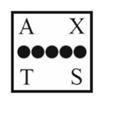
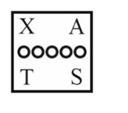
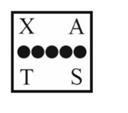
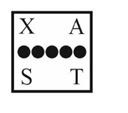
Question 19

In the following figure series, select the figure which can be placed at the sign of question mark (?) from the given alternatives.

  1. AOption (a)

  2. BOption (b)

  3. COption (c)

  4. DOption (d)

View answer & explanation

Correct answer

Answer: (c)C.

Why this answer is correct

The logic followed here is: The number of circles are increasing in each steps with light and dark pattern with shifting of letters at the corners in ant-clockwise direction. 

Hence, the correct image is "Option 3".

Question 20

In the following figure series, select the figure which can be placed at the sign of question mark (?) from the given alternatives.

  1. AOption (a)

  2. BOption (b)

  3. COption (c)

  4. DOption (d)

View answer & explanation

Correct answer

Answer: (c)C.

Why this answer is correct

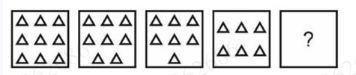
The logic followed here is: Removing a triangle in each step.

Hence, the correct image is "Option 3".

General Knowledge and General Awareness (20 questions)

Question 21

Which deity is associated with the mythology behind Mohiniyattam?

  1. AOption (a)

    Lord Shiva

  2. BOption (b)

    Lord Vishnu

  3. COption (c)

    Lord Krishna

  4. DOption (d)

    Devi Durga

View answer & explanation

Correct answer

Answer: (b)B.

Lord Vishnu

Why this answer is correct

The correct answer is Lord Vishnu.

Key Points

  • Mohiniyattam is a classical dance form from the state of Kerala, known for its graceful, swaying movements that mimic the palm trees and rivers of the region.
  • The name is derived from the words Mohini, meaning an enchantress or a woman who attracts, and Attam, meaning dance.
  • According to Hindu mythology, Lord Vishnu took the form of Mohini to assist the Devas (gods) in their battle against the Asuras (demons).
  • The primary legend associated with this dance is the Samudra Manthan (churning of the ocean), where Lord Vishnu appeared as Mohini to steal the Amrit (nectar of immortality) back from the demons.
  • Another popular myth describes Mohini tricking the demon Bhasmasura. He had a boon to turn anyone to ashes by touching their head; Mohini induced him to dance and touch his own head, leading to his demise.
  • The dance is traditionally performed by women and follows the Lasya style, which emphasizes delicacy, beauty, and femininity as described in the Natya Shastra.

 Additional Information

  • Lord Shiva:
  • Commonly referred to as Nataraja, the Lord of Dance, he is the source of the Tandava, a vigorous and masculine dance form.
  • While Mohiniyattam involves stories about him, he is not the deity who took the Mohini form.
  • Lord Krishna:
  • An incarnation of Lord Vishnu, he is the central figure in the Sattriya dance of Assam and the Raas Leela of Manipuri dance.
  • His life stories form the thematic basis for many Abhinaya (expressional) sequences in various Indian dances.
  • Devi Durga:
  • She represents the Shakti or divine feminine power and is the primary deity associated with festivals like Navaratri.
  • Her mythological battles, such as the slaying of Mahishasura, are frequent themes in folk dances but not the origin of Mohiniyattam.
  • Technical Elements:
  • The Mohiniyattam costume typically consists of a white or cream-colored Kasavu saree with a distinct gold-brocade (gold lace) border.
  • The music used is based on the Sopana style, which is a traditional form of Carnatic music unique to Kerala.

Question 22

The Sundarbans are famous for which type of natural vegetation?

  1. AOption (a)

    Tropical evergreen forests

  2. BOption (b)

    Desert vegetation

  3. COption (c)

    Mangrove forests

  4. DOption (d)

    Alpine meadows

View answer & explanation

Correct answer

Answer: (c)C.

Mangrove forests

Why this answer is correct

The correct answer is Mangrove forests.

Key Points

  • The Sundarbans constitute the largest contiguous mangrove forest ecosystem in the world, covering approximately 10,000 square kilometers across India and Bangladesh.
  • Located at the mouth of the Ganges, Brahmaputra, and Meghna rivers on the Bay of Bengal, this region is a complex network of tidal waterways, mudflats, and small islands.
  • The vegetation is dominated by halophytes, which are salt-tolerant plant species adapted to survive in harsh intertidal zones and saline soil conditions.
  • The forest is named after the Sundari tree (Heritiera fomes), which provides high-quality timber and is the most abundant tree species in the area.
  • Plants in this ecosystem feature specialized adaptations such as pneumatophores (breathing roots) that grow vertically upwards to facilitate gas exchange in anaerobic waterlogged soil.
  • The Sundarbans is designated as a UNESCO World Heritage Site and a Ramsar Site, serving as a critical habitat for the endangered Royal Bengal Tiger.

 Additional Information

  • Tropical Evergreen Forests:
  • These occur in regions with more than 200 cm of annual rainfall and temperatures between 25°C to 27°C.
  • Commonly found in the Western Ghats, Northeast India, and the Andaman and Nicobar Islands.
  • Desert Vegetation:
  • Consists of xerophytic plants like cacti and thorny bushes found in arid regions with less than 50 cm of rainfall, primarily in Rajasthan and Gujarat.
  • Alpine Meadows:
  • These are found in the high-altitude regions of the Himalayas, generally above 3,000 meters, characterized by short grasses and mosses.

Question 23

Bharatiya Nagarik Suraksha Sanhita (BNSS) requires completion of investigation in sexual offenses within:

  1. AOption (a)

    6 months

  2. BOption (b)

    1 year

  3. COption (c)

    2 months

  4. DOption (d)

    3 months

View answer & explanation

Correct answer

Answer: (c)C.

2 months

Why this answer is correct

The correct answer is 2 months.

Key Points

  • The Bharatiya Nagarik Suraksha Sanhita (BNSS), 2023, which replaced the Code of Criminal Procedure (CrPC), mandates a strict timeline for the completion of investigations in cases of sexual offenses.
  • Under Section 193(1) of the BNSS, the investigation into offenses relating to rape and sexual assault must be completed within a period of two months.
  • This specific timeframe applies to offenses defined under Sections 64, 65, 66, 67, 68, 69, 70, 71, 74, 75, 76, 77, 78, and 79 of the Bharatiya Nyaya Sanhita (BNS).
  • The two-month period is calculated from the date on which the information (FIR) was first recorded by the officer-in-charge of the police station.
  • This provision ensures expeditious justice for survivors of sexual violence by preventing procedural delays at the investigative stage.

 Additional Information

  • Medical Examination:
  • According to Section 184 of the BNSS, the medical examination of a victim of a sexual offense must be performed by a Registered Medical Practitioner within 24 hours of the police receiving information about the crime.
  • Victim Rights and Updates:
  • The BNSS emphasizes victim-centric justice, requiring police to provide updates on the progress of the investigation to the victim or informant within 90 days.
  • Effective Date:
  • The Bharatiya Nagarik Suraksha Sanhita, along with the Bharatiya Nyaya Sanhita and the Bharatiya Sakshya Adhiniyam, came into official force across India on July 1, 2024.
  • Judicial Supervision:
  • The Magistrate is empowered to monitor the investigation to ensure compliance with these statutory timelines, fostering greater accountability within the law enforcement agencies.

Question 24

Which of the following tax was levied on cultivation under the administration of Alauddin Khalji?

  1. AOption (a)

    Mahzar

  2. BOption (b)

    Firuz

  3. COption (c)

    Amil

  4. DOption (d)

    Kharaj

View answer & explanation

Correct answer

Answer: (d)D.

Kharaj

Why this answer is correct

The correct answer is Kharaj.

Key Points

  • Alauddin Khalji (1296−1316) introduced comprehensive agrarian reforms to maximize state revenue and maintain a powerful standing army.
  • Kharaj was the specific agricultural land tax levied on the produce of the soil, which formed the backbone of the Sultanate's economy.
  • Under his reign, the Kharaj was increased to 50 percent of the total produce, representing the highest tax rate imposed by any Delhi Sultan.
  • He implemented a system of land measurement known as Masahat, ensuring that tax was calculated based on the actual area under cultivation using the Biswa as a standard unit.
  • To prevent local intermediaries like Khuts and Muqaddams from exploiting peasants or evading taxes, he abolished their traditional privileges and brought them under the same tax regime as ordinary cultivators.

 Additional Information

  • Mahzar:
  • It refers to a formal petition or a public attestation; most famously, the Infallibility Decree of 1579.
  • This decree was issued by the Mughal Emperor Akbar to establish his supremacy over the Ulema in matters of religious interpretation.
  • Amil:
  • A high-ranking revenue official responsible for the assessment and collection of taxes at the Pargana level.
  • They were instrumental in documenting cultivation patterns and ensuring that the revenue reached the central treasury.
  • Other Taxes under Alauddin Khalji:
  • Ghari: A specialized tax imposed on the residential houses of the subjects.
  • Chari: A grazing tax levied on the pasturage of milch animals and cattle.
  • Zakat: A religious tax paid by Muslims, typically 2.5 percent of their total wealth, used for charitable purposes.

Question 25

What is the name of the highest national award of Guyana, in November 2024 which was conferred on Prime Minister Narendra Modi?

  1. AOption (a)

    The Order of Excellence

  2. BOption (b)

    The Order of Valor

  3. COption (c)

    The Crown Jewel Honor

  4. DOption (d)

    The Grand Cross of the Order

View answer & explanation

Correct answer

Answer: (a)A.

The Order of Excellence

Why this answer is correct

The correct answer is The Order of Excellence.

Key Points

  • In November 2024, Prime Minister Narendra Modi was conferred with The Order of Excellence, which is the highest national award of the Co-operative Republic of Guyana.
  • The honor was presented by the President of Guyana, Dr. Mohamed Irfaan Ali, during PM Modi's historic state visit to Georgetown, marking the first visit by an Indian Prime Minister to the nation in 56 years.
  • The award recognizes PM Modi's exceptional statesmanship, his role in championing the cause of the Global South, and his tireless efforts to deepen the India-Guyana bilateral relationship.
  • PM Modi is the fourth foreign leader to receive this distinction, joining a select group of international figures honored for their global impact and cooperation with Guyana.
  • During the conferral, President Ali highlighted PM Modi's transformative leadership and India's support for Guyana in sectors such as healthcare, energy, and human resource development.

 Additional Information

  • The Order of Excellence:
  • Established in 1970 under the Constitution of the Orders of Guyana, it is awarded to individuals who have rendered service of an exceptional nature to the country.
  • The insignia of the order includes a breast star and a sash, representing the highest tier of recognition within the Guyanese national honors system.
  • Other International Honors for PM Modi:
  • In the same week of November 2024, PM Modi also received the Dominica Award of Honour from the Commonwealth of Dominica for his humanitarian assistance during the pandemic.
  • PM Modi has received numerous other highest civilian awards, including the Order of St. Andrew the Apostle (Russia), The Grand Cross of the Legion of Honour (France), and the Order of Zayed (UAE).
  • These accolades underscore India's growing diplomatic footprint and the Prime Minister's personal rapport with global leaders across Asia, Europe, and the Caribbean.

Question 26

In January 2025, who assumed the command of Indian Air Force's Western Air Command?

  1. AOption (a)

    Air Marshal Vikram Singh

  2. BOption (b)

    Air Marshal Balakrishnan Manikantan

  3. COption (c)

    Air Marshal Jeetendra Mishra

  4. DOption (d)

    Air Marshal Surat Singh

View answer & explanation

Correct answer

Answer: (c)C.

Air Marshal Jeetendra Mishra

Why this answer is correct

The correct answer is Air Marshal Jeetendra Mishra.

Key Points

  • Air Marshal Jeetendra Mishra formally assumed the office of Air Officer Commanding-in-Chief (AOC-in-C) of the Western Air Command (WAC) on 1 January 2025.
  • He took over the prestigious command from Air Marshal Pankaj Mohan Sinha, who retired from the service on 31 December 2024 after more than 39 years of distinguished service.
  • Prior to his appointment as the chief of the Western Air Command, Air Marshal Jeetendra Mishra served as the Deputy Chief of the Air Staff (DCAS) at Air Headquarters (Vayu Bhawan) in New Delhi.
  • An alumnus of the National Defence Academy (NDA), he was commissioned into the Fighter stream of the Indian Air Force in December 1986 and has extensive experience flying various fighter aircraft, including the MiG-21 and Mirage 2000.
  • The Western Air Command is arguably the most critical operational command of the Indian Air Force, headquartered in New Delhi, and is responsible for air operations along the sensitive borders in the Northern and Western sectors of India.

 Additional Information

  • Other Air Marshals in Command:
  • Air Marshal Balakrishnan Manikantan: He serves as the Air Officer Commanding-in-Chief of the Southern Air Command (SAC), which is headquartered in Thiruvananthapuram, Kerala.
  • Air Marshal Vikram Singh: He previously served as the AOC-in-C of the South Western Air Command (SWAC) before his superannuation.
  • Air Marshal Surat Singh: He is a highly decorated officer who has held significant positions such as the Director General Air Operations (DGAO) at Air Headquarters.
  • Western Air Command (WAC) Overview:
  • It is the largest of the five operational commands of the IAF, controlling air bases from Leh in the north to Rajasthan in the south.
  • The command plays a pivotal role in maintaining the integrity of Indian airspace against threats from across the Line of Control (LoC) and the Line of Actual Control (LAC).

Question 27

Which of the following features of the Indian Constitution is borrowed from United States of America?

  1. AOption (a)

    Fundamental duties

  2. BOption (b)

    Concept of "Republic"

  3. COption (c)

    The Preamble of the constitution

  4. DOption (d)

    Freedom of trade and commerce

View answer & explanation

Correct answer

Answer: (c)C.

The Preamble of the constitution

Why this answer is correct

The correct answer is The Preamble of the constitution.

Key Points

  • The Preamble of the Indian Constitution is a borrowed feature from the United States of America, which was the first nation in the world to begin its constitution with a preamble.
  • The phrase 'We, the People of India' is directly inspired by the opening words of the US Constitution, which reads 'We, the People of the United States', signifying that power resides in the citizens.
  • The Preamble serves as an introduction to the Constitution of India, outlining the fundamental values, philosophy, and objectives such as Sovereignty, Socialism, Secularism, Democracy, and Republic.
  • Other significant features adopted from the USA include Fundamental Rights, the Independence of the Judiciary, Judicial Review, the Impeachment of the President, and the Removal of Supreme Court and High Court judges.

 Additional Information

  • Fundamental Duties:
  • These were not part of the original constitution but were added via the 42nd Amendment Act, 1976 based on the Swaran Singh Committee recommendations.
  • The concept was borrowed from the constitution of the USSR (present-day Russia).
  • Concept of Republic:
  • The ideals of Republic and the principles of Liberty, Equality, and Fraternity in the Preamble were borrowed from the French Constitution.
  • Freedom of Trade and Commerce:
  • Provisions relating to the Freedom of trade, commerce, and intercourse (Article 301 to 307) and the concept of a Joint Sitting of the two Houses of Parliament were inspired by the Australian Constitution.
  • Directive Principles of State Policy:
  • The DPSP (Articles 36-51), which guide the state in making laws for social and economic justice, were borrowed from the Irish Constitution.

Question 28

Who decides the symbols reserved for national and state parties in India?

  1. AOption (a)

    Supreme Court

  2. BOption (b)

    President

  3. COption (c)

    Election Commission of India

  4. DOption (d)

    Speaker of the House of the People

View answer & explanation

Correct answer

Answer: (c)C.

Election Commission of India

Why this answer is correct

The correct answer is Election Commission of India.

Key Points

  • The Election Commission of India (ECI) is an autonomous Constitutional Authority established under Article 324, responsible for the administration of elections to the Lok Sabha, Rajya Sabha, and State Legislative Assemblies.
  • Under the provisions of the Election Symbols (Reservation and Allotment) Order, 1968, the Commission holds the exclusive power to specify, reserve, and allot symbols to political parties.
  • The Commission maintains a comprehensive list of Reserved Symbols, which are designated only for recognized National and State parties, ensuring they cannot be used by other candidates in the same jurisdiction.
  • The ECI acts as a quasi-judicial body when resolving disputes that arise from splits or mergers within recognized political parties, determining which faction is entitled to the official symbol.
  • Symbols are fundamentally crucial in the Indian electoral process as they serve as distinct identifiers for the electorate, particularly assisting illiterate voters in identifying their preferred candidates on the Electronic Voting Machines (EVMs).

 Additional Information

  • Criteria for Recognition:
  • A National Party status is granted if a party is recognized in four or more states or secures 6 percent of total valid votes in at least four states along with winning four Lok Sabha seats.
  • A State Party status requires meeting specific benchmarks, such as securing 3 percent of the total seats in the Legislative Assembly or winning at least one seat for every 25 seats in the Lok Sabha from that state.
  • Other Entities in the Options:
  • President: While the President appoints the Election Commissioners, the office does not hold administrative authority over the technical allotment of election symbols.
  • Supreme Court: The judiciary performs judicial review of the Commission’s orders but does not participate in the initial reservation or allotment of symbols.
  • Speaker of the House: The Speaker is responsible for the conduct of Parliamentary proceedings and decides on disqualification under the Tenth Schedule (Anti-Defection Law) but has no role in party registration or symbol management.

Question 29

Which state government established Dr. Bhimrao Ambedkar Abhyaran as a new wildlife sanctuary?

  1. AOption (a)

    Madhya Pradesh

  2. BOption (b)

    Kerala

  3. COption (c)

    Uttarakhand

  4. DOption (d)

    Punjab

View answer & explanation

Correct answer

Answer: (a)A.

Madhya Pradesh

Why this answer is correct

The correct answer is Madhya Pradesh.

Key Points

  • The Madhya Pradesh state government officially notified the establishment of the Dr. Bhimrao Ambedkar Abhyaran (Wildlife Sanctuary) in the Sagar district.
  • This sanctuary spans an area of approximately 258.64 square kilometers, primarily utilizing forest land from the North Sagar Forest Division.
  • The sanctuary is designed to facilitate a protected corridor for wildlife movement between the Nauradehi Wildlife Sanctuary and the Veerangana Durgavati Wildlife Sanctuary.
  • Naming the sanctuary after Dr. B.R. Ambedkar, the principal architect of the Indian Constitution, serves as a tribute to his legacy in his home state of birth (Mhow, MP).
  • The notification was issued under the Wildlife (Protection) Act, 1972, aiming to conserve the biodiversity of the Vindhyan landscape and protect species like Tigers, Leopards, and Sloth Bears.

 Additional Information

  • Madhya Pradesh Forest Statistics:
  • Commonly known as the Tiger State of India, Madhya Pradesh recorded the highest tiger population of 785 in the 2022 Tiger Census.
  • The state possesses the largest forest cover in India by area, as per the India State of Forest Report (ISFR).
  • It houses several world-renowned National Parks, including Kanha, Bandhavgarh, Pench, and Panna.
  • The Nauradehi Wildlife Sanctuary is the largest sanctuary in the state, covering parts of Sagar, Damoh, and Narsinghpur districts.
  • Conservation Efforts:
  • The establishment of this sanctuary is part of a broader strategy to manage the Ken-Betwa River Interlinking Project impact by creating alternative habitats for displaced wildlife.
  • Veerangana Durgavati Tiger Reserve was recently notified as the 7th Tiger Reserve in Madhya Pradesh, integrating areas of Nauradehi and Durgavati sanctuaries.

Question 30

Which of the following is the first Indian mission dedicated to observing the Sun?

  1. AOption (a)

    Hinode

  2. BOption (b)

    Parker Solar Probe

  3. COption (c)

    Aditya L-1

  4. DOption (d)

    SOHO

View answer & explanation

Correct answer

Answer: (c)C.

Aditya L-1

Why this answer is correct

The correct answer is Aditya L-1.

Key Points

  • Aditya L-1 is the first dedicated Indian space mission designed specifically to observe and study the Sun from space.
  • The mission was successfully launched by the Indian Space Research Organisation (ISRO) on September 2, 2023, utilizing the PSLV-C57 launch vehicle from the Satish Dhawan Space Centre in Sriharikota.
  • The spacecraft is placed in a halo orbit around the Lagrange Point 1 (L1) of the Sun-Earth system, which is approximately 1.5 million kilometers away from Earth, allowing it to view the Sun continuously without occultation or eclipses.
  • The mission carries seven payloads to observe the photosphere, chromosphere, and the outermost layers of the Sun, known as the corona, using electromagnetic and particle detectors.
  • Its primary scientific objectives include studying the dynamics of the solar upper atmosphere, Coronal Mass Ejections (CMEs), solar flares, and the physics of the solar corona and its heating mechanism.

 Additional Information

  • Hinode (Solar-B)
  • It is an international mission led by the Japan Aerospace Exploration Agency (JAXA), in collaboration with NASA and the UK Space Agency, launched in 2006 to study the Sun's magnetic field.
  • Parker Solar Probe
  • A NASA spacecraft launched in 2018 with the mission to 'touch' the Sun by traveling through the solar corona, closer than any previous spacecraft.
  • SOHO (Solar and Heliospheric Observatory)
  • A joint project between the European Space Agency (ESA) and NASA, launched in December 1995 to study the Sun from its deep core to the outer corona and the solar wind.

Question 31

In August 2025, which organization partnered with the National Cancer Grid (NCG) to launch the Cancer AI & Technology Challenge (CATCH) Grant Program?

  1. AOption (a)

    IndiaAI

  2. BOption (b)

    CSIR

  3. COption (c)

    AIIMS Delhi

  4. DOption (d)

    CancerAI

View answer & explanation

Correct answer

Answer: (a)A.

IndiaAI

Why this answer is correct

The correct answer is IndiaAI.

Key Points

  • The IndiaAI Independent Business Division (IBD), established under the Digital India Corporation of the Ministry of Electronics and Information Technology (MeitY), collaborated with the National Cancer Grid (NCG) to introduce the Cancer AI & Technology Challenge (CATCH) Grant Program.
  • The CATCH Grant Program is specifically designed to leverage Artificial Intelligence (AI) to address the complexities of cancer care, focusing on early detection, precise diagnosis, and optimized treatment protocols within the Indian healthcare landscape.
  • This initiative provides financial and technical support to startups, academic researchers, and non-profit organizations to develop AI-driven clinical tools that can function effectively in low-resource settings.
  • The partnership aims to utilize the vast oncological data repositories managed by the National Cancer Grid to train and validate robust Machine Learning (ML) models, ensuring they are representative of the diverse Indian population.
  • By integrating high-performance computing and AI datasets, the program seeks to reduce the burden on oncology specialists and improve the affordability and accessibility of advanced cancer screening across the country.

 Additional Information

  • IndiaAI Mission:
  • Approved with a budget of over Rs 10,300 crore, the mission aims to establish a comprehensive AI ecosystem through pillars like the IndiaAI Compute Capacity and the IndiaAI Innovation Centre.
  • It focuses on Sovereign AI development to ensure technological independence and the application of AI in sectors with high social impact, such as healthcare and agriculture.
  • National Cancer Grid (NCG):
  • Initiated by the Department of Atomic Energy (DAE) and coordinated by the Tata Memorial Centre (TMC), it is a massive network comprising over 300 hospitals and research institutes.
  • The primary mandate of the NCG is to standardize Cancer Care across India and promote collaborative, multi-centric clinical trials.
  • Council of Scientific & Industrial Research (CSIR):
  • Established in 1942, CSIR is India's largest research and development organization, operating under the Ministry of Science and Technology with a focus on diverse fields from aerospace to oceanography.
  • AIIMS Delhi:
  • The All India Institute of Medical Sciences (AIIMS) in New Delhi is a premier public medical research university and hospital, established by an Act of Parliament in 1956.

Question 32

Hutti Gold Mines is located in which of the following Indian states?

  1. AOption (a)

    Karnataka

  2. BOption (b)

    Bihar

  3. COption (c)

    Jharkhand

  4. DOption (d)

    Odisha

View answer & explanation

Correct answer

Answer: (a)A.

Karnataka

Why this answer is correct

The correct answer is Karnataka.

Key Points

  • The Hutti Gold Mines are situated in the Raichur district of the state of Karnataka.
  • It is currently the only operational unit in India that produces gold by mining and processing gold ore from its primary source.
  • The mines are managed by Hutti Gold Mines Limited (HGML), which is a Government of Karnataka undertaking.
  • Historically, these mines are among the oldest in the world, with archaeological data suggesting mining activity dates back to the Pre-Ashokan period, more than 2,000 years ago.
  • Geologically, the gold deposits are found within the Hutti-Maski Schist Belt, an Archean greenstone belt characterized by auriferous quartz veins.

 Additional Information

  • Karnataka:
  • The state contributes nearly 99% of India total gold production.
  • It was home to the Kolar Gold Fields (KGF) in the Kolar district, which were among the deepest mines in the world before closing in 2001.
  • Jharkhand:
  • Renowned for its vast coal reserves in the Damodar Valley and iron ore in the Singhbhum region.
  • The Subarnarekha River is traditionally known for the presence of gold particles in its alluvial sands.
  • Odisha:
  • The state is the leading producer of Iron Ore, Chromite, Bauxite, and Manganese in India.
  • Key mining hubs include the Keonjhar, Mayurbhanj, and Sundargarh districts.
  • Bihar:
  • Post-bifurcation, Bihar retains significant deposits of Limestone, Mica, and Pyrite.
  • The Amjhore area in Rohtas is particularly noted for its Pyrite (iron sulfide) deposits.

Question 33

When did Mumbai Indians Women win their first WPL (Women's Premier League) title?

  1. AOption (a)

    2023

  2. BOption (b)

    2024

  3. COption (c)

    2022

  4. DOption (d)

    2021

View answer & explanation

Correct answer

Answer: (a)A.

2023

Why this answer is correct

The correct answer is 2023.

Key Points

  • The Mumbai Indians Women (MI-W) secured their first Women's Premier League (WPL) title in the inaugural season held in 2023.
  • The final match took place on March 26, 2023, at the Brabourne Stadium in Mumbai, where they faced the Delhi Capitals.
  • Led by captain Harmanpreet Kaur, the Mumbai Indians successfully chased a target of 132 runs, winning the match by 7 wickets with three balls to spare.
  • The Delhi Capitals, batting first, were restricted to 131/9 in their 20 overs, while Mumbai Indians reached 134/3 in 19.3 overs to claim the historic trophy.

 Additional Information

  • Awards and Achievements in WPL 2023:
  • Hayley Matthews of Mumbai Indians was named the Player of the Tournament for her exceptional all-round performance, scoring 271 runs and taking 16 wickets.
  • The Purple Cap for the highest wicket-taker was also awarded to Hayley Matthews.
  • The Orange Cap for the highest run-scorer was won by Meg Lanning, the captain of Delhi Capitals, who scored 345 runs.
  • Nat Sciver-Brunt was awarded the Player of the Match in the final for her unbeaten 60 runs.
  • Subsequent Seasons:
  • The second edition of the WPL was held in 2024, which was won by Royal Challengers Bangalore (RCB) after they defeated Delhi Capitals in the final.
  • The tournament is organized by the Board of Control for Cricket in India (BCCI) to promote women's cricket at the professional level.

Question 34

The "Indo-Pacific Oceans Initiative" is an initiative of _____.

  1. AOption (a)

    India

  2. BOption (b)

    Madagascar

  3. COption (c)

    Kenya

  4. DOption (d)

    Maldives

View answer & explanation

Correct answer

Answer: (a)A.

India

Why this answer is correct

The correct answer is India.

Key Points

  • The Indo-Pacific Oceans Initiative (IPOI) was officially launched by the Prime Minister of India, Narendra Modi, at the 14th East Asia Summit (EAS) in Bangkok, Thailand, on November 4, 2019.
  • It is a proactive and open-ended global initiative that seeks to manage and protect the maritime domain while promoting cooperation through a rules-based maritime order.
  • The initiative is a central part of India's Indo-Pacific strategy and is deeply aligned with the vision of SAGAR (Security and Growth for All in the Region), which emphasizes inclusive growth and collective security.
  • Unlike a formal treaty, the IPOI functions as a collaborative platform where partner nations can take the lead on specific areas of concern to ensure a safe, secure, and stable maritime environment.

 Additional Information

  • The IPOI is organized around seven key pillars designed to address contemporary maritime challenges:
  • Maritime Security: Enhancing regional cooperation to tackle non-traditional threats like piracy and terrorism.
  • Maritime Ecology: Focused on the preservation of the marine environment and addressing plastic pollution.
  • Maritime Resources: Encouraging sustainable harvesting of marine wealth and Blue Economy initiatives.
  • Capacity Building and Resource Sharing: Facilitating the exchange of technical expertise and maritime infrastructure development.
  • Disaster Risk Reduction and Management: Improving regional responses to natural disasters like tsunamis and cyclones.
  • Science, Technology and Academic Cooperation: Promoting joint research and data sharing among Indo-Pacific nations.
  • Trade, Connectivity and Maritime Transport: Strengthening port-led development and efficient sea lanes.
  • Major international partners have stepped up to lead specific pillars; for instance, Australia co-leads the Maritime Ecology pillar, while Japan leads the Connectivity pillar and France and Indonesia lead the Maritime Resources pillar.

Question 35

Left and right service court is seen in which of the following sports?

  1. AOption (a)

    Badminton

  2. BOption (b)

    Football

  3. COption (c)

    Basketball

  4. DOption (d)

    Cricket

View answer & explanation

Correct answer

Answer: (a)A.

Badminton

Why this answer is correct

The correct answer is Badminton.

Key Points

  • Badminton is a racquet sport played on a rectangular court divided by a net. Each side of the court is split into a Right Service Court and a Left Service Court by a Center Line.
  • The Service Courts are the designated areas where the shuttlecock must land during a serve. A legal serve must be delivered diagonally across the net into the opponent's corresponding court.
  • According to the Badminton World Federation (BWF) laws, the Right Service Court is used for serving when the server's score is 0 or any Even Number (2, 4, 6, etc.).
  • The Left Service Court is used for serving when the server's score is an Odd Number (1, 3, 5, etc.). This ensures systematic rotation and positioning for both Singles and Doubles formats.
  • The court dimensions for the service area are defined by the Short Service Line (1.98 meters from the net) and the Long Service Line, which differs between singles and doubles play.

 Additional Information

  • Badminton Court Specifications:
  • The total court length is 13.4 meters (44 feet). The Singles width is 5.18 meters (17 feet), while the Doubles width is 6.1 meters (20 feet).
  • The net height is exactly 1.55 meters at the posts and 1.524 meters (5 feet) at the center.
  • Other Sports Layouts:
  • Football: Played on a rectangular field (pitch) with specific areas like the Penalty Box, Goal Area, and Corner Arc. It does not utilize service courts.
  • Basketball: The court features a Key (Free-throw lane), Three-point line, and Mid-court line, but play starts with a jump ball rather than a diagonal court-based serve.
  • Cricket: Played on a 22-yard Pitch situated within an Outfield. It uses Popping Creases and Bowling Creases instead of service courts.

Question 36

Who built the city of 'Lal Kot' in Delhi?

  1. AOption (a)

    Prithvi Raj Chauhan

  2. BOption (b)

    Alauddin Khilji

  3. COption (c)

    Humayun

  4. DOption (d)

    Anang Pal Tomar

View answer & explanation

Correct answer

Answer: (d)D.

Anang Pal Tomar

Why this answer is correct

The correct answer is Anang Pal Tomar.

Key Points

  • Anang Pal Tomar, also known as Anangpal II, was a ruler from the Tomar Dynasty who is historically credited with the establishment of Delhi (then known as Dhillika).
  • He built the citadel of Lal Kot in the middle of the 11th century, specifically around 1052 AD, making it the first fortified city of Delhi.
  • The Lal Kot fortification served as the capital for the Tomar kings, located in the present-day Mehrauli region of South Delhi.
  • The Iron Pillar of Delhi, which stands in the Qutub Minar complex, is believed to have been brought to this location by Anangpal Tomar from Vishnupadagiri (likely Udayagiri).
  • Evidence of his reign is found in inscriptions and literary works like the Prithviraj Raso, which highlight the Tomar lineage's foundational role in Delhi's urban history.

 Additional Information

  • Prithvi Raj Chauhan:
  • A legendary ruler of the Chahamana (Chauhan) Dynasty who captured Delhi from the Tomars in the 12th century.
  • He extended the walls of Lal Kot and renamed the expanded city as Qila Rai Pithora.
  • Alauddin Khilji:
  • A prominent ruler of the Khilji Dynasty who established the city of Siri in 1303 AD.
  • This was the second of the seven historical cities of Delhi, built primarily as a military camp to defend against Mongol invasions.
  • Humayun:
  • The second Mughal Emperor who laid the foundation of the city of Dinpanah in 1533 AD.
  • The site later became the location for the Purana Qila (Old Fort) after it was reconstructed by Sher Shah Suri.

Question 37

In 1875, Dwarkanath Ghose designed his version of the Indian hand-pumped _____ in Calcutta.

  1. AOption (a)

    Tabla

  2. BOption (b)

    Guitar

  3. COption (c)

    Flute

  4. DOption (d)

    Harmonium

View answer & explanation

Correct answer

Answer: (d)D.

Harmonium

Why this answer is correct

The correct answer is Harmonium.

Key Points

  • In 1875, Dwarkanath Ghose revolutionized the musical instrument industry in India by designing a modified version of the Harmonium in Calcutta (modern-day Kolkata).
  • Ghose was the founder of the renowned firm Dwarkin & Son, a name derived as a portmanteau of Dwarkanath and his son.
  • The original European harmonium or reed organ was designed to be played with foot-pedals to pump air, which was physically incompatible with the traditional Indian seating posture where musicians sit on the floor (Asana).
  • Dwarkanath Ghose adapted the instrument by replacing the foot-pedals with hand-operated bellows located at the back or front of the instrument, allowing the player to pump air with one hand while playing the keyboard with the other.
  • This innovation made the instrument highly portable, easy to handle, and robust enough to withstand the tropical climate of the Indian subcontinent.
  • The hand-pumped harmonium quickly became an essential accompaniment for vocal music, providing a steady drone and melodic support across various genres.

 Additional Information

  • Harmonium:
  • It is a free-reed instrument that generates sound as air flows past vibrating pieces of thin metal in a frame.
  • Despite its Western origins, it is now deeply embedded in Hindustani classical, Sufi (such as Qawwali), and devotional music like Bhajans and Kirtans.
  • The instrument was once banned from All India Radio (from 1940 to 1971) because purists argued it could not produce Meend (glissando) or the Shrutis (microtones) essential to Indian Ragas.
  • Key components include the bellows, air chamber, reeds (often made of brass or copper), and the keyboard consisting of keys representing a tempered scale.

Question 38

Who is known as the 'God of Ghatam' for popularising the earthen pot instrument, 'Ghatam'?

  1. AOption (a)

    Bhimsen Joshi

  2. BOption (b)

    T. H. Vinayakram

  3. COption (c)

    Pandit Shivkumar Sharma

  4. DOption (d)

    T. M. Krishna

View answer & explanation

Correct answer

Answer: (b)B.

T. H. Vinayakram

Why this answer is correct

The correct answer is T. H. Vinayakram.

Key Points

  • Thetakudi Harihara Vinayakram, popularly known as Vikku Vinayakram, is a world-renowned percussionist and a maestro of the Ghatam, an earthenware pot used in Carnatic music.
  • He is widely celebrated as the God of Ghatam for his unparalleled speed, rhythmic precision, and for elevating the instrument from a rhythmic accompaniment to a global solo entity.
  • Vinayakram was a key member of the original line-up of the fusion band Shakti, collaborating with legendary artists like John McLaughlin and Ustad Zakir Hussain to blend Indian classical music with Western jazz.
  • In 1991, he created history by becoming the first South Indian musician to win a Grammy Award in the Best World Music Album category for his participation in Mickey Hart's Planet Drum.
  • For his immense contribution to Indian classical music, he was conferred with the Padma Shri in 2002 and the Padma Bhushan in 2014 by the Government of India.

 Additional Information

  • Bhimsen Joshi
  • He was a legendary vocalist of the Kirana Gharana in Hindustani classical music and was awarded India's highest civilian honor, the Bharat Ratna, in 2008.
  • Pandit Shivkumar Sharma
  • He was a master of the Santoor, a folk instrument from Jammu and Kashmir, which he modified and established as a mainstream classical instrument.
  • T. M. Krishna
  • He is a prominent Carnatic vocalist, author, and social activist who was awarded the Ramon Magsaysay Award in 2016 for using music as a tool for social reform.

Question 39

In Performance Grading Index (PGI) 2.0 for 2023-24 released in July 2025, how many states are there under Daksh (Grade Name)?

  1. AOption (a)

    2

  2. BOption (b)

    4

  3. COption (c)

    6

  4. DOption (d)

    0

View answer & explanation

Correct answer

Answer: (d)D.

0

Why this answer is correct

The correct answer is 0.

Key Points

  • The Performance Grading Index (PGI) 2.0 is a comprehensive assessment tool launched by the Ministry of Education, Government of India, to evaluate the performance of the school education system across all States and Union Territories (UTs). It provides a multi-dimensional perspective on the health of the education sector.
  • The grading system of PGI 2.0 is structured into ten specific grades. The highest achievable grade is Daksh, which is awarded to states or UTs that score more than 940 points out of a total of 1000 points.
  • The total weightage of 1000 points is distributed across 73 indicators, which are grouped into two primary categories: Outcomes and Governance Management. These are further subdivided into six domains to ensure a granular analysis of the school ecosystem.
  • For the assessment year 2023-24, as per the report released in July 2025, no state or Union Territory in India managed to secure a position in the top-tier Daksh grade. This indicates that while progress is being made, the benchmark for the highest excellence level is yet to be reached by any regional administration. Hence, the number of states under the Daksh grade is 0.

 Additional Information

  • The PGI 2.0 classification hierarchy follows a descending order of excellence:
  • Daksh: Highest grade for scores between 941 and 1000.
  • Utkarsh: Second highest grade for scores between 881 and 940.
  • Ati-Uttam: Third grade for scores between 821 and 880.
  • Uttam: Fourth grade for scores between 761 and 820.
  • Prachesta 1, 2, and 3: Mid-level grades for scores ranging from 581 to 760.
  • Akanshi 1, 2, and 3: The lowest grades for scores ranging from 401 to 580.
  • The index evaluates performance across six critical domains:
  • Learning Outcomes: Focuses on the quality of education and student achievement levels.
  • Access: Measures enrollment ratios and retention rates.
  • Infrastructure & Facilities: Evaluates school buildings, laboratories, and digital equipment.
  • Equity: Tracks the inclusion of marginalized groups and gender parity.
  • Governance Processes: Analyzes administrative efficiency and digital attendance.
  • Teacher Education and Training: Focuses on the availability and professional development of educators.

Question 40

Swachh Survekshan Grameen (SSG) 2025 is a nationwide rural sanitation survey by ____.

  1. AOption (a)

    Ministry of Jal Shakti

  2. BOption (b)

    NITI Aayog

  3. COption (c)

    National Green Tribunal

  4. DOption (d)

    Ministry of Environment, Forest and Climate Change

View answer & explanation

Correct answer

Answer: (a)A.

Ministry of Jal Shakti

Why this answer is correct

The correct answer is Ministry of Jal Shakti.

Key Points

  • Swachh Survekshan Grameen (SSG) 2025 is a flagship initiative launched by the Department of Drinking Water and Sanitation (DDWS), which operates under the Ministry of Jal Shakti.
  • The survey aims to provide a comprehensive assessment of the cleanliness and sanitation status of rural areas across India, fostering a spirit of healthy competition among Districts and States.
  • It is a crucial component of the Swachh Bharat Mission - Grameen (SBM-G) Phase II, which prioritizes the transition of villages from Open Defecation Free (ODF) to ODF Plus status.
  • The 2025 edition of the survey emphasizes citizen participation and direct observation to evaluate progress in Solid and Liquid Waste Management (SLWM) and visual cleanliness.
  • The results of SSG 2025 help the government identify gaps in rural sanitation infrastructure and facilitate evidence-based policy interventions at the grassroots level.

 Additional Information

  • Swachh Bharat Mission (Grameen):
  • Phase I was launched on October 2, 2014, to achieve universal sanitation coverage and eliminate open defecation.
  • Phase II, approved in 2020, focuses on ODF Sustainability and ensuring effective management of biodegradable waste, plastic waste, and greywater.
  • The goal is to transform every village into an ODF Plus Model village by 2024-25.
  • Ministry of Jal Shakti:
  • Created in May 2019 by integrating the Ministry of Water Resources, River Development and Ganga Rejuvenation and the Ministry of Drinking Water and Sanitation.
  • It manages the Jal Jeevan Mission, which aims to provide Functional Household Tap Connections (FHTC) to every rural household by 2024.
  • Other Entities:
  • NITI Aayog: The premier policy think tank of the Government of India that provides directional and policy inputs.
  • National Green Tribunal (NGT): A specialized body equipped with the expertise to handle environmental disputes involving multi-disciplinary issues.
  • Ministry of Environment, Forest and Climate Change: Responsible for planning, promoting, and coordinating environmental and forestry programs.

Elementary Mathematics (20 questions)

Question 41

94 + 36 - 58 + (33 + 27) × 2 - 91 = ?

  1. AOption (a)

    134

  2. BOption (b)

    117

  3. COption (c)

    101

  4. DOption (d)

    121

View answer & explanation

Correct answer

Answer: (c)C.

101

Why this answer is correct

Shortcut Trick

Solve the bracket first: (33 + 27) = 60.

Perform multiplication: 60 × 2 = 120.

Group positive and negative terms: (94 + 36 + 120) − (58 + 91).

Final calculation: 250 − 149 = 101.

∴ The correct answer is 101.

Alternate Method

Given: 94 + 36 − 58 + (33 + 27) × 2 − 91

To solve this expression, we apply the BODMAS rule (Bracket, Of, Division, Multiplication, Addition, Subtraction).

⇒ 94 + 36 − 58 + 60 × 2 − 91 (Solving Bracket)

⇒ 94 + 36 − 58 + 120 − 91 (Solving Multiplication)

⇒ 130 − 58 + 120 − 91 (Performing Addition from left)

⇒ 72 + 120 − 91 (Performing Subtraction from left)

⇒ 192 − 91

⇒ 101

∴ The correct answer is 101.

Additional Information

BODMAS Rule Hierarchy

Operations must be performed in the sequence: Brackets (), Of, Division (÷), Multiplication (×), Addition (+), and Subtraction (−). Addition and Subtraction have the same priority and are usually solved from left to right.

Sign Rules

When multiplying signs: (+) × (+) = (+), (−) × (−) = (+), and (+) × (−) = (−). Always perform calculations within the innermost brackets first if multiple brackets are present.

Question 42

72 + 89 - (39 ÷ 3) + 26 - 14 + 33 of 1 = ?

  1. AOption (a)

    190

  2. BOption (b)

    193

  3. COption (c)

    194

  4. DOption (d)

    196

View answer & explanation

Correct answer

Answer: (b)B.

193

Why this answer is correct

Shortcut Trick

Solve the core operations: (39 ÷ 3) = 13 and 33 of 1 = 33.

Combine positive values: 72 + 89 + 26 + 33 = 220.

Combine negative values: −13 − 14 = −27.

Final calculation: 220 − 27 = 193.

∴ The correct answer is 193.

Alternate Method

Given: 72 + 89 − (39 ÷ 3) + 26 − 14 + 33 of 1

Formula Used: Apply BODMAS (Bracket, Of, Division, Multiplication, Addition, Subtraction) order of operations.

⇒ 72 + 89 − 13 + 26 − 14 + 33 of 1 (Solving Bracket: 39 ÷ 3 = 13)

⇒ 72 + 89 − 13 + 26 − 14 + 33 (Solving 'Of': 33 × 1 = 33)

⇒ 161 − 13 + 26 − 14 + 33 (Addition: 72 + 89 = 161)

⇒ 148 + 26 − 14 + 33 (Subtraction: 161 − 13 = 148)

⇒ 174 − 14 + 33 (Addition: 148 + 26 = 174)

⇒ 160 + 33 (Subtraction: 174 − 14 = 160)

⇒ 193

∴ The correct answer is 193.

Additional Information

BODMAS Rule

This rule defines the priority for simplifying mathematical expressions: Brackets first, followed by Of (powers/roots), then Division, Multiplication, Addition, and finally Subtraction.

The 'Of' Operator

In mathematical expressions, 'of' serves as a multiplication operator that holds higher precedence than division and standard multiplication.

Addition and Subtraction Priority

Addition and subtraction are at the same priority level and can be performed from left to right or by grouping all positive and negative numbers separately.

Question 43

8 men can finish the work in 18 days, working 6 hours per day. How many men are required to finish the same work in 12 days, if each works 8 hours per day?

  1. AOption (a)

    9

  2. BOption (b)

    11

  3. COption (c)

    6

  4. DOption (d)

    8

View answer & explanation

Correct answer

Answer: (a)A.

9

Why this answer is correct

Shortcut Trick

Use the MDH formula for work equality: M1 × D1 × H1 = M2 × D2 × H2

8 × 18 × 6 = M2 × 12 × 8

864 = M2 × 96

M2 = 864 ÷ 96 = 9

∴ The correct answer is 9.

Alternate Method

Given:

Initial workforce (M1) = 8 men

Initial days (D1) = 18 days

Initial hours (H1) = 6 hr per day

Target days (D2) = 12 days

Target hours (H2) = 8 hr per day

Formula Used:

Total Work = Men × Days × Hours

Since the work is the same in both cases: M1 × D1 × H1 = M2 × D2 × H2

Calculations:

⇒ Total work in man-hours = 8 × 18 × 6

⇒ 864 = M2 × 12 × 8

⇒ 864 = M2 × 96

⇒ M2 = 864 ÷ 96

⇒ M2 = 9

∴ The correct answer is 9.

Additional Information

The MDH Rule

For any work involving men, days, and hours, the relation is (M1×D1×H1)/W1 = (M2×D2×H2)/W2, where W represents the amount of work.

Inverse Proportion in Time & Work

The number of men is inversely proportional to the number of days and hours. If you double the men, the time required is halved for the same amount of work.

Efficiency Factor

If individuals have different efficiencies (E), the formula expands to M1×D1×H1×E1 = M2×D2×H2×E2.

Question 44

56−(13×25)=? \frac{5}{6} - (\frac{1}{3} \times \frac{2}{5}) = ?

  1. AOption (a)

    3/11

  2. BOption (b)

    7/10

  3. COption (c)

    11/15

  4. DOption (d)

    3/5

View answer & explanation

Correct answer

Answer: (b)B.

7/10

Why this answer is correct

Shortcut Trick

Solve the multiplication first as per BODMAS: 1/3 × 2/5 = 2/15.

Calculate the difference using the LCM of 6 and 15, which is 30.

Convert fractions: (25 − 4) / 30 = 21/30.

Simplify by dividing by 3: 7/10.

∴ The correct answer is 7/10.

Alternate Method

Given Expression: 5/6 − (1/3 × 2/5)

According to the order of operations, we solve the parentheses first.

⇒ 5/6 − (1 × 2 / 3 × 5)

⇒ 5/6 − 2/15

⇒ To subtract, find the Least Common Multiple (LCM) of 6 and 15.

⇒ Multiples of 6: 6, 12, 18, 24, 30...

⇒ Multiples of 15: 15, 30...

⇒ Adjusting the fractions: (5 × 5) / (6 × 5) − (2 × 2) / (15 × 2)

⇒ 25/30 − 4/30

⇒ 21/30

⇒ Simplification: 21 ÷ 3 / 30 ÷ 3 = 7/10

∴ The correct answer is 7/10.

Additional Information

BODMAS Rule

Simplification must always follow the order: Brackets, Orders, Division, Multiplication, Addition, and Subtraction.

Fraction Multiplication

The product of two fractions is the product of their numerators divided by the product of their denominators (a/b × c/d = ac/bd).

Fraction Subtraction

Subtracting fractions requires a common denominator. If denominators are different, use the LCM to make them equivalent before performing the operation.

Question 45

Which of the following lies between 3153\frac{1}{5} & 3353\frac{3}{5}

  1. AOption (a)

    37113\frac{7}{11}

  2. BOption (b)

    3253\frac{2}{5}

  3. COption (c)

    37103\frac{7}{10}

  4. DOption (d)

    39113\frac{9}{11}

View answer & explanation

Correct answer

Answer: (b)B.

3253\frac{2}{5}

Why this answer is correct

Shortcut Trick

Convert mixed fractions into decimals for rapid comparison.

Lower limit: 3(1/5) = 3 + 0.2 = 3.2

Upper limit: 3(3/5) = 3 + 0.6 = 3.6

Check 3(2/5): 3 + 0.4 = 3.4 (3.2 < 3.4 < 3.6)

∴ The correct answer is 3(2)/(5).

Alternate Method

Given:

Range lower bound = 3(1)/(5)

Range upper bound = 3(3)/(5)

Method:

Identify the decimal values of the limits and all options to determine which number falls within the open interval (3.2, 3.6).

Calculations:

⇒ Lower limit = 3 + 1/5 = 3 + 0.2 = 3.2

⇒ Upper limit = 3 + 3/5 = 3 + 0.6 = 3.6

⇒ Option 1: 3(7/11) = 3 + 0.636 ≈ 3.636 (Outside range)

⇒ Option 2: 3(2/5) = 3 + 0.4 = 3.4 (Inside range: 3.2 < 3.4 < 3.6)

⇒ Option 3: 3(7/10) = 3 + 0.7 = 3.7 (Outside range)

⇒ Option 4: 3(9/11) = 3 + 0.818 ≈ 3.818 (Outside range)

∴ The correct answer is 3(2)/(5).

Additional Information

Comparison of Like Fractions

When the denominator is the same, the fraction with the larger numerator is greater. For mixed numbers, if the whole part is identical, compare only the fractional parts.

Decimal Conversion Shortcut

Standard unit fractions help speed up calculations: 1/5 = 0.2, 1/10 = 0.1, and 1/11 ≈ 0.0909.

Finding Values Between Fractions

To find a value between two fractions, convert them to a common denominator or find the arithmetic mean: (a + b) ÷ 2.

Question 46

21 + 22 + 23 + ...... + 60 = ?

  1. AOption (a)

    1830

  2. BOption (b)

    1650

  3. COption (c)

    1600

  4. DOption (d)

    1620

View answer & explanation

Correct answer

Answer: (d)D.

1620

Why this answer is correct

Shortcut Trick

The sum of an arithmetic series is calculated as: Sum = Average × Number of terms.

Average = (First term + Last term) ÷ 2 = (21 + 60) ÷ 2 = 40.5

Number of terms (n) = (Last term − First term) + 1 = (60 − 21) + 1 = 40

Sum = 40.5 × 40 = 1620

∴ The correct answer is 1620.

Alternate Method

Given: The series is 21 + 22 + 23 + ... + 60.

Formula Used: Sum of first n natural numbers (Σn) = [n × (n + 1)] ÷ 2

⇒ Total Sum = (Sum of first 60 natural numbers) − (Sum of first 20 natural numbers)

⇒ Sum (1 to 60) = (60 × 61) ÷ 2

⇒ Sum (1 to 60) = 30 × 61 = 1830

⇒ Sum (1 to 20) = (20 × 21) ÷ 2

⇒ Sum (1 to 20) = 10 × 21 = 210

⇒ Required Sum = 1830 − 210 = 1620

∴ The correct answer is 1620.

Additional Information

Arithmetic Progression (AP) Sum

The sum of an AP can also be expressed as Sn = (n/2) × [2a + (n − 1)d], where a is the first term and d is the common difference.

Consecutive Integers

For a series of consecutive integers, the common difference d is always 1, simplifying the number of terms to (Last − First + 1).

Sum of Squares

The sum of squares of the first n natural numbers is given by the formula: [n(n + 1)(2n + 1)] ÷ 6.

Question 47

The area of a square is 64 square cm. What is the perimeter (in cm) of the square?

  1. AOption (a)

    28

  2. BOption (b)

    34

  3. COption (c)

    32

  4. DOption (d)

    30

View answer & explanation

Correct answer

Answer: (c)C.

32

Why this answer is correct

Shortcut Trick

Side of the square = √Area = √64 = 8 cm.

Perimeter of the square = 4 × Side = 4 × 8 = 32 cm.

∴ The correct answer is 32 cm.

Alternate Method

Given: Area of the square = 64 cm2.

Formula Used: Area = (Side)2; Perimeter = 4 × Side.

⇒ Area = (Side)2 = 64

⇒ Side = √64

⇒ Side = 8 cm

⇒ Perimeter = 4 × Side

⇒ Perimeter = 4 × 8

⇒ Perimeter = 32 cm

∴ The correct answer is 32 cm.

Additional Information

Diagonal of a Square

The diagonal (d) of a square with side (s) is given by d = s√2.

Area and Diagonal Relation

The area of a square can also be calculated using its diagonal as Area = d2 ÷ 2.

Properties of a Square

All four sides are equal, all four angles are 90°, and the diagonals bisect each other at right angles.

Question 48

The area of a square is 121 square cm. What is the diagonal (in cm) of the square?

  1. AOption (a)

    12√2

  2. BOption (b)

    9√2

  3. COption (c)

    11√2

  4. DOption (d)

    13√2

View answer & explanation

Correct answer

Answer: (c)C.

11√2

Why this answer is correct

Shortcut Trick

Diagonal of a square = √(2 × Area)

⇒ Diagonal = √(2 × 121)

⇒ Diagonal = 11√2 cm

∴ The correct answer is 11√2 cm.

Alternate Method

Given:

Area of the square = 121 cm2

Formula Used:

Area of a square = (side)2

Diagonal of a square (d) = side × √2

Calculations:

⇒ (side)2 = 121

⇒ side = √121 = 11 cm

⇒ Diagonal = 11 × √2

⇒ Diagonal = 11√2 cm

∴ The correct answer is 11√2 cm.

Additional Information

Relationship between Area and Diagonal

The Area of a square can also be expressed directly in terms of its diagonal (d) as: Area = d2 ÷ 2.

Perimeter of a Square

The Perimeter of a square is the sum of all its four equal sides: Perimeter = 4 × side.

Properties of Square Diagonals

The diagonals of a square are equal in length, bisect each other at 90°, and bisect the vertex angles into two 45° angles.

Question 49

28 + 30 + 32 + ...... + 108 = ?

  1. AOption (a)

    2688

  2. BOption (b)

    2588

  3. COption (c)

    2788

  4. DOption (d)

    2998

View answer & explanation

Correct answer

Answer: (c)C.

2788

Why this answer is correct

Shortcut Trick

The Average of an Arithmetic Progression (AP) is (First term + Last term) ÷ 2 = (28 + 108) ÷ 2 = 68.

Number of terms (n) = [(Last term − First term) ÷ Common Difference] + 1 = [(108 − 28) ÷ 2] + 1 = 41.

Sum = Average × Number of terms = 68 × 41 = 2788.

∴ The correct answer is 2788.

Alternate Method

Given:

First term (a) = 28

Last term (l) = 108

Common difference (d) = 30 − 28 = 2

Formula Used:

Number of terms (n) = [(l − a) ÷ d] + 1

Sum of n terms (Sn) = (n ÷ 2) × (a + l)

Calculations:

⇒ n = [(108 − 28) ÷ 2] + 1

⇒ n = (80 ÷ 2) + 1 = 40 + 1 = 41

⇒ S41 = (41 ÷ 2) × (28 + 108)

⇒ S41 = 20.5 × 136

⇒ S41 = 2788

∴ The correct answer is 2788.

Additional Information

General Term of an AP

The n-th term of an Arithmetic Progression is given by Tn = a + (n − 1)d, where a is the first term and d is the common difference.

Alternative Sum Formula

The sum can also be calculated as Sn = (n/2) × [2a + (n − 1)d].

Sum of First n Natural Numbers

The sum of the first n natural numbers is Σn = n(n + 1) ÷ 2.

Question 50

The average of 24 numbers is 54. A number 'M' is subtracted from each number. New average of these 24 numbers is 42. What is the value of 'M'?

  1. AOption (a)

    12

  2. BOption (b)

    14

  3. COption (c)

    7

  4. DOption (d)

    9

View answer & explanation

Correct answer

Answer: (a)A.

12

Why this answer is correct

Shortcut Trick

If a constant value is subtracted from every observation in a set, the original average also decreases by the same value.

New Average = Original Average − Value Subtracted (M)

42 = 54 − M

M = 54 − 42 = 12

∴ The correct answer is 12.

Alternate Method

Given:

Total numbers in the set = 24

Original Average = 54

New Average after subtracting M from each = 42

Formula Used:

Average = (Sum of observations) ÷ (Number of observations)

Property: If xi → xi − M, then Averagenew = Averageold − M

⇒ Original Total Sum = 24 × 54 = 1296

⇒ New Total Sum = 24 × 42 = 1008

⇒ Total decrease in sum = 1296 − 1008 = 288

⇒ Since M was subtracted from each of the 24 numbers, the total decrease = 24 × M

⇒ 24 × M = 288

⇒ M = 288 ÷ 24

⇒ M = 12

∴ The correct answer is 12.

Additional Information

Addition Property

If a constant k is added to every number in a data set, the new average is Original Average + k.

Multiplication Property

If every number in a data set is multiplied by k, the new average is Original Average × k.

Division Property

If every number in a data set is divided by a non-zero constant k, the new average is Original Average ÷ k.

Question 51

Average marks obtained by 20 boys is 44 (Each boy has obtained distinct value of marks). If the highest marks and lowest marks obtained are removed, then the average reduces by 4. What is the average of the highest and lowest marks obtained?

  1. AOption (a)

    80

  2. BOption (b)

    160

  3. COption (c)

    120

  4. DOption (d)

    94

View answer & explanation

Correct answer

Answer: (a)A.

80

Why this answer is correct

Shortcut Trick

Average of removed items = Original Average + (Total Decrease in remaining sum ÷ Number of removed items)

Total decrease in sum of 18 boys = 18 × 4 = 72

Average of Highest and Lowest = 44 + (72 ÷ 2)

Average = 44 + 36 = 80

∴ The correct answer is 80.

Alternate Method

Given:

Initial number of boys (n1) = 20

Initial average marks (A1) = 44

New number of boys (n2) = 18 (after removing Highest and Lowest marks)

New average marks (A2) = 44 − 4 = 40

Formula:

Total Marks = Average × Number of students

Calculations:

⇒ Total marks of 20 boys = 20 × 44 = 880

⇒ Total marks of 18 boys = 18 × 40 = 720

⇒ Sum of Highest (H) and Lowest (L) marks = 880 − 720 = 160

⇒ Average of Highest and Lowest marks = 160 ÷ 2

⇒ Average = 80

∴ The correct answer is 80.

Additional Information

Exclusion Concept in Averages

When items are removed and the average decreases, the sum of removed items is greater than the original average share. Sum of excluded items = (Number of excluded items × Old Average) + (New Count × Decrease in Average).

Average of Group

The arithmetic mean or average is defined as the sum of all observations divided by the total number of observations. Average = (x1 + x2 + ... + xn) ÷ n.

Weighted Average

When two groups with averages A1 and A2 and sizes n1 and n2 are combined, the combined average is (n1A1 + n2A2) ÷ (n1 + n2).

Question 52

How many factors of the number 84 are odd numbers?

  1. AOption (a)

    3

  2. BOption (b)

    4

  3. COption (c)

    8

  4. DOption (d)

    6

View answer & explanation

Correct answer

Answer: (b)B.

4

Why this answer is correct

Shortcut Trick

The prime factorization of 84 is 22 × 31 × 71.

To find the number of odd factors, ignore the prime base 2 and its power.

Apply the formula (a + 1)(b + 1)... to the exponents of the odd prime factors 3 and 7.

Number of odd factors = (1 + 1) × (1 + 1) = 2 × 2 = 4.

∴ The correct answer is 4.

Alternate Method

Given: Number = 84

Method: Listing all possible factors and selecting odd numbers.

⇒ List all factors of 84: 1, 2, 3, 4, 6, 7, 12, 14, 21, 28, 42, 84

⇒ Filter only the odd numbers: 1, 3, 7, 21

⇒ Count the filtered numbers = 4

∴ The correct answer is 4.

Additional Information

Total Number of Factors

For any number N = p1a × p2b × p3c, the total number of factors is given by (a + 1)(b + 1)(c + 1).

Number of Even Factors

If N = 2a × p1b × p2c, the number of even factors is a × (b + 1)(c + 1), or simply Total Factors − Odd Factors.

Sum of Factors

The sum of all factors is calculated as [(p1a+1 − 1)/(p1 − 1)] × [(p2b+1 − 1)/(p2 − 1)] × ...

Question 53

Which is the largest number that divides 91, 127, 199 and 235 to leave the same remainder in each case?

  1. AOption (a)

    18

  2. BOption (b)

    34

  3. COption (c)

    36

  4. DOption (d)

    42

View answer & explanation

Correct answer

Answer: (c)C.

36

Why this answer is correct

Shortcut Trick

To find the largest number that leaves the same remainder, calculate the differences between the numbers.

Differences are: (127 − 91) = 36; (199 − 127) = 72; (235 − 199) = 36.

The required number is the Highest Common Factor (HCF) of 36, 72, and 36.

HCF(36, 72, 36) = 36.

∴ The correct answer is 36.

Alternate Method

Given:

Numbers: 91, 127, 199, and 235.

Formula Used:

Required Number = HCF of (|N2 − N1|, |N3 − N2|, |N4 − N3|)

Calculations:

⇒ First difference = 127 − 91 = 36

⇒ Second difference = 199 − 127 = 72

⇒ Third difference = 235 − 199 = 36

⇒ Prime factorization of 36 = 22 × 32

⇒ Prime factorization of 72 = 23 × 32

⇒ HCF = 22 × 32 = 4 × 9 = 36

⇒ Verify: 91 ÷ 36 = 2 (rem. 19), 127 ÷ 36 = 3 (rem. 19), 199 ÷ 36 = 5 (rem. 19), 235 ÷ 36 = 6 (rem. 19).

∴ The correct answer is 36.

Additional Information

HCF (Highest Common Factor)

It is the greatest divisor that exactly divides two or more numbers. For "same remainder" problems, always find the HCF of the differences between numbers.

LCM (Least Common Multiple)

The smallest number which is exactly divisible by each of the given numbers. Relationship: Product of two numbers = HCF × LCM.

Divisibility Rule of 36

A number is divisible by 36 if it is simultaneously divisible by both 4 (last two digits) and 9 (sum of digits).

Question 54

Cost price of an article is Rs. 450. The profit percentage is 20 percent. What is the value of profit?

  1. AOption (a)

    Rs. 70

  2. BOption (b)

    Rs. 100

  3. COption (c)

    Rs. 90

  4. DOption (d)

    Rs. 80

View answer & explanation

Correct answer

Answer: (c)C.

Rs. 90

Why this answer is correct

Shortcut Trick

Profit is calculated as a percentage of the Cost Price (CP).

20% is equivalent to the fraction 1/5.

Profit = 1/5 × 450 = 90.

∴ The correct answer is Rs. 90.

Alternate Method

Given:

Cost Price (CP) = Rs. 450

Profit Percentage = 20%

Formula Used:

Profit = (Profit % × Cost Price) ÷ 100

Calculations:

⇒ Profit = (20 × 450) ÷ 100

⇒ Profit = 9000 ÷ 100

⇒ Profit = 90

∴ The correct answer is Rs. 90.

Additional Information

Selling Price (SP)

The price at which an article is sold is called the Selling Price. SP = CP + Profit or SP = CP − Loss.

Profit Percentage

Profit % is always calculated on the Cost Price (CP) unless stated otherwise. Formula: Profit % = (Profit ÷ CP) × 100.

Marked Price (MP)

The price printed or labeled on an article. Discounts are always calculated on the Marked Price.

Question 55

The difference between cost price and selling price of an article is Rs. 100. Profit percentage is 40 percent. What is the selling price of the article?

  1. AOption (a)

    Rs. 250

  2. BOption (b)

    Rs. 200

  3. COption (c)

    Rs. 350

  4. DOption (d)

    Rs. 300

View answer & explanation

Correct answer

Answer: (c)C.

Rs. 350

Why this answer is correct

Shortcut Trick

The difference between Cost Price (CP) and Selling Price (SP) is the Profit or Loss.

Given Profit percentage = 40% and Profit amount = Rs. 100.

40% units → Rs. 100

1% unit → 100 ÷ 40 = Rs. 2.5

Selling Price = CP (100%) + Profit (40%) = 140%

140% → 140 × 2.5 = 350

∴ The correct answer is Rs. 350.

Alternate Method

Given:

Difference (Profit) = Rs. 100

Profit % = 40%

Formula Used:

Profit = SP − CP

Profit % = (Profit ÷ CP) × 100

Calculations:

⇒ Profit = 40% of CP

⇒ 100 = (40 ÷ 100) × CP

⇒ CP = (100 × 100) ÷ 40

⇒ CP = 10000 ÷ 40 = Rs. 250

⇒ Selling Price (SP) = CP + Profit

⇒ SP = 250 + 100

⇒ SP = Rs. 350

∴ The correct answer is Rs. 350.

Additional Information

Profit and Loss Relationship

Profit occurs when Selling Price (SP) is greater than Cost Price (CP). Formula: Profit = SP − CP.

Selling Price Formula

SP = CP × (100 + Profit%) ÷ 100. This is used to directly calculate the final price after adding profit.

Base of Calculation

Unless stated otherwise, Profit Percentage and Loss Percentage are always calculated on the Cost Price (CP).

Question 56

The sum of two numbers is 40/25 of the first number. The second number is what percent of the first number?

  1. AOption (a)

    65 percent

  2. BOption (b)

    60 percent

  3. COption (c)

    68 percent

  4. DOption (d)

    70 percent

View answer & explanation

Correct answer

Answer: (b)B.

60 percent

Why this answer is correct

Shortcut Trick

Ratio of Sum to First Number = 40 : 25.

Second Number = 40 − 25 = 15 units.

Required percentage = (Second Number ÷ First Number) × 100.

⇒ (15 ÷ 25) × 100 = 60%.

∴ The correct answer is 60%.

Alternate Method

Given: Sum of two numbers = 40/25 × First Number.

Formula Used: Percentage = (Value ÷ Base Value) × 100.

⇒ Let the First Number be x and the Second Number be y.

⇒ x + y = (40/25) × x

⇒ y = (40/25)x − x

⇒ y = (40x − 25x) ÷ 25

⇒ y = 15x ÷ 25

⇒ y/x = 15/25 = 3/5

⇒ Percentage = (y/x) × 100 = (3/5) × 100

⇒ Required Percentage = 60%

∴ The correct answer is 60%.

Additional Information

Fraction to Percentage Conversion

To convert any fraction a/b into a percentage, multiply the fraction by 100 and add the % symbol.

Percentage Base Identification

In the phrase 'A is what percent of B', B is always the base (denominator) and A is the numerator.

Ratio and Sum Property

If the ratio of Sum : First Number is m : n, then the ratio of Second Number : First Number is (m − n) : n.

Question 57

A and B are employed in a work. A worked for 7 days and B worked for 5 days. Per day work of A and B is 2 units and 4 units respectively. A and B received total wages of Rs. 4250. What is the difference between shares (in Rs.) of A and B?

  1. AOption (a)

    810

  2. BOption (b)

    780

  3. COption (c)

    750

  4. DOption (d)

    720

View answer & explanation

Correct answer

Answer: (c)C.

750

Why this answer is correct

Shortcut Trick

Ratio of work done (A : B) = (7 days × 2 units) : (5 days × 4 units)

⇒ 14 : 20 = 7 : 10

Total units = 7 + 10 = 17 units → ₹4250

Difference = 10 − 7 = 3 units → (4250 ÷ 17) × 3

⇒ 250 × 3 = ₹750

∴ The correct answer is ₹750.

Alternate Method

Given:

Time worked by A = 7 days

Time worked by B = 5 days

Daily efficiency of A = 2 units/day

Daily efficiency of B = 4 units/day

Total wages received = ₹4250

Formula Used:

Work Done = Time × Efficiency

Individual Wage = (Work Done by Person ÷ Total Work Done) × Total Wages

Calculations:

⇒ Total work done by A = 7 × 2 = 14 units

⇒ Total work done by B = 5 × 4 = 20 units

⇒ Total work done by both = 14 + 20 = 34 units

⇒ Wage per unit of work = 4250 ÷ 34 = ₹125

⇒ Share of A = 14 × 125 = ₹1750

⇒ Share of B = 20 × 125 = ₹2500

⇒ Difference in shares = 2500 − 1750 = ₹750

∴ The correct answer is ₹750.

Additional Information

Wage Distribution Principle

Wages are always distributed in the ratio of the total work done by each individual. If the time worked is the same, wages are distributed in the ratio of efficiencies.

Efficiency and Work Relation

Total Work = Time × Efficiency. For a fixed amount of work, efficiency is inversely proportional to the time taken (E1/E2 = T2/T1).

Combined Work Formula

The total work in a project involving multiple people is the sum of the individual products of their working days and their respective daily efficiencies.


Question 58

A car covers two distances of 44 km and 76 km in total 30 hours. Car covered both the distances at the same speed. What is the speed (in km/hr) of the car?

  1. AOption (a)

    6

  2. BOption (b)

    3

  3. COption (c)

    5

  4. DOption (d)

    4

View answer & explanation

Correct answer

Answer: (d)D.

4

Why this answer is correct

Shortcut Trick

Since the Speed is the same for both segments, we can use the Total Distance divided by Total Time.

Total Distance = 44 km + 76 km = 120 km

Total Time = 30 hr

Speed = 120 ÷ 30 = 4 km/hr

∴ The correct answer is 4 km/hr.

Alternate Method

Given:

Distance1 = 44 km

Distance2 = 76 km

Total Time = 30 hr

Speed = constant (v)

Formula Used:

Speed = Distance ÷ Time

Calculations:

⇒ Let the constant speed be v km/hr.

⇒ Time taken for first distance = 44 ÷ v

⇒ Time taken for second distance = 76 ÷ v

⇒ Total Time = (44 ÷ v) + (76 ÷ v) = 30

⇒ (44 + 76) ÷ v = 30

⇒ 120 ÷ v = 30

⇒ v = 120 ÷ 30

⇒ v = 4 km/hr

∴ The correct answer is 4 km/hr.

Additional Information

Average Speed Formula

When a body travels different distances with different speeds, Average Speed = Total Distance ÷ Total Time.

Speed-Distance Proportionality

When Time is constant, Distance is directly proportional to Speed (D1/D2 = S1/S2).

Unit Conversion

To convert km/hr to m/s, multiply the speed by 5/18. To convert m/s to km/hr, multiply by 18/5.

Question 59

If (4x + 3y) : (4x - 3y) = 14 : 5, then what is the value of x : y?

  1. AOption (a)

    56 : 35

  2. BOption (b)

    57 : 36

  3. COption (c)

    55 : 36

  4. DOption (d)

    57 : 35

View answer & explanation

Correct answer

Answer: (b)B.

57 : 36

Why this answer is correct

Shortcut Trick

Apply the Componendo and Dividendo rule: If (a + b) / (a − b) = p / q, then a / b = (p + q) / (p − q).

Given (4x + 3y) / (4x − 3y) = 14 / 5.

Let a = 4x and b = 3y, then 4x / 3y = (14 + 5) / (14 − 5) = 19 / 9.

Now, x / y = (19 / 9) × (3 / 4) = 19 / 12.

Multiply both terms of the ratio 19 : 12 by 3 to match the options → 57 : 36.

∴ The correct answer is 57 : 36.

Alternate Method

Given: The ratio (4x + 3y) : (4x − 3y) = 14 : 5.

Formula Used: We use the Cross-multiplication method for solving linear equations in two variables involving Ratios.

⇒ (4x + 3y) / (4x − 3y) = 14 / 5

⇒ 5 × (4x + 3y) = 14 × (4x − 3y)

⇒ 20x + 15y = 56x − 42y

⇒ 15y + 42y = 56x − 20x

⇒ 57y = 36x

⇒ x / y = 57 / 36

⇒ x : y = 57 : 36

∴ The correct answer is 57 : 36.

Additional Information

Componendo and Dividendo

A theorem used to solve equations involving ratios. If a/b = c/d, then (a+b)/(a−b) = (c+d)/(c−d).

Duplicate and Triplicate Ratios

The duplicate ratio of a : b is a2 : b2, and the triplicate ratio is a3 : b3.

Alternendo and Invertendo

If a : b = c : d, then by Alternendo a : c = b : d, and by Invertendo b : a = d : c.

Question 60

The expenditure and savings of a person are in ratio of 7 : 2 respectively. His savings increase by 1/3 of his income and income remains the same. What is the new respective ratio of his expenditure and savings?

  1. AOption (a)

    4 : 5

  2. BOption (b)

    3 : 7

  3. COption (c)

    4 : 7

  4. DOption (d)

    5 : 3

View answer & explanation

Correct answer

Answer: (a)A.

4 : 5

Why this answer is correct

Shortcut Trick

Initial Ratio of Expenditure : Savings = 7 : 2 ⇒ Income = 7 + 2 = 9 units.

Increase in Savings = 1/3 × Income = 1/3 × 9 = 3 units.

Since Income is constant, this increase comes directly from Expenditure.

New Savings = 2 + 3 = 5 units | New Expenditure = 7 − 3 = 4 units.

New Ratio = 4 : 5.

∴ The correct answer is 4 : 5.

Alternate Method

Given: Ratio of Expenditure to Savings = 7 : 2.

Formula Used: Income = Expenditure + Savings

Let Expenditure = 7x and Savings = 2x.

⇒ Income = 7x + 2x = 9x.

⇒ Increase in Savings = 1/3 × 9x = 3x.

⇒ New Savings = 2x + 3x = 5x.

⇒ New Expenditure = Total Income − New Savings

⇒ New Expenditure = 9x − 5x = 4x.

⇒ New Ratio = 4x : 5x = 4 : 5.

∴ The correct answer is 4 : 5.

Additional Information

Income-Expenditure Concept

The fundamental relation is Income = Expenditure + Savings. Any change in one component must be balanced by others if the total income is fixed.

Ratio Balancing

When a fraction of one quantity is moved to another while the total remains constant, the sum of the ratio parts does not change.

Percentage Change in Income

If Income increases by x%, Expenditure by y%, and Savings by z%, then: (Initial E × y%) + (Initial S × z%) = (Initial I × x%).

English (20 questions)

Question 61

From the alternatives given below, choose the correct meaning of the idiom 'be a little dicey'.

  1. AOption (a)

    Very favourable circumstance

  2. BOption (b)

    To carry a certain degree of risk or danger

  3. COption (c)

    Very awkward and creepy feeling

  4. DOption (d)

    Be very lucrative or attractive

View answer & explanation

Correct answer

Answer: (b)B.

To carry a certain degree of risk or danger

Why this answer is correct

The correct answer is: Option (2) i.e. To carry a certain degree of risk or danger.

Key Points

  • The idiom 'be a little dicey' is used to describe a situation that is unpredictable, uncertain, and potentially dangerous or risky. (अनिश्चित या जोखिम भरा)
  • Example: The weather forecast looks a little dicey for our outdoor wedding ceremony tomorrow.
  • 'To carry a certain degree of risk or danger' accurately reflects the meaning of the idiom, as something 'dicey' suggests that the outcome is not safe or guaranteed. (जोखिम या खतरे का एक निश्चित स्तर होना)
  • Example: Investing all your savings into a single startup can carry a certain degree of risk or danger.
  • Hence, we can infer that the correct meaning of the given idiom is 'to carry a certain degree of risk or danger'.

Therefore, the correct answer is- To carry a certain degree of risk or danger.

Additional Information

Here are the other options explained along with their Hindi meanings and example sentences:

  • Very favourable circumstance (बहुत अनुकूल परिस्थिति): A set of conditions that are helpful or likely to lead to a successful result.
  • Example: The sudden drop in interest rates was a very favourable circumstance for first-time home buyers.
  • Very awkward and creepy feeling (बहुत अजीब और डरावनी भावना): A sensation of deep discomfort, strangeness, or fear.
  • Example: Being alone in the old library at night gave him a very awkward and creepy feeling.
  • Be very lucrative or attractive (बहुत लाभदायक या आकर्षक होना): Something that is highly profitable or extremely appealing to others.
  • Example: The offshore drilling project turned out to be very lucrative for the energy company.

Question 62

Choose the correct synonym for the underlined word.
The magician made the rabbit vanish in front of the audience.

  1. AOption (a)

    Appear

  2. BOption (b)

    Fade

  3. COption (c)

    Reappear

  4. DOption (d)

    stay

View answer & explanation

Correct answer

Answer: (b)B.

Fade

Why this answer is correct

The correct answer is: Fade.

Key Points

  • The word vanish means to disappear suddenly or completely from sight. (गायब होना)
  • Example: The magician made the rabbit vanish into thin air, leaving the audience in awe.
  • Fade refers to the process of becoming gradually faint, losing strength, or disappearing slowly from sight or hearing. (धुंधला होना या धीरे-धीरे गायब होना)
  • Example: As the sun began to set, the bright colors of the horizon started to fade into darkness.
  • Hence, we can infer that the most suitable synonym for vanish in this context is fade.

Therefore, the correct answer is: Fade.

Additional Information

Here are the other options explained along with their Hindi meanings and example sentences:

  • Appear (प्रकट होना): To come into sight or become visible.
  • Example: A small figure began to appear through the thick fog.
  • Reappear (पुनः प्रकट होना): To appear again after being lost or unseen for a period.
  • Example: After the storm passed, the stars began to reappear in the sky.
  • Stay (ठहरना / रुकना): To remain in the same place or condition.
  • Example: The guests decided to stay for another two days at the hotel.

Question 63

Choose the misspelt word from the given options.

  1. AOption (a)

    Resplendant

  2. BOption (b)

    Repentance

  3. COption (c)

    Recalcitrant

  4. DOption (d)

    Retaliation

View answer & explanation

Correct answer

Answer: (a)A.

Resplendant

Why this answer is correct

The correct answer is: Resplendant.

Key Points

  • The word 'Resplendant' is the misspelt word in the given options. It is an incorrect version of the word used to describe something shining brilliantly or impressive. (गलत वर्तनी)
  • Example: The student was corrected by the teacher for writing 'Resplendant' instead of the correct spelling in his essay.
  • 'Resplendent' is the correct spelling, which refers to something that is attractive and impressive through being richly colorful or sumptuous. (दीप्तिमान)
  • Example: The forest was resplendent with the vibrant colors of the autumn leaves.
  • Hence, we can infer that the misspelt word among the choices is 'Resplendant'.

Therefore, the correct answer is: Resplendant.

Additional Information

Here are the other options explained along with their Hindi meanings and example sentences:

  • Repentance (पछतावा): This refers to the action of repenting or feeling sincere regret or remorse for one's wrongdoings.
  • Example: The criminal showed a deep sense of repentance for the pain he had caused.
  • Recalcitrant (आज्ञा न माननेवाला): This describes someone who has an obstinately uncooperative attitude toward authority or discipline.
  • Example: The recalcitrant student refused to follow the instructions provided by the principal.
  • Retaliation (प्रतिशोध): This refers to the action of returning an attack or responding to an injury with a counter-attack.
  • Example: The army prepared for a swift retaliation after the enemy crossed the border.

Question 64

Choose the word that is the most appropriate antonym of the word "peaceful".

  1. AOption (a)

    Calm

  2. BOption (b)

    Quiet

  3. COption (c)

    violent

  4. DOption (d)

    Gentle

View answer & explanation

Correct answer

Answer: (c)C.

violent

Why this answer is correct

The correct answer is: violent.

Key Points

  • The word 'peaceful' refers to a state of being free from disturbance, noise, or tranquility; it describes a situation that is calm and not involving violence or war. (शांतिपूर्ण)
  • Example: They enjoyed a peaceful afternoon by the riverside.
  • 'Violent' is the correct antonym as it describes actions or situations involving physical force intended to hurt, damage, or kill, or something marked by extreme intensity and aggression. (हिंसक)
  • Example: The violent storm caused significant damage to the coastal town.
  • Hence, we can infer that the opposite of 'peaceful' is 'violent'.

Therefore, the correct answer is- violent.

Additional Information

Here are the other options explained along with their Hindi meanings and example sentences:

  • Calm (शांत): Not showing or feeling nervousness, anger, or other strong emotions; a synonym for peaceful.
  • Example: The sea was very calm after the winds died down.
  • Quiet (चुप/शांत): Making little or no noise; a state of silence or lack of activity.
  • Example: The quiet library is the best place to study for exams.
  • Gentle (सौम्य): Having or showing a mild, kind, or tender temperament or character.
  • Example: She gave the kitten a gentle stroke on its back.

Question 65

Choose the word that is the antonym of Leisure.

  1. AOption (a)

    Relaxation

  2. BOption (b)

    Free time

  3. COption (c)

    Work

  4. DOption (d)

    dleness

View answer & explanation

Correct answer

Answer: (c)C.

Work

Why this answer is correct

The correct answer is: Work.

Key Points

  • The word 'Leisure' refers to the time when one is free from work or duties, allowing for rest or enjoyment. (अवकाश / फुर्सत)
  • Example: He spent his leisure hours reading books and playing the piano.
  • 'Work' refers to an activity involving mental or physical effort done in order to achieve a purpose or result, often as a job or responsibility. (काम / कार्य)
  • Example: She has a lot of work to complete before the deadline tomorrow.
  • Hence, we can infer that the opposite of 'Leisure' is 'Work'.

Therefore, the correct answer is: Work.

Additional Information

Here are the other options explained along with their Hindi meanings and example sentences:

  • Relaxation (विश्राम): The state of being free from tension and anxiety.
  • Example: Listening to classical music is a great form of relaxation for her.
  • Free time (खाली समय): Time available for hobbies and other activities that you enjoy, outside of work or school.
  • Example: I like to go for a run in my free time to stay healthy.
  • Idleness (आलस्य / निकम्मापन): The state of being lazy and having no work or activity.
  • Example: Continuous idleness can lead to a lack of motivation and boredom.

Question 66

Select the correct alternative to fill in the blank with the correct preposition in the following sentence.

The lady complained _______ severe left-sided abdominal pain.

  1. AOption (a)

    for

  2. BOption (b)

    about

  3. COption (c)

    in

  4. DOption (d)

    of

View answer & explanation

Correct answer

Answer: (d)D.

of

Why this answer is correct

The correct answer is 'of'.


Key Points

  • The verb complain is frequently followed by the preposition of when describing medical symptoms, physical ailments, or pain.
  • In clinical or medical contexts, to complain of something means to report a specific physical symptom to a healthcare provider.
  • In the given sentence, the lady is reporting severe left-sided abdominal pain, making of the most grammatically appropriate choice.

Therefore, the correct answer is Option 4.


Complete Sentence: "The lady complained of severe left-sided abdominal pain."


Additional Information

  • Option 2: about is used when expressing dissatisfaction or annoyance regarding a situation, person, or thing (e.g., complaining about the noisy neighbors). While sometimes used interchangeably with symptoms, of is the standard idiomatic choice for pain.
  • Option 1: for and Option 3: in are grammatically incorrect in this context as they do not form standard phrasal verbs with complain to indicate symptoms.

Question 67

Choose the most suitable one-word substitution for the following.
A person who cultivates an area of interest without any real commitment.

  1. AOption (a)

    Hedonist

  2. BOption (b)

    Dilettante

  3. COption (c)

    Connoisseur

  4. DOption (d)

    Philistine

View answer & explanation

Correct answer

Answer: (b)B.

Dilettante

Why this answer is correct

The correct answer is: Dilettante.

Key Points

  • The phrase 'A person who cultivates an area of interest without any real commitment' refers to an individual who dabbles in an activity or subject in a superficial way, lacking serious intent or deep expertise. (एक व्यक्ति जो बिना किसी वास्तविक प्रतिबद्धता के किसी क्षेत्र में रुचि रखता है)
  • Example: He is often viewed as just a person who cultivates an area of interest without any real commitment because he never finishes any of the courses he starts.
  • 'Dilettante' refers to a person who engages in an activity, such as the arts or a branch of knowledge, without serious study or commitment; an amateur. (नौसिखिया/शौकीन व्यक्ति)
  • Example: She is a dilettante who spends her weekends painting but has no desire to turn it into a profession.
  • Hence, we can infer that the one-word substitution for the given phrase is 'Dilettante'.

Therefore, the correct answer is- Dilettante

Additional Information

Here are the other options explained along with their Hindi meanings and example sentences:

  • Hedonist (सुखवादी): A person who believes that the pursuit of pleasure is the most important goal of life.
  • Example: As a true hedonist, he believed that every moment should be spent in maximum enjoyment.
  • Connoisseur (पारखी): An expert judge in matters of taste, especially in the fine arts, food, or drink.
  • Example: The museum curator is a connoisseur of 18th-century French sculpture.
  • Philistine (अशिक्षित/कला-विरोधी): A person who is hostile or indifferent to culture and the arts, or has no understanding of them.
  • Example: He is such a philistine that he refused to visit the world-famous art gallery during his trip.

Question 68

Which of the following options is the most suitable conversion of the following sentence into Passive Voice?
Will they release the new season next month?

  1. AOption (a)

    Will the new season be released next month?

  2. BOption (b)

    Will the new season be release by them next month?

  3. COption (c)

    Will the new season be releasing next month?

  4. DOption (d)

    Will the new season released by them next month?

View answer & explanation

Correct answer

Answer: (a)A.

Will the new season be released next month?

Why this answer is correct

The correct answer is Will the new season be released next month?.

Key Points

  • The original sentence is an interrogative sentence in the Simple Future Tense (Active Voice).
  • In the Active Voice, the structure for a Simple Future question is: Will + Subject + V1 (Base Form) + Object?
  • To convert this into the Passive Voice, the grammatical formula changes to: Will + Object (acting as Subject) + be + V3 (Past Participle) + (by + Agent)?
  • In this conversion, the object the new season shifts to the subject position, and the verb release is transformed into its third form, released.
  • The auxiliary verb be must be placed before the past participle to complete the passive construction in the future tense.
  • In English grammar, the agent (e.g., by them) is often omitted in the Passive Voice if the subject is a general or indefinite pronoun like they, people, or someone.

 Additional Information

  • Simple Future Passive Rules:
  • Affirmative Structure: Subject + will be + V3 (e.g., The season will be released).
  • Negative Structure: Subject + will not be + V3 (e.g., The season will not be released).
  • Interrogative Structure: Will + Subject + be + V3? (e.g., Will the season be released?).
  • Structural Analysis of Incorrect Options:
  • The use of the base form release instead of the past participle is a common error in passive constructions, as seen in the second option.
  • The Future Continuous form (e.g., be releasing) denotes an ongoing action in the future and does not satisfy the requirements of a standard passive conversion for the simple future.
  • The omission of the verb be in an interrogative passive sentence renders the sentence grammatically incomplete and incorrect.

Question 69

Which of the following options is the most suitable conversion of the following sentence into Passive Voice?
By the end of the year, I will have completed my internship.

  1. AOption (a)

    By the end of the year, my internship will have completed.

  2. BOption (b)

    By the end of the year, my internship will have been completed.

  3. COption (c)

    By the end of the year, my internship has been completed.

  4. DOption (d)

    By the end of the year, my internship will be completed.

View answer & explanation

Correct answer

Answer: (b)B.

By the end of the year, my internship will have been completed.

Why this answer is correct

The correct answer is By the end of the year, my internship will have been completed..

Key Points

  • The given sentence By the end of the year, I will have completed my internship is in the Active Voice and uses the Future Perfect Tense.
  • The Active Voice structure for Future Perfect is: Subject (I) + will have + Past Participle (completed) + Object (my internship).
  • To convert this into Passive Voice, the Object of the active sentence (my internship) becomes the Subject of the passive sentence.
  • The structural formula for Future Perfect in the Passive Voice is: New Subject + will have been + Past Participle (V3) + (by + agent).
  • The auxiliary verb been is mandatory when converting any perfect tense (Present, Past, or Future) into its passive form to indicate the state of completion.
  • Applying these rules, the verb will have completed is transformed into will have been completed.
  • The adverbial phrase By the end of the year denotes the future time limit and remains at the beginning of the sentence to maintain the original emphasis on the deadline.

 Additional Information

  • Grammatical Tense Analysis:
  • Future Perfect Tense: Used to describe an action that will be finished by a particular time in the future. In passive voice, the focus remains on the completion of the task (the internship) rather than the person doing it.
  • Incorrect Options:
  • will have completed: This is active voice; it implies the internship itself is performing the action.
  • has been completed: This is Present Perfect Passive, which refers to an action completed in the past or very recently, not in the future.
  • will be completed: This is Simple Future Passive, which does not convey the sense of an action being finished by a specific point in time.

Question 70

Which of the following options is the most suitable conversion of the following sentence into active voice?
The castle had been visited by thousands of tourists before the storm.

  1. AOption (a)

    Thousands of tourists visited the castle before the storm.

  2. BOption (b)

    Thousands of tourists were visiting the castle before the storm.

  3. COption (c)

    Thousands of tourists had visited the castle before the storm.

  4. DOption (d)

    Thousands of tourists will visit the castle before the storm.

View answer & explanation

Correct answer

Answer: (c)C.

Thousands of tourists had visited the castle before the storm.

Why this answer is correct

The correct answer is Thousands of tourists had visited the castle before the storm..

Key Points

  • The original sentence is in the Passive Voice and uses the Past Perfect Tense, identified by the structure had been + past participle (visited).
  • In Passive Voice, the object of the action (the castle) serves as the grammatical subject, while the actual doer (thousands of tourists) is introduced by the preposition by.
  • To convert a sentence from Passive Voice to Active Voice in the Past Perfect Tense, the structure must follow the formula: Subject + had + past participle (V3) + object.
  • The doer of the action, thousands of tourists, is moved to the subject position at the beginning of the sentence.
  • The auxiliary verb been is removed, and the auxiliary had is paired directly with the past participle verb visited to maintain the Active Voice form.
  • The original subject, the castle, becomes the direct object of the verb in the active construction.
  • The temporal phrase before the storm remains at the end of the sentence to indicate the sequence of events.

 Additional Information

  • Voice and Tense Consistency:
  • Simple Past Tense: Converts to Subject + V2 + Object (e.g., Thousands of tourists visited...). This does not match the Past Perfect aspect of the original sentence.
  • Past Continuous Tense: Uses the structure was/were + verb + ing (e.g., were visiting). This implies an ongoing action, which contradicts the completed nature of Past Perfect.
  • Future Simple Tense: Uses will + base verb (e.g., will visit). This changes the timeframe from the past to the future, making it grammatically incorrect in this context.
  • The Past Perfect Tense is specifically used to describe an action that was completed before another point or action in the past (the storm).

Question 71

Select the correct alternative to fill in the blank with the correct preposition in the following sentence.

Reeta was very much depressed ______ her separation from her family.

  1. AOption (a)

    for

  2. BOption (b)

    at

  3. COption (c)

    about

  4. DOption (d)

    in

View answer & explanation

Correct answer

Answer: (c)C.

about

Why this answer is correct

The correct answer is 'about'.


Key Points

  • The preposition 'about' is used to indicate the subject, cause, or reason for a particular feeling or emotional state.
  • In this context, the sentence explains the reason behind Reeta's emotional state of being 'depressed.' The reason is her 'separation from her family.'
  • The construction 'depressed about' is the idiomatic way to express sadness or low spirits regarding a specific situation or event.
  • Options 1, 2, and 4 are grammatically or idiomatically unsuitable for indicating the cause of depression in this specific sentence structure.

Therefore, the correct answer is Option 3.


Complete Sentence: 'Reeta was very much depressed about her separation from her family.'


Additional Information

  • Option 1: 'for' is generally used to indicate purpose, duration, or a recipient (e.g., 'waiting for someone'), which does not fit here.
  • Option 2: 'at' is often used for reactions to a specific point or event (e.g., 'surprised at'), but 'about' is preferred for situational causes of depression.
  • Option 4: 'in' is used to indicate a state (e.g., 'in a depression') or a physical location, but not the external cause of the feeling.

Question 72

A part of the following sentence is underlined. Choose the option that can replace the underlined part to improve the sentence. In case Options A, B and C are not found suitable, choose Option D: "No Improvement Required."

The politician's sudden change of stance was clearly an attempt to fish into troubled waters.

  1. AOption (a)

    an attempt for fishing out troubled waters

  2. BOption (b)

    the attempt to fish under troubled waters

  3. COption (c)

    an attempt to fish in troubled waters

  4. DOption (d)

    No improvement required

View answer & explanation

Correct answer

Answer: (c)C.

an attempt to fish in troubled waters

Why this answer is correct

The correct answer is an attempt to fish in troubled waters.

Key Points

  • The sentence requires the correct use of a standard English idiom. The expression to fish in troubled waters is a fixed phrase used to describe the act of taking advantage of a disturbed, chaotic, or unstable situation for personal gain.
  • In the original sentence, the preposition into was used incorrectly. Idioms are lexically fixed, meaning their components, including prepositions, cannot be changed without making the phrase grammatically or idiomatically incorrect.
  • The use of the preposition in is essential because it signifies being within the state of turmoil or trouble. The politician in the sentence is attempting to benefit from the existing confusion, which is perfectly captured by the phrase an attempt to fish in troubled waters.
  • Options 1 and 2 are incorrect because they use improper prepositions such as for, out, and under, which do not exist in the standard version of this metaphorical expression.

 Additional Information

  • Etymology and Origin:
  • The idiom dates back to the 16th century and is derived from the literal practice of fishing. It was observed that fish are more easily caught when the water is agitated or murky, as they become disoriented and cannot see the nets or hooks clearly.
  • The first recorded use in English literature appeared in 1568 in a collection of prose, where it was used to describe people who benefit from civil discord.
  • Grammatical Function:
  • Prepositional usage: In English, in often denotes a state or condition (e.g., in trouble, in love), whereas into denotes movement or transformation. Since the 'waters' (trouble) already exist, the locative preposition 'in' is the only correct choice.
  • Noun Phrase Structure: The phrase an attempt to is followed by an infinitive verb (to fish), forming a cohesive adjectival phrase that modifies the politician's action.

Question 73

Given below are six sentences taken from a paragraph. The first and the last sentences are numbered S1 and S2 and are placed in the first and last positions respectively and are fixed in their positions. The other four sentences between the first and last sentences are jumbled up and are numbered A, B, C, and D. Rearrange the jumbled sentences in a logical sequence keeping the unity and coherence of the paragraph intact. Choose the correct alternative that best describes the sequence.

S1. Though his beat covered Vinayak Mudali Street and its four parallel roads, it took him nearly six hours before he finished his round and returned to the head office in Market Road to deliver accounts.

A. At No. 13, Kabir Street, lived the man who had come halfway up the road to ask for a letter for so many years now.

B. He allowed himself to get mixed up with the fortunes of the persons to whom he was carrying letters.

C. Thanappa had seen him as a youngster, and had watched him day by day greying on the pyol, sitting there and hoping for a big prize to come his way through solving crossword puzzles.

D. 'No prize yet,' he announced to him every day.

S2. 'But don't be disheartened.'

  1. AOption (a)

    DCAB

  2. BOption (b)

    BDCA

  3. COption (c)

    BACD

  4. DOption (d)

    ACDB

View answer & explanation

Correct answer

Answer: (c)C.

BACD

Why this answer is correct

The correct answer is Option 3.

Key Points

  • The paragraph follows the routine and personal interactions of a mail carrier named Thanappa on his delivery route.
  • Sentence S1 is fixed and establishes the setting, mentioning that his beat covered Vinayak Mudali Street and that it took him nearly six hr to finish his round.
  • Sentence B follows S1 by providing the reason for the long duration of his work:
  • 'He allowed himself to get mixed up with the fortunes of the persons to whom he was carrying letters.' This explains why a route that might otherwise be shorter takes six hours.
  • Sentence A is the third sentence as it narrows down the focus from general people to a specific individual:
  • 'At No. 13, Kabir Street, lived the man who had come halfway up the road to ask for a letter for so many years now.'
  • Sentence C follows A by giving background information and historical context about this specific man:
  • Thanappa had watched him grow older ('greying on the pyol') while the man constantly hoped for a big prize from crossword puzzles.
  • Sentence D is the fifth sentence as it describes the specific daily interaction between Thanappa and the man:
  • '‘No prize yet,’ he announced to him every day.'
  • Sentence S2 is fixed and concludes the dialogue naturally: '‘But don’t be disheartened.’'
  • The logical sequence is BACD.

Coherent paragraph after rearrangement:

'Though his beat covered Vinayak Mudali Street and its four parallel roads, it took him nearly six hr before he finished his round and returned to the head office in Market Road to deliver accounts. He allowed himself to get mixed up with the fortunes of the persons to whom he was carrying letters. At No. 13, Kabir Street, lived the man who had come halfway up the road to ask for a letter for so many years now. Thanappa had seen him as a youngster, and had watched him day by day greying on the pyol, sitting there and hoping for a big prize to come his way through solving crossword puzzles. ‘No prize yet,’ he announced to him every day. ‘But don’t be disheartened.’'

Question 74

Given below are six sentences taken from a paragraph. The first and the last sentences are numbered S1 and S2 and are placed in the first and last positions respectively and are fixed in their positions. The other four sentences between the first and last sentences are jumbled up and are numbered A, B, C, and D. Rearrange the jumbled sentences in a logical sequence keeping the unity and coherence of the paragraph intact. Choose the correct alternative that best describes the sequence.

S1. And suddenly, turning towards me, she began to talk about herself, Pashka, and their mutual relations.

A. He had a vest which cost fifteen Rubles and boots with dress tops.

B. He was a baker with red mustaches and played very well on the banjo.

C. For these reasons she had fallen in love with him, and he became her "creditor."

D. He came to see her and greatly pleased her, for he was a merry chap and wore nice clean clothes.

S2. And when he became her creditor, he made it his business to take away from her the money which her other friends gave to her for bonbons, and, getting drunk on this money, he would fall to beating her; but that would have been nothing if he hadn't also begun to "run after" other girls before her very eyes.

  1. AOption (a)

    ADBC

  2. BOption (b)

    BDAC

  3. COption (c)

    CDBA

  4. DOption (d)

    CDAB

View answer & explanation

Correct answer

Answer: (b)B.

BDAC

Why this answer is correct

The correct answer is Option 2.

Key Points

  • The paragraph begins by introducing the characters and the subject of the conversation. S1 sets the stage for a story about a man named Pashka.
  • Sentence B is the first sentence as it provides the basic introduction to Pashka, defining his profession as a baker and mentioning his talent for playing the banjo.
  • Sentence D follows by describing his initial interactions with the narrator's companion; he is described as a merry chap who made a good impression with his nice clean clothes.
  • Sentence A is the third sentence because it offers specific details about the clean clothes mentioned in Sentence D, noting the high cost of his vest and the quality of his boots.
  • Sentence C is the fourth sentence as it summarizes the result of his charm and appearance: she fell in love with him, and he subsequently became her 'creditor'.
  • The paragraph concludes with S2, which logically flows from the end of Sentence C by elaborating on the negative consequences of him becoming her 'creditor' and his subsequent abusive behavior.
  • The correct sequence is BDAC.

Coherent paragraph after rearrangement:

'And suddenly, turning towards me, she began to talk about herself, Pashka, and their mutual relations. He was a baker with red mustaches and played very well on the banjo. He came to see her and greatly pleased her, for he was a merry chap and wore nice clean clothes. He had a vest which cost fifteen Rubles and boots with dress tops. For these reasons she had fallen in love with him, and he became her 'creditor'. And when he became her creditor, he made it his business to take away from her the money which her other friends gave to her for bonbons, and, getting drunk on this money, he would fall to beating her; but that would have been nothing if he hadn't also begun to 'run after' other girls before her very eyes.'

Question 75

A part of the following sentence is underlined. Choose the option that can replace the underlined part to improve the sentence. If you feel Options A, B, or C do not improve the sentence, then choose Option D: "No improvement required."

Whether we take the early flight or the late one is a mute point since we're already behind schedule.

  1. AOption (a)

    is a muted point

  2. BOption (b)

    is a moot point

  3. COption (c)

    is a meet point

  4. DOption (d)

    No improvement required

View answer & explanation

Correct answer

Answer: (b)B.

is a moot point

Why this answer is correct

The correct answer is is a moot point.

Key Points

  • The phrase moot point is an idiomatic expression referring to a subject that has no practical significance or is irrelevant because the situation has already been decided by other factors.
  • In the provided sentence, the choice between an early flight or a late flight is considered insignificant because the travelers are already behind schedule, making the timing of the flight purely academic or pointless.
  • The term moot originates from Old English 'mot', meaning a meeting or assembly for debate. In legal terminology, a moot court is a mock trial for students to practice hypothetical cases that have no binding authority or real-world effect.
  • Using mute instead of moot is a common linguistic error known as an eggcorn. While mute means silent, it does not convey the intended meaning of irrelevance in a debate or decision-making context.

 Additional Information

  • Common Confusions:
  • Muted point: The word muted refers to something that is softened, subdued, or quieted (e.g., muted colors or muted sounds). It is grammatically incorrect in this idiomatic context.
  • Mute: This word describes a lack of speech or silence. It is often used in technology (the mute button) or media to indicate the absence of audio.
  • Moot as a verb: Beyond being an adjective, moot can function as a verb meaning to propose or bring up a topic for discussion. For example, 'The proposal for a new park was mooted during the city council meeting.'

Read the following passage carefully and answer the questions based on the passage:

Orientalism is the study of Eastern languages, history, and cultures. The term "orientalism" and the negative connotation it now carries can be directly linked to Edward Said's perspective on how Western culture regards the Orient. As Said mentions in his book 'Orientalism', the doctrine of the Orient and the Occident was established by the West to rule and conquer the eastern globe. One of the main reasons for this was a desire to learn more about Eastern culture and history so that Europeans could mold it and create a system of knowledge that would allow them to inform the Orient that their way of thinking was inferior and uncivilized.

The image of the Orient as a 'threatening inferior' and an 'uncivilized other' was established by the British as a style of thought in literary studies, as Edward Said also describes in 'Orientalism'. Salman Rushdie has also written about the creation of a 'false Orient of cruel-lipped princes and dusky slim-hipped maidens', endorsing Edward Said's conclusion in the path-breaking Orientalism that such a false portrait was created to provide a moral, cultural, and artistic justification for British imperialism and its underpinning ideology.

Question 76

What does the term "Orientalism" mainly refer to today?

  1. AOption (a)

    Western portrayal of the East as inferior

  2. BOption (b)

    Study of Eastern languages and cultures

  3. COption (c)

    Creation of fictional Eastern characters

  4. DOption (d)

    Artistic representation of Eastern traditions

View answer & explanation

Correct answer

Answer: (a)A.

Western portrayal of the East as inferior

Why this answer is correct

The correct answer is Option 1.


Key Points

  • According to the passage, the term Orientalism and the negative connotation it carries today are directly linked to Edward Said's perspective.
  • Said explains that the West established a doctrine to rule and conquer the eastern globe by creating a system of knowledge that viewed the Orient as inferior and uncivilized.
  • The modern reference of the term focuses on this Western portrayal used to justify imperialism and cultural dominance.
  • Therefore, while it may have roots in academic study, it mainly refers to the biased representation of the East as subordinate to the West.

Therefore, the correct answer is Option 1.


Additional Information

  • Option 2: This is the literal or historical definition of the term, but the passage emphasizes that its current main reference is the negative ideological framework.
  • Option 3: While Salman Rushdie mentions the creation of fictional characters like cruel princes, this is a method used within Orientalism, not the definition of the term itself.
  • Option 4: Artistic representation is a medium through which Orientalism was expressed, but the core meaning today refers to the underlying power dynamic and perceived inferiority.

Question 77

Why did Europeans study Eastern languages and cultures, according to the passage?

  1. AOption (a)

    To safeguard Eastern traditions and heritage

  2. BOption (b)

    To influence Eastern knowledge and Western Superiority

  3. COption (c)

    To foster cultural respect for everyone

  4. DOption (d)

    To encourage peaceful coexistence between East and West

View answer & explanation

Correct answer

Answer: (b)B.

To influence Eastern knowledge and Western Superiority

Why this answer is correct

The correct answer is Option 2.


Key Points

  • According to the passage, the primary reason for studying Eastern languages and cultures was the Western desire to mold and control the narrative of the East.
  • The text explains that Europeans aimed to create a system of knowledge that would allow them to frame Eastern ways of thinking as inferior and uncivilized.
  • This strategy was part of a larger doctrine of the Orient and the Occident established by the West to rule and conquer the eastern globe.
  • By influencing knowledge, Western powers could maintain a status of Western Superiority, which is directly addressed in Option 2.

Therefore, the correct answer is To influence Eastern knowledge and Western Superiority.


Relevant Quote: 'One of the main reasons for this was a desire to learn more about Eastern culture and history so that Europeans could mold it and create a system of knowledge that would allow them to inform the Orient that their way of thinking was inferior and uncivilized.'


Additional Information

  • Option 1 is incorrect because the study was intended for domination and molding, not for the preservation or safeguarding of traditions.
  • Option 3 and 4 are incorrect as they suggest cultural respect and peaceful coexistence, whereas the passage describes the creation of an uncivilized other to justify control.
  • Edward Said defines Orientalism as a style of thought that provides a moral and cultural justification for British imperialism.
  • Salman Rushdie also notes that a false Orient was created to support the underpinning ideology of Western dominance.

Question 78

What image of the Orient did British imperial ideology promote?

  1. AOption (a)

    A progressive society with advanced cultural values

  2. BOption (b)

    A region of intellectual equality

  3. COption (c)

    A threatening, inferior, and uncivilized other

  4. DOption (d)

    A peaceful region resisting Western influence

View answer & explanation

Correct answer

Answer: (c)C.

A threatening, inferior, and uncivilized other

Why this answer is correct

The correct answer is Option 3.


Key Points

  • The passage clearly states that the image of the Orient as a 'threatening inferior' and an 'uncivilized other' was established by the British.
  • This representation was part of a broader style of thought in literary studies, as described by Edward Said in his work 'Orientalism'.
  • The British imperial ideology used this negative portrayal to provide a moral, cultural, and artistic justification for their imperialism.
  • The doctrine established by the West was intended to rule and conquer the eastern globe by characterizing their way of thinking as inferior.

Therefore, the correct answer is Option 3.


Correct Image: The Orient was promoted as a threatening, inferior, and uncivilized other.


Additional Information

  • Option 1: This is incorrect because the passage highlights the West's desire to portray the Orient as uncivilized rather than progressive.
  • Option 2: The text explicitly mentions that the West created a system to inform the Orient that they were inferior, contradicting any idea of intellectual equality.
  • Option 4: The passage refers to the Orient as being seen as threatening, which opposes the concept of a peaceful region in the context of imperial ideology.

Question 79

Salman Rushdie describes the 'false Orient' in his writings as:

  1. AOption (a)

    A land of scholars and monarchs

  2. BOption (b)

    A region supportive of technological progress

  3. COption (c)

    A society without Western influence and domination

  4. DOption (d)

    A fantasy world of cruel princes and exotic maidens

View answer & explanation

Correct answer

Answer: (d)D.

A fantasy world of cruel princes and exotic maidens

Why this answer is correct

The correct answer is Option 4.


Key Points

  • According to the passage, Salman Rushdie describes the creation of a 'false Orient' in his writings.
  • He specifically characterizes this false image as being populated by 'cruel-lipped princes and dusky slim-hipped maidens.'
  • This description aligns with the idea of a fantasy world composed of exotic and stereotypical characters rather than a realistic portrayal of the region.
  • The passage notes that such a portrait was used to provide a moral, cultural, and artistic justification for British imperialism.

Therefore, the correct answer is A fantasy world of cruel princes and exotic maidens.


Correct Sentence: "Salman Rushdie describes the 'false Orient' in his writings as a fantasy world of cruel princes and exotic maidens."


Additional Information

  • A land of scholars and monarchs – This option is incorrect because the passage highlights the stereotypical and 'uncivilized' traits attributed to the Orient, not scholarly ones.
  • A region supportive of technological progress – The text suggests the West viewed the Orient as 'inferior' and 'uncivilized', which contradicts the notion of technological progress.
  • A society without Western influence and domination – This is incorrect because the 'false Orient' was a construct created by Western culture (the Occident) specifically to facilitate its rule and conquest.

Question 80

What was the main purpose of Orientalism for Western powers?

  1. AOption (a)

    Promote cultural exchange

  2. BOption (b)

    Justify imperialism

  3. COption (c)

    Encourage equality

  4. DOption (d)

    Remove stereotypes

View answer & explanation

Correct answer

Answer: (b)B.

Justify imperialism

Why this answer is correct

The correct answer is Option 2.


Key Points

  • According to the passage, the doctrine of the Orient and the Occident was established by the West specifically to rule and conquer the eastern globe.
  • The study of Eastern languages, history, and cultures was used to create a system of knowledge that framed the Orient as inferior and uncivilized.
  • The text explicitly states that a false portrait of the Orient (filled with stereotypes like cruel princes and exotic maidens) was created to provide a moral, cultural, and artistic justification for British imperialism.
  • This ideology served as the underpinning for the expansion and maintenance of colonial power by Western nations.

Therefore, the correct answer is Justify imperialism.


Additional Information

  • Promote cultural exchange: This is incorrect because the passage emphasizes that the Western desire to learn about the East was for the purpose of molding it to fit Western interests, not for equal exchange.
  • Encourage equality: The passage highlights that Western powers aimed to inform the Orient that their way of thinking was inferior, which directly contradicts the concept of equality.
  • Remove stereotypes: On the contrary, Orientalism was responsible for the creation of negative stereotypes and a false image of the East to maintain Western superiority.

हिंदी (20 questions)

Question 81

नीचे दिए गए विकल्पों में से शुद्ध शब्द कौन-सा है?

  1. AOption (a)

    आहार

  2. BOption (b)

    अहार

  3. COption (c)

    आहार्य

  4. DOption (d)

    आहारी

View answer & explanation

Correct answer

Answer: (a)A.

आहार

Why this answer is correct

शुद्ध शब्द है - आहार

Key Points

  • दिए गए विकल्पों में आहार की वर्तनी पूर्णतः शुद्ध है।
  • आहार शब्द का अर्थ भोजन, खाद्य सामग्री या खुराक होता है।
  • यह शब्द संस्कृत के 'आ' उपसर्ग और 'हृ' धातु के योग से बना है।
  • वर्तनी का अर्थ है किसी शब्द को लिखने में प्रयुक्त वर्णों का क्रम। भाषा के शुद्ध उच्चारण पर ही शुद्ध वर्तनी निर्भर करती है।
  • विकल्पों में 'अहार' शब्द 'आहार' का ही अशुद्ध रूप है, जबकि 'आहार्य' और 'आहारी' विशिष्ट संदर्भों में प्रयुक्त होने वाले शब्द हैं।

Additional Information

कुछ अशुद्ध शब्द और शुद्ध शब्द -

अशुद्धशुद्ध
अत्याधिकअत्यधिक
अहिल्याअहल्या
आशिर्वादआशीर्वाद
उज्वलउज्ज्वल
कवियत्रीकवयित्री
पूज्यनीयपूजनीय
श्रृंगारशृंगार
ज्योत्सनाज्योत्स्ना
वाल्मीकिवाल्मीकि
तत्वतत्त्व

Question 82

निम्न में से कौन-सा एक शब्द शुद्ध है?

  1. AOption (a)

    नीति

  2. BOption (b)

    नीती

  3. COption (c)

    निति

  4. DOption (d)

    नीत्ति

View answer & explanation

Correct answer

Answer: (a)A.

नीति

Why this answer is correct

शुद्ध वर्तनी वाला शब्द है - नीति

Key Points

  • विकल्पों में से शुद्ध शब्द नीति है।
  • नीति शब्द का अर्थ वह नियम या सिद्धांत है, जिसके आधार पर कोई कार्य किया जाता है अथवा शासन चलाया जाता है।
  • हिंदी में वर्तनी संबंधी अशुद्धियाँ प्रायः मात्राओं के गलत प्रयोग (ह्रस्व 'इ' और दीर्घ 'ई') के कारण होती हैं।
  • वर्तनी का अर्थ वर्णों को सही अनुक्रम में लिखने की रीति है, जिसे हिंदी में अक्षरी भी कहा जाता है।

Additional Information

कुछ अशुद्ध शब्द और शुद्ध शब्द -

अशुद्धशुद्ध
वाल्मिकीवाल्मीकि
कालीदासकालिदास
अतिथीअतिथि
रचियतारचयिता
कवियत्रीकवयित्री
आशिर्वादआशीर्वाद
निरोगनीरोग
द्वारिकाद्वारका
अहिल्याअहल्या
श्रृंगारशृंगार

Question 83

निम्न में से किसी एक सही वर्तनी का चयन कीजिए।

  1. AOption (a)

    मेडक

  2. BOption (b)

    मेढक

  3. COption (c)

    मेढ़क

  4. DOption (d)

    मैढक

View answer & explanation

Correct answer

Answer: (c)C.

मेढ़क

Why this answer is correct

सही वर्तनी वाला शब्द है - मेढ़क

Key Points

  • दिए गए विकल्पों में 'मेढ़क' की वर्तनी पूर्णतः शुद्ध है।
  • मेढ़क एक उभयचर जंतु है जो अपनी लंबी छलांग और वर्षा ऋतु में 'टर्र-टर्र' की ध्वनि के लिए प्रसिद्ध है।
  • वर्तनी का अर्थ किसी शब्द को लिखने के लिए प्रयुक्त वर्णों के व्यवस्थित क्रम से है।
  • हिंदी में 'ड़' और 'ढ़' ध्वनियाँ शब्द के प्रारंभ में कभी नहीं आतीं, ये हमेशा शब्द के मध्य या अंत में प्रयोग की जाती हैं।

Additional Information

कुछ अशुद्ध शब्द और शुद्ध शब्द -

अशुद्धशुद्ध
आधीनअधीन
अहिल्याअहल्या
कालीदासकालिदास
तदोपरांततदुपरांत
द्वारिकाद्वारका
प्रदर्शनीप्रदर्शनी
हिरण्यकश्यपुहिरण्यकशिपु
ब्राम्हणब्राह्मण
वापिसवापस

Question 84

'अभियोजन का समापन तर्क' का उपयुक्त अंग्रेज़ी पारिभाषिक शब्द है:

  1. AOption (a)

    Final argument

  2. BOption (b)

    Written submission

  3. COption (c)

    Closing submission

  4. DOption (d)

    Oral pleading

View answer & explanation

Correct answer

Answer: (c)C.

Closing submission

Why this answer is correct

सही उत्तर है- Closing submission

Key Points

  • 'अभियोजन का समापन तर्क' के लिए सबसे सटीक अंग्रेज़ी पारिभाषिक शब्द 'Closing submission' है।
  • अभियोजन (Prosecution) का अर्थ है किसी अपराधी के विरुद्ध न्यायालय में चलाई जाने वाली कानूनी कार्यवाही।
  • समापन तर्क (Closing submission/argument) वह अंतिम दलील होती है जो किसी मुकदमे की सुनवाई के अंत में वकील द्वारा न्यायाधीश या जूरी के सामने प्रस्तुत की जाती है।
  • इसमें अभियोजन पक्ष अपने द्वारा प्रस्तुत किए गए साक्ष्यों (Evidence) और गवाहों (Witnesses) के आधार पर अपना पक्ष पुख्ता करता है।

अन्य विकल्प -

अंग्रेज़ी शब्दहिंदी पारिभाषिक अर्थ
Final argumentअंतिम तर्क या अंतिम बहस
Written submissionलिखित अभिवेदन या लिखित दलील
Oral pleadingमौखिक अभिवचन

Important Points 

 पारिभाषिक शब्दावली का महत्व-

  1. प्रशासनिक शब्दावली: सरकारी और विधिक कार्यों में एकरूपता बनाए रखने के लिए विशिष्ट शब्दों का प्रयोग अनिवार्य है।
  2. निश्चित अर्थ: इन शब्दों का अर्थ संदर्भ के अनुसार नहीं बदलता, अपितु एक निश्चित तकनीकी अर्थ होता है।
  3. विधिक प्रक्रिया: न्यायालयीन कार्यवाही में 'Submission' और 'Argument' जैसे शब्दों का सूक्ष्म अंतर प्रक्रियात्मक महत्व रखता है।

Additional Information

English Law Termहिन्दी अनुवाद
Prosecutionअभियोजन
Defenseप्रतिरक्षा / बचाव
Evidenceसाक्ष्य
Witnessगवाह / साक्षी
Accusedअभियुक्त
Verdictअभिमत / निर्णय
Petitionयाचिका
Summonसमन / बुलावा

Question 85

'उन्नति' का विलोम शब्द क्या होगा?

  1. AOption (a)

    उद्यम

  2. BOption (b)

    उदात्त

  3. COption (c)

    उत्थान

  4. DOption (d)

    अवनति

View answer & explanation

Correct answer

Answer: (d)D.

अवनति

Why this answer is correct

'उन्नति' का सही उत्तर है: अवनति

Key Points

  • 'उन्नति' शब्द का विलोम शब्द 'अवनति' होगा।
  • 'उन्नति' शब्द का अर्थ है — प्रगति, विकास या ऊपर की ओर बढ़ना।
  • 'अवनति' शब्द का अर्थ है — गिरावट, ह्रास या नीचे की ओर आना।
  • विलोम - जो शब्द किसी एक शब्द के विपरीत अर्थ को व्यक्त करते हैं, वे विलोम शब्द कहलाते हैं। विलोम शब्दों को विपरीतार्थक शब्द भी कहा जाता है।

अन्य विकल्प-

शब्दविलोम
उद्यमआलस्य
उदात्तअनुदात्त
उत्थानपतन

Additional Information

कुछ अन्य महत्वपूर्ण विलोम शब्द -

शब्दविलोम
अथइति
अनुरागविराग
अर्पणग्रहण
आर्द्रशुष्क
आयातनिर्यात
उदयअस्त
कोमलकठोर
गुप्तप्रकट
प्रत्यक्षपरोक्ष
राजारंक

Question 86

'दण्ड' का विपरीतार्थक शब्द क्या होगा?

  1. AOption (a)

    क्षमा

  2. BOption (b)

    कलंक

  3. COption (c)

    कटु

  4. DOption (d)

    क्लेश

View answer & explanation

Correct answer

Answer: (a)A.

क्षमा

Why this answer is correct

'दण्ड' का सही उत्तर है: क्षमा

Key Points

  • 'दण्ड' शब्द का विलोम शब्द 'क्षमा' होगा।

  • 'दण्ड' शब्द का समार्र्थी शब्द 'सजा' है।

  • 'दण्ड' शब्द का अर्थ है — किसी अपराध या दोष के बदले में दिया जाने वाला दंड या कष्ट।

  • 'क्षमा' शब्द का अर्थ — अपराध या गलती को भूलकर उदारतापूर्वक माफ कर देना।

  • विलोम - जो शब्द किसी एक शब्द के विपरीत अर्थ को व्यक्त करते हैं, वे विलोम शब्द कहलाते हैं।

अन्य विकल्प-

शब्दविलोम
कलंकनिष्कलंक
कटुमधुर
क्लेशसुख/शांति

Additional Information

कुछ अन्य महत्वपूर्ण विलोम शब्द -

शब्दविलोम
आदानप्रदान
अथइति
उत्कृष्टनिकृष्ट
उर्वरऊसर
एकाग्रचंचल
कीर्तिअपकीर्ति
घृणाप्रेम
चेतनजड़
जंगमस्थावर
दयालुनिर्दयी

Question 87

सुरक्षा कर्मी की ज़िम्मेदारियों को किसमें लिखा जाता है?

  1. AOption (a)

    आदेश पत्र

  2. BOption (b)

    पहचान पत्र

  3. COption (c)

    नियमावली

  4. DOption (d)

    सेवा पुस्तिका

View answer & explanation

Correct answer

Answer: (c)C.

नियमावली

Why this answer is correct

सही उत्तर है- नियमावली

Key Points

  • सुरक्षा कर्मी की ज़िम्मेदारियों और कर्तव्यों का विस्तृत विवरण नियमावली (Manual) में लिखा जाता है।
  • नियमावली वह दस्तावेज़ है जो सुरक्षा कर्मी को यह बताता है कि उसे कब, कहाँ और क्या कार्य करना है।
  • इसमें आपातकालीन प्रोटोकॉल, गेट कंट्रोल, गश्त लगाने के नियम और आचरण संबंधी निर्देश शामिल होते हैं।
  • उदाहरण के तौर पर: Security Manual का पालन करना प्रत्येक सुरक्षा गार्ड के लिए अनिवार्य होता है ताकि अनुशासन बना रहे।

अन्य विकल्प -

शब्द/विकल्पविग्रह/अर्थअंग्रेजी शब्दावली
आदेश पत्रकिसी विशेष कार्य हेतु दिया गया निर्देशOrder Letter
पहचान पत्रव्यक्ति की पहचान का प्रमाणIdentity Card
सेवा पुस्तिकाकर्मचारी की सेवा का रिकॉर्डService Book

Important Points 

 सुरक्षा नियमावली के मुख्य घटक-

  1. कर्तव्य और उत्तरदायित्व: सुरक्षा गार्ड के दैनिक कार्यों और गश्त की समय-सारणी का उल्लेख।
  2. आपातकालीन योजना: आग, चोरी या चिकित्सा आपातकाल के समय अपनाई जाने वाली प्रक्रिया।
  3. रिपोर्टिंग संरचना: किसी भी घटना की सूचना किसे और कैसे देनी है, इसकी पदानुक्रम जानकारी।

Additional Information

English Termहिन्दी शब्द
SOPमानक संचालन प्रक्रिया
Surveillanceनिगरानी
Patrollingगश्त लगाना
Visitor Logआगंतुक पंजी
Disciplineअनुशासन
Access Controlप्रवेश नियंत्रण
Vigilanceसतर्कता
Agreementअनुबंध/समझौता

Question 88

जिस अधिकारी के निर्देश पर अन्य अधिकारी कार्य करते हैं, वह क्या कहलाता है?

  1. AOption (a)

    कनिष्ठ अधिकारी

  2. BOption (b)

    पर्यवेक्षक

  3. COption (c)

    वरिष्ठ अधिकारी

  4. DOption (d)

    आगंतुक

View answer & explanation

Correct answer

Answer: (c)C.

वरिष्ठ अधिकारी

Why this answer is correct

‘जिस अधिकारी के निर्देश पर अन्य अधिकारी कार्य करते हैं’ वाक्यांश के लिए सार्थक शब्द है - वरिष्ठ अधिकारी।

Key Points

  • ‘जिस अधिकारी के निर्देश पर अन्य अधिकारी कार्य करते हैं’ वाक्यांश के लिए सार्थक शब्द ‘वरिष्ठ अधिकारी’ है।
  • ‘वरिष्ठ अधिकारी’ का अर्थ है— वह अधिकारी जो पद, पदक्रम या अनुभव में ऊँचा हो और जिसके अधीन रहकर अन्य कर्मचारी या कनिष्ठ अधिकारी कार्य करते हैं।
  • किसी विस्तृत विचार, भाव या वाक्य को एक संक्षिप्त शब्द में व्यक्त करना ही ‘वाक्यांश के लिए एक शब्द’ कहलाता है, जिससे भाषा प्रभावशाली बनती है।
  • प्रशासनिक शब्दावली में पद सोपान (Hierarchy) के अनुसार वरिष्ठता का विशेष महत्व होता है।

अन्य विकल्प-

वाक्यांशशब्द
वह जो पद या श्रेणी में नीचे होकनिष्ठ अधिकारी
वह व्यक्ति जो किसी कार्य की देखरेख करता होपर्यवेक्षक
वह व्यक्ति जो कहीं भेंट करने या मिलने आया होआगंतुक

Additional Information

कुछ महत्वपूर्ण वाक्यांश के लिए एक शब्द -

वाक्यांशएक शब्द
जो ईश्वर में विश्वास रखता होआस्तिक
जो ईश्वर में विश्वास न रखता होनास्तिक
जिसकी आयु लंबी होदीर्घायु
जो दूर की बात सोचता होदूरदर्शी
जो जानने की इच्छा रखता होजिज्ञासु
सदा सत्य बोलने वालासत्यवादी
जिसका कोई स्वामी न होअनाथ
जिसके हृदय में दया होदयालु

Question 89

जब सुरक्षा कर्मी घटना की विस्तृत जानकारी देता है, तो उसे क्या कहते हैं?

  1. AOption (a)

    चार्जशीट

  2. BOption (b)

    शिकायत

  3. COption (c)

    रिपोर्ट

  4. DOption (d)

    निर्देश

View answer & explanation

Correct answer

Answer: (c)C.

रिपोर्ट

Why this answer is correct

‘जब सुरक्षा कर्मी घटना की विस्तृत जानकारी देता है’ वाक्यांश के लिए सार्थक शब्द है - रिपोर्ट।

Key Points

  • दिए गए वाक्यांश के लिए सही एक शब्द ‘रिपोर्ट’ है।
  • ‘रिपोर्ट’ (प्रतिवेदन) का अर्थ है — किसी घटना, कार्ययोजना या स्थिति के संबंध में प्रस्तुत किया गया वह तथ्यपरक विवरण जो किसी सक्षम अधिकारी या संस्था को सूचना देने हेतु तैयार किया गया हो।
  • जब किसी बड़े वाक्यांश, विचार या कथन को एक ही सार्थक और प्रभावशाली शब्द में समेटा जाता है, तो उसे व्याकरण की दृष्टि से ‘वाक्यांश के लिए एक शब्द’ कहा जाता है।
  • सुरक्षा के संदर्भ में, किसी अप्रिय घटना या गतिविधि की लिखित जानकारी देना रिपोर्ट कहलाता है।

अन्य विकल्प-

वाक्यांशशब्द
न्यायालय में पुलिस द्वारा दायर किया गया आरोप पत्रचार्जशीट
किसी बात या व्यक्ति के प्रति अपना असंतोष प्रकट करनाशिकायत
किसी कार्य को करने के लिए दी गई आज्ञा या मार्ग-दर्शननिर्देश

Additional Information

कुछ महत्वपूर्ण वाक्यांश के लिए एक शब्द -

वाक्यांशएक शब्द
जो सब कुछ जानता होसर्वज्ञ
जिसकी कोई उपमा न होअनुपम
जो आँखों के सामने होप्रत्यक्ष
जो पहले कभी न हुआ होअभूतपूर्व
किए गए उपकार को मानने वालाकृतज्ञ
दोपहर के बाद का समयअपराह्न
जो कम बोलता होमितभाषी
जिसका कोई शत्रु न होअजातशत्रु
जो ईश्वर में विश्वास रखता होआस्तिक

Question 90

"सहायक स्टाफ" का कार्य क्या होता है?

  1. AOption (a)

    बाधा डालना

  2. BOption (b)

    मुख्य कार्य में सहायता

  3. COption (c)

    छुट्टी लेना

  4. DOption (d)

    परीक्षा देना

View answer & explanation

Correct answer

Answer: (b)B.

मुख्य कार्य में सहायता

Why this answer is correct

सही उत्तर है- मुख्य कार्य में सहायता

Key Points

  • सहायक स्टाफ (Assistant Staff) उन कर्मचारियों का समूह होता है जिनका मुख्य उत्तरदायित्व संस्था के मुख्य उद्देश्यों और कार्यों को सुचारू रूप से चलाने में मदद करना है।
  • वे सीधे तौर पर निर्णय लेने वाली भूमिका में नहीं होते, बल्कि वे प्रशासनिक और परिचालन संबंधी सहयोग प्रदान करते हैं।
  • इनका मुख्य उद्देश्य मुख्य अधिकारियों या विशेषज्ञों के कार्यभार को कम करना और कार्य की दक्षता बढ़ाना होता है।
  • उदाहरण के तौर पर: किसी कार्यालय में लिपिक (Clerk) या कार्यालय सहायक का कार्य फाइलों का रख-रखाव और डेटा प्रविष्टि करना होता है ताकि मुख्य अधिकारी अपना कार्य बेहतर ढंग से कर सकें।

अन्य विकल्पों का विश्लेषण -

विकल्पअर्थ/विवरण
बाधा डालनाइसका अर्थ कार्य में अवरोध उत्पन्न करना है, जो किसी भी स्टाफ के आदर्श कार्य के विपरीत है।
छुट्टी लेनायह किसी कर्मचारी का अधिकार या प्रक्रिया हो सकती है, लेकिन यह उनका मूल कार्य नहीं है।
परीक्षा देनायह क्रिया मुख्य रूप से छात्रों या नौकरी के अभ्यर्थियों से संबंधित होती है।

Important Points 

 सहायक स्टाफ के प्रमुख कार्य-

  1. दस्तावेजीकरण: महत्वपूर्ण फाइलों और रिकॉर्ड्स का उचित प्रबंधन करना।
  2. समन्वय: विभिन्न विभागों के बीच सूचनाओं का आदान-प्रदान सुनिश्चित करना।
  3. रखरखाव: कार्यस्थल पर आवश्यक संसाधनों की उपलब्धता और व्यवस्था देखना।
  4. तकनीकी सहायता: कंप्यूटर, प्रिंटर या अन्य उपकरणों के उपयोग में मदद करना।

Additional Information

पद (Staff Designation)हिंदी अनुवाद
Office Assistantकार्यालय सहायक
Support Staffसहयोगी कर्मचारी
Attendantपरिचारक
Clerkलिपिक
Helperसहायक/मददगार

Question 91

सुरक्षा रिपोर्ट में किस प्रकार की भाषा प्रयोग की जानी चाहिए?

  1. AOption (a)

    भावनात्मक

  2. BOption (b)

    अनौपचारिक

  3. COption (c)

    स्पष्ट और तथ्यात्मक

  4. DOption (d)

    व्यंग्यात्मक

View answer & explanation

Correct answer

Answer: (c)C.

स्पष्ट और तथ्यात्मक

Why this answer is correct

सही उत्तर है- स्पष्ट और तथ्यात्मक

Key Points

  • एक सुरक्षा रिपोर्ट (Security Report) का मुख्य उद्देश्य किसी घटना या स्थिति का सटीक और निष्पक्ष विवरण प्रस्तुत करना होता है। इसलिए, इसमें स्पष्ट और तथ्यात्मक भाषा का होना अनिवार्य है।
  • रिपोर्ट लेखन का नियम है कि भाषा में वस्तुनिष्ठता (Objectivity) होनी चाहिए, जिससे पाठक को घटना के बारे में बिना किसी भ्रम के सत्य जानकारी प्राप्त हो सके।
  • उदाहरण के लिए: 'आग शॉर्ट सर्किट के कारण लगी' एक तथ्यात्मक वाक्य है, जबकि 'आग बहुत डरावनी थी' एक भावनात्मक वाक्य है।
  • एक अन्य उदाहरण: 'सुरक्षा गार्ड रात 10 बजे तैनात था', यह स्पष्ट जानकारी प्रदान करता है।

अन्य विकल्प -

शब्द/विकल्पविग्रह/अर्थभेद/प्रकार
भावनात्मकजो भावनाओं और व्यक्तिगत संवेदनाओं पर आधारित हो।अनौपचारिक
अनौपचारिकजो नियमों और मर्यादाओं से मुक्त सामान्य बोलचाल की भाषा हो।व्यावहारिक
व्यंग्यात्मकजिसमें किसी पर कटाक्ष या उपहास किया गया हो।साहित्यिक

Important Points 
 रिपोर्ट लेखन (Report Writing) के गुण-

  1. सत्यता: विवरण केवल प्रमाणित तथ्यों पर आधारित होना चाहिए।
  2. संक्षिप्तता: रिपोर्ट अनावश्यक विस्तार से मुक्त और सारगर्भित होनी चाहिए।
  3. निष्पक्षता: लेखक के निजी पूर्वाग्रहों का रिपोर्ट पर प्रभाव नहीं पड़ना चाहिए।

Additional Information

प्रकार/भेदपरिभाषाउदाहरण
औपचारिक लेखननिश्चित प्रारूप और मानक भाषा में किया गया लेखन।कार्यालयीन पत्र = आवेदन साक्ष्य रिपोर्ट = साक्ष्य विवरण

Question 92

नीचे दिए गए शब्द की सही पारिभाषिक शब्दावली क्या होगी:
राष्ट्रगान

  1. AOption (a)

    national calender

  2. BOption (b)

    national anthem

  3. COption (c)

    national emblem

  4. DOption (d)

    national highway

View answer & explanation

Correct answer

Answer: (b)B.

national anthem

Why this answer is correct

सही उत्तर है- national anthem

Key Points

  • हिन्दी शब्द 'राष्ट्रगान' का सटीक अंग्रेजी पारिभाषिक शब्द 'national anthem' है।
  • राष्ट्रगान किसी भी देश का वह देशभक्तिपूर्ण गान होता है जिसे सरकार द्वारा आधिकारिक रूप से मान्यता प्राप्त होती है और विशिष्ट अवसरों पर बजाया जाता है।
  • भारत का राष्ट्रगान 'जन गण मन' है, जिसकी रचना नोबेल पुरस्कार विजेता रबीन्द्रनाथ टैगोर ने की थी।
  • भारतीय संविधान सभा ने इसे 24 जनवरी 1950 को राष्ट्रगान के रूप में अपनाया था।

अन्य विकल्पों का अर्थ -

अंग्रेजी शब्दावलीहिन्दी अर्थ
national calenderराष्ट्रीय पंचांग
national emblemराष्ट्रीय प्रतीक (चिह्न)
national highwayराष्ट्रीय राजमार्ग

Important Points 

 राष्ट्रगान से संबंधित महत्वपूर्ण तथ्य-

  1. राष्ट्रगान के पूर्ण संस्करण को गाने में लगने वाला मानक समय 52 सेकंड है।
  2. इसे सर्वप्रथम 27 दिसंबर 1911 को भारतीय राष्ट्रीय कांग्रेस के कलकत्ता अधिवेशन में गाया गया था।
  3. राष्ट्रगान के सम्मान में खड़ा होना प्रत्येक नागरिक का नैतिक कर्तव्य है।

Additional Information

English Termहिन्दी शब्द
National Songराष्ट्रगीत (वन्दे मातरम्)
National Flagराष्ट्रीय ध्वज (तिरंगा)
National Birdराष्ट्रीय पक्षी (मोर)
National Animalराष्ट्रीय पशु (बाघ)
National Aquatic Animalराष्ट्रीय जलीय जीव (डॉल्फिन)
National Treeराष्ट्रीय वृक्ष (बरगद)

सूचना की विश्वसनीयता आंतरिक सुरक्षा की गुणवत्ता तय करती है। यदि सूचना अपुष्ट हो, तो निर्णय प्रक्रिया भ्रमित हो सकती है। इसलिए सत्यापन तंत्र का मजबूत होना सुरक्षा व्यवस्था के लिए अनिवार्य है।

Question 93

सूचना की विश्वसनीयता किसे प्रभावित करती है?

  1. AOption (a)

    प्रशासनिक नीति

  2. BOption (b)

    आंतरिक सुरक्षा की गुणवत्ता

  3. COption (c)

    सामाजिक व्यवस्था

  4. DOption (d)

    आर्थिक विकास

View answer & explanation

Correct answer

Answer: (b)B.

आंतरिक सुरक्षा की गुणवत्ता

Why this answer is correct

इसका सही उत्तर 'आंतरिक सुरक्षा की गुणवत्ता' है।

Key Points

गद्यांश के अनुसार:

  • गद्यांश की पहली पंक्ति स्पष्ट रूप से उल्लेख करती है कि 'सूचना की विश्वसनीयता आंतरिक सुरक्षा की गुणवत्ता तय करती है।'
  • इसका अर्थ है कि यदि प्राप्त सूचना विश्वसनीय (सत्य और सटीक) है, तो देश की आंतरिक सुरक्षा सुदृढ़ होगी, क्योंकि सुरक्षा बल और एजेंसियां सही तथ्यों के आधार पर कार्य कर सकेंगी।
  • सूचना की सटीकता और प्रामाणिकता सीधे सुरक्षा तंत्र की प्रभावशीलता और कार्यक्षमता को प्रभावित करती है।
  • इसलिए, सही उत्तर आंतरिक सुरक्षा की गुणवत्ता है।

Additional Information अन्य विकल्पों का विश्लेषण:

प्रशासनिक नीति:

  • हालाँकि सूचना नीतियों को प्रभावित करती है, लेकिन इस गद्यांश में इसका संदर्भ विशिष्ट रूप से सुरक्षा के संबंध में दिया गया है।

सामाजिक व्यवस्था:

  • गद्यांश में सामाजिक व्यवस्था का कोई प्रत्यक्ष उल्लेख नहीं है; यहाँ मुख्य ध्यान सुरक्षा तंत्र और सूचना सत्यापन पर है।

आर्थिक विकास:

  • यह विकल्प गद्यांश के विषय (आंतरिक सुरक्षा) से पूरी तरह अप्रासंगिक है।

Question 94

अपुष्ट सूचना का क्या प्रभाव पड़ता है?

  1. AOption (a)

    निर्णय प्रक्रिया भ्रमित होती है

  2. BOption (b)

    निर्णय तेज होता है

  3. COption (c)

    व्यवस्था सरल होती है

  4. DOption (d)

    सुरक्षा मजबूत होती है

View answer & explanation

Correct answer

Answer: (a)A.

निर्णय प्रक्रिया भ्रमित होती है

Why this answer is correct

इसका सही उत्तर 'निर्णय प्रक्रिया भ्रमित होती है' है।

Key Points

गद्यांश के विश्लेषण के अनुसार:

  • गद्यांश में स्पष्ट रूप से उल्लेख किया गया है कि सूचना की विश्वसनीयता ही आंतरिक सुरक्षा की गुणवत्ता को निर्धारित करती है।
  • यदि प्राप्त सूचना अपुष्ट होती है, तो उसका सीधा प्रभाव निर्णय लेने की प्रक्रिया पर पड़ता है, जिससे वह भ्रमित हो जाती है।
  • सही और सटीक निर्णय लेने के लिए सूचना का सत्यापित होना अनिवार्य है, अन्यथा सुरक्षा व्यवस्था संकट में पड़ सकती है।
  • इसलिए, अपुष्ट सूचना का परिणाम निर्णय प्रक्रिया में भ्रम पैदा करना है।

Additional Information अन्य विकल्पों का विश्लेषण:

निर्णय तेज होता है:

  • अपुष्ट या गलत सूचना के आधार पर लिया गया निर्णय जल्दबाजी भरा और त्रुटिपूर्ण हो सकता है, लेकिन इसे प्रभावी रूप से 'तेज निर्णय' नहीं माना जा सकता।

व्यवस्था सरल होती है:

  • भ्रामक और अपुष्ट सूचनाओं से व्यवस्था में जटिलता और अव्यवस्था उत्पन्न होती है, सरलता नहीं।

सुरक्षा मजबूत होती है:

  • सुरक्षा केवल पुष्ट और सटीक खुफिया जानकारी से मजबूत होती है। अपुष्ट सूचना सुरक्षा व्यवस्था के लिए एक बड़ा जोखिम है।

Question 95

किस तंत्र को मजबूत होना आवश्यक बताया गया है?

  1. AOption (a)

    नियंत्रण तंत्र

  2. BOption (b)

    निगरानी तंत्र

  3. COption (c)

    दंड तंत्र

  4. DOption (d)

    सत्यापन तंत्र

View answer & explanation

Correct answer

Answer: (d)D.

सत्यापन तंत्र

Why this answer is correct

इसका सही उत्तर 'सत्यापन तंत्र' है।

Key Points

गद्यांश के अनुसार,

  • दिए गए गद्यांश में कहा गया है कि सूचना की विश्वसनीयता आंतरिक सुरक्षा की गुणवत्ता तय करती है।
  • यदि सूचना अपुष्ट (unconfirmed) हो, तो उससे निर्णय लेने की प्रक्रिया भ्रमित हो सकती है, जो सुरक्षा के लिए खतरा है।
  • इसीलिए, गद्यांश स्पष्ट रूप से उल्लेख करता है कि सुरक्षा व्यवस्था के लिए सत्यापन तंत्र (Verification System) का मजबूत होना अनिवार्य है।
  • अतः, सही उत्तर सत्यापन तंत्र है।

Additional Information अन्य विकल्पों का विश्लेषण:

नियंत्रण तंत्र -

  • यह व्यवस्था को नियंत्रित करने से संबंधित है, लेकिन गद्यांश सूचना की पुष्टि और सत्यापन पर केंद्रित है।

निगरानी तंत्र -

  • निगरानी सूचना एकत्र करने का माध्यम हो सकती है, लेकिन गद्यांश में उस सूचना के सत्यापन को अधिक महत्व दिया गया है।

दंड तंत्र -

  • दंड तंत्र का संबंध अनुशासन और अपराध नियंत्रण से है, न कि सूचना की विश्वसनीयता की पुष्टि करने से।

Question 96

गद्यांश में सूचना को किस रूप में देखा गया है?

  1. AOption (a)

    साधारण साधन

  2. BOption (b)

    सहायक तत्व

  3. COption (c)

    निर्णायक कारक

  4. DOption (d)

    प्रशासनिक प्रक्रिया

View answer & explanation

Correct answer

Answer: (c)C.

निर्णायक कारक

Why this answer is correct

इसका सही उत्तर 'निर्णायक कारक' है।

Key Points

गद्यांश के अनुसार:

  • गद्यांश में स्पष्ट रूप से उल्लेख किया गया है कि सूचना की विश्वसनीयता ही आंतरिक सुरक्षा की गुणवत्ता को निर्धारित करती है।
  • सूचना को एक ऐसे तत्व के रूप में दिखाया गया है जो निर्णय प्रक्रिया को सीधे प्रभावित करता है; यदि सूचना गलत हो तो पूरी प्रक्रिया भ्रमित हो सकती है।
  • चूंकि सुरक्षा व्यवस्था की प्रभावशीलता और निर्णय लेने की क्षमता पूरी तरह से सूचना पर टिकी है, इसलिए इसे यहाँ एक निर्णायक कारक (Decisive Factor) के रूप में देखा गया है।
  • अतः, सही उत्तर निर्णायक कारक है।

Additional Informationअन्य विकल्पों का विश्लेषण:

  • साधारण साधन: गद्यांश सूचना को बहुत महत्वपूर्ण बताता है, इसलिए इसे 'साधारण' नहीं कहा जा सकता।
  • सहायक तत्व: हालांकि सूचना सहायता करती है, लेकिन गद्यांश में इसकी भूमिका इससे कहीं अधिक प्रभावी और आधारभूत (निर्णायक) बताई गई है।
  • प्रशासनिक प्रक्रिया: सूचना स्वयं कोई प्रक्रिया नहीं है, बल्कि वह तत्व है जिसके आधार पर प्रशासनिक निर्णय लिए जाते हैं।

Question 97

यह गद्यांश किस सिद्धांत पर आधारित है?

  1. AOption (a)

    विश्वसनीयता और सत्यापन सिद्धांत

  2. BOption (b)

    नियंत्रण सिद्धांत

  3. COption (c)

    दंड सिद्धांत

  4. DOption (d)

    प्रचार सिद्धांत

View answer & explanation

Correct answer

Answer: (a)A.

विश्वसनीयता और सत्यापन सिद्धांत

Why this answer is correct

इसका सही उत्तर 'विश्वसनीयता और सत्यापन सिद्धांत' है।

Key Points

गद्यांश के अनुसार,

  • यह गद्यांश मुख्य रूप से इस बात पर केंद्रित है कि प्राप्त सूचना कितनी प्रामाणिक और भरोसेमंद है।
  • गद्यांश में स्पष्ट रूप से उल्लेख है कि सुरक्षा की गुणवत्ता विश्वसनीयता पर निर्भर करती है और किसी भी भ्रम से बचने के लिए सत्यापन तंत्र (Verification Mechanism) का होना अनिवार्य है।
  • चूँकि पूरा तर्क सूचना की जाँच और उसकी सत्यता के इर्द-गिर्द घूमता है, इसलिए यह 'विश्वसनीयता और सत्यापन सिद्धांत' पर आधारित है।

Additional Informationअन्य विकल्प:

  • नियंत्रण सिद्धांत - यह सिद्धांत आमतौर पर व्यवस्था को नियंत्रित करने या विनियमित करने की विधियों से संबंधित होता है, जबकि यहाँ केंद्र बिंदु सूचना की शुद्धता है।
  • दंड सिद्धांत - यह कानून या नियमों के उल्लंघन पर दी जाने वाली सजाओं से संबंधित है, जिसका इस गद्यांश में कोई संदर्भ नहीं है।
  • प्रचार सिद्धांत - यह सूचना के व्यापक प्रसार और लोक संपर्क की तकनीकों पर आधारित होता है, जबकि गद्यांश सुरक्षा हेतु सूचना की आंतरिक गुणवत्ता की बात करता है।

Question 98

पुलिस द्वारा अपराध की सूचना दर्ज करने की प्रक्रिया क्या कहलाती है?

  1. AOption (a)

    लेखन

  2. BOption (b)

    रिपोर्टिंग

  3. COption (c)

    पंजीकरण

  4. DOption (d)

    संकलन

View answer & explanation

Correct answer

Answer: (c)C.

पंजीकरण

Why this answer is correct

सही उत्तर है- पंजीकरण

Key Points

  • पुलिस द्वारा किसी संज्ञेय अपराध की सूचना प्राप्त होने पर उसे आधिकारिक रूप से रिकॉर्ड करने की प्रक्रिया को पंजीकरण (Registration) कहा जाता है।
  • इस प्रक्रिया के तहत दर्ज की गई पहली सूचना को प्राथमिकी या FIR (First Information Report) के नाम से जाना जाता है।
  • भारतीय कानूनी प्रक्रिया (पूर्व में CrPC की धारा 154) के अनुसार, किसी भी संज्ञेय अपराध (Cognizable Offence) की सूचना मिलने पर पुलिस अधिकारी के लिए प्राथमिकी दर्ज करना अनिवार्य है।
  • पंजीकरण की इस प्रक्रिया के बाद ही पुलिस को कानूनी रूप से उस मामले में अन्वेषण (Investigation) शुरू करने का अधिकार प्राप्त होता है।

अन्य विकल्प -

शब्द/विकल्पविग्रह/अर्थअंग्रेजी शब्दावली
लेखनविचारों को लिखने की सामान्य क्रियाWriting
रिपोर्टिंगघटना की जानकारी देना या प्रसार करनाReporting
संकलनतथ्यों या साक्ष्यों को इकट्ठा करनाCompilation

Important Points 

 FIR पंजीकरण से जुड़ी महत्वपूर्ण बातें-

  1. शून्य प्राथमिकी (Zero FIR): यदि अपराध किसी अन्य थाना क्षेत्र में हुआ है, तब भी पुलिस प्राथमिकी दर्ज करती है और बाद में उसे संबंधित थाने को स्थानांतरित कर दिया जाता है।
  2. हस्ताक्षर: पंजीकरण के पश्चात शिकायतकर्ता को रिपोर्ट पर हस्ताक्षर करने होते हैं।
  3. निशुल्क प्रति: प्राथमिकी दर्ज करने के बाद पुलिस द्वारा शिकायतकर्ता को इस��ी एक प्रति निशुल्क उपलब्ध कराना अनिवार्य है।

Additional Information

English Termहिन्दी शब्द
Investigationअन्वेषण/जांच
Charge Sheetआरोप पत्र
Cognizable Offenseसंज्ञेय अपराध
Evidenceसाक्ष्य
Arrestगिरफ्तारी
Custodyहिरासत
Affidavitशपथ-पत्र
Warrantअधिपत्र

Question 99

थाने में कर्मचारियों की उपस्थिति सूची क्या कहलाती है?

  1. AOption (a)

    उपस्थिति रजिस्टर

  2. BOption (b)

    सेवा रजिस्टर

  3. COption (c)

    कार्य रजिस्टर

  4. DOption (d)

    ड्यूटी रजिस्टर

View answer & explanation

Correct answer

Answer: (a)A.

उपस्थिति रजिस्टर

Why this answer is correct

सही उत्तर है- उपस्थिति रजिस्टर

Key Points

  • थाने या किसी भी सरकारी कार्यालय में कर्मचारियों की दैनिक उपस्थिति दर्ज करने के लिए प्रयुक्त होने वाले रिकॉर्ड को 'उपस्थिति रजिस्टर' (Attendance Register) कहा जाता है।
  • इसमें प्रत्येक कर्मचारी के आगमन (Arrival) और प्रस्थान (Departure) का समय दर्ज किया जाता है।
  • इसका मुख्य उद्देश्य कार्यस्थल पर कर्मचारियों की उपलब्धता की निगरानी करना और अनुशासन बनाए रखना होता है।
  • पुलिस प्रशासन में, कर्मचारियों की हाजिरी दैनिक गणना (Roll Call) के समय भी ली जाती है, जिसे इस रजिस्टर में अपडेट किया जाता है।

अन्य विकल्प -

विकल्पअर्थ/परिभाषाप्रयोजन
सेवा रजिस्टरकर्मचारी के पूरे कार्यकाल का रिकॉर्डवेतन, पदोन्नति और अवकाश का विवरण रखने हेतु।
कार्य रजिस्टरदैनिक कार्यों के निष्पादन का विवरणकिए गए विशिष्ट कार्यों की प्रगति ट्रैक करने हेतु।
ड्यूटी रजिस्टरविशिष्ट कर्तव्यों का आवंटनयह दर्शाने हेतु कि किस कर्मचारी की ड्यूटी कहाँ और कब है।

Important Points 

 पुलिस प्रशासन में महत्वपूर्ण शब्दावली-

  1. आगमन (Aamad): जब कोई पुलिसकर्मी ड्यूटी पर लौटता है या थाने में रिपोर्ट करता है।
  2. रवानगी (Rawangi): जब कोई पुलिसकर्मी किसी विशिष्ट कार्य या गश्त के लिए थाने से बाहर जाता है।
  3. रोजनामचा (General Diary): थाने में होने वाली प्रत्येक छोटी-बड़ी गतिविधि का दैनिक रिकॉर्ड।

Additional Information

पुलिस रजिस्टर संख्याविवरण
रजिस्टर नं. 1प्राथमिकी (FIR) रजिस्टर
रजिस्टर नं. 2दैनिक रोजनामचा (GD)
रजिस्टर नं. 10निगरानी रजिस्टर (Surveillance Register)
रजिस्टर नं. 19मालखाना रजिस्टर (Property Register)

Question 100

पुलिस द्वारा बनाए गए कार्य नियमों का पालन क्या कहलाता है?

  1. AOption (a)

    नियम अनुपालन

  2. BOption (b)

    नियम नियंत्रण

  3. COption (c)

    नियम प्रक्रिया

  4. DOption (d)

    नियम व्यवस्था

View answer & explanation

Correct answer

Answer: (a)A.

नियम अनुपालन

Why this answer is correct

सही उत्तर है- नियम अनुपालन

Key Points

  • पुलिस विभाग या किसी भी आधिकारिक संगठन द्वारा निर्धारित कार्य नियमों और दिशानिर्देशों का निष्ठापूर्वक पालन करना 'नियम अनुपालन' (Rule Compliance) कहलाता है।
  • इसका मुख्य उद्देश्य पुलिस बल के भीतर अनुशासन, एकरूपता और व्यावसायिकता बनाए रखना है।
  • जब पुलिसकर्मी नियमों का पालन करते हैं, तो इससे समाज में कानून का शासन (Rule of Law) स्थापित होता है और जनता का पुलिस पर विश्वास बढ़ता है।
  • उदाहरण के तौर पर: गिरफ्तारी के समय सुप्रीम कोर्ट द्वारा दिए गए दिशानिर्देशों (जैसे डी.के. बसु बनाम पश्चिम बंगाल राज्य) का पालन करना नियम अनुपालन का एक अनिवार्य हिस्सा है।

अन्य विकल्प -

विकल्पअर्थ/व्याख्यासंदर्भ
नियम नियंत्रणनियमों के माध्यम से व्यवहार को नियंत्रित करना।Control
नियम प्रक्रियानियमों को लागू करने का निश्चित तरीका।Procedure
नियम व्यवस्थानियमों का एक समग्र ढांचा या सिस्टम।System

Important Points 

 पुलिसिंग में नियम अनुपालन के महत्व-

  1. जवाबदेही (Accountability): नियमों का पालन सुनिश्चित करता है कि पुलिस अधिकारी अपने कार्यों के लिए जिम्मेदार हैं।
  2. मानवाधिकारों की सुरक्षा: कानूनी प्रक्रियाओं और नियमों का पालन करने से नागरिकों के मौलिक अधिकारों का हनन नहीं होता।
  3. भ्रष्टाचार पर रोक: सख्त नियम अनुपालन से विभाग में पारदर्शिता आती है और अनैतिक गतिविधियों पर अंकुश लगता है।
  4. न्यायिक प्रभावशीलता: यदि पुलिस जांच के नियमों का पालन करती है, तो अदालत में साक्ष्य अधिक विश्वसनीय माने जाते हैं।

Additional Information

English Termहिन्दी शब्द
Code of Conductआचार संहिता
Protocolप्रोटोकॉल/कार्यविधि
Regulationविनियमन
Manualनियमावली
Directivesदिशानिर्देश
Implementationकार्यान्वयन
Legalityवैधता

100 questions in the full paper