Previous Year Paper

SSC GD Constable 2026 Official Paper (Held On 05 May, 2026 Shift 2) (Previous Year Paper)

Held in 2026

100 questions60 minutes
With answers
Free

Paper last updated:

Practise under exam conditions

Take this paper as a timed mock test. Review your answers after you submit.

Attempt timed test

Questions & answers

Read the paper at your pace. Open an explanation when you need it.

General Intelligence and Reasoning (20 questions)

Question 1

A series is given with one term missing. Select the correct alternative from the given ones that will complete the series.

W, Y, ?, E, I, K, O, Q, U

  1. AOption (a)

    A

  2. BOption (b)

    E

  3. COption (c)

    D

  4. DOption (d)

    C

View answer & explanation

Correct answer

Answer: (d)D.

C

Why this answer is correct

<br> <br>

Pattern followed here is,

Hence, the correct answer is “Option 4”.

Question 2

Select the option that is related to the fifth letter cluster in the same way as the second letter cluster is related to the first letter cluster and fourth letter cluster is related to third letter cluster.

GT : IY :: FR : HW :: IN : ?

  1. AOption (a)

    JS

  2. BOption (b)

    KS

  3. COption (c)

    IR

  4. DOption (d)

    KU

View answer & explanation

Correct answer

Answer: (b)B.

KS

Why this answer is correct

For 'GT' related to 'JY':

G(7)T(20)
+2 ↓+5 ↓
I(9)Y(25)

For 'FR' related to 'HW':

F(6)R(18)
+2 ↓+5 ↓
H(8)W(23)

Applying the same logic to 'IN':

I(9)N(14)
+2 ↓+5 ↓
K(11)S(19)

Thus, IN is related to KS.

Hence, the correct answer is 'Option 2'.

Question 3

A series is given with one term missing. Select the correct alternative from the given ones that will complete the series.

NZ, PT, TN, VH, ZB, ?, FP, HJ

  1. AOption (a)

    AT

  2. BOption (b)

    BY

  3. COption (c)

    CV

  4. DOption (d)

    BV

View answer & explanation

Correct answer

Answer: (d)D.

BV

Why this answer is correct

<br> <br>

Pattern followed here is,

Hence, the correct answer is “Option 4”.

Question 4

In the following question, set of letter clusters are given. The letter clusters of each set are related to the letter clusters of the same set by some Logic/Rule/Relation. From the given alternatives, select a group of letter clusters which follows the same Logic/Rule/Relation.

(VS, XU, ZW) (FT, HV, JX)

  1. AOption (a)

    (ET, GV, IX)

  2. BOption (b)

    (ZA, BB, DE)

  3. COption (c)

    (JP, LS, NT)

  4. DOption (d)

    (VI, XL, ZM)

View answer & explanation

Correct answer

Answer: (a)A.

(ET, GV, IX)

Why this answer is correct

For the set '(VS, XU, ZW)':

V(22)S(19)
+2 ↓+2 ↓
X(24)U(21)
+2 ↓+2 ↓
Z(26)W(23)

For the set '(FT, HV, JX)':

F(6)T(20)
+2 ↓+2 ↓
H(8)V(22)
+2 ↓+2 ↓
J(10)X(24)

Applying the same logic to '(ET, GV, IX)':

E(5)T(20)
+2 ↓+2 ↓
G(7)V(22)
+2 ↓+2 ↓
I(9)X(24)

Thus, the letter clusters (ET, GV, IX) follow the same logic.

Hence, the correct answer is 'Option 1'.

Question 5

The calendar for the year 2013 will be the same as which of the following years?

  1. AOption (a)

    2025

  2. BOption (b)

    2019

  3. COption (c)

    2035

  4. DOption (d)

    2037

View answer & explanation

Correct answer

Answer: (b)B.

2019

Why this answer is correct

The given year is 2013. Since it is not divisible by 4, it is an Ordinary Year. We calculate the sum of odd days starting from 2013 onwards:

2013 (Ordinary Year) ⇒ 1 odd day

2014 (Ordinary Year) ⇒ 1 odd day

2015 (Ordinary Year) ⇒ 1 odd day

2016 (Leap Year) ⇒ 2 odd days

2017 (Ordinary Year) ⇒ 1 odd day

2018 (Ordinary Year) ⇒ 1 odd day

Total sum of odd days = 1 + 1 + 1 + 2 + 1 + 1 = 7 odd days.

Since the sum of odd days becomes a multiple of 7 at the end of the year 2018, the calendar for the next year, 2019, will be exactly the same as the calendar for 2013.

Because 2019 is also an Ordinary Year, the condition is fully satisfied.

Hence, the correct answer is “Option 2”.

Alternate Method

To quickly find the repetition of a calendar, use the remainder when the year is divided by 4:

  1. Year ÷ 4 leaves remainder 1 ⇒ Calendar repeats after 6 years.
  2. Year ÷ 4 leaves remainder 2 ⇒ Calendar repeats after 11 years.
  3. Year ÷ 4 leaves remainder 3 ⇒ Calendar repeats after 11 years.
  4. Year ÷ 4 leaves remainder 0 (Leap Year) ⇒ Calendar repeats after 28 years.

For the year 2013:

2013 ÷ 4 leaves a remainder of 1 (as 2012 is the previous leap year).

According to the rule, 2013 + 6 = 2019.

Hence, the calendar for 2013 will be the same as the year 2019.

Question 6

5 teachers S, G, H, A and B are sitting in a row facing south (not necessarily in the same order). B is to the immediate right of S. A is fourth to the right of G. H is to the left of S. Who are sitting at the extreme ends of the row?

  1. AOption (a)

    A and G

  2. BOption (b)

    A and H

  3. COption (c)

    A and B

  4. DOption (d)

    G and S

View answer & explanation

Correct answer

Answer: (a)A.

A and G

Why this answer is correct

5 teachers S, G, H, A and B are sitting in a row facing south (not necessarily in the same order).

  1. B is to the immediate right of S.
  2. A is fourth to the right of G.
  3. H is to the left of S. 

A and G are sitting at the extreme ends of the row.

Hence, the correct answer is “Option 1”.

Question 7

7 girls G1, G2, G3, G4, G5, G6 and G7 are sitting around a circular table facing opposite to the centre (not necessarily in the same order). G4 is not next to G6. G2 is not next to G1. G6 is second to the left of G3. G1 is third to the right of G3. G7 is third to the right of G6. Who is to the immediate left of G5?

  1. AOption (a)

    G2

  2. BOption (b)

    G1

  3. COption (c)

    G6

  4. DOption (d)

    G4

View answer & explanation

Correct answer

Answer: (b)B.

G1

Why this answer is correct

7 girls G1, G2, G3, G4, G5, G6 and G7 are sitting around a circular table facing opposite to the centre (not necessarily in the same order).

  1. G4 is not next to G6. G2 is not next to G1.
  2. G6 is second to the left of G3.
  3. G1 is third to the right of G3.
  4. G7 is third to the right of G6

G1 is to the immediate left of G5.

Hence, the correct answer is “Option 2”.

Question 8

In the given four alternatives which word cannot be formed using the letters of the word ECOSYSTEM?

  1. AOption (a)

    COMETS

  2. BOption (b)

    STEAMS

  3. COption (c)

    MEETS

  4. DOption (d)

    SEEMS

View answer & explanation

Correct answer

Answer: (b)B.

STEAMS

Why this answer is correct

Given word: ECOSYSTEM

(1) COMETS → Can be formed as all the required letters are present in the given word.

(2) STEAMS → Cannot be formed as it requires the letter "A", which is not present in the given word.

(3) MEETS → Can be formed as all the required letters are present in the given word (E appears twice in ECOSYSTEM).

(4) SEEMS → Can be formed as all the required letters are present in the given word (E appears twice in ECOSYSTEM).

Hence, the correct answer is Option 2.

Question 9

Find the next number.

1, 3, 10, 41, 206, 1237, ?

  1. AOption (a)

    7331

  2. BOption (b)

    8001

  3. COption (c)

    8660

  4. DOption (d)

    9000

View answer & explanation

Correct answer

Answer: (c)C.

8660

Why this answer is correct

The logic followed here is,

1

(1 × 2) + 1 = 3

(3 × 3) + 1 = 10

(10 × 4) + 1 = 41

(41 × 5) + 1 = 206

(206 × 6) + 1 = 1237

(1237 × 7) + 1 = 8660

Thus, the next number in the series is 8660.

Hence, the correct answer is 'Option 3';

Question 10

Find the missing number in the series.

723, 705, 690, 678, ?

  1. AOption (a)

    669

  2. BOption (b)

    670

  3. COption (c)

    671

  4. DOption (d)

    672

View answer & explanation

Correct answer

Answer: (a)A.

669

Why this answer is correct

Logic followed here is,

723 - 18 = 705

705 - 15 = 690

690 - 12 = 678

678 - 9 = 669

Hence, the correct answer is “Option 1”.

Question 11

Find the next number in the sequence.

4, 13, 56, 289, 1750, ?

  1. AOption (a)

    10,225

  2. BOption (b)

    12,275

  3. COption (c)

    14,001

  4. DOption (d)

    15,676

View answer & explanation

Correct answer

Answer: (b)B.

12,275

Why this answer is correct

The logic followed here is,

4 × 3 + 12 = 12 + 1 = 13

13 × 4 + 22 = 52 + 4 = 56

56 × 5 + 32 = 280 + 9 = 289

289 × 6 + 42 = 1734 + 16 = 1750

1750 × 7 + 52 = 12250 + 25 = 12,275

Thus, the next number in the sequence is 12,275.

Hence, the correct answer is 'Option 2';

Question 12

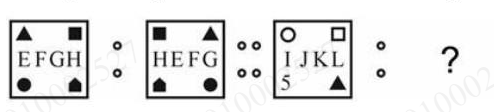
Two figures given on the left side of (::) are related with some logic/rule/relation. Select the missing figure on the right side of (::) from the given alternatives based on the same logic/rule/relation.

  1. AOption (a)

  2. BOption (b)

  3. COption (c)

  4. DOption (d)

View answer & explanation

Correct answer

Answer: (c)C.

Why this answer is correct

Pattern followed here is,

Similarly,

Hence, the correct answer is “Option 3”.

Question 13

Two figures given on the left side of (::) are related with some logic/rule/relation. Select the missing figure on the right side of (::) from the given alternatives based on the same logic/rule/relation.

  1. AOption (a)

  2. BOption (b)

  3. COption (c)

  4. DOption (d)

View answer & explanation

Correct answer

Answer: (b)B.

Why this answer is correct

Pattern followed here is,

Similarly,

Hence, the correct answer is “Option 2”.

Question 14

Select the option that is related to the fifth letter-number cluster in the same way as the second letter-number cluster is related to the first letter-number cluster and fourth letter-number cluster is related to third letter-number cluster. (NOTE: Operations should be performed on the whole numbers, without breaking down the numbers into its constituent digits. E.g.13 – Operations on 13 such as adding /subtracting /multiplying etc. to 13 can be performed. Breaking down 13 into 1 and 3 and then performing mathematical operations on 1 and 3 is not allowed)

JT290 : KU436 :: BF300 : CG446 :: KO480 : ?

  1. AOption (a)

    LN626

  2. BOption (b)

    NM706

  3. COption (c)

    LP706

  4. DOption (d)

    LP626

View answer & explanation

Correct answer

Answer: (d)D.

LP626

Why this answer is correct

<br>

JT290 : KU436

BF300 : CG446

Similarly,

KO480 : ?


Hence, the correct answer is 'Option 4'.

Question 15

Select the option that is related to the fifth letter-number cluster in the same way as the second letter-number cluster is related to the first letter-number cluster and fourth letter-number cluster is related to third letter-number cluster. (NOTE: Operations should be performed on the whole numbers, without breaking down the numbers into its constituent digits. E.g.13 - Operations on 13 such as adding /subtracting /multiplying etc. to 13 can be performed. Breaking down 13 into 1 and 3 and then performing mathematical operations on 1 and 3 is not allowed)

LPR80 : MSM180 :: AKP110 : KNB210 :: YVT150 : ?

  1. AOption (a)

    OZY350

  2. BOption (b)

    YZO250

  3. COption (c)

    OYZ250

  4. DOption (d)

    ZYO350

View answer & explanation

Correct answer

Answer: (c)C.

OYZ250

Why this answer is correct

LPR80 : MSM180

AKP110 : KNB210:

Similarly,

YVT150 : ?

Hence, the correct answer is 'Option 3'.

Question 16

Arrange the given words in the sequence in which they occur in the dictionary.

  1. Disfavour 2. Disgarge 3. Disgrace 4. Disguse 5. Disgust
  1. AOption (a)

    12354

  2. BOption (b)

    54321

  3. COption (c)

    54312

  4. DOption (d)

    12345

View answer & explanation

Correct answer

Answer: (d)D.

12345

Why this answer is correct

Dictionary order of given words:

  1. Disfavour
  2. Disgarge
  3. Disgrace
  4. Disguse
  5. Disgust

Correct order is: 12345

Hence, the correct answer is “Option 4”.

Question 17

Select the option that is related to the fourth number in the same way as the first number is related to the second number and fifth number is related to sixth number. (NOTE: Operations should be performed on the whole numbers, without breaking down the numbers into its constituent digits. E.g.13 – Operations on 13 such as adding /subtracting /multiplying etc. to 13 can be performed. Breaking down 13 into 1 and 3 and then performing mathematical operations on 1 and 3 is not allowed)

9285 : 9334 :: ? : 7980 :: 4473 : 4522

  1. AOption (a)

    7928

  2. BOption (b)

    7930

  3. COption (c)

    7931

  4. DOption (d)

    7932

View answer & explanation

Correct answer

Answer: (c)C.

7931

Why this answer is correct

The logic followed here is:

Logic: Second Number = First Number + 49

For the first pair 9285 : 9334

⇒ 9285 + 49 = 9334

Similarly, for the third pair 4473 : 4522

⇒ 4473 + 49 = 4522

Applying the same logic to the second pair to find the missing number

? : 7980

⇒ ? + 49 = 7980

⇒ ? = 7980 − 49

⇒ ? = 7931

Hence, the correct answer is 'Option 3'.

Question 18

In a certain coded language 'BASIL' is coded as 'CCWGI' and 'TUMOR' is coded as 'UWQMO'.

How will 'DELTA' be coded in the same code language?

  1. AOption (a)

    GIORW

  2. BOption (b)

    GGQSX

  3. COption (c)

    DHQTV

  4. DOption (d)

    EGPRX

View answer & explanation

Correct answer

Answer: (d)D.

EGPRX

Why this answer is correct

<br> <br>

BASIL is coded as CCWGI →

TUMOR is coded as UWQMO →

Similarly,

let's find the code for DELTA:

Hence, the correct answer is “Option 4”.

Question 19

A clock is 4 minutes fast at 5:00 AM and 16 minutes fast at 5:00 PM.

At what time (in AM) will it show the correct time?

  1. AOption (a)

    1:00

  2. BOption (b)

    1:30

  3. COption (c)

    2:10

  4. DOption (d)

    2:30

View answer & explanation

Correct answer

Answer: (a)A.

1:00

Why this answer is correct

The clock gains 12 minutes in a span of 12 hours.

Gain per hour = 12 minutes ÷ 12 hours = 1 minute per hour.

At 5:00 AM, the clock is already 4 minutes fast.

This means that to have been correct (zero error), the clock must have started gaining these 4 minutes from a point of zero error in the past.

Number of hours before 5:00 AM when the clock was correct = Initial gain ÷ Gain rate

Number of hours = 4 minutes ÷ 1 minute/hour = 4 hours.

Time when the clock was correct = 5:00 AM − 4 hours = 1:00 AM.

Therefore, the clock showed the correct time at 1:00 AM.

Hence, the correct answer is “Option 1”.

Question 20

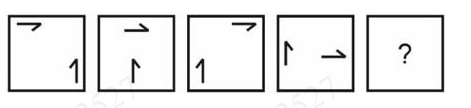
In the following figure series, select the figure which can be placed at the sign of question mark (?) from the given alternatives.

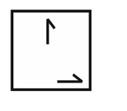
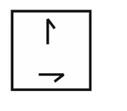
  1. AOption (a)

  2. BOption (b)

  3. COption (c)

  4. DOption (d)

View answer & explanation

Correct answer

Answer: (c)C.

Why this answer is correct

Logic followed here is,

Hence, the correct answer is “Option 3”.

General Knowledge and General Awareness (20 questions)

Question 21

What are the names of the five Sikhs initiated by Guru Gobind Singh Ji to form the Khalsa?

  1. AOption (a)

    Panj Pyare

  2. BOption (b)

    Panj Piaras

  3. COption (c)

    Panj Sikhs

  4. DOption (d)

    Panj Dev

View answer & explanation

Correct answer

Answer: (a)A.

Panj Pyare

Why this answer is correct

The correct answer is Panj Pyare.

Key Points

  • The Panj Pyare (literally meaning the Five Beloved Ones) were the five individuals who responded to Guru Gobind Singh Ji's call for sacrifice on the day of Vaisakhi in 1699 at Anandpur Sahib.
  • These five brave men were Bhai Daya Singh (a Khatri from Lahore), Bhai Dharam Singh (a Jat from Hastinapur), Bhai Himmat Singh (a water-carrier from Jagannath Puri), Bhai Mohkam Singh (a tailor from Dwarka), and Bhai Sahib Singh (a barber from Bidar).
  • The selection of these individuals from different castes and different parts of the Indian subcontinent was a deliberate act by Guru Gobind Singh Ji to abolish the Caste System and promote universal brotherhood.
  • They were the first to receive Khande di Pahul (initiation with a double-edged sword) and formed the nucleus of the Khalsa Panth, a community of saint-soldiers dedicated to righteousness and protection of the oppressed.
  • After initiating them, Guru Gobind Singh Ji himself received initiation from the Panj Pyare, establishing the principle of Aape Gur Chela (the Guru is the Disciple and the Disciple is the Guru).

 Additional Information

  • The Khalsa Identity:
  • The Five Ks: The Panj Pyare were the first to adopt the five mandatory articles of faith: Kesh (uncut hair), Kangha (wooden comb), Kara (iron bracelet), Kachera (cotton undergarments), and Kirpan (ceremonial sword).
  • Titles: To further eliminate social hierarchy, all initiated men were given the title Singh (meaning Lion) and women were given the title Kaur (meaning Princess or Lioness).
  • Rehit Maryada: The Panj Pyare were entrusted with upholding the Code of Conduct (Rehit) and have the authority to lead the community in religious and administrative matters through Gurmattas (collective resolutions).
  • Amrit Sanchar: The initiation ceremony involved stirring sugar crystals (Patashas) in water with a Khanda while reciting the five prayers: Japji Sahib, Jaap Sahib, Tav-Prasad Savaiye, Chaupai Sahib, and Anand Sahib.

Question 22

Just before an object strikes the ground during free fall (ignoring air resistance), how are its potential and kinetic energies related?

  1. AOption (a)

    Potential energy is maximum, kinetic energy is minimum

  2. BOption (b)

    Potential energy is minimum, kinetic energy is maximum

  3. COption (c)

    Both kinetic and potential energies are zero

  4. DOption (d)

    Some energy is lost due to transformation

View answer & explanation

Correct answer

Answer: (b)B.

Potential energy is minimum, kinetic energy is maximum

Why this answer is correct

The correct answer is Potential energy is minimum, kinetic energy is maximum.

Key Points

  • According to the Law of Conservation of Energy, energy can neither be created nor destroyed; it can only be transformed from one form to another. In a free-fall scenario where air resistance is neglected, the total mechanical energy (sum of potential and kinetic energy) remains constant.
  • Potential Energy (PE) is defined as mgh, where m is mass, g is acceleration due to gravity, and h is the height above the reference level. As the object falls, its height decreases, causing the potential energy to decrease until it reaches its minimum value (zero) just before striking the ground.
  • Kinetic Energy (KE) is defined as 1/2 mv2, where v is the velocity. During the fall, the force of gravity accelerates the object, causing its velocity to increase continuously.
  • Just before the impact, the object reaches its terminal velocity for that specific height, making the Kinetic Energy reach its maximum value. At this point, nearly all the initial potential energy has been converted into kinetic energy.

 Additional Information

  • Mechanical Energy Components:
  • Gravitational Potential Energy: This is highest at the maximum altitude and lowest at ground level. It depends directly on the vertical displacement from the datum line.
  • Kinetic Energy: This is zero when the object is at rest (at the start of the fall) and reaches its peak just before the object is stopped by the ground.
  • Energy Transformation: While the object is in motion, there is a continuous interconversion between PE and KE, but their sum stays the same if non-conservative forces (like friction) are absent.
  • Invalid Scenarios:
  • Energy Loss: In an ideal physics problem ignoring air resistance, no energy is lost to heat or sound during the fall itself; transformation only occurs upon impact.
  • Zero Energy: The kinetic energy cannot be zero at the point of impact as the object possesses maximum velocity.

Question 23

Who is the author of Interpreter of Maladies?

  1. AOption (a)

    Arundhati Roy

  2. BOption (b)

    Jhumpa Lahiri

  3. COption (c)

    Kiran Desai

  4. DOption (d)

    Anita Desai

View answer & explanation

Correct answer

Answer: (b)B.

Jhumpa Lahiri

Why this answer is correct

The correct answer is Jhumpa Lahiri.

Key Points

  • Jhumpa Lahiri is the author of the acclaimed debut short story collection titled Interpreter of Maladies, which was published in 1999.
  • The book is a collection of nine distinct stories that explore the lives of Indians and Indian Americans who are caught between their traditional roots and the complexities of the New World.
  • In 2000, the collection was awarded the Pulitzer Prize for Fiction, making Lahiri one of the youngest authors to receive this prestigious honor.
  • The stories frequently address themes of cultural isolation, the immigrant experience, marital friction, and the search for identity in post-colonial contexts.
  • Notable stories within the collection include A Temporary Matter, The Treatment of Bibi Haldar, and the title story Interpreter of Maladies.

 Additional Information

  • Arundhati Roy
  • She is an influential Indian author best known for her debut novel, The God of Small Things, which won the Man Booker Prize in 1997.
  • Her work is characterized by its exploration of caste dynamics, family relationships, and political activism in India.
  • Kiran Desai
  • She is the author of The Inheritance of Loss, which won the Man Booker Prize in 2006.
  • Her narratives often deal with globalization, colonialism, and the migration between the East and the West.
  • Anita Desai
  • A prolific Indian novelist and mother of Kiran Desai, she has been shortlisted for the Booker Prize three times for novels such as Clear Light of Day and In Custody.
  • She was honored with the Sahitya Akademi Award in 1978 and the Padma Bhushan in 2014.

Question 24

Which of the following rivers forms the world's largest delta?

  1. AOption (a)

    Indus

  2. BOption (b)

    Ganga-Brahmaputra

  3. COption (c)

    Godavari

  4. DOption (d)

    Krishna

View answer & explanation

Correct answer

Answer: (b)B.

Ganga-Brahmaputra

Why this answer is correct

The correct answer is Ganga-Brahmaputra.

Key Points

  • The Ganga-Brahmaputra Delta, also famously known as the Sunderbans Delta or the Bengal Delta, is the largest delta in the world.
  • It is situated in the South Asian region, covering a vast area of approximately 105,000 square kilometers across Bangladesh and the Indian state of West Bengal.
  • This arcuate (fan-shaped) delta is formed by the confluence of three major river systems: the Ganga, the Brahmaputra, and the Meghna, which eventually drain into the Bay of Bengal.
  • The region is exceptionally fertile due to the massive amount of alluvial soil deposited annually by these Himalayan rivers, earning it the nickname the Green Delta.
  • It is home to the Sundarbans, which is the world’s largest contiguous mangrove forest and is designated as a UNESCO World Heritage Site.

 Additional Information

  • Indus River:
  • Originates in the Kailash Range of Tibet and flows through Ladakh before entering Pakistan.
  • It forms a significant delta near Karachi on the Arabian Sea, though it is much smaller and more arid than the Bengal Delta.
  • Godavari River:
  • Known as the Dakshin Ganga, it is the largest river in Peninsular India, originating from Trimbakeshwar in Maharashtra.
  • It forms a lobate delta on the East Coast of India in Andhra Pradesh.
  • Krishna River:
  • Originates near Mahabaleshwar in the Western Ghats and is the second-largest east-flowing peninsular river.
  • Its delta is located at Hamsaladeevi in Andhra Pradesh and is a vital region for paddy cultivation.

Question 25

If the satellite's orbital period is 90 minutes, what is the key force keeping it in orbit?

  1. AOption (a)

    Gravitational force of Earth

  2. BOption (b)

    Centrifugal force of satellite

  3. COption (c)

    Magnetic force from Earth

  4. DOption (d)

    Electromagnetic force

View answer & explanation

Correct answer

Answer: (a)A.

Gravitational force of Earth

Why this answer is correct

The correct answer is Gravitational force of Earth.

Key Points

  • The Gravitational force of Earth acts as the essential centripetal force required to keep a satellite in a stable circular or elliptical orbit. Without this constant inward pull, the satellite would fly off in a straight line into space due to its inertia.
  • An orbital period of approximately 90 minutes is a characteristic feature of a satellite in Low Earth Orbit (LEO). To maintain this period, the satellite must travel at a very high tangential velocity of roughly 7.8 km/s or 28,000 km/h.
  • At an altitude of about 200 to 400 kilometers, the acceleration due to gravity is still approximately 90% of its value at the Earth surface. The satellite remains in orbit because its horizontal velocity is so high that the curvature of its fall matches the curvature of the Earth.
  • According to Newton's Law of Universal Gravitation, the force is proportional to the product of the masses and inversely proportional to the square of the distance between their centers. This force provides the acceleration (v2/r v^{2} / r ) necessary for circular motion.

 Additional Information

  • Centrifugal force:
  • It is often mistaken as a real force, but it is actually a pseudo-force or inertial force experienced only within a rotating reference frame. It does not pull the satellite; rather, the satellite's inertia resists the change in direction caused by gravity.
  • Magnetic and Electromagnetic forces:
  • While the Earth possesses a magnetic field (magnetosphere), its primary role is to deflect solar wind and cosmic radiation. It is far too weak to provide the mechanical force needed to hold a massive satellite in its orbital trajectory.
  • Electromagnetic forces are dominant at the atomic level or in specific propulsion technologies like Hall-effect thrusters, but they are not the primary drivers of celestial mechanics or orbital stability.

Question 26

If the Moon takes 27 days to orbit Earth, how many degrees does it move per day along its orbit?

  1. AOption (a)

    13.3°

  2. BOption (b)

    27°

  3. COption (c)

    360°

  4. DOption (d)

    7°

View answer & explanation

Correct answer

Answer: (a)A.

13.3°

Why this answer is correct

The correct answer is 13.3degree.

Key Points

  • The Moon moves around the Earth in a nearly circular path called a revolution or an orbit.
  • In geometry and astronomy, a complete revolution or one full circle around a central body is defined as 360 degrees of angular displacement.
  • The time the Moon takes to complete one full orbit relative to the stars is its sidereal period, which is approximately 27.3 days; however, for simplified mathematical problems, it is often rounded to 27 days.
  • To determine the daily angular speed of the Moon, the total degrees in the orbit (360) must be divided by the total number of days taken to complete that orbit (27).
  • The calculation is expressed as: 360 ÷ 27 ≈ 13.333. When rounded to one decimal place, this equals 13.3 degrees per day.
  • This eastward movement of approximately 13.3 degrees every 24 hours explains why the Moon rises approximately 50 minutes later each day.

 Additional Information

  • Lunar Orbital Mechanics:
  • Sidereal vs. Synodic Month: While the sidereal month (the physical orbit) is 27.32 days, the synodic month (the time between two New Moons) is 29.53 days because the Earth also moves along its orbit around the Sun during that time.
  • Variable Speed: The Moon follows an elliptical orbit. According to Kepler’s Second Law, it moves faster at perigee (closest point to Earth) and slower at apogee (farthest point).
  • Tidal Locking: The Moon takes the same amount of time to rotate once on its axis as it does to orbit the Earth (27.3 days), which is why we always see the same lunar face.
  • Angular Observations:
  • The angular diameter of the Moon in the night sky is roughly 0.5 degrees.
  • Since the Moon moves 13.3 degrees per day, it travels a distance in the sky roughly equal to its own diameter every hour.

Question 27

Which Indian satellite helped in monitoring cyclones like Hudhud and Phailin?

  1. AOption (a)

    INSAT-3D

  2. BOption (b)

    Cartosat-1

  3. COption (c)

    GSAT-7

  4. DOption (d)

    RISAT-2

View answer & explanation

Correct answer

Answer: (a)A.

INSAT-3D

Why this answer is correct

The correct answer is INSAT-3D.

Key Points

  • INSAT-3D is an advanced meteorological satellite developed by the Indian Space Research Organisation (ISRO), launched on July 26, 2013.
  • It was specifically designed for enhanced meteorological observations and monitoring of land and ocean surfaces to improve weather forecasting and disaster warning systems.
  • The satellite proved instrumental in tracking Cyclone Phailin in October 2013 and Cyclone Hudhud in October 2014, providing accurate data on cyclone intensity and landfall predictions.
  • Equipped with a 6-channel Imager and a 19-channel Sounder, it allowed the India Meteorological Department (IMD) to obtain precise vertical profiles of temperature and atmospheric humidity.
  • By providing high-resolution imagery every 30 minutes, INSAT-3D significantly reduced the uncertainty in natural disaster tracking in the Bay of Bengal and the Arabian Sea.

 Additional Information

  • Cartosat-1:
  • Launched in 2005, it is the first dedicated cartographic satellite of India, providing high-resolution stereo imagery for 3D mapping and terrain modeling.
  • GSAT-7:
  • Commonly known as Rukmini, it is a multi-band military communication satellite specifically built for the Indian Navy to provide secure real-time communication across the Indian Ocean Region.
  • RISAT-2:
  • A Radar Imaging Satellite launched in 2009, it features Synthetic Aperture Radar (SAR), enabling all-weather and day-night surveillance for border security and disaster management.

Question 28

The Second Five-Year Plan (1956-61) focused primarily on

  1. AOption (a)

    Export promotion of handicrafts

  2. BOption (b)

    Industrialization and heavy industries

  3. COption (c)

    Expansion of the service sector

  4. DOption (d)

    Complete privatization of agriculture

View answer & explanation

Correct answer

Answer: (b)B.

Industrialization and heavy industries

Why this answer is correct

The correct answer is Industrialization and heavy industries.

Key Points

  • The Second Five-Year Plan, which operated from 1956 to 1961, was primarily based on the Mahalanobis Model, named after the prominent Indian statistician Prasanta Chandra Mahalanobis.
  • The plan marked a strategic shift in India's development trajectory by prioritizing rapid industrialization over the agricultural focus of the First Plan.
  • The central objective was the development of basic and heavy industries, such as iron and steel, chemicals, and heavy engineering, to create a self-reliant industrial base.
  • During this period, three major public sector steel plants were established with international cooperation: Bhilai (with the help of the USSR), Durgapur (with the help of the UK), and Rourkela (with the help of West Germany).
  • The plan also targeted a 25 percent increase in the national income to improve the standard of living and foster economic growth.

 Additional Information

  • Mahalanobis Strategy:
  • This strategy emphasized investment in the capital goods sector, under the belief that producing machines that make other machines would accelerate the rate of capital formation and long-term economic independence.
  • Industrial Policy Resolution of 1956:
  • This resolution served as the economic blueprint for the Second Plan, aiming to establish a socialistic pattern of society where the public sector would hold the 'commanding heights' of the economy.
  • Technological and Scientific Advancements:
  • The Atomic Energy Commission was established in 1958 with Homi J. Bhabha as the first chairman, signifying the emphasis on modern scientific research during this era.
  • Higher education and technical training were bolstered through the development of Indian Institutes of Technology (IITs) to provide the skilled workforce needed for large-scale industrial projects.
  • Other Institutional Developments:
  • The Khadi and Village Industries Commission (KVIC) was established in 1957 to promote rural employment, showing that while heavy industry was the priority, cottage industries were still maintained for social balance.

Question 29

Who won India's only medal in athletics at the Tokyo 2020 Olympics?

  1. AOption (a)

    Neeraj Chopra

  2. BOption (b)

    Anju Bobby George

  3. COption (c)

    Avinash Sable

  4. DOption (d)

    Hima Das

View answer & explanation

Correct answer

Answer: (a)A.

Neeraj Chopra

Why this answer is correct

The correct answer is Neeraj Chopra.

Key Points

  • Neeraj Chopra created history by winning the Gold Medal in the Men's Javelin Throw at the Tokyo 2020 Olympics (held in 2021).
  • He achieved a remarkable distance of 87.58 meters in his second attempt during the final, securing the top position on the podium.
  • This victory marked India's first-ever Olympic gold medal in athletics and the country's first athletics medal since independence.
  • With this feat, he became the second Indian to win an individual Olympic gold medal, following Abhinav Bindra, who won gold in shooting at the 2008 Beijing Olympics.
  • His historic achievement ended a 121-year wait for an Olympic medal in track and field for India, the previous ones being two silvers won by Norman Pritchard in 1900.

 Additional Information

  • Anju Bobby George:
  • She is a legendary Indian Long Jumper who became the first Indian athlete to win a medal at the World Championships in Athletics (Bronze in 2003, Paris).
  • She represented India at the 2004 Athens Olympics, where she finished in the fifth position (later upgraded to fourth).
  • Avinash Sable:
  • An Indian track and field athlete specializing in the 3000 meters steeplechase event.
  • He holds multiple National Records and won the silver medal at the 2022 Commonwealth Games in Birmingham.
  • Hima Das:
  • Nicknamed the Dhing Express, she is a sprinter from Assam specializing in 400m and 200m races.
  • She was the first Indian athlete to win a gold medal in a track event at the IAAF World U20 Championships in 2018.

Question 30

Which international organization oversees the global fight against doping in sports?

  1. AOption (a)

    WADA

  2. BOption (b)

    IOC

  3. COption (c)

    USADA

  4. DOption (d)

    NADA

View answer & explanation

Correct answer

Answer: (a)A.

WADA

Why this answer is correct

The correct answer is WADA.

Key Points

  • The World Anti-Doping Agency (WADA) is the primary international organization established to coordinate and monitor the fight against drugs in sports.
  • It was founded on November 10, 1999, in Lausanne, Switzerland, following the First World Conference on Doping in Sport and the subsequent Declaration of Lausanne.
  • WADA is currently headquartered in Montreal, Quebec, Canada, since 2002.
  • The agency is responsible for the World Anti-Doping Code, a comprehensive document that harmonizes anti-doping regulations across all sports and all countries.
  • Its core activities include scientific research, education, and the development of anti-doping capacities to ensure a level playing field for all athletes globally.
  • The organization is funded equally by the Olympic Movement and governments of the world, ensuring a balanced governance structure between sports bodies and public authorities.

 Additional Information

  • IOC (International Olympic Committee):
  • An independent non-profit international organization based in Lausanne, Switzerland, responsible for the Olympic Games.
  • While it initiated the creation of WADA, its primary focus is the broader management of the Olympic Movement.
  • USADA (United States Anti-Doping Agency):
  • The national anti-doping organization (NADO) specifically for the United States.
  • It manages drug testing and results for U.S. athletes in Olympic and Paralympic sports but does not have global jurisdiction.
  • NADA (National Anti-Doping Agency):
  • The national body responsible for monitoring and promoting anti-doping activities in India.
  • It operates under the Ministry of Youth Affairs and Sports and implements WADA-compliant policies within the Indian sporting ecosystem.

Question 31

The trade policy of the 1950s-1980s in India emphasized:

  1. AOption (a)

    Complete liberalization

  2. BOption (b)

    Import substitution and protectionism

  3. COption (c)

    Export promotion through free trade

  4. DOption (d)

    Foreign portfolio investment

View answer & explanation

Correct answer

Answer: (b)B.

Import substitution and protectionism

Why this answer is correct

The correct answer is Import substitution and protectionism.

Key Points

  • From 1950 to 1990, India adopted an inward-looking trade strategy, officially known as Import Substitution Industrialization (ISI), to achieve self-reliance.
  • The primary goal was to replace imports with domestic production, ensuring that goods previously purchased from abroad were manufactured within the country to save foreign exchange reserves.
  • The government protected infant industries from foreign competition using two main instruments: tariffs (high taxes on imported goods) and quotas (strict limits on the quantity of goods that could be imported).
  • This policy framework was heavily influenced by the Mahalanobis Model during the Second Five-Year Plan, which prioritized the development of heavy and capital goods industries.
  • Under the Industrial Policy Resolution of 1956, the state maintained supreme control over trade and industry, a system often referred to as the License Raj.
  • The strategy successfully diversified India's industrial base into sectors like electronics and automobiles, which would have struggled to survive against established global competitors without protectionism.

 Additional Information

  • Economic Liberalization (1991):
  • Following a severe Balance of Payments (BoP) crisis in 1991, India shifted toward Liberalization, Privatization, and Globalization (LPG).
  • This reform era marked the end of the License Raj and moved the economy toward export promotion and free trade.
  • Foreign Portfolio Investment (FPI):
  • FPI involves investing in financial assets such as stocks and bonds. This was largely restricted during the 1950s-1980s to prevent foreign ownership of domestic assets.
  • Global Context:
  • While India focused on domestic markets, many East Asian economies like South Korea adopted export-oriented growth during the same period, achieving faster industrial expansion.

Question 32

The Food Corporation of India (FCI) was established in:

  1. AOption (a)

    1951

  2. BOption (b)

    1965

  3. COption (c)

    1968

  4. DOption (d)

    1974

View answer & explanation

Correct answer

Answer: (b)B.

1965

Why this answer is correct

The correct answer is 1965.

Key Points

  • The Food Corporation of India (FCI) is a Statutory Body established under the Food Corporation Act, 1964, following the recommendations of the L.K. Jha Committee.
  • The organization was officially inaugurated on January 14, 1965, with its first regional office established in Thanjavur, Tamil Nadu.
  • Its creation was a strategic response to the severe Food Grain Scarcity and price volatility during the mid-1960s, aiming to modernize the country's food management system.
  • The FCI is mandated to fulfill the objectives of the National Food Policy, primarily focusing on Food Security through procurement, storage, and distribution of essential commodities.

 Additional Information

  • Core Objectives:
  • Implementing Price Support Operations to provide Remunerative Prices to farmers, preventing distress sales.
  • Maintaining a Buffer Stock of foodgrains (wheat and rice) to ensure national security during crop failures or emergencies.
  • Facilitating the movement of foodgrains from Surplus States to Deficit States through the Public Distribution System (PDS).
  • Administrative Setup:
  • The FCI operates under the Department of Food and Public Distribution within the Ministry of Consumer Affairs, Food and Public Distribution.
  • While the initial headquarters were in Chennai, the central office was later shifted to New Delhi to better coordinate with the central government.
  • It collaborates with the Commission for Agricultural Costs and Prices (CACP) to execute the Minimum Support Price (MSP) regime.
  • Operations:
  • It acts as the main agency for the National Food Security Act (NFSA), 2013, ensuring that highly Subsidized Foodgrains reach over 800 million beneficiaries.

Question 33

What is the age group covered under Atal Pension Yojana (APY)?

  1. AOption (a)

    18 to 40 years

  2. BOption (b)

    18 to 60 years

  3. COption (c)

    21 to 40 years

  4. DOption (d)

    21 to 60 years

View answer & explanation

Correct answer

Answer: (a)A.

18 to 40 years

Why this answer is correct

The correct answer is 18 to 40 years.

Key Points

  • The Atal Pension Yojana (APY) was officially launched by Prime Minister Narendra Modi on 9th May 2015 in Kolkata, replacing the previous Swavalamban Yojana.
  • The scheme is designed to provide social security to workers in the unorganized sector, ensuring they have a stable income after retirement.
  • To be eligible for the scheme, an applicant must be an Indian citizen within the age bracket of 18 to 40 years.
  • The minimum period of contribution by any subscriber under APY is 20 years or more, as the pension benefits begin only after the individual reaches the age of 60.
  • It is regulated by the Pension Fund Regulatory and Development Authority (PFRDA) through the National Pension System (NPS) framework.
  • Subscribers are guaranteed a minimum monthly pension of Rs. 1,000, Rs. 2,000, Rs. 3,000, Rs. 4,000, or Rs. 5,000 based on their contribution amount and age of entry.

 Additional Information

  • Eligibility and Exclusion:
  • As per the latest amendments effective from October 1, 2022, any citizen who is or has been an income tax payer is not eligible to join the Atal Pension Yojana.
  • A valid savings bank account and a registered mobile number are mandatory requirements for enrollment.
  • Death Benefits:
  • If the subscriber dies, the spouse is eligible to receive the same pension amount until their death.
  • After the demise of both the subscriber and the spouse, the entire pension corpus accumulated till age 60 is returned to the nominee.
  • Payment Frequency:
  • Subscribers have the flexibility to make contributions on a monthly, quarterly, or half-yearly basis through an auto-debit facility from their linked bank accounts.

Question 34

The Western Ghats are also known as:

  1. AOption (a)

    Sahyadri Hills

  2. BOption (b)

    Vindhya Range

  3. COption (c)

    Aravali Hills

  4. DOption (d)

    Nilgiri Hills

View answer & explanation

Correct answer

Answer: (a)A.

Sahyadri Hills

Why this answer is correct

The correct answer is Sahyadri Hills.

Key Points

  • The Western Ghats, also known as the Sahyadri mountain range, is a continuous chain of mountains running parallel to the western coast of the Indian peninsula, stretching over 1,600 kilometers.
  • It originates near the border of Gujarat and Maharashtra, south of the Tapti River, and extends through the states of Goa, Karnataka, Kerala, and Tamil Nadu, ending at Swamithoppe in Kanyakumari.
  • The range covers an area of approximately 160,000 square kilometers and has an average elevation of about 1,200 meters (3,900 feet).
  • In Maharashtra and Northern Karnataka, the local name for this range is Sahyadri, which translates to the Benevolent Mountains.
  • It is one of the world's eight hottest hotspots of biological diversity and was declared a UNESCO World Heritage Site in 2012 due to its unique biophysical and ecological processes.
  • The Western Ghats act as a major geographical barrier, intercepting the moisture-laden Southwest Monsoon winds, which results in heavy orographic rainfall on its western slopes.

 Additional Information

  • Vindhya Range
  • It is a complex system of mountain ridges, hill ranges, and plateau escarpments in West-Central India.
  • Historically, it is considered the traditional boundary between North India (Indo-Gangetic plain) and South India (Deccan Plateau).
  • Aravali Hills
  • One of the oldest fold mountain systems in the world, located in the northwestern part of India.
  • It runs approximately 670 kilometers in a southwest direction, starting near Delhi, passing through southern Haryana and Rajasthan, and ending in Gujarat.
  • Nilgiri Hills
  • Often called the Blue Mountains, they are located at the junction of the Western Ghats and the Eastern Ghats in Tamil Nadu.
  • The highest point in this range is Doddabetta Peak, and the area is famous for its Shola forests and large-scale tea cultivation.

Question 35

Which trade-related policy reform was introduced in 1991 to stimulate India's export growth?

  1. AOption (a)

    Import Substitution Strategy

  2. BOption (b)

    Export-Import Policy Framework

  3. COption (c)

    Economic Liberalization Policy

  4. DOption (d)

    Green Revolution Strategy

View answer & explanation

Correct answer

Answer: (c)C.

Economic Liberalization Policy

Why this answer is correct

The correct answer is Economic Liberalization Policy.

Key Points

  • In July 1991, India introduced the New Economic Policy (NEP) as a response to a severe Balance of Payments (BoP) crisis and dwindling foreign exchange reserves.
  • The Economic Liberalization Policy served as the primary trade-related reform designed to end the License Raj and open the Indian economy to international competition.
  • To boost export growth, the government executed a devaluation of the Indian Rupee by approximately 18-19 percent, making Indian goods more price-competitive in the global market.
  • The reform involved the removal of Quantitative Restrictions (QRs) on most manufactured consumer goods and agricultural products to facilitate easier trade flows.
  • It introduced Trade Policy Reforms that shifted India from an inward-looking protectionist regime to an outward-looking export-oriented framework by drastically reducing import tariffs.
  • The policy aimed at achieving globalization by encouraging Foreign Direct Investment (FDI) and easing the flow of foreign technology into domestic industrial sectors.

 Additional Information

  • Import Substitution Strategy:
  • Predominant policy before 1991 aimed at protecting domestic industries.
  • Focused on self-reliance by discouraging imports through high tariffs and strict quotas.
  • Green Revolution Strategy:
  • Initiated in the mid-1960s to achieve food security.
  • Focused on High-Yielding Variety (HYV) seeds, irrigation, and fertilizers, primarily for wheat and rice, rather than trade liberalization.
  • Structural Adjustment Programs:
  • Part of the IMF and World Bank conditions for the 1991 bailout.
  • Included measures like privatization, fiscal discipline, and the transition from FERA (Foreign Exchange Regulation Act) to FEMA (Foreign Exchange Management Act).

Question 36

Which important chieftains dominated the Tamil region during the Sangam Age?

  1. AOption (a)

    The Chalukyas, the Cheras and the Mauryas

  2. BOption (b)

    The Cholas, the Cheras and the Pandyas

  3. COption (c)

    The Cholas, the Satavahanas and the Guptas

  4. DOption (d)

    The Pallavas, the Mauryas and the Nandas

View answer & explanation

Correct answer

Answer: (b)B.

The Cholas, the Cheras and the Pandyas

Why this answer is correct

The correct answer is The Cholas, the Cheras and the Pandyas.

Key Points

  • The Sangam Age is a significant period in the history of South India, primarily dating from 300 BCE to 300 CE, characterized by the flourishing of Tamil literature and culture.
  • The region of Tamilakam was dominated by three powerful dynasties known as the Muvendar (the three crowned kings), consisting of the Cholas, the Cheras, and the Pandyas.
  • The Cholas controlled the central and northern parts of Tamil Nadu, specifically the Kaveri delta region. Their early capital was Uraiyur, and Puhar (Kaveripattinam) served as their major port.
  • The Cheras ruled over the western coast, covering parts of modern-day Kerala and western Tamil Nadu. Their capital was located at Vanji, and they controlled the lucrative pepper trade through ports like Musiri and Tondi.
  • The Pandyas were established in the southern part of the peninsula with Madurai as their capital. They were famous for their patronage of the Tamil Sangams (literary assemblies) and their dominance in the pearl trade.

 Additional Information

  • The Muvendar System
  • Each of the three chiefs had two main centers of power: one situated inland and one on the coast, totaling six major centers for the three dynasties.
  • These rulers did not collect regular taxes but instead received gifts from the people and conducted military raids to gather wealth.
  • Incorrect Dynasties and Regions
  • Mauryas and Nandas: These were powerful dynasties based in Magadha (North India). While the Mauryas, under Ashoka, maintained contact with the southern kingdoms, they never directly ruled the Tamil region.
  • Satavahanas: This dynasty ruled the Deccan region (modern-day Maharashtra and Andhra Pradesh) and emerged as a major power following the decline of the Mauryas.
  • Guptas: The Gupta Empire flourished much later (4th to 6th century CE) in Northern India and is often referred to as the Golden Age of India.
  • Pallavas: Although they became a dominant force in the Tamil region, their rise to prominence occurred in the Post-Sangam period, primarily from the 6th century CE onwards.

Question 37

The Mahajanapada of Kasi (Kashi) is related to which present-day city?

  1. AOption (a)

    Jaipur

  2. BOption (b)

    Mathura

  3. COption (c)

    Banaras (Varanasi)

  4. DOption (d)

    Allahabad

View answer & explanation

Correct answer

Answer: (c)C.

Banaras (Varanasi)

Why this answer is correct

The correct answer is Banaras (Varanasi).

Key Points

  • Kasi was one of the most powerful of the sixteen Mahajanapadas (Sixteen Great States) that existed in ancient India during the 6th century BCE.
  • The capital of this Mahajanapada was Varanasi, which took its name from the Varuna and Asi rivers that flow into the Ganges.
  • In early Buddhist literature like the Anguttara Nikaya, Kasi is mentioned at the head of the list of the sixteen Mahajanapadas due to its immense prosperity and cultural significance.
  • The region was a major center for the production of cotton and silk textiles, and it was renowned for its high-quality craftsmanship in ancient times.
  • Historically, Kasi was involved in prolonged conflicts with neighboring kingdoms like Kosala, Magadha, and Anga, eventually being annexed by Kosala before becoming part of the Magadhan Empire.

 Additional Information

  • Mathura:
  • It served as the capital of the Surasena Mahajanapada.
  • It was a vital center for the Bhakti movement and is traditionally associated with the deity Krishna.
  • Allahabad (Prayagraj):
  • This region was closely associated with the Vatsa Mahajanapada, which had its capital at Kaushambi, located approximately 50 km from the modern city.
  • Jaipur:
  • The area around modern Jaipur was part of the Matsya Mahajanapada, with its capital located at Viratnagar (modern Bairat).

Question 38

Who was Swami Vivekananda's guru?

  1. AOption (a)

    Ramanand

  2. BOption (b)

    Adi Shankaracharya

  3. COption (c)

    Chaitanya Mahaprabhu

  4. DOption (d)

    Ramakrishna Paramhansa

View answer & explanation

Correct answer

Answer: (d)D.

Ramakrishna Paramhansa

Why this answer is correct

The correct answer is Ramakrishna Paramhansa.

Key Points

  • Swami Vivekananda, born as Narendra Nath Datta, was the chief disciple of the 19th-century Indian mystic Ramakrishna Paramhansa.
  • The duo first met in 1881 at the Dakshineshwar Kali Temple, where Ramakrishna served as a priest and practiced various spiritual paths to realize God.
  • Ramakrishna Paramhansa is credited with transforming Vivekananda from a skeptical intellectual into a spiritual leader by answering his profound questions on the existence of the Divine.
  • After the passing of his guru in 1886, Vivekananda carried forward his teachings, emphasizing Advaita Vedanta and the philosophy that 'service to man is service to God'.
  • To honor his guru's legacy, Vivekananda founded the Ramakrishna Math and the Ramakrishna Mission in 1897, focusing on worldwide spiritual and humanitarian work.

 Additional Information

  • Ramanand:
  • A 14th-century Bhakti Movement saint who advocated for social equality and was the guru of famous figures like Kabir and Ravidas.
  • Adi Shankaracharya:
  • An 8th-century philosopher and theologian who consolidated the doctrine of Advaita Vedanta and established four major Mathas in India.
  • Chaitanya Mahaprabhu:
  • A 15th-century saint from Bengal who founded Gaudiya Vaishnavism and popularized the Bhakti tradition through Sankirtana (communal chanting).
  • Swami Vivekananda's Impact:
  • He is best known for his iconic speech at the Parliament of the World's Religions in Chicago in 1893, where he introduced Hinduism to the global stage.

Question 39

Who among the following leaders strongly opposed the partition of India?

  1. AOption (a)

    Mohammad Ali Jinnah

  2. BOption (b)

    Chaudhary Rahmat Ali

  3. COption (c)

    Liyakat Ali Khan

  4. DOption (d)

    Khan Abdul Ghaffar Khan

View answer & explanation

Correct answer

Answer: (d)D.

Khan Abdul Ghaffar Khan

Why this answer is correct

The correct answer is Khan Abdul Ghaffar Khan.

Key Points

  • Khan Abdul Ghaffar Khan, widely known as the Frontier Gandhi, was a prominent Pashtun leader who was a lifelong follower of Mahatma Gandhi and his philosophy of non-violence.
  • He founded the Khudai Khidmatgar (Servants of God) movement in 1929, which played a critical role in the Indian independence struggle through non-violent resistance against British rule in the North-West Frontier Province (NWFP).
  • He was a staunch opponent of the Two-Nation Theory and the Partition of India, believing that a divided nation would lead to communal disharmony and suffering.
  • When the Indian National Congress eventually accepted the partition plan under the Mountbatten Plan of 1947, he felt deeply betrayed and famously remarked, 'You have thrown us to the wolves,' referring to the abandonment of the Pashtun people to the newly formed state of Pakistan.

 Additional Information

  • Mohammad Ali Jinnah:
  • The leader of the All India Muslim League and the primary advocate for the creation of Pakistan; he is regarded as the Father of the Nation in Pakistan.
  • Chaudhary Rahmat Ali:
  • A Pakistani nationalist who is credited with coining the name 'Pakistan' in his 1933 pamphlet titled 'Now or Never' while studying at the University of Cambridge.
  • Liyakat Ali Khan:
  • A key leader of the Muslim League who supported the partition and went on to become the first Prime Minister of Pakistan in 1947.
  • Bharat Ratna:
  • In recognition of his immense contribution to the freedom struggle and his commitment to secularism, Khan Abdul Ghaffar Khan was awarded India's highest civilian honor, the Bharat Ratna, in 1987.

Question 40

In 2025, IMF in its World Economic Outlook, has projected India's GDP growth at around ____ for 2026.

  1. AOption (a)

    6.4%

  2. BOption (b)

    7.1%

  3. COption (c)

    8.5%

  4. DOption (d)

    7.9%

View answer & explanation

Correct answer

Answer: (a)A.

6.4%

Why this answer is correct

The correct answer is 6.4%.

Key Points

  • In its World Economic Outlook (WEO) update released in January 2025, the International Monetary Fund (IMF) projected that India's GDP growth would be 6.4% for the year 2026.
  • This projection indicates that India will continue to be one of the fastest-growing major economies in the world, maintaining significant momentum despite global economic uncertainties.
  • The IMF attributes this growth trajectory to sustained domestic demand, a recovery in private consumption, and robust public infrastructure spending initiated by the government.
  • The 6.4% figure reflects a consolidation phase as the economy stabilizes following the post-pandemic surge and adjusts to global financial conditions and commodity price fluctuations.

 Additional Information

  • International Monetary Fund (IMF):
  • It was established in 1944 at the Bretton Woods Conference and is headquartered in Washington, D.C.
  • The organization consists of 190 member countries working to foster global monetary cooperation and secure financial stability.
  • The World Economic Outlook is published twice a year, typically in April and October, with interim updates in January and July.
  • Economic Growth Metrics:
  • GDP (Gross Domestic Product) is the total monetary value of all finished goods and services produced within a country's borders in a specific time period.
  • Real GDP growth is a key indicator of economic health, as it is adjusted for inflation to show the actual increase in production.
  • Other organizations like the World Bank and the Asian Development Bank (ADB) also provide annual growth forecasts for the Indian economy, which often align closely with IMF estimates.

Elementary Mathematics (20 questions)

Question 41

82 + 66 - (41 + 29) + 73 - 54 + 36 = ?

  1. AOption (a)

    133

  2. BOption (b)

    135

  3. COption (c)

    137

  4. DOption (d)

    139

View answer & explanation

Correct answer

Answer: (a)A.

133

Why this answer is correct

Shortcut Trick

Solve the bracketed terms first and then group positive and negative values.

Expression → 82 + 66 − 70 + 73 − 54 + 36

Sum of positive values → 82 + 66 + 73 + 36 = 257

Sum of negative values → 70 + 54 = 124

Final Result → 257 − 124 = 133

∴ The correct answer is 133.

Alternate Method

Given Expression: 82 + 66 − (41 + 29) + 73 − 54 + 36

Method Used: Apply the BODMAS rule (Bracket, Of, Division, Multiplication, Addition, Subtraction).

⇒ 82 + 66 − (70) + 73 − 54 + 36

⇒ 148 − 70 + 73 − 54 + 36

⇒ 78 + 73 − 54 + 36

⇒ 151 − 54 + 36

⇒ 97 + 36

⇒ 133

∴ The correct answer is 133.

Additional Information

BODMAS Rule

It defines the order of operations: Brackets first, then Of (powers/roots), then Division and Multiplication, and finally Addition and Subtraction.

Grouping Method

In multi-step addition and subtraction, it is often faster and more accurate to sum all positive terms and negative terms separately before the final subtraction.

Sign Convention

When a negative sign precedes a bracket, the signs of all terms inside the bracket are reversed when the bracket is opened: −(a + b) = −a − b.

Question 42

93 - 48 + 22 × 2 + (37 ÷ 1) - 19 + 16 = ?

  1. AOption (a)

    123

  2. BOption (b)

    125

  3. COption (c)

    127

  4. DOption (d)

    129

View answer & explanation

Correct answer

Answer: (a)A.

123

Why this answer is correct

Shortcut Trick

Solve using BODMAS: 93 − 48 + 44 + 37 − 19 + 16

Sum of positive numbers: 93 + 44 + 37 + 16 = 190

Sum of negative numbers: 48 + 19 = 67

Final difference: 190 − 67 = 123

∴ The correct answer is 123.

Alternate Method

Given Expression: 93 − 48 + 22 × 2 + (37 ÷ 1) − 19 + 16

Method: Apply BODMAS rule sequentially.

⇒ 93 − 48 + 22 × 2 + 37 − 19 + 16 (Solving Bracket and Division: 37 ÷ 1 = 37)

⇒ 93 − 48 + 44 + 37 − 19 + 16 (Solving Multiplication: 22 × 2 = 44)

⇒ (93 + 44 + 37 + 16) − (48 + 19) (Grouping Addition and Subtraction terms)

⇒ 190 − 67 = 123

∴ The correct answer is 123.

Additional Information

VBODMAS Rule

It represents the order: Vinculum, Bracket, Of, Division, Multiplication, Addition, and Subtraction. It is essential for solving complex arithmetic expressions.

Grouping Method

To minimize errors in long Addition/Subtraction strings, group all positive terms and negative terms separately before the final subtraction.

Question 43

Which of the following is smaller than (5/6)?

  1. AOption (a)

    10/11

  2. BOption (b)

    4/5

  3. COption (c)

    9/10

  4. DOption (d)

    7/8

View answer & explanation

Correct answer

Answer: (b)B.

4/5

Why this answer is correct

Shortcut Trick

For proper fractions where the difference between numerator and denominator is constant (Gap = 1 in all cases), the fraction with smaller values is smaller.

Given reference: 5/6 (Gap = 1)

Options: 10/11 (Gap = 1), 4/5 (Gap = 1), 9/10 (Gap = 1), 7/8 (Gap = 1)

Ordering: 4/5 < 5/6 < 7/8 < 9/10 < 10/11

∴ The correct answer is 4/5.

Alternate Method

Given: Reference fraction = 5/6. Options to check for smaller value: 10/11, 4/5, 9/10, 7/8.

Formula Used: Cross-multiplication method: For two fractions a/b and c/d, if (a × d) > (b × c), then a/b > c/d.

Step 1: Compare 5/6 with 10/11

⇒ 5 × 11 = 55

⇒ 6 × 10 = 60

⇒ 55 < 60 ∴ 5/6 < 10/11 (10/11 is larger)

Step 2: Compare 5/6 with 4/5

⇒ 5 × 5 = 25

⇒ 6 × 4 = 24

⇒ 25 > 24 ∴ 5/6 > 4/5 (4/5 is smaller)

Step 3: Compare 5/6 with 9/10

⇒ 5 × 10 = 50

⇒ 6 × 9 = 54

⇒ 50 < 54 ∴ 5/6 < 9/10 (9/10 is larger)

Step 4: Compare 5/6 with 7/8

⇒ 5 × 8 = 40

⇒ 6 × 7 = 42

⇒ 40 < 42 ∴ 5/6 < 7/8 (7/8 is larger)

∴ The correct answer is 4/5.

Additional Information

Cross Multiplication Rule

To compare a/b and c/d, calculate the products ad and bc. If ad > bc, then a/b > c/d. If ad < bc, then a/b < c/d.

Proper Fraction Gap Method

In proper fractions (Numerator < Denominator), if the difference (D − N) is the same for all, the fraction with the largest values is the largest and the one with the smallest values is the smallest.

Common Denominator Method

Convert all fractions to a common denominator by taking the LCM of all denominators, then compare the resulting numerators.

Question 44

(15.3 + 5.3)2 - 4 × 15.3 × 5.3 = ?

  1. AOption (a)

    100

  2. BOption (b)

    125

  3. COption (c)

    81

  4. DOption (d)

    144

View answer & explanation

Correct answer

Answer: (a)A.

100

Why this answer is correct

Shortcut Trick

Apply the algebraic identity: (a + b)2 − 4ab = (a − b)2

Identify the values: a = 15.3 and b = 5.3.

Required result = (15.3 − 5.3)2

Required result = (10)2 = 100

∴ The correct answer is 100.

Alternate Method

Given:

Expression: (15.3 + 5.3)2 − 4 × 15.3 × 5.3

Formula Used:

Standard expansion: (a + b)2 = a2 + 2ab + b2 or direct calculation.

Calculations:

⇒ (20.6)2 − 4 × 15.3 × 5.3

⇒ 424.36 − 4 × 81.09

⇒ 424.36 − 324.36

⇒ 100

∴ The correct answer is 100.

Additional Information

Binomial Squared Identities

(a + b)2 = a2 + 2ab + b2 and (a − b)2 = a2 − 2ab + b2. These are the foundations for complex simplification.

Relationship between Sum and Difference

(a + b)2 − (a − b)2 = 4ab. This identity is extremely useful in Quantitative Aptitude to find the product when sum and difference are given.

Sum of Squares Formula

(a + b)2 + (a − b)2 = 2(a2 + b2). This relates the squares of the sum and difference to the sum of the individual squares.

Question 45

The side of a square is 8 cm. What is the perimeter (in cm) of the square?

  1. AOption (a)

    32

  2. BOption (b)

    28

  3. COption (c)

    34

  4. DOption (d)

    36

View answer & explanation

Correct answer

Answer: (a)A.

32

Why this answer is correct

Shortcut Trick

The perimeter of a square is the total boundary length, which is 4 times its side.

Given side = 8 cm.

Perimeter = 4 × 8 = 32 cm.

∴ The correct answer is 32 cm.

Alternate Method

Given:

Side of the square (s) = 8 cm

Formula Used:

Perimeter of Square = Sum of all sides = 4 × side

Calculations:

⇒ Perimeter = 4 × s

⇒ Perimeter = 4 × 8 cm

⇒ Perimeter = 32 cm

∴ The correct answer is 32 cm.

Additional Information

Area of a Square

The total space occupied by the square is given by the formula: Area = side2.

Diagonal of a Square

The length of the line connecting opposite vertices is: Diagonal = side × √2.

Properties of a Square

A square is a regular quadrilateral where all four sides are equal and all four angles are 90°.

Question 46

The area of a rhombus is 84 square cm. One of the diagonal is 14 cm. What is the ratio of the two diagonals?

  1. AOption (a)

    4:7

  2. BOption (b)

    7 : 6

  3. COption (c)

    7:3

  4. DOption (d)

    3 : 4

View answer & explanation

Correct answer

Answer: (b)B.

7 : 6

Why this answer is correct

Shortcut Trick

Area of rhombus = (d1 × d2) / 2

84 = (14 × d2) / 2

84 = 7 × d2 ⇒ d2 = 12 cm

Required ratio (d1 : d2) = 14 : 12 = 7 : 6

∴ The correct answer is 7 : 6.

Alternate Method

Given:

Area of the rhombus = 84 cm2

One diagonal (d1) = 14 cm

Formula Used:

Area of a rhombus = (1/2) × (Product of its diagonals)

Calculations:

⇒ 84 = (1/2) × 14 × d2

⇒ 84 = 7 × d2

⇒ d2 = 84 / 7

⇒ d2 = 12 cm

⇒ Ratio of diagonals = d1 : d2

⇒ Ratio = 14 : 12

⇒ Ratio = 7 : 6

∴ The correct answer is 7 : 6.

Additional Information

Rhombus Properties

A rhombus is a quadrilateral with all sides equal. Its diagonals bisect each other at right angles (90°).

Side-Diagonal Relationship

The relationship between side 'a' and diagonals d1, d2 is given by 4a2 = d12 + d22.

Perimeter of Rhombus

The perimeter of a rhombus is 4 × side length (a).

Question 47

The perimeter of a rhombus is 60 cm. One of the diagonal is 18 cm. What is the sum (in cm) of both the diagonals of the rhombus?

  1. AOption (a)

    48

  2. BOption (b)

    42

  3. COption (c)

    44

  4. DOption (d)

    47

View answer & explanation

Correct answer

Answer: (b)B.

42

Why this answer is correct

Shortcut Trick

Side of Rhombus (a) = 60 ÷ 4 = 15 cm.

Semi-diagonals (d1/2, d2/2) and side (a) form a Pythagorean Triplet.

Semi-diagonal 1 = 18 ÷ 2 = 9 cm.

Using triplet (9, 12, 15): Semi-diagonal 2 = 12 cm.

Second Diagonal (d2) = 12 × 2 = 24 cm.

Sum = 18 + 24 = 42 cm.

∴ The correct answer is 42 cm.

Alternate Method

Given:

Perimeter (P) = 60 cm

First Diagonal (d1) = 18 cm

Formula Used:

Side (a) = Perimeter ÷ 4

Relation: 4a2 = d12 + d22

Calculations:

⇒ Side of rhombus (a) = 60 ÷ 4 = 15 cm

⇒ Let the second diagonal be d2.

⇒ 4 × (15)2 = (18)2 + d22

⇒ 4 × 225 = 324 + d22

⇒ 900 = 324 + d22

⇒ d22 = 900 − 324

⇒ d22 = 576

⇒ d2 = √576 = 24 cm

⇒ Sum of diagonals = d1 + d2 = 18 + 24 = 42 cm

∴ The correct answer is 42 cm.

Additional Information

Area of Rhombus

The area can be calculated using the diagonals: Area = 1/2 × d1 × d2.

Diagonals of a Rhombus

The diagonals of a rhombus bisect each other at Right Angles (90°).

Side-Diagonal Relationship

The relationship between side 'a' and diagonals 'd1, d2' is given by 4a2 = d12 + d22.

Question 48

Average age of a group of 16 boys is 20 years. Two boys with ages 18 years and 19 years left the group. One boy with age 32 years joined the group. What is the new average age (in years) of the group?

  1. AOption (a)

    21

  2. BOption (b)

    27

  3. COption (c)

    19

  4. DOption (d)

    33

View answer & explanation

Correct answer

Answer: (a)A.

21

Why this answer is correct

Shortcut Trick

Net change in the sum of ages = Age of joining boy − Sum of ages of leaving boys

Net change = 32 − (18 + 19) = 32 − 37 = −5 years

New group size = 16 − 2 + 1 = 15 boys

New Average = (Initial Total Sum + Net Change) ÷ New Count = (16 × 20 − 5) ÷ 15 = 21 years

∴ The correct answer is 21 years.

Alternate Method

Given:

Initial number of boys = 16

Initial average age = 20 years

Ages of boys who left = 18 years and 19 years

Age of boy who joined = 32 years

Formula Used:

Average = Total Sum of Observations ÷ Total Number of Observations

Calculations:

⇒ Initial Total Age of 16 boys = 16 × 20 = 320 years

⇒ Total age after two boys left = 320 − (18 + 19) = 320 − 37 = 283 years

⇒ Total age after one boy joined = 283 + 32 = 315 years

⇒ New total number of boys = 16 − 2 + 1 = 15 boys

⇒ New average age = 315 ÷ 15 = 21 years

∴ The correct answer is 21 years.

Additional Information

Combined Average

If two groups have n1 and n2 members with averages A1 and A2, the combined average is (n1A1 + n2A2) ÷ (n1 + n2).

Effect of Change on Average

When a new value is added, the new average increases if the value is greater than the old average and decreases if it is smaller.

Net Deviation Rule

The sum of deviations of all observations from their mean (average) is always zero.

Question 49

A = 25 x 32, B = 28 x 34. What is the product of Highest Common Factor and Least Common Multiple of A and B?

  1. AOption (a)

    213 x 36

  2. BOption (b)

    213 x 38

  3. COption (c)

    210 × 36

  4. DOption (d)

    28 × 36

View answer & explanation

Correct answer

Answer: (a)A.

213 x 36

Why this answer is correct

Shortcut Trick

Property: Product of HCF and LCM of two numbers is equal to the Product of the numbers (A × B).

Required Product = (25 × 32) × (28 × 34)

Using law of exponents am × an = am+n, we add the powers of the same bases.

Product = 2(5+8) × 3(2+4) = 213 × 36

∴ The correct answer is 213 × 36.

Alternate Method

Given:

Number A = 25 × 32

Number B = 28 × 34

Formula Used:

HCF × LCM = Product of the numbers

Calculations:

⇒ HCF of (A, B) = 2min(5,8) × 3min(2,4) = 25 × 32

⇒ LCM of (A, B) = 2max(5,8) × 3max(2,4) = 28 × 34

⇒ Product = (25 × 32) × (28 × 34)

⇒ Product = 2(5+8) × 3(2+4)

⇒ Product = 213 × 36

∴ The correct answer is 213 × 36.

Additional Information

HCF of Prime Factors

To find the Highest Common Factor (HCF), take the smallest power of each common prime factor present in the numbers.

LCM of Prime Factors

To find the Least Common Multiple (LCM), take the highest power of every prime factor present in any of the numbers.

Relationship for Two Numbers

For any two positive integers a and b, HCF(a, b) × LCM(a, b) = a × b. This property is only applicable to two numbers.

Question 50

What is the Least Common Multiple of all prime numbers between 5 and 12?

  1. AOption (a)

    77

  2. BOption (b)

    231

  3. COption (c)

    143

  4. DOption (d)

    255

View answer & explanation

Correct answer

Answer: (a)A.

77

Why this answer is correct

Shortcut Trick

The prime numbers strictly between 5 and 12 are 7 and 11.

For any set of prime numbers, the Least Common Multiple (LCM) is always their product because they have no common factors other than 1.

LCM = 7 × 11 = 77.

∴ The correct answer is 77.

Alternate Method

Given: The range of numbers is between 5 and 12.

Formula Used: LCM (a, b) = Product of numbers if they are coprime.

⇒ List the integers between 5 and 12: 6, 7, 8, 9, 10, 11.

⇒ Determine which of these are prime numbers: 7 and 11.

⇒ 6 is composite (2 × 3), 8 is composite (23), 9 is composite (32), and 10 is composite (2 × 5).

⇒ 7 and 11 are prime as they have no divisors other than 1 and themselves.

⇒ To find the LCM of 7 and 11, list their multiples:

⇒ Multiples of 7: 7, 14, 21, 28, 35, 42, 49, 56, 63, 70, 77, ...

⇒ Multiples of 11: 11, 22, 33, 44, 55, 66, 77, 88, ...

⇒ The Least Common Multiple is 77.

∴ The correct answer is 77.

Additional Information

Prime Numbers and LCM

For any set of distinct prime numbers, their HCF is always 1 and their LCM is always the product of those numbers.

The Product Rule

For any two numbers a and b: LCM(a, b) × HCF(a, b) = a × b. Since HCF of two different primes is 1, LCM = a × b.

Prime Numbers (1 to 20)

The prime numbers up to 20 are 2, 3, 5, 7, 11, 13, 17, and 19. Note that 1 is neither prime nor composite.


Question 51

If A = 8X and B = 6X, then B is what percent of A?

  1. AOption (a)

    75 percent

  2. BOption (b)

    25 percent

  3. COption (c)

    50 percent

  4. DOption (d)

    100 percent

View answer & explanation

Correct answer

Answer: (a)A.

75 percent

Why this answer is correct

Shortcut Trick

Determine the ratio of B to A directly by cancelling common terms.

B : A = 6X : 8X = 6 : 8 = 3 : 4

Required percentage = (3 ÷ 4) × 100

Since 3/4 is equivalent to 75% in standard fraction-to-percentage conversion.

∴ The correct answer is 75%.

Alternate Method

Given:

Value of A = 8X

Value of B = 6X

Formula Used:

Required Percentage = (Value to be compared ÷ Base Value) × 100

⇒ Required Percentage = (B ÷ A) × 100

⇒ Required Percentage = (6X ÷ 8X) × 100

⇒ Required Percentage = (6 ÷ 8) × 100

⇒ Required Percentage = (3 ÷ 4) × 100

⇒ Required Percentage = 0.75 × 100

⇒ Required Percentage = 75%

∴ The correct answer is 75%.

Additional Information

Fraction to Percentage Conversion

Common fractions like 1/4 = 25%, 1/2 = 50%, 3/4 = 75%, and 1/5 = 20% are essential for quick calculations in competitive exams.

Base of Comparison

In the phrase 'X is what percent of Y', the value following 'of' (which is Y) is always taken as the denominator (base).

Percentage Change Formula

Percentage Increase or Decrease = (Difference ÷ Original Value) × 100. In this case, B is 25% less than A.

Question 52

Selling price and cost price of an article is Rs. 6000 and Rs. 8000 respectively. What is the loss percentage?

  1. AOption (a)

    25 percent

  2. BOption (b)

    20 percent

  3. COption (c)

    40 percent

  4. DOption (d)

    35 percent

View answer & explanation

Correct answer

Answer: (a)A.

25 percent

Why this answer is correct

Shortcut Trick

Ratio of Cost Price (CP) to Selling Price (SP) = 8000 : 6000 = 4 : 3.

Loss in units = 4 − 3 = 1 unit.

Loss % = (Loss ÷ CP) × 100 = (1 ÷ 4) × 100 = 25%.

∴ The correct answer is 25%.

Alternate Method

Given:

Cost Price (CP) of the article = ₹8000

Selling Price (SP) of the article = ₹6000

Formula Used:

Loss = CP − SP

Loss % = (Loss ÷ CP) × 100

Calculations:

⇒ Loss = 8000 − 6000

⇒ Loss = ₹2000

⇒ Loss % = (2000 ÷ 8000) × 100

⇒ Loss % = (1 ÷ 4) × 100

⇒ Loss % = 25%

∴ The correct answer is 25%.

Additional Information

Profit Percentage

When SP is greater than CP, Profit % = [(SP − CP) ÷ CP] × 100.

Selling Price Calculation

If loss percentage is given, SP = CP × (100 − Loss%) ÷ 100.

Cost Price Calculation

If profit percentage is given, CP = (SP × 100) ÷ (100 + Profit%).

Question 53

25 percent of the cost price of an article is equal to the 10 percent of its selling price. What is the profit percentage?

  1. AOption (a)

    150 percent

  2. BOption (b)

    100 percent

  3. COption (c)

    75 percent

  4. DOption (d)

    80 percent

View answer & explanation

Correct answer

Answer: (a)A.

150 percent

Why this answer is correct

Shortcut Trick

The ratio of Cost Price (CP) to Selling Price (SP) is the inverse of the given percentage values.

CP : SP = 10 : 25 = 2 : 5

Profit = 5 − 2 = 3 units

Profit Percentage = (Profit ÷ CP) × 100 = (3 ÷ 2) × 100 = 150%

∴ The correct answer is 150%.

Alternate Method

Given:

25% of Cost Price (CP) = 10% of Selling Price (SP)

Formula Used:

Profit % = [(SP − CP) ÷ CP] × 100

Calculations:

⇒ (25 ÷ 100) × CP = (10 ÷ 100) × SP

⇒ 25 × CP = 10 × SP

⇒ CP ÷ SP = 10 ÷ 25

⇒ CP ÷ SP = 2 ÷ 5

⇒ Let Cost Price = 2 units and Selling Price = 5 units

⇒ Profit = SP − CP = 5 − 2 = 3 units

⇒ Profit % = (Profit ÷ CP) × 100

⇒ Profit % = (3 ÷ 2) × 100

⇒ Profit % = 1.5 × 100 = 150%

∴ The correct answer is 150%.

Additional Information

Basic Profit and Loss

Profit occurs when SP > CP. Profit = SP − CP. Loss occurs when CP > SP. Loss = CP − SP.

Selling Price Formula

When profit percentage is known: SP = CP × (100 + Profit %) ÷ 100.

Marked Price and Discount

Discount is always calculated on the Marked Price (MP). SP = MP − Discount.

Question 54

What should be subtracted from 420 so that the number obtained will become equal to 180 percent of 120?

  1. AOption (a)

    148

  2. BOption (b)

    204

  3. COption (c)

    256

  4. DOption (d)

    196

View answer & explanation

Correct answer

Answer: (b)B.

204

Why this answer is correct

Shortcut Trick

Find the target value: 180% of 120 = 1.8 × 120 = 216

The number to be subtracted from 420 to get 216 is the difference.

Required Number = 420 − 216 = 204

∴ The correct answer is 204.

Alternate Method

Given:

Initial number = 420

Target value = 180% of 120

Calculations:

⇒ Let the number to be subtracted be x.

⇒ According to the question:

⇒ 420 − x = 180% × 120

⇒ 420 − x = (180 ÷ 100) × 120

⇒ 420 − x = 1.8 × 120

⇒ 420 − x = 216

⇒ x = 420 − 216

⇒ x = 204

∴ The correct answer is 204.

Additional Information

Percentage Calculation

To find x% of y, use the formula: (x × y) ÷ 100. This represents a portion of the whole value.

Converting Percentage to Decimal

Divide the percentage by 100 to get the decimal equivalent. For example, 180% = 1.80.

Word Problem Translation

Terms like of usually imply multiplication, while subtracted from indicates the order: Base − Value.

Question 55

R did 4/7 part of a work on first day. He did 2/5 part of the remaining work on second day. Now the remaining work is 18 units. What is the total work (in units)?

  1. AOption (a)

    68

  2. BOption (b)

    69

  3. COption (c)

    71

  4. DOption (d)

    70

View answer & explanation

Correct answer

Answer: (d)D.

70

Why this answer is correct

Shortcut Trick

Remaining fraction after first day = 1 − 4/7 = 3/7

Remaining fraction after second day = 3/7 × (1 − 2/5) = 3/7 × 3/5 = 9/35

According to the question, 9/35 units = 18

Total work (1 unit) = 18 × 35 ÷ 9 = 70 units

∴ The correct answer is 70 units.

Alternate Method

Given:

Work done on the first day = 4/7 of total work

Work done on the second day = 2/5 of remaining work

Final remaining work = 18 units

⇒ Let the total work be W units.

⇒ Work completed on the first day = 4/7 × W

⇒ Remaining work after the first day = W − 4W/7 = 3W/7

⇒ Work completed on the second day = 2/5 × (3W/7) = 6W/35

⇒ Remaining work after the second day = 3W/7 − 6W/35

⇒ Taking LCM of 7 and 35 (which is 35): (15W − 6W) ÷ 35 = 9W/35

⇒ Since the remaining work is given as 18 units:

⇒ 9W/35 = 18

⇒ W = (18 × 35) ÷ 9

⇒ W = 2 × 35 = 70 units

∴ The correct answer is 70 units.

Additional Information

Fractional Remainder Concept

When a part f1 is removed from a whole, the remainder is (1 − f1). If another part f2 is removed from this remainder, the new remainder is (1 − f1) × (1 − f2).

Successive Reduction Formula

This approach is equivalent to the successive percentage decrease formula often used in population depreciation: Final Value = Initial Value × (1 − r1/100) × (1 − r2/100).

LCM Method for Total Work

To avoid fractions, assume the total work as the LCM of the denominators (7 and 5), which is 35 units, and solve for parts.

Question 56

A and B are employed in a work. A worked for 2 days and B worked for 6 days. Per day work of A and B is 5 units and 2 units respectively. A and B received total wages of Rs. 2750. What is the difference between shares (in Rs.) of A and B?

  1. AOption (a)

    236

  2. BOption (b)

    250

  3. COption (c)

    242

  4. DOption (d)

    264

View answer & explanation

Correct answer

Answer: (b)B.

250

Why this answer is correct

Shortcut Trick

Ratio of work done (A : B) = (2 × 5) : (6 × 2) = 10 : 12 = 5 : 6

Total wage ratio parts = 5 + 6 = 11 parts

Value of 11 parts = ₹2750

Difference between shares (A and B) = 6 − 5 = 1 part

Value of 1 part = 2750 ÷ 11 = 250

∴ The correct answer is ₹250.

Alternate Method

Given:

Work duration of A = 2 days | Efficiency of A = 5 units/day

Work duration of B = 6 days | Efficiency of B = 2 units/day

Total wages received = ₹2750

Formula Used:

Total Work = Time × Efficiency

Share of Wage ∝ Total Work Done

Calculations:

⇒ Total work done by A = 2 × 5 = 10 units

⇒ Total work done by B = 6 × 2 = 12 units

⇒ Total work done by both = 10 + 12 = 22 units

⇒ Share of A = (10 ÷ 22) × 2750 = 1250

⇒ Share of B = (12 ÷ 22) × 2750 = 1500

⇒ Difference in shares = 1500 − 1250 = 250

∴ The correct answer is ₹250.

Additional Information

Work and Wages Principle

Wages are always distributed in proportion to the actual work done by each person, not just their individual efficiencies.

Efficiency Formula

Efficiency = Total Work ÷ Time Taken. If work is constant, Efficiency is inversely proportional to Time.

Ratio Distribution

To find an individual share: Individual share = (Individual Ratio Part ÷ Sum of Ratio Parts) × Total Amount.

Question 57

Two trains are running in opposite direction with the same speed. Length of each train is 238 metres. They cross each other in 14 seconds. What is the speed (in m/s) of each train?

  1. AOption (a)

    15

  2. BOption (b)

    17

  3. COption (c)

    18

  4. DOption (d)

    14

View answer & explanation

Correct answer

Answer: (b)B.

17

Why this answer is correct

Shortcut Trick

When two objects move in opposite directions, their relative speed is the sum of their individual speeds.

Since speeds are equal (v), Relative Speed = v + v = 2v.

Total distance to cross each other = Sum of lengths = 238 + 238 = 476 m.

Relative Speed = Total Distance ÷ Time ⇒ 2v = 476 ÷ 14 = 34 m/s.

Speed of each train (v) = 34 ÷ 2 = 17 m/s.

∴ The correct answer is 17 m/s.

Alternate Method

Given:

Length of first train (L1) = 238 m

Length of second train (L2) = 238 m

Time taken (t) = 14 seconds

Let the speed of each train be v m/s.

Formula Used:

Relative Speed (Opposite Direction) = Total Distance ÷ Total Time

v1 + v2 = (L1 + L2) ÷ t

Calculations:

⇒ Total Distance = 238 + 238 = 476 m

⇒ Relative Speed = v + v = 2v

⇒ 2v = 476 ÷ 14

⇒ 2v = 34

⇒ v = 34 ÷ 2

⇒ v = 17 m/s

∴ The correct answer is 17 m/s.

Additional Information

Relative Speed Concepts

When moving in the same direction, relative speed = |v1 − v2|. In opposite directions, relative speed = v1 + v2.

Unit Conversion

To convert km/hr to m/s, multiply by 5/18. To convert m/s to km/hr, multiply by 18/5.

Crossing Objects

When a train crosses a stationary object of length Lp (like a platform), the total distance covered is Length of Train + Lp.

Question 58

A man covers 1/3 part of a distance at the speed of 40 km/hr. He covers the remaining distance at the speed of 50 km/hr. What is the average speed (in km/hr) for this journey?

  1. AOption (a)

    600/13

  2. BOption (b)

    540/11

  3. COption (c)

    136/3

  4. DOption (d)

    540/13

View answer & explanation

Correct answer

Answer: (a)A.

600/13

Why this answer is correct

Shortcut Trick

Assume total distance as LCM of speeds (40, 50) × denominator (3) = 200 × 3 = 600 km.

1/3rd distance (200 km) at 40 km/hr → Time1 = 200 ÷ 40 = 5 hrs.

Remaining distance (400 km) at 50 km/hr → Time2 = 400 ÷ 50 = 8 hrs.

Average Speed = Total Distance ÷ Total Time = 600 ÷ (5 + 8) = 600/13 km/hr.

∴ The correct answer is 600/13 km/hr.

Alternate Method

Given: Part 1 speed (v1) = 40 km/hr, Part 2 speed (v2) = 50 km/hr, Part 1 distance = 1/3 of total, Part 2 distance = 2/3 of total.

Formula: Average Speed = Total Distance ÷ Total Time

⇒ Let the total distance be d km.

⇒ Time1 = (d/3) ÷ 40 = d ÷ 120 hrs

⇒ Time2 = (2d/3) ÷ 50 = 2d ÷ 150 = d ÷ 75 hrs

⇒ Total Time = (d ÷ 120) + (d ÷ 75)

⇒ LCM of 120 and 75 is 600. Total Time = (5d + 8d) ÷ 600 = 13d ÷ 600 hrs

⇒ Average Speed = d ÷ (13d/600) = (d × 600) ÷ 13d = 600/13 km/hr

∴ The correct answer is 600/13 km/hr.

Additional Information

Average Speed for Equal Distances

When two equal distances are covered at speeds x and y, the Average Speed is given by 2xy ÷ (x + y).

Harmonic Mean of Speeds

Average Speed is always the harmonic mean of the individual speeds when the distances covered are equal.

Weighted Average Speed Formula

For different distances d1, d2, ... and speeds v1, v2, ..., the Average Speed = (d1 + d2 + ...) ÷ (d1/v1 + d2/v2 + ...).

Question 59

The marked price of an article is (8/3) of the cost price. Its selling price is (5/8) of the marked price. What is the profit percentage?

  1. AOption (a)

    (200/3) percent

  2. BOption (b)

    50 percent

  3. COption (c)

    30 percent

  4. DOption (d)

    40 percent

View answer & explanation

Correct answer

Answer: (a)A.

(200/3) percent

Why this answer is correct

Shortcut Trick

Ratio of Cost Price (CP) to Marked Price (MP) = 3 : 8

Ratio of Marked Price (MP) to Selling Price (SP) = 8 : 5

Combined ratio CP : MP : SP = 3 : 8 : 5

Profit = SP − CP = 5 − 3 = 2 units

Profit % = (Profit ÷ CP) × 100 = (2 ÷ 3) × 100 = 200/3 %

∴ The correct answer is (200/3)%.

Alternate Method

Given:

Marked Price (MP) = (8/3) × Cost Price (CP)

Selling Price (SP) = (5/8) × Marked Price (MP)

Formula Used:

Profit % = [(Selling Price − Cost Price) ÷ Cost Price] × 100

Calculations:

⇒ Let Cost Price (CP) = x

⇒ Marked Price (MP) = (8/3) × x = 8x/3

⇒ Selling Price (SP) = (5/8) × (8x/3)

⇒ SP = 5x/3

⇒ Profit = SP − CP = (5x/3) − x = 2x/3

⇒ Profit % = [(2x/3) ÷ x] × 100

⇒ Profit % = (2/3) × 100 = 200/3 %

∴ The correct answer is (200/3)%.

Additional Information

Marked Price (MP)

The price printed on an article or the label price is called the Marked Price. Discount is always calculated on the MP.

Relation between CP and MP

The ratio of MP to CP can be expressed as MP/CP = (100 + Profit%)/(100 − Discount%).

Selling Price (SP)

Selling Price is the final price after applying a discount to the Marked Price (SP = MP − Discount).

Question 60

The marked price of an article is Rs. 6000. It is sold at a discount of 30 percent. The profit percentage is 50 percent. What is the cost price of the article?

  1. AOption (a)

    Rs. 3000

  2. BOption (b)

    Rs. 2800

  3. COption (c)

    Rs. 3200

  4. DOption (d)

    Rs. 3500

View answer & explanation

Correct answer

Answer: (b)B.

Rs. 2800

Why this answer is correct

Shortcut Trick

Use the CP-MP Ratio formula: CP / MP = (100 − Discount%) / (100 + Profit%)

CP / 6000 = (100 − 30) / (100 + 50) = 70 / 150 = 7 / 15

CP = (7 / 15) × 6000 = 7 × 400 = ₹2800

∴ The correct answer is ₹2800.

Alternate Method

Given: Marked Price (MP) = ₹6000, Discount = 30%, Profit = 50%

Formula: Selling Price (SP) = MP × (100 − D%)/100 | Cost Price (CP) = SP × 100/(100 + P%)

⇒ Selling Price (SP) = 6000 − 30% of 6000

⇒ SP = 6000 − (30/100) × 6000 = 6000 − 1800 = ₹4200

⇒ Profit is 50%, so SP = 150% of CP

⇒ 4200 = CP × (150/100)

⇒ CP = 4200 × (2/3)

⇒ CP = 1400 × 2 = ₹2800

∴ The correct answer is ₹2800.

Additional Information

Relationship between CP and MP

The ratio CP/MP = (100 − D%)/(100 + P%) is the most efficient way to solve problems involving both discount and profit.

Successive Discounts

Equivalent discount for two successive discounts a% and b% = (a + b − ab/100)%.

Mark-up Percentage

Mark-up % = [(Marked Price − Cost Price) / Cost Price] × 100.

English (20 questions)

Question 61

Fill in the blank in the following sentence with the correct idiom selecting from the given alternatives.

After much scrutiny of the question pattern and difficulty level, Rahul on the Army Preliminary Examination.

  1. AOption (a)

    threw in the kerchief

  2. BOption (b)

    threw in the gloves

  3. COption (c)

    threw in the pen

  4. DOption (d)

    threw in the towel

View answer & explanation

Correct answer

Answer: (d)D.

threw in the towel

Why this answer is correct

The correct answer is 'threw in the towel'.


Key Points

  • The idiom 'threw in the towel' means to admit defeat or to give up on a task or challenge because it is perceived as too difficult or impossible to win.
  • In the context of the sentence, Rahul analyzed the question pattern and difficulty level of the Army Preliminary Examination and decided to quit or stop trying.
  • The other options like 'kerchief', 'gloves', and 'pen' do not form any standard English idiom that conveys the meaning of surrendering in this context.

​Therefore, the correct answer is 'Option 4'.

Complete Sentence: After much scrutiny of the question pattern and difficulty level, Rahul threw in the towel on the Army Preliminary Examination.

Additional Information

  • The origin of the idiom 'throw in the towel' comes from boxing. When a boxer's coach or corner-man realizes their fighter can no longer safely continue, they throw a towel into the ring to signal surrender.
  • A synonymous idiom is 'throw in the sponge', which was used more frequently in the past with the same meaning.

Question 62

Choose the correctly spelt word from the given options.

  1. AOption (a)

    Committie

  2. BOption (b)

    Commitee

  3. COption (c)

    Committee

  4. DOption (d)

    Comittee

View answer & explanation

Correct answer

Answer: (c)C.

Committee

Why this answer is correct

The correct answer is: Committee.

Key Points

  • The word 'Committee' refers to a group of people appointed for a specific function by a larger group. (समिति)
  • Example: The committee is scheduled to present its final report on the new educational policy next week.
  • The correctly spelled word 'Committee' is unique because it contains three sets of double letters: double 'm', double 't', and double 'e'. (समिति)
  • Example: Every member of the committee voted in favor of the proposal.
  • Hence, we can infer that the correctly spelt word is 'Committee'.

Therefore, the correct answer is: Committee.

Additional Information

Here are the other options explained along with their Hindi meanings:

  • Committie (समिति की गलत वर्तनी): This is an incorrect spelling as it incorrectly ends with 'ie' instead of 'ee'.
  • Example: The spelling 'Committie' is incorrect and should not be used in formal writing.
  • Commitee (समिति की गलत वर्तनी): This is an incorrect spelling because it is missing the second 't'.
  • Example: You must remember to use double 't' when writing 'committee'.
  • Comittee (समिति की गलत वर्तनी): This is an incorrect spelling because it is missing the second 'm' and the second 't'.
  • Example: Always double-check the 'm' and 't' in the word 'committee' to avoid errors.

Question 63

Which of the following words is correctly spelt?

  1. AOption (a)

    Reproch

  2. BOption (b)

    Rescind

  3. COption (c)

    Raucus

  4. DOption (d)

    Rebucke

View answer & explanation

Correct answer

Answer: (b)B.

Rescind

Why this answer is correct

The correct answer is: Rescind.

Key Points

  • The word 'Rescind' refers to the act of officially revoking, canceling, or repealing a law, order, or agreement. (रद्द करना)
  • Example: The government had to rescind the controversial new policy after facing intense public pressure.
  • 'Rescind' is the correctly spelled option among the choices provided, signifying a formal decision to abrogate a contract or decree. (रद्द करना)
  • Example: The committee reserves the right to rescind the offer if the applicant provides false information.
  • Hence, we can infer that 'Rescind' is the correctly spelt word.

Therefore, the correct answer is: Rescind.

Additional Information

Here are the other options explained along with their Hindi meanings and example sentences:

  • Reproach (तिरस्कार): The correct spelling of the misspelled option 'Reproch', it means an expression of disapproval or disappointment.
  • Example: He looked at his brother with reproach for forgetting his birthday.
  • Raucous (कर्कश): Making or constituting a disturbingly harsh and loud noise. (Note: 'Raucus' is an incorrect spelling).
  • Example: The raucous sound of the crows early in the morning woke the whole neighborhood.
  • Rebuke (फटकारना): The correct spelling of the misspelled option 'Rebucke', it means to express sharp disapproval or criticism of someone because of their actions.
  • Example: The manager had to rebuke the employee for being consistently late to meetings.

Question 64

Choose the correct synonym of the bold word.
He was in agony after injuring his leg during the match.

  1. AOption (a)

    Joy

  2. BOption (b)

    Comfort

  3. COption (c)

    Pain

  4. DOption (d)

    Peace

View answer & explanation

Correct answer

Answer: (c)C.

Pain

Why this answer is correct

The correct answer is: Pain.

Key Points

  • The word 'agony' refers to extreme physical or mental suffering or distress; it is often used when someone is in a state of intense pain. (पीड़ा/अत्यंत कष्ट)
  • Example: The player lay on the field in agony after the accident.
  • 'Pain' refers to physical suffering or discomfort caused by illness or injury. It is the most appropriate synonym for agony in this context. (दर्द/पीड़ा)
  • Example: He took some medication to relieve the pain in his injured leg.
  • Hence, we can infer that the synonym of 'agony' is 'pain'.

Therefore, the correct answer is: Pain.

Additional Information

Here are the other options explained along with their Hindi meanings and example sentences:

  • Joy (हर्ष/खुशी): A feeling of great pleasure and happiness.
  • Example: The victory brought immense joy to the fans.
  • Comfort (आराम/सुविधा): A state of physical ease and freedom from pain or constraint.
  • Example: He was resting in the comfort of his own home.
  • Peace (शांति): Freedom from disturbance; a state of quiet or tranquility.
  • Example: She enjoys the peace and quiet of the countryside.

Question 65

Which of the following is the closest synonym of the word "reluctant"?

  1. AOption (a)

    Eager

  2. BOption (b)

    Unwilling

  3. COption (c)

    Joyful

  4. DOption (d)

    Brave

View answer & explanation

Correct answer

Answer: (b)B.

Unwilling

Why this answer is correct

The correct answer is: Unwilling.

Key Points

  • The word 'reluctant' means feeling or showing hesitation or unwillingness; being disinclined to do something. (अनिच्छुक)
  • Example: Many people are reluctant to share their personal information with strangers.
  • 'Unwilling' refers to someone who is not ready, eager, or prepared to do something; it represents a lack of intent or desire. (अनिच्छुक)
  • Example: The witness was unwilling to testify in court due to fear of retaliation.
  • Hence, we can infer that 'unwilling' is the closest synonym to the word 'reluctant' as they both describe a state of being hesitant or resistant.

Therefore, the correct answer is: Unwilling.

Additional Information

Here are the other options explained along with their Hindi meanings and example sentences:

  • Eager (उत्सुक): Strongly wanting to do or have something; showing keen interest or enthusiasm.
  • Example: The eager students arrived early for the first day of class.
  • Joyful (आनंदपूर्ण): Feeling, expressing, or causing great pleasure and happiness.
  • Example: The news of their success brought a joyful smile to everyone's face.
  • Brave (बहादुर): Ready to face and endure danger or pain; showing courage.
  • Example: It was a brave decision to leave a stable job and start his own business.

Question 66

Choose the word that is most opposite in meaning to "bury".

  1. AOption (a)

    Concea

  2. BOption (b)

    Hide

  3. COption (c)

    Expose

  4. DOption (d)

    Inter

View answer & explanation

Correct answer

Answer: (c)C.

Expose

Why this answer is correct

The correct answer is Option (3) i.e. Expose.

Key Points

  • The word 'bury' means to put or hide something under the ground or to cover something completely so that it cannot be seen. (दफनाना / छिपाना)
  • Example: The pirates decided to bury their stolen treasure on a remote island.
  • 'Expose' means to make something visible by uncovering it or to reveal something that was previously hidden; it is the direct opposite of burying or hiding. (प्रकट करना / उघाड़ना)
  • Example: The melting snow began to expose the stone path beneath it.
  • Hence, we can infer that the opposite of 'bury' is 'expose'.

Therefore, the correct answer is: Expose.

Additional Information

Here are the other options explained along with their Hindi meanings and example sentences:

  • Conceal (छिपाना): To keep something secret or to prevent it from being seen.
  • Example: He tried to conceal his disappointment with a forced smile.
  • Hide (छिपाना): To put or keep something out of sight.
  • Example: She used to hide her diary under the mattress.
  • Inter (दफनाना): To place a corpse in a grave or tomb, typically with formal funeral rites.
  • Example: The fallen soldier was interred with full military honors.

Question 67

Choose the most suitable one-word substitution for the following.
The art of motion-picture photography.

  1. AOption (a)

    Calligraphy

  2. BOption (b)

    Cinematography

  3. COption (c)

    Lithography

  4. DOption (d)

    Photography

View answer & explanation

Correct answer

Answer: (b)B.

Cinematography

Why this answer is correct

The correct answer is Option (2) i.e. Cinematography.

Key Points

  • The phrase 'The art of motion-picture photography' refers to the technique and craft of capturing moving images on film or digital media, encompassing lighting and camera choice. (चलचित्र फोटोग्राफी की कला)
  • Example: The director worked closely with his team to master the art of motion-picture photography for his debut film.
  • 'Cinematography' is the specific one-word substitution for the art or science of motion-picture photography. It involves the use of light, camera angles, and movement to create a visual story. (छायांकन)
  • Example: The film was widely celebrated for its innovative cinematography and stunning visual effects.
  • Hence, we can infer that 'Cinematography' is the most suitable one-word substitution.

Therefore, the correct answer is- Cinematography.

Additional Information

Here are the other options explained along with their Hindi meanings and example sentences:

  • Calligraphy (सुलेख): The art of producing decorative handwriting or lettering with a pen or brush.
  • Example: She spent years perfecting her calligraphy to create beautiful wedding invitations.
  • Lithography (शिलामुद्रण): A method of printing from a flat surface (such as a smooth stone or a metal plate) treated so as to repel the ink except where it is required for printing.
  • Example: The museum displayed several rare 19th-century prints made through lithography.
  • Photography (फोटोग्राफी): The art, application, and practice of creating durable images by recording light, either electronically or chemically.
  • Example: His passion for nature photography took him to some of the most remote parts of the world.

Question 68

Which of the following options is the most suitable conversion of the following sentence into Passive Voice?
Were they cleaning the tank in the afternoon?

  1. AOption (a)

    Was the tank been cleaned in the afternoon?

  2. BOption (b)

    Was the tank being cleaned in the afternoon?

  3. COption (c)

    Were the tank being cleaned in the afternoon?

  4. DOption (d)

    Was the tank cleaned in the afternoon?

View answer & explanation

Correct answer

Answer: (b)B.

Was the tank being cleaned in the afternoon?

Why this answer is correct

The correct answer is Was the tank being cleaned in the afternoon?.

Key Points

  • The original sentence is in the Past Continuous Tense and follows an interrogative structure. In such cases, the active voice follows the pattern: Was/Were + Subject + Verb-ing + Object + ?
  • To convert an interrogative sentence from active to passive voice, the Object of the active sentence (the tank) becomes the Subject of the passive sentence.
  • Since the new subject the tank is a singular noun, the auxiliary verb must be Was to maintain correct Subject-Verb Agreement.
  • The passive voice formula for the Past Continuous Tense requires the addition of the word being to reflect the ongoing nature of the action: Was/Were + New Subject + being + Past Participle (V3) + (by + Subject) + ?
  • The main verb cleaning must be changed into its past participle form, which is cleaned.
  • Applying these grammatical rules, the structure becomes: Was (auxiliary) + the tank (new subject) + being (continuous marker) + cleaned (V3) + in the afternoon? (adjunct).

 Additional Information

  • Voice Conversion Rules:
  • Past Continuous Tense: Always uses the combination of was/were + being + V3 in passive form.
  • The word 'been': This is used in Perfect Tenses (e.g., Past Perfect) and is incorrect for continuous forms. This makes Option 1 grammatically invalid in this context.
  • Simple Past Passive: If the word being is omitted (as in Option 4), the sentence becomes Simple Past Passive, which changes the original meaning of a continuous action.
  • Interrogative Consistency: The question mark must remain, and the auxiliary verb must continue to precede the subject to maintain the question format.

Question 69

Which of the following options is the most suitable conversion of the following sentence into active voice?

The young athlete is being trained by a former Olympian.

  1. AOption (a)

    A former Olympian trains the young athlete.

  2. BOption (b)

    A former Olympian is training the young athlete.

  3. COption (c)

    A former Olympian is being trained the young athlete.

  4. DOption (d)

    A former Olympian is been training the young athlete.

View answer & explanation

Correct answer

Answer: (b)B.

A former Olympian is training the young athlete.

Why this answer is correct

The correct answer is A former Olympian is training the young athlete.

Key Points

  • The provided sentence is in the Passive Voice, which is used when the focus is on the recipient of the action (the young athlete) rather than the performer.
  • The verb phrase is being trained indicates that the sentence is in the Present Continuous Tense. This tense describes an action currently in progress at the time of speaking.
  • In English Grammar, the structural formula for the Present Continuous Passive is: Object + is/am/are + being + Past Participle (V3) + by + Subject.
  • To convert this to the Active Voice, the agent of the action (a former Olympian) must become the grammatical subject of the new sentence.
  • The verb construction must change to the Active Present Continuous formula, which is: Subject + is/am/are + Present Participle (V-ing) + Object.
  • The auxiliary is being is reduced to is, and the past participle trained is replaced with the present participle training to maintain the continuous aspect.
  • The original subject, the young athlete, is placed in the object position following the main verb.
  • The resulting sentence, A former Olympian is training the young athlete, correctly maintains the original meaning and the Present Continuous tense.

 Additional Information

  • Understanding Voice and Tense:
  • Active Voice: Emphasizes the doer of the action, providing a more direct and assertive tone in communication.
  • Passive Voice: Shifts the emphasis to the patient or result, often used in formal writing or when the performer is secondary to the action.
  • Tense Consistency: It is a fundamental rule of voice conversion that the tense of the original sentence must remain invariant.
  • Simple Present conversion would yield 'A former Olympian trains...'.
  • Present Perfect conversion would yield 'A former Olympian has trained...'.
  • Present Continuous (as required here) must yield 'A former Olympian is training...'.
  • Subject-Verb Agreement: In the active form, the singular subject a former Olympian requires the singular auxiliary is, ensuring grammatical accuracy.

Question 70

Select the correct alternative to fill in the blank with the correct preposition in the following sentence.

Arpita's house is ________ the way from Sambalpur to Bargarh.

  1. AOption (a)

    by

  2. BOption (b)

    at

  3. COption (c)

    on

  4. DOption (d)

    in

View answer & explanation

Correct answer

Answer: (c)C.

on

Why this answer is correct

The correct answer is 'on'.


Key Points

  • The idiomatic expression 'on the way' is used to describe something that is situated along the route or path of a journey between two places.
  • In the given sentence, Arpita's house is located along the route that connects Sambalpur to Bargarh.
  • Therefore, the preposition 'on' is the most appropriate choice to fill in the blank.
  • Using 'in' would change the meaning to 'in the way,' which implies an obstruction or obstacle, which is contextually incorrect for a house location.

Therefore, the correct answer is Option 3.


Complete Sentence: 'Arpita's house is on the way from Sambalpur to Bargarh.'


Additional Information

  • Option 1: 'by' is used to indicate proximity (near something), but it is not part of the standard idiom for describing location along a route.
  • Option 2: 'at' is used for specific points or addresses (e.g., at the station) but does not fit the phrase 'the way from... to...'.
  • Option 4: 'in' in the phrase 'in the way' means something is blocking the path or preventing movement.

Question 71

A part of the following sentence is underlined. Choose the option that can replace the underlined part to improve the sentence. In case Options A, B and C are not found suitable, choose Option D: “No Improvement Required.”
The healthcare sector is fraught with numerous challenges ranging from inadequate funding to shortage of trained staff.

  1. AOption (a)

    fraught in numerous challenges

  2. BOption (b)

    fraught of numerous challenges

  3. COption (c)

    fraught by numerous challenges

  4. DOption (d)

    No improvement required

View answer & explanation

Correct answer

Answer: (d)D.

No improvement required

Why this answer is correct

The correct answer is Option 4.


Key Points

  • The adjective fraught is part of a fixed idiomatic expression and is almost always followed by the preposition with.
  • The phrase fraught with means to be filled with or teeming with something, typically something unpleasant, undesirable, or dangerous (e.g., fraught with danger, fraught with difficulties).
  • In the context of the sentence, it correctly describes the healthcare sector as being full of numerous challenges such as inadequate funding and staff shortages.
  • Since the underlined portion already uses the correct preposition with, the sentence is grammatically sound and requires no improvement.

Therefore, the correct answer is 4.


Correct Sentence: 'The healthcare sector is fraught with numerous challenges ranging from inadequate funding to shortage of trained staff.'


Additional Information

  • Option 1: 'fraught in' is grammatically incorrect because in is not the standard preposition used with the adjective fraught.
  • Option 2: 'fraught of' is incorrect as the word fraught does not collocate with the preposition of to mean 'full of'.
  • Option 3: 'fraught by' is not the idiomatic way to describe a state of being filled with conditions or problems; with remains the correct choice for this meaning.
  • Option 4: This option is chosen when the original phrasing is already correct in grammar, syntax, and usage.

Question 72

Select the correct alternative to fill in the blank with the correct preposition in the following sentence.

The old man's dependence ________ coffee is really surprising.

  1. AOption (a)

    in

  2. BOption (b)

    with

  3. COption (c)

    on

  4. DOption (d)

    about

View answer & explanation

Correct answer

Answer: (c)C.

on

Why this answer is correct

The correct answer is 'on'.


Key Points

  • The noun dependence refers to the state of relying on or being controlled by someone or something else.
  • In English grammar, certain nouns and verbs are followed by fixed prepositions. The noun dependence (as well as the verb depend) is traditionally followed by the preposition on or upon.
  • In the given sentence, the old man relies on coffee, making on the grammatically correct choice to link dependence with the object.

Therefore, the correct answer is Option 3.


Complete Sentence: 'The old man's dependence on coffee is really surprising.'


Additional Information

  • Option 1: 'in' is generally used to indicate location, time, or containment (e.g., in the house, in the morning).
  • Option 2: 'with' is used to indicate accompaniment, possession, or instrument (e.g., walk with me, write with a pen).
  • Option 4: 'about' is used to indicate the subject or topic of something (e.g., a story about a dog).

Question 73

Given below are six sentences taken from a paragraph. The first and the last sentences are numbered S1 and S2 and are placed in the first and last positions respectively and are fixed in their positions. The other four sentences between the first and last sentences are jumbled up and are numbered A, B, C, and D. Rearrange the jumbled sentences in a logical sequence keeping the unity and coherence of the paragraph intact. Choose the correct alternative that best describes the sequence.

S1. It was the festival of spring.

A. Some walked, some rode on horses, others sat, being carried in bamboo and bullock carts.

B. They entered the flooded sea of sparkling silver sunshine outside the city gates and sped towards the fair.

C. From the wintry shades of narrow lanes and alleys emerged a gaily clad humanity, thick as a swarm of bright-coloured rabbits issuing from a warren. D. One little boy ran between his parent’s legs, brimming over with life and laughter.

S2. The joyous morning gave greetings and unashamed invitations to all to come away into the fields, full of flowers and songs.

  1. AOption (a)

    CBAD

  2. BOption (b)

    DABC

  3. COption (c)

    ABDC

  4. DOption (d)

    CBDA

View answer & explanation

Correct answer

Answer: (a)A.

CBAD

Why this answer is correct

The correct answer is Option 1.

Key Points

  • The paragraph begins with S1, which sets the scene by identifying the occasion as the festival of spring.
  • Sentence C follows S1 because it introduces the people participating in the festival, describing a gaily clad humanity emerging from the narrow lanes and alleys like a swarm of rabbits.
  • Sentence B is the second sentence in the sequence as it describes the physical movement of the crowd, as they leave the city through the city gates and enter the sparkling silver sunshine.
  • Sentence A follows by providing specific details about how the various people in the crowd were traveling, mentioning they walked, rode on horses, or were carried in bamboo and bullock carts.
  • Sentence D is the fourth sentence as it narrows the focus from the general crowd to a little boy who is brimming over with life and laughter, representing the individual joy of the festival.
  • The sequence concludes with S2, which summarizes the joyous morning and its invitation to the fields full of flowers and songs.
  • The correct sequence is CBAD.

Coherent paragraph after rearrangement:

'It was the festival of spring. From the wintry shades of narrow lanes and alleys emerged a gaily clad humanity, thick as a swarm of bright-coloured rabbits issuing from a warren. They entered the flooded sea of sparkling silver sunshine outside the city gates and sped towards the fair. Some walked, some rode on horses, others sat, being carried in bamboo and bullock carts. One little boy ran between his parent’s legs, brimming over with life and laughter. The joyous morning gave greetings and unashamed invitations to all to come away into the fields, full of flowers and songs.'

Question 74

Given below are six sentences taken from a paragraph. The first and the last sentences are numbered S1 and S2 and are placed in the first and last positions respectively and are fixed in their positions. The other four sentences between the first and last sentences are jumbled up and are numbered A, B, C, and D. Rearrange the jumbled sentences in a logical sequence keeping the unity and coherence of the paragraph intact. Choose the correct alternative that best describes the sequence.

S1. But he drove on and on, and Jadrino was not to be seen; there was no end to the wood.

A. Despair took possession of him.

B. He whipped the horse; the poor animal broke into a trot, but it soon slackened its pace, and in about a quarter of an hour it was scarcely able to drag one leg after the other, in spite of all the exertions of the unfortunate Vladimir.

C. Vladimir discovered with horror that he had entered an unknown forest.

D. Gradually the trees began to get sparser, and Vladimir emerged from the forest, but Jadrino was not to be seen.

S2. It must now have been midnight.

  1. AOption (a)

    ADBC

  2. BOption (b)

    ABCD

  3. COption (c)

    CABD

  4. DOption (d)

    CDAB

View answer & explanation

Correct answer

Answer: (c)C.

CABD

Why this answer is correct

The correct answer is Option 3.

Key Points

  • The paragraph describes a character named Vladimir who is lost while driving toward a place called Jadrino.
  • Sentence S1 is fixed as the starting point, establishing that Vladimir is driving through an endless wood and cannot find Jadrino.
  • Sentence C follows S1 because it provides the reason for the situation described in S1:
  • 'Vladimir discovered with horror that he had entered an unknown forest.' This realization explains why there was no end to the wood.
  • Sentence A is the second sentence as it describes the immediate emotional reaction to the discovery made in sentence C:
  • 'Despair took possession of him.'
  • Sentence B follows A by describing the desperate actions Vladimir took as a result of his despair:
  • 'He whipped the horse; the poor animal broke into a trot, but it soon slackened its pace...' This describes the struggle and the passage of time (about a quarter of an hr).
  • Sentence D is the fourth sentence because it shows the physical result of driving on after the events in sentence B:
  • 'Gradually the trees began to get sparser, and Vladimir emerged from the forest, but Jadrino was not to be seen.'
  • Sentence S2 is fixed at the end, concluding the narrative by stating the time: 'It must now have been midnight.'
  • The correct sequence is CABD.

Coherent paragraph after rearrangement:

'But he drove on and on, and Jadrino was not to be seen; there was no end to the wood. Vladimir discovered with horror that he had entered an unknown forest. Despair took possession of him. He whipped the horse; the poor animal broke into a trot, but it soon slackened its pace, and in about a quarter of an hr it was scarcely able to drag one leg after the other, in spite of all the exertions of the unfortunate Vladimir. Gradually the trees began to get sparser, and Vladimir emerged from the forest, but Jadrino was not to be seen. It must now have been midnight.'

Question 75

A part of the following sentence is underlined. Choose the option that can replace the underlined part to improve the sentence. If you feel Options A, B, or C do not improve the sentence, then choose Option D: “No improvement required.”
She made less mistakes this time, showing noticeable improvement in her work, thanks to her careful preparation and focus.

  1. AOption (a)

    she made lesser mistakes this time

  2. BOption (b)

    she made fewer mistakes this time

  3. COption (c)

    She made few mistakes this time

  4. DOption (d)

    No improvement required

View answer & explanation

Correct answer

Answer: (b)B.

she made fewer mistakes this time

Why this answer is correct

The correct answer is Option 2.


Key Points

  • The primary grammatical error in the sentence is the use of the word less to describe mistakes.
  • In standard English, fewer is used for plural countable nouns (e.g., mistakes, people, books, apples), while less is used for uncountable nouns (e.g., water, sugar, time, money).
  • Since mistakes is a countable noun, the comparative form should be fewer.
  • Replacing the underlined part with she made fewer mistakes this time ensures the sentence is grammatically accurate.

Therefore, the correct answer is Option 2.


Correct Sentence: 'She made fewer mistakes this time, showing noticeable improvement in her work, thanks to her careful preparation and focus.'


Additional Information

  • Option 1: 'lesser mistakes' – The word lesser is an adjective meaning 'not as great' or 'of lower importance' (e.g., the lesser of two evils). It is not used to denote a smaller quantity of countable items.
  • Option 3: 'She made few mistakes' – While grammatically plausible, few is an absolute descriptor rather than a comparative one. The sentence context (this time) implies a comparison with previous performance, making the comparative fewer more appropriate.
  • Option 4: 'No improvement required' – This is incorrect because less should not be used with plural countable nouns in formal writing.

Complete the passage by filling in the blanks with the most appropriate words.

In the ever-evolving world of technology, social media apps have come and gone. Some apps, once the dominant platforms for communication and social interaction, are now rarely used. One such app was "Myspace," which was immensely popular in the early 2000s. It allowed users to create personalized profiles, share music, and connect with friends. However, ______ A ______ social media landscape has changed, and Myspace could no longer compete with newer apps like "Facebook" and "Instagram." Similarly, "Friendster," an early social networking site, ______ B ______ the way for platforms we now take for granted. But despite its initial success, Friendster's user base declined sharply due to technical issues and competition from emerging platforms. As more social apps entered the scene, people eventually began to gravitate towards those that offered a more streamlined, engaging experience, leaving older apps ______ C ______. Although some people still ______ D ______ (reminisce) about these earlier platforms, the digital age has moved on and now plays a much larger role in shaping our online lives. It is a reminder of how quickly technology ______ E ______ (evolves) and how the next new app can quickly replace the old.

Question 76

Choose the word that fits best in blank (A) and completes the sentence.

  1. AOption (a)

    a

  2. BOption (b)

    the

  3. COption (c)

    an

  4. DOption (d)

    one

View answer & explanation

Correct answer

Answer: (b)B.

the

Why this answer is correct

The correct answer is 'the'.

Key Points

  • The sentence requires an article to precede the noun phrase 'social media landscape'.
  • In English grammar, the definite article 'the' is used when referring to a specific or particular member of a group. In this context, 'social media landscape' refers to a specific, unique environment of communication platforms.
  • The passage discusses a specific shift in the environment of digital technology, making the definite article 'the' the most grammatically correct choice.
  • 'A' and 'an' are indefinite articles used for non-specific items, and 'one' is a numeral; none of these fit the context of a well-defined 'landscape'.

Therefore, the correct answer is 'Option 2'.

Complete Passage: In the ever-evolving world of technology, social media apps have come and gone. Some apps, once the dominant platforms for communication and social interaction, are now rarely used. One such app was 'Myspace,' which was immensely popular in the early 2000s. It allowed users to create personalized profiles, share music, and connect with friends. However, 1. the social media landscape has changed, and Myspace could no longer compete with newer apps like 'Facebook' and 'Instagram.' Similarly, 'Friendster,' an early social networking site, 2. paved the way for platforms we now take for granted. But despite its initial success, Friendster's user base declined sharply due to technical issues and competition from emerging platforms. As more social apps entered the scene, people eventually began to gravitate towards those that offered a more streamlined, engaging experience, leaving older apps 3. forgotten. Although some people still 4. reminisce about these earlier platforms, the digital age has moved on and now plays a much larger role in shaping our online lives. It is a reminder of how quickly technology 5. evolves and how the next new app can quickly replace the old.

Additional Information

  • 'A' is used before words beginning with a consonant sound.
  • 'An' is used before words beginning with a vowel sound.
  • 'One' is used when emphasizing quantity or as a pronoun, which is unnecessary here as the focus is on the specific 'landscape'.

Question 77

Choose the correct form of the verb to fill in blank (B).

  1. AOption (a)

    pave

  2. BOption (b)

    paves

  3. COption (c)

    paved

  4. DOption (d)

    are paving

View answer & explanation

Correct answer

Answer: (c)C.

paved

Why this answer is correct

The correct answer is 'paved'.

Key Points

  • The passage discusses the history of social media platforms like Myspace and Friendster, focusing on their peak in the early 2000s and their subsequent decline.
  • The sentence mentions that Friendster, an early social networking site, created the foundation or paved the way for modern platforms.
  • Since the action refers to a completed event that happened in the past (the era of early social networking), the simple past tense form of the verb is required.
  • 'Paved' is the past tense of the verb 'pave', which correctly fits the historical context of the sentence.

Therefore, the correct answer is 'Option 3'.

Complete Passage: In the ever-evolving world of technology, social media apps have come and gone. Some apps, once the dominant platforms for communication and social interaction, are now rarely used. One such app was 'Myspace,' which was immensely popular in the early 2000s. It allowed users to create personalized profiles, share music, and connect with friends. However, the social media landscape has changed, and Myspace could no longer compete with newer apps like 'Facebook' and 'Instagram.' Similarly, 'Friendster,' an early social networking site, paved the way for platforms we now take for granted. But despite its initial success, Friendster's user base declined sharply due to technical issues and competition from emerging platforms. As more social apps entered the scene, people eventually began to gravitate towards those that offered a more streamlined, engaging experience, leaving older apps forgotten. Although some people still reminisce about these earlier platforms, the digital age has moved on and now plays a much larger role in shaping our online lives. It is a reminder of how quickly technology evolves and how the next new app can quickly replace the old.

Additional Information

  • Pave: This is the base form (infinitive) of the verb and does not fit the past context.
  • Paves: This is the third-person singular present form. Using it would suggest that Friendster is currently paving the way, which is inaccurate.
  • Are paving: This is the present continuous plural form. It is grammatically incorrect for the singular subject 'Friendster' and contextually incorrect as the action is not happening now.

Question 78

Choose the word that best fits blank (C).

  1. AOption (a)

    forgotten

  2. BOption (b)

    forgetting

  3. COption (c)

    to forget

  4. DOption (d)

    forgot

View answer & explanation

Correct answer

Answer: (a)A.

forgotten

Why this answer is correct

The correct answer is 'forgotten'.

Key Points

  • The passage discusses the evolution of social media and how older platforms are replaced by newer, more engaging ones.
  • The grammatical structure 'leaving + object + past participle' is used here to describe the resulting state of the older apps.
  • 'Forgotten' is the past participle of 'forget'. It functions as an adjective in this context, meaning that these apps are no longer remembered or used by the general public.
  • Other options like 'forgetting' (present participle), 'to forget' (infinitive), and 'forgot' (past tense) do not grammatically fit the sentence structure required to describe the state of the object (apps).

Therefore, the correct answer is 'Option 1'.

Complete Passage: In the ever-evolving world of technology, social media apps have come and gone. Some apps, once the dominant platforms for communication and social interaction, are now rarely used. One such app was Myspace, which was immensely popular in the early 2000s. It allowed users to create personalized profiles, share music, and connect with friends. However, A. the social media landscape has changed, and Myspace could no longer compete with newer apps like Facebook and Instagram. Similarly, Friendster, an early social networking site, B. paved the way for platforms we now take for granted. But despite its initial success, Friendster's user base declined sharply due to technical issues and competition from emerging platforms. As more social apps entered the scene, people eventually began to gravitate towards those that offered a more streamlined, engaging experience, leaving older apps C. forgotten. Although some people still D. reminisce about these earlier platforms, the digital age has moved on and now plays a much larger role in shaping our online lives. It is a reminder of how quickly technology E. evolves and how the next new app can quickly replace the old.

Additional Information

  • Forgetting: This is the continuous form. If used, it would imply that the apps themselves are the ones doing the action of forgetting something.
  • To forget: This is the infinitive form, which typically expresses purpose or future action, neither of which fits the description of the apps' status.
  • Forgot: This is the simple past tense form. It cannot be used as an object complement to describe a state after the verb 'leave'.

Question 79

Choose the option that best describes the meaning of the word "reminisce" in (D).

  1. AOption (a)

    Forget

  2. BOption (b)

    Reflect fondly

  3. COption (c)

    Ignore

  4. DOption (d)

    Complain

View answer & explanation

Correct answer

Answer: (b)B.

Reflect fondly

Why this answer is correct

The correct answer is 'Reflect fondly'.

Key Points

  • The sentence in the passage is: 'Although some people still reminisce about these earlier platforms, the digital age has moved on...'
  • The word 'reminisce' is a verb that means to indulge in enjoyable recollection of past events or experiences.
  • In the context of the passage, it refers to users thinking back to early social networking sites like Myspace and Friendster with a sense of nostalgia or affection.
  • 'Reflect fondly' directly captures this meaning of looking back at something from the past in a positive or sentimental way.

Therefore, the correct answer is 'Option 2'.

Complete Passage: In the ever-evolving world of technology, social media apps have come and gone. Some apps, once the dominant platforms for communication and social interaction, are now rarely used. One such app was 'Myspace,' which was immensely popular in the early 2000s. It allowed users to create personalized profiles, share music, and connect with friends. However, the social media landscape has changed, and Myspace could no longer compete with newer apps like 'Facebook' and 'Instagram.' Similarly, 'Friendster,' an early social networking site, paved the way for platforms we now take for granted. But despite its initial success, Friendster's user base declined sharply due to technical issues and competition from emerging platforms. As more social apps entered the scene, people eventually began to gravitate towards those that offered a more streamlined, engaging experience, leaving older apps forgotten. Although some people still reminisce about these earlier platforms, the digital age has moved on and now plays a much larger role in shaping our online lives. It is a reminder of how quickly technology evolves and how the next new app can quickly replace the old.

Additional Information

  • Forget: This means to fail to remember or to be unable to recall information, which is the opposite of reminiscing.
  • Ignore: This means to refuse to take notice of or acknowledge something, which does not fit the context of thinking about the past.
  • Complain: This means to express dissatisfaction or annoyance about something, whereas reminiscing usually implies a more neutral or positive recollection.

Question 80

Choose the closest meaning of the word "evolves" in (E).

  1. AOption (a)

    Remains

  2. BOption (b)

    Grows

  3. COption (c)

    Changes

  4. DOption (d)

    Repeat

View answer & explanation

Correct answer

Answer: (c)C.

Changes

Why this answer is correct

The correct answer is 'Changes'.

Key Points

  • The word 'evolves' in the context of technology refers to the process of gradual development, transformation, and adaptation over time.
  • The passage describes how social media platforms rise and fall, indicating a continuous state of shift and transformation in the digital landscape.
  • 'Changes' is the most appropriate synonym because it captures the essence of technology moving from one state (older apps) to another (newer, more advanced apps).
  • The surrounding text mentions that technology 'moves on' and how new apps 'replace' the old, reinforcing the idea of constant change.

Therefore, the correct answer is 'Option 3'.

Complete Passage: In the ever-evolving world of technology, social media apps have come and gone. Some apps, once the dominant platforms for communication and social interaction, are now rarely used. One such app was 'Myspace,' which was immensely popular in the early 2000s. It allowed users to create personalized profiles, share music, and connect with friends. However, 1. the social media landscape has changed, and Myspace could no longer compete with newer apps like 'Facebook' and 'Instagram.' Similarly, 'Friendster,' an early social networking site, 2. paved the way for platforms we now take for granted. But despite its initial success, Friendster's user base declined sharply due to technical issues and competition from emerging platforms. As more social apps entered the scene, people eventually began to gravitate towards those that offered a more streamlined, engaging experience, leaving older apps 3. forgotten. Although some people still 4. reminisce about these earlier platforms, the digital age has moved on and now plays a much larger role in shaping our online lives. It is a reminder of how quickly technology 5. evolves and how the next new app can quickly replace the old.

Additional Information

  • Remains (बना रहता है): Means to stay in the same place or condition, which is the opposite of evolution.
  • Grows (बढ़ता है): While evolution can involve growth, it specifically refers to the process of modification and differentiation rather than just an increase in size.
  • Repeat (दोहराना): Means to do or say something again, which does not fit the context of technological innovation.

हिंदी (20 questions)

Question 81

निम्न में से कौन-सा एक शब्द शुद्ध है?

  1. AOption (a)

    स्वास्थय

  2. BOption (b)

    स्वास्थ्य

  3. COption (c)

    स्वास्थ

  4. DOption (d)

    स्वास्त

View answer & explanation

Correct answer

Answer: (b)B.

स्वास्थ्य

Why this answer is correct

शुद्ध शब्द है - स्वास्थ्य

Key Points

  • दिए गए विकल्पों में स्वास्थ्य शब्द की वर्तनी व्याकरणिक रूप से शुद्ध है।

  • यह शब्द स्वस्थ (विशेषण) में य (भाववाचक तद्धित प्रत्यय) जुड़ने से बना है।

  • स्वास्थ्य का अर्थ निरोग होने की अवस्था, आरोग्य या सेहत होता है।

  • वर्तनी का सीधा संबंध उच्चारण से होता है; यदि उच्चारण शुद्ध होगा तो वर्तनी भी शुद्ध होगी।

    Additional Information कुछ अशुद्ध शब्द और शुद्ध शब्द -

अशुद्धशुद्ध
अनाधिकारअनधिकार
अहिल्याअहल्या
आशिर्वादआशीर्वाद
उज्जवलउज्ज्वल
कवियत्रीकवयित्री
ज्योत्सनाज्योत्स्ना
तदोपरांततदुपरांत
द्वारिकाद्वारका
प्रदर्शनीप्रदर्शिनी
श्रंगारश्रृंगार

Question 82

निम्न में से कौन-सा एक शब्द शुद्ध है?

  1. AOption (a)

    वैयक्तिक

  2. BOption (b)

    व्यक्ति

  3. COption (c)

    वेयक्तिक

  4. DOption (d)

    वैयक्तिवक

View answer & explanation

Correct answer

Answer: (a)A.

वैयक्तिक

Why this answer is correct

शुद्ध शब्द है - वैयक्तिक

Key Points

  • दिए गए विकल्पों में वैयक्तिक शब्द की वर्तनी व्याकरणिक रूप से पूरी तरह शुद्ध है।
  • अर्थ: इस शब्द का अर्थ होता है— व्यक्ति विशेष से संबंधित, निजी या व्यक्तिगत।
  • नियम: मूल शब्द 'व्यक्ति' में जब 'इक' प्रत्यय जोड़ा जाता है, तो शब्द के प्रथम अक्षर के स्वर में वृद्धि (अ का ऐ) हो जाती है, जिससे 'वैयक्तिक' शब्द निष्पन्न होता है।
  • वर्तनी: लिखने की रीति को वर्तनी या अक्षरी कहते हैं। किसी भी भाषा की समस्त ध्वनियों को सही ढंग से उच्चारित करने और उन्हें लिपिबद्ध करने के लिए वर्तनी की शुद्धता आवश्यक है।

Additional Information

कुछ अशुद्ध शब्द और शुद्ध शब्द -

अशुद्धशुद्ध
संसारिकसांसारिक
प्रमाणिकप्रामाणिक
सप्ताहिकसाप्ताहिक
अध्यात्मिकआध्यात्मिक
इतिहासकऐतिहासिक
परलौकिकपारलौकिक
समाजकसामाजिक
शरीरिकशारीरिक
विचारिकवैचारिक
पक्षिकपाक्षिक

Question 83

निम्न में से किसी एक सही वर्तनी का चयन कीजिए।

  1. AOption (a)

    मस्जिद

  2. BOption (b)

    मस्ज़िद

  3. COption (c)

    मसजि���

  4. DOption (d)

    मस्जिदों

View answer & explanation

Correct answer

Answer: (a)A.

मस्जिद

Why this answer is correct

शुद्ध वर्तनी वाला शब्द है - मस्जिद

Key Points

  • दिए गए विकल्पों में 'मस्जिद' शब्द की वर्तनी शुद्ध है।
  • मस्जिद: यह अरबी भाषा का शब्द है जिसका अर्थ वह स्थान है जहाँ मुस्लिम समुदाय के लोग नमाज़ (प्रार्थना) अदा करते हैं।
  • वर्तनी का नियम: किसी भी शब्द को लिखने के लिए वर्णों के जिस समूह या क्रम का प्रयोग किया जाता है, उसे वर्तनी कहते हैं। मस्जिद शब्द में आधा 'स' और 'ज' पर छोटी 'इ' की मात्रा का प्रयोग मानक है।
  • विकल्पों में 'मस्ज़िद' में प्रयुक्त नुक्ता, 'मसजिद' में पूरा 'स' और 'मस्जिदों' (बहुवचन रूप) वर्तनी शुद्धि के मानक आधार पर प्राथमिक विकल्प नहीं हैं।

Additional Information

कुछ अशुद्ध शब्द और शुद्ध शब्द -

अशुद्धशुद्ध
अहिल्याअहल्या
द्वारिकाद्वारका
प्रदर्शिनीप्रदर्शनी
पूज्यनीयपूजनीय
अनाधिकारअनधिकार
अन्ताक्षरीअन्त्याक्षरी
श्रृंगारशृंगार
उज्जवलउज्ज्वल
मिष्ठानमिष्ठान्न
कनिष्टकनिष्ठ

Question 84

निम्न में से कौन-सी एक वर्तनी शुद्ध है?

  1. AOption (a)

    कमज़ोर

  2. BOption (b)

    कमजोर

  3. COption (c)

    क्रमजोर

  4. DOption (d)

    कम्जोर

View answer & explanation

Correct answer

Answer: (b)B.

कमजोर

Why this answer is correct

शुद्ध वर्तनी वाला शब्द है - कमज़ोर

Key Points

  • दिए गए विकल्पों में कमज़ोर शब्द की वर्तनी शुद्ध है।
  • कमज़ोर एक फारसी मूल का शब्द है। हिंदी व्याकरण के नियमानुसार, आगत ध्वनियों (विशेषकर फारसी और अरबी) में 'ज़' के उच्चारण के लिए नुक्ता (़) का प्रयोग किया जाता है।
  • इसका अर्थ निर्बल, अशक्त, शक्तिहीन या जिसमें बल की कमी हो, होता है।
  • लेखन की वह रीति जिसमें वर्णों का क्रम और मात्राएँ मानक भाषा के अनुसार हों, उसे वर्तनी कहते हैं।

Additional Information

कुछ अशुद्ध शब्द और शुद्ध शब्द -

अशुद्धशुद्ध
आगामीआगामी
अहिल्याअहल्या
द्वारिकाद्वारका
मिष्ठान्नमिष्टान्न
सन्यासीसंन्यासी
अतिश्योक्तिअतिशयोक्ति
उज्वलउज्ज्वल
रचयितारचयिता
ज्योत्सनाज्योत्स्ना
कवियत्रीकवयित्री

Question 85

'अभियुक्त की पहचान परेड' का उपयुक्त अंग्रेज़ी पारिभाषिक शब्द है:

  1. AOption (a)

    Line-up inspection

  2. BOption (b)

    Witness verification

  3. COption (c)

    Evidence marking

  4. DOption (d)

    Test Identification Parade

View answer & explanation

Correct answer

Answer: (d)D.

Test Identification Parade

Why this answer is correct

सही उत्तर है- Test Identification Parade

Key Points

  • प्रशासनिक और कानूनी शब्दावली में 'अभियुक्त की पहचान परेड' के लिए सटीक अंग्रेजी शब्द 'Test Identification Parade' (TIP) है।
  • अभियुक्त (Accused): वह व्यक्ति जिस पर किसी अपराध का आरोप लगाया गया हो।
  • पहचान परेड (Identification Parade): यह एक ऐसी प्रक्रिया है जिसमें गवाहों या पीड़ितों को कई व्यक्तियों की कतार में से संदीग्ध व्यक्ति को पहचानने के लिए कहा जाता है।
  • इसका मुख्य उद्देश्य जांच के दौरान साक्ष्य (Evidence) की पुष्टि करना और यह सुनिश्चित करना है कि जांच सही दिशा में जा रही है।
  • भारतीय कानून में, इसे मुख्य रूप से अन्वेषण (Investigation) के दौरान आयोजित किया जाता है।

अन्य विकल्प -

अंग्रेजी शब्दावलीहिंदी अर्थविवरण
Line-up inspectionकतारबद्ध निरीक्षणसामान्य तौर पर किसी पंक्ति का निरीक्षण करना।
Witness verificationगवाह सत्यापनगवाह की विश्वसनीयता या पहचान की जांच करना।
Evidence markingसाक्ष्य चिह्नांकनप्राप्त सबूतों पर निशान लगाना या उन्हें वर्गीकृत करना।

Important Points 

 प्रशासनिक शब्दावली का महत्व-

  1. विधिक सटीकता: कानूनी कार्यों में शब्दों का अर्थ बहुत सीमित और विशिष्ट होता है।
  2. पारदर्शिता: सही शब्दावली का प्रयोग सरकारी और न्यायिक कार्यों में पारदर्शिता सुनिश्चित करता है।
  3. मानकीकरण: अनुवाद के दौरान मानक शब्दों का प्रयोग भ्रम की स्थिति को दूर करता है।

Additional Information

English Termहिन्दी शब्द
Accusedअभियुक्त / आरोपी
Investigationअन्वेषण / जाँच
Prosecutionअभियोजन
Acquittalदोषमुक्ति
Convictionदोषसिद्धि
Custodyअभिरक्षा
Summonबुलाव��� / समन

Question 86

निम्नलिखित में से कौन-सा एक उपयुक्त पारिभाषिक शब्द 'अभियोजन का बोझ' के लिए होगा?

  1. AOption (a)

    Standard of proof

  2. BOption (b)

    Degree of proof

  3. COption (c)

    Burden of proof

  4. DOption (d)

    Proof obligation

View answer & explanation

Correct answer

Answer: (c)C.

Burden of proof

Why this answer is correct

सही उत्तर है- Burden of proof

Key Points

  • हिंदी वाक्यांश 'अभियोजन का बोझ' या 'प्रमाण का भार' के लिए सबसे सटीक अंग्रेजी पारिभाषिक शब्द 'Burden of proof' है।
  • कानूनी शब्दावली में, 'Burden of proof' का अर्थ उस पक्ष की जिम्मेदारी या दायित्व से है जिसे अदालत में अपने दावे को सच साबित करने के लिए साक्ष्य पेश करने होते हैं।
  • आपराधिक मामलों में, यह भार आमतौर पर अभियोजन पक्ष (Prosecution) पर होता है कि वह अभियुक्त के दोष को सिद्ध करे।
  • उदाहरण के तौर पर: 'The burden of proof lies on the prosecution.' (प्रमाणित करने का भार अभियोजन पर है।)

अन्य विकल्प -

अंग्रेजी शब्दहिंदी अर्थविवरण
Standard of proofप्रमाण का मानकसाक्ष्य की वह मात्रा जो किसी मामले को जीतने के लिए आवश्यक है।
Degree of proofप्रमाण की कोटिप्रमाण की गहनता या स्तर।
Proof obligationप्रमाण का दायित्वसिद्ध करने की बाध्यता (यह 'Burden of proof' का ही एक विवरणात्मक रूप है)।

Important Points 

 विधिक शब्दावली (Legal Terminology) की विशेषताएं:

  1. निश्चितता: विधिक शब्दों का अर्थ निश्चित और स्पष्ट होता है ताकि कानून की व्याख्या में भ्रम न हो।
  2. तकनीकी अर्थ: कई शब्द सामान्य बोलचाल में अलग अर्थ रखते हैं, लेकिन न्यायालय में उनका विशिष्ट तकनीकी अर्थ होता है।
  3. समानुवाद: अंग्रेजी के विधिक शब्दों के लिए हिंदी में तत्सम प्रधान शब्दावली का प्रयोग अधिक किया जाता है।

Additional Information

English Legal Termहिन्दी पारिभाषिक शब्द
Prosecutionअभियोजन
Accusedअभियुक्त
Evidenceसाक्ष्य
Witnessसाक्षी/गवाह
Judgmentनिर्णय
Plaintiffवादी
Defendantप्रतिवादी
Acquittalदोषमुक्ति

Question 87

'अपराध की गंभीरता' का उपयुक्त अंग्रेज़ी पारिभाषिक शब्द है:

  1. AOption (a)

    Gravity of offence

  2. BOption (b)

    Nature of offence

  3. COption (c)

    Extent of offence

  4. DOption (d)

    Scale of offence

View answer & explanation

Correct answer

Answer: (a)A.

Gravity of offence

Why this answer is correct

सही उत्तर है- Gravity of offence

Key Points

  • प्रशासनिक और कानूनी शब्दावली में 'अपराध की गंभीरता' के लिए अंग्रेजी शब्द 'Gravity of offence' का प्रयोग किया जाता है।
  • 'Gravity' शब्द का अर्थ यहाँ किसी कार्य की गंभीरता या गहनता से है, जबकि 'Offence' का अर्थ 'अपराध' होता है।
  • न्यायालयी प्रक्रियाओं में सजा का निर्धारण करते समय प्रायः 'Gravity of offence' को मुख्य आधार माना जाता है।
  • उदाहरण के तौर पर: 'The punishment should be proportionate to the gravity of the offence.' (सजा अपराध की गंभीरता के अनुपात में होनी चाहिए।)

अन्य विकल्प -

अंग्रेजी शब्दावलीहिंदी अर्थ/पारिभाषिक शब्द
Nature of offenceअपराध की प्रकृति
Extent of offenceअपराध की सीमा या विस्तार
Scale of offenceअपराध का पैमाना या स्तर

Important Points 

 पारिभाषिक शब्दावली के प्रयोग के नियम-

  1. शुद्धता: प्रशासनिक कार्यों में शब्दों का प्रयोग उनके निर्धारित अर्थ में ही किया जाना चाहिए।
  2. समानता: एक ही संकल्पना के लिए सभी सरकारी विभागों में समान शब्द का प्रयोग अनिवार्य है।
  3. संक्षिप्तता: पारिभाषिक शब्द जटिल विचार को संक्षेप में व्यक्त करने में सक्षम होते हैं।

Additional Information

English Termहिन्दी शब्द
Cognizable offenceसंज्ञेय अपराध
Bailableजमानती
Prosecutionअभियोजन
Convictionदोषसिद्धि
Acquittalदोषमुक्ति
Warrantअधिपत्र
Jurisdictionक्षेत्राधिकार
Allegationआरोप

Question 88

'गुप्त' का विपरीतार्थक शब्द क्या होगा?

  1. AOption (a)

    ख्यात

  2. BOption (b)

    प्रकट

  3. COption (c)

    लघु

  4. DOption (d)

    त्याज्य

View answer & explanation

Correct answer

Answer: (b)B.

प्रकट

Why this answer is correct

'गुप्त' का सही उत्तर है: प्रकट

Key Points

  • 'गुप्त' शब्द का सही विलोम शब्द 'प्रकट' है।
  • 'गुप्त' शब्द का अर्थ है — छिपा हुआ या जो सबके सामने न हो।
  • 'प्रकट' शब्द का अर्थ है — सामने आया हुआ या प्रत्यक्ष।
  • विलोम - जो शब्द किसी शब्द के ठीक विपरीत अर्थ का बोध कराते हैं, उन्हें विलोम या विपरीतार्थक शब्द कहते हैं।

अन्य विकल्प-

शब्दविलोम
ख्यातअख्यात / कुख्यात
लघुदीर्घ / गुरु
त्याज्यग्राह्य

Additional Information

कुछ अन्य महत्वपूर्ण विलोम शब्द -

शब्दविलोम
अंधकारप्रकाश
आदिअंत
आस्तिकनास्तिक
इच्छाअनिच्छा
उदयअस्त
कठोरकोमल
खलसज्जन
जटिलसरल
निंदास्तुति
प्रत्यक्षपरोक्ष
बंधनमुक्ति

Question 89

जिस दस्तावेज़ से सुरक्षा कर्मी को काम पर बुलाया जाता है, वह क्या होता है?

  1. AOption (a)

    सेवा पुस्तिका

  2. BOption (b)

    नियुक्ति पत्र

  3. COption (c)

    निर्देश तालिका

  4. DOption (d)

    प्रवेश पत्र

View answer & explanation

Correct answer

Answer: (b)B.

नियुक्ति पत्र

Why this answer is correct

सही उत्तर है- नियुक्ति पत्र

Key Points

  • नियुक्ति पत्र (Appointment Letter) वह औपचारिक दस्तावेज़ है जो किसी संगठन या नियोक्ता द्वारा चुने गए उम्मीदवार को रोज़गार की पेशकश करने के लिए जारी किया जाता है।
  • जब किसी सुरक्षा कर्मी को चयन प्रक्रिया के बाद काम पर बुलाया जाता है, तो उसे नियुक्ति पत्र दिया जाता है, जिसमें कार्य में शामिल होने की तिथि, पद, वेतन और नियम व शर्तें स्पष्ट होती हैं।
  • यह दस्तावेज़ नियोक्ता और कर्मचारी के बीच एक कानूनी अनुबंध के रूप में कार्य करता है।
  • इसमें व्यक्ति को कार्यभार संभालने के लिए आधिकारिक निर्देश दिए जाते हैं।

अन्य विकल्प -

शब्द/विकल्पविग्रह/अर्थअंग्रेजी शब्दावली
सेवा पुस्तिकाकर्मचारी के कार्य इतिहास और रिकॉर्ड का दस्तावेज़Service Book
निर्देश तालिकाकार्यों और नियमों की सूची या चार्टInstruction Table/Duty Chart
प्रवेश पत्रपरीक्षा या किसी विशेष स्थान में प्रवेश की अनुमतिAdmit Card/Entry Pass

Important Points 

 नियुक्ति पत्र के मुख्य घटक-

  1. पदनाम: कर्मचारी को दिया गया पद (जैसे- सुरक्षा गार्ड या सुरक्षा निरीक्षक)।
  2. कार्यभार ग्रहण करने की तिथि: जिस दिन से कर्मचारी को ड्यूटी शुरू करनी है।
  3. वेतन और लाभ: मिलने वाला मासिक मानदेय और अन्य सुविधाएँ।
  4. नियम और शर्तें: कंपनी की नीतियों और आचार संहिता का विवरण।

Additional Information

English Termहिन्दी शब्द
Offer Letterप्रस्ताव पत्र
Resignationत्यागपत्र
Agreementअनुबंध
Experience Certificateअनुभव प्रमाण पत्र
Probationपरिवीक्षा
Contractसंविदा
Terminationसेवा समाप्ति

Question 90

जब पुलिस विभाग में कोई शिकायत अधिकारी को भेजी जाती है, तो उसे क्या कहा जाता है?

  1. AOption (a)

    रिपोर्ट

  2. BOption (b)

    कार्य विवरण

  3. COption (c)

    अनुशंसा

  4. DOption (d)

    अग्रेषण

View answer & explanation

Correct answer

Answer: (a)A.

रिपोर्ट

Why this answer is correct

सही उत्तर है- रिपोर्ट

Key Points

  • पुलिस विभाग में जब कोई शिकायत या अपराध की सूचना किसी अधिकारी को भेजी जाती है, तो उसे सामान्यतः रिपोर्ट (Report) कहा जाता है।
  • रिपोर्ट किसी घटना, स्थिति या शिकायत का एक औपचारिक और लिखित विवरण होता है जिसे जाँच या कार्रवाई के लिए प्रस्तुत किया जाता है।
  • इसका सबसे प्रमुख उदाहरण प्रथम सूचना रिपोर्ट (FIR) है, जो किसी संज्ञेय अपराध की सूचना मिलने पर पुलिस द्वारा तैयार की जाती है।
  • रिपोर्ट में घटना का समय, स्थान, शामिल व्यक्तियों के नाम और शिकायत का संक्षिप्त विवरण अनिवार्य रूप से शामिल होता है।

अन्य विकल्प -

शब्द/विकल्पअर्थअंग्रेजी शब्दावली
कार्य विवरणकिसी पद या कार्य की विस्तृत सूचीJob Description/Work Detail
अनुशंसाकिसी के पक्ष में की गई सिफारिशRecommendation
अग्रेषणकिसी दस्तावेज़ को आगे भेजने की क्रियाForwarding

Important Points 

 पुलिस और प्रशासनिक शब्दावली की विशेषताएँ-

  1. स्पष्टता: इन शब्दों का अर्थ निश्चित होता है ताकि कानूनी प्रक्रिया में कोई भ्रम न रहे।
  2. प्रामाणिकता: रिपोर्ट जैसे शब्द आधिकारिक रिकॉर्ड का हिस्सा बनते हैं और साक्ष्य के रूप में उपयोग किए जा सकते हैं।
  3. प्रशासनिक पदानुक्रम: शिकायत को निचले स्तर से उच्चाधिकारी तक पहुँचाने की प्रक्रिया में विशिष्ट शब्दावली का प्रयोग किया जाता है।

Additional Information

English Termहिन्दी शब्द
Investigationअन्वेषण/जाँच
Evidenceसाक्ष्य
Accusedअभियुक्त
Charge sheetआरोप पत्र
Summonसमन/बुलावा पत्र
Bailजमानत
Cognizable Offenseसंज्ञेय अपराध
Custodyहिरासत

Question 91

अपराध स्थल को जांच के लिए सीमित क्षेत्र घोषित करना क्या कहलाता है?

  1. AOption (a)

    सुरक्षा घेरा

  2. BOption (b)

    निषेधाज्ञा

  3. COption (c)

    नियंत्रण आदेश

  4. DOption (d)

    सील ज़ोन

View answer & explanation

Correct answer

Answer: (a)A.

सुरक्षा घेरा

Why this answer is correct

सही उत्तर है- सुरक्षा घेरा

Key Points

  • अपराध स्थल (Crime Scene) की सुरक्षा और वहां मौजूद साक्ष्यों के संरक्षण के लिए उस क्षेत्र को सीमित करना 'सुरक्षा घेरा' (Security Cordon) कहलाता है।
  • जब किसी स्थान पर कोई अपराध होता है, तो प्रथम सूचना अधिकारी (First Responder) का सबसे पहला कर्तव्य घटनास्थल को सुरक्षित करना होता है ताकि अनाधिकृत व्यक्ति वहां प्रवेश न कर सकें।
  • सुरक्षा घेरा बनाने का मुख्य उद्देश्य भौतिक साक्ष्यों जैसे फिंगरप्रिंट, पदचिह्न, या जैविक अवशेषों को दूषित होने या नष्ट होने से बचाना है।
  • जांच प्रक्रिया के दौरान, इस घेरे के भीतर केवल फॉरेंसिक विशेषज्ञों और अधिकृत जांच अधिकारियों को ही जाने की अनुमति होती है।

अन्य विकल्प -

शब्द/विकल्पअर्थ/परिभाषाअंग्रेजी शब्दावली
निषेधाज्ञान्यायालय या सक्षम अधिकारी द्वारा किसी कार्य को करने से रोकने का कानूनी आदेश।Injunction / Prohibitory Order
नियंत्रण आदेशकिसी विशेष वस्तु या गतिविधि के विनियमन (Regulation) के लिए जारी आदेश।Control Order
सील ज़ोनकिसी क्षेत्र को पूरी तरह से बंद या अवरुद्ध करना, जैसे महामारी के दौरान कंटेनमेंट जोन।Sealed Zone

Important Points 

 अपराध स्थल प्रबंधन के महत्वपूर्ण चरण-

  1. आइसोलेशन (Isolation): घटनास्थल को पीले टेप या बैरिकेड्स से घेरकर आम जनता से अलग करना।
  2. सुरक्षा (Protection): साक्ष्यों को मौसम (धूप, बारिश) और मानवीय हस्तक्षेप से बचाना।
  3. प्रलेखन (Documentation): घेरे के भीतर जाने वाले प्रत्येक व्यक्ति का लॉग (Log Book) बनाए रखना।
  4. फोटोग्राफी: घेराबंदी के बाद साक्ष्यों की यथास्थिति में फोटोग्राफी करना।

Additional Information

English Termहिन्दी शब्द
Investigationअन्वेषण / जांच
Evidenceसाक्ष्य / सबूत
Jurisdictionक्षेत्राधिकार
Cognizable Offenseसंज्ञेय अपराध
Interrogationपूछताछ / जिरह
Custodyहिरासत

Question 92

"आगंतुक" शब्द का संबंध किससे है?

  1. AOption (a)

    अपराधी से

  2. BOption (b)

    आने वाले व्यक्ति से

  3. COption (c)

    सैनिक से

  4. DOption (d)

    व्यापारी से

View answer & explanation

Correct answer

Answer: (b)B.

आने वाले व्यक्ति से

Why this answer is correct

‘आने वाले व्यक्ति’ वाक्यांश के लिए सार्थक शब्द है - आगंतुक।

Key Points

  • आने वाले व्यक्ति के लिए एक सार्थक शब्द ‘आगंतुक’ होता है।
  • ‘आगंतुक’ शब्द का अर्थ है — वह जो कहीं से आया हो, विशेषकर बिना किसी पूर्व सूचना के आने वाला व्यक्ति या अतिथि।
  • जब किसी वाक्यांश या अनेक शब्दों के स्थान पर एक ही सार्थक शब्द का प्रयोग किया जाता है, तो उसे ‘वाक्यांश के लिए एक शब्द’ कहते हैं।
  • इसका प्रयोग भाषा को प्रभावी, संक्षिप्त और सुंदर बनाने के लिए किया जाता है।

अन्य विकल्प-

वाक्यांशशब्द
जिसने कोई अपराध किया होअपराधी
जो सेना में कार्य करता होसैनिक
जो व्यापार करता होव्यापारी

Additional Information

कुछ महत्वपूर्ण वाक्यांश के लिए एक शब्द -

वाक्यांशएक शब्द
जो पहले कभी न हुआ होअभूतपूर्व
दोपहर के बाद का समयअपराह्न
जिसकी कोई उपमा न होअनुपम
जो सब कुछ जानता होसर्वज्ञ
जो आँखों के सामने होप्रत्यक्ष
जिसकी कोई सीमा न होअसीम
जो ईश्वर में विश्वास रखता होआस्तिक
जो कम बोलता होमितभाषी
उपकार को मानने वालाकृतज्ञ

Question 93

"तत्काल प्रतिक्रिया दल" किसके लिए नियुक्त किया जाता है?

  1. AOption (a)

    आपातकालीन स्थितियों से तुरंत निपटने के लिए

  2. BOption (b)

    वार्षिक बैठक के लिए

  3. COption (c)

    अवकाश योजना हेतु

  4. DOption (d)

    सांस्कृतिक कार्यक्रम हेतु

View answer & explanation

Correct answer

Answer: (a)A.

आपातकालीन स्थितियों से तुरंत निपटने के लिए

Why this answer is correct

सही उत्तर है- आपातकालीन स्थितियों से तुरंत निपटने के लिए

Key Points

  • तत्काल प्रतिक्रिया दल (Quick Reaction Team - QRT) एक विशेष रूप से प्रशिक्षित और सुसज्जित इकाई होती है जो किसी भी आकस्मिक घटना पर तुरंत प्रतिक्रिया देने के लिए तैयार रहती है।
  • इसका प्राथमिक उद्देश्य किसी भी सुरक्षा खतरे, आतंकवादी गतिविधि, या गंभीर कानून-व्यवस्था की स्थिति में न्यूनतम समय में कार्रवाई करना है।
  • ये दल आमतौर पर पुलिस, अर्धसैनिक बलों, या निजी सुरक्षा एजेंसियों का हिस्सा होते हैं, जिन्हें उच्च स्तर की गतिशीलता और मारक क्षमता के साथ तैनात किया जाता है।
  • उदाहरण के तौर पर, यदि किसी संवेदनशील क्षेत्र में घुसपैठ की सूचना मिलती है, तो तत्काल प्रतिक्रिया दल को वहां स्थिति को नियंत्रित करने के लिए सबसे पहले भेजा जाता है।

अन्य विकल्प -

विकल्पविवरण/उद्देश्य
वार्षिक बैठकसंस्था के सालाना लक्ष्यों और प्रगति की समीक्षा करने के लिए आयोजित की जाती है।
अवकाश योजनाकर्मचारियों की छुट्टियों और कार्य-प्रबंधन के व्यवस्थित संचालन हेतु बनाई जाती है।
सांस्कृतिक कार्यक्रमकला, संगीत और मनोरंजन को बढ़ावा देने के लिए आयोजित किए जाते हैं।

Important Points 

 तत्काल प्रतिक्रिया दल (QRT) की मुख्य विशेषताएं-

  1. उच्च तत्परता: ये दल 24/7 अलर्ट मोड पर रहते हैं।
  2. विशिष्ट प्रशिक्षण: इन्हें कठिन परिस्थितियों में त्वरित निर्णय लेने और कार्रवाई करने के लिए विशेष कमांडो प्रशिक्षण दिया जाता है।
  3. आधुनिक उपकरण: ये दल आधुनिक हथियारों और संचार उपकरणों से लैस होते हैं ताकि बिना किसी देरी के समन्वय किया जा सके।

Additional Information

क्षेत्र (Field)प्रतिक्रिया का स्वरूप
आपदा प्रबंधनभूकंप या बाढ़ में त्वरित बचाव कार्य।
साइबर सुरक्षाहैकर्स के हमलों को रोकने हेतु तकनीकी कार्रवाई।
चिकित्सागंभीर दुर्घटनाओं में प्राथमिक चिकित्सा और एम्बुलेंस सहायता।
वीआईपी सुरक्षाविशिष्ट व्यक्तियों पर संभावित हमलों को विफल करना।

Question 94

"रेडियो कम्युनिकेशन" किसलिए उपयोगी है?

  1. AOption (a)

    चित्र बनाना

  2. BOption (b)

    तेज़ और स्पष्ट संवाद के लिए

  3. COption (c)

    खेल खेलना

  4. DOption (d)

    किताबें पढ़ना

View answer & explanation

Correct answer

Answer: (b)B.

तेज़ और स्पष्ट संवाद के लिए

Why this answer is correct

सही उत्तर है- तेज़ और स्पष्ट संवाद के लिए

Key Points

  • रेडियो कम्युनिकेशन एक ऐसी तकनीक है जिसमें रेडियो तरंगों का उपयोग सूचनाओं को एक स्थान से दूसरे स्थान तक भेजने के लिए किया जाता है।
  • इसका सबसे महत्वपूर्ण उपयोग तेज़ और स्पष्ट संवाद स्थापित करना है, जो बिना किसी भौतिक तार (वायर) के संभव होता है।
  • यह संचार का एक बेतार (Wireless) माध्यम है, जो प्रकाश की गति से संदेश पहुँचाने में सक्षम है।
  • इसका उपयोग आपातकालीन सेवाओं, सैन्य अभियानों, और समुद्री नेविगेशन में किया जाता है जहाँ तुरंत सूचना देना आवश्यक होता है।

अन्य विकल्प -

विकल्पविवरण/अर्थश्रेणी
चित्र बनानायह एक दृश्य कला है।Creative Arts
खेल खेलनायह मनोरंजन या व्यायाम है।Entertainment
किताबें पढ़नायह अध्ययन की प्रक्रिया है।Education

Important Points 

 रेडियो संचार के प्रमुख लाभ-

  1. लंबी दूरी: यह भौगोलिक बाधाओं (जैसे पहाड़ या समुद्र) के बावजूद लंबी दूरी तक संवाद करने में सक्षम है।
  2. गति: संदेशों का प्रसारण अत्यंत तीव्र गति से होता है।
  3. विश्वसनीयता: प्रतिकूल मौसम में भी आधुनिक रेडियो तकनीक स्पष्ट संवाद सुनिश्चित करती है।

Additional Information

Terminologyहिन्दी अर्थ
Transmitterप्रेषित्र
Receiverग्राही
Antennaएन्टेना
Signalसंकेत
Spectrumस्पेक्ट्रम

Question 95

नीचे दिए गए शब्द की सही पारिभाषिक शब्दावली क्या होगी:
Medical examination

  1. AOption (a)

    चिकित्सा बीमा

  2. BOption (b)

    चिकित्सा जाँच

  3. COption (c)

    चिकित्सा छुट्टी

  4. DOption (d)

    चिकित्सा बिल

View answer & explanation

Correct answer

Answer: (b)B.

चिकित्सा जाँच

Why this answer is correct

सही उत्तर है- चिकित्सा जाँच

Key Points

  • अंग्रेजी शब्द 'Medical examination' का सही हिंदी पारिभाषिक अर्थ 'चिकित्सा जाँच' या 'चिकित्सा परीक्षण' होता है।
  • जब किसी व्यक्ति के स्वास्थ्य की स्थिति का आकलन करने के लिए डॉक्टर द्वारा उसका शारीरिक निरीक्षण किया जाता है, तो उस प्रक्रिया को चिकित्सा जाँच कहा जाता है।
  • उदाहरण के तौर पर: 'The recruit had to undergo a medical examination.' (रंगरूट को चिकित्सा जाँच से गुजरना पड़ा।)
  • एक अन्य उदाहरण: 'A regular medical examination is essential for good health.' (अच्छे स्वास्थ्य के लिए नियमित चिकित्सा जाँच आवश्यक है।)

अन्य विकल्प -

विकल्पअर्थअंग्रेजी शब्दावली
चिकित्सा बीमाबीमारी के खर्च के लिए बीमाMedical Insurance
चिकित्सा छुट्टीबीमारी के आधार पर लिया गया अवकाशMedical Leave
चिकित्सा बिलउपचार के खर्च का ब्यौराMedical Bill

Important Points 

 पारिभाषिक शब्दावली के मुख्य क्षेत्र-

  1. प्रशासनिक: सरकारी कार्यालयों और प्रशासन में प्रयुक्त शब्द।
  2. विधिक: कानून और न्यायालयों में उपयोग होने वाली शब्दावली।
  3. चिकित्सीय: स्वास्थ्य विज्ञान और चिकित्सा क्षेत्र से संबंधित शब्द।
  4. वाणिज्यिक: व्यापार, बैंकिंग और वित्त क्षेत्र के शब्द।

Additional Information

English Termहिन्दी शब्द
Diagnosisरोग-निदान
Treatmentउपचार / चिकित्सा
Patientरोगी / मरीज
Physicianचिकित्सक
Surgeonशल्य चिकित्सक
Prescriptionनुस्खा / औषधि-पत्र
Wardकक्ष / प्रभाग
Ambulanceरोगी-वाहन

विद्यालयों में सुरक्षा जागरूकता कार्यक्रम बच्चों को सुरक्षित रहने की जानकारी देते हैं। इससे बच्चे खतरे को पहचानना सीखते हैं और सही निर्णय ले पाते हैं।
जागरूक बच्चे समाज को भी सुरक्षित बनाते हैं।

Question 96

सुरक्षा जागरूकता कार्यक्रम कहाँ होते हैं?

  1. AOption (a)

    विद्यालयों में

  2. BOption (b)

    अस्पतालों में

  3. COption (c)

    थानों में

  4. DOption (d)

    बाजारों में

View answer & explanation

Correct answer

Answer: (a)A.

विद्यालयों में

Why this answer is correct

इसका सही उत्तर 'विद्यालयों में' है।

Key Points

गद्यांश के अनुसार:

  • गद्यांश की पहली पंक्ति स्पष्ट रूप से बताती है कि सुरक्षा जागरूकता कार्यक्रम का आयोजन विद्यालयों में किया जाता है।
  • इन कार्यक्रमों का मुख्य उद्देश्य बच्चों को सुरक्षित रहने की जानकारी और प्रशिक्षण प्रदान करना है।
  • इसके माध्यम से बच्चे खतरे को पहचानना और विपरीत परिस्थितियों में सही निर्णय लेना सीखते हैं।
  • अतः, गद्यांश के आधार पर सही स्थान विद्यालय है।

Additional Information अन्य विकल्पों का विश्लेषण:

अस्पतालों में -

  • यहाँ मुख्य रूप से स्वास्थ्य जांच, बीमारियों का इलाज और चिकित्सीय जागरूकता दी जाती है।

थानों में -

  • पुलिस थानों का कार्य कानून और व्यवस्था बनाए रखना और अपराध नियंत्रण करना है, हालांकि वे कभी-कभी सामुदायिक शिक्षण भी करते हैं।

बाजारों में -

  • बाजार मुख्य रूप से आर्थिक गतिविधियों और व्यापार के केंद्र होते हैं, न कि औपचारिक सुरक्षा कार्यक्रमों के।

Question 97

इन कार्यक्रमों से बच्चे क्या सीखते हैं?

  1. AOption (a)

    खेल खेलना

  2. BOption (b)

    खतरे को पहचानना

  3. COption (c)

    व्यापार करना

  4. DOption (d)

    राजनीति करना

View answer & explanation

Correct answer

Answer: (b)B.

खतरे को पहचानना

Why this answer is correct

इसका सही उत्तर 'खतरे को पहचानना' है।

Key Points

गद्यांश के अनुसार:

  • विद्यालयों में आयोजित सुरक्षा जागरूकता कार्यक्रमों का मुख्य उद्देश्य बच्चों को सुरक्षित रहने की जानकारी देना है।
  • गद्यांश में स्पष्ट उल्लेख है कि इन कार्यक्रमों के माध्यम से बच्चे खतरे को पहचानना सीखते हैं।
  • जब बच्चे खतरे को पहचान लेते हैं, तो वे सही निर्णय लेने में सक्षम होते हैं और स्वयं को सुरक्षित रख पाते हैं।
  • इसलिए, सही उत्तर खतरे को पहचानना है।

Additional Information अन्य विकल्प:

खेल खेलना -

  • यह शारीरिक विकास और मनोरंजन से संबंधित गतिविधि है, जो सुरक्षा कार्यक्रमों का प्राथमिक उद्देश्य नहीं है।

व्यापार करना -

  • यह आर्थिक गतिविधियों और वाणिज्यिक शिक्षा से जुड़ा विषय है।

राजनीति करना -

  • यह नागरिक शास्त्र और शासन प्रणालियों की समझ से संबंधित है, जिसका सुरक्षा जागरूकता से सीधा संबंध नहीं है।

Question 98

जागरूक बच्चे क्या बनाते हैं?

  1. AOption (a)

    कमजोर समाज

  2. BOption (b)

    असुरक्षित समाज

  3. COption (c)

    सुरक्षित समाज

  4. DOption (d)

    भ्रमित समाज

View answer & explanation

Correct answer

Answer: (c)C.

सुरक्षित समाज

Why this answer is correct

इसका सही उत्तर 'सुरक्षित समाज' है।

Key Points

गद्यांश के अनुसार:

  • गद्यांश की अंतिम पंक्ति में स्पष्ट रूप से उल्लेख किया गया है कि जागरूक बच्चे समाज को भी सुरक्षित बनाते हैं।
  • सुरक्षा जागरूकता कार्यक्रमों के माध्यम से जब बच्चे खतरे को पहचानना और सही निर्णय लेना सीखते हैं, तो वे एक बेहतर और सुरक्षित परिवेश का निर्माण करते हैं।
  • अतः, जागरूकता का सीधा प्रभाव समाज की सुरक्षा और स्थिरता पर पड़ता है।

Additional Information अन्य विकल्पों का विश्लेषण:

कमजोर समाज -

  • शिक्षा और सुरक्षा जागरूकता समाज को सशक्त और मजबूत बनाती है, उसे कमजोर नहीं करती।

असुरक्षित समाज -

  • जागरूकता का मुख्य उद्देश्य ही समाज से असुरक्षा की भावना को समाप्त करना है।

भ्रमित समाज -

  • सही जानकारी और प्रशिक्षण से समाज में स्पष्टता आती है, जबकि भ्रम जानकारी के अभाव में फैलता है।

Question 99

गद्यांश में कौन-सा विचार व्यक्त हुआ है?

  1. AOption (a)

    राजनीति और सत्ता

  2. BOption (b)

    खेल और मनोरंजन

  3. COption (c)

    व्यापार और लाभ

  4. DOption (d)

    शिक्षा और सुरक्षा

View answer & explanation

Correct answer

Answer: (d)D.

शिक्षा और सुरक्षा

Why this answer is correct

इसका सही उत्तर 'शिक्षा और सुरक्षा' है।

Key Points

गद्यांश के अनुसार,

  • गद्यांश स्पष्ट करता है कि विद्यालयों में आयोजित होने वाले सुरक्षा जागरूकता कार्यक्रम बच्चों को सुरक्षित रहने की शिक्षा देते हैं।
  • ये कार्यक्रम बच्चों में खतरे को पहचानने की क्षमता विकसित करते हैं, जो शिक्षा का एक व्यावहारिक अंग है।
  • जागरूक बच्चों के माध्यम से एक सुरक्षित समाज का निर्माण होता है, जो सुरक्षा के विचार को पुख्ता करता है।
  • अतः, गद्यांश में शिक्षा और सुरक्षा के अंतर्संबंध का विचार व्यक्त किया गया है।

Additional Information अन्य विकल्प:

राजनीति और सत्ता -

  • गद्यांश का विषय राजनैतिक शक्ति या शासन से संबंधित नहीं है।

खेल और मनोरंजन -

  • यह गद्यांश बच्चों के मनोरंजन के बजाय उनके जीवन की सुरक्षा और जागरूकता पर केंद्रित है।

व्यापार और लाभ -

  • गद्यांश में किसी भी ���्रकार की व्यावसायिक गतिविधि या आर्थिक लाभ का उल्लेख नहीं किया गया है।

Question 100

यह विषय किस व्यापक क्षेत्र से जुड़ा है?

  1. AOption (a)

    पर्यटन

  2. BOption (b)

    आंतरिक सुरक्षा

  3. COption (c)

    कृषि

  4. DOption (d)

    उद्योग

View answer & explanation

Correct answer

Answer: (b)B.

आंतरिक सुरक्षा

Why this answer is correct

इसका सही उत्���र 'आंतरिक सुरक्षा' है।

Key Points

गद्यांश के अनुसार,

  • गद्यांश में विद्यालयों में आयोजित होने वाले सुरक्षा जागरूकता कार्यक्रमों के महत्व पर चर्चा की गई है।
  • इन कार्यक्रमों का मुख्य उद्देश्य बच्चों को खतरों की पहचान करने और उनसे बचाव के लिए सटीक निर्णय लेने में सक्षम बनाना है।
  • जब बच्चे जागरूक होते हैं, तो वे एक सुरक्षित समाज के निर्माण में योगदान देते हैं। सामाजिक सुरक्षा और नागरिक सुरक्षा के ये तत्व व्यापक रूप से आंतरिक सुरक्षा (Internal Security) के क्षेत्र से संबंधित हैं।
  • इसलिए, सही उत्तर आंतरिक सुरक्षा है।

Additional Informationअन्य विकल्प:

पर्यटन -

  • यह क्षेत्र भ्रमण, यात्रा और सांस्कृतिक आदान-प्रदान से जुड़ा है, जिसका सुरक्षा शिक्षा से सीधा संबंध नहीं है।

कृषि -

  • यह क्षेत्र खेती, फसलों और पशुपालन से संबंधित है।

उद्योग -

  • यह क्षेत्र विनिर्माण, कारखानों और व्यापारिक उत्पादन की गतिविधियों से संबंधित है।

100 questions in the full paper