Previous Year Paper

SSC GD Constable 2025 Official Paper (Held On: 07 Feb, 2025 Shift 3) (Previous Year Paper)

Held in 2025

100 questions60 minutes
With answers
Free

Paper last updated:

Practise under exam conditions

Take this paper as a timed mock test. Review your answers after you submit.

Attempt timed test

Questions & answers

Read the paper at your pace. Open an explanation when you need it.

General Intelligence and Reasoning (20 questions)

Question 1

A dice has its faces marked by letters Y, S, I, A, D and E. Two positions of the same dice are shown in the given figures. Which face is opposite to face Y? 

  1. AOption (a)

    S

  2. BOption (b)

    A

  3. COption (c)

    E

  4. DOption (d)

    I

View answer & explanation

Correct answer

Answer: (a)A.

S

Why this answer is correct

For find the opposite surface of 'Y', we need to compare the common surface in the given dices.

Now, symbol 'S' is given in Dice 1 and Dice 2, 

So, from Dice 1 and Dice 2,


→ S is the common surface, and E, A, I, and D are the adjacent surfaces.

So, the remaining 'Y' will be the opposite face of 'S'.

Hence, the correct answer is "Option 1".

Question 2

FROM is related to CPLK in a certain way based on the English alphabetical order. In the same way, TJCE is related to QHZC. To which of the given options is KDTY related, following the same logic?

  1. AOption (a)

    HBWQ

  2. BOption (b)

    HQWE

  3. COption (c)

    HBQW

  4. DOption (d)

    HQWB

View answer & explanation

Correct answer

Answer: (c)C.

HBQW

Why this answer is correct

The given logic followed here is,

FROM is written as CPLK

And, TJCE is written as QHZC 

Similarly, KDTY will be written as:

Hence, the correct answer is "Option (3)" HBQW.

Question 3

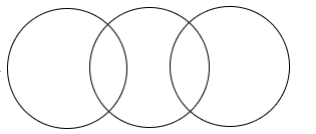
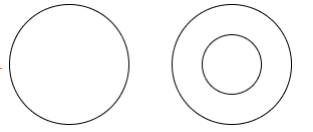
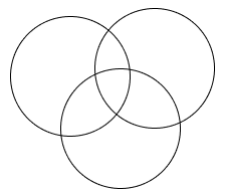
Select the Venn diagram that best illustrates the relationship between the following classes.

Fruit, Light, Shirt

  1. AOption (a)

  2. BOption (b)

  3. COption (c)

  4. DOption (d)

View answer & explanation

Correct answer

Answer: (a)A.

Why this answer is correct

The classes "Fruit," "Light," and "Shirt" are entirely distinct from one another.

They represent different categories of objects or concepts with no shared properties or common members.

A Fruit is a part of a plant that contains seeds or is edible.

Light is a form of electromagnetic radiation.

A Shirt is a garment worn on the upper body.

Since there is no overlap or inclusion among these categories,

Then the Venn diagram with three separate circles (Option 1) accurately depicts their relationship.

Hence, the correct answer is "Option 1".

Question 4

The position(s) of how many letters will remain unchanged if each of the letters in the word QUARTOS is arranged in the English alphabetical order? 

  1. AOption (a)

    Zero

  2. BOption (b)

    Two

  3. COption (c)

    Three

  4. DOption (d)

    One

View answer & explanation

Correct answer

Answer: (d)D.

One

Why this answer is correct

Given word: 'QUARTOS'

After arranged in alphabetical order:

AlphabetsQUARTOS
Alphabetical orderAOQRSTU

Now,

Comparing each position:

There is one alphabet "R" whose position will remain unchanged if each of the letters in the word 'QUARTOS' is arranged in English alphabetical order.

Hence, the correct answer is "Option 4".

Question 5

Eight people are sitting in two parallel rows containing 4 people each in such a way that there is equal distance between adjacent persons.

In row 1, D, A, N and S are seated and all of them are facing south.

In row 2, M, O, R and K are seated and all of them are facing north.

Thus, each person faces another person from the other row.

No one sits to the right of K. Only two people sit between R and K. The one facing O sits second to the right of the one facing K. A sits to the immediate right of S. N sits to the immediate right of A and does not face O.

Which of the following represents both people facing each other?

  1. AOption (a)

    A and O

  2. BOption (b)

    N and O 

  3. COption (c)

    D and M

  4. DOption (d)

    R and S

View answer & explanation

Correct answer

Answer: (a)A.

A and O

Why this answer is correct

Given, eight people are sitting in two parallel rows containing 4 people each in such a way that there is equal distance between adjacent persons.

In row 1, D, A, N and S are seated and all of them are facing south.

In row 2, M, O, R and K are seated and all of them are facing north.

Thus, each person faces another person from the other row.

No one sits to the right of K.

Only two people sit between R and K.

The one facing O sits second to the right of the one facing K.

A sits to the immediate right of S.

N sits to the immediate right of A and does not face O.

M and D sits at the remaining place.

A and O facing each other.

Hence, the correct answer is "Option 1".

Question 6

Based on the English alphabetical order, three of the following four letter-clusters are alike in a certain way and thus form a group. Which letter-cluster DOES NOT belong to that group?

(Note: The odd one out is not based on the number of consonants/vowels or their position in the letter-cluster.)

  1. AOption (a)

    TUZ

  2. BOption (b)

    OPU

  3. COption (c)

    KLQ

  4. DOption (d)

    ORV

View answer & explanation

Correct answer

Answer: (d)D.

ORV

Why this answer is correct

The logic followed here is,

Option 1) TUZ

Option 2) OPU

Option 3) KLQ

Option 4) ORV

The letter-cluster ORV follows a different pattern compared to the other three.

Hence, the correct answer is "Option 4".

Question 7

In a certain code language, 'FWYO' is coded as '39' and 'SIXR' is coded as '38'. How is 'LARZ' coded in the given language?

  1. AOption (a)

    51

  2. BOption (b)

    47

  3. COption (c)

    53

  4. DOption (d)

    44

View answer & explanation

Correct answer

Answer: (a)A.

51

Why this answer is correct

The logic followed here is,

For, FWYO

The reversed values:

  • F = 21 (27 - 6)
  • W = 4 (27 - 23)
  • Y = 2 (27 - 25)
  • O = 12 (27 - 15)

Summing the reversed values:

21 + 4 + 2 + 12 = 39

For 'SIXR':

The reversed values:

  • S = 8 (27 - 19)
  • I = 18 (27 - 9)
  • X = 3 (27 - 24)
  • R = 9 (27 - 18)

Summing the reversed values:

8 + 18 + 3 + 9 = 38

Now for 'LARZ':

The reversed values:

  • L = 15 (27 - 12)
  • A = 26 (27 - 1)
  • R = 9 (27 - 18)
  • Z = 1 (27 - 26)

Summing the reversed values:

15 + 26 + 9 + 1 = 51

Therefore, 'LARZ' is coded as '51'.

Hence, the correct answer is "Option 3".

Question 8

Six friends, R, S, T, X, Y and Z, are sitting in a straight row facing north (but not necessarily in the same order) . Only two people sit to the left of Y. Only two people sit between Y and Z. Only one person sits between Z and X. R sits to the immediate left of S. How many people sit between Y and S? 

  1. AOption (a)

    Two

  2. BOption (b)

    Zero

  3. COption (c)

    Three

  4. DOption (d)

    One

View answer & explanation

Correct answer

Answer: (b)B.

Zero

Why this answer is correct

Given, Six friends, R, S, T, X, Y and Z, are sitting in a straight row facing north (but not necessarily in the same order) .

Only two people sit to the left of Y.

Only two people sit between Y and Z.

Only one person sits between Z and X.

R sits to the immediate left of S.

And T sits at the remaining place.

Zero people sit between Y and S.

Hence, the correct answer is "Option 2".

Question 9

What should come in place of the question mark (?) in the given series?

2, 3, 6, 11, 18, ?

  1. AOption (a)

    27

  2. BOption (b)

    26

  3. COption (c)

    25

  4. DOption (d)

    28

View answer & explanation

Correct answer

Answer: (a)A.

27

Why this answer is correct

The logic followed here is,

Hence, the correct answer is "Option 1".

Question 10

Select the option in which the given figure (X) is embedded (rotation is NOT allowed).

  1. AOption (a)

  2. BOption (b)

  3. COption (c)

  4. DOption (d)

View answer & explanation

Correct answer

Answer: (c)C.

Why this answer is correct

The image embedded in given figure is as shown below:

Hence, the correct answer is "Option 3".

Question 11

Read the given statements and conclusions carefully. Assuming that the information given in the statements is true, even if it appears to be at variance with commonly known facts, decide which of the given conclusions logically follow(s) from the statements.

Statements:

All inks are pens.

All pens are rubbers.

No rubber is a sharpener.

Conclusions:

(I) No ink is a sharpener.

(II) Some rubbers are inks.

  1. AOption (a)

    Only conclusion (II) follows

  2. BOption (b)

    Neither conclusion (I) nor (II) follows 

  3. COption (c)

    Only conclusion (I) follows

  4. DOption (d)

    Both conclusions (I) and (II) follow 

View answer & explanation

Correct answer

Answer: (d)D.

Both conclusions (I) and (II) follow 

Why this answer is correct

Given Statements:

All inks are pens.

All pens are rubbers.

No rubber is a sharpener.

The least possible Venn diagram for the given statement is:

Conclusions:

I. No ink is a sharpener.→ True (Since all inks are pens, and all pens are rubbers, it logically follows that all inks are also rubbers. The statement "No rubber is a sharpener" clearly separates rubbers from sharpeners. Therefore, if inks are a subset of rubbers, no ink can be a sharpener.)

II. Some rubbers are inks. → **True (**If all inks are pens and all pens are rubbers, then all inks are rubbers. If all inks are rubbers, then it must be true that some rubbers are inks (the part of rubbers that are also inks).)

Both Conclusion I and Conclusion II logically follow from the given statements.

Hence, the correct answer is "Option 4".

Question 12

What should come in place of the question mark (?) in the given series?

451 450 447 442 ? 426

  1. AOption (a)

    435

  2. BOption (b)

    437

  3. COption (c)

    431

  4. DOption (d)

    433

View answer & explanation

Correct answer

Answer: (a)A.

435

Why this answer is correct

The logic followed here is,

Hence, the correct answer is "Option 1".

Question 13

Select the combination of letters that when sequentially placed in the blanks of the given series, will logically complete the series.

HMGD_NHEJ_IFKP GLQ_

  1. AOption (a)

    DGPLM

  2. BOption (b)

    CGOLK

  3. COption (c)

    CIOJK

  4. DOption (d)

    DIPJM

View answer & explanation

Correct answer

Answer: (c)C.

CIOJK

Why this answer is correct

The logic followed here is,

HMG,  D_NH,  EJ_I'  FKP ,  GLQ_ 

Option 3) CIOJK form a logical pattern.

Hence, the correct answer is "Option 3".

Question 14

What will come in the place of the question mark ‘(?)’ in the following equation, if ‘÷’ and ‘×’ are interchanged and ‘+’ and ‘−’ are interchanged?

40 − 8 ÷ 1 + 72 × 8 = ?

  1. AOption (a)

    41

  2. BOption (b)

    38

  3. COption (c)

    40

  4. DOption (d)

    39

View answer & explanation

Correct answer

Answer: (d)D.

39

Why this answer is correct

BODMAS Table: 

Given equation: 40 − 8 ÷ 1 + 72 × 8 = ?

Now, if ‘÷’ and ‘×’ and ‘+' and '−’ are interchanged, then:

⇒ 40 + 8 × 1 - 72 ÷ 8 = ?

⇒ 40 + 8 × 1 - 72 ÷ 8 = ?

⇒ 40 + 8 - 72 ÷ 8 = ?

⇒ 40 + 8 - 9 = ?

⇒ 48 - 9 = 39

Hence, the correct answer is "Option 4".

Question 15

In a certain code language, ‘cup of coffee’ is coded as ‘lh em ro’ and ‘he loves coffee’ is coded as ‘em tf za’. How is ‘coffee’ coded in the given language?

  1. AOption (a)

    lm

  2. BOption (b)

    za

  3. COption (c)

    em

  4. DOption (d)

    ro

View answer & explanation

Correct answer

Answer: (c)C.

em

Why this answer is correct

The logic followed here is,

Coffee is common in both the language and "em" is common in both the code.

So, code for coffee is "em"

Hence, the correct answer is "Option 3".

Question 16

GRSN is related to JUVQ in a certain way based on the English alphabetical order. In the same way, KDEA is related to NGHD. To which of the following is BSTG related, following the same logic? 

  1. AOption (a)

    CTUH 

  2. BOption (b)

    EVUH

  3. COption (c)

    CTWJ

  4. DOption (d)

    EVWJ

View answer & explanation

Correct answer

Answer: (d)D.

EVWJ

Why this answer is correct

The logic followed here is,

The pattern for GRSN to JUVQ is as follows:

The pattern for KDEA to NGHD is as follows:

Following the same logic for BSTG:

Thus, BSTG is related to EVWJ.

Hence, the correct answer is "Option (4)."

Question 17

What should come in place of the question mark (?) in the given series based on the English alphabetical order?

LMD MKG NIJ OGM ? QCS

  1. AOption (a)

    PGP

  2. BOption (b)

    PFR

  3. COption (c)

    PEP

  4. DOption (d)

    QEP

View answer & explanation

Correct answer

Answer: (c)C.

PEP

Why this answer is correct

The logic followed here is,

Hence, the correct answer is "Option 3".

Question 18

A dice has its faces marked by letters P, U, C, O, E and M. Two positions of the same dice are shown in the given figures. Which face is opposite to face M?

  1. AOption (a)

    O

  2. BOption (b)

    P

  3. COption (c)

    E

  4. DOption (d)

    C

View answer & explanation

Correct answer

Answer: (b)B.

P

Why this answer is correct

For find the opposite surface of 'M', we need to compare the common surface in the given dices.

Now, symbol 'P' is given in Dice 1 and Dice 2, 

So, from Dice 1 and Dice 2,


→ P is the common surface, and E, U, C, and O are the adjacent surfaces.

So, the remaining 'P' will be the opposite face of 'M'.

Hence, the correct answer is "Option 2".

Question 19

P is the brother of R. R is the father of Q. S is the wife of Q. T is the daughter of S. How is P related to T?

  1. AOption (a)

    Father's father

  2. BOption (b)

    Father's brother

  3. COption (c)

    Father

  4. DOption (d)

    Father's father's brother 

View answer & explanation

Correct answer

Answer: (d)D.

Father's father's brother 

Why this answer is correct

Family Chart:

Let's draw the family tree based on the given information:

  • P is the brother of R.
  • R is the father of Q.
  • S is the wife of Q.
  • T is the daughter of S.

From the above relations, we can deduce:

Therefore, P is the Father's father's brother of T.

Hence, the correct answer is "Option 4".

Question 20

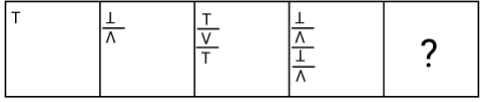
Identify the figure given in the options which when put in place of the question mark (?) will logically complete the series. 

  1. AOption (a)

  2. BOption (b)

  3. COption (c)

  4. DOption (d)

View answer & explanation

Correct answer

Answer: (b)B.

Why this answer is correct

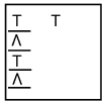
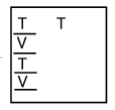
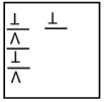
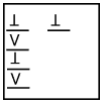
The logic followed here is,

Logic: V and T is added in each next figure and flip in subsequent figure.

Hence, the correct answer is "Option 2".

General Knowledge and General Awareness (20 questions)

Question 21

Which dance style was recognised by the famous 'Tanjore Quartet' of the nineteenth century? 

  1. AOption (a)

    Kathakali

  2. BOption (b)

    Bharatanatyam

  3. COption (c)

    Kathak

  4. DOption (d)

    Mohiniattam

View answer & explanation

Correct answer

Answer: (b)B.

Bharatanatyam

Why this answer is correct

The Correct answer is Bharatanatyam.

Key Points

  • Bharatanatyam is one of the oldest classical dance forms of India and is believed to have originated in Tamil Nadu.
  • The Tanjore Quartet, comprising four brothers—Chinnayya, Ponnayya, Sivanandam, and Vadivelu—were instrumental in codifying and organizing Bharatanatyam in the 19th century.
  • They were musicians, composers, and dance teachers who worked under the patronage of the Maratha rulers of Thanjavur (Tanjore).
  • The Tanjore Quartet systematized the structure of Bharatanatyam performances into the traditional Margam, which includes sections like Alarippu, Jathiswaram, Varnam, Padam, and Thillana.
  • Bharatanatyam is deeply rooted in religious and spiritual themes and is often dedicated to Hindu deities, especially Lord Shiva (Nataraja).
  • This dance form is known for its intricate footwork, graceful expressions, and strong emphasis on abhinaya (expressive acting).
  • The name Bharatanatyam is derived from the combination of ‘Bhava’ (expression), ‘Raga’ (melody), ‘Tala’ (rhythm), and ‘Natyam’ (dramatic art).

Additional Information

  • Kathakali
  • Kathakali is a classical dance form from Kerala, known for its elaborate costumes, makeup, and storytelling.
  • It is performed as a combination of dance, drama, and music, often depicting stories from the Ramayana and Mahabharata.
  • Kathakali performers use intricate hand gestures and facial expressions to convey emotions.
  • Kathak
  • Kathak is a classical dance form originating from North India, primarily associated with storytelling through dance.
  • It incorporates intricate footwork, spins, and rhythmic patterns, often accompanied by Hindustani classical music.
  • Kathak evolved in royal courts and later incorporated elements of Mughal culture.
  • Mohiniattam
  • Mohiniattam is a classical dance form from Kerala, characterized by graceful, feminine movements.
  • The word ‘Mohini’ refers to the enchanting female form, often associated with the mythology of Lord Vishnu as Mohini.
  • Mohiniattam is performed in solo and is set to Carnatic music.

Question 22

The Second Five Year plan was based upon the ideas of which of the following statisticians?

  1. AOption (a)

    Prasanta Chandra Mahalanobis 

  2. BOption (b)

    Samarendra Nath Roy

  3. COption (c)

    Debabrata Basu

  4. DOption (d)

    Jayanta Kumar Ghosh 

View answer & explanation

Correct answer

Answer: (a)A.

Prasanta Chandra Mahalanobis 

Why this answer is correct

The Correct answer is Prasanta Chandra Mahalanobis.

Key Points

  • Prasanta Chandra Mahalanobis was a renowned Indian statistician, often regarded as the father of modern statistics in India.
  • The Second Five-Year Plan (1956-1961) in India was largely based on the Mahalanobis Model, which emphasized the growth of the heavy industry sector.
  • The model sought to achieve a long-term economic strategy by prioritizing the development of industries like steel and machinery over consumer goods.
  • Mahalanobis was the founder of the Indian Statistical Institute (ISI) in Kolkata, and his work on statistical techniques contributed significantly to India's planning process.
  • The Mahalanobis Model was inspired by the principles of socialist economic planning seen in the Soviet Union and was critical for shaping India's industrialization strategy.
  • This model introduced the concept of allocating resources to maximize economic growth while balancing capital goods production and consumer goods.
  • His contributions were instrumental in developing tools like the Fractile Graphical Analysis and the Mahalanobis Distance, which are still used in statistical studies worldwide.
  • The Second Five-Year Plan aimed to reduce dependency on foreign imports and strengthen India's economic self-reliance through the Mahalanobis strategy.

Additional Information

  • Samarendra Nath Roy
  • Samarendra Nath Roy was a notable Indian statistician who contributed to multivariate analysis and related statistical theories.
  • He worked closely with Mahalanobis at the Indian Statistical Institute and made significant contributions to statistical methods.
  • While his work was influential, it was not directly related to the economic planning models like the Mahalanobis Model used in the Second Five-Year Plan.
  • Debabrata Basu
  • Debabrata Basu was an Indian statistician known for his contributions to the Bayesian statistical theory and likelihood inference.
  • Though his work was groundbreaking in the field of theoretical statistics, it was not applied to the planning strategies of India's Five-Year Plans.
  • Jayanta Kumar Ghosh
  • Jayanta Kumar Ghosh was another prominent Indian statistician, known for his work in Bayesian inference, reliability theory, and statistical computation.
  • His contributions were more academic and theoretical, rather than being involved in policy-making models like the Mahalanobis Model for economic planning.

Question 23

Which of the following was the theme of Independence Day 2023?

  1. AOption (a)

    Towards True Freedom

  2. BOption (b)

    Support our Troops, Salute our Troops

  3. COption (c)

    Nation First, Always First

  4. DOption (d)

    One Country, One People

View answer & explanation

Correct answer

Answer: (c)C.

Nation First, Always First

Why this answer is correct

The Correct answer is Nation First, Always First.

Key Points

  • The theme Nation First, Always First symbolizes the prioritization of the nation's interests, unity, and sovereignty.
  • This theme emphasizes the importance of placing the country above personal, regional, or political interests.
  • It reflects a sense of patriotism and a commitment to the progress and welfare of India.
  • The slogan aligns with India's vision of becoming a global leader and reinforces the citizens' role in supporting national unity and development.
  • It was highlighted during the Independence Day celebrations in 2023, marking India's journey of 76 years since gaining freedom.
  • The theme resonates deeply in the context of India's democratic ideals, inclusive growth, and cultural heritage.
  • It also underscores the importance of collective responsibility and dedication toward building a strong and self-reliant nation.
  • This theme connects with the broader vision of Aatmanirbhar Bharat (Self-Reliant India) and sustainable development goals.

Additional Information

  • Towards True Freedom
  • This phrase typically represents the journey toward achieving complete freedom, including social, economic, and political liberation.
  • It symbolizes the elimination of inequalities and barriers that hinder individual and collective progress.
  • Support our Troops, Salute our Troops
  • This phrase is dedicated to honoring the contributions of the armed forces in safeguarding the sovereignty and security of the nation.
  • It highlights the role of soldiers in maintaining peace and defending the country's borders.
  • One Country, One People
  • This slogan emphasizes the importance of unity and national integration.
  • It seeks to eliminate divisions based on language, religion, or regional identities and fosters a sense of collective identity.

Question 24

How much was the literacy rate of India as per census 1951?

  1. AOption (a)

    45.8%

  2. BOption (b)

    30%

  3. COption (c)

    15.44%

  4. DOption (d)

    18.33%

View answer & explanation

Correct answer

Answer: (d)D.

18.33%

Why this answer is correct

The Correct answer is 0.1833.

Key Points

  • As per the Census of 1951, the literacy rate in India was recorded as 18.33%, which corresponds to the value 0.1833 in decimal form.
  • The 1951 census was the first census conducted in independent India, and it provided crucial insights into the country's demographic and socio-economic conditions.
  • The literacy rate is calculated as the percentage of people aged seven and above who can read and write with understanding.
  • The literacy rate of 18.33% highlighted the challenges in education and marked the beginning of efforts to improve literacy under the Five-Year Plans and other government initiatives.
  • The 1951 census also emphasized the need for policies to enhance education access, particularly in rural and underprivileged areas.
  • Post-independence, India saw the establishment of institutions like NCERT (National Council of Educational Research and Training) and the implementation of schemes like Operation Blackboard, aimed at improving educational infrastructure.
  • The literacy rate serves as a fundamental indicator of a country's development and is closely tied to economic growth, social progress, and empowerment.

Additional Information

  • Key Characteristics of Literacy Rate in India
  • Pre-Independence Period: Literacy rates were extremely low during British rule due to lack of focus on mass education and emphasis on elite institutions.
  • Post-1951 Developments: Efforts to improve literacy included programs like Adult Literacy Campaigns, Mid-Day Meal Scheme, and Right to Education Act (2009).
  • Regional Variations: States like Kerala have achieved high literacy rates due to strong educational policies, while some states still face challenges in improving literacy.

Question 25

As per Sample Registration System (SRS) 2020, which of the following states had the highest infant mortality rate?

  1. AOption (a)

    Madhya Pradesh 

  2. BOption (b)

    Chhatisgarh

  3. COption (c)

    Bihar

  4. DOption (d)

    Uttar Pradesh

View answer & explanation

Correct answer

Answer: (a)A.

Madhya Pradesh 

Why this answer is correct

The Correct answer is Madhya Pradesh.

Key Points

  • As per the Sample Registration System (SRS) 2020, Madhya Pradesh had the highest infant mortality rate (IMR) among Indian states.
  • The Infant Mortality Rate (IMR) refers to the number of infant deaths (under one year of age) per 1,000 live births in a given year.
  • Madhya Pradesh has consistently struggled with poor healthcare infrastructure, leading to a higher IMR compared to other states.
  • The state faces challenges such as malnutrition, lack of proper neonatal care facilities, and poor maternal health services.
  • Efforts have been made by the government through programs like the National Health Mission (NHM) to improve healthcare, but significant disparities persist.
  • IMR is a critical indicator used to assess the overall health status and effectiveness of healthcare systems in a region.
  • The data provided by SRS 2020 serves as a benchmark for policymakers to understand regional disparities and allocate resources accordingly.

Additional Information

  • Chhattisgarh
  • Chhattisgarh has a relatively high Infant Mortality Rate, but it is lower than that of Madhya Pradesh.
  • The state faces issues like malnutrition and poverty, which contribute to infant deaths.
  • Efforts like healthcare schemes and tribal welfare programs are being implemented to address these issues.
  • Bihar
  • Bihar also has a high Infant Mortality Rate, primarily due to malnutrition and lack of access to healthcare services in rural areas.
  • The state has implemented schemes like the Janani Suraksha Yojana to improve maternal and infant health.
  • Uttar Pradesh
  • Uttar Pradesh has one of the highest Infant Mortality Rates in India but ranks below Madhya Pradesh.
  • The state struggles with issues like overpopulation, poor sanitation, and limited access to healthcare facilities.
  • Programs like the Ayushman Bharat scheme aim to address healthcare challenges in the state.

Question 26

Name the Indian sitar player who became a hippie music icon of the 1960s after collaborating with the Beatles. 

  1. AOption (a)

    Pt. Ravi Shankar

  2. BOption (b)

    Pt. Vishwa Mohan Bhat

  3. COption (c)

    Pt. Shiv Kumar Sharma

  4. DOption (d)

    Pt. Ram Narayan

View answer & explanation

Correct answer

Answer: (a)A.

Pt. Ravi Shankar

Why this answer is correct

The Correct answer is Pt. Ravi Shankar.

Key Points

  • Pt. Ravi Shankar was a legendary Indian sitar player and composer, often referred to as the Godfather of World Music.
  • He gained international fame during the 1960s after collaborating with The Beatles, especially with George Harrison.
  • His music became emblematic of the hippie movement and was instrumental in introducing Indian classical music to the Western audience.
  • He performed at iconic events such as the Monterey Pop Festival (1967) and Woodstock (1969).
  • Pt. Ravi Shankar was also a major contributor to the development of the sitar as a global instrument and worked with various artists, including Philip Glass and Yehudi Menuhin.
  • He received numerous accolades, including Bharat Ratna (India’s highest civilian award) and several Grammy Awards.
  • His work laid the foundation for the fusion of Indian and Western music styles, influencing genres such as jazz, rock, and world music.

Additional Information

  • Pt. Vishwa Mohan Bhatt
  • Pt. Vishwa Mohan Bhatt is an Indian slide guitarist and the creator of the Mohan Veena, a modified slide guitar.
  • He is a Grammy Award winner for his album "A Meeting by the River" with Ry Cooder.
  • His focus has been on blending Indian classical music with other global styles.
  • Pt. Shiv Kumar Sharma
  • Pt. Shiv Kumar Sharma was a renowned santoor maestro who popularized the instrument in Indian classical music.
  • He collaborated with Pt. Hariprasad Chaurasia to compose music for Hindi films, including the iconic film "Silsila."
  • Pt. Ram Narayan
  • Pt. Ram Narayan was a celebrated sarangi player known for his expressive renditions of Indian classical music.
  • He was instrumental in elevating the sarod as a solo instrument on the global stage.

Question 27

Which of the following is the least likely to cause obesity in humans?

  1. AOption (a)

    Sedentary lifestyle 

  2. BOption (b)

    Genetic traits 

  3. COption (c)

    Over consumption of green vegetables

  4. DOption (d)

    Over consumption of fat

View answer & explanation

Correct answer

Answer: (c)C.

Over consumption of green vegetables

Why this answer is correct

The Correct answer is Over consumption of green vegetables.

Key Points

  • Green vegetables are low in calories and high in essential nutrients, making them an unlikely cause of obesity.
  • They are rich in dietary fiber, which promotes a feeling of fullness and helps prevent overeating.
  • Green vegetables contain high amounts of vitamins, minerals, and antioxidants, which contribute to overall health without adding excessive calories.
  • Common examples of green vegetables include spinach, broccoli, kale, and lettuce, all of which are widely recognized as healthy food choices.
  • Consuming green vegetables as part of a balanced diet can help in weight management and reduce the risk of chronic diseases such as heart disease and diabetes.

Additional Information

  • Sedentary lifestyle
  • A sedentary lifestyle involves minimal physical activity and is a major risk factor for obesity.
  • Lack of exercise leads to reduced caloric expenditure, causing excess calories to be stored as fat.
  • It is associated with an increased risk of cardiovascular diseases, diabetes, and mental health issues.
  • Genetic traits
  • Obesity can be influenced by genetic factors, such as inherited tendencies to store fat or have slower metabolism.
  • Specific gene mutations, like those affecting leptin production or sensitivity, can contribute to weight gain.
  • While genetics play a role, lifestyle factors can modify their impact on obesity.
  • Over consumption of fat
  • Excessive intake of foods rich in saturated fats and trans fats significantly contributes to obesity.
  • Fat is high in calories, and overconsumption leads to an energy surplus stored as body fat.
  • Foods like fried items, processed snacks, and desserts are commonly associated with weight gain.

Question 28

Which Article of the Constitution of India emphasises the provision of just and humane conditions of work and maternity relief? 

  1. AOption (a)

    Article 39

  2. BOption (b)

    Article 47

  3. COption (c)

    Article 42

  4. DOption (d)

    Article 44

View answer & explanation

Correct answer

Answer: (c)C.

Article 42

Why this answer is correct

The Correct answer is Article 42.

Key Points

  • Article 42 of the Indian Constitution is part of the Directive Principles of State Policy (DPSP).
  • This article directs the State to ensure the provision of just and humane conditions of work and maternity relief.
  • The aim is to protect the rights and welfare of workers, particularly women, and promote social justice in the workplace.
  • Maternity relief is vital to safeguard the health and well-being of mothers and newborns, ensuring that women are not disadvantaged due to pregnancy or childbirth.
  • The inclusion of humane working conditions reflects the commitment of the Constitution to uphold dignity, equality, and fairness for all citizens.
  • This article embodies the idea of a welfare state, focusing on the betterment of citizens' living and working standards.
  • Though not enforceable by courts, the Directive Principles guide the State in formulating policies and laws to achieve constitutional goals.

Additional Information

  • Article 39
  • Article 39 relates to the Directive Principles of State Policy and emphasizes the welfare of citizens.
  • It focuses on securing adequate means of livelihood, ensuring equal pay for equal work, and safeguarding children and youth from exploitation.
  • It aims to create a fair and equitable society by addressing fundamental inequalities.
  • Article 47
  • Article 47 directs the State to raise the level of nutrition and standard of living of its people and improve public health.
  • It emphasizes the prohibition of consumption of intoxicating drinks and drugs harmful to health.
  • This article highlights the importance of a healthy population for the nation's development.
  • Article 44
  • Article 44 relates to the Directive Principles of State Policy and aims to secure a Uniform Civil Code (UCC) for all citizens throughout India.
  • The UCC seeks to replace personal laws based on religion with a common set governing marriage, divorce, inheritance, and adoption.
  • This article promotes national integration and equality among citizens.

Question 29

In which Olympics did Rajyavardhan Singh Rathore win a silver medal in shooting?

  1. AOption (a)

    2000, Sydney

  2. BOption (b)

    2008, Beijing

  3. COption (c)

    2004, Athens

  4. DOption (d)

    1996, Atlanta

View answer & explanation

Correct answer

Answer: (c)C.

2004, Athens

Why this answer is correct

The correct answer is 2004, Athens.

Key Points

  • Rajyavardhan Singh Rathore won the silver medal in the Men's Double Trap event at the 2004 Summer Olympics held in Athens, Greece.
  • This achievement marked a significant milestone for Indian shooting, as Rathore became the first Indian shooter to win an individual silver medal at the Olympics.
  • The win was celebrated as a moment of pride for India, showcasing the country's potential in international shooting sports.
  • Rathore’s performance inspired many young athletes in India to take up shooting as a competitive sport.
  • Post his Olympic success, Rajyavardhan Singh Rathore was awarded the prestigious Khel Ratna Award, the highest sporting honor in India.
  • He later went on to serve as a prominent figure in Indian politics, including holding the position of Union Minister of Youth Affairs and Sports.

Additional Information

  • 2000, Sydney
  • The 2000 Summer Olympics were held in Sydney, Australia.
  • No Indian shooter won a medal in this edition of the Olympics.
  • However, these games were significant for India as Karnam Malleswari won a bronze medal in weightlifting, becoming the first Indian woman to win an Olympic medal.
  • 2008, Beijing
  • The 2008 Summer Olympics in Beijing, China, were remarkable for India as Abhinav Bindra won a gold medal in Men's 10m Air Rifle, the first individual gold medal for India.
  • However, Rajyavardhan Singh Rathore did not win any medals at this edition of the Olympics.
  • 1996, Atlanta
  • The 1996 Summer Olympics were held in Atlanta, USA.
  • India's notable achievement in this Olympics was Leander Paes winning a bronze medal in tennis, marking India's resurgence in individual Olympic events.
  • Rajyavardhan Singh Rathore did not participate in this edition.

Question 30

Which British official was responsible for the partition of Bengal in 1905?

  1. AOption (a)

    Lord Minto 

  2. BOption (b)

    Lord Ripon

  3. COption (c)

    Lord Curzon

  4. DOption (d)

    Lord Lytton

View answer & explanation

Correct answer

Answer: (c)C.

Lord Curzon

Why this answer is correct

The Correct answer is Lord Curzon.

Key Points

  • Lord Curzon served as the Viceroy of India from 1899 to 1905.
  • He was responsible for the partition of Bengal in 1905, a major event in India's colonial history.
  • The partition was carried out under the pretext of administrative efficiency, as Bengal was deemed too large to govern effectively.
  • However, the real intent behind the partition was to weaken nationalist movements by dividing Bengal along religious lines—separating Hindus and Muslims.
  • The partition led to widespread protests and marked the emergence of the Swadeshi Movement, which advocated for boycotting British goods and promoting Indian-made products.
  • Due to strong opposition, the partition was later annulled in 1911.
  • Lord Curzon is also known for introducing various reforms in India, such as the University Act of 1904 and the Ancient Monuments Preservation Act of 1904.

Additional Information

  • Lord Minto
  • Lord Minto served as the Viceroy of India from 1905 to 1910.
  • He is known for the Morley-Minto Reforms of 1909, which introduced elements of representative government in India.
  • The reforms included the provision for separate electorates for Muslims, which had a long-lasting impact on Indian politics.
  • Lord Ripon
  • Lord Ripon served as the Viceroy of India from 1880 to 1884.
  • He is known as the Father of Local Self-Government in India.
  • Lord Ripon introduced the Ilbert Bill, which aimed to allow Indian judges to preside over cases involving Europeans, but faced strong opposition from European settlers.
  • Lord Lytton
  • Lord Lytton served as the Viceroy of India from 1876 to 1880.
  • He is infamous for his policies during the Great Famine of 1876–78, where millions perished due to inadequate relief measures.
  • Lord Lytton organized the Delhi Durbar in 1877 to proclaim Queen Victoria as the Empress of India.

Question 31

Who retired as India’s Ambassador to the United States in January 2024?

  1. AOption (a)

    Vijaya Lakshmi Pandit 

  2. BOption (b)

    Benegal Rama Rau

  3. COption (c)

    Taranjit Singh Sandhu

  4. DOption (d)

    Asaf Ali 

View answer & explanation

Correct answer

Answer: (c)C.

Taranjit Singh Sandhu

Why this answer is correct

The Correct answer is Taranjit Singh Sandhu.

Key Points

  • Taranjit Singh Sandhu served as India's Ambassador to the United States until January 2024.
  • He is a senior officer of the Indian Foreign Service (IFS), from the batch of 1988.
  • During his tenure, he played a significant role in strengthening India-US strategic and economic relations.
  • His work included advancing cooperation in areas like defense, technology, energy, trade, and people-to-people ties.
  • He held prior key positions such as Deputy Chief of Mission at the Indian Embassy in Washington, D.C., and India's High Commissioner to Sri Lanka.
  • Mr. Sandhu's extensive experience in diplomacy and his focus on bilateral partnerships earned him recognition as one of India's most effective ambassadors.
  • His tenure saw the signing of crucial agreements, including in areas of clean energy and technology transfer, between India and the United States.

Additional Information

  • Vijaya Lakshmi Pandit
  • Vijaya Lakshmi Pandit was an Indian diplomat and politician who became the first woman to serve as the President of the United Nations General Assembly in 1953.
  • She was also the sister of Jawaharlal Nehru, India's first Prime Minister.
  • She served as India's ambassador to various countries, including the Soviet Union, the United States, and the United Kingdom, but not in recent years.
  • Benegal Rama Rau
  • Benegal Rama Rau was an Indian civil servant and diplomat who served as the Governor of the Reserve Bank of India from 1949 to 1957.
  • He was known for his significant contributions to India's post-independence financial and economic institutions.
  • Asaf Ali
  • Asaf Ali was an Indian freedom fighter and diplomat who became independent India's first Ambassador to the United States in 1947.
  • He was a prominent member of the Indian National Congress and a close associate of leaders like Jawaharlal Nehru.

Question 32

Who was the first Deputy Chairman of Planning Commission of India?

  1. AOption (a)

    Gulzarilal Nanda

  2. BOption (b)

    Chintaman Deshmukh

  3. COption (c)

    RK Patil

  4. DOption (d)

    NR Pillai 

View answer & explanation

Correct answer

Answer: (a)A.

Gulzarilal Nanda

Why this answer is correct

The Correct answer is Gulzarilal Nanda.

Key Points

  • Gulzarilal Nanda was the first Deputy Chairman of the Planning Commission of India.
  • He was a prominent Indian politician and also served as the interim Prime Minister of India twice: once in 1964 after the death of Jawaharlal Nehru and again in 1966 after the death of Lal Bahadur Shastri.
  • Gulzarilal Nanda was deeply involved in the formation of policies related to labour welfare and economic planning.
  • The Planning Commission was established in 1950 by the Government of India to focus on the country's economic and social development.
  • As the Deputy Chairman, Nanda played a significant role in shaping the initial stages of India's Five-Year Plans.
  • He was known for his contributions to India's economic policies and his work in the industrial and labour sectors.

Additional Information

  • Chintaman Deshmukh
  • Chintaman Dwarkanath Deshmukh was the first Indian to become the Governor of the Reserve Bank of India.
  • He was also a member of the Constituent Assembly that framed the Indian Constitution.
  • He served as the Union Finance Minister from 1950 to 1956.
  • He played a key role in India's economic development during the early years of independence.
  • NR Pillai
  • N R Pillai served as the first Cabinet Secretary of India.
  • He was instrumental in establishing the framework for civil services in India post-independence.

Question 33

Who produced methane in 1856 by bringing carbon disulphide vapour in contact with red hot copper and hydrogen sulphide?

  1. AOption (a)

    Antoine Lavoisier

  2. BOption (b)

    John Dalton 

  3. COption (c)

    Marcelin Berthelot 

  4. DOption (d)

    Hennig Brand

View answer & explanation

Correct answer

Answer: (c)C.

Marcelin Berthelot 

Why this answer is correct

The correct answer is Marcelin Berthelot.

Key Points

  • Marcelin Berthelot was a renowned French chemist and one of the pioneers in the field of synthetic organic chemistry.
  • In 1856, he successfully produced methane by passing carbon disulphide vapour over red-hot copper and hydrogen sulphide.
  • This experiment was significant as it demonstrated the ability to synthesize an organic compound from inorganic substances, challenging the earlier theory of vitalism, which suggested that organic compounds could only be produced by living organisms.
  • Berthelot’s work laid the foundation for the development of modern organic chemistry and the understanding of chemical synthesis.
  • He also contributed significantly to thermochemistry and formulated the principle that the heat of formation of a compound is equal to the heat required to decompose it.
  • Marcelin Berthelot’s contributions reflect his dedication to understanding the fundamental processes of chemical reactions, making him a highly influential figure in the field of chemistry.

Additional Information

  • Antoine Lavoisier
  • Antoine Lavoisier was a French chemist and is often referred to as the Father of Modern Chemistry.
  • He is renowned for discovering the role of oxygen in combustion and for establishing the law of conservation of mass.
  • Lavoisier’s work led to the development of the modern system of naming chemical substances.
  • John Dalton
  • John Dalton was an English scientist known for his work in the development of the atomic theory.
  • He proposed that all matter is composed of atoms, which are indivisible and indestructible particles.
  • Dalton is also credited with discovering Dalton’s Law of Partial Pressures in gases.
  • Hennig Brand
  • Hennig Brand was a German alchemist who discovered phosphorus in 1669.
  • He isolated phosphorus by heating urine and was the first person to discover an element through chemical processes.
  • His discovery was significant in advancing the understanding of chemical elements and their properties.

Question 34

Which authority introduced new guidelines to enhance transparency in the coaching sector in November 2024? 

  1. AOption (a)

    The Central Student Protection Authority

  2. BOption (b)

    The Central Costumer Protection Authority

  3. COption (c)

    The Central Consumer Protection Authority

  4. DOption (d)

    The Central Vigilance Authority 

View answer & explanation

Correct answer

Answer: (c)C.

The Central Consumer Protection Authority

Why this answer is correct

The Correct answer is The Central Consumer Protection Authority.

Key Points

  • The Central Consumer Protection Authority (CCPA) was established under the Consumer Protection Act, 2019 to promote, protect, and enforce the rights of consumers.
  • It is a statutory body formed to address issues related to unfair trade practices, misleading advertisements, and violation of consumer rights.
  • The CCPA has the authority to investigate complaints, conduct inquiries, and take action against entities violating consumer laws.
  • In November 2024, the CCPA introduced new guidelines focusing on transparency in the coaching sector, aiming to regulate practices and safeguard the interests of students.
  • The guidelines may include provisions for disclosure of fees, refund policies, and ensuring ethical advertising practices.
  • The authority works under the administrative control of the Ministry of Consumer Affairs, Food, and Public Distribution in India.

Additional Information

  • The Central Student Protection Authority
  • This option is incorrect as no such authority exists under current Indian legislation or administrative frameworks.
  • The Central Costumer Protection Authority
  • This option is incorrect due to the spelling error. The term "Costumer" refers to someone who designs costumes, and it does not relate to consumer protection.
  • The Central Vigilance Authority
  • The Central Vigilance Authority (CVC) is a statutory body responsible for addressing corruption in government organizations.
  • It was established under the Central Vigilance Commission Act, 2003.
  • The CVC deals with matters related to vigilance and does not oversee consumer protection or coaching sector regulations.

Question 35

There are primarily three pieces of equipment, a bowl, a jack and a mat, which are needed to play _____. 

  1. AOption (a)

    Boxing

  2. BOption (b)

    Table Tennis 

  3. COption (c)

    Lawn Bowls

  4. DOption (d)

    Fencing

View answer & explanation

Correct answer

Answer: (c)C.

Lawn Bowls

Why this answer is correct

The Correct answer is Lawn Bowls.

Key Points

  • Lawn Bowls is a game that involves rolling balls on a flat lawn or green towards a smaller target ball called the jack.
  • It is played using a bowl (biased ball), a jack (target ball), and a mat (used for placement of the bowl).
  • The game originated in England and is popular in several countries such as Australia, New Zealand, and Canada.
  • Lawn Bowls is a sport that requires precision, strategy, and control over the trajectory of the bowl.
  • The bowls are weighted or biased to allow players to curve their trajectory during play.
  • The objective is to position the bowl as close as possible to the jack, outscoring the opponent.
  • It is played in various formats such as singles, pairs, triples, and fours.
  • Lawn Bowls is included in the Commonwealth Games and is recognized as a competitive international sport.

Additional Information

  • Boxing
  • Boxing is a combat sport in which two participants throw punches at each other while wearing protective gloves.
  • It is governed by rules to ensure safety, such as weight classes and time limits.
  • Boxing originated from ancient combat techniques and gained prominence in modern sports during the 18th century.
  • Prominent boxing events include the Olympics, World Championships, and professional fights organized by bodies such as the WBC, WBA, and IBF.
  • Table Tennis
  • Table Tennis, also known as ping pong, is played using a paddle, a lightweight ball, and a table with a net.
  • The sport was invented in England during the late 19th century and is now popular worldwide.
  • It requires quick reflexes, precision, and strategy to outscore the opponent by hitting the ball across the net.
  • Popular international events include the World Table Tennis Championships and the Olympics.
  • Fencing
  • Fencing is a combat sport that involves sword fighting using weapons such as the foil, épée, and sabre.
  • The sport originated in Europe and dates back to the Middle Ages.
  • It is now a major part of the Olympics, with athletes competing in individual and team events.
  • Fencing requires agility, precision, and strategic movements to score points by striking the opponent.

Question 36

With which Indian dance form was Guru Chemancheri Kunhiraman Nair associated?

  1. AOption (a)

    Kathakali

  2. BOption (b)

    Kathak

  3. COption (c)

    Kuchipud

  4. DOption (d)

    Satriya

View answer & explanation

Correct answer

Answer: (a)A.

Kathakali

Why this answer is correct

The Correct answer is Kathakali.

Key Points

  • Guru Chemancheri Kunhiraman Nair was a legendary exponent of the Indian classical dance form Kathakali.
  • Kathakali is one of the most renowned forms of Indian classical dance and is native to the state of Kerala.
  • This dance form is characterized by its elaborate costumes, intricate makeup, and detailed facial expressions, which are integral to storytelling.
  • Guru Chemancheri Kunhiraman Nair dedicated his life to preserving and propagating Kathakali, performing and teaching the art for decades.
  • He was known for his portrayal of heroic and virtuous characters such as Lord Krishna and Lord Rama in Kathakali performances.
  • His contribution to Indian dance and art earned him numerous accolades, including the prestigious Padma Shri award.
  • Kathakali combines elements of dance, drama, music, and ritual to narrate stories from Indian epics like the Ramayana and Mahabharata.
  • Guru Chemancheri Kunhiraman Nair's efforts played a significant role in ensuring that Kathakali remained relevant and accessible to modern audiences.

Additional Information

  • Kathak
  • Kathak is a classical dance form that originated in the northern regions of India and is characterized by its intricate footwork and graceful movements.
  • The word Kathak is derived from the Sanskrit word "Katha," meaning storytelling.
  • This dance form often narrates stories from Indian mythology and is accompanied by Hindustani classical music.
  • Kuchipudi
  • Kuchipudi is a classical dance-drama tradition from the state of Andhra Pradesh.
  • It is performed with a combination of acting, singing, and dancing, often depicting themes from Indian epics like the Bhagavatam.
  • Kuchipudi performances typically involve solo, duet, or group portrayals of divine characters.
  • Sattriya
  • Sattriya is a classical dance form originating from Assam and is associated with Vaishnavite monasteries called Satras.
  • It was introduced by the saint Srimanta Sankardev in the 15th century.
  • Sattriya is a unique blend of dance, drama, and music that conveys spiritual themes and devotional messages.

Question 37

 Which of the following sites provides evidence of early urban planning during the Middle Iron Age in India?

  1. AOption (a)

    Kausambi 

  2. BOption (b)

    Harappa

  3. COption (c)

    Lothal

  4. DOption (d)

    Mohenjo-Daro

View answer & explanation

Correct answer

Answer: (a)A.

Kausambi 

Why this answer is correct

The Correct answer is Kausambi.

Key Points

  • Kausambi is an important archaeological site that provides substantial evidence of early urban planning during the Middle Iron Age in India.
  • Located in present-day Uttar Pradesh, Kausambi was a significant city in the ancient kingdom of Vatsa.
  • Excavations at Kausambi have revealed a well-planned city layout with fortifications, gates, and bastions, showcasing advanced urban planning techniques.
  • The site includes remnants of drainage systems, indicating a focus on sanitation and organized infrastructure.
  • Kausambi was an important center of trade and governance, highlighting its role in the economic and political landscape of the time.
  • It is also associated with the Buddhist tradition, as it was visited by Gautama Buddha and later became a center of Buddhist learning.
  • Kausambi's urban planning reflects the transition from rural to organized urban centers during the Iron Age in India.

Additional Information

  • Harappa
  • Harappa is a major site of the Indus Valley Civilization, which predates the Middle Iron Age.
  • It is located in present-day Pakistan and is known for its advanced urban planning, including grid layouts, drainage systems, and granaries.
  • However, it does not belong to the Middle Iron Age but to the earlier Bronze Age (3300–1300 BCE).
  • Lothal
  • Lothal, located in present-day Gujarat, was another site of the Indus Valley Civilization.
  • It is famous for its dockyard and is considered one of the earliest known ports in the world.
  • Like Harappa, it belongs to the Bronze Age and not the Middle Iron Age.
  • Mohenjo-Daro
  • Mohenjo-Daro is one of the most prominent cities of the Indus Valley Civilization.
  • It is located in present-day Pakistan and is known for its Great Bath, advanced drainage systems, and urban infrastructure.
  • Similar to Harappa and Lothal, it belongs to the Bronze Age, not the Middle Iron Age.

Question 38

From which region of the Himalayas does the river Brahmaputra originate?

  1. AOption (a)

    Southern

  2. BOption (b)

    Eastern 

  3. COption (c)

    Western

  4. DOption (d)

    Northern 

View answer & explanation

Correct answer

Answer: (d)D.

Northern 

Why this answer is correct

The Correct answer is Northern.

Key Points

  • The Brahmaputra River originates from the Angsi Glacier in the northern region of the Himalayas in Tibet, China.
  • It is locally known as the Yarlung Tsangpo in Tibet.
  • The river flows eastward through Tibet, enters India through Arunachal Pradesh, and then flows through Assam and Bangladesh.
  • The Brahmaputra is one of the largest rivers in the world and is known for its extreme hydrological variability, causing floods during the monsoon season.
  • The river is significant for its cultural, economic, and ecological importance in the regions it flows through.
  • The Brahmaputra merges with the Ganges River in Bangladesh, forming the world's largest delta, the Sundarbans Delta.
  • It supports a rich biodiversity, including species such as the Gangetic Dolphin and numerous migratory birds.

Additional Information

  • Southern
  • The term "Southern" does not apply to the origin of the Brahmaputra River as it originates from the northern Himalayas.
  • The Southern Himalayas are primarily known for being home to foothills and valleys like the Shivalik Hills, which do not serve as the source for major rivers like the Brahmaputra.
  • Eastern
  • The Brahmaputra flows through Eastern India, but its source is not located in the Eastern Himalayas.
  • The Eastern Himalayas are significant for other rivers like the Teesta River and tributaries of the Brahmaputra, but not the main river itself.
  • Western
  • The Western Himalayas are the source of rivers like the Indus River and its tributaries.
  • The Brahmaputra does not originate here, as its source is in the northern region of the Himalayas.

Question 39

What were the main objectives of the Fifth Five-Year Plan (1974-79)?

  1. AOption (a)

    Industrialisation and infrastructure 

  2. BOption (b)

    Removal of poverty and attainment of self-reliance

  3. COption (c)

    Defense and military expansion

  4. DOption (d)

    Agricultural development and education 

View answer & explanation

Correct answer

Answer: (b)B.

Removal of poverty and attainment of self-reliance

Why this answer is correct

The correct answer is Removal of poverty and attainment of self-reliance.

Key Points

  • The Fifth Five-Year Plan (1974-79) was launched with the primary goals of achieving poverty alleviation (Garibi Hatao) and ensuring economic self-reliance.
  • It emphasized the importance of strengthening the economy to reduce dependence on foreign aid and achieve sustainable development.
  • The plan was influenced by the economic challenges India faced during the early 1970s, including inflation, food shortages, and energy crises.
  • The government focused on implementing programs such as the Minimum Needs Programme to address basic needs like health, education, and rural infrastructure.
  • It also prioritized the creation of employment opportunities, particularly in rural areas, to uplift the economically weaker sections of society.
  • The plan introduced measures for agricultural and industrial development aimed at increasing production and ensuring economic stability.
  • Though the plan was later terminated in 1978 by the Janata Party government, its objectives laid the foundation for subsequent poverty reduction strategies in India.

Additional Information

  • Industrialisation and infrastructure
  • While the Fifth Five-Year Plan did touch upon industrial growth and infrastructure development, these were not the primary objectives.
  • Industrialisation was a key focus of earlier plans, particularly the Second Five-Year Plan, which emphasized heavy industries and public sector enterprises.
  • Infrastructure projects were given importance but were seen as a means to achieve self-reliance and poverty alleviation, rather than standalone goals.
  • Defense and military expansion
  • India's Five-Year Plans primarily focus on economic and social development rather than defense strategies.
  • Defense and military expansion are addressed through separate budgets and policies outside the scope of Five-Year Plans.
  • Agricultural development and education
  • Agricultural development and education were addressed as part of the Minimum Needs Programme, but they were not the main focus of the Fifth Plan.
  • Agriculture was a major focus of the First Five-Year Plan, and education gained prominence in later plans as part of human capital development.

Question 40

According to the Indian Constitution, which of the following is NOT a power of the Governor?

  1. AOption (a)

    Prorogue the state legislature 

  2. BOption (b)

    Summon the state legislature

  3. COption (c)

    Dissolve the state legislature

  4. DOption (d)

    Vote during the no confidence motion 

View answer & explanation

Correct answer

Answer: (d)D.

Vote during the no confidence motion 

Why this answer is correct

The Correct answer is Vote during the no confidence motion.

Key Points

  • The Governor, as per the Indian Constitution, is the constitutional head of the state and does not participate in the voting during a no-confidence motion.
  • A no-confidence motion is a parliamentary motion presented by the legislators questioning the confidence of the ruling government or its policies in the legislature.
  • Such motions are debated and voted upon in the legislative assembly, where the elected representatives, not the Governor, decide the outcome.
  • The Governor, being a constitutional authority, does not hold any legislative or executive voting rights in the assembly.
  • The Governor's role is limited to ensuring the smooth functioning of the state legislature and exercising powers like summoning, proroguing, and dissolving the assembly as per constitutional provisions.
  • Thus, the Governor cannot vote during a no-confidence motion, which is exclusively a function of the legislature.

Additional Information

  • Prorogue the state legislature
  • The Governor has the constitutional authority to prorogue the state legislature, which means discontinuing a session without dissolving it.
  • This power is exercised as per Article 174 of the Indian Constitution.
  • It is used to manage legislative sessions and ensure smooth governance.
  • Summon the state legislature
  • The Governor has the power to summon the state legislature as per Article 174 of the Indian Constitution.
  • This involves convening the legislative assembly or council for conducting legislative business.
  • Summoning is a critical function for initiating legislative processes.
  • Dissolve the state legislature
  • The Governor can dissolve the state legislature, particularly the legislative assembly, as per Article 174, when necessary, such as in case of a failure to form a government.
  • Dissolution ends the term of the assembly, leading to elections for a new legislature.

Elementary Mathematics (20 questions)

Question 41

The simple interest on a principal amount (in ₹) is ₹360 for a period of 4 years at the rate of 2% per annum. The principal amount (in ₹) is:

  1. AOption (a)

    4490

  2. BOption (b)

    4500

  3. COption (c)

    4508

  4. DOption (d)

    4501

View answer & explanation

Correct answer

Answer: (b)B.

4500

Why this answer is correct

Shortcut Trick

Total interest percentage for 4 years = 2% × 4 = 8%

8% of Principal = ₹360

1% of Principal = 360 ÷ 8 = 45

100% of Principal = 45 × 100 = 4500

∴ The correct answer is ₹4500.

Alternate Method

Principal P = ?

R = 2% p.a. T = 4 years

Simple Interest SI = ₹360

Given:

Simple Interest (SI) = ₹360

Rate (R) = 2% per annum

Time (T) = 4 years

Formula Used:

SI = (P × R × T) ÷ 100

Calculations:

⇒ 360 = (P × 2 × 4) ÷ 100

⇒ 360 = (P × 8) ÷ 100

⇒ P = (360 × 100) ÷ 8

⇒ P = 45 × 100

⇒ P = 4500

∴ The correct answer is ₹4500.

Additional Information

Total Amount Formula

The total amount (A) after simple interest is calculated as: A = P + SI = P × [1 + (R × T) ÷ 100].

Compound Interest Formula

When interest is compounded annually, the amount is calculated as: A = P × (1 + R ÷ 100)T.

Difference Between CI and SI for 2 Years

The difference between compound interest and simple interest for exactly 2 years on the same principal is: CI − SI = P × (R ÷ 100)2.

Question 42

If the selling price is ₹2,886 after allowing a discount of 26% on the marked price, then the amount of discount is:

  1. AOption (a)

    ₹2,190

  2. BOption (b)

    ₹1,625

  3. COption (c)

    ₹2,000

  4. DOption (d)

    ₹1,014

View answer & explanation

Correct answer

Answer: (d)D.

₹1,014

Why this answer is correct

Shortcut Trick

Let Marked Price (MP) be 100%.

Selling Price % = 100% − 26% = 74%.

Here, 74% corresponds to ₹2,886.

Amount of discount (26%) = (2886 ÷ 74) × 26

⇒ 39 × 26 = ₹1,014

∴ The correct answer is ₹1,014.

Alternate Method

SP = 74% (₹2,886) Discount = 26%

Marked Price (MP) = 100%

? = ₹1,014

Given:

Selling Price (SP) = ₹2,886

Discount = 26%

Formula Used:

SP = MP × (100 − Discount%) ÷ 100

Discount amount = MP − SP

Calculations:

⇒ 2886 = MP × (100 − 26) ÷ 100

⇒ 2886 = MP × (74 ÷ 100)

⇒ MP = (2886 × 100) ÷ 74

⇒ MP = 39 × 100 = ₹3,900

⇒ Discount amount = 3900 − 2886

⇒ Discount amount = ₹1,014

∴ The correct answer is ₹1,014.

Additional Information

Marked Price (MP)

It is the price printed on an article or the label price. A discount is always calculated on the marked price.

Successive Discounts

If two successive discounts of a% and b% are given, then the effective single discount is: a + b − (a × b) ÷ 100.

Markup Percentage

It is the percentage by which the marked price is higher than the cost price. Markup % = [(MP − CP) ÷ CP] × 100.

Question 43

The average age of 96 workers in a factory is 32 years. The average age of the men is 41 years and that of the women is 25 years. Find the number of women in the factory. 

  1. AOption (a)

    54

  2. BOption (b)

    62

  3. COption (c)

    57

  4. DOption (d)

    67

View answer & explanation

Correct answer

Answer: (a)A.

54

Why this answer is correct

Shortcut Trick

By using the Alligation method, the ratio of Men to Women = (Overall Avg − Women's Avg) : (Men's Avg − Overall Avg).

Men : Women = (32 − 25) : (41 − 32) = 7 : 9.

Total ratio parts = 7 + 9 = 16 parts, which represents 96 workers.

Number of women = 9 parts = 9 × (96 ÷ 16) = 9 × 6 = 54.

∴ The correct answer is 54 women.

Alternate Method

Given:

Total workers in the factory = 96

Average age of all workers = 32 years

Average age of men = 41 years

Average age of women = 25 years

Formula Used:

In Mixtures and Alligations, Ratio of Quantity 1 to Quantity 2 = (Price 2 − Mean Price) : (Mean Price − Price 1)

Men's Avg

41

Women's Avg

25

Overall Avg

32

7 (32 − 25)

9 (41 − 32)

Ratio = 7 : 9

Calculations:

⇒ From the alligation cross, the ratio of the number of men to women is 7 : 9

⇒ Let the number of men be 7x and women be 9x

⇒ Total workers = 7x + 9x = 16x

⇒ 16x = 96

⇒ x = 96 ÷ 16 = 6

⇒ Number of women = 9x = 9 × 6 = 54

∴ The correct answer is 54 women.

Additional Information

Weighted Average Concept

When two groups of sizes n1 and n2 have averages A1 and A2, their combined average is A = (n1A1 + n2A2) ÷ (n1 + n2).

Rule of Alligation

It states that the ratio of the quantities of two components in a mixture is directly proportional to the cross-difference of their individual values from the mean value.

Zero Net Deviation Property

The sum of deviations of all observations from their arithmetic average is exactly zero, represented as (n1 × d1 + n2 × d2 = 0).

Question 44

What time (in seconds) is required for a 496 m long train to cross a 664 m long tunnel, if the train travels at a speed of 18 km/h? 

  1. AOption (a)

    232

  2. BOption (b)

    230

  3. COption (c)

    224

  4. DOption (d)

    236

View answer & explanation

Correct answer

Answer: (a)A.

232

Why this answer is correct

Shortcut Trick

Total distance = Length of train + Length of tunnel = 496 + 664 = 1160 m.

Speed in m/s = 18 × (5/18) = 5 m/s.

Time = Total distance ÷ Speed = 1160 ÷ 5 = 232 seconds.

∴ The correct answer is 232 seconds.

Alternate Method

Given:

Length of the train = 496 m

Length of the tunnel = 664 m

Speed of the train = 18 km/h

Formula Used:

Time = Total Distance ÷ Speed

Train 496 m

Tunnel 664 m

Total Distance = 1160 m Speed = 18 km/h → 5 m/s

Calculations:

⇒ Total Distance = Length of train + Length of tunnel

⇒ Total Distance = 496 + 664 = 1160 m

⇒ Speed in m/s = 18 × (5/18) = 5 m/s

⇒ Time required = Total Distance ÷ Speed

⇒ Time required = 1160 ÷ 5 = 232 seconds

∴ The correct answer is 232 seconds.

Additional Information

Conversion of Speed Units

To convert speed from km/h to m/s, multiply the value by (5/18). Conversely, to convert from m/s to km/h, multiply by (18/5).

Crossing a Point Object

When a train crosses a stationary object with negligible length (like a pole or standing man), the total distance covered is exactly equal to the length of the train itself.

Crossing an Object with Length

When a train crosses a stationary object with a measurable length (like a bridge, tunnel, or platform), the total distance covered is the sum of the length of the train and the length of the object.

Question 45

Evaluate: (-9) - (-60) ÷ (-15) + (-2) × 6

  1. AOption (a)

    -27

  2. BOption (b)

    -28

  3. COption (c)

    -24

  4. DOption (d)

    -25

View answer & explanation

Correct answer

Answer: (d)D.

-25

Why this answer is correct

Given:

Expression to evaluate: (-9) - (-60) ÷ (-15) + (-2) × 6

Formula Used:

Follow the BODMAS (Bracket, Order, Division, Multiplication, Addition, Subtraction) rule to solve.

Calculation:

 (-9) - (-60) ÷ (-15) + (-2) × 6

 (-9) - 4 - 12

-25

The correct option is Option 4.

Question 46

The average weight of Ashish, Kiran and Mahesh is 46 kg. If the average weight of Ashish and Kiran be 40 kg and that of Kiran and Mahesh be 43 kg, then the weight of Kiran (in kg) is: 

  1. AOption (a)

    38

  2. BOption (b)

    43

  3. COption (c)

    28

  4. DOption (d)

    48

View answer & explanation

Correct answer

Answer: (c)C.

28

Why this answer is correct

Shortcut Trick

Total sum of weights of Ashish, Kiran and Mahesh = 46 × 3 = 138 kg

Sum of weights of (Ashish + Kiran) and (Kiran + Mahesh) = (40 × 2) + (43 × 2) = 80 + 86 = 166 kg

Since Kiran's weight is counted twice in the above sum, her exact weight = 166 − 138 = 28 kg

∴ The correct answer is 28 kg.

Alternate Method

Given:

Average weight of Ashish, Kiran and Mahesh = 46 kg

Average weight of Ashish and Kiran = 40 kg

Average weight of Kiran and Mahesh = 43 kg

Total Weight (A + K + M) = 138 kg

Ashish (A)

Kiran (K)

Mahesh (M)

A + K = 80 kg

K + M = 86 kg

K = (A + K) + (K + M) - (A + K + M)

Formula Used:

Sum of observations = Average × Number of observations

Calculations:

⇒ Let the weights of Ashish, Kiran, and Mahesh be represented by A, K, and M respectively.

⇒ A + K + M = 46 × 3 = 138 kg     ... (1)

⇒ A + K = 40 × 2 = 80 kg     ... (2)

⇒ K + M = 43 × 2 = 86 kg     ... (3)

⇒ Adding equations (2) and (3):

⇒ (A + K) + (K + M) = 80 + 86

⇒ A + 2K + M = 166 kg     ... (4)

⇒ Subtracting equation (1) from equation (4) to isolate Kiran's weight:

⇒ (A + 2K + M) − (A + K + M) = 166 − 138

⇒ K = 28 kg

∴ The correct answer is 28 kg.

Additional Information

Basic Average Formula

Average = Sum of all observations ÷ Total number of observations. It represents the central or typical value of a set of data.

Weighted Average

When combining multiple groups with different numbers of items and specific averages, Weighted Average = (n1A1 + n2A2 + ...) ÷ (n1 + n2 + ...).

Overlapping Groups Property

If the sum of segments given individually exceeds the total combined sum of a group, the overlapping elements equal the difference: Overlap = Sum of parts − Total sum.

Question 47

The price (per litre) of petrol increases by 60%. By what percent should its consumption be reduced such that the expenditure on it increases by 44% only?

  1. AOption (a)

    16%

  2. BOption (b)

    10%

  3. COption (c)

    96%

  4. DOption (d)

    90%

View answer & explanation

Correct answer

Answer: (b)B.

10%

Why this answer is correct

Shortcut Trick

Let the initial expenditure be 100.

New value due to the 60% price increase = 100 + 60 = 160.

Target value due to a 44% allowed expenditure increase = 100 + 44 = 144.

Required reduction in consumption from the new price effect = 160 − 144 = 16.

Percentage reduction = (16 ÷ 160) × 100 = 10%.

∴ The correct answer is 10%.

Alternate Method

Given:

Percentage increase in Price = 60%

Percentage increase in Expenditure = 44%

Formula Used:

Expenditure = Price × Consumption

Price & Expenditure Relation

Initial New Price Effect Target Exp.

100

160

144

+60%

−16

Overall +44%

% Reduction = 16 ÷ 160 × 100 = 10%

Calculations:

⇒ Let initial Price be P and initial Consumption be C.

⇒ Initial Expenditure (E) = P × C

⇒ New Price = P + 60% of P = 1.6P

⇒ New Expenditure = E + 44% of E = 1.44E

⇒ New Consumption = New Expenditure ÷ New Price

⇒ New Consumption = 1.44(P × C) ÷ 1.6P = 0.9C

⇒ Reduction in Consumption = C − 0.9C = 0.1C

⇒ Percentage reduction = (0.1C ÷ C) × 100 = 10%

∴ The correct answer is 10%.

Additional Information

Price and Consumption Rule

When expenditure remains constant, an increase in price by R% requires a reduction in consumption by (R ÷ (100 + R)) × 100%. If expenditure changes, the difference in the multiplying factors determines the required consumption change.

Successive Percentage Formula

Net percentage change = ±a ± b ± (ab ÷ 100)%. This rule also connects the percentage change in price and consumption to the final percentage change in total expenditure.

Base Value Shift

In percentage adjustment problems where a value is brought down to a specific target, the starting value of the downward step becomes the new base for the calculation (in this case, 160 instead of 100).

Question 48

Two trains travelling in opposite directions cross each other in 25 seconds. If the length of both the trains is 250 m each and the speed of one of them is 45 km/hr, what would be the speed of the other train?

  1. AOption (a)

    27 km/hr 

  2. BOption (b)

    17 km/hr

  3. COption (c)

    24 km/hr 

  4. DOption (d)

    15 km/hr

View answer & explanation

Correct answer

Answer: (a)A.

27 km/hr 

Why this answer is correct

Shortcut Trick

Total distance to cross = 250 m + 250 m = 500 m.

Relative speed = Distance ÷ Time = 500 ÷ 25 = 20 m/s.

Convert relative speed to km/hr = 20 × (18 ÷ 5) = 72 km/hr.

Speed of the other train = Relative speed − First train speed = 72 − 45 = 27 km/hr.

∴ The correct answer is 27 km/hr.

Alternate Method

Given:

Length of first train, L1 = 250 m

Length of second train, L2 = 250 m

Speed of first train, S1 = 45 km/hr

Time taken to cross each other, T = 25 seconds

Crossing Time = 25 seconds

L₁ = 250 m S₁ = 45 km/hr

L₂ = 250 m S₂ = ?

Opposite Directions → Relative Speed = S₁ + S₂ Total Distance = L₁ + L₂ = 500 m Speed = Distance ÷ Time

Formula Used:

Relative Speed = Total Distance ÷ Time

Relative Speed (Opposite Directions) = S1 + S2

Calculations:

⇒ Total Distance = L1 + L2 = 250 + 250 = 500 m

⇒ Relative Speed = 500 ÷ 25 = 20 m/s

⇒ Relative Speed in km/hr = 20 × (18 ÷ 5) = 72 km/hr

⇒ S1 + S2 = 72

⇒ 45 + S2 = 72

⇒ S2 = 72 − 45 = 27 km/hr

∴ The correct answer is 27 km/hr.

Additional Information

Relative Speed in Opposite Directions

When two bodies move towards each other, their relative speed is the sum of their individual speeds (S1 + S2).

Relative Speed in Same Direction

When two bodies move in the same direction, their relative speed is the difference of their individual speeds (|S1 − S2|).

Unit Conversion for Speed

To convert km/hr to m/s, multiply the speed by 5/18. To convert m/s to km/hr, multiply the speed by 18/5.

Crossing Stationary Objects

When a train crosses a stationary object with length (like a platform or bridge), the total distance covered is the sum of their lengths. If the object is a point (like a man or pole), the distance is just the length of the train.

Question 49

Two containers contains 765 litres and 833 litres of liquid, respectively. The maximum capacity of container that can measure the liquid of both containers is:

  1. AOption (a)

    19 litres

  2. BOption (b)

    21 litres

  3. COption (c)

    15 litres 

  4. DOption (d)

    17 litres 

View answer & explanation

Correct answer

Answer: (d)D.

17 litres 

Why this answer is correct

Shortcut Trick

To find the maximum capacity, we need the Highest Common Factor (HCF) of 765 and 833.

Using the difference method: Difference = 833 − 765 = 68.

The HCF must be a factor of 68. Since both 765 and 833 are odd, their HCF must be odd.

The factors of 68 are 1, 2, 4, 17, 34, 68. The highest odd factor is 17.

Checking divisibility: 765 ÷ 17 = 45 and 833 ÷ 17 = 49 (both are perfectly divisible).

∴ The correct answer is 17 litres.

Alternate Method

Given:

Quantity of liquid in first container = 765 litres

Quantity of liquid in second container = 833 litres

Formula Used:

Maximum measuring capacity = HCF of given quantities

765 Litres 45 segments of 17L

833 Litres 49 segments of 17L

Maximum measuring capacity = 17L (HCF)

Calculations:

⇒ Finding HCF by prime factorization method:

⇒ Prime factors of 765 = 3 × 3 × 5 × 17 = 32 × 5 × 17

⇒ Prime factors of 833 = 7 × 7 × 17 = 72 × 17

⇒ The common prime factor between the two quantities is 17.

⇒ ∴ HCF (765, 833) = 17

⇒ The maximum capacity of the container that can measure both quantities is 17 litres.

∴ The correct answer is 17 litres.

Additional Information

Highest Common Factor (HCF)

HCF is the largest positive integer that divides two or more numbers without leaving any remainder. It is also called the Greatest Common Divisor (GCD).

Difference Method for HCF

The HCF of two numbers is either their difference or a factor of their difference. This is a very useful shortcut to find HCF quickly in exams by avoiding prime factorization of large numbers.

Relation between HCF and LCM

For any two numbers 'a' and 'b', the product of the numbers is equal to the product of their HCF and LCM. Formula: a × b = HCF × LCM.

Question 50

Find the curved surface area of a cylinder with radius of base 7 cm and height 9.5 cm. ( Use π = 22/7)

  1. AOption (a)

    430 cm2

  2. BOption (b)

    428 cm2

  3. COption (c)

    420 cm2

  4. DOption (d)

    418 cm2

View answer & explanation

Correct answer

Answer: (d)D.

418 cm2

Why this answer is correct

Shortcut Trick

For a cylinder with a base radius of 7 cm, the circumference is exactly 44 cm.

Curved Surface Area = Base Circumference × Height

⇒ CSA = 44 × 9.5

⇒ CSA = 418 cm2

∴ The correct answer is 418 cm2.

Alternate Method

Given:

Radius of cylinder (r) = 7 cm

Height of cylinder (h) = 9.5 cm

Formula Used:

Curved Surface Area of a cylinder = 2πrh

r = 7 cm

h = 9.5 cm

Calculations:

⇒ CSA = 2 × (22/7) × 7 × 9.5

⇒ CSA = 2 × 22 × 9.5

⇒ CSA = 44 × 9.5

⇒ CSA = 418 cm2

∴ The correct answer is 418 cm2.

Additional Information

Total Surface Area of Cylinder

The total surface area includes the curved surface and the two circular bases: TSA = 2πr(r + h).

Volume of a Cylinder

The capacity of a cylinder is the product of its base area and height: Volume = πr2h.

Related Cone Formulas

A cone with the same radius and height has exactly one-third the volume of the cylinder: Volume of Cone = (1/3)πr2h.

Question 51

The mean proportional of x and y is z. What is the mean proportional of x2z and y2z ?

  1. AOption (a)

    z

  2. BOption (b)

    yz2

  3. COption (c)

    xz2

  4. DOption (d)

    z3

View answer & explanation

Correct answer

Answer: (d)D.

z3

Why this answer is correct

Shortcut Trick

Given that z is the mean proportional of x and y, we know z2 = xy.

We need to find the mean proportional of x2z and y2z.

Required mean proportional = √(x2z × y2z) = √(x2y2z2) = xyz.

Substituting xy = z2, we get xyz = z2 × z = z3.

∴ The correct answer is z3.

Alternate Method

Given:

Mean proportional of x and y = z

Formula Used:

Mean proportional of a and b = √(a × b)

x

y

z

Mean Proportional

x²z

y²z

?

? = √(x²z × y²z)

Calculations:

⇒ z = √(x × y)

⇒ z2 = xy

Now, let the mean proportional of x2z and y2z be M.

⇒ M = √(x2z × y2z)

⇒ M = √(x2y2z2)

⇒ M = xyz

Substitute xy = z2 into the equation:

⇒ M = (z2) × z

⇒ M = z3

∴ The correct answer is z3.

Additional Information

Mean Proportional

The mean proportional between two numbers a and b is √(a × b). It is the value x that satisfies the condition a/x = x/b.

Third Proportional

The third proportional of two numbers a and b is c, where a/b = b/c, which implies c = b2 ÷ a.

Fourth Proportional

The fourth proportional of three numbers a, b, and c is d, where a/b = c/d, which implies d = (b × c) ÷ a.

Question 52

Find the value of \(\rm \left[(21\div 7)\times \left{\frac{63}{9}+\frac{14}{2}\times (4-2)\right}\right]\)

  1. AOption (a)

    73

  2. BOption (b)

    48

  3. COption (c)

    63

  4. DOption (d)

    65

View answer & explanation

Correct answer

Answer: (c)C.

63

Why this answer is correct

Given:

The expression to evaluate is: \(\rm \left[(21\div 7)\times \left{\frac{63}{9}+\frac{14}{2}\times (4-2)\right}\right]\)

Formula Used:

Follow the BODMAS rule: Brackets, Orders (powers and roots), Division/Multiplication, Addition/Subtraction.

Calculation:

\(\rm \left[(21\div 7)\times \left{\frac{63}{9}+\frac{14}{2}\times (4-2)\right}\right]\)

\(\rm \left[3\times \left{7+7\times2\right}\right]\)

\(\rm \left[3\times \left{7+14\right}\right]\)

[3×21]\rm \left[3\times 21\right]

63

The value of the expression is 63.

Question 53

If the numerator of a fraction is increased by 10% and its denominator is diminished by 10%, then the fraction becomes 1145\frac{11}{45} Find the original fraction.

  1. AOption (a)

    45\frac{4}{5}

  2. BOption (b)

    23\frac{2}{3}

  3. COption (c)

    25\frac{2}{5}

  4. DOption (d)

    15\frac{1}{5}

View answer & explanation

Correct answer

Answer: (d)D.

15\frac{1}{5}

Why this answer is correct

Shortcut Trick

Original Fraction = New Fraction × [(100 − Denominator Change %) ÷ (100 + Numerator Change %)]

Original Fraction = 11/45 × [(100 − 10) ÷ (100 + 10)]

⇒ 11/45 × 90/110

⇒ 11/45 × 9/11

⇒ 1/5

∴ The correct answer is 1/5.

Alternate Method

Given:

Numerator increase = 10%

Denominator decrease = 10%

New fraction = 11/45

x

y

  • 10%

− 10%

1.1x

0.9y

=

11

45

∴ x / y = 1 / 5

Calculations:

⇒ Let the original fraction be x/y.

⇒ The new numerator is increased by 10%, so it becomes (100 + 10)% of x = 110/100 × x = 1.1x

⇒ The new denominator is diminished by 10%, so it becomes (100 − 10)% of y = 90/100 × y = 0.9y

⇒ The new fraction can be written as: 1.1x / 0.9y

⇒ According to the question: 1.1x / 0.9y = 11 / 45

⇒ 11x / 9y = 11 / 45

⇒ x / y = (11 / 45) × (9 / 11)

⇒ x / y = 9 / 45

⇒ x / y = 1 / 5

∴ The correct answer is 1/5.

Additional Information

Percentage Change on Fractions

When the numerator and denominator of a fraction change by different percentages, the entire value of the fraction scales proportionally by the ratio of their respective new percentages.

Multiplying Factor

A 10% increase translates directly to a multiplying factor of 1.1 (or 110/100). Similarly, a 10% decrease translates to a multiplying factor of 0.9 (or 90/100).

Reversing a Percentage Change

To revert a value back to its original state after applying a percentage multiplier, we must divide the final resulting value by that same multiplier instead of applying an inverse percentage operation.

Question 54

If at same rate of interest, in 2 years, the simple interest is ₹40 and compound interest is ₹44, then what is the principal (in ₹)? 

  1. AOption (a)

    100

  2. BOption (b)

    104

  3. COption (c)

    95

  4. DOption (d)

    93

View answer & explanation

Correct answer

Answer: (a)A.

100

Why this answer is correct

Shortcut Trick

Direct relation between Principal (P), 1-year SI and CI-SI difference for 2 years:

P = (1-year SI)2 ÷ Difference

1-year SI = 40 ÷ 2 = ₹20

Difference (CI − SI) = 44 − 40 = ₹4

P = 202 ÷ 4 = 400 ÷ 4 = ₹100

∴ The correct answer is ₹100.

Alternate Method

Given:

Simple Interest for 2 years (SI) = ₹40

Compound Interest for 2 years (CI) = ₹44

Time (T) = 2 years

Formula Used:

SI for 1 year = Total SI ÷ 2

Difference between 2 years CI and SI = Interest on 1st year's SI

Rate (R) = (Difference ÷ 1st year SI) × 100

Principal = (1st year SI × 100) ÷ Rate

Principal (P)

Year 1 SI ₹20

Year 2 SI ₹20

Rate

Interest on Year 1 SI = ₹4

Calculations:

⇒ SI for 1 year = 40 ÷ 2 = ₹20

⇒ Difference between CI and SI = 44 − 40 = ₹4

⇒ In Compound Interest, the difference of ₹4 is the interest generated on the 1st year's SI (₹20).

⇒ Rate (R) = (4 ÷ 20) × 100 = 20%

⇒ We know, SI = (P × R × T) ÷ 100

⇒ Applying for 1 year: 20 = (P × 20 × 1) ÷ 100

⇒ P = (20 × 100) ÷ 20

⇒ P = ₹100

∴ The correct answer is ₹100.

Additional Information

Difference between 2 Years CI and SI

The difference between compound interest and simple interest for 2 years on a principal P at rate R% is given by the formula: Difference = P × (R ÷ 100)2.

Difference between 3 Years CI and SI

For 3 years, the difference formula is: Difference = P × (R ÷ 100)2 × (300 + R) ÷ 100.

Relationship between CI and SI

For the first year, Simple Interest (SI) and Compound Interest (CI) are always equal, provided the interest is calculated annually.

Question 55

400 pears were bought at ₹1200 per hundred and were sold at a profit of ₹1000. Find the selling price (in ₹) per dozen of pears.

  1. AOption (a)

    189

  2. BOption (b)

    164

  3. COption (c)

    174

  4. DOption (d)

    184

View answer & explanation

Correct answer

Answer: (c)C.

174

Why this answer is correct

Shortcut Trick

Total Cost Price (CP) of 400 pears = 4 × 1200 = ₹4800

Total Selling Price (SP) = CP + Profit = 4800 + 1000 = ₹5800

Selling Price of 1 pear = 5800 ÷ 400 = ₹14.50

Selling Price of 1 dozen (12 pears) = 14.50 × 12 = ₹174

∴ The correct answer is ₹174.

Alternate Method

Given:

Total number of pears = 400

Cost price rate = ₹1200 per 100 pears

Profit earned = ₹1000

Formula Used:

Total SP = Total CP + Profit

SP per dozen = (Total SP ÷ Total Pears) × 12

CP of 400 pears = ₹4800

  • Profit = ₹1000

Total SP = ₹5800

SP of 1 dozen = (5800 ÷ 400) × 12 = ₹174

Calculations:

⇒ Total CP = (1200 ÷ 100) × 400 = ₹4800

⇒ Total SP = Total CP + Profit = 4800 + 1000 = ₹5800

⇒ Number of pears in 1 dozen = 12

⇒ SP of 1 pear = 5800 ÷ 400 = ₹14.50

⇒ SP of 1 dozen = 14.50 × 12 = ₹174

∴ The correct answer is ₹174.

Additional Information

Profit and Loss Basics

Profit occurs when the Selling Price is greater than the Cost Price. Profit = SP − CP. Conversely, Loss occurs when the Cost Price is higher than the Selling Price.

Quantities and Groupings

1 dozen consists of 12 items. A score represents 20 items, and a gross refers to 144 items (which equals exactly 12 dozens).

Profit Percentage

Profit percentage is typically calculated on the Cost Price unless specified otherwise. Formula: Profit % = (Profit ÷ CP) × 100.

Question 56

The number of days to finish a work by A is double the number of days to finish the work by B. The number of days to finish the work by C is half the number of days to finish the work by B. A can finish the work in 12 days. If B works on the 1st day, A works on the 2nd day and C works on the 3rd day, again B works on the 4th day and so on, then the work is finished in _____ days.

  1. AOption (a)

    5.25

  2. BOption (b)

    5.75

  3. COption (c)

    5

  4. DOption (d)

    5.5

View answer & explanation

Correct answer

Answer: (d)D.

5.5

Why this answer is correct

Shortcut Trick

Days for A = 12, B = 6, C = 3. Total work (LCM) = 12 units. Efficiencies: A=1, B=2, C=4.

The cycle is B, A, C. Work done in 1 cycle (3 days) = 2 + 1 + 4 = 7 units.

Remaining work = 12 − 7 = 5 units.

In the next 2 days, B and A do 2 + 1 = 3 units. Remaining = 2 units.

C finishes the remaining 2 units in 2 ÷ 4 = 0.5 days. Total time = 3 + 2 + 0.5 = 5.5 days.

∴ The correct answer is 5.5 days.

Alternate Method

Given:

Time taken by A = 12 days.

Time taken by A = 2 × Time taken by B ⇒ Time taken by B = 12 ÷ 2 = 6 days.

Time taken by C = 1/2 × Time taken by B ⇒ Time taken by C = 6 ÷ 2 = 3 days.

Formula Used:

Total Work = LCM of days taken by individuals.

Efficiency = Total Work ÷ Days Taken.

PersonDaysTotal WorkEfficiency
A12121
B62
C34

Calculations:

⇒ The sequence of working is B, A, C, B, A, C...

⇒ Work done in the first 3 days (1 cycle) = Efficiency of B + A + C = 2 + 1 + 4 = 7 units.

⇒ Remaining work after 3 days = 12 − 7 = 5 units.

⇒ On the 4th day, B works and completes 2 units. Remaining work = 5 − 2 = 3 units.

⇒ On the 5th day, A works and completes 1 unit. Remaining work = 3 − 1 = 2 units.

⇒ On the 6th day, C is scheduled to work. Time required for C to complete 2 units = 2 ÷ 4 = 0.5 days.

⇒ Total days taken = 3 + 1 + 1 + 0.5 = 5.5 days.

∴ The correct answer is 5.5 days.

Additional Information

Alternate Day Work

When people work on alternate days, calculate the work done in one complete cycle (equal to the number of people). Multiply the cycle to get close to the total work, then distribute the remaining work day by day sequentially.

Pipes & Cisterns Analogy

Time and Work logic directly applies to Pipes and Cisterns. Filling pipes act as positive work (efficiency is +) and emptying pipes act as negative work (efficiency is −).

Work & Wages

Wages are always distributed in the direct ratio of the total work done by each individual, which is proportional to their efficiency if they work for the same number of days.

Question 57

The LCM of 36, 63, 372 and 126 is:

  1. AOption (a)

    7813

  2. BOption (b)

    7860

  3. COption (c)

    7897

  4. DOption (d)

    7812

View answer & explanation

Correct answer

Answer: (d)D.

7812

Why this answer is correct

Shortcut Trick

The LCM of the given numbers must be a multiple of all of them.

Since 36 is one of the numbers, the LCM must be perfectly divisible by both 4 and 9.

Divisibility by 4 (last two digits): Options 7813 and 7897 are eliminated.

Divisibility by 9 (sum of digits): For 7860 → 21 (Not divisible). For 7812 → 18 (Divisible).

Thus, only 7812 perfectly satisfies the divisibility rules for 36.

∴ The correct answer is 7812.

Alternate Method

Given:

The numbers are 36, 63, 372 and 126.

Formula Used:

The LCM is the product of the highest powers of all prime factors involved.

Calculations:

Finding the prime factorization of each number:

⇒ 36 = 22 × 32

⇒ 63 = 32 × 71

⇒ 372 = 22 × 31 × 311

⇒ 126 = 21 × 32 × 71

Selecting the highest power of each prime factor (2, 3, 7, and 31):

⇒ LCM = 22 × 32 × 71 × 311

⇒ LCM = 4 × 9 × 7 × 31

⇒ LCM = 36 × 7 × 31

⇒ LCM = 252 × 31

⇒ LCM = 7812

∴ The correct answer is 7812.

Additional Information

LCM and HCF Relation

For any two numbers 'a' and 'b', the product of the numbers is equal to the product of their HCF and LCM. Formula: a × b = HCF(a, b) × LCM(a, b). This rule does not strictly apply to three or more numbers directly.

Divisibility Rule of 4

A number is perfectly divisible by 4 if the number formed by its last two digits is divisible by 4. For example, 7812 ends in 12, which is perfectly divisible by 4.

Divisibility Rule of 9

A number is perfectly divisible by 9 if the sum of all its digits is a multiple of 9. For example, in 7812, 7 + 8 + 1 + 2 = 18, which is perfectly divisible by 9.

Question 58

By selling an article for ₹20,240, a shopkeeper loses 8%. For what price (in ₹) should he sell it to make a profit of 12%?

  1. AOption (a)

    24,640

  2. BOption (b)

    26,440

  3. COption (c)

    24,460

  4. DOption (d)

    26,044

View answer & explanation

Correct answer

Answer: (a)A.

24,640

Why this answer is correct

Shortcut Trick

Using the unitary ratio method for direct calculation:

Value of (100% − 8%) = 92% is ₹20,240.

We need the value of (100% + 12%) = 112%.

New Selling Price = (20,240 ÷ 92) × 112

New Selling Price = 220 × 112 = 24,640

∴ The correct answer is ₹24,640.

Alternate Method

Given:

Selling Price (SP1) = ₹20,240

Loss Percentage = 8%

Desired Profit Percentage = 12%

Formula Used:

Cost Price (CP) = SP × 100 ÷ (100 − Loss%)

New SP = CP × (100 + Profit%) ÷ 100

8% Loss

12% Profit

SP1 (92%) ₹20,240

CP (100%) Base Value

SP2 (112%) ₹ ?

112% = (₹20,240 ÷ 92) × 112 = ₹24,640

Calculations:

⇒ Let Cost Price (CP) of the article be 100%.

⇒ Selling Price at 8% loss = 100% − 8% = 92%

⇒ Value of 92% = ₹20,240

⇒ 1% = 20,240 ÷ 92 = ₹220

⇒ Selling Price to make 12% profit = 100% + 12% = 112%

⇒ Value of 112% = 220 × 112 = ₹24,640

∴ The correct answer is ₹24,640.

Additional Information

Cost Price vs Selling Price

Profit occurs when SP > CP (Profit = SP − CP). Loss occurs when CP > SP (Loss = CP − SP). Both percentages are always calculated with the Cost Price acting as the absolute base (100%).

Marked Price & Discount

Discount is always offered on the Marked Price (MP). Final SP = MP × (100 − Discount%) ÷ 100.

Dishonest Dealer Concept

When a shopkeeper sells goods at CP but uses a false weight, the actual profit is given by Profit% = (Error ÷ True Weight Used) × 100.

Question 59

Find the mean proportional of 9 and 49.

  1. AOption (a)

    21

  2. BOption (b)

    29

  3. COption (c)

    49

  4. DOption (d)

    9

View answer & explanation

Correct answer

Answer: (a)A.

21

Why this answer is correct

Shortcut Trick

The mean proportional between two numbers a and b is directly calculated as √(a × b).

Here, the given numbers are a = 9 and b = 49.

Mean proportional = √(9 × 49)

⇒ 3 × 7 = 21

∴ The correct answer is 21.

Alternate Method

Given:

Two numbers: 9 and 49

Formula Used:

If x is the mean proportional between two numbers a and b, then a : x :: x : b

By using the rule "Product of extremes = Product of means":

⇒ x2 = a × b ⇒ x = √(a × b)

9

:

x

::

x

:

49

Mean Proportional

Calculations:

Let the mean proportional be x.

⇒ 9 : x :: x : 49

⇒ x × x = 9 × 49

⇒ x2 = 441

⇒ x = √441

⇒ x = 21

∴ The correct answer is 21.

Additional Information

Third Proportional

If c is the third proportional to a and b, then a : b :: b : c, which gives the formula c = b2 ÷ a.

Fourth Proportional

If d is the fourth proportional to a, b, and c, then a : b :: c : d, which gives the formula d = (b × c) ÷ a.

Compound Ratio

The compound ratio of two individual ratios (a : b) and (c : d) is generated by multiplying their respective antecedents and consequents together, which forms (ac : bd).

Question 60

Ketan has two grandsons Mahesh and David. 15 year old Mahesh gets some money from Ketan’s wealth and 16 year old David gets rest of the money. But Mahesh and David will get money only when they turn 22 years old. Till then the money is in a bank getting interest at rate 10% compounded annually. When both turn 22, they receive the same amount. How much had Ketan given David (in ₹) initially, if total money with Ketan was ₹25200? 

  1. AOption (a)

    13550

  2. BOption (b)

    13200

  3. COption (c)

    11750

  4. DOption (d)

    12000

View answer & explanation

Correct answer

Answer: (b)B.

13200

Why this answer is correct

Shortcut Trick

When final amounts are equal, the ratio of their principals is inversely proportional to their compound multiplying factors.

Time for Mahesh = 7 years, Time for David = 6 years. Difference = 1 year.

Ratio of Mahesh's share to David's share = 1 : (1 + 10/100)1 = 10 : 11.

Total parts = 10 + 11 = 21 parts → ₹25200

David's share = (11 ÷ 21) × 25200 = 11 × 1200 = ₹13200

∴ The correct answer is ₹13200.

Alternate Method

Given:

Total wealth with Ketan = ₹25200

Age of Mahesh = 15 years

Age of David = 16 years

Target age for receiving money = 22 years

Rate of compound interest = 10% per annum

Formula Used:

Amount in Compound Interest: A = P(1 + R/100)T

Where P = Principal, R = Rate of interest, T = Time period

Total Wealth: ₹25200

Mahesh Age: 15 years

David Age: 16 years

T = 7 yrs, R = 10%

T = 6 yrs, R = 10%

Same Final Amount (A)

Calculations:

⇒ Time period for Mahesh = 22 − 15 = 7 years

⇒ Time period for David = 22 − 16 = 6 years

⇒ Let the initial amount given to Mahesh be M and to David be D.

⇒ M + D = 25200

⇒ Since their final amounts are equal:

⇒ M × (1 + 10/100)7 = D × (1 + 10/100)6

⇒ M × (1.1)7 = D × (1.1)6

⇒ M × 1.1 = D

⇒ M / D = 1 / 1.1 = 10 / 11

⇒ This means the total amount is divided in the ratio 10 : 11.

⇒ Total ratio parts = 10 + 11 = 21

⇒ Amount given to David = (11 ÷ 21) × 25200

⇒ David's share = 11 × 1200 = 13200

∴ The correct answer is ₹13200.

Additional Information

Division of Wealth for Equal Final Amounts (CI)

When a sum is divided into two parts such that their amounts become equal after t1 and t2 years respectively at rate R%, the ratio of their parts is P1 : P2 = 1 : (1 + R/100)t2 − t1.

Effective Compound Interest Rate

For a fixed rate of R% applied for 2 years, the effective equivalent interest rate can be directly calculated using the successive percentage formula: R + R + (R × R) ÷ 100.

Compound Interest Formula

The total accumulated amount under compound interest is A = P(1 + R/100)n, and the interest generated is CI = A − P.
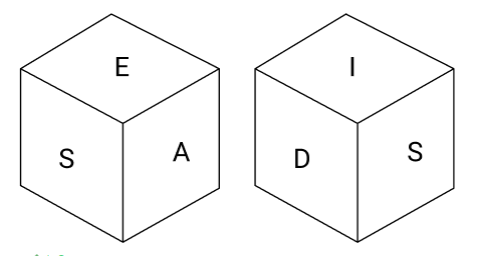

English (20 questions)

Question 61

Select the most appropriate ANTONYM of the given word.

Insightful

  1. AOption (a)

    Unperceptive

  2. BOption (b)

    Jagged

  3. COption (c)

    Terminal

  4. DOption (d)

    Elite

View answer & explanation

Correct answer

Answer: (a)A.

Unperceptive

Why this answer is correct

The correct answer is: Option 1.

Key Points

  • The word "Insightful" means having a deep understanding or the ability to perceive clearly; it refers to someone who is perceptive, intelligent, and discerning. (गहरी समझ या अंतर्दृष्टि वाला)
  • Example: Her insightful comments during the meeting helped the team make better decisions.
  • "Unperceptive" refers to someone who lacks the ability to notice or understand things clearly; it is the opposite of being insightful. (असंवेदनशील या समझ की कमी वाला)
  • Example: His unperceptive remarks showed that he hadn't understood the complexity of the issue.
  • Hence, we can infer that the antonym of 'Insightful' is 'Unperceptive'.

Therefore, the correct answer is: Option 1.

Additional Information

Here are the other options explained along with their Hindi meanings and example sentences:

  • Jagged (खुरदरा): Having a rough or uneven surface or outline.
  • Example: The jagged edges of the broken glass made it dangerous to handle.
  • Terminal (अंतिम): Referring to the end of something, often used in the context of transportation hubs or illnesses.
  • Example: She boarded the flight from the international terminal.
  • Elite (श्रेष्ठ): Referring to a select group that is superior in terms of ability or qualities.
  • Example: The elite athletes competed for the championship title.

Question 62

Select the most appropriate synonym for the given word.

Metamorphosis

  1. AOption (a)

    Stability

  2. BOption (b)

    Stagnation

  3. COption (c)

    Consistency 

  4. DOption (d)

    Change

View answer & explanation

Correct answer

Answer: (d)D.

Change

Why this answer is correct

The correct answer is: Change.

Key Points

  • The word "Metamorphosis" means a profound or significant change in form, structure, or substance, often used to describe transformation in living organisms or situations. (रूपांतरण)
  • Example: A caterpillar undergoes metamorphosis to become a butterfly.
  • "Change" refers to making or becoming different, implying a transition from one state to another. (परिवर्तन)
  • Example: The company underwent a significant change in its organizational structure.
  • Hence, we can infer that the synonym of 'Metamorphosis' is 'Change'.

Therefore, the correct answer is: Change.

Additional Information

Here are the other options explained along with their Hindi meanings and example sentences:

  • Stability (स्थिरता): The state of being stable or unchanging.
  • Example: The stability of the building was tested after the earthquake.
  • Stagnation (ठहराव): A state of inactivity or lack of growth.
  • Example: Economic stagnation can lead to widespread unemployment.
  • Consistency (संगति): Conformity in the application of something, maintaining uniformity or stability.
  • Example: His consistency in performance earned him the title of the best player of the season.

Question 63

Select the INCORRECTLY spelt word. 

  1. AOption (a)

    Destructively 

  2. BOption (b)

    Delightfuly

  3. COption (c)

    Discreetly 

  4. DOption (d)

    Dreamingly

View answer & explanation

Correct answer

Answer: (b)B.

Delightfuly

Why this answer is correct

The correct answer is: Option 2.

Key Points

  • The word "Delightfuly" is incorrectly spelled. The correct spelling is "Delightfully", which means something that is done in a way that causes delight or happiness. (आनंददायक तरीके से)
  • Example: She smiled delightfully at the unexpected gift.
  • "Delightfuly" (misspelled version) is not a correct word; it lacks the second "l" which makes it grammatically incorrect.
  • Hindi Meaning: Incorrect spelling doesn't have a direct meaning.
  • The correct word is "Delightfully", which is used to describe an action performed in an enjoyable and pleasing manner. (आनंदपूर्वक)
  • Example: The children played delightfully in the park.

Therefore, the correct answer is: Option 2.

Additional Information

Here are the other options explained along with their Hindi meanings and example sentences:

  • Destructively (विनाशकारी तरीके से): In a manner that causes great damage or destruction.
  • Example: The hurricane destructively swept through the coastal towns.
  • Discreetly (विवेकपूर्ण तरीके से): In a careful and prudent manner, especially to avoid causing offense or to gain an advantage.
  • Example: She discreetly informed her friend about the surprise party.
  • Dreamingly (स्वप्नवत): In a manner that suggests a dreamy or fanciful state.
  • Example: He gazed dreamingly at the stars, lost in his thoughts.

Question 64

Select the word that best completes the given sentence. Determine the collocation through the sentence.

My mother told me we should ____________ precautions to avoid getting sick during flu season.

  1. AOption (a)

    show

  2. BOption (b)

    hold

  3. COption (c)

    see

  4. DOption (d)

    take

View answer & explanation

Correct answer

Answer: (d)D.

take

Why this answer is correct

The correct answer is 'take'.


Key Points

  • The collocation "take precautions" is the correct phrase in this context. The verb "take" is commonly used with "precautions" to mean to adopt or implement measures to avoid harm or danger.
  • "Show precautions" is not a common collocation in English.
  • "Hold" and "see" are also incorrect in this context, as they do not naturally pair with "precautions" in this manner.

Therefore, the correct answer is 'Option 4'.

Complete Sentence: "My mother told me we should take precautions to avoid getting sick during flu season."


Additional Information

  • Show (दिखाना): does not form a common collocation with "precautions."
  • Hold (रखना): also does not pair naturally with "precautions" in the context of this sentence.
  • See (देखना): similarly, "see" is not used with "precautions" in standard English usage.

Question 65

Identify the INCORRECTLY spelt word in the given sentence.

The chef prepared a delicous meal for the guests.

  1. AOption (a)

    delicous

  2. BOption (b)

    meal

  3. COption (c)

    guests

  4. DOption (d)

    prepared 

View answer & explanation

Correct answer

Answer: (a)A.

delicous

Why this answer is correct

The correct answer is: Option 1.

Key Points

  • The word "delicous" in the sentence is incorrectly spelled. The correct spelling is "delicious".
  • "Delicous" does not have a valid meaning in English, as it is a misspelling. However, the intended word is "delicious," which means highly pleasing to the taste or smell; very enjoyable. (स्वादिष्ट)
  • Example: The delicous cake was enjoyed by everyone at the party. (Incorrect spelling)
  • The correct spelling is "delicious" (स्वादिष्ट), which means something that tastes or smells extremely pleasant.
  • Example: The chef prepared a delicious meal for the guests. (Correct spelling)
  • Therefore, the correct answer is: Option 1.

Additional Information

Here are the other options explained along with their Hindi meanings and example sentences:

  • Meal (भोजन): Food that is prepared and eaten at a specific time, typically breakfast, lunch, or dinner.
  • Example: We enjoyed a hearty meal after a long day of work.
  • Guests (अतिथि): People invited to visit or stay at a place, typically for an event or occasion.
  • Example: The guests were warmly welcomed into the party.
  • Prepared (तैयार): Made ready for use or an event; equipped to handle a situation.
  • Example: She prepared the room for the visitors ahead of their arrival.

Question 66

The following sentence has been divided into parts. One of them may contain an error. Select the part that contains the error from the given options. If you don’t find any error, mark ‘No error’ as your answer.

She knows the city most/ so I am going/ to have a look around with her.

  1. AOption (a)

    She knows the city most

  2. BOption (b)

    so I am going

  3. COption (c)

    No error.

  4. DOption (d)

    to have a look around with her. 

View answer & explanation

Correct answer

Answer: (a)A.

She knows the city most

Why this answer is correct

The correct answer is Option 1.


Key Points

  • The error lies in the phrase "She knows the city most." The word "most" is incorrectly used here. The correct word to use is "best," which is the superlative form of "well" and is used to describe someone's knowledge or skill in a particular area.
  • The correct phrase should be "She knows the city best" to properly indicate that she has the greatest knowledge of the city.
  • Other parts of the sentence are grammatically correct and do not need any changes.

Therefore, the correct answer is Option 1.


Correct Sentence: "She knows the city best, so I am going to have a look around with her."


Additional Information

  • Option 2: "so I am going" – This part of the sentence is grammatically correct and does not need any changes.
  • Option 3: "No error" – This is incorrect, as there is an error in the first part of the sentence ("She knows the city most").
  • Option 4: "to have a look around with her" – This part of the sentence is grammatically correct and does not need any changes.

Question 67

Select the most appropriate option that can substitute the underlined segment in the given sentence.

The company experienced a significant drop in sales; consequently, it had to lay off several employees.

  1. AOption (a)

    naturally

  2. BOption (b)

    accordingly

  3. COption (c)

    superficially

  4. DOption (d)

    genuinely 

View answer & explanation

Correct answer

Answer: (b)B.

accordingly

Why this answer is correct

The correct answer is: Option 2 (accordingly).

Key Points

  • The word "accordingly" means in a way that is appropriate to the particular circumstances; as a result or consequence. (तदनुसार, परिणामस्वरूप)
  • Example: She studied diligently for the exams and accordingly achieved excellent results.
  • The given sentence discusses the company's actions (laying off employees) as a result of a significant drop in sales. The word "accordingly" perfectly fits the context, implying a cause-and-effect relationship. (तदनुसार)
  • Example: The project was delayed, and accordingly, the launch date was postponed.
  • Hence, the correct word to replace the underlined segment is "accordingly."

Therefore, the correct answer is: Option 2 (accordingly).

Additional Information

Here are the other options explained along with their Hindi meanings and example sentences:

  • Option 1: Naturally (स्वाभाविक रूप से): In a way that is expected or normal.
  • Example: Naturally, she was upset when she heard the bad news.

Note: "Naturally" does not fit the context of cause and effect in the given sentence.

  • Option 3: Superficially (ऊपरी तौर पर): In a way that is only on the surface or not deeply considered.
  • Example: The changes to the system were only superficially effective.

Note: This word does not fit the logical context of the sentence.

  • Option 4: Genuinely (ईमानदारी से): Truly or sincerely.
  • Example: She was genuinely excited about her promotion.

Note: This word does not convey the cause-and-effect relationship in the sentence.

Question 68

Select the most appropriate meaning of the given idiom.

Let the cat out of the bag

  1. AOption (a)

    To reveal a secret 

  2. BOption (b)

    To keep a secret

  3. COption (c)

    To punish a cat

  4. DOption (d)

    To release a pet cat 

View answer & explanation

Correct answer

Answer: (a)A.

To reveal a secret 

Why this answer is correct

The correct answer is: Option 1 (To reveal a secret).

Key Points

  • The idiom "Let the cat out of the bag" means to reveal a secret or disclose information that was supposed to remain hidden. (राज़ खोलना)
  • Example: She let the cat out of the bag when she accidentally mentioned the surprise party.
  • It is often used in situations where someone unintentionally or intentionally reveals confidential or sensitive information. (गोपनीय जानकारी उजागर करना)
  • Example: He let the cat out of the bag about the new project before the official announcement.
  • Hence, the meaning of the idiom aligns with the correct answer, "To reveal a secret".

Therefore, the correct answer is: Option 1.

Additional Information

Here are the other options explained along with their Hindi meanings and example sentences:

  • Option 2: To keep a secret (राज़ छुपाना): Refers to maintaining confidentiality and not disclosing any sensitive information.
  • Example: He promised to keep the secret and not tell anyone about the plan.
  • Option 3: To punish a cat (बिल्ली को सज़ा देना): This option is irrelevant as the idiom does not refer to punishing a cat.
  • Example: There is no relation between the idiom and this meaning.
  • Option 4: To release a pet cat (पालतू बिल्ली को छोड़ना): This option is incorrect as the idiom does not involve releasing a cat.
  • Example: This meaning does not align with the context of the idiom.

Question 69

Select the most appropriate word that can substitute the underlined word in the given sentence without altering the sentence's meaning.

The professor’s lecture on quantum mechanics was as enlightening as it was challenging.

  1. AOption (a)

    illuminating

  2. BOption (b)

    dull 

  3. COption (c)

    perplex 

  4. DOption (d)

    confusing

View answer & explanation

Correct answer

Answer: (a)A.

illuminating

Why this answer is correct

The correct answer is: Option 1.

Key Points

  • The word "enlightening" means giving someone greater knowledge and understanding about a subject or situation. (ज्ञानवर्धक, शिक्षाप्रद)
  • Example: The workshop on mental health was truly enlightening for the participants.
  • "Illuminating" is a synonym for enlightening, meaning it provides clarity or insight into a topic. (प्रकाश डालने वाला, शिक्षाप्रद)
  • Example: Her speech was illuminating and provided a new perspective on the issue.
  • Thus, the word "illuminating" is the most appropriate substitution for "enlightening" in the sentence without altering its meaning.

Therefore, the correct answer is: Option 1.

Additional Information

Here are the other options explained along with their Hindi meanings and example sentences:

  • Dull (नीरस): Lacking interest, excitement, or brightness.
  • Example: The lecture was so dull that many students fell asleep.
  • Perplex (उलझन में डालना): To confuse or puzzle someone.
  • Example: His contradictory statements perplexed the audience.
  • Confusing (भ्रामक): Making someone unable to think clearly; unclear or difficult to understand.
  • Example: The instructions were confusing, and nobody knew what to do.

Question 70

Select the most appropriate word segment that rectifies the bracketed and complete the given sentence meaningfully.

(No sooner did we arrived) at the airport than we got busy with the luggage we were carrying.

  1. AOption (a)

    No sooner arrived we 

  2. BOption (b)

    No sooner had we arrived

  3. COption (c)

    No sooner we arrived 

  4. DOption (d)

    No sooner did we arrive

View answer & explanation

Correct answer

Answer: (d)D.

No sooner did we arrive

Why this answer is correct

The correct answer is 'Option 4'.


Key Points

  • The phrase "No sooner did we arrive" is a correct construction of the correlative conjunction "no sooner... than," which is used to show that one event happens immediately after another.
  • In the structure "No sooner did + subject + base verb," the auxiliary verb "did" is used for the simple past tense, which is appropriate here to indicate that the arrival was followed quickly by another event.
  • "No sooner did we arrive" fits grammatically, making it the correct choice in this context.

Therefore, the correct answer is Option 4.


Correct Sentence: "No sooner did we arrive at the airport than we got busy with the luggage we were carrying."


Additional Information

  • Option 1: "No sooner arrived we" – This structure is incorrect because "arrived" is in the simple past tense and lacks the auxiliary verb "did" for the correct question form.
  • Option 2: "No sooner had we arrived" – This is a valid structure, but it uses the past perfect tense, which can work in a different context. However, in this case, the simple past tense with "did" is more appropriate for immediate actions.
  • Option 3: "No sooner we arrived" – This construction is incorrect because it lacks the auxiliary verb "did" in the appropriate form.

Question 71

Select the most appropriate option to fill in the blanks.

The modern office (1)featured sleek (2), open spaces, and (3)____ windows, fostering a productive and collaborative work environment for employees.

  1. AOption (a)

    (1) building ; (2) designs ; (3) large

  2. BOption (b)

    (1) designs ; (2) large ; (3) building

  3. COption (c)

    (1) large ; (2) designs ; (3) building

  4. DOption (d)

    (1) building ; (2) large ; (3) designs

View answer & explanation

Correct answer

Answer: (a)A.

(1) building ; (2) designs ; (3) large

Why this answer is correct

The correct answer is 'Option 1'.


Key Points

  • The first blank should be "building" as it refers to the structure or the modern office itself.
  • The second blank should be "designs," as it refers to the style or layout of the office spaces, which are typically described by designs.
  • The third blank should be "large" as it describes the size of the windows, which are a feature of the modern office environment.

Therefore, the correct answer is 'Option 1'.

Complete Sentence: "The modern office building featured sleek designs, open spaces, and large windows, fostering a productive and collaborative work environment for employees."


Additional Information

  • Option 2: "designs ; large ; building" – This order does not fit the structure of the sentence, as it places "designs" first when the sentence context calls for the building as the subject.
  • Option 3: "large ; designs ; building" – This order does not flow logically, as it begins with "large," which does not appropriately fit the structure when describing the office's features.
  • Option 4: "building ; large ; designs" – While this may sound somewhat reasonable, the sentence structure and meaning flow best with "designs" describing the style of the building, not "large" before it.

Question 72

Select the most appropriate option to fill in the blank.

The price of wheat _____ has gone up in recent times.

  1. AOption (a)

    floor

  2. BOption (b)

    flower

  3. COption (c)

    follower

  4. DOption (d)

    flour

View answer & explanation

Correct answer

Answer: (d)D.

flour

Why this answer is correct

The correct answer is 'Option 4'.


Key Points

  • The word "flour" is the correct choice, as it refers to the finely ground powder obtained from grains like wheat. The price of wheat flour has indeed gone up recently.
  • "Floor" refers to the surface of a room, building, or structure, which does not fit the context of wheat prices.
  • "Flower" refers to the reproductive part of a plant, which is irrelevant in this context.
  • "Follower" refers to a person who supports or admires someone, which does not fit the context of wheat prices either.

Therefore, the correct answer is 'Option 4'.

Complete Sentence: "The price of wheat flour has gone up in recent times."


Additional Information

  • Floor (मंजिल): refers to the surface of a room, building, or structure, and is irrelevant in this context.
  • Flower (फूल): refers to the reproductive part of a plant, which is not related to wheat or its price.
  • Follower (अनुयायी): refers to someone who supports or admires a person, not a term related to wheat or its price.

Question 73

Select the word from among the given options that is closest in meaning to the underlined word in the given sentence.

The company’s generous donation helped fund the construction of a new library in the village.

  1. AOption (a)

    Meagre 

  2. BOption (b)

    Sensible 

  3. COption (c)

    Lavish

  4. DOption (d)

    Senseless

View answer & explanation

Correct answer

Answer: (c)C.

Lavish

Why this answer is correct

The correct answer is: Lavish.

Key Points

  • The word "generous" means showing a readiness to give more of something, such as money or time, than is strictly necessary or expected. (उदार)
  • Example: She is known for her generous donations to charity every year.
  • "Lavish" refers to something extravagant, luxurious, or very abundant, often used in the context of spending or giving. (शानदार/अत्यधिक)
  • Example: The king hosted a lavish banquet for his guests.
  • Hence, the word "lavish" is closest in meaning to "generous" in this context.

Therefore, the correct answer is: Lavish.

Additional Information

Here are the other options explained along with their Hindi meanings and example sentences:

  • Meagre (अल्प): Refers to something that is small or insufficient in quantity or quality.
  • Example: He was paid a meagre salary despite working long hours.
  • Sensible (समझदार): Refers to showing good sense or judgment.
  • Example: She made a sensible decision to save money for the future.
  • Senseless (बेवकूफी भरा): Refers to something that lacks meaning, purpose, or sense.
  • Example: The argument was completely senseless and led to no resolution.

Question 74

Select the most appropriate option to fill in the blank.

If I _____ you, I would take that job offer.

  1. AOption (a)

    am

  2. BOption (b)

    was

  3. COption (c)

    had been

  4. DOption (d)

    were

View answer & explanation

Correct answer

Answer: (d)D.

were

Why this answer is correct

The correct answer is 'Option 4: were'.


Key Points

  • The sentence is in a hypothetical conditional mood, where "If I were you" is a common construction used to express an imaginary or contrary-to-fact situation.
  • The phrase "If I were you" is the correct way to express a hypothetical situation about a different person (even if it's "I" in this case) and is part of the second conditional structure used to talk about unreal situations.
  • Options 1, 2, and 3 are incorrect because they do not follow the correct structure for a hypothetical conditional sentence. "Am" and "was" are incorrect in this context, and "had been" would be used in past perfect conditional situations, not in this case.

Therefore, the correct answer is Option 4.


Complete Sentence: "If I were you, I would take that job offer."


Additional Information

  • Option 1: "am" is incorrect because it does not fit the conditional structure of the sentence, which requires "were" in the second conditional.
  • Option 2: "was" is incorrect in this case because the subjunctive mood requires "were" instead of "was" when referring to an unreal or hypothetical condition.
  • Option 3: "had been" is incorrect because it is used in the past perfect tense, which is not required for this conditional sentence.

Question 75

The following sentence has been divided into parts. One of them contains a grammatical error. Select the part that contains the error from the given options.

I cannot find/the book everywhere/in the house;/ it seems to have disappeared.

  1. AOption (a)

    in the house;

  2. BOption (b)

    it seems to have disappeared. 

  3. COption (c)

    the book everywhere

  4. DOption (d)

    I cannot find

View answer & explanation

Correct answer

Answer: (c)C.

the book everywhere

Why this answer is correct

The correct answer is Option 3.


Key Points

  • The error lies in the phrase "the book everywhere." The word "everywhere" is incorrectly used here. The correct structure should be "find the book anywhere," as "anywhere" is used to express the idea of a location in a negative context, which fits the meaning of the sentence.
  • The correct phrase should be "I cannot find the book anywhere in the house," which makes the sentence grammatically correct and meaningful.
  • Other parts of the sentence are grammatically correct and do not need any changes.

Therefore, the correct answer is Option 3.


Correct Sentence: "I cannot find the book anywhere in the house; it seems to have disappeared."


Additional Information

  • Option 1: "in the house;" – This part of the sentence is grammatically correct and does not need any changes.
  • Option 2: "it seems to have disappeared." – This part is correct and appropriately expresses the idea of the book disappearing.
  • Option 4: "I cannot find" – This part is grammatically correct and does not need any changes.

In the following passage, some words have been deleted. Read the passage carefully and select the most appropriate option to fill in each blank. 

Erosion of America's farmland by wind and water (1)_____ a problem since settlers first put the prairies and grasslands (2)______ the plow in the 19th century. By the 1930s, more than 282 million acres of farmland were (3)______ by erosion. After 40 years of conservation efforts, soil erosion has (4)________ due to new demands placed (5)____ the land by heavy crop production.

Question 76

Select the most appropriate option to fill in blank no. 1.

  1. AOption (a)

    have been 

  2. BOption (b)

    was been

  3. COption (c)

    had been

  4. DOption (d)

    has been

View answer & explanation

Correct answer

Answer: (d)D.

has been

Why this answer is correct

The correct answer is 'has been'.


Key Points

  • The passage refers to an ongoing issue starting from the 19th century and continuing into the present time, making "has been" the most appropriate choice.
  • "Has been" is the present perfect tense, which is used to describe actions that started in the past and continue to the present.
  • Other options ("have been", "was been", "had been") do not fit grammatically or contextually for the ongoing nature of the problem described in the passage.

Therefore, the correct answer is 'Option 4'.


Complete Passage: Erosion of America's farmland by wind and water (1) has been a problem since settlers first put the prairies and grasslands (2)______ the plow in the 19th century. By the 1930s, more than 282 million acres of farmland were (3)______ by erosion. After 40 years of conservation efforts, soil erosion has (4)________ due to new demands placed (5)____ the land by heavy crop production.


Additional Information

  • "Has been" indicates an ongoing problem that started in the past and continues into the present, which is the correct meaning for the context of the passage.
  • "Have been" would be incorrect because the subject "erosion" is singular, requiring the singular verb form "has been".
  • "Was been" and "had been" do not fit in the context, as they suggest completed actions in the past, which does not align with the passage's context about an ongoing issue.

Question 77

Select the most appropriate option to fill in blank no. 2.

  1. AOption (a)

    under

  2. BOption (b)

    besides

  3. COption (c)

    above

  4. DOption (d)

    on top

View answer & explanation

Correct answer

Answer: (a)A.

under

Why this answer is correct

The correct answer is 'under'.


Key Points

  • The phrase "put the prairies and grasslands under the plow" refers to cultivating or farming the land, which is a common expression used to describe plowing or turning the soil for agricultural purposes.
  • "Under" is the most appropriate choice because it suggests the action of the plow going over and turning the soil beneath it.
  • Other options ("besides", "above", "on top") do not convey the correct meaning in this agricultural context.

Therefore, the correct answer is 'Option 1'.


Complete Passage: Erosion of America's farmland by wind and water (1)_____ a problem since settlers first put the prairies and grasslands (2) under the plow in the 19th century. By the 1930s, more than 282 million acres of farmland were (3)______ by erosion. After 40 years of conservation efforts, soil erosion has (4)________ due to new demands placed (5)____ the land by heavy crop production.


Additional Information

  • "Under" correctly reflects the meaning of the land being worked or cultivated with a plow, which is the intended sense of the passage.
  • "Besides", "above", and "on top" do not fit the context of the land being worked or cultivated in a farming sense.

Question 78

Select the most appropriate option to fill in blank no. 3.

  1. AOption (a)

    purified

  2. BOption (b)

    damaged

  3. COption (c)

    developed

  4. DOption (d)

    improved

View answer & explanation

Correct answer

Answer: (b)B.

damaged

Why this answer is correct

The correct answer is 'damaged'.


Key Points

  • The passage discusses the consequences of erosion on farmland, so "damaged" is the most suitable word to describe the negative effect of erosion on the land.
  • "Damaged" fits the context of land being harmed or degraded by erosion over time.
  • Other options ("purified", "developed", "improved") do not fit the context, as they imply positive changes, whereas the passage focuses on the harmful effects of erosion.

Therefore, the correct answer is 'Option 2'.


Complete Passage: Erosion of America's farmland by wind and water (1)_____ a problem since settlers first put the prairies and grasslands (2)______ the plow in the 19th century. By the 1930s, more than 282 million acres of farmland were (3) damaged by erosion. After 40 years of conservation efforts, soil erosion has (4)________ due to new demands placed (5)____ the land by heavy crop production.


Additional Information

  • "Damaged" clearly conveys the idea of land being harmed or impaired by erosion, which aligns with the passage's focus on soil degradation.
  • "Purified", "developed", and "improved" are all positive terms and are not suitable in the context of erosion, which is destructive to the land.

Question 79

Select the most appropriate option to fill in blank no. 4. 

  1. AOption (a)

    hindered 

  2. BOption (b)

    accelerated

  3. COption (c)

    discouraged

  4. DOption (d)

    delayed 

View answer & explanation

Correct answer

Answer: (b)B.

accelerated

Why this answer is correct

The correct answer is 'accelerated'.


Key Points

  • The passage talks about the ongoing issue of soil erosion and how it has worsened due to new demands placed on the land. "Accelerated" fits the context, meaning that the erosion process has sped up or worsened over time.
  • "Accelerated" conveys the idea that the conservation efforts have not been enough to slow down or stop the problem, and instead, the problem has gotten worse due to increased crop production demands.
  • Other options ("hindered", "discouraged", "delayed") imply that the problem has been slowed or prevented, which contradicts the passage's description of ongoing and worsening soil erosion.

Therefore, the correct answer is 'Option 2'.


Complete Passage: Erosion of America's farmland by wind and water (1)_____ a problem since settlers first put the prairies and grasslands (2)______ the plow in the 19th century. By the 1930s, more than 282 million acres of farmland were (3)______ by erosion. After 40 years of conservation efforts, soil erosion has (4) accelerated due to new demands placed (5)____ the land by heavy crop production.


Additional Information

  • "Accelerated" is the most appropriate word in this context as it aligns with the idea of soil erosion worsening due to the increased demands on the land.
  • "Hindered", "discouraged", and "delayed" suggest that the erosion process has been slowed down or prevented, which does not match the context of worsening erosion described in the passage.

Question 80

Select the most appropriate option to fill in blank no. 5.

  1. AOption (a)

    on

  2. BOption (b)

    in

  3. COption (c)

    by

  4. DOption (d)

    of

View answer & explanation

Correct answer

Answer: (a)A.

on

Why this answer is correct

The correct answer is 'on'.


Key Points

  • The phrase "placed on the land" is the correct usage here, as it refers to placing demands or burdens on something (in this case, the land), which fits the context of agricultural demands leading to soil erosion.
  • "On" is used to indicate the target or recipient of an action, and in this context, it suggests the new demands that are being imposed or placed on the land.
  • Other options ("in", "by", "of") do not fit the context as naturally as "on". "In" would imply being inside or within something, which does not convey the idea of placing demands on land. "By" and "of" would also be grammatically incorrect in this context.

Therefore, the correct answer is 'Option 1'.


Complete Passage: Erosion of America's farmland by wind and water (1)_____ a problem since settlers first put the prairies and grasslands (2)______ the plow in the 19th century. By the 1930s, more than 282 million acres of farmland were (3)______ by erosion. After 40 years of conservation efforts, soil erosion has (4)________ due to new demands placed (5) on the land by heavy crop production.


Additional Information

  • "On" is the most appropriate preposition to indicate that the demands are being placed or imposed upon the land, which is the intended meaning in the passage.
  • "In", "by", and "of" are not correct in this context, as they do not convey the idea of imposing demands or pressures on the land.

हिंदी (20 questions)

Question 81

'कक्षा में आज सभी विद्यार्थी आए हैं।"

सर्वाधिक उपयुक्त विकल्प चुनकर वाक्य के रेखांकित अंश को बदलें-

  1. AOption (a)

    खड़े

  2. BOption (b)

    सामने

  3. COption (c)

    उपस्थित

  4. DOption (d)

    बैठे

View answer & explanation

Correct answer

Answer: (c)C.

उपस्थित

Why this answer is correct

सही उत्तर है - उपस्थित

Key Points

  • वाक्य - कक्षा में आज सभी विद्यार्थी आए हैं।
  • वाक्य में रेखांकित अंश "आए" को "उपस्थित" से बदलने पर वाक्य अधिक उपयुक्त हो जाएगा।
  • वाक्य में "आए" शब्द का उपयोग थोड़ा सामान्य और अनौपचारिक है।
  • "उपस्थित" शब्द का उपयोग कक्षा के संदर्भ में अधिक औपचारिक और सटीक है।
  • इसलिए, वाक्य को "कक्षा में आज सभी विद्यार्थी उपस्थित हैं" के रूप में व्यक्त करना अधिक उपयुक्त होगा।

Question 82

निम्नलिखित वाक्य में रेखांकित खंड के स्थान पर प्रयुक्त होने वाले सबसे उपयुक्त विकल्प का चयन कीजिए-

सक्षम पिता जी की तत्पर सेवा के लिए है।

  1. AOption (a)

    सेवा के लिए तत्पर

  2. BOption (b)

    के सेवा तत्पर लिए

  3. COption (c)

    सेवा तत्पर

  4. DOption (d)

    के लिए सेवा तत्पर

View answer & explanation

Correct answer

Answer: (a)A.

सेवा के लिए तत्पर

Why this answer is correct

सही उत्तर है - सेवा के लिए तत्पर

Key Points

  • अशुद्ध वाक्य - सक्षम पिता जी की तत्पर सेवा के लिए है।
  • दिए गये वाक्य में पदक्रम प्रयोग की त्रुटि है,
  • ​यहाँ 'तत्पर सेवा के लिए' सार्थक शब्द नहीं है और इससे सही अर्थ प्रकट नहीं हो रहा।
  • ​अत: सार्थक शब्द 'सेवा के लिए तत्पर' होना चाहिए।
  • शुद्ध वाक्य - सक्षम पिता जी की सेवा के लिए तत्पर है।
  • पदक्रम -किसी वाक्य में सार्थक शब्दों को यथास्थान रखने की क्रिया को 'क्रम' या 'पदक्रम' कहा जाता है।

Additional Information

   पदक्रम संबंधी अशुद्धियाँ - 

अशुद्ध वाक्यशुद्ध वाक्य
सीमा की लिखावट हिंदी की बहुत सुंदर है।सीमा की हिंदी की लिखावट बहुत सुंदर है।
​भीड़ में चार पटना के व्यक्ति भी थे।​भीड़ में पटना के चार व्यक्ति भी थे।
गाय का ताकतवर दूध होता है।गाय का दूध ताकतवर होता है।
शहीदों का देश सदा आभारी रहेगा।देश शहीदों का सदा आभारी रहेगा।
बच्चे को काटकर फल खिलाओ।बच्चे को ​फल काटकर खिलाओ।

Question 83

कमल ________ के ऊपर ओस की बूंद बड़ी मनमोहक लग रही थी।

'राजनीति में नेता अक्सर लाभ के लिए अपना _________ बदल लेते हैं ।

उपर्युक्त वाक्यों में रिक्त स्थान की पूर्ति के लिए उपयुक्त अनेकार्थी शब्द है -

  1. AOption (a)

    हित

  2. BOption (b)

    दल

  3. COption (c)

    पुष्प

  4. DOption (d)

    पार्टी

View answer & explanation

Correct answer

Answer: (b)B.

दल

Why this answer is correct

सही उतर है - दल

Key Points

  • कमल दल के ऊपर ओस की बूंद बड़ी मनमोहक लग रही थी।
  • 'राजनीति में नेता अक्सर लाभ के लिए अपना दल बदल लेते हैं ।
  • 'दल' के अनेकार्थी शब्द - समूह, सेना, पत्ता, पत्र, नाश, हिस्सा, पक्ष, भाग, चिड़ी।
  • अनेकार्थी शब्द - ऐसे शब्द, जिनके अनेक अर्थ होते है, अनेकार्थी शब्द कहलाते है।

अन्य विकल्प -

  • हित के अनेकार्थी शब्द - भलाई, प्रेम, लोभ।
  • पुष्प के अनेकार्थी शब्द - फूल, सुमन, कुसुम, मंजरी, और प्रसून।
  • पार्टी के अनेकार्थी शब्द - दल, समूह, पक्ष, समारोह, दावत, भोज।

Additional Information

   कुछ प्रमुख अनेकार्थी शब्द:-

शब्दअनेकार्थी शब्द
दंडसज़ा, डंडा, आक्रमण, दमन, एक व्यायाम।
गुणकौशल, शील, रस्सी, लाभ, विशेषता, धनुष की डोरी।
गुरुशिक्षक, ग्रहविशेष, श्रेष्ठ, बृहस्पति, भारी, बड़ा, भार।
पक्षपन्द्रह दिन का समय, ओर, पंख, बल, घर, सहाय, पार्टी।
मानसम्मान, इज्जत, अभिमान, नाप-तौल, मानना।
तारधातु का तार, तारघर से संदेश भेजना, तारना।
वर्णरंग, अक्षर, ब्राह्मण आदि चार वर्ण।
अंशहिस्सा, कोण का अंश, किरण।

Question 84

निम्नलिखित वाक्य को ध्यानपूर्वक पढ़ें और वाक्य में रीतिवाचक क्रिया विशेषण संबंधी त्रुटि की पहचान कर शुद्ध वाक्य लिखें।

​निर्मल बोलता है।

  1. AOption (a)

    निर्मल बोलेगा।

  2. BOption (b)

    निर्मल बोलने वाला है।

  3. COption (c)

    निर्मल धीरे-धीरे बोलता है।

  4. DOption (d)

    निर्मल बोलता था।

View answer & explanation

Correct answer

Answer: (c)C.

निर्मल धीरे-धीरे बोलता है।

Why this answer is correct

सही उत्तर है - निर्मल धीरे-धीरे बोलता है।

Key Points

  • यहाँ 'धीरे-धीरे' शब्द हमें निर्मल के बोलने की गति के बारे में बता रहा है, अतः यह शब्द रीतिवाचक क्रियाविशेषण के अंतर्गत आयेंगे।
  • जिन अविकारी शब्दों से क्रिया की रीति या विधि का पता चलता है, उसे रीतिवाचक क्रिया-विशेषण अव्यय कहते हैं।
  • जैसे - सचमुच, ठीक, अवश्य, कदाचित, ऐसे, वैसे, सहसा, तेज, सच, झूठ, धीरे, ध्यानपूर्वक, हंसते हुए, तेजी से, फटाफट आदि।
  • अमित ध्यान पूर्वक पढ़ रहा है।

Important Points

  अर्थ के आधार पर क्रिया-विशेषण के भेद-

  • स्थानवाचक क्रिया-विशेषण
  • कालवाचक क्रिया-विशेषण
  • परिमाणवाचक क्रिया-विशेषण
  • रीतिवाचक क्रिया-विशेषण

Additional Information 

क्रियाविशेषणपरिभाषाउदाहरण
स्थानवाचकवे शब्द जो क्रिया के घटित होने के स्थान का बोध कराते हैं, उन्हें स्थानवाचक क्रियाविशेषण कहते हैं। जैसे - यहाँ, वहाँ, कहाँ, जहाँ, सामने, नीचे, ऊपर, आगे, भीतर, बाहर, दूर, पास, अंदर, किधर, इस ओर, उस ओर, इधर, उधर, जिधर, दाएँ, बाएँ, दाहिने आदि।​​​अब वहाँ अकेला मजदूर था।
कालवाचकजिन शब्दों से क्रिया के घटित होने के समय का पता चले उसे कालवाचक क्रियाविशेषण कहते हैं। जैसे - आज, कल, परसों, पहले, अब तक, अभी-अभी, लगातार, बार-बार, प्रतिदिन, अक्सर, बाद में, जब, तब, अभी, कभी, नित्य, सदा, तुरंत, आजकल, कई बार, हर बार आदि।​तुम अब जा सकते हो।
परिमाणवाचकजिन अविकारी शब्दों से क्रिया के परिमाण और उसकी संख्या का पता चलता है, उसे परिमाणवाचक क्रिया-विशेषण कहते हैं। जैसे - बहुत, अधिक, पूर्णतया, कुछ, थोडा, काफी, केवल, इतना, उतना, कितना, थोड़ा-थोड़ा, एक-एक करके, जरा, खूब, बिलकुल, ज्यादा, अल्प, बड़ा, भारी, लगभग, क्रमशः आदि।​​रोज़ अधिक पानी पियो।

Question 85

निम्नलिखित वाक्यांश के लिए सार्थक शब्द चुनिए-

जहां से सूर्य उदित होता है

  1. AOption (a)

    उदयाचल

  2. BOption (b)

    विंध्याचल

  3. COption (c)

    हिमाचल

  4. DOption (d)

    वरुणाचल

View answer & explanation

Correct answer

Answer: (a)A.

उदयाचल

Why this answer is correct

सही उत्तर है - उदयाचल

Key Points

  • 'जहां से सूर्य उदित होता है' वाक्यांश के लिए एक शब्द होगा - उदयाचल
  • वाक्यांश के लिए उपयुक्त शब्द - अनेक शब्दों के लिए एक शब्द को प्रयुक्त करना ही वाक्यांश के लिए एक शब्द कहलाता है।

अन्य विकल्प -

वाक्यांशशब्द
भारत की एक पर्वत मालाविंध्याचल
बर्फ़ से ढका पहाड़हिमाचल
उगते सूर्य का पर्वतअरुणाचल

Additional Information कुछ महत्वपूर्ण वाक्यांश के लिए एक शब्द -

वाक्यांशशब्द
​जहाँ से सूर्य का अस्त माना जाता होअस्ताचल
​जो अपनी इच्छा पर निर्भर होऐच्छिक
​ऊपर की ओर जाने वालाऊर्ध्वगामी
जो कर्तव्य से च्युत हो गया होकर्तव्यच्युत
​ जिसकी कल्पना ना की जा सकेअकल्पनीय
​जिस पशु के पेट में बच्चा होगाभिन
​जिसका चिंतन करना उचित होचिंतनीय

Question 86

निम्न वाक्य को शुद्ध कीजिए-

किसी भी नए कार्य को आरंभ करने में विपत्त आती ही है।

  1. AOption (a)

    किसी भी नए कार्य को आरंभ करने में वीपत्त आती ही है।

  2. BOption (b)

    किसी भी नए कार्य को आरंभ करने में विपत्ति आती ही है। 

  3. COption (c)

    किसी भी नए कार्य को आरंभ करने में विपती आती ही है। 

  4. DOption (d)

    किसी भी नए कार्य को आरंभ करने में विपात्ती आती ही है।

View answer & explanation

Correct answer

Answer: (b)B.

किसी भी नए कार्य को आरंभ करने में विपत्ति आती ही है। 

Why this answer is correct

सही उत्तर है - किसी भी नए कार्य को आरंभ करने में विपत्ति आती ही है। 

Key Points

  • अशुद्ध वाक्य - किसी भी नए कार्य को आरंभ करने में विपत्त आती ही है।
  • दिए गये वाक्य में वर्तनी प्रयोग की त्रुटि है,
  • ​यहाँ 'विपत्त' सार्थक शब्द नहीं है और इससे सही अर्थ प्रकट नहीं हो रहा।
  • ​अत: सार्थक शब्द '​विपत्ति' होना चाहिए।
  • शुद्ध वाक्य - ​किसी भी नए कार्य को आरंभ करने में विपत्ति आती ही है।

Important Points 

  • वाक्य में लिंग, वचन, पुरुष, काल, कारक आदि का क्रिया के साथ ठीक ठीक मेल हो, उसे शुद्ध वाक्य कहते है।
  • वर्तनी - किसी शब्द में आये हुए अक्षरों को मात्राओं सहित कहने या लिखने की रीति को वर्तनी कहते हैं।

Additional Information वर्तनी संबंधी अशुद्धियाँ - 

अशुद्ध वाक्यशुद्ध वाक्य
दिवाली का त्यौहार खुशियों से भरा होता है।दिवाली का त्योहार खुशियों से भरा होता है।
लड़की अपनी पुस्तक पड़ रही है।लड़की अपनी पुस्तक पढ़ रही है।
मुझे आज दूकान जाना है।मुझे आज दुकान जाना है।
उनके सासन में दंगे हुए थे।उनके शासन में दंगे हुए थे।
​अपना तात्पर्ज बताएँ ।अपना तात्पर्य बताएँ ।

Question 87

हमने अतिथियों से पूछा कि क्या वे भोजन खाएँगे?'

इस वाक्य में क्रिया सम्बन्धी त्रुटि पहचानकर निम्नलिखित में से शुद्ध वाक्य चुनिए-

  1. AOption (a)

    हमने अतिथियों से पूछा कि क्या वे भोजन करेंगे?

  2. BOption (b)

    हमने अतिथियों से पूछा कि क्या वे भोजन खा लेंगे? 

  3. COption (c)

    हमने अतिथियों से पूछा कि क्या वे भोजन लेंगे?

  4. DOption (d)

    हमने अतिथियों से पूछा कि क्या वे भोजन प्राप्त करेंगे?

View answer & explanation

Correct answer

Answer: (a)A.

हमने अतिथियों से पूछा कि क्या वे भोजन करेंगे?

Why this answer is correct

सही उत्तर है - हमने अतिथियों से पूछा कि क्या वे भोजन करेंगे?

Key Points

  • अशुद्ध वाक्य - हमने अतिथियों से पूछा कि क्या वे भोजन खाएँगे?
  • दिए गये वाक्य में क्रिया प्रयोग की त्रुटि है,
  • ​यहाँ 'खाएँगे' सार्थक शब्द नहीं है और इससे सही अर्थ प्रकट नहीं हो रहा।
  • ​अत: सार्थक शब्द 'करेंगे' होना चाहिए।
  • शुद्ध वाक्य - हमने अतिथियों से पूछा कि क्या वे भोजन करेंगे?

Additional Informationक्रिया संबंधी अशुद्धियाँ - 

अशुद्ध वाक्यशुद्ध वाक्य
​मैं दर्शन देने आया था।मैं दर्शन करने आया था।
मैं आप सबको धन्यवाद करता हूँ।मैं आप सबको धन्यवाद देता हूँ।
समारोह में मुख्य अतिथि को अभिनन्दन पत्र प्रदान किया गया।समारोह में मुख्य अतिथि को अभिनन्दन पत्र दिया।
कृपया एक गिलास पानी बुझाइए।कृपया एक गिलास पानी दीजिए।
​वह पढ़ना माँगता है।वह पढ़ना चाहता है।

Question 88

गंगा को देवनदी कहते हैं और _______ भी।

'गंगा' के पर्याय से वाक्य पूर्ण करें-

  1. AOption (a)

    नदीश

  2. BOption (b)

    सूर्यतनया

  3. COption (c)

    हृद

  4. DOption (d)

    मंदाकिनी

View answer & explanation

Correct answer

Answer: (d)D.

मंदाकिनी

Why this answer is correct

सही उत्तर है - मंदाकिनी

Key Points

  • गंगा को देवनदी कहते हैं और मंदाकिनी भी।
  • 'गंगा' का पर्यायवाची शब्द - 'मंदाकिनी' होगा।
  • 'गंगा' के अन्य पर्यायवाची शब्द - देवनदी, भागीरथी, सुरसरि, त्रिपथगा, जाह्नवी, विष्णुपदी, स्वर्गापगा, अमरतरंगिनी, सुरधुनि आदि।
  • पर्यायवाची - ऐसे शब्द जिनके अर्थ समान हों, पर्यायवाची शब्द कहलाते हैं।

अन्य विकल्प-

शब्दपर्यायवाची  शब्द
समुद्रसागर, उदधि, नदीश, जलधि, वारिधि, पारावार, सिंधु, नीरनिधि, पयोधि, अर्णव, पयोनिधि।
यमुनाकालिंदी, सूर्यसुता, सूर्यतनया, अर्कजा, भानुजा, तरणि।
​हृदयमन, अंतस, हृद, दिल, कलेजा, उर, हिय, वक्ष ।

Additional Information

  कुछ महत्वपूर्ण पर्यायवाची शब्द -

शब्दपर्यायवाची शब्द
पृथ्वीधरा, धरती, वसुधा, भूमि, वसुंधरा, भू, इला, धरा, धरणी।
​अश्वघोड़ा, घोटक, हरि, हय, वाजि, सैन्धव, रविपुत्र।
​साँपसर्प, नाग, विषधर, व्याल, भुजंग, उरग, अहि पन्नग।
​चोरतस्कर, दस्यु, रजनीचर, मोषक, कुंभिल, खनक।
वृक्षतरु, द्रुम, पादप, विटप, अगम, पेड़, गाछ।
​कमलजलज, पंकज, सरोज, राजीव, अरविन्द, नीरज।
नदीसरिता, तटिनी, तरंगिणी, निर्झरिणी, आपगा, कूलंकषा।

Question 89

'जिसमें कुछ करने की क्षमता न हो

उपरोक्त वाक्यांश के लिए एक शब्द होगा-

  1. AOption (a)

    अक्षम्य

  2. BOption (b)

    अक्षम

  3. COption (c)

    अक्षय

  4. DOption (d)

    अक्षमा

View answer & explanation

Correct answer

Answer: (b)B.

अक्षम

Why this answer is correct

सही उत्तर है - अक्षम

Key Points 

  • 'जिसमें कुछ करने की क्षमता न हो' वाक्यांश के लिए एक शब्द होगा - अक्षम
  • वाक्यांश के लिए उपयुक्त शब्द - अनेक शब्दों के लिए एक शब्द को प्रयुक्त करना ही वाक्यांश के लिए एक शब्द कहलाता है।

अन्य विकल्प -

वाक्यांशशब्द
जिसको क्षमा ना किया जा सकेअक्षम्य
जिसका क्षय न होअक्षय
किसी भी ऐसी स्थिति में जहां क्षमा करने की इच्छा न होअक्षमा

Additional Information 

 कुछ महत्वपूर्ण वाक्यांश के लिए एक शब्द -

वाक्यांशशब्द
​ जिसके मस्तक पर चंद्रमा होचंद्रमौलि
​जो दूसरों के दोष खोजेछिद्रान्वेषी
​जीतने की इच्छा रखने वालाजिगित्सु
​जो किसी कार्य या चिन्तन में डूबा होतल्लीन
जिसको लांघना कठिन होदुर्लंघ्य
​जिसकी उपमा न दी जा सकेनिरुपम

Question 90

निम्नलिखित मुहावरे के लिए उपयुक्त सार्थक शब्द है-

झांसा देना

  1. AOption (a)

    बातों में आना

  2. BOption (b)

    निकम्मा

  3. COption (c)

    डांटना

  4. DOption (d)

    धोखा देना

View answer & explanation

Correct answer

Answer: (d)D.

धोखा देना

Why this answer is correct

सही उत्तर है - धोखा देना

Key Points

  • 'झांसा देना' का अर्थ - धोखा देना। वाक्य प्रयोग - चोर पुलिस को "झांसा दे कर भाग गया"।
  • मुहावरा - ऐसे वाक्यांश, जो सामान्य अर्थ का बोध न कराकर किसी विलक्षण अर्थ को प्रकट करते है, उसे मुहावरा कहते है।
  • उदाहरण के लिए - '​घर का चिराग गुल होना' का अर्थ - पुत्र की मृत्यु होना।
  • वाक्य प्रयोग - यह सुनकर बड़ा दुःख हुआ कि मेरे मित्र के "घर का चिराग गुल हो गया"।

​​अन्य विकल्प -

मुहावराअर्थ
बातों में आना​बातों में फंसना या किसी की बातों में आ जाना।

Additional Information 

मुहावराअर्थवाक्य प्रयोग
​अपना उल्लू सीधा करना ​मतलब निकालनाआजकल के नेता "अपना उल्लू सीधा करने" के लिए ही लोगों को भड़काते है।
​इधर-उधर की हाँकनाबेकार की बातें करना या गप मारनामहेश हमेशा "इधर-उधर की हाँकता रहता हैं", कभी बैठकर पढ़ता नहीं।
ऊँच-नीच समझनाभलाई-बुराई की समझ होनादूसरों को राय देने से पहले तुम्हें "ऊँच-नीच समझ लेनी चाहिए"।
​कड़वा घूँट पीनाचुपचाप अपमान सहनापड़ोसी की जली-कटी सुनकर रामलाल "कड़वा घूँट पीकर रह गए"।

Question 91

'कोमल' का विलोम शब्द नीचे दिए विकल्पों में से चुनिए-

  1. AOption (a)

    परुष

  2. BOption (b)

    सुकोमल

  3. COption (c)

    पुरुष

  4. DOption (d)

    पौरुष

View answer & explanation

Correct answer

Answer: (a)A.

परुष

Why this answer is correct

सही उत्तर है - परुष

Key Points

  • 'कोमल' शब्द का विलोम शब्द 'परुष' होगा।
  • 'कोमल' का अर्थ- ​नाजुक, नरम, सुकुमार, या मुलायम।
  • 'परुष' का अर्थ- कठोर एवं कर्कश।
  • विलोम - जो शब्द किसी एक शब्द के विपरीत अर्थ को व्यक्त करते हैं, वे विलोम शब्द कहलाते हैं।

अन्य विकल्प-

शब्दविलोम
पुरुषस्त्री
पौरुषअपौरुष

Additional Information

    कुछ अन्य महत्वपूर्ण विलोम शब्द -

शब्दविलोम
​​चिरायुअल्पायु
​जागृतिसुषुप्ति
​तिमिरप्रकाश
दुर्लभसुलभ
​नवीनप्राचीन
​पातालआकाश
संकीर्णप्रशस्त
​बढ़ियाघटिया

Question 92

निम्नलिखित वाक्य के किस खंड में अशुद्धि है?

कोयला जलकर राख हो गई।

  1. AOption (a)

    गई

  2. BOption (b)

    राख

  3. COption (c)

    कोयला

  4. DOption (d)

    जलकर

View answer & explanation

Correct answer

Answer: (a)A.

गई

Why this answer is correct

सही उत्तर है - गई

Key Points

  • अशुद्ध वाक्य - कोयला जलकर राख हो गई।
  • दिए गये वाक्य में लिंग प्रयोग की त्रुटि है,
  • ​यहाँ 'गई' सार्थक शब्द नहीं है और इससे सही अर्थ प्रकट नहीं हो रहा।
  • ​अत: सार्थक शब्द 'गया' होना चाहिए। क्योंकि 'कोयला' पुल्लिंग संज्ञा है।
  • शुद्ध वाक्य - कोयला जलकर राख हो गया।

Important Points 


  • पुल्लिंग - शब्द के जिस रूप से पुरुष जाति का बोध होता है, उसे पुल्लिंग कहते हैं।
  • जैसे- छात्र, चाचा, बूढ़ा, नौकर, शेर, बंदर, ताला आदि।
  • स्त्रीलिंग - शब्द के जिस रूप से व्यक्ति या वस्तु की स्त्री जाति का बोध होता है, उसे स्त्रीलिंग कहते हैं।
  • जैसे - छात्रा, चाची, बुढ़िया, नौकरानी, घास, खिड़की आदि।

Additional Information 

 लिंग संबंधी अशुद्धियाँ - 

अशुद्ध वाक्यशुद्ध वाक्य
मुझे बहुत गुस्सा आती है।मुझे बहुत गुस्सा आता है।
मैंने उसकी मस्तक पर टीका लगायी।मैंने उसके मस्तक पर टीका लगाया।
बालक ने रोटी खाया।बालक ने रोटी खाई।
हमारे माता जी बाज़ार गए हैं।हमारी माता जी बाजार गई हैं।
उसने अपना पर्स उठाई।उसने अपना पर्स उठाया।

Question 93

अभी मेरी आय कम हो गई है।

रेखांकित शब्द के विलोम शब्द का चयन कीजिए।

  1. AOption (a)

    वेतन

  2. BOption (b)

    खर्चा

  3. COption (c)

    खर्च

  4. DOption (d)

    व्यय

View answer & explanation

Correct answer

Answer: (d)D.

व्यय

Why this answer is correct

सही उत्तर है - व्यय

Key Points

  • अभी मेरी आय कम हो गई है।
  • 'आय' शब्द का विलोम शब्द 'व्यय' होगा।
  • 'आय' का अर्थ- लाभ आदि के रूप में आने या प्राप्त होने वाला धन।
  • 'व्यय' का अर्थ- खर्च करने की क्रिया या प्रक्रिया।
  • विलोम - जो शब्द किसी एक शब्द के विपरीत अर्थ को व्यक्त करते हैं, वे विलोम शब्द कहलाते हैं।

अन्य विकल्प-

शब्दविलोम
वेतनअवेतन
खर्चा,खर्चबचत

Additional Information कुछ अन्य महत्वपूर्ण विलोम शब्द -

शब्दविलोम
अंकुशनिरंकुश
इकहरादुहरा
उचितअनुचित
​कपटनिष्कपट
​खगोलभूगोल
​गंधीलासुगन्धित
​घमंडीविनयी
चिंतितनिश्चित

Question 94

नव वर्ष के अवसर पर बाजार में भीड़ दिखाई देती है। वाक्य में बाजार शब्द है। 

  1. AOption (a)

    देशज

  2. BOption (b)

    तत्सम

  3. COption (c)

    विदेशी

  4. DOption (d)

    तद्भव

View answer & explanation

Correct answer

Answer: (c)C.

विदेशी

Why this answer is correct

नव वर्ष के अवसर पर बाजार में भीड़ दिखाई देती है। वाक्य में बाजार शब्द है- विदेशी

Key Points

  • वाक्य - नव वर्ष के अवसर पर बाजार में भीड़ दिखाई देती है। ​
  • 'बाजार' एक विदेशज शब्द (फारसी भाषा) का शब्द है।
  • दिए गये अन्य विकल्पों के प्रयोग से वाक्य का सार्थक अर्थ प्रकट नहीं हो रहा हैं।

Important Points 


 विदेशज:- 

  • जो शब्द विदेशी भाषा के हैं, परंतु हिंदी में उन शब्दों का प्रचलन हो रहा है, ऐसे शब्द विदेशज शब्द कहे जाते हैं।
  • विदेशी शब्द अरबी, फारसी, तुर्की, अंग्रेजी इत्यादि भाषाओं से लिए गए है। जैसे - लगाम, वापिस, शराब, हिम्मत आदि।

देशज:-

  • वे शब्द जिनकी उत्पत्ति का श्रोत ज्ञात न हो और लेकिन भाषा में उनका प्रचलन भरपूर हो, देशज शब्दों की श्रेणी में आते हैं, 
  • जैसे - लोटा, कटोरा, डोंगा, डिबिया, खिचड़ी, खिड़की, पगड़ी, चिड़िया, जूता, तेंदुआ, फुनगी, कलाई आदि।

तत्सम:- 

  • जिन शब्दों को संस्कृत से बिना किसी परिवर्तन के ले लिया जाता है, उन्हें तत्सम शब्द कहते हैं। 
  • जैसे - घट, गृह, ग्रन्थि, ज्येष्ठ आदि।

तद्भव:- 

  • जिन शब्दों में समय और परिस्थितियों के कारण कुछ परिवर्तन होने से जो शब्द बने हैं, उन्हें तद्भव कहते हैं। 
  • जैसे- घड़ा, घर, गाँठ, जेठ आदि।​

Additional Information 


भाषाशब्द
फ़ारसीअफ़सोस, आबरू, आवारा, आमदनी, आईना, उम्मीद, कमीना, कुश्ती, किनारा, खामोश, खरगोश, खुश, खुराक, गवाह, गिरफ्तार, गुलाब, चाबुक, चादर, चिराग, चश्मा, चेहरा, चाशनी, जहर, जिन्दगी, जोश, तमाशा, तीर, दीवार, दस्तूर, दुकान, नाव, पलंग, पैदावार, पलक, पैमाना, बहरा, बेहूदा, बीमार, मुर्दा, मलीदा, यार, रंग, राह, लश्कर, सरदार, सौदागर, हफ्ता, हजार।
​अरबीआदत, आदमी, दावत, इनाम, इस्तीफ़ा, उम्र, एहसान,  औलाद, किस्मत, किताब, ख्याल, ख़राब, खिदमत, गरीब,जहाज, जालिम, जिक्र, तमाम, तकाजा, तारीख, तमाशा, तादात, तरक्की, दिमाग, दफ्तर, दौलत, नतीजा, नकद, फ़कीर, फैसला, मुहावरा, मामूली, मुक़दमा, मुसाफिर, मशहूर, लिफाफा, लियाकत, लायक, वकील, हाकिम।
​पुर्तगालीआलपीन, आलमारी, बाल्टी, चाबी, फीता, तम्बाकू, आया, इस्पात, इस्तिरी, कमीज, कनस्टर, कमरा, काजू, गमला, गोदाम, गोभी, तौलिया, नीलाम, परत, पिस्तौल, मेज, लबादा, साया, पादरी, परात, इस्पात।
तुर्कीउर्दू, मुग़ल, आका, काबू, कालीन, कैंची, कुली, कुर्की, चेचक, चमचा, तोप, तमगा, तलाश, बेगम, बहादुर, लाश, लफंगा, सौगात, सुराग।

Question 95

निम्नलिखित वाक्यों की पूर्ति निरर्थक शब्द से करें

अमन के घर जाओ तो वह हमेशा ________ को पूछता है।

  1. AOption (a)

    रहने

  2. BOption (b)

    जाने

  3. COption (c)

    खाने वाने

  4. DOption (d)

    आने

View answer & explanation

Correct answer

Answer: (c)C.

खाने वाने

Why this answer is correct

सही उत्तर है - खाने वाने

Key Points 

  • अमन के घर जाओ तो वह हमेशा खाने वाने को पूछता है।
  • वाक्य में प्रयुक्त "खाने वाने" शब्द युग्म सार्थक-निरर्थक है। "खाने" का अर्थ है भोजन करना,
  • जबकि "वाने" का अर्थ यहां निरर्थक है और इसका कोई सापेक्ष अर्थ नहीं निकलता।

अन्य विकल्प -

  • सार्थक शब्द - 'रहने, जाने, आने'

Additional Information

  सार्थक-

  • वे शब्द जिनका कुछ या कोई अर्थ निकलता हो 'सार्थक शब्द' कहते हैं।
  • जैसे- रोटी-वोटी, पानी-वानी, डंडा-वंडा आदि।

निरर्थक-

  • जिन शब्दों का कोई अर्थ नहीं होता है, उसे निरर्थक शब्द कहते हैं। ​
  • जैसे - भात-वात, दिन-विन, पानी-वानी, शरबत-वरवत इत्यादि।

नगरीकरण की सबसे बड़ी समस्या है, ________ (1) की समस्या | नगर बढ़ते हैं तो उद्योग बढ़ते हैं। वाहन बढ़ते हैं। मशीनें बढ़ती हैं। यह सारी की सारी बढ़ोतरी __________ (2) को प्रदूषित करती है। नगरों के आसपास की नदियाँ जहाँ पीने के लायक स्वच्छ जल प्रवाहित हुआ करता था वहाँ अब फैक्ट्रियों और शहर की  __________ (3) बहती है, इससे बड़ी विडम्बना क्या होगी कि पयस्विनी नदियोंके देश में नगरों में रहने वाले लोग खरीदकर पानी पीते हैं। महात्मा गाँधी ने इस देश को __________ (4) का देश भी माना था और उनके विकास की हर पद्धति में ज्ञानवर्धन के साथ-साथ गाँव की _________ (5) के सम्बर्धन की बात निहित थी।

Question 96

रिक्त स्थान के लिए सही विकल्प चुनें। (1)

  1. AOption (a)

    जनसंख्या

  2. BOption (b)

    विद्युत

  3. COption (c)

    प्रदूषण

  4. DOption (d)

    जल

View answer & explanation

Correct answer

Answer: (c)C.

प्रदूषण

Why this answer is correct

सही उत्तर है - प्रदूषण

Key Points 

  • नगरीकरण की सबसे बड़ी समस्या है, प्रदूषण (1) की समस्या | नगर बढ़ते हैं तो उद्योग बढ़ते हैं। वाहन बढ़ते हैं।
  • वाक्य में 'प्रदूषण' के प्रयोग से सार्थक अर्थ प्रकट हो रहा है।  
  • 'प्रदूषण' का अर्थ - वायु, जल, मिट्टी आदि का अवांछित द्रव्यों से दूषित होना।

Additional Information अन्य विकल्प -

  • जनसंख्या का अर्थ - किसी विशेष क्षेत्र, जैसे कि शहर, देश या दुनिया में रहने वाले लोगों की कुल संख्या।
  • विद्युत का अर्थ - बिजली।
  • जल का अर्थ - पानी, नीर, सलिल, तोय, उदक, अंबु।

Question 97

रिक्त स्थान के लिए सही विकल्प चुनें। (2)

  1. AOption (a)

    नदियों

  2. BOption (b)

    हवा

  3. COption (c)

    पर्यावरण

  4. DOption (d)

    मनुष्य

View answer & explanation

Correct answer

Answer: (c)C.

पर्यावरण

Why this answer is correct

सही उत्तर है - पर्यावरण

Key Points


  • मशीनें बढ़ती हैं। यह सारी की सारी बढ़ोतरी पर्यावरण (2) को प्रदूषित करती है।
  • वाक्य में 'पर्यावरण' के प्रयोग से सार्थक अर्थ प्रकट हो रहा है।  
  • 'पर्यावरण' का अर्थ - चारों ओर या आस-पास मौजूद भौतिक, रासायनिक, और जैविक चीज़ों का समूह।

Additional Information 

 अन्य विकल्प -

  • नदी का अर्थ - सरिता, तटिनी, तरंगिणी, निर्झरिणी, आपगा, निम्नगा ।
  • हवा का अर्थ - वायु, समीर, पवन, अनिल, वात, मारुत, पवमान, प्रभंजन, प्रवात, बयार।
  • मनुष्य का अर्थ - इंसान, मानव, आदमी, मनुज, व्यक्ति, जन, नर, पुरुष, बन्दा।

Question 98

रिक्त स्थान के लिए सही विकल्प चुनें। (3)

  1. AOption (a)

    गदंगी

  2. BOption (b)

    शुद्धता

  3. COption (c)

    पवित्रता

  4. DOption (d)

    हवा

View answer & explanation

Correct answer

Answer: (a)A.

गदंगी

Why this answer is correct

सही उत्तर है - गदंगी

Key Points

  • नगरों के आसपास की नदियाँ जहाँ पीने के लायक स्वच्छ जल प्रवाहित हुआ करता था
  • वहाँ अब फैक्ट्रियों और शहर की गदंगी (3) गंदगी बहती है, इससे बड़ी विडम्बना क्या होगी
  • कि पयस्विनी नदियोंके देश में नगरों में रहने वाले लोग खरीदकर पानी पीते हैं।
  • वाक्य में 'गदंगी' के प्रयोग से सार्थक अर्थ प्रकट हो रहा है।  
  • 'गदंगी' का अर्थ - मलिनता, मैलापन।

Additional Information अन्य विकल्प -

  • शुद्धता का अर्थ - ​शुद्ध होने का भाव।
  • पवित्रता का अर्थ - पवित्र होने की अवस्था या भाव।
  • हवा का अर्थ - वायु, समीर, पवन, अनिल, वात, मारुत, बयार।

Question 99

रिक्त स्थान के लिए सही विकल्प चुनें। (4)

  1. AOption (a)

    गाँवों

  2. BOption (b)

    शहर

  3. COption (c)

    नदियों

  4. DOption (d)

    नगर

View answer & explanation

Correct answer

Answer: (a)A.

गाँवों

Why this answer is correct

सही उत्तर है - गाँवों

Key Points


  • महात्मा गाँधी ने इस देश को गाँवों (4) का देश भी माना था
  • वाक्य में 'गाँवों' के प्रयोग से सार्थक अर्थ प्रकट हो रहा है।  
  • 'गाँव' का अर्थ - ग्राम, देहात, खेड़ा, पुरवा, टोला।

Additional Information

  अन्य विकल्प -

  • शहर का अर्थ - नगर, पुर, सिटी, नगर, सिटी, बाज़ार।
  • नदी का अर्थ - सरिता, तटिनी, तरंगिणी, निर्झरिणी, आपगा, निम्नगा।

Question 100

रिक्त स्थान के लिए सही विकल्प चुनें। (5)

  1. AOption (a)

    संस्कृति

  2. BOption (b)

    प्रकृति

  3. COption (c)

    सभ्यता

  4. DOption (d)

    सौदर्य

View answer & explanation

Correct answer

Answer: (a)A.

संस्कृति

Why this answer is correct

सही उत्तर है - संस्कृति

Key Points

  • और उनके विकास की हर पद्धति में ज्ञानवर्धन के साथ-साथ गाँव की संस्कृति (5) के सम्बर्धन की बात निहित थी।
  • वाक्य में 'संस्कृति' के प्रयोग से सार्थक अर्थ प्रकट हो रहा है।  
  • 'संस्कृति' का अर्थ - संस्कृत रूप देने की क्रिया, परिष्कृति संस्कार।

Additional Information

   अन्य विकल्प -

  • प्रकृति का अर्थ - स्वभाव, मिजाज।
  • सभ्यता का अर्थ - सभ्य होने का भाव।
  • सौदर्य का अर्थ - सुंदरता, खूबसूरती।

100 questions in the full paper