Official Paper

SBI PO Prelims Memory Based Paper (Held On: 4 August 2025 Shift 2) (Previous Year Paper)

100 questions · 60 minutes · with answers · free

English Language (40 questions)

1

Direction: The given sentence is divided into four parts: A, B, C, and D. Choose the part that contains an error as your answer. If the sentence is error-free, mark E i.e. No error as your answer.

Get seven to eight hours of (A) uninterrupted sleep for healing (B) and restoring your body's (C) balance during sound asleep. (D) No error (E)

  1. ((a))

    A

  2. ((b))

    B

  3. ((c))

    C

  4. ((d))

    D

  5. ((e))

    E

Show Answer
Answer: ((d))

D

The correct answer is option 4.

 Key Points

  • Part D of the sentence i.e. "balance during sound asleep" is erroneous.
  • The word "asleep" should be replaced with "sleep" to make the sentence grammatically correct.
  • The word "asleep" is an adjective used to describe a person or thing that is sleeping, while "sleep" is a noun referring to the state of being asleep. In this context, the sentence discusses the process of getting a proper amount of sleep, so "sleep" should be used as a noun to convey the intended meaning.
  • Hence, the correct answer is D.
  • The correct sentence would be: "Get seven to eight hours of uninterrupted sleep for healing and restoring your body's balance during sound sleep."


Additional InformationLet's understand the difference between "sleep" and "asleep" in detail:

  • "Sleep" (नींद) is a noun or verb referring to the natural state of rest in which the body and mind become inactive, typically at night. While "Asleep" ( सोया हुआ) is an adjective describing the state of being in sleep or unconsciousness.
  • For Example:
  • After a long day, I needed a good night's sleep to recharge.
  • She fell asleep as soon as her head hit the pillow.
2

Direction: The given sentence is divided into four parts: A, B, C, and D. Choose the part that contains an error as your answer. If the sentence is error-free, mark E i.e. No error as your answer.

Children are our future (A) and unless they relish millets, (B) there can't be no future (C) for these ancient grains. (D) No error (E)

  1. ((a))

    A

  2. ((b))

    B

  3. ((c))

    C

  4. ((d))

    D

  5. ((e))

    E

Show Answer
Answer: ((c))

C

The correct answer is option 3.

Key Points

  • Part C of the sentence i.e. "there can't be no future" is erroneous.
  • The double negative "can't be no" creates a positive statement, which is not the intended meaning. To make the sentence grammatically correct and convey the intended meaning, we should replace "can't be no" with "can be no." This change clarifies that unless children relish millets, there cannot be a future for these ancient grains.
  • Hence, the correct answer is C.
  • The correct sentence would be: "Children are our future and unless they relish millets, there can be no future for these ancient grains."


Additional Information

  • Let's understand the concept of double negatives:
  • In English grammar, double negatives occur when two negative elements, like "not" and "no," are used in a sentence, cancelling each other out and creating a positive meaning. This can lead to confusion or incorrect statements.
  • For Example:
  • I don't want no pizza. (Incorrect because of double negatives)
  • I don't want any pizza. (Correct sentence)
3

Direction: The given sentence is divided into four parts: A, B, C, and D. Choose the part that contains an error as your answer. If the sentence is error-free, mark E i.e. No error as your answer.

By the time he will finish (A) his PhD in astrophysics, (B) he will have been studying (C) celestial phenomena for a decade. (D) No error (E)

  1. ((a))

    A

  2. ((b))

    B

  3. ((c))

    C

  4. ((d))

    D

  5. ((e))

    E

Show Answer
Answer: ((a))

A

The correct answer is option 1.

 Key Points

  • Part A of the sentence i.e. "by the time he will finish" is erroneous.
  • The phrase "he will finish" is in the future tense, but the context of the sentence requires the future perfect tense to indicate an action that will be completed before a specific point in the future. Therefore, "he will finish" should be replaced with "he finishes" to make the sentence grammatically correct.
  • Hence, the correct answer is A.
  • The correct sentence would be: "By the time he finishes his PhD in astrophysics, he will have been studying celestial phenomena for a decade."
4

Direction: The given sentence is divided into four parts: A, B, C, and D. Choose the part that contains an error as your answer. If the sentence is error-free, mark E i.e. No error as your answer.

Young collectors are very open, (A) not focused only on (B) the canvas, and are curious (C) about what they chose to own. (D) No error (E)

  1. ((a))

    A

  2. ((b))

    B

  3. ((c))

    C

  4. ((d))

    D

  5. ((e))

    E

Show Answer
Answer: ((d))

D

The correct answer is option 4.

 Key Points

  • Part D of the sentence i.e. "about what they chose to own" is erroneous.
  • The verb "chose" is in the past tense, which is not consistent with the present tense used earlier in the sentence ("Young collectors are"). To maintain grammatical consistency, the past tense verb "chose" should be replaced with the present tense verb "choose."
  • Hence, the correct answer is D.
  • The correct sentence would be: "Young collectors are very open, not focused only on the canvas, and are curious about what they choose to own."
5

Direction: The given sentence is divided into four parts: A, B, C, and D. Choose the part that contains an error as your answer. If the sentence is error-free, mark E i.e. No error as your answer.

The Indian Psychiatric Society (A) reported a 20% increase (B) of mental illness within (C) one week of the lockdown. (D) No error (E)

  1. ((a))

    A

  2. ((b))

    B

  3. ((c))

    C

  4. ((d))

    D

  5. ((e))

    E

Show Answer
Answer: ((c))

C

The correct answer is option 3.

 Key Points

  • Part C of the sentence i.e. "of mental illness within" is erroneous.
  • The preposition "of" should be replaced with "in" to make the sentence grammatically correct.
  • The preposition "of" should be replaced with "in" to make the sentence grammatically correct. In this context, the noun "increase" should take the preposition "in" after it, as it denotes a specific period during which the increase occurred.
  • Hence, the correct answer is C.
  • The correct sentence would be: "The Indian Psychiatric Society reported a 20% increase in mental illness within one week of the lockdown."
6

Direction: The given sentence is divided into four parts: A, B, C, and D. Choose the part that contains an error as your answer. If the sentence is error-free, mark E i.e. No error as your answer.

I am particular about where (A) the ingredients are sourced from, (B) how freshly they are, (C) and their flavour. (D) No error (E)

  1. ((a))

    A

  2. ((b))

    B

  3. ((c))

    C

  4. ((d))

    D

  5. ((e))

    E

Show Answer
Answer: ((c))

C

The correct answer is option 3.

 Key Points

  • Part C of the sentence, i.e., "how freshly they are," is erroneous.
  • The word "freshly" is an adverb, and in this context, it should be replaced with the adjective "fresh" to make the sentence grammatically correct.
  • "Fresh" is an adjective used to describe a noun (e.g., fresh food), while "freshly" is an adverb used to describe a verb, adjective, or another adverb (e.g., freshly baked bread, she cut the vegetables freshly). 
  • For Example:
  • I bought some fresh vegetables for dinner tonight.
  • She just baked a loaf of freshly made bread.
  • Hence, the correct answer is C.
  • The correct sentence would be: "I am particular about where the ingredients are sourced from, how fresh they are, and their flavour."
7

A sentence is given with three words marked as (A), (B), and (C). These words may or may not be placed in their places. Four options with different arrangements of these words are given. Mark the option with the correct arrangement as the answer. If there is no change required, mark 'No rearrangement required' as your answer.

While little was known(A) about the virus then, civic authorities (B) across the country were faced with the mammoth task of ensuring (C) social distancing.

  1. ((a))

    BCA

  2. ((b))

    ACB

  3. ((c))

    CAB

  4. ((d))

    CBA

  5. ((e))

    No rearrangement required

Show Answer
Answer: ((e))

No rearrangement required

The correct answer is No rearrangement required.

Key Points

  • Authorities**:** officials or the people in charge
  • Ensuring**:** make sure

Important Points

We may consider A, B, and C to be three blanks. A is the first blank, B is the second, and C is the third.

  • The subject is acted upon by the verb. Hence, the past participle form of the verb('verb3') should be chosen for the first blank. Thus, the correct choice is 'known'.
  • The word 'authorities' is appropriate for the second blank because the civic officials of the country had to deal with a difficult situation.
  • The word 'ensuring' is appropriate for the third blank because it is the duty of the civic officials to observe and make sure that social distancing was properly maintained.
8

A sentence is given with three words marked as (A), (B), and (C). These words may or may not be placed in their places. Four options with different arrangements of these words are given. Mark the option with the correct arrangement as the answer. If there is no change required, mark 'No rearrangement required' as your answer.

A key concern (A) about the Indian economy(B) in the last few months has been inflation, which has been consistently above the monetary(C) policy target of 4 per cent.

  1. ((a))

    BCA

  2. ((b))

    ACB

  3. ((c))

    CBA

  4. ((d))

    CAB

  5. ((e))

    No rearrangement required

Show Answer
Answer: ((e))

No rearrangement required

The correct answer is No rearrangement required.

Key Points

  • Concern**:** worry or issue
  • Economy**:** financial state or system
  • Monetary**:** financial

Important Points

We may consider A, B, and C to be three blanks. A is the first blank, B is the second, and C is the third.

  • The word 'concern' is appropriate for the first blank. The word 'key' is an adjective and it is describing the noun 'concern'. Thus, the correct choice is 'concern'.
  • The word 'economy' is appropriate for the second blank. The given sentence is about an issue regarding the Indian economy. Hence, the correct choice is 'economy'.
  • The word 'monetary' is appropriate for the third blank because the phrase 'monetary' is an adjective and appropriately used to describe the noun 'policy'.
9

A sentence is given with three words marked as (A), (B), and (C). These words may or may not be placed in their places. Four options with different arrangements of these words are given. Mark the option with the correct arrangement as the answer. If there is no change required, mark 'No rearrangement required' as your answer.

Archaeological determined (A) carried out in 2005-06 probably (B) that the hard-surfaced track is medieval in date and was investigations (C) laid during the early to the mid-14th century.

  1. ((a))

    BCA

  2. ((b))

    ACB

  3. ((c))

    CBA

  4. ((d))

    CAB

  5. ((e))

    No rearrangement required

Show Answer
Answer: ((d))

CAB

The correct answer is CAB.

Key Points

  • Determined**:** discovered or found out
  • Probably**:** almost certainly
  • Investigations**:** systematic examination

Important Points

We may consider A, B, and C to be three blanks. A is the first blank, B is the second, and C is the third.

  • A noun is required for the first blank because the word 'Archaeological' is an adjective. The word 'investigations' is a noun and it is appropriate for the first blank.
  • A verb is needed for the second blank because we should mention what was found out by the investigations. Hence, the correct choice is 'determined'.
  • The word 'probably' is suitable for the third blank because an approximate timescale is given. Therefore, 'probably' is the correct choice.
<br>

The correct sentence will be: Archaeological investigations carried out in 2005-06 determined that the hard-surfaced track is medieval in date and was probably laid during the early to the mid-14th century.

Fill in the blank with appropriate words.

In India, a Depository Participant(DPs) is described as an Agent of the depository. They are the ____(1)____between the depository and the investors. The relationship between the DPs and the depository is (2) by an agreement made between the two under the Depositories Act. In a strictly legal sense, a DP is an entity who is ____(3)____as such with SEBI under the SEBI Act. As per the provisions of this Act, a DP can offer depository-related ____(4)____only after (5) a certificate of registration from SEBI. Depository (6) with its investors through its agents, called Depository Participants.

10

Select the most appropriate option to fill in blank no 1.

  1. ((a))

    customers

  2. ((b))

    patrons

  3. ((c))

    intermediaries

  4. ((d))

    arrangement

  5. ((e))

    subordinates

Show Answer
Answer: ((c))

intermediaries

The correct answer is 'intermediaries'.

Key Points

  • The passage is about 'Depository Participants'.
  • Let us read the following sentence carefully: "They are the ____(1)____between the depository and the investors."
  • From the above sentence, we can understand that we should find out a term that will inform the role of a depository participant.
  • The word 'intermediary' means 'a mediator or a person who acts as a link between people'.
  • A 'Depository Participant' acts as a link between the 'depository' and 'the investors'.
  • So, the word 'intermediaries' is the correct word for the blank 1.

The correct sentence isThey are the intermediaries between the depository and the investors.

Additional Information

The meaning of the other given words:

  • customers: buyers
  • patrons: a person who gives financial or other supports or a sponsor
  • arrangement: the process of arranging
  • subordinates: lower in rank
11

Select the most appropriate option to fill in blank no 2.

  1. ((a))

    governed

  2. ((b))

    cooperated

  3. ((c))

    impeded

  4. ((d))

    encouraged

  5. ((e))

    accelerated

Show Answer
Answer: ((a))

governed

The correct answer is 'governed'.

Key Points

  • The passage is about 'Depository Participants'.
  • Let us read the following sentence carefully: "The relationship between the DPs and the depository is (2) by an agreement made between the two under the Depositories Act."
  • From the given sentence, we can understand that an agreement was made to control the relationship between the DPs and the depository.
  • The meaning of the word 'governed' is 'controlled'.
  • Hence, the correct word for blank no 2 is 'governed'.

So the correct sentence isThe relationship between the DPs and the depository is governed by an agreement made between the two under the Depositories Act.

Additional Information

The meaning of the other given words:

  • cooperated: worked together
  • impeded: delayed
  • encouraged: supported
  • accelerated: increased in rate
12

Select the most appropriate option to fill in blank no 3.

  1. ((a))

    purchased

  2. ((b))

    adjusted

  3. ((c))

    appreciated

  4. ((d))

    abrupt

  5. ((e))

    registered 

Show Answer
Answer: ((e))

registered 

The correct answer is 'registered'.

Key Points

  • The passage is about 'Depository Participants'.
  • Let us read the following sentence carefully: "In a strictly legal sense, a DP is an entity who is (3) as such with SEBI under the SEBI Act."
  • From the above sentence, we can understand that SEBI is aware of the DPs.
  • The word 'registered' means 'recorded or to put information into an official list'.
  • Therefore, the correct word for blank no 3 is 'registered'.

So the correct sentence isIn a strictly legal sense, a DP is an entity who is registered as such with SEBI under the SEBI Act.

Additional Information

The meaning of the other given words:

  • Purchased: bought
  • Adjusted: became accustomed
  • Appreciated: admired
  • Abrupt: sudden
13

Select the most appropriate option to fill in blank no 4.

  1. ((a))

    products

  2. ((b))

    services

  3. ((c))

    suggestions

  4. ((d))

    requests

  5. ((e))

    reserves

Show Answer
Answer: ((b))

services

The correct answer is 'services'.

Key Points

  • The passage is about 'Depository Participants'.
  • Let us read the following sentence carefully: "As per the provisions of this Act, a DP can offer depository-related (4)"
  • From the given sentence, we can guess that a DP can offer 'depository related' services or facilities.
  • The word 'services' is the correct word for blank no 4.

So the correct sentence isAs per the provisions of this Act, a DP can offer depository-related services

Additional Information

The meaning of the other given words:

  • products: commodity or goods
  • suggestions: proposals or ideas
  • requests: appeal or plea
  • reserves: retain for future use
14

Select the most appropriate option to fill in blank no 5.

  1. ((a))

    relinquishing

  2. ((b))

    keeping

  3. ((c))

    allowing

  4. ((d))

    obtaining

  5. ((e))

    recuperating

Show Answer
Answer: ((d))

obtaining

The correct answer is 'obtaining'.

Key Points

  • The passage is about 'Depository Participants'.
  • Let us read the following sentence carefully: As per the provisions of this Act, a DP can offer depository-related ____(4)____only after (5) a certificate of registration from SEBI.
  • We have already found the word 'services' for blank no 4. So, from the given sentence we can say that a DP can offer services after receiving a certificate from SEBI.
  • The meaning of the word 'obtaining' is 'getting or securing'.
  • So, the correct word for blank no 5 is 'obtaining'.

The correct sentence isAs per the provisions of this Act, a DP can offer depository-related services only after obtaining a certificate of registration from SEBI.

Additional Information

The meaning of the other given words:

  • relinquishing: to give up
  • keeping: retaining
  • allowing: to give someone permission to
  • recuperating: recovering
15

Select the most appropriate option to fill in blank no 6.

  1. ((a))

    interacts

  2. ((b))

    socializes

  3. ((c))

    amalgamates

  4. ((d))

    argues

  5. ((e))

    squabbles

Show Answer
Answer: ((a))

interacts

The correct answer is 'interacts'.

Key Points

  • The passage is about 'Depository Participants'.
  • Let us read the following sentence carefullyDepository (6) with its investors through its agents, called Depository Participants.
  • From the given sentence, we can understand that the agents help to communicate the investors with the depository.
  • The meaning of the word 'interacts' is 'communicates'.
  • So, the correct word for blank 6 is 'interacts'.

The correct sentence isDepository interacts with its investors through its agents, called Depository Participants.

Additional Information

The meaning of the other given words:

  • socializes: to participate in social activities
  • amalgamates: to merge or combine
  • argues: to disagree
  • squabbles: to quarrel
16

Directions: In the following question, a sentence is given with four words marked as (A), (B), (C), and (D). These words may or may not be placed in the correct order. Four options with different arrangements of these words have been provided. Mark the option with the correct arrangement as the answer. If no rearrangement is required, mark option (5) as your answer.

No matter how rigorous**(A)** he was in his pursuit**(B)**, the woman would not agree(C) to date(D) him.

  1. ((a))

    A-D

  2. ((b))

    B-C

  3. ((c))

    C-A

  4. ((d))

    D-C

  5. ((e))

    No change required

Show Answer
Answer: ((e))

No change required

The correct answer is 'No change required.'

Key Points

  • The given sentence talks about a woman who would not agree to date someone who's laborious chasing her.
  • Let us explore the meaning of the highlighted words:
  • Rigorous - Done very carefully and with great attention to detail. (बहुत सावधानी और बारीकी से किया गया; परिशुद्घ)
  • Pursuit - The action of trying to achieve or get something. (कुछ पाने की कोशिश)
  • Agree - To say yes to something. (किसी बात के लिए ‘हाँ’ करना; हामी भरना)
  • Date - An arrangement to meet somebody, especially a boyfriend or girlfriend. (किसी से भेंट करने की व्‍यवस्‍था विशेषतः पुरूष-मित्र या महिला-मित्र)
  • Thus, no change is required in the sentence.

Hence, the correct answer is option 5.

Correct Sentence: No matter how rigorous he was in his pursuit, the woman would not agree to date him.

17

Directions: In the following question, a sentence is given with four words marked as (A), (B), (C), and (D). These words may or may not be placed in the correct order. Four options with different arrangements of these words have been provided. Mark the option with the correct arrangement as the answer. If no rearrangement is required, mark option (5) as your answer.

The unwary(A) woman robbed**(B)** never worried(C) about getting naively**(D)** when she walked alone at night.

  1. ((a))

    A-C

  2. ((b))

    B-D

  3. ((c))

    C-B

  4. ((d))

    D-A

  5. ((e))

    No change required

Show Answer
Answer: ((b))

B-D

The correct answer is 'B-D.'

Key Points

  • The given sentence talks about a careless woman who foolishly never bothered about getting robbed when she walked alone at night.
  • Let us explore the meaning of the highlighted words:
  • Unwary - Not cautious of possible dangers or problems. (असावधान)
  • Robbed - To take money, property, etc. from a person or place illegally. (किसी व्‍यक्ति या स्‍थान से पैसा आदि लूटना)
  • Worried - Thinking that something bad might happen or has happened. (चिंतित, फ़िक्रमंद)
  • Naively - In a way that shows a lack of experience, wisdom, or judgement. (भोलेपन से)
  • Thus, (B) and (D) must be interchanged.

Hence, the correct answer is option 2.

Correct Sentence: The unwary woman naively never worried about getting robbed when she walked alone at night.

18

Directions: In the following question, a sentence is given with four words marked as (A), (B), (C), and (D). These words may or may not be placed in the correct order. Four options with different arrangements of these words have been provided. Mark the option with the correct arrangement as the answer. If no rearrangement is required, mark option (5) as your answer.

Shocked(A) by her husband’s betrayal(B), the heartbroken woman couldn’t believe that the man she affair**(C)** had been having a year-long trusted**(D)**.

  1. ((a))

    D-B

  2. ((b))

    B-A

  3. ((c))

    B-C

  4. ((d))

    C-D

  5. ((e))

    No change required

Show Answer
Answer: ((d))

C-D

The correct answer is 'C-D.'

Key Points

  • The given sentence talks about a heartbroken woman who was surprised by her husband's disloyalty and couldn’t believe that the man she regarded as truthful had been having a year-long relationship with someone else.
  • Let us explore the meaning of the highlighted words:
  • Shocked - Surprised and upset. (आहत)
  • Betrayal - An action that breaks someone’s trust or is considered disloyal. (विश्‍वासघात)
  • Affair - A relationship between two people, one or both of whom are married to or in a long-term relationship with someone else. (दो लोगों के बीच का रिश्ता, जिनमें से एक या दोनों शादीशुदा हैं या किसी और के साथ दीर्घकालिक रिश्ते में हैं)
  • Trusted - Regarded as reliable or truthful. (विश्‍वास या भरोसा करना)
  • Thus, (C) and (D) must be interchanged.

Hence, the correct answer is option 4.

Correct Sentence: Shocked by her husband’s betrayal, the heartbroken woman couldn’t believe that the man she trusted had been having a year-long affair.

19

Directions: In the following question, a sentence is given with four words marked as (A), (B), (C), and (D). These words may or may not be placed in the correct order. Four options with different arrangements of these words have been provided. Mark the option with the correct arrangement as the answer. If no rearrangement is required, mark option (5) as your answer.

The jury motive (A) the attorney’s conjecture(B) about the defendant’s rejected**(C)** because of a lack of evidence(D).

  1. ((a))

    A-B

  2. ((b))

    B-D

  3. ((c))

    A-C

  4. ((d))

    B-C

  5. ((e))

    No change required

Show Answer
Answer: ((c))

A-C

The correct answer is 'A-C.'

Key Points

  • The given sentence talks about the jury who refused to accept the attorney's opinion or conclusion about the defendant’s intention because of a lack of proof or confirmation.
  • Let us explore the meaning of the highlighted words:
  • Conjecture - An opinion or conclusion formed based on incomplete information. (प्रमाण-रहित अनुमान)
  • Rejected - To refuse to accept somebody or something. (व्‍यकि्त या वस्‍तु को अस्‍वीकार करना)
  • Motive - A reason for doing something. (प्रयोजन, इरादा)
  • Evidence - The facts, signs, etc. that make you believe that something is true. (सबूत, साक्ष्‍य, गवाही)
  • Thus, (A) and (C) must be interchanged.

Hence, the correct answer is option 3.

Correct Sentence: The jury rejected the attorney’s conjecture about the defendant’s motive because of a lack of evidence.

20

Directions: In the following question, a sentence is given with four words marked as (A), (B), (C), and (D). These words may or may not be placed in the correct order. Four options with different arrangements of these words have been provided. Mark the option with the correct arrangement as the answer. If no rearrangement is required, mark option (5) as your answer.

My lawyer made an sway**(A)** to the judge as to why my sentence was unfair and unjust(B), but unfortunately(C) it did not appeal**(D)** the man.

  1. ((a))

    A-D

  2. ((b))

    B-C

  3. ((c))

    C-D

  4. ((d))

    B-D

  5. ((e))

    No change required

Show Answer
Answer: ((a))

A-D

The correct answer is 'A-D.'

Key Points

  • The given sentence talks about the lawyer who asked the judge why his sentence was not fair, but unfortunately it did not influence the man.
  • Let us explore the meaning of the highlighted words:
  • Sway - To influence somebody. (किसी को प्रभावित करना, अपने से सहमत कराना)
  • Unjust - Not fair or deserved. (अनुचित या अन्‍यायपूर्ण)
  • Unfortunately - In a way or to a degree that is unfortunate or unlucky. (दुर्भाग्य से)
  • Appeal - To make a serious, urgent, or heartfelt request. (औपचारिक रूप से अनुरोध करना; निवेदन या याचना करना)
  • Thus, (A) and (D) must be interchanged.

Hence, the correct answer is option 1.

Correct Sentence: My lawyer made an appeal to the judge as to why my sentence was unfair and unjust, but unfortunately it did not sway the man.

21

Which of the following phrases (1),(2),(3),(4) given below in the statement should replace the phrase printed in the bold in the sentence make it grammatically correct as it is given and if 'No correction is required', mark (5) as the answer.

Such a mechanism would help both farmers and private buyers as it will bring about transparency and accountability in the farm trade.

  1. ((a))

    Brought about

  2. ((b))

    Bring in 

  3. ((c))

    Brought in 

  4. ((d))

    Pick out

  5. ((e))

    No correction

Show Answer
Answer: ((e))

No correction

The correct answer is option 5), i.e. "no correction".

Key Points 

  • Context: The mechanism proposed is for the betterment of the farmers and private buyers as it will result in more transparency and accountability in the farm trade. We have to look for the phrase which means to make something happen.
  • Bring about: to cause to take place especially to cause changes in the situation. Clearly, the underlined phrase "bring about" already fit perfectly in the sentence.
  • According to the subject-verb agreement also, as the sentence describes the future consequences of the mechanism, i.e the future indefinite tense. So we will use the present form of the verb, i.e "bring about".
  • Let us try to find the meaning of other phrases as well - 
  • Brought about: It is the past and the past participle form of the verb "bring about". It would be the wrong option as we use the present form of the verb in the future indefinite tense.
  • Bring in: to include or to introduce. It also means to produce profit or return. "Brought in" is the past and the past participle form of the verb "bring in". So option 2), i.e. bring in and option 3), i.e. brought in can't be the right answer as they are not contextually correct.
  • Pick out: to choose, find, or recognize something or someone in a group.
  • Clearly, out of all the given options, none of them justifies the context of the meaning. The underlined phrase needs no replacement as it perfectly fits in the sentence.

Mistake Points

  • Although the underlined phrase may seem to be fit in the given sentence contextually and might be grammatically correct, it is better to go through all the options before marking the option of "no correction". We should choose the most appropriate option.
  • We need to carefully choose the correct option as most of the phrasal verb given in the options are of the word "bring" which might confuse at first glance.
22

Which of the following phrases (1),(2),(3),(4) given below in the statement should replace the phrase printed in the bold in the sentence make it grammatically correct as it is given and if 'No correction is required', mark (5) as the answer.

Police crack up the area including the parliament building after a suspect package was noticed nearby, according to the police official.

  1. ((a))

    Cordoned off

  2. ((b))

    Messed around

  3. ((c))

    Kick back

  4. ((d))

    Held on 

  5. ((e))

    No correction

Show Answer
Answer: ((a))

Cordoned off

The correct answer is option 1), i.e. cordoned off. 

  • Context: The police found the unclaimed package in the area near the parliament building. As a precaution, the police asked people to vacate the area and prevented them to enter the area in order to avoid any casualty.
  • Crack-up: to burst into laughter.
  • The underlined phrase "crack-up" needs to be replaced for two reasons:
  • First, it does not go with the context of the sentence.
  • The second reason is the given sentence is describing the past event, i.e. "finding the suspicious package in the area". So the sentence is in the past indefinite tense. Therefore, the phrasal verb should be in the past form (according to the subject-verb agreement).
  • Let us try to find the meaning of the phrases given in the options:
  • Cordoned off: prevented especially prevented people from getting into (an area) by putting a line of people or objects around or in front of it. It is the past and the past participle form of the verb "cordon off".
  • Messed around: behaved in a silly or playful way.
  • Kick back: be at leisure; relax.
  • Held on: waited or stopped. It also means endured in difficult circumstances. It is the past and the past participle form of the verb "hold on".
  • The only option that fits in the sentence contextually without disturbing the subject-verb agreement is option 1) "cordoned off".


Hint

In case, we don't know the meaning of the underlined phrase, first check if the given phrase is in the correct form as the given sentence. 

For eg: in the above question, we can clearly see the underlined phrase needs replacement as it is not in its past form. Going by that logic, we can easily eliminate option 3), "kick back".

23

Which of the following phrases (1),(2),(3),(4) given below in the statement should replace the phrase printed in the bold in the sentence make it grammatically correct as it is given and if 'No correction is required', mark (5) as the answer.

I am going to give in the new outfit my brother has sent for me.

  1. ((a))

    Run into

  2. ((b))

    Hand over

  3. ((c))

    Try out

  4. ((d))

    Brush up

  5. ((e))

    No correction 

Show Answer
Answer: ((c))

Try out

The correct answer is option 3), i.e. try out. 

  • Context: Sentence mentions that Seema would be wearing the dress for the first time which her brother sent for her to check if it fits her or if it looks nice.
  • Give in: to cease/stop fighting or arguing; admit defeat. The underlined phrase needs replacement as given the context of the sentence the phrase does not go with the context.
  • Let us try to look for the correct phrase out of the options given-
  • Run into: to collide with. It also means to reach (a level or amount).
  • Hand over: to pass responsibility to someone else.
  • Brush up: to improve or polish. It also means to renew one's skill.
  • Try out: (if used for clothes) to put on/wear to see if it fits.
  • Clearly, out of all the options, option 3), i.e."try out"  gives us the correct answer.

Directions: Read the given passage carefully to answer the following questions. Each question will have five alternatives as its answer. Choose the correct option as your answer.

In a small town nestled in the hills, a company named Harmonia Innovations was making waves in the world of technology. Known for their bold initiatives, they were dedicated to creating devices that improved the lives of people with disabilities. Recently, they embarked on an ambitious project aimed at helping those with hearing disabilities experience the joy of music. The engineers and designers at Harmonia Innovations joined forces to develop a groundbreaking device. This device was not just another hearing aid; it was an innovative gadget that translated music into sign language. The essence of their invention lay in its ability to capture the emotions and nuances of music and convert them into ________ that deaf people could understand. These signals would then be transmitted to a pair of specially designed gloves that the user would wear. An integral part of the project was Sarah, a talented engineer who was deaf herself. Sarah's personal experiences and insights added invaluable depth to the project. She understood the profound impact that music could have and was determined to make it accessible to others who shared her challenge. Sarah worked tirelessly to ensure that the device could convey the rhythm, melody, and harmony of the music in a way that resonated deeply with its users. As the project progressed, the team faced numerous hurdles. Converting the essence of music into sign language was no small feat. They had to ensure that the device could direct the gloves to interpret the different elements of music accurately. The gloves were equipped with haptic feedback systems that created vibrations corresponding to the beat and flow of the music, while LED lights provided visual cues that matched the rhythm and notes. After months of hard work and perseverance, the device was finally ready for testing. The company's headquarters was abuzz with excitement as they organised a special event to showcase their innovation. Among the guests were individuals from the deaf community, eagerly waiting to experience music in this novel way. When the first notes of Beethoven's Symphony No. 9 resonated through the room, Sarah put on the gloves and allowed the device to guide her hands. The vibrations and lights began to work in harmony, translating the music into a beautiful dance of sensations and visuals. Sarah’s face lit up with joy, and soon, others who tried the device shared her awe and excitement. Harmonia Innovations had successfully created a bridge between the world of sound and silence, demonstrating that with creativity and determination, even the most challenging barriers could be overcome. Their device was a testament to the idea that everyone, regardless of their abilities, deserved to experience the magic of music.

24

According to the passage, what is the primary objective of the company Harmonia Innovations?

  1. ((a))

    To build hearing aids for people with disabilities

  2. ((b))

    To create devices that improve the lives of people with disabilities

  3. ((c))

    To develop general consumer electronics

  4. ((d))

    To develop visual art for the deaf community

  5. ((e))

    To enhance communication tools for those with speech impairments

Show Answer
Answer: ((b))

To create devices that improve the lives of people with disabilities

The correct answer is Option 2.


Key Points

  • The passage highlights Harmonia Innovations as a company known for their bold initiatives and dedication to creating devices that improve the lives of people with disabilities.
  • The specific context of the passage is around an innovative device for people with hearing disabilities, indicating a broader commitment to enhancing the lives of individuals with disabilities.
  • While the company is working on a device that translates music into sign language for the deaf community, the overall goal appears to be helping people with various disabilities through technological innovations.
  • Thus, the primary objective of Harmonia Innovations is to create devices that improve the lives of people with disabilities, which is best captured by Option 2.

Therefore, the correct answer is Option 2.


Additional Information

  • Option 1: This is incorrect because the passage specifies that the device in question is not just another hearing aid.
  • Option 3: This is too broad and does not capture the focus on assisting people with disabilities.
  • Option 4: This is incorrect because the primary aim is not to develop visual art but to help people experience music in a new way.
  • Option 5: This is incorrect because the focus is not on speech impairments but on those with hearing disabilities.
25

What role did Sarah play in the development of the groundbreaking device?

  1. ((a))

    She programmed the LED lights for the gloves.

  2. ((b))

    She conducted the initial market research for the device.

  3. ((c))

    She was a talented engineer who contributed valuable personal insights.

  4. ((d))

    She managed the company’s financial investments.

  5. ((e))

    She led the marketing campaign for the new device.

Show Answer
Answer: ((c))

She was a talented engineer who contributed valuable personal insights.

The correct answer is Option 3.


Key Points

  • Sarah was an integral part of the project and a talented engineer who was deaf herself.
  • Her personal experiences and insights added invaluable depth to the project.
  • She worked tirelessly to ensure that the device could convey the rhythm, melody, and harmony of the music in a way that resonated deeply with its users.

Therefore, the correct answer is Option 3.


Supporting Sentence: "An integral part of the project was Sarah, a talented engineer who was deaf herself. Sarah's personal experiences and insights added invaluable depth to the project."


Additional Information

  • Option 1: This is incorrect because the passage does not mention that Sarah programmed the LED lights for the gloves.
  • Option 2: This is incorrect as the passage does not state that Sarah conducted the initial market research for the device.
  • Option 4: This is incorrect because managing the company’s financial investments is not mentioned as Sarah's role.
  • Option 5: This is incorrect because leading the marketing campaign for the new device is not stated as Sarah's role in the passage.
26

How did the device translate music to be understood by deaf people?

  1. ((a))

    Through auditory aids that amplified sound.

  2. ((b))

    By converting music into spoken words.

  3. ((c))

    Using braille signals transmitted to the gloves.

  4. ((d))

    By converting music into visual signals and haptic feedback.

  5. ((e))

    By using a complex system of lights and sounds.

Show Answer
Answer: ((d))

By converting music into visual signals and haptic feedback.

The correct answer is Option 4.


Key Points

  • The device translated music into signals that the deaf could understand through specially designed gloves.
  • The gloves used haptic feedback systems to create vibrations corresponding to the beat and flow of the music.
  • In addition to vibrations, the gloves used LED lights to provide visual cues that matched the rhythm and notes of the music.

Therefore, the correct answer is Option 4.


Supporting Sentences: "The gloves were equipped with haptic feedback systems that created vibrations corresponding to the beat and flow of the music, while LED lights provided visual cues that matched the rhythm and notes."


Additional Information

  • Option 1: This is incorrect as the device did not use auditory aids that amplified sound.
  • Option 2: This is incorrect because the device did not convert music into spoken words.
  • Option 3: This is incorrect since the device did not use braille signals.
  • Option 5: This is incorrect because the device did not use a complex system of lights and sounds alone; it specifically used visual signals and haptic feedback.
27

What happened during the special event organised by Harmonia Innovations?

  1. ((a))

    The engineers presented their monthly progress reports.

  2. ((b))

    The company revealed a new line of consumer electronics.

  3. ((c))

    Sarah gave a lecture on the technology behind the device.

  4. ((d))

    The team demonstrated how the gloves worked with Beethoven's Symphony No. 9.

  5. ((e))

    Guests from the global music industry shared their experiences.

Show Answer
Answer: ((d))

The team demonstrated how the gloves worked with Beethoven's Symphony No. 9.

The correct answer is Option 4.


Key Points

  • The passage mentions that during the special event, the innovative device was demonstrated using Beethoven's Symphony No. 9.
  • Sarah put on the gloves and allowed the device to guide her hands, showing how the vibrations and lights worked in harmony to translate the music into a dance of sensations and visuals.
  • Others who tried the device shared her awe and excitement, indicating that the demonstration was successful and impactful.

Therefore, the correct answer is Option 4.


Supporting Sentences: "When the first notes of Beethoven's Symphony No. 9 resonated through the room, Sarah put on the gloves and allowed the device to guide her hands. The vibrations and lights began to work in harmony, translating the music into a beautiful dance of sensations and visuals. Sarah’s face lit up with joy, and soon, others who tried the device shared her awe and excitement."


Additional Information

  • Option 1: This is incorrect because the passage does not mention engineers presenting their monthly progress reports during the event.
  • Option 2: This is incorrect because the event was focused on showcasing the innovative device, not revealing a new line of consumer electronics.
  • Option 3: This is incorrect as the passage does not indicate that Sarah gave a lecture on the technology behind the device during the event.
  • Option 5: This is incorrect because the passage does not mention guests from the global music industry sharing their experiences at the event.
28

According to the passage, which of the following statements is correct?

A) The gloves were equipped with sound amplification systems.

B) The vibrations in the gloves corresponded to the beat and flow of the music.

C) Sarah developed the financial plan for the project.

  1. ((a))

    Only A

  2. ((b))

    Only B

  3. ((c))

    Only C

  4. ((d))

    A and B

  5. ((e))

    B and C

Show Answer
Answer: ((b))

Only B

The correct answer is Option 2.


Key Points

  • Statement A: The gloves were equipped with sound amplification systems.
  • This statement is incorrect as the passage indicates that the gloves were equipped with haptic feedback systems and LED lights, not sound amplification systems.
  • Statement B: The vibrations in the gloves corresponded to the beat and flow of the music.
  • This statement is correct as per the passage, which mentions that the gloves' vibrations correspond to the beat and flow of the music.
  • Statement C: Sarah developed the financial plan for the project.
  • This statement is incorrect as the passage does not mention Sarah being involved in developing the financial plan for the project. Instead, she contributed with her engineering expertise and personal experiences.

Therefore, the correct answer is: ‘Only B’.

29

What will fit in the blank taken from the passage: "The essence of their invention lay in its ability to capture the emotions and nuances of music and convert them into __________ that deaf people could understand."

  1. ((a))

    auditory signals

  2. ((b))

    electronic pulses

  3. ((c))

    visual signals

  4. ((d))

    textual descriptions

  5. ((e))

    physical movements

Show Answer
Answer: ((c))

visual signals

The correct answer is 'visual signals'.


Key Points

  • The word "visual signals" refers to information given in a visual format, which can be understood through sight. (दृश्य संकेत)
  • In the context of the passage, the device translates music into visual signals via gloves equipped with LED lights and vibrations, making it accessible to deaf individuals.
  • The other options: "auditory signals," "electronic pulses," "textual descriptions," and "physical movements" do not fit the context as appropriately.

​Therefore, the correct answer is 'Option 3'.

Complete Sentence: The essence of their invention lay in its ability to capture the emotions and nuances of music and convert them into visual signals that deaf people could understand.

Additional Information

  • Auditory signals (श्रवण संकेत): sounds that are perceived by the sense of hearing, which would not be useful for deaf individuals.
  • Electronic pulses (इलेक्ट्रॉनिक स्पंदन): could be part of the technology but do not directly convey the nuances of music to the user.
  • Textual descriptions (पाठ्य विवरण): provide information via text but do not capture the full essence of music.
  • Physical movements (शारीरिक गतिविधियाँ): could be part of an interpretation but are not directly captured from music.
30

Select the most suitable title for the passage from the following:

  1. ((a))

    The Evolution of Hearing Aids

  2. ((b))

    Bringing Music to Life for the Deaf

  3. ((c))

    Harmonia Innovations: Leading the Future of Consumer Electronics

  4. ((d))

    The Challenges of Modern Engineering

  5. ((e))

    A New Era of Visual Art

Show Answer
Answer: ((b))

Bringing Music to Life for the Deaf

The correct answer is Option 2.


Key Points

  • The passage focuses on Harmonia Innovations' ambitious project to help people with hearing disabilities experience music in a new way.
  • The story emphasises the translation of music into a form that deaf people can understand, making music accessible to them.
  • The title "Bringing Music to Life for the Deaf" accurately captures the primary theme of the passage and the significant impact of the project.

Therefore, the correct answer is Option 2.


Supporting Sentences: "Recently, they embarked on an ambitious project aimed at helping those with hearing disabilities experience the joy of music." and "Harmonia Innovations had successfully created a bridge between the world of sound and silence, demonstrating that with creativity and determination, even the most challenging barriers could be overcome."


Additional Information

  • Option 1: This is incorrect as the passage does not focus on the general evolution of hearing aids.
  • Option 3: This is incorrect because the passage specifically highlights a project for the deaf, not the entire scope of Harmonia Innovations' work.
  • Option 4: This is incorrect since it does not encapsulate the central theme of making music accessible to the deaf.
  • Option 5: This is incorrect because the passage does not discuss visual art, but rather an innovative approach to experiencing music for the deaf.
31

Which of the following words is similar in meaning to "bold" in the context of the passage?

  1. ((a))

    courageous

  2. ((b))

    apprehensive

  3. ((c))

    simple

  4. ((d))

    hesitant

  5. ((e))

    unsure

Show Answer
Answer: ((a))

courageous

The correct answer is: courageous.

Key Points

  • The word "bold" means showing a willingness to take risks; confident and courageous. (साहसी)
  • Example: Her bold decision to start a new company paid off in the end.
  • "Courageous" refers to someone who is not deterred by danger or pain; brave. (साहसी)
  • Example: The courageous firefighter ran into the burning building to save lives.
  • Hence, we can infer that the word 'bold' in the context of the passage is similar in meaning to 'courageous'.

Therefore, the correct answer is: courageous.

Additional Information

Here are the other options explained along with their Hindi meanings and example sentences:

  • Apprehensive (शंकित): Anxious or fearful that something bad or unpleasant will happen.
  • Example: She felt apprehensive about her first day at the new job.
  • Simple (सरल): Easily understood or done; presenting no difficulty.
  • Example: The recipe is very simple and requires few ingredients.
  • Hesitant (हिचकिचाहट): Tentative, unsure, or slow in acting or speaking.
  • Example: He was hesitant to ask for help even though he needed it.
  • Unsure (अनिश्चित): Not feeling, showing, or done with confidence and certainty.
  • Example: She was unsure about which path to take in her career.
32

Which of the following words is similar in meaning to "direct" in the context of the passage?

  1. ((a))

    guide

  2. ((b))

    mislead

  3. ((c))

    confuse

  4. ((d))

    ambiguous

  5. ((e))

    indirect

Show Answer
Answer: ((a))

guide

The correct answer is: guide.

Key Points

  • The word "direct" means to control the operations of; manage or govern. In this context, it refers to instructing or guiding the gloves to interpret the elements of music accurately. (निर्देश देना)
  • Example: The conductor directs the orchestra during the performance.
  • "Guide" means to show or indicate the way to someone. (मार्गदर्शन करना)
  • Example: The teacher will guide the students through the project's requirements.
  • Hence, we can infer that the word 'direct' in the context of the passage is similar in meaning to 'guide'.

Therefore, the correct answer is: guide.

Additional Information

Here are the other options explained along with their Hindi meanings and example sentences:

  • Mislead (भ्रमित करना): Cause someone to have a wrong idea or impression.
  • Example: The advertisement was designed to mislead consumers about the product's benefits.
  • Confuse (उलझन में डालना): Make someone unable to think clearly or understand something.
  • Example: The instructions were so complex that they only served to confuse the students.
  • Ambiguous (अस्पष्ट): Open to more than one interpretation; not having one obvious meaning.
  • Example: The lawyer's ambiguous statement left everyone puzzled about the case's direction.
  • Indirect (अप्रत्यक्ष): Not in a direct course or path; not straightforward.
  • Example: The connection between the two events was indirect, but still significant.
33

Which of the following words is opposite in meaning to "essence" as used in the passage?

  1. ((a))

    core

  2. ((b))

    triviality

  3. ((c))

    substance

  4. ((d))

    nature

  5. ((e))

    crux

Show Answer
Answer: ((b))

triviality

The correct answer is: triviality.

Key Points

  • The word "essence" refers to the intrinsic nature or indispensable quality of something, especially something abstract, which determines its character. (सार)
  • Example: The essence of his argument was clear and convincing.
  • "Triviality" refers to the quality or state of being trivial, or of little importance or value. (तुच्छता)
  • Example: She brushed aside the concerns, considering them mere trivialities.
  • Hence, we can infer that the word 'essence' in the context of the passage is opposite in meaning to 'triviality'.

Therefore, the correct answer is: triviality.

Additional Information

Here are the other options explained along with their Hindi meanings and example sentences:

  • Core (मूल): The central or most important part of something.
  • Example: Understanding the core principles of mathematics is essential to mastering the subject.
  • Substance (सार): The real physical matter of which a person or thing consists and which has a tangible, solid presence.
  • Example: The substance of the debate was focused on economic policies.
  • Nature (प्रकृति): The inherent or essential qualities or character of something.
  • Example: It is in the nature of humans to seek happiness.
  • Crux (केंद्रीय बिंदु): The decisive or most important point at issue.
  • Example: The crux of the matter is whether we are willing to compromise.
34

Direction: Evaluate the following word, accompanied by three sentences containing it. Determine the sentence(s) that accurately convey the meaning of the given word.

Incessant

A. The dog's incessant barking kept the neighbours awake all night.

B. She felt an incessant gratitude towards those who helped her during her difficult times.

C. The musician took a brief pause before continuing his incessant performance.

  1. ((a))

    Only A

  2. ((b))

    Both A & B

  3. ((c))

    Only C

  4. ((d))

    Both B & C

  5. ((e))

    None of these

Show Answer
Answer: ((a))

Only A

The correct answer is option 1.

Key Points

  • To answer this question, let's first understand the meaning of the word given in the question:
  • Incessant: Continuing without pause or interruption. (अविराम, बिना रुके)
  • Now, let's examine the given sentences:
  • Sentence A: The dog's incessant barking kept the neighbours awake all night.
  • This sentence correctly uses the word "incessant" to describe the dog's continuous barking without a pause.
  • Sentence B: She felt an incessant gratitude towards those who helped her during her difficult times.
  • This sentence does not correctly use the word "incessant." Gratitude is typically not described as continuous or uninterrupted in this manner.
  • Sentence C: The musician took a brief pause before continuing his incessant performance.
  • This sentence does not correctly use the word "incessant," as the word implies something uninterrupted, but the musician took a pause, which contradicts the meaning.

So, only Sentence A correctly uses the word "incessant."

Therefore, the correct answer is option 1.

35

Direction: Evaluate the following word, accompanied by three sentences containing it. Determine the sentence(s) that accurately convey the meaning of the given word.

Break

A. He decided to take a short break after hours of studying for his exams.

B. The glass will break if you drop it from that height.

C. The team experienced a major break in their strategy session that led to new ideas.

  1. ((a))

    Only A

  2. ((b))

    Both A & B

  3. ((c))

    Only C

  4. ((d))

    All A, B & C

  5. ((e))

    None of these

Show Answer
Answer: ((b))

Both A & B

The correct answer is Option 2.


Key Points

  • Break is a polysemous word, meaning it has multiple meanings depending on the context.
  • Sentence A correctly uses "break" as a noun meaning a short period of rest or pause after continuous work.
  • Sentence B correctly uses "break" as a verb meaning to shatter or separate into pieces.
  • Sentence C is incorrect because "a major break" cannot be used to mean a major breakthrough or important development. The appropriate word in this context is "breakthrough".
  • Hence, only Sentences A and B correctly convey the meaning of the word "break".

Therefore, the correct answer is Both A & B.


Correct Sentence: "The team experienced a major breakthrough in their strategy session that led to new ideas."


Additional Information

  • Sentence A: Here, "break" means a pause or interval of rest, which is a correct usage.
  • Sentence B: Here, "break" means to crack, shatter, or separate into pieces, which is also a correct usage.
  • Sentence C: The noun "break" does not mean an important discovery or major advancement. The correct word is "breakthrough".

Direction: The following sentences form a paragraph. The third sentence of the paragraph is fixed. The rest are numbered as A, B, D, E and F. These five parts are not given in their proper order. Arrange them in the correct order to make the paragraph meaningful and then answer the questions given below.

A. However, doubts persist among physicists and philosophers about whether science can conclusively establish that time began with the Big Bang.

B. Before Lemaître, questions about the Universe’s origin were the domain of metaphysics and theology, with religious scholars advocating divine creation and atheists arguing for an eternal past.

C. Lemaître proposed that the Universe began with a rapid burst of energy, a fiery origin now commonly referred to as the Big Bang.

D. Recent developments in science and philosophy have highlighted limitations in conclusively proving the beginning of time, reflecting the complexities of understanding the Universe’s origins.

E. The Big Bang theory became a cornerstone of modern cosmology and popular culture, often portrayed as the definitive explanation of the Universe’s birth.

F. This theory revolutionized our understanding of the Universe and suggested that evidence of its origins could potentially be discovered.

36

Which of the following should be the SECOND sentence after rearrangement?

  1. ((a))

    D

  2. ((b))

    A

  3. ((c))

    E

  4. ((d))

    B

  5. ((e))

    F

Show Answer
Answer: ((d))

B

The correct answer is Option 4 (Sentence B).


Key Points

  • To find the correct order of the sentences, we must analyze the logical flow and thematic connections between the ideas, keeping in mind that Sentence C is fixed as the third sentence.
  • Sentence D is the first sentence: It functions as a broad introductory statement that sets the theme, highlighting the intersection of science and philosophy regarding the limitations of proving the universe's origin.
  • Sentence B is the second sentence: It naturally follows the opening statement by providing historical context. It mentions the era "Before Lemaître," explaining that universe origins were previously the domain of theology and metaphysics. This serves as a perfect bridge to the next sentence.
  • Sentence C is the third sentence (Fixed): It introduces Lemaître's breakthrough scientific proposal that the universe began with a rapid burst of energy, known today as the Big Bang.
  • Sentence F is the fourth sentence: The phrase "This theory..." at the beginning of F directly references the "Big Bang" theory introduced in sentence C.
  • Sentence E is the fifth sentence: It builds on sentence F by explaining how this theory grew to become a "cornerstone of modern cosmology and popular culture."
  • Sentence A is the sixth sentence: It concludes the paragraph with a counter-perspective ("However, doubts persist..."), looping back to the scientific and philosophical complexities introduced in sentence D.
  • The correct logical sequence is D -> B -> C -> F -> E -> A.

Therefore, the second sentence after rearrangement is B.

Coherent paragraph after rearrangement:

"Recent developments in science and philosophy have highlighted limitations in conclusively proving the beginning of time, reflecting the complexities of understanding the Universe’s origins. Before Lemaître, questions about the Universe’s origin were the domain of metaphysics and theology, with religious scholars advocating divine creation and atheists arguing for an eternal past. Lemaître proposed that the Universe began with a rapid burst of energy, a fiery origin now commonly referred to as the Big Bang. This theory revolutionized our understanding of the Universe and suggested that evidence of its origins could potentially be discovered. The Big Bang theory became a cornerstone of modern cosmology and popular culture, often portrayed as the definitive explanation of the Universe’s birth. However, doubts persist among physicists and philosophers about whether science can conclusively establish that time began with the Big Bang."

37

Which of the following should be the FIRST sentence after rearrangement?

  1. ((a))

    E

  2. ((b))

    F

  3. ((c))

    B

  4. ((d))

    D

  5. ((e))

    A

Show Answer
Answer: ((d))

D

The correct answer is Option 4 (Sentence D).


Key Points

  • To find the correct order of the sentences, we must analyze the logical flow and thematic connections between the ideas, keeping in mind that Sentence C is fixed as the third sentence.
  • Sentence D is the first sentence: It functions as a broad introductory statement that sets the theme, highlighting the intersection of science and philosophy regarding the limitations of proving the universe's origin.
  • Sentence B is the second sentence: It naturally follows the opening statement by providing historical context. It mentions the era "Before Lemaître," explaining that universe origins were previously the domain of theology and metaphysics. This serves as a perfect bridge to the next sentence.
  • Sentence C is the third sentence (Fixed): It introduces Lemaître's breakthrough scientific proposal that the universe began with a rapid burst of energy, known today as the Big Bang.
  • Sentence F is the fourth sentence: The phrase "This theory..." at the beginning of F directly references the "Big Bang" theory introduced in sentence C.
  • Sentence E is the fifth sentence: It builds on sentence F by explaining how this theory grew to become a "cornerstone of modern cosmology and popular culture."
  • Sentence A is the sixth sentence: It concludes the paragraph with a counter-perspective ("However, doubts persist..."), looping back to the scientific and philosophical complexities introduced in sentence D.
  • The correct logical sequence is D -> B -> C -> F -> E -> A.

Therefore, the first sentence after rearrangement is D.

Coherent paragraph after rearrangement:

"Recent developments in science and philosophy have highlighted limitations in conclusively proving the beginning of time, reflecting the complexities of understanding the Universe’s origins. Before Lemaître, questions about the Universe’s origin were the domain of metaphysics and theology, with religious scholars advocating divine creation and atheists arguing for an eternal past. Lemaître proposed that the Universe began with a rapid burst of energy, a fiery origin now commonly referred to as the Big Bang. This theory revolutionized our understanding of the Universe and suggested that evidence of its origins could potentially be discovered. The Big Bang theory became a cornerstone of modern cosmology and popular culture, often portrayed as the definitive explanation of the Universe’s birth. However, doubts persist among physicists and philosophers about whether science can conclusively establish that time began with the Big Bang."

38

Which of the following should be the SIXTH sentence after rearrangement?

  1. ((a))

    B

  2. ((b))

    E

  3. ((c))

    A

  4. ((d))

    D

  5. ((e))

    F

Show Answer
Answer: ((c))

A

The correct answer is Option 3 (Sentence A).


Key Points

  • To find the correct order of the sentences, we must analyze the logical flow and thematic connections between the ideas, keeping in mind that Sentence C is fixed as the third sentence.
  • Sentence D is the first sentence: It functions as a broad introductory statement that sets the theme, highlighting the intersection of science and philosophy regarding the limitations of proving the universe's origin.
  • Sentence B is the second sentence: It naturally follows the opening statement by providing historical context. It mentions the era "Before Lemaître," explaining that universe origins were previously the domain of theology and metaphysics. This serves as a perfect bridge to the next sentence.
  • Sentence C is the third sentence (Fixed): It introduces Lemaître's breakthrough scientific proposal that the universe began with a rapid burst of energy, known today as the Big Bang.
  • Sentence F is the fourth sentence: The phrase "This theory..." at the beginning of F directly references the "Big Bang" theory introduced in sentence C.
  • Sentence E is the fifth sentence: It builds on sentence F by explaining how this theory grew to become a "cornerstone of modern cosmology and popular culture."
  • Sentence A is the sixth sentence: It concludes the paragraph with a counter-perspective ("However, doubts persist..."), looping back to the scientific and philosophical complexities introduced in sentence D.
  • The correct logical sequence is D -> B -> C -> F -> E -> A.

Therefore, the sixth sentence after rearrangement is A.

Coherent paragraph after rearrangement:

"Recent developments in science and philosophy have highlighted limitations in conclusively proving the beginning of time, reflecting the complexities of understanding the Universe’s origins. Before Lemaître, questions about the Universe’s origin were the domain of metaphysics and theology, with religious scholars advocating divine creation and atheists arguing for an eternal past. Lemaître proposed that the Universe began with a rapid burst of energy, a fiery origin now commonly referred to as the Big Bang. This theory revolutionized our understanding of the Universe and suggested that evidence of its origins could potentially be discovered. The Big Bang theory became a cornerstone of modern cosmology and popular culture, often portrayed as the definitive explanation of the Universe’s birth. However, doubts persist among physicists and philosophers about whether science can conclusively establish that time began with the Big Bang."

39

Which of the following should be the FOURTH sentence after rearrangement?

  1. ((a))

    A

  2. ((b))

    D

  3. ((c))

    B

  4. ((d))

    F

  5. ((e))

    E

Show Answer
Answer: ((d))

F

The correct answer is Option 4 (Sentence F).


Key Points

  • To find the correct order of the sentences, we must analyze the logical flow and thematic connections between the ideas, keeping in mind that Sentence C is fixed as the third sentence.
  • Sentence D is the first sentence: It functions as a broad introductory statement that sets the theme, highlighting the intersection of science and philosophy regarding the limitations of proving the universe's origin.
  • Sentence B is the second sentence: It naturally follows the opening statement by providing historical context. It mentions the era "Before Lemaître," explaining that universe origins were previously the domain of theology and metaphysics. This serves as a perfect bridge to the next sentence.
  • Sentence C is the third sentence (Fixed): It introduces Lemaître's breakthrough scientific proposal that the universe began with a rapid burst of energy, known today as the Big Bang.
  • Sentence F is the fourth sentence: The phrase "This theory..." at the beginning of F directly references the "Big Bang" theory introduced in sentence C.
  • Sentence E is the fifth sentence: It builds on sentence F by explaining how this theory grew to become a "cornerstone of modern cosmology and popular culture."
  • Sentence A is the sixth sentence: It concludes the paragraph with a counter-perspective ("However, doubts persist..."), looping back to the scientific and philosophical complexities introduced in sentence D.
  • The correct logical sequence is D -> B -> C -> F -> E -> A.

Therefore, the fourth sentence after rearrangement is F.

Coherent paragraph after rearrangement:

"Recent developments in science and philosophy have highlighted limitations in conclusively proving the beginning of time, reflecting the complexities of understanding the Universe’s origins. Before Lemaître, questions about the Universe’s origin were the domain of metaphysics and theology, with religious scholars advocating divine creation and atheists arguing for an eternal past. Lemaître proposed that the Universe began with a rapid burst of energy, a fiery origin now commonly referred to as the Big Bang. This theory revolutionized our understanding of the Universe and suggested that evidence of its origins could potentially be discovered. The Big Bang theory became a cornerstone of modern cosmology and popular culture, often portrayed as the definitive explanation of the Universe’s birth. However, doubts persist among physicists and philosophers about whether science can conclusively establish that time began with the Big Bang."

40

Which of the following should be the FIFTH sentence after rearrangement?

  1. ((a))

    B

  2. ((b))

    F

  3. ((c))

    A

  4. ((d))

    E

  5. ((e))

    D

Show Answer
Answer: ((d))

E

The correct answer is Option 4 (Sentence E).


Key Points

  • To find the correct order of the sentences, we must analyze the logical flow and thematic connections between the ideas, keeping in mind that Sentence C is fixed as the third sentence.
  • Sentence D is the first sentence: It functions as a broad introductory statement that sets the theme, highlighting the intersection of science and philosophy regarding the limitations of proving the universe's origin.
  • Sentence B is the second sentence: It naturally follows the opening statement by providing historical context. It mentions the era "Before Lemaître," explaining that universe origins were previously the domain of theology and metaphysics. This serves as a perfect bridge to the next sentence.
  • Sentence C is the third sentence (Fixed): It introduces Lemaître's breakthrough scientific proposal that the universe began with a rapid burst of energy, known today as the Big Bang.
  • Sentence F is the fourth sentence: The phrase "This theory..." at the beginning of F directly references the "Big Bang" theory introduced in sentence C.
  • Sentence E is the fifth sentence: It builds on sentence F by explaining how this theory grew to become a "cornerstone of modern cosmology and popular culture."
  • Sentence A is the sixth sentence: It concludes the paragraph with a counter-perspective ("However, doubts persist..."), looping back to the scientific and philosophical complexities introduced in sentence D.
  • The correct logical sequence is D -> B -> C -> F -> E -> A.

Therefore, the fifth sentence after rearrangement is E.

Coherent paragraph after rearrangement:

"Recent developments in science and philosophy have highlighted limitations in conclusively proving the beginning of time, reflecting the complexities of understanding the Universe’s origins. Before Lemaître, questions about the Universe’s origin were the domain of metaphysics and theology, with religious scholars advocating divine creation and atheists arguing for an eternal past. Lemaître proposed that the Universe began with a rapid burst of energy, a fiery origin now commonly referred to as the Big Bang. This theory revolutionized our understanding of the Universe and suggested that evidence of its origins could potentially be discovered. The Big Bang theory became a cornerstone of modern cosmology and popular culture, often portrayed as the definitive explanation of the Universe’s birth. However, doubts persist among physicists and philosophers about whether science can conclusively establish that time began with the Big Bang."

Quantitative Aptitude (30 questions)

41

A and B can do a piece of work in [x + 5] days and [x + 2] days respectively. Ratio of efficiency of A and B is 4:5. If they work for alternate days and B starts the work first, then in how many days the work will be completed?

  1. ((a))

    17.25

  2. ((b))

    22.5

  3. ((c))

    13.25

  4. ((d))

    16.25

  5. ((e))

    15.55

Show Answer
Answer: ((c))

13.25

Shortcut Trick

Efficiency ratio A : B = 4 : 5. Since time is inversely proportional to efficiency, time ratio A : B = 5 : 4.

Difference in time ratio parts = 1 unit. Actual difference = (x + 5) − (x + 2) = 3 days.

Total Work = 4 × (15 + 5) = 80 units. In 2 days (B then A), work done = 5 + 4 = 9 units.

In 12 days (6 cycles), work = 9 × 6 = 54 units. Error in ratio assumption; let's use x calculation.

∴ The correct answer is 13.25 days.

Alternate Method

Given: Time for A = (x + 5) days, Time for B = (x + 2) days. Efficiency A:B = 4:5.

Formula Used: Efficiency × Time = Total Work

⇒ 4 × (x + 5) = 5 × (x + 2)

⇒ 4x + 20 = 5x + 10

⇒ x = 10

⇒ Days for A = 10 + 5 = 15 days; Days for B = 10 + 2 = 12 days

PersonDaysTotal WorkEfficiency
A15604
B125

⇒ 2-day work (B + A) = 5 + 4 = 9 units

⇒ 6 cycles (12 days) work = 9 × 6 = 54 units

⇒ Remaining work = 60 − 54 = 6 units

⇒ Day 13: B does 5 units. Remaining = 1 unit

⇒ Day 14: A takes 1/4 = 0.25 days

⇒ Total days = 12 + 1 + 0.25 = 13.25 days

∴ The correct answer is 13.25 days.

Additional Information

Efficiency and Time Relationship

Efficiency is inversely proportional to the time taken to complete the work. If efficiency ratio is a:b, then time ratio is b:a.

Alternate Day Work

In alternate day problems, calculate the work done in one complete cycle (sum of efficiencies of all participants) and then find the number of full cycles possible.

Pipes and Cisterns

Similar to time and work, but outlet pipes have negative efficiency. Total capacity is treated as Total Work.

42

When an article is sold for Rs 600 loss incurred is 33.33% more than the profit earned on selling it at Rs 900. What is the selling price when it earned a profit of 16.66%?

  1. ((a))

    900

  2. ((b))

    1050

  3. ((c))

    850

  4. ((d))

    1200

  5. ((e))

    1080

Show Answer
Answer: ((a))

900

Shortcut Trick

Ratio of Profit to Loss is 3 : 4 since 33.33% = 1/3 (Loss = 3 + 1 = 4 units if Profit = 3 units).

Total difference in Selling Prices = 900 − 600 = 300.

Divide 300 in ratio 3 : 4 ⇒ 7 units = 300 ⇒ 1 unit = 300/7 (approximate calculation needed).

Alternatively, use the equation: 4 × (900 − CP) = 3 × (CP − 600) ⇒ 3600 − 4CP = 3CP − 1800 ⇒ 7CP = 5400 ⇒ CP = 5400/7.

Required SP = CP × (1 + 1/6) = (5400/7) × (7/6) = 900.

∴ The correct answer is Rs 900.

Alternate Method

Given → SP1 = 600 (Loss), SP2 = 900 (Profit), Loss = Profit + 33.33% of Profit, Required Profit = 16.66%. Formulas: Profit = SP − CP | Loss = CP − SP | SP = CP × (100 + P%)/100.

⇒ Let Profit = P. Then Loss = P + (1/3)P = 4P/3. ⇒ CP − 600 = 4P/3 and 900 − CP = P. ⇒ Add the two equations: (900 − CP) + (CP − 600) = P + 4P/3. ⇒ 300 = 7P/3 ⇒ P = 900/7. ⇒ CP = 900 − 900/7 = (6300 − 900)/7 = 5400/7. ⇒ Required Profit % = 16.66% = 1/6. ⇒ New SP = CP × (1 + 1/6) = (5400/7) × (7/6) = 900.

∴ The correct answer is Rs 900.

Additional Information

Percentage to Fraction Conversion

Significant percentages: 33.33% = 1/3, 16.66% = 1/6, 14.28% = 1/7, 11.11% = 1/9.

Cost Price Calculation

When profit and loss are given for two different SPs, the difference between SPs is the sum of profit and loss values.

43

In a mixture of [x + 20] liters of milk and water, water is 12.5%. Difference between milk and water is 240. If 20 liters milk and 40 liters of water added, Find the water approximate percentage in new mixture?

  1. ((a))

    31%

  2. ((b))

    30%

  3. ((c))

    21%

  4. ((d))

    45%

  5. ((e))

    10%

Show Answer
Answer: ((c))

21%

Shortcut Trick

Water = 12.5% = 1/8 part; Milk = 7/8 parts.

Difference (7 − 1) = 6 units → 240 liters ⇒ 1 unit = 40 liters.

Initial Water = 40 liters, Initial Milk = 280 liters.

New Water = 40 + 40 = 80 liters; New Total = (280 + 20) + 80 = 380 liters.

Approximate Water % = (80 ÷ 380) × 100 ≈ 21%.

∴ The correct answer is 21%.

Alternate Method

Given: Water % = 12.5%, Milk % = 100% − 12.5% = 87.5%.

⇒ Ratio of Milk to Water = 87.5 : 12.5 = 7 : 1.

⇒ Difference in units = 7 − 1 = 6 units.

⇒ 6 units = 240 liters ⇒ 1 unit = 40 liters.

⇒ Initial Water = 1 × 40 = 40 liters.

⇒ Initial Milk = 7 × 40 = 280 liters.

⇒ New Water = 40 + 40 = 80 liters.

⇒ New Milk = 280 + 20 = 300 liters.

⇒ New Total Mixture = 80 + 300 = 380 liters.

⇒ Water % = (80 ÷ 380) × 100 = 800 ÷ 38 ≈ 21.05%.

∴ The correct answer is 21%.

Additional Information

Fraction to Percentage Conversion

Common fractions like 1/8 = 12.5%, 1/4 = 25%, and 1/6 = 16.66% help in solving mixture problems rapidly without long divisions.

Mixture Concentration

The concentration of a component is calculated as (Quantity of Component ÷ Total Quantity of Mixture) × 100.

Alligation Rule

When two mixtures or components are added, the final ratio can be found using the formula: (Quantity 1 ÷ Quantity 2) = (Rate 2 − Mean Rate) ÷ (Mean Rate − Rate 1).

The table chart shows the total number of students [ boys and girls] and difference between number of boys and girls in five different classes [A, B, C, D and E]. In each class, number of boys more than number of girls.

ClassTotal number of students [Boys + Girls]Difference between number of boys and girls
A14020
B12020
C13030
D15030
E11010
44

If 20% of total girls in all classes got scholarships and the number of boys who got scholarships is 11.11% more than the number of girls who got scholarships, how many total students got scholarships?

  1. ((a))

    114

  2. ((b))

    142

  3. ((c))

    136

  4. ((d))

    137

  5. ((e))

    196

Show Answer
Answer: ((a))

114

Common Calculation –

Total number of students in class A is 140.

Difference between number of boys and girls is 20.

Number of boys is more than number of girls.

So, Number of boys in class A is [140 +20]/2= 80

Number of girls in class A is [140 -20]/2 = 60

Value of others class also calculate same way which is given in the table.

ClassNumber of boysNumber of girls
A8060
B7050
C8050
D9060
E6050

Calculation

Total girls = 60 + 50 + 50 + 60 + 50 = 270

Girls with scholarship = 20% of 270 = 54

Boys with scholarship = 54 + 11.11% of 54 = 54 + 6 = 60

Total = 54 + 60 = 114

45

In Which classes is the percentage of boys more than 60% of the total number of students in that class?

  1. ((a))

    Only E

  2. ((b))

    Only C

  3. ((c))

    Both A and B

  4. ((d))

    Both C and D

  5. ((e))

    Only D

Show Answer
Answer: ((b))

Only C

Common Calculation –

Total number of students in class A is 140.

Difference between number of boys and girls is 20.

Number of boys is more than number of girls.

So, Number of boys in class A is [140 +20]/2= 80

Number of girls in class A is [140 -20]/2 = 60

Value of others class also calculate same way which is given in the table.

ClassNumber of boysNumber of girls
A8060
B7050
C8050
D9060
E6050

Calculation

A: 80 / (80+60) = 80/140 ≈ 57.14% ❌

B: 70 / 120 ≈ 58.33% ❌

C: 80 / 130 ≈ 61.54% ✅

D: 90 / 150 = 60% ❌

E: 60 / 110 ≈ 54.55% ❌

Only Class C.

46

If from Class D and E, 30% of boys and 20% of girls are absent, and in rest of the classes, 10% of boys and 5% of girls are absent, find the number of students present?

  1. ((a))

    552

  2. ((b))

    666

  3. ((c))

    455

  4. ((d))

    355

  5. ((e))

    855

Show Answer
Answer: ((a))

552

Common Calculation –

Total number of students in class A is 140.

Difference between number of boys and girls is 20.

Number of boys is more than number of girls.

So, Number of boys in class A is [140 +20]/2= 80

Number of girls in class A is [140 -20]/2 = 60

Value of others class also calculate same way which is given in the table.

ClassNumber of boysNumber of girls
A8060
B7050
C8050
D9060
E6050


Calculation

Class D:

Boys present: 70% of 90 = 63

Girls present: 80% of 60 = 48

Class E:

Boys present: 70% of 60 = 42

Girls present: 80% of 50 = 40

Classes A, B, C:

Boys: 80 + 70 + 80 = 230

⇒ 90% of 230 = 207

Girls: 60 + 50 + 50 = 160

⇒ 95% of 160 = 152

Total present = 63 + 48 + 42 + 40 + 207 + 152 = 552

47

In Class B and Class C, 40% of girls and 60% of boys passed in a subject. In other classes, the number of boys passed is 50% of boys and girls passed is 30% of girls. Find the overall pass percentage of all students.

  1. ((a))

    35%

  2. ((b))

    96%

  3. ((c))

    45%

  4. ((d))

    40%

  5. ((e))

    25%

Show Answer
Answer: ((c))

45%

Common Calculation –

Total number of students in class A is 140.

Difference between number of boys and girls is 20.

Number of boys is more than number of girls.

So, Number of boys in class A is [140 +20]/2= 80

Number of girls in class A is [140 -20]/2 = 60

Value of others class also calculate same way which is given in the table.

ClassNumber of boysNumber of girls
A8060
B7050
C8050
D9060
E6050

Calculation

Class B:

Boys passed: 60% of 70 = 42

Girls passed: 40% of 50 = 20

Class C:

Boys passed: 60% of 80 = 48

Girls passed: 40% of 50 = 20

Class A, D, E:

Boys: 80 + 90 + 60 = 230 ⇒ 50% = 115

Girls: 60 + 60 + 50 = 170 ⇒ 30% = 51

Total Passed = 42 + 20 + 48 + 20 + 115 + 51 = 296

Total Students = 80 + 60 + 70 + 50 + 80 + 50 + 90 + 60 + 60 + 50 = 650

Pass Percentage = (296 / 650) × 100 = 45.54% = 45%

48

From Class A and Class D, 30% of boys and 40% of girls participated in a debate competition. From the rest of the classes, 20% of boys and 20% of girls participated. Find the total number of students who participated in the debate competition?

  1. ((a))

    136

  2. ((b))

    171

  3. ((c))

    196

  4. ((d))

    116

  5. ((e))

    216

Show Answer
Answer: ((b))

171

Common Calculation –

Total number of students in class A is 140.

Difference between number of boys and girls is 20.

Number of boys is more than number of girls.

So, Number of boys in class A is [140 +20]/2= 80

Number of girls in class A is [140 -20]/2 = 60

Value of others class also calculate same way which is given in the table.

ClassNumber of boysNumber of girls
A8060
B7050
C8050
D9060
E6050

Calculation

From Class A:

⇒ Boys = 30% of 80 = 0.3 × 80 = 24

⇒ Girls = 40% of 60 = 0.4 × 60 = 24

⇒ Total = 24 + 24 = 48

From Class D:

⇒ Boys = 30% of 90 = 0.3 × 90 = 27

⇒ Girls = 40% of 60 = 0.4 × 60 = 24

⇒ Total = 27 + 24 = 51

From Class B:

⇒ Boys = 20% of 70 = 0.2 × 70 = 14

⇒ Girls = 20% of 50 = 0.2 × 50 = 10

⇒ Total = 14 + 10 = 24

From Class C:

⇒ Boys = 20% of 80 = 0.2 × 80 = 16

⇒ Girls = 20% of 50 = 0.2 × 50 = 10

⇒ Total = 16 + 10 = 26

From Class E:

⇒ Boys = 20% of 60 = 0.2 × 60 = 12

⇒ Girls = 20% of 50 = 0.2 × 50 = 10

⇒ Total = 12 + 10 = 22

∴ Total students participated = 48 + 51 + 24 + 26 + 22 = 171

49

In the following number series, a wrong number is given. Find out the wrong number.

5, 9, 26, 103, 514, 3084

  1. ((a))

    9

  2. ((b))

    26

  3. ((c))

    103

  4. ((d))

    514

  5. ((e))

    3084

Show Answer
Answer: ((e))

3084

Given:

5, 9, 26, 103, 514, 3084

Calculation:

The logic follows here is:

(5 × 2) - 1 = 10 - 1 = 9

(9 × 3) - 1 = 27 - 1 = 26

(26 × 4) - 1 = 104 - 1 = 103

(103 × 5) - 1 = 515 - 1 = 514

(514 × 6) - 1 = 3084 - 1 = 3083 ≠ 3084

There should be 3083 instead of 3084.

∴ 3084 is the wrong term

50

In each of the following number series, the wrong number is given, find out that number.

1501, 1395, 1264, 1138, 987

  1. ((a))

    1501

  2. ((b))

    987

  3. ((c))

    1138

  4. ((d))

    1264

  5. ((e))

    1395

Show Answer
Answer: ((d))

1264

Given:

1501, 1395, 1264, 1138, 987

Calculation:

∴ The wrong number is 1264.

51

In the following number series, a wrong number is given. Find out the wrong number.

312, 320, 311, 436, 389, 1718

  1. ((a))

    436

  2. ((b))

    1718

  3. ((c))

    311

  4. ((d))

    312

  5. ((e))

    389

Show Answer
Answer: ((e))

389

Given:

312, 320, 311, 436, 389, 1718

Calculation:

Considering the above series, the logic should be

320 - 312 = 8 = (2)3

311 - 320 = -9 = -(3)2

436 - 311 = 125= (5)3

387 - 436 = -49 = -(7)2

1718 - 387 = 1331 = (11)3

After observing the logic we can say the wrong term is 389.

∴ The wrong term in this series is 389.

52

Given below are two quantities named 1 and 2. Based on the given information, you have to determine the relation between the two quantities. You should use the given data and your knowledge of Mathematics to choose among the possible answers.

Quantity 1: The compound interest is Rs.1331 for 2 years at 20 percent rate of interest, then find the principal amount.

Quantity 2: If the simple interest is Rs.1500 for 2 years at the rate of 10 percent, then find the principal amount.

  1. ((a))

    Quantity 1 > Quantity 2

  2. ((b))

    Quantity 1 ≥ Quantity 2 

  3. ((c))

    Quantity 2 > Quantity 1

  4. ((d))

    Quantity 2 ≥ Quantity 1

  5. ((e))

    Quantity 1 = Quantity 2 or Relation cannot be established

Show Answer
Answer: ((c))

Quantity 2 > Quantity 1

Quantity 1:

Given:

Compound Interest = Rs.1331

Time = 2 years

Rate = 20 percent

Formula:

C.I = P × [(1 + R/100)n – 1]

Here,

C.I = Compound Interest

P = Principal Amount

R = Rate of interest

n = Time in years

Calculation:

By using given formula

1331 = P × [(1 + 20/100)2 – 1]

⇒ 1331 = P × [(1 + 1/5)2 – 1]

⇒ 1331 = P × [(6/5)2 – 1]

⇒ 1331 = P × [36/25 – 1]

⇒ 1331 = P × [11/25]

⇒ 1331 = 11/25 × P

⇒ P = (1331 × 25)/11

⇒ P = 33275/11

⇒ P = 3025

The Principal amount will be Rs.3025

Quantity 2:

Given:

Simple Interest = Rs.1500

Time = 2 years

Rate = 10 percent

Formula:

S.I = (P × R × T)/100

Here,

S.I = Simple Interest

P = Principal Amount

R = Rate of interest

T = Time in years

Calculation:

By using given formula

1500 = (P × 10 × 2)/100

⇒ 1500 = (P × 20)/100

⇒ P = (1500 × 100)/20

⇒ P = 150000/20

⇒ P = 7500

The Principal amount will be Rs.7500

The comparison of both the result:

Quantity 2 > Quantity 1

53

Given below are two quantities named 1 and 2. Based on the given information, you have to determine the relation between the two quantities. You should use the given data and your knowledge of Mathematics to choose among the possible answers.

Quantity 1: If the selling price is Rs.12000 and profit is 20 percent, then find the cost price.

Quantity 2: If the selling price is Rs.18000 and the discount is 25 percent, then find the marked price.

  1. ((a))

    Quantity 1 > Quantity 2

  2. ((b))

    Quantity 1 ≥ Quantity 2 

  3. ((c))

    Quantity 2 > Quantity 1

  4. ((d))

    Quantity 2 ≥ Quantity 1

  5. ((e))

    Quantity 1 = Quantity 2 or Relation cannot be established

Show Answer
Answer: ((c))

Quantity 2 > Quantity 1

Quantity 1:

Given:

Selling Price (S.P) = Rs.12000

Profit = 20 percent

Formula:

Profit Percent = [(S.P – C.P)/C.P] × 100

Here,

S.P = Selling Price

Calculation:

We know that –

Profit Percent = [(S.P – C.P)/C.P] × 100   ……… (1)

Now,

Put all the given Values in equation (1) then we get

20 = [(12000 – C.P)/C.P] × 100

⇒ 20 = (1200000 – 100C.P)/C.P

⇒ 20C.P = 1200000 – 100C.P

⇒ 20C.P + 100C.P = 1200000

⇒ 120C.P = 1200000

⇒ C.P = 1200000/120

⇒ C.P = 10000

The Cost price will be Rs.10000

Quantity 2:

Given:

Selling Price (S.P) = Rs.18000

Discount = 25 percent

Formula:

Discount Percent = [(M.P – S.P)/M.P] × 100

Here,

S.P = Selling price

Calculation:

We know that –

Discount Percent = [(M.P – S.P)/M.P] × 100 ………. (1)

Now,

Put all the given values in equation (1) then we get

25 = [(M.P – 18000)/M.P] × 100

⇒ 25 = (100M.P – 1800000)/M.P

⇒ 25M.P = 100M.P – 1800000

⇒ 25M.P – 100M.P = – 1800000

⇒ – 75M.P = – 1800000

⇒ M.P = 1800000/75

⇒ M.P = 24000

The Marked Price will be Rs.24000

Comparison of both the result:

Quantity 2 > Quantity 1

Directions: Study the following information carefully and answer the questions.

A pie chart below shows the percentage distribution of the total number of goods manufactured by five different companies: A, B, C and D.

A table below shows the percentage of goods sold by each of the four companies.

ShopPercentage of Goods Sold
A70%
B80%
C60%
D90%


Note: The total number of goods manufactured is 200.

54

Find the total number of unsold goods from all departments together.

  1. ((a))

    48

  2. ((b))

    49

  3. ((c))

    46

  4. ((d))

    55

  5. ((e))

    54

Show Answer
Answer: ((b))

49

General Solution:

Given:

A = 35%

B = 15%

C = X%

D = 30%

Total % = 100%

So:

X = 100 − (35 + 15 + 30) = 20%

C = 20%

Now, let's compute the actual number of goods manufactured and sold by each company.

Total goods manufactured = 200


Company% ManufacturedGoods Manufactured% SoldGoods Sold
A35%0.35 × 200 = 7070%0.70 × 70 = 49
B15%0.15 × 200 = 3080%0.80 × 30 = 24
C20%0.20 × 200 = 4060%0.60 × 40 = 24
D30%0.30 × 200 = 6090%0.90 × 60 = 54


Calculations:

Let's calculate the number of unsold items for each company using the table:

CompanyManufacturedSoldUnsold = Manufactured − Sold
A704970 − 49 = 21
B302430 − 24 = 6
C402440 − 24 = 16
D605460 − 54 = 6


Total unsold goods = 21 + 6 + 16 + 6 = 49.

Hence, the correct answer is 49.

55

The unsold goods from shop C are further categorized into two types: defective and non-defective, in the ratio of 1:3, respectively. Find the number of non-defective unsold goods from shop C.

  1. ((a))

    14

  2. ((b))

    21

  3. ((c))

    10

  4. ((d))

    12

  5. ((e))

    25

Show Answer
Answer: ((d))

12

General Solution:

Given:

A = 35%

B = 15%

C = X%

D = 30%

Total % = 100%

So:

X = 100 − (35 + 15 + 30) = 20%

C = 20%

Now, let's compute the actual number of goods manufactured and sold by each company.

Total goods manufactured = 200


Company% ManufacturedGoods Manufactured% SoldGoods Sold
A35%0.35 × 200 = 7070%0.70 × 70 = 49
B15%0.15 × 200 = 3080%0.80 × 30 = 24
C20%0.20 × 200 = 4060%0.60 × 40 = 24
D30%0.30 × 200 = 6090%0.90 × 60 = 54


Calculations:

Total goods manufactured by C

From earlier:

C manufactures 20% of 200 = 40 goods.

C sells 60% of 40 = 24 goods.

Unsold = 40 − 24 = 16

Defective : Non-defective = 1 : 3

This is a total of 1 + 3 = 4 parts.

Each part = 16 ÷ 4 = 4

Non-defective = 3 parts = 3 × 4 = 12

12 non-defective unsold items from shop C.

Hence, the correct answer is 12.

56

The number of unsold goods from shop A is what approximately percentage of the number of sold goods from shop D?

  1. ((a))

    39%

  2. ((b))

    46%

  3. ((c))

    53%

  4. ((d))

    22%

  5. ((e))

    None of thes

Show Answer
Answer: ((a))

39%

General Solution:

Given:

A = 35%

B = 15%

C = X%

D = 30%

Total % = 100%

So:

X = 100 − (35 + 15 + 30) = 20%

C = 20%

Now, let's compute the actual number of goods manufactured and sold by each company.

Total goods manufactured = 200


Company% ManufacturedGoods Manufactured% SoldGoods Sold
A35%0.35 × 200 = 7070%0.70 × 70 = 49
B15%0.15 × 200 = 3080%0.80 × 30 = 24
C20%0.20 × 200 = 4060%0.60 × 40 = 24
D30%0.30 × 200 = 6090%0.90 × 60 = 54


Calculations:

From the earlier table:

Goods manufactured by A = 70

% Sold by A = 70%

So, Sold by A = 70% of 70 = 49

Thus, Unsold by A = 70 − 49 = 21

Goods sold by D = 54

Required Percentage = (Unsold items from A / Sold items from D) × 100 = (21 / 54) × 100 = 38.89% ≈ 39%

Hence, the correct answer is 39%.

57

The average number of goods sold by shop B, C, and D is how much more or less than the total number of goods manufactured by shop A?

  1. ((a))

    40

  2. ((b))

    16

  3. ((c))

    20

  4. ((d))

    36

  5. ((e))

    28

Show Answer
Answer: ((d))

36

General Solution:

Given:

A = 35%

B = 15%

C = X%

D = 30%

Total % = 100%

So:

X = 100 − (35 + 15 + 30) = 20%

C = 20%

Now, let's compute the actual number of goods manufactured and sold by each company.

Total goods manufactured = 200


Company% ManufacturedGoods Manufactured% SoldGoods Sold
A35%0.35 × 200 = 7070%0.70 × 70 = 49
B15%0.15 × 200 = 3080%0.80 × 30 = 24
C20%0.20 × 200 = 4060%0.60 × 40 = 24
D30%0.30 × 200 = 6090%0.90 × 60 = 54


Calculations:

From the table:

Shop B sold = 24

Shop C sold = 24

Shop D sold = 54

Average goods sold by B, C, D = (24 + 24 + 54) / 3 = 102 / 3 = 34

Goods Manufactured by Shop A

= 35% of 200 = 0.35 × 200 = 70

70 − 34 = 36

Thus, the average number of goods sold by shops B, C, and D is 36 less than the total number of goods manufactured by shop A.

58

What is the ratio of the total number of unsold items from shop A and D together to the total number of sold items from shop B and C together?

  1. ((a))

    9:16

  2. ((b))

    3:5

  3. ((c))

    5:8

  4. ((d))

    4:9

  5. ((e))

    None of these

Show Answer
Answer: ((a))

9:16

General Solution:

Given:

A = 35%

B = 15%

C = X%

D = 30%

Total % = 100%

So:

X = 100 − (35 + 15 + 30) = 20%

C = 20%

Now, let's compute the actual number of goods manufactured and sold by each company.

Total goods manufactured = 200


Company% ManufacturedGoods Manufactured% SoldGoods Sold
A35%0.35 × 200 = 7070%0.70 × 70 = 49
B15%0.15 × 200 = 3080%0.80 × 30 = 24
C20%0.20 × 200 = 4060%0.60 × 40 = 24
D30%0.30 × 200 = 6090%0.90 × 60 = 54


Calculations:

From the table:

CompanyManufactured% SoldSoldUnsold
A7070%4970 − 49 = 21
B3080%246
C4060%2416
D6090%546

Ratio of (Unsold items from A and D) : (Sold items from B and C)

Unsold from A and D = 21 (A) + 6 (D) = 27

Sold from B and C = 24 (B) + 24 (C) = 48

Required Ratio = 48 / 27 ​= 16 / 9​

Hence, the correct answer is 16:9.

59

Curved surface area of cylinder is 6160 m2. If height of cylinder is 35m. then find the total volume of the cylinder?

  1. ((a))

    86240

  2. ((b))

    84560

  3. ((c))

    58240

  4. ((d))

    36540

  5. ((e))

    48500

Show Answer
Answer: ((a))

86240

Shortcut Trick

Curved Surface Area (CSA) = 2πrh = 6160

Volume = πr2h = (2πrh × r) ÷ 2 = (CSA × r) ÷ 2

First, find radius (r): r = 6160 ÷ (2 × 22/7 × 35) = 6160 ÷ 220 = 28 m

Volume = (6160 × 28) ÷ 2 = 6160 × 14 = 86240 m3

∴ The correct answer is 86240 m3.

Alternate Method

Given: Curved Surface Area (CSA) = 6160 m2, Height (h) = 35 m

Formula Used: CSA = 2πrh; Volume = πr2h

⇒ 2 × (22/7) × r × 35 = 6160

⇒ 2 × 22 × r × 5 = 6160

⇒ 220 × r = 6160

⇒ r = 6160 ÷ 220 = 28 m

⇒ Volume = πr2h = (22/7) × 28 × 28 × 35

⇒ Volume = 22 × 4 × 28 × 35

⇒ Volume = 88 × 980 = 86240 m3

∴ The correct answer is 86240 m3.

Additional Information

Total Surface Area of Cylinder

It includes the curved area and the area of two circular bases: TSA = 2πr(h + r).

Volume of a Hollow Cylinder

Calculated as the difference between outer and inner volumes: V = π(R2 − r2)h.

Divisibility Rule of 11

Since volume involves π (22/7), the answer is usually a multiple of 11. Sum of digits at odd places − sum of digits at even places = 0 or multiple of 11.

60

At 30% rate of compound interest, 'X' pays Rs. 4600 to 'Y' in two equal annual installments. If 'X' will pay the same amount at the same rate of simple interest, then find the difference between amounts paid by 'X' in both the cases.

  1. ((a))

    Rs. 240

  2. ((b))

    Rs. 270

  3. ((c))

    Rs. 300

  4. ((d))

    Rs. 330

  5. ((e))

    Rs. 360

Show Answer
Answer: ((e))

Rs. 360

Shortcut Trick

Let each installment in CI be Rs. 2300 (since total paid in two equal installments is Rs. 4600 → each installment = Rs. 2300).

At 30% interest, present value of installments: P = [I ÷ (1 + r/100)] + [I ÷ (1 + r/100)2]

⇒ P = [2300 ÷ 1.3] + [2300 ÷ 1.69] ≈ 1769.23 + 1360.95 = Rs. 3130.

Under SI, total amount paid for 2 years: A = P + (P × R × T)/100 ⇒ A = 3130 + (3130 × 30 × 2)/100 = 3130 + 1878 = Rs. 5008.

Wait, let us recalculate the exact values: Let P be the principal. Installment = Rs. 2300. P = 2300/1.3 + 2300/1.69 = (2300 × 130)/169 + 230000/169 = 529000/169 = Rs. 3130.18.

Actual SI total amount paid = P + P × 0.6 = 1.6 × P = 1.6 × (529000/169) ≈ Rs. 5008.28.

Difference in amount paid = 5008.28 − 4600 ≈ Rs. 408? No, let us re-evaluate. Total paid in two equal installments is Rs. 4600 ⇒ each installment = Rs. 2300. Or is the total paid = 2 × 4600 = 9200? If each installment is Rs. 4600, total paid = Rs. 9200. Let's test this: if installment = Rs. 4600, P = 4600/1.3 + 4600/1.69 = (4600 × 1.3 + 4600)/1.69 = (5980 + 4600)/1.69 = 10580/1.69 = Rs. 6260.35. Then SI amount = 6260.35 × 1.6 = 10016.56. Diff = 10016.56 − 9200 = 816.56.

What if the total principal X borrowed is Rs. 4600? 'X' pays Rs. 4600 to 'Y' in two equal annual installments ⇒ total paid = Rs. 4600, so each installment = Rs. 2300. Let's find exact principal P = (2300 × 1.3 + 2300)/1.69 = 5290/1.69 = Rs. 3130.18. No, if P is Rs. 3130.18, SI amount is P + P × 0.6 = 1.6 × P. Let's write the ratio: P = I × (13/10 + 169/100) is wrong. P = I × (10/13 + 100/169) = I × 230/169. For I = 2300, P = 2300 × 230/169 = 529000/169 ≈ 3130.18. SI interest = P × 60% = 3130.18 × 0.6 = 1878.11. Total SI amount = 3130.18 + 1878.11 = 5008.29. Diff = 5008.29 − 4600 = 408.29.

Let's check if each installment = Rs. 4600? If so, total paid in CI = 2 × 4600 = Rs. 9200. Principal P = 4600 × 230/169 ≈ Rs. 6260.35. SI interest = 6260.35 × 0.6 = Rs. 3756.21. Total SI amount = 6260.35 + 3756.21 = Rs. 10016.56. Diff = 10016.56 − 9200 = Rs. 816.56.

Wait, let's assume P = Rs. 4600 (the principal borrowed is Rs. 4600, and X pays it in two equal installments). If P = Rs. 4600, then CI installment I: 4600 = I × 230/169 ⇒ I = 4600 × 169/230 = 20 × 169 = Rs. 3380. Total paid in CI = 2 × I = 2 × 3380 = Rs. 6760. Total paid in SI = P + P × 30% × 2 = 4600 + 4600 × 0.6 = 4600 + 2760 = Rs. 7360. Difference between SI amount and CI amount = 7360 − 6760 = Rs. 600.

What if the simple interest is calculated on each installment? Or what if 'X' will pay the same principal at the same rate of simple interest? Yes! If X borrows Rs. 4600 and pays it in 2 equal annual installments of SI? If the principal is P = Rs. 4600: Under CI, installment I = Rs. 3380, total CI amount = Rs. 6760. Under SI, two equal annual installments of x: P = x/(1+rt) + x/(1+rt) is not used. In SI installment, Principal P = 2x + [x × R × 1]/100 ⇒ 4600 = 2x + 0.3x = 2.3x ⇒ x = Rs. 2000. Total paid in SI = 2 × 2000 = Rs. 4000? No, that is less than principal. Under SI, the formula for installment is: Principal + Interest = Total Installment payments + Interest on installments. P + (P × R × T)/100 = n × x + [x × R × n(n-1)]/200 ⇒ 4600 × 1.6 = 2x + x × 30 × 1 / 100 ⇒ 7360 = 2.3x ⇒ x = Rs. 3200. Total SI amount paid = 2 × 3200 = Rs. 6400. Difference between total amount paid in CI and SI = 6760 − 6400 = Rs. 360.

∴ The correct answer is Rs. 360.

Alternate Method

Given: Principal (P) = Rs. 4600, Rate (R) = 30% per annum, Time (T) = 2 years.

Formula Used:

For Compound Interest (2 equal annual installments of Rs. ICI):

⇒ P = [ICI ÷ (1 + R/100)] + [ICI ÷ (1 + R/100)2]

For Simple Interest (2 equal annual installments of Rs. ISI):

⇒ P + (P × R × T)/100 = 2 × ISI + [ISI × R × 1]/100

Calculations:

⇒ For CI: 4600 = ICI × [10/13 + 100/169]

⇒ 4600 = ICI × [230/169]

⇒ ICI = (4600 × 169) ÷ 230 = 20 × 169 = Rs. 3380

⇒ Total amount paid in CI = 2 × 3380 = Rs. 6760

<br>

⇒ For SI: 4600 + (4600 × 30 × 2)/100 = 2 × ISI + (ISI × 30 × 1)/100

⇒ 4600 + 2760 = 2 × ISI + 0.3 × ISI

⇒ 7360 = 2.3 × ISI

⇒ ISI = 7360 ÷ 2.3 = Rs. 3200

⇒ Total amount paid in SI = 2 × 3200 = Rs. 6400

<br>

⇒ Difference in amounts paid = 6760 − 6400 = Rs. 360

∴ The correct answer is Rs. 360.

Additional Information

Compound Interest Installments

Each installment is treated as the present value of a future payment, compounded annually: P = I / (1 + r)1 + I / (1 + r)2 + ...

Simple Interest Installments

The total debt equals the sum of the installments plus the simple interest earned on each installment from the time of payment until the end of the loan period.
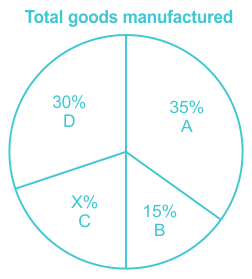
61

If a train [x + 20] metre long passes a pole in 11 seconds, and cross [ x -20] m long bridge in 20 sec. Find the value of x?

  1. ((a))

    200

  2. ((b))

    260

  3. ((c))

    320

  4. ((d))

    360

  5. ((e))

    240

Show Answer
Answer: ((a))

200

Shortcut Trick

Since the speed of the train is constant, the ratio of distances covered is equal to the ratio of time taken.

Distance 1 (Pole) = [x + 20] in 11 seconds.

Distance 2 (Bridge) = [x + 20] + [x − 20] = 2x in 20 seconds.

⇒ (x + 20) ÷ 11 = 2x ÷ 20 ⇒ (x + 20) ÷ 11 = x ÷ 10

⇒ 10x + 200 = 11x ⇒ x = 200.

∴ The correct answer is 200.

Alternate Method

Given:

Length of train = [x + 20] m

Time to cross pole = 11 sec

Length of bridge = [x − 20] m

Time to cross bridge = 20 sec

Formula Used:

Speed = Distance ÷ Time

Calculations:

⇒ Speed = Length of Train ÷ Time to cross pole

⇒ Speed = (x + 20) ÷ 11 --- (i)

⇒ While crossing a bridge, total distance = Length of Train + Length of Bridge

⇒ Speed = [(x + 20) + (x − 20)] ÷ 20

⇒ Speed = 2x ÷ 20 = x ÷ 10 --- (ii)

⇒ Equating (i) and (ii):

⇒ (x + 20) ÷ 11 = x ÷ 10

⇒ 10(x + 20) = 11x

⇒ 10x + 200 = 11x

⇒ x = 200

∴ The correct answer is 200.

Additional Information

Train Crossing a Point Object

When a train crosses a pole, tree, or stationary person, the distance covered is equal to the length of the train.

Train Crossing a Platform/Bridge

When a train crosses a platform or bridge, the total distance covered is the sum of the length of the train and the length of the platform/bridge.

Unit Conversion

To convert km/hr to m/s, multiply by 5/18. To convert m/s to km/hr, multiply by 18/5.

62

Aryan goes downstream with a boat to some destination and returns upstream to his original place in 8 hours. If the speed of the boat is 6 km/h and speed of the stream is 3 km/h respectively. Find the distance travelled by a boat.

  1. ((a))

    13 km

  2. ((b))

    12 km

  3. ((c))

    14 km

  4. ((d))

    15 km

  5. ((e))

    36 km

Show Answer
Answer: ((e))

36 km

Shortcut Trick

Speed Downstream (D) = 6 + 3 = 9 km/h

Speed Upstream (U) = 6 − 3 = 3 km/h

One-way Distance = [Total Time × (D × U)] ÷ (D + U)

One-way Distance = [8 × (9 × 3)] ÷ (9 + 3) = (8 × 27) ÷ 12 = 18 km

Total Distance travelled = 18 × 2 = 36 km

∴ The correct answer is 36 km.

Alternate Method

Given: Speed of boat (u) = 6 km/h, Speed of stream (v) = 3 km/h, Total time (T) = 8 hours.

Formula Used: Time = Distance ÷ Speed

Downstream Speed = 6 + 3 = 9 km/h

Upstream Speed = 6 − 3 = 3 km/h

⇒ Let the one-way distance be d km.

⇒ (d ÷ 9) + (d ÷ 3) = 8

⇒ (d + 3d) ÷ 9 = 8

⇒ 4d ÷ 9 = 8

⇒ 4d = 72

⇒ d = 18 km

Total Distance travelled = distance to destination + distance back = 18 + 18 = 36 km

∴ The correct answer is 36 km.

Additional Information

Downstream and Upstream Speed

Downstream Speed = Speed of boat in still water + Speed of stream. Upstream Speed = Speed of boat in still water − Speed of stream.

Average Speed for Equal Distance

When a boat covers equal distance upstream and downstream, Average Speed = (2 × U × D) ÷ (U + D).

Speed of Boat and Stream

Speed of boat = (Downstream + Upstream) ÷ 2. Speed of stream = (Downstream − Upstream) ÷ 2.

Over a three-day period, Sunday, Monday, and Tuesday difference number of male and female visit in a park.  The number of male visitors on Sunday which is 12.5% more than the number on Tuesday. Ratio of number of male visitors On Monday and Sunday is 11:9. Number of female visitors on Monday is 20 more than the number of male visitors on same day. Total number of males on Monday is 37.5% more than Tuesday. On Tuesday saw the lowest number of female visitors, Ratio number male and female visitors on Sunday is 9:13. Difference between number of females visit on Sunday and Tuesday is 110. Total number of visitors in all three days together is 1210.

63

If 20% of the male visitors and 25% of the female visitors on each day visited the park again the next day (except Tuesday), then what is the total number of repeat visitors across Sunday and Monday?

(Note: Tuesday has no repeat visits.)

  1. ((a))

    205

  2. ((b))

    245

  3. ((c))

    265

  4. ((d))

    235

  5. ((e))

    325

Show Answer
Answer: ((a))

205

Common Calculation

Let,

Number of male visitors on Tuesday = 8x

Male visitors on Sunday = 12.5% more than Tuesday

Male (Sunday) = [8x + 12.5%⋅of 8x] = 8x + x = 9x

Ratio of Male (Monday) : Male (Sunday) = 11:9

Male (Monday) = [11/9] × 9x = 11x

Female (Monday) = Male (Monday) + 20

Female (Monday) = 11x + 20

Male (Monday) = 37.5% more than Male (Tuesday)

So, 11x = 8x + [37.5% of 8x] = 8x + 3x = 11x

Male : Female on Sunday = 9 : 13

Male (Sunday) = 9x

⇒ Female (Sunday) = [13/9] × 9x = 13x

Difference of Female (Sunday) – Female (Tuesday) = 110

Let female on Tuesday = y

Or, 13x – y = 110

⇒y = 13x − 110

Total visitors in all 3 days = 1210

Add all values:

Sunday: 9x (M) + 13x (F) = 22x

Monday: 11x (M) + (11x + 20) (F) = 22x + 20

Or, 9x + 13x + 11x + 11x + 20 + 13x – 110 + 8x = 1210

Or, 65x = 1300

Or, x = 1300 / 65 = 20

Male Visitors:

Tuesday: 8x = 160

Sunday: 9x = 180

Monday: 11x = 220

Female Visitors:

Sunday: 13x = 260

Monday: 11x + 20 = 240

Tuesday: y = 13x − 110 = 260 − 110 = 150


DayNumber of male visits in the ParkNumber of females Visit in the Park
Sunday180260
Monday220240
Tuesday160150

Calculation

Repeat from Sunday to Monday:

Males: 20% of 180 = 36

Females: 25% of 260 = 65

Total = 101

Repeat from Monday to Tuesday:

Males: 20% of 220 = 44

Females: 25% of 240 = 60

Total = 104

Total repeat visitors = 101 + 104 = 205

64

The number of female visitors on Sunday is what percent more than the average number of female visitors on Monday and Tuesday combined?

  1. ((a))

    55%

  2. ((b))

    33.33%

  3. ((c))

    205.55%

  4. ((d))

    147.5%

  5. ((e))

    212.5%

Show Answer
Answer: ((b))

33.33%

Given:

Let Tuesday male = x

Sunday male = 1.125x = 9/8 x

Monday male = 37.5% more than Tuesday = 11/8 x

Ratio (Sunday M:F) = 9:13 ⇒ Sunday female = 13/8 x

Monday female = Monday male + 20 = 11/8 x + 20

Sunday − Tuesday female difference = 110

Total visitors = 1210

Formula used:

Total visitors = Sum of (Male + Female) for all days

Percentage = (Difference / Average) × 100

Calculation:

Tuesday female = 13/8 x − 110

Sunday total = (9/8 x + 13/8 x) = 11/4 x

Monday total = (11/8 x + 11/8 x + 20) = 11/4 x + 20

Tuesday total = x + (13/8 x − 110) = 21/8 x − 110

⇒ Total = 11/4 x + (11/4 x + 20) + (21/8 x − 110) = 1210

⇒ 22/8 x + 22/8 x + 21/8 x − 90 = 1210

⇒ 65/8 x = 1300

⇒ x = 160

Sunday female = 13/8 × 160 = 260

Monday female = 11/8 × 160 + 20 = 240

Tuesday female = 260 − 110 = 150

Average (Mon & Tue female) = (240 + 150)/2 = 195

⇒ % more = (260 − 195)/195 × 100

⇒ 65/195 × 100 = 33.33%

∴ Required answer = 33.33%

65

On Tuesday, 30% of the total visitors were found to have also visited the park on Sunday, while 20% were repeat visitors from Monday. The rest were first-time visitors. The number of first-time visitors on Tuesday?

  1. ((a))

    155

  2. ((b))

    165

  3. ((c))

    247

  4. ((d))

    354

  5. ((e))

    455

Show Answer
Answer: ((a))

155

Common Calculation

Let,

Number of male visitors on Tuesday = 8x

Male visitors on Sunday = 12.5% more than Tuesday

Male (Sunday) = [8x + 12.5%⋅of 8x] = 8x + x = 9x

Ratio of Male (Monday) : Male (Sunday) = 11:9

Male (Monday) = [11/9] × 9x = 11x

Female (Monday) = Male (Monday) + 20

Female (Monday) = 11x + 20

Male (Monday) = 37.5% more than Male (Tuesday)

So, 11x = 8x + [37.5% of 8x] = 8x + 3x = 11x

Male : Female on Sunday = 9 : 13

Male (Sunday) = 9x

⇒ Female (Sunday) = [13/9] × 9x = 13x

Difference of Female (Sunday) – Female (Tuesday) = 110

Let female on Tuesday = y

Or, 13x – y = 110

⇒y = 13x − 110

Total visitors in all 3 days = 1210

Add all values:

Sunday: 9x (M) + 13x (F) = 22x

Monday: 11x (M) + (11x + 20) (F) = 22x + 20

Or, 9x + 13x + 11x + 11x + 20 + 13x – 110 + 8x = 1210

Or, 65x = 1300

Or, x = 1300 / 65 = 20

Male Visitors:

Tuesday: 8x = 160

Sunday: 9x = 180

Monday: 11x = 220

Female Visitors:

Sunday: 13x = 260

Monday: 11x + 20 = 240

Tuesday: y = 13x − 110 = 260 − 110 = 150


DayNumber of male visits in the ParkNumber of females Visit in the Park
Sunday180260
Monday220240
Tuesday160150

Calculation

Total visitors on Tuesday = Male + Female = 160 + 150 = 310

Repeat from Sunday = 30% of 310 = 93

Repeat from Monday = 20% of 310 = 62

Total repeat visitors = 93 + 62 = 155

So, First-time visitors = 310 – 155 = 155

66

What is the percentage increase in the number of female visitors on Sunday compared to Tuesday?

  1. ((a))

    73.33%

  2. ((b))

    42.5%

  3. ((c))

    37.5%

  4. ((d))

    18.5%

  5. ((e))

    95.5%

Show Answer
Answer: ((a))

73.33%

Common Calculation

Let,

Number of male visitors on Tuesday = 8x

Male visitors on Sunday = 12.5% more than Tuesday

Male (Sunday) = [8x + 12.5%⋅of 8x] = 8x + x = 9x

Ratio of Male (Monday) : Male (Sunday) = 11:9

Male (Monday) = [11/9] × 9x = 11x

Female (Monday) = Male (Monday) + 20

Female (Monday) = 11x + 20

Male (Monday) = 37.5% more than Male (Tuesday)

So, 11x = 8x + [37.5% of 8x] = 8x + 3x = 11x

Male : Female on Sunday = 9 : 13

Male (Sunday) = 9x

⇒ Female (Sunday) = [13/9] × 9x = 13x

Difference of Female (Sunday) – Female (Tuesday) = 110

Let female on Tuesday = y

Or, 13x – y = 110

⇒y = 13x − 110

Total visitors in all 3 days = 1210

Add all values:

Sunday: 9x (M) + 13x (F) = 22x

Monday: 11x (M) + (11x + 20) (F) = 22x + 20

Or, 9x + 13x + 11x + 11x + 20 + 13x – 110 + 8x = 1210

Or, 65x = 1300

Or, x = 1300 / 65 = 20

Male Visitors:

Tuesday: 8x = 160

Sunday: 9x = 180

Monday: 11x = 220

Female Visitors:

Sunday: 13x = 260

Monday: 11x + 20 = 240

Tuesday: y = 13x − 110 = 260 − 110 = 150


DayNumber of male visits in the ParkNumber of females Visit in the Park
Sunday180260
Monday220240
Tuesday160150

Calculation

Sunday female = 260

Tuesday female = 150

Percentage increase = [[260 – 150] /150] ×100

= [110/150] × 100 = 73.33%

67

If 10% of total visitors on Sunday did not enter the main garden area, and 5% of Monday’s female visitors went back without entering, how many visitors entered the garden area on both days?

  1. ((a))

    844

  2. ((b))

    244

  3. ((c))

    444

  4. ((d))

    644

  5. ((e))

    842

Show Answer
Answer: ((a))

844

Common Calculation

Let,

Number of male visitors on Tuesday = 8x

Male visitors on Sunday = 12.5% more than Tuesday

Male (Sunday) = [8x + 12.5%⋅of 8x] = 8x + x = 9x

Ratio of Male (Monday) : Male (Sunday) = 11:9

Male (Monday) = [11/9] × 9x = 11x

Female (Monday) = Male (Monday) + 20

Female (Monday) = 11x + 20

Male (Monday) = 37.5% more than Male (Tuesday)

So, 11x = 8x + [37.5% of 8x] = 8x + 3x = 11x

Male : Female on Sunday = 9 : 13

Male (Sunday) = 9x

⇒ Female (Sunday) = [13/9] × 9x = 13x

Difference of Female (Sunday) – Female (Tuesday) = 110

Let female on Tuesday = y

Or, 13x – y = 110

⇒y = 13x − 110

Total visitors in all 3 days = 1210

Add all values:

Sunday: 9x (M) + 13x (F) = 22x

Monday: 11x (M) + (11x + 20) (F) = 22x + 20

Or, 9x + 13x + 11x + 11x + 20 + 13x – 110 + 8x = 1210

Or, 65x = 1300

Or, x = 1300 / 65 = 20

Male Visitors:

Tuesday: 8x = 160

Sunday: 9x = 180

Monday: 11x = 220

Female Visitors:

Sunday: 13x = 260

Monday: 11x + 20 = 240

Tuesday: y = 13x − 110 = 260 − 110 = 150


DayNumber of male visits in the ParkNumber of females Visit in the Park
Sunday180260
Monday220240
Tuesday160150

Calculation

10% of Sunday total = 10% of 440 = 44

→ Entered = 440 – 44 = 396

5% of female (Monday) = 5% of 240 = 12

→ Entered = 460 – 12 = 448

Total = 396 + 448 = 844

68

Three members A, B, and C contested the election. 12 ½ % of the votes cast are invalid. Out of the valid votes, A secured 24% votes, B secured 44% votes and won by 231 votes with respect to C. Find the total number of votes cast

  1. ((a))

    2200

  2. ((b))

    2100

  3. ((c))

    2000

  4. ((d))

    1900

  5. ((e))

    None of these 

Show Answer
Answer: ((a))

2200

Shortcut Trick

Let the total valid votes be 100%.

A = 24%, B = 44% ⇒ C = 100% − (24% + 44%) = 32%.

Difference between B and C = 44% − 32% = 12%.

12% of valid votes = 231 ⇒ Valid votes = (231 ÷ 12) × 100 = 1925.

Invalid votes = 12.5% = 1/8, so Valid votes = 7/8 of Total Votes.

Total Votes = 1925 × (8 ÷ 7) = 2200.

∴ The correct answer is 2200.

Alternate Method

Given: Invalid votes = 12.5%; A = 24%, B = 44% of valid votes; B − C = 231.

Calculations:

⇒ Let Valid Votes = V

⇒ Percentage of votes for C = 100% − (24% + 44%) = 32%

⇒ Difference between B and C = 44% − 32% = 12%

⇒ 12% of V = 231

⇒ V = (231 × 100) ÷ 12 = 1925

⇒ Since 12.5% (1/8) are invalid, Valid votes = 87.5% (7/8) of Total Votes (T)

⇒ (7/8) × T = 1925

⇒ T = (1925 × 8) ÷ 7

⇒ T = 275 × 8 = 2200

∴ The correct answer is 2200.

Additional Information

Election Calculations

Total Cast Votes = Valid Votes + Invalid Votes. Winning margins are always calculated on Valid Votes unless stated otherwise.

Percentage to Fraction Conversion

Standard values: 12.5% = 1/8, 37.5% = 3/8, 62.5% = 5/8, 87.5% = 7/8. Using these simplifies multiplication and division.

Base Change in Percentage

If valid votes are x% of total, then Total = (Valid Votes ÷ x) × 100.

69

The average of the 7 consecutive positive integers is [x + 9]. The product of largest and smallest integer is 4752. Find the value of x?

  1. ((a))

    60

  2. ((b))

    45

  3. ((c))

    55

  4. ((d))

    69

  5. ((e))

    72

Show Answer
Answer: ((a))

60

Shortcut Trick

For 7 consecutive integers, the average is always the middle (4th) term.

Let the integers be n−3, n−2, n−1, n, n+1, n+2, n+3. Here, Average = n = x + 9.

Product of smallest and largest: (n−3)(n+3) = n2 − 9 = 4752.

n2 = 4752 + 9 = 4761 ⇒ n = √4761 = 69.

x + 9 = 69 ⇒ x = 60.

∴ The correct answer is 60.

Alternate Method

Given: Average = x + 9, Total numbers = 7, Product of extremes = 4752.

Formula: Average of consecutive terms = Middle term.

⇒ Let the numbers be a, a+1, a+2, a+3, a+4, a+5, a+6.

⇒ Average = a + 3 = x + 9.

⇒ Smallest integer = a; Largest integer = a + 6.

⇒ a × (a + 6) = 4752

⇒ a2 + 6a − 4752 = 0

⇒ a2 + 72a − 66a − 4752 = 0

⇒ a(a + 72) − 66(a + 72) = 0

⇒ (a − 66)(a + 72) = 0

⇒ a = 66 (Since integers are positive).

⇒ x + 9 = a + 3 ⇒ x + 9 = 66 + 3

⇒ x + 9 = 69

⇒ x = 60

∴ The correct answer is 60.

Additional Information

Average of Consecutive Integers

For an odd number of consecutive terms (n), the average is exactly the middle term at position (n+1)/2.

Property of Extremes

In an arithmetic progression, the sum of the first and last term is equal to twice the average of the series.

Square Root Shortcut

To find √4761: since 602 = 3600 and 702 = 4900, and the last digit is 1, the root must be 61 or 69. 69 is closer to 70.

70

A bag contains 2 gel pens, 4 ink pens and 6 sketch pens. If two pens were chosen at random what is the probability that one is ink pen and one is sketch pen?

  1. ((a))

    5/33

  2. ((b))

    9/11

  3. ((c))

    1/3

  4. ((d))

    2/11

  5. ((e))

    4/11

Show Answer
Answer: ((e))

4/11

Shortcut Trick

Total pens = 2 + 4 + 6 = 12

Probability = (Selection of 1 ink pen × Selection of 1 sketch pen) ÷ (Selection of any 2 pens)

Probability = (4 × 6) ÷ (12 × 11 / 2) = 24 ÷ 66 = 4/11

∴ The correct answer is 4/11.

Alternate Method

Given:

Number of gel pens = 2

Number of ink pens = 4

Number of sketch pens = 6

Total pens (n) = 2 + 4 + 6 = 12

Formula Used:

Probability P(E) = n(E) / n(S)

Combination Formula: nCr = n! / [r!(n − r)!]

Calculations:

⇒ Total ways to choose 2 pens, n(S) = 12C2

⇒ n(S) = (12 × 11) / (2 × 1) = 66

⇒ Ways to choose 1 ink pen and 1 sketch pen, n(E) = 4C1 × 6C1

⇒ n(E) = 4 × 6 = 24

⇒ P(E) = 24 / 66

⇒ P(E) = 4 / 11

∴ The correct answer is 4/11.

Additional Information

Classical Probability

The probability of an event is the ratio of the number of favorable outcomes to the total number of equally likely outcomes in the sample space.

Combination Selection

When items are selected 'at random' without replacement, the order does not matter, necessitating the use of nCr.

Multiplication Rule for Independent Events

When selecting one item from group A and one from group B, the total favorable outcomes are found by multiplying the individual counts: n(A) × n(B).

Reasoning Ability (30 questions)

Directions: Study the following information carefully and answer the given questions.

Eight friends M, N, O, P, Q, R, S, and T are sitting around a circular table with equal distance between them but not necessarily in the same order. Four of them are facing the centre and four are facing away from the centre.

O sits second to the right of R who faces the centre. Only one friend is sitting between O and N. S sits third to the right of O. N is sitting adjacent to S and T. M is sitting opposite to T. Only one friend is sitting between M and Q. Both Q and S are facing away from the centre. Immediate neighbours of S are facing opposite to S.

71

Which of the following pair is the immediate neighbor of S?

  1. ((a))

    P, N

  2. ((b))

    P, T

  3. ((c))

    O, Q

  4. ((d))

    R, N

  5. ((e))

    T, N

Show Answer
Answer: ((a))

P, N

Eight friends: M, N, O, P, Q, R, S, and T

Face direction: North and South

1) O sits second to the right of R who faces the centre.

2) Only one friend is sitting between O and N.

3) S sits third to the right of O.

(Here, there are two possible cases, Case1: O faces towards the centre, Case 2:  O faces away from the centre)

Case 1:                                        Case 2:

  1.  N is sitting adjacent to S and T.

(Here, Case 2 will be eliminated)

  1. M is sitting opposite the T.

  2. Only one friend is sitting between M and Q.      

  1. Both Q and S are facing away from the centre.

  2. Immediate neighbours of S are facing opposite S.

(It means P and N are facing the centre, as S is facing away from the centre)

According to the given statements, four are facing the centre and four are facing away from the centre. So, M and T are facing away from the centre.

The final arrangement will be as follows:

Hence, P and N are the immediate neighbours of S**.**

72

Which of the following is false in the given arrangement?

  1. ((a))

    P is sitting second to the right of N.

  2. ((b))

    R is sitting second to the left of O.

  3. ((c))

    T and S are facing same direction.

  4. ((d))

    R is sitting to the immediate right of Q.

  5. ((e))

    N is sitting second to the right of Q.

Show Answer
Answer: ((e))

N is sitting second to the right of Q.

Eight friends: M, N, O, P, Q, R, S, and T

Face direction: North and South

1) O sits second to the right of R who faces the centre.

2) Only one friend is sitting between O and N.

3) S sits third to the right of O.

(Here, there are two possible cases, Case1: O faces towards the centre, Case 2:  O faces away from the centre)

Case 1:                                        Case 2:

  1.  N is sitting adjacent to S and T.

(Here, Case 2 will be eliminated)

  1. M is sitting opposite the T.

  2. Only one friend is sitting between M and Q.      

  1. Both Q and S are facing away from the centre.

  2. Immediate neighbours of S are facing opposite S.

(It means P and N are facing the centre, as S is facing away from the centre)

According to the given statements, four are facing the centre and four are facing away from the centre. So, M and T are facing away from the centre.

The final arrangement will be as follows:

Hence, N is sitting second to the right of Q which is a false statement.

73

Four of the following five are alike in a certain way, and so from a group. Which of following does not belong to the group ?

  1. ((a))

    S

  2. ((b))

    O

  3. ((c))

    R

  4. ((d))

    N

  5. ((e))

    P

Show Answer
Answer: ((a))

S

Eight friends: M, N, O, P, Q, R, S, and T

Face direction: North and South

1) O sits second to the right of R who faces the centre.

2) Only one friend is sitting between O and N.

3) S sits third to the right of O.

(Here, there are two possible cases, Case1: O faces towards the centre, Case 2:  O faces away from the centre)

Case 1:                                        Case 2:

  1.  N is sitting adjacent to S and T.

(Here, Case 2 will be eliminated)

  1. M is sitting opposite the T.

  2. Only one friend is sitting between M and Q.      

  1. Both Q and S are facing away from the centre.

  2. Immediate neighbours of S are facing opposite S.

(It means P and N are facing the centre, as S is facing away from the centre)

According to the given statements, four are facing the centre and four are facing away from the centre. So, M and T are facing away from the centre.

The final arrangement will be as follows:

Hence, S does not belong to the group because S is facing away from the centre while P, N, O, and R are facing the centre.

74

How many friends is/are sitting between S and R, when counted from the left of S?

  1. ((a))

    One

  2. ((b))

    Three

  3. ((c))

    Five

  4. ((d))

    Four

  5. ((e))

    Two

Show Answer
Answer: ((e))

Two

Eight friends: M, N, O, P, Q, R, S, and T

Face direction: North and South

1) O sits second to the right of R who faces the centre.

2) Only one friend is sitting between O and N.

3) S sits third to the right of O.

(Here, there are two possible cases, Case1: O faces towards the centre, Case 2:  O faces away from the centre)

Case 1:                                        Case 2:

  1.  N is sitting adjacent to S and T.

(Here, Case 2 will be eliminated)

  1. M is sitting opposite the T.

  2. Only one friend is sitting between M and Q.      

  1. Both Q and S are facing away from the centre.

  2. Immediate neighbours of S are facing opposite S.

(It means P and N are facing the centre, as S is facing away from the centre)

According to the given statements, four are facing the centre and four are facing away from the centre. So, M and T are facing away from the centre.

The final arrangement will be as follows:

Hence, Two friends are sitting between S and R, when counted from the left of S.

75

Who is the neighbor of both M and S?

  1. ((a))

    N

  2. ((b))

    Q

  3. ((c))

    P

  4. ((d))

    R

  5. ((e))

    None of these

Show Answer
Answer: ((c))

P

Eight friends: M, N, O, P, Q, R, S, and T

Face direction: North and South

1) O sits second to the right of R who faces the centre.

2) Only one friend is sitting between O and N.

3) S sits third to the right of O.

(Here, there are two possible cases, Case1: O faces towards the centre, Case 2:  O faces away from the centre)

Case 1:                                        Case 2:

  1.  N is sitting adjacent to S and T.

(Here, Case 2 will be eliminated)

  1. M is sitting opposite the T.

  2. Only one friend is sitting between M and Q.      

  1. Both Q and S are facing away from the centre.

  2. Immediate neighbours of S are facing opposite S.

(It means P and N are facing the centre, as S is facing away from the centre)

According to the given statements, four are facing the centre and four are facing away from the centre. So, M and T are facing away from the centre.

The final arrangement will be as follows:

Hence, P is the neighbour of both M and S.

76

How many pairs of letters are there in the word "CONFUSION", each of which have as many letters between them in the word as they have between then in the English alphabet (Both forward and backward direction)?

  1. ((a))

    Six

  2. ((b))

    Five

  3. ((c))

    Two

  4. ((d))

    Three

  5. ((e))

    One

Show Answer
Answer: ((a))

Six

Hence, there are 6 pairs of letters from both the forward and backward sides.

Directions: Read the information and answer the given questions.

Seven IT employees X, Y, Z, U, V, W, and T belong to seven different roles in an IT company’s hierarchy, but not necessarily in the same order. The rankings of their designations in descending order are as follows, with Chief Technology Officer (CTO) at the highest rank and Intern at the lowest: CTO, Director, Engineering Manager, Senior Developer, Junior Developer, Support Staff, and Intern. They are associated with seven different cities.

One person is designated between X and the person who is associated with Jaipur. Two people are designated between U and T. The persons associated with Chennai and Kolkata are not immediate senior or junior to each other. The one who is associated with Kolkata is three levels higher in designation than the one associated with Bangalore. V is two levels below W in designation. W is the CTO and is associated with Shimla. The one who is designated below Junior developer is associated with Bangalore. The one holding the third-lowest designation is associated with Chennai. Z, whose designation is higher than that of U, is associated with Mumbai. Neither X nor T is associated with Chennai and Delhi.

77

If W is related to Kolkata, V is related to Chennai, and Y is related to Delhi, then T is related to which city?

  1. ((a))

    Kolkata

  2. ((b))

    Mumbai

  3. ((c))

    Jaipur

  4. ((d))

    Shimla

  5. ((e))

    Bangalore

Show Answer
Answer: ((e))

Bangalore

1. W is the CTO and is associated with Shimla.  2. V is two levels below W in designation.  3. The one who is designated below Junior developer is associated with Bangalore.

Here, we have 2 Cases, i.e., Case 1 and Case 2.

DesignationsPersons - City
Case 1Case 2
CTOW - ShimlaW - Shimla
Director
Engineering ManagerV -V -
Senior Developer
Junior Developer
Support Staff- Bangalore
Intern- Bangalore


4. The one who is associated with Kolkata is three levels higher in designation than the one associated with Bangalore. 

DesignationsPersons - City
Case 1Case 2
CTOW - ShimlaW - Shimla
Director
Engineering ManagerV - KolkataV -
Senior Developer- Kolkata
Junior Developer
Support Staff- Bangalore
Intern- Bangalore


5. The one holding the third-lowest designation is associated with Chennai. 

DesignationsPersons - City
Case 1Case 2
CTOW - ShimlaW - Shimla
Director
Engineering ManagerV - KolkataV -
Senior Developer- Kolkata
Junior Developer- Chennai- Chennai
Support Staff- Bangalore
Intern- Bangalore


  1. The persons associated with Chennai and Kolkata are not immediate senior or junior to each other.

Now, we can eliminate Case 2.

DesignationsPersons - City
Case 1
CTOW - Shimla
Director
Engineering ManagerV - Kolkata
Senior Developer
Junior Developer- Chennai
Support Staff- Bangalore
Intern


  1. Z, whose designation is higher than that of U, is associated with Mumbai.
  2. Two people are designated between U and T.
DesignationsPersons - City
Case 1
CTOW - Shimla
DirectorZ - Mumbai
Engineering ManagerV - Kolkata
Senior DeveloperU/T -
Junior Developer- Chennai
Support Staff- Bangalore
InternT/U -


9. Neither X nor T is associated with Chennai and Delhi. 

DesignationsPersons - City
Case 1
CTOW - Shimla
DirectorZ - Mumbai
Engineering ManagerV - Kolkata
Senior DeveloperU/T -
Junior DeveloperY - Chennai
Support StaffX - Bangalore
InternT/U -


  1. One person is designated between X and the person who is associated with Jaipur.

This is our final arrangement,

DesignationsPersons - City
Case 1
CTOW - Shimla
DirectorZ - Mumbai
Engineering ManagerV - Kolkata
Senior DeveloperT - Jaipur
Junior DeveloperY - Chennai
Support StaffX - Bangalore
InternU - Delhi


Clearly, if W is related to Kolkata, V is related to Chennai, and Y is related to Delhi, then T is related to Bangalore, i.e., T is two designations senior to the person who is associated Bangalore.

Hence, the correct answer is Bangalore.

78

How many people are designated between the one who is associated with Shimla and the one associated with Delhi?

  1. ((a))

    One

  2. ((b))

    Two

  3. ((c))

    Three

  4. ((d))

    None

  5. ((e))

    More than three

Show Answer
Answer: ((e))

More than three

1. W is the CTO and is associated with Shimla.  2. V is two levels below W in designation.  3. The one who is designated below Junior developer is associated with Bangalore.

Here, we have 2 Cases, i.e., Case 1 and Case 2.

DesignationsPersons - City
Case 1Case 2
CTOW - ShimlaW - Shimla
Director
Engineering ManagerV -V -
Senior Developer
Junior Developer
Support Staff- Bangalore
Intern- Bangalore


4. The one who is associated with Kolkata is three levels higher in designation than the one associated with Bangalore. 

DesignationsPersons - City
Case 1Case 2
CTOW - ShimlaW - Shimla
Director
Engineering ManagerV - KolkataV -
Senior Developer- Kolkata
Junior Developer
Support Staff- Bangalore
Intern- Bangalore


5. The one holding the third-lowest designation is associated with Chennai. 

DesignationsPersons - City
Case 1Case 2
CTOW - ShimlaW - Shimla
Director
Engineering ManagerV - KolkataV -
Senior Developer- Kolkata
Junior Developer- Chennai- Chennai
Support Staff- Bangalore
Intern- Bangalore


  1. The persons associated with Chennai and Kolkata are not immediate senior or junior to each other.

Now, we can eliminate Case 2.

DesignationsPersons - City
Case 1
CTOW - Shimla
Director
Engineering ManagerV - Kolkata
Senior Developer
Junior Developer- Chennai
Support Staff- Bangalore
Intern


  1. Z, whose designation is higher than that of U, is associated with Mumbai.
  2. Two people are designated between U and T.
DesignationsPersons - City
Case 1
CTOW - Shimla
DirectorZ - Mumbai
Engineering ManagerV - Kolkata
Senior DeveloperU/T -
Junior Developer- Chennai
Support Staff- Bangalore
InternT/U -


9. Neither X nor T is associated with Chennai and Delhi. 

DesignationsPersons - City
Case 1
CTOW - Shimla
DirectorZ - Mumbai
Engineering ManagerV - Kolkata
Senior DeveloperU/T -
Junior DeveloperY - Chennai
Support StaffX - Bangalore
InternT/U -


  1. One person is designated between X and the person who is associated with Jaipur.

This is our final arrangement,

DesignationsPersons - City
Case 1
CTOW - Shimla
DirectorZ - Mumbai
Engineering ManagerV - Kolkata
Senior DeveloperT - Jaipur
Junior DeveloperY - Chennai
Support StaffX - Bangalore
InternU - Delhi


Hence, the correct answer is More than three.

79

The person whose designation is Engineering Manager is associated with which city?

  1. ((a))

    Delhi

  2. ((b))

    Kolkata

  3. ((c))

    Mumbai

  4. ((d))

    Chennai

  5. ((e))

    Shimla

Show Answer
Answer: ((b))

Kolkata

1. W is the CTO and is associated with Shimla.  2. V is two levels below W in designation.  3. The one who is designated below Junior developer is associated with Bangalore.

Here, we have 2 Cases, i.e., Case 1 and Case 2.

DesignationsPersons - City
Case 1Case 2
CTOW - ShimlaW - Shimla
Director
Engineering ManagerV -V -
Senior Developer
Junior Developer
Support Staff- Bangalore
Intern- Bangalore


4. The one who is associated with Kolkata is three levels higher in designation than the one associated with Bangalore. 

DesignationsPersons - City
Case 1Case 2
CTOW - ShimlaW - Shimla
Director
Engineering ManagerV - KolkataV -
Senior Developer- Kolkata
Junior Developer
Support Staff- Bangalore
Intern- Bangalore


5. The one holding the third-lowest designation is associated with Chennai. 

DesignationsPersons - City
Case 1Case 2
CTOW - ShimlaW - Shimla
Director
Engineering ManagerV - KolkataV -
Senior Developer- Kolkata
Junior Developer- Chennai- Chennai
Support Staff- Bangalore
Intern- Bangalore


  1. The persons associated with Chennai and Kolkata are not immediate senior or junior to each other.

Now, we can eliminate Case 2.

DesignationsPersons - City
Case 1
CTOW - Shimla
Director
Engineering ManagerV - Kolkata
Senior Developer
Junior Developer- Chennai
Support Staff- Bangalore
Intern


  1. Z, whose designation is higher than that of U, is associated with Mumbai.
  2. Two people are designated between U and T.
DesignationsPersons - City
Case 1
CTOW - Shimla
DirectorZ - Mumbai
Engineering ManagerV - Kolkata
Senior DeveloperU/T -
Junior Developer- Chennai
Support Staff- Bangalore
InternT/U -


9. Neither X nor T is associated with Chennai and Delhi. 

DesignationsPersons - City
Case 1
CTOW - Shimla
DirectorZ - Mumbai
Engineering ManagerV - Kolkata
Senior DeveloperU/T -
Junior DeveloperY - Chennai
Support StaffX - Bangalore
InternT/U -


  1. One person is designated between X and the person who is associated with Jaipur.

This is our final arrangement,

DesignationsPersons - City
Case 1
CTOW - Shimla
DirectorZ - Mumbai
Engineering ManagerV - Kolkata
Senior DeveloperT - Jaipur
Junior DeveloperY - Chennai
Support StaffX - Bangalore
InternU - Delhi


Hence, the correct answer is Kolkata.

80

If all the persons are arranged in alphabetical order from top to bottom, and they are placed in descending order of designation, then what is V’s designation?

  1. ((a))

    Director

  2. ((b))

    Engineering Manager

  3. ((c))

    Senior Developer

  4. ((d))

    Junior Developer

  5. ((e))

    Support Staff

Show Answer
Answer: ((b))

Engineering Manager

1. W is the CTO and is associated with Shimla.  2. V is two levels below W in designation.  3. The one who is designated below Junior developer is associated with Bangalore.

Here, we have 2 Cases, i.e., Case 1 and Case 2.

DesignationsPersons - City
Case 1Case 2
CTOW - ShimlaW - Shimla
Director
Engineering ManagerV -V -
Senior Developer
Junior Developer
Support Staff- Bangalore
Intern- Bangalore


4. The one who is associated with Kolkata is three levels higher in designation than the one associated with Bangalore. 

DesignationsPersons - City
Case 1Case 2
CTOW - ShimlaW - Shimla
Director
Engineering ManagerV - KolkataV -
Senior Developer- Kolkata
Junior Developer
Support Staff- Bangalore
Intern- Bangalore


5. The one holding the third-lowest designation is associated with Chennai. 

DesignationsPersons - City
Case 1Case 2
CTOW - ShimlaW - Shimla
Director
Engineering ManagerV - KolkataV -
Senior Developer- Kolkata
Junior Developer- Chennai- Chennai
Support Staff- Bangalore
Intern- Bangalore


  1. The persons associated with Chennai and Kolkata are not immediate senior or junior to each other.

Now, we can eliminate Case 2.

DesignationsPersons - City
Case 1
CTOW - Shimla
Director
Engineering ManagerV - Kolkata
Senior Developer
Junior Developer- Chennai
Support Staff- Bangalore
Intern


  1. Z, whose designation is higher than that of U, is associated with Mumbai.
  2. Two people are designated between U and T.
DesignationsPersons - City
Case 1
CTOW - Shimla
DirectorZ - Mumbai
Engineering ManagerV - Kolkata
Senior DeveloperU/T -
Junior Developer- Chennai
Support Staff- Bangalore
InternT/U -


9. Neither X nor T is associated with Chennai and Delhi. 

DesignationsPersons - City
Case 1
CTOW - Shimla
DirectorZ - Mumbai
Engineering ManagerV - Kolkata
Senior DeveloperU/T -
Junior DeveloperY - Chennai
Support StaffX - Bangalore
InternT/U -


  1. One person is designated between X and the person who is associated with Jaipur.

This is our final arrangement,

DesignationsPersons - City
Case 1
CTOW - Shimla
DirectorZ - Mumbai
Engineering ManagerV - Kolkata
Senior DeveloperT - Jaipur
Junior DeveloperY - Chennai
Support StaffX - Bangalore
InternU - Delhi


If all the persons are arranged in alphabetical order from top to bottom, and they are placed in descending order of designation, then V’s designation is,

DesignationsPersons - CityAlphabetical order
Case 1
CTOW - ShimlaT
DirectorZ - MumbaiU
Engineering ManagerV - KolkataV
Senior DeveloperT - JaipurW
Junior DeveloperY - ChennaiX
Support StaffX - BangaloreY
InternU - DelhiZ


Hence, the correct answer is Engineering Manager.

81

What is the rank of X from the top as per the given designation order?

  1. ((a))

    Second

  2. ((b))

    Third

  3. ((c))

    Fourth

  4. ((d))

    Sixth

  5. ((e))

    Either C or D

Show Answer
Answer: ((d))

Sixth

1. W is the CTO and is associated with Shimla.  2. V is two levels below W in designation.  3. The one who is designated below Junior developer is associated with Bangalore.

Here, we have 2 Cases, i.e., Case 1 and Case 2.

DesignationsPersons - City
Case 1Case 2
CTOW - ShimlaW - Shimla
Director
Engineering ManagerV -V -
Senior Developer
Junior Developer
Support Staff- Bangalore
Intern- Bangalore


4. The one who is associated with Kolkata is three levels higher in designation than the one associated with Bangalore. 

DesignationsPersons - City
Case 1Case 2
CTOW - ShimlaW - Shimla
Director
Engineering ManagerV - KolkataV -
Senior Developer- Kolkata
Junior Developer
Support Staff- Bangalore
Intern- Bangalore


5. The one holding the third-lowest designation is associated with Chennai. 

DesignationsPersons - City
Case 1Case 2
CTOW - ShimlaW - Shimla
Director
Engineering ManagerV - KolkataV -
Senior Developer- Kolkata
Junior Developer- Chennai- Chennai
Support Staff- Bangalore
Intern- Bangalore


  1. The persons associated with Chennai and Kolkata are not immediate senior or junior to each other.

Now, we can eliminate Case 2.

DesignationsPersons - City
Case 1
CTOW - Shimla
Director
Engineering ManagerV - Kolkata
Senior Developer
Junior Developer- Chennai
Support Staff- Bangalore
Intern


  1. Z, whose designation is higher than that of U, is associated with Mumbai.
  2. Two people are designated between U and T.
DesignationsPersons - City
Case 1
CTOW - Shimla
DirectorZ - Mumbai
Engineering ManagerV - Kolkata
Senior DeveloperU/T -
Junior Developer- Chennai
Support Staff- Bangalore
InternT/U -


9. Neither X nor T is associated with Chennai and Delhi. 

DesignationsPersons - City
Case 1
CTOW - Shimla
DirectorZ - Mumbai
Engineering ManagerV - Kolkata
Senior DeveloperU/T -
Junior DeveloperY - Chennai
Support StaffX - Bangalore
InternT/U -


  1. One person is designated between X and the person who is associated with Jaipur.

This is our final arrangement,

DesignationsPersons - City
Case 1
CTOW - Shimla
DirectorZ - Mumbai
Engineering ManagerV - Kolkata
Senior DeveloperT - Jaipur
Junior DeveloperY - Chennai
Support StaffX - Bangalore
InternU - Delhi


Hence, the correct answer is Sixth.

82

In the number 5748362, if 1 is subtracted from each digit after 8 and 2 is subtracted from each digit before 8, then how many odd digits appear immediately after prime number?

  1. ((a))

    One

  2. ((b))

    None

  3. ((c))

    Two

  4. ((d))

    Three

  5. ((e))

    More than three

Show Answer
Answer: ((d))

Three

Given number: 5748362

According to the condition, 1 is subtracted from each digit after 8, and 2 is subtracted from each digit before 8

Digits5748362
Subtract 2/Subtract 1-2-2-2-0-1-1-1
Resultant3528251


Resultant Number: 3528251

Hence, the correct answer is Three.

Direction: Study the following information to answer the given questions:

Ten persons M, N, O, P, Q, R, S, T, U and V live on different floors of 10 storey building. One person lives on each floor. The lowermost floor is numbered as 1, the floor above is as 2 and so on till the topmost floor as 10.

U lives above V’s floor but not adjacent to T’s floor. T lives three floors above S’s floor. O lives just above P’s floor. Both M and N live on even numbered floor. S lives on odd numbered floor but above floor 2. Only R lives adjacent to Q’s floor. O lives below R’s floor. N lives two floors above M’s floor.

83

Four are the same in a certain way thus forms a group. Which among the following does not belong to the group?

  1. ((a))

    R

  2. ((b))

    O

  3. ((c))

    S

  4. ((d))

    V

  5. ((e))

    N

Show Answer
Answer: ((e))

N

Persons: M, N, O, P, Q, R, S, T, U and V.

  1. T lives three floors above S’s floor.

  2. S lives on odd numbered floor but above floor 2.

  3. Only R lives adjacent to Q’s floor.

  4. O lives below R’s floor.

FloorsCase 1Case 2
10QQ
9RR
8T
7
6T
5S
4
3S
2
1


  1. N lives two floors above M’s floor.

  2. Both M and N live on even numbered floor.

FloorsCase 1Case 2(a)Case 2(b)
10QQQ
9RRR
8TT
7
6TN
5SS
4NMN
3S
2MM
1


  1. O lives just above P’s floor.

  2. U lives above V’s floor but not adjacent to T’s floor. So, case 1 and case 2(a) are not possible.

FloorsCase 2(b)
10Q
9R
8T
7O
6P
5S
4N
3U
2M
1V


All lives on odd numbered floor except N.

Hence, N does not belong to the group.

84

Who lives just below U’s floor?

  1. ((a))

    V

  2. ((b))

    P

  3. ((c))

    M

  4. ((d))

    O

  5. ((e))

    R

Show Answer
Answer: ((c))

M

Persons: M, N, O, P, Q, R, S, T, U and V.

  1. T lives three floors above S’s floor.

  2. S lives on odd numbered floor but above floor 2.

  3. Only R lives adjacent to Q’s floor.

  4. O lives below R’s floor.

FloorsCase 1Case 2
10QQ
9RR
8T
7
6T
5S
4
3S
2
1


  1. N lives two floors above M’s floor.

  2. Both M and N live on even numbered floor.

FloorsCase 1Case 2(a)Case 2(b)
10QQQ
9RRR
8TT
7
6TN
5SS
4NMN
3S
2MM
1


  1. O lives just above P’s floor.

  2. U lives above V’s floor but not adjacent to T’s floor. So, case 1 and case 2(a) are not possible.

FloorsCase 2(b)
10Q
9R
8T
7O
6P
5S
4N
3U
2M
1V


Hence, M lives just below U’s floor.

85

_____ live two floors above N’s floor.

  1. ((a))

    P

  2. ((b))

    O

  3. ((c))

    T

  4. ((d))

    Q

  5. ((e))

    M

Show Answer
Answer: ((a))

P

Persons: M, N, O, P, Q, R, S, T, U and V.

  1. T lives three floors above S’s floor.

  2. S lives on odd numbered floor but above floor 2.

  3. Only R lives adjacent to Q’s floor.

  4. O lives below R’s floor.

FloorsCase 1Case 2
10QQ
9RR
8T
7
6T
5S
4
3S
2
1


  1. N lives two floors above M’s floor.

  2. Both M and N live on even numbered floor.

FloorsCase 1Case 2(a)Case 2(b)
10QQQ
9RRR
8TT
7
6TN
5SS
4NMN
3S
2MM
1


  1. O lives just above P’s floor.

  2. U lives above V’s floor but not adjacent to T’s floor. So, case 1 and case 2(a) are not possible.

FloorsCase 2(b)
10Q
9R
8T
7O
6P
5S
4N
3U
2M
1V


Hence, P lives two floors above N’s floor.

86

How many persons live above P’s floor?

  1. ((a))

    Four

  2. ((b))

    Three

  3. ((c))

    Five

  4. ((d))

    One

  5. ((e))

    Two

Show Answer
Answer: ((a))

Four

Persons: M, N, O, P, Q, R, S, T, U and V.

  1. T lives three floors above S’s floor.

  2. S lives on odd numbered floor but above floor 2.

  3. Only R lives adjacent to Q’s floor.

  4. O lives below R’s floor.

FloorsCase 1Case 2
10QQ
9RR
8T
7
6T
5S
4
3S
2
1


  1. N lives two floors above M’s floor.

  2. Both M and N live on even numbered floor.

FloorsCase 1Case 2(a)Case 2(b)
10QQQ
9RRR
8TT
7
6TN
5SS
4NMN
3S
2MM
1


  1. O lives just above P’s floor.

  2. U lives above V’s floor but not adjacent to T’s floor. So, case 1 and case 2(a) are not possible.

FloorsCase 2(b)
10Q
9R
8T
7O
6P
5S
4N
3U
2M
1V


Hence, four persons live above P’s floor.

87

Who lives on the bottommost floor?

  1. ((a))

    U

  2. ((b))

    S

  3. ((c))

    V

  4. ((d))

    P

  5. ((e))

    T

Show Answer
Answer: ((c))

V

Persons: M, N, O, P, Q, R, S, T, U and V.

  1. T lives three floors above S’s floor.

  2. S lives on odd numbered floor but above floor 2.

  3. Only R lives adjacent to Q’s floor.

  4. O lives below R’s floor.

FloorsCase 1Case 2
10QQ
9RR
8T
7
6T
5S
4
3S
2
1


  1. N lives two floors above M’s floor.

  2. Both M and N live on even numbered floor.

FloorsCase 1Case 2(a)Case 2(b)
10QQQ
9RRR
8TT
7
6TN
5SS
4NMN
3S
2MM
1


  1. O lives just above P’s floor.

  2. U lives above V’s floor but not adjacent to T’s floor. So, case 1 and case 2(a) are not possible.

FloorsCase 2(b)
10Q
9R
8T
7O
6P
5S
4N
3U
2M
1V


Hence, V lives on the bottom-most floor.

Directions: Read the information and answer the given questions.

Nine individuals, namely, X, Y, Z, P, Q, R, S, T, and U, are purchasing different products at a store counter, one after another, but not necessarily in the same order.

As many individuals purchase between Q and R as between X and Y. At most two individuals purchase between Q and R, who purchase before Q. Only one individual purchases between R and P, who purchases immediately after X. Z purchases three after Y. Q purchases three before S. More than three individuals purchase between T and U, who purchase after T.

88

If all the individuals are rearranged in reverse alphabetical order, how many remain in the same position?

  1. ((a))

    One

  2. ((b))

    Two

  3. ((c))

    Three

  4. ((d))

    Four

  5. ((e))

    No one

Show Answer
Answer: ((a))

One

1. Q purchases three before S.  2. At most two individuals purchase between Q and R, who purchases before Q. 

Here, we have 3 Cases, i.e., Case 1, Case 2, and Case 3.

Persons
Case 1Case 2Case 3
RRR
Q
Q
Q
S
S
S


3. Only one individual purchases between R and P, who purchase immediately after X. 

Here, we have 6 cases, i.e., 2 more subcases of Case 1 and 1 more subcase of Case 3.

Persons
Case 1Case 1aCase 1bCase 2Case 3Case 3a
RXX
XRPPX
PXRP
QPXRR
QPQR
QQQ
S
SS
SSS


  1. As many individuals purchase between Q and R as between X and Y.

Now, we can eliminate Case 3. (Because there is no vacant place for Y)

Persons
Case 1Case 1aCase 1bCase 2Case 3a
RY/XY
XRPX
PXRYP
QPXR
YQPR
YQQQ
SY/
S
SSS


  1. Z purchases three after Y.

Now, we can eliminate Case 1b and Case 2.

Persons
Case 1Case 1aCase 3a
RY
XRX
PXP
QPZ
YQR
YQ
S
ZS
ZS


  1. More than three individuals purchase between T and U, who purchase after T.

Now, we can eliminate Case 1 and Case 3a.

This is our final arrangement,

Persons
Case 1a
T
R
X
P
Q
Y
U
S
Z


In reverse order,

PersonsReverse order
Case 1a
TZ
RY
XX
PU
QT
YS
UR
SQ
ZP


Hence, the correct answer is One.

89

R purchases as the ____ person.

  1. ((a))

    Second

  2. ((b))

    Third

  3. ((c))

    Fourth

  4. ((d))

    Fifth

  5. ((e))

    Sixth

Show Answer
Answer: ((a))

Second

1. Q purchases three before S.  2. At most two individuals purchase between Q and R, who purchases before Q. 

Here, we have 3 Cases, i.e., Case 1, Case 2, and Case 3.

Persons
Case 1Case 2Case 3
RRR
Q
Q
Q
S
S
S


3. Only one individual purchases between R and P, who purchase immediately after X. 

Here, we have 6 cases, i.e., 2 more subcases of Case 1 and 1 more subcase of Case 3.

Persons
Case 1Case 1aCase 1bCase 2Case 3Case 3a
RXX
XRPPX
PXRP
QPXRR
QPQR
QQQ
S
SS
SSS


  1. As many individuals purchase between Q and R as between X and Y.

Now, we can eliminate Case 3. (Because there is no vacant place for Y)

Persons
Case 1Case 1aCase 1bCase 2Case 3a
RY/XY
XRPX
PXRYP
QPXR
YQPR
YQQQ
SY/
S
SSS


  1. Z purchases three after Y.

Now, we can eliminate Case 1b and Case 2.

Persons
Case 1Case 1aCase 3a
RY
XRX
PXP
QPZ
YQR
YQ
S
ZS
ZS


  1. More than three individuals purchase between T and U, who purchase after T.

Now, we can eliminate Case 1 and Case 3a.

This is our final arrangement,

Persons
Case 1a
T
R
X
P
Q
Y
U
S
Z


Hence, the correct answer is Second.

90

How many individuals purchase before U?

  1. ((a))

    One

  2. ((b))

    Two

  3. ((c))

    Three

  4. ((d))

    Four

  5. ((e))

    More than four

Show Answer
Answer: ((e))

More than four

1. Q purchases three before S.  2. At most two individuals purchase between Q and R, who purchases before Q. 

Here, we have 3 Cases, i.e., Case 1, Case 2, and Case 3.

Persons
Case 1Case 2Case 3
RRR
Q
Q
Q
S
S
S


3. Only one individual purchases between R and P, who purchase immediately after X. 

Here, we have 6 cases, i.e., 2 more subcases of Case 1 and 1 more subcase of Case 3.

Persons
Case 1Case 1aCase 1bCase 2Case 3Case 3a
RXX
XRPPX
PXRP
QPXRR
QPQR
QQQ
S
SS
SSS


  1. As many individuals purchase between Q and R as between X and Y.

Now, we can eliminate Case 3. (Because there is no vacant place for Y)

Persons
Case 1Case 1aCase 1bCase 2Case 3a
RY/XY
XRPX
PXRYP
QPXR
YQPR
YQQQ
SY/
S
SSS


  1. Z purchases three after Y.

Now, we can eliminate Case 1b and Case 2.

Persons
Case 1Case 1aCase 3a
RY
XRX
PXP
QPZ
YQR
YQ
S
ZS
ZS


  1. More than three individuals purchase between T and U, who purchase after T.

Now, we can eliminate Case 1 and Case 3a.

This is our final arrangement,

Persons
Case 1a
T
R
X
P
Q
Y
U
S
Z


Hence, the correct answer is More than four.

91

Who among the following purchases two products before X?

  1. ((a))

    The one who purchases immediately after Y

  2. ((b))

    Z

  3. ((c))

    T

  4. ((d))

    The one who purchases three products before Z

  5. ((e))

    Y

Show Answer
Answer: ((c))

T

1. Q purchases three before S.  2. At most two individuals purchase between Q and R, who purchases before Q. 

Here, we have 3 Cases, i.e., Case 1, Case 2, and Case 3.

Persons
Case 1Case 2Case 3
RRR
Q
Q
Q
S
S
S


3. Only one individual purchases between R and P, who purchase immediately after X. 

Here, we have 6 cases, i.e., 2 more subcases of Case 1 and 1 more subcase of Case 3.

Persons
Case 1Case 1aCase 1bCase 2Case 3Case 3a
RXX
XRPPX
PXRP
QPXRR
QPQR
QQQ
S
SS
SSS


  1. As many individuals purchase between Q and R as between X and Y.

Now, we can eliminate Case 3. (Because there is no vacant place for Y)

Persons
Case 1Case 1aCase 1bCase 2Case 3a
RY/XY
XRPX
PXRYP
QPXR
YQPR
YQQQ
SY/
S
SSS


  1. Z purchases three after Y.

Now, we can eliminate Case 1b and Case 2.

Persons
Case 1Case 1aCase 3a
RY
XRX
PXP
QPZ
YQR
YQ
S
ZS
ZS


  1. More than three individuals purchase between T and U, who purchase after T.

Now, we can eliminate Case 1 and Case 3a.

This is our final arrangement,

Persons
Case 1a
T
R
X
P
Q
Y
U
S
Z


Hence, the correct answer is T.

92

As many individuals purchase between U and Z as between S and ____ .

  1. ((a))

    T

  2. ((b))

    The one who purchases immediately after P

  3. ((c))

    The one who purchases two products after R

  4. ((d))

    Z

  5. ((e))

    Y

Show Answer
Answer: ((e))

Y

1. Q purchases three before S.  2. At most two individuals purchase between Q and R, who purchases before Q. 

Here, we have 3 Cases, i.e., Case 1, Case 2, and Case 3.

Persons
Case 1Case 2Case 3
RRR
Q
Q
Q
S
S
S


3. Only one individual purchases between R and P, who purchase immediately after X. 

Here, we have 6 cases, i.e., 2 more subcases of Case 1 and 1 more subcase of Case 3.

Persons
Case 1Case 1aCase 1bCase 2Case 3Case 3a
RXX
XRPPX
PXRP
QPXRR
QPQR
QQQ
S
SS
SSS


  1. As many individuals purchase between Q and R as between X and Y.

Now, we can eliminate Case 3. (Because there is no vacant place for Y)

Persons
Case 1Case 1aCase 1bCase 2Case 3a
RY/XY
XRPX
PXRYP
QPXR
YQPR
YQQQ
SY/
S
SSS


  1. Z purchases three after Y.

Now, we can eliminate Case 1b and Case 2.

Persons
Case 1Case 1aCase 3a
RY
XRX
PXP
QPZ
YQR
YQ
S
ZS
ZS


  1. More than three individuals purchase between T and U, who purchase after T.

Now, we can eliminate Case 1 and Case 3a.

This is our final arrangement,

Persons
Case 1a
T
R
X
P
Q
Y
U
S
Z


Hence, the correct answer is Y.

Directions: read the following information carefully and answer the given question.

There are six family members J, K, L, M, N, & O and all of them are of different age. J is older than only one person. N is younger than K and M but not as young as J. M is younger than only one person. O is the oldest in the family.

93

Who is the oldest among the following ?

  1. ((a))

    L

  2. ((b))

    K

  3. ((c))

    N

  4. ((d))

    O

  5. ((e))

    None of these

Show Answer
Answer: ((d))

O

People: J, K, L, M, N, & O.

  1. J is older than only one person.

  2. M is younger than only one person.

  3. O is the oldest in the family.

O > M > ___ > ___ > J > __

  1. N is younger than K and M but not as young as J.

O > M > K > N > J > ___

Thus, we get the final arrangement as:

O > M > K > N > J > L

Hence, O is the oldest among the above-given options.

94

Who is the youngest among them?

  1. ((a))

    L

  2. ((b))

    K

  3. ((c))

    N

  4. ((d))

    J

  5. ((e))

    None of these

Show Answer
Answer: ((a))

L

People: J, K, L, M, N, & O.

  1. J is older than only one person.

  2. M is younger than only one person.

  3. O is the oldest in the family.

O > M > ___ > ___ > J > __

  1. N is younger than K and M but not as young as J.

O > M > K > N > J > ___

Thus, we get the final arrangement as:

O > M > K > N > J > L

Hence, L is the youngest.

95

How many persons are younger than 'K'?

  1. ((a))

    1

  2. ((b))

    4

  3. ((c))

    5

  4. ((d))

    3

  5. ((e))

    2

Show Answer
Answer: ((d))

3

People: J, K, L, M, N, & O.

  1. J is older than only one person.

  2. M is younger than only one person.

  3. O is the oldest in the family.

O > M > ___ > ___ > J > __

  1. N is younger than K and M but not as young as J.

O > M > K > N > J > ___

Thus, we get the final arrangement as:

O > M > K > N > J > L

Hence, 3 persons are younger than K.

Directions: Read the information and answer the given questions.

Seven persons X, M, B, T, L, D, and Z sit in a linear row facing towards the north direction and wear different gems: Ruby, Emerald, Sapphire, Topaz, Opal, Diamond, and Amethyst, but not necessarily in the same order.

D wears Topaz and sits immediately right of the person who wears Ruby. The person who wears Diamond sits at an e×treme end. T sits third to the left of the person who wears Emerald. B sits second to the right of M, who sits immediately right of the person who wears Amethyst. Z sits three places away from the one who wears Diamond. The person who wears Opal sits second to the right of the person who wears Sapphire. Neither X nor T wears Amethyst or Ruby. B and Z sit immediately ne×t to each other.

96

Which two persons are sitting adjacent to each other?

  1. ((a))

    M and the person who wears Diamond

  2. ((b))

    X and T

  3. ((c))

    B and Z

  4. ((d))

    L and the person who wears Emerald

  5. ((e))

    D and Z

Show Answer
Answer: ((c))

B and Z

1. The person who wears Diamond sits at an extreme end. 

Here, we have 2 Cases, i.e., Case 1 and Case 2.

2. Z sits three places away from the one who wears Diamond. 

3. B and Z sit immediately next to each other. 4. B sits second to the right of M, who sits immediately right of the person who wears Amethyst. 

  1. D wears Topaz and sits immediately right of the person who wears Ruby.

Here, we have one more subcase of Case 2, i.e., Case 2a.

6. Neither X nor T wears Amethyst or Ruby. 

Now, we can eliminate Case 2a. (Because there is no vacant place for X and T)

  1. T sits third to the left of the person who wears Emerald.

  1. The person who wears Opal sits second to the right of the person who wears Sapphire. 

Now, we can eliminate Case 2.

This is our final arrangement,

Hence, the correct answer is B and Z.

97

Who among the following is sitting immediately left of the person who wears Opal?

  1. ((a))

    The person who wears Ruby

  2. ((b))

    B

  3. ((c))

    The person who wears Diamond

  4. ((d))

    The person who wears Amethyst

  5. ((e))

    Z

Show Answer
Answer: ((d))

The person who wears Amethyst

1. The person who wears Diamond sits at an extreme end. 

Here, we have 2 Cases, i.e., Case 1 and Case 2.

2. Z sits three places away from the one who wears Diamond. 

3. B and Z sit immediately next to each other. 4. B sits second to the right of M, who sits immediately right of the person who wears Amethyst. 

  1. D wears Topaz and sits immediately right of the person who wears Ruby.

Here, we have one more subcase of Case 2, i.e., Case 2a.

6. Neither X nor T wears Amethyst or Ruby. 

Now, we can eliminate Case 2a. (Because there is no vacant place for X and T)

  1. T sits third to the left of the person who wears Emerald.

  1. The person who wears Opal sits second to the right of the person who wears Sapphire. 

Now, we can eliminate Case 2.

This is our final arrangement,

Hence, the correct answer is The person who wears Amethyst.

98

Which of the following is a correct pair?

  1. ((a))

    D - Diamond

  2. ((b))

    Z - Opal

  3. ((c))

    T - Amethyst

  4. ((d))

    B - Ruby

  5. ((e))

    X - Opal

Show Answer
Answer: ((d))

B - Ruby

1. The person who wears Diamond sits at an extreme end. 

Here, we have 2 Cases, i.e., Case 1 and Case 2.

2. Z sits three places away from the one who wears Diamond. 

3. B and Z sit immediately next to each other. 4. B sits second to the right of M, who sits immediately right of the person who wears Amethyst. 

  1. D wears Topaz and sits immediately right of the person who wears Ruby.

Here, we have one more subcase of Case 2, i.e., Case 2a.

6. Neither X nor T wears Amethyst or Ruby. 

Now, we can eliminate Case 2a. (Because there is no vacant place for X and T)

  1. T sits third to the left of the person who wears Emerald.

  1. The person who wears Opal sits second to the right of the person who wears Sapphire. 

Now, we can eliminate Case 2.

This is our final arrangement,

Hence, the correct answer is B - Ruby.

99

Which of the following is an odd one out?

  1. ((a))

    T and the person who wears Opal

  2. ((b))

    D and the person who wears Diamond

  3. ((c))

    B and X

  4. ((d))

    M and the person who wears Ruby

  5. ((e))

    L and the person who wears Emerald

Show Answer
Answer: ((b))

D and the person who wears Diamond

1. The person who wears Diamond sits at an extreme end. 

Here, we have 2 Cases, i.e., Case 1 and Case 2.

2. Z sits three places away from the one who wears Diamond. 

3. B and Z sit immediately next to each other. 4. B sits second to the right of M, who sits immediately right of the person who wears Amethyst. 

  1. D wears Topaz and sits immediately right of the person who wears Ruby.

Here, we have one more subcase of Case 2, i.e., Case 2a.

6. Neither X nor T wears Amethyst or Ruby. 

Now, we can eliminate Case 2a. (Because there is no vacant place for X and T)

  1. T sits third to the left of the person who wears Emerald.

  1. The person who wears Opal sits second to the right of the person who wears Sapphire. 

Now, we can eliminate Case 2.

This is our final arrangement,

Except for D and the person who wears Diamond, in all other pairs, the first person is second to the left of the second person.

Hence, the correct answer is D and the person who wears Diamond.

100

Which of the following statements is definitely true?

  1. ((a))

    Z wears Emerald

  2. ((b))

    The person who wears Opal sits at an extreme end

  3. ((c))

    L sits third to the left of the person who wears Opal

  4. ((d))

    M wears Amethyst

  5. ((e))

    B sits second to the left of the person who wears Amethyst

Show Answer
Answer: ((a))

Z wears Emerald

1. The person who wears Diamond sits at an extreme end. 

Here, we have 2 Cases, i.e., Case 1 and Case 2.

  1. Z sits three places away from the one who wears Diamond. 

3. B and Z sit immediately next to each other. 4. B sits second to the right of M, who sits immediately right of the person who wears Amethyst. 

  1. D wears Topaz and sits immediately right of the person who wears Ruby.

Here, we have one more subcase of Case 2, i.e., Case 2a.

6. Neither X nor T wears Amethyst or Ruby. 

Now, we can eliminate Case 2a. (Because there is no vacant place for X and T)

  1. T sits third to the left of the person who wears Emerald.

  1. The person who wears Opal sits second to the right of the person who wears Sapphire. 

Now, we can eliminate Case 2.

This is our final arrangement,

Hence, the correct answer is Z wears Emerald.

Attempt this paper under real exam conditions

Timed interface, section switching, instant scoring, and question-by-question analytics — free.

Start Timed Attempt