Previous Year Paper

RRB NTPC Graduate Level CBT-I Official Paper (Held On: 05 Jun, 2025 Shift 3) (Previous Year Paper)

Held in 2025

100 questions90 minutes
With answers
Free

Paper last updated:

Practise under exam conditions

Take this paper as a timed mock test. Review your answers after you submit.

Attempt timed test

Questions & answers

Read the paper at your pace. Open an explanation when you need it.

Question 1

A group of numbers and symbols is coded using letter codes as per the codes given below and the conditions that follow. Study the given codes and conditions and answer the question that follows.

Note: If none of the conditions apply, then codes for the respective number/symbol are to be followed directly as given in the table.

Number/Symbol39@&275%18Δ46
CodeLCZMDWAPRTFBK

Conditions:

(i) If the first element is a symbol and the last a number, the codes for these two (the first and the last elements) are to be interchanged.

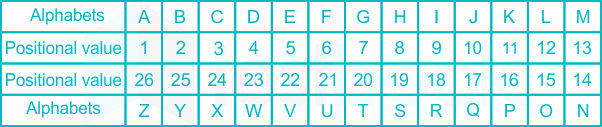
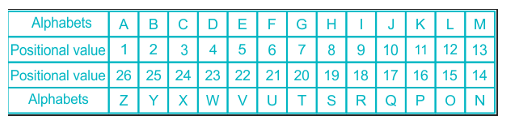
(ii) If the first element is an odd number and the last an even number, the first and last elements are to be coded as ©.

(iii) If both second and third elements are perfect squares, the third element is to be coded as the code for the second element.

What will be the code for the following group?

 @ 9 3 8 5

  1. AOption (a)

     Z B C T A

  2. BOption (b)

    A C L T Z

  3. COption (c)

    Z C B T A

  4. DOption (d)

     A C B T Z

View answer & explanation

Correct answer

Answer: (b)B.

A C L T Z

Why this answer is correct

Given Group: @ 9 3 8 5

Coding Table:

Number/Symbol39@&275%18Δ46
CodeLCZMDWAPRTFBK

Initial Codes for @ 9 3 8 5:

Element@9385
Initial CodeZCLTA

Applying Conditions:

(i) If the first element is a symbol and the last a number, the codes for these two (the first and the last elements) are to be interchanged.

  • First element is '@' (a symbol). (True)
  • Last element is '5' (a number). (True)
  • Since both conditions are met, the code for the first element (Z) and the code for the last element (A) are interchanged.

New Code after Condition (i): A C L T Z

(ii) If the first element is an odd number and the last an even number, the first and last elements are to be coded as ©.

  • The first element is '@' (a symbol), not an odd number.
  • Condition (ii) is NOT met.

(iii) If both second and third elements are perfect squares, the third element is to be coded as the code for the second element.

  • The second element is '9' (which is 32, a perfect square). (True)
  • The third element is '3' (which is not a perfect square). (False)
  • Condition (iii) is NOT met.

Final Code:

After applying all applicable conditions, the final code for the group @ 9 3 8 5 is A C L T Z.

Hence, the correct answer is "Option 2".
Question 2

In a certain code language,

A + B means ‘A is the mother of B’,

A − B means ‘A is the brother of B’,

A × B means ‘A is the wife of B’ and

A ÷ B means ‘A is the father of B’.

How is M related to Q if ‘M + N × O − P ÷ Q’?

  1. AOption (a)

    Father's brother's wife's sister

  2. BOption (b)

     Mother's brother's wife's mother

  3. COption (c)

    Father's brother's wife's mother

  4. DOption (d)

    Mother's brother's wife's sister

View answer & explanation

Correct answer

Answer: (c)C.

Father's brother's wife's mother

Why this answer is correct

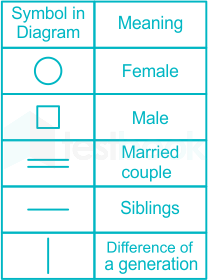
Family Chart Symbols:

Decoding the Symbols given in the question:

Symbol+-×÷
MeaningMotherBrotherWifeFather

Given expression: M + N × O − P ÷ Q

Let's break down the expression step by step:

  1. M + N means 'M is the mother of N'.

  2. N × O means 'N is the wife of O'.

  3. O − P means 'O is the brother of P'.

  4. P ÷ Q means 'P is the father of Q'.

Let's put together the family tree:

M is the Father's brother's wife's mother of Q.

Hence, the correct answer is "Option 3".

Question 3

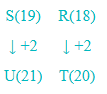
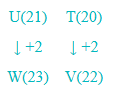
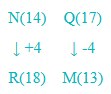
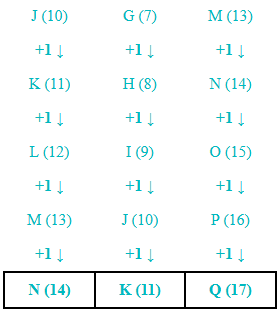
What should come in place of the question mark (?) in the given series?

1001 1000 997 992 985 ?

  1. AOption (a)

    976

  2. BOption (b)

    978

  3. COption (c)

     975

  4. DOption (d)

    977

View answer & explanation

Correct answer

Answer: (a)A.

976

Why this answer is correct

The logic followed here is,

Hence, the correct answer is "Option 1".

Question 4

If '+' means '−', '−' means '×', '×' means '÷' and '÷' means '+', then what will come in place of the question mark (?) in the following equation?

13 − 780 × 12 ÷ 16 + 32 = ?

  1. AOption (a)

    929

  2. BOption (b)

    815

  3. COption (c)

    1232

  4. DOption (d)

    829

View answer & explanation

Correct answer

Answer: (d)D.

829

Why this answer is correct

Given Equation: 13 − 780 × 12 ÷ 16 + 32 = ?

Decoding the given information:

Original Symbol+-×÷
New Symbol-×÷+


Now, replacing the signs in the equation:

⇒ 13 × 780 ÷ 12 + 16 - 32 = ?

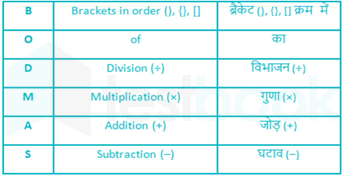
Applying BODMAS Rule:

⇒ 13 × 780 ÷ 12 + 16 - 32 = ?

⇒ 13 × 65 + 16 - 32 = ?

⇒ 845 + 16 - 32 = ?

⇒ 861 - 32 = ?

⇒ 829 = ?

Hence, the correct answer is "Option 4".

Question 5

What popular title is used to refer to the Bengali poet Jibanananda Das?

  1. AOption (a)

     Kobiraj of Kolkata

  2. BOption (b)

     Jibon Kobi

  3. COption (c)

     Rupashi Banglar Kabi

  4. DOption (d)

    Bhasha Shaheed Kabi

View answer & explanation

Correct answer

Answer: (c)C.

 Rupashi Banglar Kabi

Why this answer is correct

The correct answer is Rupashi Banglar Kabi.

Key Points

  • Jibanananda Das, a renowned Bengali poet, is often referred to as Rupashi Banglar Kabi (Poet of Beautiful Bengal).
  • This title is attributed to him due to his poetic works that vividly depict the natural beauty and essence of Bengal.
  • His famous anthology "Rupasi Bangla" is considered a masterpiece that captures the rural landscapes and culture of Bengal.
  • Jibanananda Das is regarded as one of the greatest modern poets in Bengali literature, often celebrated for his unique style and profound imagery.
  • His works reflect themes of nostalgia, longing, and a deep connection to the land and heritage of Bengal.

Additional Information

  • Jibanananda Das's Literary Contributions
  • He introduced modernist themes and styles in Bengali poetry, breaking away from traditional structures.
  • Some of his notable works include "Banalata Sen", "Rupasi Bangla", and "Dhusar Pandulipi".
  • His poetry is characterized by vivid imagery, metaphors, and a melancholic tone.
  • Rupasi Bangla
  • "Rupasi Bangla" is a collection of poems written by Jibanananda Das, celebrating the beauty of rural Bengal.
  • It was published posthumously in 1957, though the poems were written much earlier.
  • The anthology is widely appreciated for its lyrical quality and portrayal of Bengal's landscapes.
  • Legacy of Jibanananda Das
  • Jibanananda Das remains a significant figure in Bengali literature, influencing generations of poets and writers.
  • He is often referred to as the "silent revolutionary" for his unique contribution to modern Bengali poetry.
  • His works have been translated into several languages, earning him global recognition.
  • Modern Bengali Poetry
  • The modernist movement in Bengali poetry emerged in the early 20th century, with poets like Jibanananda Das leading the charge.
  • It focused on introspection, individualism, and breaking away from traditional themes.
  • Jibanananda Das's poetry is a cornerstone of this movement, blending aesthetic beauty with philosophical depth.

Question 6

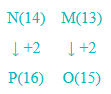
KF 17 is related to HB 6 in a certain way. In the same way, KH 12 is related to HD 1. To which of the following is LP −6 related following the same logic?

  1. AOption (a)

    IL −17

  2. BOption (b)

    MP −13

  3. COption (c)

    PL −19

  4. DOption (d)

    HI −18

View answer & explanation

Correct answer

Answer: (a)A.

IL −17

Why this answer is correct

The pattern involves two distinct logics applied to the letters and the numbers separately.

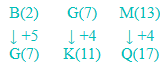
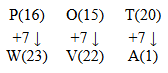
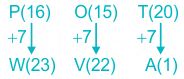
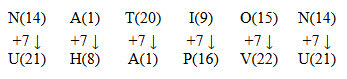
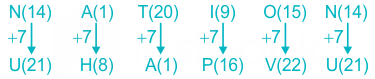
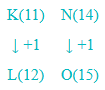
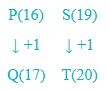
Logic for Letters: The letters shift by -3 and -4 positions respectively in the alphabetical order.

Logic for Numbers: The numbers change by -11.

For 'KF 17' related to 'HB 6':

KF17
-3 ↓-4 ↓-11 ↓
HB6

For 'KH 12' related to 'HD 1':

KH12
-3 ↓-4 ↓-11 ↓
HD1

Applying the same logic to 'LP −6':

LP-6
-3 ↓-4 ↓-11 ↓
IL-17

Thus, LP −6 is related to IL −17.

Hence, the correct answer is "Option 1".

Question 7

Who among the following received the Padma shri award in 2025 in the category of ‘Others–Spiritualism’ Posthumously?

  1. AOption (a)

    Madugula Nagaphani Sarma

  2. BOption (b)

    MD Srinivas

  3. COption (c)

    Libia Lobo Sardesai

  4. DOption (d)

    Lama Lobzang

View answer & explanation

Correct answer

Answer: (d)D.

Lama Lobzang

Why this answer is correct

The correct answer is Lama Lobzang.

Key Points

  • Lama Lobzang was posthumously honored with the Padma Shri award in 2025 in the category of 'Others–Spiritualism'.
  • The Padma Shri is the fourth highest civilian award in India, recognizing distinguished contributions in various fields.
  • Lama Lobzang was a prominent figure in the field of spiritualism and contributed significantly to the promotion of Buddhist teachings and practices.
  • His work emphasized peace, harmony, and the preservation of Buddhist cultural heritage in India and beyond.
  • The award highlights his lifelong dedication to spiritual and cultural enrichment in society.

Additional Information

  • Padma Awards
  • Established in 1954, the Padma Awards include Padma Vibhushan, Padma Bhushan, and Padma Shri.
  • These awards are announced annually on the eve of Republic Day and honor individuals for their exceptional contributions.
  • Fields covered include art, literature, science, social work, public affairs, and more.
  • Spiritualism in India
  • India has a rich history of spiritualism that spans diverse traditions like Hinduism, Buddhism, Jainism, and Sufism.
  • Spiritual leaders often play a key role in fostering societal harmony and addressing ethical challenges.
  • Buddhism and Lama Tradition
  • The Lama tradition is integral to Tibetan Buddhism, emphasizing meditation, rituals, and teachings to attain spiritual enlightenment.
  • India is home to significant Buddhist heritage sites, including Bodh Gaya and Sarnath.
  • Posthumous Awards
  • Posthumous awards are given to honor individuals who have made significant contributions during their lifetime.
  • Such recognition ensures that their legacy continues to inspire future generations.

Question 8

Which period in India's demographic history is marked by a sharp decline in mortality and persistently high fertility rates?

  1. AOption (a)

    Phase II (1921–1951)

  2. BOption (b)

    Phase IV (1981–2001)

  3. COption (c)

     Phase I (1901–1921)

  4. DOption (d)

    Phase III (1951–1981)

View answer & explanation

Correct answer

Answer: (d)D.

Phase III (1951–1981)

Why this answer is correct

The correct answer is Phase III (1951–1981).

Key Points

  • Phase III (1951–1981) of India's demographic history is characterized by a sharp decline in mortality rates due to advancements in healthcare, sanitation, and disease control.
  • Despite the decline in mortality, fertility rates remained persistently high during this period, leading to significant population growth.
  • The Green Revolution in the 1960s contributed to improved food security, further reducing mortality rates.
  • This period saw increased efforts in public health programs, including vaccination drives and campaigns to reduce communicable diseases such as malaria.
  • The demographic trends during Phase III led to a phenomenon called the population explosion in India.

Additional Information

  • Mortality Rate:
  • Mortality rate refers to the number of deaths in a population per unit time, often expressed per 1,000 individuals annually.
  • Advancements in healthcare during Phase III drastically reduced infant and maternal mortality rates.
  • Fertility Rate:
  • Fertility rate is the average number of children born to a woman during her lifetime.
  • High fertility rates during Phase III were influenced by social and cultural norms, low contraceptive usage, and lack of family planning awareness.
  • Population Explosion:
  • Population explosion refers to rapid population growth due to a significant difference between birth rates and mortality rates.
  • Phase III witnessed this phenomenon, which posed challenges for resource allocation and economic development.
  • Green Revolution:
  • The Green Revolution introduced high-yield crop varieties and modern agricultural practices, ensuring food security in India.
  • It played a crucial role in reducing famine-related mortality rates during Phase III.

Question 9

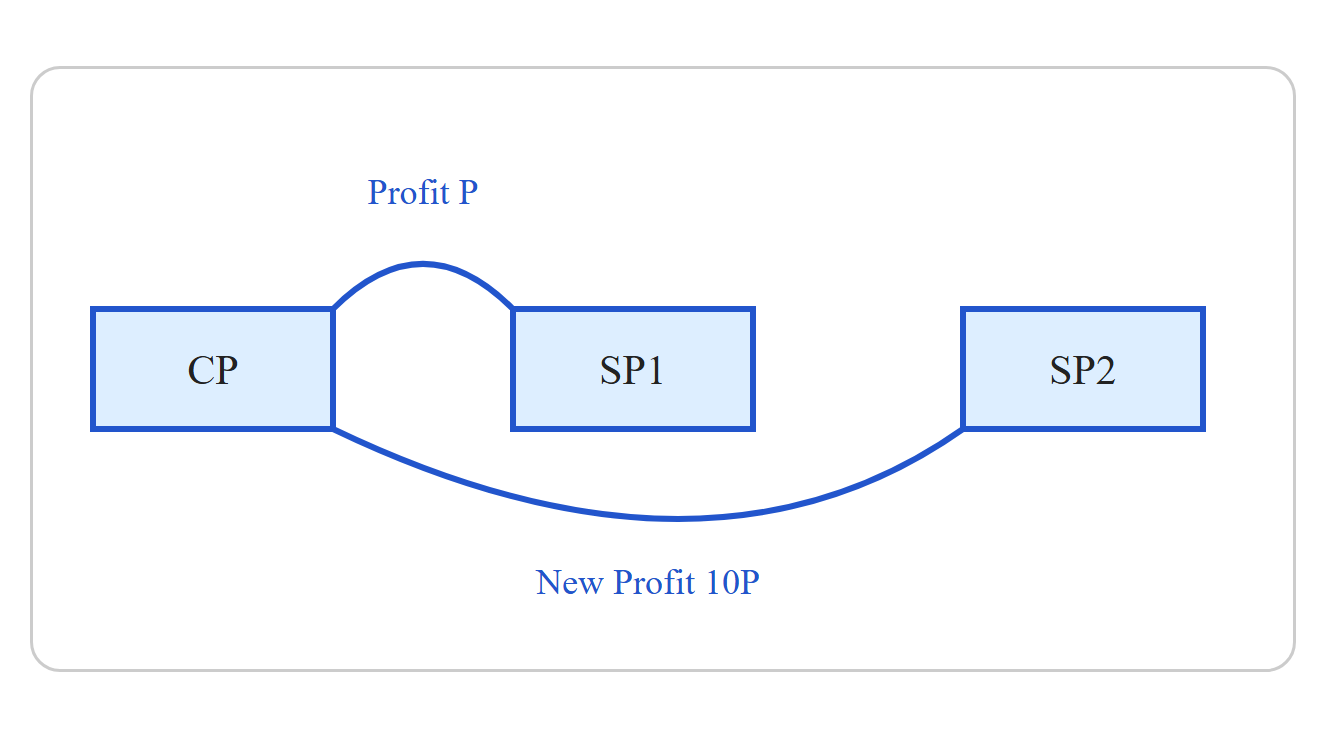
If the selling price of a bed is 2-times of initial, then the profit is 10-times of initial. Find the initial profit percentage (in %).

  1. AOption (a)

    12.5

  2. BOption (b)

    20

  3. COption (c)

    500

  4. DOption (d)

    400

View answer & explanation

Correct answer

Answer: (a)A.

12.5

Why this answer is correct

Shortcut Trick

Let initial Selling Price (SP1) be 100 and Cost Price (CP) be x.

Initial Profit (P1) = 100 − x.

New Selling Price (SP2) = 2 × 100 = 200.

New Profit (P2) = 200 − x. Given P2 = 10 × P1.

∴ 200 − x = 10(100 − x) ⇒ 200 − x = 1000 − 10x ⇒ 9x = 800 ⇒ x = 800/9.

Initial Profit% = [(100 − 800/9) ÷ (800/9)] × 100 = (100/9 ÷ 800/9) × 100 = 12.5%.

∴ The correct answer is 12.5%.

Alternate Method

Given: SPnew = 2 × SPold, Profitnew = 10 × Profitold. Formulas: Profit = SP − CP | Profit% = (Profit ÷ CP) × 100.

⇒ Let Initial Cost Price = C and Initial Selling Price = S. ⇒ Initial Profit (P) = S − C. ⇒ New Selling Price = 2S. ⇒ New Profit = 2S − C. ⇒ According to question: 2S − C = 10(S − C). ⇒ 2S − C = 10S − 10C ⇒ 9C = 8S ⇒ S/C = 9/8. ⇒ Initial Profit% = [(S − C) ÷ C] × 100 = (9/8 − 1) × 100 = (1/8) × 100 = 12.5%.

∴ The correct answer is 12.5%.

Additional Information

Relation between Profit and SP

If CP remains constant, any change in the Selling Price results in an equal absolute change in the Profit amount.

Profit Percentage Calculation

Profit percentage is always calculated on the Cost Price unless specified otherwise. Formula: Profit% = (Profit ÷ CP) × 100.

Question 10

What is the capital expenditure (CAPEX) allocated for Indian Railways in the financial year 2024-25?

  1. AOption (a)

    ₹3.00 lakh crore

  2. BOption (b)

     ₹2.20 lakh crore

  3. COption (c)

     ₹2.62 lakh crore

  4. DOption (d)

     ₹1.76 lakh crore

View answer & explanation

Correct answer

Answer: (c)C.

 ₹2.62 lakh crore

Why this answer is correct

The correct answer is ₹2.62 lakh crore.

Key Points

  • The capital expenditure (CAPEX) allocated for Indian Railways in the financial year 2024-25 has been set at ₹2.62 lakh crore.
  • This allocation marks a significant increase compared to previous years, underlining the government's focus on infrastructure development.
  • It is the highest-ever CAPEX allocation for Indian Railways, aimed at modernizing and expanding railway infrastructure.
  • The funds will be utilized for projects such as track doubling, electrification, station redevelopment, and rolling stock acquisition.
  • Emphasis has also been placed on high-speed rail projects and improving passenger amenities across the railway network.

Additional Information

  • Capital Expenditure (CAPEX):
  • CAPEX refers to funds used by an organization or government to acquire, upgrade, and maintain physical assets like infrastructure, buildings, or equipment.
  • In the context of Indian Railways, it includes investments in projects like electrification, new lines, and station redevelopment.
  • Indian Railways Modernization:
  • The modernization plan includes electrification of routes, the introduction of semi-high-speed and high-speed trains, and enhanced safety measures.
  • It also focuses on automation and the use of technology to improve operational efficiency.
  • High-Speed Rail Projects:
  • India's flagship high-speed rail project is the Mumbai-Ahmedabad bullet train corridor.
  • Such projects are expected to reduce travel time and boost regional economic growth.
  • Focus on Green Initiatives:
  • Indian Railways aims to achieve net-zero carbon emissions by 2030, with a focus on renewable energy and electrification of rail routes.
  • Large-scale solar and wind energy projects are being integrated into railway operations.
  • Impact of Increased CAPEX:
  • Higher CAPEX in railways is expected to boost employment, regional connectivity, and economic growth.
  • It is also likely to improve logistics efficiency, reducing costs for businesses and consumers.

Question 11

Under the Fifth Schedule, the Governor's regulations in Scheduled Areas can prohibit or restrict which of the following?

  1. AOption (a)

     Land transfers

  2. BOption (b)

     Tax collection

  3. COption (c)

    Freedom of speech

  4. DOption (d)

    Water usage

View answer & explanation

Correct answer

Answer: (a)A.

 Land transfers

Why this answer is correct

The correct answer is Land transfers.

Key Points

  • The Fifth Schedule of the Indian Constitution provides special administrative provisions for the Scheduled Areas, primarily to protect the rights of tribal communities.
  • The Governor of a state with Scheduled Areas is empowered to make regulations to prohibit or restrict the transfer of land by or among members of Scheduled Tribes.
  • These regulations aim to prevent the exploitation of tribal land by non-tribal individuals or entities.
  • The Governor can also regulate the allotment of land for agricultural purposes or settlement, ensuring the protection of tribal interests.
  • The objective is to uphold tribal autonomy, safeguard their cultural identity, and prevent land alienation.

Additional Information

  • Scheduled Areas
  • Scheduled Areas are specified regions in India recognized for the protection of tribal communities under the Fifth Schedule of the Constitution.
  • These areas are identified based on the concentration of tribal populations and their socio-economic backwardness.
  • Role of the Governor
  • The Governor has legislative authority under the Fifth Schedule to make regulations for peace and good governance in Scheduled Areas.
  • This includes the power to modify or nullify laws passed by the State Legislature in these areas.
  • Tribal Land Protection
  • The primary aim of restrictions on land transfers is to prevent the alienation of tribal land to non-tribals, which could lead to loss of livelihood and cultural erosion.
  • Such measures also help in preserving the unique tribal identity and traditional rights of indigenous communities.
  • Panchayats (Extension to Scheduled Areas) Act, 1996 (PESA)
  • PESA empowers Gram Sabhas in Scheduled Areas to safeguard and preserve the traditions, customs, and resources of tribal communities.
  • It provides for self-governance and the management of natural resources by tribal groups.

Question 12

What type of memory is used to store data temporarily while a computer is running?

  1. AOption (a)

    Hard Disk

  2. BOption (b)

    Cache

  3. COption (c)

    ROM

  4. DOption (d)

    RAM

View answer & explanation

Correct answer

Answer: (d)D.

RAM

Why this answer is correct

The correct answer is RAM.

Key Points

  • RAM (Random Access Memory) is a volatile memory used to temporarily store data while a computer is running.
  • It facilitates quick access to data for the processor, enabling smooth execution of programs and tasks.
  • The data stored in RAM is cleared when the computer is powered off, making it ideal for temporary storage.
  • RAM enhances the performance of a computer by allowing faster read and write operations compared to storage devices like hard disks or SSDs.
  • Modern computers typically use DDR (Double Data Rate) RAM, such as DDR4 or DDR5, for improved speed and efficiency.

Additional Information

  • Volatile Memory: Volatile memory loses its content when the power is turned off. RAM is an example of volatile memory.
  • Non-volatile Memory: Non-volatile memory retains data even when the computer is powered off. Examples include hard drives, SSDs, and ROM.
  • Cache Memory: Cache is a smaller, faster type of memory located inside or close to the CPU, used to store frequently accessed data for quicker retrieval.
  • Hard Disk: A hard disk is a non-volatile storage device used to store permanent data such as files, applications, and the operating system.
  • ROM (Read-Only Memory): ROM is a type of non-volatile memory that contains essential instructions for booting up the computer and cannot be modified easily.

Question 13

Which state has the longest coastline in mainland India?

  1. AOption (a)

    Andhra Pradesh

  2. BOption (b)

    Maharashtra

  3. COption (c)

    Gujarat

  4. DOption (d)

    Tamil Nadu

View answer & explanation

Correct answer

Answer: (c)C.

Gujarat

Why this answer is correct

The correct answer is Gujarat.

Key Points

  • Gujarat has the longest coastline among mainland Indian states, measuring approximately 2340 kilometres.
  • The coastline of Gujarat is strategically significant as it houses important ports like Kandla, Mundra, and Pipavav.
  • Gujarat's coastline spans the Arabian Sea, facilitating extensive trade and maritime activities.
  • The state has a rich marine biodiversity and several coastal ecosystems, including mangroves and coral reefs.
  • Gujarat's coastline plays a crucial role in its economy, contributing significantly to industries such as fisheries, shipbuilding, and salt production.

Additional Information

  • Coastline in India:
  • India has a total coastline of approximately 11,098.81 kilometers, including island territories.
  • Mainland India's coastline stretches across nine states, with Gujarat having the longest.
  • Coastal areas are vital for India's economy, supporting ports, trade, fishing, and tourism.
  • Important Ports in Gujarat:
  • Kandla Port: One of India's major ports, known for handling crude oil and petroleum products.
  • Mundra Port: India's largest private port, facilitating significant trade volumes.
  • Pipavav Port: A key port for container and cargo operations.
  • Marine Biodiversity of Gujarat:
  • The Gulf of Kutch hosts India's first marine national park.
  • Gujarat's coastline is home to mangroves, coral reefs, and diverse marine species.
  • Economic Importance of Gujarat's Coastline:
  • Gujarat contributes significantly to India's salt production due to its coastal geography.
  • The fishing industry along Gujarat's coast supports livelihoods and exports.
  • Shipbuilding and maritime trade are prominent industries in the region.

Question 14

According to the Future of Jobs Report 2025, which of the following is identified as the most transformative trend for businesses by 2030?

  1. AOption (a)

    Health and information processing

  2. BOption (b)

    Energy generation and storage

  3. COption (c)

    Broadening digital access

  4. DOption (d)

    Robotics and automation

View answer & explanation

Correct answer

Answer: (c)C.

Broadening digital access

Why this answer is correct

The correct answer is Broadening digital access.

Key Points

  • The Future of Jobs Report 2025 by the World Economic Forum highlights "Broadening digital access" as a transformative trend for businesses by 2030.
  • This trend refers to ensuring that digital connectivity and technology are accessible to underserved populations and regions.
  • It emphasizes the role of digital inclusion in reducing inequalities and fostering economic growth globally.
  • With a focus on equitable access, broadening digital access addresses digital literacy, infrastructure, and affordability challenges.
  • Governments, private sectors, and international organizations are collaborating to bridge the digital divide and enable global participation in the digital economy.

Additional Information

  • Digital Divide: The gap between individuals and communities with access to digital technologies and those without. It is a critical barrier to global economic and social equity.
  • Digital Literacy: The ability to use digital tools and technologies effectively. Digital literacy is essential for participating in the modern economy and accessing essential services.
  • Global Connectivity Initiatives: Programs like Starlink (by SpaceX) and Project Loon (by Alphabet) aim to provide internet connectivity to remote and underserved regions.
  • Impact of Digital Inclusion: Increasing access to digital technologies can improve education, healthcare, financial inclusion, and entrepreneurship opportunities worldwide.
  • Role of 5G Technology: 5G networks are expected to play a major role in enhancing digital access by providing faster, more reliable internet to more people.

Question 15

A body of mass 10 kg is moving with a uniform velocity of 5 m/s. What is the net force acting on it?

  1. AOption (a)

    10 N

  2. BOption (b)

    2 N

  3. COption (c)

    0 N 

  4. DOption (d)

    50 N

View answer & explanation

Correct answer

Answer: (c)C.

0 N 

Why this answer is correct

The correct answer is 0 N.

Key Points

  • When a body is moving with uniform velocity, there is no acceleration acting on the body.
  • According to Newton's Second Law of Motion, the net force on an object is directly proportional to its acceleration (F = ma).
  • If the acceleration is zero (as in uniform velocity), the net force acting on the object is 0 N.
  • This is consistent with the concept of equilibrium, where forces acting on the body are balanced, resulting in constant velocity.
  • Uniform velocity implies the absence of unbalanced external forces, hence the net force remains zero.

Additional Information

  • Newton's First Law of Motion (Law of Inertia):
  • A body at rest or in uniform motion will remain in that state unless acted upon by an external force.
  • This explains why the net force is zero when velocity is uniform.
  • Newton's Second Law of Motion:
  • The law states that the force (F) on an object is equal to the mass (m) of the object multiplied by its acceleration (a), expressed as F = ma.
  • Zero acceleration leads to zero net force.
  • Uniform Velocity:
  • It refers to motion at a constant speed in a straight line.
  • Neither the magnitude nor the direction of velocity changes.
  • Equilibrium in Physics:
  • When all forces acting on a body are balanced, the body is in a state of equilibrium.
  • In such cases, the net force is zero, and the body either remains at rest or moves with uniform velocity.

Question 16

How many unique characters can be represented using the standard ASCII code?

  1. AOption (a)

    256

  2. BOption (b)

    512

  3. COption (c)

    64

  4. DOption (d)

    128

View answer & explanation

Correct answer

Answer: (d)D.

128

Why this answer is correct

The correct answer is 128.

Key Points

  • The standard ASCII (American Standard Code for Information Interchange) is a character encoding standard used in computers and electronic devices.
  • It was developed in the early 1960s and assigns a unique numerical value to each character.
  • Standard ASCII uses 7 bits to represent characters, allowing for 27 = 128 unique characters.
  • The 128 characters include control characters (0–31), printable characters (32–126), and the DEL (delete) character (127).
  • Examples of characters in the ASCII set include letters (A-Z, a-z), numbers (0-9), punctuation marks, and special symbols.

Additional Information

  • Extended ASCII:
  • Extended ASCII uses 8 bits and can represent 256 characters, adding an additional 128 characters to the standard ASCII set.
  • The extra characters include symbols, foreign language characters, and graphical symbols.
  • Control Characters:
  • Control characters (ASCII values 0–31) are non-printable and are used for device control, such as newline (10) and tab (9).
  • These characters are essential in communication protocols and data formatting.
  • Printable Characters:
  • Printable characters (ASCII values 32–126) include visible symbols like letters, numbers, and punctuation marks.
  • For example, the ASCII value for 'A' is 65, and for 'a' is 97.
  • Unicode:
  • Unicode is a modern encoding standard that extends beyond ASCII, supporting over 140,000 characters from various scripts and languages globally.
  • It is backward compatible with ASCII, meaning the first 128 characters in Unicode are identical to standard ASCII.

Question 17

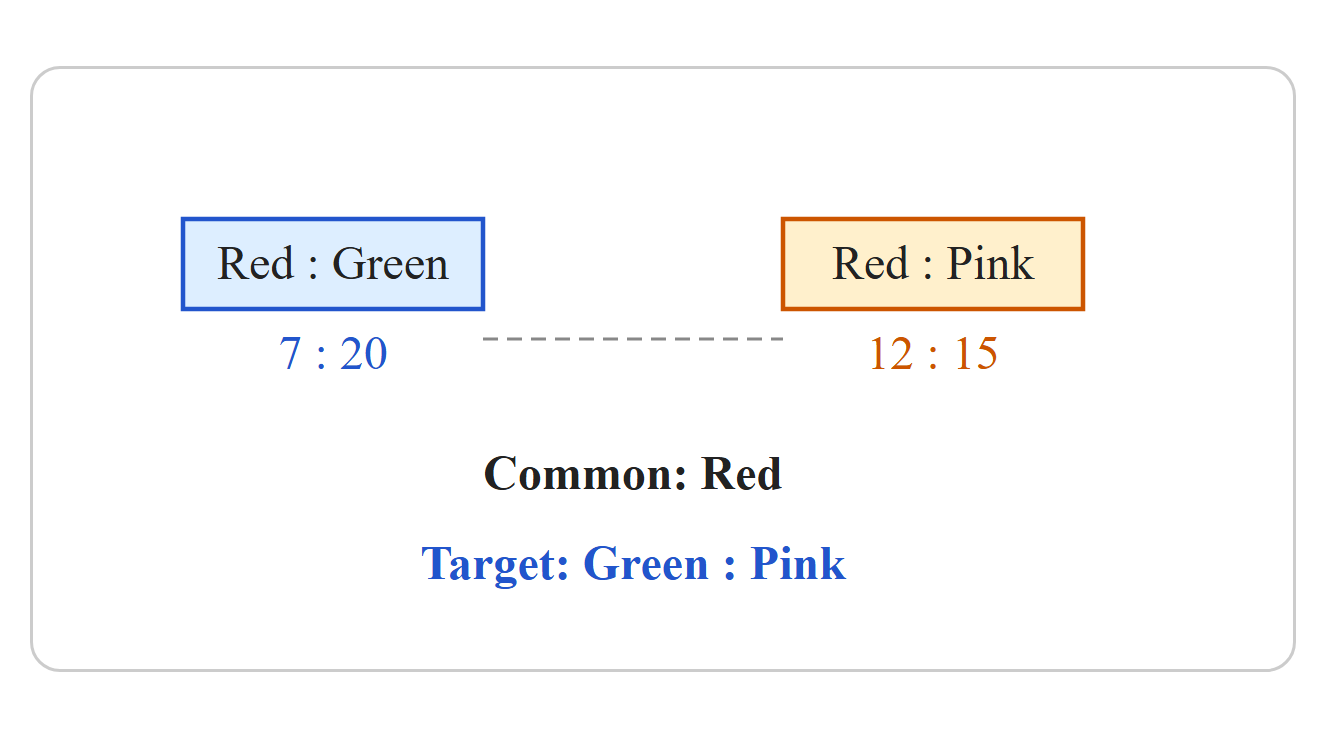
In a bag containing red, green, and pink tokens, the ratio of red to green tokens was 7 : 20, while the ratio of pink to red tokens was 15 : 12. What was the ratio of green to pink tokens?

  1. AOption (a)

    16 : 7

  2. BOption (b)

    19 : 12

  3. COption (c)

    25 : 7

  4. DOption (d)

    11 : 5

View answer & explanation

Correct answer

Answer: (a)A.

16 : 7

Why this answer is correct

Shortcut Trick

Combine ratios by making the common element (Red) equal.

Red : Green = 7 : 20 and Red : Pink = 12 : 15 = 4 : 5.

Multiply first ratio by 4 and second by 7 → Red : Green : Pink = 28 : 80 : 35.

Green : Pink = 80 : 35 = 16 : 7.

∴ The correct answer is 16 : 7.

Alternate Method

Given:

Ratio of Red (R) to Green (G) = 7 : 20

Ratio of Pink (P) to Red (R) = 15 : 12

Calculations:

⇒ R/G = 7/20 ⇒ G/R = 20/7

⇒ P/R = 15/12 = 5/4

⇒ To find Green : Pink, calculate (G/R) × (R/P)

⇒ G/P = (20/7) × (4/5)

⇒ G/P = (4 × 4) / 7 = 16/7

⇒ G : P = 16 : 7

∴ The correct answer is 16 : 7.

Additional Information

Compound Ratio

The compound ratio of (a : b) and (c : d) is (ac : bd). It is used to link multiple variables together.

Equality of Common Terms

To combine ratios like A:B and B:C, multiply each ratio by a factor such that the value of the common term 'B' becomes equal to the LCM of its values in both ratios.

Inverse Ratio

The inverse ratio of a : b is 1/a : 1/b, which simplifies to b : a.

Question 18

This question is based on the five, three-digit numbers given below.

(Left) 662 268 547 409 909 (Right)

(Example: 697 – First digit = 6, second digit = 9 and third digit = 7)

(NOTE: All operations to be done from left to right.)

What will be the resultant if the third digit of the highest number is subtracted from the first digit of the lowest number?

  1. AOption (a)

    -7

  2. BOption (b)

    -6

  3. COption (c)

    -4

  4. DOption (d)

    -8

View answer & explanation

Correct answer

Answer: (a)A.

-7

Why this answer is correct

Given numbers: 662, 268, 547, 409, 909

Comparing all the given numbers, the highest number is 909.

For 909, the third digit is 9.

Comparing all the given numbers, the lowest number is 268.

For 268, the first digit is 2.

The third digit of the highest number (9) is to be subtracted from the first digit of the lowest number (2).

→ First digit of lowest number - Third digit of highest number

→ 2 - 9 = -7.

The resultant is -7.

Hence, the correct answer is "Option 1".

Question 19

Select the pair that follows the same pattern as that followed by the two sets of pairs given below. Both pairs follow the same pattern.

 PIL : TMP

NAP : RET

  1. AOption (a)

    SPL : WLH

  2. BOption (b)

    SWT : WAX

  3. COption (c)

    BGM : GKQ

  4. DOption (d)

    NLI : JPM

View answer & explanation

Correct answer

Answer: (b)B.

SWT : WAX

Why this answer is correct

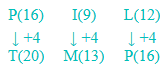
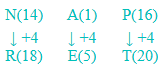
The logic followed here is,

Let's analyze the pattern for each pair:

Pair 1: PIL : TMP

Pair 2: NAP : RET

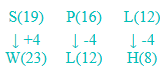
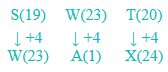
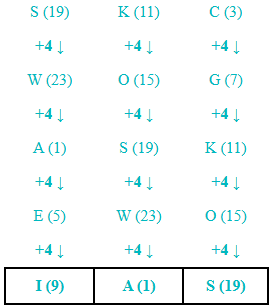
From both given pairs, the consistent logic is that each letter in the first cluster is shifted forward by +4 positions to get the corresponding letter in the second cluster.

Now, let's apply this logic to the given options:

Option 1: SPL : WLH

Does NOT follow the +4 logic for all letters.

Option 2: SWT : WAX

This option follows the +4 logic for all letters (W(23) + 4 = 27 = A(1)).

Option 3: BGM : GKQ

Does NOT follow the +4 logic for the first letter.

Option 4: NLI : JPM

Does NOT follow the +4 logic for the first letter.

Hence, the correct answer is Option (2).

Question 20

What is the fundamental difference between a 'cold boot' and a 'warm boot' of a computer system?

  1. AOption (a)

    A cold boot only reloads the kernel, while a warm boot reinitializes all hardware components.

  2. BOption (b)

    A cold boot is initiated by the user, while a warm boot is initiated by the operating system due to an error.

  3. COption (c)

    A cold boot preserves the current state of applications, while a warm boot closes them.

  4. DOption (d)

    A cold boot restarts the operating system from a powered-off state, while a warm boot restarts it from a running state

View answer & explanation

Correct answer

Answer: (d)D.

A cold boot restarts the operating system from a powered-off state, while a warm boot restarts it from a running state

Why this answer is correct

The correct answer is A cold boot restarts the operating system from a powered-off state, while a warm boot restarts it from a running state.

Key Points

  • Cold boot, also known as a hard reboot, involves starting the computer after it has been completely powered off.
  • Warm boot, also called a soft reboot, refers to restarting the computer without turning off the power, usually initiated from the operating system.
  • A cold boot reinitializes hardware components and starts the operating system from scratch, clearing all volatile memory.
  • A warm boot typically resets the software environment and reloads the operating system without affecting hardware states significantly.
  • Cold boot is often used to resolve hardware issues or complete system resets, while warm boot is faster and used for troubleshooting software-related problems.

Additional Information

  • BIOS and POST:
  • During a cold boot, the BIOS performs a Power-On Self Test (POST) to check hardware functionality before loading the operating system.
  • Warm boot bypasses the POST, which saves time in restarting the system.
  • Volatile Memory:
  • RAM (Random Access Memory) is volatile and loses its data during a cold boot.
  • Warm boot does not clear RAM entirely, allowing faster reboot but retaining potential errors in memory.
  • System Recovery:
  • Cold boot is often used for recovering from severe system crashes or hardware failures.
  • Warm boot is suitable for applying system updates or fixing minor software glitches.
  • Shutdown vs Restart:
  • Shutdown completely powers off the computer, leading to a cold boot upon restarting.
  • Restart is a warm boot process that reloads the system without cutting power to the hardware.

Question 21

Two pipes, A and B, can fill a tank of 7800 litres in 12 hours and 10 hours, respectively. If they are opened together, how many hours will they take to fill an empty tank of 8800 litres?

  1. AOption (a)

    (70/30) hours

  2. BOption (b)

    (88/13) hours

  3. COption (c)

    (89/13) hours

  4. DOption (d)

    (80/13) hours

View answer & explanation

Correct answer

Answer: (d)D.

(80/13) hours

Why this answer is correct

Shortcut Trick

Rate of Pipe A = 7800 ÷ 12 = 650 litres/hr

Rate of Pipe B = 7800 ÷ 12 = 780 litres/hr

Combined Rate = 650 + 780 = 1430 litres/hr

Time to fill 8800 litres = 8800 ÷ 1430 = 880 ÷ 143 = 80/13 hours

∴ The correct answer is 80/13 hr.

Alternate Method

Given: Capacity 1 = 7800 litres, Time A = 12 hrs, Time B = 10 hrs, Target Capacity = 8800 litres.

Formula Used: Efficiency = Work ÷ Time; Time = Work ÷ Total Efficiency

PipeTime (hrs)Base Work (litres)Efficiency (litres/hr)
A127800650
B10780

⇒ Total Efficiency (A + B) = 650 + 780 = 1430 litres/hr

⇒ Target Work = 8800 litres

⇒ Required Time = 8800 ÷ 1430

⇒ Required Time = 880/143

⇒ Required Time = (80 × 11) ÷ (13 × 11) = 80/13 hours

∴ The correct answer is 80/13 hr.

Additional Information

Pipes and Cisterns Efficiency

Efficiency is inversely proportional to time when work is constant. If an inlet pipe fills a tank in 'x' hours, its work done in 1 hour is 1/x.

Inlet and Outlet Pipes

Inlet pipes perform positive work while outlet pipes (leakage) perform negative work. Net efficiency = Σ(Inlet Efficiency) − Σ(Outlet Efficiency).

Combined Work Formula

If pipe A fills in x hours and pipe B in y hours, they together fill in (x × y) ÷ (x + y) hours for the same total work.

Question 22

Which of the following numbers is divisible by 7?

  1. AOption (a)

    87

  2. BOption (b)

    894

  3. COption (c)

    875

  4. DOption (d)

    687

View answer & explanation

Correct answer

Answer: (c)C.

875

Why this answer is correct

Shortcut Trick

To check divisibility by 7, double the last digit and subtract it from the remaining part of the number.

For 875: Last digit is 5. Double of 5 = 10.

Remaining part: 87. Subtract: 87 − 10 = 77.

Since 77 is divisible by 7 (11 × 7), the number 875 is divisible by 7.

∴ The correct answer is 875.

Alternate Method

Given: Numbers 87, 894, 875, 687.

Formula Used: Direct division method for checking divisibility.

⇒ Option (1): 87 ÷ 7 = 12 with Remainder 3.

⇒ Option (2): 894 ÷ 7 → 894 = 7 × 127 + 5. (Not divisible)

⇒ Option (3): 875 ÷ 7 → 875 = 7 × 125 + 0.

⇒ Option (4): 687 ÷ 7 → 687 = 7 × 98 + 1. (Not divisible)

∴ The correct answer is 875.

Additional Information

Divisibility Rule of 3

A number is divisible by 3 if the sum of its digits is divisible by 3.

Divisibility Rule of 11

Difference between the sum of digits at odd places and even places must be 0 or a multiple of 11.

Divisibility Rule of 13

Multiply the last digit by 4 and add it to the remaining number. If the result is divisible by 13, the original number is too.

Question 23

Given are the ages (in years) of five people: 20, 30, 35, 40 and 45. Calculate the average age in years.

  1. AOption (a)

    34

  2. BOption (b)

    30

  3. COption (c)

    32.5

  4. DOption (d)

    35

View answer & explanation

Correct answer

Answer: (a)A.

34

Why this answer is correct

Shortcut Trick

Assume an average age of 35 years.

Calculate deviations from 35: (20−35), (30−35), (35−35), (40−35), (45−35) → −15, −5, 0, 5, 10.

Sum of deviations = −15 − 5 + 0 + 5 + 10 = −5.

Net deviation per person = −5 ÷ 5 = −1.

Actual Average = 35 − 1 = 34 years.

∴ The correct answer is 34 years.

Alternate Method

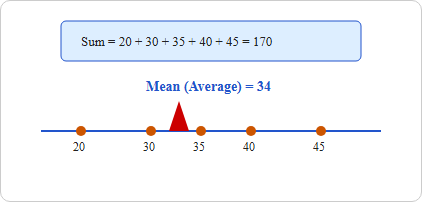
Given: Ages of five people are 20, 30, 35, 40, and 45 years.

Formula Used: Average = (Sum of all observations) ÷ (Number of observations)

⇒ Sum of all ages = 20 + 30 + 35 + 40 + 45

⇒ Sum of all ages = 170 years

⇒ Number of people = 5

⇒ Average age = 170 ÷ 5

⇒ Average age = 34 years

∴ The correct answer is 34 years.

Additional Information

Definition of Average

Average (Arithmetic Mean) represents the central value of a data set. It is the result of distributing the total sum equally among all entities.

Effect of Changes

If every value in a set is increased or decreased by a constant k, the average also increases or decreases by k.

Sum of Deviations

The algebraic sum of deviations of all observations from their arithmetic mean is always zero (Σ(xi − Average) = 0).

Question 24

The Waqf (Amendment) Act, 2025 introduced which significant change to the composition of Waqf Boards? 

  1. AOption (a)

    Privatisation of Waqf properties

  2. BOption (b)

    Exemption from government audits

  3. COption (c)

    Inclusion of non-Muslim members

  4. DOption (d)

    Abolition of State Waqf Boards

View answer & explanation

Correct answer

Answer: (c)C.

Inclusion of non-Muslim members

Why this answer is correct

The correct answer is Inclusion of non-Muslim members.

Key Points

  • The Waqf (Amendment) Act, 2025 introduced a historic change by allowing the inclusion of non-Muslim members in Waqf Boards.
  • This amendment aims to promote inclusivity and transparency in the functioning of Waqf Boards, which traditionally consisted only of Muslim members.
  • Non-Muslim members are expected to contribute to better accountability and broader representation within Waqf Boards.
  • The inclusion helps address concerns regarding the management of Waqf properties and ensures that they are administered in a manner that serves diverse communities.
  • The amendment aligns with the government's efforts to modernize Waqf administration and reduce instances of mismanagement of Waqf properties.

Additional Information

  • Waqf:
  • A Waqf is a permanent dedication of movable or immovable property by a Muslim for religious, pious, or charitable purposes.
  • Once declared as Waqf, the property cannot be sold, transferred, or inherited.
  • Waqfs are governed under the Waqf Act, 1995, which was later amended in subsequent years.
  • Role of Waqf Boards:
  • Waqf Boards are responsible for the administration and management of Waqf properties within their jurisdiction.
  • They ensure that properties are used for the purposes intended, such as funding schools, mosques, hospitals, or other social welfare activities.
  • Challenges in Waqf Property Management:
  • Instances of corruption, mismanagement, and illegal encroachments have plagued Waqf property administration.
  • Reforms such as the inclusion of non-Muslim members aim to bring greater accountability and efficiency to the system.
  • Amendments to Waqf Legislation:
  • Recent amendments have focused on digitization of records, streamlining audits, and empowering boards to take strict actions against encroachments.
  • The inclusion of non-Muslim members is a progressive step towards making Waqf Boards more diverse and democratic.

Question 25

Which writer authored 'Baluta', recognised as the pioneering Dalit autobiographical work in the Marathi language?

  1. AOption (a)

    Daya Pawar

  2. BOption (b)

    Sharankumar Limbale

  3. COption (c)

    Omprakash Valmiki

  4. DOption (d)

    Namdeo Dhasal

View answer & explanation

Correct answer

Answer: (a)A.

Daya Pawar

Why this answer is correct

The correct answer is Daya Pawar.

Key Points

  • Daya Pawar authored 'Baluta', which is considered the first Dalit autobiographical work in the Marathi language.
  • 'Baluta' was published in 1978 and is a groundbreaking piece in Dalit literature, vividly portraying the struggles and experiences of Dalit life.
  • The book provides a stark and honest depiction of caste-based discrimination and social injustice prevalent in Indian society.
  • Daya Pawar, through 'Baluta,' brought the Dalit narrative into mainstream literary discourse, influencing many writers to explore similar themes.
  • 'Baluta' is recognized for its autobiographical style, blending personal experiences with broader social commentary on caste oppression.

Additional Information

  • Dalit Literature:
  • Dalit literature refers to works authored by Dalit writers, focusing on themes of caste-based oppression, social injustice, and the struggles of marginalized communities.
  • This genre emerged as a significant movement in Indian literature during the 20th century, particularly in regional languages like Marathi, Tamil, and Hindi.
  • It seeks to give voice to the unheard and challenge traditional notions of caste hierarchy.
  • Autobiography as a Literary Genre:
  • An autobiography is a self-written account of the author's life, presenting personal experiences and reflections.
  • It often combines individual narratives with broader social, cultural, or political contexts.
  • Autobiographies like 'Baluta' serve as powerful tools for activism, providing firsthand accounts of systemic discrimination.
  • Impact of 'Baluta':
  • 'Baluta' inspired a wave of Dalit autobiographies and contributed to the growth of Dalit literature as a distinct genre.
  • The book is credited with raising awareness about caste issues and fostering discussions on social equity.
  • Daya Pawar's work continues to be celebrated as a cornerstone of Marathi literature and Dalit activism.
  • Other Prominent Dalit Writers:
  • Sharankumar Limbale - Known for his work 'Akkarmashi' (The Outcaste), another significant Dalit autobiography.
  • Omprakash Valmiki - Authored 'Joothan,' a Hindi autobiographical work detailing caste oppression.
  • Namdeo Dhasal - Renowned for his poetry and activism, he co-founded the Dalit Panthers movement.

Question 26

The length of a vertical rod and its shadow are in the ratio of 2 : √12. Find the angle of elevation of the sun.

  1. AOption (a)

    30° 

  2. BOption (b)

    75°

  3. COption (c)

    45°

  4. DOption (d)

    60°

View answer & explanation

Correct answer

Answer: (a)A.

30° 

Why this answer is correct

Shortcut Trick

Ratio of Height to Shadow = 2 : √12

Simplify ratio = 2 : 2√3 = 1 : √3

tan θ = Height ÷ Shadow = 1 / √3

Since tan 30° = 1 / √3, the Angle of Elevation is 30°.

∴ The correct answer is 30°.

Alternate Method

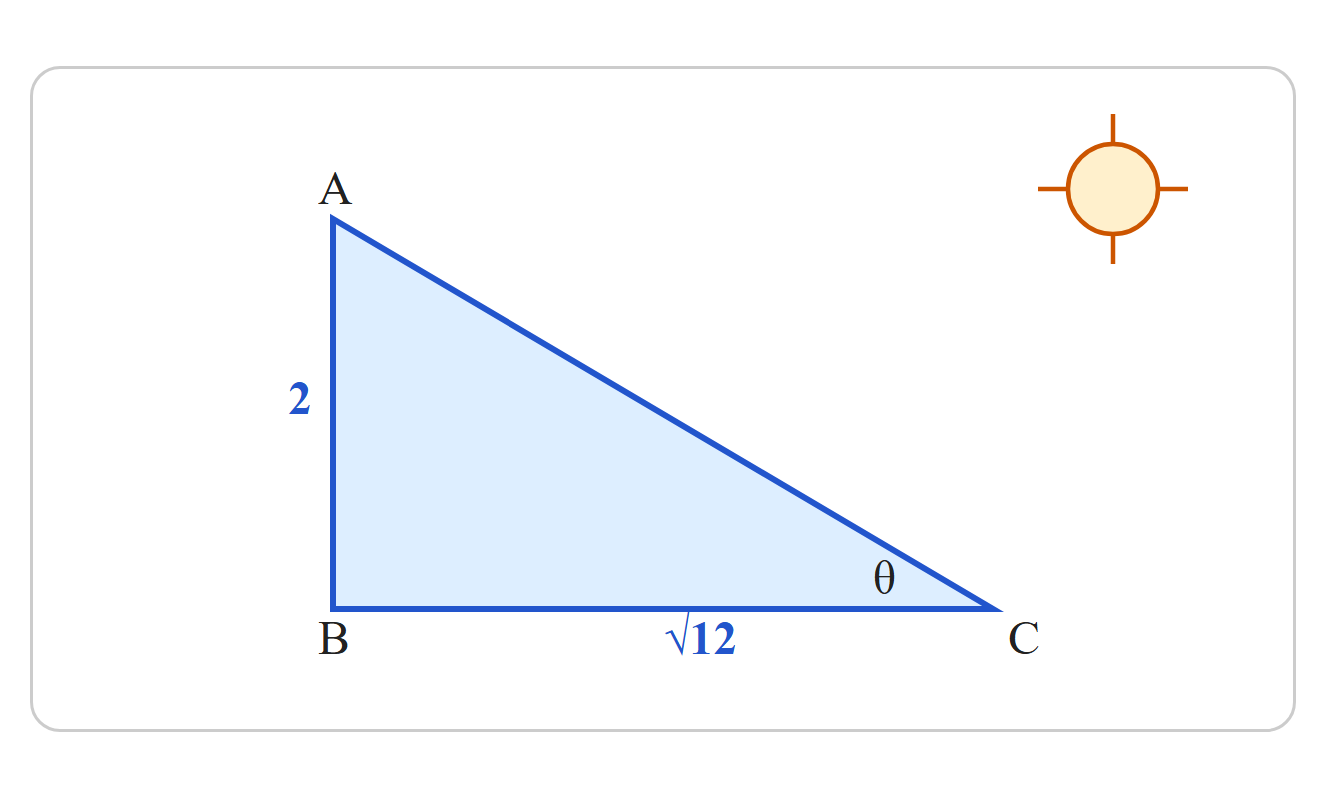
Given:

Ratio of length of Rod (AB) to Shadow (BC) = 2 : √12

Formula Used:

tan θ = Perpendicular (AB) ÷ Base (BC)

Calculations:

⇒ tan θ = 2 / √12

⇒ tan θ = 2 / √(4 × 3)

⇒ tan θ = 2 / (2√3)

⇒ tan θ = 1 / √3

⇒ θ = tan−1(1 / √3)

⇒ θ = 30°

∴ The correct answer is 30°.

Additional Information

Trigonometric Ratios

Standard values for tan θ are tan 30° = 1/√3, tan 45° = 1, and tan 60° = √3.

Angle of Elevation

The angle formed by the line of sight with the horizontal when an object is viewed above the horizontal level.

Pythagoras Theorem

In a right-angled triangle, Hypotenuse2 = Base2 + Perpendicular2.

Question 27

On 26 March 2025, where was the 8th State Level Coordination Committee (SLCC) meeting conducted by the Reserve Bank of India (RBI)?

  1. AOption (a)

    Gangtok

  2. BOption (b)

    Kolkata

  3. COption (c)

    Imphal

  4. DOption (d)

    Guwahati

View answer & explanation

Correct answer

Answer: (a)A.

Gangtok

Why this answer is correct

The correct answer is Gangtok.

Key Points

  • The 8th State Level Coordination Committee (SLCC) meeting was conducted by the Reserve Bank of India (RBI) on 26 March 2025 in Gangtok, Sikkim.
  • SLCC meetings are held to review and coordinate measures for combating illegal deposit-taking activities in the respective states.
  • The event involves participation from state government officials, regulators, and law enforcement agencies.
  • Gangtok, the capital of Sikkim, hosted the meeting to address state-specific financial and regulatory concerns.
  • The SLCC serves as a key platform to enhance inter-agency coordination and protect the public from fraudulent financial schemes.

Additional Information

  • State Level Coordination Committee (SLCC)
  • SLCC is an inter-regulatory body chaired by the RBI, established to address unauthorized deposit activities in states.
  • The committee includes representatives from SEBI, IRDAI, state governments, and law enforcement agencies.
  • It monitors entities involved in potentially illegal financial activities and facilitates timely action.
  • Role of RBI in Financial Regulation
  • The Reserve Bank of India (RBI) is the central bank responsible for monetary policy, financial stability, and supervision of banks in India.
  • It also safeguards consumers by combating fraudulent schemes through regulatory measures and public awareness campaigns.
  • Gangtok - Key Highlights
  • Gangtok is the capital city of Sikkim, a northeastern state in India known for its picturesque landscapes and cultural heritage.
  • It serves as a hub for governance, tourism, and regional development activities in the state.
  • Gangtok is also an important venue for hosting government and regulatory meetings due to its strategic location.
  • Public Awareness Initiatives
  • RBI conducts various initiatives to educate the public about fraudulent financial schemes and encourages reporting suspicious activities.
  • Awareness campaigns through media and public outreach programs are crucial in combating illegal deposit collection.

Question 28

Who succeeded Chandragupta I as the ruler of the Gupta Empire?

  1. AOption (a)

    Ramagupta

  2. BOption (b)

    Kumaragupta

  3. COption (c)

    Samudragupta

  4. DOption (d)

    Skandagupta

View answer & explanation

Correct answer

Answer: (c)C.

Samudragupta

Why this answer is correct

The correct answer is Samudragupta.

Key Points

  • Samudragupta succeeded Chandragupta I as the ruler of the Gupta Empire, marking the beginning of the golden age of Gupta rule.
  • He was renowned for his military conquests and is often referred to as the "Napoleon of India" due to his strategic and successful campaigns.
  • Samudragupta was a patron of art and culture, and his reign saw significant advancements in literature, science, and architecture.
  • His achievements are documented in the Allahabad Pillar Inscription, written by his court poet Harisena.
  • Under his rule, the Gupta Empire expanded significantly, covering vast territories across northern and central India.

Additional Information

  • Gupta Empire:
  • The Gupta Empire (circa 320-550 CE) is considered a classical era in Indian history, known for its advancements in art, science, and political administration.
  • Key rulers of the Gupta dynasty include Chandragupta I, Samudragupta, Chandragupta II, and Kumaragupta.
  • The empire's administration emphasized decentralization, with efficient governance at the local level.
  • Allahabad Pillar Inscription:
  • It is one of the primary sources of information about Samudragupta's reign.
  • Written in Sanskrit, it highlights his conquests, administrative policies, and patronage of arts.
  • The inscription was composed by Harisena, his court poet and minister.
  • Golden Age of India:
  • The Gupta period is often referred to as the "Golden Age of India" due to its significant contributions to culture, education, and science.
  • Achievements include developments in astronomy, mathematics (introduction of the decimal system), and medicine.
  • Key literary works like Kalidasa's "Shakuntala" and Aryabhata's mathematical treatises emerged during this period.
  • Military Conquests:
  • Samudragupta conducted campaigns in both northern and southern India, defeating numerous rulers and expanding the empire.
  • He adopted a policy of "Dharmavijaya" in southern India, where defeated rulers were allowed to retain their territories after acknowledging Gupta suzerainty.

Question 29

Which criticism highlights the parliamentary system’s departure from the principle of separation of powers?

  1. AOption (a)

     The President has absolute control over the Prime Minister.

  2. BOption (b)

    The cabinet simultaneously leads the executive and legislature, creating fusion of powers.

  3. COption (c)

    The executive and legislature operate independently.

  4. DOption (d)

    Ministers are appointed based on expertise rather than political affiliation.

View answer & explanation

Correct answer

Answer: (b)B.

The cabinet simultaneously leads the executive and legislature, creating fusion of powers.

Why this answer is correct

The correct answer is The cabinet simultaneously leads the executive and legislature, creating fusion of powers.

Key Points

  • The parliamentary system exhibits a fusion of powers, where the executive branch (cabinet) is drawn from and accountable to the legislature.
  • This fusion of powers departs from the principle of separation of powers, which emphasizes distinct and independent roles for the executive, legislature, and judiciary.
  • Ministers in the cabinet serve dual roles as heads of executive departments and legislators, which can lead to overlap of functions.
  • The Prime Minister and cabinet are directly answerable to the legislature, often blurring the line between the two branches of government.
  • In contrast, the presidential system follows a stricter separation of powers where the executive and legislature operate independently.

Additional Information

  • Separation of Powers:
  • A constitutional principle that divides government responsibilities into three branches: executive, legislature, and judiciary.
  • Ensures no single branch exercises complete control, promoting checks and balances.
  • The concept was popularized by Montesquieu in his work "The Spirit of Laws."
  • Fusion of Powers:
  • A characteristic of the parliamentary system where the executive and legislature are interconnected.
  • Allows for a unified government but can lead to less stringent checks and balances.
  • Parliamentary System:
  • The head of government (Prime Minister) is usually a member of the legislature.
  • The executive is dependent on the support of the legislature and can be removed by a vote of no confidence.
  • Examples include the systems of the United Kingdom and India.
  • Presidential System:
  • Features a strict separation of powers between the executive and legislature.
  • The President is both the head of state and government, elected independently of the legislature.
  • Examples include the systems of the United States and Brazil.

Question 30

∛(1331)100004\frac{∛(1331)}{\sqrt[4]{10000}} × 533\frac{5}{33} × 30

  1. AOption (a)

    9

  2. BOption (b)

    13

  3. COption (c)

    5

  4. DOption (d)

    6

View answer & explanation

Correct answer

Answer: (c)C.

5

Why this answer is correct

Given:

∛(1331)100004\frac{∛(1331)}{\sqrt[4]{10000}} × 533\frac{5}{33} × 30

Formula Used:

Simplify the given expression step by step using basic arithmetic and powers.

Calculation:

∛(1331)100004\frac{∛(1331)}{\sqrt[4]{10000}} × 533\frac{5}{33} × 30

1110\frac{11}{10} × 533\frac{5}{33} × 30

 16\frac{1}{6} × 30 = 5

The correct answer is 5.

Question 31

A vendor sold 4 chocolates for ₹1, thereby gaining 100%. How many chocolates did he buy for ₹1?

  1. AOption (a)

    12

  2. BOption (b)

    10

  3. COption (c)

    8

  4. DOption (d)

    14

View answer & explanation

Correct answer

Answer: (c)C.

8

Why this answer is correct

Shortcut Trick

For a fixed Expenditure (₹1), the Price is inversely proportional to the Quantity.

Cost Price (CP) % is always 100%. Selling Price (SP) % = 100% + 100% (Gain) = 200%.

Price Ratio (CP : SP) = 100 : 200 = 1 : 2.

Quantity Ratio (CP : SP) = 2 : 1 (Inverse of Price Ratio).

Given SP Quantity = 1 unit ⇒ 4 chocolates. Therefore, CP Quantity = 2 units ⇒ 2 × 4 = 8 chocolates.

∴ The correct answer is 8.

Alternate Method

Given: Selling Price (SP) of 4 chocolates = ₹1 | Gain = 100%.

Formulas: SP = CP × (100 + Gain%) ÷ 100 | CP = SP × 100 ÷ (100 + Gain%)

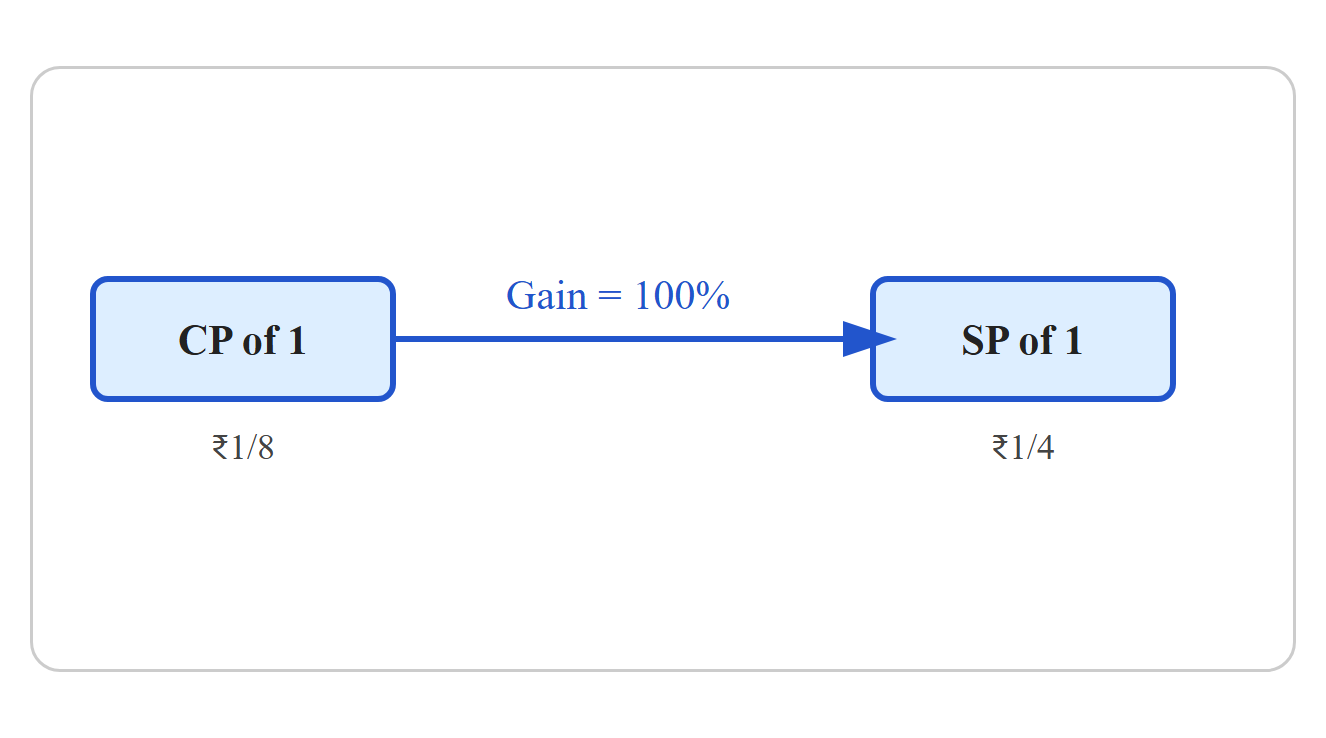
⇒ Selling Price (SP) of 1 chocolate = ₹1/4.

⇒ Cost Price (CP) of 1 chocolate = (1/4) × 100 ÷ (100 + 100).

⇒ Cost Price (CP) of 1 chocolate = (1/4) × (100 ÷ 200) = (1/4) × (1/2) = ₹1/8.

⇒ Number of chocolates bought for ₹1 = 1 ÷ (1/8) = 8.

∴ The correct answer is 8.

Additional Information

Price-Quantity Relationship

When the total expenditure remains constant, the quantity purchased is inversely proportional to the unit price (Quantity ∝ 1/Price).

Profit Percentage

Profit % = (Total Gain ÷ Cost Price) × 100. A 100% gain implies that the Selling Price is exactly double the Cost Price.

Question 32

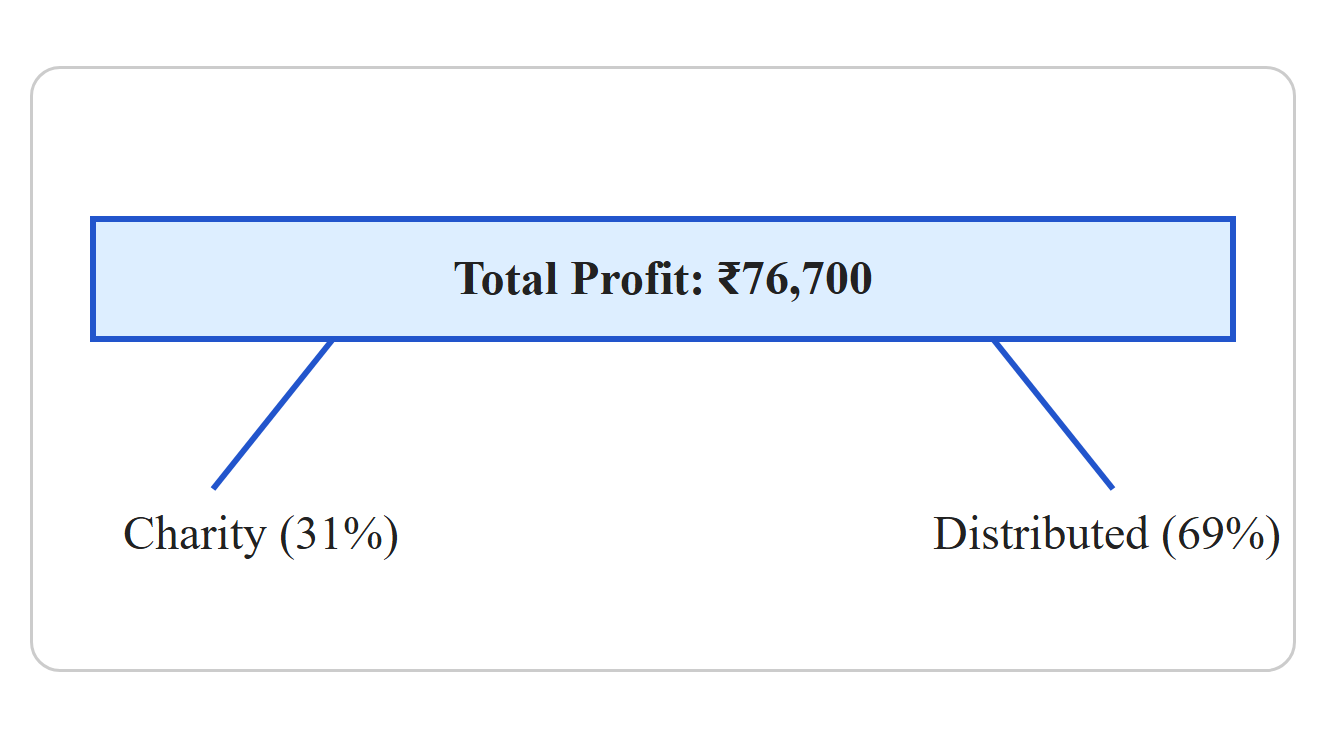
Alok, Gita, and Suresh invest ₹56,000, ₹52,000, and ₹69,000 respectively to start a business. At the end of the year, the total profit earned is ₹76,700. 31% of the total profit earned is given to charity and the rest is divided among them in the ratio of their investment. What will be the share of Suresh (in ₹)?

  1. AOption (a)

    20,693

  2. BOption (b)

    20,551

  3. COption (c)

    20,631

  4. DOption (d)

    20,727

View answer & explanation

Correct answer

Answer: (c)C.

20,631

Why this answer is correct

Shortcut Trick

Ratio of investments = 56 : 52 : 69. Total ratio parts = 177.

Net profit for distribution = 76,700 × (100 − 31) ÷ 100 = 76,700 × 0.69 = 52,923.

Value of 1 ratio part = 52,923 ÷ 177 = 299.

Suresh's share = 69 × 299 = 20,631.

∴ The correct answer is ₹20,631.

Alternate Method

Given → Investments: Alok = ₹56,000, Gita = ₹52,000, Suresh = ₹69,000. Total Profit = ₹76,700. Charity = 31%. Formulas: Profit Ratio = Investment Ratio | Distributed Profit = Total Profit × (100 − Charity%) ÷ 100.

⇒ Ratio of shares = 56000 : 52000 : 69000 = 56 : 52 : 69. ⇒ Remaining profit = 76,700 − (31% of 76,700) = 76,700 × 0.69 = ₹52,923. ⇒ Sum of ratios = 56 + 52 + 69 = 177. ⇒ Suresh's share = (69 ÷ 177) × 52,923. ⇒ Suresh's share = 69 × 299 = 20,631.

∴ The correct answer is ₹20,631.

Additional Information

Partnership Profit Distribution

In a partnership, if the time period is constant, the profit is divided strictly in the ratio of capital investments.

Charity/Management Fees

Always subtract the charity or salary amount from the total profit before applying the investment ratio to find individual shares.

Question 33

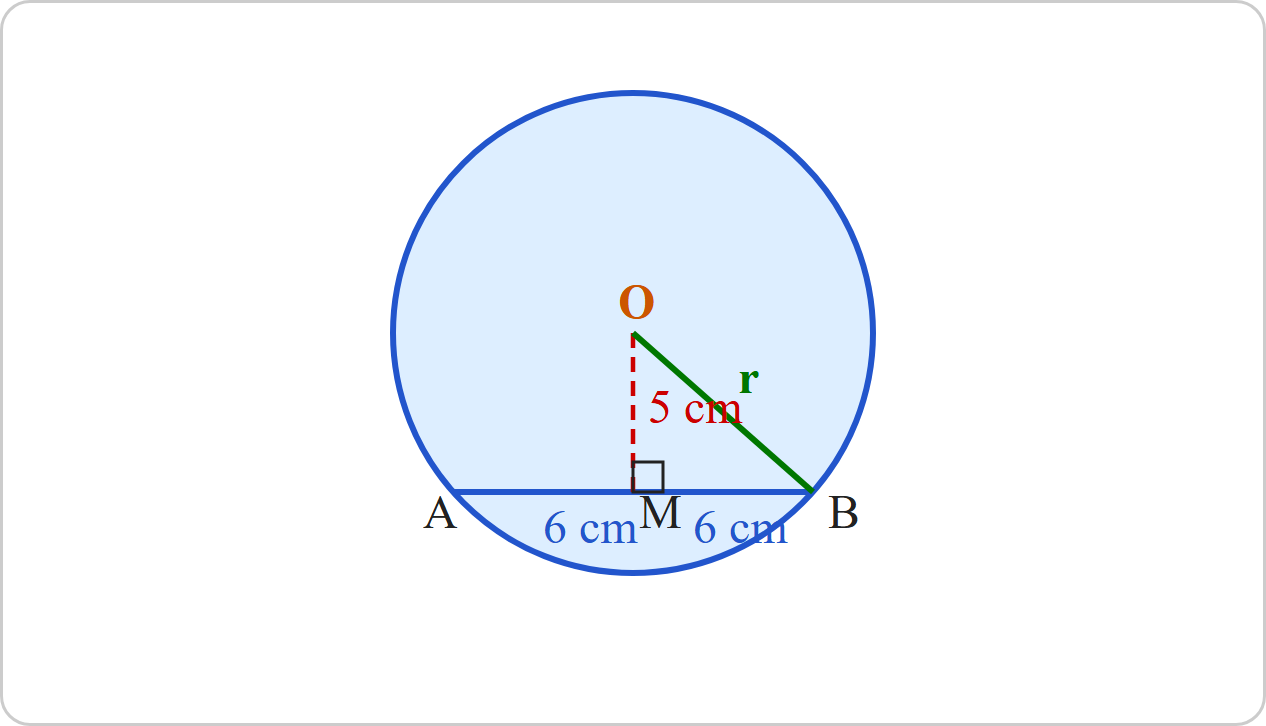
In a circle, the length of a chord is 12 cm and the perpendicular distance from the centre of the circle to the chord is 5 cm. What is the radius of the circle? (Rounded up to two decimal places.)

  1. AOption (a)

    7.81 cm

  2. BOption (b)

    10.25 cm

  3. COption (c)

    9.87 cm

  4. DOption (d)

    6.97 cm

View answer & explanation

Correct answer

Answer: (a)A.

7.81 cm

Why this answer is correct

Shortcut Trick

The perpendicular from the centre bisects the chord.

Half-chord = 12 ÷ 2 = 6 cm.

Use the Pythagorean triplet (5, 12, 13) or calculate √(52 + 62).

Radius = √(25 + 36) = √61 ≈ 7.81 cm.

∴ The correct answer is 7.81 cm.

Alternate Method

Given:

Length of chord (AB) = 12 cm

Perpendicular distance (OM) = 5 cm

Formula Used:

In a right-angled triangle, r2 = (chord/2)2 + (perpendicular distance)2

Calculations:

⇒ Let the chord be AB and the centre be O.

⇒ OM is the perpendicular from O to AB, so AM = MB = 12 ÷ 2 = 6 cm.

⇒ In ΔOMB, using Pythagoras Theorem:

⇒ OB2 = OM2 + MB2

⇒ r2 = 52 + 62

⇒ r2 = 25 + 36

⇒ r2 = 61

⇒ r = √61 ≈ 7.8102...

∴ The correct answer is 7.81 cm.

Additional Information

Perpendicular Bisector Theorem

The perpendicular dropped from the centre of a circle to a chord always bisects the chord into two equal segments.

Radius and Chord Relationship

The distance (d) of the chord from the centre, the radius (r), and the chord length (L) are related by r2 = d2 + (L/2)2.

Equal Chords Property

Equal chords of a circle are equidistant from the centre of the circle.

Question 34

Which of the following statements is/are correct regarding the Indian National Congress (INC)?

a) The INC was founded in 1885 by Allan Octavian Hume.

b) The first session of the INC was held in Pune under the presidency of WC Bonnerjee.

  1. AOption (a)

     Only b

  2. BOption (b)

    Only a

  3. COption (c)

    Neither a nor b

  4. DOption (d)

     Both a and b

View answer & explanation

Correct answer

Answer: (b)B.

Only a

Why this answer is correct

The correct answer is Only a.

Key Points

  • The Indian National Congress (INC) was founded in December 1885 by Allan Octavian Hume, a retired British civil servant.
  • The INC aimed to provide a platform for Indians to express their political, economic, and social grievances under British rule.
  • The first session of the INC was held in December 1885 at Bombay (not Pune), presided over by Womesh Chunder Bonnerjee.
  • The INC played a pivotal role in India’s struggle for independence, evolving from moderate demands to advocating for complete self-rule.
  • The INC's establishment marked the beginning of organized political activity in India, laying the foundation for future mass movements.

Additional Information

  • Allan Octavian Hume: Known as the "Father of the Indian National Congress," Hume envisioned the INC as a safety valve for discontent among Indians.
  • Womesh Chunder Bonnerjee: A prominent lawyer and the first president of the INC, Bonnerjee emphasized the importance of gradual reforms and cooperation with the British government.
  • Initial Objectives of INC: The INC initially focused on moderate demands such as reforms in British administration, reduction in military expenditure, and increased representation of Indians in government services.
  • Moderates vs. Extremists: By the early 20th century, the INC saw ideological divisions between Moderates, who advocated constitutional reforms, and Extremists, who sought more assertive measures, including self-rule.
  • Role in Freedom Struggle: Post-1915, under leaders like Mahatma Gandhi, the INC transitioned into a mass movement advocating nonviolent resistance and played a crucial role in India’s independence in 1947.

Question 35

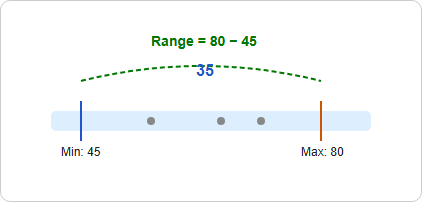
Following are the marks obtained by 5 students in a test: 45, 67, 80, 56 and 72. What is the range of the marks?

  1. AOption (a)

    35

  2. BOption (b)

    80

  3. COption (c)

    45

  4. DOption (d)

    40

View answer & explanation

Correct answer

Answer: (a)A.

35

Why this answer is correct

Shortcut Trick

The Range of a data set is the difference between the Maximum and Minimum values.

Maximum mark = 80

Minimum mark = 45

Range = 80 − 45 = 35

∴ The correct answer is 35.

Alternate Method

Given: Marks obtained by 5 students are 45, 67, 80, 56, and 72.

Formula Used: Range = Maximum Value − Minimum Value

⇒ Maximum mark = 80

⇒ Minimum mark = 45

⇒ Range = 80 − 45

⇒ Range = 35

∴ The correct answer is 35.

Additional Information

Range

It is the simplest measure of dispersion and is defined as the difference between the largest and smallest observations.

Coefficient of Range

A relative measure of dispersion calculated as (Max − Min) ÷ (Max + Min).

Question 36

This question is based on the words given below

 (Left) BAD FIG ICE NOT (Right)

 In each of the words, each vowel is changed to the letter immediately following it in the English alphabetical order and each consonant is changed to the letter immediately preceding in the English alphabetical order. In how many letter clusters thus formed, will no vowel appear?

  1. AOption (a)

    Three

  2. BOption (b)

    One 

  3. COption (c)

    Two

  4. DOption (d)

    None

View answer & explanation

Correct answer

Answer: (c)C.

Two

Why this answer is correct

Given words: BAD, FIG, ICE, NOT

Transformation Rules:

  • Each vowel is changed to the letter immediately following it in the English alphabetical order.
  • Each consonant is changed to the letter immediately preceding it in the English alphabetical order.

Analysis of each word and resulting cluster:

Original WordTransformation DetailsResulting ClusterContains Vowel?
BADB (consonant) → A
A (vowel) → B
D (consonant) → C
ABCYes (A)
FIGF (consonant) → E
I (vowel) → J
G (consonant) → F
EJFYes (E)
ICEI (vowel) → J
C (consonant) → B
E (vowel) → F
JBFNo
NOTN (consonant) → M
O (vowel) → P
T (consonant) → S
MPSNo

Conclusion:

From the analysis, the letter clusters with no vowels are JBF and MPS.

Thus, there are "Two" such letter clusters where no vowel appears.

Hence, the correct answer is "Option 3".

Question 37

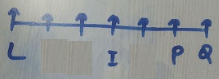
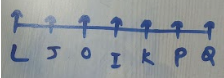
 Seven people, I, J, K, L, O, P and Q are sitting in a row, facing north. Only five people sit between L and Q. P sits to the immediate left of Q. Only one person sits between P and I. O sits at some place to the left of K but at some place to the right of J. Who sits third from the left end of the line?

  1. AOption (a)

    O

  2. BOption (b)

    P

  3. COption (c)

    J

  4. DOption (d)

    Q

View answer & explanation

Correct answer

Answer: (a)A.

O

Why this answer is correct

Given Seven people, I, J, K, L, O, P and Q are sitting in a row, facing north.

Only five people sit between L and Q.

P sits to the immediate left of Q.

Only one person sits between P and I.

O sits at some place to the left of K but at some place to the right of J.

O sits third from the left end of the line.

Hence, the correct answer is "Option 1".

Question 38

A group of numbers and symbols is coded using letter codes as per the codes given below and the conditions that follow. Study the given codes and conditions and answer the question that follows.

Note: If none of the conditions apply, then codes for the respective number/symbol are to be followed directly as given in the table.

Number/symbol4@7#3&8*2^9$6+
CodeHAJBKCLDMENFPG

 Conditions:

If the first element is a number and the last a symbol, the codes for these two (the first and the last elements) are to be interchanged.

If the first element is an even number and the last an odd number, the first and last elements are to be coded as '('.

If both second and third elements are perfect squares, the code of the third element will be the code for the second element. What will be the code for the following group?

4739$

  1. AOption (a)

    (KJ(

  2. BOption (b)

    HKJN

  3. COption (c)

    HJKN

  4. DOption (d)

     (JK(

View answer & explanation

Correct answer

Answer: (d)D.

 (JK(

Why this answer is correct

Given Group: 4 7 3 9

Coding Table:

Number/Symbol4@7#3&8*2^9$6+
CodeHAJBKCLDMENFPG

Initial Codes for 4 7 3 9:

Element4739
Initial CodeHJKN

Applying Conditions (check against original elements):

Condition 1: If the first element is a number and the last a symbol, the codes for these two (the first and the last elements) are to be interchanged.

  • First element: 4 (is a number). (True)
  • Last element: 9 (is a number, not a symbol). (False)
  • Condition 1 does NOT apply.

Condition 2: If the first element is an even number and the last an odd number, the first and last elements are to be coded as '('.

  • First element: 4 (is an even number). (True)
  • Last element: 9 (is an odd number). (True)

Both sub-conditions are met. Therefore, Condition 2 applies.

  • The code for the first element (4) becomes '('.
  • The code for the last element (9) becomes '('.

Current Code after applying Condition 2: ( J K (

Condition 3: If both second and third elements are perfect squares, the code of the third element will be the code for the second element.

  • Second element: 7 (is not a perfect square). (False)
  • Third element: 3 (is not a perfect square). (False)
  • Condition 3 does NOT apply.

Final Code:

Based on the conditions applied, the final code for the group 4 7 3 9 is ( J K (.

Hence, the correct answer is "Option 4"$.

Question 39

When was the Protection of Human Rights Act passed in India?

  1. AOption (a)

    1996

  2. BOption (b)

    2006

  3. COption (c)

    2003

  4. DOption (d)

    1993

View answer & explanation

Correct answer

Answer: (d)D.

1993

Why this answer is correct

The correct answer is 1993.

Key Points

  • The Protection of Human Rights Act was enacted in India in 1993 to provide for the establishment of the National Human Rights Commission (NHRC).
  • The Act aims to protect and promote human rights in accordance with the Constitution of India and international human rights instruments.
  • The National Human Rights Commission (NHRC) was constituted under this Act as an independent statutory body.
  • The Act also provides for the formation of State Human Rights Commissions to address human rights issues at the state level.
  • The Act defines "human rights" as rights relating to life, liberty, equality, and dignity guaranteed by the Constitution or embodied in international covenants.

Additional Information

  • National Human Rights Commission (NHRC):
  • Established in October 1993 under the Protection of Human Rights Act, 1993.
  • It consists of a Chairperson and other members appointed by the President of India.
  • The Commission investigates complaints of human rights violations and provides recommendations to the government.
  • State Human Rights Commissions:
  • Each state in India can establish its own Human Rights Commission under the Act.
  • These bodies address human rights issues specific to their respective states.
  • International Human Rights Instruments:
  • India is a signatory to major human rights treaties such as the Universal Declaration of Human Rights (UDHR).
  • The Protection of Human Rights Act aligns with international standards to safeguard human rights.
  • Amendments to the Act:
  • The Act has been amended several times to strengthen the functioning of NHRC and State Human Rights Commissions.
  • The latest amendment was made in 2019 to include changes in the composition and tenure of members.

Question 40

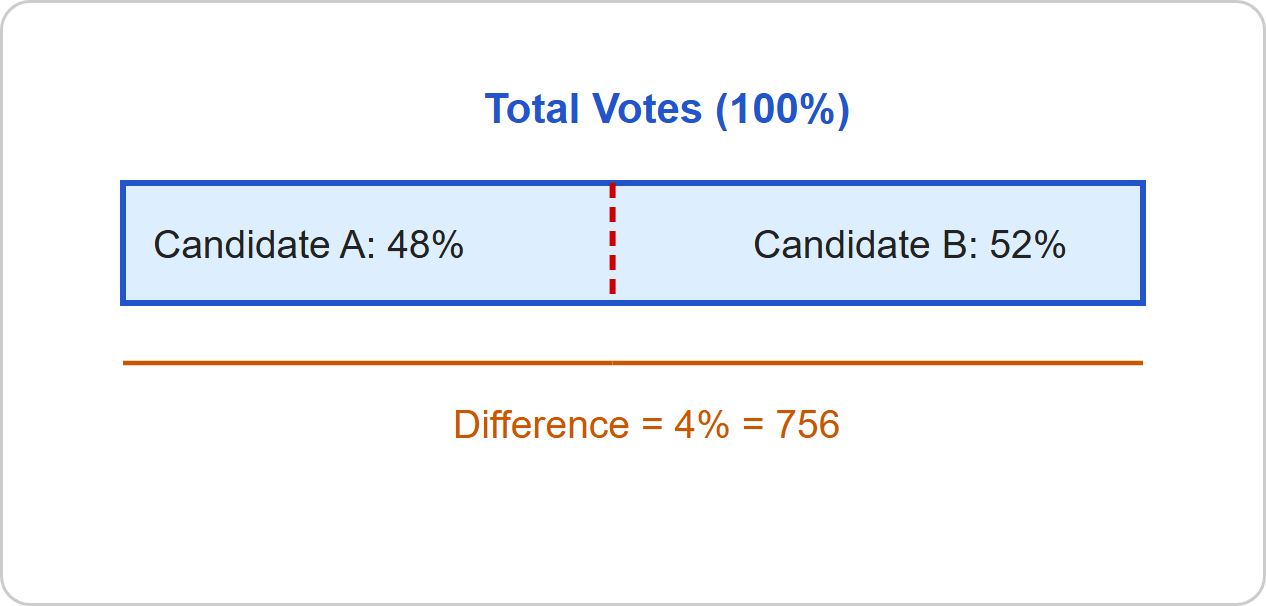
In an election, there were two candidates. One of the candidates secured 48% of the votes and was defeated by the other candidate by 756 votes. Find the total number of votes polled.

  1. AOption (a)

    19,500

  2. BOption (b)

    15,600

  3. COption (c)

    17,800

  4. DOption (d)

    18900

View answer & explanation

Correct answer

Answer: (d)D.

18900

Why this answer is correct

Shortcut Trick

Percentage difference between candidates = (100% − 48%) − 48% = 52% − 48% = 4%.

According to the question, 4% of total votes = 756.

1% of total votes = 756 ÷ 4 = 189.

100% (Total votes) = 189 × 100 = 18900.

∴ The correct answer is 18900 votes.

Alternate Method

Given: Votes of losing candidate = 48%, Defeat margin = 756 votes.

Formula Used: Total Votes = (Vote Difference ÷ Percentage Difference) × 100

⇒ Let total votes be X.

⇒ Winner's share = 100% − 48% = 52%.

⇒ Difference in shares = 52% − 48% = 4%.

⇒ 4% of X = 756

⇒ (4 ÷ 100) × X = 756

⇒ X = (756 × 100) ÷ 4

⇒ X = 189 × 100 = 18900.

∴ The correct answer is 18900 votes.

Additional Information

Percentage Change

Percentage change = (Difference ÷ Original Value) × 100. Useful for calculating growth or reduction.

Valid and Invalid Votes

In complex election problems, Valid Votes = Total Polled − Invalid Votes. The winner's percentage is usually calculated on Valid Votes.

Percentage Base

Always identify the base (100%) correctly; in this case, the total number of votes polled is the base.

Question 41

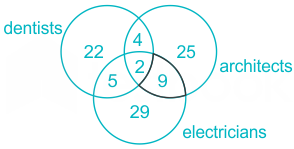
Study the given Venn diagram carefully and answer the questions.

 The numbers in different sections indicate the number of persons. How many electricians are there who are also architects but not dentists?

  1. AOption (a)

    5

  2. BOption (b)

    2

  3. COption (c)

    9

  4. DOption (d)

    4

View answer & explanation

Correct answer

Answer: (c)C.

9

Why this answer is correct

The logic followed here is,

We need to find the number of electricians who are also architects but not dentists.

This corresponds to the region where the "electricians" circle and "architects" circle overlap, but this overlap does not include any part of the "dentists" circle.

Looking at the diagram, the number in the shaded region, which represents architects and electricians but not dentists, is 9.

Hence, the correct answer is "Option 3".

Question 42

India’s first indigenous CAR-T therapy and gene therapy for Hemophilia, discussed during the 7th PM-STIAC meeting in January 2025, were presented by experts from which institutions?

  1. AOption (a)

    NIPER and PGIMER, Chandigarh

  2. BOption (b)

    IIT Bombay and St. John’s Hospital, Bengaluru

  3. COption (c)

     IISc, Bengaluru, and AIIMS, Delhi

  4. DOption (d)

    CSIR and JIPMER, Puducherry

View answer & explanation

Correct answer

Answer: (b)B.

IIT Bombay and St. John’s Hospital, Bengaluru

Why this answer is correct

The correct answer is IIT Bombay and St. John's Hospital, Bengaluru.

Key Points

  • India's first indigenous CAR-T cell therapy was developed collaboratively by IIT Bombay and St. John's Hospital, Bengaluru.
  • The CAR-T (Chimeric Antigen Receptor T-cell) therapy is a cutting-edge treatment for cancer that uses engineered T-cells to target and destroy cancer cells.
  • The gene therapy for Hemophilia discussed at the 7th PM-STIAC meeting was also presented by experts from IIT Bombay and St. John's Hospital.
  • The PM-STIAC (Prime Minister's Science, Technology and Innovation Advisory Council) meeting serves as a platform for discussing breakthroughs in science and technology.
  • The development of indigenous CAR-T therapy and gene therapy is a significant step in reducing dependency on costly international treatments.

Additional Information

  • CAR-T Therapy:
  • CAR-T therapy is a revolutionary form of immunotherapy where T-cells are genetically modified to express chimeric antigen receptors.
  • It has shown remarkable results in treating blood cancers such as leukemia and lymphoma.
  • Globally, CAR-T therapies are expensive, costing millions, making indigenous development crucial for accessibility.
  • Gene Therapy for Hemophilia:
  • Gene therapy for Hemophilia involves delivering functional copies of genes responsible for producing clotting factors.
  • Hemophilia is a genetic disorder that impairs the blood's ability to clot, leading to excessive bleeding.
  • Advancements in gene therapy aim to provide long-term solutions by addressing the root genetic cause.
  • PM-STIAC:
  • The Prime Minister's Science, Technology and Innovation Advisory Council (PM-STIAC) advises the government on science, technology, and innovation strategies.
  • It facilitates collaborations between government agencies, researchers, and institutions to drive advancements.
  • The council focuses on leveraging science and technology for societal and economic benefits.
  • IIT Bombay's Role in Biotech:
  • IIT Bombay has been at the forefront of research in biotechnology and healthcare solutions.
  • Its collaboration with St. John's Hospital highlights the importance of academia-industry partnerships in healthcare innovation.

Question 43

Robin and Varun together can paint a hall in 6 days. Robin alone can paint it in 42 days. In how many days can Varun alone paint it?

  1. AOption (a)

    7

  2. BOption (b)

    9

  3. COption (c)

    10

  4. DOption (d)

    8

View answer & explanation

Correct answer

Answer: (a)A.

7

Why this answer is correct

Shortcut Trick

Days for Varun = (Product of days) ÷ (Difference of days)

Days for Varun = (42 × 6) ÷ (42 − 6)

Days for Varun = 252 ÷ 36 = 7 days

∴ The correct answer is 7 days.

Alternate Method

Given:

Time taken by Robin + Varun = 6 days

Time taken by Robin alone = 42 days

PersonDaysTotal WorkEfficiency
Robin + Varun6427
Robin421

Calculations:

⇒ Efficiency of Varun = (Efficiency of Robin + Varun) − (Efficiency of Robin)

⇒ Efficiency of Varun = 7 − 1 = 6 units/day

⇒ Time taken by Varun = Total Work ÷ Efficiency of Varun

⇒ Time taken by Varun = 42 ÷ 6 = 7 days

∴ The correct answer is 7 days.

Additional Information

Combined Work Formula

If A takes 'a' days and B takes 'b' days, together they take (a × b) / (a + b) days.

Efficiency and Time

Efficiency is inversely proportional to time. Efficiency = Total Work ÷ Time.

Individual Work Calculation

If (A+B) take T days and A takes 'a' days, then B takes (T × a) / (a − T) days.

Question 44

In India, irrigation projects with a Cultivable Command Area (CCA) of more than 10,000 hectares are classified as:

  1. AOption (a)

    Local Projects

  2. BOption (b)

    Micro Projects

  3. COption (c)

    Minor Projects

  4. DOption (d)

    Major Projects

View answer & explanation

Correct answer

Answer: (d)D.

Major Projects

Why this answer is correct

The correct answer is Major Projects.

Key Points

  • Irrigation projects in India are categorized based on their Cultivable Command Area (CCA), which refers to the area that can be irrigated by the project.
  • Projects with a CCA of more than 10,000 hectares are classified as Major Projects.
  • Major irrigation projects are usually large-scale initiatives involving substantial investment and resources for construction and maintenance.
  • These projects often include dams, canals, and reservoirs designed to provide water for irrigation, drinking, hydropower generation, and flood control.
  • Examples of major irrigation projects in India include the Bhakra-Nangal Project, Hirakud Dam, and Nagarjuna Sagar Dam.

Additional Information

  • Cultivable Command Area (CCA):
  • Refers to the total area that can be irrigated using the water resources available from an irrigation project.
  • It is a key criterion for classifying irrigation projects in India as Minor, Medium, or Major.
  • Minor Irrigation Projects:
  • These projects have a CCA of up to 2,000 hectares.
  • They are typically managed at the local or community level and involve small-scale infrastructure like tanks or wells.
  • Medium Irrigation Projects:
  • Projects with a CCA between 2,000 and 10,000 hectares fall under this category.
  • They are more extensive than minor projects but smaller than major ones, involving moderate infrastructure development.
  • Examples of Major Projects in India:
  • Bhakra-Nangal Project: A major multipurpose project on the Sutlej River.
  • Nagarjuna Sagar Dam: One of the largest masonry dams in the world, located on the Krishna River.
  • Hirakud Dam: Built on the Mahanadi River, it is one of the longest earthen dams globally.
  • Importance of Major Irrigation Projects:
  • They play a crucial role in improving agricultural productivity and ensuring water availability in arid and semi-arid regions.
  • These projects also support hydropower generation, flood management, and drinking water supply.

Question 45

Each of C, D, E, F, S, T and U has an exam on a different day of a week starting from Monday and ending on Sunday of the same week. F has the exam on Friday. Only two people have their exams between T and F. Only four people have their exams between E and T. S has the exam immediately after U. D does not have the exam on Monday. How many people have their exams before D and after C?

  1. AOption (a)

    Three

  2. BOption (b)

    Four

  3. COption (c)

    One

  4. DOption (d)

    Two

View answer & explanation

Correct answer

Answer: (b)B.

Four

Why this answer is correct

Given: Each of C, D, E, F, S, T and U has an exam on a different day of a week, starting from Monday and ending on Sunday of the same week.

There are 7 days in a week and 7 people, so each person has an exam on one day.

  1. F has the exam on Friday.
DayPerson
Monday
Tuesday
Wednesday
Thursday
FridayF
Saturday
Sunday


  1. Only two people have their exams between T and F. T should be before F.
DayPerson
Monday
TuesdayT
Wednesday
Thursday
FridayF
Saturday
Sunday
  1. Only four people have their exams between E and T.
DayPerson
Monday
TuesdayT
Wednesday
Thursday
FridayF
Saturday
SundayE
  1. S has the exam immediately after U.

If S is immediately after U, then U and S must occupy two consecutive empty slots.

So U is on Wednesday and S is on Thursday.

DayPerson
Monday
TuesdayT
WednesdayU
ThursdayS
FridayF
Saturday
SundayE


  1. D does not have the exam on Monday.

Since D does not have the exam on Monday, D must have the exam on Saturday.

This leaves Monday for C.

DayPerson
MondayC
TuesdayT
WednesdayU
ThursdayS
FridayF
SaturdayD
SundayE


Four people have their exams before D and after C.

Hence, the correct answer is "Option 2".
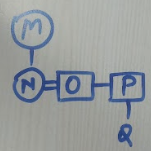
Question 46

Rajendra starts from point A and drives 9 km towards the north. He then takes a left turn, drives 7 km, turns left and drives 11 km. He then takes a left turn and drives 10 km. He takes a final left turn, drives 2 km and stops at point P. How far (shortest distance) and towards which direction should he drive in order to reach point A again? (All turns are 90 degree turns only unless specified.)

  1. AOption (a)

    3 km to the east

  2. BOption (b)

    3 km to the west

  3. COption (c)

    1 km to the west

  4. DOption (d)

     2 km to the west

View answer & explanation

Correct answer

Answer: (b)B.

3 km to the west

Why this answer is correct

Given

Rajendra starts from point A and drives 9 km towards the north.

He then takes a left turn, drives 7 km, turns left and drives 11 km.

He then takes a left turn and drives 10 km.

He takes a final left turn, drives 2 km and stops at point P.

Then movement of Rajendra is,

Therefore, he should drive 3 km towards West to reach Point A again.

Hence, the correct answer is "Option 2".
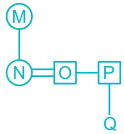
Question 47

Under the Bharatmala Pariyojana, how many kilometres of roads are slated for development to improve border and international connectivity?

  1. AOption (a)

    2,000 km

  2. BOption (b)

    5,000 km

  3. COption (c)

    7,000 km

  4. DOption (d)

    9,000 km

View answer & explanation

Correct answer

Answer: (a)A.

2,000 km

Why this answer is correct

The correct answer is 2,000 km.

Key Points

  • Under the Bharatmala Pariyojana, the Government of India aims to develop 2,000 km of roads to enhance border and international connectivity.
  • The Bharatmala Pariyojana is a central government initiative for road infrastructure development across India.
  • This scheme focuses on optimizing freight movement, improving connectivity, and developing economic corridors, inter-corridors, and feeder routes.
  • The program is expected to strengthen India's strategic borders and foster better connectivity with neighboring countries.
  • The Bharatmala Pariyojana is implemented by the Ministry of Road Transport and Highways (MoRTH).

Additional Information

  • Bharatmala Pariyojana
  • Bharatmala Pariyojana is India's largest road development initiative aimed at improving national highways and infrastructure.
  • It focuses on connecting rural areas, border regions, and economically backward regions to mainstream development.
  • This ambitious scheme covers economic corridors, feeder roads, coastal and port connectivity roads, and greenfield expressways.
  • It seeks to enhance India’s trade potential by improving connectivity to major ports and trade hubs.
  • Border Connectivity under Bharatmala
  • The program prioritizes road infrastructure development in strategic border areas, ensuring better accessibility for defense and trade purposes.
  • Improved border roads facilitate movement of goods and military personnel to remote and sensitive regions.
  • This initiative strengthens India's international relations by ensuring smoother cross-border trade and connectivity.
  • Funding and Implementation
  • The Bharatmala Pariyojana is a centrally-funded scheme with significant budget allocation and private sector participation.
  • The project is implemented in phases to ensure effective utilization of resources and timely completion.
  • The total cost for the scheme is estimated to be approximately ₹5.35 lakh crore.
  • Impact on Economy
  • The development of roads under Bharatmala Pariyojana is expected to reduce logistics costs and improve efficiency in freight transportation.
  • It will contribute to economic growth by fostering trade, tourism, and industry in remote and underdeveloped areas.

Question 48

Which of the following foods would you advise to neutralise excess stomach acids?

  1. AOption (a)

    Baking soda

  2. BOption (b)

    Vinegar

  3. COption (c)

    Spicy peppers

  4. DOption (d)

    Lemon juice

View answer & explanation

Correct answer

Answer: (a)A.

Baking soda

Why this answer is correct

The correct answer is Baking soda.

Key Points

  • Baking soda (sodium bicarbonate) is a commonly used antacid that helps neutralize excess stomach acid.
  • It reacts with hydrochloric acid in the stomach to form water, carbon dioxide, and sodium chloride, relieving symptoms like heartburn or acid reflux.
  • Baking soda is effective for short-term relief of excess stomach acid but should be used cautiously and not as a long-term solution.
  • Consuming baking soda can provide immediate relief for acidity or indigestion by balancing pH levels in the stomach.
  • Excessive use of baking soda may lead to alkalosis (too much alkalinity in the body), so it should be used in moderation and under medical advice if needed.

Additional Information

  • Hydrochloric Acid (HCl): The stomach produces hydrochloric acid to aid digestion and kill harmful bacteria. Excess production can lead to acidity, heartburn, or ulcers.
  • Antacids: These are substances that neutralize stomach acid and provide relief from indigestion or acid reflux. Examples include baking soda, calcium carbonate, and magnesium hydroxide.
  • Acidosis vs. Alkalosis: Acidosis refers to excess acidity in the body, while alkalosis refers to excess alkalinity. Both can disrupt normal physiological functions.
  • Natural Remedies for Acidity: Apart from baking soda, other remedies include consuming bananas, milk, or ginger, which are known to soothe the stomach lining and reduce acidity.
  • Caution with Acidic Foods: Foods like vinegar, lemon juice, and spicy peppers can exacerbate acidity and should be avoided by individuals prone to acid reflux or indigestion.

Question 49

A solid metallic sphere of radius 10 cm is melted and recast into 125 identical spheres. What is the ratio of the surface area of the original sphere to the total surface area of 6 smaller spheres so formed?

  1. AOption (a)

    25 : 6

  2. BOption (b)

    49 : 108

  3. COption (c)

    25 : 96

  4. DOption (d)

    109 : 84

View answer & explanation

Correct answer

Answer: (a)A.

25 : 6

Why this answer is correct

Shortcut Trick

Number of spheres n = 125 ⇒ Radius ratio R : r = 3√125 : 3√1 = 5 : 1.

Surface area ratio of 1 large to 1 small = R2 : r2 = 52 : 12 = 25 : 1.

Ratio of 1 large to 6 small surface areas = 25 : (1 × 6) = 25 : 6.

∴ The correct answer is 25 : 6.

Alternate Method

Given: Radius of large sphere R = 10 cm, Number of small spheres n = 125.

Formula Used: Volume of sphere = (4/3)πr3; Surface area = 4πr2.

⇒ Volume of large sphere = 125 × Volume of 1 small sphere

⇒ (4/3)π(10)3 = 125 × (4/3)πr3

⇒ 1000 = 125 × r3

⇒ r3 = 1000 ÷ 125 = 8 ⇒ r = 2 cm

⇒ Surface area of original sphere (S1) = 4πR2 = 4π(10)2 = 400π

⇒ Total Surface area of 6 small spheres (S2) = 6 × 4πr2 = 24π(2)2 = 96π

⇒ Ratio = S1 : S2 = 400π : 96π

⇒ Ratio = 400 : 96 = 25 : 6

∴ The correct answer is 25 : 6.

Additional Information

Volume Conservation in Recasting

When a solid object is melted and recast into other shapes, the total volume remains constant. Formula: Vtotal = n × Veach.

Cube Root Relation for Spheres

If one sphere is melted into n identical small spheres, the radius ratio is R/r = 3√n.

Surface Area Comparison

The total surface area increases when a large object is divided into smaller pieces. Ratio of Area (1 large : n small) = 1 : n1/3.

Question 50

From a taxi stand, two cabs start at a speed of 54 km/hr at an interval of 29 minutes, both cabs travelling in the same direction. A man coming in the opposite direction towards the taxi stand meets the cabs at an interval of 12 minutes. Find the speed (in km/hr) of the man.

  1. AOption (a)

    80.4

  2. BOption (b)

    82.1

  3. COption (c)

    76.5

  4. DOption (d)

    74.8

View answer & explanation

Correct answer

Answer: (c)C.

76.5

Why this answer is correct

Shortcut Trick

Distance covered by cab in (29 − 12) minutes = Distance covered by man in 12 minutes.

Ratio of Speed of Cab : Speed of Man = 12 : (29 − 12) = 12 : 17.

Given, Speed of Cab = 54 km/hr (12 units → 54).

1 unit → 54 ÷ 12 = 4.5. Therefore, 17 units → 17 × 4.5 = 76.5 km/hr.

∴ The correct answer is 76.5 km/hr.

Alternate Method

Given: Speed of Cab = 54 km/hr, Time Interval of Cabs = 29 min, Meeting Interval = 12 min.

Formula: Distance between cabs = Relative Speed × Meeting Time.

⇒ Distance between two cabs = 54 × (29 ÷ 60) km.

⇒ Let Speed of Man be 'v' km/hr.

⇒ Relative speed (opposite direction) = (54 + v) km/hr.

⇒ Distance = Relative Speed × Meeting Interval.

⇒ 54 × (29 ÷ 60) = (54 + v) × (12 ÷ 60).

⇒ 54 × 29 = (54 + v) × 12.

⇒ 1566 = 648 + 12v.

⇒ 12v = 1566 − 648 = 918.

⇒ v = 918 ÷ 12 = 76.5 km/hr.

∴ The correct answer is 76.5 km/hr.

Additional Information

Relative Speed in Opposite Direction

When two objects move towards each other, their Relative Speed is the sum of their individual speeds: Srel = S1 + S2.

Distance Constant Concept

The distance between two consecutive vehicles is always Speed × Time Interval. This distance is covered at the relative speed by an observer moving in the opposite direction.

Time Conversion

Always ensure units are consistent. To convert minutes to hours, divide by 60. To convert km/hr to m/s, multiply by 5/18.

Question 51

If x - (1/x) = 10, then the value of x3 - (1/x3) is :

  1. AOption (a)

    986

  2. BOption (b)

    992

  3. COption (c)

    1030

  4. DOption (d)

    1386

View answer & explanation

Correct answer

Answer: (c)C.

1030

Why this answer is correct

Shortcut Trick

If x − 1/x = k, then the value of x3 − 1/x3 is given by the formula k3 + 3k.

Given: x − 1/x = 10 ⇒ k = 10

Substituting the value: 103 + 3 × 10

Calculation: 1000 + 30 = 1030

∴ The correct answer is 1030.

Alternate Method

Given:

x − 1/x = 10

Formula Used:

(a − b)3 = a3 − b3 − 3ab(a − b)

Calculations:

⇒ x − 1/x = 10

⇒ Cubing both sides: (x − 1/x)3 = 103

⇒ x3 − (1/x)3 − 3 × x × (1/x) × (x − 1/x) = 1000

⇒ x3 − 1/x3 − 3 × (x − 1/x) = 1000

⇒ Substituting x − 1/x = 10:

⇒ x3 − 1/x3 − 3 × 10 = 1000

⇒ x3 − 1/x3 − 30 = 1000

⇒ x3 − 1/x3 = 1000 + 30

⇒ x3 − 1/x3 = 1030

∴ The correct answer is 1030.

Additional Information

Algebraic Identities for Squares

If x + 1/x = k, then x2 + 1/x2 = k2 − 2. If x − 1/x = k, then x2 + 1/x2 = k2 + 2.

Algebraic Identities for Cubes

If x + 1/x = k, then x3 + 1/x3 = k3 − 3k. If x − 1/x = k, then x3 − 1/x3 = k3 + 3k.

Higher Powers

If x + 1/x = k, then x4 + 1/x4 = (k2 − 2)2 − 2.

Question 52

MILK is related to TPSR in a certain way based on the English alphabetical order. In the same way, POT is related to WVA. To which of the given options is NATION related, following the same logic?

  1. AOption (a)

    UHAAUV

  2. BOption (b)

     UHAPVU

  3. COption (c)

    UHAPUU

  4. DOption (d)

    UHAPUV

View answer & explanation

Correct answer

Answer: (b)B.

 UHAPVU

Why this answer is correct

The logic followed here is,

MILK is related to TPSR:

Here, the pattern is: +7, +7, +7, +7. Let's check the next example to confirm the pattern.

POT is related to WVA:

Now, let's apply the +7 logic to NATION:

NATION is related to UHAPVU.

Hence, the correct answer is "Option 2".

Question 53

Eklavya Model Residential Schools (EMRSs), the Government of India's education initiatives for tribal communities, were introduced in which year?

  1. AOption (a)

    2018-19

  2. BOption (b)

    1997-98

  3. COption (c)

    1974-75

  4. DOption (d)

    2014-15

View answer & explanation

Correct answer

Answer: (b)B.

1997-98

Why this answer is correct

The correct answer is 1997-98.

Key Points

  • Eklavya Model Residential Schools (EMRSs) were introduced by the Government of India in the year 1997-98 to provide quality education to tribal students.
  • The scheme was launched under the Ministry of Tribal Affairs to ensure access to education for Scheduled Tribe (ST) students in remote areas.
  • EMRSs aim to provide holistic education from Class VI to XII, with an emphasis on both academic and extracurricular activities.
  • Each school is equipped to accommodate 480 students, providing free education, boarding, and lodging facilities to the students.
  • The government has set a target of establishing one EMRS in every block with a significant tribal population (at least 50% ST population and 20,000 tribal people).

Additional Information

  • Objective of EMRSs:
  • To promote the educational advancement of Scheduled Tribe (ST) children by providing quality education in a residential setup.
  • To enable students to access opportunities in higher education and employment.
  • Salient Features of EMRSs:
  • Schools are set up with modern infrastructure, including hostels, libraries, and sports facilities.
  • Focus on preserving tribal culture and heritage alongside mainstream education.
  • Students are provided free uniforms, textbooks, and stationery.
  • Expansion Goals:
  • By 2025, the government aims to establish 740 EMRSs across the country to cater to tribal students.
  • This will ensure a greater reach and reduce educational inequalities for tribal communities.
  • Associated Schemes:
  • EMRSs are a part of the government's larger initiative to support tribal development, alongside schemes like the Tribal Sub-Plan and Vanbandhu Kalyan Yojana.
  • Additional scholarships and support programs are also provided to students to promote higher education.

Question 54

Which of the following regions in India is known for the Shola forests?

  1. AOption (a)

    Eastern Ghats

  2. BOption (b)

     Thar Desert

  3. COption (c)

    Western Ghats

  4. DOption (d)

    Sundarbans

View answer & explanation

Correct answer

Answer: (c)C.

Western Ghats

Why this answer is correct

The correct answer is Western Ghats.

Key Points

  • The Shola forests are tropical montane forests found in the valleys of the Western Ghats, a mountain range running parallel to the western coast of India.
  • These forests are typically located in the higher altitudes of the Western Ghats, primarily in the states of Karnataka, Kerala, and Tamil Nadu.
  • The Shola forests are interspersed with grasslands and are known for their rich biodiversity, including several endemic flora and fauna species.
  • They play a crucial role in maintaining the water cycle in the region by acting as a natural water reservoir and supporting major river systems.
  • Shola forests are part of the Nilgiri Biosphere Reserve, which is a UNESCO-designated area for the conservation of biodiversity.

Additional Information

  • Western Ghats
  • The Western Ghats, also known as the Sahyadri Hills, are a UNESCO World Heritage Site and one of the eight "hottest hotspots" of biological diversity in the world.
  • They stretch from Gujarat to Kerala, covering a distance of about 1,600 km.
  • The region is home to a variety of ecosystems, including rainforests, deciduous forests, and montane forests like Sholas.
  • The Western Ghats significantly influence the monsoon weather pattern in peninsular India.
  • Endemic Flora and Fauna
  • Shola forests host a variety of endemic species like the Nilgiri Tahr, Lion-tailed Macaque, and the Malabar Civet.
  • Plant species such as the Nilgiri Rhododendron and Strobilanthes kunthiana (Neelakurinji) are also unique to this region.
  • The biodiversity of Shola forests is under threat due to deforestation, habitat loss, and climate change.
  • Conservation Efforts
  • The Western Ghats are protected under various national parks, wildlife sanctuaries, and reserve forests.
  • Efforts like afforestation, watershed management, and eco-tourism are being promoted to preserve the Shola-grassland ecosystem.
  • Research and monitoring programs are being conducted to study the impact of human activities and climate change on this fragile ecosystem.
  • Importance of Shola Forests
  • These forests are critical for water conservation as they feed into several rivers like the Kaveri, Periyar, and Bharathapuzha.
  • They act as a natural carbon sink, helping mitigate climate change.
  • The Shola-grassland ecosystem also supports local communities by providing resources like medicinal plants and grazing land.

Question 55

Which institution has been established by the 74th Constitutional Amendment, 1992, to conduct municipal elections in each State?

  1. AOption (a)

     Regional Election Commission

  2. BOption (b)

    State Election Commission

  3. COption (c)

     Local Election Commission

  4. DOption (d)

    National Election Commission

View answer & explanation

Correct answer

Answer: (b)B.

State Election Commission

Why this answer is correct

The correct answer is State Election Commission.

Key Points

  • The 74th Constitutional Amendment Act, 1992, mandated the establishment of the State Election Commission in every state to conduct elections to municipalities and panchayati raj institutions.
  • The State Election Commission is empowered to supervise, direct, and control the entire process of municipal and local body elections.
  • The amendment added Part IX-A to the Constitution, specifically dealing with municipalities and urban local governance.
  • Article 243K of the Constitution provides for the State Election Commission and specifies its role in conducting free and fair elections at the local level.
  • The State Election Commission operates independently of the Election Commission of India, focusing solely on elections for local governance bodies.

Additional Information

  • 74th Constitutional Amendment Act:
  • Enacted in 1992, it aimed to strengthen urban local governance in India.
  • Introduced three types of municipalities: Nagar Panchayat, Municipal Council, and Municipal Corporation.
  • It granted municipalities constitutional status, ensuring their establishment and functioning as units of self-governance.
  • State Election Commission:
  • Established under Article 243K of the Constitution.
  • The commission is headed by a State Election Commissioner, appointed by the Governor of the state.
  • Its independence is ensured by the constitutional protection of its tenure.
  • Municipal Governance:
  • Municipalities manage urban areas and provide essential services like sanitation, water supply, and infrastructure development.
  • Elected representatives, including mayors and councilors, oversee the administration of these local bodies.
  • Article 243K:
  • Explicitly provides for the establishment of a State Election Commission for conducting local body elections.
  • Empowers the commission to control and supervise municipal elections.

Question 56

If sum and product of the roots of a quadratic equation are (4 - 3√2) and -28 respectively, then find the quadratic equation.

  1. AOption (a)

    x2 - ( 4 - 3√2​) x - 28 = 0

  2. BOption (b)

    x2 + (4 + 3√2​) x + 28 = 0

  3. COption (c)

    x2 - (4 + 3√2​) x + 28 = 0

  4. DOption (d)

    x2 + (4 - 3√2) x - 28 = 0

View answer & explanation

Correct answer

Answer: (a)A.

x2 - ( 4 - 3√2​) x - 28 = 0

Why this answer is correct

Shortcut Trick The standard form of a quadratic equation is given by: x2 − (Sum of Roots)x + (Product of Roots) = 0. Directly substitute the values: Sum = (4 − 3√2) and Product = −28. The required equation is x2 − (4 − 3√2)x + (−28) = 0. Simplifying, we get: x2 − (4 − 3√2)x − 28 = 0. ∴ The correct answer is x2 − (4 − 3√2)x − 28 = 0.

Alternate Method Given: Sum of roots (α + β) = 4 − 3√2 Product of roots (αβ) = −28 Formula Used: If α and β are the roots of a quadratic equation, then the equation is represented as: x2 − (α + β)x + αβ = 0 Calculations: ⇒ x2 − (Sum of roots)x + (Product of roots) = 0 ⇒ x2 − (4 − 3√2)x + (−28) = 0 ⇒ x2 − (4 − 3√2)x − 28 = 0 The resulting expression is the desired quadratic equation. ∴ The correct answer is x2 − (4 − 3√2)x − 28 = 0.

Additional Information Standard Coefficients Relation For a quadratic equation ax2 + bx + c = 0, the Sum of roots = −b/a and the Product of roots = c/a. Nature of Roots The nature is determined by the Discriminant (D) = b2 − 4ac. If D > 0, roots are real and distinct; if D = 0, roots are real and equal; if D < 0, roots are non-real/complex. Quadratic Formula To find the roots directly, use x = [−b ± √(b2 − 4ac)] ÷ 2a.

Question 57

Arvind is now 40 years old and Asha is 25 years old. How many years ago from now was Arvind four times as old as Asha?

  1. AOption (a)

    25 years

  2. BOption (b)

    20 years

  3. COption (c)

    15 years

  4. DOption (d)

    10 years

View answer & explanation

Correct answer

Answer: (b)B.

20 years

Why this answer is correct

Shortcut Trick

Age difference between Arvind and Asha is always constant: 40 − 25 = 15 years.

When Arvind was 4 times as old as Asha, the ratio was 4 : 1.

Difference in ratio parts = 4 − 1 = 3 units.

3 units = 15 years ⇒ 1 unit = 5 years (Asha's age then).

Years ago = Current age − Past age = 25 − 5 = 20 years.

∴ The correct answer is 20 years.

Alternate Method

Given: Current age of Arvind = 40 years, Current age of Asha = 25 years.

Formula Used: (Current Age − x) = Ratio × (Other Current Age − x)

Let x be the number of years ago.

⇒ (40 − x) = 4 × (25 − x)

⇒ 40 − x = 100 − 4x

⇒ 4x − x = 100 − 40

⇒ 3x = 60

⇒ x = 20

∴ The correct answer is 20 years.

Additional Information

Constant Age Difference

The numerical difference between the ages of two persons remains the same throughout their lives, regardless of the years passed or ratio changes.

Ratio Adjustment Method

If the age ratio is given for two different time periods, multiply the ratios so that the difference between the ratio parts of the two people is equalized.

Future/Past Calculation

To find age 'n' years ago, subtract 'n' from present age. To find age 'n' years hence, add 'n' to present age.

Question 58

What should come in place of the question mark (?) in the given series based on the English alphabetical order?

SKC WOG ASK EWO ?

  1. AOption (a)

    ASI

  2. BOption (b)

    IAS

  3. COption (c)

    AIS

  4. DOption (d)

    ISA

View answer & explanation

Correct answer

Answer: (b)B.

IAS

Why this answer is correct

The logic followed here is:

Thus, 'IAS' will be the next in the series.

Hence, the correct answer is "Option 2".

Question 59

 L, M, N, O, P, Q, and R are sitting around a circular table facing the centre. M is sitting to the immediate right of Q and immediate left of O. N is sitting to the immediate right of O. P is sitting to the immediate left of L. R is sitting to the immediate right of L and immediate left of Q. The position of how many persons will remain unchanged if all the persons are arranged in alphabetical order in clockwise direction starting from L (including L)?

  1. AOption (a)

    5

  2. BOption (b)

    4

  3. COption (c)

    3

  4. DOption (d)

    1

View answer & explanation

Correct answer

Answer: (a)A.

5

Why this answer is correct

Given  L, M, N, O, P, Q, and R are sitting around a circular table facing the centre.

M is sitting to the immediate right of Q and immediate left of O.

N is sitting to the immediate right of O.

R is sitting to the immediate right of L and immediate left of Q.

P is sitting to the immediate left of L.

If all the persons are arranged in alphabetical order in clockwise direction starting from L, then,

The position of L, N, O, Q, and R will remain unchanged if all the persons are arranged in alphabetical order in clockwise direction starting from L (including L).

So, total 5 person will remain unchanged.

Hence, the correct answer is "Option 1".

Question 60

A, B, C, D, E and F live on six different floors of the same building. The lowermost floor in the building is numbered 1, the floor above it, number 2 and so on till the topmost floor is numbered 6. The product of floors on which F and E live is 15. C lives immediately above B. The sum of floors on which D and E live is 7. How many people live between B and D?

  1. AOption (a)

    1

  2. BOption (b)

    2

  3. COption (c)

    4

  4. DOption (d)

    3

View answer & explanation

Correct answer

Answer: (b)B.

2

Why this answer is correct

Given: A, B, C, D, E and F live on six different floors of the same building. The lowermost floor in the building is numbered 1, the floor above it, number 2 and so on till the topmost floor is numbered 6.

  1. The product of floors on which F and E live is 15.

Possible pairs of floor numbers whose product is 15 are (3, 5) or (5, 3).

So, F and E live on floors 3 and 5, or 5 and 3.

Case ICase II
FloorPersonPerson
6
5FE
4
3EF
2
1
  1. C lives immediately above B.

Then, C lives on floor 2 and B 

Case ICase II
FloorPersonPerson
6
5FE
4
3EF
2CC
1BB
  1. The sum of floors on which D and E live is 7.

If E lives on floor 3, then D lives on floor 4.

If E lives on floor 5, then D lives on floor 2, which is not possible as C lives on floor 2. So case II is not possible.

Case I
FloorPerson
6
5F
4D
3E
2C
1B

So, A lives on the remaining place.

Case I
FloorPerson
6A
5F
4D
3E
2C
1B

So, there are 2 people living between B and D.

Hence, the correct answer is "Option 2".
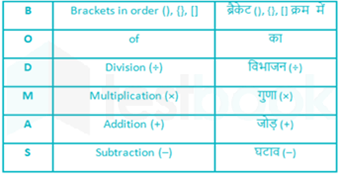
Question 61

Who will be the first Indian astronaut to travel to the International Space Station (ISS) as part of Axiom Mission 4?

  1. AOption (a)

     Ashish Khanna

  2. BOption (b)

    Sunita Williams

  3. COption (c)

     Rakesh Sharma

  4. DOption (d)

     Shubhanshu Shukla

View answer & explanation

Correct answer

Answer: (d)D.

 Shubhanshu Shukla

Why this answer is correct

The correct answer is Shubhanshu Shukla.

Key Points

  • Shubhanshu Shukla is set to become the first Indian astronaut to travel to the International Space Station (ISS) as part of the Axiom Mission 4.
  • Axiom Mission 4 is a private crewed mission organized by Axiom Space in partnership with NASA.
  • This groundbreaking mission will mark India's entry into human space exploration beyond Earth orbit in collaboration with international partners.
  • The mission is part of Axiom Space’s efforts to expand commercial space exploration and pave the way for private astronauts to conduct scientific research in microgravity.
  • Shubhanshu Shukla’s selection highlights India’s growing presence and contributions to global space exploration initiatives.

Additional Information

  • International Space Station (ISS)
  • The ISS is a multinational collaborative project involving NASA (USA), Roscosmos (Russia), ESA (Europe), JAXA (Japan), and CSA (Canada).
  • It serves as a microgravity and space environment research laboratory where scientific studies are conducted in various fields, including biology, physics, and astronomy.
  • The ISS operates at an altitude of approximately 400 km and travels at a speed of 28,000 km/h.
  • Axiom Space
  • Axiom Space is a private American aerospace company focused on commercial space missions and building the first commercial space station.
  • The company organizes private crewed missions to the ISS, offering opportunities for research, education, and commercial activities.
  • India’s Space Program
  • India's space program is spearheaded by the Indian Space Research Organisation (ISRO), which has achieved significant milestones in satellite launches, lunar exploration, and interplanetary missions.
  • Gaganyaan is India's first human spaceflight program, aiming to send Indian astronauts to low Earth orbit by 2024.
  • Microgravity Research
  • Microgravity refers to the condition in which objects appear weightless due to the free-fall motion of the spacecraft.
  • Research in microgravity allows scientists to study phenomena that are not observable under Earth’s gravity, such as fluid dynamics, material science, and biological processes.

Question 62

Which Article of the Indian Constitution explicitly declares laws violating Fundamental Rights as void?

  1. AOption (a)

     Article 13

  2. BOption (b)

     Article 143

  3. COption (c)

    Article 226

  4. DOption (d)

     Article 32

View answer & explanation

Correct answer

Answer: (a)A.

 Article 13

Why this answer is correct

The correct answer is Article 13.

Key Points

  • Article 13 of the Indian Constitution explicitly declares that any law inconsistent with or violating Fundamental Rights shall be void.
  • This Article ensures that Fundamental Rights, enshrined in Part III of the Constitution, remain supreme and protected from legislative infringement.
  • It provides for judicial review, empowering courts to strike down laws that violate Fundamental Rights.
  • Article 13 classifies laws into two categories: pre-Constitution laws (existing laws before January 26, 1950) and post-Constitution laws.
  • The judiciary plays a crucial role in interpreting Article 13 to ensure the protection of Fundamental Rights, making it a cornerstone of India's constitutional framework.

Additional Information

  • Fundamental Rights are basic rights guaranteed to all citizens under Part III of the Indian Constitution, ensuring equality, freedom, and protection against arbitrary actions of the state.
  • Judicial Review: A process through which courts assess the validity of laws and executive actions to ensure compliance with the Constitution.
  • Doctrine of Eclipse: Under Article 13, pre-Constitution laws conflicting with Fundamental Rights are not nullified but remain dormant, becoming enforceable if the conflict is removed later.
  • Doctrine of Severability: If a part of a law violates Fundamental Rights, only the offending portion is declared invalid, and the rest remains operational.
  • Article 32: Known as the "Right to Constitutional Remedies," it empowers citizens to approach the Supreme Court directly to enforce Fundamental Rights.

Question 63

 Based on the English alphabetical order, three of the following four letter-cluster pairs are alike in a certain way and thus form a group. Which letter-cluster pair DOES NOT belong to that group? (Note: The odd one out is NOT based on the number of consonants/vowels or their position in the letter cluster)

  1. AOption (a)

    DH - FP

  2. BOption (b)

    KN - LO

  3. COption (c)

    GJ - HK

  4. DOption (d)

    PS - QT

View answer & explanation

Correct answer

Answer: (a)A.

DH - FP

Why this answer is correct

Let's analyze the pattern for each letter-cluster pair by finding the difference in alphabetical positions between corresponding letters.

1) DH - FP

Pattern: The first letter shifts by +2, the second letter shifts by +8.

2) KN - LO


Pattern: Both letters shift by +1.

3) GJ - HK

Pattern: Both letters shift by +1.

4) PS - QT

Pattern: Both letters shift by +1.

Comparing the patterns, Options 2, 3, and 4 all show a consistent pattern of adding +1 to each letter's alphabetical position.

Option 1, however, shows a pattern of adding +2 to the first letter and +8 to the second letter, making it different from the rest.

Hence, the correct answer is "Option 1".

Question 64

 PM Modi's visit to which country in November 2024 marked the first by an Indian Prime Minister in 17 years?

  1. AOption (a)

    Tanzania

  2. BOption (b)

    Ghana

  3. COption (c)

    Nigeria

  4. DOption (d)

    Ethiopia

View answer & explanation

Correct answer

Answer: (c)C.

Nigeria

Why this answer is correct

The correct answer is Nigeria.

Key Points

  • PM Narendra Modi's visit to Nigeria in November 2024 marked the first by an Indian Prime Minister since Manmohan Singh’s visit in 2007.
  • The visit aimed to strengthen bilateral relations, focusing on areas such as trade, energy, defense, and cultural exchange.
  • Nigeria is India's largest trading partner in Africa, and the two countries share strong economic ties, particularly in the oil and gas sector.
  • The visit included discussions on enhancing cooperation in renewable energy, counterterrorism, and technology sharing.
  • PM Modi participated in high-level meetings with Nigerian leaders and attended events celebrating India-Nigeria diplomatic ties.

Additional Information

  • Nigeria-India Bilateral Relations:
  • Nigeria is among India’s top oil suppliers, accounting for a significant share of crude oil imports.
  • India is one of Nigeria’s largest trading partners, with trade volumes exceeding $14 billion annually.
  • Over 50,000 Indians reside in Nigeria, contributing to sectors such as healthcare, education, and technology.
  • India-Africa Relations:
  • India has consistently engaged with African nations through the India-Africa Forum Summit, focusing on development and capacity building.
  • Key areas of cooperation include agriculture, healthcare, education, technology, and sustainable development.
  • India’s lines of credit and grants have financed various infrastructure and development projects across Africa.
  • Strategic Importance of Nigeria:
  • Nigeria is Africa’s most populous country and boasts one of the continent’s largest economies.
  • Its geopolitical influence in West Africa makes it a key partner for India in regional and global affairs.
  • Counterterrorism and regional stability are shared priorities for India and Nigeria.
  • Historical Ties:
  • India and Nigeria established diplomatic relations shortly after Nigeria’s independence in 1960.
  • Both nations are members of the Commonwealth and share a legacy of colonial history.
  • Cultural exchanges, including Bollywood’s popularity in Nigeria, have strengthened people-to-people ties$.

Question 65

A group of numbers and symbols is coded using letter codes as per the codes given below and the conditions that follow. Study the given codes and conditions and answer the question that follows.

 Note: If none of the conditions apply, then codes for the respective number/symbol are to be followed directly as given in the table.

Number/symbol2@95$&3%#7+486
CodeTFAJLEWQDPRBUS

Conditions:

If the first element is a symbol and the last a number, the codes for these two (the first and the last elements) are to be interchanged.

If the first element is an odd number and the last an even number, the first and last elements are to be coded as ©.

If both second and third elements are perfect squares, the third element is to be coded as the code for the second element.

If none of the above conditions are met, then the elements are to be simply coded as per the codes given in the question. What will be the code for the following group?

 @ 2 4 7 +$

  1. AOption (a)

    RBBPF

  2. BOption (b)

     RTBPF

  3. COption (c)

    FBBPR

  4. DOption (d)

     FTBPR

View answer & explanation

Correct answer

Answer: (d)D.

 FTBPR

Why this answer is correct

Given Group: @ 2 4 7 +

Coding Table:

Number/symbol2@95$&3%#7+486
CodeTFAJLEWQDPRBUS

Initial Codes for @ 2 4 7 +:

Element@247+
Initial CodeFTBPR

Applying Conditions (check against original elements):

Condition 1: If the first element is a symbol and the last a number, the codes for these two (the first and the last elements) are to be interchanged.

  • First element: '@' (is a symbol). (True)
  • Last element: '+' (is a symbol, not a number). (False)
  • Condition 1 does NOT apply.

Condition 2: If the first element is an odd number and the last an even number, the first and last elements are to be coded as ©.

  • First element: '@' (is a symbol, not an odd number). (False)
  • Condition 2 does NOT apply.

Condition 3: If both second and third elements are perfect squares, the third element is to be coded as the code for the second element.

  • Second element: '2' (is not a perfect square). (False)
  • Condition 3 does NOT apply.

Conclusion:

Since none of the above conditions are met, the elements are to be simply coded as per the codes given in the table.

Final Code:

The code for the group @ 2 4 7 + is F T B P R.

Hence, the correct answer is "Option 4"$.

Question 66

What happens if you try to open a MS PowerPoint presentation created in a newer version (e.g., MS PowerPoint 2021) in an older version (e.g., MS PowerPoint 2010)?

  1. AOption (a)

    The file will open in Compatibility Mode with limited features.

  2. BOption (b)

    The file will open normally with all features intact.

  3. COption (c)

    The file will be automatically converted to a PDF.

  4. DOption (d)

    MS PowerPoint will display an error and refuse to open the file.

View answer & explanation

Correct answer

Answer: (a)A.

The file will open in Compatibility Mode with limited features.

Why this answer is correct

The correct answer is The file will open in Compatibility Mode with limited features..

Key Points

  • Opening a PowerPoint file created in a newer version (e.g., MS PowerPoint 2021) in an older version (e.g., MS PowerPoint 2010) triggers Compatibility Mode.
  • Compatibility Mode ensures backward compatibility but limits access to certain features that are unavailable in the older version.
  • Some advanced functionalities like newer slide transitions, animations, or design elements may not work or appear as placeholders.
  • The file remains editable, allowing users to work with the content but may require adjustments to match the older version's capabilities.
  • This mode is designed to prevent errors or formatting issues when files are opened across different versions.

Additional Information

  • Compatibility Mode:
  • A feature in Microsoft Office applications designed to maintain file integrity across different versions.
  • It disables features that are not supported by the older version to avoid compatibility issues.
  • Files in Compatibility Mode can be converted to the newer version format for full functionality.
  • File Formats:
  • Microsoft PowerPoint files typically use the .pptx format since Office 2007.
  • Older versions use the .ppt format, which lacks support for certain modern features.
  • Backward Compatibility:
  • Microsoft Office applications are designed to ensure older versions can open files created in newer versions.
  • This functionality helps users collaborate across different versions of the software.
  • Upgrade Recommendations:
  • Users are encouraged to upgrade their software to the latest version to access new features and ensure seamless functionality.
  • Upgrading also improves security and compatibility with modern systems.

Question 67

If ‘A’ stands for ‘÷’, ‘B’ stands for ‘×’, ‘C’ stands for ‘+’, and ‘D’ stands for ‘−’, what will come in place of the question mark (?) in the following equation?

45 B 14 A 21 D 17 C 25 = ?

  1. AOption (a)

     42

  2. BOption (b)

    54

  3. COption (c)

    38

  4. DOption (d)

    36

View answer & explanation

Correct answer

Answer: (c)C.

38

Why this answer is correct

Given the symbol meanings:

  • ‘A’ stands for ‘÷’
  • ‘B’ stands for ‘×’
  • ‘C’ stands for ‘+’
  • ‘D’ stands for ‘−’

The given equation is:

45 B 14 A 21 D 17 C 25 = ?

Substitute the symbols with their corresponding mathematical operations:

45 × 14 ÷ 21 - 17 + 25 = ?

Now, follow the order of operations (BODMAS/PEMDAS):

45 × (14 ÷ 21) - 17 + 25

45 × (2/3) - 17 + 25

30 - 17 + 25

13 + 25 = 38

Hence, the correct answer is "Option 3".

Question 68

At what rate of interest (in percentage) per year will a sum of money double itself in 5 years on simple interest?

  1. AOption (a)

    20%

  2. BOption (b)

    22%

  3. COption (c)

    18%

  4. DOption (d)

    40%

View answer & explanation

Correct answer

Answer: (a)A.

20%

Why this answer is correct

Shortcut Trick

For any sum of money to double itself (n = 2) at Simple Interest, the Interest must be equal to the Principal.

Shortcut formula: Rate (R) = 100 ÷ Time (T)

⇒ R = 100 ÷ 5 = 20

∴ The correct answer is 20%.

Alternate Method

Given:

Time (T) = 5 years

Let Principal (P) = ₹100

Since the money doubles, Amount (A) = 2 × 100 = ₹200

Formula Used:

Simple Interest (SI) = Amount (A) − Principal (P)

SI = (P × R × T) ÷ 100

Calculations:

⇒ SI = 200 − 100 = 100

⇒ 100 = (100 × R × 5) ÷ 100

⇒ 100 = 5 × R

⇒ R = 100 ÷ 5

⇒ R = 20%

∴ The correct answer is 20%.

Additional Information

Sum of money n-times itself

If a sum becomes n-times itself in T years at SI, then R = 100(n − 1) ÷ T.

Compound Interest Doubling (Rule of 72)

To find the approximate time to double money at CI, use T ≈ 72 ÷ R.

Difference between SI and CI

Difference for 2 years = P(R ÷ 100)2.

Question 69

If the ratio of two numbers is 17 : 6 and the product of their LCM and their HCF is 102, then the sum of the reciprocals of the LCM and the HCF is:

  1. AOption (a)

    (103/102)

  2. BOption (b)

    (103/105)

  3. COption (c)

    (103/109)

  4. DOption (d)

    (103/132)

View answer & explanation

Correct answer

Answer: (a)A.

(103/102)

Why this answer is correct

Shortcut Trick

Product of two numbers = LCM × HCF = 102.

Let numbers be 17x and 6x ⇒ 17x × 6x = 102 ⇒ 102x2 = 102 ⇒ x = 1.

Numbers are 17 and 6. HCF(17, 6) = 1 and LCM(17, 6) = 102.

Sum of reciprocals = (1/1) + (1/102) = (102 + 1)/102 = 103/102.

∴ The correct answer is 103/102.

Alternate Method

Given: Ratio of numbers = 17 : 6, LCM × HCF = 102.

Formula Used: Product of two numbers = LCM × HCF.

⇒ Let the numbers be 17x and 6x.

⇒ Product of numbers = 17x × 6x = 102x2.

⇒ We know, 102x2 = 102 ⇒ x2 = 1 ⇒ x = 1.

⇒ The numbers are 17 × 1 = 17 and 6 × 1 = 6.

⇒ Since 17 and 6 are co-prime, HCF = 1 and LCM = 17 × 6 = 102.

⇒ Sum of reciprocals = (1/LCM) + (1/HCF) = (1/102) + (1/1).

⇒ Sum = (1 + 102) / 102 = 103/102.

∴ The correct answer is 103/102.

Additional Information

Fundamental Property of HCF and LCM

For any two positive integers a and b, the product of the numbers is equal to the product of their HCF and LCM: a × b = HCF(a, b) × LCM(a, b).

Co-prime Numbers

If two numbers are co-prime, their HCF is always 1 and their LCM is simply the product of the two numbers.

Reciprocal Sum Logic

The sum of reciprocals of two numbers x and y is given by (x + y) / (xy).

Question 70

A group of people consists of men, women and children. Among them, 20% are men, 50% are women and the rest are children, and their average weights are 45 kg, 50 kg and 50 kg, respectively. The average weight (in kg) of the group is:

  1. AOption (a)

    48

  2. BOption (b)

    50

  3. COption (c)

    49

  4. DOption (d)

    51

View answer & explanation

Correct answer

Answer: (c)C.

49

Why this answer is correct

Shortcut Trick

Ratio of Men : Women : Children = 20% : 50% : (100 − 70)% = 2 : 5 : 3.

Assume Base Average = 50 kg (common for women and children).

Deviation for Men = 45 − 50 = −5 kg for 2 parts.

Net change in average = (−5 × 2) ÷ (2 + 5 + 3) = −10 ÷ 10 = −1 kg.

Final Average = Base + Deviation = 50 − 1 = 49 kg.

∴ The correct answer is 49 kg.

Alternate Method

Given: % of Men = 20%, Women = 50%, Children = 30%. Average weights: Men = 45 kg, Women = 50 kg, Children = 50 kg.

Formula: Average Weight = (Total Weight) ÷ (Total Number of People)

⇒ Let the total number of people in the group be 100.

⇒ Number of Men = 20, Women = 50, Children = 100 − (20 + 50) = 30.

⇒ Total weight of Men = 20 × 45 = 900 kg.

⇒ Total weight of Women = 50 × 50 = 2500 kg.

⇒ Total weight of Children = 30 × 50 = 1500 kg.

⇒ Sum of all weights = 900 + 2500 + 1500 = 4900 kg.

⇒ Group Average = 4900 ÷ 100 = 49 kg.

∴ The correct answer is 49 kg.

Additional Information

Weighted Average Formula

Weighted Average = (w1x1 + w2x2 + ... + wnxn) ÷ (w1 + w2 + ... + wn), where w represents weights/quantities and x represents individual averages.

Deviation Method for Averages

Average = Assumed Average + (Net Deviation ÷ Total Count). This method simplifies calculations when dealing with large numbers or common values.

Combined Average Concept

If two groups have sizes n1, n2 and averages A1, A2, the combined average is (n1A1 + n2A2) ÷ (n1 + n2).

Question 71

Select the number from among the given options that can replace the question mark (?) in the following series.

62 61.1 60.2 59.3 58.4 57.5 ?

  1. AOption (a)

    56.4

  2. BOption (b)

     56.6

  3. COption (c)

    56.8

  4. DOption (d)

     56.2

View answer & explanation

Correct answer

Answer: (b)B.

 56.6

Why this answer is correct

The logic followed here is,

Hence, the correct answer is "Option 2".

Question 72

The term 'complementary' in the context of DNA refers to which of the following properties?

  1. AOption (a)

    Hydrogen bonding potential based on base specificity

  2. BOption (b)

     Identical chemical composition of both strands

  3. COption (c)

    Matching number of sugar-phosphate units

  4. DOption (d)

    Parallel orientation of nucleotide chains

View answer & explanation

Correct answer

Answer: (a)A.

Hydrogen bonding potential based on base specificity

Why this answer is correct

The correct answer is Hydrogen bonding potential based on base specificity.

Key Points

  • The term "complementary" in DNA refers to the ability of nucleotide bases to pair specifically through hydrogen bonding, ensuring accurate replication and transcription.
  • Adenine (A) pairs with Thymine (T) via two hydrogen bonds, while Cytosine (C) pairs with Guanine (G) via three hydrogen bonds.
  • Complementary base pairing is guided by Chargaff's Rule, which states that the amount of A equals T, and the amount of C equals G in double-stranded DNA.
  • This property is essential for the double-helix structure of DNA, where the two strands run antiparallel to each other.
  • Complementary base pairing ensures genetic fidelity, allowing DNA to serve as a template for replication and RNA synthesis.

Additional Information

  • Nucleotide Structure: Each nucleotide consists of three components: a phosphate group, a sugar molecule (deoxyribose in DNA), and a nitrogenous base (A, T, C, G).
  • Antiparallel Orientation: DNA strands run in opposite directions, 5' to 3' and 3' to 5', allowing complementary base pairing.
  • Hydrogen Bonding: These weak bonds stabilize the double-helix structure while allowing strand separation during replication and transcription.
  • Chargaff's Rule: This rule provides the foundation for complementary base pairing, ensuring equal proportions of A-T and C-G pairs in double-stranded DNA.
  • DNA Replication: Complementary base pairing enables each strand of DNA to act as a template for the synthesis of a new strand, ensuring accurate genetic transfer.

Question 73

Which of the following ratios is greatest?

  1. AOption (a)

     41 : 64

  2. BOption (b)

    50 : 59

  3. COption (c)

    40 : 70

  4. DOption (d)

    26 : 90

View answer & explanation

Correct answer

Answer: (b)B.

50 : 59

Why this answer is correct

Shortcut Trick Compare fractions by decimal approximation or numerator-denominator gaps. Ratio 1 = 41/64 ≈ 0.64 Ratio 2 = 50/59 ≈ 0.84 Ratio 3 = 40/70 ≈ 0.57 Ratio 4 = 26/90 ≈ 0.28 ∴ The correct answer is 50 : 59. Alternate Method

Given: Ratios are 41/64, 50/59, 40/70, and 26/90. Calculations: ⇒ 41 ÷ 64 = 0.6406 ⇒ 50 ÷ 59 = 0.8474 ⇒ 40 ÷ 70 = 0.5714 ⇒ 26 ÷ 90 = 0.2888 ⇒ Comparing values: 0.8474 > 0.6406 > 0.5714 > 0.2888 ∴ The correct answer is 50 : 59. Additional Information Cross Multiplication Method To compare a/b and c/d, check the product of a × d and b × c. If ad > bc, then a/b > c/d. Gap Method If the difference between numerator and denominator is small relative to the values, the ratio is closer to 1 (higher value). Percentage Conversion Multiply the ratio by 100 to find the percentage equivalent; the highest percentage represents the greatest ratio.

Question 74

According to the State Bank of India (SBI) report on India’s poverty rate for 2024, what is the estimated national poverty rate?

  1. AOption (a)

    4.5% to 5.0%

  2. BOption (b)

     3.5% to 4.0%

  3. COption (c)

     4.0% to 4.5%

  4. DOption (d)

    5.5% to 6.0%

View answer & explanation

Correct answer

Answer: (c)C.

 4.0% to 4.5%

Why this answer is correct

The correct answer is 4.0% to 4.5%.

Key Points

  • According to the State Bank of India (SBI) report, India's poverty rate for 2024 is estimated to be in the range of 4.0% to 4.5%.
  • The report highlights a significant reduction in poverty levels compared to previous years due to economic reforms and social welfare programs.
  • Poverty rates are calculated based on income thresholds and consumption expenditure data derived from household surveys.
  • The SBI's research reflects India's progress towards achieving Sustainable Development Goals (SDGs), particularly Goal 1: No Poverty.
  • The reduction in poverty is attributed to factors such as rising rural incomes, government schemes, and improved access to education and healthcare.

Additional Information

  • Poverty Measurement
  • Poverty is measured using the poverty line, which refers to the minimum income level required to meet basic needs.
  • India uses data from the National Sample Survey Office (NSSO) to estimate poverty rates.
  • Poverty reduction is influenced by factors like economic growth, social welfare schemes, and employment opportunities.
  • Government Schemes Targeting Poverty
  • Programs like Mahatma Gandhi National Rural Employment Guarantee Act (MGNREGA) aim to provide employment and reduce poverty.
  • Housing schemes such as Pradhan Mantri Awas Yojana (PMAY) contribute to poverty alleviation by ensuring shelter.
  • Direct Benefit Transfers (DBT) and subsidy reforms enhance targeted delivery of benefits to poor households.
  • Sustainable Development Goals (SDGs)
  • Goal 1: No Poverty aims to eradicate extreme poverty and reduce poverty in all dimensions.
  • India’s poverty reduction efforts align with SDG targets set for 2030.
  • Social inclusion and access to basic services are integral to achieving these goals.
  • State-wise Poverty Trends in India
  • States like Kerala, Goa, and Punjab report lower poverty rates due to higher economic development.
  • States with higher poverty levels include Bihar and Odisha, where targeted interventions are required.
  • Regional disparities in poverty levels highlight the need for customized policy measures.

Question 75

In 2025, which Indian state initiated scientific coal mining after a decade-long ban on unscientific mining practices?

  1. AOption (a)

    Meghalaya

  2. BOption (b)

    Odisha

  3. COption (c)

    Chhattisgarh 

  4. DOption (d)

    Jharkhand

View answer & explanation

Correct answer

Answer: (a)A.

Meghalaya

Why this answer is correct

The correct answer is Meghalaya.

Key Points

  • Meghalaya resumed scientific coal mining in 2025 after a decade-long ban on unscientific and hazardous mining practices, particularly rat-hole mining.
  • The ban was initially imposed by the National Green Tribunal (NGT) in 2014 due to severe environmental degradation and safety concerns caused by unregulated mining activities.
  • The resumption followed the introduction of stricter regulatory frameworks and environmental safeguards to ensure sustainable mining practices.
  • Scientific mining involves the use of advanced technologies and practices to minimize environmental impact and enhance worker safety.
  • This move was seen as a significant step toward balancing economic development and environmental conservation in the region.

Additional Information

  • Rat-Hole Mining:
  • A method of coal mining involving narrow and shallow tunnels, often criticized for its hazardous working conditions and environmental impact.
  • This practice was prevalent in Meghalaya, leading to the NGT ban in 2014.
  • National Green Tribunal (NGT):
  • A specialized judicial body in India established in 2010 for the effective and expeditious disposal of environmental cases.
  • It plays a crucial role in enforcing environmental laws and addressing ecological concerns.
  • Scientific Mining:
  • A modern and regulated approach to mining that minimizes environmental impact and ensures safety through the use of advanced technology.
  • It includes measures such as controlled blasting, proper waste management, and land reclamation.
  • Coal Mining in Meghalaya:
  • Coal is a major resource in Meghalaya, contributing to the state's economy and employment.
  • The transition to scientific mining is expected to boost economic development while preserving the ecological balance.

Question 76

What will come in place of the question mark (?) in the following equation, if ‘+’ and ‘−’ are interchanged and ‘×’ and ‘÷’ are interchanged?

54 ÷ 11 + 272 × 8 − 114 = ?

  1. AOption (a)

    674

  2. BOption (b)

    672

  3. COption (c)

    675

  4. DOption (d)

    673

View answer & explanation

Correct answer

Answer: (a)A.

674

Why this answer is correct

BODMAS Rule:

Given the interchange rules:

‘+’ and ‘−’ are interchanged.

‘×’ and ‘÷’ are interchanged.

Now,

Given e×pression: 54 ÷ 11 + 272 × 8 − 114

After replacing the symbols with their meanings:

⇒ 54 × 11 − 272 ÷ 8 + 114

Perform operations according to BODMAS/PEMDAS:

⇒ 54 × 11 − 272 ÷ 8 + 114

⇒ 594 − 34 + 114

⇒ 594 - 34 + 114

⇒ 560 + 114 = 674

Hence, the correct answer is "Option 1".

Question 77

In March 2025, the Indian government sought parliamentary approval for additional spending. Which sector was allocated funds for upgrading networks in underserved areas?

  1. AOption (a)

    Healthcare

  2. BOption (b)

    Telecommunications

  3. COption (c)

    Transportation 

  4. DOption (d)

    Education

View answer & explanation

Correct answer

Answer: (b)B.

Telecommunications

Why this answer is correct

The correct answer is Telecommunications.

Key Points

  • In March 2025, the Indian government allocated additional funds to upgrade telecommunications networks in underserved and remote areas.
  • The focus of this funding was to bridge the digital divide by expanding internet and mobile connectivity in rural and tribal regions.
  • This initiative aligns with India’s Digital India mission, which aims to transform the country into a digitally empowered society and knowledge economy.
  • The investment was directed toward improving fiber-optic infrastructure and mobile tower installations in geographically challenging areas.
  • The telecommunications sector plays a critical role in enabling access to e-governance, education, healthcare, and financial inclusion services.

Additional Information

  • Digital India Program:
  • Launched in 2015, it aims to provide universal digital connectivity and governance through technology.
  • Key initiatives under this program include BharatNet, which focuses on connecting gram panchayats with high-speed internet.
  • The program also promotes digital literacy through schemes like PMGDISHA (Pradhan Mantri Gramin Digital Saksharta Abhiyan).
  • BharatNet Project:
  • An ambitious initiative to provide broadband connectivity to 2.5 lakh gram panchayats across India.
  • It is implemented in phases and aims to ensure high-speed internet reaches the grassroots level.
  • Importance of Telecommunications in Rural Areas:
  • Telecommunications act as a backbone for e-learning, telemedicine, and e-commerce in remote regions.
  • Improved connectivity fosters economic development by enabling entrepreneurship and job creation.
  • Challenges in Expanding Telecom Infrastructure:
  • Geographical barriers like mountains and dense forests make installation costly and time-consuming.
  • Lack of reliable power supply in rural areas hinders the operation of telecom equipment.
  • Universal Service Obligation Fund (USOF):
  • Established to provide financial support for telecom services in rural and underserved areas.
  • Funds are collected from a Universal Service Levy imposed on telecom operators.

Question 78

A cook earns ₹8,400 per month. If she spends 60% of it each month, how much will she save (in ₹) by one-fourth of a year?

  1. AOption (a)

    5,040

  2. BOption (b)

    7,200

  3. COption (c)

    10,080

  4. DOption (d)

    12000

View answer & explanation

Correct answer

Answer: (c)C.

10,080

Why this answer is correct

Shortcut Trick

Savings % = 100% − 60% = 40%

Time = 1/4 of a year = 3 months

Total Savings = Monthly Salary × Savings % × Number of months

Total Savings = 8400 × 0.40 × 3 = 10,080

∴ The correct answer is ₹10,080.

Alternate Method

Given:

Monthly Income of the cook = ₹8,400

Monthly Expenditure = 60% of Income

Time Period = 1/4 of a year

Calculations:

⇒ Monthly savings = 100% − 60% = 40% of Income

⇒ Monthly savings = (40 ÷ 100) × 8,400

⇒ Monthly savings = 0.4 × 8,400 = ₹3,360

⇒ Number of months in 1/4 of a year = 12 ÷ 4 = 3 months

⇒ Total savings in 3 months = 3,360 × 3

⇒ Total savings = ₹10,080

∴ The correct answer is ₹10,080.

Additional Information

Income, Expenditure, and Savings Relationship

The basic accounting identity is: Income = Expenditure + Savings. Therefore, Savings = Income − Expenditure.

Time Conversion

Standard time conversions: 1/4 year = 3 months (quarter), 1/2 year = 6 months, 3/4 year = 9 months.

Percentage Change in Savings

If income increases by x% and expenditure increases by y%, the new savings can be calculated using the Base Change method on individual components.

Question 79

Sudeep starts from Point A and drives 3 km towards south. He then takes a left turn, drives 4 km, turns right and drives 4 km. He then takes a left turn and drives 3 km. He takes a final left turn, drives 7 km and stops at Point P. How far (shortest distance) and towards which direction should he drive in order to reach Point A again (all turns are 90° turns only unless specified)?

  1. AOption (a)

    7 km; West

  2. BOption (b)

     6 km; West

  3. COption (c)

    7 km; East

  4. DOption (d)

    6 km; East

View answer & explanation

Correct answer

Answer: (a)A.

7 km; West

Why this answer is correct

Given 

Sudeep starts from Point A and drives 3 km towards south.

He then takes a left turn, drives 4 km, turns right and drives 4 km.

He then takes a left turn and drives 3 km.

He takes a final left turn, drives 7 km and stops at Point P.

Then the movement of Sudeep is,

To reach Point A again from Point P, Sudeep needs to drive 7 km towards the West.

Hence, the correct answer is "Option 1".

Question 80

What is the target number of houses to be built under the Pradhan Mantri Awas Yojana (Urban) by 2023-2024?

  1. AOption (a)

     3.32 crore

  2. BOption (b)

    1.89 crore

  3. COption (c)

     2.67 crore

  4. DOption (d)

    4.41 crore

View answer & explanation

Correct answer

Answer: (b)B.

1.89 crore

Why this answer is correct

The correct answer is 1.89 crore.

Key Points

  • Under the Pradhan Mantri Awas Yojana (Urban), the government aims to provide housing for all by 2023-2024, targeting the construction of 1.89 crore houses.
  • The scheme was launched on 25 June 2015 by Prime Minister Narendra Modi, focusing on urban areas.
  • The initiative aims to address the housing shortage among the Economically Weaker Sections (EWS), Low-Income Groups (LIG), and Middle-Income Groups (MIG).
  • PMAY (Urban) includes four verticals: In-situ Slum Redevelopment, Credit Linked Subsidy Scheme (CLSS), Affordable Housing in Partnership (AHP), and Beneficiary-led Construction (BLC).
  • By the end of 2022, over 1.22 crore houses had been sanctioned, with significant progress in construction and occupancy.

Additional Information

  • Pradhan Mantri Awas Yojana (PMAY)
  • It is divided into two categories: PMAY (Urban) for urban areas and PMAY (Gramin) for rural areas.
  • The scheme aims to achieve "Housing for All" by providing affordable housing to urban poor and rural populations.
  • Beneficiaries under PMAY are selected based on the Socio-Economic Caste Census (SECC) 2011 data.
  • Credit Linked Subsidy Scheme (CLSS)
  • Under PMAY (Urban), CLSS provides interest subsidies on home loans for beneficiaries in EWS, LIG, and MIG categories.
  • The subsidy varies based on income groups, with interest rates ranging from 6.5% to 4% annually.
  • Affordable Housing in Partnership (AHP)
  • Encourages partnerships between public and private sectors to construct affordable housing projects.
  • Central assistance of up to Rs. 1.5 lakh per house is provided for eligible beneficiaries.
  • Beneficiary-led Construction (BLC)
  • Under BLC, financial assistance is provided to beneficiaries to build or enhance their own houses.
  • Beneficiaries receive up to Rs. 1.5 lakh for constructing houses on their own land.

Question 81

A conical vessel has base radius 31 cm and height 45 cm. Water is poured into the vessel until it is 2/3 full. Find the volume( in cm3) of water in the vessel.

  1. AOption (a)

    9610π

  2. BOption (b)

    9611π

  3. COption (c)

    9614π

  4. DOption (d)

    9606π

View answer & explanation

Correct answer

Answer: (a)A.

9610π

Why this answer is correct

Shortcut Trick

The total volume of the conical vessel is V = (1/3) × π × r2 × h.

Volume of water = (2/3) × Total Volume = (2/3) × (1/3) × π × r2 × h.

Given: radius (r) = 31 cm, height (h) = 45 cm.

Volume of water = (2/9) × π × 312 × 45 = 2 × π × 961 × 5 = 9610π cm3.

∴ The correct answer is 9610π cm3.

Alternate Method

Given:

⇒ Base radius of the conical vessel (r) = 31 cm

⇒ Height of the conical vessel (h) = 45 cm

⇒ The vessel is filled up to 2/3 of its capacity (volume).

Formula Used:

⇒ Volume of a cone (V) = (1/3) × π × r2 × h

⇒ Volume of water = (2/3) × V

Calculations:

⇒ Volume of water = (2/3) × [ (1/3) × π × 312 × 45 ]

⇒ Volume of water = (2/9) × π × 961 × 45

⇒ Volume of water = 2 × π × 961 × 5

⇒ Volume of water = 10 × 961 × π

⇒ Volume of water = 9610π cm3

∴ The correct answer is 9610π cm3.

Additional Information

Volume of a Right Circular Cone

The volume is exactly one-third of the volume of a cylinder with the same base radius and height: V = (1/3)πr2h.

Slant Height of a Cone

The relation between slant height (l), radius (r), and vertical height (h) is given by Pythagoras theorem: l = √(r2 + h2).

Curved Surface Area (CSA)

The curved surface area or lateral surface area of a cone is given by: CSA = π × r × l.

Total Surface Area (TSA)

The total surface area includes the curved surface and the circular base: TSA = πr(l + r).

1

Question 82

Bhawani Pathak and Devi Choudhurani were famous leaders associated with which of the following?

  1. AOption (a)

     Indigo Rebellion

  2. BOption (b)

    Munda Rebellion

  3. COption (c)

    Chuar Rebellion

  4. DOption (d)

    Fakir and Sanyasi Rebellion

View answer & explanation

Correct answer

Answer: (d)D.

Fakir and Sanyasi Rebellion

Why this answer is correct

The correct answer is Fakir and Sanyasi Rebellion.

Key Points

  • Bhawani Pathak and Devi Choudhurani were prominent leaders of the Fakir and Sanyasi Rebellion, which took place in Bengal during the late 18th century.
  • The rebellion was primarily a reaction against the oppressive policies of the British East India Company, including high land revenue demands and exploitation.
  • The Fakir and Sanyasi Rebellion was led by ascetic groups, including Fakirs (Muslim ascetics) and Sanyasis (Hindu ascetics), who united to resist British colonial rule.
  • The rebellion gained widespread support from the local population, particularly peasants who were suffering under British economic policies.
  • The movement is remembered for its unique blend of religious unity and social justice, symbolized by leaders like Bhawani Pathak and Devi Choudhurani.

Additional Information

  • Fakir and Sanyasi Rebellion
  • This rebellion occurred in Bengal between the late 18th and early 19th centuries and is considered one of the earliest signs of resistance against British colonialism.
  • The uprising was triggered by the devastating famine of 1770 and the exploitative revenue policies of the British East India Company.
  • The rebellion involved guerrilla warfare tactics, with ascetics and local peasants attacking British officials and establishments.
  • Although ultimately suppressed, the rebellion highlighted the growing discontent among Indians against colonial rule.
  • Bhawani Pathak
  • Bhawani Pathak was a legendary leader and fighter associated with the Fakir and Sanyasi Rebellion.
  • He is often depicted as a Robin Hood-like figure who fought against British exploitation and assisted the oppressed peasants.
  • His leadership inspired many to join the resistance movement.
  • Devi Choudhurani
  • Devi Choudhurani was another iconic leader of the rebellion, known for her bravery and strategic acumen.
  • She is celebrated as a female revolutionary in Indian history, often referenced in literature and folklore.
  • Her story was popularized by Bankim Chandra Chattopadhyay in his novel "Devi Chaudhurani."
  • Social and Economic Impact
  • The rebellion underscored the grievances of Indian peasants against British economic policies.
  • It paved the way for future uprisings and contributed to the early nationalist sentiment in India.
  • The movement also emphasized the role of religious unity in resisting colonial oppression.

Question 83

A boat takes 51 minutes to go 10.2 km upstream. The ratio of the speed of the boat in still water to that of the stream is 7 : 6. How much total time (in hours) will the boat take to go 17.7 km upstream and 66.3 km downstream?

  1. AOption (a)

    3.4

  2. BOption (b)

    0.3

  3. COption (c)

    1.9

  4. DOption (d)

    2.1

View answer & explanation

Correct answer

Answer: (c)C.

1.9

Why this answer is correct

Shortcut Trick

Upstream speed (U) = 10.2 km ÷ (51/60) h = 12 kmph.

Ratio of Boat (B) : Stream (S) = 7 : 6 ⇒ Upstream ratio (B−S) = 7−6 = 1 unit.

1 unit = 12 kmph ⇒ Downstream (B+S) = 7+6 = 13 units = 13 × 12 = 156 kmph.

Total time = (17.7 ÷ 12) + (66.3 ÷ 156) = 1.475 + 0.425 = 1.9 hours.

∴ The correct answer is 1.9 hours.

Alternate Method

Given: Upstream distance = 10.2 km, Time = 51 min, Boat:Stream ratio = 7:6.

Formula Used: Speed = Distance ÷ Time; Upstream speed (U) = B − S; Downstream speed (D) = B + S.

⇒ Upstream speed (U) = 10.2 / (51/60) = (10.2 × 60) / 51 = 612 / 51 = 12 kmph.

⇒ Let Speed of Boat = 7x and Speed of Stream = 6x.

⇒ U = 7x − 6x = x ⇒ x = 12 kmph.

⇒ Downstream speed (D) = 7x + 6x = 13x = 13 × 12 = 156 kmph.

⇒ Time for 17.7 km Upstream = 17.7 / 12 = 1.475 hours.

⇒ Time for 66.3 km Downstream = 66.3 / 156 = 0.425 hours.

⇒ Total Time = 1.475 + 0.425 = 1.9 hours.

∴ The correct answer is 1.9 hours.

Additional Information

Relative Speed in Water

Upstream speed is the difference (B − S) while downstream speed is the sum (B + S) of boat and stream speeds.

Conversion of Time

To convert minutes to hours, divide by 60. Example: 51 minutes = 51/60 hours = 0.85 hours.

Speed of Boat and Stream

Boat speed B = (D + U)/2 and Stream speed S = (D − U)/2, where D is downstream and U is upstream speed.

Question 84

Based on the English alphabetical order, three of the following four letter-cluster pairs are alike in a certain way and thus form a group. Which letter-cluster pair DOES NOT belong to that group? (Note: The odd one out is not based on the number of consonants/vowels or their position in the letter-cluster.)

  1. AOption (a)

    NM - PO

  2. BOption (b)

    SR - UT

  3. COption (c)

    UT - WV

  4. DOption (d)

    NQ - RM

View answer & explanation

Correct answer

Answer: (d)D.

NQ - RM

Why this answer is correct

Let's analyze the pattern for each letter-cluster pair by finding the relationship between the two letters in each pair.

1) NM - PO

Pattern: First letter +2, Second letter +2. 

2) SR - UT

Pattern: First letter +2, Second letter +2. 

3) UT - WV

Pattern: First letter +2, Second letter +2.

4) NQ - RM


Pattern: First letter +4, Second letter -4.


Options 1, 2, and 3 follow the same pattern where each letter shifts forward by 2 positions.

Option 4 follows a different shifting pattern and does not have consecutive letters within the clusters.

Hence, the correct answer is "Option 4".

Question 85

The Shakas were defeated by which tribal group before entering India?

  1. AOption (a)

    The Greeks

  2. BOption (b)

    The Parthians

  3. COption (c)

    The Yueh-chis

  4. DOption (d)

     The Huns

View answer & explanation

Correct answer

Answer: (c)C.

The Yueh-chis

Why this answer is correct

The correct answer is The Yueh-chis.

Key Points

  • The Yueh-chis were a nomadic tribe originally from the region of modern-day Central Asia (near the Tarim Basin).
  • They defeated the Shakas (Scythians) before entering India and displaced them from their original territories.
  • After their victory over the Shakas, the Yueh-chis migrated southward and established their dominance in regions near present-day Afghanistan and Pakistan.
  • The Yueh-chis later formed the Kushan Empire under their leader Kujula Kadphises, significantly influencing Indian history and culture.

Additional Information

  • Shakas (Scythians):
  • The Shakas were a nomadic Indo-European group originating from Central Asia.
  • They are known for migrating into India and establishing kingdoms like the Western Kshatrapas.
  • The Shakas contributed to cultural exchanges between Central Asia and India, including art and architecture.
  • Yueh-chis:
  • The Yueh-chis were displaced by the Xiongnu from their original homeland in Central Asia.
  • They migrated south and played a pivotal role in shaping the cultural and political landscape of ancient India.
  • Kushan Empire:
  • The Kushan Empire was founded by the Yueh-chis and reached its zenith under Emperor Kanishka.
  • It promoted Buddhism and played a crucial role in connecting the Silk Road trade network.
  • Silk Road Connection:
  • The migration of nomadic tribes like the Yueh-chis contributed to the establishment of trade routes connecting India, Central Asia, and China.
  • The exchange of goods, ideas, and cultures along the Silk Road significantly influenced Indian history.

Question 86

Who among the following was recognised in the 2025 TIME Earth Awards for environmental justice advocacy for marginalised communities?

  1. AOption (a)

    Jay Inslee

  2. BOption (b)

    Michael Bloomberg

  3. COption (c)

    Selassie Atadika

  4. DOption (d)

     Catherine Coleman Flowers

View answer & explanation

Correct answer

Answer: (d)D.

 Catherine Coleman Flowers

Why this answer is correct

The correct answer is Catherine Coleman Flowers.

Key Points

  • Catherine Coleman Flowers is an acclaimed environmental activist who has focused on addressing sanitation issues and environmental justice for marginalized communities.
  • She is the founder of the Center for Rural Enterprise and Environmental Justice (CREEJ), which works to tackle systemic environmental injustices affecting rural and low-income communities.
  • Flowers was recognized for her pioneering advocacy in the field of environmental justice, especially in highlighting the environmental and health disparities in poor rural areas.
  • Her efforts have been instrumental in bringing attention to the lack of access to proper sanitation systems in underserved communities.
  • In 2025, Catherine Coleman Flowers was honored with the TIME Earth Award for her impactful work in championing environmental justice globally.

Additional Information

  • Environmental Justice:
  • Environmental justice refers to the fair treatment and meaningful involvement of all people, regardless of race, color, nationality, or income, in environmental policies and decisions.
  • It seeks to address systemic inequities where marginalized communities disproportionately face environmental hazards.
  • Key global challenges include pollution, lack of access to clean water, and waste management in underprivileged areas.
  • Sanitation Crisis in Rural Communities:
  • Rural areas often lack adequate infrastructure for waste management and sanitation.
  • Poor sanitation systems contribute to health issues like waterborne diseases and environmental contamination.
  • Advocacy and policy reforms are critical to addressing these disparities.
  • TIME Earth Awards:
  • The TIME Earth Awards recognize individuals and organizations making significant contributions to environmental sustainability and justice.
  • It highlights impactful solutions to global ecological challenges and promotes awareness of environmental issues.
  • Center for Rural Enterprise and Environmental Justice (CREEJ):
  • CREEJ, founded by Catherine Coleman Flowers, focuses on improving living conditions and fostering environmental equity in rural areas.
  • The organization emphasizes community engagement and policy advocacy to achieve sustainable solutions.

Question 87

What was the theme of the 18th Pravasi Bharatiya Divas (PBD) Convention held in January 2025?

  1. AOption (a)

    Redefining Engagement with the Indian Diaspora

  2. BOption (b)

     Strengthening Bonds: The Indian Diaspora and India@75

  3. COption (c)

     Engaging Diaspora for a Self-Reliant India

  4. DOption (d)

     Diaspora's contribution to a Viksit Bharat

View answer & explanation

Correct answer

Answer: (d)D.

 Diaspora's contribution to a Viksit Bharat

Why this answer is correct

The correct answer is Diaspora's contribution to a Viksit Bharat.

Key Points

  • The theme of the 18th Pravasi Bharatiya Divas (PBD) Convention held in January 2025 was "Diaspora's contribution to a Viksit Bharat."
  • The event was organized by the Government of India to celebrate the contributions of the Indian diaspora in the country’s development journey.
  • A "Viksit Bharat" refers to the vision of a developed India, aligning with the nation’s goals for 2047, marking 100 years of independence.
  • The PBD convention serves as a platform for the Indian diaspora to engage in discussions about India’s progress and their role in nation-building.
  • The event highlighted the importance of the diaspora’s expertise, innovation, and investments in building a strong and self-reliant India.

Additional Information

  • Pravasi Bharatiya Divas (PBD):
  • PBD is celebrated on January 9 every two years to honor the contribution of the overseas Indian community towards India’s development.
  • The date commemorates Mahatma Gandhi's return to India from South Africa on January 9, 1915.
  • The convention facilitates networking opportunities for the diaspora to interact with Indian leaders and policymakers.
  • Viksit Bharat Vision 2047:
  • It is a roadmap envisioned by the Indian government to transform India into a developed nation by 2047, marking the centenary of independence.
  • The focus areas include economic growth, social equity, technological advancements, and sustainable development.
  • Indian Diaspora:
  • The Indian diaspora, one of the largest in the world, comprises over 32 million Non-Resident Indians (NRIs) and Persons of Indian Origin (PIOs).
  • They play a crucial role in fostering bilateral relations, economic contributions, and cultural exchanges between India and their respective countries of residence.
  • Role of Diaspora in India’s Development:
  • They contribute through remittances, investments, and knowledge transfer in various sectors such as IT, healthcare, and education.
  • Indian-origin leaders and professionals around the world enhance India’s global stature and influence.

Question 88

What should come in place of the question mark (?) in the given series based on the English alphabetical order?

 JGM KHN LIO MJP ?

  1. AOption (a)

    NKR

  2. BOption (b)

    NKQ

  3. COption (c)

    NLR

  4. DOption (d)

    NLQ

View answer & explanation

Correct answer

Answer: (b)B.

NKQ

Why this answer is correct

The logic followed here is:

Thus, 'NKQ' will be the next in the series.

Hence, the correct answer is "Option 2".

Question 89

If 2 is added to each even digit and 1 is subtracted from each odd digit in the number 6435127, what will be the sum of the second digit from the left and the third digit from the right in the new number thus formed?

  1. AOption (a)

    6

  2. BOption (b)

    10

  3. COption (c)

    8

  4. DOption (d)

    4

View answer & explanation

Correct answer

Answer: (a)A.

6

Why this answer is correct

Shortcut Trick

Identify target digits directly: Second from left is 4 (even) → 4 + 2 = 6.

Third from right is 1 (odd) → 1 − 1 = 0.

Sum = 6 + 0 = 6.

∴ The correct answer is 6.

Alternate Method

Given number: 6435127

Operation rules:

⇒ Even digits (6, 4, 2) → add 2

⇒ Odd digits (3, 5, 1, 7) → subtract 1

Transforming the number:

⇒ 6 → 6 + 2 = 8

⇒ 4 → 4 + 2 = 6 (Second digit from left)

⇒ 3 → 3 − 1 = 2

⇒ 5 → 5 − 1 = 4

⇒ 1 → 1 − 1 = 0 (Third digit from right)

⇒ 2 → 2 + 2 = 4

⇒ 7 → 7 − 1 = 6

New number: 8624046

⇒ Required sum = 6 + 0 = 6

∴ The correct answer is 6.

Additional Information

Number Manipulation Rules

Always identify the positional requirements (left/right) before applying transformations to save time during competitive exams.

Even and Odd Properties

Even digits end in 0, 2, 4, 6, 8. Odd digits end in 1, 3, 5, 7, 9. Adding/subtracting even/odd values can change the parity of the digit.

Question 90

Akshat invested ₹90,625 at 8% p.a. for 1 year at compound interest, compounded half yearly. The amount received by him is:

  1. AOption (a)

    ₹98,837

  2. BOption (b)

    ₹98,984

  3. COption (c)

    ₹98,020

  4. DOption (d)

    ₹98,802

View answer & explanation

Correct answer

Answer: (c)C.

₹98,020

Why this answer is correct

Shortcut Trick

For half-yearly compounding, the Rate becomes 8% ÷ 2 = 4% and the Time becomes 1 × 2 = 2 periods.

Using the Ratio Method for 4% (which is 1/25):

Initial : Final = 25 : 26

For 2 periods: 252 : 262 → 625 : 676

625 units = ₹90,625 ⇒ 1 unit = ₹145

676 units = 676 × 145 = ₹98,020

∴ The correct answer is ₹98,020.

Alternate Method

Given:

Principal (P) = ₹90,625

Rate (R) = 8% p.a.

Time (T) = 1 year

Formula Used:

Amount (A) = P(1 + r/100)n

Where r = Rate per compounding period, n = Number of periods.

Calculations:

⇒ Effective Rate for half-yearly = 8% ÷ 2 = 4%

⇒ Number of half-yearly periods in 1 year = 1 × 2 = 2

⇒ A = 90625 × (1 + 4/100)2

⇒ A = 90625 × (104/100) × (104/100)

⇒ A = 90625 × (26/25) × (26/25)

⇒ A = (90625 ÷ 625) × 676

⇒ A = 145 × 676

⇒ A = ₹98,020

∴ The correct answer is ₹98,020.

Additional Information

Compounding Half-Yearly Rule

When interest is compounded half-yearly, the annual rate is divided by 2 and the time period is multiplied by 2.

Effective Rate of Interest

The effective rate for two successive periods of r% is given by [r + r + (r × r)/100]%. For 4%, it is 4 + 4 + 0.16 = 8.16%.

Compound Interest Formula

CI = Amount − Principal = P[(1 + R/100)n − 1].

Question 91

Each of O, P, Q, R, S, T and U has an exam on a different day of a week starting from Monday and ending on Sunday of the same week. S has an exam on Wednesday. R has an exam on one of the days after P and T has an exam on one of the days before Q. U has an exam immediately after O and S has an exam immediately before O. T has an exam on one of the days after U. How many people have an exam between S and Q?

  1. AOption (a)

    Four 

  2. BOption (b)

    Five

  3. COption (c)

    Three

  4. DOption (d)

    Two

View answer & explanation

Correct answer

Answer: (c)C.

Three

Why this answer is correct

Given: Each of O, P, Q, R, S, T and U has an exam on a different day of a week, starting from Monday and ending on Sunday of the same week.

There are 7 days in a week and 7 people, so each person has an exam on one day.

  1. S has an exam on Wednesday.
DayPerson
Monday
Tuesday
WednesdayS
Thursday
Friday
Saturday
Sunday


  1. U has an exam immediately after O and S has an exam immediately before O.

This means the sequence is S - O - U. Since S is on Wednesday, O must be on Thursday, and U must be on Friday.

DayPerson
Monday
Tuesday
WednesdayS
ThursdayO
FridayU
Saturday
Sunday


  1. T has an exam on one of the days after U.
DayPerson
Monday
Tuesday
WednesdayS
ThursdayO
FridayU
SaturdayT
Sunday


  1. T has an exam on one of the days before Q.
DayPerson
Monday
Tuesday
WednesdayS
ThursdayO
FridayU
SaturdayT
SundayQ


  1. R has an exam on one of the days after P.
DayPerson
MondayP
TuesdayR
WednesdayS
ThursdayO
FridayU
SaturdayT
SundayQ


There are 3 people have an exam between S and Q

Hence, the correct answer is "Option 3".
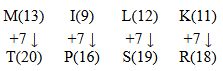
Question 92

AB is parallel to CD. A transversal PQ intersects AB and CD at E and F, respectively, and ∠PEB = 59º. G is a point between AB and CD such that ∠BEG = 50º and ∠GFE = 33º. What is the measure of ∠EGF?
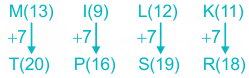
  1. AOption (a)

    80°

  2. BOption (b)

    76° 

  3. COption (c)

    74°

  4. DOption (d)

    88°

View answer & explanation

Correct answer

Answer: (b)B.

76° 

Why this answer is correct

Shortcut Trick

Draw a line through G parallel to AB and CD.

Using the property of alternate interior angles and corresponding angles:

∠EGF = ∠BEG + (∠PEB − ∠GFE)

⇒ ∠EGF = 50° + (59° − 33°)

⇒ ∠EGF = 50° + 26° = 76°

∴ The correct answer is 76°.

Alternate Method

Given: AB || CD, ∠PEB = 59°, ∠BEG = 50°, ∠GFE = 33°.

Formula Used: Alternate interior angles are equal for parallel lines. Corresponding angles are equal for parallel lines.

A B C D E F G P Q

Question 93

What happens when you press the Delete key after selecting a file in File Explorer in Windows OS?

  1. AOption (a)

    The file is permanently deleted.

  2. BOption (b)

    The file is sent to the Recycle Bin.

  3. COption (c)

     The file is opened.

  4. DOption (d)

     The file is renamed.

View answer & explanation

Correct answer

Answer: (b)B.

The file is sent to the Recycle Bin.

Why this answer is correct

The correct answer is The file is sent to the Recycle Bin.

Key Points

  • When a file is deleted using the Delete key in File Explorer of Windows OS, it is not permanently erased but instead moved to the Recycle Bin.
  • The Recycle Bin acts as a temporary storage, allowing users to restore deleted files if needed.
  • The file remains in the Recycle Bin until it is manually emptied or the user chooses to permanently delete the file.
  • To bypass the Recycle Bin and permanently delete a file, users can press Shift + Delete instead of just Delete.
  • Deleting files temporarily through the Recycle Bin ensures safety against accidental deletion.

Additional Information

  • Recycle Bin
  • The Recycle Bin is a special folder in Windows OS used to temporarily store deleted files and folders.
  • Files in the Recycle Bin can be restored to their original location or permanently deleted.
  • Users can configure the Recycle Bin settings to adjust the maximum storage capacity or disable it entirely.
  • Permanently Deleting Files
  • To permanently delete a file without sending it to the Recycle Bin, users can use Shift + Delete.
  • Permanently deleted files cannot be recovered through the Recycle Bin.
  • File Explorer
  • File Explorer is a built-in tool in Windows OS used for navigating and managing files and folders.
  • Users can perform actions such as copying, moving, deleting, and renaming files using File Explorer.
  • Restoring Files
  • Files deleted and moved to the Recycle Bin can be restored by right-clicking the file and selecting Restore.
  • Restored files return to their original location before deletion.

Question 94

Simplify : 144 ÷ [ (8)/(4) × { 7 + 7 - ( 5 + 8 - (9 + 2) ) } ]

  1. AOption (a)

    11

  2. BOption (b)

    3

  3. COption (c)

    9

  4. DOption (d)

    6

View answer & explanation

Correct answer

Answer: (d)D.

6

Why this answer is correct

Given:

Simplify: 144 ÷ [ (8 ÷ 4) × { 7 + 7 - ( 5 + 8 - (9 + 2) ) } ]

Formula Used:

Follow BODMAS (Brackets, Orders, Division, Multiplication, Addition, Subtraction).

Calculation:

144 ÷ [ (8)/(4) × { 7 + 7 - ( 5 + 8 - (9 + 2) ) } ]

​⇒ 144 ÷ [ 2 × { 14 - ( 5 + 8 - 11 ) } ]

​⇒ 144 ÷ [ 2 × { 14 - ( 13 - 11 ) } ]

​⇒ 144 ÷ [ 2 × { 14 - 2 } ]

​⇒ ​144 ÷ [ 2 × 12 ]

​⇒ 144 ÷ 24 = 6

The correct answer is 6.

Question 95

Refer to the following number and symbol series and answer the question that follows. Counting to be done from left to right only. All numbers are single-digit numbers.

(Left) 2 * 3 & @ @ 6 4 $ @ 3 * % 6 2 1 3 9 7 8 2 € (Right)

How many such numbers are there each of which is immediately preceded by a number and also immediately followed by a symbol$?

  1. AOption (a)

    4

  2. BOption (b)

    5

  3. COption (c)

    2

  4. DOption (d)

    3

View answer & explanation

Correct answer

Answer: (c)C.

2

Why this answer is correct

Given series:

(Left) 2 * 3 & @ @ 6 4 $ @ 3 * % 6 2 1 3 9 7 8 2 € (Right)

Condition to be checked:

We are looking for a pattern: Number - Number - Symbol

Let's scan the series from left to right:

2 * 3 & @ @ 6 4 $ @ 3 * % 6 2 1 3 9 7 8 2 €

There are 2 such numbers: 4 (in 6 4 $) and 2 (in 8 2 €) which is immediately preceded by a number and also immediately followed by a symbol.

Hence, the correct answer is "Option 3"$.

Question 96

Which of the following letter-clusters should replace # and % so that the pattern and relationship followed between the letter-cluster pair on the left side of :: is the same as that on the right side of ::?

 # : LQT :: AJM : %

  1. AOption (a)

    = JRM, % = COP

  2. BOption (b)

     # = JPT, % = CKR

  3. COption (c)

    = JPR, % = CKO

  4. DOption (d)

     # = JQM, % = CPK

View answer & explanation

Correct answer

Answer: (c)C.

= JPR, % = CKO

Why this answer is correct

The logic followed here is,

Option 1) # = JRM, % = COP

Option 2)  # = JPT, % = CKR

Option 3) # = JPR, % = CKO

Here both the letter cetter-clusters follow the same logic.

Option 4)  # = JQM, % = CPK

Hence, the correct answer is "Option 3".

Question 97

What is the mean of the following distribution? 

Marks1936606985
No. of students6362591770
  1. AOption (a)

    77

  2. BOption (b)

    34

  3. COption (c)

    54

  4. DOption (d)

    52

View answer & explanation

Correct answer

Answer: (d)D.

52

Why this answer is correct

Shortcut Trick

Let the Assumed Mean (A) be 60.

Deviations (d = x − 60): −41, −24, 0, 9, 25.

Σfd = (63 × −41) + (62 × −24) + (59 × 0) + (17 × 9) + (70 × 25) = −2168.

Σf = 63 + 62 + 59 + 17 + 70 = 271.

Mean = A + (Σfd ÷ Σf) = 60 + (−2168 ÷ 271) = 60 − 8 = 52.

∴ The correct answer is 52.

Alternate Method

Given: Marks (x) and No. of students (f).

Formula Used: Arithmetic Mean (μ) = Σfixi ÷ Σfi

⇒ Σf = 63 + 62 + 59 + 17 + 70 = 271

Question 98

Who authored the book 'Hind Swaraj', which outlined the principles of non-violent resistance and self-rule?

  1. AOption (a)

    Gopal Krishna Gokhale

  2. BOption (b)

    Jawaharlal Nehru

  3. COption (c)

     Bal Gangadhar Tilak

  4. DOption (d)

    Mahatma Gandhi

View answer & explanation

Correct answer

Answer: (d)D.

Mahatma Gandhi

Why this answer is correct

The correct answer is Mahatma Gandhi.

Key Points

  • 'Hind Swaraj' was written by Mahatma Gandhi in 1909 during his voyage from England to South Africa.
  • The book outlines Gandhi's philosophy of non-violent resistance (Satyagraha) and his vision of self-rule (Swaraj) for India.
  • It critiques Western civilization and industrialization, advocating for a return to simple, self-sufficient village life.
  • The book serves as a foundational text for the Indian independence movement and reflects Gandhi's belief in truth, non-violence, and self-reliance.
  • 'Hind Swaraj' has been translated into several languages and remains a key text in understanding Gandhian philosophy.

Additional Information

  • Satyagraha:
  • A key concept in Gandhi's philosophy, it means "insistence on truth" or non-violent resistance.
  • It was employed in various movements such as the Champaran Satyagraha and the Dandi March.
  • Satyagraha emphasizes moral strength over physical force to achieve justice and freedom.
  • Swaraj:
  • Literally translates to "self-rule" or "self-governance."
  • In 'Hind Swaraj,' Gandhi advocated for Swaraj not just as political independence but also as individual and community self-reliance.
  • It involves decentralization of power and promotion of local industries and sustainability.
  • Critique of Western Civilization:
  • In 'Hind Swaraj,' Gandhi criticizes the materialism and industrialization of Western societies.
  • He attributes the erosion of moral and spiritual values to the overemphasis on machinery and technology.
  • Instead, he advocates for a lifestyle rooted in simplicity, spirituality, and community well-being.

Question 99

54 is related to 59 following a certain logic. Following the same logic, 30 is related to 35. To which of the following is 11 related, following the same logic?

 (NOTE: Operations should be performed on the whole numbers, without breaking down the numbers into their constituent digits. E.g. 13 – Operations on 13 such as adding/subtracting/multiplying to 13 can be performed. Breaking down 13 into 1 and 3 and then performing mathematical operations on 1 and 3 is not allowed.)

  1. AOption (a)

    18

  2. BOption (b)

    15

  3. COption (c)

    17

  4. DOption (d)

    16

View answer & explanation

Correct answer

Answer: (d)D.

16

Why this answer is correct

The logic to be followed here is

Logic: Second Number = First Number + 5

For 54 is related to 59

Here, 59 = 54 + 5

30 is related to 35

Here, 35 = 30 + 5

Now, apply the same logic to find the number related to 11:

Let the related number be ?. So, 11 is related to ?.

? = 11 + 5

? = 16

Therefore, 11 is related to 16.

Hence, the correct answer is "Option 4".

Question 100

An article was bought for ₹1,300. Its price was marked up by 35%. Thereafter it was sold at a discount of 20% on the marked price. What was the percentage profit on the transaction?

  1. AOption (a)

    6%

  2. BOption (b)

    10%

  3. COption (c)

    7%

  4. DOption (d)

    8%

View answer & explanation

Correct answer

Answer: (d)D.

8%

Why this answer is correct

Shortcut Trick

Net profit or loss percentage can be calculated using the successive percentage change formula.

Formula: Net Percentage = a + b + (a × b) ÷ 100

Here, markup percentage a = +35% and discount percentage b = −20%.

Net Profit% = 35 − 20 + (35 × −20) ÷ 100

Net Profit% = 15 − 700 ÷ 100 = 15 − 7 = 8%.

∴ The correct answer is 8%.

Alternate Method

Given: Cost Price (CP) = 1,300, Markup% = 35%, Discount% = 20%.

Formulas: MP = CP × (100 + Markup%) ÷ 100 | SP = MP × (100 − Discount%) ÷ 100 | Profit% = (SP − CP) ÷ CP × 100.

⇒ Marked Price (MP) = 1,300 × (135 ÷ 100) = 1,300 × 1.35 = 1,755.

⇒ Selling Price (SP) = 1,755 × (80 ÷ 100) = 1,755 × 0.8 = 1,404.

⇒ Profit = SP − CP = 1,404 − 1,300 = 104.

⇒ Profit% = (104 ÷ 1,300) × 100 = 8%.

∴ The correct answer is 8%.

Additional Information

Relationship between Markup and Discount

Profit% = Markup% − Discount% − (Markup% × Discount%) ÷ 100. This is always applicable when discount is given on the marked-up price.

Cost Price Independence

When calculating percentage profit based on markup and discount percentages, the actual value of the Cost Price (CP) does not affect the final percentage result.

100 questions in the full paper