Official Paper

UPSSSC PET Official Paper (Held On: 28 Oct, 2023 Shift 1) (Previous Year Paper)

100 questions · 120 minutes · with answers · free

Full Test (100 questions)

1

After Shivaji's death, effective power in the Maratha state was wielded by a family of Chitpavan Brahmanas who served Shivaji's successors as Peshwa (or  principal minister), which city became the capital of the Maratha kingdom?

  1. ((a))

    Satara

  2. ((b))

    Nagpur

  3. ((c))

    Nashik

  4. ((d))

    Poona (Pune)

Show Answer
Answer: ((d))

Poona (Pune)

The correct answer is Poona (Pune)

Key Points

  • The Maratha kingdom was another powerful regional kingdom to arise out of a sustained opposition to Mughal rule.
  • Shivaji (1627-1680) carved out a stable kingdom with the support of powerful warrior families (deshmukhs).
  • After Shivaji’s death, effective power in the Maratha state was wielded by a family of Chitpavan Brahmanas who served Shivaji’s successors as Peshwa (or principal minister).
  • Poona became the capital of the Maratha kingdom.
  • Under the Peshwas, the Marathas developed a very successful military organisation.
  • Baji Rao I, also known as Baji Rao Ballal was the son of Peshwa Balaji Vishwanath.
  • He was a great Maratha general who is credited to have expanded the Maratha kingdom beyond the Vindhyas and is known for his military campaigns against Malwa, Bundelkhand, Gujarat and the Portugese.

​Hence we conclude that the correct answer is Poona (Pune)

2

Mahavir Swami became known as "Jina", what does "Jina" mean?

  1. ((a))

    The Conqueror

  2. ((b))

    The great soul

  3. ((c))

    The God

  4. ((d))

    Non-violent

Show Answer
Answer: ((a))

The Conqueror

The term "Jain" is derived from the Sanskrit word "Jina" which means conqueror of senses. Vardhamana Mahavira was the last and 24th Tirthankara of the Jains. The first Tirthankara of Jainism is Rishabhadeva (also known as Adinatha).

• Jina, regarded as a Tirthankara, is a person who, in accordance with Jainism, has acquired a transcendent and outward level of bliss by self-discipline.

• The universal principles of Jainism are:

  1. Ahimsa
  2. Satya
  3. Asteya
  4. Brahmacharya
  5. Aparigraha
3

As mentioned in Asokan inscriptions, there were five major political centres in the Mauryan empire including the capital Pataliputra and other four provincial centres. Which among the following was not the provincial centre?

  1. ((a))

    Taxila

  2. ((b))

    Ujjaiyini

  3. ((c))

    Suvarnagiri

  4. ((d))

    Indraprastha

Show Answer
Answer: ((d))

Indraprastha

The correct answer is Indraprastha.

Key Points

  • As per the contents mentioned in Asokan inscriptions, there were five major political centres in the Mauryan empire.
  • The  five major political centres of the Mauryan empire were located at Pataliputra, Taxila, Ujjain, Tosali and Suvarnagiri.
  • Pataliputra:-
  • It was the capital of the Mauryan empire.
  • It was located on the Ganges River, and it was a major center of trade and commerce.
  • Pataliputra was a well-planned city with a grid layout and a variety of public buildings, including palaces, temples, and gardens.
  • Taxila:-
  • It was located in the northwest of the Mauryan empire, and it was a major center of learning and culture.
  • Taxila was home to a number of universities and schools, and it was a popular destination for students from all over the world.
  • Ujjain:-
  • It was located in the central part of the Mauryan empire, and it was a major center of trade and commerce.
  • Ujjain was also a major religious center, and it was home to a number of temples and shrines.
  • Tosali:-
  • It was located in the east of the Mauryan empire, and it was a major center of agriculture and commerce.
  • Tosali was also a major port city, and it played an important role in the empire's trade with other countries.
  • Suvarnagir:-
  • It was located in the south of the Mauryan empire, and it was a major center of gold mining and trade.
  • Suvarnagiri was also a major religious center, and it was home to a number of temples and shrines.

Additional Information 

  • Asokan inscriptions:-
  • These are a collection of more than 30 edicts issued by Emperor Ashoka of the Maurya Empire (272-232 BCE).
  • They are found on rocks and pillars throughout India, Nepal, Pakistan, and Afghanistan.
  • They are written in a variety of languages, including Prakrit, Brahmi, Aramaic, and Greek.
4

Rigveda contains dialogue between a sage named Vishvamitra and which two rivers?

  1. ((a))

    Sutlej and Chenab

  2. ((b))

    Beas and Sutlej 

  3. ((c))

    Chenab and Ravi 

  4. ((d))

    Beas and Jhelum

Show Answer
Answer: ((b))

Beas and Sutlej 

The correct answer is Beas and Sutlej.

Key Points 

  • In the Rigveda, there is a hymn in the form of a dialogue between Sage Vishvamitra and two rivers Beas and Sutlej were worshipped as goddesses.
  • Some of the hymns in the Rigveda are in the form of dialogues.
  • This is part of one such hymn, a dialogue between a sage named Vishvamitra, and two rivers, Beas and Sutlej that were worshipped as goddesses.

Additional Information 

  • The Rigveda is in old or Vedic Sanskrit.
  • The Rigveda was recited and heard rather than read. It was written down several centuries after it was first composed and printed less than 200 years ago.
  • The oldest Veda is the Rigveda, composed about 3500 years ago.
  • The Rigveda includes more than a thousand hymns, called sukta or “well-said”.
  • These hymns are in praise of various gods and goddesses.
5

In 1722, the subadari of ______ was given to Sawai Raja Jai Singh.

  1. ((a))

    Amber

  2. ((b))

    Malwa

  3. ((c))

    Lucknow

  4. ((d))

    Agra

Show Answer
Answer: ((d))

Agra

The correct answer is Agra.

Key Points 

  • Jai Singh II was also referred to as Sawai Jai Singh.
  • He was the 29th Kachwaha Rajput king to lead the Amber Kingdom.
  • He later founded the fortified city of Jaipur and made it his capital.
  • He was born in Amber, the Kachwaha Rajputs capital.
  • When his father, Raja Bishan Singh, passed away on December 31, 1699, he was 11 years old and took over as the monarch of Amber.
  • In 1722, Sawai Jai Singh received the subadari of Agra and made Jaipur the capital of his empire.
  • He was appointed to govern Malwa three times between 1714 and 1737.​

Additional Information 

  • Sawai Raja Jagat Singh:
  • After Pratap Singh's passing, Jagat Singh II occupied the throne of Jaipur.
  • In the year 1803, Jagat Singh was crowned.
  • Jahandar Shah:
  • He was the ninth Mughal Emperor.
  • He reigned in the years 1712–1713.
  • He was Bahadur Shah's son.
  • Shahjahan:
  • He was the Mughal Empire's fifth emperor.
  • He ruled from January 1628 until July 1658.
  • He was Jahangir's third son.
6

Who among the following had exhorted his colleagues to realise that the Constituent Assembly was British-made and was "working on the British plans as the British liked it to be worked out"? 

  1. ((a))

    Sardar Vallabhbhai Patel

  2. ((b))

    ​C. Rajagopalachari

  3. ((c))

    Abdur Nishtar

  4. ((d))

    Somnath Lahiri

Show Answer
Answer: ((d))

Somnath Lahiri

The correct answer is Somnath Lahiri.

Key Points 

  • Somnath Lahiri was an Indian statesman, writer, and Communist Party of India leader who lived from September 1, 1909, until October 19, 1984.
  • He was a member of the Indian Constituent Assembly from Bengal afterward the West Bengal Legislative Assembly.
  • Samyobad (Socialism) is another book of his.
  • He was the editor of Swadhinata, a daily left political magazine.
  • Somnath Lahiri's speech is as follows regarding constituent assembly : "Well, the Interim Government has not brought peace nor freedom to our country. Similarly, whether the Congress is inside this British-made Constituent Assembly and the Muslim League is out or whether the Congress and the Muslim League are both inside this British-made Constituent Assembly and working the British plans as the British should like it to be worked out, then also the same thing will follow, viz., the quarrelling that is there to-day in the country, will only get more intensified inside this Assembly also. That is all and nothing else Therefore, Sir, I am not sorry that the League is not here but I am only sorry that the Congress also has not gone out leaving the plan to stew in its own juice."
7

Chittaranjan Das & Motilal Nehru had formed which of the following political parties within the Congress to argue for a return to council politics?

  1. ((a))

    The Indian League

  2. ((b))

    Swaraj Party

  3. ((c))

    Hindustan Socialist Republic  Association

  4. ((d))

    The Bombay Presidency Association

Show Answer
Answer: ((b))

Swaraj Party

  • The correct is Swaraj.
  • C.R. Das and Motilal Nehru formed Swaraj Party within the Congress to argue for a return of council politics.
  • The party was formed as the Congress-Khilafat Swaraj Party in January 1923.
  • The party was inspired by the idea of Swaraj, wanted greater self-government and political freedom from the Colonial rule.
  • Chittaranjan Das was the President of the party and the post of the secretary was held by Motilal Nehru.
  • In 1923, the members of the party won most of the seats in the Bengal Legislative council.
  • The party was dissolved in the year 1935.
8

Where was the session of the Congress had taken place in which Mahatma Gandhi convinced other leaders about the need to start a non-cooperation movement in support of Khilafat as well as swaraj ?

  1. ((a))

    Bombay 

  2. ((b))

    Lahore

  3. ((c))

    Calcutta

  4. ((d))

    Nagpur

Show Answer
Answer: ((c))

Calcutta

The correct answer is Calcutta session in September 1920.

Key Points 

  • At Calcutta's session of the Congress in September 1920. Gandhi Ji Convinced other leaders of the need to start a non-cooperation movement in support of Khilafat as well as for swaraj.
  • To defend the Khilafa's temporal powers, a khilafat committee was formed in Bombay in March 1919.
  • At that time young generation of Muslim leaders like the brothers Muhammad Ali and Shaukat Ali.

Additional Information 

  • Non-Cooperation Movement was a significant phase of the Indian independence movement from British rule.
  • It was led by Mahatama Gandhi after the Jallianwala Bagh Massacre.
  • It aimed to resist British rule in India through nonviolent means.
9

Who among the following was the founder of the "Khudai Khidmatgars" , also known as Badshah Khan ?

  1. ((a))

    Syed Ahmed Khan

  2. ((b))

    Hakim Ajmal Khan

  3. ((c))

    Maulana Abul Kalam Azad

  4. ((d))

    Khan Abdul Ghaffar Khan

Show Answer
Answer: ((d))

Khan Abdul Ghaffar Khan

The correct answer is Khan Abdul Ghaffar Khan.

Key Points 

  • Khan Abdul Ghaffar Khan  is also known as the 'Badshah Khan' of India.
  • Abdul ghaffar khan also known as Badshah khan, was a Pashtun independence activist against the rule of the British Raj.
  • He was a political and spiritual leader known for his nonviolent opposition, and a lifelong pacifist and devout Muslim.
  • He was also known as Frontier Gandhi.
  • He led his non-violent Khudai Khidmatgar movement against the British Raj in the 1930s and 1940s.
10

The Hindustan Gadar Party's headquarter was located at _______ in 1913.

  1. ((a))

    Delhi

  2. ((b))

    Lahore

  3. ((c))

    Calcutta

  4. ((d))

    San Francisco

Show Answer
Answer: ((d))

San Francisco

The Gadar Movement:

  • The Gadar Movement was started by Har Dayal in the San Francisco **(**United States of America) in 1911 to bring about a revolution in India and throw out British rule.
  • The movement was formed into the Gadar Party in 1913 by Har Dayal in Hindustan.
  • The movement found its social base in several thousands of Indian immigrants working as labourers in industry and agriculture.
  • The movement included Hindus, Sikhs and Muslims but remained confined to the Sikhs largely.

Hence, it can be concluded from the given points that the Hindustan Gadar Party was founded in the year 1913.

11

Shirui (Siroy) Lilly is the only terrestrial Lilly found in which of the following states of India ?

  1. ((a))

    Assam

  2. ((b))

    West Bengal

  3. ((c))

    Manipur

  4. ((d))

    Tripura

Show Answer
Answer: ((c))

Manipur

The correct answer is Manipur.

Key Points

  • Shirui Lily is a rare species of lily that is only found in the Shirui Hills of Manipur, India.
  • It is the state flower of Manipur.
  • The Shirui Lily is a beautiful flower with pale bluish-pink petals.
  • It blooms during the monsoon months of June and July.
  • The Shirui Lily is an endangered species due to habitat loss and over-collection.
  • There are a number of conservation efforts underway to protect the Shirui Lily, including the establishment of a sanctuary in the Shirui Hills.

 Additional Information

  • Assam is a state in India, but the Shirui Lily is not found in Assam.
  • West Bengal is a state in India, but the Shirui Lily is not found in West Bengal.
  • Tripura is a state in India, but the Shirui Lily is not found in Tripura.
12

"Oriya Plateau” is situated in which of the following states of India?

  1. ((a))

    Rajasthan

  2. ((b))

    Madhya Pradesh

  3. ((c))

    Karnataka

  4. ((d))

    Maharashtra

Show Answer
Answer: ((a))

Rajasthan

The correct answer is Rajasthan.

  • Oriya Plateau
  • It is located in the Sirohi district of Rajasthan.
  • It is the highest plateau of the state.
  • Plateau of Mesa (Hill of Bika) – Chittorgarh fort is built on this plateau located in Chittorgarh district.
  • Plateau of Kraska - This plateau is situated in Alwar.
  • Trikut hill - Jaisalmer fort is built on this hill.
13

What causes rainfall on the coastal areas of Tamil Nadu in the beginning of winters ?

  1. ((a))

    North-Eastern Monsoon 

  2. ((b))

    Local Air Circulation

  3. ((c))

    Temperate Cyclones

  4. ((d))

    South-West Monsoon

Show Answer
Answer: ((a))

North-Eastern Monsoon 

The correct answer is North-Eastern monsoon.

Key Points 

Northeast monsoon:

  • Retreating monsoon in India can be experienced in October-November.
  • Monsoon winds are retreating gradually and the sudden rise of temperature with October heat.
  • Day temperature is high and nights are cool and pleasant.
  • The average minimum temperature falls below 20o C.
  • It leads to rainfall over Tamil Nadu, Kerala, Andhra Pradesh, Karnataka and Telangana.
  • Its direction is from northeast to southwest.
  • A minor part of the annual rainfall in India is due to this type of North-Eastern monsoon.

​Thus, the northeastern monsoon causes rainfall on the coastal areas of Tamil Nadu at the beginning of winters.

Additional Information 

Monsoon:

  • The term ‘monsoon is derived from the Arabic word 'mausim', meaning season.
  • ​A monsoon is a seasonal change in the direction of the prevailing, or strongest, winds of a region.
  • Monsoons cause wet and dry seasons throughout much of the tropics.
  • Monsoons are most often associated with the Indian Ocean and the Indian sub-continent.

Southwest monsoon:

  • Southwest monsoon in India can be experienced in June-September.
  • The whole of India comes under the southwest monsoon.
  • India faces severe cyclones and thunderstorms.
  • The temperature remains low during July and August.
  • This rises high in September with a decreasing amount of precipitation.
  • A major part of annual rainfall in India is due to the South-West monsoon.
14

Which type of granite is found in Jalore district of Rajasthan?

  1. ((a))

    Rakhee Green Granite

  2. ((b))

    Merry Gold Granite

  3. ((c))

    Black Granite

  4. ((d))

    Rosy Pink Granite

Show Answer
Answer: ((d))

Rosy Pink Granite

The correct answer is "Rosy Pink Granite."

Key Points

  • Rosy Pink Granite is a beautiful pink granite from Jalore, Rajasthan.
  • It is one of the cheapest granite available in India and is very much used for making floors and countertops. It is also exported to countries like Turkey and Europe.
  • The other options are not found in Jalore district of Rajasthan.
  • Rakhee Green Granite is found in Udaipur, Rajasthan.
  • Merry Gold Granite is found in Jaipur, Rajasthan.
  • Black Granite is found in several parts of India, including Jalore, but it is not specific to Jalore.
15

Bandel Church constructed by Portuguese is located in which of the following states/UTs of India ?

  1. ((a))

    Goa

  2. ((b))

    Puducherry

  3. ((c))

    West Bengal

  4. ((d))

    Odisha

Show Answer
Answer: ((c))

West Bengal

The answer is West Bengal.

Key Points

  • Bandel Church, also known as the Basilica of the Holy Rosary, is one of the oldest Christian churches in India.
  • It is located in the town of Bandel, Hooghly district, West Bengal. The church was founded by the Portuguese in 1599 and dedicated to Nossa Senhora do Rosário, Our Lady of the Rosary.
  • The church is a beautiful example of Portuguese Baroque architecture. It has a large nave with a vaulted ceiling and a number of side chapels. The church also has a large bell tower and a cloister.
  • Bandel Church is a popular pilgrimage site for both Christians and Hindus. Every year, thousands of people visit the church to pray to Our Lady of the Rosary.

Additional Information

  • Goa is a state in India, but it is not located in the state of West Bengal.
  • Puducherry is a union territory in India, but it is not located in the state of West Bengal.
  • Odisha is a state in India, but it is not located in the state of West Bengal.
16

Who approves the Fair and Remunerative Price (FRP) of sugarcane?

  1. ((a))

    Directorate of Marketing and Inspection, Ministry of Agriculture

  2. ((b))

    The National Sugar Institute, Kanpur

  3. ((c))

    Cabinet Committee on Economic Affairs

  4. ((d))

    Commission for Agricultural Costs and Prices

Show Answer
Answer: ((c))

Cabinet Committee on Economic Affairs

The correct answer is Cabinet Committee on Economic Affairs.

<br>

Key Points

  • Fair and remunerative prices of sugarcane are determined on the recommendation of the Commission for Agricultural Costs and Prices (CACP).
  • The central government declares fair and remunerative prices.
  • These are announced by the Cabinet Committee on Economic Affairs (CCEA).
17

Which of the following is an Indian Labour Law and Social Security measure aimed at guaranteeing the "Right to work" ?

  1. ((a))

    Indian Institute of Management Act 

  2. ((b))

    Mahatma Gandhi National Rural Employment Guarantee Act

  3. ((c))

    The Payment of wages (Amendment) Act, 2017

  4. ((d))

    Citizenship Act

Show Answer
Answer: ((b))

Mahatma Gandhi National Rural Employment Guarantee Act

The correct answer is Option 2

Mahatma Gandhi National Rural Employment Guarantee Act

Key Points

  • MGNREGA is one of the largest work guarantee programmes in the world which was launched in 2005.
  • The primary objective of the scheme is to guarantee 100 days of employment in every financial year.
  • Unlike earlier employment guarantee schemes, MGNREGA aims at addressing the causes of chronic poverty through a rights-based framework.

Additional Information 

Employees Provident Fund and Miscellaneous Provision Act :

  • Employees Provident Fund and Miscellaneous Provisions Act, 1952 is a Social Security Act passed by the Government of India.
  • It includes Social Security Schemes namely Provident Fund, Pension and Insurance to industrial employees.
  • Under this scheme, every employee is required to make a contribution towards the provident fund at the rate of 12% of the Basic Wages, Dearness Allowance and cash value of food concession.
  • Further, the employer also makes an equal amount of contribution as the employee towards the fund.

Indian Institute of Management Act :

  • Indian Institutes of Management  Act came in 2017.
  • This law brings greater transparency and autonomy to the working of the IIMs.
  • The act declares 20 existing Indian Institutes of Management (IIMs) as institutions of national importance and confers on them the power to grant degrees.
  • Each IIM will have an executive body i.e. Board of Governors, comprising up to 19 members.

Citizenship Act :

  • It is an Act to provide for the acquisition and determination of Indian citizenship.
  • The Citizenship Act, 1955 was amended 6 times in 1986, 1992, 2003, 2005, 2015 and 2019.
  • The purpose of the Citizenship Amendment Act, 2019 is to give Indian citizenship to illegal migrants of 6 communities i.e. Hindu, Sikh, Buddhist, Christian, Parsi, and Jain) belong to Bangladesh, Pakistan, and Afghanistan.
18

"Golden Revolution" is responsible for the development in which of following agriculture sector in India?

  1. ((a))

    Horticulture

  2. ((b))

    Potato Production

  3. ((c))

    Petroleum Production

  4. ((d))

    Oil seed Production

Show Answer
Answer: ((a))

Horticulture

The correct answer is Horticulture.

Key Points

  • The Golden Revolution is related to the production of fruits, honey, and horticulture.
  • The period between 1991 to 2003 is known as the period of the Golden Revolution in India.
  • Nirpakh Tutej is considered to be the Father of The Golden Revolution in India.
19

Where is the head office of Insurance Regulatory & Development Authority located ?

  1. ((a))

    Mumbai

  2. ((b))

    New Delhi

  3. ((c))

    Chennai

  4. ((d))

    Hyderabad

Show Answer
Answer: ((d))

Hyderabad

The correct answer is Hyderabad.

Key Points

  • Insurance Regulatory and Development Authority (IRDA) has its headquarter in Hyderabad, Telangana where it was moved in 2001 from Delhi.
  • IRDA is the regulatory body of Insurance sector in India.
  • It was established under Insurance Regulatory and Development Authority Act,1999.
20

Which of the following is not a type of Depository Institution?

  1. ((a))

    NABARD

  2. ((b))

    Loan Association

  3. ((c))

    Commercial Banks

  4. ((d))

    Credit Co-operative Societies

Show Answer
Answer: ((a))

NABARD

The correct answer is NABARD.

Key Points

  • NABARD refers to the National Bank for Agriculture and Rural Development.
  • NABARD was formed on the recommendation of the committee formed on 30 March 1979, under the Chairmanship of Shri B. Sivaraman.
  • It came into existence on 12 July 1982 by transferring the agricultural credit functions of RBI and refinance functions of the then Agricultural Refinance and Development Corporation (ARDC).
  • NABARD today is fully owned by the Government of India.

Additional InformationDepository institution:

  • A depository institution is a financial entity that accepts deposits from customers, safeguards these deposits, and uses them to lend to individuals, businesses, and governments.
  • The primary function of depository institutions is to facilitate the flow of capital and liquidity in the economy. They offer a safe place for people and companies to keep their money, while also making these funds available for productive purposes such as loans and investments.
  • Depository institutions include various types of banks and credit unions, such as:
  • Commercial Banks: These are the most common type of depository institutions. They offer a wide range of financial services including accepting deposits, making business and personal loans, and providing investment products.
  • Savings Banks and Savings and Loan Associations (S&Ls): These institutions traditionally focused on accepting savings deposits and making mortgage loans, but their services have expanded over time.
  • Credit Unions: These are not-for-profit cooperative organizations that accept deposits, provide loans, and offer other financial services to their members. Membership is often based on a common bond, such as employment at a specific company, membership in an association, or residence in a particular geographic area.
21

With the passing of the Indian Independence Act 1947 India became a Dominion and the Dominion Legislature made laws from 1947 to 1949 under the provisions of which section of the Government of India Act 1935?

  1. ((a))

    Section 100

  2. ((b))

    Section 101

  3. ((c))

    Section 135

  4. ((d))

    Section 130

Show Answer
Answer: ((a))

Section 100

The correct answer is Section 100.

Key Points

  • Section 100 of the Government of India Act 1935 was the provision that gave the Dominion Legislature of India the power to make laws.
  • This power was subject to certain restrictions, such as the requirement that the Governor-General's assent be obtained for certain types of legislation.
  • With the passing of the Indian Independence Act 1947 India became a Dominion and the Dominion Legislature made laws from 1947 to 1949 under the provisions of section 100 of the Government of India Act 1935 as adapted by the India (Provisional Constitution) Order 1947.

Additional Information

  • Section 101 of the Government of India Act 1935 dealt with the power of the Governor-General to make ordinances.
  • Section 135 of the Government of India Act 1935 dealt with the power of the Governor-General to veto legislation passed by the Dominion Legislature.
  • Section 130 of the Government of India Act 1935 dealt with the power of the Governor-General to dissolve the Dominion Legislature.
22

A person who is not a member of Parliament can be appointed as Minister by the President for a maximum period of how many months?

  1. ((a))

    3 months

  2. ((b))

    6 months

  3. ((c))

    9 months

  4. ((d))

    12 months

Show Answer
Answer: ((b))

6 months

The correct answer is 6 month.

Key Points

  • A person who is not a member of any House of the Parliament can become a Prime Minister or Minister for a time period of 6 months.
  • In 1997, the Supreme Court of India held that a person who is not a member of either house of Parliament can be appointed as Prime Minister or Minister for six months but he will need to gain the membership of any house within six months of the oath-taking otherwise, he ceases to be the Prime minister or minister.
  • Constitutionally, The Prime Minister may be a member of any of the two Houses of the Parliament.
  • For example, three Prime Ministers, Indira Gandhi, Deve Gowda, and Manmohan Singh were members of the Rajya Sabha.
  • In Britain, the Prime Minister should be a member of the Lower House not a member of the Upper House.
23

Name the high court that has jurisdiction over the Union Territory of the Andaman and Nicobar Islands.

  1. ((a))

    The Calcutta High Court 

  2. ((b))

    The Delhi High Court 

  3. ((c))

    The Madras High Court

  4. ((d))

    The Andhra Pradesh High Court

Show Answer
Answer: ((a))

The Calcutta High Court 

The Correct Answer is: The Calcutta High Court 

Key Points

  • Calcutta High Court was established on 1st July 1862. It is the oldest high court in India.
  • It has jurisdiction over the state of West Bengal and the Union Territory of Andaman and Nicobar Islands.
  • The seat of the Kolkata high court is located in Kolkata (bench at Port Blair).
  • There are a total of 25 High Courts in India. The latest High Court of India is Amravati HC of Andhra Pradesh.

Additional Information 

High CourtTerritorial JurisdictionYear of Establishment
BombayMaharashtra, Dadra and Nagar Haveli, Goa, Daman, and Diu1862
KeralaKerala, and Lakshadweep1956
Tamil NaduTamil Nadu and Puducherry1862
24

When 73rd and 74th Constitutional amendments were passed by the Parliament of India for the existence of Panchayati Raj Institutions?

  1. ((a))

    October, 1973 

  2. ((b))

    November, 1952

  3. ((c))

    December, 1992

  4. ((d))

    December, 1973

Show Answer
Answer: ((c))

December, 1992

The correct answer is December, 1992.

Key Points

  • The Constitution 73rd and 74th Amendment Act was passed in December,1992.
  • The Act gave state governments the authority to take the required actions to formalise Panchayati Raj Institutions and enable them to function as self-governing entities.

Additional Information

  • According to Article 40 of the Directive Principles of State Policy in the Indian Constitution, the government must make it easier for Gram Panchayats to get started and run efficiently.
  • The central government of India passed the 73rd Amendment Act in 1992 to solve these problems and enhance local self-governments.
  • The Constitution now contains a new chapter called "Part IX: The Panchayats" as a result of this Act.
25

Which among the following acts/bills were proposed by the Motilal Nehru Committee in the year 1928 ?

  1. ((a))

    Ilbert Bill

  2. ((b))

    Bill of rights

  3. ((c))

    Criminal Tribes Act 

  4. ((d))

    Sindh Land Alienation Bill

Show Answer
Answer: ((b))

Bill of rights

The correct answer is Bill of rights.

Key Points

  • The Motilal Nehru Committee, also known as the All Parties Conference Committee, was a committee appointed by the All Parties Conference in 1928 to draft a constitution for India.
  • The committee was chaired by Motilal Nehru and included other prominent Indian leaders such as Jawaharlal Nehru, Ali Imam, and Tej Bahadur Sapru.
  • The committee submitted its report in 1928, which is known as the Nehru Report.
  • The Nehru Report proposed a dominion status for India and a federal system of government.
  • It also proposed a number of other reforms, including-
  • A bill of rights
  • Abolition of the Criminal Tribes Act
  • Repeal of the Sindh Land Alienation Bill
  • Of the options you have given, only the Bill of rights was proposed by the Motilal Nehru Committee in the year 1928.

 Additional Information

  • The Ilbert Bill was a bill introduced in the British Indian Legislative Council in 1883.
  • It proposed to give Indian judges the same jurisdiction over Europeans as European judges had over Indians.
  • The bill was ultimately defeated, but it was a significant step in the Indian independence movement.
  • The Criminal Tribes Act was a British law that was used to designate certain communities as criminal.
  • This gave the police the power to arrest and detain members of these communities without charge.
  • The act was widely criticized by Indian nationalists and was eventually repealed in 1952.
  • The Sindh Land Aviation Bill was a bill introduced in the Sindh Legislative Assembly in 1926.
  • It proposed to give the government the power to acquire land for aviation purposes. The bill was opposed by landowners and was eventually withdrawn.
26

Which one of the following is incorrect regarding larynx ?

  1. ((a))

    It houses the vocal cords.

  2. ((b))

    It is a bony box.

  3. ((c))

    It prevents the invading pathogens into the trachea.

  4. ((d))

    It is an organ made of cartilage and connects the pharynx to the trachea.

Show Answer
Answer: ((b))

It is a bony box.

The correct answer is It houses the vocal cords.

Key Points

  • The larynx is part of your respiratory system.
  • It’s a hollow tube that’s about 4 to 5 centimeters (cm) in length and width.
  • The larynx is divided into three parts:
  • The upper part (supraglottis).
  • The middle part (glottis).
  • The lower part (subglottis).
27

Milk of Magnesia is which type of colloid?

  1. ((a))

    Solid Sol

  2. ((b))

    Sol

  3. ((c))

    Aerosol

  4. ((d))

    Emulsion

Show Answer
Answer: ((b))

Sol

The correct answer is Sol.

Key Points

  • Milk of magnesia is an example of Solid in liquid type colloid (sol) type of colloid.
  • Milk of magnesia is a suspension of Mg(OH)2 in water.
  • Milk of magnesia is a sol which means that the dispersed phase is in the solid state and the dispersion medium is in the liquid state.

Additional Information

  • Aerosol is defined as a suspension system of solid or liquid particles in a gas.
  • A solid sol is a colloidal solution in which both the dispersion medium (solvent) and the dispersed phase (solute) are solid.
  • An emulsion is a mixture of two or more liquids that are normally immiscible (unmixable or unblendable) owing to liquid-liquid phase separation.
28

Which of the following organic compound coagulates the protoplasm in the human body ?

  1. ((a))

    Methanoic Acid

  2. ((b))

    Ethanol

  3. ((c))

    Methanal

  4. ((d))

    Propanone

Show Answer
Answer: ((c))

Methanal

The correct answer is Methanal. 

Key Points

  • The term 'Protoplasm' is given by Purkinje in 1839.
  • It is the living Content of a Cell that is Surrounded by a Plasma Membrane.
  • It is basically Composed of a Mixture of Small Molecules such as Nucleic Acids, Proteins, and Lipids.
  • Coagulation of protoplasm is the precipitation of cytoplasm and other cell organelles.
  • This happens when we consume methanol.
  • The methanol is oxidised to form methanal by our liver and this methanal causes coagulation of protoplasm
29

Which of the following is the only Dwarf planet located in the inner Solar System?

  1. ((a))

    Makemake

  2. ((b))

    Ceres

  3. ((c))

    Pluto

  4. ((d))

    Haumea

Show Answer
Answer: ((b))

Ceres

The correct answer is Ceres.

Key Points

  • Dwarf planet Ceres is the largest object in the asteroid belt between Mars and Jupiter, and it's the only dwarf planet located in the inner solar system. It was the first member of the asteroid belt to be discovered when Giuseppe Piazzi spotted it in 1801.
  • Called an asteroid for many years, Ceres is so much bigger and so different from its rocky neighbors that scientists classified it as a dwarf planet in 2006. Even though Ceres comprises 25% of the asteroid belt's total mass, Pluto is still 14 times more massive.
  • Ceres is named for the Roman goddess of corn and harvests. The word cereal comes from the same name.
30

Which of the following acids is present in the stinging hair of nettle leaves? 

  1. ((a))

    Methanoic Acid

  2. ((b))

    Ethanoic Acid

  3. ((c))

    Oxalic Acid

  4. ((d))

    Ascorbic Acid

Show Answer
Answer: ((a))

Methanoic Acid

The correct answer is Methanoic Acid.

Key Points 

  • Nettle sting and bee-sting have methanoic acid commonly called formic acid (HCOOH).
  • The leaves and young stems of this herbaceous plant are fitted with stinging hairs tipped with formic acid and other irritants.
  • If touched, these needle-like hairs inject the stinging acid into the skin, triggering a burning, tingling sensation and an itchy rash.

So, the nettle leaves contains methanoic acid that causes pain and irritation

31

In the England-New Zealand one day match, due to rain, England needed 324 runs in 48 overs to win. In initial 10 overs, the average scoring rate was 6, but in next 10 overs it increased to 8.5. It then declined to 5.5 in next 10 overs and again rose to 7 in next 10 overs. To win the match now what average is needed?

  1. ((a))

    8.25

  2. ((b))

    6.75

  3. ((c))

    7.75

  4. ((d))

    None of these

Show Answer
Answer: ((b))

6.75

Given:


Total score required to win = 324 runs and Total overs = 48

Scoring rate in initial 10 overs = 6 runs/over

Scoring rate in next 10 overs = 8.5 runs/over

Scoring rate in next 10 overs = 5.5 runs/over

Scoring rate in next 10 overs = 7 runs/over

Formula used:

Average = Sum of observations/Number of observations

Calculation:

Total runs in 40 overs = 10 overs × 6 runs/over + 10 overs × 8.5 runs/over + 10 overs × 5.5 runs/over + 10 overs × 7 runs/over

⇒ 60 runs + 85 runs + 55 runs + 70 runs = 270 runs

Remaining runs = Total runs required to win - Runs scored in first 40 overs = 324 runs - 270 runs = 54 runs

Remaining overs = 48 overs - 40 overs = 8 overs

Required scoring rate = 54/8 = 6.75 runs/over

∴ The correct answer is 6.75.

32

Which of the following is in descending order?

  1. ((a))

    5/8; 9/13; 11/17

  2. ((b))

    5/8; 11/17; 9/13

  3. ((c))

    9/13; 11/17; 5/8

  4. ((d))

    11/17; 9/13; 5/8

Show Answer
Answer: ((c))

9/13; 11/17; 5/8

Concept used:

If a/b, c/d, and ad > bc, then a/b is the largest fraction.

Calculation:

 5/8; 9/13

5 × 13 ; 8 × 9

65 < 72

9/13 is the largest fraction.

Similarly,

9/13; 11/17

9 × 17 ; 11 × 13

153 > 143

9/13 is the largest fraction.

Similarly,

 5/8; 11/17

5 × 17 ; 11 × 8

85 < 88

11/17 is the largest fraction.

Descending order = 9/13; 11/17; 5/8

33

Square root of (\frac{0.081}{0.0064}\times \frac{0.484}{6.25}\times \frac{2.5}{12.1}\ ) is:

  1. ((a))

    0.45

  2. ((b))

    0.34

  3. ((c))

    0.75

  4. ((d))

    0.55

Show Answer
Answer: ((a))

0.45

Shortcut Trick

Count the total decimal places in the numerator and denominator.

Numerator: 0.081 (3), 0.484 (3), 2.5 (1) → Total = 3 + 3 + 1 = 7

Denominator: 0.0064 (4), 6.25 (2), 12.1 (1) → Total = 4 + 2 + 1 = 7

Since the decimal places are equal, remove them and take the square root of the numbers: (9/8) × (22/25) × (5/11).

Simplified result = (9 × 2 × 1) / (8 × 5 × 1) = 18/40 = 0.45.

∴ The correct answer is 0.45.

Alternate Method

Given: √[(0.081 / 0.0064) × (0.484 / 6.25) × (2.5 / 12.1)]

Method: Removal of decimals and square root calculation.

⇒ √[(81 × 10−3 / 64 × 10−4) × (484 × 10−3 / 625 × 10−2) × (25 × 10−1 / 121 × 10−1)]

⇒ √[(81 / 64 × 10) × (484 / 625 × 1/10) × (25 / 121)]

⇒ √[(81 / 64) × (484 / 625) × (25 / 121)]

⇒ (9 / 8) × (22 / 25) × (5 / 11)

⇒ (9 / 8) × (2 / 5) × (1 / 1)

⇒ 18 / 40

⇒ 9 / 20 = 0.45

∴ The correct answer is 0.45.

Additional Information

Square Root of Product

The square root of a product is equal to the product of the square roots: √(a × b × c) = √a × √b × √c.

Decimal Balancing Rule

To remove decimals in a fraction, the number of digits after the decimal point must be balanced between the numerator and denominator by multiplying by powers of 10.

Common Square Roots

Familiarizing with common squares helps speed up calculation: 92 = 81, 82 = 64, 112 = 121, 222 = 484, and 252 = 625.

34

The value of (8-1 - 9-1)-1 ÷ (4-1 - 9-1)-1  is:

  1. ((a))

    20

  2. ((b))

    25

  3. ((c))

    15

  4. ((d))

    10

Show Answer
Answer: ((d))

10

Given:

(8-1 - 9-1)-1 ÷ (4-1 - 9-1)-1

Calculation:

(8-1 - 9-1)-1 ÷ (4-1 - 9-1)-1

⇒ (1/8 - 1/9)-1 ÷ (1/4 - 1/9)-1

⇒ (1/72)-1 ÷ (5/36)-1

⇒ 72 ÷ 36/5

⇒ 72 × 5/36 = 10

35

Divya spends 24% of her monthly salary on food and 15% on the education of her children. Of the remaining salary, she spends 25% on entertainment and 20% on conveyance. She is now left with ₹10,736. What is the monthly salary of Divya?

  1. ((a))

    ₹32,000

  2. ((b))

    ₹30,200

  3. ((c))

    ₹30,000

  4. ((d))

    ₹32,500

Show Answer
Answer: ((a))

₹32,000

Shortcut Trick

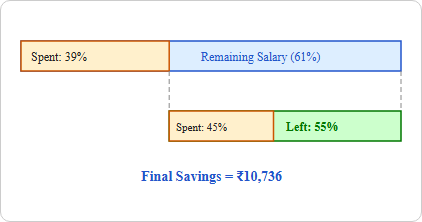
Total spend from salary = 24% + 15% = 39%. Remaining = 61%.

Spend from remaining = 25% + 20% = 45%. Leftover = 100% − 45% = 55%.

Final savings = 55% of 61% of Salary = 0.55 × 0.61 × S = 0.3355S.

0.3355S = 10736 ⇒ S = 10736 ÷ 0.3355 = 32000.

∴ The correct answer is ₹32,000.

Alternate Method

Given:

Food expenditure = 24% of salary

Education expenditure = 15% of salary

Entertainment + Conveyance = 25% + 20% = 45% of remaining salary

Savings (Final Left) = ₹10,736

Let Monthly Salary be ₹X.

⇒ Salary after food and education = X − (24% + 15%) of X

⇒ Salary after food and education = X − 39% of X = 61% of X = 0.61X

⇒ Expenditure from remaining salary = (25% + 20%) of 0.61X = 45% of 0.61X

⇒ Final remaining amount = 0.61X × (100% − 45%) = 0.61X × 55%

⇒ Final remaining amount = 0.61X × 0.55 = 0.3355X

⇒ 0.3355X = 10736

⇒ X = 10736 ÷ 0.3355

⇒ X = (10736 × 10000) ÷ 3355

⇒ X = 3.2 × 10000 = 32000

∴ The correct answer is ₹32,000.

Additional Information

Successive Percentage Change

When percentages are applied to the remaining balance, it is a successive change. Final Value = Initial Value × (1 − r1/100) × (1 − r2/100).

Net Percentage Spend

If expenses are listed as part of the total, add them directly. If listed as part of the remaining, multiply the remaining fractions.

Base Value Concept

Always identify the base (total salary vs remaining salary) before calculating percentage values to avoid errors.

36

निम्नलिखित में से किस विकल्प में विलोम-युग्म सही नहीं है ?

  1. ((a))

    औचक - अकसर

  2. ((b))

    डाँवाँडोल - अस्थिर

  3. ((c))

    झिड़कना - पुचकारना

  4. ((d))

    ग़ाफिल - ख़बरदार

Show Answer
Answer: ((b))

डाँवाँडोल - अस्थिर

डाँवाँडोल - अस्थिर सही व‍िलोम-युग्‍म नहीं है। अन्‍य व‍िकल्‍प असंगत हैं। 

Key Points

  • अशुद्ध व‍िलोम-युग्‍म- डाँवाँडोल - अस्थिर
  • डाँवाँडोल का अर्थ- चंचल
  • अस्थिर का अर्थ- जो स्थिर न हो
  • अस्थिर का व‍िलोम शब्‍द- स्थिर
  • अन्‍य व‍िकल्‍पों में द‍िए गए व‍िलोम-युग्‍म सही हैं।

Important Pointsकुछ अन्‍य व‍िलोम शब्‍द- 

शब्‍दविलोम
जड़चेतन
वक्‍ताश्रोता
उन्‍मूलनरोपण
आघातप्रतिघात
अनिवार्यऐच्छिक
आवृत्तअनावृत्त
विज्ञअज्ञ
आलोकतिमिर
कृत्रिमप्राकृतिक
37

'होनहार बिरवान के होत चिकने पात' लोकोक्ति का अर्थ निम्न में से क्या है ?

  1. ((a))

    होनहार व्यक्ति सदा दिखावा करता है ।

  2. ((b))

    होनहार व्यक्ति हमेशा दूसरों के दोष निकालता है ।

  3. ((c))

    होनहार व्यक्ति बहुत ही परिश्रम करता है।

  4. ((d))

    होनहार व्यक्तियों की प्रतिभा बचपन में ही दिखाई दे जाती है।

Show Answer
Answer: ((d))

होनहार व्यक्तियों की प्रतिभा बचपन में ही दिखाई दे जाती है।

द‍िए गए मुहावरे का सही अर्थ "होनहार व्यक्तियों की प्रतिभा बचपन में ही दिखाई दे जाती है।" है। अन्‍य व‍िकल्‍प असंगत हैं। 

Key Points 

मुहावराअर्थवाक्‍य प्रयोग
होनहार बिरवान के होत चिकने पातहोनहार व्यक्तियों की प्रतिभा बचपन में ही दिखाई दे जाती है।अब्दुल कलाम बचपन से ही मेधावी एवं मां बाप की आज्ञा का पालन करने वाले थे। सच ही कहा है– होनहार बिरवान के होत चीकने पात।

Important Points 

 कुछ अन्‍य महत्‍वपूर्�� मुहावरे- 

मुहावरेअर्थवाक्‍य प्रयोग
अंधा बननाकिसी बात पर ध्यान न देना।राम जानबूझकर अपने पिता जी की बातों पर ध्‍यान नहीं देता है।
स्वागत के लिए राह देखना।बेसब्री से इन्‍तजार करनासीता अपने मित्र के स्‍वागत के लिए सुबह से राह देख रही है।
अंधकार दूर करना।रोशनी का आस दिखानाराम ने सरकारी नौकरी प्राप्‍त करके अपने माता-पिता के अंधकार को दूर करने का काम किया है।
38

निम्नलिखित में से किस विकल्प में सभी शब्द पुल्लिंग हैं ?

  1. ((a))

    संचार, पालन, ग्रीवा

  2. ((b))

    मनुष्यत्व, बनावट, रौनक

  3. ((c))

    पतलून, झल्लाहट, अक्षुण्णता

  4. ((d))

    प्लेटफार्म, प्राधिकरण, गिरोह

Show Answer
Answer: ((d))

प्लेटफार्म, प्राधिकरण, गिरोह

प्लेटफार्म, प्राधिकरण, गिरोह ये सभी पुल्लिंग शब्‍द हैं। 

Key Points

  • पुल्लिंग शब्‍द- प्लेटफार्म, प्राधिकरण, गिरोह

​अन्‍य व‍िकल्‍प- 

शब्‍दल‍िंंग
पुल्लिंगसंचार, ग्रीवा, मनुष्यत्व,पतलून
स्‍त्रीलिंगपालन,बनावट, रौनक,झल्लाहट, अक्षुण्णता

Additional Information

लिंग- शब्‍द के जिस रूप से यह जाना जाय कि वह पुरूष जाति के लिए आया है या स्‍त्री जाति के लिए, उसे व्‍याकरण में लिंग कहते हैं। जैसे- माता, पिता, शेर, शेरनी आदि।

हिंदी में दो प्रकार के लिंग है। 

लिंगपरिभाषाउदाहरण
पुल्लिंगऐसे शब्‍द जिनसे पुरूष जाति का बोध होता है, उसे पुल्लिंंग कहते हैं।लड़का, बूढ़ा, शेर, युवक, गधा आदि।
स्‍त्रीलिंगऐसे शब्‍द जिनसे स्‍त्री जाति का बोध हो, उसे स्‍त्रीलिंग कहते हैं।लड़की, शेरनी, युवती, बुढ़‍िया आदि।
39

निम्नलिखित में से किस विकल्प में शुद्ध वाक्य है ?

  1. ((a))

    महादेवी छायावादी कवयित्रि है। 

  2. ((b))

    जब भी आप आओ, मुझे मिलें।

  3. ((c))

    आपका दर्शन पाकर मैं धन्य हो गया।

  4. ((d))

    रमा ने अपने भाई से पुस्तक पढ़ने को कहा।

Show Answer
Answer: ((d))

रमा ने अपने भाई से पुस्तक पढ़ने को कहा।

''रमा ने अपने भाई से पुस्तक पढ़ने को कहा।'' यह वाक्‍य शुद���ध है। 

Key Points

  • शुद्ध वाक्‍य- रमा ने अपने भाई से पुस्तक पढ़ने को कहा।

​अन्‍य व‍िकल्‍प- 

अशुद्ध वाक्‍यशुद्ध वाक्‍य
महादेवी छायावादी कवयित्रि है।महादेवी छायावादी कवयित्री हैं।
जब भी आप आओ, मुझे मिलें।जब भी आप आओ, मुझसे  मिलें।
आपका दर्शन पाकर मैं धन्य हो गया।आपके दर्शन पाकर मैं धन्य हो गया।

Important Points 

  • वाक्य रचना में संज्ञा,सर्वनाम,विशेषण,क्रिया,अव्यय, वर्तनी से सम्बंधित या अन्य प्रकार की अशुद्धियाँ हो सकती हैं जिनसे सम्बंधित विभिन्न प्रश्न परीक्षाओं में पूछे जाते हैं।

जैसे-

संज्ञा संबंधित वाक्य शुद्धि

  • अशुद्ध - मैं रविवार के दिन तुम्हारे घर आऊँगा।
  • शुद्ध - मैं रविवार को तुम्हारे घर आऊँगा।

लिंग संबंधित अशुद्धियाँ

  • अशुद्ध - सविता ने जोर से हँस दिया।
  • शुद्ध - सविता जोर से हँस दी।

वचन संबंधित अशुद्धियाँ

  • अशुद्ध -मेरे आँसू से रूमाल भींग गया।
  • शुद्ध - मेरे आँसुओं से रूमाल भींग गया।

कारक संबंधित अशुद्धियाँ

  • अशुद्ध - सब से नमस्ते।
  • शुद्ध - सब को नमस्ते।
40

'कलम के जादूगर' किसे कहा गया है ? 

  1. ((a))

    मैथिलीशरण गुप्त

  2. ((b))

    सुमित्रानंदन पंत 

  3. ((c))

    रामवृक्ष बेनीपुरी 

  4. ((d))

    मुंशी प्रेमचंद

Show Answer
Answer: ((c))

रामवृक्ष बेनीपुरी 

'कलम का जादूगर**' 'रामवृक्ष बेनीपुरी'** को कहा जाता है। अन्‍य व‍िकल्‍प असंगत हैं। 

Key Points 

  • 'कलम का जादूगर' 'रामवृक्ष बेनीपुरी' को कहा जाता है।

रामवृक्ष बेनीपुरी की प्रमुख रचनाएं

कव‍िरचनाऍं
रामवृक्ष बेनीपुरीकहानी संग्रह- चिता के फूल, शब्द-चित्र-संग्रह, लाल तारा, माटी की मूरतें, गेहूँ और गुलाब। उपन्यास- पतितों के देश में, कैदी की पत्नी, दीदी और सात दिन नाटक- अम्बपाली, सीता की माँ, संघमित्रा,'सिंहलविजय, रामराज्य, गाँव के देवता, नया समाज, नेत्रदान

Additional Informationअन्‍य व‍िकल्‍प-

रचनाकाररचनाऍं
मुंशी प्रेमचंदउपन्‍यास- कर्मभूमि(1932), सेवा सदन(1918), निर्मला(1925), प्रतिज्ञा(1927), गबन(1928)। नाटक- कर्बला(1924), प्रेम की वेदी(1933), संग्राम(1923)।
मैथिलीशरण गुप्तखण्डकाव्य- जयद्रथ वध 1910, भारत-भारती 1912, पंचवटी 1925, द्वापर 1936, सिद्धराज नाटक - रंग में भंग 1909
सुमित्रानंदन पंतकविताऍं- वीणा (1919), ग्रंथि (1920), पल्‍लव(1926), गुंजन (1932), युगपथ(1949), चिदंबरा (1958)। उपन्‍यास- हार (1960) आदि।
41

Choose the antonym of underlined word from the given options:

He is very fastidious about his choice of food.

  1. ((a))

    Careful

  2. ((b))

    Thoughtless

  3. ((c))

    Careless

  4. ((d))

    Indiscreet

Show Answer
Answer: ((c))

Careless

The correct answer is 'Careless'.

Key Points

  • The word "fastidious" means being very attentive to and concerned about accuracy and detail, often excessively so.
  • For example: "Due to her fastidious nature, she would spend hours organizing her desk to perfection."
  • From the given options, the antonym of 'fastidious' is  'Careless'.
  • 'Careless' signifies the lack of proper attention or thought; showing a lack of concern or consideration, or acting without thought or consideration of the consequences.
  • For example: "His careless attitude towards his studies resulted in poor grades."
  • Therefore, the correct answer is Option 3.


 Additional Information

  • Careful: Giving serious attention to detail; cautious in one's actions to avoid mistakes or mishaps.
  • Indiscreet: Lacking discretion, inconsiderate in speech or action; showing a lack of judgement or tact.
  • Thoughtless: Lacking consideration for others; without regard for the consequences of one's actions.
42

Put the correct form of the verb:

I am the person who __________ to be blamed.

  1. ((a))

    am 

  2. ((b))

    are

  3. ((c))

    is

  4. ((d))

    were

Show Answer
Answer: ((c))

is

The correct answer is 'is'. 

Key Points

  • When a pronoun like "who" is used in connection to a relative clause, the verb should agree with its antecedent.
  • For example: "I am the student who is always on time." (Here, "who is " refers to and agrees with "the student")
  • In this case, the antecedent of "who" is "the person".
  • The ''person" is third person singular, so the corresponding form of the verb "to be" would be "is".
  • Therefore, based on the above given points, the correct answer is Option 3.

Complete sentence - I am the person who  is  to be blamed.

43

Which of the following spellings is incorrect?

  1. ((a))

    Journey 

  2. ((b))

    Amateur

  3. ((c))

    Beneficiary

  4. ((d))

    Aniversary

Show Answer
Answer: ((d))

Aniversary

The correct answer is 'Aniversary'.

Key Points

  • The incorrectly spelt word is 'Aniversary'.
  • The correct spelling is "Anniversary". The word 'anniversary' needs two 'n's.
  • It refers to the yearly recurrence of the date of a past event.
  • It is typically used to commemorate or celebrate a significant occasion that occurred on that specific date in a previous year, such as a wedding, foundation of an institution, or any important historical event.
  • For example, "They celebrated their 10th wedding anniversary last weekend''.
  • The remaining words are correctly spelt.

Therefore, the correct answer is Option 4. 

Additional Information

  • Journey: A trip or voyage from one place to another, often over a long distance or period of time.
  • Amateur: A person who engages in a pursuit, especially a sport, on an unpaid basis or without professional skill.
  • Beneficiary: A person who receives benefits or advantages, especially as a result of a legal arrangement like a will or insurance policy.

Read the following paragraph and answer the following questions:

India is marked by a diversity of physical features such as mountains, plateaus, plains, coasts and islands. Standing as sentinels in the north are the lofty snow-capped Himalayas. Him + alaya mean 'the abode of snow'. The Himalayan mountains are divided into three main parallel ranges. The northernmost is the Great Himalaya or Himadri. The world's highest peaks are located in this range. Middle Himalaya or Himachal lies to the south of Himadri. Many popular hill stations are situated here. The Shiwalik is the southernmost range. The northern Indian plains lie to the south of the Himalayas. They are generally level and flat. These are formed by the alluvial deposits laid down by the rivers - The Indus, The Ganga, The Brahmaputra and their tributaries. These river plains provide fertile land for cultivation. That is the reason for high concentration of population in these plains.

44

World's highest peaks are located in the

  1. ((a))

    Shiwalik range

  2. ((b))

    Himadri range

  3. ((c))

    Middle Himalaya

  4. ((d))

    Southernmost range

Show Answer
Answer: ((b))

Himadri range

The correct answer is 'Himadri range'.

Key Points

  • According to the passage, the Himalayas are divided into three main parallel ranges.
  • It specifically mentions that "The northernmost is the Great Himalaya or Himadri. The world's highest peaks are located in this range. ''
  • So, it implies that the world's highest peaks are located in the Himadri range.

Therefore, the correct answer is Option 2.

45

Northern Indian plains are rich in

  1. ((a))

    Alluvial deposits 

  2. ((b))

    Iron ore deposits

  3. ((c))

    Diamond mines

  4. ((d))

    Copper deposits

Show Answer
Answer: ((a))

Alluvial deposits 

The correct answer is '​Alluvial deposits '.

Key Points

  • The passage mentions that "The northern Indian plains lie to the south of the Himalayas. They are generally level and flat. These are formed by the alluvial deposits laid down by the rivers - The Indus, The Ganga, The Brahmaputra and their tributaries."
  • Alluvial deposits are sediments such as gravel, sand, silt, and clay transported and deposited by rivers.
  • They are typically rich in nutrients, making them highly fertile and ideal for agriculture.
  • Hence, according to the passage, the Northern Indian plains are rich in alluvial deposits.

Therefore, the correct answer is Option 1.

46

In a certain code language, '@' represents '+', '⊕' represents '-' 'α' represents '÷' and 'θ' represents '×'. 

Find out the answer to the following question:

8900 α 100 ⊕ 5 θ 4 ⊕ 121 α 11 = ?

  1. ((a))

    58

  2. ((b))

    158

  3. ((c))

    62

  4. ((d))

    205

Show Answer
Answer: ((a))

58

Decoding the information, 

Sign@αθ
Means+-÷×

Given:

8900 α 100 ⊕ 5 θ 4 ⊕ 121 α 11 = ?

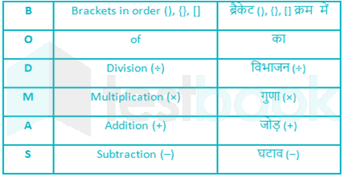
After replacing the signs from left to right and using the BODMAS rule,

8900 ÷ 100 - 5 × 4 - 121 ÷ 11

= 89 - 5 × 4 - 11

= 89 - 20 - 11

89 - 31

= 58

Hence, “58” is the correct answer.

47

Find out the wrong number in the given sequence of numbers:

582, 605, 588, 611, 634, 617, 600

  1. ((a))

    611

  2. ((b))

    605

  3. ((c))

    600

  4. ((d))

    634

Show Answer
Answer: ((d))

634

The logic followed here is:

By following the correct pattern, we can check:

Starting with 582:

582 + 23 = 605

605 - 17 = 588

588 + 23 = 611

611 - 17 = 594 (Not 634)

Therefore, the number 634 is incorrect. The correct value should be:

611 - 17 = 594

Hence, the correct answer is "634".

48

What was the day of the week on 17th June, 1998?

  1. ((a))

    Monday

  2. ((b))

    Thursday

  3. ((c))

    Wednesday

  4. ((d))

    Tuesday

Show Answer
Answer: ((c))

Wednesday

Given date: 17 June 1998.

YearOdd Days
1005 odd days
2003 odd days
3001 odd days
4000 odd days

Now,

Till 1600 → 0 odd days

Till 1900 (300 years) → 1 odd day

From 1900 to 1997 (97 years)

Leap Year2 Odd days
Ordinary Year1 Odd day

Number of leap years between 1900 and 1997

= (1997 - 1900) / 4

= 97 / 4 = 24 (only consider the whole number part)

Number of ordinary years

= 97 - 24 = 73

Therefore, total odd days in 97 years

= (24 * 2) + (73 * 1)

= 48 + 73 = 121

In 97 Years, the odd day count is 121.

So far, odd days until 1997 = 0 (for 1600 years) + 1 (for 300 years) + 121 = 122.

122 modulo 7 = 3 odd days (since 122 / 7 gives a remainder of 3).

From 1st January 1998 to 17th June 1998:

31 (Jan) + 28 (Feb) + 31 (Mar) + 30 (Apr) + 31 (May) + 17 (Jun) = 168 days.

Total odd days in 168 days = 168 / 7 = 24 weeks and 0 odd days.

Total odd days = 3 (odd days up to 1997) + 0 = 3 odd days.

⇒ 3 represents Wednesday.

So, 17 June 1998 is a Wednesday.

Hence, the correct answer is “Wednesday”.

49

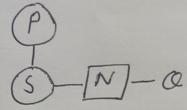
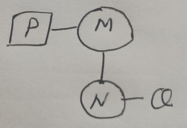
If A + B means A is the mother of B; A - B means A is the brother of B; A % B means A is the father of B and A × B means A is the sister of B, which of the following shows that P is the maternal uncle of Q?

  1. ((a))

    Q - N + M × P

  2. ((b))

    Q - S % P

  3. ((c))

    P + S × N - Q

  4. ((d))

    P - M + N × Q

Show Answer
Answer: ((d))

P - M + N × Q

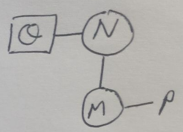
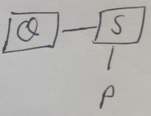
Family Chart:

Given

A is
Symbol+-%×
MeaningMotherBrotherFatherSister
Of B


Check all options:

  1. Q - N + M × P

Hence, P is the nephew/niece of N.

  1. Q - N + M × P

Hence, P is the nephew/niece of Q.

  1. P + S × N - Q

Hence, P is the mother of Q.

  1. P - M + N × Q

Therefore, P is the maternal uncle of Q.

Hence, "Option (4)" is the correct answer.

50

In the question below two statements followed by two conclusions numbered I and II are given. You have to take the given two statements to be true even if they seem to be at variance from commonly known facts. Read the conclusions and then decide which of the given conclusions logically follows from the two given statements, disregarding commonly known facts.

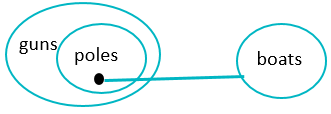
Statements: All poles are guns. Some boats are not poles.

Conclusions:

I. All guns are boats.

II. Some boats are not guns.

  1. ((a))

    If only conclusion I follows.

  2. ((b))

    If only conclusion II follows.

  3. ((c))

    If either I or II follows.

  4. ((d))

    If neither I nor II follows.

Show Answer
Answer: ((d))

If neither I nor II follows.

The possible Venn diagram is as follows,

Conclusions:

I. All guns are boats → False (because no direct relationship given between guns and boats so it may be possible but not defined)

II. Some boats are not guns → False (because no direct relationship given between boats and guns so it may be possible but not defined)

Hence, the correct answer is "If neither I nor II follows".

51

Recently, Shubhankar Sharma, Indian golfer has recorded the best result at the Open after finishing in tied-eighth position at the Royal Liverpool Golf Club in Merseyside, England. In which year he was conferred the Arjuna Award?

  1. ((a))

    2016

  2. ((b))

    2018

  3. ((c))

    2020

  4. ((d))

    2022

Show Answer
Answer: ((b))

2018

The correct answer is 2018.

Key Points

  • ​Shubhankar Sharma was conferred the Arjuna Award in the year 2018.
  • Shubhankar Sharma (born 21 July 1996) is an Indian professional golfer.
  • In December 2017, he recorded his first tour win in the Joburg Open and followed this with a second win at the Maybank Championship in February 2018.
52

Which among the following Government of India undertaken Corporation has become the first member to join "Asia Transition Finance Study Group" (ATFSG) ?

  1. ((a))

    India Infrastructure Finance Company Limited

  2. ((b))

    Industrial Finance Corporation Limited

  3. ((c))

    National Housing Bank

  4. ((d))

    Power Finance Corporation Limited

Show Answer
Answer: ((d))

Power Finance Corporation Limited

The correct answer is Power Finance Corporation Limited.

Key Points

  • Power Finance Corporation Limited become the first member to join "Asia Transition Finance Study Group" (ATFSG).
  • It is dedicated to advancing sustainable transition finance in Asian nations
  • It is an initiative spearheaded by the Japanese Ministry of Economy, Trade and Industry (METI) to promote sustainable transition finance in Asian countries.
53

During the closing ceremony of Startup-20 at Gurugram, India officially handed over the torch to which among the following countries for the year 2024 ?

  1. ((a))

    France 

  2. ((b))

    Canada

  3. ((c))

    Brazil

  4. ((d))

    Germany

Show Answer
Answer: ((c))

Brazil

The correct answer is Brazil.

In News

  • India handed over the torch of Startup 20 to Brazil.

Key Points

  • Dr. Chintan Vaishnav, the President of Startup20, officially handed over the torch to Brazil as Brazil will chair the G20 next year.
  • Startup 20 Shikhar Summit
  • It was organized by the Startup 20 Engagement Group under the India G20  Presidency and concluded successfully in Gurugram.
  • The two-day summit served as a platform for fostering innovations, collaborations, knowledge sharing, and strategic alliances within the global startup ecosystem.
  • The closing ceremony saw the official torch handover to Brazil, the next G20 presidency country, which committed to continuing the Startup20 initiative in 2024.
  • The G20 countries will work towards creating and adopting a comprehensive definition framework for startups, providing clarity and consistency in identifying and supporting them.
  • The Startup20 Gurugram Shikhar Summit also featured showcases of outstanding national and international startups.
54

Which portal is launched by Chief Justice of India (CJI) D.Y. Chandrachud that allows advocates, litigants, citizens to request QR code-based e-passes to enter in the Supreme Court of India?

  1. ((a))

    SuAbhivadan

  2. ((b))

    SuSwagatam 

  3. ((c))

    SuPranam 

  4. ((d))

    SuSatkar

Show Answer
Answer: ((b))

SuSwagatam 

The correct answer is SuSwagatam.

Key Points

  • ‘SuSwagatam’ is a user-friendly web application.
  • It enables advocates, visitors, and interns to register online and request e-passes for various purposes, including attending court hearings and meeting with advocates.
55

Recently, Union Minister of Road Transport and Highways Shri Nitin Gadkari launched the Bharat NCAP aiming to enhance road safety by elevating vehicle safety standards for up to 3.5-tonne vehicles in India. Give full form of NCAP.

  1. ((a))

    New Car Assessment Production

  2. ((b))

    New Car Assessment Programme

  3. ((c))

    New Car Acknowledge Production 

  4. ((d))

    New Car Assessment Portal

Show Answer
Answer: ((b))

New Car Assessment Programme

The correct answer is New Car Assessment Programme.

Key Points

  • Nitin Gadkari launches Bharat NCAP(New Car Assessment Programme).
  • The Bharat New Car Assessment Programme was launched by Union Minister of Road Transport and Highways Shri Nitin Gadkari on August 22, 2023, in New Delhi.
  • The program aims to enhance road safety by elevating vehicle safety standards for up to 3.5-tonne vehicles in India.
  • Bharat NCAP will also greatly pursue the safety and quality of the vehicles in India.
  • The program is applicable to type-approved motor vehicles of the M1 category less than 3.5 T GVW.
  • This is a voluntary program in which the base variants of a given model shall be tested.
56

Indo-US task force has been set up to elevate trade in which of the following sector to $100 billion in next decade ?

  1. ((a))

    Medicine

  2. ((b))

    Space

  3. ((c))

    Computer Science

  4. ((d))

    Electronics

Show Answer
Answer: ((d))

Electronics

The correct answer is Electronics.

Key Points

  • Indo-US task force has been set up to elevate trade into $100 billion in Electronics in next decade.
  • Indian Cellular & Electronics Association (ICEA) has established a dedicated task force.
  • The establishment of the Critical and Emerging Technology (iCET) is a pivotal component of this initiative.
57

World's first 7-minute cancer treatment "jab" to be rolled out in which country ?

  1. ((a))

    England 

  2. ((b))

    U.S.A.

  3. ((c))

    U.A.E.

  4. ((d))

    China

Show Answer
Answer: ((a))

England 

The correct answer is England.

Key Points

  • World's first 7-minute cancer treatment "jab" to be rolled out in England.
  • Britain's state-run national health service will be the first in the world to offer an injection that treats cancer to hundreds of patients in England, which could cut treatment times by up to three quarters.
  • Following approval from the Medicines and Health Care Products Regulatory Agency (MHRA), NHS England informed hundreds of eligible patients treated with the immunotherapy, atezolizumab, were set to have "under the skin" injection, which will free up more time for cancer teams.
58

What is the age limit for females in "Mukhyamantri Ladli Behna Yojana" implemented in Madhya Pradesh?

  1. ((a))

    Must have completed 21 years as on 01 January in the calendar year of application and less than 60 years. 

  2. ((b))

    Must have completed 21 years as on 01 January in the calendar year of application and less than 58 years.

  3. ((c))

    Must have completed 23 years as on 01 January in the calendar year of application and less than 60 years.

  4. ((d))

    Must have completed 18 years as on 01 January in the calendar year of application and less than 65 years.

Show Answer
Answer: ((a))

Must have completed 21 years as on 01 January in the calendar year of application and less than 60 years. 

The correct answer is Must have completed 21 years as on 01 January in the calendar year of application and less than 60 years​.

Key Points

  • Mukhyamantri Ladli Behna Yojana:-
  • It is a scheme launched by the Madhya Pradesh government to economically empower women.
  • Under this scheme, a sum of ₹1,250 per month is provided to women of the state above the age of 21, irrespective of their caste, religion or community.
  • The scheme was launched on March 5, 2023, and a provision of ₹1,000 crore has been made for it in the 2023-24 budget.
  • The eligibility criteria for the beneficiaries of the Ladli Behna Yojana are as follows:
  • The applicant must be above 21 years of age.
  • The applicant must belong to any caste, religion or community.
  • Candidates can be married, widowed or divorced women.
  • The applicant must have a bank account.
  • The applicant must have an Aadhaar card and other necessary documents.
59

Northeast Frontier Railway, bags PMI South Asia Award for "Micro Project of the Year”. This Project is “Instruction Detection System" to save life of which of the following animals?

  1. ((a))

    Goat

  2. ((b))

    Elephant 

  3. ((c))

    Sheep 

  4. ((d))

    Dog 

Show Answer
Answer: ((b))

Elephant 

The correct answer is Elephant.

Key Points

  • The Northeast Frontier Railway bagged the PMI South Asia Award for its 'Micro Project of the Year' that is, 'Intrusion Detection System' for saving elephant lives.
  • The Intrusion Detection System (IDS) helps to detect elephants approaching the railway tracks and an alert is sent to the local pilot, station master, also station manager so the accident can be prevented.
  • This marks the first-ever victory for a zonal railway under the Ministry of Railways since the inception of the award in 2009.
  • This year, the NF Railway defeated BEL (Bharat Electronics) to bag this award.
  • It is worth mentioning that the PMI South Asia has been established to recognise and honour the achievements made in the field of project management.
60

Name the annual training exercise embarked by Western Air Command of Indian Air Force (IAF) recently.

  1. ((a))

    Swastik 

  2. ((b))

    Shankh 

  3. ((c))

    ​Tandav

  4. ((d))

    Trishul 

Show Answer
Answer: ((d))

Trishul 

The correct answer is Trishul.

Key Points

  • The annual training exercise embarked by Western Air Command of Indian Air Force (IAF) recently is Trishul.
  • The internal exercise is being held from September 4 to14 and all frontline assets under the command such as fighter jets, transport aircraft and helicopters will be deployed.
  • The IAF has airlifted nearly 70,000 Army troops and heavy platforms as part of efforts towards enhancing the overall operational preparedness in eastern Ladakh.
61

"Maenam Wildlife Sanctuary" is situated in which of the following State/UTs of India?

  1. ((a))

    Ladakh 

  2. ((b))

    Jammu & Kashmir 

  3. ((c))

    Sikkim 

  4. ((d))

    Assam

Show Answer
Answer: ((c))

Sikkim 

The correct answer is Sikkim.

Key Points

  • "Maenam Wildlife Sanctuary" is situated in Sikkim.
  • Maenam Wildlife Sanctuary is located on the Maenam-Tendong ridge which runs north-south bisecting Sikkim longitudinally and is drained by the Tista river to the East and Rangit river in the West.
  • There is also a historical Buddhist monastery, the Maenam Gompa, at the top of the ridge.
62

"Ramappa Temple" located in Palampet village of Telangana state that was declared as UNESCO World Heritage Site in the year 2021, had been built during the rule of which of the following dynasties?

  1. ((a))

    Musunuri

  2. ((b))

    Bahmani

  3. ((c))

    Vijayanagara

  4. ((d))

    Kakatiyan

Show Answer
Answer: ((d))

Kakatiyan

The correct answer is Kakatiyan.

Key Points

  • Ramappa temple is situated in Palampet village of the Venkatapur Mandal, in Mulugu district.
  • Ramappa Temple, also known as the Rudreshwara temple, is a UNESCO World Heritage Site located in Telangana, India.
  • Its construction started in the year 1213 CE by Recharla Rudra, a General of Kakatiya ruler Ganapati Deva 1199–1262.

Additional Information

  • World Heritage Sites are some of the special places present in the world which are protected by the international body UNESCO.
  • UNESCO celebrates 'World Heritage Day' every year on 18 April to create awareness among people about these places.
  • According to the Union Ministry of Cultural Affairs, the total number of UNESCO World Heritage Sites in India is 43.
  • Kangchenjunga National Park is the only Mixed UNESCO site in India.​
63

The Prime Minister and the other Ministers of the Indian Union are appointed by the President under ___________ of the Constitution of India.

  1. ((a))

    Article 73

  2. ((b))

    Article 72

  3. ((c))

    Article 70

  4. ((d))

    Article 75

Show Answer
Answer: ((d))

Article 75

The correct answer is Article 75.

Key Points

  • The Prime Minister and the other Ministers of the Indian Union are appointed by the President under Article 75 of the Constitution of India.
  • The Part V of the Constitution (Union) deals with President, Vice-President, Council of Ministers (COM) headed by Prime Minister and Attorney General.
  • According to Article 75, The President appoints the Prime Minister, and the other Ministers are appointed by the President on the recommendation of the Prime Minister.
  • The total number of ministers, including the Prime Minister, shall not exceed 15% of the total number of members of the People's House in the Council of Ministers.
  • The ministers shall hold office at the President's pleasure.
64

“Koothu” is a socio-religious art performed in Koothambalam temple in which of the following State/UTs of India ?

  1. ((a))

    Sikkim

  2. ((b))

    Andhra Pradesh

  3. ((c))

    Kerala

  4. ((d))

    Telangana

Show Answer
Answer: ((c))

Kerala

The correct answer is Kerala.

Key Points

Koothu art performed in Kerala

  • Koothu is a traditional performing art form of Kerala, India.
  • It is a solo narrative performance interspersed with mime and comic interludes. The performer, known as a Chakyar, is a highly trained and respected artist who narrates stories from Hindu mythology and epics, such as the Ramayana and the Mahabharata.
  • Koothu performances are typically held in Koothambalams, which are temple theaters.
  • The stage is set up with a simple platform and a few props. The performer sits on the platform and narrates the story using a variety of techniques, including singing, dancing, and storytelling.
  • Koothu performances are often several hours long and can be very complex.
  • The performer must be able to remember a vast amount of text and deliver it in a way that is both entertaining and informative.
  • Koothu is an important part of Kerala's cultural heritage.
  • It is a tradition that has been passed down from generation to generation.
  • Koothu performances are still held in many temples across Kerala today.
65

The headquarters of "Central Institute of Indian Languages" is situated at which of the following places?

  1. ((a))

    Mysuru, Karnataka

  2. ((b))

    Mumbai, Maharashtra

  3. ((c))

    Bhopal, Madhya Pradesh

  4. ((d))

    Manesar, Gurgaon

Show Answer
Answer: ((a))

Mysuru, Karnataka

The correct answer is " Mysuru ".

Key Points

  • The Central Institute of Indian Languages is an Indian research and teaching Institute situated in Mysuru.
  • It was founded on 17 July 1969.
  • It is the part of language bureau of the Ministry of Human Resource development.
  • The aim of the institute is to protect and document minor, minority and tribal languages.
66

How many member states are there in the "Organisation for the Prohibition of Chemical Weapons” (OPCW) ?

  1. ((a))

    195

  2. ((b))

    194

  3. ((c))

    203

  4. ((d))

    193

Show Answer
Answer: ((d))

193

The correct answer is 193.

Key Points

  • About OPCW:
  • It has 193 member states.
  • OPCW is an intergovernmental organisation and the implementing body for the Chemical Weapons Convention (CWC).
  • It came into force on 29 April 1997.
  • The headquarters of Organisation for the Prohibition of Chemical Weapons (OPCW) are located at The Hague, Netherlands.
  • Fernando Arias is the Director General of OPCW.
  • It oversees the global endeavour for the permanent and verifiable elimination of chemical weapons.
  • It promotes and verifies the adherence to the Chemical Weapons Convention, which prohibits the use of chemical weapons and requires their destruction. Verification consists both of evaluation of declarations by member states and onsite inspections.
  • The organisation was awarded the 2013 Nobel Peace Prize for its extensive efforts to eliminate chemical weapons.
67

Which of the following is an official language of the Maldives?

  1. ((a))

    Dari

  2. ((b))

    Dzongkha

  3. ((c))

    Malayalam

  4. ((d))

    Divehi 

Show Answer
Answer: ((d))

Divehi 

The correct answer is Divehi 

Key Points

  • The official language of Maldives is Divehi.
  • National fish : Fin Tuna.
  • National flower : Pink Rose(Rosa polyantha)
  • National tree : Coconut palm.
68

The "Pula" is the national currency of which of the following countries?

  1. ((a))

    Botswana

  2. ((b))

    Cambodia

  3. ((c))

    Myanmar

  4. ((d))

    Poland

Show Answer
Answer: ((a))

Botswana

The correct answer is Botswana.

Key Points

  • The pula is the currency of Botswana.
  • Pula literally means "rain" in Setswana, because rain is very scarce in Botswana.

Additional Information

  • Botswana is a landlocked country in southern Africa.
  • It is bordered by South Africa to the south and east, by Namibia to the west, and by Zimbabwe to the east.
  • The massive Kalahari Desert covers more than 70 percent of Botswana.
  • Most of the country is covered by grassland called savanna.
69

"Perungadai" is a work of epic proportion by Kongu Velir. It belongs to which of the following literature of India? 

  1. ((a))

    Telugu Literature

  2. ((b))

    Tamil Literature

  3. ((c))

    Kannada Literature

  4. ((d))

    Malayalam Literature

Show Answer
Answer: ((b))

Tamil Literature

The correct answer is Tamil Literature.

Key Points

  • Tamil has a literary tradition that goes back to the period of the Sangams (c. 300 BC – c. 300 CE).
  • The most well-known surviving works from this period are-
  • Perungadai (another work of epic proportion by Kongu Velir).
  • Tolkappiyam (a book of grammar attributed to Tolkappiyar),
  • Ettu Togai (Eight Anthologies),
  • Pattu Pattu (Ten Idylls), epics like Silappadikaram and Manimekalai (authored by Ilango Adigal and Sattanar respectively),
  • Thiru Kural (a Tamil treatise par excellence by Thiruvalluvar)
70

Which of the following gallantry awards was renamed as "Shaurya Chakra" in the year 1967 by Government of India ? 

  1. ((a))

    Ashoka Chakra Class - I

  2. ((b))

    Ashoka Chakra Class - II

  3. ((c))

    Ashoka Chakra Class - III 

  4. ((d))

    Mahavir Chakra

Show Answer
Answer: ((c))

Ashoka Chakra Class - III 

Instituted on 4 Jan 1952 as Ashoka Chakra Class-III and renamed on 27 Jan 1967 as Shaurya Chakra and awarded for gallantry, otherwise than in the face of the enemy.

निम्नलिखित गद्यांश को पढ़कर पूछे गए प्रश्नों के उत्तर दीजिए-

समाज की विषमता शोषण की जननी है। समाज में जितनी विषमता होगी, सामान्यतया शोषण उतना ही अधिक होगा। चूँकि हमारे देश में सामाजिक, आर्थिक, शैक्षणिक व सांस्कृतिक असमानताएँ अधिक हैं जिसकी वजह से एक व्यक्ति एक स्थान पर शोषक तथा वही दूसरे स्थान पर शोषित होता है। जब बात उपभोक्ता संरक्षण की हो तब पहला प्रश्न यह उठता है कि उपभोक्ता किसे कहते हैं? या उपभोक्ता की परिभाषा क्या है ? सामान्यतः उस व्यक्ति या व्यक्ति समूह को उपभोक्ता कहा जाता है जो सीधे तौर पर किन्हीं भी वस्तुओं अथवा सेवाओं का उपयोग करते हैं। इस प्रकार सभी व्यक्ति किसी - न - किसी रूप में उपभोक्ता होते हैं और शोषण का शिकार होते हैं।

हमारे देश में ऐसे अशिक्षित, सामाजिक एवं आर्थिक रूप से दुर्बल अशक्त लोगों की भीड़ है जो शहर की मलिन बस्तियों में, फुटपाथ पर, सड़क तथा रेलवे लाइन के किनारे, गंदे नालों के किनारे झोंपड़ी डालकर अथवा किसी भी अन्य तरह से अपना जीवन यापन कर रहे हैं। वे दुनिया के सबसे बड़े प्रजातांत्रिक देशों की समाजोपयोगी ऊर्ध्वमुखी योजनाओं से वंचित हैं, जिन्हें आधुनिक सफ़ेदपोशों, व्यापारियों, नौकरशाहों एवं तथाकथित बुद्धिजीवी वर्ग ने मिलकर बाँट लिया है। सही मायने में शोषण इन्हीं की देन है। सरकार कितनी भी योजनाएँ बना कर लागू करे, कोई बड़ा परिवर्तन संभव नहीं है।

उपभोक्ता शोषण का तात्पर्य केवल उत्पादकता व व्यापारियों द्वारा किए गए शोषण से ही लिया जाता है जबकि इसके क्षेत्र में वस्तुएँ एवं सेवाएँ दोनों ही सम्मिलित हैं, जिनके अंतर्गत डॉक्टर, शिक्षक, प्रशासनिक अधिकारी, पुलिस, ऊँचे ओहदों पर बैठे सरकारी कर्मचारी, वकील आदि सभी आते हैं। इन सबने शोषण के क्षेत्र में जो कीर्तिमान बनाए हैं वे वास्तव में गिनीज बुक ऑफ वर्ल्ड रिकॉर्ड्स में दर्ज कराने लायक हैं। कानून के हाथ कितने भी लम्बे हों, इन सभी तक नहीं पहुँच सकते क्योंकि रक्षक जब भक्षक बन जाए तो कौन बचाए ? भ्रष्टाचार सभी की जड़ों में पहुँचा हुआ है - ऊपर से नीचे या नीचे से ऊपर। क्या कभी इन लोगों के अच्छे दिन आएँगे ? दूसरी ओर किसी तरह अपनी इज्जत आबरू बचाता मध्यम वर्ग है जो न तो किसी पार्टी के वोट बैंक में है और न ज्यादा पढ़ा-लिखा संपन्न। न सरकार उसकी परेशानियों को समझती है और न कोई अन्य राजनैतिक पार्टी। जिनको सरकारी पेंशन नहीं मिलती, ऐसे बड़े - बूढ़े लाचार लोगों की स्थिति और भी ख़राब है। न तो उनकी संस्कार - विहीन संतान उनका ध्यान रखने को तैयार है और न सरकार उनके लिए कुछ सोच पा रही है। क्या इस विषमता को हटाने की दिशा में कोई कदम उठाया जा रहा है? क्या पढ़े - लिखे नौजवानों को उपयुक्त रोज़गार दिए जाने की दिशा में कुछ हो रहा है? क्या होगा इस देश का, भगवान ही जानता है।

71

हमारे देश में समाजोपयोगी ऊर्ध्वमुखी योजनाओं से वंचित वर्ग कौन सा है ?

  1. ((a))

    सरकारी पेंशन विहीन वयोवृद्ध जनों का वर्ग

  2. ((b))

    किसी तरह अपनी इज्जत आबरू बचाता समाज का मध्यम वर्ग

  3. ((c))

    मलिन बस्तियों, फुटपाथ, सड़क तथा रेलवे लाइन के किनारे झोंपड़ी डालकर रहने वाले अशिक्षित, दुर्बल और अशक्त लोगों का वर्ग 

  4. ((d))

    आधुनिक सफ़ेदपोशों, व्यापारियों, नौकरशाहों एवं तथाकथित बुद्धिजीवी लोगों का वर्ग

Show Answer
Answer: ((c))

मलिन बस्तियों, फुटपाथ, सड़क तथा रेलवे लाइन के किनारे झोंपड़ी डालकर रहने वाले अशिक्षित, दुर्बल और अशक्त लोगों का वर्ग 

सही उत्तर व‍िकल्‍प (3) ''मलिन बस्तियों, फुटपाथ, सड़क तथा रेलवे लाइन के किनारे झोंपड़ी डालकर रहने वाले अशिक्षित, दुर्बल और अशक्त लोगों का वर्ग है।''

Key Points

  • हमारे देश में समाजोपयोगी ऊर्ध्वमुखी योजनाओं से वंचित वर्ग मलिन बस्तियों, फुटपाथ, सड़क तथा रेलवे लाइन के किनारे झोंपड़ी डालकर रहने वाले अशिक्षित, दुर्बल और अशक्त लोगों का वर्ग है।
  • गद्यांश के अनुसार- हमारे देश में ऐसे अशिक्षित, सामाजिक एवं आर्थिक रूप से दुर्बल अशक्त लोगों की भीड़ है जो शहर की मलिन बस्तियों में, फुटपाथ पर, सड़क तथा रेलवे लाइन के किनारे, गंदे नालों के किनारे झोंपड़ी डालकर अथवा किसी भी अन्य तरह से अपना जीवन यापन कर रहे हैं। वे दुनिया के सबसे बड़े प्रजातांत्रिक देशों की समाजोपयोगी ऊर्ध्वमुखी योजनाओं से वंचित हैं।
  • अन्‍य व‍िकल्‍प असंगत हैं।
72

लेखक के अनुसार शोषण का शिकार कौन लोग होते हैं ? 

  1. ((a))

    पढ़े - लिखे उपयुक्त रोजगार विहीन नवयुवकगण

  2. ((b))

    वस्तु एवं सेवाओं का उपयोग करने वाला उपभोक्ता समूह

  3. ((c))

    उत्पादकता से जुड़ा व्यापारी मंडल

  4. ((d))

    नौकरशाह एवं तथाकथित बुद्धिजीवी वर्ग

Show Answer
Answer: ((b))

वस्तु एवं सेवाओं का उपयोग करने वाला उपभोक्ता समूह

सही उत्तर व‍िकल्‍प (2) "वस्तु एवं सेवाओं का उपयोग करने वाला उपभोक्ता समूह है।"

Key Points

  • लेखक के अनुसार शोषण का शिकार वस्तु एवं सेवाओं का उपयोग करने वाला उपभोक्ता समूह होता है।
  • गद्यांश के अनुसार- सामान्यतः उस व्यक्ति या व्यक्ति समूह को उपभोक्ता कहा जाता है जो सीधे तौर पर किन्हीं भी वस्तुओं अथवा सेवाओं का उपयोग करते हैं। इस प्रकार सभी व्यक्ति किसी - न - किसी रूप में उपभोक्ता होते हैं और शोषण का शिकार होते हैं।
  • अन्‍य व‍िकल्‍प असंगत  हैं।

निम्नलिखित गद्यांश को पढ़कर पूछे गए प्रश्नों के उत्तर दीजिए-

समाज की विषमता शोषण की जननी है। समाज में जितनी विषमता होगी, सामान्यतया शोषण उतना ही अधिक होगा। चूँकि हमारे देश में सामाजिक, आर्थिक, शैक्षणिक व सांस्कृतिक असमानताएँ अधिक हैं जिसकी वजह से एक व्यक्ति एक स्थान पर शोषक तथा वही दूसरे स्थान पर शोषित होता है। जब बात उपभोक्ता संरक्षण की हो तब पहला प्रश्न यह उठता है कि उपभोक्ता किसे कहते हैं? या उपभोक्ता की परिभाषा क्या है ? सामान्यतः उस व्यक्ति या व्यक्ति समूह को उपभोक्ता कहा जाता है जो सीधे तौर पर किन्हीं भी वस्तुओं अथवा सेवाओं का उपयोग करते हैं। इस प्रकार सभी व्यक्ति किसी - न - किसी रूप में उपभोक्ता होते हैं और शोषण का शिकार होते हैं।

हमारे देश में ऐसे अशिक्षित, सामाजिक एवं आर्थिक रूप से दुर्बल अशक्त लोगों की भीड़ है जो शहर की मलिन बस्तियों में, फुटपाथ पर, सड़क तथा रेलवे लाइन के किनारे, गंदे नालों के किनारे झोंपड़ी डालकर अथवा किसी भी अन्य तरह से अपना जीवन यापन कर रहे हैं। वे दुनिया के सबसे बड़े प्रजातांत्रिक देशों की समाजोपयोगी ऊर्ध्वमुखी योजनाओं से वंचित हैं, जिन्हें आधुनिक सफ़ेदपोशों, व्यापारियों, नौकरशाहों एवं तथाकथित बुद्धिजीवी वर्ग ने मिलकर बाँट लिया है। सही मायने में शोषण इन्हीं की देन है। सरकार कितनी भी योजनाएँ बना कर लागू करे, कोई बड़ा परिवर्तन संभव नहीं है।

उपभोक्ता शोषण का तात्पर्य केवल उत्पादकता व व्यापारियों द्वारा किए गए शोषण से ही लिया जाता है जबकि इसके क्षेत्र में वस्तुएँ एवं सेवाएँ दोनों ही सम्मिलित हैं, जिनके अंतर्गत डॉक्टर, शिक्षक, प्रशासनिक अधिकारी, पुलिस, ऊँचे ओहदों पर बैठे सरकारी कर्मचारी, वकील आदि सभी आते हैं। इन सबने शोषण के क्षेत्र में जो कीर्तिमान बनाए हैं वे वास्तव में गिनीज बुक ऑफ वर्ल्ड रिकॉर्ड्स में दर्ज कराने लायक हैं। कानून के हाथ कितने भी लम्बे हों, इन सभी तक नहीं पहुँच सकते क्योंकि रक्षक जब भक्षक बन जाए तो कौन बचाए ? भ्रष्टाचार सभी की जड़ों में पहुँचा हुआ है - ऊपर से नीचे या नीचे से ऊपर। क्या कभी इन लोगों के अच्छे दिन आएँगे ? दूसरी ओर किसी तरह अपनी इज्जत आबरू बचाता मध्यम वर्ग है जो न तो किसी पार्टी के वोट बैंक में है और न ज्यादा पढ़ा-लिखा संपन्न। न सरकार उसकी परेशानियों को समझती है और न कोई अन्य राजनैतिक पार्टी। जिनको सरकारी पेंशन नहीं मिलती, ऐसे बड़े - बूढ़े लाचार लोगों की स्थिति और भी ख़राब है। न तो उनकी संस्कार - विहीन संतान उनका ध्यान रखने को तैयार है और न सरकार उनके लिए कुछ सोच पा रही है। क्या इस विषमता को हटाने की दिशा में कोई कदम उठाया जा रहा है? क्या पढ़े - लिखे न���जवानों को उपयुक्त रोज़गार दिए जाने की दिशा में कुछ हो रहा है? क्या होगा इस देश का, भगवान ही जानता है।

73

समाज के मध्यम वर्ग की कौन सी समस्या है ? 

  1. ((a))

    गरीब और श्रमिक वर्ग से सम्बंधित

  2. ((b))

    उच्च शिक्षित और धनाढ्य

  3. ((c))

    घर का हर सदस्य मजदूरी करने के लिए विवश

  4. ((d))

    जीवन - यापन में आर्थिक परेशानी से सामाजिक प्रतिष्ठा पर खतरा

Show Answer
Answer: ((d))

जीवन - यापन में आर्थिक परेशानी से सामाजिक प्रतिष्ठा पर खतरा

सही उत्तर व‍िकल्‍प (4) "जीवन - यापन में आर्थिक परेशानी से सामाजिक प्रतिष्ठा पर खतरा है।"

Key Points

  • समाज के मध्यम वर्ग की समस्‍या ''जीवन - यापन में आर्थिक परेशानीह से सामाजिक प्रतिष्ठा पर खतरा है।''
  • गद्यांश के अनुसार- दूसरी ओर किसी तरह अपनी इज्जत आबरू बचाता मध्यम वर्ग है जो न तो किसी पार्टी के वोट बैंक में है और न ज्यादा पढ़ा-लिखा संपन्न। न सरकार उसकी परेशानियों को समझती है और न कोई अन्य राजनैतिक पार्टी।
  • अन्‍य व‍िकल्‍प असंगत हैं।

निम्नलिखित गद्यांश को पढ़कर पूछे गए प्रश्नों के उत्तर दीजिए-

समाज की विषमता शोषण की जननी है। समाज में जितनी विषमता होगी, सामान्यतया शोषण उतना ही अधिक होगा। चूँकि हमारे देश में सामाजिक, आर्थिक, शैक्षणिक व सांस्कृतिक असमानताएँ अधिक हैं जिसकी वजह से एक व्यक्ति एक स्थान पर शोषक तथा वही दूसरे स्थान पर शोषित होता है। जब बात उपभोक्ता संरक्षण की हो तब पहला प्रश्न यह उठता है कि उपभोक्ता किसे कहते हैं? या उपभोक्ता की परिभाषा क्या है ? सामान्यतः उस व्यक्ति या व्यक्ति समूह को उपभोक्ता कहा जाता है जो सीधे तौर पर किन्हीं भी वस्तुओं अथवा सेवाओं का उपयोग करते हैं। इस प्रकार सभी व्यक्ति किसी - न - किसी रूप में उपभोक्ता होते हैं और शोषण का शिकार होते हैं।

हमारे देश में ऐसे अशिक्षित, सामाजिक एवं आर्थिक रूप से दुर्बल अशक्त लोगों की भीड़ है जो शहर की मलिन बस्तियों में, फुटपाथ पर, सड़क तथा रेलवे लाइन के किनारे, गंदे नालों के किनारे झोंपड़ी डालकर अथवा किसी भी अन्य तरह से अपना जीवन यापन कर रहे हैं। वे दुनिया के सबसे बड़े प्रजातांत्रिक देशों की समाजोपयोगी ऊर्ध्वमुखी योजनाओं से वंचित हैं, जिन्हें आधुनिक सफ़ेदपोशों, व्यापारियों, नौकरशाहों एवं तथाकथित बुद्धिजीवी वर्ग ने मिलकर बाँट लिया है। सही मायने में शोषण इन्हीं की देन है। सरकार कितनी भी योजनाएँ बना कर लागू करे, कोई बड़ा परिवर्तन संभव नहीं है।

उपभोक्ता शोषण का तात्पर्य केवल उत्पादकता व व्यापारियों द्वारा किए गए शोषण से ही लिया जाता है जबकि इसके क्षेत्र में वस्तुएँ एवं सेवाएँ दोनों ही सम्मिलित हैं, जिनके अंतर्गत डॉक्टर, शिक्षक, प्रशासनिक अधिकारी, पुलिस, ऊँचे ओहदों पर बैठे सरकारी कर्मचारी, वकील आदि सभी आते हैं। इन सबने शोषण के क्षेत्र में जो कीर्तिमान बनाए हैं वे वास्तव में गिनीज बुक ऑफ वर्ल्ड रिकॉर्ड्स में दर्ज कराने लायक हैं। कानून के हाथ कितने भी लम्बे हों, इन सभी तक नहीं पहुँच सकते क्योंकि रक्षक जब भक्षक बन जाए तो कौन बचाए ? भ्रष्टाचार सभी की जड़ों में पहुँचा हुआ है - ऊपर से नीचे या नीचे से ऊपर। क्या कभी इन लोगों के अच्छे दिन आएँगे ? दूसरी ओर किसी तरह अपनी इज्जत आबरू बचाता मध्यम वर्ग है जो न तो किसी पार्टी के वोट बैंक में है और न ज्यादा पढ़ा-लिखा संपन्न। न सरकार उसक�� परेशानियों को समझती है और न कोई अन्य राजनैतिक पार्टी। जिनको सरकारी पेंशन नहीं मिलती, ऐसे बड़े - बूढ़े लाचार लोगों की स्थिति और भी ख़राब है। न तो उनकी संस्कार - विहीन संतान उनका ध्यान रखने को तैयार है और न सरकार उनके लिए कुछ सोच पा रही है। क्या इस विषमता को हटाने की दिशा में कोई कदम उठाया जा रहा है? क्या पढ़े - लिखे नौजवानों को उपयुक्त रोज़गार दिए जाने की दिशा में कुछ हो रहा है? क्या होगा इस देश का, भगवान ही जानता है।

74

समाजोपयोगी ऊर्ध्वमुखी योजनाओं से वंचित वर्ग के शोषण के लिए कौन उत्तरदायी हैं ?

  1. ((a))

    राजनेता, व्यापारी वर्ग, सरकारी तंत्र एवं तथाकथित बुद्धिजीवी वर्ग

  2. ((b))

    समाज के धर्मपरायण, पंडित और कथावाचक लोग

  3. ((c))

    समाज का मध्यम वर्ग और उच्च वर्ग

  4. ((d))

    शिक्षित एवं संपन्न नौकरीपेशा वर्ग

Show Answer
Answer: ((a))

राजनेता, व्यापारी वर्ग, सरकारी तंत्र एवं तथाकथित बुद्धिजीवी वर्ग

सही उत्तर व‍िकल्‍प (1) ''राजनेता, व्यापारी वर्ग, सरकारी तंत्र एवं तथाकथित बुद्धिजीवी वर्ग है।'' 

Key Points

  • समाजोपयोगी ऊर्ध्वमुखी योजनाओं से वंचित वर्ग के शोषण के लिए ''राजनेता, व्यापारी वर्ग, सरकारी तंत्र एवं तथाकथित बुद्धिजीवी वर्ग है।'' उत्तरदायी हैं।
  • गद्यांश के अनुसार- वे दुनिया के सबसे बड़े प्रजातांत्रिक देशों की समाजोपयोगी ऊर्ध्वमुखी योजनाओं से वंचित हैं, जिन्हें आधुनिक सफ़ेदपोशों, व्यापारियों, नौकरशाहों एवं तथाकथित बुद्धिजीवी वर्ग ने मिलकर बाँट लिया है। सही मायने में शोषण इन्हीं की देन है।
  • अन्‍य व‍िकल्‍प असंगत हैं।

निम्नलिखित गद्यांश को पढ़कर पूछे गए प्रश्नों के उत्तर दीजिए-

समाज की विषमता शोषण की जननी है। समाज में जितनी विषमता होगी, सामान्यतया शोषण उतना ही अधिक होगा। चूँकि हमारे देश में सामाजिक, आर्थिक, शैक्षणिक व सांस्कृतिक असमानताएँ अधिक हैं जिसकी वजह से एक व्यक्ति एक स्थान पर शोषक तथा वही दूसरे स्थान पर शोषित होता है। जब बात उपभोक्ता संरक्षण की हो तब पहला प्रश्न यह उठता है कि उपभोक्ता किसे कहते हैं? या उपभोक्ता की परिभाषा क्या है ? सामान्यतः उस व्यक्ति या व्यक्ति समूह को उपभोक्ता कहा जाता है जो सीधे तौर पर किन्हीं भी वस्तुओं अथवा सेवाओं का उपयोग करते हैं। इस प्रकार सभी व्यक्ति किसी - न - किसी रूप में उपभोक्ता होते हैं और शोषण का शिकार होते हैं।

हमारे देश में ऐसे अशिक्षित, सामाजिक एवं आर्थिक रूप से दुर्बल अशक्त लोगों की भीड़ है जो शहर की मलिन बस्तियों में, फुटपाथ पर, सड़क तथा रेलवे लाइन के किनारे, गंदे नालों के किनारे झोंपड़ी डालकर अथवा किसी भी अन्य तरह से अपना जीवन यापन कर रहे हैं। वे दुनिया के सबसे बड़े प्रजातांत्रिक देशों की समाजोपयोगी ऊर्ध्वमुखी योजनाओं से वंचित हैं, जिन्हें आधुनिक सफ़ेदपोशों, व्यापारियों, नौकरशाहों एवं तथाकथित बुद्धिजीवी वर्ग ने मिलकर बाँट लिया है। सही मायने में शोषण इन्हीं की देन है। सरकार कितनी भी योजनाएँ बना कर लागू करे, कोई बड़ा परिवर्तन संभव नहीं है।

उपभोक्ता शोषण का तात्पर्य केवल उत्पादकता व व्या���ारियों द्वारा किए गए शोषण से ही लिया जाता है जबकि इसके क्षेत्र में वस्तुएँ एवं सेवाएँ दोनों ही सम्मिलित हैं, जिनके अंतर्गत डॉक्टर, शिक्षक, प्रशासनिक अधिकारी, पुलिस, ऊँचे ओहदों पर बैठे सरकारी कर्मचारी, वकील आदि सभी आते हैं। इन सबने शोषण के क्षेत्र में जो कीर्तिमान बनाए हैं वे वास्तव में गिनीज बुक ऑफ वर्ल्ड रिकॉर्ड्स में दर्ज कराने लायक हैं। कानून के हाथ कितने भी लम्बे हों, इन सभी तक नहीं पहुँच सकते क्योंकि रक्षक जब भक्षक बन जाए तो कौन बचाए ? भ्रष्टाचार सभी की जड़ों में पहुँचा हुआ है - ऊपर से नीचे या नीचे से ऊपर। क्या कभी इन लोगों के अच्छे दिन आएँगे ? दूसरी ओर किसी तरह अपनी इज्जत आबरू बचाता मध्यम वर्ग है जो न तो किसी पार्टी के वोट बैंक में है और न ज्यादा पढ़ा-लिखा संपन्न। न सरकार उसकी परेशानियों को समझती है और न कोई अन्य राजनैतिक पार्टी। जिनको सरकारी पेंशन नहीं मिलती, ऐसे बड़े - बूढ़े लाचार लोगों की स्थिति और भी ख़राब है। न तो उनकी संस्कार - विहीन संतान उनका ध्यान रखने को तैयार है और न सरकार उनके लिए कुछ सोच पा रही है। क्या इस विषमता को हटाने की दिशा में कोई कदम उठाया जा रहा है? क्या पढ़े - लिखे नौजवानों को उपयुक्त रोज़गार दिए जाने की दिशा में कुछ हो रहा है? क्या होगा इस देश का, भगवान ही जानता है।

75

'शैक्षणिक' और' सांस्कृतिक' शब्द किस व्याकरणिक इकाई से सम्बंधित हैं और किस प्रत्यय से मिलकर बने हैं? 

  1. ((a))

    संज्ञा और विशेषण शब्द - अ प्रत्यय

  2. ((b))

    विशेषण और संज्ञा शब्द - णिक और तिक प्रत्यय

  3. ((c))

    विशेषण और विशेषण शब्द - इक प्रत्यय

  4. ((d))

    संज्ञा और संज्ञा शब्द - अणिक और अतिक प्रत्यय

Show Answer
Answer: ((c))

विशेषण और विशेषण शब्द - इक प्रत्यय

सही उत्तर व‍िकल्‍प (3) "विशेषण और विशेषण शब्द - इक प्रत्यय है।" अन्‍य व‍िकल्‍प असंगत हैं। 

Key Points

  • 'शैक्षणिक' और' सांस्कृतिक' शब्द व‍िशेषण और व‍िशेषण शब्‍द - इक प्रत्‍यय से म‍िलकर बने हैं।
  • शैक्ष‍ण‍िक- शिक्षा मूल शब्‍द और इक प्रत्‍यय से म‍िलकर बना है।
  • सांस्‍कृत‍िक- संस्कृत मूल शब्‍द और इक प्रत्‍यय से म‍िलकर बना है।
  • 'शैक्षणिक' और' सांस्कृतिक' व‍िशेषण शब्‍द हैं।
  • विशेषण- संज्ञा या सर्वनाम शब्दों की विशेषता बताने वाले शब्दों को विशेषण कहते हैं।

Additional Information

शब्‍दपरिभाषाउदाहरण
प्रत्‍ययजब कोई शब्‍दांश किसी भी मूल शब्‍द के अंत में जुड़ कर और उसके अर्थ में पूरी तरीके से प‍रिवर्तन कर देता है, तो इसे हम प्रत्‍यय कहते हैं।सफल + ता = सफलता

निम्नलिखित गद्यांश को पढ़कर पूछे गए प्रश्नों के उत्तर दीजिए-

"भारत प्राचीन संस्कृति का देश है। यहाँ दान पुण्य को जीवन - मुक्ति का अनिवार्य अंग माना गया था। जब दान देने को धार्मिक कृत्य मान लिया गया तो निश्चित तौर पर दान लेने वाले भी होंगे। हमारे समाज में भिक्षावृत्ति की ज़िम्मेदारी समाज के धर्मात्मा, दयालु व सज्जन लोगों की है। भारतीय समाज में दान लेना व दान देना - दोनों धर्म के अंग माने गए हैं। पहले दान देने से पूर्व दान लेने वाले की पात्रता देखी जाती थी और योग्य पात्र को दान दिया जाता था। धर्मशास्त्रों ने दान की महिमा का बढ़ा - चढ़ाकर वर्णन किया जिसके कारण भिक्षावृत्ति को भी धार्मिक मान्यता मिल गई। धीरे - धीरे दान - दाताओं ने पात्रता पर ध्यान देना बंद कर दिया और दयावश निरीह, अपाहिज और गरीबों को दान दिया जाने लगा। शनैः - शनैः समाज में और मूल्यों में बदलाव आया और अधिकतर लोग गरीबों, ब्राह्मणों और भिखारियों को दान का पात्र समझने लगे। समाज में जब इस प्रकार के परिवर्तन हुए तो धीरे - धीरे लोगों ने भिक्षा को अपनी जीविका ही बना लिया। गरीबी के कारण बेसहारा लोग भीख माँगने लगे। काम न मिलने से भी भिक्षावृत्ति को बल मिला और पूजा - स्थल, तीर्थ, रेलवे स्टेशन, बस स्टैंड, गली - मुहल्ले आदि स्थानों पर हर जगह भिखारी दिखाई देने शुरू हो गए। इस कार्य में हर आयु के व्यक्ति शामिल होने लग गए। साल - दो साल के दूध मुँहे बच्चे से लेकर अस्सी - नब्बे वर्ष के बूढ़े तक को भीख माँगते देखा जा सकता है। आज तो भीख माँगने का भी एक कलापूर्ण व्यवसाय बनता जा रहा है। 

कुछ खानदानी भिखारी होते हैं क्योंकि पुश्तों से उनके पूर्वज धर्मस्थानों पर अपना अड्डा जमाए हुए हैं। कुछ अपराधी बच्चों को उठा ले जाते हैं तथा उनसे भीख मँगवाते हैं। वे इतने निर्दय होते हैं कि भीख माँगने के लिए बच्चों का अंग - भंग भी कर देते हैं। कुछ भिखारी अंतर्राष्ट्रीय स्तर के हैं जो देश में छोटी - सी विपत्ति आ जाने पर भीख का कटोरा लेकर भ्रमण के लिए निकल जाते हैं। इसके अलावा अनेक श्रेणी के और भी भिखारी होते हैं। कुछ भिखारी परिस्थिति से बनते हैं तो कुछ बना दिए जाते हैं। कुछ शौकिया भी इस व्यवसाय में आ गए हैं। जन्मजात भिखारी अपने स्थान निश्चित रखते हैं। कुछ भिखारी अपनी आमदनी वाली जगह दूसरे भिखारी को किराए पर देते हैं । बेरोजगारी और गरीबी के कारण कुछ वयोवृद्ध मज़बूरीवश भिखारी बनते हैं। गरीबी के कारण बेसहारा लोग भीख माँगने लगते हैं। काम न मिलना भी भिक्षावृत्ति को जन्म देता है। कुछ अपराधी बाकायदा इस काम की ट्रेनिंग देते हैं। भीख रोकर, गाकर, आँखें दिखाकर या हँसकर भी माँगी जाती है। भीख माँगने के लिए इतना आवश्यक है कि दाता के मन में करुणा जगे। अपंगता, कुरूपता, अशक्तता, वृद्धावस्था आदि देखकर दाता करुणामय होकर भीख देने के लिए बाध्य हो जाता है। 

क्या भिक्षावृत्ति देश की एक समस्या नहीं है ? गरीबा और निर्बलों को छोड़कर कई पढ़े - लिखे और हट्टे - कट्टे भी इस वृत्ति को अपनाए हुए हैं। क्या सरकार को इस दिशा में कुछ करने की आवश्यकता नहीं है ? क्या हम लोग इन भिखारियों को करुणावश भीख दे रहे हैं ? थोड़ा सोचिए, क्या हम भी इस वृत्ति को बढ़ावा तो नहीं दे रहे हैं। अगर दान ही करना है तो गरीबों को पुस्तकें, पाठ्य सामग्री दें। गरीबों और बीमारों को दवाएँ और अस्पताल की सुविधाएँ दिलाएँ। इन लोगों को भीख के स्थान पर रोजगार की व्यवस्था कराएँ। नकद देना बंद करें। भीख माँगने वालों को खाना खिलाएँ पर कभी उन्हें नकद पैसे न दें। अगर जनता और सरकार दोनों मिलकर काम करें और भीख माँगने वालों को पुलिस के हवाले करना शुरू कर दें, तो इस पर काबू पाया जा सकता है।

76

क्या भिक्षावृत्ति देश की एक समस्या है ? आपका इस विषय में क्या विचार है ?

  1. ((a))

    भिक्षावृत्ति समस्या नहीं है क्योंकि दान-पुण्य तो भारतीय संस्कृति का एक धार्मिक कृत्य है। 

  2. ((b))

    भिक्षावृत्ति देश की समस्या को हल करती क्योंकि गरीबों, अपंगों और बेरोजगारों की जीविका इससे ही चल रही है।

  3. ((c))

    भिक्षावृत्ति देश की एक ज्वलंत समस्या बन गई क्योंकि लोग इसको जानबूझकर अपना व्यवसाय बना रहे हैं।

  4. ((d))

    भिक्षावृत्ति में लोग स्वेच्छया दान दे रहे हैं इसलिए इसको समस्या नहीं माना जा सकता।

Show Answer
Answer: ((c))

भिक्षावृत्ति देश की एक ज्वलंत समस्या बन गई क्योंकि लोग इसको जानबूझकर अपना व्यवसाय बना रहे हैं।

सही उत्तर व‍िकल्‍प (3) ''भिक्षावृत्ति देश की एक ज्वलंत समस्या बन गई क्योंकि लोग इसको जानबूझकर अपना व्यवसाय बना रहे हैं।''

Key Points

  • भिक्षावृत्ति देश की एक समस्या इस पर व‍िचार- ''भिक्षावृत्ति देश की एक ज्वलंत समस्या बन गई क्योंकि लोग इसको जानबूझकर अपना व्यवसाय बना रहे हैं।''
  • गद्यांश के अनुसार- शनैः - शनैः समाज में और मूल्यों में बदलाव आया और अधिकतर लोग गरीबों, ब्राह्मणों और भिखारियों को दान का पात्र समझने लगे। समाज में जब इस प्रकार के परिवर्तन हुए तो धीरे - धीरे लोगों ने भिक्षा को अपनी जीविका ही बना लिया।
  • गद्यांश का अध्‍ययन करने से ज्ञात हो रहा है, क‍ि भिक्षावृत्ति देश की एक समस्‍या है।
77

विभिन्न स्थलों पर लोग भीख देने के लिए क्यों बाध्य हो जाते हैं ? 

  1. ((a))

    भिखारी लोगों के पीछे लग जाते हैं और उन्हें भीख देने के लिए बाध्य कर देते हैं।

  2. ((b))

    अपंगता, कुरूपता, अशक्तता, वृद्धावस्था आदि देखकर लोग भीख देने क��� लिए बाध्य हो जाते हैं।

  3. ((c))

    धार्मिक स्थलों पर लोग दान-पुण्य की भावना से जाते हैं और कंगाल भिखारियों को दान के रूप में भीख देते हैं ।

  4. ((d))

    लोगों के पास अन्याय, अनीति और चोरी का पैसा होता है और दान देकर वे अपनी आत्मा पर रखे बोझ को कम करते हैं।

Show Answer
Answer: ((b))

अपंगता, कुरूपता, अशक्तता, वृद्धावस्था आदि देखकर लोग भीख देने क��� लिए बाध्य हो जाते हैं।

सही उत्तर व‍िकल्‍प (2) "अपंगता, कुरूपता, अशक्तता, वृद्धावस्था आदि देखकर लोग भीख देने के लिए बाध्य हो जाते हैं।"

Key Points

  • विभिन्न स्थलों पर लोग भीख देने के लिए "अपंगता, कुरूपता, अशक्तता, वृद्धावस्था आदि देखकर लोग भीख देने के लिए बाध्य हो जाते हैं।"
  • गद्यांश के अनुसार- भीख माँगने के लिए इतना आवश्यक है कि दाता के मन में करुणा जगे। अपंगता, कुरूपता, अशक्तता, वृद्धावस्था आदि देखकर दाता करुणामय होकर भीख देने के लिए बाध्य हो जाता है।
  • अन्‍य व‍िकल्‍प असंगत हैं।

निम्नलिखित गद्यांश को पढ़कर पूछे गए प्रश्नों के उत्तर दीजिए-

"भारत प्राचीन संस्कृति का देश है। यहाँ दान पुण्य को जीवन - मुक्ति का अनिवार्य अंग माना गया था। जब दान देने को धार्मिक कृत्य मान लिया गया तो निश्चित तौर पर दान लेने वाले भी होंगे। हमारे समाज में भिक्षावृत्ति की ज़िम्मेदारी समाज के धर्मात्मा, दयालु व सज्जन लोगों की है। भारतीय समाज में दान लेना व दान देना - दोनों धर्म के अंग माने गए हैं। पहले दान देने से पूर्व दान लेने वाले की पात्रता देखी जाती थी और योग्य पात्र को दान दिया जाता था। धर्मशास्त्रों ने दान की महिमा का बढ़ा - चढ़ाकर वर्णन किया जिसके कारण भिक्षावृत्ति को भी धार्मिक मान्यता मिल गई। धीरे - धीरे दान - दाताओं ने पात्रता पर ध्यान देना बंद कर दिया और दयावश निरीह, अपाहिज और गरीबों को दान दिया जाने लगा। शनैः - शनैः समाज में और मूल्यों में बदलाव आया और अधिकतर लोग गरीबों, ब्राह्मणों और भिखारियों को दान का पात्र समझने लगे। समाज में जब इस प्रकार के परिवर्तन हुए तो धीरे - धीरे लोगों ने भिक्षा को अपनी जीविका ही बना लिया। गरीबी के कारण बेसहारा लोग भीख माँगने लगे। काम न मिलने से भी भिक्षावृत्ति को बल मिला और पूजा - स्थल, तीर्थ, रेलवे स्टेशन, बस स्टैंड, गली - मुहल्ले आदि स्थानों पर हर जगह भिखारी दिखाई देने शुरू हो गए। इस कार्य में हर आयु के व्यक्ति शामिल होने लग गए। साल - दो साल के दूध मुँहे बच्चे से लेकर अस्सी - नब्बे वर्ष के बूढ़े तक को भीख माँगते देखा जा सकता है। आज तो भीख माँगने का भी एक कलापूर्ण व्यवसाय बनता जा रहा है। 

कुछ खानदानी भिखारी होते हैं क्योंकि पुश्तों से उनके पूर्वज धर्मस्थानों पर अपना अड्डा जमाए हुए हैं। कुछ अपराधी बच्���ों को उठा ले जाते हैं तथा उनसे भीख मँगवाते हैं। वे इतने निर्दय होते हैं कि भीख माँगने के लिए बच्चों का अंग - भंग भी कर देते हैं। कुछ भिखारी अंतर्राष्ट्रीय स्तर के हैं जो देश में छोटी - सी विपत्ति आ जाने पर भीख का कटोरा लेकर भ्रमण के लिए निकल जाते हैं। इसके अलावा अनेक श्रेणी के और भी भिखारी होते हैं। कुछ भिखारी परिस्थिति से बनते हैं तो कुछ बना दिए जाते हैं। कुछ शौकिया भी इस व्यवसाय में आ गए हैं। जन्मजात भिखारी अपने स्थान निश्चित रखते हैं। कुछ भिखारी अपनी आमदनी वाली जगह दूसरे भिखारी को किराए पर देते हैं । बेरोजगारी और गरीबी के कारण कुछ वयोवृद्ध मज़बूरीवश भिखारी बनते हैं। गरीबी के कारण बेसहारा लोग भीख माँगने लगते हैं। काम न मिलना भी भिक्षावृत्ति को जन्म देता है। कुछ अपराधी बाकायदा इस काम की ट्रेनिंग देते हैं। भीख रोकर, गाकर, आँखें दिखाकर या हँसकर भी माँगी जाती है। भीख माँगने के लिए इतना आवश्यक है कि दाता के मन में करुणा जगे। अपंगता, कुरूपता, अशक्तता, वृद्धावस्था आदि देखकर दाता करुणामय होकर भीख देने के लिए बाध्य हो जाता है। 

क्या भिक्षावृत्ति देश की एक समस्या नहीं है ? गरीबा और निर्बलों को छोड़कर कई पढ़े - लिखे और हट्टे - कट्टे भी इस वृत्ति को अपनाए हुए हैं। क्या सरकार को इस दिशा में कुछ करने की आवश्यकता नहीं है ? क्या हम लोग इन भिखारियों को करुणावश भीख दे रहे हैं ? थोड़ा सोचिए, क्या हम भी इस वृत्ति को बढ़ावा तो नहीं दे रहे हैं। अगर दान ही करना है तो गरीबों को पुस्तकें, पाठ्य सामग्री दें। गरीबों और बीमारों को दवाएँ और अस्पताल की सुविधाएँ दिलाएँ। इन लोगों को भीख के स्थान पर रोजगार की व्यवस्था कराएँ। नकद देना बंद करें। भीख माँगने वालों को खाना खिलाएँ पर कभी उन्हें नकद पैसे न दें। अगर जनता और सरकार दोनों मिलकर काम करें और भीख माँगने वालों को पुलिस के हवाले करना शुरू कर दें, तो इस पर काबू पाया जा सकता है।

78

भीख न देकर भी दूसरों की मदद करने के लिए कौन सा विकल्प सही नहीं है ?

  1. ((a))

    गरीबों और निर्बलों को शिक्षा, स्वास्थ्य और रोजगार की व्यवस्था करके मदद करना।

  2. ((b))

    पैसे देकर किसी भिखारी को रोजगार - धंधे के लिए प्रेरित करके मदद करना।

  3. ((c))

    गरीबों के बच्चों के स्कूल में फीस जमा कराके और पुस्तकें और अन्य पाठ्य सामग्री देकर मदद करना। 

  4. ((d))

    रोगियों को चिकित्सा सुविधा दिलाकर तथा विभिन्न सरकारी योजनाओं से परिचित कराके मदद करना।

Show Answer
Answer: ((b))

पैसे देकर किसी भिखारी को रोजगार - धंधे के लिए प्रेरित करके मदद करना।

सही उत्तर व‍िकल्‍प (3) ''पैसे देकर किसी भिखारी को रोजगार - धंधे के लिए प्रेरित करके मदद करना।'' 

Key Points

  • भीख न देकर भी दूसरों की मदद करने के लिए ''पैसे देकर किसी भिखारी को रोजगार - धंधे के लिए प्रेरित करके मदद करना।'' सही नहीं है।
  • अन्‍य व‍िकल्‍प असंगत हैं।

निम्नलिखित गद्यांश को पढ़कर पूछे गए प्रश्नों के उत्तर दीजिए-

"भारत प्राचीन संस्कृति का देश है। यहाँ दान पुण्य को जीवन - मुक्ति का अनिवार्य अंग माना गया था। जब दान देने को धार्मिक कृत्य मान लिया गया तो निश्��ित तौर पर दान लेने वाले भी होंगे। हमारे समाज में भिक्षावृत्ति की ज़िम्मेदारी समाज के धर्मात्मा, दयालु व सज्जन लोगों की है। भारतीय समाज में दान लेना व दान देना - दोनों धर्म के अंग माने गए हैं। पहले दान देने से पूर्व दान लेने वाले की पात्रता देखी जाती थी और योग्य पात्र को दान दिया जाता था। धर्मशास्त्रों ने दान की महिमा का बढ़ा - चढ़ाकर वर्णन किया जिसके कारण भिक्षावृत्ति को भी धार्मिक मान्यता मिल गई। धीरे - धीरे दान - दाताओं ने पात्रता पर ध्यान देना बंद कर दिया और दयावश निरीह, अपाहिज और गरीबों को दान दिया जाने लगा। शनैः - शनैः समाज में और मूल्यों में बदलाव आया और अधिकतर लोग गरीबों, ब्राह्मणों और भिखारियों को दान का पात्र समझने लगे। समाज में जब इस प्रकार के परिवर्तन हुए तो धीरे - धीरे लोगों ने भिक्षा को अपनी जीविका ही बना लिया। गरीबी के कारण बेसहारा लोग भीख माँगने लगे। काम न मिलने से भी भिक्षावृत्ति को बल मिला और पूजा - स्थल, तीर्थ, रेलवे स्टेशन, बस स्टैंड, गली - मुहल्ले आदि स्थानों पर हर जगह भिखारी दिखाई देने शुरू हो गए। इस कार्य में हर आयु के व्यक्ति शामिल होने लग गए। साल - दो साल के दूध मुँहे बच्चे से लेकर अस्सी - नब्बे वर्ष के बूढ़े तक को भीख माँगते देखा जा सकता है। आज तो भीख माँगने का भी एक कलापूर्ण व्यवसाय बनता जा रहा है। 

कुछ खानदानी भिखारी होते हैं क्योंकि पुश्तों से उनके पूर्वज धर्मस्थानों पर अपना अड्डा जमाए हुए हैं। कुछ अपराधी बच्चों को उठा ले जाते हैं तथा उनसे भीख मँगवाते हैं। वे इतने निर्दय होते हैं कि भीख माँगने के लिए बच्चों का अंग - भंग भी कर देते हैं। कुछ भिखारी अंतर्राष्ट्रीय स्तर के हैं जो देश में छोटी - सी विपत्ति आ जाने पर भीख का कटोरा लेकर भ्रमण के लिए निकल जाते हैं। इसके अलावा अनेक श्रेणी के और भी भिखारी होते हैं। कुछ भिखारी परिस्थिति से बनते हैं तो कुछ बना दिए जाते हैं। कुछ शौकिया भी इस व्यवसाय में आ गए हैं। जन्मजात भिखारी अपने स्थान निश्चित रखते हैं। कुछ भिखारी अपनी आमदनी वाली जगह दूसरे भिखारी को किराए पर देते हैं । बेरोजगारी और गरीबी के कारण कुछ वयोवृद्ध मज़बूरीवश भिखारी बनते हैं। गरीबी के कारण बेसहारा लोग भीख माँगने लगते हैं। काम न मिलना भी भिक्षावृत्ति को जन्म देता है। कुछ अपराधी बाकायदा इस काम की ट्रेनिंग देते हैं। भीख रोकर, गाकर, आँखें दिखाकर या हँसकर भी माँगी जाती है। भीख माँगने के लिए इतना आवश्यक है कि दाता के मन में करुणा जगे। अपंगता, कुरूपता, अशक्तता, वृद्धावस्था आदि देखकर दाता करुणामय होकर भीख देने के लिए बाध्य हो जाता है। 

क्या भिक्षावृत्ति देश की एक समस्या नहीं है ? गरीबा और निर्बलों को छोड़कर कई पढ़े - लिखे और हट्टे - कट्टे भी इस वृत्ति को अपनाए हुए हैं। क्या सरकार को इस दिशा में कुछ करने की आवश्यकता नहीं है ? क्या हम लोग इन भिखारियों को करुणावश भीख दे रहे हैं ? थोड़ा सोचिए, क्या हम भी इस वृत्ति को बढ़ावा तो नहीं दे रहे हैं। अगर दान ही करना है तो गरीबों को पुस्तकें, पाठ्य सामग्री दें। गरीबों और बीमारों को दवाएँ और अस्पताल की सुविधाएँ दिलाएँ। इन लोगों को भीख के स्थान पर रोजगार की व्यवस्था कराएँ। नकद देना बंद करें। भीख माँगने वालों को खाना खिलाएँ पर कभी उन्हें नकद पैसे न दें। अगर जनता और सरकार दोनों मिलकर काम करें और भीख माँगने वालों को पुलिस के हवाले करना शुरू कर दें, तो इस पर काबू पाया जा सकता है।

79

दान - पुण्य और जीवन - मुक्ति में कौन से समास हैं ?

  1. ((a))

    तत्पुरुष और द्वंद्व 

  2. ((b))

    द्वंद्व और तत्पुरुष

  3. ((c))

    कर्मधारय और द्वंद्व 

  4. ((d))

    द्वंद्व और अव्ययीभाव

Show Answer
Answer: ((b))

द्वंद्व और तत्पुरुष

सही उत्तर व‍िकल्‍प (2) "द्वंद्व और तत्पुरुष है।" अन्‍य व‍िकल्‍प असंगत हैं। 

Key Points

  • दान - पुण्य में दान और पुण्य दोनों पद प्रधान हैं, इसलिए यह द्वंद्व समास है।
  • जीवन - मुक्ति में जीवन और मुक्ति दोनों पदों में से जीवन प्रधान है, इसलिए यह तत्पुरुष समास है।
  • इसलिए, दान - पुण्य और जीवन - मुक्ति में द्वंद्व और तत्पुरुष समास हैं।

Additional Information

समास- समास का अर्थ होता है- 'संक्षेप या संक्षेपीकरण' परिभाषा- समास शब्‍द अस् धातु में सम् उपसर्ग लगाकर बनाया गया है, जिसका अर्थ है- "संक्षेप" दो या दो से अधिक शब्‍दों से मिलकर बने हुए नए सार्थक शब्‍द को समास कहा जाता है। जैसे- राजा का पुत्र- राजपुत्र।

समास के मुख्‍यत: 4 भेद है। 

समासपरिभाषाउदाहरण
अव्‍ययीभावजहाँ प्रथम पद या पूर्व पद प्रधान हो तथा समस्त पद क्रिया विशेषण अव्यय हो उसे अव्ययीभाव समास कहते हैं।यथासमय- समय के अनुसार।
तत्‍पुरुषजिसमें उत्तरपद प्रधान होता है, अर्थात प्रथम पद गौण होता है एवं उत्तर पद की प्रधानता होती है व समास करते वक़्त बीच की विभक्ति का लोप हो जाता है।- देशभक्ति- देश के लिए भक्ति।
बहुव्रीहियदि किसी सामासिक पद में प्रयुक्त प्रथम एवं द्वितीय दोनों पद अपना मूल अर्थ खोकर अन्य अर्थ प्रकट करने लगे तो उसे बहुव्रीहि समास कहते हैं।दशानन- दश हैं आनन जिसके अर्थात् रावण।
द्वंंद्वसमास का वह रूप जिसमें प्रथम और द्वितीय दोनों पद प्रधान होते हैं उसे द्वन्द्व समास कहते हैं।माता-प‍िता

Hint तत्‍पुरुष समास के दो उपभेद हैं। 

  • कर्मधारय समास
  • द्विगु समास
80

खानदानी भिखारी कैसे होते हैं ?

  1. ((a))

    जो खुद भीख न माँगकर अपने स्थान को दूसरे किसी भिखारी को भीख माँगने के लिए भाड़े पर दे देते हैं।

  2. ((b))

    जो छोटे बच्चों के अंग - भंग करके उनसे जबरदस्ती भीख मँगवाते हैं।

  3. ((c))

    जिनकी भीख माँगने की जगह पुश्तैनी है और पीढ़ियों से निश्चित है।

  4. ((d))

    जो देश में छोटी - सी विपत्ति आ जाने पर भीख का कटोरा लेकर भ्रमण के लिए निकल जाते हैं।

Show Answer
Answer: ((c))

जिनकी भीख माँगने की जगह पुश्तैनी है और पीढ़ियों से निश्चित है।

सही उत्तर व‍िकलप (3) ''जिनकी भीख माँगने की जगह पुश्तैनी है और पीढ़ियों से निश्चित है।''

Key Points

  • खानदानी भिखारी ''जिनकी भीख माँगने की जगह पुश्तैनी है और पीढ़ियों से निश्चित है।''होते हैं
  • गद्यांश के अनुसार- कुछ खानदानी भिखारी होते हैं क्योंकि पुश्तों से उनके पूर्वज धर्मस्थानों पर अपना अड्डा जमाए हुए हैं। कुछ अपराधी बच्चों को उठा ले जाते हैं तथा उनसे भीख मँगवाते हैं। वे इतने निर्दय होते हैं कि भीख माँगने के लिए बच्चों का अंग - भंग भी कर देते हैं।
  • अन्‍य व‍िकल्‍प असंगत हैं।

The given Line graph Data Interpretation Chart shows the sales of shoes (in thousands) from six stores in six different cities Kolkata, Patna, Dhanbad, Ranchi, Asansol and Gaya during three consecutive years 2020, 2021 and 2022 :

81

What is the ratio of the total sales of Patna store for three years to the total sales of Asansol store for three years?

  1. ((a))

    190/325

  2. ((b))

    380/640

  3. ((c))

    30/61

  4. ((d))

    172/189

Show Answer
Answer: ((a))

190/325

Given:

The total sales of Patna store for three years = 100 + 120 + 160 = 380

The total sales of Asansol store for three years = 150 + 200 + 300 = 650

Required = 380/650 = 190/325

82

Total number of shoes sales on Gaya store and Patna store together for three years is approximately what percent of the total sales of Dhanbad store and Ranchi store together for three years ?

  1. ((a))

    72.23%

  2. ((b))

    76.75%

  3. ((c))

    80.51% 

  4. ((d))

    86.81%

Show Answer
Answer: ((c))

80.51% 

Calculation:

Total number of shoes sales on Gaya store and Patna store together for three years = (80 + 220 + 270 + 100 + 120 + 160) = 950

The total sales of Dhanbad store and Ranchi store together for three years = (150 + 200 + 250 + 100 + 200 + 280) = 1180

Required Percentage = 950/1180 × 100 = 80.51%

83

What percent of the average sales of shoes on Kolkata store, Patna store and Dhanbad store in 2021 is the average sales of shoes on Ranchi store, Asansol store and Gaya store in 2022 ?

  1. ((a))

    86.12% 

  2. ((b))

    77.5%

  3. ((c))

    129.03%

  4. ((d))

    93.94%

Show Answer
Answer: ((c))

129.03%

the average sales of shoes on Kolkata store, Patna store and Dhanbad store in 2021 = (250 + 120 + 250)/3 = 620/3 

The average sales of shoes on Ranchi store, Asansol store and Gaya store in 2022 = (280 + 300 + 220)/3 = 800/3

Required % = (800/3)/(620/3) × 100 = 129.03%

84

What is the ratio of average sales of shoes of all the stores for the year 2020 to average sales of shoes of all the stores for the year 2021 ?

  1. ((a))

    45/59 

  2. ((b))

    24/43 

  3. ((c))

    121/253

  4. ((d))

    122/216

Show Answer
Answer: ((b))

24/43 

The average sales of shoes of all the stores for the year 2020 = (140 + 100 + 150 + 100 + 150 + 80)/6 = 720/6 = 120

The average sales of shoes of all the stores for the year 2021 = (250 + 120 + 250 + 200 + 200 + 270)/6 = 1290/6 = 215

Required ratio = 120/215 = 24/43

85

What is the total number of shoes sales of Kolkata store, Patna store and Ranchi store together for three years?

  1. ((a))

    1140 

  2. ((b))

    1250 

  3. ((c))

    1650 

  4. ((d))

    1820

Show Answer
Answer: ((c))

1650 

Calculation: 

The total number of shoes sales of Kolkata store, Patna store and Ranchi store together for three years =  690 + 380 + 580 = 1650

There are five inlet pipes (A, B, C, D and E) and five outlet pipes (P, Q, R, S and T) connected to a tank. The first pie - chart represents the percentage of the tank filled by each inlet pipe when all the inlet pipes are opened together and the second pie - chart represents the percentage of the tank emptied by each outlet pipe when all the outlet pipes are opened together.

Total capacity of the tank = 1000 litres

Time taken to fill the tank when all the inlet pipes are opened together = 2 minutes

Time taken to empty the tank when all the outlet pipes are opened together = 1.6 minutes

86

Find the approximate time taken to fill the tank if pipes A, B, D, R and S are opened together.

  1. ((a))

    18 minutes 

  2. ((b))

    15 minutes

  3. ((c))

    9.2 minutes

  4. ((d))

    6.67 minutes

Show Answer
Answer: ((d))

6.67 minutes

Amount of water FilledWater filled in one minuteTime taken to fill tank alone (in minutes)
Pipe A20% of 1000 = 200200/2 = 1001000/100 = 10
Pipe B15% of 1000 = 150150/2 = 751000/75 = 40/3
Pipe C25% of 1000 = 250250/2 = 1251000/125 = 8
Pipe D10% of 1000 = 100100/2 = 501000/50 = 20
Pipe E30% of 1000 = 300300/2 = 1501000/150 = 20/3


Amount of water emptyWater empty in one minuteTime taken to empty tank alone (in minutes)
Pipe P48% of 1000 = 480480/1.6 = 3001000/300 = 10/3
Pipe Q30% of 1000 = 300300/1.6 = 187.51000/187.5 = 5.33
Pipe R8% of 1000 = 8080/1.6 = 501000/50 = 20
Pipe S4% of 1000 = 4040/1.6 = 251000/25 = 40
Pipe T10% of 1000 = 100100/1.6 = 62.51000/62.5 = 16


time taken to fill the tank if pipes A, B, D, R and S are opened together = 1000/(100 + 75 + 50 - 50 - 25) = 1000/150 = 6.67 minutes

∴ The correct answer is 6.67 minutes.

87

Find the ratio of the sum of the time taken by pipe C alone and time taken by pipe D alone to fill the tank to the sum of the time taken by pipe R alone and time taken by T alone to empty the tank.

  1. ((a))

    8 ∶ 15 

  2. ((b))

    7 ∶ 9

  3. ((c))

    16 ∶ 17

  4. ((d))

    9 ∶ 13

Show Answer
Answer: ((b))

7 ∶ 9

Amount of water FilledWater filled in one minuteTime taken to fill tank alone (in minutes)
Pipe A20% of 1000 = 200200/2 = 1001000/100 = 10
Pipe B15% of 1000 = 150150/2 = 751000/75 = 40/3
Pipe C25% of 1000 = 250250/2 = 1251000/125 = 8
Pipe D10% of 1000 = 100100/2 = 501000/50 = 20
Pipe E30% of 1000 = 300300/2 = 1501000/150 = 20/3


Amount of water emptyWater empty in one minuteTime taken to empty tank alone (in minutes)
Pipe P48% of 1000 = 480480/1.6 = 3001000/300 = 10/3
Pipe Q30% of 1000 = 300300/1.6 = 187.51000/187.5 = 5.33
Pipe R8% of 1000 = 8080/1.6 = 501000/50 = 20
Pipe S4% of 1000 = 4040/1.6 = 251000/25 = 40
Pipe T10% of 1000 = 100100/1.6 = 62.51000/62.5 = 16

The sum of the time taken by pipe C alone and time taken by pipe D alone to fill the tank = 8 + 20 = 28

The sum of the time taken by pipe R alone and time taken by T alone to empty the tank = 20 + 16 = 36

Required ratio = 28 : 36 = 7 : 9

∴ The correct answer is 7 : 9

88

The time taken by pipes B and C together to fill the tank is approximately how many minutes more than the time taken by pipes A, D and E together?

  1. ((a))

    3.5 minutes

  2. ((b))

    1.67 minutes

  3. ((c))

    2.89 minutes

  4. ((d))

    4.2 minutes

Show Answer
Answer: ((b))

1.67 minutes

Amount of water FilledWater filled in one minuteTime taken to fill tank alone (in minutes)
Pipe A20% of 1000 = 200200/2 = 1001000/100 = 10
Pipe B15% of 1000 = 150150/2 = 751000/75 = 40/3
Pipe C25% of 1000 = 250250/2 = 1251000/125 = 8
Pipe D10% of 1000 = 100100/2 = 501000/50 = 20
Pipe E30% of 1000 = 300300/2 = 1501000/150 = 20/3


Amount of water emptyWater empty in one minuteTime taken to empty tank alone (in minutes)
Pipe P48% of 1000 = 480480/1.6 = 3001000/300 = 10/3
Pipe Q30% of 1000 = 300300/1.6 = 187.51000/187.5 = 5.33
Pipe R8% of 1000 = 8080/1.6 = 501000/50 = 20
Pipe S4% of 1000 = 4040/1.6 = 251000/25 = 40
Pipe T10% of 1000 = 100100/1.6 = 62.51000/62.5 = 16


The time taken by pipes B and C together to fill the tank = 1000/(75 + 125) = 5 minutes

Time taken by pipes A, D, and E together = 1000/(100 + 50 + 150) = 10/3 minutes

∴ required difference in time = (5 – 10/3) = 5/3 = 1.67 minutes

89

What will be the ratio of the time taken by pipes P and R together to empty the tank to the time taken by pipes Q, S and T together to empty the tank ?

  1. ((a))

    5 ∶ 11

  2. ((b))

    11 ∶ 8

  3. ((c))

    11 ∶ 14

  4. ((d))

    14 ∶ 11

Show Answer
Answer: ((c))

11 ∶ 14

Amount of water FilledWater filled in one minuteTime taken to fill tank alone (in minutes)
Pipe A20% of 1000 = 200200/2 = 1001000/100 = 10
Pipe B15% of 1000 = 150150/2 = 751000/75 = 40/3
Pipe C25% of 1000 = 250250/2 = 1251000/125 = 8
Pipe D10% of 1000 = 100100/2 = 501000/50 = 20
Pipe E30% of 1000 = 300300/2 = 1501000/150 = 20/3


Amount of water emptyWater empty in one minuteTime taken to empty tank alone (in minutes)
Pipe P48% of 1000 = 480480/1.6 = 3001000/300 = 10/3
Pipe Q30% of 1000 = 300300/1.6 = 187.51000/187.5 = 5.33
Pipe R8% of 1000 = 8080/1.6 = 501000/50 = 20
Pipe S4% of 1000 = 4040/1.6 = 251000/25 = 40
Pipe T10% of 1000 = 100100/1.6 = 62.51000/62.5 = 16


Time taken by pipes P and R together to empty the tank = 1000/(300 + 50) = 20/7 minutes

Time taken by pipes Q, S, and T together to empty the tank = 1000/(187.5 + 25 + 62.5) = 40/11

minutes

∴ Required ratio = 20/7 : 40/11 = 11 : 14

90

If all the inlet pipes and the outlet pipes are opened together then find the time taken to empty the full tank.

  1. ((a))

    8 minutes 

  2. ((b))

    5 minutes 

  3. ((c))

    12 minutes 

  4. ((d))

    20 minutes 

Show Answer
Answer: ((a))

8 minutes 

Amount of water FilledWater filled in one minuteTime taken to fill tank alone (in minutes)
Pipe A20% of 1000 = 200200/2 = 1001000/100 = 10
Pipe B15% of 1000 = 150150/2 = 751000/75 = 40/3
Pipe C25% of 1000 = 250250/2 = 1251000/125 = 8
Pipe D10% of 1000 = 100100/2 = 501000/50 = 20
Pipe E30% of 1000 = 300300/2 = 1501000/150 = 20/3


Amount of water emptyWater empty in one minuteTime taken to empty tank alone (in minutes)
Pipe P48% of 1000 = 480480/1.6 = 3001000/300 = 10/3
Pipe Q30% of 1000 = 300300/1.6 = 187.51000/187.5 = 5.33
Pipe R8% of 1000 = 8080/1.6 = 501000/50 = 20
Pipe S4% of 1000 = 4040/1.6 = 251000/25 = 40
Pipe T10% of 1000 = 100100/1.6 = 62.51000/62.5 = 16


Water filled the tank by pipe A, B, C, D, E in one minutes = (100 + 75 + 125 + 50 + 150) = 500 liters

Water emptied the tank by Pipe P, Q, R, S = (300 + 187.5 + 50 + 25 + 62.5) = 625 liters

When All the inlet pipes and the outlet pipes are opened together then find the water empty in

One minutes (625 - 500) = 125 liters

∴ The time taken to empty the full tank when all the inlet pipes and the outlet pipes are opened together = 1000/125 = 8 minutes

Study the table charts carefully and answer the questions given below:

Table 1 shows the Production, Export and Import of crude oil of 5 countries in 2020 while Table 2 shows the percentage increase in Production, Export and Import of crude oil from 2020 to 2022. Study the tables and answer the questions:

Note : Consumption = Production + Import - Export

Table 1:

CountryProductionExportImport
Afghanistan2100600400
Bangladesh1400400300
Bhutan2000800400
India2200600500
Maldives7005001300


Table 2 :

CountryProductionExportImport
Afghanistan20%15%18%
Bangladesh25%24%22%
Bhutan25%25%20%
India22%20%15%
Maldives24%25%22%
91

What is the average consumption of crude oil in each of the five countries in 2020 ? 

  1. ((a))

    1200

  2. ((b))

    1680

  3. ((c))

    2200

  4. ((d))

    2400

Show Answer
Answer: ((b))

1680

Calculation:

Table 1:

CountryProductionExportImportConsumption
Afghanistan21006004001900
Bangladesh14004003001300
Bhutan20008004001600
India22006005002100
Maldives70050013001500


The average consumption of crude oil in each of the five countries in 2020 = (1900 + 1300 + 1600 + 2100 + 1500)/5 = 8400/5 = 1680

92

What is the average consumption of crude oil in each of the five countries in 2022 ? 

  1. ((a))

    512

  2. ((b))

    1024

  3. ((c))

    2054

  4. ((d))

    1568

Show Answer
Answer: ((c))

2054

Calculation:

Table 2:

CountryProductionExportImportConsumption
Afghanistan25206904722302
Bangladesh17504963661620
Bhutan250010004801980
India26847205752539
Maldives86862515861829


The average consumption of crude oil in each of the five countries in 2022 = (2302 + 1620 + 1980 + 2539 + 1829)/5 = 10270/5 = 2054

93

What is the export to import ratio of the 5 countries together in 2020 ?

  1. ((a))

    213/60

  2. ((b))

    175/13

  3. ((c))

    1

  4. ((d))

    13/175

Show Answer
Answer: ((c))

1

Calculation: 

Table 1:

CountryProductionExportImportConsumption
Afghanistan21006004001900
Bangladesh14004003001300
Bhutan20008004001600
India22006005002100
Maldives70050013001500


The export to import ratio of the 5 countries together in 2020 = (600 + 400 + 800 + 600 + 500) : (400 + 300 + 400 + 500 + 1300)

⇒ 2900 : 2900 = 1 : 1

94

The percentage increase in the crude oil consumption from 2020 to 2022, is highest for which among the following countries?

  1. ((a))

    Afghanistan 

  2. ((b))

    Bangladesh

  3. ((c))

    Bhutan

  4. ((d))

    Maldives

Show Answer
Answer: ((b))

Bangladesh

Calculation:

​Table 2 :

CountryProductionExportImportConsumption
Afghanistan25206904722302
Bangladesh17504963661620
Bhutan250010004801980
India26847205752539
Maldives86862515861829


Afghanistan:

Crude oil consumption for 2020 = (2100 + 400 - 600) = 1900

Crude oil consumption for 2022 = (2520 + 472 - 690) = 2302

Percentage increased in consumption = (2302 - 1900)/1900 × 100 = 21.15%

Bangladesh:

Crude oil consumption for 2020 = (1400 + 300 - 400) = 1300

Crude oil consumption for 2022 = (1760 + 366 - 496) = 1620

Percentage increased in consumption = (1620 - 1300)/1300 × 100 = 24.61%

Bhutan:

Crude oil consumption for 2020 = (2000 + 400 - 800) = 1600

Crude oil consumption for 2022 = (2500 + 480 - 1000) = 1980

Percentage increased in consumption = (1980 - 1600)/1600 × 100 = 23.75%

Maldives:

Crude oil consumption for 2020 = (700 + 1300 - 500) = 1500

Crude oil consumption for 2022 = (868 + 1586 - 625) = 1829

Percentage increased in consumption = (1829 - 1500)/1500 × 100 = 21.93%

∴ The correct answer is Bangladesh.

95

In 2022, which country's import to consumption ratio was highest among the following countries?

  1. ((a))

    Afghanistan

  2. ((b))

    Bangladesh

  3. ((c))

    Bhutan

  4. ((d))

    Maldives

Show Answer
Answer: ((d))

Maldives

Calculation: 

Table 2:

CountryProductionExportImportConsumption
Afghanistan25206904722302
Bangladesh17504963661620
Bhutan250010004801980
India26847205752539
Maldives86862515861829


∴ The correct answer is "Maldives".

Study the following table chart carefully and answer the questions given below:

Akshay has 5000 litres of pure milk. He sells 40% of the total milk to six different persons (A, B, C, D, E, F) and the remaining 60% of total milk he utilizes in his own shop. Each person, A, B, C, D, E and F mixes water in pure milk. The table given below shows the sales of milk to six different persons by Akshay as a percentage of total sales and it also shows the concentration of water after adding water in pure milk by each of the six persons.

PersonsSales of MilkThe concentration of water (After adding water in pure milk)
A20%20%
B10%10%
C10%15%
D10%18%
E30%25%
F20%12%
96

What is the difference between the total quantity of water added by Person A and that of Person C (approximately)

  1. ((a))

    56 litres 

  2. ((b))

    65 litres 

  3. ((c))

    73 litres 

  4. ((d))

    75 litres 

Show Answer
Answer: ((b))

65 litres 

Calculation:

The difference between the total quantity of water added by Person A and that of Person C = 100 - 35.3 = 64.7 ≈ 65

97

What is the respective ratio of the total quantity of water added by Person C and the total quantity of water added by Person E?

  1. ((a))

    8 ∶ 34

  2. ((b))

    81 ∶ 287

  3. ((c))

    83 ∶ 285

  4. ((d))

    3 ∶ 17

Show Answer
Answer: ((d))

3 ∶ 17

Calculation:

he respective ratio of the total quantity of water added by Person C and the total quantity of water added by Person E = 35.3 : 200

Approx = 35.3 × 6 ≈ 200

By option:

Option (1), 8 × 6 : 34 (False)

Option (2), 81 × 6 ∶ 287 (False)

Option (3), 83 × 6 ∶ 285 (False)

Option (4), 3 × 6 ≈ 18 (True)

∴ The correct answer is 3 ∶ 17.

98

Who among the following added least quantity (in litres) of water in pure milk ? 

  1. ((a))

    B

  2. ((b))

    C

  3. ((c))

    D

  4. ((d))

    F

Show Answer
Answer: ((a))

B

Calculation:

∴ The correct answer is 'B'.

99

Suppose, A, B and C mix their solutions in one vessel then what would be the concentration of milk in the new solution? (approximately)

  1. ((a))

    75.2%

  2. ((b))

    78.21%

  3. ((c))

    83.55%

  4. ((d))

    89.65%

Show Answer
Answer: ((c))

83.55%

Calculation:

If A, B and C mix their solutions in a vessel then the concentration of milk in the new solution will be = (800/957.5) × 100 = 83.55%

100

How many total litres of water was added by all the persons together ? (approximately)

  1. ((a))

    469

  2. ((b))

    450

  3. ((c))

    456

  4. ((d))

    478

Show Answer
Answer: ((c))

456

Calculation:


total litres of water was added by all the persons together = 100 + 22.2 + 35.3 + 43.9 + 200 + 54.5 = 455.9 ≈ 456

Attempt this paper under real exam conditions

Timed interface, section switching, instant scoring, and question-by-question analytics — free.

Start Timed Attempt