Official Paper

UP NHM CHO 7 Sept 2022 Shift 1 Official Paper (Previous Year Paper)

100 questions · 120 minutes · with answers · free

Domain Specific (80 questions)

1

If a pregnant women’s BMI is 32, the women is diagnosed as________?

  1. ((a))

    Overweight

  2. ((b))

    Obese

  3. ((c))

    Normal

  4. ((d))

    Medium weight

Show Answer
Answer: ((b))

Obese

Concept

  • BMI  stands for Body mass index, which measures body fat based on the height and weight of men and women.
  • Increased BMI is usually associated with an increased risk of metabolic diseases such as type II diabetes mellitus, hypertension & dyslipidemia.
  • BMI is widely used to know whether a person has a healthy weight equivalent to height or not.

Explanation

  • The amount of weight gain during pregnancy is important for the health of the pregnancy and for the long-term health of the baby.
  • Weight Gain Recommendations For Women Pregnant With One Baby 

Pre-pregnancy weight Recommended weight gain:  Underweight (BMI below 18.5) about 13 to 18 kg, Healthy weight (BMI 18.5 to 24.9) about 11 to 16 kg), Overweight (BMI 25 to 29.9) about 7 to 11 kg, and Obese (BMI 30 or more) about 5 to 9 kg.

Additional InformationCarrying twins or other multiples, weight Recommended weight gain

  • Underweight (BMI below 18.5) 50 to 62 lbs. (about 23 to 28 kg)
  • Healthy weight (BMI 18.5 to 24.9) 37 to 54 lbs. (about 17 to 25 kg)
  • Overweight (BMI 25 to 29.9) 31 to 50 lbs. (about 14 to 23 kg)
  • Obese (BMI 30 or more) 25 to 42 lbs. (about 11 to 19 kg)
2

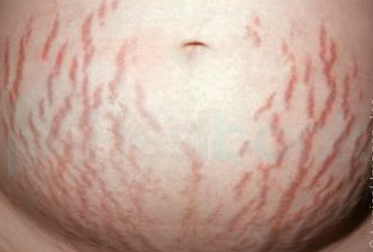
The irregular, pink, undulating linear signs that appear on the lower abdomen and thighs during pregnancy are known as ________?

  1. ((a))

    linea nigra

  2. ((b))

    striae gravidarum

  3. ((c))

    chloasma gravidarum

  4. ((d))

    plamar erythema

Show Answer
Answer: ((b))

striae gravidarum

Concept

  • During pregnancy, the internal genital tract undergoes anatomical and physiological changes to accommodate the changes and development of the fetus.
  • In the first trimester, the baby begins to grow and the mother experiences increased urination, changes in skin and hair, and a thickening waistline.

Explanation

  • Striae gravidarum (SG) are irregular, pink, atrophic linear scars that represent one of the most common connective tissue changes during pregnancy.
  • Striae gravidarum is common during the first pregnancy and usually present during the third trimester.

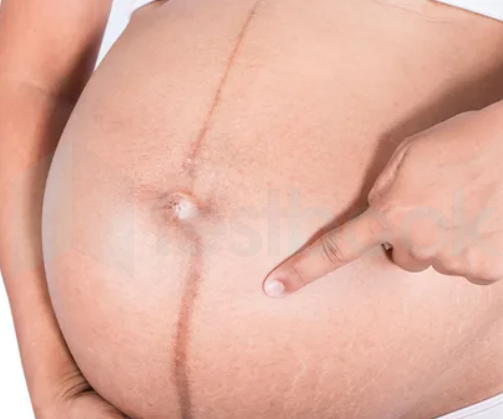
Additional InformationLinea nigra is a dark line that develops on the stomach during pregnancy. It usually extends from your belly button to the pubic area. The linea nigra is caused by an increase in hormones and fades once the baby is born.

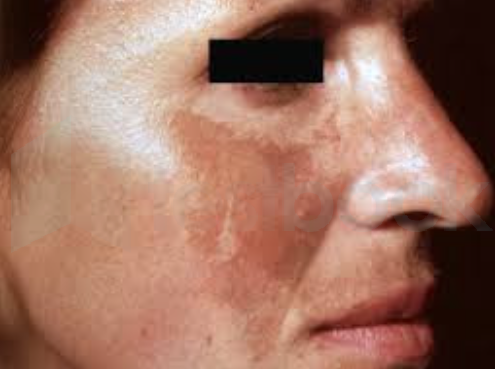
Brownish pigmentation of the face, often occurring in pregnancy. It usually disappears after delivery. It is also seen in some women who take progestational oral contraceptives.

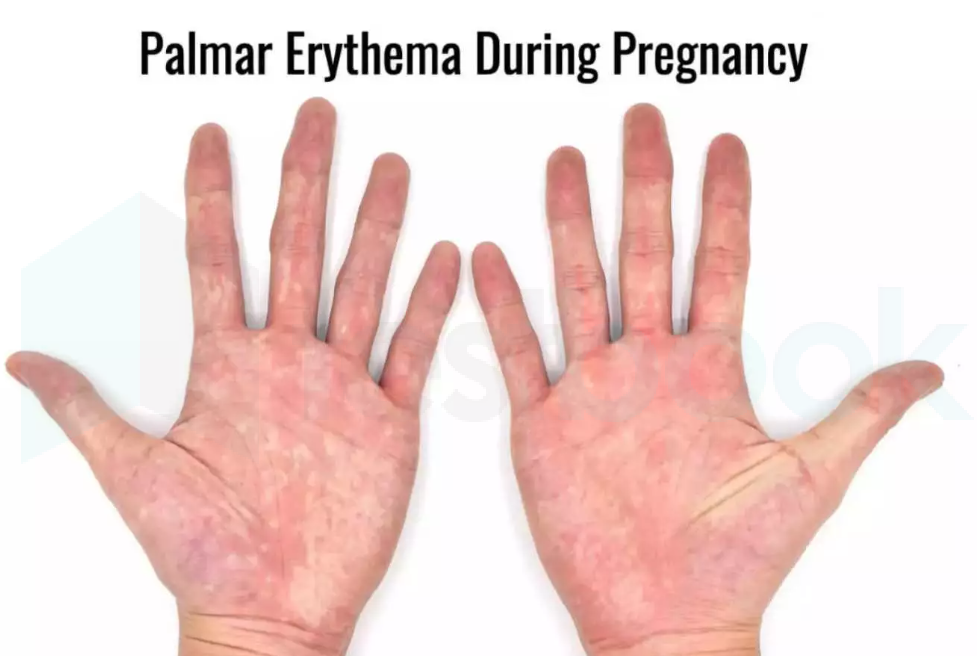
 Pregnancy is a common cause of palmar erythema. It's estimated that it occurs in about two-thirds of lighter-skinned pregnant women and up to one-third of darker-skinned pregnant women. This may happen because of changes to your blood vessels related to an increase in estrogen production during pregnancy.

3

An unregistered primipara woman with no ANC and no vaccination history has given birth to a male baby in the lab room. She was tested Rh-negative, while her partner was Rh-positive. What action would you take as a midwife?

  1. ((a))

    Give the mother 300 µg of anti-D-gamma globulin intramuscularly within 72 hours of delivery.

  2. ((b))

    There is no need to give anti D-gamma globulin to the mother.

  3. ((c))

    Give the mother 50 µg of anti-D-gamma globulin intramuscularly within 72 hours of delivery.

  4. ((d))

    Give the mother 150 µg of anti-D-gamma globulin intramuscularly within 72 hours of delivery.

Show Answer
Answer: ((a))

Give the mother 300 µg of anti-D-gamma globulin intramuscularly within 72 hours of delivery.

Explanation

  • Rh incompatibility occurs when the mother's blood type is Rh negative and her fetus' blood type is Rh positive.
  • During pregnancy, red blood cells from the unborn baby can cross into the mother's blood through the placenta.
  • Antibodies from Rh-negative mother may enter the bloodstream of her unborn Rh-positive infant, damaging the red blood cells (RBCs).
  • AntiD 300mcg/ml Injection is indicated to prevent infections. It prevents antibodies from forming after a person with Rh-negative blood receives a transfusion with Rh-positive blood, or during pregnancy when a mother has Rh-negative blood and the baby is Rh-positive.

Important Points Rh incompatibility can cause symptoms ranging from very mild to deadly. In its mildest form, Rh incompatibility causes the destruction of red blood cells. There are no other effects.

After birth, the infant may have:

  • Yellowing of the skin and whites of the eyes (jaundice)
  • Low muscle tone (hypotonia) and lethargy

Additional Information Complications may include:

  • Brain damage due to high levels of bilirubin (kernicterus)
  • Fluid buildup and swelling in the baby (hydrops fetalis)
  • Problems with mental function, movement, hearing, speech, and seizures
4

Which of the following maternal haemoglobinopathies causes non-immune foetal hydrops?

  1. ((a))

    α-Thalassemia minor

  2. ((b))

    β-Thalassemia minor

  3. ((c))

    β-Thalassemia major

  4. ((d))

    α-Thalassemia major

Show Answer
Answer: ((d))

α-Thalassemia major

Explanation

  • Hydrops fetalis is a serious condition. It occurs when abnormal amounts of fluid build up in two or more body areas of a fetus or newborn.
  • There are two types of hydrops fetalis: immune and nonimmune.
  • Immune hydrops fetalis is often a complication of a severe form of Rh incompatibility, which can be prevented. This is a condition in which a mother with an Rh-negative blood type makes antibodies to her baby's Rh-positive blood cells, crossing the placenta.
  • Nonimmune hydrops fetalis is more common. It accounts for up to 90% of cases of hydrops.
  • The condition occurs when a disease or medical condition affects the body's ability to manage fluid.
  • There are three leading causes for this type, heart or lung problems, alpha thalassemia, and genetic or developmental problems, including Turner syndrome.

Additional InformationThalassemia is an inherited (i.e., passed from parents to children through genes) blood disorder caused when the body doesn't make enough of a protein called haemoglobin. there are two types of thalassemia: Major and Minor.

Thalassemia signs and symptoms can include:

  • Fatigue
  • Weakness
  • Pale or yellowish skin
  • Facial bone deformities
  • Slow growth
  • Abdominal swelling
  • Dark urine
5

Foetal infection of a pregnant woman with syphilis can be diagnosed by:

  1. ((a))

    Coomb's test

  2. ((b))

    western atrophy

  3. ((c))

    ELISA

  4. ((d))

    Polymerase Chain Reaction (PCR) Test

Show Answer
Answer: ((d))

Polymerase Chain Reaction (PCR) Test

Explanation

  • Syphilis is a sexually transmitted infection that may cause problems for your baby if you contract it during pregnancy.
  • Syphilis is caused by the spirochaete Treponema pallidum.
  • Syphilis during pregnancy can cause problems for your baby, like miscarriage, premature birth, stillbirth, and death after birth.
  • In acquired infection, after an initial incubation period of 3–90 days.
  • The mother can transmit the infection transplacentally to the fetus or during passage through the birth canal by contact of the newborn with a genital lesion.
  • Breastfeeding does not result in the transmission of syphilis unless an infectious lesion is present on the breast.
  • Polymerase-chain-reaction- (PCR-) based tests and immunoglobulin M immunoblotting tests have been developed, but they are not largely used in clinical practice.

Additional Information

  • The direct Coombs test is used to detect antibodies that are stuck to the surface of red blood cells. Many diseases and drugs can cause this to happen. These antibodies sometimes destroy red blood cells and cause anaemia.
  • ELISA stands for enzyme-linked immunoassay. It is a commonly used laboratory test to detect antibodies in the blood. An antibody is a protein produced by the body's immune system when it detects harmful substances, called antigens.
6

Which one of the following is not a benefit of Kegel exercise?

  1. ((a))

    These exercises are beneficial in reducing urinary incontinence.

  2. ((b))

    These exercises help strengthen the pelvic floor muscles

  3. ((c))

    They can be practiced anywhere anytime.

  4. ((d))

    These exercises help in reducing belly fat.

Show Answer
Answer: ((d))

These exercises help in reducing belly fat.

Explanation

  • Kegel exercises are simple clench-and-release exercises that can do to make the muscles of the pelvic floor stronger.
  • it also helps to reduce urinary incontinence and can be practised anywhere anytime.
  • The pelvis is the area between your hips that holds reproductive organs.
  • A weak pelvic floor may lead to issues such as the inability to control the bowels or bladder.
  • Many factors can weaken the pelvic floor in women, such as pregnancy, childbirth, ageing, and weight gain.
  • To strengthen your pelvic floor muscles, sit comfortably and squeeze the muscles 10 to 15 times.

Additional InformationCauses weak pelvic floor muscles:

These factors include overweight or obesity, chronic constipation or chronic straining to have a bowel movement, heavy lifting, and chronic coughing from smoking or health problems. Getting older. The pelvic floor muscles can weaken as women age and during menopause

7

Name the structure formed from the union of the ampulla of the ductus deferens and the duct of the seminal vesicle

  1. ((a))

    Urethra

  2. ((b))

    Ejaculatory duct

  3. ((c))

    Prostate gland

  4. ((d))

    Spermatic cord

Show Answer
Answer: ((b))

Ejaculatory duct

Explanation

  • The male sex accessory ducts include rete testis, vasa efferentia, epididymis, and vas deferens.
  • The vasa efferentia leave the testis and open into the epididymis, located along the posterior surface of each testis.
  • The epididymis leads to vas deferens, that ascend to the abdomen and loop over the urinary bladder.
  • It receives a duct from the seminal vesicle and opens into the urethra as the ejaculatory duct.

Additional InformationThe urethra originates from the urinary bladder and extends through the penis to its external opening called the urethral meatus.

The prostate gland is located just below the bladder in men and surrounds the top portion of the tube that drains urine from the bladder (urethra). The prostate's primary function is to produce the fluid that nourishes and transports sperm (seminal fluid).

The spermatic cord is the cord-like structure in males formed by the vas deferens (ductus deferens) and surrounding tissue that runs from the deep inguinal ring down to each testicle.

8

The care organised for and provided to all women in a manner that maintains their dignity, privacy and confidentiality, ensures freedom from harm and mistreatment, and enables informed choice and continuous support during labour and childbirth is referred to as:

  1. ((a))

    Safe maternity care

  2. ((b))

    Dignified maternity care

  3. ((c))

    Respectful maternity care

  4. ((d))

    Continuing maternity care

Show Answer
Answer: ((c))

Respectful maternity care

Explanation

  • Maternal health refers to the health of women during pregnancy, childbirth, and the postnatal period.
  • Respectful maternity care which refers to care organized for and provided to all women in a manner that maintains their dignity, privacy, and confidentiality.
  • Ensures freedom from harm and mistreatment, and enables informed choice and continuous support during labor and childbirth is recommended.

 Additional Information

Safe maternity care refers to ensuring that the care women receive helps them to feel physically and psychologically secure, enabling a positive birth experience.

Respectful maternity and newborn care is an approach that focuses on individual and human rights. It frames aspects related to ethics, rights, and interpersonal relationships, including the respect for women and newborns' fundamental human rights, such as autonomy, dignity, decision-making, and preferences

9

Which of the following therapy is an Ayurvedic treatment?

  1. ((a))

    Hydrotherapy

  2. ((b))

    Shodhana therapy

  3. ((c))

    Regimental therapy

  4. ((d))

    Fire therapy

Show Answer
Answer: ((b))

Shodhana therapy

Explanation

  • Ayurveda is a traditional Indian system of medicine.
  • It aims to preserve health and wellness by keeping the mind, body, and spirit in balance and preventing disease rather than treating it.
  • Shodhana refers to the detoxification of the body for the prevention of diseases.
  • Shodhana therapy is an Ayurvedic process for detoxification and modification of therapeutic activities of poisonous medicinal plants.

Additional Information Hydrotherapy is any method that uses water to treat a variety of symptoms throughout your body. 

Regimental therapies are mostly nonmedicinal techniques or procedures by which Unani physicians modulate the patient's habitat, lifestyle, and dietary habits of the patient. 

The traditional Chinese treatment is known as fire therapy. Based on a Chinese belief, the traditional practice involves the use of fire wherein hot needles are inserted into acupuncture points on the body. It also involves the use of heated cups for vacuum cupping.

10

Which of the following is a program of long term development activities to strengthen the overall capacity and capability of a country to manage efficiently in all types of emergencies? 

  1. ((a))

    Disaster mitigation

  2. ((b))

    Disaster preparedness

  3. ((c))

    National Disaster Management Authority

  4. ((d))

    Disaster management act

Show Answer
Answer: ((b))

Disaster preparedness

Concept

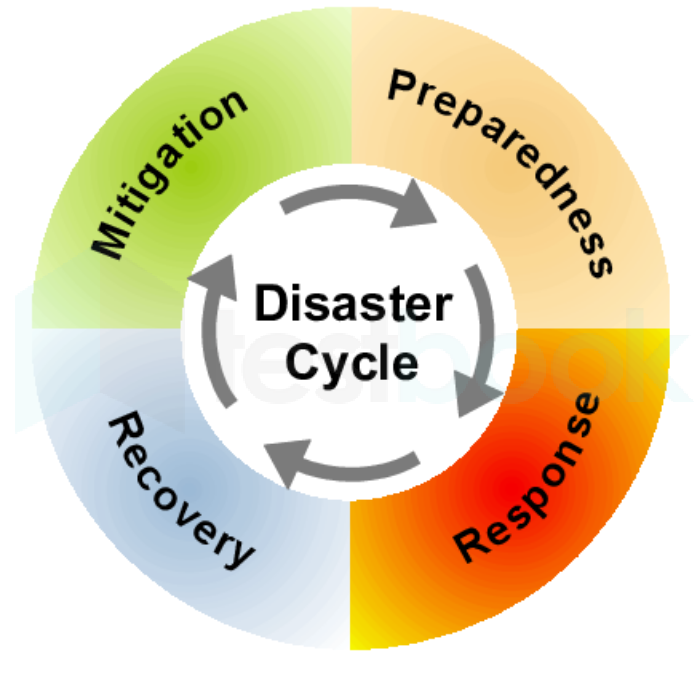
  • Disaster management is a process of effectively preparing for and responding to disasters.
  • It involves strategically organizing resources to lessen the harm that disasters cause.
  • It also involves a systematic approach to managing the responsibilities of disaster prevention, preparedness, response, and recovery.

Explanation

  • Disaster preparedness consists of a set of measures undertaken in advance by governments, organizations, communities, or individuals.
  • For better response and coping with the immediate aftermath of a disaster, whether it be human-induced or caused by natural hazards.

Additional Information

  • Mitigation is defined as sustained action that reduces or eliminates long-term risk to people and property from natural hazards and their effects.
  • National Disaster Management Authority, abbreviated as NDMA, is an apex Body of the Government of India, with a mandate to lay down policies for disaster management. NDMA was established through the Disaster Management Act enacted by the Government of India on 23 December 2005.
  • The Disaster Management Act of 2005 (DMA 2005) is an act passed by the government of India for the 'efficient management of disasters and other matters connected to it.
11

In which year 'Indira Gandhi National Old Age Pension Scheme' was launched?

  1. ((a))

    in 2002

  2. ((b))

    in 2007

  3. ((c))

    in 1999

  4. ((d))

    in 2003

Show Answer
Answer: ((b))

in 2007

Explanation

  • National Old Age Pension Scheme (NOAPS) is a scheme that attempts to provide eligible participants with financial aid and social protection.
  • It helps older citizens in India who are below the poverty line (BPL).
  • NOAPS was rebranded and publicly inaugurated in November 2007 and is known as the Indira Gandhi National Old Age Pension Scheme (IGNOAPS).

Important Points

  • For those aged 60 to 79 years, the pension is Rs.200 per month.
  • The pension for people over the age of 80 is Rs.500/- per month.

Additional Information Beneficiaries for National Old Age Pension Scheme

  • The applicant should be at least 60 years old. (It can be used by both men and women)
  • Applicants must be from low-income families who meet the government's poverty guidelines.
  • Applicants must be poor and have no regular source of financial support from family or other sources in order to qualify for an old-age pension.
  • BPL widows and BPL people aged 60 to 79 who have severe and numerous disabilities are not eligible for this program.
12

Which of the following diagnostic tests should be performed by a mid-level health provider at the sub-centre?

  1. ((a))

    Hemoglobin

  2. ((b))

    Total Leukocyte Count

  3. ((c))

    platelet count

  4. ((d))

    Blood group

Show Answer
Answer: ((a))

Hemoglobin

Explanation

  • Mid-level health providers (MLPs) are health workers trained at a higher education institution for at least 2-3 years.
  • They are authorized to work autonomously to diagnose, manage and treat illness, disease, and impairments, as well as engage in preventive and promotive care.
  • Diagnostic tests should be performed by a mid-level health provider at the sub-center is hemoglobin.

Important Points Sub-centre is largely preventive and promotive, but it also provides a basic level of curative care. As per population norms, there shall be one Sub-centre established for every 5000 population in plain areas and for every 3000 population in hilly/tribal/desert areas.

Additional InformationThe total leukocyte Count (TLC) test measures the total number of all the leukocytes in the blood. Leukocytes are white-colored blood cells that defend our bodies against infections and diseases. 

A platelet count is a quick, common test that counts the number of platelets in your blood. Platelets are cells that help your blood clot. 

The blood group is inherited from genes passed on by your parents. The two most important blood group systems for transfusion are ABO and Rh.

13

Which of the following is not included in the 'Safe Strategy' for Trachoma?

  1. ((a))

    Screening

  2. ((b))

    Environmental improvement

  3. ((c))

    face wash

  4. ((d))

    Antibiotics

Show Answer
Answer: ((a))

Screening

Explanation

  • Trachoma is a disease of the eye caused by infection with the bacterium Chlamydia trachomatis.
  • Blindness from trachoma is irreversible.
  • Infection spreads through personal contact (via hands, clothes, or bedding) and by flies that have been in contact with discharge from the eyes or nose of an infected person.
  • The SAFE strategy aims to stop the spread of blinding trachoma through surgery, antibiotics, facial cleanliness, and environmental improvements.

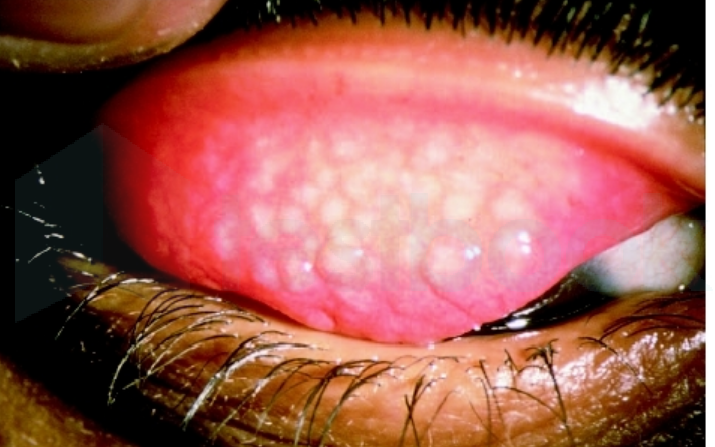
Important Points The early symptoms of trachoma include the development of follicles (small sacs) on the conjunctivae of the upper eyelids; pain; swollen eyelids; discharge; tearing; and sensitivity to light.

Additional Information Environmental factors associated with more intense transmission of C. trachomatis include:

  • inadequate hygiene
  • crowded households
  • inadequate access to water
  • inadequate access to and use of sanitation.
14

Prevention and control of locally endemic diseases is the key function of:

  1. ((a))

    Male health assistant

  2. ((b))

    Female health worker

  3. ((c))

    Female health assistant

  4. ((d))

    Male health worker

Show Answer
Answer: ((d))

Male health worker

Explanation

  • Disease prevention, is understood as specific, population-based, and individual-based interventions for primary and secondary (early detection) prevention.
  • Aiming to minimize the burden of diseases and associated risk factors.
  • The Multipurpose Health Worker (Male) is the grass root health functionary for the control of communicable diseases including Malaria, TB, Leprosy, Water Borne Diseases, as well as Environmental Sanitation, detection of disease outbreaks and their control, health education, etc.

Additional Information There are 4 preventive stages:

  1. Primordial prevention
  2. Primary prevention
  3. Secondary prevention
  4. Tertiary prevention.
  • Primordial prevention is defined as preventing the risk factor.
  • Primary Prevention—intervening before health effects occur, through. measures such as vaccinations, altering risky behaviors, and banning substances known to be associated.
  • Secondary prevention aims to reduce the impact of a disease or injury that has already occurred. This is done by detecting and treating disease or injury.
  • Tertiary prevention aims to soften the impact of an ongoing illness or injury that has lasting effects.
15

Introduction to the services of an ASHA worker is an example of which the following?

  1. ((a))

    Appropriate techniques

  2. ((b))

    inter regional coordination

  3. ((c))

    community engagement

  4. ((d))

    equitable distribution

Show Answer
Answer: ((c))

community engagement

Explanation

  • ASHA is defined as Accredited Social Health Activist.
  • ASHA will mobilize the community and facilitate them in accessing health and health-related services available at the Anganwadi/sub-centre/primary health centers.
  • Functions of ASHA are immunization, Ante Natal Check-up (ANC), Post Natal Check-up supplementary nutrition, sanitation, and other services being provided by the government.
  • ASHA works with Community engagement involvement and participation in an organization for the welfare of the community.

Key Points The principles of Primary Care are listed below:

  1. Equitable distribution
  2. Community participation
  3. Inter-sectoral coordination
  4. Appropriate technology

Additional Information Equitable distribution of health care – according to this principle, primary care and other services to meet the main health problems in a community must be provided equally to all individuals irrespective of their gender, age, caste, color, urban/rural location, and social class.

Intersectoral coordination refers to the promotion and coordination of the activities of different sectors of the health care system to enhance and to provide qualitative services to the community.

Appropriate Technology that is scientifically sound, adaptable to local needs, and acceptable to those who apply it and those for whom t is used and that can be maintained by the people themselves in keeping with the principle of self-reliance with the resources of the community and country can afford.

16

Which of the following is the drug of choice for prophylaxis against diphtheria?

  1. ((a))

    Cotrimoxazole

  2. ((b))

    Erythromyoin

  3. ((c))

    Ciprofloxacin

  4. ((d))

    Amoxycillin

Show Answer
Answer: ((b))

Erythromyoin

Explanation

  • Diphtheria is a serious bacterial infection that usually affects the mucous membranes of the nose and throat.
  • Diphtheria is caused by the bacterium Corynebacterium diphtheriae.
  • The bacterium usually multiplies on or near the surface of the throat or skin.
  • Diphtheria signs and symptoms usually begin 2 to 5 days after a person becomes infected.
  • Erythromycin and penicillin are both recommended for the treatment of diphtheria. Erythromycin and penicillin are both recommended for the treatment of diphtheria.

Important Points Signs and symptoms may include:

  • A thick, gray membrane covering the throat and tonsils
  • A sore throat and hoarseness
  • Swollen glands (enlarged lymph nodes) in the neck
  • Difficulty breathing or rapid breathing
  • Nasal discharge
  • Fever and chills
  • Tiredness

Additional InformationComplications

Left untreated, diphtheria can lead to:

Breathing problems: Diphtheria-causing bacteria may produce a toxin. At that site, the infection produces a tough, gray membrane made up of dead cells, bacteria, and other substances. This membrane can obstruct breathing.

Heart damage: The diphtheria toxin may spread through the bloodstream and damage other tissues in the body. For example, it can damage the heart muscle, causing such complications as inflammation of the heart muscle (myocarditis).

Nerve damage: The toxin can also cause nerve damage. Typical targets are nerves in the throat, where poor nerve conduction may cause difficulty swallowing. Nerves to the arms and legs also may become inflamed, causing muscle weakness.

17

The weight of a baby at birth is 2 kg. How much fluid does a baby need on the first and third day respectively?

  1. ((a))

    40ml/kg/day and 50ml/kg/day

  2. ((b))

    60ml/kg/day and 100ml/kg/day

  3. ((c))

    50ml/kg/day and 70ml/kg/day

  4. ((d))

    80ml/kg/day and 120ml/kg/day

Show Answer
Answer: ((b))

60ml/kg/day and 100ml/kg/day

Explanation

  • A child's normal weight is somewhere between 2.5 and 3.5 kg. If the weight is slightly more than 3.5 kg it is also considered to be normal.
  • Baby weighs less than 2.5 kg, he or she is said to have a low birth weight.
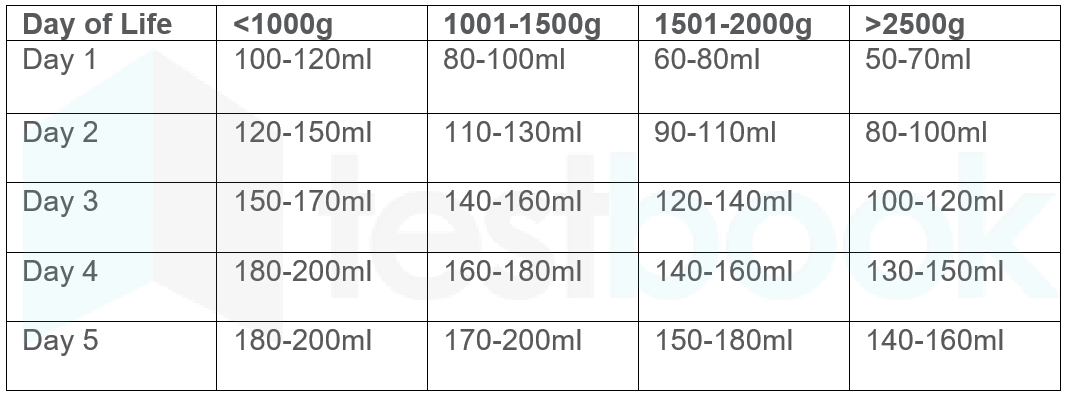
  • The daily fluid requirements can be approximated to 120-150ml/kg/24 hours in premature, 100ml/kg/24 hours in neonates (term)
  • On the first day, the daily fluid requirement is 60ml and increased to 100ml/day on the third day respectively.

Additional Information The detail of fluid requirement in normal neonates based on birth weight is as follows :

18

The skin barrier applied on a stoma primarily contains:

  1. ((a))

    calcium phosphate

  2. ((b))

    zinc oxide

  3. ((c))

    glycerine

  4. ((d))

    sulphur dioxide

Show Answer
Answer: ((b))

zinc oxide

Explanation

  • A stoma is a new opening for stool to pass from the body) during surgery. The stool starts to pass from the stoma soon after surgery.
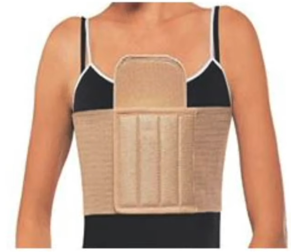
  • A skin barrier adheres to your peristomal (around the stoma) skin, helping protect your skin from stoma output, and attaching the pouch to your body.
  • In a two-piece system, the skin barrier is separate from the pouch whereas in a one-piece system they are combined together.
  • Skin barriers include:
  • Standard wear: Best for colostomy.
  • Extended wear: Designed to provide greater protection from stoma output for people living with an ileostomy or urostomy as output can cause skin irritation.
  • The skin barrier applied on a stoma primarily contains zinc oxide.

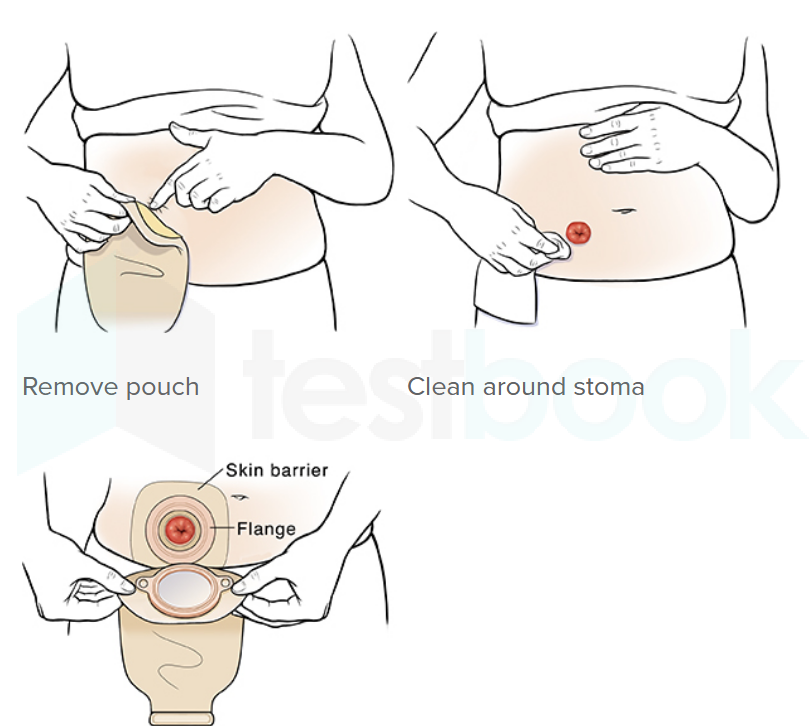
Additional Information Colostomy care pouch changing steps:

There are 3 steps for changing the pouch i.e. Remove Pouch, Clean Around Stoma, Apply New Pouch

19

Which of the following is not a part of the assessment of the circulatory status of a newborn?

  1. ((a))

    See cold and clammy skin

  2. ((b))

    Check capillary recharge time

  3. ((c))

    See weak and fast pulse rate

  4. ((d))

    Bring to the senses

Show Answer
Answer: ((d))

Bring to the senses

Explanation

  • A newborn infant, or neonate, is a child under 28 days of age.
  • The purpose of newborn assessment is to detect potentially fatal or disabling conditions in newborns as early as possible, often before the infant displays any signs or symptoms of a disease or condition.
  • Assess circulation by checking the pulse, and the temporary swelling of an artery as blood passes through with each heartbeat and cold and clammy skin.
  • Capillary refill is also part of a circulation assessment, which is the time it takes for blood to return to a finger or toe after the blood supply is pinched off.

Additional Information Components of newborn assessment:

  • Vital signs: Temperature
  • General appearance. Physical activity, muscle tone, posture, and level of consciousness or whether or not an infant is awake and alert.
  • Skin
  • Head and neck
  • Face
  • Mouth
  • Lungs
  • Heart sounds and femoral (in the groin) pulses
20

A large for date, term baby is born by assisted delivery. The baby has a lack of spontaneous movement, and weak deep tendon reflexes. There is an absent response to the pain stimuli in the lower limbs. Which of the following conditions causes these manifestations in the newborn?

  1. ((a))

    Phrenic nerve injury

  2. ((b))

    Nerve injury

  3. ((c))

    Head Blood Collection

  4. ((d))

    Spinal Cord Injury

Show Answer
Answer: ((d))

Spinal Cord Injury

Concept

  • A birth injury describes any type of harm to a baby before, during, or shortly after delivery.
  • There are many different types of birth injuries that can vary in severity, affect specific areas of the body, and cause lifelong disability and impairments.

Explanation

  • A spinal cord injury disrupts the connection of nerves between the brain and the rest of the body.
  • This damage is caused by trauma to a specific area of the spinal cord.
  • Neonatal spinal cord injury is a rare complication of birth trauma by difficult delivery.
  • The typical manifestations are often catastrophic, including decreased or absent movement, loss of reflexes, apnea or periodic breathing, and a lack of response to painful stimulation.

Additional Information Phrenic nerve injury: Injury to one phrenic nerve leads to paralysis of the ipsilateral diaphragm, often leading to symptoms of dyspnea, which may improve with time. If both phrenic nerves are injured, both diaphragms are affected.

A nerve injury can affect the brain's ability to communicate with muscles and organs.

An intracranial hematoma is a collection of blood within the skull. It's usually caused by a blood vessel that bursts in the brain.

21

In determining head circumference as a part of developmental assessment, a nurse should take into account all of the following except _______.

  1. ((a))

    It is a quick, simple, easy and reliable method of determining brain growth

  2. ((b))

    Microcephaly is a head circumference >2 SD below the mean based on a standard growth chart

  3. ((c))

    All previously diagnosed microcephaly can be reversed with specific interventions

  4. ((d))

    Gradual head circumference measurement of the child will enable testing of possible cognitive or induction delays

Show Answer
Answer: ((c))

All previously diagnosed microcephaly can be reversed with specific interventions

Concept

  • A developmental assessment for children under age 3 is an attempt to assess various aspects of the child's functioning, including areas such as cognition, communication, behaviour, social interaction, motor and sensory abilities, and adaptive skills.

Explanation

  • Head circumference is routinely measured during the first 2 years of life.
  • Head circumference is measured because it's an easy way to tell if there's a potential problem or if something needs to be watched.
  • if the head grows too fast, it could sign hydrocephalus or water on the brain. If the head grows too slowly, it could be a sign of microcephaly or a smaller head than normal.

Additional Information Classic signs of macrocephaly include:

  • Head circumference greater than 2 SD above the mean for gestational age
  • Family history of large head

Classic signs of hemimegalencephaly include:

  • Cranial asymmetry
  • Epilepsy
22

All of the following interventions can be implemented to manage pain in children EXCEPT:

  1. ((a))

    making use of comfort devices 

  2. ((b))

    providing diversional activities

  3. ((c))

    administering a heavy dose of anti-anxiety drugs 

  4. ((d))

    assessing pain using pain scales 

Show Answer
Answer: ((c))

administering a heavy dose of anti-anxiety drugs 

Explanation

  • Pain is a signal in your nervous system that something may be wrong. It is an unpleasant feeling, such as a prick, tingle, sting, burn, or ache.
  • Pain may be sharp or dull. It may come and go, or it may be constant.
  • Treatment of pain in case of children can be treated using diversional therapy, and relaxation techniques.
  • pain in child children can be assessed by using a pain rating scale.

Additional InformationThe four major types of pain are:

  • Nociceptive Pain: Typically the result of tissue injury.
  • Inflammatory Pain: An abnormal inflammation caused by an inappropriate response by the body's immune system.
  • Neuropathic Pain: Pain caused by nerve irritation.
  • Functional Pain: Pain without obvious origin, but can cause pain.
23

Common stress in children during hospitalization includes all of the following except

  1. ((a))

    Bad temper

  2. ((b))

    Loss of control

  3. ((c))

    Physical Injury And Pain

  4. ((d))

    Separation anxiety

Show Answer
Answer: ((a))

Bad temper

Explanation

  • Hospitalization is the act of taking someone to the hospital and keeping them there for treatment:

Because of the severity of the accident, the patient required hospitalization.

  • Hospitalization of a child can cause severe anxiety and stress in the parents as well as in the child.

Some common stressors that hospitalized children may experience include the following:

  • Loss of bodily control
  • Forced dependence
  • Loss of competence
  • Fear of bodily mutation or deformities
  • Fear of loss of bodily functions
  • Fear of pain​

Additional Information Some behavioural problems in children may include:

  • Attention deficit hyperactivity disorder (ADHD)
  • Oppositional defiant disorder (ODD)
  • Autism spectrum disorder (ASD)
  • Anxiety disorder.
24

Except which of the following are all the other indications for ureterostomy?

  1. ((a))

    Megacolon

  2. ((b))

    Spinal cord injury

  3. ((c))

    Bladder cancer

  4. ((d))

    Spina bifida

Show Answer
Answer: ((a))

Megacolon

Explanation

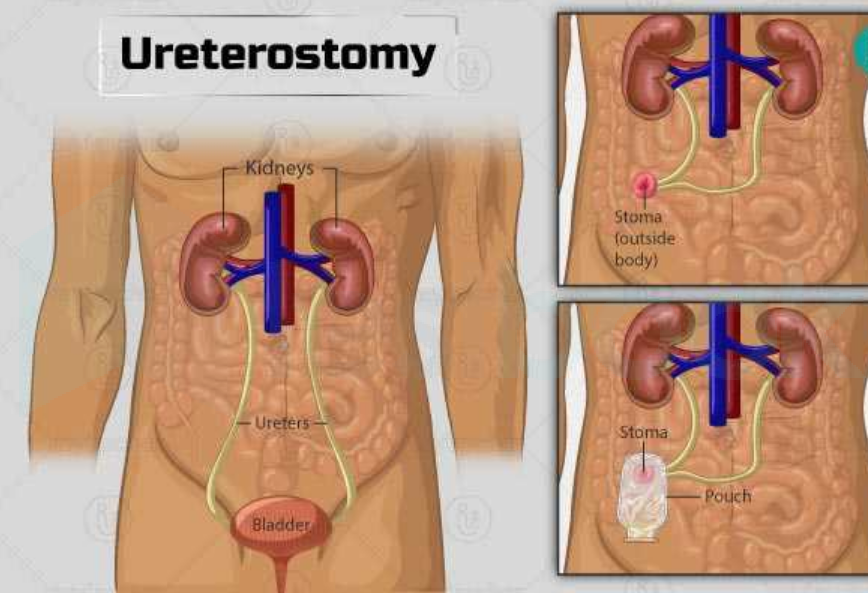
  • Ureterostomy is the procedure performed to divert the flow of urine away from the bladder when the bladder is not functioning or has been removed.
  • Ureterostomy permanently reroutes the flow of urine through an opening in the abdominal area to a collecting pouch outside of the body.
  • Indications include bladder cancer, spinal cord injury, malfunction of the bladder, and birth defects such as spina bifida.

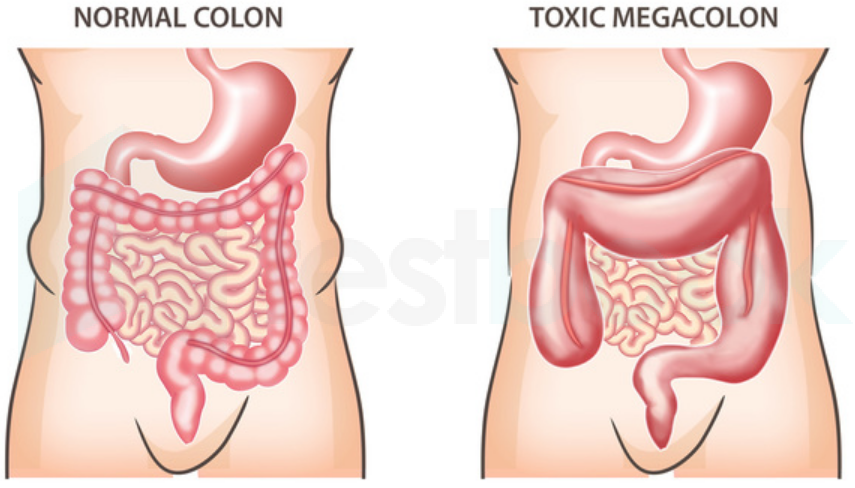
Additional Information Megacolon is an abnormal dilation of the colon that is not caused by mechanical obstruction. It is usually accompanied by symptoms such as abdominal discomfort resulting in serious complications (colonic perforation, peritonitis, and/or sepsis) if left untreated.

25

 Which of the following is NOT a cause of anaemia in Chronic Kidney Disease?

  1. ((a))

    Reduced levels of parathyroid hormone

  2. ((b))

     Folate deficiency

  3. ((c))

    Iron deficiency

  4. ((d))

    Reduced erythropoietin production

Show Answer
Answer: ((a))

Reduced levels of parathyroid hormone

Explanation

  • Chronic kidney disease (CKD) occurs when a disease or condition impairs kidney function, causing kidney damage to worsen over several months or years.
  • Diseases and conditions that cause chronic kidney disease include Type 1 or type 2 diabetes.
  • Kidneys are damaged, they produce less erythropoietin
  • CKD may have low levels of nutrients, such as iron, vitamin B12, and folate, that are needed to make healthy red blood cells.

Important Points Symptoms of anaemia in CKD may include:

  • fatigue or tiredness
  • shortness of breath
  • unusually pale skin
  • weakness
  • body aches
  • chest pain
  • dizziness
  • fainting

Additional Information Other causes of anaemia related to CKD include

  • Blood loss, particularly if you are treated with dialysis for Kidney failure
  • Infection
  • Inflammation
  • Malnutrition
26

What is Duchenne muscular dystrophy

  1. ((a))

    A sexually recessive disorder

  2. ((b))

    A sexually dominant disorders

  3. ((c))

    Acquired disorder

  4. ((d))

    Associated recessive disorder

Show Answer
Answer: ((d))

Associated recessive disorder

Explanation:

  • Duchenne muscular dystrophy: It is an inherited X-linked recessive disorder.
  • Characterized by progressive muscle degeneration & weakness.
  • Caused by genes on the X-chromosome that mothers can pass on to their sons. so females have carrier genes.
  • Males have only one copy of the X chromosome from their mother & one copy of the Y chromosome from their father.
  • If their X chromosome has a Duchenne muscular dystrophy gene mutation,
  • The gene affects a protein called dystrophin that muscles require to function normally.
  • If the gene has Duchenne muscular dystrophy gene mutation it results in Duchenne muscular dystrophy disorder (DMD).
  • DMD symptoms onset is in early childhood, usually between ages 2 & 3. The disease primarily affects boys, but in rare cases, it can affect girls.

Additional Information

  • Diagnosis:
  • An enzyme & protein blood test checks for elevated levels of an enzyme called creatine kinase, high levels can indicate muscle damage caused by muscular dystrophy.
  • Electromyography (EMG) measures the electrical activity of muscles & nerves.
  • A muscle biopsy looks for cell changes in muscle tissue.
  • Genetic tests identify gene mutations linked to muscular dystrophy.
  • Treatment:
  • Physical & occupational therapies strengthen & stretch muscles, helping in maintaining function & range of motion.
  • Speech therapy helps those who have problems swallowing.
  • Corticosteroids, such as prednisone & deflazacort may slow disease progression.
  • Surgery relieves tension on contracted muscles and corrects spine curvature (Scoliosis)
  • Heart assist devices, such as pacemakers, treat heart rhythm problems & heart failures.
  • Medical devices, such as walkers & wheelchairs, can improve mobility & prevent falls.
  • Respiratory care, such as cough-assist devices and respirators, aid breathing.
27

The nurse inspecting the surgical wound notices an exudate that is semi-clear pink with red streaks. She understands that this inflammatory exudate is:

  1. ((a))

    Serosanguineous

  2. ((b))

    Hemorrhagic

  3. ((c))

    serous

  4. ((d))

    Fibrinous

Show Answer
Answer: ((a))

Serosanguineous

Concept:

  • Wound healing is a complex & dynamic process of replacing devitalized and missing cellular structures & tissue layers.
  • Types of wounds:
  • Acute wound: Heals without many complications within the expected time frame, e.g. surgical wounds & trauma wounds.
  • Chronic wounds: Underlying pathology or infection causes wounds or interferes with the healing process. For example diabetic ulcers & pressure ulcers.

Explanation:

  • Exudate: The fluid involved in inflammatory oedema is known as exudate.
  • Serous exudate: Water-like exudate, seen in minor injury.
  • Fibrinous exudate: Contains fibrin.
  • Purulent exudate (pus): Creamy white exudate from dead neutrophils, seen in bacterial infection.
  • Hemorrhagic exudate: Bloody red exudate.
  • The nurse inspecting the surgical wound sees a discharge that is semi-bright pink in colour with red streaks. She understands that this inflammatory discharge is serum blood.
  • The serum is a clear yellowish fluid & solute component of blood which does not play a role in clotting.
  • It may be defined as blood plasma without the clotting factor or as blood with all cells and clotting factors removed.

Additional Information

  • Stages of wound Healing:
  • Homeostasis: A brief period of vasoconstriction as an attempt to stop the bleeding, caused coagulation.
  • Inflammation: Starts immediately after injury and lasts for 2-6 hours.
  • destroys bacteria & removes debris.
  • Proliferation: It is a phase of the rebuilding of new tissue made up of collagen & extracellular matrix.
  • Formation of granulation tissue ( pink to red moist tissue) followed by epithelization ( migration of epithelial cells across wound surface)
  • A new network of blood vessels is constructed for a sufficient supply of oxygen & nutrients to granulation tissue.
  • Maturation: Tissue gains strength & flexibility.
  • wound healing can progress backwards or forward depending on internal & external patient conditions.
28

Atrial Ventricular infraction (AV block) can be caused by all other drug except

  1. ((a))

    Calcium Channel blokers

  2. ((b))

    Digitalis

  3. ((c))

    Beta blockers

  4. ((d))

    Atropine

Show Answer
Answer: ((d))

Atropine

a Concept:

  • Heart Block: it occurs as a result of a delay in the conduction of electrical impulses through the conduction pathway.
  • It is classified as a first-degree atrioventricular block, second-degree atrioventricular block ( further classified as type I & type II), and third-degree atrioventricular block.

Explanation:

  • Causes of ( AV) heart block:
  • Drugs ( beta blockers,  Ca channel blockers)
  • Digitalis ( digoxin)
  • Antiarrhythmics drugs
  • Muscle relaxant & sedative
  • Antidepressant & antipsychotic
  • All of these drugs slow the conduction of the heart's electrical impulses & cause heart block so these drugs are contraindicated in AVN block.
  • Treatment:
  • Atropine can be used for immediate treatment of symptomatic second-degree Atrioventricular (AV) block in the Atrioventricular node (AVN).
  • Atropine is given to improve conduction through the AVN by reducing vagal tone via receptor blockage.
  • Atropine often improves the ventricular rate if the site of block is in the AVN.
  • The Peak increase in heart rate occurs in 2-4 minutes after IV administration.
  • The half-life is 2-3 hours.

Additional Information

  • First-degree Atrioventricular block:
  • Slow conduction of electrical impulses through the AV node, which leads to a PR interval greater than 0.20 seconds.
  • The ratio between the P & QRS complex is 1:1
  • Usually, it is asymptomatic.
  • Second Degree Atrioventricular block:
  • Type I: Other names for this condition are Mobitz type 1.
  • Electrical impulses from the SA node to the AV node are conducted at a slower rate than the previous impulses and finally, one beat will be missed.
  • PR interval will be progressively lengthened.
  • Type II: Also called Mobitz type II
  • In this type intermittently AV node does not respond to the impulse from the AV node, as a result, some of the p waves are not followed by a QRS complex.
  • Third Degree Atrioventricular block:
  • It is also known as complete heart block.
  • In this condition, impulses from the SA node are not conducted through the AV node, so ventricles will make it is own impulses at a slower rate.
  • So P wave and QRS complex will occur at two different rates.
  • A permanent pacemaker is the treatment of choice.
29

Nurse Rita is helping to remove the thoracic tube. Which of the following instructions he needs for the patient?

  1. ((a))

    Take deep breath

  2. ((b))

    Coughing

  3. ((c))

    Hold your breath

  4. ((d))

    Exhale a deep breath

Show Answer
Answer: ((c))

Hold your breath

Concept:

  • Chest tube (Thoracostomy), commonly referred to as putting a chest tube, is an invasive procedure in which a doctor inserts a thin plastic tube into the pleural space ( the area between the chest wall & lungs and attaches the tube to a suction device to remove excess fluid or air.
  • Purpose: To remove the abnormal accumulation of air/ fluid ( blood, pus, lymph, serous fluid) from the pleural space.
  • To return normal negative pressure of pleural space.
  • Use CT, fluoroscopy & USG to help guide the placement of the chest tube.

Explanation:

  • Hold your breath:- This is essential to prevent air from entering the pleural space during the moment of tube removal, decreasing the risk of pneumothorax.
  • If you return home with the chest tube in place, Dr. instruction you to care for the tube & drainage system:
  • Dr. may prescribe antibiotics & pain medication.
  • Keep the skin around where the chest tube is inserted clean & dry.
  • Take regular breaths followed by a cough.
  • Change position often while lying down, and exercise if possible.
  • Maintain the drainage system as instructed, keeping it below chest level.
  • You should keep the chest tube free of all kinks & obstruction.

Additional Information

  • Water Seal Drainage ( Close Chest Drainage):
  • Drainage system to remove the abnormal accumulation of air, and fluid ( blood, pus, lymph, serous fluid) from the pleural space.
  • Purpose: To treat pneumothorax, hemothorax & hydrothorax.
  • Water Seal apparatus:
  • Drainage bottle: It is connected with a chest tube to collect the drainage.
  • Water Seal bottle: It contains water/ NS 100 ml. It makes a seal that prevents atmospheric air to enter pleural space.
  • Suction Control bottle: Connected to suction to provide negative pressure.
  • Note: Monitor the amount of drainage. If the amount is >70-100 mL/hour notify the physician.
  • Water Seal Drainage: Water oscillates and rises during Inspiration.
  • Fall during Expiration.
  • Intermittent bubbling is normal.
  • Continuous bubbling indicates Air leakage.
30

In an assessment of head circumference, as a part of developmental assessment, a nurse must be in cognisance of all of the following facts EXCEPT:

  1. ((a))

    serial head circumference measurements of children will enable screening possible cognitive or motor delays

  2. ((b))

    it is a quick, simple, easy and reliable method of assessment of the growth of the brain

  3. ((c))

    microcephaly is head circumference >2 SD below the mean based on normative growth charts

  4. ((d))

    all microcephaly diagnosed early can be reversed with specific intervention

Show Answer
Answer: ((d))

all microcephaly diagnosed early can be reversed with specific intervention

Concept:

  • Growth:  It denotes the net increase in size or mass of tissue.
  • It is a quantitative measurement.
  • Development: It specifies the maturation of function.
  • It is a qualitative measurement.

Explanation:

  • Nurses Responsibility:
  • Head Circumference: It is measured by placing tape over the occipital protuberance at the back and just over the supraorbital ridge and glabella in front.
  • increased head circumference (HC): Hydrocephalus & Macrocephaly
  • Decreased head circumference: Microcephaly.
  • At the time of birth, chest circumference is 3 cm less than Head circumference.
  • Head circumference & chest circumference are almost equal by 1 year of age and after that chest circumference exceeds the head circumference.
  • Serial head circumference measurements of children will enable screening possible  for cognitive or motor delays
  • It is a quick, simple, easy, and reliable method of assessment of the growth of the brain.
  • Head circumference >3 SD below the mean for age & sex based on normative growth charts indicates Microcephaly.
  • Generally, there is no treatment for microcephaly, but early intervention may help enhance your child's development & improve quality of life.

Additional Information

  • Microcephaly:
  • It is a rare neurological condition in which an infant's head is significantly smaller than the heads of other children of the same age & sex.
  • Sometimes detected at birth.
  • Microcephaly usually is the result of the brain developing abnormally in the womb or not growing as it should after birth.
  • It is caused by a variety of genetic & environmental factors.
  • Children with microcephaly have developmental issues.
  • Treatment:
  • Early childhood intervention: Speech, Physical & Occupational therapy may help a child to strengthen the abilities
  • A complication of microcephaly like seizures & hyperactivity are treated with medication
31

Cobblestone ulcerations in the bowel are seen in which of the following disease

  1. ((a))

    Intestinal obstruction

  2. ((b))

    Crohn's disease

  3. ((c))

    Malabsorption syndrome

  4. ((d))

    Ulcerative colitis

Show Answer
Answer: ((b))

Crohn's disease

Concept:

  • Inflammatory Bowel Disease (IBD): It represents a group of intestinal disorders that cause prolonged inflammation of the digestive tract.
  • Mainly refers to two disease conditions:
  • Regional enteritis ( Crohn's disease)
  • Ulcerative colitis.

Explanation:

  • Crohn's Disease:  It is a chronic, replacing, and remitting inflammatory disease of the gastrointestinal tract affecting any site from mouth to anus.
  • Commonly occur among adolescents & young adults, but can occur in any lifetime.
  • It can occur anywhere along the GI tract but most commonly affects Ilium & Colon.
  • Lesions or ulcers occurring in Crohn's disease are not continuous ( separated by normal tissue) known as Cobblestone appearance.
  • Cobblestone ulcer result from inflammation in the intestine in Crohn's disease.
  • Rectal involvement, bleeding, and diarrhoea are less
  • Patients with Crohn's disease are at increased risk for colon cancer.

Additional Information

  • Ulcerative Colitis:  It is a disease that causes mucosal inflammation and sores (ulcers) in the lining of the large intestine ( colon).
  • Peak incidence AGE IS 30-50.
  • The disease process starts at the rectum and affects continuous the entire colon.
  • Lesions or ulcers are continuous and occur one after another.
  • Rectal involvement bleeding and diarrhoea are common.
  • The risk of colon cancer is as less compared to Crohn's disease.
  • Intestinal Obstruction:
  • Its blockage or obstruction in the intestinal tract prevents the normal flow of content via the intestine.
  • Types of obstruction:
  • Mechanical obstruction: Intraluminal obstruction due to pressure on the intestinal wall, e.g. tumour, adhesion, stricture, stenosis, intussusception, etc.
  • Functional obstruction: Intestinal obstruction musculature cannot propel the content through the bowel.
32

Which of the following is an early maifestation of polycystic kidney disease?

  1. ((a))

    Haematuria

  2. ((b))

    Hypotension

  3. ((c))

    Stress incontinence

  4. ((d))

    Polyuria

Show Answer
Answer: ((a))

Haematuria

Concept:

  • Polycystic kidney disease (PKD) is an Inherited( Autosomal recessive disorder).
  • Multiple cyst formation in the kidney.
  • These cysts are filled with fluid. if too many cysts grow or if they get too big, the kidney can become damaged & lead to chronic kidney disease ( Complication).
  • Cause: Genetic  ( Autosomal recessive at an early age)
  • ( Autosomal dominant in Adult stage)

Explanation:

  • Sign & Symptoms:
  • Decreased urine output
  • Abdominal discomfort
  • Hematuria ( blood in urine)
  • Anaemia
  • High blood pressure
  • Frequent kidney infection
  • Diagnosis:  Ultrasound
  • Biopsy

Additional Information

  • Treatment:
  • Carefully control blood pressure
  • Prompt treatment with antibiotics for a bladder or kidney infection.
  • Administration of  diuretics
  • Analgesics & antibiotics
  • Lifestyle modification with regard to smoking cessation, exercise, weight control & reduced salt intake.
  • Drink lots of plain water throughout the day.
  • Avoid caffeine in all beverages.
  • Permanent Treatment:
  • Dialysis
  • Kidney transplantation
33

Which of the following is a group approach in health communication?

  1. ((a))

    Folk methods

  2. ((b))

    Posters

  3. ((c))

    Home visit

  4. ((d))

    Panel discussion

Show Answer
Answer: ((d))

Panel discussion

Concept:

  • Communication refers to the reciprocal exchange of information, ideas, facts, opinions, beliefs,  feelings & attitudes through verbal or nonverbal means between two people or within a group of people.
  • Purpose: To communicate information
  • To coordinate work.
  • To express thoughts.
  • To maintain interpersonal relationships.
  • To clear doubts.

Explanation:

  • Approaches to health communication:
  • Panel Discussion:  A panel, involves a group of people gathered to discuss a topic in front of an audience, typically at scientific, business or academic conferences & on television shows.
  • The panel usually include a moderator who guides the discussion & sometimes elicits audience question with the goal of being informative & entertaining.
  • A Group of 6-8 qualified experts discusses a topic in front of an audience.
  • Purpose: To provide current information to the audience related to current facts & promotion of health.
  • To provide an opportunity to discuss problems & resolve issues.
  • Others Methods:
  • Informative communication: Provide information about new idea & makes them familiar to people. Mass media of this type is mostly used for wide coverage & reaching a large population.
  • Educative communication: Where a new idea on health behavior is explained, including strength & weakness. This approach is used when people are already aware of an issue, but need more information or clarification, reinforced by print materials such as books, pamphlets & other multimedia approaches.

Additional Information

  • Poster:
  • A poster is a ( Graphic Aid) large sheet that is placed on a public space to promote or on a wall as decoration.
  • Typically, posters include both textual & graphic elements, although a poster may be either wholly graphical or whole text.
  • Posters are designed to be both eye-catching & informative.
  • Home Visit:
  • A home visit is defined as the process of providing nursing care to patients at their doorsteps.
  • Home visiting should be planned & conducted based on the identified needs of the people.
  • The home visit should give to the existing problem in the family.
  • Plan for regular home visiting based on family needs.
34

The all-inclusive Act governing food standards in India is:

  1. ((a))

    Food Safety and Standards Act, 2006

  2. ((b))

    Milk and Milk Products Act, 1992

  3. ((c))

    Prevention of Food Adulteration Act, 1954

  4. ((d))

    Food Preparation, Storage and Packaging Act, 2016

Show Answer
Answer: ((a))

Food Safety and Standards Act, 2006

Explanation:

  • The Food Safety and Standards Authority of India (FSSAI) has been established under Food Safety and Standards, 2006 which consolidates various acts & orders to handle food-related issues in various Ministries and Departments.
  • FSSAI has been created for laying down science-based standards for articles of food and to regulate their manufacture, storage, distribution, sale, and import to ensure the availability of safe and wholesome food for human consumption.
  • Ministry of Health & Family Welfare, Government of India is the Administrative Ministry for the implementation of FSSAI.
  • Objective: To protect consumers from consuming food that could be harmful to their health.
  • Any organization that is involved with food, whether that's preparing it, labeling it, transporting it, or storing it, must follow the Food Safety Act carefully.

Additional Information

  • Prevention of Food Adulteration Act, 1954:
  • The Act provides protection from adulteration/contamination of food that may lead the health risk for consumers.
  • The Act also deals with frauds that can be prepared by the dealers by supplying cheaper or adulterated foods.
  • The Act regulates the use of chemicals, pesticides, flavors, and other additives in food preparation.
  • Through this Act there is control over the dumping of sub-standards foods.
  • Enrichment of flour, bread, or other cereals with vitamins or minerals, iodization of salt, oil, and addition of vitamin "C" in certain foods can be done under the provision made in this Act.
  • Milk & Milk Product Act, 1992:
  • The Government of India promoted the Milk and Milk Product Order (MMPO) 1992,
  • As per the provisions of this order, any person/dairy plant handling more than 10,000 liters per day of milk or 500 MT of milk solids per annum needs to be registered with the Registering Authority appointed by Central Government.
  • The objective of the order is to maintain and increase the supply of liquid milk of desired quality in the interest of the general public and also for regulating the production, processing, and distribution of milk and milk products.
  • Recognizing the need for suitable amendments in the Milk and Milk Product Order-1992 for a faster pace of growth in the dairy sector, the Government of India has amended milk and milk product order-92 from time to time to make it more liberal and oriented to facilitate the dairy entrepreneurs.
  • Government of India has notified the last amendment in 2002. Now there is no restriction on setting up of new milk processing, but the requirement of registration is enforcing need for sanitary, hygienic conditions & quality & food safety measures.
35

The establishment of green belts is an attempt to control air pollution by:

  1. ((a))

    containment

  2. ((b))

    monitoring

  3. ((c))

    dilution

  4. ((d))

    replacement

Show Answer
Answer: ((c))

dilution

Explanation:

  • Greenbelts are an effective mode of control of air pollution, where green plants form a surface capable of absorbing air pollutants & forming a sink of pollutants.
  • The establishment of green belts is an attempt to control air pollution by dilution.
  • the approach to pollution management was to increase dilution. Adding water (diluting) and decreasing the concentration of a pollutant was thought to reduce negative impacts on the environment.
  • It leaves with its vast area in a tree crown and absorbs pollutants on its surface, thus effectively reducing pollutant concentration in the surrounding air.
  • Often the adsorbed pollutants are incorporated into the metabolic pathway and the air is purified.
  • Plants were grown to function as pollution sinks collectively referred to as greenbelts.
  • An important aspect of a greenbelt is that the plants are living organisms with varied tolerance limits toward the air pollutants.
  • A green belt is effective as a pollutant sink only within the tolerance limit of part of plants.

Additional Information

  • Containment: This means the act, process, or means of keeping something within limits.
  • Monitoring: This Means assessment or determination of process to rule out the problem.
  • Replacement: The action or process of replacing ( exchange)
36

The type of communication that manipulates feeling, attitudes and beliefs is called

  1. ((a))

    horizontal communication

  2. ((b))

    persuasion communication

  3. ((c))

    vertical communication

  4. ((d))

    verbal communication

Show Answer
Answer: ((b))

persuasion communication

Concept:

  • Communication refers to the reciprocal exchange of information, ideas, facts, opinions, beliefs,  feelings & attitudes through verbal or nonverbal means between two people or within a group of people.
  • Purpose: To communicate information
  • To coordinate work.
  • To express thoughts.
  • To maintain interpersonal relationships.

Explanation:

  • Persuasion Communication:
  • It is a type of communication that focuses on guiding or convincing its audience to adopt certain ideas, actions & attitudes.
  • An effective persuasive communicator has the capacity to influence others to act in a particular way.
  • Advantage: Convincing others to agree with the view you have or go through with your actions.
  • To gain trust
  • To boost confidence

Additional Information

  • Vertical communication  (Formal communication):
  • It follows the line of authority ( Top level to bottom level) & is generally used in organizations to achieve organizational objectives.
  • Horizontal communication ( Informal communication):
  • It does not follow the line of authority.
  • like gossip, chitchat.
  • It is very fast & usually takes place in social groups like friends, family, peer groups, etc.
  • Verbal communication:
  • It occurs through the medium of spoken or written.
  • A combination of several words is used & each word conveys a specific meaning.
  • Some important elements of verbal communication are language, vocabulary, denotative and connotative meaning, pacing, intonation, clarity, consciousness, preciseness, comprehension, timing & relevance.
  • Subtypes of verbal communication:
  • Spoken communication
  • Written communication
  • Telecommunication
  • Electronic communication.
37

What advice is given to pregnant women regarding the need for folic acid

  1. ((a))

    120 mcg/ day

  2. ((b))

    500 mcg/ day

  3. ((c))

    200 mcg/ day

  4. ((d))

    300 mcg/ day

Show Answer
Answer: ((b))

500 mcg/ day

Concept:

  • Folic acid is a man-made form of a B vitamin called folate.
  • Folate plays an important role in the production of red blood cells and helps in neural tube development in the brain & spinal cord.
  • The best food sources of folic acid are fortified cereals. Folate is found naturally in dark green vegetables & citrus fruits.

Explanation: 

  • Advice is given to pregnant women regarding the need for folic acid:
  • Daily requirement of folic acid in pregnancy is  400ug/day (4mg/daily)
  • Before conception or 1 month before: 400 mcg
  • first three months of pregnancy: 400 mcg
  • During 4 months to 9 months of pregnancy: 600 mcg
  • While breastfeeding: 500 mcg
  • Folic acid is important to prevent Neural tube defects during pregnancy.

Additional Information

  • Screening Test during Pregnancy:
  • Alpha-fetoprotein (AFP) testing for neural tube defects.
  • Down syndrome and other congenital anomalies at 14-16 weeks.
  • Screening for tuberculosis and HIV, rubella, toxoplasmosis, and varicella-zoster virus.
  • Blood type and count.
  • Rh factor & indirect Coombs test to determine hemolytic condition.
  • Serum glucose monitoring for gestational diabetes at 26-28 weeks.
  • Group B streptococcus culture at 36 weeks.
  • Chronic villi sampling or amniocentesis for women at high risk or > 35 years of age to determine chromosomal abnormalities.
38

Sewage does not contain

  1. ((a))

    Domestic kitchen waste water

  2. ((b))

    Soild waste from industry

  3. ((c))

    Human excrement

  4. ((d))

    Waste water from bathroom.

Show Answer
Answer: ((c))

Human excrement

Explanation:

  • Sewage water is wastewater from people living in a community.
  • It is the water released from households for various purposes like washing dishes, laundry, and flushing toilets, thus the name wastewater ( domestic kitchen wastewater, solid waste & wastewater from washrooms).

Additional Information

  • Aims of Savage Purification:
  • To stabilize the organic matter so that it can be disposed of safely.
  • To convert sewage water into an effluent of an acceptable standard of purity which can be disposed of on land, river, or sea.
  • Modern Savage treatment:
  • Primary treatment:
  • Solids are separated from the savage by screening & sedimentation & subjected to anaerobic digestion.
  • Secondary Treatment:
  • Effluent ( liquid waste) is subjected to aerobic oxidation.
  • Tertiary Treatment:
  • The secondary treatment does away with most bacteria and viruses, such as nitrogen, phosphorus, and, others that may still be present in the wastewater.
  • This stage removes these pollutants.
39

The medium of giving information in the communication process is known as

  1. ((a))

    Sender

  2. ((b))

    Feedback

  3. ((c))

    Channel

  4. ((d))

    Message

Show Answer
Answer: ((c))

Channel

Explanation:

  • Communication:
  • It is a process by which information is exchanged between individuals through a common system of symbols & signs of behavior.
  • Elements of communication:
  • Sender:  A sender is a person who encodes & sends the message to the receiver.
  • Message: It is the content of communication & may contain verbal, nonverbal, or symbolic language.
  • Channel: A  channel is a medium through which a message is sent or received between two or more people.
  • Classification of the channel of communication:
  • Visual channel: Facial expression, body language, posture, gestures, pictures & written words, electronic mail, mass media, etc.
  • Auditory channel: Spoken words, sounds, telephone or mobile communication, delivering audio content ( radio, voicemail), etc.
  • Tactile channel: Touch sensation, therapeutic touch, etc.
  • Combined channel: Audiovisual media, consoling a person with touch & spoken words.
  • Receiver: Is an individual or a group of individuals intended to receive, decode & interpret the message sent by the sender.
  • Feedback: It is a return message sent by the receiver to the sender, that shows that the receiver has understood the primary message sent by the receiver.

Additional Information

  • Barriers of Communication: Factors which block communication.
  • Physiological barrier:
  • Poor sensory perception.
  • Hearing problems
  • Discomfort due to illness
  • Environmental barrier: Noise, Poor lighting
  • Uncomfortable setting
  • Distance
  • Psychological barriers:
  • Misperception & misunderstanding
  • Mistrust
  • Emotional disturbance, stress
  • Conflicts & anxiety
  • Social barrier:
  • Difference in social norms
  • Values & Behavior
  • Social taboos
  • Culture barrier:
  • Ethnic, Cultural tradition
  • Religion
  • values & behavior
  • Semantic barriers:
  • Language
  • Individual difference
  • Past experience of an individual failure to listen.
40

Among the following, identify the food standards for international markets.

  1. ((a))

    Bureau of Indian Standards

  2. ((b))

    AGMARK standards

  3. ((c))

    PFA standards

  4. ((d))

    Codex Alimentarius

Show Answer
Answer: ((d))

Codex Alimentarius

Explanation:

  • Codex Alimentarius ( Food Code): It is a collection of international standards, guidelines, and codes of practice to protect the health of consumers and ensure fair practices in the food trade.
  • It includes :
  • Provision in respect of food hygiene
  • Food additives
  • Pesticide residues
  • Contaminants
  • Labelling & presentation
  • methods of analysis & sampling

Additional Information

  • Prevention of Food Adulteration Act, 1954:
  • The Act provides protection from adulteration/contamination of food that may lead to health risks for consumers.
  • The Act also deals with frauds that can be prepared by the dealers by supplying cheaper or adulterated foods.
  • The Act regulates the use of chemicals, pesticides, flavors, and other additives in food preparation.
  • Bureau of Indian Standards (BIS):
  • It is the National Standard Body of India.
  • BIS is responsible for the harmonious development of the activities of standardization, marking, and quality certification of goods and for matters connected with consumer safety.
  • AGMARK or Agriculture Mark:
  • It is the certification mark to assure the quality of agriculture products in India.
  • AGMARK acts as a third-party guarantee for the agricultural products that are produced and consumed in India.
41

An elderly man, aged 79, was admitted to the Emergency Department with an acute urinary tract infection, on examination, patient has a high fever, agitated, clouding consciousness, and sleep-wake cycle disturbance. What is the diagnosis?

  1. ((a))

    Dementia

  2. ((b))

    Delirium

  3. ((c))

    Amnesia

  4. ((d))

    Picks disease

Show Answer
Answer: ((b))

Delirium

Explanation:

  • Delirium: It is an acute organic mental disorder characterized by impairment of consciousness (hallmark sign), disorientation, and disturbances in perception and restlessness.
  • Dementia can be differentiated from delirium by acute onset and lack of orientation.
  • Signs & Symptoms:
  • Impairment of consciousness.
  • Impairment of attention
  • Perceptual disturbance ( hallucination, illusion)
  • Disturbance of cognition
  • Psychomotor disturbance ( Tremor, Unsteady gait)
  • Disturbance of sleep-wake cycle
  • Treatment:
  • Identification of cause and its immediate correction.
  • Symptomatic measures: benzodiazepines or antipsychotics may be given.

Additional Information

  • Amnesia: Severe memory loss.
  • Retrograde amnesia: Cannot recall events that occurred prior to the brain trauma.
  • Anterograde amnesia: Cannot recall events that occur after the brain trauma.
  • Occurs due to failure to make permanent traces.
  • Dementia: It is an acquired global impairment of intellect, memory, and personality without impairment at the consciousness level.
  • Sundown phenomena are also common in dementia.
  • Sundown phenomena are characterized by drowsiness, confusion, and ataxia.
  • Accidental falls may also occur at night when external stimuli such as light and interpersonal orienting cues are diminished.
  • Pick's disease; Is a type of frontotemporal dementia, a neurodegenerative disease.
  • In this affected neurons ( brain or nerve cells) gradually stop working.
  • Caused by abnormal amounts or types of nerve cell proteins called Tau.
  • These proteins are found in all of nerve cells, they often accumulate into spherical clumps, known as Pics bodies or Pick cells.
42

Ms X came to the OPD to talk about numbness that starts from the wrist and is felt equally in the hand and all the fingers. All his medical examination on repots are normal and the underlying pathology is unable to be detects. what would be the most likely diagnosis for them?

  1. ((a))

    Glove paralysis

  2. ((b))

    La belle indifference

  3. ((c))

    Munchausen by proxy

  4. ((d))

    Glove anaesthesia

Show Answer
Answer: ((d))

Glove anaesthesia

Explanation:

  • Glove Anesthesia:
  • A mental disorder involving loss of sensitivity in the hand & wrist.
  • It is a type of Conversion disorder, conversion hysteria, or conversion reaction.
  • Conversion disorder:  A loss or change in body function resulting from a psychological conflict.
  • The physical symptoms cannot be explained by any known medical disorder or pathophysiological mechanism.

Additional Information

  • La-belle indifference :
  • It is present in the case of conversion disorder.
  • Refers to symptoms that appear suddenly and often the person expresses a relative lack of concern that is out of keeping with the severity of the impairment.
  • It gives clue to the physician that the problem may be psychological rather than physical.
  • Munchausen syndrome by proxy:
  • It is also known as Factitious disorder imposed on another (FDIA) is a mental illness in which a person acts as if he is caring for a person have a physical or mental illness when the person is not really sick.
43

Which of the following is a characterstic of dependent  personality disorder

  1. ((a))

    Showing arrogant behavior or attitude

  2. ((b))

    Requires extensive & extreme care

  3. ((c))

    Showing restraint in illicit sex

  4. ((d))

    Show sturborness

Show Answer
Answer: ((b))

Requires extensive & extreme care

Concept:

  • Personality disorder:
  • It results when personality traits become abnormal that become inflexible and maladaptive and cause significant social or occupational impairment or significant subjective distress.

Explanation:

  • Personality disorder is divided into Cluster A, Cluster B & Cluster C.
  • Cluster C Personality disorder is divided into:
  • Avoidant personality disorder: Overly serious, fears criticism, withdrawn, sensitive to rejection, inflexibility.
  • Dependent personality disorder:
  • This disorder is characterized by an extreme need to be taken care of, which leads to submissive and fear of separation or rejection.
  • People with this disorder, let others make important discussions  & decisions for them and have a  strong need for constant reassurance and support.
  • Sign & Symptoms:
  • Feeling uncomfortable and helpless.
  • Inability to make decisions.
  • Low self-esteem and lack of self-confidence.
  • Hypersensitivity.
  • Obsessive-compulsive personality disorder: Perfectionist, rigid & passive aggressive.

Additional Information

  • Cluster A Personality disorder:
  • Paranoid Personality: Long-standing suspicious, hypersensitive, secretive, hostile & irritable.
  • Schizoid personality: Passive, seclusive, indifferent, cold & aloof.
  • Schizotypal personality: Odd thinking, peculiar language, bizarre thinking, the idea of reference.
  • Cluster B Personality disorder:
  • Histrionic personality: Attention seeking, provocative ( intended to make somebody angry) & dramatic.
  • Narcissistic personality: Excessive self-admiration, self-importance, sense of grandiose, egocentric.
  • Borderline personality: Impulsive, manipulative, self-mutilative.
  • Treatment of Personality disorder:
  • Group therapy, occupational therapy.
  • Recreation therapy.
  • Interaction & guidance by the therapist.
44

An OCD client on her way to the clinic wonders “Did I remember to turn off the stove What sub-type of OCD must she be suffering from?

  1. ((a))

    Organisation

  2. ((b))

    Checking

  3. ((c))

    Rumination

  4. ((d))

    Contamination

Show Answer
Answer: ((b))

Checking

Concept:

  • Obsessive Compulsive disorder (OCD):
  • OCD is repetitive, irresistible with unwanted thoughts & ritualistic action.
  • It is characterized by intrusive thoughts that produce uneasiness, apprehension, fear of worry ( obsession), repetitive behavior aimed at reducing the associated anxiety ( compulsion), or a combination of such obsessions & compulsion.
  • Neurotransmitter serotonin plays a role in the psychopathology of OCD.

Explanation:

  • Types of Obsession:
  • Obsessional doubts: Actions not completed adequately. e.g.: forgetting to turn off the stove, doubting whether the door has been locked or not, doubting the existence of God. This form of obsession is common.
  • Obsessional thoughts: They are usually unpleasant and repetitively intrude ( interfere) into consciousness (words, phrases, and rhymes), interfering with a normal train of thoughts and causing distress to the person. Often these thoughts are nonsensical or obscene.
  • Obsessional rumination: There are endless internal debates about everyday activities.  For eg: who created me? What is the purpose of my life?
  • Obsessional impulses: These are urges to perform acts usually of a violent or embarrassing kind, such as injuring a child, or shouting obscenities in church or temples.
  • Obsessional images: vividly imagined scenes, often of a violent or disgusting kind of abnormal sexual practices (images of child being killed, parents having sexual intercourse repeatedly come to mind)
  • Obsessional Slowness: in performing daily activities.
  • Obsessional rituals: These may include both mental activities such as counting repeatedly in a special way or repeating certain forms of words, and repeated but senseless behavior such as washing hands 20 times a day.
  • Sometimes such compulsive acts may be preceded by obsessional thoughts, e.g. repeated hand washing, and may be preceded by thoughts of contamination.
  • This patient believes that the contamination is spread from object to object or person to person even by slight contact and may literally rub the skin off their hands by excessive hand washing.

Additional Information

  • Treatment of Personality disorder:
  • Antidepressant ( SSRI)'s: Clomipramine, Fluvoxamine, Fluoxetine, Sertraline)
  • Exposure & Response Prevention (ERP) and thought stopping the most effective treatment.
  • Thought Stoppage: it is a technique to help an individual to learn to stop thinking unwanted thoughts. Steps as follows:
  • Sit on a comfortable chair, and bring the mind the unwanted thoughts concentrating on only one thought per procedure.
  • As soon as the thoughts forms, give the command "STOP"!
  • Follow this with calm and deliberate relaxation of muscles and diversion of thought to something present.
  • Repeat the procedure to bring unwanted thoughts under control.
45

What is the most common cause of amenestic syndrome

  1. ((a))

    Alzimer Dementia

  2. ((b))

    Deficiecy of vitamin

  3. ((c))

    Hypoxia

  4. ((d))

    Concussion

Show Answer
Answer: ((b))

Deficiecy of vitamin

Concept:

  • Amnesia: Severe memory loss.
  • Retrograde amnesia: Cannot recall events that occurred prior to the brain trauma.
  • Anterograde amnesia: Cannot recall events that occur after the brain trauma.
  • Occurs due to failure to make permanent traces.

Explanation:

  • Most common cause of amnestic syndrome is the Deficiency of Vitamin B1 ( Thiamine) which mostly occurs due to chronic alcohol abuse & dietary deficiency.
  • Amnestic disorder due to general medical condition:
  • Head Trauma, Hypoxia, Herpes simplex encephalitis, Transient global amnesia & Seizures.
  • Substance-induced persisting amnestic disorder:
  • Alcohol, Sedatives, Hypnotics, Anxiolytics, Wernicke- Korsakoff syndrome.

Additional Information

Forms of Amnesia:

  • Transient global amnesia:  It is characterized by a patient's inability to learn new material.
  • Perception & personal identity are normal.
  • Hypomnesia: Abnormally poor memory of the past.
  • Hypermnesia: Unusual power or enhancement of memory, typically under abnormal conditions such as trauma, hypnosis, or narcosis.
  • Amnesic disorientation: Characterized by disorientation particularly in time, impairment of immediate recall.
  • loss of recent memory, retroactive loss of remote memory of varying extent, and a tendency to confabulation.

Note: Confabulation means gaps in memory are unconsciously filled with fabricated, misinterpreted, or distorted information.

  • Alzheimer's disease:
  • It is the most common cause of dementia, a group of disorder that impairs mental functioning.
  • More commonly seen in women than in men.
  • Alzheimer's is a progressive & irreversible disease.
  • Memory loss is one of the earliest symptoms, along with a gradual decline of other intellectual & thinking abilities.
46

Which one of the following is an important aspect with respect to the capacity of the caregive, primary caregiver to provide care to a child with mental retardation

  1. ((a))

    The primary caregiver has realistic expecation of the child behavior

  2. ((b))

    The primary care giver finds that the child can communicate their needs

  3. ((c))

    The primary caregiver learns that child can meet the needs of self care

  4. ((d))

    The primary caregiver is concerned about child care

Show Answer
Answer: ((a))

The primary caregiver has realistic expecation of the child behavior

Concept:

  • Mental retardation refers to significantly sub-average general intellectual functioning.
  • Resulting in or associated with concurrent impairments in adaptive behavior ( communication, self-help skills,) and manifested during the developmental period before the age of 18 years.
  • Causes:
  • Genetic factor: Down's syndrome ( caused due to trisomy 21).
  • Advance age of mother > 35 years
  • Metabolic disorder.
  • Environmental factor
  • Socio cultural factor.

Explanation: 

  • The primary caregiver has a realistic expectation of the child's behavior.
  • Oriented with reality help into sets the goals of care.
  • Provide training on self-care & life skills.
  • Train & motivate for vocational activities.
  • Provide family support & parental teaching.
  • Prevention Strategies of MR:
  • Primary prevention:
  • Preconception:  Genetic counseling, Immunization of mother
  • Routine investigation, Balanced diet for mothers
  • Family planning
  • During gestation: Proper prenatal care, Fetal monitoring
  • At delivery: Delivery is conducted by an expert, Apgar scoring is done at 1 & 5 minutes after the birth of a child.
  • Monitoring of mother and child
  • Childhood: Proper Nutrition throughout the developmental period especially the first 6 months after birth.
  • Providing a safe environment to children.
  • Secondary Prevention: Early detection and treatment of preventable disorders., Early diagnosis for MR
  • Psychiatric treatment for emotional and behavioral difficulties.
  • Tertiary prevention: This includes rehabilitation in vocational, physical and, social areas, Institutionalization
  • Health education regarding the mentally retarded.

Additional Information

  • Classification of Mental Retardation:
  • Mild retardation: IQ 50/55 to 70
  • (85%) population suffering from mild MR.
  • Self-care
  • Education- (up to 6th-grade)
  • Social skills- The child can learn and use skills in structured settings.
  • Psychomotor skills- develop average to good skills but experience minor coordination problems.
  • May acquire vocational skills and be self–supportive
  • Moderate retardation: IQ 35/40 to 50/55
  • (10%) population suffering from moderate MR
  • Social and Communication skills develop but impaired, Early detection ( i.e. before entering school)
  • The child requires close supervision when performing certain independent activities.
  • Achieve skills up to the second level
  • Child may have difficulty with gross motor skills and may have limited vocational opportunities
  • Severe mental retardation IQ 20/25 to 35/40
  • (3%) population suffering from severe MR.
  • Child requires complete supervision but may be able to
  • perform simple hygiene skills.
  • May learn a few simple skills
  • Child has limited verbal skills.
  • Poor psychomotor skills.
  • Unable to benefit from vocational training.
  • Profound retardation: IQ below 20/25
  • (1-2%)  population suffering from profound MR.
  • Social and Communication skills rarely have
  • The child requires constant assistance and supervision.
  • Cannot benefit from academic training.
  • Lack of both fine and gross motor skills.
  • Child has little speech development. lack of social skills.
  • Minimal sensory-motor abilities.
47

When blood samples are collected to study heredity patterns within families whose members have been diagnosed with schizophrenia, it is called ____.

  1. ((a))

    psychobiological analysis

  2. ((b))

    genetic linkage analysis

  3. ((c))

    genetic blood work

  4. ((d))

    hemo-precession analysis

Show Answer
Answer: ((b))

genetic linkage analysis

Concept-

  • Genetic linkage analysis is a powerful tool for tracing the chromosomal location of disease genes.
  • It is based on the observation that genes that are physically close on a chromosome remain linked during meiosis.

Genetic Linkage Analyses:

  • Analyses concerning comparisons of the inheritance of characteristics for which gene location is well known (e.g. eye color) with the inheritance of symptoms of psychopathology.
  • Deletion or duplication of genetic material in any of several chromosomes, which can affect multiple genes, is also thought to increase the risk of schizophrenia.

Important Points

  • The inheritance pattern for schizophrenia is generally unidentified. The risk of developing schizophrenia is slightly higher for family members of affected individuals than for the general public; Yet, most people with close relatives who have schizophrenia will not develop the disorder themselves.

Additional Information

  • Psychobiology describes the relationship between psychological and behavioral processes and the underlying physiological mechanisms.
48

Which of the following is a characterstic of dependent personality disorder

  1. ((a))

    Showing arrogant behavior  & attitude

  2. ((b))

    Sow sturborness

  3. ((c))

    Showing  restraint illicit sex

  4. ((d))

    Requires extensive & extreme care

Show Answer
Answer: ((d))

Requires extensive & extreme care

Concept:

  • Personality disorder:
  • It results when personality traits become abnormal that become inflexible and maladaptive and cause significant social or occupational impairment or significant subjective distress.

Explanation:

  • Personality disorder is divided into Cluster A, Cluster B & Cluster C.
  • Cluster C Personality disorder is divided into:
  • Avoidant personality disorder: Overly serious, fears criticism, withdrawn, sensitive to rejection, inflexibility.
  • Dependent personality disorder:
  • This disorder is characterized by an extreme need to be taken care of, which leads to submissive and fear of separation or rejection.
  • People with this disorder, let others make important discussions  & decisions for them and have a  strong need for constant reassurance and support.
  • Sign & Symptoms:
  • Feeling uncomfortable and helpless.
  • Inability to make decisions.
  • Low self-esteem and lack of self-confidence.
  • Hypersensitivity.
  • Obsessive-compulsive personality disorder: Perfectionist, rigid & passive aggressive.

Additional Information

  • Psychological Test for Assessment of Personality:
  • Objective Personality tests:
  • To determine the personality traits of a person.
  • Minnesota Multiphasic personality inventory ( MMPI)
  • 16 Personality factors.
  • Million clinical multiaxial inventory ( MCMI)
  • Eysenck personality questionnaire.
  • Projective personality tests:
  • Test reveals hidden emotions and internal conflicts projected by the person into the test.
  • Draw a person test (DAPT)
  • Thematic apperception test (TAT)
  • Rorschach inkblot test
  • Sentence completion test ( SCT)
49

Which of the following is the therapeutic diet preferred in case of diarrhoea?

  1. ((a))

    Clear fluid diet

  2. ((b))

    Soft diet

  3. ((c))

    Bland diet

  4. ((d))

    Full fluid diet

Show Answer
Answer: ((a))

Clear fluid diet

Concept-

  • A therapeutic diet is an eating plan that controls the intake of certain foods or nutrients.
  • It is part of the treatment of a medical condition and is usually prescribed by a doctor and employed by a dietitian.
  • A therapeutic diet is usually a modification of a regular diet.
  • Diarrhoea is loose, watery stool. If diarrhoea occurs three or more times a day, it is diarrhoea. Acute diarrhoea is diarrhoea that lasts for a short time. This is a common problem. It usually lasts for about a day or two, but it can last longer.

Important Points

  • A clear liquid diet is often used before tests, procedures, or surgeries that do not require food to enter your stomach or intestines, such as before a colonoscopy. It may also be recommended as a short-term diet if you have certain digestive problems, such as nausea, vomiting, or diarrhoea, or after certain types of surgery.

The most common causes of diarrhoea include:

  • Bacteria from contaminated food or water
  • Medicines such as antibiotics, cancer drugs, and antacids containing magnesium
  • Food intolerance and sensitivities are problems digesting certain ingredients or foods. An example is lactose intolerance.
  • Diseases affecting the stomach, small intestine, or colon, such as Crohn's disease
  • problems with how the colon works, such as irritable bowel syndrome

Additional Information

  • A Soft diet also called a bland diet, is made up of foods that are easy to digest. They are generally soft in texture and low in fibre.
50

Which of the following is not true about nutritional screening?

  1. ((a))

    Nutritional testing can only be done by a dietician.

  2. ((b))

    This helps in identifying the patient in need of specific nutritional support.

  3. ((c))

    This helps in assessing the need for immediate nutritional assessment.

  4. ((d))

    It helps in early identification of patients at risk of nutritional deficiencies.

Show Answer
Answer: ((a))

Nutritional testing can only be done by a dietician.

Concept-

  • Nutrients are substances or compounds that are present in food and are essential for the normal functioning of the body. By digesting these nutrients, the body obtains the energy needed for various cellular activities.
  • The six main nutrients provided by food to the body are carbohydrates, vitamins, proteins, fats, minerals, and water. These nutrients have a certain value that the body requires. When these nutrients are present in the body in less or more quantity than the prescribed value, it can lead to various nutritional disorders.

Important Points

  • Nutrition screening is a process used to quickly identify people who may be at risk of malnutrition so that a complete nutritional assessment and appropriate nutritional intervention can be provided.
  • Nutritional screening is the first step toward identifying patients who are at risk of nutritional problems or who have not been diagnosed with malnutrition. This allows for the prevention of nutritional problems when risks are identified and early intervention when problems are confirmed.
51

Where is the headquarter of the National Institute of Public Cooperation and Child Development (NIPCCD) located?

  1. ((a))

    Lucknow

  2. ((b))

    Mumbai

  3. ((c))

    Delhi

  4. ((d))

    Kolkata

Show Answer
Answer: ((c))

Delhi

Solution-

  • National Institute of Public Cooperation and Child Development, New Delhi is an autonomous organization established under the aegis of the Department of Child Development, Ministry of Human Resource Development.
  • Its objective is to promote and develop voluntary work in social development, to take a broader view on child development and to develop and promote programs in line with the National Policy on Children, and take measures to coordinate government and voluntary work in social development and To create the background and framework for organizing programs for children through efforts.

Important Points

  • Established in New Delhi in the year 1966 under the Societies Registration Act of 1860, it functions under the aegis of the Ministry of Women and Child Development. To meet the region-specific requirements of the country, the Institute has established four Regional Centers at Guwahati (1978), Bangalore (1980), Lucknow (1982), and Indore (2001) from time to time.
  • The institute acts as an apex institute for training the workers of the Integrated Child Development Services (ICDS) program. As a nodal resource agency, it is also entrusted with the responsibility of training and capacity-building functionaries at the national level.
52

The concentration of which electrolyte is controlled by aldosterone?

  1. ((a))

    sodium

  2. ((b))

    magnesium

  3. ((c))

    iron

  4. ((d))

    calcium

Show Answer
Answer: ((a))

sodium

Concept-

  • Electrolytes play an important role in keeping the body healthy. With their help, the main organs of the body are able to do their work properly. Electrolytes are a mixture of sodium, potassium, chloride, bicarbonate, magnesium chloride, etc., which work to protect the heart brain, and kidneys.
  • Any element such as potassium, calcium, iron or sodium, etc. works in conjunction with each other. In such a situation, if the level of anyone decreases or increases, all start becoming unbalanced. Which has a negative effect on the body.

Important Points

  • Aldosterone causes an increase in the reabsorption of salt and water from the kidneys into the bloodstream thereby increasing blood volume, and restoring salt levels and blood pressure.
  • Aldosterone is present in plasma in relatively small amounts, but its great potency indicates that it plays a major role in controlling the amount of sodium and potassium in the body; Through its direct effect on the renal tubule, it accelerates renal retention of sodium chloride and elimination of potassium ions.
53

Which of the following dietary sources is a good source of Vitamin K?

  1. ((a))

    fish oil

  2. ((b))

    eggs

  3. ((c))

    dark green leafy vegetables

  4. ((d))

    Milk

Show Answer
Answer: ((c))

dark green leafy vegetables

Concept-

  • All vitamins, nutrients, and minerals are essential for a healthy body. In such a situation, if there is a deficiency of any one vitamin in the body, then you can have a lot of trouble.
  • Vitamin K is very important for a fit and healthy body.
  • To get vitamin K, one should use more dairy products in the diet, which includes milk, curd, and cheese, and if eaten non-veg, then you can eat vitamin K-rich pork, chicken, and egg yolk. Apart from this, include cheese, soft cheese, spinach, broccoli, and sprouts in your food as well. Vitamin K is found in all these things.

Important Points

  • Vitamin K is a fat-soluble vitamin that comes in two forms. The main type is called phylloquinone, which is found in green leafy vegetables such as collard greens, kale, and spinach. The other type, menaquinone, is found in some animal foods and fermented foods. Menaquinone can also be produced by bacteria in the human body.
  • Vitamin K helps make various proteins that are needed for blood clotting and bone formation.
54

What does the concept of 'feasting' indicate?

  1. ((a))

    Maintaining energy balance

  2. ((b))

    Glucose splitting

  3. ((c))

    Underconsumption of energy

  4. ((d))

    Overconsumption of energy

Show Answer
Answer: ((d))

Overconsumption of energy

Concept-

  • Overconsumption describes a situation where the use of a renewable natural resource exceeds its ability to regenerate.
  • A prolonged pattern of excessive consumption leads to the eventual loss of resource bases.
  • A feast is a large, delicious meal served at a party or celebration.

Important Points

  • During feasting the metabolic rate, body temperature, and respiratory quotient are all increased during meals containing balanced carbohydrates, fats, and proteins.
  • Dietary components are used to replenish and increase glycogen and fat stores in the body.
  • Excess carbohydrates are also converted to lipids in the liver and stored as triglycerides in adipose tissue along with excessive lipids of dietary origin leading to overconsumption of energy.
  • The amino acids required for protein synthesis are catabolized preferentially over glucose and fat to produce more energy. This occurs because there are no important storage sites for amino acids or proteins, and the accumulation of nitrogen compounds is poorly tolerated.
55

Food may be considered adulterated in all the following cases except _______.

  1. ((a))

    When the prescribed quantity of dyeing material is found in it.

  2. ((b))

    When any prohibited or permitted preservative is added to it in excess of the prescribed limit.

  3. ((c))

    When any rotten or decomposed material is found in it, which is considered unfit for consumption.

  4. ((d))

    When a substandard or cheap substance has been added to it

Show Answer
Answer: ((a))

When the prescribed quantity of dyeing material is found in it.

Concept-

  • "Adulterant" means any material which is or may be employed for the purposes of adulteration.
  • Adulteration is mixing unwanted substances with similar appearance/colour into food to make a profit.
  • Adulterants are substances or products of poor quality that are added to foods for economic and technological gain.

Adulterated is an article of food that shall be deemed to be adulterated-

  • If the item sold by a Seller is not of the nature, substance, or quality demanded by the Buyer and to the prejudice of him, or is not of the essence, substance, or quality which it purports or represents.
  • If the article contains any other substance that affects, it or if the report is processed in a manner that harmfully affects its nature, substance, or quality.
56

How many kilojoules are in a kilocalorie?

  1. ((a))

    4.184 KJ

  2. ((b))

    3.184 KJ

  3. ((c))

    4.146 KJ

  4. ((d))

    3.146 KJ

Show Answer
Answer: ((a))

4.184 KJ

Solution-

There are 4.184 joules in 1 calorie because

1 kcal = 4184 joules.

  • A calorie is the larger unit and a joule is the smaller unit.
  • When the values ​​of different units are equated or compared, the larger unit is accompanied by the smaller numerical value and the smaller unit with the larger numerical value.

Example:-

Gram is a small unit and kilogram is a major unit. but when compared

1000 grams = 1 kilogram

here 1000 > 1

1000 comes with a small unit and 1 with a big unit.

  1. 1 Dobson unit = 0.01 mm

The millimetre is the larger unit and the Dobson unit is the smaller unit because

1 > 0.01

57

Identify the correct name of the binder shown in the figure.


  1. ((a))

    Chest binder

  2. ((b))

    Abdominal binder

  3. ((c))

    Breast binder

  4. ((d))

    Skin binder

Show Answer
Answer: ((a))

Chest binder

Concept-

  • A chest binder is anything that is used to bind and flatten breast tissue to reduce it externally.
  • It provides compression to the chest and rib cage and relieves pain in cases of muscle strain, strain, or soft tissue injury.

key benefits

  • It helps in reducing post-operative pain.
  • It is also helpful in stabilizing fractures of the sternum.

Instructions for use

  • Use as required or as directed by the physician.
  • Wearing a binder that is too tight can damage the underlying tissue and muscles, prevent free movement, and even limit a person's ability to breathe.

Safety Information

  • Read the label carefully before use.
  • Store away from direct sunlight in a cool and dry place.

Additional Information

  • Abdominal binders are compression belts that surround the abdomen, commonly used to enhance the recovery process after abdominal surgery such as exploratory laparotomy, cesarean section, bariatric surgery, hysterectomy, or spinal surgery.
58

When rescuing a victim with a burn injury, which of the following is the important priority areas that you have to inspect?

  1. ((a))

    Vital signs

  2. ((b))

    Responsiveness

  3. ((c))

    Airway

  4. ((d))

    Type of burn

Show Answer
Answer: ((c))

Airway

Concept-

  • A burn is an injury to the skin or other organic tissue primarily caused by exposure to heat or radiation, radioactivity, electricity, friction, or chemicals.

Classification of burns

First-degree (superficial) burns-

  • First-degree burns only affect the outer layer of the skin, the epidermis. The burn is red, painful, dry, and has no blisters.

Second-degree (partial thickness) burns-

  • Second-degree burns involve the epidermis and part of the lower layer of the skin, the dermis.

Third-degree (full thickness) burns-

  • Third-degree burns destroy the epidermis and dermis. They can move into the innermost layer of the skin, the subcutaneous tissue.

Fourth-degree burns-

  • Fourth-degree burns pass through both layers of the skin and underlying tissue as well as deeper tissues, possibly involving muscle and bone.

The ABCs of Emergency Burn Care

  • The evaluation and maintenance of the airway should always be first priority, along with the protection of the cervical spine.
  • Breathing and ventilation are the next steps.
  • Circulatory and heart status (along with bleeding control in trauma cases) is the third step in the emergency burn care process.

![Solved] What are the main types of 'Burns'?](https://storage.googleapis.com/tb-img/production/22/01/F1_Mukesh_Madhuri_12.01.2022_D19_.png)

59

Which of the following options best describes the purpose of conversation in nursing?

  1. ((a))

    Receiving information from the sender for the purpose of understanding

  2. ((b))

    Influencing the behavior of others for a successful outcome of a nursing intervention

  3. ((c))

    Giving and receiving information

  4. ((d))

    Providing information to others

Show Answer
Answer: ((b))

Influencing the behavior of others for a successful outcome of a nursing intervention

Concept-

  • Nursing includes the autonomous and collaborative care of individuals of all ages, families, groups and communities, the sick or well, and all settings. This includes the promotion of health, the prevention of disease, and the care of the sick, disabled, and dying.
  • Social communication is important for gaining patient trust and establishing relationships. The nurse will need to establish trust, credibility, and confidentiality for the relationship to develop further. It is necessary to have compassion; Listen to the patient's needs, and be empathetic.

Important Points

  • Individual nursing care of each patient and influencing the behaviour of others for a successful outcome of nursing interventions and good communication between nurses and patients is essential for successful outcomes.
  • However, to achieve this, nurses must understand and help their patients while demonstrating courtesy, kindness, and honesty. At the same time, they should give the patient time to communicate with the required confidentiality, and should not forget that this communication involves the person surrounding the sick person, so the language of communication must be understood by all involved.
  • Good communication is based not only on the physical abilities of nurses but also on education and experience.
60

Which of the following strategies is effective in reducing physical barriers in Interpersonal relationships (IPR)?

  1. ((a))

    Ensuring the integrity of patients' sensory perception before initiating a conversation

  2. ((b))

    Ensuring that cultural differences and values are considered before initiating negotiations

  3. ((c))

    Ensuring adequate temperature and lighting before starting a conversation

  4. ((d))

    Ensuring that the sender and recipient are free from fear, anxiety and confusion

Show Answer
Answer: ((a))

Ensuring the integrity of patients' sensory perception before initiating a conversation

Concept-

  • Interpersonal relationships are interactions between two or more people who communicate and transfer values and energy from their roles in society. Such interactions continue to range from low to high effectiveness ratios in nursing care.
  • Physical barriers hinder effective communication in any type of interpersonal relationship. If physical barriers are reduced or eliminated, interpersonal relationships become stronger because there is less distraction and interference.

Barriers of IPR

  • Physical
  • Perception
  • Emotions
  • Culture
  • Language
  • Gender
  • Defensive

Overcoming interpersonal barriers

  • Use simple words to convey the message. For an effective process of interpersonal communication, you need to simplify the language.
  • Learn the art of listening as well as ensure the intactness of the patient's sensory perception before initiating a conversation.
  • Be patient while communicating.
  • Provide constructive criticism.
61

In an in-patient psychiatric unit, the nurse helps the patient practice various techniques of assertive communication and gives positive feedback for attempting improve passive-aggressive interactions. This interaction would occur in which of the nurse-patient relationship?

  1. ((a))

    Pre-interaction phase

  2. ((b))

    Introductory phase

  3. ((c))

    Termination phase

  4. ((d))

    Working phase

Show Answer
Answer: ((d))

Working phase

Concept-

The orientation (Pre-interaction phase) phase-

  • It involves creating an environment that instils trust and rapport. Another task at this stage involves establishing a contract for the intervention that details the expectations and responsibilities of the nurse and client. In this example, the client has built the necessary trust and rapport with the nurse.
  • The client now feels comfortable and is ready to acknowledge the problem and contract for intervention.
  • Goal: Establish trust and draw up a contract for intervention.

Working phase-

  • The work phase includes fostering customer insight and perception of reality, problem-solving, overcoming resistant behaviour, and continuously evaluating progress toward goal achievement.
  • In this instance, the client works towards better communication and is guided and encouraged by the nurse with positive feedback.
  • Goal: To drive customer change.

Termination phase-

  • The termination phase occurs when progress has been made toward the achievement of mutually set goals, a plan for continued care is mutually established, and feelings about termination are recognized and explored.
  • In this instance, the nurse must establish the reality of the separation and resist repeated delays by the client due to dependency needs.
  • Goal: Evaluate goal achievement and ensure therapeutic completion.
62

A nurse plans to show a patient a stretching exercise. What is the best time to perform these exercises?

  1. ((a))

    immediately after lunch

  2. ((b))

    When there are visitors in the patient's room

  3. ((c))

    When the patient says he doesn't have pain

  4. ((d))

    When the patient is ready to express his current stressors

Show Answer
Answer: ((c))

When the patient says he doesn't have pain

Concept-

  • Stretching increases flexibility and enables the joints to move freely. Stretching is very important to increase the flexibility and movement of the body and protect it from injury.
  • Incorporating stretching into a routine is just as important as doing regular workouts. Even if you go to the gym regularly, do stretching, this will give relaxation to the muscles.

Important Points

  • Muscles can be stretched at any time during the day. Just make sure that there should be some space for your arms and legs to spread completely.
  • Stretching can also be done when you wake up or before going to sleep or during the break available during work.
  • Yogasanas or Surya Namaskar is also better stretchings, which involve a complete series of very simple but synchronous movements. Through this, stretches are done in a very balanced manner and can give a good start to the workout.
  • You can also include some warm movements with stretching before a workout, but one thing to note is that when the patient says that he is not in pain yet, then stretching exercises prove to be appropriate.
  • Stretching after heavy exercises such as weight training or running helps to relax the muscles.
63

After abdominal surgery, a patient is admitted to the surgical ward. He has an intra-permanent urinary catheter connected to a drainage bag. After 3 days of admission, the nurse noticed that the patient's urine was cloudy and had a temperature of 102°F. The nurse suspects that the patient may have a nosocomial infection. Which of the following refers to nosocomial infection?

  1. ((a))

    contamination by water

  2. ((b))

    infection in home environment

  3. ((c))

    infection during hospital stay

  4. ((d))

    polluted air infection

Show Answer
Answer: ((c))

infection during hospital stay

Concept-

  • Catheterization is basically the process of inserting a catheter into a body cavity to allow the body fluids to exit the body.
  • There are two types of procedures – cardiac catheterization (where a catheter is inserted into the heart through a vein in the arm to diagnose heart problems) and urinary catheterization (where a catheter is inserted into the bladder through the urethra to help diagnose heart problems). urine out).
  • Urine drainage bags collect urine. The drainage bag will connect to a catheter (tube) inside your bladder. The reason you have a catheter and urinary drainage bag is if you have urinary incontinence, urinary retention, a surgery that required a catheter, or another health problem.
  • A hospital-acquired infection, also known as a nosocomial infection, is an infection that is acquired in a hospital or other health care facility.

The Centers for Disease Control and Prevention broadly classifies the types of hospital-acquired infections as follows:

  • Central Line-Associated Bloodstream Infection (CLABSI)
  • Catheter-associated urinary tract infection (CAUTI)
  • surgical site infection (SSI)
  • Ventilator-associated pneumonia (VAP)

Important Points

  • Cloudy urine can be caused by many different medical conditions, ranging from relatively benign to severe. These conditions can include dehydration, urinary tract infections, sexually transmitted infections, kidney stones, diabetes, and others.
  • Catheter-associated urinary tract infections occur when germs enter and infect the urinary tract through a urinary catheter. This can happen upon insertion, if the drainage bag is not emptied adequately, bacterial contamination from bowel movements, irregular cleaning, and if urine from the catheter bag flows backwards into the bladder.
64

An 18-year-old boy came with an injury from falling off a cycle. The doctor diagnose muscle or tendon injury. What is actual medical term of this trauma?

  1. ((a))

    Rupture

  2. ((b))

    Laceration

  3. ((c))

    Sprain

  4. ((d))

    Strain

Show Answer
Answer: ((d))

Strain

Concept-

  • A muscle strain is an injury to a muscle or tendon the fibrous tissue that connects muscles to bones. Minor injuries may only aggravate a muscle or tendon, while more severe injuries may involve partial or complete tears in these tissues.
  • Sometimes called pulled muscles, strains usually occur in the lower back and the muscles in the back of the thigh (hamstrings).
  • The difference between a strain and a sprain is that a strain injures a muscle or band of tissue that connects a muscle to a bone, whereas a sprain injures the band of tissue that connects two bones together. connects together.

Important Points

  • Acute Strain can be caused by an event, such as a fall, using poor body mechanics to lift something heavy. When muscles are stressed by performing the same motion over and over, chronic muscle strain can result from repeated injuries.

Additional Information

  • Rupture: A break or rupture of an organ or soft tissue or Rupture is an instance where something bursts or breaks suddenly. An example of a rupture is a condition where an artery has suddenly opened.
  • A Laceration or cut refers to a wound to the skin. Unlike friction, no skin disappears. A cut is usually thought of as a wound caused by a sharp object like a piece of glass.
  • A sprain is a stretching or tearing of a ligament. The most common place for a sprain is in your ankle. Initial treatment includes rest, ice, compression and elevation.
65

Which of the following anatomical directions indicates that the position of the knee cap is on the anterior side of the leg?

  1. ((a))

    Dorsal

  2. ((b))

    Proximal

  3. ((c))

    Distal

  4. ((d))

    Ventral

Show Answer
Answer: ((d))

Ventral

Concept-

  • The anatomical terms of location are important for understanding and using anatomy. They help to avoid any ambiguity that may arise when describing the location of structures.
  • Patella (ventral view) is also known as the kneecap. It sits in front of the knee joint and protects the joint from damage.
  • It is the largest sesamoid bone in the body and is located within the quadriceps tendon.
  • The kneecap is an example of a bone we are all familiar with, and which has an important functional role.
  • In general, ventral refers to the front of the body, and dorsal refers to the back. These words are also known as anterior and posterior respectively.
  • The patella is a thick, flat, triangular bone with the top facing down. The bone has a medial and lateral border, as well as a base that is proximal.

Anterior refers to the 'front', and posterior refers to the 'back'. To put it in context, the heart is behind the sternum as it is located behind it. Similarly, the sternum is in front of the heart as it is in front of it.

Example

  • The pectoralis major is in front of the pectoralis minor.
  • The triceps are behind the biceps brachii.
  • The patella is located anteriorly in the lower limb.

Important Points

TypeSesamoid bone
LocationWithin the quadriceps tendon, anterior to the knee joint
PartsApex (pointing inferiorly), medial and lateral borders, base (lies proximally)
FunctionAids with knee extension allow for smooth movement during knee flexion/extension, protect the anterior surface of the knee joint
Blood supplySuperior lateral and medial, inferior lateral and medial, descending and anterior genicular arteries


Standard Anatomical Position - an overview | ScienceDirect Topics

66

Where are the fibroblasts found in the skin?

  1. ((a))

    Subcutaneous tissue

  2. ((b))

    Dermis

  3. ((c))

    Epidermis

  4. ((d))

    Hypodermis

Show Answer
Answer: ((b))

Dermis

Concept-

  • A fibroblast is a type of cell that contributes to the formation of connective tissue, a fibrous cellular material that supports and connects other tissues or organs in the body.
  • Fibroblasts secrete collagen proteins that help maintain the structural structure of tissues. They also play an important role in the healing of wounds.
  • Obtained from a person through a simple skin biopsy, fibroblasts can be grown in the laboratory for use in that person's genetic and other scientific studies.

Important Points

  • Fibroblasts are a specific type of connective tissue cell found in our skin and in our tendons. And in our genetics research, it's especially important because it's a type of cell that we can easily collect from people to grow in the lab.
  • The dermis is a connective tissue layer sandwiched between the epidermis and subcutaneous tissue. The dermis is a fibrous structure composed of collagen, elastic tissue, and other extracellular components that include the vasculature, nerve endings, hair follicles, and glands.
  • Fibroblasts are the primary cells within the dermis, but histiocytes, mast cells, and adipocytes also play an important role in maintaining the normal structure and function of the dermis.

Three layers of tissue make up the skin:

  • Epidermis, the top layer.
  • The dermis is the middle layer.
  • The hypodermis is the bottom or fatty layer.

67

How many tracheal cartilages are there in the human body?

  1. ((a))

    16-20

  2. ((b))

    15-20

  3. ((c))

    15-18

  4. ((d))

    16-19

Show Answer
Answer: ((a))

16-20

Concept-

  • The trachea also known as the windpipe is a 10–11 cm long fibrocartilaginous tube of the lower respiratory tract.
  • It forms the trunk of the tracheobronchial tree or pulmonary conducting zone.
  • The trachea extends between the larynx and the thorax, consisting of two parts; Cervical and thorax. It ends at the level of the sternum angle (T5) where it divides into two main bronchi, one for each lung.
  • Each main bronchus drains into smaller intrapulmonary bronchi which supply air to the various pulmonary lobes and segments.
  • The main function of the trachea is to move air in and out of the lungs during the process of breathing. In addition, it protects the respiratory tract by heating and moistening the air and pushing it upwards towards the pharynx to expel foreign particles.

Important Points

StructureAnterolaterally: 16-20 tracheal cartilages
Posteriorly: Tracheal muscle
LimitsSuperior: inferior end of the larynx (cricoid cartilage and level of vertebra C6)
Inferior: tracheal bifurcation (level of sternal angle and upper border of vertebra T5)
Blood supplyArterial: tracheal branches of inferior thyroid artery
Venous: inferior thyroid venous plexus
Lymphatic drainagePretracheal nodes
Paratracheal cervical and thoracic lymph nodes
InnervationPulmonary plexus
FunctionsAir transport in and out of the lungs; protection
Clinical pointsTracheomalacia


![Solved] What prevents the entry of food into the windpipe ?](https://storage.googleapis.com/tb-img/production/21/04/F1_Hemant%20Agarwal_Anil_30.04.21_D2.png)

68

Which of the following nerves innervates the orbicularis oris muscle of the eye?

  1. ((a))

    Oculomotor

  2. ((b))

    Trochlear

  3. ((c))

    Abducens

  4. ((d))

    Facial nerve

Show Answer
Answer: ((d))

Facial nerve

Concept-

  • The cranial nerves originate from the brainstem of the central nervous system. These nerves control almost all the functions of the body. There are thirteen cranial nerve pairs in the human body.
  • The orbicularis oris muscle, also known as the musculus orbicularis oris, is a complex, multi-layered muscle that attaches to the dermis of the upper lip and lowers lip via a thin, superficial musculoaponeurotic system and is a link to many other surrounding facial muscles. Acts as an attachment site. oral area.
  • This muscle can be thought of as a single muscle anatomically, but functionally it is made up of different parts that act either independently or in conjunction with other facial muscles. It has neither bone nor soft origin.

Important Points

  • The orbicularis oculi are innervated by the seventh cranial nerve, the facial nerve.
  • The orbicularis orbicularis is not a simple sphincter muscle like the orbicularis oculi; It consists of several layers of muscle fibres around the mouth opening, but in different directions.
  • It consists partly of fibres derived from other facial muscles that are inserted into the lips, and partly of the fibres proper to the lips. Of the first, a considerable number are derived from the buccinator and form the deep layer of the orbicularis.

69

In which of the following does the trachea divide at the point of the carina into the right and left primary bronchi?

  1. ((a))

    2nd thoracic vertebra

  2. ((b))

    5th thoracic vertebra

  3. ((c))

    3rd thoracic vertebra

  4. ((d))

    4th thoracic vertebra

Show Answer
Answer: ((b))

5th thoracic vertebra

Concept-

  • The trachea is a hollow and tube-like structure that runs from the larynx, or voice box, to the bronchi and the passageways that connect the trachea to the lungs.
  • The average length of the trachea is about 11.8 cm, and the trachea of the male is usually longer than that of the female.
  • The trachea is also lined with tiny hair-like structures called cilia. These help in expelling mucus or pathogens from the trachea.
  • A person then swallows or spits out the mucus.
  • The primary function of the trachea is to transport and transport air to the lungs. Without a trachea, a person would not be able to breathe.

Important Points

  • The trachea (windpipe) divides into two main or primary bronchi, the left and right, at the level of the sternum angle and higher or lower to the 5th thoracic vertebra or two vertebrae, depending on the breath, the carina of the trachea at the anatomical point.
  • The alveolus is an anatomical structure that has the form of a hollow cavity.

Respiratory System MCQ [Free PDF] - Objective Question Answer for  Respiratory System Quiz - Download Now!

70

During the process of cell translation, which strand of the ribosome moves simultaneously and produces a new protein?

  1. ((a))

    rRNA

  2. ((b))

    dsRNA

  3. ((c))

    tRNA

  4. ((d))

    mRNA

Show Answer
Answer: ((d))

mRNA

Concept-

  • In biology, the process by which a cell makes proteins using genetic information in messenger RNA (mRNA). mRNA is made by copying DNA, and the information it carries tells the cell how to link amino acids together to make proteins.
  • Transcription and translation are processes that the cell uses to make all the proteins the body needs from the information stored in the sequence of bases in the DNA. The four bases are the building blocks of DNA and RNA.
  • During translation, proteins are made using the information stored in the mRNA sequence.
  • The mRNA attaches to a structure called a ribosome that can read genetic information. As mRNA passes through the ribosome, another type of RNA called transfer RNA (tRNA) contains a protein building block in the ribosome called an amino acid.

Additional Information

  • During transcription, a piece of DNA that codes for a specific gene is copied into messenger RNA (mRNA) in the cell's nucleus.
  • The mRNA then holds the genetic information from the DNA to the cytoplasm, where translation occurs.
  • A long chain of amino acids appears as the ribosome decodes the mRNA sequence into a polypeptide or a new protein.
  • Messenger RNA (mRNA), is the molecule in cells that carries code from DNA in the nucleus to sites of protein synthesis in the cytoplasm (ribosomes).
71

Which type of mucous membrane lining is found in the oropharynx and the laryngopharynx?

  1. ((a))

    Stratified squamous epithelium

  2. ((b))

    Simple squamous epithelium

  3. ((c))

    Cuboidal columnar epithelium

  4. ((d))

    Ciliated columnar epithelium

Show Answer
Answer: ((a))

Stratified squamous epithelium

Concept-

  • Mucous membranes form in many parts and structures of the body, including the mouth, nose, eyelids, trachea (windpipe) and lungs, stomach and intestines, and ureters, urethra, and bladder.
  • The oropharynx is the middle part of the pharynx just in front of the mouth. The oropharynx includes the back part of the tongue, tonsils, soft palate, and the sides and walls of the throat.
  • The pharynx is a hollow tube-like structure that begins at the back of the nose, runs down the neck, and ends at the top of the trachea and oesophagus. The three parts of the pharynx are the nasopharynx, oropharynx, and hypopharynx.

Important Points

  • Stratified squamous epithelium is a type of tissue covering and lining certain parts of the body. In this tissue, cells are flattened, tightly interconnected, and stacked.
  • The major function of this tissue type is protection, as it is found in areas that undergo wear and tear.
  • The squamous epithelium is composed of a single layer of flattened cells that have irregular borders. These single layers of cells lie on each other to form a stratified squamous epithelium.
  • Thus stratified epithelium consists of two or more layers of cells. It consists of a basal membrane composed of columnar or cuboidal cells, with squamous epithelium on top.
  • Stratified squamous epithelium
  • Stratified squamous epithelium can be of two types - keratinizing and non-keratinizing.
  • The nasopharynx is lined with ciliated respiratory epithelium with mucous goblet cells, while the oropharynx and larynx are lined by non-keratinized, squamous epithelium.

![Solved] Simple epithelium is ______.](https://storage.googleapis.com/tb-img/production/20/04/epitelios-3D.png)

72

Forced breathing is also known as _______.

  1. ((a))

    hyperpnea

  2. ((b))

    hypercapnia

  3. ((c))

    hypocapnia

  4. ((d))

    eupnea

Show Answer
Answer: ((a))

hyperpnea

Concept-

  • The process in which air moves in and out of the lungs is called breathing. This is done through the various respiratory organs. In other words, breathing is a simple transactional process.
  • When we breathe, we take in air rich in oxygen from the atmosphere, which, in turn, we inhale carbon dioxide-rich in the atmosphere, which is used by plants for photosynthesis.

Important PointsTypes of breathing in humans have eupnea, hyperpnea, diaphragmatic and costal breathing; Each need slightly different procedures.

  • Diaphragmatic breathing needs contraction of the diaphragm and is even called deep breathing.
  • Costal breathing needs contraction of the intercostal muscles and is also called shallow breathing.
  • Hyperpnea is characterized by forced breathing and requires contraction of muscles such as contraction of the diaphragm, intercostal muscles, and accessory muscles during both inspiration and expiration.

Additional Information

  • Hypercapnia is an increase in the partial pressure of carbon dioxide (PaCO2) above 45 mmHg. Carbon dioxide is a metabolic product of many cellular processes within the body, and there are a number of physiological mechanisms that require the body to moderate carbon dioxide levels.
  • Hypocarbia, also known as hypocapnia, is a decrease in alveolar and blood carbon dioxide (CO2) levels below the normal reference range of 35 mmHg.
  • Eupnea is normal calm breathing that requires contraction of the diaphragm and external intercostal muscles.
73

The nursing care delivery model in which staff members are assigned to complete specific tasks for a group of patients is called:

  1. ((a))

    primary nursing

  2. ((b))

    team nursing

  3. ((c))

    functional nursing

  4. ((d))

    modular nursing

Show Answer
Answer: ((c))

functional nursing

Concept-

  • Traditional models of patient care delivery have total patient care and functional, team, and primary nursing. These models differ in clinical decision-making, task allocation, communication, and management, with varying social and economic forces driving the choice of model.

Important Points

  • The nursing care delivery model is also called the care delivery system or patient care delivery model; details how work assignments, responsibilities, and authority are structured to carry out patient care; It shows which health care worker is going to perform what tasks, who is responsible, and who has the authority to make decisions.

Functional nursing

  • Functional nursing is a nursing model that focuses on efficiency and accomplishing as many tasks as possible in the shortest amount of time. It is task-oriented as it involves assigning a particular nursing task to each worker.
  • The head nurse delegates tasks to other nurses who perform nursing tasks for all patients in a unit. For example, one nurse may only give medicines while another nurse admits patients and discharges them.
  • Functional nursing uses a division of labour where a team leader assigns a task to each nurse. It reduces redundancy and also enhances teamwork.

Additional Information

  • Primary nursing is a return to the relationship between the nurse and the patient, in which the nurse brings all her professional knowledge and expertise to the care of the patient.
  • Team nursing models focus on assigning nursing staff to a team to care for a shared group of patients.
  • Modular Nursing is a modification of Team Nursing and focuses on the geographic location of the patient for staff assignment.
74

The process of creating a job that enables the organization to achieve its goals while motivating and rewarding the employee is called:

  1. ((a))

    job design

  2. ((b))

    job specification

  3. ((c))

    job description

  4. ((d))

    job identification

Show Answer
Answer: ((a))

job design

Concept-

  • Job design is the procedure of creating a job that allows the organization to achieve its goals while motivating and rewarding the employee.
  • This means that a well-designed job leads to higher productivity and quality of work, while also resulting in higher job satisfaction, less absenteeism, and lower employee turnover intentions.
  • In a very simple sense, job design refers to the ways that decision makers choose to organize job responsibilities, duties, activities, and tasks. Thus job redesign involves changing job responsibilities, duties, activities, and tasks. sometimes called work redesign.

Job design process

  • Deciding the content of the job.
  • Deciding on the methods and procedures to accomplish the task.
  • To make optimum use of job/work-time so that job/work-time is not wasted as time is money and time cannot be earned but can be saved by making efficient use of it.
  • Avoid manual work if it can be controlled by machine or automatic.
  • Synchronization of work and no conflict with other jobs
  • Deciding on the relationships that exist in the organization.

Additional Information

  • A job specification is an official document that describes the duties, required knowledge, skills and abilities, and the minimum qualifications for state jobs.
  • A job description is a useful, simple language tool that explains the tasks, duties, tasks, and responsibilities of a position.
  • Job identification is the examination of various aspects of the job in terms of skills, qualifications, duties, and responsibilities.
75

A sense of belongingness and spirit of working together to achieve objective effectively refers to as

  1. ((a))

    Unity of direction

  2. ((b))

    Esprit de corps

  3. ((c))

    Unity of command

  4. ((d))

    Centralization

Show Answer
Answer: ((b))

Esprit de corps

Concept-

  • According to Fayol, management should encourage the spirit of unity and mutual cooperation among the employees.
  • Teamwork of management should be encouraged, especially in large organizations. Because otherwise, it will be difficult to achieve the objectives. This will also lead to a loss of coordination. In order to nurture the spirit of cooperation, the manager should use 'we' instead of 'I' in his entire interaction with the employees. This will create mutual trust and a sense of belonging among the group members. This will also minimize the need for fines.

Important Points

  • The Esprit de corps is the feeling of unity, trust, and belonging to the organization among the employees.
  • It is the practice of pulling each other together to achieve organizational goals.
  • It is an art to make the employees believe that they are the organization.

Additional Information

  • Unity of Direction: The sense of this principle is 'one unit and one plan' for a group of actions with the same objective. This implies that there should be a principal and a plan for a group of actions with the same objective.
  • Unity of command suggests that all forces come under one responsible commander. The pursuit of a unified objective requires a single commander with the necessary authority to direct all forces.
76

Which of the following steps are likely to be involved in the communication process?

  1. ((a))

    Decoding and Feedback

  2. ((b))

    Information Sources and Encodings

  3. ((c))

    Evaluation

  4. ((d))

    Channel

Show Answer
Answer: ((d))

Channel

Concept-

  • Communication defines the exchange of information, ideas, and feelings between people using speech or other means. The patient communicates his fears and concerns to his nurse to help him make the correct diagnosis. Thus, the benefits of nurses being able to communicate effectively are highly significant.

Important Points

  • The communication process is made up of four major components. Those components include encoding, medium of transmission, decoding, and feedback.
  • There are also two other factors in the process, and those two factors exist as sender and receiver.
  • Communication channels are the medium through which you can send messages to your desired audience. For example, phone calls, text messages, email, video, radio, and social media are all types of communication channels.

Communication MCQ [Free PDF] - Objective Question Answer for Communication  Quiz - Download Now!

77

Following are the three principal elements of cost, EXCEPT:

  1. ((a))

    marginal cost

  2. ((b))

    overhead cost

  3. ((c))

    material cost

  4. ((d))

    labour cost

Show Answer
Answer: ((a))

marginal cost

Concept-

  • A cost is made up of four elements - materials, labour, and expenses, overhead cost.
  • Each of these four elements can be direct and indirect, i.e. direct material and indirect material, direct labor and indirect labor, direct expenditure, and indirect expenditure.
  • The elements of cost are:
  • Materials
  • Labour,
  • Expenses and
  • Overheads

Important Points

Materials:

  • The material cost is the cost of commodities supplied to an undertaking.
  • Materials cost is of two types:
  • Direct materials cost, and
  • Indirect materials cost.

Labour:

  • Labour is remuneration paid for the physical or mental effort expended in production and distribution.
  • Labour cost is the cost of remuneration (wages, salaries, commissions, bonuses, etc.) of the employees of an undertaking.

Expense:

  • Expenses other than material and labour are the third element of cost.
  • The cost of service rendered to an undertaking and the estimated cost of using the assets owned.

Overhead:

On the basis of functions overhead is classified as:

  • factory overhead
  • administration or office overhead, and
  • Sales and distribution overhead.
78

The leadership style, in which the chief encourages and motivates his subordinates to work beyond their capabilities and expectations, is called ________.

  1. ((a))

    non-interference leadership

  2. ((b))

    directive leadership

  3. ((c))

    transformational leadership

  4. ((d))

    operations leadership

Show Answer
Answer: ((c))

transformational leadership

A leadership style refers to a leader's methods and behaviors when directing, motivating, and managing others.

  • An individual's leadership style also determines how they strategize and implement plans while accounting for the expectations of stakeholders and the well-being of their team.

Important Points

  • Transformational leadership is a leadership style that can inspire positive changes among those who follow.
  • Transformational leaders are usually energetic, enthusiastic, and passionate. Not only are these leaders related and involved in the process, but they are also focused on helping each member of the group succeed.
  • Transformational leadership is a leadership style in which leaders encourage, inspire, and motivate employees to innovate and make changes that will help develop and shape the company's future success.

Thus, it is concluded that the leadership style, in which the chief encourages and motivates his subordinates to work beyond their capabilities and expectations, is called transformational leadership.

Additional Information

  • Directional leadership style is a leadership style where all power lies with the leader - it is highly centralized and undivided.
  • Operational leadership is the management, development, and implementation of business operations. This includes staff supervision, production, and financial costs.
79

The nurse ratio in paediatric ward according to Staff Inspection Unit (SIU) norms is:

  1. ((a))

    1 ∶ 3

  2. ((b))

    1 ∶ 8

  3. ((c))

    1 ∶ 4

  4. ((d))

    1 ∶ 6

Show Answer
Answer: ((c))

1 ∶ 4

Concept-

  • Pediatrics also spelled pediatrics or pediatrics is the branch of medicine that includes the medical care of infants, children, adolescents, and young adults.

Recommendations of Nursing Staffing Norms by Staff Inspection Unit:

Normal Wards

  • 1 Staff Nurse/Nursing Sister for every 6 beds.

Special Wards;- 1 Staff Nurse/Nursing Sister for every 4 beds (1 ∶ 4)

  • Pediatrics
  • Burns/Burns Plastic
  • Neuro Surgery
  • Cardiac Thoracic
  • Neuro Medicine
  • Nursing Home
  • Tetanus
  • Spinal Injury
  • Emergency Wards attached to casual

Nursery

  • 1 Staff Nurse/Nursing Sister for every 2 beds

ICU/ICCU/ICCR Nephrology (AK Dialysis)

  • 1 Staff Nurse/Nursing Sister for every bed.

Labour Room

  • 1 Staff Nurse/Nursing Sister for every labor table.

O.T.

I) Major-  2 Staff Nurse/Nursing Sister for every functional operation table including the recovery room. 

II) Minor1- Staff Nurse/Nursing Sister for every functional operation table

80

What is the ability to induce another to behave according to one's wishes?

  1. ((a))

    Situation

  2. ((b))

    contribution

  3. ((c))

    Dedication

  4. ((d))

    Influence

Show Answer
Answer: ((d))

Influence

Concept-

  • The concept of power guides the command that one person has to influence the behavior of another person. The person influencing influences the other person to act according to the wishes of the person influencing.
  • Similarly, in other words, power exists as a potential or entirely actual effect on a dependent relationship.

Important Points

  • Influence is the power to have a significant effect on a person or thing.
  • If someone influences someone else, they are changing a person or thing in an indirect but significant way.
  • The vision of power derives its maximum meaning from the 2 strong bases of power.
  • Informal power refers to the power that comes from the unique characteristics of an individual. These are most effective because individual skills, traits, and knowledge influence personal power.
  • Formal power refers to the power that is established by the position of an individual in an organization.

General Specific (20 questions)

81

Costs incurred and non-convertible during the time period under consideration shall be known as _______.

  1. ((a))

    marginal costs

  2. ((b))

    fixed costs

  3. ((c))

    average cost

  4. ((d))

    total costs

Show Answer
Answer: ((b))

fixed costs

Solution-

  • The term fixed cost refers to a cost that does not change with an increase or decrease in the number of goods or services produced or sold.
  • Fixed costs are expenses that are paid by a company, independent of any specific business activities. This means that fixed costs are generally indirect, in that they do not apply to a company's production of any goods or services.
  • Costs incurred and cannot be changed during the time period under consideration are known as fixed costs.

Important Points

  • Non-convertible debentures (NCDs) are fixed-income instruments, usually issued by highly-rated companies, in the form of public issues to accumulate long-term capital appreciation. They offer relatively higher interest rates as compared to convertible debentures.
  • FC (Fixed Cost) is the cost incurred on FOP which is fixed in nature. These include different types of capital such as buildings and machines. These costs cannot change with different levels of production and are not zero even when the production process is stopped. These costs cannot be set aside in the long run.
82

A system software, which controls and coordinates the use of various application software and hardware among users, is known as ________.

  1. ((a))

    Operating System

  2. ((b))

    BIOS

  3. ((c))

    Device Driver

  4. ((d))

    Utilities

Show Answer
Answer: ((a))

Operating System

Solution-

  • A computer is an electronic device that can perform various operations according to a set of instructions called a program. The word computer is derived from the word compute.
  • The comment adds means to calculate. A computer performs both simple and complex operations with speed and accuracy. Computers can access and process data millions of times faster than humans. A computer can store data and information in its memory, process them and produce results.

Important Points

  • System Software or Operating System: This software activates the computer and manages and controls all the resources of the computer. All operating systems like , Windows, Linux, Unix, etc. fall under this category.
  • Operating systems regulate the interactions between different programs and hardware.

Additional Information

  • BIOS (Basic Input/Output System) is the program that the computer's microprocessor uses to start the computer system after it has been started.
  • A device driver is a program that allows the operating system to communicate with specific computer hardware.
83

If '÷' means '-', '+' means 'x', 'x' means '+' and '-' means '÷', then what will be the value of the following expression?

16 + (25 - 5) × 36 ÷ 25

  1. ((a))

    -191

  2. ((b))

    191

  3. ((c))

    91

  4. ((d))

    -91

Show Answer
Answer: ((c))

91

Solution:

                  ‘’÷’’ means ‘’-‘’ 

                 ‘’+’’ means ‘’×’’

                 ‘’×’’ means ‘’+’’ 

                 ‘’-‘’ means ‘’÷’’

            16 + (25 - 5) × 36 ÷ 25

      = 16 × (25 ÷ 5) + 36 - 25

              Applying BODMAS

= 16 × 5 + 36 -25 = 91 Answer.

84

From the given alternatives, select the set of letters that can replace the question mark (?) in the following series.

TYC, GKN, QTV, ?

  1. ((a))

    ADF

  2. ((b))

    ACB

  3. ((c))

    XZA

  4. ((d))

    XZB

Show Answer
Answer: ((c))

XZA

85

By what name was the officer in charge of the royal factories under the Mughal Empire known?

  1. ((a))

    Muhtasib

  2. ((b))

    Kazi

  3. ((c))

    Meer Saman

  4. ((d))

    Meer Bakshi

Show Answer
Answer: ((c))

Meer Saman

Solution-

  • The Mughal emperors built and ruled empires on the Indian subcontinent, largely corresponding to the modern countries of India, Pakistan, Afghanistan, and Bangladesh.
  • The Mughals began to rule parts of India from 1526 and ruled most of the sub-continent by 1700. After that they declined rapidly, but were mainly governed by the 1850s.
  • The Mughals were a branch of the Timurid dynasty of Turco-Mongol origin from Central Asia. Their founder Babur, a Timur prince from the Fergana Valley (in modern Uzbekistan), was a direct descendant of Timur.

Important Points

  • Mir Saman was in charge of the royal houses (factories). Under the Mughal administrator the muhtsib was the regulator of public business who controlled trade and enforced Islamic injunctions. The word was also used for a religious official.
86

Under which of the following Acts the Federal Court of India was established?

  1. ((a))

    Government of India Act, 1833

  2. ((b))

    Government of India Act, 1935

  3. ((c))

    Government of India Act, 1919

  4. ((d))

    Government of India Act, 1858

Show Answer
Answer: ((b))

Government of India Act, 1935

Concept-

  • The Federal Court of India was established and inaugurated on October 1, 1937, and remained the supreme authority of the Indian judiciary until 1950, when the Federal Court of India was replaced by the current Supreme Court of India.
  • The Federal Court of India was a judicial body established in India in 1937 under the Government of India Act, 1935.

Government of India Act (1935)

  • Part IX of Chapter I of the Government of India Act (1935), made provisions for the Federal Court of India. Section 200-218 of Part IX gives a detailed description of the Federal Court of India as follows:
  • Section 200 established the Federal Court of India. It has also told about the composition of this court. The Federal Court was established by the Chief Justice with the help of six judges. The number of judges can be increased by the Chief Justice if considered necessary after taking approval from the Governor-General of India.
  • The Justices of the Court shall be appointed by the Chief Justice by warrant under Royal Sign. These Justices can hold office till they attain the age of 65 years if they are not removed from office by resigning or for justifiable reasons.
87

( \sqrt{0.04}+\sqrt{1.96}+\sqrt{86.49}) The sum of will be equal to ________.

  1. ((a))

    10.9

  2. ((b))

    18.2

  3. ((c))

    19.8

  4. ((d))

    27.6

Show Answer
Answer: ((a))

10.9

Solution:

            √0.04 + √1.96 + √86.49

          = 0.2 + 1.4 + 9.3 = 10.9

88

Which of the following memory chip stores the widely used bootstrap loader program to perform computer software operation when power is on?

  1. ((a))

    SRAM

  2. ((b))

    ROM

  3. ((c))

    DRAM

  4. ((d))

    POST

Show Answer
Answer: ((b))

ROM

Solution=

  • There are two main types of computer memory: primary and secondary. Primary memory can be of two types: RAM (Random Access Memory) and ROM (Read Only Memory, eg. The embedded motherboard chip contains the BIOS). And secondary memory is actually the storage of everything. In secondary memory we store everything like OS, softwares, music, videos, documents etc permanently. HDD, CD, DVD, Pen Drive etc are all examples of secondary memory.

Important Points

  • Alternatively referred to as a bootstrapping, bootloader, or boot program, a bootstrap loader is a program that resides in a computer's EPROM, ROM, or any other non-volatile memory.
  • It is executed automatically by the processor when the computer is turned on. The bootstrap loader reads the hard drive boot sector to continue loading the computer's operating system.
  • The term bootstrap comes from the old phrase "lift yourself up with your bootstrap".
89

The incomes of α and β are in the ratio 9 : 4 and their expenses are in the ratio 7 : 3. If each saves ₹4,500, then what is the expenditure of β?

  1. ((a))

    ₹67,500

  2. ((b))

    ₹85,600

  3. ((c))

    ₹75,600

  4. ((d))

    ₹57,600

Show Answer
Answer: ((a))

₹67,500

Shortcut Trick

Let expenditures of α and β be 7y and 3y respectively.

Income = Expenditure + Savings ⇒ (7y + 4500) / (3y + 4500) = 9 / 4

⇒ 4 × (7y + 4500) = 9 × (3y + 4500)

⇒ 28y + 18000 = 27y + 40500

⇒ y = 22500

Expenditure of β = 3y = 3 × 22500 = 67500

∴ The correct answer is ₹67,500.

Alternate Method

Given:

Ratio of incomes of α and β = 9 : 4

Ratio of expenses of α and β = 7 : 3

Savings of each = ₹4,500

Formula Used:

Income − Expenditure = Savings

Calculations:

Let the incomes of α and β be 9x and 4x respectively.

Let the expenses of α and β be 7y and 3y respectively.

⇒ 9x − 7y = 4500     --- (i)

⇒ 4x − 3y = 4500     --- (ii)

Multiply equation (i) by 4 and equation (ii) by 9 to eliminate x:

⇒ 36x − 28y = 18000

⇒ 36x − 27y = 40500

Subtracting the first equation from the second:

⇒ (36x − 27y) − (36x − 28y) = 40500 − 18000

⇒ y = 22500

Now, substitute y to find the expenditure of β:

⇒ Expenditure of β = 3y

⇒ Expenditure of β = 3 × 22500 = 67500

∴ The correct answer is ₹67,500.

Additional Information

Income, Expenditure & Savings

Income = Expenditure + Savings. This fundamental relationship allows forming linear equations based on given ratio constants directly.

Cross-Multiplication Method

For two initial ratio quantities A and B changing by values X and Y to become C and D, the unit value equals the difference of lower cross products divided by upper cross products.

Constant Difference Concept

When both quantities increase or decrease by the same absolute amount, their difference remains constant. Adjusting the ratio parts to reflect this constant difference is a rapid way to bypass algebraic equations.

90

What should be added to each of the numbers in 2, 4 and 7 so that the resulting numbers are in continuous proportion?

  1. ((a))

    2

  2. ((b))

    3

  3. ((c))

    1

  4. ((d))

    4

Show Answer
Answer: ((a))

2

Shortcut Trick

For three numbers a, b, c to be in continuous proportion after adding x, we need (a + x) : (b + x) = (b + x) : (c + x).

Test options for 2, 4, 7:

If x = 2: (2+2), (4+2), (7+2) → 4, 6, 9. Check: 4 × 9 = 36 and 62 = 36. Matches!

∴ The correct answer is 2.

Alternate Method

Given: Numbers are 2, 4, and 7.

Formula Used: If p, q, r are in continuous proportion, then q2 = p × r.

Let the number to be added be x.

⇒ (4 + x)2 = (2 + x)(7 + x)

⇒ 16 + x2 + 8x = 14 + 2x + 7x + x2

⇒ 16 + 8x = 14 + 9x

⇒ 9x − 8x = 16 − 14

⇒ x = 2

∴ The correct answer is 2.

Additional Information

Continuous Proportion

Three quantities a, b, c are in continuous proportion if a/b = b/c, where b is the mean proportional.

Mean Proportional

The mean proportional between two numbers a and c is given by b = √(a × c).

Third Proportional

In the proportion a : b :: b : c, the value c = b2/a is called the third proportional to a and b.

91

________, ________ and _______ are used in MS-Excel 2019 to move to the next cell, to the previous cell, and to the first cell of a row in a table respectively

  1. ((a))

    Tab, Shift + Tab, Alt + Home

  2. ((b))

    Shift + Tab, Tab, Ctrl + Home

  3. ((c))

    Shift + Tab, Ctrl + Tab, Shift + Alt + Home

  4. ((d))

    Ctrl + Tab, Alt + Tab, Ctrl + Alt + Home

Show Answer
Answer: ((a))

Tab, Shift + Tab, Alt + Home

Solution-

  • Keyboard shortcuts give you an alternative way to perform common tasks, rather than using the mouse or tapping with your fingers. They help you navigate the interface in a hassle-free manner.
To Move to...Press...
Next cell[Tab]
OR
[Right Arrow]
Previous cell[Shift] + [Tab]
OR
[Left Arrow]
Next row[Down Arrow]
Previous row[Up Arrow]
Add a tab for alignment within a cell[Ctrl] + [Tab]
First cell in a rowMacintosh: [Ctrl] + [Home]
Windows: [Alt] + [Home]
Last cell in a rowMacintosh: [Ctrl] + [End]
Windows: [Alt] + [End]
First cell in a columnMacintosh: [Ctrl] + [Page Up]
Windows: [Alt] + [Page Up]
Last cell in a columnMacintosh: [Ctrl] + [Page Down]
Windows: [Alt] + [Page Down]
92

Which of the following plant resources are rich in Vitamin A?

  1. ((a))

    Apples, Pulses, Squash, Ginger

  2. ((b))

    Turmeric, Pulses, Soyabean, Spinach

  3. ((c))

    Mango, Papaya, Squash, Carrot

  4. ((d))

    Ginger, Pulses, Rajma, Spinach

Show Answer
Answer: ((c))

Mango, Papaya, Squash, Carrot

Solution-

  • Vitamin A also stimulates the production and activity of white blood cells, participates in bone remodeling, helps maintain healthy endothelial cells (which line the internal surfaces of the body), and cells necessary for reproduction. Regulates growth and division.
  • Vitamin A is an essential fat-soluble vitamin. It can be stored in the body as fat. Its lack reduces visibility and leads to night blindness. It is usually present in fat and red colored plant-based foods such as Mango, Papaya, Squash, Carrot.
  • Carrots are a plant source rich in vitamin A.
93

A's income is 25% more than that of B. By what percent is B's income less than A's income?

  1. ((a))

    20%

  2. ((b))

    18%

  3. ((c))

    15%

  4. ((d))

    16%

Show Answer
Answer: ((a))

20%

Solution:

Let the income of B = 100

Then the income of A = 125

B’s income less than A’s income = 125 – 100 = 25

= (25 / 125) × 100 = 20% Answer.

94

In a certain code AUTHOR is written as YDDOGC. How will WRITER be written in the same language?

  1. ((a))

    CGOCQC

  2. ((b))

    CQCGOC

  3. ((c))

    COGCQC

  4. ((d))

    CQCGCO

Show Answer
Answer: ((a))

CGOCQC

Solution-

F1 A.M. N.J. 17.09.2019 D20

So the answer will be CGOCQC

95

Which of the following is not a part of Central Processing Unit (CPU)?

  1. ((a))

    power supply unit

  2. ((b))

    control unit

  3. ((c))

    register

  4. ((d))

    Arithmetic Logic Unit

Show Answer
Answer: ((a))

power supply unit

Solution-

  • The full form of CPU is Central Processing Unit. It is a small but important part of the computer. Which is similar to a chip. It processes all the instructions of the computer and obtains the results according to the program.
  • After this the computer gives some output. That is, the work done before getting the output in the computer is done by the CPU. It controls and processes the instructions. Then there is a result.

CPU mainly consists of three parts. Whose name is the following.

Arithmetical Logical Unit (ALU)

  • Arithmetical Logical Unit is abbreviated as ALU. It is the major part of CPU. It is responsible for performing arithmetic and logical operations. like; The process of operations like addition, subtraction, multiplication, division, comparison and yes or no is done by the Arithmetical Logical Unit, part of the CPU.

Control Unit (CU)

  • Control Unit is abbreviated as CU. It controls all the functions and events of the computer. Controls all the processes happening in the computer.

Memory Unit

  • A memory unit is a storage device. Whose function is to collect the necessary instructions, programs, commands and results in the computer.

Register:

  • Registers are a type of computer memory used to quickly accept, store, and transfer data and instructions that are being used immediately by the CPU.
96

Reena introduces a woman as the sister of her uncle's brother. How is the lady related to Reena?

  1. ((a))

    Cousin

  2. ((b))

    Auntie

  3. ((c))

    Sister

  4. ((d))

    Mother

Show Answer
Answer: ((b))

Auntie

Solution-

So the answer is Auntie

97

An integrated mobile application developed to serve various passenger requirement including apply and renewal of travel concession ID card is known as ________.

  1. ((a))

    Rail Saarthi

  2. ((b))

    Unreserved Ticketing System (UTS) on Mobile

  3. ((c))

    Centre for Railway Information System (CRIS)

  4. ((d))

    Rail Sahyogi

Show Answer
Answer: ((a))

Rail Saarthi

Solution-

  • Railways launched a unified mobile application to meet various passenger requirements including ticket booking, enquiry, on-board cleaning and ordering of food on a single platform.
  • Railway Minister Suresh Prabhu launched Rail Sarathi App. Presently there are many mobile apps by Railways. To use the various services, users have to search for and download each one separately.
  • In order to provide better customer experience, there was a need for an integrated application that can provide a single window interface for these services, Prabhu said after launching the app. He said there are suggestions for women's safety, complaint facilitation and improvement such as Rail Saarthi (Synergized Advanced Application Rail Travel Help and Information).

Additional InformationUses/Services of Rail SAARTHI App

Following services/facilities are being provided on the Rail SAARTHI mobile app.

  • Train Ticketing: Unreserved and reserved ticketing.
  • Enquiry: Seat Availability, Fare Enquiry, Train Running Status, and PNR enquiry.
  • Affiliated Services: Air Ticket Booking, Food on track, tour booking and book retiring room.
  • Feedback: Complaints and suggestions, clean my coach and coach mitra, and feedback on twitter.
98

Jai, Ramesh, Nandu, Vinod, Sofia and Geeta are six friends of different lengths.

  1. Sofia is taller than Nandu but shorter than Geeta.
  2. Nandu is taller than Vinod and Jai.
  3. Jai is taller than Ramesh.
  4. Vinod is not the youngest.

Who is the youngest among them?

  1. ((a))

    Jai

  2. ((b))

    Ramesh

  3. ((c))

    Geeta

  4. ((d))

    Nandu

Show Answer
Answer: ((b))

Ramesh

Solution-

So the youngest person is Ramesh.  Answer.

99

As of Aug 2021, the fisher folks in Maharashtra have alleged that oil from _______ which melts and spread out when exposed to the sun, is hampering the reproduction of commercially important fish that can be caught in the intertidal areas on the coast.

  1. ((a))

    tarbails

  2. ((b))

    tarbagan

  3. ((c))

    jack-tar

  4. ((d))

    goff-nuts

Show Answer
Answer: ((a))

tarbails

Solution-

  • Fisherfolk also alleged that the oil from the tarballs - which melt and expand when exposed to the sun - is hindering the breeding of commercially important fish, including prawns, crabs, squid, oysters. Can be caught in intertidal areas on the coast. , snails, shellfish, bamboo sharks and others.
  • As the tarballs melt, they are washed back into the ocean during high tide. A foul odor emanates from them and the oil from them spreads on the surface of the sand and water. Hundreds of people are actively fishing these beaches for income and food. There is no doubt that pollution must be affecting them and their health, but the authorities are yet to either study the impact or take any concrete steps towards cleaning up the ecology,” said a Palghar-based zoologist and said marine researcher Bhushan Bhoir, who emphasized that this year's situation is particularly worrying.
100

A boiler tank has 3 pipes out of which 2 are inlet pipes and 1 is for outlet. The inlet pipe can fill the tank in 20 and 30 minutes respectively. The outlet pipe can empty the tank in 60 minutes. If the outlet pipe is turned on for an initial 10 minutes with both the inlet pipes turned on, how long will it take to fill the tank completely, assuming that the tank was empty initially?

  1. ((a))

    13 minute

  2. ((b))

    14 minute

  3. ((c))

    11 minute

  4. ((d))

    12 minute

Show Answer
Answer: ((b))

14 minute

Solution:

Let the inlet pipes are +A & +B and the outlet pipe be -C 

So in one minute the tank fills = +3+2-1 = 4 units

So in 10 minutes the tank will fill = 4 × 10 = 40 units

Remaining volume of the tank after 10 minutes = 60 – 40 = 20 units

Then A & B will fill the remaining volume of the tank = 20/5 = 4 minutes

So total taking time to fill the tank = 10 + 4 = 14 minutes   Answer.

Attempt this paper under real exam conditions

Timed interface, section switching, instant scoring, and question-by-question analytics — free.

Start Timed Attempt