Official Paper

NHM UP CHO Official Paper Held on (10 Sept 2021) (Previous Year Paper)

100 questions · 120 minutes · with answers · free

Domain Specific (80 questions)

1

Which of the following statements related to in vitro fertilisation is correct?

  1. ((a))

    Fertilisation takes place inside the body via a test tube.

  2. ((b))

    It involves the fertilisation of the zygote.

  3. ((c))

    The ovum is fertilised with the sperm outside the body of the woman.

  4. ((d))

    Fertilisation of male asd female gametes takes place at 40°C.

Show Answer
Answer: ((c))

The ovum is fertilised with the sperm outside the body of the woman.

Concept-

  • Fertilization is a highly complex sexual reproduction process that requires the union and fusion between a sperm and an egg
  • In test tube babies or in vitro fertilization techniques, the ovum is fertilized with sperm outside a woman's body, providing the ovum with similar environmental conditions as it would have been inside the uterus.

Important Points

  • In vitro fertilization (IVF) is an option for women to have their own children who cannot reproduce naturally.
  • The zygote is allowed to develop through fertilization in the laboratory for about a week and then implanted in the mother's uterus.
  • In some cases, women cannot reproduce naturally due to the blockage of the oviduct. Therefore, sperm cannot reach the egg for fertilization and women become unable to give birth to children. In vitro fertilization (IVF) is an option for such cases.
  • During in vitro fertilization, collects the freshly released eggs and sperm and allows them to be fertilized by placing them together in laboratory conditions for a few hours.
  • Fertilization takes place and the zygote is allowed to develop for about a week and then it is implanted in the mother's uterus for the full development of the embryo.
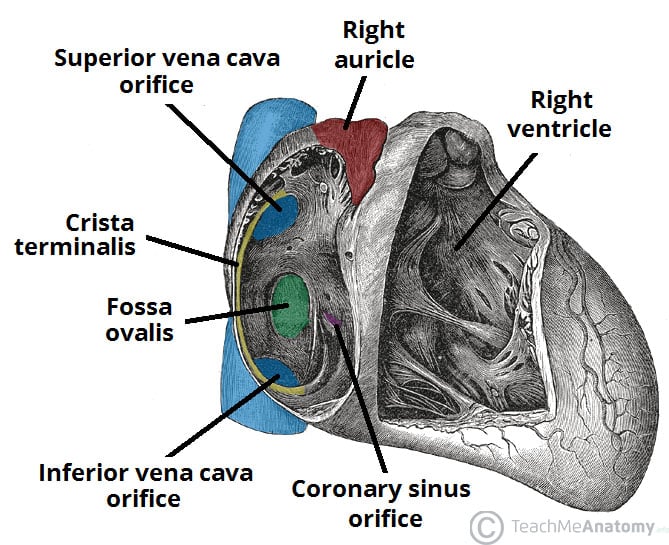
  • The baby is born like any other baby and the babies born with this technique are called test tube babies.

Rational

  • The formed zygote is grown inside a culture and when an embryo (having 8 or more blastomeres) is formed, it is implanted in the uterus where it develops into an embryo.
2

Which of the following goal are you aiming for when you teach a pregnant woman how to do Kegel exercises?

  1. ((a))

    Prevent perineal lacerations

  2. ((b))

    Increase pelvic muscle tone

  3. ((c))

    Lose pregnancy weight quickly

  4. ((d))

    Stimulate labor contractions

Show Answer
Answer: ((b))

Increase pelvic muscle tone

Concept-

  • Kegel exercises also known as pelvic floor exercises are performed to strengthen the muscles of the pelvic floor.
  • Kegel exercises can not only help prevent leaking of urine but can also help prevent accidentally passing stool (faeces) or gas and can also help improve orgasm.

Important Points

  • Doing Kegels regularly before, during, and after pregnancy can help reduce pelvic floor problems. As the baby puts on weight inside the woman's uterus during pregnancy, the pelvic floor muscles have to support more and more weight. Sometimes, the uterus is not completely ready to bear the weight, which can lead to a miscarriage

Explanation

  • The pelvic floor muscles support the bladder, uterus, and other organs and control the flow of urine and contractions of the vaginal and anal sphincter
  • The goal of Kegels is to contract the pelvic floor muscles for short periods of time and then relax.
  • If a pregnant woman does Kegel exercises correctly and regularly, they strengthen the pelvic floor muscles and tighten the vagina and also increase pelvic muscle tone
  • Try to do at least 30 to 40 Kegel exercises every day.
  • You can plan to do Kegel exercises for a few minutes, about 2-3 times a day, during and after pregnancy.
  • Research has also suggested that women who do pelvic floor Kegel exercises may have a slightly shorter active stage of labor than other women.

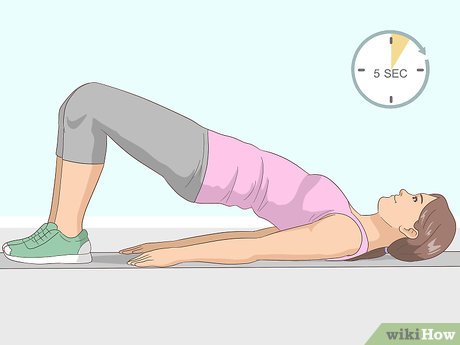
How to Do Kegel Exercises (with Pictures) - wikiHow

3

What kind of counselling is done by a person or counsellor who may be approachable and understanding, but may not be professionally qualified?

  1. ((a))

    Substantial counselling

  2. ((b))

    Informal counselling

  3. ((c))

    Non-specialist counselling

  4. ((d))

    Professional counselling

Show Answer
Answer: ((b))

Informal counselling

Concept-

  • Counselling is a process that involves responsibility and confidentiality. Therefore, guidance and counselling experts have to follow certain ethical principles.
  • Counselling is an interactive learning process in which a counsellor and sometimes called a therapist helps the counselee (help seekers). Guides them to understand the causes of difficulties and resolve the issues.
  • Counselling may be concerned with addressing and resolving specific problems, making decisions, coping with crises, improving relationships, and developing personal awareness.

Levels of Counselling

Informal counselling:

  • This is typically provided by a person who may be approachable and understanding, but may not be professionally qualified.
  • This sympathetic person can be an aunt, uncle, friend, or co-worker.

Non-specialist counselling:

  • This is the assistance provided by experts in other fields such as teachers, doctors, lawyers, and religious preachers, and their respective expertise also seeks to handle psychological problems.
  • They try to provide alternative ways of dealing with people's problems
  • They meet in their daily conversations at work.

Professional Counselling:

  • Professional counselling is for those who have received specialized training in counselling and have the necessary qualifications.
  • These counsellors deal with the individual's social, emotional, and personal problems. In the counselling process, the professional counsellor may use a variety of techniques.
4

The crude birth rate is calculated by:

  1. ((a))

    dividing the total population by the number of births in one year

  2. ((b))

    dividing the total population by the number of births in one decade

  3. ((c))

    multiplying the total population by the number of births in one month

  4. ((d))

    dividing the total population by the number of deaths in one year

Show Answer
Answer: ((a))

dividing the total population by the number of births in one year

Concept: -

  • The birth rate is the number of individuals born in a population in a given period of time.
  • The human birth rate is termed as the number of persons born per 1000 per year in the population.
  • For example, if there are 40 births per 1000 persons per year, the birth rate is 40.

Explanation

  • The crude birth rate is called "crude" because it does not take into account age or sex differences between populations.
  • The crude birth rate is the number of live births resident for a specified geographic region (nation, state, county, etc.) during a specified period (usually a calendar year) from the total population for that region. Divided and multiplied by 1,000.
  • Calculation: (Number of resident live births / Number of total population) x 1,000
  • Total Resident Live Births X 1,000 Total Population

Important Points

  • Crude birth rate and crude death rate are determined by taking the total number of births or deaths in a population and dividing both values ​​by a number to get the rate per 1,000.
5

Which assessment would indicate that a woman is in true labor?

  1. ((a))

    Membranes are ruptured and fluid is clear

  2. ((b))

    Progressive cervical dilatation, 90% effaced

  3. ((c))

    Presenting part is engaged and not floating

  4. ((d))

    Contractions last 30 seconds, every 5 to 10 minutes

Show Answer
Answer: ((b))

Progressive cervical dilatation, 90% effaced

Concept: -

  • Labor means birth or giving birth to a child. After the completion of the prescribed period of pregnancy, the birth of the child without any obstruction is called simple birth.
  • Labor is when a pregnant woman has regular contractions that cause the cervix to change. Contractions occur when the muscles of the uterus tighten and then relax.

Important Points

  • True labor is characterized by contractions at regular intervals that increase in frequency, duration, and intensity.
  • There are contractions, progressive cervical dilation, and effacement. Thus, a cervix dilated by 4 cm and eroded by 90% indicates true labor only.

Explanation

False labor

  • Contractions don't come regularly and they don't come together
  • They stop with walking or at rest or with a change in position
  • They are usually weak and not strong, or start out strong and become weak
  • Pain is usually felt only in the front

True labor

  • Contractions come regularly and come closer together; each contraction lasts about 30 to 60 seconds.
  • The cervix is ​​90% effaced and is 4 to 5 cm dilated which is called 100 per cent effacement.
  • They continue regardless of movement or rest
  • They get stronger
  • Usually, they start at the back and move forward
6

In which year did Madras Presidency succeed in enacting the Madras Nurses and Midwives Act to promote the hiring of a registered midwife for service during childbirth?

  1. ((a))

    1928

  2. ((b))

    1945

  3. ((c))

    1923

  4. ((d))

    1926

Show Answer
Answer: ((d))

1926

Concept-

  • Nurses and midwives are the major health care providers and make up the largest portion of the health workforce globally.
  • The purpose of this act is to improve the quality of public health nurses, midwives, and nurses, and thereby expand and improve medical care and public health.

Explanation

  • With the consent of the British government, an important law to regulate nursing training and practice was passed by the Legislature, which was created on 7 May 1926 and signed by the Governor General on 9 June 1926.
  • It was published in the Fort St George Gazette on 29 June 1926.
  • The Madras Nurses and Midwives Act III of 1926 came into force on the 14th day of February 1928.
  • This is called the Madras Nurses and Midwives Act III of 1926, which aims to promote the recruitment of registered midwives to serve during labor.

Important Points

  • The state succeeded in doing so by enacting the Madras Registration of Nurses and Midwives Act, 1926, to promote a registered midwife for service during childbirth.
7

The cessation of menstrual cycles at the end of a woman's reproductive years is referred to as:

  1. ((a))

    amenorrhea

  2. ((b))

    menopause

  3. ((c))

    menorrhagia

  4. ((d))

    menarche

Show Answer
Answer: ((b))

menopause

Concept:-

  • The menstrual cycle is a process that involves a series of natural changes in hormone production and the structures of the uterus and ovaries of the female reproductive system that makes pregnancy possible.
  • These cycles are concurrent and coordinated, usually between 21 and 35 days in adult females, with an average length of 28 days, and continuing for approximately 30–45 years.
  • Each cycle occurs in stages depending on the events taking place in the ovary (ovarian cycle) or uterus (uterine cycle).

Explanation

  • In a woman's reproductive years, those years of life between menarche and menopause, are roughly 12 to 49 years of age. The term is not accurate, as some women may become pregnant and have children at a younger or older age.
  • The end of the menstrual cycle at the end of a woman's reproductive period is called menopause.
  • The average age of menopause in women is 52 years, with anywhere between 45 and 55 being normal.
  • Menopause before the age of 45 is considered premature.

<br>

Key Points

Amenorrhea

  • Amenorrhea is a term for the absence of menstruation during the reproductive years of a woman's life.
  • The physiological state of amenorrhea is most commonly seen during pregnancy and lactation.

Menorrhagia

  • Menorrhagia is menstrual bleeding that lasts for more than 7 days.
  • It can also be bleeding that is very heavy.

Menarche

  • Menarche is defined as the first period in a female adolescent.
  • Menarche usually occurs between the ages of 10 and 16, with the average age of onset being 12 years.
8

Which of the following is a common type of female pelvic shape with features such as round, shallow and open?

  1. ((a))

    Platypelloid

  2. ((b))

    Android

  3. ((c))

    Gynecoid

  4. ((d))

    Anthropoid

Show Answer
Answer: ((c))

Gynecoid

Concept: -

  • The lower part of the abdomen is located between the hip bones in a woman.
  • The female pelvis is generally more delicate, wider, and not as high as the male pelvis.

Explanation

  • The pelvis consists of paired hipbones, connected in front by the pubic symphysis and behind by the sacrum.
  • Each is made up of three bones—
  • The blade-shaped ilium is responsible for the width of the hips.
  • The ischium, at the back and the bottom, bears the burden of sitting.
  • The pubis is on the front.

Four Common Types of Pelvic Shape According to the Caldwell-Malloy Classification

Gynecoid

  • This site is the most common female pelvic size with a wide intrauterine distance that is ideal for vaginal delivery.
  • It has a rounded pelvic inlet, shallow pelvic cavity, and short, slender ischial spine.
  • The rounded edge encourages fatal rotation.

Android

  • This pelvic anatomy is the most common masculine pelvic shape with a curved coccyx, prominent ischial spine, short AP diameter, and heart-shaped inlet.
  • Overall, the internal dimensions of the pelvic cavity and pelvic outlet are small, and therefore vaginal delivery is relatively difficult.

Anthropoid

  • This pelvic size is more common in men with an AP diameter greater than the transverse diameter.
  • The inlet and outlet are oval-shaped, and thus, the shape is generally suitable for vaginal delivery.

Platypeloid

  • This pelvic shape is abnormal in both male and female patients.
  • The small AP diameter and wide transverse diameter make vaginal delivery very difficult.
  • This pelvic size is usually associated with the arrest of labor and thus requires surgical intervention.

In obstetrics, classification of the shape of the pelvis inlet has been...  | Download Scientific Diagram

9

Community assessment tools that are present with a community health centre can be used to collect valid information about a __________ in order to provide better health services.

  1. ((a))

    environment

  2. ((b))

    culture

  3. ((c))

    community

  4. ((d))

    disease

Show Answer
Answer: ((c))

community

Concept: -

  • A community is a group of living things and a social unit that has similarities such as place, norms, religion, values, customs, or identity. Communities can share a sense of location in a given geographic area such as a country, village, town, or virtual space through communication platforms.
  • Community health centres, also known as community clinics, are community-run, non-profit clinics located in medically under-served areas or serving populations that are medically under-served.
  • Health services provide medical treatment and care to the public or a particular group. Cost-effective delivery of health services in remote areas.

Important Points

  • Community assessment tools are a systematic process that involves identifying and analyzing the community health needs of the community.
  • This process provides a way for communities to prioritize health needs, and to plan and act on unmet community health needs.
  • Community assessment tools are a popular way to collect information and opinions.
  • In the context of a community appraisal, assessment tools can be an effective way of assessing the perceived strengths, weaknesses, needs, and existing assets of the community.
  • Assessment tools can be general or targeted to specific sections of a community.
10

WHO's _________ assesses the quality, safety and efficacy of Covid-19 vaccines and is a prerequisite for COVAX Facility vaccine supply.

  1. ((a))

    Life Saving Drugs

  2. ((b))

    Listing of Highly Efficient Vaccine

  3. ((c))

    Emergent Utility List

  4. ((d))

    Emergency Use Listing

Show Answer
Answer: ((d))

Emergency Use Listing

Concept-

  • The World Health Organization is a specialized agency of the United Nations responsible for international public health.
  • The WHO Emergency Use listing process assesses the quality, safety, and efficacy of COVID-19 vaccines as a prerequisite for the supply of the COVAX vaccine.
  • It also allows countries to accelerate their own regulatory approvals for the import and administration of COVID-19 vaccines.

WHO emergency use listing

  • The Emergency Use listing (EUL) process assesses the suitability of novel health products during public health emergencies.
  • It aims to make available medicines, vaccines and diagnostics as quickly as possible to deal with emergencies while adhering to stringent norms of safety, efficacy, and quality.

Key Points

  • Life-saving drugs are drugs that save one's life when needed, requiring immediate administration in most cases, as lifesaving drugs help to maintain life, and prevent complications.
  • Lifesaving drugs are top priority healthcare needs, which need to be available and organized at all times. e.g- Epinephrine
  • Vaccine effectiveness is a measure of how well the vaccines actually work and their effectiveness is dependent on the target factor.
11

Community health nursing emphasises on _________ or wellness.

  1. ((a))

    negative health

  2. ((b))

    positive health

  3. ((c))

    level of nutrition

  4. ((d))

    community standard of living

Show Answer
Answer: ((b))

positive health

Concept-

  • Community health nursing refers to professional nursing practice with an emphasis on health promotion, health maintenance, primary prevention, health education and management, coordination of health care services, and continuity of care for individuals, families, and groups in the community.

Important Points

  • A community nurse may serve direct care, educate individuals or the public, advocate for health improvement, and conduct research in community health.
  • The job of a community health nurse is to help and manage community health problems.

Features of Community Health Nursing:

  • It is a specialized area of ​​nursing.
  • Its practice combines public health with nursing.
  • It is population-based.
  • It emphasizes wellness and positive health other than sickness or disease.
  • This includes interdisciplinary collaboration.
  • It enhances customer responsibility and self-care.
12

Which of the UN's Sustainable Development Goals (SDGs) is related to health and wellbeing?

  1. ((a))

    13th target

  2. ((b))

    third goal

  3. ((c))

    5th target

  4. ((d))

    16th target

Show Answer
Answer: ((b))

third goal

The correct answer is: third goal

Key Points

  • Sustainable Development Goals​:
  • The Sustainable Development Goals (SDGs) or "2030 Agenda" calls for holistic action to ensure better health, poverty alleviation and peace, and prosperous life for all.
  • 17 Sustainable Development Goals and 169 Objectives are part of the 2030 Agenda for Sustainable Development.
  • Goal 3 is completely focused on health, which is "ensuring to promote healthy living and wellness for all age groups".
  • SDG 3 includes 13 goals, with four listed as "means of implementation" goals. Other selected goals highlighted health goals, including ending all forms of malnutrition, achieving universal and fair access to safe drinking water, and health and sanitation.

Additional Information

  • 17 goals
  • Goal 1: End poverty
  • Goal 2: Freedom from starvation
  • Goal 3: Health and wellness for people
  • Goal 4: Quality Education
  • Goal 5: Gender Equality
  • Goal 6: Water and Sanitation
  • Goal 7: Affordable and Clean Energy
  • Goal 8: Excellence and Economic Growth
  • Goal 9: Industry, Innovation, and Infrastructure Development
  • Goal 10: Reducing Inequalities
  • Goal 11: Sustainable Urban and Community Development
  • Goal 12: Consume and Products Responsibly
  • Goal 13: Climate Action
  • Goal 14: Protection of aquatic organisms (life in water)
  • Goal 15: Protection of terrestrial organisms (life in terrestrial ecology)
  • Goal 16: Peace, Justice, and Empowered Institutions
  • Goal 17: Participation in the Goals
13

________ is the first step in the establishment of a health programme for community members.

  1. ((a))

    Establishment of a plan of action

  2. ((b))

    Community diagnosis

  3. ((c))

    Establishment of priorities

  4. ((d))

    Definition of objectives for action

Show Answer
Answer: ((b))

Community diagnosis

Concept-

  • Community members are at the heart of healthy communities. These include all those who live, learn, work, play and pray in communities.
  • Community members may have a formal leadership role in community organization, or friends and neighbors may recognize them as the person who gets the work done.

Important Points

  • A health program is a coordinated and comprehensive set of health promotion and safety strategies implemented in the workplace that includes programs, policies, benefits, environmental support, and links to the surrounding community, designed to promote the health and safety of all employees.
  • Community diagnosis is the first step for community members health programs generally refer to the identification and quantification of health problems in a community in terms of mortality and morbidity rates and proportions, and those at risk or in need of health care.

Key Points

  • Community diagnosis, also called community assessment, is the basis for improving and promoting the health of community members.
  • The role of community diagnosis is to identify factors that affect the health of the population and determine the availability of resources within the community to adequately address these factors.
14

In which year was the National Rural Health Mission (NRHM) passed in the Indian Parliament?

  1. ((a))

    2003

  2. ((b))

    2008

  3. ((c))

    2005

  4. ((d))

    2006

Show Answer
Answer: ((c))

2005

Concept-

  • The National Rural Health Mission (NRHM) was launched by the Hon'ble Prime Minister to provide accessible, affordable, and quality health care to the rural population, especially vulnerable groups.

Important Points

  • The National Rural Health Mission (NRHM) was launched on 12th April 2005, to provide accessible, affordable, and quality health care to the rural population, especially the vulnerable groups. Hence, Option 3 is correct.
  • NRHM seeks to provide equitable, affordable, and quality health care to the rural population, especially vulnerable groups.
  • Under the NRHM, the Empowered Action Group (EAG) States as well as the North Eastern States, Jammu, Kashmir, and Himachal Pradesh have been given special focus.

<br>

Key Points

  • The thrust of the mission is to establish a fully functional, community-owned, decentralized health delivery system with inter-sectoral convergence at all levels to ensure simultaneous action on a wide range of health determinants such as water, sanitation, education, and nutrition, and social and gender equality.
  • NRHM focuses on Reproductive, Maternal, Newborn, Child Health, and Adolescent (RMNCH+A) Services.
  • The emphasis here is on strategies for improving maternal and child health through a continuum of care and the life cycle approach.
  • It recognizes the inextricable links between adolescent health, family planning, maternal health, and child survival. In addition, a focus is also to be placed on linking community and facility-based care and strengthening referrals between different levels of the health care system to create a sustainable care pathway.
15

Which of the following is/are characteristics of community health nursing?

  1. ((a))

    Population orientation

  2. ((b))

    Industrialisation and urbanisation

  3. ((c))

    Pollution - noise and radiation

  4. ((d))

    Public behaviour

Show Answer
Answer: ((a))

Population orientation

Concept-

  • Community health nursing refers to professional nursing practice with an emphasis on health promotion, health maintenance, primary prevention, health education and management, coordination of health care services, and continuity of care for individuals, families, and groups in the community.

Characteristics of Community Health Nursing:

  • It is a specialized area of ​​nursing.
  • Its practice combines public health with nursing.
  • It is population orientation.
  • It emphasizes wellness and positive health other than sickness or disease.
  • This includes interdisciplinary collaboration.
  • It enhances customer responsibility and self-care.

Functions of Community Health Nursing:

  • Identification of leadership community culture and resources as a key factor in the community health care delivery system.
  • Evaluate community health conditions, health risks, and problems to identify people's health care demands.
  • Planning and implementation of comprehensive community health interventions, care, services, and programs.
16

Time limit for registering births in within:

  1. ((a))

    10 days

  2. ((b))

    7 days

  3. ((c))

    21 days

  4. ((d))

    14 days

Show Answer
Answer: ((c))

21 days

Concept-

  • Birth registration is a permanent and official record of a child's existence.
  • A child who is not registered at birth is at risk of being deprived of the right to an official identity, recognized name, and nationality.
  • Registration is also an important tool for the development of a nation as the process of registration means the collection of data on vital statistics (number of births and deaths).
  • It is an essential element of the national plan for children as it provides a demographic base.

Important Points

  • The birth has to be registered with the concerned local authorities, by filling up the form prescribed by the registrar, within 21 days of the birth.
  • The birth certificate is issued after verification with the actual records of the concerned hospital.
  • If the birth is not registered within the specified time of birth, the certificate is issued after police verification is ordered by the revenue authorities.
  • If the birth registration is not done within the specified period, the registration can be done within one year by paying a nominal late fee.
  • If the registration is not done within one year; Registration can be done at any time by producing an affidavit before a Magistrate of the First Class or an Executive Magistrate.
  • The magistrate verifies the details of the affidavit and, if found satisfactory, issues an order to the registrar to enter the birth entries in the birth register.

Confusion Points

  • According to the rules, registration of birth and death has to be done within 21 days.
17

In India, which of the following ministries has the overall responsibility of monitoring the 'Integrated Child Development Services' ('ICDS') scheme?

  1. ((a))

    Ministry of Agriculture & Farmers' Welfare

  2. ((b))

    Ministry of Women and Child Development

  3. ((c))

    Ministry of Ayush

  4. ((d))

    Ministry of Tribal Affairs

Show Answer
Answer: ((b))

Ministry of Women and Child Development

Concept-

  • The Integrated Child Development Services (ICDS) Scheme was launched on 2 October 1975, by the Ministry of Women and Child Development.
  • The Integrated Child Development Services (ICDS) Scheme represents one of the world's largest and most unique programs for early childhood care and development.
  • It is the foremost symbol of the country's commitment to its children and nursing mothers.
  • The beneficiaries under the Scheme are children in the age group of 0-6 years, pregnant women, and lactating mothers.

Important Points

  • The Ministry of Women and Child Development, a branch of the Government of India, is an apex body for the formulation and administration of rules and regulations, and laws relating to women and child development in India.
  • The Ministry of Women and Child Development (MWCD) has the overall responsibility of monitoring the ICDS scheme.
  • A central level ICDS monitoring unit exists in the Ministry which is responsible for the collection and analysis of periodic work reports received from the States in the prescribed formats.

Key Points

  • The Ministry of Agriculture and Farmers Welfare, formerly the Ministry of Agriculture, is a branch of the Government of India and is the apex body for the formulation and administration of rules and regulations, and laws relating to agriculture in India.
  • The Ministry of AYUSH, a ministry of the Government of India, is responsible for the development of education, research, and dissemination of indigenous and alternative medicine systems in India.
  • The Ministry of Tribal Affairs, a branch of the Government of India, deals with the affairs of tribal communities in India.
18

Infant mortality rate is the number of deaths of children of the age ________.

  1. ((a))

    0-1 year per thousand live births

  2. ((b))

    0-1 year per 100 live births

  3. ((c))

    0-5 years per thousand live births

  4. ((d))

    0-1 month per lakh live births

Show Answer
Answer: ((a))

0-1 year per thousand live births

Concept-

  • An infant is a very young child (from birth to 1 year) who has not yet started walking or talking.
  • Infant mortality is a significant component of mortality under the age of five. Like the mortality rate of children under the age of five, the infant mortality rate also measures child survival.

Infant Mortality Rate: 

  • The Infant Mortality Rate (IMR) which is a crude indicator of the overall health scenario of a country or a region is defined as the infant deaths (children less than one year) per thousand live births in a given period and for a given region.
  • Age : 0-27 days, Age : 28 days - <1 year
  • National Infant Mortality Rate data is released by the Register General of India.

Important Points

  • IMR declined to 34 per 1,000 live births last year from 37 per 1,000 live births in 2015, according to the Sample Registration System (SRS) bulletin, released by the Office of the Registrar General.
  • India registered 90,000 fewer infant deaths in 2016 as compared to 2015.
  • The gender difference between female and male IMR has also reduced to less than 10 points, Earlier it used to be above 20 points.
19

When an infant is treated, and if his heart rate remains less than 80 beats per minute even after an external cardiac massage, which of the following should be given to him?

  1. ((a))

    sodium bicarbonate

  2. ((b))

    adrenaline

  3. ((c))

    Sodium chloride

  4. ((d))

    potassium bicarbonate

Show Answer
Answer: ((b))

adrenaline

Concept-

  • Heart rate is one of the 'vital signs' or vital indicators of health in the human body.
  • It measures how many times per minute the heart contracts or beats.
  • A normal resting heart rate is usually between 60 and 100 beats per minute.
  • Children have a higher resting heart rate than adults.
  • The average fetal heart rate is between 110 and 160 beats per minute. It can vary from 5 to 25 beats per minute.
  • The medical name for a slow heart rate is bradycardia.

Important Points

  • With regard to neonatal resuscitation, bradycardia is related when the heart rate is less than 100 bpm.
  • Adrenaline, also known as epinephrine
  • The primary cause of neonatal bradycardia is hypoxia. Other causes of bradycardia in this age group include hypothermia, hypovolemia and pneumothorax, head injury, and medications.
  • If the heart rate recovers on its own and remains above 60 but below 100 bpm, measures to ensure adequate oxygenation and ventilation should continue.
  • If the heart rate drops below 60 bpm despite adequate oxygen and ventilation, begin chest compressions.
  • If the heart remains below 60 bpm after 30–45 seconds of effective chest compressions, Adrenaline 10 mcg/kg (0.01 mg/kg 1:10,000 solution) should be administered intravenously. This can be repeated every 3-5 minutes.
  • Adrenaline caused an increase in systolic blood pressure, a decrease in diastolic blood pressure, and an increase in heart rate.

Key Points

  • Sodium bicarbonate is used in the treatment of indigestion. It is an antacid used to relieve acid indigestion, heartburn, and gas.
  • Sodium chloride is the chemical name of salt. Sodium is an electrolyte that controls the amount of water in your body. Sodium also plays a role in nerve impulses and muscle contraction.
  • Potassium is a mineral found naturally in foods and is essential for the normal function of your heart, muscles, and nerves. Potassium bicarbonate is used to treat or prevent low potassium (hypokalemia).
20

Up to what age does the term 'newborn' apply to babies?

  1. ((a))

    up to 1 year of birth

  2. ((b))

    up to 1 month after birth

  3. ((c))

    up to 7 days after birth

  4. ((d))

    up to 15 hours after birth

Show Answer
Answer: ((b))

up to 1 month after birth

Concept:- 

  • 'Neonate' is a term used to refer to the newborn baby in the first month (0-28 days) of life.
  • A newborn, or newborn, is a baby who is less than 28 days old. During these first 28 days of life, the baby is at the highest risk of dying.
  • The vast majority of neonatal deaths occur in developing countries with low access to health care.
  • When the child is born, he has to adjust to an environment that is very different from the one in the mother's womb.
  • The mother understands the sound of the baby crying but this may not always be true. Thus we can see that after birth, the newborn has to make efforts to meet its needs and is completely dependent on the adults, usually the mother.

Important Points

  • A newborn baby has many abilities that help him adjust to the new environment.
  • The newborn is not helpless, even though it may seem so contrary to believe that he has many abilities. They are born with a number of well-developed motor and sensory abilities that help them perceive, understand and adjust to new environments.
  • A newborn can turn its head from side to side when placed on the back of the abdomen. When placed on the stomach, she can also raise her head for a while. While on her back, she can actively move her arms and legs. These movements help him avoid burrowing himself under the blanket or sheet. At birth, babies are also capable of many reflex actions.
  • The newborn has different sensory abilities. On the basis of many research studies, it is now known that from birth the eyes, ears, and other sense organs work in a remarkable manner. Newborns react to touch, heat, and cold and can distinguish certain sounds, tastes, and smells.
21

Babies who are born before the end of 37 weeks of gestation and have a normal rate of intrauterine growth are called ________.

  1. ((a))

    big for date

  2. ((b))

    preterm

  3. ((c))

    small for date (SFD)

  4. ((d))

    post-term

Show Answer
Answer: ((b))

preterm

Concept-

  • Intrauterine growth restriction (IUGR) also called fetal growth restriction, or FGR describes a condition in which the unborn baby is smaller than expected for its gestational age or the number of weeks the baby has been in the uterus.
  • For a newborn baby who is smaller than expected, there is a small gestational age (SGA).

Important Points

  • Unborn babies with IUGR usually weigh less than the 10th percentile. This means that they weigh less than 90 percent of unborn babies of the same gestational age. They can be proportionately small or disproportionately small as one part of the baby is smaller than expected.
  • IUGR babies are sometimes born premature ie before 37 weeks of pregnancy.
  • Premature birth, also called preterm, occurs when a baby is born too early before 37 weeks of pregnancy is complete.
  • Babies with IUGR have a higher-than-normal risk of a variety of health problems before, during, and after birth.

Confusion Points

  • Pre-term: less than 259 days (37 weeks), duration: 259-293 days (37-41 weeks).
  • Post-term: 294 days (42 weeks) or more.
  • A term birth is defined as between 37 and 42 weeks and is performed to indicate a good time for a good outcome for the mother and baby.
22

Which of the following is a disorder of red blood cells?

  1. ((a))

    Anaemia

  2. ((b))

    Thalassemia

  3. ((c))

    Haemophilia

  4. ((d))

    Leukaemia

Show Answer
Answer: ((a))

Anaemia

Concept-

  • Red blood cells, also called erythrocyte, which are the cellular component of blood, give the blood its distinctive color in the circulation of millions of vertebrates
  • Red blood cells carry oxygen from the lungs to the rest of the body and then make the return journey, carrying the carbon dioxide back to the lungs to be excreted.

Important Points

  • Anemia occurs when the body is not producing enough red blood cells or when the red blood cells are not working properly.
  • When there is a problem with red blood cell production or function, the body does not get the oxygen it needs, which can lead to one or more symptoms.
  • Weakness
  • Difficulty breathing
  • Dizziness
  • Fast or irregular heartbeat
  • Pounding or "whooshing" in your ears
  • Headache
  • Cold hands or feet
  • Pale or pale skin
  • Pain in chest

Key Points

  • Thalassemia is an inherited blood disorder in which the body makes an abnormal form of hemoglobin that results in the destruction of a large number of red blood cells, leading to anemia.
  • Hemophilia is an inherited bleeding disorder where the blood does not clot properly. It occurs when there are not enough clotting factors in the blood.
  • Leukemia is a cancer of the blood, characterized by the rapid growth of abnormal blood cells.
23

Which of the following is the main cause of Japanese encephalitis?

  1. ((a))

    Protozoa

  2. ((b))

    Blue-green algae

  3. ((c))

    Virus

  4. ((d))

    Bacteria

Show Answer
Answer: ((c))

Virus

Concept-

  • Viruses are microscopic infectious agents that contain genetic material, either DNA or RNA, and must invade a host in order to multiply.
  • Japanese encephalitis virus is the most important cause of viral encephalitis.
  • Japanese encephalitis virus is a mosquito-borne flavivirus, which belongs to the same genus as dengue, yellow fever, and West Nile viruses.

Explanation

  • Most Japanese encephalitis virus infections are mild (fever and headache) or without obvious symptoms, but about 1 infection in 250 causes severe clinical illness.
  • The incubation period is between 4-14 days.
  • In children, gastrointestinal pain and vomiting may be major early symptoms.
  • Japanese encephalitis virus is transmitted to humans by the bite of infected mosquitoes of the Culex species (mainly Culex tritaenorhynchus).
  • Humans, once infected, do not develop enough viremia for mosquitoes to feed on.
  • The virus is present in the transmission cycle between mosquitoes, pigs, and water birds (enzootic cycle).
  • Severe illness has a rapid onset of high fever, headache, stiff neck, disorientation, coma, seizures, spastic paralysis, and eventually death.

Key Points

  • Protozoa is an informal term for a group of single-celled eukaryotes, either free-living or parasitic, that feed on other microorganisms or organic matter such as organic tissues and debris.
  • Blue-green algae are a group of bacteria. They can be used as a source of protein, but contain no more protein than meat or milk.
  • Bacteria are microscopic, single-celled organisms that exist in their millions, in every environment, both inside and outside other organisms.
24

Polio is a highly infectious disease caused by:

  1. ((a))

    bacteria

  2. ((b))

    virus

  3. ((c))

    fungi

  4. ((d))

    protozoa

Show Answer
Answer: ((b))

virus

Concept-

  • Infectious diseases are caused by pathogenic microorganisms, such as bacteria, viruses, parasites, or fungi.
  • Diseases can be spread directly or indirectly from one person to another.

Explanation

  • Polio is a highly contagious disease caused by the poliovirus.
  • It invades the nervous system and can cause complete paralysis within a few hours.
  • The virus is spread primarily by the fecal-oral route or, less frequently, by a common vehicle (eg, Polio is spread through contaminated water or food or through contact with an infected person) and multiplies in the intestine.
  • Initial symptoms are fever, fatigue, headache, vomiting, stiffness of the neck, and pain in the limbs.
  • Polio mainly affects children under the age of 5. However, anyone of any age who has not been vaccinated can contract the disease.
  • There is no cure for polio, it can only be prevented.
  • The polio vaccine, given multiple times, can protect a child for life.
  • Two vaccines are available: both effective and safe
  • The oral polio vaccine
  • The inactivated polio vaccine.

Key Points

  • Protozoa is an informal term for a group of single-celled eukaryotes, either free-living or parasitic, that feed on other microorganisms or organic matter such as organic tissues and debris.
  • Bacteria are microscopic, single-celled organisms that exist in their millions, in every environment, both inside and outside other organisms.
25

Which of the following options most appropriately describes the term 'inanimate object'?

  1. ((a))

    A non-living article like a pen, pencill, linen or handkerchief which helps in the spread of infection

  2. ((b))

    Microbes which cause infection and disease

  3. ((c))

    A living organism which helps in the spread of infection from one person to another

  4. ((d))

    An infectious agent that may be transferred directly or indirectly from one infected person to another

Show Answer
Answer: ((a))

A non-living article like a pen, pencill, linen or handkerchief which helps in the spread of infection

Concept-

  • An inanimate object is something that is not alive or something that does not move on its own, such as a rock, pencil, or TV (or guitar).
  • Handkerchiefs, towels and combs, pens, pencils, and linen are personal items and should not be shared with others as their use can spread infectious diseases.

Important Points

  • A fomite is any non-living object, also called an inanimate object, that can transfer disease to a new host when contaminated with or exposed to infectious pathogenic bacteria, viruses, or fungi.
  • Contamination can occur when one of these objects comes into contact with bodily secretions such as nasal fluids, vomit, or feces. Many common objects can retain a pathogen until a person is exposed to the pathogen, increasing the chances of infection.
  • Potential items are different in a hospital environment than in a home or workplace. Fomites such as splinters, barbed wire, or field surfaces, including soil, feeding troughs or barn beams, have been implicated as sources of the virus.
  • Contaminated articles can infect a healthy person by contact. Hence sharing personal articles should be avoided.
26

The sinus venarum and the atrium meet at the muscular ridge called ________.

  1. ((a))

    the crista terminalis

  2. ((b))

    the fossa ovalis

  3. ((c))

    the auricle

  4. ((d))

    the venae cordis minimae

Show Answer
Answer: ((a))

the crista terminalis

Concept-

  • The sinus venosus is a large quadrangular cavity that precedes the atrium on the venous side of the chordate heart.
  • In mammals, it is clearly present only in the fetal heart, where it is found between the two vena cava.
  • The sinus venosus persists in the adult.
  • In the adult, it is incorporated into the wall of the right atrium as a smooth part called the sinus venerum, which is separated from the rest of the atrium by a ridge of fibers called the crista terminalis.

Important Points

  • The crista terminalis or terminal crest represents the junction between the Sinus venarum and the atrium of the heart in the developing embryo.
  • In the development of the human heart, the right horn and transverse part of the sinus venosus eventually join and become a part of the adult right atrium, known as the sinus venerum.
  • The line of union between the right atrium and the right atrial appendage is present as a vertical crest on the interior of the atrium, known as the crista terminalis or their crista terminalis.

Key Points

  • The fossa ovalis is a depression in the right atrium of the heart, at the level of the interatrial septum, the wall between the right and left atriums.
  • The auricle or auricula is the visible part of the ear which is on the outside of the head. It is also called Pinna
  • Venae cordis minimae the walls of all heart chambers contain many small veins.

Chambers of the Heart - Atria - Ventricles - TeachMeAnatomy

27

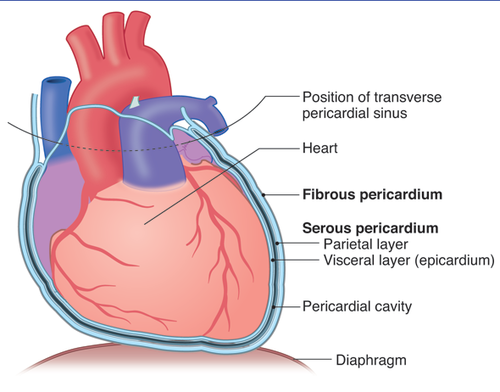
The covering of the heart is called _________.

  1. ((a))

    Atria

  2. ((b))

    Thorax

  3. ((c))

    Stemum

  4. ((d))

    Pericardium

Show Answer
Answer: ((d))

Pericardium

Concept-

  • The heart is a fist-sized organ that pumps blood throughout the human body.
  • It is the primary part of your circulatory system.
  • The heart has four main chambers that are made up of muscles and are driven by electrical impulses.
  • It also works with other body systems to control your heart rate and blood pressure.

Explanation

  • The heart is protected by a double-walled membrane known as the pericardium.
  • It surrounds a cavity known as the pericardial cavity which contains a fluid known as pericardial fluid.
  • It protects the heart from mechanical injury and shock.

Important Points

  • The thin sac that surrounds the heart is called the pericardium.
  • The pericardium is a serous membrane and is made up of two layers.
  • The outer layer is called the fibrous pericardium which is made up of thick connective tissue.
  • It is attached to the diaphragm and is responsible for holding the heart in place in the chest cavity. It also protects our hearts from infection.
  • The inner layer is called the serous pericardium which helps lubrication of the heart.
  • It is further divided into two layers called the visceral and parietal layers. Between the two layers of the heart lies the fluid-filled pericardial cavity.

anatomy the heart Flashcards | Quizlet

28

Why is hand wash an important step in the procedure for care of a wound?

  1. ((a))

    To cover the wound and quicken healing

  2. ((b))

    To prevent cross-contamination

  3. ((c))

    To avoid any further injury

  4. ((d))

    To help remove extra moisture from the wound

Show Answer
Answer: ((b))

To prevent cross-contamination

Concept-

  • A wound is an injury to the body from violence, accident, or surgery that usually involves tearing or rupture of membranes such as the skin and usually damage to the underlying tissues.
  • Wound care is defined as the promotion of cleaning, monitoring, and healing of a wound closed with sutures, clips, or staples.
  • Cross-contamination is the process by which bacteria or other microorganisms are inadvertently transferred from one substance or object to another with harmful effects.

Explanation

  • Keeping hands clean is one of the most important steps during wound care that helps us to avoid getting sick and spreading germs to others, and prevents cross-contamination.
  • Many diseases and conditions are spread by not washing hands with soap and clean, running water.

<br>

Important Points

  • Hand hygiene is one of the most important processes of infection control.
  • The purpose of hand washing is to remove transient micro-organisms from the surface of the hands acquired through everyday tasks in a clinical setting.
  • Good hand hygiene protects both patients and staff.
  • Cleaning the wound with dirty hands increases the risk of infection.
  • Wash hands thoroughly with soap before doing anything on the wound, even if the hands appear clean.
  • Rinse your hands under running water for at least 20 seconds and use soap to remove germs and bacteria that can cause wound infections.
  • Use a sterile dressing to cover the wound. The goal is to protect the wound from outside elements while it heals.
29

Plasma of the blood is made up of:

  1. ((a))

    protein and salt

  2. ((b))

    carbohydrate

  3. ((c))

    protein, water and salt

  4. ((d))

    water

Show Answer
Answer: ((c))

protein, water and salt

Concept-

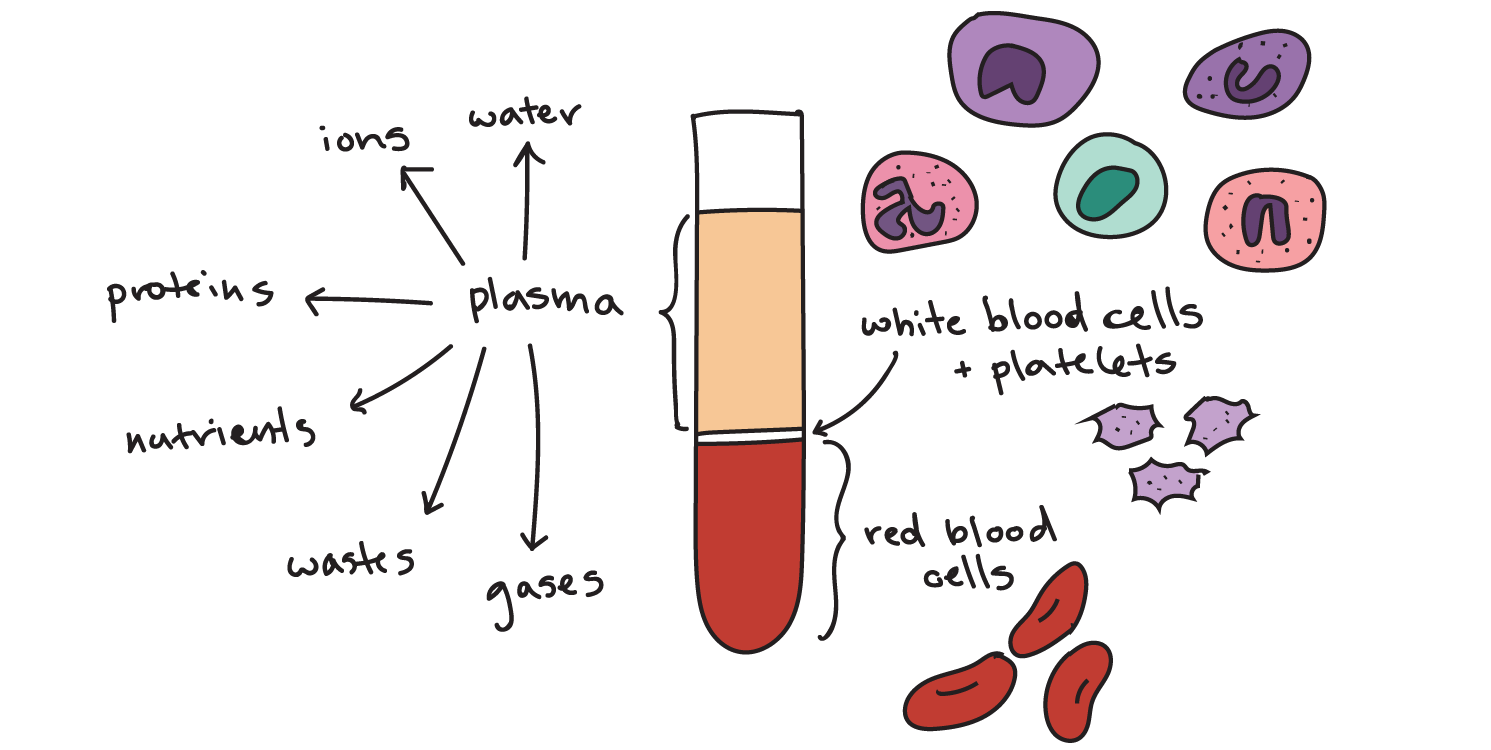
  • Blood is a mixture of plasma and cells that travels throughout the body.
  • It carries essential substances, such as sugars, oxygen, and hormones, to cells and organs, and removes waste from cells.
  • Plasma is the largest part of the blood. It makes up more than half (about 55%) of its total content. When separated from the rest of the blood, plasma is a pale yellow liquid that contains water, salts, and enzymes.

Important Points

  • Plasma is called the matrix of blood. It is composed of clotting factors, protein compounds, and serum.
  • It consists of 92 percent water with proteins, salts, lipids, and glucose.
  • Plasma is the main mode of excretory product transport.
  • The main role of plasma is to transport nutrients, hormones, and proteins to the parts of the body that need them.
  • Cells also dump their waste products into the plasma.
  • The plasma then helps to remove this waste from the body.
  • Blood plasma also carries all parts of the blood through the body's circulatory system.
  • Proteins and antibodies in plasma are also used in the treatment of rare chronic conditions such as autoimmune disorders and hemophilia.

Components of blood (article) | Khan Academy

30

Most common nosocomial infections occur due to microbes known as:

  1. ((a))

    fungi

  2. ((b))

    bacteria

  3. ((c))

    blue-green algae

  4. ((d))

    virus

Show Answer
Answer: ((b))

bacteria

Concept-

  • Nosocomial infections, also called hospital-acquired infections, are a subset of infectious diseases acquired in a health care facility.
  • In order to be considered nosocomial, the infection must not be present at the time of admission.
  • It must develop at least 48 hours after admission.
  • These infections can lead to serious problems such as sepsis and even death.
  • Blue-green algae are a group of bacteria. They can be used as a source of protein, but contain no more protein than meat or milk.

Important Points

  • Factors that increase the risk of nosocomial infections include increasing age, length of hospitalization, excessive or inappropriate use of broad-spectrum antibiotics, and the number of invasive instruments and procedures such as central venous catheters, urinary catheters, surgical procedures, and mechanical ventilation.
  • Nosocomial infections Various bacteria, viruses, and fungi all cause nosocomial infections, the most common of which is Staphylococcus aureus.
  • Other common pathogens such as Escherichia coli, enterococci, and Candida are common culprits, and all can be found on the skin and mucous membranes in general.

Key Points

  • Fungi: certain types of fungi are ubiquitous and can cause infections especially in immunocompromised individuals.
  • Types of fungal nosocomial infections can be caused by candidiasis, aspergillosis, etc.
  • Bacteria are microscopic, single-celled organisms that exist in their millions, in every environment, both inside and outside other organisms.
  • A virus is a submicroscopic infectious agent that replicates within the living cells of an organism.
31

In medical surgical nursing which of the process is known as cleaning:

  1. ((a))

    the removal of all foreign material, such as soil or organic material

  2. ((b))

    Removal of virus

  3. ((c))

    Removing of pathogenic only

  4. ((d))

    the elimination of many or all micro-organisms

Show Answer
Answer: ((a))

the removal of all foreign material, such as soil or organic material

Concept-

  • "Clean" means an area free of sources of infection and "dirty" designates an area that has a high probability of becoming a source of infection.
  • Control of hospital, infection is one of the most important issues in modern medical surgical nursing practice to control infection by cleaning which removes unwanted substances, such as dirt, infectious agents, organic material, and other impurities, from an object or environment.
  • Medical-surgical nursing is a nursing specialty area that deals with the care of adult patients in a wide range of settings.

Explanation

Two important issues are involved in process of cleaning.

  1. There should be proper design and proper provision of medical units and wards. Various risk patients' rooms, toilet rooms, disposal rooms, entrance halls, doctors' and nurses' rooms, etc. should be in the proper position so as to maintain the above principle and equipment should be located in the right place.
  2. The movement of medical staff, patients, and materials is a major source of the spread of pathogens. That's why it's important to check if the dirty stuff gets cleaned up. Particular attention is required when nurses, who have close contact with patients move from one ward to another.
32

Which of the following is NOT a part of an animal cell?

  1. ((a))

    Plasma membrane

  2. ((b))

    Cell wall

  3. ((c))

    Nucleus

  4. ((d))

    Cytoplasm

Show Answer
Answer: ((b))

Cell wall

Concept-

  • The cell is the structural and fundamental unit of life.
  • The study of the basic structure of the cell to the functions of each organelle is called cell biology.
  • Animal cells and plant cells are a type of cells called eukaryotic cells.
  • Both have more similarities and some dissimilarities in their functions as well as the parts present in them.

Explanation:

  • The animal cell is the basic structural and functional unit of all organisms belonging to the Animalia kingdom.
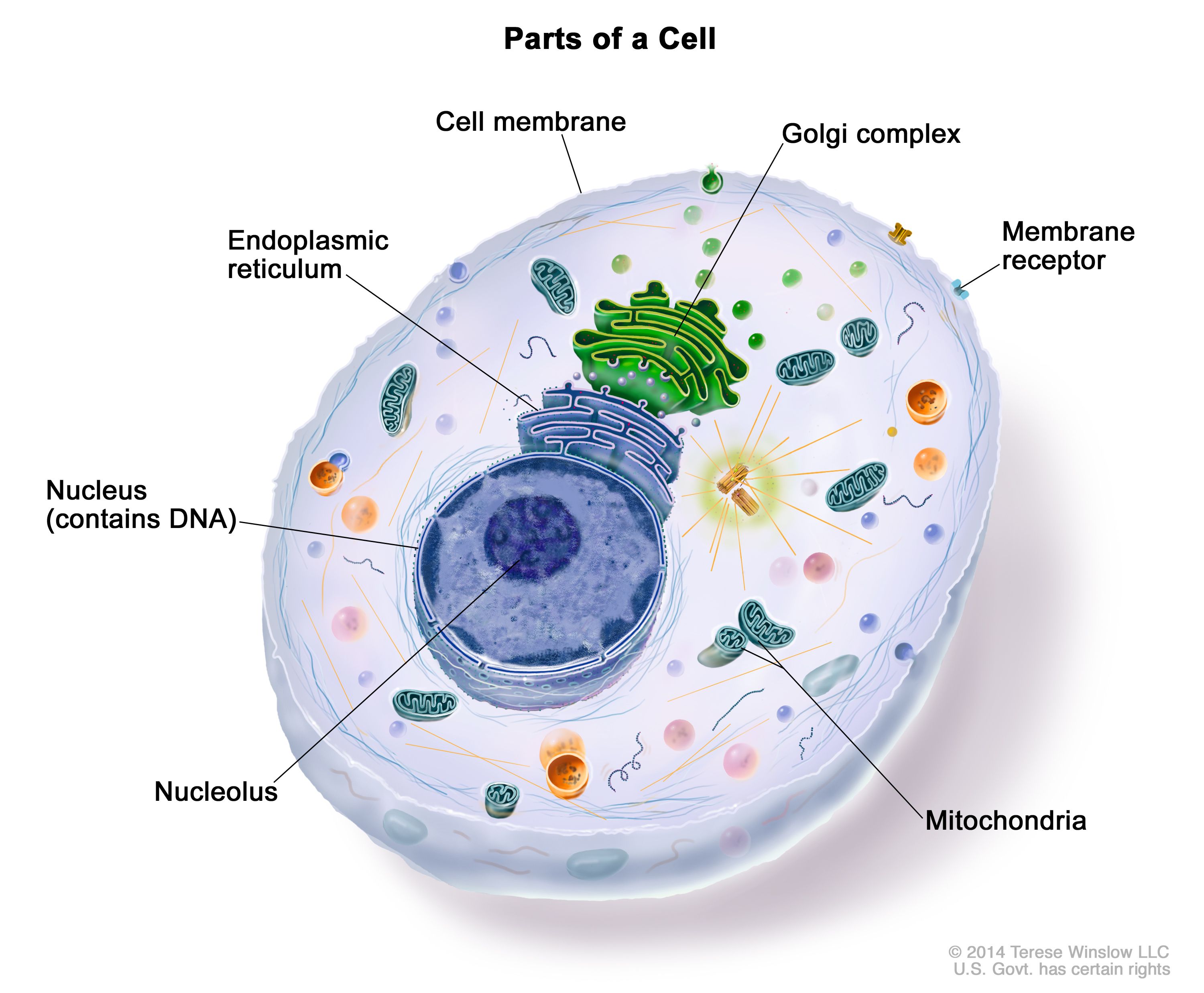
  • They have specialized organs to perform all the functions of the body.
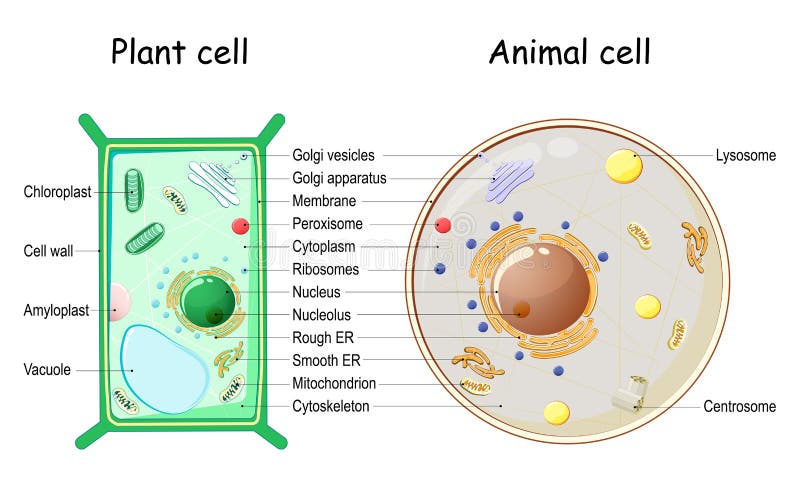
  • Animal cells do not have a cell wall.
  • The cell wall provides mechanical strength to the plant cell and thus protects it from harsh environmental conditions.
  • The outermost covering of an animal cell is the cell membrane.
  • Both cells have organelles like mitochondria, nucleus, and ribosomes.
  • The plasma membrane, mitochondria, and Golgi apparatus are present in the animal cell.

Key Points

  • The plasma membrane of a cell is a network of lipids and proteins that border the contents of the cell and the outside of the cell.
  • It is also called a simple cell membrane.
  • The main function of the plasma membrane is to protect the cell from its surroundings.
  • The nucleus is a double-membraned organelle that contains genetic material and other materials that are necessary for cellular processes.
  • The cytoplasm is a thick solution that fills each cell and is surrounded by the cell membrane.

Plant Cell Animal Cell Stock Illustrations – 736 Plant Cell Animal Cell  Stock Illustrations, Vectors & Clipart - Dreamstime

33

Which of the following plays an important role in developing of an individuals physical characteristics?

  1. ((a))

    Socio-cultural factors

  2. ((b))

    Mental attitudes

  3. ((c))

    Heredity

  4. ((d))

    Personal habits

Show Answer
Answer: ((c))

Heredity

Concept-

  • Physical characteristic means any physical condition or physical characteristic of any person that is from birth, accident, disease, or any natural physical development, or any other event beyond that person's control, including height, weight, and personal physical behavior.

Important Points

  • Heredity and environment are the elements that play a vital role in determining the personality development of an individual.
  • Heredity is defined as total biologically transmitted factors from parents that influence the development of the person.
  • It affects all parts of physical appearance, for example, length, weight, body composition, eye shadow, hair surface, and even cognition and aptitude.
  • Diseases by heredity also pass on traits, for example, coronary disease, diabetes, weight, etc.
  • Heredity gives us the body, structure, complexion or features, etc.

Key Points

  • Sociocultural factors play an important role in shaping social development and functioning.
  • A mental attitude is a complex mental state that involves beliefs and feelings and values ​​and dispositions to act in certain ways.
34

Which of the following is not a measure of health and well-being?

  1. ((a))

    Environmental fitness

  2. ((b))

    Social fitness

  3. ((c))

    Spiritual fitness

  4. ((d))

    Physical fitness

Show Answer
Answer: ((a))

Environmental fitness

Concept-

  • According to WHO- Health is a state of complete physical, mental and social well-being and not merely the absence of disease or infirmity.
  • An important implication of this definition is that mental health is much more than just the absence of mental disorders or disabilities.

Important Points

  • A sense of well-being is fundamental to a person's overall health, enabling them to successfully overcome difficulties and achieve what they want from life.
  • The four measure that constitutes health and contributes to your overall health is physical health. mental health. Social health and spiritual health.

Key Points

  • Physical wellness includes self-care and a temperate lifestyle.
  • Emotional well-being is psychological well-being that includes subjective experience and positive emotionality.
  • Environmental factors affect our physical, mental, or spiritual health, and some affect our ability to carry out our work or mission.
35

Which of the following factors lead to a tendency towards drinking, smoking, substance abuse, chewing tobacco or irregular eating habits, leading to a various health problems?

  1. ((a))

    Environmental

  2. ((b))

    Genetic

  3. ((c))

    Behavioural

  4. ((d))

    Social

Show Answer
Answer: ((c))

Behavioural

Concept-

  • A health problem means a change in the health or physical condition of the insured as a result of serious illness and/or injury, which requires diagnosis and treatment
  • Health problems can be caused by a person's genetic makeup, lifestyle behaviors (such as smoking), exposure to toxins (such as asbestos), or other factors. As with many health problems, one disease or its treatment can lead to another.

Behavioral health problems

  • Drinking alcohol causes behavioral changes that interfere with speaking, leading to speech and coordination disturbances. 
  • It affects impulse control and the ability to form memories, leading to blackouts.
  • Drinking alcohol can cause numbness, weakness, and temporary paralysis.
  • Smoking is associated with worse symptoms and outcomes in people with behavioral health conditions, including greater depressive symptoms, greater likelihood of psychiatric hospitalization, increased suicidal behavior, and remission from drug and alcohol use.
  • Substance abuse can change a person's habits, behaviors, and appearance.
36

Cancer causative agents are called _________.

  1. ((a))

    carcinogen

  2. ((b))

    leukaemia

  3. ((c))

    benign tumour

  4. ((d))

    lymphoma

Show Answer
Answer: ((a))

carcinogen

Concept-

  • Cancer is a disease of abnormal growth of a cell.
  • Normally, Healthy cells grow and divide according to the needs of the body.
  • When normal cells are damaged or cells become old, they die and are replaced by healthy cells.
  • Cancer occurs when cells in the body begin to grow and divide abnormally. Our body is made up of trillions of cells.
  • A carcinogen can be any substance such as radionuclides or radiation that promotes carcinogenesis, i.e. the formation of cancer. This may be due to the potential for damage to the genome or disruption of cellular metabolic processes.

Important Points

  • When someone has cancer, the cells stop doing their role in this way.
  • Old and damaged cells survive instead of dying, and new cells continue to be made even when they are not needed. These extra cells divide uncontrollably, resulting in a tumor.
  • Most cancers are tumors, but blood cancer is not a tumor.
  • However, not every tumor is cancerous.
  • Cancer can develop in any part of the body. Usually, it spreads to the surrounding tissues.
  • Abnormal and damaged cancer cells reach other parts of the body and start forming new malignant tumors.

Key Points

  • Leukemia is a cancer of the blood, characterized by the rapid growth of abnormal blood cells.
  • A benign tumor is a mass of cells (tumors) that lack the ability to either invade neighboring tissue or metastasize (spread throughout the body).
  • Lymphoma is cancer of the lymphatic system
37

A person can cope with life's routine stresses by paying attention to which of the following aspects of personal health?

  1. ((a))

    mental health

  2. ((b))

    environmental health

  3. ((c))

    physical health

  4. ((d))

    social health

Show Answer
Answer: ((a))

mental health

Concept-

  • Personal health refers to the mental, physical and social well-being of an individual, whereas community health is about enhancing and maintaining the health of the entire community.
  • Stress is a disorder stemming from a mental state.
  • Stress arises due to imbalance and confusion between the state of mind and the state.
  • Stress is the gateway to many other disorders. Generally speaking, stress is a mental illness.

Important Points

  • Stress persists for a long period of time which can lead to anxiety and depression. Experiencing a very stressful or traumatic event can lead to post-traumatic stress disorder.
  • Stress can make existing mental illnesses worse. As such becomes the cause of psychotic relapse.
  • To deal with stress, people start consuming alcohol or drugs. But if you do it regularly then you may need to take support. In the short term, trying to cope with alcohol or drug use can be helpful. But if it stays for a long time, it can worsen mental health, making you vulnerable to stress.
  • Stress can be relieved by paying attention to mental health because stress is linked to mental health, if mental health is good and optimal, the stress in daily life can be relieved.

Additional Information

  • For Personal health, it is very important to pay regular attention to physical cleanliness along with pure water, pure air, balanced diet.
  • In the external cleanliness of the body, it is necessary to pay special attention to the regular cleaning of skin, hair, nails, mouth, gums, teeth, tongue, eyes, ears, nose, etc.
38

Why is milk considered the best and complementary food for babies?

  1. ((a))

    It is a rich source of protein.

  2. ((b))

    It is a rich source of protein and calcium.

  3. ((c))

    It is a rich source of protein, fat, vitamin A and calcium.

  4. ((d))

    It is a rich source of protein and fat.

Show Answer
Answer: ((c))

It is a rich source of protein, fat, vitamin A and calcium.

Concept-

  • Mother's milk is all that a baby needs in the first six months.
  • Breast milk is an ideal or complete food for a baby as it contains all the nutrients that the baby needs for the first 6 months of life.
  • The fat part of milk contains fat-soluble vitamins.
  • Milk contains proteins, carbohydrates, water-soluble vitamins, and minerals in addition to fat, and this helps to make milk one of nature's best foods.

<br>

Important Points

  • Breast milk is quickly and easily digested and contains fats, lactose, proteins, vitamins, minerals (including iron), immunoglobulins, and water that are essential for a baby's development.
  • One of the reasons why breast milk is considered the most suitable food for a newborn baby is that in the early days after delivery, the mother's milk is called colostrum. It contains abundant antibodies (IgA) which protect the newborn from many diseases.
  • Mother's milk is specially made for her own baby. It is the right nutrition for the development of the child.
  • It is easy to digest and contains protective substances that help prevent infection
39

Which of the following nutrient is also called 'body-building food'?

  1. ((a))

    Vitamin

  2. ((b))

    Protein

  3. ((c))

    Carbohydrate and fat

  4. ((d))

    Mineral

Show Answer
Answer: ((b))

Protein

Concept-

  • Food is a substance consumed to help in nutritional support for any organism.
  • Food can be divided into many types, such as energy food, bodybuilding food, and protective food, the major energy we get in our daily life are carbohydrates, and vitamins and minerals like rice, bread, etc. come under protective.

Explanation-

Carbohydrates: 

  • There are three types of macronutrients present and one of them is carbohydrates.
  • The body gets maximum energy from carbohydrates.
  • And the RDA for carbohydrates for the average adult body is 130 grams per day, according to the NIH, and these carbohydrates protect the protein from energy production.

Proteins: 

  • Proteins are also one the macronutrients and are also called the body building blocks of food.
  • Proteins have structural and functional amino acids.
  • Proteins help build muscle, so they are called building blocks, They are used to build and repair tissues.
  • Apart from these, proteins have many roles, they act as enzymes and they are helpful for oxygen transport and antibodies produced in the body are proteins.
  • The RDA for protein is 0.8 grams per kg body weight.

Fat: 

  • Fat also serves as one of the macronutrients, the structural and functional units of fat are fatty acids and they are of several types such as triglycerides, cholesterol, etc.
  • The important function of fat is to serve as storage energy and to insulate the body and to act as a messenger for proteins.
40

What is the permissible amount of vegetables for each student to ensure a balanced and nutritious diet to the children of upper primary class (Class VI to VIII) as per the 1st September, 2021 'Mid-Day Meal' scheme?

  1. ((a))

    80 gms

  2. ((b))

    65 gms

  3. ((c))

    45 gms

  4. ((d))

    75 gms

Show Answer
Answer: ((d))

75 gms

Concept-

  • The Mid-Day Meal Scheme in India was launched on 15 August 1995 under the name 'National Program for Nutritional Support for Elementary Education (NP-NSPE)'.
  • In October 2007, NP-NSPE was renamed as 'National Program for Mid-Day Meal in Schools', popularly known as Mid-Day Meal Scheme.
  • On 1st September 2021, the name of the mid-day meal scheme was changed to 'PM Poshan' or Pradhan Mantri Poshan Shakti Nirman.
  • PM Poshan will extend hot cooked meals, already covered under the mid-day scheme, to students studying at the pre-primary level or Bal Vatika of government and government-aided primary schools.

Explanation-

Food norm with effect from 1-09-2021
S. No.ItemsQuantity per day/Child
PrimaryUpper Primary
1Foodgrains100 gms150 gms
2Pulses20 gms30 gms
3Vegetables (leafy also)50 gms75 gms
4Oil & fat5 gms7.5 gms
5Salt & condimentsAs per needAs per need
41

Which of the following is externally motivated and arises as a result of our interactions with other people?

  1. ((a))

    Environmental stress

  2. ((b))

    Physical stress

  3. ((c))

    Spiritual stress

  4. ((d))

    Social stress

Show Answer
Answer: ((d))

Social stress

Concept-

  • There are three main types of stress which include physical and environmental, psychological and social.
  • It's important to understand that all of these types of stress are intertwined and that they are externally induced and result from our interactions with other people.

Important Points

  • External motivation means that your motivation to achieve your goal comes from a source outside of you.
  • External stressors are sources of stress that we are aware of around us, these can include trauma, life experiences or simply daily troubles.
  • Feelings of discomfort or anxiety that individuals are externally motivated and experience in social situations, and are associated with an associated tendency to avoid potentially stressful social situations.
  • Examples of social stress include:
  • Verbal aggression from clients or superiors
  • Peer conflict
  • Negative group environment
  • Organizational politics
  • Inappropriate behaviour

Key Points

  • Environmental stress refers to those aspects of one's environment that increase the mental or emotional stress in your life.
  • Examples of environmental stressors include certain factors such as loud noises, extreme temperatures, large crowds, and crime.
  • Spiritual stress occurs when a person is unable to find meaning, peace, comfort, strength, or connection in life.
  • Physical stress occurs when a person experiences trauma such as injury, infection, surgery, environmental pollution, disease (viral, bacterial, or fungal agent)
42

Which of the following is an example of negative symptoms of schizophrenia?

  1. ((a))

    People with these delusions believe that they are being conspired, spied on, slandered, threatened, attacked, or deliberately tortured.

  2. ((b))

    people move spontaneously or make strange faces and gestures

  3. ((c))

    lack of thought, feeling, and behavior

  4. ((d))

    excess of thoughts, feelings, and behaviors

Show Answer
Answer: ((c))

lack of thought, feeling, and behavior

Concept-

  • Schizophrenia is a descriptive term for a group of mental disorders in which personal, social, and occupational functioning is impaired as a result of disturbed thought processes, strange perceptions, abnormal emotional states, and motor abnormalities.
  • It is a debilitating disorder.
  • The social and psychological cost of schizophrenia is tremendous for both the patients as well as their families and society.

Explanation-

The symptoms of schizophrenia can be grouped into three categories 

  • Positive symptoms (excesses of thought, emotion, and behaviour),
  • Negative symptoms (lack of thought, feeling, and behaviour)
  • Psychomotor symptoms.

Positive symptoms: 

  • These are 'pathological excesses' or 'bizarre additions' to a person's behaviour.
  • Delusions, disorganized thinking, and speech heightened perception and hallucinations, and inappropriate effects are most often found in schizophrenia.

Negative symptoms: 

  • Loss or decreased ability to initiate plans, speak, express feelings, or find pleasure.
  • These are 'pathological deficits' and include poverty of speech, blunt and flat effect, loss of desire, and social withdrawal.
  • People with schizophrenia show alogia or poverty of speech.
  • Alogia
  • Alogia or poverty of speech, i.e. lack of speech and speech material.
  • Many people with schizophrenia show less anger, sadness, joy, and other emotions than most people. Thus he has made a blunt impact.
  • Some have no feeling at all, a condition known as flatulence.
  • In addition, patients with schizophrenia experience apathy, or tiredness, and an inability to initiate or complete actions.
  • People with this disorder may withdraw socially and focus entirely on their thoughts and fantasies.
43

In which of the following there are recurrent anxiety attacks, in which the person experiences extreme fear?

  1. ((a))

    Panic disorder

  2. ((b))

    Anxiety disorder

  3. ((c))

    Social phobias

  4. ((d))

    Generalised anxiety disorder

Show Answer
Answer: ((a))

Panic disorder

Concept-

  • Anxiety is born out of depression, despair, and sadness.
  • When we ignore our feelings they become the cause of our unhappiness. Similarly, if ignored depression can take the form of anxiety.
  • Whenever a thought goes beyond a certain level, it is called Anxiety.
  • Fear is an emotional response to an immediate threat and is more closely related to the fight or flight response, either staying to fight or leaving to avoid the threat.

Explanation-

  • ​An anxiety attack may feel like a sudden feeling of fear without any threat, but with its recurring recurrent anxiety attacks turn into panic attacks with more intense feelings of fear or restlessness.
  • The person may feel a loss of control or their life may be in danger.
  • Panic disorder is characterized by a sudden, intense feeling of fear that causes a panic attack. During a panic attack, a person may sweat, have chest pain, and have a rapid heartbeat. Sometimes the person may feel like he or she is suffocating or you are having a heart attack.
  • Panic disorder is usually treated with psychotherapy and medication.

Key Points

  • Anxiety disorders differ from normal feelings of panic or worry and involve extreme fear or worry.
  • Social phobia also known as social anxiety disorder is a long-term and excessive fear of social situations.
  • Generalized anxiety disorder is a long-term condition that causes you to feel anxious about a wide range of situations and issues, rather than one specific event.
44

Which of the following refers to our ability to organize and observe our own behaviour?

  1. ((a))

    self efficacy

  2. ((b))

    Self-instruction

  3. ((c))

    self-esteem

  4. ((d))

    Self-regulation

Show Answer
Answer: ((d))

Self-regulation

Concept-

  • According to Psychology states that the word behaviour means "the activity of an organism interacting with its environment."
  • Someone who has good emotional self-regulation has the ability to keep their emotions under control.

Explanation-

  • Self-regulation is the ability to understand and manage a person's behaviour and feelings and a person's reactions to things happening around a person.
  • Self-regulation refers to our ability to organize and monitor our own behaviour
  • Emotional self-regulation or emotional regulation is a complex ability that is based on the ability of people to manage their emotions by controlling reactions to strong emotions such as frustration, excitement, anger, and embarrassment, and calming down after doing something funny or upsetting.
  • define self-regulation as a process that can be both external and internal and that allows us to evaluate and modify our behaviour and influence our emotions, and how and when we experience them we do.
  • In addition, self-regulation will be an element that clearly affects the performance of the elements necessary for learning, as well as attention, memory, planning, and problem-solving.

Key Points

  • Self-efficacy is an individual judgment as to whether a person is capable of facing a particular situation based on their skills and the circumstances faced.
  • Self esteem is an important aspect of ourselves in which we always judge or assess about our worth or value.
45

The character of a person, which ties him to a social or cultural group, is derived from his ________.

  1. ((a))

    social identity

  2. ((b))

    social security

  3. ((c))

    self-esteem

  4. ((d))

    Personal identity

Show Answer
Answer: ((a))

social identity

Concept-

  • Social identity theory was proposed by Tajfel and his colleagues in social psychology
  • in theory, they stated that social identity refers to the ways in which people's self-concepts are based on their membership in a social and cultural group.

Explanation-

  • Social identity theory addresses the ways in which social identities influence people's behaviour and attitudes about their internal and external groups.
  • Social identity is most influential when individuals view membership in a particular group as central to their self-concept and they feel a strong emotional connection to the group.
  • Social identity groups are usually defined by certain physical, social, and mental characteristics of individuals.
  • Examples of social identity can include race, gender, social class, socioeconomic status, sexual orientation, abilities, religion, and religious beliefs.

Key Points

  • Social security is the protection that society provides to individuals and families to ensure access to health care and to guarantee income security, especially from old age, unemployment, illness, invalidity, work injury, maternity, or earnings in cases of loss.
  • Self-esteem is an overall sense of personal worth and self-worth.
  • Personal identity is the concept that individuals develop about themselves that develops over the course of their lives.
46

Which of the following is the most appropriate definition of disorganized type of schizophrenia?

  1. ((a))

    Does not fit any subtype, but meets symptom criteria

  2. ((b))

    hallucinations with delusions or auditory hallucinations

  3. ((c))

    Disorganized conversation and behavior, inappropriate or general affect, no catatonic symptoms

  4. ((d))

    Extreme motor immobility, excessive motor inactivity, extreme negativism

Show Answer
Answer: ((c))

Disorganized conversation and behavior, inappropriate or general affect, no catatonic symptoms

Concept-

  • Schizophrenia is a descriptive term for a group of mental disorders in which personal, social, and occupational functioning is impaired due to disturbed thought processes, strange perceptions, abnormal emotional states, and motor abnormalities.
  • It is a debilitating disorder.
  • The social and psychological cost of schizophrenia is tremendous for both the patients as well as their families and society.

Explanation-

  • Disorganized schizophrenia is one of five subtypes of schizophrenia.

The five most common subtypes of schizophrenia.

  • Paranoid Schizophrenia
  • Paranoid schizophrenia usually manifests itself in intense and nonsensical suspicion and a feeling of being followed or watched.
  • Catatonic Schizophrenia
  • A person with catatonic schizophrenia will either move a lot or very little.
  • Residual Schizophrenia
  • Residual schizophrenics are not currently experiencing any of the more severe symptoms of schizophrenia, with no signs of hallucinations, disorganized speech, or catatonic behaviour.
  • Disorganized Schizophrenia
  • Disorganized schizophrenia is primarily distinguished by "disorganized" symptoms such as disorganized speech, behaviour, and inappropriate behaviour.
  • This can include resisting eye contact, inability to make facial expressions, incoherence, and trouble starting or finishing a task.
  • Undifferentiated schizophrenia
  • If a person who has been diagnosed with schizophrenia has trouble classifying themselves into any of the above subtypes, but still experiences symptoms, they will be labelled as a person with undifferentiated schizophrenia.

Additional Information

The symptoms of schizophrenia can be grouped into three categories 

  • Positive symptoms (excesses of thought, emotion, and behaviour),
  • Negative symptoms (lack of thought, feeling, and behaviour)
  • Psychomotor symptoms.

Positive symptoms: 

  • These are 'pathological excesses' or 'bizarre additions' to a person's behaviour.
  • Delusions, disorganized thinking, and speech heightened perception and hallucinations, and inappropriate effects are most often found in schizophrenia.

Negative symptoms: 

  • Loss or decreased ability to initiate plans, speak, express feelings, or find pleasure.
  • These are 'pathological deficits' and include poverty of speech, blunt and flat effect, loss of desire, and social withdrawal.
  • People with schizophrenia show alogia or poverty of speech.
47

H. J. Eysenck proposed that a person's personality can be reduced to ________ broad dimensions.

  1. ((a))

    two

  2. ((b))

    five

  3. ((c))

    three

  4. ((d))

    six

Show Answer
Answer: ((a))

two

Concept-

  • One of the most important theorists of the study of personality is Hans Eysenck.
  • Eysenck, a German-born psychologist, settled at the age of 18 in the United Kingdom where he grew professionally and conducted many investigations, although he became famous for personality theory.

Explanation-

  • Eysenck proposed that personality can be reduced to two dimensions.
  • These dimensions are believed to be biologically and genetically based.
  • They are opposites of each other.
  • These dimensions include a number of distinctive traits.
  • He stated that “Personality is a more or less stable and permanent organization of a person’s character, disposition, intelligence and physique which determines his unique adjustment to the environment.
  • Eysenck classified personality into four types in his classification of the human behavioural dimension.
  • Introverts
  • Extroverts
  • Neurotics
  • Psychotics
48

Psychoneuroimmunology focuses on the links between mind, brain, and ________.

  1. ((a))

    nervous system

  2. ((b))

    digestive System

  3. ((c))

    reproductive system

  4. ((d))

    immune system

Show Answer
Answer: ((d))

immune system

Concept-

  • The immune system is that protects the body from external infection like virus, bacteria or pathogen invades the body, this system automatically gets activated and starts the process of defense against them.

Explanation

  • Psychoneuroimmunology, also called psychoendoneuroimmunology or psychoneuroendocrinoimmunology, is the study of psychological processes and the interactions between the nervous and immune systems of the human body.
  • The main interests of Psychoneuroimmunology are the interactions between the nervous and immune systems and the relationship between mental processes and health.
  • The nerves to the brain and spinal cord make up the CNS, while the immune system is made up of organs and cells that protect the body from infection. Both systems produce small molecules and proteins that can act as messengers between the two systems, so psychoneuroimmunology focuses on the links between the mind, brain, and immune system.

Key Points

  • The system of the human body that works to thinking, understand and remember something, as well as establish harmony and balance in the functions of different parts of the body, is called nervous system.
  • Digestion is the process of breaking down the food eaten by the body into small pieces and burning it in the presence of oxygen to produce the energy required by the body.
49

Which of the following elements is the most abundant element in living organisms?

  1. ((a))

    Hydrogen

  2. ((b))

    Oxygen

  3. ((c))

    Nitrogen

  4. ((d))

    Carbon

Show Answer
Answer: ((b))

Oxygen

Concept-

  • Oxygen is the most abundant element in the substance of living organisms. It is used as one of the most essential processes i.e. respiration.
  • Organic molecules exist in three-dimensional space, and the same set of atoms can be put together in many different ways, the resulting molecules forming the bodies of living organisms.
  • The properties of different biological molecules depend on certain specific groups of atoms called functional groups.
  • Oxygen is the most abundant element contained in living things, accounting for about 65% of the total body mass.
  • The presence of oxygen within the body is essentially stored in the form of water molecules, employed to supply the energy within the body needed to sustain life.​

Important Points

  • Biological molecules, or biomolecules, are formed by joining atoms together through covalent bonds. Although about 25 types of elements can be found in biomolecules, six of them are the most common: these are carbon, hydrogen, nitrogen, oxygen, phosphorus, and sulfur.

Oxygen:

  • Oxygen will make up to 52 kg of that human being and is the most abundant element present in our body.

Carbon:

  • Carbon will form up to 14.5 kg and is the second most abundant element in the body.
  • It is the structural element of all our compounds and thus we are known as carbon-based life forms.

Hydrogen:

  • Hydrogen will make 8 kg and it forms hydrocarbon with carbon which makes up our body.

Nitrogen:

  • Nitrogen is also very important as it is a major component of proteins, nucleic acids, vitamins, and hormones.

Confusion Points

  • The air in Earth's atmosphere is made up of about 78 percent nitrogen and 21 percent oxygen.
50

Which of the following journal helps in keeping a daily or weekly log (details) of food and beverage intake as well as time spent watching watching television, playing video games and exercising?

  1. ((a))

    Fitness journal

  2. ((b))

    Field journal

  3. ((c))

    Research journal

  4. ((d))

    Diet journal

Show Answer
Answer: ((d))

Diet journal

Concept-

  • The book of accounts in which the day-to-day activities are written in a systematic manner date wise and serial wise is called Journal.

Explanation-

Diet Journal:

  • It helps to keep a weekly journal of food and beverage intake as well as time spent watching television, playing video games, and exercising.
  • Diet Journal takes the guesswork out of getting fit! With information including BMI, exercise, nutrition, and fat and calorie food charts the personal diet journal makes it very easy to track your progress.
  • Simply write down your stats every day, check your results on the weekly goal progress chart, and see yourself becoming slimmer, stronger and healthier.

Key Points

  • Fitness Journal allows you to keep track of what health activities you are doing so you can focus on where your health is going.
  • Fitness Journal Magazine can create a customized exercise schedule based on the schedule that works best for you.
  • Scientists use field journals to record what they want to find, observe, and collect. They often include sketches, diagrams, observations and questions.
  • A research journal is a journal containing articles written by experts in a particular field of study that report the results of research in that area.
51

After food is propelled to the stomach by the oesophagus, it is then sent to ________ from the food pipe at one end and opens into: where physical digestion via segmentation takes place.

  1. ((a))

    the anus

  2. ((b))

    the liver

  3. ((c))

    the large intestine

  4. ((d))

    the small intestine

Show Answer
Answer: ((d))

the small intestine

Concept-

  • The digestive system is made up of the gastrointestinal tract also called the GI tract or digestive tract and the liver, pancreas, and gallbladder.
  • The GI tract is a series of hollow organs joined by a long, twisting tube from the mouth to the anus.
  • The hollow organs that make up the gastrointestinal tract are the mouth, esophagus, stomach, small intestine, large intestine, and anus.
  • The liver, pancreas, and gall bladder are the solid organs of the digestive system.

Important Points

  • Digestion is important because the body needs nutrients from food and drink to function properly and stay healthy.
  • Proteins, fats, carbohydrates, vitamins, minerals, and water are nutrients.
  • The digestive system breaks down nutrients into smaller parts so that the body can absorb and use them for energy, growth, and cell repair.
  • The important organs of the alimentary canal are the mouth, esophagus, stomach, small intestine, and large intestine.

Explanation-

  • When food enters the stomach, a highly muscular organ, powerful peristaltic contractions help to mash, pulverize, and churn food into chyme.
  • Chyme is a semi-liquid mass of partially digested food that also contains gastric juices secreted by cells in the stomach.
  • Cells in the stomach also secrete hydrochloric acid and the enzyme pepsin, which chemically breaks down proteins into smaller molecules.
  • It usually takes a few hours to completely empty the stomach contents after a meal.
  • The sphincter that allows chyme to pass into the small intestine is known as the pyloric sphincter.

Rational-

  • Food enters the body through the mouth. Then the esophagus enters the stomach. From the stomach, semi-digested food enters the small intestine where digestion and absorption take place.
  • Eventually, the food passes through the large intestine and the excess water is absorbed.
52

Which of the following components of the ring structure of chlorophyll helps in maintaining the ribosome structure?

  1. ((a))

    Magnessium

  2. ((b))

    Iron

  3. ((c))

    Sulphur

  4. ((d))

    Potassium

Show Answer
Answer: ((a))

Magnessium

Concept-

  • Ribosomes, found in all living cells, are attached to the endoplasmic reticulum. They are also found in mitochondria, chloroplasts, and nuclei. They make proteins from amino acids in a process called protein synthesis.
  • Ribosomes are special because they are found in both prokaryotes and eukaryotes cells.
  • Each cell or each cell requires ribosomes to make proteins. This messenger binds to the ribonucleic acid (mRNA) and reads the information contained in the nucleotide sequence of the mRNA.
  • Transfer RNA (tRNA) containing amino acids enters a particular ribosome called the acceptor site.

On the basis of size and sedimentation coefficient, ribosomes are of the following two types:

  1. 70S Ribosomes: These are small in size and have a sedimentation coefficient of 70S. They are found in mitochondria, chloroplasts, bacteria, etc.
  2. 80S Ribosomes: These are somewhat larger in size and have a sedimentation coefficient of 80S. They are found in highly developed plant and animal cells.

Explanation-

  • Ribosomes are generally composed of two large and small subunits that link together to form structural and functional components of a cell and play an integral role in protein synthesis.
  • Magnesium plays an important role in the association of subunits of the ribosome during protein synthesis and maintains the structure and stability of the ribosome in general.

Ribosomes and Protein Assembly

53

The digestive juice presents in ________ breaks down proteins into simpler substances.

  1. ((a))

    the liver

  2. ((b))

    the large intestine

  3. ((c))

    the small intestine

  4. ((d))

    the stomach

Show Answer
Answer: ((d))

the stomach

Concept-

  • Fluids secreted in the stomach or intestines aid in the digestion of food and are called digestive juice.
  • Digestive juice or fluid is gastric acid that is produced in the stomach and is composed of HCl i.e. hydrochloric acid, KCl i.e. potassium chloride, and NaCl i.e. sodium chloride.
  • Gastric acid plays an important role in the digestion of proteins where it breaks down simpler substances by activating digestive enzymes, and ingested proteins unwind so that digestive enzymes break down long chains of amino acids.

Important Points

  • The stomach is the storehouse of many digestive juices that mix with the food received and later pass into the small intestine.
  • A grinding effect is induced inside the stomach, which further reduces the significant acidity of gastric juice (pH 1–3) and the size of the food material aided by constituent enzymes such as pepsin and lipase.
  • After 150 minutes the food is completely removed from the stomach.
  • The low pH of the stomach brings about structural changes in food such as protein aggregation, destabilization of fat droplets, etc.
  • Due to the highly acidic environment in the stomach, the lumen causes the protein to lose its folded structure and become denatured and this exposes the protein's peptide bonds.
  • Digestive juices break down proteins or amino acids into simpler substances.
54

Which age group is an opportune time for interventions to address anaemia?

  1. ((a))

    Adolescence

  2. ((b))

    Youth

  3. ((c))

    Adult

  4. ((d))

    infant

Show Answer
Answer: ((a))

Adolescence

Concept-

  • Anemia is a condition in which there is a lack of enough healthy red blood cells or hemoglobin in the blood, or anemia occurs.
  • Hemoglobin is a major component of red blood cells. and binds oxygen.
  • If there are too few or abnormal red blood cells, or if hemoglobin is abnormal or low. So the cells in the body will not get enough oxygen.

Due to anemia, there is anemia, which is divided into three parts. 

  • Anemia due to blood loss.
  • Anemia occurs due to low or defective red blood cell production.
  • Due to the destruction of red blood cells.

Different Types of Anemia

  • Aplastic Anemia
  • Iron Deficiency Anemia
  • Sickle Cell Anemia
  • Thalassemia
  • Vitamin Deficiency Anemia
  • Hemolytic Anemia


Explanation-

  • The adolescent age group provides an opportunity to fine-tune the nutritional level of children. If we intervene correctly during this period we can prevent the consequences of nutrient deficiencies and anemia in the future.
  • According to WHO, the adolescent age group is defined as the life span between 10-19 years. In India, the prevalence of anemia among adolescent girls was 56% which is equivalent to an average of 64 million girls at any given time.
  • The nutritional needs of girls are usually ignored during adolescence, leading to stunting and poor health. One of the major consequences of the physiological changes and nutritional neglect that occurs during this period is anemia.
55

Which of the following statements is incorrect regarding the nutritional limits of fast food?

  1. ((a))

    Fast food meals are high in sodium, which is not desirable.

  2. ((b))

    Fast foods contain small amounts of essential nutrients such as calcium, riboflavin and vitamin A, unless milk or milkshakes are consumed.

  3. ((c))

    The percentage of energy derived from fat is very low in many food combinations.

  4. ((d))

    Only a few fast foods are sources of folic acid and fiber.

Show Answer
Answer: ((c))

The percentage of energy derived from fat is very low in many food combinations.

Concept-

  • The term fast food refers to food that is not good for a healthy body at all.
  • It lacks nutrition and at the same time, it is also harmful to the body.
  • Most fast foods are loaded with high levels of fat, sugar, salinity, and bad cholesterol, which are health hazards.
  • They are deficient in nutrients and hence easily cause constipation and other digestive-related ailments.
  • Fast food has gained a lot of fame due to its good taste and easy cooking. Already manufactured fast food is available in the market packed in polythene.

Explanation-

Nutritional limits of fast food

  • Fast food causes dreadful diseases like typhoid, heart disease, malnutrition, and hypertension.
  • If consumed regularly then it is very harmful to health.
  • These decrease the energy level of the body and cause insomnia.
  • It tends to decrease the level of concentration and lead to fatal diseases; For example, invites constipation, gas, hormone imbalance, heart disease, high blood pressure, diabetes, etc.
  • Fast foods are very oily and lack nutrients and the percentage of energy derived from fat is very low due to this reason, they are difficult to digest and at the same time require a lot of energy in the body for their digestive function and decrease the oxygen level in the person's body, due to which the brain does not develop properly.
  • Fast food is high in bad cholesterol and at the same time, it also works to harm the body.
  • Due to the lack of nutrients, there is a strain on the stomach and other digestive organs. Due to this, the problem of constipation arises.
  • Due to eating fast food, we may have to face diseases like weight gain, obesity, typhoid, malnutrition, etc.
56

The process in which digested food can move into the blood vessels of the intestinal wall is called _________.

  1. ((a))

    assimilation

  2. ((b))

    egestion

  3. ((c))

    digestion

  4. ((d))

    absorption

Show Answer
Answer: ((d))

absorption

Concept-

  • Digestion is one of the longest processes taking place in the human body.
  • The process of digestion involves several stages along with the organs.
  • It starts from the mouth and ends at the anus. The track is also called the alimentary canal.
  • The organs involved in the alimentary canal are the mouth, oesophagus, stomach, small intestine, and large intestine.
  • Digested food is absorbed by the small intestine into the blood in the human body.
  • Digested food travels through the walls of the small intestine into our bloodstream.

Important Point

  • The process by which digested food passes through the intestinal wall into the bloodstream is called absorption. This happens through diffusion.
  • On the inner wall of the small intestine are found innumerable nectar. They have a network of blood vessels and lymph vessels. By diffusion, the protein, glucose, minerals, vitamins, etc. of the food are absorbed into the blood.
  • The absorption of fatty acids and glycerol takes place in the lymph duct.
  • In addition to the above, the speed of contraction and dilatation of the small intestine also helps to a certain extent in the absorption of food.
57

A child of 3 years of age has suffered burns due to hot tea spilled on his hands and feet. How will you take care of this baby immediately after the accident at home?

  1. ((a))

    running cold water over the burn

  2. ((b))

    using a bandage on the affected area

  3. ((c))

    resting the affected area

  4. ((d))

    applying ice to the affected area

Show Answer
Answer: ((a))

running cold water over the burn

Concept-


  • Burns from fire, heat or hot liquids are one of the most common injuries to infants and children.
  • No hot drink or object may be too hot for an adult, but a baby can burn it, so a baby's skin can easily burn because her skin is more delicate than an adult's.
  • Burns are very painful, so it is natural for your baby to be scared and crying. But before silencing and relieving him, focus on his treatment.

Treatment to be given if baby burns-

  • Move the baby away from heat sources and dangerous areas. If his clothes are on fire, put a towel, heavy blanket, or whatever else available over the flames to put them out.
  • Cool the burn as soon as possible, and place the burned area in cold running water for 10 to 20 minutes.
  • The water should be cold and the water pressure should be low. A strong current can damage the burned skin.
  • Do not use ice or icy water as this can limit blood supply to the injured area. Also, it will not help your baby's skin tissue to heal properly.
  • If the baby is wearing tight clothing around the burn, you should remove them before the swelling starts.
  • If any cloth or other object is stuck to the burn wound, do not try to remove it.
  • If possible, keep the burned part of the baby's body at a slightly elevated level to reduce swelling.
  • Put a sterile bandage on the injury, but take care that if there are blisters, they do not burst.
  • You can use cotton gauze, but do not apply cotton as it can stick to the wound.
  • Do not apply skin cream, oil, or butter to the wound of the baby.
  • Due to this, the heat does not come out, due to which the injury takes longer to heal.
  • Apply the appropriate cream only after consulting your baby's doctor.
58

Which of the following is not the basic objective of first aid?

  1. ((a))

    relieve pain

  2. ((b))

    immediate care

  3. ((c))

    placing the casualty on a ventilator

  4. ((d))

    To protect the casualty from further harm

Show Answer
Answer: ((c))

placing the casualty on a ventilator

Concept-

  • According to the Encyclopedia Britannica, first aid refers to the measures taken immediately after an accident to avoid further loss of life.
  • First aid requires human resources and initial care for the victim and does not provide optimum health and medical care until she is taken to the hospital.
  • Its purpose is to make such arrangements with the least amount of resources so that the time taken to bring the injured person to a position of proper treatment is minimized.
  • Therefore, first aid is a simple treatment done by trained or untrained persons with the least amount of means.
  • Sometimes it even proves to be a lifesaver.
  • The main objectives of first aid are as follows:
  • Protection and preservation of life.
  • Relieve pain
  • To prevent further deterioration of the condition of the victims and the injured.
  • The recovery of the victims after treatment.
  • Immediate care to protect the injured from further harm

Field of first aid

  • Heavy bleeding
  • On suffocation
  • On fire
  • Drowning in water
  • When a tendon breaks or sprains
  • In case of electric shock
  • Because of a blockage in the eye, ear, or nose
  • After consuming poison or intoxicant
  • Venomous animal bites

F1 Kumar Aman 1 16-3-2021 Swati D2

59

There are _______ bones in the adult human body.

  1. ((a))

    225

  2. ((b))

    206

  3. ((c))

    300

  4. ((d))

    116

Show Answer
Answer: ((b))

206

Concept-

  • Bones are classified according to their shape – such as long, short, flat, and irregular. Primarily, they are called tall or short.
  • Bone gives shape and support to the body, as well as provides protection to certain organs.
  • Bone also serves as a storage site for minerals and provides a medium for the growth and storage of blood cells.

Explanation-

  • There are a total of 80 bones in the axial skeletal system of an adult human and 126 bones in the appendicular skeletal system which makes up a total of 206 bones in the entire human skeletal system.
  • The axial skeletal system includes the skull (22 bones), rib cage (25 bones), vertebrae (26 bones), ear bones (6 bones), and hyoid bone (1).
  • The appendicular skeleton consists of the shoulder girdle (4 bones), hand and forearm (6 bones), hand (54 bones), pelvis (2 bones), thigh and foot (8 bones), and foot and ankle (52 bones).
  • ​There are about 300 bones in a baby's body at birth. These eventually fuse (grow together) to form the 206 bones that adults possess.

Types of Bones in the Human Body: Skeletal System Labeled Diagram and  Examples — EZmed

60

Hypothermia develops when the body temperature is below ________.

  1. ((a))

    45°C

  2. ((b))

    30°C

  3. ((c))

    35°C

  4. ((d))

    20°C

Show Answer
Answer: ((c))

35°C

Concept-

  • Body temperature is defined as a measure of the heat inside the body: the balance between the heat produced and the heat lost.
  • Temperature is the specific degree of heat or coolness of the body.
  • It is usually measured with a thermometer.
  • Normal human body temperature (normothermia, euthermia) is the specific temperature range found in humans.
  • The normal human body temperature range is usually stated as 36.5–37.5 °C (97.7–99.5 °F).
  • In general, the body temperature keeps on increasing and decreasing, so a rise in temperature up to 99 ° F cannot be considered a fever. But when the temperature is 100.4°F (i.e. 38°C), the condition of fever arises. In this state, a person starts feeling weak in the body and needs bed rest.

Explanation-

  • Hypothermia is a condition in which the body's heat conservation mechanism stops working and the body temperature drops rapidly.
  • In this, the body temperature falls below 35 °C (95 °F)
  • There are three types of hypothermia on the basis of body temperature. Mild (35 to 32 °C), moderate (32 to 28), and severe (less than 28 °C).
  • When body temperature is low, the heart, nervous system, and other organs cannot function normally, And finally, a person can even die due to the failure of the heart and respiratory system.
  • In low temperatures, shivering will likely be the first, because that's when the temperature starts to drop. This is the body's automatic response to cold temperatures.

Additional Information

  • Hyperthermia is the opposite of hypothermia. Hyperthermia occurs when the core body temperature rises too high.
  • Hyperthermia also occurs gradually and begins with heat cramps and then turns into heat exhaustion and eventually heat stroke if left untreated.
61

What type of injury is a contusion?

  1. ((a))

    Soft tissue injury

  2. ((b))

    Bone injury

  3. ((c))

    Luxation injury

  4. ((d))

    Joint injury

Show Answer
Answer: ((a))

Soft tissue injury

Concept-

  • The most common soft tissues to be injured are muscles, tendons, and ligaments.
  • These injuries often occur during sports and exercise activities, but sometimes simple everyday activities can cause the injury.
  • Sprains, strains, and contusions, as well as tendinitis and bursitis, are common soft-tissue injuries.

Important Points

  • A bruise, also known as a contusion, is a type of hematoma of tissue in which the capillary is damaged by trauma and is the most common cause of capillary damage, leading to localized hemorrhage that engulfs the surrounding interstitial tissue.
  • A contusion injury is an injury that is not visible in our body.
  • The contusion effect falls on the internal part of the body.
  • A contusion is caused by direct blows to the body which can damage the surface and deeper tissues of the skin as well depending on the severity of the trauma.
  • The three types of contusions are intramuscular contusions, intermuscular contusions, and bone bruises.

Quadriceps Contusion (for Teens) - Nemours KidsHealth

62

An injury to the skin caused by a sharp cut of an object is called ________.

  1. ((a))

    abrasion

  2. ((b))

    avulsion

  3. ((c))

    incision

  4. ((d))

    puncture wound

Show Answer
Answer: ((c))

incision

Concept-

  • Wounds can be caused by a variety of different objects, whether blunt, sharp, or projectile.

Types 

Incisional wound-

  • The clean, straight incision made by a sharp-edged knife causes heavy bleeding because many vessels can be cut directly. Connecting structures such as ligaments and tendons may also be involved.
  • Pain Itching Wound Scratches Drops Blood Stock Photo 1110480074 |  Shutterstock

Abrasion -

  • Abrasion is a wound caused by the force of scraping or friction. Not very deep, but it often contains many foreign bodies such as dirt (ie after falling on loose ground).
  • Skin Abrasion" Images – Browse 5 Stock Photos, Vectors, and Video | Adobe  Stock

Puncture -

  • A deep wound caused by a sharp, prickly object (ie a nail). May appear small on the outside but can damage deeper tissues. Particularly dangerous on the chest, abdomen, or head where major organs are at risk.
  • Puncture Wound - What You Need to Know

avulsion-

  • A wound is caused by a tearing force in which tissue is pulled away from its normal position.
  • Excessive bleeding may occur depending on the size and location. The tissue often detaches completely.
  • Ring Avulsion Injuries - Hand - Orthobullets
63

What is the full form of ORS?

  1. ((a))

    Oral Recovered Solution 

  2. ((b))

    Oral Rehydration Solution 

  3. ((c))

    Oral Regenerate Salts 

  4. ((d))

    Oral Regenerate Solution 

Show Answer
Answer: ((b))

Oral Rehydration Solution 

Concept-

  • ORS solution is given on the advice of a doctor if there is a lack of water (dehydration) in the body of any person or child.
  • ORS Full Form – Oral Rehydration Solution
  • O – Oral
  • R – Rehydration
  • S – Solution
  • It is commonly found in stores in powder form. Which we can buy and bring and mix in proper quantity in water and make ORS solution easily.
  • ORS solution is also called a life-saving solution.
  • Drinking a solution of ORS is an economical and effective way to prevent dehydration.
  • After drinking this, the body gets enough amount of electrolytes, glucose, and water.

Important Points

  • Whenever there is diarrhea, diarrhea, vomiting, and lack of water in the body due to any reason, the water, glucose, and electrolyte levels become less than the normal level,
  • The sodium, potassium present in it increases the ability of the human body to absorb more water, as well as the electrolytes, glucose present in it, removes the lack of water in our body and gives us energy, and prevents us from being dehydrated.
  • ORS contains 4 components: These have to be dissolved in 1 liter of clean drinking water.
  1. sodium chloride, 3.5 g
  2. trisodium citrate, dihydrate, 2.9 g
  3. potassium chloride, 1.5 g
  4. Glucose, 20.0 g
64

The most frequent incomplete fracture in children, in which the bone is twisted, is called ________.

  1. ((a))

    spiral fracture

  2. ((b))

    oblique fracture

  3. ((c))

    green stick fracture

  4. ((d))

    transverse fracture

Show Answer
Answer: ((c))

green stick fracture

Concept-

  • Fracture is a medical condition in which bones become weak due to injury to the continuum of bone and pathogenic fractures—some medical conditions such as osteoporosis (osteoporosis), bone cancer, or osteogenesis imperfecta And breaks due to minor trauma or slight injury.
  • Children's bones are different from the adult bone.
  • The way children get injured and the way it heals is very different from that of adults.
  • Children's bones are growing bones and the ends of their bones have an open space for growth, which is called a "growth plate". Any injury to these "growth plates" can lead to disability, or growth arrest (shortening or curvature of the arm or leg).

Examination-

  • A greenstick fracture is a bone-related fracture. In which the bones break and break, but the bone does not split, hence it is also called an incomplete fracture.
  • When a green stick breaks, it bends but does not break. On this basis, this fracture has been named a greenstick fracture. It is also called a partial fracture.
  • Children's bones are soft and flexible, so greenstick fractures are more common in children than in adults.
  • Falling children are a common cause of greenstick fractures.
  • Greenstick fractures occur when most children use their hands to support a fall.

Key Points

  • Spiral Fracture also known as a torsion fracture, this type of fracture occurs when a rotational force or torque is applied to a bone along its axis.
  • Transverse fracture in which the fracture line is at right angles to the long axis of the bone.
  • Oblique Fracture- Fracture in which the fracture line obliterates the long axis of the bone.

Greenstick fractures - Symptoms and causes - Mayo Clinic

65

________ is a condition in which food is not digested properly, and the stomach feels full.

  1. ((a))

    Vomiting

  2. ((b))

    Indigestion

  3. ((c))

    Constipation

  4. ((d))

    Diarrhoea

Show Answer
Answer: ((b))

Indigestion

Explanation-

  • Digestion is the biological process by which food is converted into substances that can be absorbed into the body
  • Indigestion is a discomfort in the upper abdomen.
  • When the acid that builds up in the stomach damages the protective surface of the digestive system, it causes burning and bloating in the stomach, which is extremely painful.

Symptoms of Indigestion

  • Getting full quickly during a meal means feeling full without having eaten completely.
  • The stomach remains full for a longer period of time than the prescribed time.
  • Loss of appetite due to indigestion.
  • Sometimes the patient feels nervous.
  • Burning sensation in the chest.
  • Nausea.
  • The main symptoms of indigestion are the accumulation of plaque on the tongue, flatulence, etc.
  • Lack of sleep
  • Having diarrhea

Key Points

  • The act of forcefully expelling the substances inside the stomach from the body is called vomiting.
  • Constipation is such a problem that the stomach of the patient is not cleaned properly and there are many problems during defecation.
66

Each tooth is embedded in an antrum in the jaw bone. What is this type of attachment called?

  1. ((a))

    thecodont

  2. ((b))

    pyloric

  3. ((c))

    diphyodont

  4. ((d))

    fundic

Show Answer
Answer: ((a))

thecodont

Concept-

  • There are two types of teeth in human life, a temporary set, and a permanent set. Temporary set- Milk or deciduous teeth are replaced by a set of permanent or adult teeth. Such teeth are known as diphyodont.
  • The thecodont teeth are present in mammals. It is a type of tooth present in mammals where the root of the tooth is firmly attached to the socket of the jaw bone. This attachment is strongest in vertebrates. Species that have thecodont entrapment do not lose their teeth easily.
  • Human teeth consist of 32 permanent teeth which are of four different types- incisors, canines, premolars, and molars. This type of dentition is known as heterodont dentition.

<br>

Additional Information

  • There are 32 teeth in an adult's mouth.
  • There are 16 teeth in the upper jaw and 16 teeth in the lower jaw, with 8 on the right and 8 on the left.
  • The teeth in the upper and lower jaws are arranged in the form of an arch.
  • Both the upper and lower dentitions have two incisor teeth in front. Their main job is to gnaw and cut food items.
  • There is a canine tooth outside them. It works for tearing. Behind it are two premolar teeth.
  • Behind them are three broad molar teeth, which in common language are called wisdom teeth. The function of these five teeth is to chew food.
  • A molar comes out at the end, which is called a wisdom tooth.
  • Children have fewer teeth. These are called milk teeth or temporary teeth.
  • These begin to fall from the age of six. Permanent teeth come out after they fall out.
  • After six years, a child has 20 teeth in his mouth.
67

Which of the following cell forms the boundary of cytoplasm protected from outside by external shock?

  1. ((a))

    Peroxisomes

  2. ((b))

    Vacuole

  3. ((c))

    Lysosomes

  4. ((d))

    Plasma membrane

Show Answer
Answer: ((d))

Plasma membrane

Concept-

  • The cell is the structural and functional unit of living organisms.
  • Cells usually have the ability to reproduce on their own. It is the smallest organized form of various substances in which all those activities take place which collectively we call life.

Explanation-

  • The cell membrane (also known as the plasma membrane) is a biological membrane that separates the interior of all cells from the external environment (extracellular space) that protects the cell from its environment.
  • The cell membrane consists of a lipid bilayer, which includes cholesterol (a lipid component) that sits between phospholipids to maintain their fluidity at various temperatures.
  • The plasma membrane was discovered by Robert Hooke.
  • The cell membrane surrounds the cytoplasm of living cells, physically separated from the extracellular components.
  • The cell membrane also plays a role in anchoring the cytoskeleton to provide shape to the cell, and in attaching to the extracellular matrix and holding other cells together to form tissues.
  • Fungi, bacteria, most archaea and plants have a cell wall, which provides a mechanical support to the cell and prevents the passage of large molecules.

Important Points

  • The plasma membrane protects the cell from its external environment, mediates cellular transport, and transmits cellular signals.
  • Plasma Membrane is the semipermeable barrier that surrounds the cytoplasm of the cell.

Definition of cell - NCI Dictionary of Cancer Terms - NCI

68

The cerebrum is also known as:

  1. ((a))

    the frontal lobe

  2. ((b))

    the parietal lobe

  3. ((c))

    the cerebral cortex

  4. ((d))

    the temporal lobe

Show Answer
Answer: ((c))

the cerebral cortex

Concept-

  • The brain is a complex organ that controls thought, memory, emotion, touch, motor skills, vision, breathing, temperature, appetite, and every process that controls our bodies.
  • The largest part of the brain is the cerebrum. It is the thinking part of your brain, as well as it controls voluntary muscles.
  • The cerebral cortex is the outer layer of the cerebrum.
  • The cerebrum (front of the brain) consists of gray matter (cerebral cortex) and white matter in its center.

Important Points

There are three parts of the brain

  1. Forebrain- It has two parts.
  2. Cerebrum
  3. Diencephalon
  4. Midbrain- It has two parts. 
  5. Cerebral Ingot
  6. Corpora Cavardigemina
  7. Hindbrain- The posterior brain has three parts.
  8. Cerebellum
  9. Medulla Oblongata
  10. Ponce Varoli

Explanation-

The cerebrum is also known as the cerebral cortex, which is divided into four lobes:

Frontal Lobe:

  • Its main function is a cognitive tendency.
  • For example, it is related to thinking, attention, memory, learning, judgment, and reasoning, etc.

Parietal Lobe:

  • It mainly coordinates with cutaneous sensations and their visual and auditory sensations.

Temporal Lobe:

  • It is mainly concerned with the processing of auditory information.
  • The memory of symbolic words and sounds remains here. Understanding of speech and knowledge of written language etc.

Occipital Lobe:

  • These lobes, mainly concerned with visual information, are in sync with the interpretation of impulses, the memory of visual stimuli, color, visual orientation, etc.

Overview of Cerebral Function - Neurologic Disorders - MSD Manual  Professional Edition

69

A muscular sphincter (gastro-oesophageal) regulates the opening of the oesophagus into:

  1. ((a))

    the pancreas

  2. ((b))

    the stomach

  3. ((c))

    the large intestine

  4. ((d))

    the liver

Show Answer
Answer: ((b))

the stomach

Concept-

  • The gastro-oesophageal sphincter allows contents to pass from the esophagus to the stomach but acts as a barrier to reflux of gastric contents in a relaxed state.
  • The neural control of the sphincter function is not fully understood.
  • The gastro-oesophageal sphincter is found between the esophagus and the stomach.

Explanation-

  • The oral cavity drains into a small pharynx present in the neck region, where the esophagus originates.
  • The esophagus is a thin, long tube that runs through the neck, chest area, and diaphragm, and leads to a 'J'-shaped pouch-like structure called the stomach.
  • The muscular gastro-oesophageal sphincter controls the opening of the esophagus into the stomach.
  • This is where the bulk of digestion begins.
  • Hence A cardiac sphincter also called gastroesophageal sphincter that controls the opening of the esophagus into the stomach.

Key Points

Pancreas 

  • The pancreas is an organ located in the abdomen.
  • The pancreas is a long gland behind the stomach and near the small intestine.
  • The pancreas has two main functions - an exocrine function that helps with digestion and an endocrine function that regulates blood sugar levels.

large intestine

  • The long, tube-like organ is attached to the small intestine at one end and the anus at the other end.
  • The large intestine consists of four parts: the cecum, colon, rectum, and anal canal.

Liver

  • The liver is the largest solid organ of the body.
  • The location of the liver is mostly in the right upper part of the abdomen, just below the diaphragm.

Question #3c34b | Socratic

70

The peripheral neural system is divided into two parts; these parts are called the somatic neural system and ________.

  1. ((a))

    the spinal neural system

  2. ((b))

    the visceral nervous system

  3. ((c))

    the sympathetic neural system

  4. ((d))

    the autonomic neural system

Show Answer
Answer: ((d))

the autonomic neural system

Concept-

  • The nervous system is made up of nerve cells Nerve cells known as neurons are the largest cells in the body.
  • Nerve cells have the least capacity to regenerate, that is, the brain has the least capacity to regenerate.
  • The liver is the part of the human body in which the number of regeneration is highest.

The nervous system in humans is divided into the following parts:-

  1. Central Nervous System
  2. Peripheral Nervous System

Central nervous system:-

  • The part of the nervous system that controls the whole body and the nervous system itself is called the central nervous system.
  • The central nervous system is made up of the brain and spinal cord.
  • The sensations received from the nerves in these organs are analyzed.

Peripheral nervous system-

  • The peripheral nervous system is the part of the nervous system made up of sensory neurons and other neurons that connect the central nervous system to the peripheral nervous system.
  • It has only a group of nerves, which extends from the spinal cord to the organs on both sides of the body.
  • The peripheral nervous system includes all the nerves that originate from the brain and spinal cord.
  • The peripheral nervous system is divided into two parts-
  1. Somatic Nervous System-In this comes to the nerves that control the functions of various parts of the body. It includes two types of nerves-
  2. Sensory Nervous System
  3. Motor Nervous System
  4. Autonomous Nervous System- It has two parts-
  5. Sympathetic Nervous System
  6. Parasympathetic Nervous System

GK Quiz on Nervous System

71

In most mammals, including humans, two sets of teeth are formed during their lives: the first set of temporary milk teeth or dentition, which is later replaced by a set of permanent or adult teeth. What is this type of dentition called?

  1. ((a))

    thecodont

  2. ((b))

    diphyodont

  3. ((c))

    pyloric

  4. ((d))

    fundic

Show Answer
Answer: ((b))

diphyodont

Concept-

  • There are two types of teeth in human life, a temporary set, and a permanent set. Temporary set- Milk or deciduous teeth are replaced by a set of permanent or adult teeth. Such teeth are known as diphyodont.
  • Human teeth consist of 32 permanent teeth which are of four different types- incisors, canines, premolars, and molars. This type of dentition is known as heterodont dentition.

Explanation-

  • There are 32 teeth in an adult's mouth.
  • There are 16 teeth in the upper jaw and 16 teeth in the lower jaw, with 8 on the right and 8 on the left.
  • The teeth in the upper and lower jaws are arranged in the form of an arch.
  • Both the upper and lower dentitions have two incisor teeth in front. Their main job is to gnaw and cut food items.
  • There is a canine tooth outside them. It works for tearing. Behind it are two premolar teeth.
  • Behind them are three broad molar teeth, which in common language are called wisdom teeth. The function of these five teeth is to chew food.
  • A molar comes out at the end, which is called a wisdom tooth.
  • Children have fewer teeth. These are called milk teeth or temporary teeth.
  • These begin to fall from the age of six. Permanent teeth come out after they fall out.
  • After six years, a child has 20 teeth in his mouth.
72

The human nervous system is divided into two parts, one of which is the central nervous system and the other is ________.

  1. ((a))

    the peripheral nervous system

  2. ((b))

    the enteric nervous system

  3. ((c))

    the parasympathetic neural system

  4. ((d))

    the cervical spinal neural system

Show Answer
Answer: ((a))

the peripheral nervous system

Concept-

  • The nervous system is made up of nerve cells Nerve cells known as neurons are the largest cells in the body.
  • Nerve cells have the least capacity to regenerate, that is, the brain has the least capacity to regenerate.
  • The liver is the part of the human body in which the number of regeneration is highest.

The nervous system in humans is divided into the following parts:-

  1. Central Nervous System
  2. Peripheral Nervous System

Central nervous system:-

  • The part of the nervous system that controls the whole body and the nervous system itself is called the central nervous system.
  • The central nervous system is made up of the brain and spinal cord.
  • The sensations received from the nerves in these organs are analyzed.

Peripheral nervous system-

  • The peripheral nervous system is the part of the nervous system made up of sensory neurons and other neurons that connect the central nervous system to the peripheral nervous system.
  • It has only a group of nerves, which extends from the spinal cord to the organs on both sides of the body.
  • The peripheral nervous system includes all the nerves that originate from the brain and spinal cord.
  • The peripheral nervous system is divided into two parts-
  1. **Somatic Nervous System-**In this comes to the nerves that control the functions of various parts of the body. It includes two types of nerves-
  2. Sensory Nervous System
  3. Motor Nervous System
  4. Autonomous Nervous System- It has two parts-
  5. Sympathetic Nervous System
  6. Parasympathetic Nervous System

GK Quiz on Nervous System

73

Which of the following is NOT a direct mode of transmission in communicable diseases?

  1. ((a))

    Direct Infection

  2. ((b))

    Skin and eye infection

  3. ((c))

    Mucosa

  4. ((d))

    Typhoid

Show Answer
Answer: ((d))

Typhoid

Concept--

  • Typhoid is actually a disease itself, not a mode of transmission.
  • It is caused by Salmonella Typhi bacteria, and it's usually spread through consumption of contaminated food or water.
  • The term transmission refers to how an infectious agent, also called a pathogen, can be transferred from one person, object, or animal to another. Viruses, bacteria, parasites, or fungi can spread infectious diseases.
  • One method of transmission is the movement or transmission of pathogens from a reservoir to a susceptible host.
  • communicable diseases are usually spread through the direct transfer of bacteria, viruses, or other germs from one person to another.
  • This can happen when someone with the bacteria or virus touches, kisses, coughs, or sneezes on an infected person.

Explanation

  • Direct infection is spread when disease-causing microorganisms pass from an infected person to a healthy person through direct physical contact with blood or body fluids.

Direct Transmission-

  • This occurs when the pathogen is transmitted directly from an infected person.
  • For example, if an open wound comes into contact with the blood of a hepatitis B-infected patient, the injured person can get the disease.

Indirect Transmission-

  • When the pathogens are not transmitted directly from the infected person but through vectors like flies, mosquitoes, ticks, dogs, etc.,
  • it is known as indirect transmission.
74

In medical healthcare, what is the full form of the term GDA?

  1. ((a))

    Group of Doctor's Association 

  2. ((b))

    Gross Disease Area 

  3. ((c))

    General Duty Assistant 

  4. ((d))

    General Doctor Associations 

Show Answer
Answer: ((c))

General Duty Assistant 

Concept-

  • GDA stands for General Duty Assistant Care Professional which ensures that prompt medical and timely assistance is provided to patients in hospitals, clinics, and old age homes.
  • In addition, a GDA's responsibility is to ensure that they receive medication on time, assist with daily routines and tasks that some patients may not be able to do on their own, and that the patient has an appropriate environment to recover.
  • GDAs are also known as "Nursing Assistants", "Nursing Care Assistants", "Nursing Aids", "Bedside Assistants" or "Orderlies" when they work in a hospital environment. The person on the job takes care of the patient and helps in maintaining the appropriate environment.

Eligibility criteria of GDA

  • In order to successfully fulfill the roles and responsibilities of the GDA, one must have the minimum qualification up to class 10th (but in some situations, class 8th is also considered.) Good communication skills and patience are what a person must have for a long time in this career option.

Duties and Responsibilities

  • A general duty assistant is one of the key caregivers in ensuring that the day-to-day needs of the patients are met promptly. His main roles and responsibilities include:
  • assisting with basic patient care such as helping with their daily medication
  • Dressing and feeding patients, the elderly, or people with disabilities under their care
  • Assisting patients with exercise and other physical needs as recommended by physicians
75

Which of the following types of stretchers can be folded from the middle?

  1. ((a))

    Pale and canvas stretcher

  2. ((b))

    Utile stretcher

  3. ((c))

    Scoop (orthopaedic) stretcher

  4. ((d))

    Improvised stretcher

Show Answer
Answer: ((b))

Utile stretcher

Concept-

  • A stretcher is a medical device used to carry casualties or a disabled person from one place to another.
  • A stretcher is usually carried by two people, one on the head and the other on the legs.
  • The casualty is placed on a stretcher, and can then be carried.
  • This usually occurs when the person is unable to walk on their own, or if other requirements mean a wheelchair or similar cannot be used.
  • At times casualties are geared up to save themselves from getting further injured.

Important Points

  • Simple stretchers are the rudimentary type. They are lightweight and portable, made of canvas or other synthetic material suspended between two poles or tubular aluminum frames.
  • A folding stretcher, also known as a utility stretcher or collapsible stretcher, is similar in design to a simple stretcher, but includes one or more hinged points, allowing the stretcher to be folded down the middle, causing the stretcher to Allows to collapse into a more compact form for easier operation or storage.
  • The Roberson orthopedic stretcher or scoop stretcher is used to lift patients, for example from the ground on an ambulance stretcher or on a spinal board.
76

What is the full form of ANM?

  1. ((a))

    Assistant Nursing Medical staff 

  2. ((b))

    Associate Nursing Medical 

  3. ((c))

    Auxiliary Nurse Midwife 

  4. ((d))

    Auxiliary Nurse Medical caretaker

Show Answer
Answer: ((c))

Auxiliary Nurse Midwife 

Concept-

  • The full form of ANM is Auxiliary Nursing Midwifery, just as in ancient times when health facilities were not good at that time, the role of the midwife is the same role as ANM in the health sector today.
  • The role of ANM is important for promoting community health and access to good health facilities in rural and urban areas of India.
  • The roles being played by ANMs for the health of women in rural areas are benefiting the women of rural areas a lot.
  • The function of the ANM is to look after sick people and help them recover. They need to be emotionally strong so that they can be patient towards the patient even in difficult situations.

Important points related to the ANM course

Course nameANM (Auxiliary Nursing Midwifery)
Degree / DiplomaDiploma
Course Duration2 Year
Internship6 Month
Essential Qualification12th pass
Minimum percentage50%
age limitMinimum - 17 years, Maximum - 35 years
workspaceVarious government and private health sectors,
NGO Community Health Center
RelatedFrom health sector
Job prospectsStaff Nurse, Community Nurse, ICU Nurse, Forensic Nurse,
Home Care Nurse Military Nurse & Others
77

The Expert Committee for Health Manpower Planning, Production and Management was constituted in which year?

  1. ((a))

    1985

  2. ((b))

    1999

  3. ((c))

    2000

  4. ((d))

    1976

Show Answer
Answer: ((a))

1985

Concept-

  • Various committees of experts have been appointed by the government from time to time to give advice regarding various health problems.
  • The Ministry of Health and Family Welfare, Government of India set up the Expert Committee for Health Manpower Planning, Production and Management in May 1986.
  • Expert Committee for Health Manpower Planning, Production and Management was constituted in 1985 by Dr. J.S. Bajaj was the then Professor of AIIMS. In 1985 Dr. J.S. Bajaj was the then Professor of AIIMS.

The major recommendations are:

  • Formulation of National Medical and Health Education Policy.
  • Formulation of National Health Manpower Policy.
  • Establishment of an Educational Commission for Health Sciences (ECHS) on the lines of UGC.
  • Establishment of health science universities in various states and union territories.
  • Establishment of Health Manpower Cells at the Center and in the States.
  • To commercialize education in health-related sectors at 10+2 levels with appropriate incentives so that an adequate number of good quality paramedical personnel are available.
  • To conduct a realistic health manpower survey.
78

Which of the following types of laboratories are responsible for blood tests?

  1. ((a))

    Haematology laboratory

  2. ((b))

    Parasitology laboratory

  3. ((c))

    Bacteriology laboratory

  4. ((d))

    Clinical biochemistry laboratory

Show Answer
Answer: ((a))

Haematology laboratory

Concept-

  • laboratories equipped for experimental study in science, or for testing and analysis, more widely a research laboratory with a space to provide opportunities for experimentation, observation, or practice in the field of study.
  • A scientific examination of a sample of blood, typically to diagnose a disease or to detect and measure drugs or other substances.

Important Points

  • Hematology is the study of blood and blood-forming tissues. If individuals work in this area of ​​health care science, they play a major role in the diagnosis and monitoring of patients with disorders of the blood and bone marrow.
  • Hematology Laboratory performs a variety of basic and advanced hematology tests on whole blood, serum, urine, cerebrospinal fluid, and other body fluids.

Normal hematology tests perform in the hematology lab 

  • White blood cell count (WBC)
  • Red blood cell count (RBC)
  • Platelet count.
  • Hematocrit red blood cell count (HCT)
  • Hemoglobin concentration (Hb). It is an oxygen-carrying protein in red blood cells.
  • Differential white blood count.
  • Red blood cell index (measurement)

Key Points

  • In the Diagnostic Parasitology Laboratory, a variety of procedures are used to identify eukaryotic parasites, including the use of morphological characters, dicotyledon taxonomic keys, and DNA sequence analysis.
  • The bacteriology laboratory is there to assist the health care provider in the diagnosis of infectious diseases.
  • Tests in a clinical biochemistry laboratory measure the concentrations of biologically important ions (salts and minerals), small organic molecules and large macromolecules.
79

Who is the author of the book 'Notes on Nursing: What it is and what it is not?

  1. ((a))

    Dr. Ashok Ganguli

  2. ((b))

    Florence Nightingale

  3. ((c))

    Virginia Henderson

  4. ((d))

    Dr. Rajkumari Amrita Kaur

Show Answer
Answer: ((b))

Florence Nightingale

Concept-

  • Florence Nightingale is considered the founder of modern nursing.
  • Florence Nightingale, an icon of kindness and service, is popularly known as "The Lady with the Lamp".
  • She was born into a prosperous and upper-class British family, but Florence, born in a high family, chose the path of service.
  • Florence Nightingale was born on 12 May 1820 in the city of Florence, Italy, into a wealthy family in England.
  • Her birthday on 12 May is celebrated as International Nurses Day.

Concept-

  • Notes on Nursing: What It Is and What It Is Not is a book first published by Florence Nightingale in 1859, after Nightingale became a celebrity for her nursing reforms during the Crimean War.
  • Its purpose was to hint at nursing to those who were entrusted with the health of others.
  • Florence Nightingale stressed that it was not meant to be a comprehensive guide to teaching oneself to be a nurse but to help in the practice of treating others.
  • First published in 1860, "Notes on Nursing" is a guide on how to think like a nurse.
  • The definition of a nurse was very different than it is today. The figures of Florence Nightingale show that there were two types of nurses.
  • Domestic servants, who also looked after someone in the household, and professional nurses who worked in hospitals.
80

In which method of nursing is the nurse expected to provide complete nursing care to the patient?

  1. ((a))

    Team method

  2. ((b))

    Patient method

  3. ((c))

    Individual method

  4. ((d))

    Functional method

Show Answer
Answer: ((b))

Patient method

Concept-

  • Nursing, as an integral part of the health care system, encompasses the promotion of health, prevention of illness, and care of physically ill, mentally ill, and disabled people of all ages, in all health care and other community settings.

Explanation-

Patient method-

  • The case method or total patient care method of nursing care delivery is the oldest method of providing care to the patient.
  • In this method, the nurses take full responsibility for meeting all the needs of the assigned patient during their time on duty.
  • The nurse provides all the nursing work for the patient.
  • This method is based on the concept of 'My Patient-My Nurse'.
  • In this nursing care delivery system, each registered nurse is assigned to care for a group of patients, for whom she plans care throughout the 24 hours and writes the nursing care plan.

Key PointsTeam method-

  • Team nursing is a system that distributes a patient's care among a team that works together to provide care to a patient.
  • This team consists of a maximum of 4 to 6 members with a team leader who gives tasks and directions to the group.

Individual method

  • The Individual method corresponds to the situation where a single nurse takes full responsibility for providing care to a group of patients during a shift

Functional method

  • In the functional method, nurses are assigned some tasks, such as taking TPR, taking medicine, sponge, maintenance, duty, etc.

General Specific (20 questions)

81

From the given alternatives, select the number which can come in place of the question mark (?) in the following series?

12, 17, 23, 31, 42, ?

  1. ((a))

    55

  2. ((b))

    57

  3. ((c))

    60

  4. ((d))

    53

Show Answer
Answer: ((b))

57

Given series is 12, 17, 23, 31, 42, ?

The pattern followed is:

∴ the number that will come in place of ? will be 57

Hence, the correct answer is "57".

82

Four sets of letters are given, out of which three are congruent and one is incompatible. Select the inconsistent one.

  1. ((a))

    ACFK

  2. ((b))

    MORW

  3. ((c))

    YADJ

  4. ((d))

    JLOT

Show Answer
Answer: ((c))

YADJ

Solution-

Answer : 3). YADJ

  1. A +2 → C+3 → F+5 → K
  2. M+2 → O+3 → R+5 → W
  3. Y+2 → A+3 → D**+6** → J
  4. J+2 → L+3 → O+5 →T

Logic-

  • In option 3. D+6 wil be repleced by D+5→I
  • So option 3 will be the right answer
83

Which of the following was the first mRNA vaccine in India to be licensed for emergency use? 

  1. ((a))

    Moderna mRNA 1273

  2. ((b))

    Pfizer vaccine

  3. ((c))

    Sinovac

  4. ((d))

    Sputnik

Show Answer
Answer: ((a))

Moderna mRNA 1273

Solution-

  • The mRNA-1273 vaccine is a lipid nanoparticle-encapsulated mRNA-based vaccine that encodes the prefusion stabilized full-length spike protein of severe acute respiratory syndrome coronavirus 2 (SARS-CoV-2), the virus that causes COVID-19.
  • Modern COVID-19 Vaccine is a messenger RNA (mRNA) based vaccine.
  • The efficacy shown in clinical trials in participants who received the full series of vaccines (2 doses) and had negative baseline SARS-CoV-2 status was approximately 94% based on a median follow-up of 9 weeks.
  • The data reviewed at this time support the conclusion that the known and potential benefits of the mRNA-1273 vaccine outweigh the known and potential risks.

Additional Information

  • On August 23, 2021, the FDA announced the first approval of a COVID-19 vaccine. The vaccine is known as the Pfizer-BioNTech COVID-19 Vaccine, and the vaccine approved for the prevention of COVID-19 in individuals 12 years of age and older is marketed as Comirnaty.
84

The average monthly income of R1 and R2 is Rs. 99,500. The average monthly income of R2 and R3 is Rs. 1,15,600 and the average monthly income of R1 and R3 is Rs. 81,000. What will be the monthly income of R2?

  1. ((a))

    Rs. 1,39,400

  2. ((b))

    Rs. 1,45,300

  3. ((c))

    Rs. 1,22,200

  4. ((d))

    Rs. 1,34,100

Show Answer
Answer: ((d))

Rs. 1,34,100

Solution-

Answer: 4). 1,34,100

Explanation-

The average income of R1 & R2 = 99,500 Total income of (R1+R2)

= 99500 × 2=1,99,000 →(1) The avg. income of R2 & R3 = 1,15,600.

Total income of ( R2 + R3) =1,15,600×2=2,31,200→(2)

The average income of R3 & R1 = 81,000

Total income of ( R3 + R1) = 81,000×2=1,62,000→(3)

(1)+(2)+(3)……………..

2(R1+R2+R3) = (1,99,000 + 2,31,200 +1,62,000)= 5,92,200

( R1+R2+R3)= 5,92,200 /2 = 2,96,100

The monthly income of R2= (R1+R2+R3)-(R3+R1) R2 = 2,96,100 – 1,62,000 = 1,34,100/-

85

If 'A # B' means - 'A is the sister of B', 'A ^ B' means - 'A is the mother of B', 'A * B' means - 'A is the wife of B', and 'A % B' means 'A is the father of B', then how is 'C' related to 'E' in the following expression?

A * B % C # D ^ E % F

  1. ((a))

    maternal aunt

  2. ((b))

    Sister

  3. ((c))

    Mother

  4. ((d))

    Paternal Aunt

Show Answer
Answer: ((a))

maternal aunt

Solution:

           A(-) ← (wife)← B(+) 

                                    ↑

                                (Father)

                                    ↑

                               (-) C →(sister)→D(-)

                                                          ↑

                                                    (Mother)

                                                          ↑

                                                          E(+)

                                                          ↑

                                                   ( Father)

                                                          ↑

                                                          F

C is the maternal aunt of E.

86

Which of the following State Forest Department was launched to promote afforestation and restoration activities to compensate for the forests being taken for non-forest uses?

  1. ((a))

    Compensatory Afforestation Fund Land Management and Planning Authority (CAMPA)

  2. ((b))

    National Afforestation Program (NAP)

  3. ((c))

    Ministry of Environment and Forests (MoEF)

  4. ((d))

    National Forestry Program (NFP)

Show Answer
Answer: ((a))

Compensatory Afforestation Fund Land Management and Planning Authority (CAMPA)

Solution-

  • The Compensatory Afforestation Fund Management and Planning Authority (CAMPA) is meant to promote afforestation and regeneration activities to compensate for forest land diverted to non-forest uses.

Explanation

The National CAMPA Advisory Council has been set up as per the order of the Hon'ble Supreme Court with the following mandate:

  • State to lay down broad guidelines for CAMPA.
  • To facilitate scientific, technical, and other assistance required by the State CAMPA.
  • To make recommendations to the State CAMPA on the basis of a review of their plans and programs.
  • To provide a mechanism to the State CAMPAs to resolve inter-State or Centre-State character issues.
87

Which of the following bacteria present in the soil produces a characteristic odour when it rains on heated soil?

  1. ((a))

    Micrococcus

  2. ((b))

    Staphymycetes

  3. ((c))

    Streptomycetes

  4. ((d))

    Diplomycetes

Show Answer
Answer: ((c))

Streptomycetes

Solution-

  • The smell of soil is due to the smell of two small molecules produced by tiny organisms.
  • These small molecules are known as geosmin and 2-methylisoborneol (MIB).
  • These compounds are mostly produced by bacteria belonging to the Streptomyces genus. In this regard, it is worth remembering that most of the antibiotics we use are produced by streptomycetes.
  • In the present study, an actinomycete also known as Streptomyces.
  • Actinomycetes are thread-like filamentous bacteria that typically grow in warm and moist soil. It has many other habitats including the water environment or animal bodies; However, the soil is its main habitat.

Explanation-

  • A Petri dish with colonies of Streptomyces and the structures of the two compounds is shown in the figure to the right.
  • The smell of these compounds can reduce the quality of drinking water.
  • Geosmin and MIB have also been found to reduce fish quality in freshwater aquaculture as odour enters and accumulates in the fish, reducing commercial value.
  • Humans can smell concentrations as low as 10 parts per trillion of geosmin and MIB in water.
  • The characteristic odour of soil was first investigated by Berthelot in 1891.
88

Two segments of a LAN can be connected using a _______.

  1. ((a))

    gateway

  2. ((b))

    repeater

  3. ((c))

    bridge

  4. ((d))

    router

Show Answer
Answer: ((c))

bridge

Solution-

  • LANs can be connected by a bridge that works in the data link layer.
  • Bridges operate at the data link layer and can be used to connect LANs.
  • A bridge is a computer network device that interconnects with other bridge networks that use the same protocol.
  • Bridge devices operate at the data link layer of the Open System Interconnect (OSI) model, linking two different networks together and providing communication between them.

Additional Information

  • A gateway is networking hardware or software used in telecommunications networks that allow data to flow from one discrete network to another.
  • In telecommunications, a repeater is an electronic device that receives a signal and retransmits it.
  • Router computers receive and send data over the network.
89

In a ________ attack, the attacker attempts to write outside the bounds of a block of allocated memory, so that it can corrupt data or execute malicious code.

  1. ((a))

    ransomware

  2. ((b))

    buffer overflow

  3. ((c))

    denial of service

  4. ((d))

    SQL injection

Show Answer
Answer: ((b))

buffer overflow

Solution:-

  • Buffer overflow is a software coding error or vulnerability that hackers can exploit to gain unauthorized access to corporate systems.
  • A buffer overflow condition exists when a program attempts to insert more data into a buffer, or when a program tries to insert data into a memory area before the buffer. In this case, a buffer is a sequential block of memory allocated to contain anything from a character string to an array of integers.
  • Writing outside the bounds of a block of allocated memory can result in data corruption, program crashes, or the execution of malicious code.

Additional Information

  • Buffer overflow is probably the best-known form of software security vulnerability.
  • Most software developers know what a buffer overflow vulnerability is, but buffer overflow attacks are still fairly common against both legacy and newly developed applications.
  • Part of the problem is due to the different ways buffer overflows occur, and part is due to the error-prone techniques often used to prevent them.
90

Amanda takes 14 hours to travel 720 km, if she travels 240 km by tow truck and the rest by van. If she travels 320 km by tow truck and the rest by van, she takes 40 minutes more. Find the ratio of the speeds of the tow truck and the van.

  1. ((a))

    5 ∶ 3

  2. ((b))

    3 ∶ 2

  3. ((c))

    2 ∶ 3

  4. ((d))

    3 ∶ 5

Show Answer
Answer: ((c))

2 ∶ 3

Solution:

  • Let the speed of two trucks is V1 & the speed of the Van be V2.
  • Time= distance/ speed

According to question

In 1st condition →240/v1 + 480/v2 =14hrs

In 2nd condition → 320/v1 + 400/v2 = 14hrs & 40min

1st condition ÷ 2nd condition

V2 + 2V1 / 4V2 + 5V1 = 7/22

22V2 + 44V1 = 28V2 + 35V1

→ 9V1 = 6V2 V1 : V2 = 2 : 3

91

From a group of 15 casting directors of a Bollywood film, four directors aged 18 years, 19 years, 17 years and 15 years were removed and replaced by four new directors, the average age of the group increased by 4 months it occurs. Find the average age of the newly joined directors.

  1. ((a))

    18 years 6 months

  2. ((b))

    17 years 6 months

  3. ((c))

    18 years 5 months

  4. ((d))

    17 years 4 months

Show Answer
Answer: ((a))

18 years 6 months

Solution:

Answer- 18 years 6 months

Explanation-

Sum of ages of four casting directors = (18+19+17+15) = 69yrs

The sum of the ages of all four new added casting directors

= 69+ (15×4)months= 69+60/12

= 69 + 5 = 74 year

The average age of newly joined directors

= 74/4= 18.5 (18 years 6 month)

92

________ topped the Sustainable Development Report (SDR) 2021.

  1. ((a))

    Finland

  2. ((b))

    India

  3. ((c))

    USA

  4. ((d))

    China

Show Answer
Answer: ((a))

Finland

Answer: 1). Finland

Solution:

  • According to the 6th edition of Sustainable Development Report 2021 (SDR 2021) released by Sustainable Development Solution Network (SDSN), INDIA with a score of 60.1 has been placed at 120th rank out of 165 countries. Finland topped the index followed by Sweden & Denmark.
  • The report was authored by a group of authors led by Prof. Jeffrey Sachs, President of the Sustainable Development Solutions Network (SDSN), and tracks progress on the Global Goals for 2030.
  • For 2021, the report is named "Sustainable Development Report 2021: Decade of Action for the Sustainable Development Goals". With only a decade left and the pandemic underway, countries need to adopt various sophisticated measures to achieve their global goals.
93

The fastest hardware device in a computer is ________.

  1. ((a))

    USB port

  2. ((b))

    cache memory

  3. ((c))

    laser printer

  4. ((d))

    Processor

Show Answer
Answer: ((b))

cache memory

Correct Answer is : Option 2) Cache Memory

Important Points

Why Cache Memory is the Fastest Hardware Device:

Speed Hierarchy in Computer Hardware:

  • Cache Memory (L1, L2, L3) → RAM → SSD/HDD → External Devices (USB, Printers, etc.)
  • Cache is built directly into the CPU (or very close to it) and operates at near-CPU speeds.

Why Faster Than the Processor (CPU)?

The CPU itself is fast, but it relies on cache memory to avoid delays when fetching data.

Access Time Comparison:

L1 Cache: ~1 nanosecond (fastest)

CPU Registers: Faster, but not a "device" (they are part of the CPU).

RAM: ~100 nanoseconds

SSD/HDD: ~100,000–1,000,000 nanoseconds

Why Not Other Options?

  • USB Port (Option 1): Much slower (limited by interface speed, e.g., USB 3.2 at ~20 Gbps).
  • Laser Printer (Option 3): Extremely slow compared to internal components.
  • Processor (Option 4): While the CPU is the "brain" of the computer, cache memory is faster in terms of data access speed.

Key Points

  • Registers (inside the CPU) are technically faster than cache, but they are not considered a separate hardware device—they are part of the CPU itself.
  • Cache is the fastest standalone hardware storage device in a computer.
94

A hexa-core microprocessor consists of _________ independent execution units.

  1. ((a))

    12

  2. ((b))

    6

  3. ((c))

    16

  4. ((d))

    4

Show Answer
Answer: ((b))

6

Solution-

  • To increase the efficiency of the microprocessor, the processor circuit is increased in the microprocessor, the core is a computing unit or chip installed in the microprocessor which shows the capability of the microprocessor.
  • Processors are of different cores A processor with a single core is called a single core processor, a single core processor has a processor circuit. Single Core Processor hangs as soon as it is overloaded, so additional processor circuits are installed to increase the capacity of the microprocessor.
  • A Hexa-core microprocessor refers to an integrated circuit that implements 6 independent physical execution units (called cores) on a single die.
  • All processors of Intel are built on hyperthreading technology. If we talk in simple language, then Intel's processor can do two logical processes at the same time.
  • The more cores the processor has, the more will be its processing power.
  • Earlier most processors were single core but today all processors are multicore processors.

They are named on the basis of their number.

  1. Dual Core Processor ( 2 cores - can do 2 logical processes at the same time)
  2. Quad Core Processor ( 4 cores - can do 4 logical processes at the same time )
  3. Hexa Core Processor (6 cores - can process 6 logical processes at the same time)
  4. Octa Core Processor (8 cores - can do 8 logical processes at the same time)
  5. Deca Core Processor (10 cores - can process 10 logical processes at the same time)
95

If Rohan purchased 20 books at the rate of Rs. 120 each, 30 books at the rate of Rs. 150 each and 15 books at the rate of Rs. 100 each, then find the average cost price per book.

  1. ((a))

    Rs. 133.79

  2. ((b))

    Rs.  134.45

  3. ((c))

    Rs. 178.61

  4. ((d))

    Rs. 129.23

Show Answer
Answer: ((d))

Rs. 129.23

Answer: 4). 129.23

Solution:

Total cost price of all books= (120×20) + (150×30) + (100×15)

→ 2400 + 4500 + 1500 = 8400 /-

Total books =20 + 30 + 15 =65

Avg. cost price of a book = 8400 / 65 = Rs. 129.23 /-

96

From the given alternatives, select the number which can come in place of the question mark (?) in the following series?

3, 6, 5, 10, 9, 14, ?

  1. ((a))

    17

  2. ((b))

    18

  3. ((c))

    16

  4. ((d))

    19

Show Answer
Answer: ((a))

17

Answer: 1). 17

Solution:

it’s a double series of question

1st – 3 →5→9→? 2nd - 6→10→14

In 1st series— 3 + 2 =5

5 + 4 = 9   (2×2)

9 + 8 = 17  (4×2)

97

Which of the following bacteria is responsible for Curdling?

  1. ((a))

    Lactic acid bacteria

  2. ((b))

    Lactobacillus aureus

  3. ((c))

    Lactobacillus acidophilus

  4. ((d))

    Bacillus radicicola

Show Answer
Answer: ((c))

Lactobacillus acidophilus

Solution-

  • A bacteria called Lactobacillus is found in yoghurt.
  • Lactobacillus are gram-positive lactic acid bacteria. They are found in rotting plants and milk products.
  • When we heat milk at 30-40 °C and add some old curd to it, then the bacteria present in it start growing Lactobacillus acidophilus. These bacteria convert the lactose present in milk into lactic acid. The taste of curd is slightly bitter due to lactic acid.
  • Lactobacillus is already present in unheated milk (fresh milk).
  • These are good bacteria that are found in our stomach, genital and urinary. These bacteria do not make us sick.

Additional Information

  • The digestive system of the stomach remains fine by eating curd. Yoghurt is very beneficial for good health.
  • Curd protects us from heart diseases. Yoghurt lowers cholesterol in our bodies.
  • Yoghurt increases our immunity power.
  • Phosphorus and calcium are found in high amounts in curd, which is very beneficial for our teeth and bones.
  • Curd is also used to cure skin diseases.
  • If you have dandruff on your head, then you can get rid of dandruff by applying curd.
  • They are also beneficial in reducing our weight.
  • Eating curd removes mental stress and tension.
98

_________ was established to design, manage and operate a national optical fiber network.

  1. ((a))

    BharatNet

  2. ((b))

    Startup India

  3. ((c))

    Standup India

  4. ((d))

    BharatMala

Show Answer
Answer: ((a))

BharatNet

Solution-

  • The National Optical Fiber Network (NOFN) BharatNet Project is an ambitious initiative to accelerate the broadband revolution.
  • NOFN was envisioned as a super highway, through the creation of a robust mid-mile infrastructure, to enable gram panchayats to access broadband connectivity.

Important Points

  • National Optical Fiber Network (NOFN) BharatNet Project 2021-22 aims to connect all 2,50,000 Gram Panchayats in the country and provide 100 Mbps connectivity to all Gram Panchayats (GPs).
  • To achieve this, existing fibres from Public Sector Undertakings (BSNL, RailTel, and Power Grid) were used and incremental fibre was laid to connect Gram Panchayats where necessary.
  • The dark fibre network thus created was lit by suitable technology, thereby creating sufficient bandwidth in the Gram Panchayats.
  • In her finance speech on 01 February 2020, Finance Minister Nirmala Sitharaman stated that the government's vision and presentation are to provide virtual connectivity at the Gram Panchayat level to all public institutions.
  • For the same, the government has proposed to allocate Rs 6000 crore for the 'Bharat Broadband Network' program in 2020-21 to hyperlink one lakh gram panchayats by offering fibre-to-home connections (FTTH).
99

A runner can complete his race in 16 hours. If his speed is decreased by 1/5th, he can cover 40 km less distance in the same time. What was the speed of the runner in the beginning?

  1. ((a))

    15 km/h

  2. ((b))

    10 km/h

  3. ((c))

    18 km/h

  4. ((d))

    5 km/h

Show Answer
Answer: ((b))

10 km/h

Answer:2) 10km/hr

Solution:

let the speed of the runner, in the beginning, is = 5 (assumed)

After decreasing the speed is = 5 - 5×1/5 = 4

The ratio of speed is 5: 4

Distance is proportion to speed so the ratio of distance is also = 5: 4 Difference of distance in real is 40km and the ratio is 1

So the distance in biginning is = 40/1 × 5 = 200km

So the speed of the runner in the beginning = 200/ 16 = 12.5 km/hr & after decreasing the speed = 12.5 – 12.5×1/5 = 10km/hr answer

100

Four sets of letters are given, out of which three are congruent and one is incompatible. Select the inconsistent one.

  1. ((a))

    UWYA

  2. ((b))

    FHJL

  3. ((c))

    RTVX

  4. ((d))

    EGJL

Show Answer
Answer: ((d))

EGJL

Answer: 4). EGJL

<br>

Solution:

  1. U +2 → W +2 → Y +2 → A
  2. F +2 → H +2 → J +2 → L
  3. R +2 → T +2 →V +2 → X
  4. E +2 → G +3J (I) +2 → L

Attempt this paper under real exam conditions

Timed interface, section switching, instant scoring, and question-by-question analytics — free.

Start Timed Attempt