Official Paper

AIIMS NORCET 9 Prelims Memory-Based Paper 2025 (Previous Year Paper)

90 questions · 90 minutes · with answers · free

Section 1 (30 questions)

1

A patient needs dopamine at 15 mcg/min. The IV bag contains dopamine 5 mg mixed in 500 mL D5W. What should be the IV pump setting (mL/hr)?

  1. ((a))

    180 mL/hr

  2. ((b))

    19 mL/hr

  3. ((c))

    90 mL/hr

  4. ((d))

    9 mL/hr

Show Answer
Answer: ((c))

90 mL/hr

Correct Answer: 90 mL/hr.

Rationale:

  • The patient requires dopamine at 15 mcg/min, which must be converted and matched with the concentration available in the IV bag to calculate the correct infusion rate.
  • First convert micrograms to milligrams since the solution is labeled in mg:

15 mcg/min = 0.015 mg/min

  • Convert dose per minute to dose per hour:

0.015 mg × 60 min = 0.9 mg/hr

  • Determine concentration of the IV solution:

5 mg dopamine / 500 mL = 0.01 mg/mL

  • Calculate infusion rate using the formula:

Required dose (mg/hr) ÷ Concentration (mg/mL) = mL/hr

0.9 mg/hr ÷ 0.01 mg/mL = 90 mL/hr

  • Therefore, setting the IV pump to 90 mL/hr will deliver the correct dopamine dose of 15 mcg/min.

Explanation of Other Options:

180 mL/hr

  • Rationale: This rate would double the required dose, resulting in excessive dopamine administration and risking tachycardia, arrhythmias, or hypertension.

19 mL/hr

  • Rationale: This value delivers far below the prescribed dose, causing inadequate perfusion and poor hemodynamic response.

9 mL/hr

  • Rationale: This setting provides only 10% of the required dose, which would offer no therapeutic effect in shock management.

Conclusion:

  • To safely deliver dopamine at 15 mcg/min from a solution of 5 mg in 500 mL D5W, the correct IV pump setting is 90 mL/hr. Accurate calculation ensures effective support of cardiac output while preventing medication overdose or underdose.
2

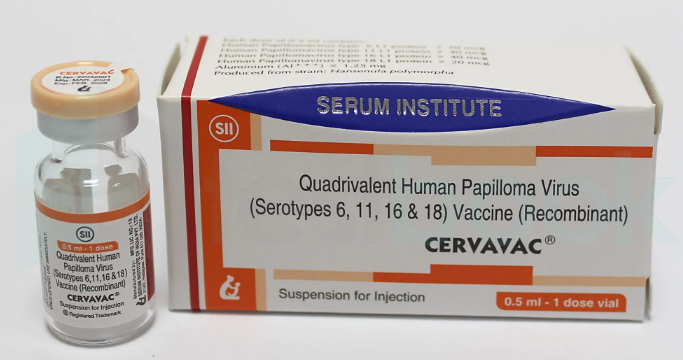
Under India’s Universal Immunization Programme (UIP), what is the correct method of giving the rotavirus vaccine to infants?

  1. ((a))

    A liquid oral dose of 5 drops

  2. ((b))

    A subcutaneous shot of 1 mL in the upper arm

  3. ((c))

    An intramuscular injection of 0.5 mL into the thigh

  4. ((d))

    A dry (lyophilized) oral dose of 2 drops

Show Answer
Answer: ((a))

A liquid oral dose of 5 drops

Correct Answer: A liquid oral dose of 5 drops

Rationale:

  • Under India’s Universal Immunization Programme (UIP), the rotavirus vaccine is administered as a liquid oral vaccine, not by injection.
  • The recommended dose is 5 drops given directly into the infant’s mouth using the provided dropper.
  • The vaccine works by providing local immunity in the gut, where rotavirus infection causes severe diarrhea, dehydration, and hospitalization in infants.
  • Since the goal is to stimulate immunity within the gastrointestinal tract, oral administration is the most effective method for rotavirus vaccine.

Explanation of Other Options:

A subcutaneous shot of 1 mL in the upper arm

  • Rationale: Rotavirus vaccine is not given as an injectable vaccine. SC shots are used for vaccines such as MMR and JE, not rotavirus.

An intramuscular injection of 0.5 mL into the thigh

  • Rationale: IM administration is used for vaccines such as pentavalent, PCV, and IPV. Rotavirus vaccine is not administered intramuscularly.

A dry (lyophilized) oral dose of 2 drops

  • Rationale: No dry (lyophilized) rotavirus formulation is used in UIP. The recommended formulation is liquid 5-drop oral dose.

Conclusion:

  • In India’s UIP, the rotavirus vaccine is correctly administered as a liquid oral dose of 5 drops. It is not given by SC or IM injections, and no lyophilized oral form is used in the national immunization schedule.
3

A patient is undergoing chemotherapy. Which lab result should the nurse treat as an emergency?

  1. ((a))

    Platelet level of 18,000/μL

  2. ((b))

    Neutrophil count of 2,000/μL

  3. ((c))

    WBC count of 4,500/μL

  4. ((d))

    Hemoglobin of 8.2 g/dL

Show Answer
Answer: ((a))

Platelet level of 18,000/μL

Correct Answer: Platelet level of 18,000/μL

Rationale:

  • A platelet count of 18,000/μL represents a condition of severe thrombocytopenia, which is a medical emergency in a chemotherapy patient because of the high risk of spontaneous internal bleeding, including intracranial hemorrhage and gastrointestinal bleeding.
  • When platelets fall below 20,000/μL, clotting ability is critically impaired and the patient must be treated immediately with bleeding precautions and possible platelet transfusion.
  • Thrombocytopenia is a common toxicity of chemotherapy as the bone marrow is suppressed and the body cannot produce enough platelets, making timely intervention crucial for survival.

Explanation of Other Options:

Neutrophil count of 2,000/μL

  • Rationale: This indicates mild neutropenia (normal 2,500–6,000/μL), but not a life-threatening condition. Serious infection risk increases when neutrophils fall below 1,000/μL, and becomes critical below 500/μL.

WBC count of 4,500/μL

  • Rationale: This value is at the lower end of normal range (4,500–11,000/μL) and is not an emergency, even though WBC may drop during chemotherapy.

Hemoglobin of 8.2 g/dL

  • Rationale: This indicates moderate anemia, which is common with chemotherapy and may require iron, erythropoietin therapy, or blood transfusion but is not immediately life-threatening like severe thrombocytopenia.

Conclusion:

  • Among the given laboratory results, a platelet count of 18,000/μL is the most urgent finding in a chemotherapy patient because it poses a high and immediate risk of spontaneous internal hemorrhage, requiring emergent medical intervention.
4

What does the term “conscious anesthesia” refer to?

  1. ((a))

    Conscious sedation

  2. ((b))

    General anesthesia causing deep sleep

  3. ((c))

    Local anesthesia only

  4. ((d))

    Regional anesthesia such as spinal or epidural

Show Answer
Answer: ((a))

Conscious sedation

Correct Answer: Conscious sedation

Rationale:

  • The term “conscious anesthesia” refers to conscious sedation, a type of anesthesia where the patient remains awake but relaxed.
  • In conscious sedation, the patient is able to breathe independently, respond to verbal commands, and maintain protective reflexes, while pain and anxiety are reduced.
  • This technique is commonly used for endoscopy, minor surgeries, dental procedures, and diagnostic procedures where full loss of consciousness is not required.
  • Medications are given to produce sedation + analgesia + anxiolysis without inducing complete unconsciousness like general anesthesia.

Explanation of Other Options:

General anesthesia causing deep sleep

  • Rationale: General anesthesia results in complete loss of consciousness and protective reflexes. This is not conscious anesthesia.

Local anesthesia only

  • Rationale: Local anesthesia blocks sensation in a specific area but the term conscious anesthesia does not refer to only local anesthesia and may include sedation medications.

Regional anesthesia such as spinal or epidural

  • Rationale: Regional anesthesia blocks sensation to a larger body region. Although the patient may remain awake, this is not defined as conscious anesthesia.

Conclusion:

  • “Conscious anesthesia” means the patient is awake but relaxed and pain-free—a state achieved through conscious sedation, not through general, local, or regional anesthesia alone.
5

Twenty injured people reach the emergency unit after an accident. Using the START triage system, which patient should be marked as Red (immediate care needed)?

  1. ((a))

    A patient with trouble breathing and very small (pinpoint) pupils

  2. ((b))

    A patient who is walking with a fractured arm

  3. ((c))

    A burn victim with 80% TBSA burns but stable vital signs

  4. ((d))

    A patient in cardiac arrest with no pulse

Show Answer
Answer: ((a))

A patient with trouble breathing and very small (pinpoint) pupils

Correct Answer: A patient with trouble breathing and very small (pinpoint) pupils

Rationale:

  • In mass-casualty incidents, the START (Simple Triage and Rapid Treatment) system is used to rapidly categorize victims based on the urgency of care needed. This system prioritizes victims by assessing Respiration, Perfusion, and Mental status (RPM).
  • A patient who has trouble breathing is immediately placed in the Red (Immediate) category. Problems with breathing indicate a life-threatening compromise requiring urgent intervention to maintain airway and oxygenation.
  • The presence of pinpoint pupils along with respiratory difficulty may indicate possible opioid toxicity, head injury, or neurological impairment, all of which can rapidly become fatal without immediate management.
  • START triage principles emphasize that any victim with respiratory distress, inadequate breathing effort, or airway obstruction must be tagged Red, regardless of other injuries, because airway compromise is the fastest cause of preventable death.
  • Therefore, a patient with respiratory difficulty and neurological signs such as pinpoint pupils requires immediate life-saving interventions, such as airway stabilization, assisted ventilation, or antidote administration, making this individual the priority case.

Explanation of Other Options:

A patient who is walking with a fractured arm

  • Rationale: START triage dictates that any victim who can walk is automatically categorized as Green (Minor). Although the fractured arm requires care, it is not immediately life-threatening.

A burn victim with 80% TBSA burns but stable vital signs

  • Rationale: In mass-casualty settings, burns greater than 60–70% TBSA are considered non-survivable due to poor prognosis. While the patient needs care, START triage places such victims under Expectant (Black/Grey), not immediate priority.

A patient in cardiac arrest with no pulse

  • Rationale: In START triage, CPR is not performed during a mass-casualty incident. A patient with no pulse or not breathing after repositioning the airway is tagged as Black (Deceased/Expectant).

Conclusion:

  • Under the START triage system, victims with respiratory compromise or airway obstruction are always given Immediate (Red) status because ensuring adequate breathing is the highest priority for survival. The patient with trouble breathing and pinpoint pupils requires the fastest life-saving intervention and therefore receives the highest priority in emergency triage.
6

A patient who has both hypertension and diabetes is found to have metabolic acidosis. The ABG shows a normal pH (compensated). Which electrolyte needs the closest monitoring?

  1. ((a))

    Potassium (K+)

  2. ((b))

    Calcium (Ca2+)

  3. ((c))

    Sodium (Na+)

  4. ((d))

    Magnesium (Mg2+)

Show Answer
Answer: ((a))

Potassium (K+)

Correct Answer: Potassium (K+)

Rationale:

  • Metabolic acidosis causes the body to move hydrogen ions (H+) into the cells in an attempt to buffer excess acid in the bloodstream. When H+ shifts intracellularly, potassium (K+) moves out of the cells to maintain electrical balance, leading to hyperkalemia.
  • Even though the patient’s pH is normal, this indicates a state of compensated metabolic acidosis, meaning the kidneys and lungs have balanced the pH, but the underlying disturbance—acidosis—still influences electrolyte movement.
  • Patients with both hypertension and diabetes are at increased risk for renal impairment, which further reduces their ability to excrete excess potassium. This makes potassium monitoring critical to prevent life-threatening arrhythmias.
  • Abnormal potassium levels, especially hyperkalemia, can cause dangerous ECG changes such as peaked T waves, widened QRS complexes, and ventricular arrhythmias, making rapid monitoring and correction essential.
  • Therefore, in compensated metabolic acidosis—especially in a diabetic and hypertensive patient—the electrolyte that requires the closest and most urgent monitoring is serum potassium.

Explanation of Other Options:

Calcium (Ca2+)

  • Rationale: Acidosis may increase ionized calcium slightly, but these changes are usually mild and not the primary concern. Calcium does not pose an immediate danger compared to rapid potassium shifts.

Sodium (Na+)

  • Rationale: Sodium levels are generally not significantly altered by metabolic acidosis. While renal disease and diabetes can affect sodium balance, it does not require urgent monitoring the way potassium does.

Magnesium (Mg2+)

  • Rationale: Magnesium can influence muscle and cardiac function, but acidosis does not cause rapid, dangerous shifts in magnesium levels. Monitoring may be useful but is not the priority in acute compensated acidosis.

Conclusion:

  • Because metabolic acidosis causes K+ to shift out of cells and diabetes/hypertension increase the risk of renal dysfunction, the electrolyte most likely to reach dangerous levels is potassium. Continuous monitoring is essential to prevent fatal cardiac complications.
7

A mother tests positive for Chlamydia trachomatis at the time of delivery. Her newborn has no symptoms. What should be given to the baby to prevent eye infection (ophthalmia neonatorum)?

  1. ((a))

    Erythromycin 0.5% eye ointment

  2. ((b))

    Tetracycline drops

  3. ((c))

    Oral erythromycin

  4. ((d))

    Silver nitrate 1% solution

Show Answer
Answer: ((a))

Erythromycin 0.5% eye ointment

Correct Answer: Erythromycin 0.5% eye ointment

Rationale:

  • Chlamydia trachomatis is a common sexually transmitted infection that can be passed from mother to infant during vaginal delivery, leading to ophthalmia neonatorum, a serious newborn eye infection.
  • To prevent this infection, newborns receive routine prophylactic antibiotic eye ointment immediately after birth. The most widely recommended and effective medication is erythromycin 0.5% ophthalmic ointment.
  • Erythromycin eye ointment works by preventing growth of Chlamydia trachomatis and Neisseria gonorrhoeae in the conjunctiva, reducing the risk of conjunctivitis.
  • Because the baby is currently asymptomatic, only topical prophylaxis is required at birth. Systemic antibiotics are reserved for infants who develop symptoms such as pneumonia or conjunctivitis.
  • Therefore, applying erythromycin 0.5% eye ointment immediately after delivery is the correct and recommended measure to prevent ophthalmia neonatorum in newborns of mothers with chlamydial infection.

Explanation of Other Options:

Tetracycline drops

  • Rationale: Tetracycline eye drops were used in the past but are no longer recommended in many countries due to lower effectiveness and limited availability.

Oral erythromycin

  • Rationale: Oral erythromycin is used when the newborn shows clinical symptoms of chlamydial infection (such as conjunctivitis or pneumonia). It is not used for routine asymptomatic prophylaxis.

Silver nitrate 1% solution

  • Rationale: Silver nitrate prevents gonococcal infection but is not effective against chlamydia and may cause chemical conjunctivitis. It is no longer recommended in modern practice.

Conclusion:

  • For a newborn delivered by a mother who is positive for Chlamydia trachomatis, the safest and most effective prophylactic treatment is erythromycin 0.5% eye ointment, which helps prevent ophthalmia neonatorum while avoiding unnecessary systemic medication.
8

After removing a non-tunneled central venous catheter (CVC), the nurse applies pressure and covers the site with an air-tight dressing. How long should this dressing remain in place to prevent air entry and allow the site to clot properly?

  1. ((a))

    6–8 hours

  2. ((b))

    24–48 hours

  3. ((c))

    1–2 hours

  4. ((d))

    72 hours (3 days)

Show Answer
Answer: ((b))

24–48 hours

Correct Answer: 24–48 hours

Rationale:

  • After removal of a non-tunneled central venous catheter (CVC), the insertion tract remains open and functions like a small tunnel from the skin to a central vein. This creates a brief risk of air embolism if air enters the venous system during inspiration.
  • To prevent this complication, the site must be covered with an air-occlusive (air-tight) dressing to ensure that negative intrathoracic pressure during breathing does not pull air into the venous circulation.
  • The dressing should remain in place for 24–48 hours, which is the time required for the subcutaneous tract to seal and for a stable clot to form at the insertion site.
  • Maintaining an occlusive dressing for this duration also reduces the risk of bleeding, infection, and delayed air entry, especially in patients on anticoagulants or with elevated venous pressure.
  • Therefore, keeping the air-tight dressing in place for 24–48 hours ensures both clot formation and complete closure of the insertion tract, preventing potentially fatal air embolism.

Explanation of Other Options:

6–8 hours

  • Rationale: This duration is too short for the CVC tract to fully close. Air may still enter the venous system, especially when the patient sits up or takes deep breaths.

1–2 hours

  • Rationale: This is inadequate for clot stabilization or tract sealing. Removing the dressing after only a couple of hours significantly increases the risk of air embolism.

72 hours (3 days)

  • Rationale: While safe, this time frame is longer than necessary. The tract usually seals sufficiently by 24–48 hours, and prolonged occlusion may increase moisture accumulation and infection risk.

Conclusion:

  • An air-tight occlusive dressing must remain in place for 24–48 hours after the removal of a non-tunneled CVC to prevent air embolism and allow complete clot formation and sealing of the catheter tract.
9

A nurse needs to prepare an IV solution of adrenaline (epinephrine) in a 1:10,000 strength. The available vial contains 1 mg in 1 mL (1:1,000). Which preparation method will give the correct dilution?

  1. ((a))

    Add 1 mL of the 1:1,000 solution to 9 mL of normal saline

  2. ((b))

    Add 0.5 mL of the 1:1,000 solution to 5 mL of normal saline

  3. ((c))

    Mix 0.1 mL of the 1:1,000 solution with 10 mL of normal saline

  4. ((d))

    Add 1 mL of the 1:1,000 solution to 99 mL of normal saline

Show Answer
Answer: ((a))

Add 1 mL of the 1:1,000 solution to 9 mL of normal saline

Correct Answer: Add 1 mL of the 1:1,000 solution to 9 mL of normal saline

Rationale:

  • A 1:1,000 adrenaline solution contains 1 mg of epinephrine per 1 mL. To prepare a 1:10,000 solution, the concentration must be diluted to 0.1 mg/mL, which is ten times more dilute than the original.
  • To achieve this, the original solution must be diluted in a 1:10 ratio. This means 1 part of the drug must be mixed with 9 parts of diluent to make a total of 10 parts.
  • Adding 1 mL of the 1:1,000 adrenaline to 9 mL of normal saline creates a total volume of 10 mL, containing 1 mg diluted tenfold, giving a final strength of 1:10,000 (0.1 mg/mL).
  • This is the standard and safest method used in emergency settings for preparing IV adrenaline for cardiac arrest, anaphylaxis, and resuscitation protocols.
  • Therefore, diluting 1 mL of 1:1,000 adrenaline with 9 mL of normal saline provides the correct 1:10,000 concentration required for IV administration.

Explanation of Other Options:

Add 0.5 mL of the 1:1,000 solution to 5 mL of normal saline

  • Rationale: This creates a total volume of 5.5 mL, resulting in a concentration stronger than 1:10,000. It does not achieve the required dilution ratio.

Mix 0.1 mL of the 1:1,000 solution with 10 mL of normal saline

  • Rationale: This produces an extremely weak solution (0.01 mg in 10 mL), far more dilute than 1:10,000. It is not clinically appropriate for IV adrenaline preparation.

Add 1 mL of the 1:1,000 solution to 99 mL of normal saline

  • Rationale: This creates a 1:100,000 solution, which is ten times weaker than needed. It is commonly used for local anesthesia with adrenaline, not emergency IV dosing.

Conclusion:

  • To prepare a proper 1:10,000 adrenaline solution from a 1:1,000 stock, the correct method is mixing 1 mL of the original solution with 9 mL of normal saline, ensuring safe and accurate dosing during emergency care.
10

A 36-week pregnant woman arrives with BP 160/110 mmHg and protein in the urine. Her history shows she had a tonic-clonic seizure yesterday. Which intervention should the nurse prioritize?

  1. ((a))

    Start Magnesium Sulfate infusion and get ready for delivery

  2. ((b))

    Give labetalol and observe her for the next 24 hours

  3. ((c))

    Perform an amniocentesis to assess fetal lung maturity

  4. ((d))

    Keep her on strict bed rest in a quiet room and monitor the fetal heart rate

Show Answer
Answer: ((a))

Start Magnesium Sulfate infusion and get ready for delivery

Correct Answer: Start Magnesium Sulfate infusion and get ready for delivery

Rationale:

  • A pregnant woman at 36 weeks with blood pressure of 160/110 mmHg, proteinuria, and a recent tonic-clonic seizure meets the diagnostic criteria for eclampsia, a life-threatening obstetric emergency requiring immediate intervention.
  • Magnesium sulfate is the drug of choice for preventing further seizures because it stabilizes the neuromuscular system and reduces CNS irritability. It is the first-line and most critical intervention in eclampsia management.
  • At 36 weeks, the fetus is sufficiently mature, and eclampsia poses significant risk to both mother and baby. Therefore, once the mother is stabilized with magnesium sulfate, preparations for delivery should begin promptly, as definitive treatment for eclampsia is delivery of the fetus.
  • Delaying delivery or withholding magnesium sulfate increases the risk of further seizures, maternal stroke, placental abruption, fetal distress, and death. Immediate seizure control and expedited delivery are the safest actions.
  • Thus, initiating Magnesium Sulfate infusion and preparing for delivery is the top priority in managing this patient with eclampsia.

Explanation of Other Options:

Give labetalol and observe her for the next 24 hours

  • Rationale: Antihypertensives like labetalol help control blood pressure but do not prevent seizures. Observation alone is unsafe because she already had a seizure and requires urgent magnesium therapy and delivery.

Perform an amniocentesis to assess fetal lung maturity

  • Rationale: This delays lifesaving treatment. At 36 weeks, lungs are typically mature, and eclampsia is an emergency requiring immediate stabilization and delivery, not further testing.

Keep her on strict bed rest in a quiet room and monitor the fetal heart rate

  • Rationale: Although reducing stimulation is part of eclampsia care, it is not a priority compared to controlling seizures with magnesium sulfate. Monitoring alone does not address the underlying emergency.

Conclusion:

  • A woman at 36 weeks with severe hypertension, proteinuria, and recent seizure is experiencing eclampsia. The highest-priority intervention is to initiate Magnesium Sulfate therapy to prevent further seizures and prepare for delivery, which is the only definitive treatment.
11

During childbirth, after the baby’s head is delivered, it pulls back toward the perineum like a “turtle sign," suggesting shoulder dystocia. What should be the first maneuver used to manage this emergency?

  1. ((a))

    McRoberts maneuver

  2. ((b))

    Woods’ screw maneuver

  3. ((c))

    Applying fundal pressure

  4. ((d))

    Zavanelli maneuver

Show Answer
Answer: ((a))

McRoberts maneuver

Correct Answer: McRoberts maneuver

Rationale:

  • The “turtle sign” occurs when the baby’s head retracts back toward the perineum immediately after birth of the head, indicating shoulder dystocia, an obstetric emergency where the anterior shoulder becomes trapped behind the maternal pubic bone.
  • The McRoberts maneuver is the recommended first-line intervention because it is simple, safe, and effective. It works by sharply flexing the mother's thighs onto her abdomen, which widens the pelvic outlet and straightens the sacrum, allowing the baby’s shoulder to slip beneath the pubic symphysis.
  • This maneuver resolves more than 40–50% of shoulder dystocia cases without the need for additional, more invasive procedures.
  • Early and correct use of the McRoberts maneuver reduces maternal and fetal complications such as brachial plexus injury, hypoxia, or postpartum hemorrhage.
  • Therefore, upon recognizing the turtle sign, the McRoberts maneuver must be initiated immediately to relieve shoulder impaction safely.

Explanation of Other Options:

Woods’ screw maneuver

  • Rationale: This is an internal rotational maneuver used only if McRoberts and suprapubic pressure fail. It rotates the fetal shoulders but is not the first step.

Applying fundal pressure

  • Rationale: Fundal pressure is contraindicated in shoulder dystocia because it can worsen impaction and cause severe fetal injury.

Zavanelli maneuver

  • Rationale: This involves pushing the fetal head back into the vagina for emergency cesarean section. It is a last-resort, high-risk intervention when all other attempts fail.

Conclusion:

  • The presence of a “turtle sign” signals shoulder dystocia. The safest and most effective initial action is the McRoberts maneuver, making it the first step in managing this obstetric emergency.
12

A patient taking lithium for a long time reports nausea, vomiting, and a coarse hand tremor. What should the nurse advise?

  1. ((a))

    Skip the next lithium dose and come to the clinic right away for a lithium level test

  2. ((b))

    Increase water intake and lower salt intake

  3. ((c))

    Take the next lithium dose with food and plenty of water

  4. ((d))

    These symptoms are normal and will go away soon

Show Answer
Answer: ((a))

Skip the next lithium dose and come to the clinic right away for a lithium level test

Correct Answer: Skip the next lithium dose and come to the clinic right away for a lithium level test

Rationale:

  • Lithium has a very narrow therapeutic range, and even slight increases in serum levels can cause toxicity. Symptoms such as nausea, vomiting, diarrhea, coarse hand tremor, weakness, and confusion are classic signs of lithium toxicity.
  • A coarse tremor is a key indicator of toxicity and is more serious than the fine tremor seen in stable lithium therapy, making immediate evaluation necessary.
  • Continuing the lithium dose may worsen toxicity and lead to severe complications such as seizures, arrhythmias, kidney failure, or coma. Therefore, the patient should be advised to hold (skip) the next dose.
  • Prompt testing of the serum lithium level is the safest and most appropriate step to confirm toxicity and guide urgent medical treatment, including hydration or potential hospitalization.
  • Therefore, the correct advice is to stop the next dose and visit the clinic immediately for a lithium level check.

Explanation of Other Options:

Increase water intake and lower salt intake

  • Rationale: Reducing salt intake actually increases lithium levels, making toxicity worse. Hydration is helpful but does not replace the need for urgent evaluation.

Take the next lithium dose with food and plenty of water

  • Rationale: Continuing lithium during toxicity can lead to life-threatening complications. Taking it with food only reduces stomach upset, not toxicity.

These symptoms are normal and will go away soon

  • Rationale: These symptoms are not normal but strongly suggest toxicity. Reassurance without action is unsafe and dangerous.

Conclusion:

  • Symptoms such as nausea, vomiting, and a coarse tremor indicate possible lithium toxicity. The safest and most appropriate action is to hold the next dose and seek immediate evaluation for a lithium level test to prevent serious complications.
13

A patient with panic disorder is taught how to notice negative thoughts, question them, and use relaxation techniques when anxiety rises. This type of therapy, which aims to change unhelpful thinking and behavior, is called:

  1. ((a))

    Cognitive Behavioral Therapy (CBT)

  2. ((b))

    Interpersonal Therapy

  3. ((c))

    Group Therapy

  4. ((d))

    Psychoanalytic Therapy

Show Answer
Answer: ((a))

Cognitive Behavioral Therapy (CBT)

Correct Answer: Cognitive Behavioral Therapy (CBT)

Rationale:

  • The scenario describes a structured approach where the patient learns to identify negative thoughts, challenge irrational beliefs, and apply relaxation or coping techniques during anxiety episodes. This method is characteristic of Cognitive Behavioral Therapy (CBT).
  • CBT focuses on the connection between thoughts, feelings, and behaviors, helping patients replace distorted thinking patterns with more realistic and constructive thoughts.
  • For panic disorder, CBT is considered a first-line, evidence-based treatment because it reduces fear responses, improves emotional regulation, and teaches long-term coping strategies.
  • Techniques used in CBT—such as cognitive restructuring, relaxation training, exposure therapy, and breathing control—are specifically effective in reducing panic attacks and anticipatory anxiety.
  • Therefore, the therapy described—changing unhelpful thoughts and behaviors while practicing relaxation—best matches Cognitive Behavioral Therapy.

Explanation of Other Options:

Interpersonal Therapy

  • Rationale: Interpersonal Therapy (IPT) focuses on relationships, communication conflicts, grief, and social roles. It does not specifically target panic symptoms or cognitive distortions.

Group Therapy

  • Rationale: Group Therapy involves sharing experiences in a therapeutic group. While useful, it does not focus on systematically correcting negative thought patterns.

Psychoanalytic Therapy

  • Rationale: Psychoanalytic therapy explores unconscious conflicts, early childhood experiences, and repressed emotions. It is not the primary method for treating panic disorder and does not teach structured coping skills.

Conclusion:

  • Teaching a patient to challenge negative thoughts, modify behavior, and practice relaxation aligns with the principles of Cognitive Behavioral Therapy (CBT), making it the most appropriate answer.
14

A 3-month-old baby has a reducible umbilical hernia. Which observation should be reported to the doctor immediately?

  1. ((a))

    The hernia becomes firm, changes color, and the baby suddenly starts vomiting

  2. ((b))

    The hernia looks normal in color and the skin feels warm

  3. ((c))

    The bulge becomes more noticeable when the baby cries

  4. ((d))

    The hernia is soft and can be gently pushed back into the abdomen

Show Answer
Answer: ((a))

The hernia becomes firm, changes color, and the baby suddenly starts vomiting

Correct Answer: The hernia becomes firm, changes color, and the baby suddenly starts vomiting

Rationale:

  • A reducible umbilical hernia is generally harmless in infants, but it can become dangerous if it progresses to incarceration or strangulation. This occurs when a portion of the intestine becomes trapped, cutting off blood supply.
  • Signs such as the hernia becoming firm, discolored (red, purple, or dark), tender, or non-reducible are classic warnings of strangulation.
  • Sudden onset of vomiting, irritability, or crying indicates possible bowel obstruction or compromised blood flow, which is a medical emergency.
  • If strangulation occurs, the infant can develop severe complications including necrosis of the bowel, sepsis, and shock. Immediate medical intervention is required.
  • Therefore, a change in firmness, color, and vomiting must be reported to the doctor immediately as it indicates a surgical emergency.

Explanation of Other Options:

The hernia looks normal in color and the skin feels warm

  • Rationale: Warm skin is normal in infants, and a healthy umbilical hernia typically appears normal in color. This does not suggest danger.

The bulge becomes more noticeable when the baby cries

  • Rationale: Crying increases abdominal pressure, making the hernia more visible. This is a normal finding in reducible hernias.

The hernia is soft and can be gently pushed back into the abdomen

  • Rationale: A soft, reducible hernia is considered normal and safe. No emergency intervention is needed.

Conclusion:

  • A reducible umbilical hernia becomes an emergency when it turns firm, discolored, painful, or is associated with vomiting. These signs indicate possible strangulation and must be reported immediately.
15

In which city is the main office of UNESCO (United Nations Educational, Scientific and Cultural Organization) located?

  1. ((a))

    Paris, France

  2. ((b))

    New York, USA

  3. ((c))

    Vienna, Austria

  4. ((d))

    Geneva, Switzerland

Show Answer
Answer: ((a))

Paris, France

Correct Answer: Paris, France

Rationale:

  • The United Nations Educational, Scientific and Cultural Organization (UNESCO) is a specialized agency of the United Nations that focuses on education, culture, science, and communication to promote global peace and cooperation.
  • The headquarters of UNESCO is located in Paris, France, where the organization was established in 1945 after World War II to build peace through cultural understanding and education.
  • UNESCO’s main office in Paris hosts major global programs, executive meetings, research initiatives, and coordination of worldwide activities such as World Heritage Sites, literacy missions, and scientific collaboration.
  • Its location in Paris symbolizes the city’s long-standing tradition of supporting international cooperation, arts, culture, and diplomacy.
  • Therefore, based on historical and organizational facts, the headquarters of UNESCO is in Paris, France.

Explanation of Other Options:

New York, USA

  • Rationale: New York is the headquarters of the United Nations (UN), not UNESCO.

Vienna, Austria

  • Rationale: Vienna hosts UN agencies such as the IAEA (International Atomic Energy Agency) and UNODC, but not UNESCO.

Geneva, Switzerland

  • Rationale: Geneva is home to WHO, UNHCR, and other UN bodies, but not UNESCO headquarters.

Conclusion:

  • The main office of UNESCO is located in Paris, France, making it the correct answer based on United Nations organizational structure.
16

A woman in labor has a cervical dilation of 5 cm, 80% effacement, and strong contractions coming every 3–4 minutes. Which phase of the first stage of labor is she in?

  1. ((a))

    Active phase

  2. ((b))

    Latent phase

  3. ((c))

    Transition phase

  4. ((d))

    Second stage

Show Answer
Answer: ((a))

Active phase

Correct Answer: Active phase

Rationale:

  • The first stage of labor is divided into three phases: latent, active, and transition. These phases are distinguished by the degree of cervical dilation, the strength of contractions, and the mother’s labor progress.
  • A cervical dilation of 5 cm with 80% effacement and strong, regular contractions every 3–4 minutes clearly falls within the active phase of labor.
  • The active phase typically spans from 4 cm to 7 cm dilation, characterized by more rapid cervical change and stronger, closer contractions that facilitate fetal descent.
  • Women in the active phase require close monitoring of contractions, fetal heart rate, pain management, and preparation for the upcoming transition phase.
  • Therefore, based on cervical dilation and contraction pattern, the woman is in the active phase of the first stage of labor.

Explanation of Other Options:

Latent phase

  • Rationale: The latent phase usually includes slow cervical dilation from 0 to 3–4 cm. Contractions are mild to moderate and occur less frequently compared to this scenario.

Transition phase

  • Rationale: The transition phase occurs at 8–10 cm dilation and is the most intense phase. Since the patient is only 5 cm dilated, this phase does not apply.

Second stage

  • Rationale: The second stage begins at full dilation (10 cm) and ends with birth. The patient is not yet fully dilated.

Conclusion:

  • With 5 cm dilation, 80% effacement, and strong contractions every 3–4 minutes, the woman is correctly identified as being in the active phase of the first
17

The Burns–Marshall maneuver is used in obstetrics during which specific situation?

  1. ((a))

    To help deliver the after-coming head in a breech birth

  2. ((b))

    To assist with removal of the placenta

  3. ((c))

    To control postpartum bleeding

  4. ((d))

    To correct shoulder dystocia

Show Answer
Answer: ((a))

To help deliver the after-coming head in a breech birth

Correct Answer: To help deliver the after-coming head in a breech birth

Rationale:

  • The Burns–Marshall maneuver is a well-known obstetric technique specifically used during a breech delivery to assist in delivering the after-coming head.
  • In this maneuver, after the baby’s body has been delivered in a breech birth, the infant is allowed to hang momentarily to provide gentle downward traction by gravity. This helps flex the fetal head naturally.
  • Once the head begins to appear at the perineum, the practitioner applies controlled upward traction to complete delivery. This helps prevent complications such as entrapment of the after-coming head, which is a major risk in breech births.
  • The goal of the Burns–Marshall maneuver is to maintain correct alignment of the fetal head, minimize trauma, and ensure a safe vaginal breech delivery.
  • Therefore, this maneuver is used specifically for assisting the delivery of the after-coming head during a breech presentation.

Explanation of Other Options:

To assist with removal of the placenta

  • Rationale: Placental delivery involves controlled cord traction (Brandt–Andrews maneuver), not the Burns–Marshall maneuver.

To control postpartum bleeding

  • Rationale: Management of postpartum hemorrhage includes uterotonics, uterine massage, and surgical interventions—not this maneuver.

To correct shoulder dystocia

  • Rationale: Shoulder dystocia is managed with maneuvers like McRoberts, suprapubic pressure, or Woods’ screw maneuver, not Burns–Marshall.

Conclusion:

  • The Burns–Marshall maneuver is exclusively used to assist delivery of the after-coming head in a breech birth, making it the correct choice.
18

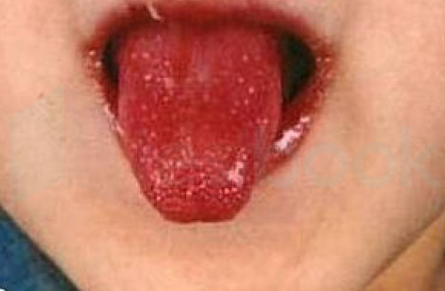
A toddler has had a high fever for 5 days, red eyes without discharge, a “strawberry” tongue, a widespread rash, and redness/swelling of the hands and feet. These signs point to which condition?

  1. ((a))

    Kawasaki disease

  2. ((b))

    Measles (rubeola)

  3. ((c))

    Scarlet fever

  4. ((d))

    Hand, foot, and mouth disease

Show Answer
Answer: ((a))

Kawasaki disease

Correct Answer: Kawasaki disease

Rationale:

  • The symptoms described—high fever for 5 days, red eyes without discharge, strawberry tongue, widespread rash, and red/swollen hands and feet—strongly indicate Kawasaki disease, a type of acute systemic vasculitis that primarily affects children under 5 years of age.
  • Kawasaki disease typically presents with prolonged fever (≥5 days) along with at least four of the following: bilateral non-purulent conjunctivitis, oral changes such as strawberry tongue or cracked lips, polymorphous rash, extremity changes like swelling or redness, and cervical lymphadenopathy.
  • The red, swollen extremities and strawberry tongue are highly characteristic features, and the absence of eye discharge suggests inflammatory—not infectious—conjunctivitis, further supporting Kawasaki disease.
  • Kawasaki disease is clinically important because untreated cases can lead to serious complications such as coronary artery aneurysms. Early recognition and treatment with IVIG and aspirin greatly reduce cardiovascular risks.
  • Therefore, the combination of prolonged fever plus mucocutaneous and extremity changes points clearly to Kawasaki disease.

Explanation of Other Options:

Measles (rubeola)

  • Rationale: Measles causes cough, coryza, conjunctivitis with discharge, Koplik spots, and a descending rash. Swollen hands/feet and strawberry tongue are not typical findings.

Scarlet fever

  • Rationale: Scarlet fever features strawberry tongue and a sandpaper-like rash, but it does not cause red, swollen hands/feet or conjunctivitis without discharge.

Hand, foot, and mouth disease

  • Rationale: HFMD causes painful ulcers and vesicles on hands, feet, and mouth—not strawberry tongue, prolonged fever, or conjunctivitis.

Conclusion:

  • The classic constellation of fever, strawberry tongue, non-purulent conjunctivitis, rash, and extremity swelling is diagnostic of Kawasaki disease, making it the correct answer.
19

A 34-week pregnant woman has an NST showing a fetal heart rate of 140 bpm, moderate variability, and three accelerations (15 bpm × 15 seconds) in 20 minutes. How should the nurse interpret this?

  1. ((a))

    Positive NST – indicates fetal distress

  2. ((b))

    Non-reactive NST – further testing needed

  3. ((c))

    Reactive NST – baby is doing well

  4. ((d))

    Sinusoidal pattern – suggests severe fetal anemia

Show Answer
Answer: ((c))

Reactive NST – baby is doing well

Correct Answer: Reactive NST – baby is doing well

Rationale:

  • A Non-Stress Test (NST) is used to evaluate fetal well-being by assessing fetal heart rate patterns in response to fetal movement. A healthy fetus should demonstrate accelerations that reflect adequate oxygenation and neurological function.
  • A “reactive” NST is defined as two or more accelerations of at least 15 beats per minute above baseline lasting for at least 15 seconds within a 20-minute window for pregnancies ≥32 weeks.
  • In this case, the NST shows a baseline fetal heart rate of 140 bpm (normal), moderate variability (good indicator of fetal oxygenation), and three accelerations that meet the 15×15 criteria.
  • The presence of adequate accelerations and normal variability confirms that the fetus is well-oxygenated and neurologically responsive, which defines a reactive NST.
  • A reactive NST indicates the baby is doing well, and no further immediate testing is required unless other clinical concerns are present.

Explanation of Other Options:

Non-reactive NST – further testing needed

  • Rationale: A non-reactive NST lacks the required accelerations. This patient has three accelerations meeting criteria, so the NST is reactive, not non-reactive.

Positive NST – indicates fetal distress

  • Rationale: “Positive” is a term used for the Contraction Stress Test (CST), not NST. NST results are interpreted as reactive or non-reactive.

Sinusoidal pattern – suggests severe fetal anemia

  • Rationale: A sinusoidal pattern is smooth, wavelike, and absent of variability or accelerations. This fetus has normal variability and accelerations, so this pattern is not present.

Conclusion:

  • With moderate variability, a normal baseline, and three accelerations meeting the 15×15 rule, the NST is clearly reactive, indicating the baby is healthy and well-oxygenated.
20

Anaphylactic shock is a severe allergic reaction that causes widespread vasodilation and fluid leakage from blood vessels. This type of shock is classified as:

  1. ((a))

    Cardiogenic shock

  2. ((b))

    Distributive shock

  3. ((c))

    Hypovolemic shock

  4. ((d))

    Obstructive shock

Show Answer
Answer: ((b))

Distributive shock

Correct Answer: Distributive shock

Rationale:

  • Anaphylactic shock is a life-threatening form of severe allergic reaction caused by massive release of chemical mediators such as histamine, leukotrienes, and prostaglandins from mast cells and basophils.
  • These mediators result in profound vasodilation and increased capillary permeability, causing fluid to leak out of blood vessels into the tissues, leading to relative hypovolemia and severe hypotension.
  • Because the primary problem in anaphylaxis is maldistribution of blood flow rather than actual blood loss or pump failure, it is classified under distributive shock.
  • Distributive shock includes three main types: septic shock, neurogenic shock, and anaphylactic shock, all characterized by widespread vasodilation and altered vascular tone.
  • Therefore, based on its pathophysiology—massive vasodilation and fluid shift—anaphylactic shock is correctly categorized as distributive shock.

Explanation of Other Options:

Cardiogenic shock

  • Rationale: Cardiogenic shock occurs due to pump failure (e.g., myocardial infarction). Anaphylaxis does not involve heart pump failure as the primary issue.

Hypovolemic shock

  • Rationale: Hypovolemic shock results from actual loss of blood or fluids (e.g., hemorrhage, dehydration). In anaphylaxis, the volume loss is relative, due to vasodilation, not true loss.

Obstructive shock

  • Rationale: Obstructive shock occurs when blood flow is physically blocked (e.g., pulmonary embolism, cardiac tamponade). This mechanism does not apply to anaphylaxis.

Conclusion:

  • Anaphylactic shock involves widespread vasodilation and increased capillary permeability, making it a classic example of distributive shock.
21

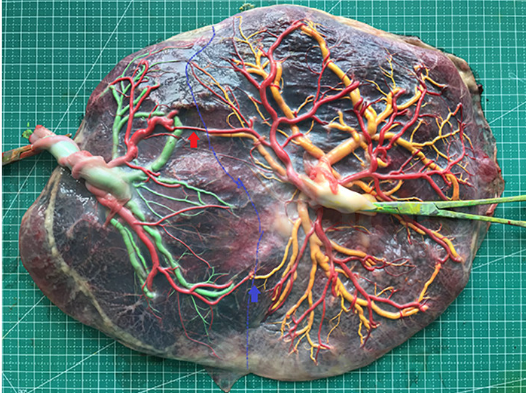
An ultrasound of a twin pregnancy shows one shared placenta and a thin membrane separating the two babies. This pattern indicates which type of placentation?

  1. ((a))

    Monochorionic–diamniotic

  2. ((b))

    Dichorionic–diamniotic

  3. ((c))

    Monochorionic–monoamniotic

  4. ((d))

    Conjoined twins

Show Answer
Answer: ((a))

Monochorionic–diamniotic

Correct Answer: Monochorionic–diamniotic

Rationale:

  • In twin pregnancies, placentation is determined by the number of chorions (placentas) and amnions (sacs). An ultrasound showing one shared placenta indicates that the pregnancy is monochorionic.
  • The presence of a thin membrane separating the two fetuses means each baby has its own amniotic sac. When twins share one placenta but are separated by a membrane, the pregnancy is diamniotic.
  • Thus, one chorion + two amnions = Monochorionic–diamniotic (MCDA) twins.
  • MCDA is the most common form of identical twinning and carries risks such as twin-to-twin transfusion syndrome (TTTS), making accurate identification clinically important.
  • Therefore, the ultrasound findings of a single placenta with a thin dividing membrane match the pattern of monochorionic–diamniotic placentation.

Explanation of Other Options:

Dichorionic–diamniotic

  • Rationale: Di–Di twins have two placentas (or one thick fused placenta) and a thicker separating membrane. The question states one shared placenta, ruling this out.

Monochorionic–monoamniotic

  • Rationale: Mo–Mo twins share both the placenta and the amniotic sac, so there is no membrane between them. The presence of a membrane excludes this option.

Conjoined twins

  • Rationale: Conjoined twins are always monoamniotic with no separating membrane. The image shows a membrane, making this incorrect.

Conclusion:

  • A single placenta plus a thin membrane separating the fetuses is diagnostic of monochorionic–diamniotic twins.
22

A person walks 2 km north, then 3 km east, and then 2 km south. How far are they from where they began?

  1. ((a))

    3 km

  2. ((b))

    4 km

  3. ((c))

    5 km

  4. ((d))

    7 km

Show Answer
Answer: ((a))

3 km

Correct Answer: 3 km

Rationale:

  • This is a basic displacement (straight-line distance) problem using simple coordinate movement.
  • The person first walks 2 km north and then 2 km south. These two movements cancel each other out, bringing the person back to the original north–south level.
  • The only movement that does not cancel out is the 3 km east.
  • Since the final position is directly east of the starting point, the displacement from the starting point is simply the horizontal distance: 3 km.
  • Thus, the straight-line distance from the starting point to the final point is 3 km.

Explanation of Other Options:

4 km

  • Rationale: This would be true only if the north and south distances were unequal, but here they cancel out exactly.

5 km

  • Rationale: This would imply a right-triangle path, but since vertical movement cancels, no triangle is formed.

7 km

  • Rationale: 7 km is the total path walked, not the displacement from starting point.

Conclusion:

  • After opposite north and south movements cancel out, only the 3 km east shift remains. Therefore, the person ends up 3 km away from the starting point.
23

A woman reports a painful, tender swelling near one side of the vaginal opening, causing discomfort while sitting or walking. This is most likely an infection of which gland?

  1. ((a))

    Sebaceous gland

  2. ((b))

    Skene’s gland

  3. ((c))

    Bartholin’s gland

  4. ((d))

    Apocrine gland

Show Answer
Answer: ((c))

Bartholin’s gland

Correct Answer: Bartholin’s gland

Rationale:

  • The symptoms described — a painful, tender swelling on one side of the vaginal opening, with discomfort while sitting or walking — are classic signs of a Bartholin’s gland infection or Bartholin cyst/abscess.
  • Bartholin’s glands are located at the posterior (lower) part of the vaginal opening, one on each side. They normally secrete mucus to lubricate the vaginal opening.
  • When the duct becomes blocked, mucus accumulates, forming a cyst. If infected (commonly by E. coli or sexually transmitted bacteria), it turns into a painful abscess.
  • Pain increases with activities such as walking, sitting, or sexual intercourse, and swelling is easily felt externally.
  • Thus, the presentation strongly indicates an infection of the Bartholin’s gland.

Explanation of Other Options:

Skene’s gland

  • Rationale: Skene’s glands are located near the urethral opening. Infection here causes pain near the urethra or difficulty urinating—not swelling near the vaginal opening.

Sebaceous gland

  • Rationale: Sebaceous cysts can occur anywhere on the skin but typically present as non-tender lumps—not painful, deep swellings at the vaginal opening.

Apocrine gland

  • Rationale: Apocrine gland infections (hidradenitis) occur in the groin or axilla but appear as boils or nodules, not specifically at the vaginal opening.

Conclusion:

  • A unilateral, painful swelling at the vaginal opening is most characteristic of a Bartholin’s gland infection or abscess, making it the correct diagnosis.
24

A patient has a potassium level of 6.2 mEq/L and peaked T waves on ECG. They are receiving IV calcium gluconate. Which complication should the nurse watch for most closely during the infusion?

  1. ((a))

    Slowed breathing

  2. ((b))

    Severe increase in blood pressure

  3. ((c))

    Low blood sugar

  4. ((d))

    Bradycardia with low blood pressure

Show Answer
Answer: ((d))

Bradycardia with low blood pressure

Correct Answer: Bradycardia with low blood pressure

Rationale:

  • A potassium level of 6.2 mEq/L with peaked T waves on ECG indicates serious hyperkalemia, which can cause life-threatening arrhythmias. To stabilize the heart, IV calcium gluconate is administered.
  • Calcium gluconate works by stabilizing the myocardial cell membrane but does not lower potassium. It must be administered slowly while monitoring cardiac rhythm.
  • The major risk during IV calcium infusion is cardiac conduction disturbances, especially bradycardia, heart blocks, or even asystole if given too rapidly.
  • Calcium can also cause vasodilation and myocardial effects that may lead to hypotension, especially in patients with unstable cardiac rhythms.
  • Therefore, during infusion, the nurse must watch closely for bradycardia and dropping blood pressure, as these indicate cardiovascular depression and require immediate intervention.

Explanation of Other Options:

Severe increase in blood pressure

  • Rationale: IV calcium does not typically cause hypertension; if anything, it can produce mild hypotension due to vasodilation.

Low blood sugar

  • Rationale: Calcium has no effect on glucose metabolism. Hypoglycemia is unrelated to calcium gluconate infusion.

Slowed breathing

  • Rationale: Respiratory depression is not a known complication of IV calcium. It is more associated with opioid overdose or sedative medications.

Conclusion:

  • Because calcium gluconate affects cardiac conduction, the nurse must monitor for bradycardia with hypotension—the most important complication during infusion.
25

Which country has the longest total coastline in the world?

  1. ((a))

    Australia

  2. ((b))

    Canada

  3. ((c))

    Indonesia

  4. ((d))

    Russia

Show Answer
Answer: ((b))

Canada

Correct Answer: Canada

Rationale:

  • Canada has the longest total coastline in the world, stretching over approximately 202,000 kilometers.
  • This is because Canada has numerous bays, inlets, islands, and Arctic coastlines that greatly extend its total shore length.
  • Its coastline borders three major oceans:
  • Atlantic Ocean
  • Pacific Ocean
  • Arctic Ocean
  • This vast coastal geography makes Canada the undisputed leader in terms of total coastline length.

Explanation of Other Options:

Australia

  • Rationale: Australia has a long coastline, but it is much shorter than Canada’s.

Indonesia

  • Rationale: Indonesia, being an archipelago, has a very long coastline but still does not exceed Canada.

Russia

  • Rationale: Russia has an extensive Arctic and Pacific coastline but ranks below Canada in total length.

Conclusion:

  • Canada has the longest coastline in the world, making it the correct answer.
26

The Sputnik V COVID-19 vaccine was originally developed in which country?

  1. ((a))

    Russia

  2. ((b))

    China

  3. ((c))

    United Kingdom

  4. ((d))

    United States

Show Answer
Answer: ((a))

Russia

Correct Answer: Russia

Rationale:

  • Sputnik V was the world’s first registered COVID-19 vaccine, developed in Russia by the Gamaleya Research Institute of Epidemiology and Microbiology.
  • The vaccine uses a viral vector platform with two different adenoviruses (Ad26 and Ad5) administered in two doses to produce a strong immune response.
  • It was named “Sputnik V” as a reference to the historic Russian satellite “Sputnik,” symbolizing scientific achievement.
  • Russia approved the vaccine for emergency use in August 2020, making it the first COVID-19 vaccine to be officially registered.
  • Thus, the vaccine’s origin is clearly Russia.

Explanation of Other Options:

China

  • Rationale: China developed vaccines like Sinovac and Sinopharm, not Sputnik V.

United Kingdom

  • Rationale: The UK developed the Oxford–AstraZeneca vaccine, not Sputnik V.

United States

  • Rationale: The U.S. developed Pfizer–BioNTech (with Germany) and Moderna vaccines.

Conclusion:

  • The Sputnik V COVID-19 vaccine was originally developed in Russia, making it the correct answer.
27

A newborn is found to have a single umbilical artery (SUA). This finding is often linked with congenital abnormalities. Which organ system is most commonly involved?

  1. ((a))

    Respiratory system

  2. ((b))

    Musculoskeletal system

  3. ((c))

    Neurological system

  4. ((d))

    Cardiovascular system

Show Answer
Answer: ((d))

Cardiovascular system

Correct Answer: Cardiovascular system

Rationale:

  • A normal umbilical cord contains two arteries and one vein. A single umbilical artery (SUA) is the most common umbilical cord anomaly.
  • SUA is strongly associated with a higher risk of congenital anomalies, most commonly involving the: genitourinary system (kidneys) and the cardiovascular system.
  • Among the answer choices provided, the cardiovascular system is the most frequently associated system.
  • Common cardiac abnormalities seen with SUA include:
  • Ventricular septal defect (VSD)
  • Patent ductus arteriosus (PDA)
  • Complex congenital heart defects
  • Because cardiovascular anomalies occur more often than abnormalities in the other listed systems, the correct choice is the cardiovascular system.

Explanation of Other Options:

Respiratory system

  • Rationale: SUA is not commonly linked with primary lung abnormalities.

Musculoskeletal system

  • Rationale: Though some limb anomalies can occur, they are less common than cardiovascular defects.

Neurological system

  • Rationale: CNS anomalies can occur but are not the most frequent association.

Conclusion:

  • Among the listed choices, congenital defects associated with a single umbilical artery most commonly involve the cardiovascular system.
28

A 45-year-old man from a rural village calls the national telemedicine number 14567. He speaks with a doctor, gets medical advice, and receives a prescription without going to the hospital. This service comes under which government program?

  1. ((a))

    eSanjeevani – Telemedicine Service

  2. ((b))

    Nikshay Poshan Yojana

  3. ((c))

    Ayushman Bharat – PMJAY

  4. ((d))

    Janani Shishu Suraksha Karyakram (JSSK)

Show Answer
Answer: ((a))

eSanjeevani – Telemedicine Service

Correct Answer: eSanjeevani – Telemedicine Service

Rationale:

  • The national telemedicine helpline 14567 is part of eSanjeevani, India’s government-supported telemedicine platform.
  • This service provides citizens with remote medical consultations, including:
  • Doctor-to-patient teleconsultation
  • Medical advice
  • Digital prescription generation
  • It is especially important for people in rural and remote areas who cannot easily access health facilities.
  • The scenario describes the patient calling 14567, getting advice and a prescription—all of which fall under eSanjeevani Telemedicine Service.

Explanation of Other Options:

Nikshay Poshan Yojana

  • Rationale: This scheme provides nutritional support to tuberculosis patients, not telemedicine services.

Ayushman Bharat – PMJAY

  • Rationale: PMJAY offers cashless treatment for hospitalized care, not teleconsultations.

Janani Shishu Suraksha Karyakram (JSSK)

  • Rationale: JSSK provides free maternal and newborn health services, not telemedicine.

Conclusion:

  • The telemedicine call to 14567 for a remote consultation and prescription clearly falls under eSanjeevani – Telemedicine Service.
29

A 34-week pregnant woman is brought in after a tonic-clonic seizure. Her BP is 160/110 mmHg and urine shows 3+ protein. What is the correct diagnosis and priority treatment?

  1. ((a))

    Eclampsia; start IV magnesium sulfate and get ready for delivery

  2. ((b))

    Severe pre-eclampsia; give antihypertensives and observe

  3. ((c))

    HELLP syndrome; give steroids for lung maturity

  4. ((d))

    Gestational hypertension; strict rest and NST

Show Answer
Answer: ((a))

Eclampsia; start IV magnesium sulfate and get ready for delivery

Correct Answer: Eclampsia; start IV magnesium sulfate and get ready for delivery

Rationale:

  • The woman has experienced a tonic–clonic seizure during pregnancy. A seizure in a pregnant woman with hypertension and proteinuria is the defining feature of eclampsia.
  • Her blood pressure is severely elevated at 160/110 mmHg, and urine shows 3+ protein—both classic findings of severe pre-eclampsia progressing to eclampsia.
  • The immediate and most important treatment step is to start IV magnesium sulfate, which is the drug of choice for controlling and preventing seizures in eclampsia.
  • Once seizures are controlled and the mother stabilized, the next priority is to plan for delivery, as delivery is the definitive management for eclampsia.
  • Thus, the correct diagnosis is eclampsia, and the priority intervention is starting magnesium sulfate followed by preparation for delivery.

Explanation of Other Options:

Severe pre-eclampsia; give antihypertensives and observe

  • Rationale: This is incorrect because the presence of a seizure means the patient already progressed to eclampsia, not just severe pre-eclampsia.

HELLP syndrome; give steroids for lung maturity

  • Rationale: HELLP includes hemolysis, elevated liver enzymes, and low platelets. None of these findings are mentioned. Seizures point more clearly to eclampsia.

Gestational hypertension; strict rest and NST

  • Rationale: Gestational hypertension has no proteinuria or seizures. The patient has both, confirming eclampsia.

Conclusion:

  • A tonic–clonic seizure in a hypertensive pregnant woman with proteinuria indicates eclampsia, and the priority treatment is IV magnesium sulfate with preparation for delivery.
30

A public health agency regularly collects, reviews, and interprets health data to guide planning and implementation of health programs. This ongoing and organized process is called:

  1. ((a))

    Public health surveillance

  2. ((b))

    Epidemiology

  3. ((c))

    Randomized controlled trial

  4. ((d))

    Retrospective study

Show Answer
Answer: ((a))

Public health surveillance

Correct Answer: Public health surveillance

Rationale:

  • The process described involves regular, continuous collection, analysis, interpretation, and dissemination of health data.
  • This ongoing and systematic activity is known as public health surveillance.
  • Surveillance helps health authorities identify trends, detect outbreaks early, and plan or evaluate public health programs effectively.
  • It is a cornerstone of public health practice because it provides real-time information for decision making, priority setting, and resource allocation.
  • Since the question emphasizes an organized, routine, and continuous process to support program planning, the correct term is public health surveillance.

Explanation of Other Options:

Epidemiology

  • Rationale: Epidemiology is the broader science of studying disease distribution and determinants; it is not limited to continuous data monitoring.

Randomized controlled trial

  • Rationale: RCTs are experimental research studies to test interventions, not routine health data monitoring.

Retrospective study

  • Rationale: Retrospective studies analyze past data; they are not ongoing surveillance systems.

Conclusion:

  • The continuous and systematic monitoring of health information for planning programs is known as public health surveillance.

Section 2 (30 questions)

31

What is the main difference between surveillance and epidemiological research?

  1. ((a))

    Research tries to create new information, while surveillance regularly collects data in a systematic way.

  2. ((b))

    Surveillance is done only when there is no outbreak, and research is done only during an outbreak.

  3. ((c))

    Surveillance always looks at past events, while research always looks toward the future.

  4. ((d))

    Research always needs ethical permission, but surveillance usually does not.

Show Answer
Answer: ((a))

Research tries to create new information, while surveillance regularly collects data in a systematic way.

Correct Answer: Research tries to create new information, while surveillance regularly collects data in a systematic way.

Rationale:

  • Epidemiological research aims to generate new knowledge by using scientific methods to explore causes, risk factors, and associations related to diseases. It focuses on answering a specific research question and has a defined beginning and end.
  • Surveillance is the continuous, systematic collection, analysis, and interpretation of health data with the goal of monitoring disease trends, detecting outbreaks, and guiding public health actions. It is performed routinely rather than to test a hypothesis.
  • The key difference lies in the purpose: research focuses on knowledge creation and hypothesis testing, whereas surveillance focuses on ongoing monitoring and timely decision-making to protect public health.
  • Research often involves sampling, comparisons, and statistical inference, while surveillance includes real-time data flow from health facilities, laboratories, or registries.

Explanation of Other Options:

Surveillance is done only when there is no outbreak, and research is done only during an outbreak.

  • Rationale: Surveillance operates during both outbreak and non-outbreak periods. Research is not limited to outbreaks but can be conducted at any time to explore health-related questions.

Surveillance always looks at past events, while research always looks toward the future.

  • Rationale: Surveillance may collect real-time or prospective data, not only past data. Research can be retrospective or prospective, depending on the study design.

Research always needs ethical permission, but surveillance usually does not.

  • Rationale: Ethical approval is required in most types of research, but modern public health policies also require ethical oversight and data protection measures for surveillance, especially when involving personal health information.

Conclusion:

  • Epidemiological research is conducted to discover new scientific evidence, whereas surveillance focuses on . Both are crucial for public health, but their purpose, duration, and methodology are fundamentally different.
32

A patient with severe acute pancreatitis is on a ventilator (FiO2 100%, PEEP 12 cm H2O) and has bilateral lung infiltrates with poor oxygen levels. What should be done first to improve oxygenation?

  1. ((a))

    Turning the patient into the prone (face-down) position

  2. ((b))

    Lowering the PEEP to reduce the risk of lung pressure injury

  3. ((c))

    Increasing the tidal volume for better oxygen delivery

  4. ((d))

    Immediately reducing FiO2 to prevent oxygen toxicity

Show Answer
Answer: ((a))

Turning the patient into the prone (face-down) position

Correct Answer: Turning the patient into the prone (face-down) position.

Rationale:

  • A patient with severe acute pancreatitis who is on a ventilator with FiO₂ 100% and PEEP 12 cm H₂O, and has bilateral lung infiltrates with poor oxygenation, is showing signs highly suggestive of Acute Respiratory Distress Syndrome (ARDS).
  • In ARDS, the lungs become stiff and filled with inflammatory fluid, causing very low oxygen levels even with high ventilatory support.
  • The first intervention to improve oxygenation is prone positioning because it increases ventilation–perfusion (V/Q) matching, reduces lung compression by the heart and abdomen, and improves alveolar recruitment.
  • Proning has been proven to significantly increase oxygen saturation, improve lung recruitment, and reduce mortality in severe ARDS when combined with adequate PEEP.

Explanation of Other Options:

Lowering the PEEP to reduce the risk of lung pressure injury

  • Rationale: Reducing PEEP would worsen oxygenation by causing alveoli to collapse further. In ARDS, maintaining moderate–high PEEP is necessary to keep alveoli open.

Increasing the tidal volume for better oxygen delivery

  • Rationale: Increasing tidal volume can lead to ventilator-induced lung injury (VILI). In ARDS, a lung-protective ventilation strategy with low tidal volume is recommended.

Immediately reducing FiO₂ to prevent oxygen toxicity

  • Rationale: Oxygen toxicity becomes a concern over time, but at this moment oxygenation is critically low, so reducing FiO₂ is not appropriate until gas exchange improves.

Conclusion:

  • In a mechanically ventilated patient with severe ARDS and refractory hypoxemia, prone positioning is the immediate and most effective intervention to improve oxygenation before considering adjustments to ventilator settings or oxygen levels. It enhances lung recruitment, gas exchange, and survival outcomes.
33

A patient with no past TB history is given a Mantoux (tuberculin skin) test. Which route is used to give this test?

  1. ((a))

    Intramuscular (IM)

  2. ((b))

    Intravenous (IV)

  3. ((c))

    Intradermal (ID)

  4. ((d))

    Subcutaneous (SC)

Show Answer
Answer: ((c))

Intradermal (ID)

Correct Answer: Intradermal (ID)

Rationale:

  • The Mantoux test (tuberculin skin test) is administered by the intradermal (ID) route. A small amount of purified protein derivative (PPD) is injected into the dermis of the skin, usually on the inner surface of the forearm.
  • The test works by triggering a delayed hypersensitivity immune response in individuals previously exposed to Mycobacterium tuberculosis. If immune cells recognize the antigen, a raised swelling (induration) will develop at the injection site after 48–72 hours.
  • Correct technique is essential: a 5–15° angle insertion is used to ensure the solution remains within the dermis, forming a small wheal (6–10 mm) immediately after injection.
  • Only intradermal administration ensures accurate reading of induration and proper detection of cell-mediated immune response, which is the purpose of the test.

Explanation of Other Options:

Intramuscular (IM)

  • Rationale: Medication is injected deep into muscle tissue in IM route. This delivers systemic absorption and would not produce a localized skin reaction, therefore not suitable for Mantoux test.

Intravenous (IV)

  • Rationale: This route introduces medication directly into the bloodstream. IV injection would not assess delayed hypersensitivity and would be unsafe for tuberculin testing.

Subcutaneous (SC)

  • Rationale: Subcutaneous injection goes into the fat tissue below the skin. Injecting PPD here would cause diffusion into deeper tissues, giving incorrect or unreadable results.

Conclusion:

  • The Mantoux (tuberculin skin) test must be given intradermally to produce a visible wheal and allow proper interpretation of induration after 48–72 hours. Other routes such as IM, IV, or SC would invalidate the test and make interpretation impossible.
34

The helpline number 14416 (or 1800-891-4416) in India is used for which national service?

  1. ((a))

    Tele-MANAS mental health support

  2. ((b))

    National emergency helpline (112)

  3. ((c))

    e-Sanjeevani telemedicine service

  4. ((d))

    KIRAN mental health rehabilitation helpline

Show Answer
Answer: ((a))

Tele-MANAS mental health support

Correct Answer: Tele-MANAS mental health support

Rationale:

  • The helpline number 14416 (or 1800-891-4416) in India is dedicated to the Tele-MANAS mental health support service, launched by the Ministry of Health & Family Welfare.
  • This service provides 24×7 free mental health counselling, psychological first aid, and connects callers to trained mental health professionals, psychologists, and psychiatrists.
  • The helpline is available in multiple regional languages and aims to support individuals dealing with stress, anxiety, depression, suicidal thoughts, emotional distress, substance-use issues, and other mental health concerns.
  • Tele-MANAS ensures confidential, accessible, and immediate assistance for mental health needs across India through tele-counselling and referral pathways when required.

Explanation of Other Options:

National emergency helpline (112)

  • Rationale: 112 is India’s all-in-one emergency number like 911 (police, fire, ambulance), but it is not related to mental health tele-counselling services.

e-Sanjeevani telemedicine service

  • Rationale: e-Sanjeevani is a digital platform for online medical OPD consultations, but it does not operate via helpline number 14416.

KIRAN mental health rehabilitation helpline

  • Rationale: The KIRAN helpline is another mental health service, but its number is 1800-599-0019, not 14416. KIRAN focuses more on mental health rehabilitation and disability support.

Conclusion:

  • The national helpline number 14416 (or 1800-891-4416) is officially assigned to Tele-MANAS, which provides round-the-clock mental health counselling and support across India.
35

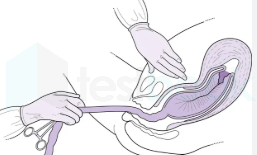
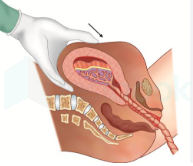
A picture shows a nurse pressing gently on the mother’s lower abdomen during the third stage of labour. What procedure is being performed?

  1. ((a))

    Helping with controlled cord traction

  2. ((b))

    Giving perineal massage

  3. ((c))

    Providing fundal pressure

  4. ((d))

    Massaging the uterus after the placenta is out

Show Answer
Answer: ((a))

Helping with controlled cord traction

Correct Answer: Helping with controlled cord traction

Rationale:

  • During the third stage of labour, controlled cord traction (CCT) is done to assist in the safe delivery of the placenta.
  • In this procedure, the birth attendant gives gentle downward traction on the umbilical cord while the other hand presses gently on the mother’s lower abdomen (suprapubic area).
  • The suprapubic hand supports and stabilizes the uterus to prevent uterine inversion as the placenta is being delivered.
  • This is a key component of Active Management of the Third Stage of Labour (AMTSL) to reduce postpartum hemorrhage and ensure controlled placental separation.

Explanation of Other Options:

Giving perineal massage

  • Rationale: This is done in the second stage of labour on the perineum (not on the abdomen) to prevent perineal tears. It is not related to placental delivery.

Providing fundal pressure

  • Rationale: Fundal pressure involves applying pressure on the top of the uterus to assist birth of the baby, not for placental delivery. The picture shows pressure on the lower abdomen (suprapubic area), not the fundus.

Massaging the uterus after the placenta is out

  • Rationale: Uterine massage is performed after the placenta is delivered to ensure firm contraction and prevent hemorrhage, not during placental extraction.

Conclusion:

  • Pressing gently on the lower abdomen during the third stage of labour is part of controlled cord traction, providing suprapubic counterpressure so the placenta can be delivered safely without the risk of uterine inversion.
36

A patient scores 19 out of 30 on the Mini-Mental State Examination (MMSE). This score indicates which level of cognitive problem?

  1. ((a))

    Mild cognitive impairment

  2. ((b))

    Moderate cognitive impairment

  3. ((c))

    Normal cognitive function

  4. ((d))

    Severe cognitive impairment

Show Answer
Answer: ((a))

Mild cognitive impairment

Rationale

The Mini-Mental State Examination (MMSE) is a standardized tool used to assess a patient’s cognitive function, including orientation, memory, attention, calculation, language, and visuospatial skills. The total possible score is 30.

According to the provided MMSE interpretation table:

  • 24–30 : No cognitive impairment
  • 19–23 : Mild cognitive impairment
  • 10–18 : Moderate cognitive impairment
  • < 9 : Severe cognitive impairment

In this case, the patient has scored 19 out of 30. This score lies at the lower limit of the range 19–23, which corresponds to mild cognitive impairment.

Although the score is close to the cutoff for moderate impairment, classification must be done strictly according to the defined ranges in the reference table. Therefore, the correct interpretation is mild cognitive impairment.

Hence, the correct answer is: Option 1 – Mild cognitive impairment.

37

A patient receives IV hydrocortisone. What should the nurse check soon after giving this medication?

  1. ((a))

    Blood glucose levels

  2. ((b))

    Restrict the patient’s fluid intake

  3. ((c))

    Encourage a diet high in salt

  4. ((d))

    Monitor only for low potassium

Show Answer
Answer: ((a))

Blood glucose levels

Correct Answer: Blood glucose levels

Rationale:

  • Hydrocortisone is a corticosteroid, and one of its rapid effects after IV administration is increasing blood glucose levels by promoting gluconeogenesis and decreasing glucose utilization in tissues.
  • Because of this, patients — especially those with diabetes, prediabetes, stress hyperglycemia, or critical illness — are at risk of developing acute hyperglycemia.
  • Therefore, the priority nursing action immediately after giving IV hydrocortisone is to check the patient's blood glucose levels to detect and manage steroid-induced hyperglycemia early.

Explanation of Other Options:

Restrict the patient’s fluid intake

  • Rationale: Hydrocortisone can cause fluid retention, but fluid restriction is not routinely recommended immediately after administration and is not a first priority.

Encourage a diet high in salt

  • Rationale: Hydrocortisone already causes sodium and water retention. Increasing dietary salt would worsen edema and hypertension; therefore this is inappropriate.

Monitor only for low potassium

  • Rationale: Corticosteroids can lead to hypokalemia, but it is not the first or only reaction to monitor immediately after administration. Glucose monitoring takes priority because hyperglycemia can occur rapidly and may require urgent adjustment.

Conclusion:

  • After IV hydrocortisone, the priority action is to check the patient’s blood glucose levels, because corticosteroids can quickly raise glucose and trigger hyperglycemia, especially in vulnerable patients.
38

A trauma patient has a complete spinal cord injury at the T4 level. Which problem is most expected?

  1. ((a))

    Paralysis or weakness with loss of sensation in both legs

  2. ((b))

    Weak hand grip only

  3. ((c))

    Severe weakness in both arms

  4. ((d))

    Paralysis of the diaphragm needing a ventilator

Show Answer
Answer: ((a))

Paralysis or weakness with loss of sensation in both legs

Correct Answer: Paralysis or weakness with loss of sensation in both legs

Rationale:

  • A spinal cord injury at the T4 (thoracic 4) level typically results in loss of motor and sensory function below the level of injury. Because the thoracic spinal cord controls trunk and lower limb function, an injury here most commonly leads to paraplegia.
  • In paraplegia, the lower extremities lose strength, movement, and sensation, while the arms and upper body remain intact since they are supplied by cervical nerves above the injury level.
  • A T4 injury does not affect the phrenic nerve (C3–C5), which controls the diaphragm. Therefore, breathing remains mostly preserved, although intercostal muscle weakness may reduce respiratory efficiency.
  • Because thoracic injuries do not involve nerve roots responsible for arm and hand functions (C5–T1), upper limb strength, grip, and fine motor function remain normal. This pattern clearly points toward lower-limb paralysis as the expected complication.
  • Thus, the defining feature of a complete spinal cord injury at the thoracic level is loss of movement and sensation in both legs, making paraplegia the most expected outcome.

Explanation of Other Options:

Weak hand grip only

  • Rationale: Hand grip strength is controlled by cervical nerves (C6–C8). A T4 injury occurs below the cervical region and does not affect upper limb function, so this finding is not expected.

Severe weakness in both arms

  • Rationale: Arm and shoulder movements are governed by the brachial plexus (C5–T1). Since T4 is below this area, a thoracic injury does not impair arm strength. Therefore, upper-limb weakness is inconsistent with a T4 injury.

Paralysis of the diaphragm needing a ventilator

  • Rationale: The diaphragm is controlled by the phrenic nerve (C3, C4, C5). Only high cervical injuries threaten diaphragm function or require ventilatory support. A T4 injury is far below the phrenic nerve level and does not cause diaphragmatic paralysis.

Conclusion:

  • A complete spinal cord injury at the T4 level results in paraplegia—marked by loss of motor function and sensation in the lower limbs—while upper limb and diaphragmatic function remain preserved. Therefore, the expected clinical finding is paralysis or loss of sensation in both legs.
39

A patient taking lithium for bipolar disorder develops nausea, drowsiness, muscle weakness, and a coarse tremor. What should the nurse do first?

  1. ((a))

    Give the next lithium dose and increase oral fluids

  2. ((b))

    Check the patient’s lithium level right away

  3. ((c))

    Provide an anti-anxiety medicine to reduce the tremor

  4. ((d))

    Reduce the patient’s sodium intake and monitor fluids

Show Answer
Answer: ((b))

Check the patient’s lithium level right away

Correct Answer: Check the patient’s lithium level right away

Rationale:

  • Lithium has a narrow therapeutic index, meaning even small increases above the therapeutic range can quickly lead to toxicity. Symptoms such as nausea, drowsiness, muscle weakness, and a coarse tremor are classic early indicators of lithium toxicity.
  • Because lithium toxicity can rapidly progress to severe neurologic impairment including confusion, seizures, coma, and cardiac collapse, the nurse must immediately verify the serum lithium level to assess the severity and determine the need for urgent intervention.
  • Obtaining a lithium level is essential before making any changes to dosing or fluid intake because lithium concentrations directly guide whether treatment requires dose hold, hydration therapy, or emergency management such as hemodialysis.
  • Early detection and confirmation through serum lithium monitoring are critical to prevent complications, making it the top nursing priority when toxicity is suspected.
  • Therefore, the first and most important action is to check the lithium level immediately to confirm toxicity and guide subsequent medical management.

Explanation of Other Options:

Give the next lithium dose and increase oral fluids

  • Rationale: Administering another dose can worsen toxicity and is unsafe when symptoms of lithium excess are already present. Increasing fluids may help later, but not before confirming the serum level.

Provide an anti-anxiety medicine to reduce the tremor

  • Rationale: A coarse tremor is a warning sign of lithium toxicity, not anxiety. Giving anxiolytics would treat the symptom instead of the cause and may mask clinical deterioration.

Reduce the patient’s sodium intake and monitor fluids

  • Rationale: Lowering sodium intake causes the kidneys to retain lithium, which can further elevate levels and increase toxicity. This would worsen the patient’s condition and is contraindicated.

Conclusion:

  • Signs such as coarse tremor, nausea, drowsiness, and weakness strongly indicate early lithium toxicity. Because lithium levels guide all subsequent treatment decisions, the priority nursing action is to check the serum lithium level immediately to confirm toxicity and initiate safe, timely care.
40

A person is infected with a harmful organism but does not show any signs or symptoms, yet can still spread the infection to others. What is this person called?

  1. ((a))

    Vector

  2. ((b))

    Carrier

  3. ((c))

    Host

  4. ((d))

    Case

Show Answer
Answer: ((b))

Carrier

Correct Answer: Carrier

Rationale:

  • A person who is infected with a pathogenic organism but does not show any clinical signs or symptoms is referred to as a carrier. Despite the absence of illness, this individual can still transmit the infection to others, making carriers an important factor in the spread of communicable diseases.
  • Carriers play a major role in public health because they can unknowingly contribute to the silent transmission of infections such as hepatitis B, typhoid, HIV, meningococcal disease, and COVID-19.
  • In epidemiology, carriers may be temporary (short-term infection) or chronic (long-term infection). Chronic carriers can harbor organisms for extended periods, making them a significant source of continuous spread in the community.
  • Because carriers do not show symptoms, they are often not diagnosed or isolated, increasing the risk of infecting susceptible individuals who may develop severe disease.
  • Therefore, a person who is infected, asymptomatic, yet capable of transmitting disease is correctly classified as a carrier.

Explanation of Other Options:

Vector

  • Rationale: A vector is an animal or insect, such as a mosquito or tick, that transmits infectious agents from one host to another. Vectors do not describe infected humans.

Host

  • Rationale: A host is any human or organism in which a pathogen lives and multiplies. A host may or may not show symptoms, but the term does not specifically imply asymptomatic transmission.

Case

  • Rationale: A case refers to a person who is clinically ill and symptomatic due to an infectious disease. This is the opposite of a carrier, who shows no symptoms.

Conclusion:

  • A person who harbors a disease-causing organism, remains asymptomatic, yet can spread infection to others is known as a carrier. Carriers are key contributors to hidden transmission chains and are an important focus of public health surveillance.
41

Medicines that slow down or stop the growth of cancer cells—mainly by blocking cell division—are called:

  1. ((a))

    Antipyretic medications

  2. ((b))

    Antineoplastic medications

  3. ((c))

    Antiemetic medications

  4. ((d))

    Antihistaminic medications

Show Answer
Answer: ((b))

Antineoplastic medications

Correct Answer: Antineoplastic medications

Rationale:

  • Antineoplastic medications are drugs specifically designed to slow down, inhibit, or stop the growth of cancer cells. They work by targeting rapidly dividing cells and are widely used in chemotherapy for the treatment of various malignancies.
  • These medications interfere with essential processes of cancer cells such as DNA replication, RNA synthesis, and mitosis, thereby preventing further cell division and tumor growth.
  • Because cancer cells divide more rapidly than most normal cells, antineoplastic agents selectively target these high-rate division processes, making them effective in controlling cancer progression.
  • Common classes of antineoplastic drugs include alkylating agents, antimetabolites, mitotic inhibitors, topoisomerase inhibitors, and antitumor antibiotics, each working at different points of the cancer cell cycle.
  • Therefore, medications that primarily act by blocking cell division and inhibiting cancer growth are appropriately termed antineoplastic medications.

Explanation of Other Options:

Antipyretic medications

  • Rationale: Antipyretics are used to reduce fever by acting on the hypothalamus. They do not affect cancer cell growth or cell division.

Antiemetic medications

  • Rationale: Antiemetics help prevent nausea and vomiting, commonly used during chemotherapy. They do not kill or suppress cancer cells.

Antihistaminic medications

  • Rationale: Antihistamines block the effects of histamine and are used for allergies. They have no role in controlling cancer or inhibiting cell division.

Conclusion:

  • Drugs that work by inhibiting cell division and preventing cancer growth are known as antineoplastic medications. These agents form the foundation of chemotherapy and are essential in the treatment and control of malignant diseases.
42

An adult weighing 80 kg has full-thickness burns on 40% of the body. Using the Parkland formula (4 mL × kg × %TBSA), how much Lactated Ringer’s fluid should be given in the first 8 hours after the burn injury?

  1. ((a))

    6,400 mL

  2. ((b))

    12,800 mL

  3. ((c))

    3,200 mL

  4. ((d))

    1,600 mL

Show Answer
Answer: ((a))

6,400 mL

Correct Answer: 6,400 mL

Rationale:

  • The Parkland formula is the most commonly used method to calculate initial fluid resuscitation in adults with major burns. It states: 4 mL × body weight (kg) × %TBSA (Total Body Surface Area) burned.
  • For an adult weighing 80 kg with 40% TBSA full-thickness burns, the total fluid requirement in the first 24 hours is calculated as:

4 mL × 80 × 40 = 12,800 mL.

  • According to the Parkland protocol, half of the total fluid must be administered in the first 8 hours from the time of injury, not from hospital arrival.
  • Half of 12,800 mL is:

12,800 ÷ 2 = 6,400 mL.

  • This early aggressive fluid resuscitation is essential to maintain tissue perfusion, prevent burn shock, and support adequate urine output.

Explanation of Other Options:

12,800 mL

  • Rationale: This is the total 24-hour fluid requirement using the Parkland formula, not the volume required in the first 8 hours.

3,200 mL

  • Rationale: This represents one-fourth of the total fluid requirement. It does not match any phase of the Parkland distribution schedule.

1,600 mL

  • Rationale: This volume is too low and would result in severe under-resuscitation, risking burn shock and organ failure.

Conclusion:

  • Using the Parkland formula, an 80-kg adult with 40% TBSA burns requires 6,400 mL of Lactated Ringer’s solution in the first 8 hours to ensure adequate fluid resuscitation and prevent burn shock.
43

A young man is brought to the ER with fast heart rate, dilated pupils, severe paranoia, and feelings of insects crawling on the skin (tactile hallucinations). His nasal septum is red and has a hole, and he reports snorting a white powder. Which drug is most likely responsible?

  1. ((a))

    Cocaine

  2. ((b))

    Marijuana

  3. ((c))

    Heroin

  4. ((d))

    LSD

Show Answer
Answer: ((a))

Cocaine

Correct Answer: Cocaine

Rationale:

  • The patient presents with a combination of symptoms strongly associated with cocaine intoxication, including tachycardia (fast heart rate), dilated pupils, severe paranoia, agitation, and tactile hallucinations such as “insects crawling on the skin,” known as formication.
  • Cocaine is a potent central nervous system stimulant that increases levels of dopamine, norepinephrine, and serotonin, leading to intense sympathetic activation and psychiatric disturbances.
  • A classic physical finding in chronic cocaine snorting is nasal septum irritation, ulceration, or perforation due to the drug’s strong vasoconstrictive effects, which reduce blood supply to nasal tissues.
  • The patient’s history of snorting a white powder, combined with septal perforation and acute psychotic symptoms, closely matches the typical presentation of cocaine use.
  • Therefore, the drug most likely responsible for this cluster of cardiovascular, neurological, and behavioral symptoms is cocaine.

Explanation of Other Options:

Marijuana

  • Rationale: Marijuana may cause mild euphoria, relaxation, or anxiety, but it does not cause septal perforation, severe paranoia with formication, or powerful sympathetic stimulation like cocaine.

Heroin

  • Rationale: Heroin is a depressant that causes pinpoint pupils, respiratory depression, and sedation—not dilated pupils, paranoia, or stimulant symptoms.

LSD

  • Rationale: LSD can cause hallucinations and dilated pupils but does not produce nasal septum damage or tactile hallucinations (“bugs crawling”), which are far more characteristic of stimulant drugs.

Conclusion:

  • The combination of snorting a white powder, nasal septum perforation, paranoia, tachycardia, dilated pupils, and tactile hallucinations is classic for cocaine intoxication, making it the most likely responsible drug.
44

Look at the given image and identify the product shown.

  1. ((a))

    Gardasil

  2. ((b))

    Heparin

  3. ((c))

    Montax

  4. ((d))

    None of the above

Show Answer
Answer: ((a))

Gardasil

Correct Answer: Gardasil

Rationale:

  • The image shows a pre-filled syringe manufactured by Merck, containing a suspension used for the prevention of infections caused by Human Papillomavirus (HPV).
  • Gardasil is a quadrivalent or nonavalent HPV vaccine that protects against multiple HPV types, often listed on the packaging as 6, 11, 16, 18, 31, 33, 45, 52, and 58. These types are responsible for genital warts and various cancers, particularly cervical cancer.
  • The syringe label clearly lists several HPV types and protein quantities, which is a characteristic feature of Gardasil (HPV vaccine) packaging.
  • Gardasil is provided as a 0.5 mL single-dose syringe for intramuscular injection, matching the presentation shown in the image.
  • Therefore, based on the vaccine composition, manufacturer, and labeling, the product shown is identified as Gardasil.

Explanation of Other Options:

Heparin

  • Rationale: Heparin is an anticoagulant used to prevent clot formation. It does not come labeled with HPV types, nor is it packaged by Merck in this format.

Montax

  • Rationale: Montax is not related to HPV vaccination and does not match the syringe design, labeling, or description present in the image.

Conclusion:

  • The syringe labeled with multiple HPV protein types and produced by Merck confirms that the product shown is Gardasil, a vaccine used for preventing HPV-related diseases.
45

Shantiniketan, the famous cultural and educational center established by Rabindranath Tagore, is situated in which state of India?

  1. ((a))

    West Bengal

  2. ((b))

    Maharashtra

  3. ((c))

    Gujarat

  4. ((d))

    Uttar Pradesh

Show Answer
Answer: ((a))

West Bengal

Correct Answer: West Bengal

Rationale:

  • Shantiniketan is a renowned cultural, educational, and artistic center founded by Rabindranath Tagore, one of India’s greatest poets and the first Asian Nobel Laureate.
  • It is located in the Birbhum district of West Bengal and is known for its open-air schooling system, performing arts, visual arts, and Tagore’s philosophy of holistic learning.
  • Shantiniketan is home to Visva-Bharati University, established by Tagore in 1921, which later became a Central University recognized for its rich heritage and contribution to Indian education and culture.
  • The institution is closely linked with Indian art, literature, music, and rural reconstruction, making it a cultural landmark in West Bengal.
  • Therefore, based on its origin, location, and historical significance, Shantiniketan is situated in the state of West Bengal.

Explanation of Other Options:

Maharashtra

  • Rationale: Maharashtra is known for institutions like FTII and Tata Institute of Social Sciences, but Shantiniketan is not located there.

Gujarat

  • Rationale: Gujarat has prominent cultural sites, but Shantiniketan was not founded or established in this state.

Uttar Pradesh

  • Rationale: Uttar Pradesh is associated with many historical landmarks, but Shantiniketan is not one of them.

Conclusion:

  • Shantiniketan, established by Rabindranath Tagore, is an iconic educational and cultural institution located in West Bengal, making it the correct choice.
46

A nurse is giving the oral Rotavirus vaccine (Rotarix) to a 6-week-old baby as per the Universal Immunization Programme. What is the usual amount given in one dose?

  1. ((a))

    1.5 mL

  2. ((b))

    0.5 mL

  3. ((c))

    2.5 mL

  4. ((d))

    0.1 mL

Show Answer
Answer: ((a))

1.5 mL

Correct Answer: 1.5 mL

Rationale:

  • Rotavirus vaccine (Rotarix), used under the Universal Immunization Programme (UIP)oral live attenuated vaccine to protect infants from severe rotavirus gastroenteritis.
  • The standard recommended quantity for each dose of Rotarix is 1.5 mL orally. This dose ensures adequate antigen exposure to stimulate protective immunity.
  • The first dose is administered at 6 weeks of age, and the second dose is given at least 4 weeks later, following national immunization guidelines.
  • Rotarix administration involves squeezing the prefilled oral applicator gently into the infant’s mouth, ensuring the entire 1.5 mL dose is swallowed for maximum vaccine effectiveness.
  • Therefore, based on UIP recommendations and vaccine manufacturer guidelines, the usual amount given per dose of oral Rotarix is 1.5 mL.

Explanation of Other Options:

0.5 mL

  • Rationale: This volume is used for many injectable vaccines but is too small for oral Rotarix, which requires a larger liquid dose.

2.5 mL

  • Rationale: This is greater than the recommended dose and does not match Rotarix formulation. No UIP schedule uses 2.5 mL for rotavirus vaccine.

0.1 mL

  • Rationale: This extremely small dose is used for tests like BCG or Mantoux but is not appropriate for oral rotavirus vaccine.

Conclusion:

  • Under the Universal Immunization Programme, each oral dose of Rotarix is given as 1.5 mL, making it the correct and standard dose for infants.
47

A 72-year-old patient scores 19 on the Mini-Mental State Examination (MMSE). How should the nurse interpret this?

  1. ((a))

    Mild cognitive impairment

  2. ((b))

    Moderate cognitive impairment

  3. ((c))

    No cognitive impairment

  4. ((d))

    Severe cognitive impairment

Show Answer
Answer: ((a))

Mild cognitive impairment

Rationale

The Mini-Mental State Examination (MMSE) is a standardized tool used to assess a patient’s cognitive function, including orientation, memory, attention, calculation, language, and visuospatial skills. The total possible score is 30.

According to the provided MMSE interpretation table:

  • 24–30 : No cognitive impairment
  • 19–23 : Mild cognitive impairment
  • 10–18 : Moderate cognitive impairment
  • < 9 : Severe cognitive impairment

In this case, the patient has scored 19 out of 30. This score lies at the lower limit of the range 19–23, which corresponds to mild cognitive impairment.

Although the score is close to the cutoff for moderate impairment, classification must be done strictly according to the defined ranges in the reference table. Therefore, the correct interpretation is mild cognitive impairment.

Hence, the correct answer is: Option 1 – Mild cognitive impairment.

48

Which Mughal ruler ordered the construction of Delhi’s famous Jama Masjid, one of the largest mosques in India?

  1. ((a))

    Shah Jahan

  2. ((b))

    Akbar

  3. ((c))

    Aurangzeb

  4. ((d))

    Jahangir

Show Answer
Answer: ((a))

Shah Jahan

Correct Answer: Shah Jahan

Rationale:

  • The Jama Masjid in Delhi, one of the largest and most iconic mosques in India, was commissioned by the Mughal emperor Shah Jahan, who is widely known for his grand architectural creations.
  • Construction of the Jama Masjid began in 1650 and was completed in 1656, reflecting the architectural magnificence and craftsmanship characteristic of Shah Jahan’s reign.
  • Shah Jahan is famous for building several monumental structures, including the Taj Mahal and the Red Fort, making him one of the greatest patrons of Mughal architecture.
  • The Jama Masjid stands as a major religious and historical landmark, known for its vast courtyard, red sandstone and marble design, and its cultural significance.
  • Therefore, the Mughal ruler responsible for building Delhi’s Jama Masjid is Shah Jahan.

Explanation of Other Options:

Akbar

  • Rationale: Akbar built architectural masterpieces like Fatehpur Sikri and Buland Darwaza, but he did not build the Jama Masjid of Delhi.

Aurangzeb

  • Rationale: Aurangzeb built the Badshahi Mosque in Lahore and other structures, but the Delhi Jama Masjid was completed before his reign.

Jahangir

  • Rationale: Jahangir was more focused on gardens and arts; he did not undertake construction of the Jama Masjid.

Conclusion:

  • Delhi’s Jama Masjid, a masterpiece of Mughal architecture, was built under the command of Shah Jahan, making him the correct answer.
49

A patient taking haloperidol says they feel extremely restless inside, cannot keep their legs still, and feel the urge to keep walking. What is this side effect called?

  1. ((a))

    Akathisia

  2. ((b))

    Dystonia

  3. ((c))

    Pseudoparkinsonism

  4. ((d))

    Tardive dyskinesia

Show Answer
Answer: ((a))

Akathisia

Correct Answer: Akathisia

Rationale:

  • Haloperidol is a typical antipsychotic that often causes extrapyramidal side effects (EPS). One of the most common early-onset EPS is akathisia, a condition characterized by an intense feeling of inner restlessness.
  • Akathisia presents with symptoms such as an inability to sit still, constant movement of the legs, pacing, and an overwhelming urge to keep moving. Patients often describe it as feeling “restless inside,” exactly as stated in the scenario.
  • This condition typically arises within days to weeks after starting or increasing the dose of antipsychotics like haloperidol. It can cause significant distress and may lead to non-adherence to treatment if not addressed promptly.
  • Management includes reducing the dose, switching antipsychotics, or adding medications such as beta-blockers (propranolol), benzodiazepines, or anticholinergics.
  • Since the described symptoms match the classic clinical picture, the side effect is identified as akathisia.

Explanation of Other Options:

Dystonia

  • Rationale: Dystonia involves painful, sustained muscle contractions such as neck twisting (torticollis), eye deviation, or tongue protrusion. It does not cause inner restlessness or pacing.

Pseudoparkinsonism

  • Rationale: This EPS resembles Parkinson’s disease, with symptoms like mask-like face, tremor, rigidity, shuffling gait, and bradykinesia. Restlessness is not a key feature.

Tardive dyskinesia

  • Rationale: Tardive dyskinesia is a late-onset side effect involving involuntary movements such as lip smacking, tongue thrusting, and chewing motions. It does not manifest as restlessness or inability to stay still.

Conclusion:

  • The patient’s symptoms of inner restlessness, inability to keep still, and constant leg movement strongly indicate akathisia, a common EPS associated with haloperidol.
50

The image shows a healthcare provider pressing firmly downward on the top of the uterus (fundus). What procedure is being performed?

  1. ((a))

    Fundal pressure

  2. ((b))

    Loveset maneuver

  3. ((c))

    McRoberts maneuver

  4. ((d))

    None of the above

Show Answer
Answer: ((a))

Fundal pressure

Correct Answer: Fundal pressure

Rationale:

  • The description indicates that the healthcare provider is pressing firmly downward on the top of the uterus, also called the fundus. This action is known as fundal pressure.
  • Fundal pressure is applied during the second stage of labor with the intention of assisting fetal descent by exerting manual pressure from above the uterus.
  • However, this technique is not routinely recommended because it can increase the risk of complications such as uterine rupture, shoulder dystocia worsening, or fetal injury.
  • The key identifying feature in the image is the provider’s hands pushing down on the uterus during labor, which fits the definition of fundal pressure and none of the specialized obstetric maneuvers.
  • Thus, the procedure being demonstrated is correctly recognized as fundal pressure.

Explanation of Other Options:

Loveset maneuver

  • Rationale: The Loveset maneuver is used during breech delivery to help deliver the fetal arms. It does not involve pressing on the uterus.

McRoberts maneuver

  • Rationale: The McRoberts maneuver involves flexing the mother's thighs tightly onto her abdomen to relieve shoulder dystocia. No uterine pressure is applied.

None of the above

  • Rationale: This is incorrect because the described action clearly matches the definition of fundal pressure.

Conclusion:

  • Pressing firmly downward on the uterine fundus is known as fundal pressure, making it the correct interpretation of the procedure.
51

A 15-month-old child who is not toilet-trained needs a sterile urine sample for culture. What is the best way to collect this specimen?

  1. ((a))

    Perform a sterile in-and-out urethral catheterization

  2. ((b))

    Use cotton balls in the diaper to absorb urine

  3. ((c))

    Attach a urine collection bag to the child’s perineum

  4. ((d))

    Try to catch a clean mid-stream sample in a sterile cup

Show Answer
Answer: ((a))

Perform a sterile in-and-out urethral catheterization

Correct Answer: Perform a sterile in-and-out urethral catheterization

Rationale:

  • For a 15-month-old child who is not toilet trained, the most reliable and accurate way to obtain a sterile urine sample for culture is through sterile in-and-out urethral catheterization.
  • Catheterization avoids contamination from skin flora, diapers, or perineal bacteria, giving a sample appropriate for diagnosing urinary tract infections (UTIs).
  • The specimen collected is directly from the bladder, ensuring that it meets strict requirements for sterility and accuracy, which is essential for cultures.
  • Other methods such as urine bags and diaper-based collection often produce contaminated samples, leading to false-positive results or repeat testing.
  • Therefore, catheterization is considered the gold standard for obtaining a sterile urine specimen in non–toilet-trained children.

Explanation of Other Options:

Use cotton balls in the diaper to absorb urine

  • Rationale: Cotton balls are not sterile and absorb urine mixed with skin bacteria. This method is not acceptable for culture testing.

Attach a urine collection bag to the child’s perineum

  • Rationale: Urine bags have a high contamination rate (up to 60%). They are acceptable only for urinalysis, not for culture.

Try to catch a clean mid-stream sample in a sterile cup

  • Rationale: A 15-month-old child cannot reliably provide a clean mid-stream sample, and contamination is very likely.

Conclusion:

  • The most accurate and sterile method for collecting urine from a non–toilet-trained child is in-and-out urethral catheterization, making it the preferred choice for urine culture.
52

A client wants a birth-control method that does not need to be taken every day. The nurse mentions a pill that is taken once a week on the same day. Which option is this?

  1. ((a))

    Emergency contraceptive pill

  2. ((b))

    Progestin-only pill

  3. ((c))

    Combined oral contraceptive pill

  4. ((d))

    Saheli (Ormeloxifene)

Show Answer
Answer: ((d))

Saheli (Ormeloxifene)

Correct Answer: Saheli (Ormeloxifene)

Rationale:

  • Saheli, also known as Ormeloxifene, is a non-hormonal oral contraceptive pill widely used in India. One of its unique advantages is that it is taken once a week, making it suitable for clients who prefer a method that does not require daily dosing.
  • This weekly dosing schedule helps improve compliance, especially among individuals who may find it difficult to remember daily pills.
  • Saheli works by altering the endometrium and cervical mucus, preventing implantation and making pregnancy less likely.
  • Because the client specifically wants a contraceptive method that is taken weekly and not daily, Saheli (Ormeloxifene) is the correct option.
  • Other contraceptive pills require daily intake or are used only in emergencies, making them unsuitable for the client’s preference.

Explanation of Other Options:

Progestin-only pill

  • Rationale: Progestin-only pills (mini-pills) must be taken every day at the same time to be effective. They are not weekly pills.

Combined oral contraceptive pill

  • Rationale: Combined oral contraceptives also require daily intake and therefore do not match the client’s preference for a weekly method.

Emergency contraceptive pill

  • Rationale: Emergency contraceptives are taken only after unprotected intercourse and are not meant for routine weekly use.

Conclusion:

  • Among all available contraceptive options, Saheli (Ormeloxifene) is the only pill taken once a week, making it the correct choice for a client seeking a non-daily birth-control method.
53

A patient is 2 hours after CABG surgery. The nurse observes that the chest tube has drained 300 mL of bloody fluid in the past hour. What should the nurse do first?

  1. ((a))

    Inform the surgeon right away

  2. ((b))

    Record it as normal drainage

  3. ((c))

    Clamp the chest tube to slow the bleeding

  4. ((d))

    Give a prescribed diuretic immediately

Show Answer
Answer: ((a))

Inform the surgeon right away

Correct Answer: Inform the surgeon right away

Rationale:

  • After a Coronary Artery Bypass Grafting (CABG)postoperative hemorrhage or surgical complications.
  • The expected chest tube output in the early postoperative period is generally 50–100 mL/hour. Drainage of 300 mL in 1 hour is dangerously high and suggests possible internal bleeding or failure of surgical hemostasis.
  • Massive or rapidly increasing drainage is a red flag for complications such as cardiac tamponade, hemorrhage, or graft failure, all requiring immediate surgical evaluation.
  • Delaying action can quickly lead to hypovolemic shock, hemodynamic instability, and life-threatening deterioration.
  • Therefore, the nurse must notify the surgeon immediately so that prompt interventions—such as returning the patient to the operating room—can be initiated.

Explanation of Other Options:

Record it as normal drainage

  • Rationale: This amount is not normal. Recording without action would delay life-saving intervention.

Clamp the chest tube to slow the bleeding

  • Rationale: Clamping a chest tube can cause tension pneumothorax, tamponade, and worsening of intrathoracic pressure. It is never done for active bleeding.

Give a prescribed diuretic immediately

  • Rationale: Diuretics do not stop surgical bleeding and may worsen hemodynamic instability by reducing circulating volume.

Conclusion:

  • Chest tube drainage of 300 mL in 1 hour after CABG indicates a potential surgical emergency. The nurse must notify the surgeon immediately to prevent rapid deterioration.
54

A patient arrives with signs of severe anticholinergic poisoning—confusion, fast heart rate, enlarged pupils, and inability to urinate—after taking an unknown substance. Which antidote, a centrally acting acetylcholinesterase inhibitor, can reverse these symptoms?

  1. ((a))

    Naloxone

  2. ((b))

    Physostigmine

  3. ((c))

    Pralidoxime

  4. ((d))

    Atropine

Show Answer
Answer: ((b))

Physostigmine

Correct Answer: Physostigmine

Rationale:

  • Severe anticholinergic poisoning presents with the classic signs: confusion, tachycardia, mydriasis (dilated pupils), dry skin, urinary retention, and delirium. These symptoms result from excessive blockade of acetylcholine at both central and peripheral muscarinic receptors.
  • Physostigmine is a centrally acting acetylcholinesterase inhibitor that crosses the blood–brain barrier. By inhibiting acetylcholinesterase, it increases acetylcholine levels, effectively reversing both CNS and peripheral anticholinergic effects.
  • It is the antidote of choice for life-threatening anticholinergic toxicity when severe agitation, hallucinations, or delirium is present.
  • Examples of substances causing anticholinergic toxicity include: atropine, diphenhydramine, tricyclic antidepressants, scopolamine, and antispasmodics.
  • Because the patient has severe central and peripheral symptoms, a centrally acting antidote—physostigmine—is required.

Explanation of Other Options:

Naloxone

  • Rationale: Naloxone is an opioid antagonist used for opioid overdose, not anticholinergic poisoning. It has no effect on acetylcholine pathways.

Pralidoxime

  • Rationale: Pralidoxime is used for organophosphate (cholinergic) poisoning, where acetylcholine is excessively high. It is not appropriate for anticholinergic toxicity.

Atropine

  • Rationale: Atropine itself is a potent anticholinergic drug and would worsen the patient’s condition, not treat it.

Conclusion:

  • Only physostigmine reverses both central and peripheral anticholinergic toxicity by increasing acetylcholine levels in the brain and body, making it the correct antidote.
55

A 36-week pregnant woman has an NST showing a baseline of 135 bpm, minimal variability, and only one small acceleration (10 bpm for 10 seconds) in 20 minutes. How should the nurse interpret this result?

  1. ((a))

    Non-reactive

  2. ((b))

    Reactive

  3. ((c))

    Sinusoidal pattern

  4. ((d))

    Positive test

Show Answer
Answer: ((a))

Non-reactive

Correct Answer: Non-reactive

Rationale:

  • A Non-Stress Test (NST) evaluates fetal well-being by assessing fetal heart rate accelerations in response to fetal movements. A healthy fetus should show adequate accelerations that reflect good oxygenation and neurological function.
  • For pregnancies at or beyond 32 weeks, a reactive NST must include:
  • At least 2 accelerations in 20 minutes
  • Each acceleration ≥ 15 bpm above baseline
  • Each lasting at least 15 seconds
  • In this case, the NST shows:
  • Baseline: 135 bpm (normal)
  • Minimal variability — a concerning sign suggesting reduced fetal oxygenation
  • Only one small acceleration: 10 bpm × 10 sec (does NOT meet 15×15 criteria)
  • Since the NST does not meet the criteria for reactivity (only one inadequate acceleration, minimal variability), the strip is classified as a non-reactive NST.
  • A non-reactive NST indicates that the fetus may not be adequately oxygenated, and further evaluation (like BPP or CST) is required.

Explanation of Other Options:

Reactive

  • Rationale: A reactive NST requires at least two accelerations of 15×15. This tracing has only one and does not meet criteria.

Sinusoidal pattern

  • Rationale: A sinusoidal tracing is smooth, wavelike, and lacks variability. The NST here shows minimal variability, but not a sinusoidal rhythm.

Positive test

  • Rationale: “Positive” is used for a Contraction Stress Test (CST), not an NST. NSTs are interpreted only as reactive or non-reactive.

Conclusion:

  • The fetal tracing lacks adequate accelerations and shows minimal variability, making this NST clearly non-reactive and requiring further assessment.
56

A continuous IV infusion of nitroglycerin is prescribed at 15 mcg/min. The available solution contains 50 mg in 500 mL of D5W. What should the infusion pump be set to (in mL/hr)?

  1. ((a))

    15 mL/hr

  2. ((b))

    3 mL/hr

  3. ((c))

    6 mL/hr

  4. ((d))

    9 mL/hr

Show Answer
Answer: ((d))

9 mL/hr

Correct Answer: 9 mL/hr

Rationale:

  • The prescribed dose is 15 mcg/min of nitroglycerin by continuous IV infusion.
  • The IV solution available contains 50 mg in 500 mL of D5W.
  • First, convert the drug in the bag from mg to mcg:
  • 1 mg = 1,000 mcg
  • 50 mg = 50 × 1,000 = 50,000 mcg
  • Now calculate the concentration of the solution:
  • 50,000 mcg in 500 mL → Concentration = 50,000 mcg ÷ 500 mL = 100 mcg/mL
  • Next, convert the ordered dose from mcg/min to mcg/hr (because the pump is set in mL/hr):
  • 15 mcg/min × 60 min/hr = 900 mcg/hr
  • Now use the formula: mL/hr = (required dose per hour in mcg/hr) ÷ (concentration in mcg/mL)
  • mL/hr = 900 mcg/hr ÷ 100 mcg/mL = 9 mL/hr
  • Therefore, to deliver 15 mcg/min from this solution, the infusion pump must be set at 9 mL/hr.

Explanation of Other Options:

3 mL/hr

  • Rationale: 3 mL/hr would provide only 300 mcg/hr (3 × 100), which equals 5 mcg/min—too low compared to the ordered 15 mcg/min.

6 mL/hr

  • Rationale: 6 mL/hr would deliver 600 mcg/hr (6 × 100), equal to 10 mcg/min—still below the prescribed dose.

15 mL/hr

  • Rationale: 15 mL/hr would give 1,500 mcg/hr (15 × 100), which equals 25 mcg/min—this exceeds the ordered dose and could cause hypotension.

Conclusion:

  • Using the given concentration (100 mcg/mL) and the prescribed rate (15 mcg/min), the correct IV pump setting is 9 mL/hr, making it the accurate and safe choice.
57

Massive transfusion refers to replacing a patient’s entire blood volume within 24 hours. For an adult, this is roughly equal to how many units of packed red blood cells (PRBCs) in one day?

  1. ((a))

    5 units

  2. ((b))

    3 units

  3. ((c))

    10 units

  4. ((d))

    20 units

Show Answer
Answer: ((c))

10 units

Correct Answer: 10 units

Rationale:

  • A “massive transfusion” is defined in adults as the replacement of an amount of blood roughly equal to the patient’s total blood volume within 24 hours.
  • The average adult blood volume is approximately 70 mL per kg. For a 70-kg adult, this equals about 5,000 mL (5 liters) of blood.
  • One unit of packed red blood cells (PRBCs) contains about 300–350 mL of blood product.
  • Replacing 5 liters of blood would therefore require around: 5,000 mL ÷ 350 mL ≈ 10–14 units
  • Clinically, massive transfusion is standardized as 10 or more units of PRBCs in 24 hours.
  • This volume triggers the need for a massive transfusion protocol (MTP), which includes balanced replacement of RBCs, plasma, and platelets.

Explanation of Other Options:

3 units

  • Rationale: Far below the volume of an adult’s blood; does not approach massive transfusion levels.

5 units

  • Rationale: Represents only about half a normal adult blood volume; not considered massive transfusion.

20 units

  • Rationale: Extremely high and not part of the standard definition, though some severe trauma cases may exceed 20 units.

Conclusion:

  • Massive transfusion in adults is defined as giving 10 units of PRBCs within 24 hours, which approximates a full blood volume replacement.
58

During a mental status exam, a patient keeps repeating the same words or phrases no matter what question is asked. This type of speech pattern is called:

  1. ((a))

    Perseveration

  2. ((b))

    Echolalia

  3. ((c))

    Clang association

  4. ((d))

    Word salad

Show Answer
Answer: ((a))

Perseveration

Correct Answer: Perseveration

Rationale:

  • During a mental status examination, when a patient repeats the same words, phrases, or ideas over and over regardless of the question asked, this pattern is called perseveration.
  • Perseveration reflects a disturbance in executive functioning and the brain’s ability to shift thoughts. It is commonly seen in conditions such as frontal lobe disorders, dementia, traumatic brain injury, and schizophrenia.
  • The key feature is that the patient keeps repeating their own previous response, not someone else’s words. The repetition occurs inappropriately and involuntarily.
  • This repetition persists even when questions change, showing a lack of cognitive flexibility and impaired mental control.
  • Because the patient continues repeating the same phrase regardless of stimulus or question, the behavior is accurately described as perseveration.

Explanation of Other Options:

Echolalia

  • Rationale: Echolalia is the repetition of another person’s words, not one’s own. It is common in autism and schizophrenia. This does not match the scenario.

Clang association

  • Rationale: Clang associations involve speech driven by rhyming or similar sounds, not repetition of the same phrase.

Word salad

  • Rationale: Word salad is a completely disorganized mixture of words with no logical connection. It is not repetitive speech.

Conclusion:

  • Since the patient continuously repeats the same phrase despite different questions, the most accurate diagnosis is perseveration.
59

In a certain coding pattern, the word CLOCK is written as DMPEL. Using the same pattern, how will WATCH be coded?

  1. ((a))

    XBUDI

  2. ((b))

    XBXDI

  3. ((c))

    YBUDI

  4. ((d))

    XBUDJ

Show Answer
Answer: ((a))

XBUDI

Correct Answer: XBUDI

Rationale:

  • The pattern used in the coding of CLOCK → DMPEL is a simple alphabetical shift.
  • Each letter in the original word is shifted forward by one position in the alphabet:
  • C → D
  • L → M
  • O → P
  • C → D
  • K → L
  • Applying the same +1 alphabetical shift to WATCH:
  • W → X
  • A → B
  • T → U
  • C → D
  • H → I
  • Thus, WATCH becomes XBUDI.

Explanation of Other Options:

XBXDI

  • Rationale: Incorrect shifts; letters do not follow the +1 pattern consistently.

YBUDI

  • Rationale: First letter incorrectly shifted by +2 instead of +1.

XBUDJ

  • Rationale: Last letter incorrectly shifted (H → I, not J).

Conclusion:

  • The correct coding pattern is a +1 shift for every letter, and the accurate coded word is XBUDI.
60

A patient with COPD has an acute flare-up, and ABG results show respiratory acidosis. Which electrolyte imbalance is most commonly seen in this condition?

  1. ((a))

    Hypercalcemia

  2. ((b))

    Hyponatremia

  3. ((c))

    Hypokalemia

  4. ((d))

    Hyperkalemia

Show Answer
Answer: ((d))

Hyperkalemia

Correct Answer: Hyperkalemia

Rationale:

  • In respiratory acidosis, the lungs cannot remove enough carbon dioxide, leading to an increase in PaCO2 and a fall in blood pH.
  • Acidosis causes hydrogen ions (H+) to move into the cells. To maintain electrical balance, potassium ions (K+) move out of the cells into the bloodstream.
  • This shift of potassium from intracellular to extracellular space results in a high serum potassium level, known as hyperkalemia.
  • COPD exacerbations commonly produce CO2 retention and acute respiratory acidosis. As the acidosis worsens, potassium rises, making hyperkalemia a frequent electrolyte abnormality to monitor.
  • Because respiratory acidosis drives K+ out of cells, the most expected imbalance is hyperkalemia.

Explanation of Other Options:

Hyponatremia

  • Rationale: Sodium levels are not typically affected by respiratory acidosis. Hyponatremia is more associated with fluid imbalance or endocrine issues.

Hypokalemia

  • Rationale: This is the opposite of what occurs in acidosis. Hypokalemia happens in alkalosis, not acidosis.

Hypercalcemia

  • Rationale: Calcium levels do not significantly change during respiratory acidosis and are unrelated to CO2 retention.

Conclusion:

  • In respiratory acidosis, particularly in COPD flare-ups, potassium moves out of cells into the blood, making hyperkalemia the most common electrolyte abnormality.

Section 3 (30 questions)

61

In the first 24 hours after a client is admitted with a thrombotic stroke (CVA), which nursing assessment is most important?

  1. ((a))

    Measuring cholesterol level

  2. ((b))

    Listening to bowel sounds

  3. ((c))

    Checking the size of the pupils and how they react to light

  4. ((d))

    Doing an echocardiogram

Show Answer
Answer: ((c))

Checking the size of the pupils and how they react to light

Correct Answer: Checking the size of the pupils and how they react to light.

Rationale:

  • In the first 24 hours after a thrombotic stroke (CVA), the most important nursing assessment is neurological status monitoring, because the client is at high risk for brain edema, increased intracranial pressure (ICP), and worsening of the stroke.
  • Assessing pupil size and reaction to light is a critical component of the neurological examination. Changes such as unequal pupils (anisocoria), non-reactive pupils, or dilated pupils may indicate brain herniation, expanding hematoma, or increased ICP, which require immediate medical intervention.
  • Neurological assessments—including level of consciousness, Glasgow Coma Scale, motor response, and pupillary reaction—are performed frequently in the acute phase to detect early signs of deterioration.
  • Prompt recognition of neurological decline allows rapid treatment interventions, improving survival and preventing permanent brain damage.

Explanation of Other Options:

Measuring cholesterol level

  • Rationale: Cholesterol testing is important for long-term management and prevention of future strokes, but it is not a priority in the first 24 hours when rapid neurological assessment is crucial.

Listening to bowel sounds

  • Rationale: Bowel assessment helps rule out ileus or constipation, but it does not provide immediate information about neurological deterioration, making it a lower priority during the acute phase of a stroke.

Doing an echocardiogram

  • Rationale: An echocardiogram may be done later to identify cardiac sources of emboli, but it is not an urgent first-day assessment when neurological monitoring is the priority.

Conclusion:

  • In the first 24 hours following a thrombotic stroke, the highest priority is monitoring neurological status, especially pupil size and reaction to light, because it provides the earliest indication of increasing intracranial pressure and stroke progression, allowing immediate and life-saving interventions.
62

A psychiatric patient repeats the same words again and again, such as “I want to go home... home... home.” What is this behavior called?

  1. ((a))

    Echopraxia

  2. ((b))

    Verbigeration

  3. ((c))

    Perseveration

  4. ((d))

    Echolalia

Show Answer
Answer: ((b))

Verbigeration

Correct Answer: Verbigeration.

Rationale:

  • Verbigeration refers to the meaningless, purposeless, and involuntary repetition of words or phrases, commonly seen in psychiatric conditions such as schizophrenia and severe psychosis.
  • In this case, the patient keeps repeating “I want to go home... home... home,” which shows continuous repetition without communication intent, matching the definition of verbigeration.
  • The repetition happens even though the phrase no longer adds new information or contributes to interaction, highlighting disorganized thought processes.

Explanation of Other Options:

Echopraxia

  • Rationale: Refers to the involuntary imitation of another person’s movements or gestures, not speech, so it does not match the scenario.

Perseveration

  • Rationale: Involves repeating a response (word, phrase, or activity) when no longer appropriate to the situation, often driven by cognitive impairment rather than purposeless repetition. It is different from verbigeration, which is automatic and meaningless speech repetition.

Echolalia

  • Rationale: Echolalia refers to the imitation or echoing of another person’s spoken words. In the question, the patient is repeating their own words, not someone else’s, so it is not echolalia.

Conclusion:

  • The repetitive and purposeless recurrence of the same words by the psychiatric patient aligns with verbigeration
63

A woman carrying twins is in labour. The first baby shows a low fetal heart rate. Suddenly, the second baby’s heart sounds disappear, and the mother develops a very weak pulse with signs of shock. What is the most

likely cause?

  1. ((a))

    Uterine rupture

  2. ((b))

    Placental abruption

  3. ((c))

    Cord prolapse of the second baby

  4. ((d))

    Vasa previa bleeding

Show Answer
Answer: ((a))

Uterine rupture

Correct Answer: Uterine rupture

Rationale:

  • The clinical picture strongly indicates a uterine rupture, which is an obstetric emergency. In a twin labour, sudden maternal deterioration along with abnormal fetal heart patterns suggests a catastrophic event affecting both mother and babies.
  • Key features pointing to uterine rupture include: sudden loss of fetal heart sounds of the second baby, low fetal heart rate of the first baby, and the mother showing a very weak pulse, shock, and cardiovascular collapse.
  • During a rupture, the uterus tears, causing massive internal bleeding, severe maternal shock, and disruption of fetal oxygen supply to both babies. This explains why both fetal heart rates are critically affected simultaneously.
  • Uterine rupture is more commonly seen during labour, especially in multiparity, obstructed labour, induction/augmentation with oxytocin, and previous cesarean section, but it can also occur with twin pregnancy because of uterine overdistension.

Explanation of Other Options:

Placental abruption

  • Rationale: Abruptio placenta causes fetal distress and maternal bleeding, but it would affect mainly one placenta at a time. It is less likely to cause the sudden disappearance of second fetal heart sound plus shock at the same moment in twin labour.

Cord prolapse of the second baby

  • Rationale: Cord prolapse leads to acute fetal bradycardia or absent fetal heart sounds in only one fetus, but it does not cause sudden maternal shock with a weak pulse. The mother's deterioration points to heavy internal hemorrhage, not cord prolapse.

Vasa previa bleeding

  • Rationale: Vasa previa causes bleeding from fetal vessels, leading to rapid fetal death of one baby but does not cause immediate maternal shock. The dramatic maternal collapse in this case does not fit vasa previa.

Conclusion:

  • The combination of sudden maternal shock, very weak pulse, fetal distress of the first baby, and complete loss of heart sounds of the second baby durin
64

Which of the following statements about Anti-D immunoglobulin is incorrect?

  1. ((a))

    A 300 μg dose can protect against about 30 mL of fetal red blood cells.

  2. ((b))

    After the birth of a Rh-positive baby, the recommended dose is only 100 μg.

  3. ((c))

    In early-pregnancy abortion, a 50 μg dose is used.

  4. ((d))

    After a first-trimester pregnancy loss, a 300 μg dose may be required in some cases.

Show Answer
Answer: ((b))

After the birth of a Rh-positive baby, the recommended dose is only 100 μg.

Correct Answer: After the birth of a Rh-positive baby, the recommended dose is only 100 μg.

Rationale:

  • Anti-D immunoglobulin is given to Rh-negative mothers to prevent Rh isoimmunization after exposure to Rh-positive fetal blood.
  • After delivery of a Rh-positive baby, the standard recommended dose is 300 μg (1500 IU) within 72 hours of birth, not 100 μg.
  • This dose protects against approximately 30 mL of fetal whole blood (or 15 mL of fetal RBCs) entering the maternal circulation, which is common during childbirth.
  • Therefore, stating that only 100 μg is recommended postpartum is incorrect because this amount is insufficient for postpartum fetomaternal hemorrhage prevention.

Explanation of Other Options:

A 300 μg dose can protect against about 30 mL of fetal red blood cells

  • Rationale: This statement is correct. A 300 μg dose protects against 30 mL fetal blood exposure, the standard protection required after delivery.

In early-pregnancy abortion, a 50 μg dose is used

  • Rationale: This is correct. For abortions or bleeding events before 12 weeks, a smaller dose of 50 μg is adequate, as fetal blood volume is much lower.

After a first-trimester pregnancy loss, a 300 μg dose may be required in some cases

  • Rationale: This is correct when fetomaternal hemorrhage is suspected to be higher, such as in surgical procedures or repeated bleeding episodes.

Conclusion:

  • The incorrect statement is the one recommending only 100 μg after the delivery of a Rh-positive infant. The appropriate standard postpartum dose remains 300 μg to effectively prevent Rh alloimmunization.
65

After a child has had a tonsillectomy and adenoidectomy, what important instruction should the nurse give the mother?

  1. ((a))

    Watch the child closely for repeated swallowing

  2. ((b))

    Let the child return to all activities right away

  3. ((c))

    Offer spicy or hard foods soon after surgery

  4. ((d))

    Encourage strong gargling to clean the throat

Show Answer
Answer: ((a))

Watch the child closely for repeated swallowing

Correct Answer: Watch the child closely for repeated swallowing

Rationale:

  • After a tonsillectomy and adenoidectomy, the greatest postoperative danger is hemorrhage from the surgical site. Bleeding may not always be visible in the mouth and can be silently swallowed by the child.
  • Therefore, the most important safety instruction for the mother is to observe the child for repeated or continuous swallowing, especially when the child is sleepy or lying down.
  • Repeated swallowing is an early and subtle sign of active bleeding and requires immediate medical attention to prevent shock and airway obstruction.

Explanation of Other Options:

Let the child return to all activities right away

  • Rationale: This is incorrect. Children must avoid strenuous activities for at least 1–2 weeks because physical exertion increases the risk of postoperative bleeding.

Offer spicy or hard foods soon after surgery

  • Rationale: Incorrect and unsafe. Spicy, acidic, or hard foods irritate the throat and can dislodge the healing clot, leading to bleeding. The child should receive soft, cool, non-irritating foods instead.

Encourage strong gargling to clean the throat

  • Rationale: Gargling can loosen the surgical scab and provoke bleeding or trauma to the healing tissue. Mouth rinsing should be gentle if recommended at all.

Conclusion:

  • After tonsillectomy and adenoidectomy, the most critical nursing instruction is to watch for repeated swallowing as it indicates possible postoperative bleeding. Prompt detection can prevent life-threatening complications.
66

What happens to a blood pressure reading if a cuff that is too small is used?

  1. ((a))

    The reading will appear higher than the actual value

  2. ((b))

    The reading will be lower than the true value

  3. ((c))

    The reading will remain correct

  4. ((d))

    Blood pressure cannot be measured

Show Answer
Answer: ((a))

The reading will appear higher than the actual value

Correct Answer: The reading will appear higher than the actual value

Rationale:

  • Using a blood pressure cuff that is too small for the patient's arm results in excessive compression of the artery during inflation.
  • Because of this excessive pressure, the sphygmomanometer will detect the pulse only at a higher pressure, leading to a falsely elevated reading.
  • This error applies to both systolic and diastolic values, making the recorded blood pressure appear higher than the patient’s true blood pressure.
  • Proper cuff size should cover around 40% of arm circumference in width and 80% of arm circumference in length to obtain accurate readings.

Explanation of Other Options:

The reading will be lower than the true value

  • Rationale: A large cuff (not a small one) produces falsely low BP readings by not applying enough pressure to fully occlude the artery.

The reading will remain correct

  • Rationale: This is incorrect because cuff size directly affects blood pressure accuracy; using a cuff too small never produces an accurate reading.

Blood pressure cannot be measured

  • Rationale: Blood pressure can still be measured—but it will be inaccurate and falsely high, not impossible.

Conclusion:

  • A cuff that is too small for the patient’s arm will make the blood pressure reading appear higher than the actual value. Correct cuff size is essential for obtaining an accurate measurement.
67

A fetus is found to have a single umbilical artery (SUA). Which condition is least likely to be linked with SUA?

  1. ((a))

    Renal malformations

  2. ((b))

    Genitourinary abnormalities

  3. ((c))

    Imperforated anus

  4. ((d))

    Esophageal atresia

Show Answer
Answer: ((d))

Esophageal atresia

Correct Answer: 4) Esophageal atresia

Rationale 

  • Single umbilical artery (SUA) is most commonly associated with:
  • Renal anomalies
  • Genitourinary defects
  • Lower gastrointestinal anomalies (e.g., imperforate anus)
  • Cardiac anomalies
  • These associations are related to mesodermal developmental defects, which frequently coexist with abnormal umbilical artery formation.
  • Esophageal atresia is a foregut anomaly (endodermal origin) and is not commonly linked with SUA.
  • Therefore, among the given options, esophageal atresia is the least likely association.

Exam one-liner

SUA → Renal + GU + Lower GI + Cardiac anomalies; foregut anomalies (esophagus) are least associated.

68

In the NP-NCD (National Programme for Prevention & Control of Non-Communicable Diseases), which age group is mainly screened by the government?

  1. ((a))

    30–70 years

  2. ((b))

    18–30 years

  3. ((c))

    45–80 years

  4. ((d))

    15–60 years

Show Answer
Answer: ((a))

30–70 years

Correct Answer: 30–70 years

Rationale:

  • Under the NP-NCD (National Programme for Prevention & Control of Non-Communicable Diseases), the Government of India conducts population-based screening for major NCDs such as hypertension, diabetes, oral cancer, breast cancer, and cervical cancer.
  • The programme specifically targets the age group 30–70 years because the risk of developing lifestyle-related chronic diseases increases significantly in this phase of life.
  • This screening helps in early detection, timely referral, and long-term management of NCDs to reduce morbidity and premature mortality.
  • Community health workers (ASHA / ANM) and Health & Wellness Centers play a major role in providing annual screening to individuals aged 30–70 years.

Explanation of Other Options:

18–30 years

  • Rationale: This group is not the primary target population of NP-NCD, as the risk of NCDs is comparatively lower.

45–80 years

  • Rationale: Although many NCDs occur in this group, the official government screening age range is 30–70 years, not 45–80.

15–60 years

  • Rationale: This wide range is not aligned with the NP-NCD screening guidelines and includes age groups not routinely screened under the programme.

Conclusion:

  • The NP-NCD programme of India focuses on screening individuals in the 30–70 year age group to detect and manage non-communicable diseases early and reduce long-term complications and premature deaths.
69

A 36-year-old woman comes with secondary amenorrhea. Her karyotype report shows 45,XO. What is the most likely condition?

  1. ((a))

    Turner syndrome

  2. ((b))

    Asherman syndrome

  3. ((c))

    Klinefelter syndrome

  4. ((d))

    Androgen insensitivity syndrome

Show Answer
Answer: ((a))

Turner syndrome

Correct Answer: Turner syndrome

Rationale:

  • A karyotype of 45,XO is the classic chromosomal pattern seen in Turner syndrome, which results from the complete or partial absence of one X chromosome.
  • Women with Turner syndrome commonly present with ovarian failure, infertility, and amenorrhea (often primary, but can sometimes be secondary).
  • The absence of normal ovarian follicular function results in low estrogen and high gonadotropins (FSH/LH), causing menstrual irregularities and eventual amenorrhea.
  • Turner syndrome features may also include short stature, streak ovaries, delayed puberty, webbed neck, and cardiovascular anomalies, although the degree of physical traits varies among individuals.

Explanation of Other Options:

Asherman syndrome

  • Rationale: Asherman syndrome is caused by intrauterine adhesions after uterine surgery or infection. The karyotype is normal (46,XX), not 45,XO.

Klinefelter syndrome

  • Rationale: Klinefelter syndrome occurs in males and has the karyotype 47,XXY, not 45,XO.

Androgen insensitivity syndrome

  • Rationale: This condition occurs in individuals who are genetically male (46,XY) but phenotypically female due to androgen receptor defects, not 45,XO.

Conclusion:

  • A 45,XO karyotype conclusively indicates Turner syndrome, making it the most likely diagnosis in a patient presenting with amenorrhea.
70

A patient who has been kept NPO for 8 hours before an IVP complains of intense thirst. Lab values show: serum sodium 155 mEq/L, serum osmolarity 300 mOsm/L, and a normal urine specific gravity. What is the most likely conclusion?

  1. ((a))

    The patient is showing signs of diabetes insipidus

  2. ((b))

    Thirst is normal because the patient is NPO

  3. ((c))

    The kidneys are failing to work properly

  4. ((d))

    ADH levels are elevated

Show Answer
Answer: ((a))

The patient is showing signs of diabetes insipidus

Correct Answer: The patient is showing signs of diabetes insipidus

Rationale:

  • Diabetes insipidus (DI) is characterized by the inability of the kidneys to concentrate urine due to either low ADH secretion (central DI) or renal resistance to ADH (nephrogenic DI). As a result, patients excrete large volumes of dilute urine, leading to progressive water loss and rising serum sodium levels.
  • A serum sodium of 155 mEq/L indicates significant hypernatremia, commonly seen when the body loses free water faster than sodium, a hallmark of untreated or evolving DI.
  • Although the patient has been NPO, the degree of hypernatremia is too high to be explained by simple fasting. Fasting for 8 hours does not normally raise sodium to 155 mEq/L unless the patient is already losing water abnormally.
  • Serum osmolarity of 300 mOsm/L is on the higher side of normal and supports a state of hyperosmolar dehydration, which occurs early in DI before severe osmolarity changes develop.
  • A normal urine specific gravity in the presence of hypernatremia suggests that the kidneys are failing to produce adequately concentrated urine despite the body's strong physiological need to conserve water. This mismatch is a key early indicator of developing diabetes insipidus.

Explanation of Other Options:

Thirst is normal because the patient is NPO

  • Rationale: NPO status causes mild thirst, but it does not cause serum sodium to rise as high as 155 mEq/L. Normal physiological dehydration cannot explain such a high sodium level; therefore, NPO alone is not an adequate explanation.

The kidneys are failing to work properly

  • Rationale: Kidney failure typically results in high urine specific gravity due to retained solutes or very low urine output. In this case, the kidneys appear to be excreting dilute urine relative to the patient’s hydration needs, which is more consistent with DI than renal failure.

ADH levels are elevated

  • Rationale: Elevated ADH leads to water retention, low serum sodium, and high urine specific gravity. The patient's hypernatremia and inability to concentrate urine suggest low or ineffective ADH, the opposite of elevated ADH.

Conclusion:

  • The combination of marked hypernatremia, inadequate urine concentration, and intense thirst strongly suggests a developing picture of diabetes insipidus. This condition reflects a failure of ADH action, causing excessive free-water loss and rising serum sodium levels despite normal or increased urine output.
71

A patient’s lab results show a potassium level of 6.3 mEq/L. The doctor prescribes IV calcium. What should the nurse do first?

  1. ((a))

    Give the calcium slowly over 10–15 minutes while closely watching the heart rhythm

  2. ((b))

    Give the calcium as a fast IV push

  3. ((c))

    Delay the calcium and recheck potassium in an hour

  4. ((d))

    Provide oral calcium along with a potassium-binding drug

Show Answer
Answer: ((a))

Give the calcium slowly over 10–15 minutes while closely watching the heart rhythm

Correct Answer: Give the calcium slowly over 10–15 minutes while closely watching the heart rhythm

Rationale:

  • A potassium level of 6.3 mEq/L indicates moderate to severe hyperkalemia, a condition that can quickly lead to fatal cardiac arrhythmias such as ventricular tachycardia, ventricular fibrillation, or cardiac arrest.
  • Intravenous calcium gluconate or calcium chloride does not reduce potassium levels, but it provides immediate protection by stabilizing the cardiac membrane against the effects of elevated potassium.
  • To prevent complications such as bradycardia, heart block, or cardiac arrest, IV calcium must be given slowly over 10–15 minutes while continuously monitoring the patient’s ECG for any signs of improvement or worsening cardiac irritability.
  • Rapid IV push of calcium is dangerous because it can cause severe hypotension, arrhythmias, or cardiac standstill. Slow administration ensures safe cardiac stabilization during hyperkalemic crises.
  • Therefore, the nurse’s immediate priority is to administer IV calcium slowly with continuous cardiac monitoring to protect the heart while other hyperkalemia-correcting treatments are prepared.

Explanation of Other Options:

Give the calcium as a fast IV push

  • Rationale: A rapid IV push can cause dangerous bradyarrhythmias or cardiac standstill. It is unsafe and contraindicated because calcium must be infused slowly in hyperkalemia.

Delay the calcium and recheck potassium in an hour

  • Rationale: Hyperkalemia above 6.0 mEq/L is a true medical emergency. Delaying calcium increases the risk of sudden cardiac arrest. Immediate treatment is required.

Provide oral calcium along with a potassium-binding drug

  • Rationale: Oral calcium works too slowly to stabilize the heart and is not appropriate in emergencies. Potassium binders help reduce potassium but do not provide rapid cardiac protection.

Conclusion:

  • Hyperkalemia with a potassium level of 6.3 mEq/L poses immediate cardiac danger. The priority is to stabilize the myocardium by administering IV calcium slowly over 10–15 minutes while continuously monitoring the ECG, ensuring rapid and safe cardiac protection.
72

A nurse reviews an ECG and notices that the PR interval is the same on every beat but is longer than normal (0.24 seconds). Each P wave is followed by a QRS complex. What rhythm is this?

  1. ((a))

    First-degree AV block

  2. ((b))

    Atrial fibrillation

  3. ((c))

    Second-degree AV block (Mobitz I)

  4. ((d))

    Complete (third-degree) AV block

Show Answer
Answer: ((a))

First-degree AV block

Correct Answer: First-degree AV block

Rationale:

  • A first-degree AV block is characterized by a consistently prolonged PR interval greater than 0.20 seconds, with every P wave followed by a QRS complex. This means that electrical conduction through the AV node is delayed but not interrupted.
  • In this case, the PR interval is 0.24 seconds, which confirms a significant conduction delay but still maintains a one-to-one atrioventricular conduction pattern.
  • This rhythm is generally benign and is often caused by conditions such as increased vagal tone, beta-blockers, calcium-channel blockers, ischemia, or aging of the conduction system.
  • Because the PR interval remains constant and prolonged on every beat without any dropped QRS complexes, it fits the classic presentation of a first-degree AV block.
  • Therefore, a stable PR interval that is longer than normal but associated with a normal QRS response confirms the diagnosis of first-degree AV block.

Explanation of Other Options:

Atrial fibrillation

  • Rationale: Atrial fibrillation has no identifiable P waves and produces an irregularly irregular rhythm. It does not have a measurable PR interval, so it cannot match this ECG description.

Second-degree AV block (Mobitz I)

  • Rationale: Mobitz I (Wenckebach) shows a PR interval that becomes progressively longer until a QRS is dropped. In this scenario, the PR interval is constant and no QRS complexes are missing, ruling out Mobitz I.

Complete (third-degree) AV block

  • Rationale: Third-degree AV block features no relationship between P waves and QRS complexes, with atria and ventricles beating independently. This does not match the described pattern of normal one-to-one conduction.

Conclusion:

  • A PR interval that is uniformly and consistently prolonged on every beat, with each P wave followed by a QRS complex, is the hallmark of a first-degree AV block. This identifies delayed AV conduction without interruption of ventricular activation.
73

A patient has a Jackson-Pratt (J-P) drain after surgery. Which nursing action is necessary to make sure the drain works properly?

  1. ((a))

    Keep the bulb squeezed (compressed) after emptying and then close the cap

  2. ((b))

    Flush the tubing with sterile saline every shift

  3. ((c))

    Leave the bulb fully expanded all the time

  4. ((d))

    Empty the drain only when it becomes completely full

Show Answer
Answer: ((a))

Keep the bulb squeezed (compressed) after emptying and then close the cap

Correct Answer: Keep the bulb squeezed (compressed) after emptying and then close the cap

Rationale:

  • A Jackson-Pratt (J-P) drain works on the principle of closed-suction drainage, meaning it must maintain continuous negative pressure to remove fluid effectively from the surgical site.
  • After the drain is emptied, the nurse must squeeze (compress) the bulb before closing the cap. This creates the vacuum suction needed to pull fluid from the wound and into the bulb reservoir.
  • If the bulb is not compressed after emptying, no suction is generated, and the drain becomes ineffective, increasing the risk of fluid accumulation, hematoma, seroma, and infection.
  • Proper functioning of a J-P drain ensures reduced postoperative complications by maintaining continuous, gentle suction throughout recovery.
  • Therefore, the essential nursing action is to compress the bulb and then close the cap to re-establish suction.

Explanation of Other Options:

Flush the tubing with sterile saline every shift

  • Rationale: J-P drains are not designed to be flushed. Flushing may introduce bacteria or disrupt the closed-suction system, increasing infection risk.

Leave the bulb fully expanded all the time

  • Rationale: A fully expanded bulb creates no suction. This renders the drain nonfunctional and leads to fluid retention inside the wound.

Empty the drain only when it becomes completely full

  • Rationale: A J-P drain should be emptied when it is ½ to ¾ full. Allowing it to completely fill eliminates vacuum pressure and increases the risk of leakage and infection.

Conclusion:

  • To ensure proper suction and effective postoperative drainage, the nurse must compress the J-P drain bulb after emptying and then close the cap. This restores negative pressure and maintains the function of the closed-suction system.
74

In computer hardware, which one of the following is an output device?

  1. ((a))

    Mouse

  2. ((b))

    Printer

  3. ((c))

    Keyboard

  4. ((d))

    Scanner

Show Answer
Answer: ((b))

Printer

Correct Answer: Printer

Rationale:

  • In computer hardware, an output device is any device that receives processed data from the computer and presents it in a human-readable form such as text, graphics, or physical copies.
  • A printer is the most common output device because it takes digital information from the computer and produces a hard copy (printed document or image) on paper.
  • Output devices do not send data into the computer; instead, they display, project, or print information created by the system.
  • Printers come in several types—such as inkjet, laser, dot matrix—but all perform the same essential function of converting electronic data into physical output.
  • Therefore, among the given options, the device that clearly functions as an output unit is the printer.

Explanation of Other Options:

Mouse

  • Rationale: A mouse is an input device that sends data (movement and clicks) to the computer. It does not produce output.

Keyboard

  • Rationale: A keyboard is an input device used to enter text and commands into the computer.

Scanner

  • Rationale: A scanner converts physical documents into digital form, making it an input device, not an output device.

Conclusion:

  • Among the listed options, the only device that provides information from the computer to the user is the printer, making it the correct example of an output device.
75

What number should come next in the sequence: 2, 4, 8, 12, 16, ___?

  1. ((a))

    20

  2. ((b))

    18

  3. ((c))

    24

  4. ((d))

    32

Show Answer
Answer: ((a))

20

Correct Answer: 20

Rationale:

  • The given sequence is: 2, 4, 8, 12, 16. To identify the next number, we must analyze the pattern of increments between consecutive terms.
  • The differences between the numbers are:

4 − 2 = +2

8 − 4 = +4

12 − 8 = +4

16 − 12 = +4

  • After the first increase of +2, the sequence continues with a consistent increase of +4 for each subsequent term.
  • Following this established pattern, the next number should also increase by +4 from the last term.
  • Therefore, 16 + 4 = 20, making it the next number in the logical progression of the sequence.
76

Which Indian scientist, known for leading the development of missile and launch vehicle technology, is popularly called the “Missile Man of India” and also served as the 11th President of the country?

  1. ((a))

    Dr. A.P.J. Abdul Kalam

  2. ((b))

    Dr. Homi J. Bhabha

  3. ((c))

    Dr. C.V. Raman

  4. ((d))

    Dr. Vikram Sarabhai

Show Answer
Answer: ((a))

Dr. A.P.J. Abdul Kalam

Correct Answer: Dr. A.P.J. Abdul Kalam

Rationale:

  • Dr. A.P.J. Abdul Kalam is widely known as the “Missile Man of India” because of his exceptional contribution to India’s missile and launch vehicle development programs.
  • He played a key leadership role in major projects such as Agni and Prithvi missiles under the Integrated Guided Missile Development Program (IGMDP), which significantly strengthened India’s defense capabilities.
  • Apart from his scientific achievements, Dr. Kalam served as the 11th President of India (2002–2007), where he was admired for his humility, simplicity, and inspiring vision for national development.
  • He also contributed to India’s space research through his work with ISRO on the SLV-3 launch vehicle, which successfully placed the Rohini satellite into orbit.
  • Due to his outstanding contributions to science, defense, and public service, he remains one of India’s most respected and inspirational personalities.

Explanation of Other Options:

Dr. Homi J. Bhabha

  • Rationale: Known as the Father of India’s Nuclear Program, but not associated with missile development or presidency.

Dr. C.V. Raman

  • Rationale: A Nobel Prize–winning physicist known for the Raman Effect, not for missile technology or presidency.

Dr. Vikram Sarabhai

  • Rationale: Known as the Father of India’s Space Program, but not given the title “Missile Man,” nor was he President of India.

Conclusion:

  • The Indian scientist honored as the “Missile Man of India” for leading missile technology development and who also served as the 11th President is Dr. A.P.J. Abdul Kalam.
77

A child accidentally drinks kerosene and arrives in the ER with coughing and breathing difficulty. What should the nurse focus on first?

  1. ((a))

    Supportive management, mainly ensuring a clear airway and proper breathing

  2. ((b))

    Give activated charcoal as an antidote

  3. ((c))

    Make the child vomit right away to remove the kerosene

  4. ((d))

    Do gastric lavage with normal saline

Show Answer
Answer: ((a))

Supportive management, mainly ensuring a clear airway and proper breathing

Correct Answer: Supportive management, mainly ensuring a clear airway and proper breathing

Rationale:

  • Kerosene ingestion is a type of hydrocarbon poisoning, and the greatest danger is aspiration into the lungs, which can lead to severe complications such as chemical pneumonitis, respiratory distress, and hypoxia.
  • The child in the scenario already shows coughing and breathing difficulty, which indicates early airway involvement. Therefore, the priority is to ensure a patent airway, adequate breathing, and sufficient oxygenation.
  • Supportive care includes providing oxygen therapy, monitoring respiratory effort, checking lung sounds, maintaining airway patency, and preparing for advanced airway support if required.
  • No specific antidote exists for kerosene poisoning; thus, management is primarily focused on stabilizing the airway and respiratory status, preventing aspiration, and observing for complications.
  • Because respiratory compromise is the most life-threatening complication, airway and breathing management must always come first.

Explanation of Other Options:

Give activated charcoal as an antidote

  • Rationale: Activated charcoal is not effective for hydrocarbons like kerosene because it does not bind well to them. It also increases the risk of vomiting and aspiration, worsening lung injury.

Make the child vomit right away to remove the kerosene

  • Rationale: Inducing vomiting is because it greatly increases the risk of aspiration of kerosene into the lungs, leading to chemical pneumonitis.

Do gastric lavage with normal saline

  • Rationale: Gastric lavage is in kerosene ingestion for the same reason—it increases aspiration risk. It is only considered in life-threatening amounts and with airway protection, which is rare.

Conclusion:

  • Because kerosene ingestion primarily causes through aspiration, the first and most important nursing action is , making supportive respiratory management the top priority.
78

A patient has deep burns on the face, neck, and upper chest, along with suspected inhalation injury and low oxygen levels. Which oxygen delivery method is best for providing warm, humidified, high-concentration oxygen in this case?

  1. ((a))

    Oxygen tent

  2. ((b))

    Nasal cannula

  3. ((c))

    Simple face mask

  4. ((d))

    Non-rebreather mask

Show Answer
Answer: ((d))

Non-rebreather mask

Correct Answer: Non-rebreather mask

Rationale:

  • Deep burns involving the face, neck, and upper chest along with suspected inhalation injury indicate a high risk of airway edema, carbon monoxide exposure, and impaired oxygen exchange.
  • In such emergencies, the priority is to deliver high-concentration oxygen (up to 95–100%) quickly to improve oxygenation and prevent respiratory failure.
  • A non-rebreather mask (NRB) is the best device for delivering the highest FiO₂ short of endotracheal intubation. It uses a reservoir bag and one-way valves to deliver near-pure oxygen while minimizing rebreathing of CO₂.
  • NRB masks are commonly used in patients with inhalation burns, smoke inhalation, carbon monoxide poisoning, and acute hypoxia, as they rapidly increase oxygen saturation.
  • Additionally, the NRB system allows oxygen to be given with warm and humidified flow, which helps reduce airway dryness and soot irritation in patients with inhalation injury.
  • Given the critical need for high FiO₂ and humidified oxygen therapy, the non-rebreather mask is the most appropriate initial oxygen delivery device.

Explanation of Other Options:

Oxygen tent

  • Rationale: Provides cool, humidified oxygen but cannot deliver high FiO₂. Also impractical for severe respiratory distress or inhalation injury.

Nasal cannula

  • Rationale: Gives low-flow oxygen (up to 6 L/min) with a FiO₂ of only 24–44%. Insufficient for severe hypoxia or inhalation burns.

Simple face mask

  • Rationale: Can deliver FiO₂ up to 60% but still inadequate compared to a non-rebreather mask, especially in critical burn injuries.

Conclusion:

  • In a patient with facial and neck burns, suspected inhalation injury, and low oxygen saturation, the non-rebreather mask provides the most effective, rapid, and high-concentration oxygen support.
79

Who was the first woman to become the governor of any Indian state?

  1. ((a))

    Sarojini Naidu

  2. ((b))

    Indira Gandhi

  3. ((c))

    Vijayalakshmi Pandit

  4. ((d))

    Sucheta Kripalani

Show Answer
Answer: ((a))

Sarojini Naidu

Correct Answer: Sarojini Naidu

Rationale:

  • Sarojini Naidu, also known as the “Nightingale of India”, holds the distinction of being the first woman governor of any Indian state.
  • She was appointed as the Governor of Uttar Pradesh in 1947 and served until her death in 1949, making her the first woman to occupy such a high constitutional position in independent India.
  • Her appointment reflected her strong contributions to India’s freedom struggle, leadership qualities, and significant role in national politics.
  • Sarojini Naidu was also the first Indian woman to become the President of the Indian National Congress, further highlighting her pioneering role in Indian history.
  • Thus, based on historical significance and official records, Sarojini Naidu is recognized as the first woman governor in India.

Explanation of Other Options:

Indira Gandhi

  • Rationale: Indira Gandhi was the first woman Prime Minister of India, not a state governor.

Vijayalakshmi Pandit

  • Rationale: She was the first woman to become the President of the UN General Assembly, but she was never a governor.

Sucheta Kripalani

  • Rationale: Sucheta Kripalani was the first woman Chief Minister (Uttar Pradesh), not a governor.

Conclusion:

  • The first woman to serve as a state governor in India was Sarojini Naidu, making her the correct and historically important answer.
80

A child is ready for discharge after a tonsillectomy and adenoidectomy. Which symptom should parents report right away because it may indicate bleeding?

  1. ((a))

    Frequent or constant swallowing

  2. ((b))

    Mild fever around 99.5°F (37.5°C)

  3. ((c))

    White patches seen in the throat

  4. ((d))

    Complaints of throat discomfort

Show Answer
Answer: ((a))

Frequent or constant swallowing

Correct Answer: Frequent or constant swallowing

Rationale:

  • After a tonsillectomy and adenoidectomy, the biggest postoperative risk is hemorrhage, which can occur immediately or even several days after surgery.
  • Children often cannot verbalize active bleeding, so they show signs such as frequent or continuous swallowing as they attempt to clear blood draining down the throat.
  • This “persistent swallowing” is one of the earliest and most reliable indicators of postoperative bleeding, even before visible blood appears in the mouth.
  • Bleeding after tonsil surgery can be rapid and dangerous, leading to airway obstruction, aspiration, or hypovolemic shock. Therefore, parents must report this symptom immediately.
  • Prompt recognition and treatment are essential to prevent severe complications, making frequent swallowing a critical warning sign.

Explanation of Other Options:

Mild fever around 99.5°F (37.5°C)

  • Rationale: A slight increase in temperature is normal after surgery and not an indication of bleeding.

White patches seen in the throat

  • Rationale: White or yellowish scabs are a normal part of healing after tonsillectomy and do not indicate infection or bleeding.

Complaints of throat discomfort

  • Rationale: Pain or discomfort is expected for several days after the procedure. It does not indicate bleeding unless accompanied by other symptoms.

Conclusion:

  • Among the discharge warning signs, frequent or constant swallowing is the most important to report because it strongly suggests postoperative bleeding following tonsillectomy and adenoidectomy.
81

A patient admitted after a suicide attempt suddenly becomes cheerful and energetic, saying, “Everything is sorted out. I feel much better now.” What should the nurse assess first?

  1. ((a))

    Ask directly if they are thinking about suicide and whether they have a plan

  2. ((b))

    Note the patient’s improved mood in the chart

  3. ((c))

    Praise the patient for feeling better

  4. ((d))

    Ask about their plans for getting a new job

Show Answer
Answer: ((a))

Ask directly if they are thinking about suicide and whether they have a plan

Correct Answer: Ask directly if they are thinking about suicide and whether they have a plan

Rationale:

  • A sudden shift from depression to cheerfulness or calmness after a suicide attempt can be a dangerous sign. It may indicate that the patient has made a decision to attempt suicide again or has already formed a plan, which can temporarily relieve inner conflict and appear as improved mood.
  • Because this improvement may be a sign of increased suicide risk, the nurse’s first and most important action is to directly assess suicidal thoughts, intent, and the presence of a plan.
  • Asking directly about suicide is not harmful—it is a therapeutic, evidence-based intervention and helps prevent further harm. Patients often feel relieved when someone acknowledges their emotional state openly.
  • Assessment should include questions about current suicidal ideation, specific plans, access to means, and readiness to act. This allows the nurse to determine the level of risk and initiate immediate safety measures.
  • Therefore, in a patient showing sudden mood improvement after a suicide attempt, the priority is a direct, immediate suicide risk assessment.

Explanation of Other Options:

Note the patient’s improved mood in the chart

  • Rationale: Documentation is important, but it is not the first priority. Immediate safety assessment takes precedence.

Praise the patient for feeling better

  • Rationale: Praising may discourage the patient from sharing suicidal thoughts and may falsely validate dangerous behavior. It also ignores the warning signs.

Ask about their plans for getting a new job

  • Rationale: This shifts focus away from the critical issue and may miss an urgent suicide risk. Psychosocial questions can wait until safety is ensured.

Conclusion:

  • A sudden positive change in mood after a suicide attempt is a red flag. The immediate priority is to ask directly about suicidal thoughts and plans to ensure the patient’s safety.
82

An image displays a vial of the Cervavac vaccine. This vaccine is used to prevent which type of cancer?

  1. ((a))

    Cervical cancer

  2. ((b))

    Liver cancer

  3. ((c))

    Lung cancer

  4. ((d))

    Breast cancer

Show Answer
Answer: ((a))

Cervical cancer

Correct Answer: Cervical cancer

Rationale:

  • Cervavac is an Indian-made Human Papillomavirus (HPV) vaccine developed to prevent infections caused by high-risk HPV types that are strongly linked to cervical cancer.
  • Persistent infection with high-risk HPV strains such as HPV-16 and HPV-18 is responsible for nearly 70% of cervical cancer cases worldwide. Cervavac helps build immunity against these oncogenic strains.
  • The vaccine is recommended for adolescents and young adults to protect against precancerous cervical lesions and reduce the long-term risk of cervical malignancy.
  • Cervavac is included in India’s vaccination initiatives to reduce cervical cancer burden, making it a vital public health tool.
  • Therefore, the primary purpose of the Cervavac vaccine is the prevention of cervical cancer.

Explanation of Other Options:

Liver cancer

  • Rationale: Liver cancer is primarily prevented by the Hepatitis B vaccine, not HPV vaccines.

Lung cancer

  • Rationale: There is no vaccine that prevents lung cancer; it is mainly related to smoking and environmental exposure.

Breast cancer

  • Rationale: No vaccine currently prevents breast cancer. Cervavac specifically targets HPV-related cancers.

Conclusion:

  • Cervavac is an HPV vaccine designed to protect against cervical cancer, making it the correct choice.
83

Which word means the opposite of “transparent”?

  1. ((a))

    Clear

  2. ((b))

    Opaque

  3. ((c))

    Lucid

  4. ((d))

    Translucent

Show Answer
Answer: ((b))

Opaque

Correct Answer: Opaque

Rationale:

  • The word transparent means “allowing light to pass through so that objects behind can be clearly seen.” It describes something clear, see-through, or easily understood.
  • The opposite of transparent is opaque, which means “not allowing light to pass through” and refers to something that cannot be seen through.
  • Opaque materials or objects block visibility, making them the direct contrast to transparency.
  • Therefore, the word that expresses the opposite meaning of transparent is opaque.

Explanation of Other Options:

Clear

  • Rationale: “Clear” is similar in meaning to transparent, not the opposite.

Lucid

  • Rationale: “Lucid” means easy to understand or mentally clear. It does not refer to visibility and is not the opposite of transparent.

Translucent

  • Rationale: “Translucent” means partially see-through, allowing some light to pass but not detailed images. It is not the opposite of transparent.

Conclusion:

  • Among the given options, opaque is the true opposite of transparent, making it the correct answer.
84

A newborn is examined, and the nurse notices the bladder is exposed and turned outward on the lower abdomen, with urine flowing directly onto the skin. This condition is called:

  1. ((a))

    Cryptorchidism

  2. ((b))

    Epispadias

  3. ((c))

    Hypospadias

  4. ((d))

    Bladder exstrophy

Show Answer
Answer: ((d))

Bladder exstrophy

Correct Answer: Bladder exstrophy

Rationale:

  • Bladder exstrophy is a rare congenital defect in which the bladder develops outside the body due to incomplete closure of the lower abdominal wall.
  • In this condition, the bladder appears exposed, bright red, and turned outward on the lower abdomen, and urine drains directly onto the skin because the bladder cannot store urine internally.
  • The defect is usually associated with abnormalities of the urethra, genitalia, and pubic bones. Immediate protection of the exposed bladder with a sterile, non-adherent moist dressing is essential to prevent infection and dryness.
  • Definitive treatment involves surgical reconstruction to restore normal urinary and bladder function.
  • The findings described in the question—exposed bladder on the lower abdomen with urine leaking onto the skin—are classic hallmarks of bladder exstrophy.

Explanation of Other Options:

Cryptorchidism

  • Rationale: Cryptorchidism refers to undescended testes. It does not involve the bladder and has no external urine leakage.

Epispadias

  • Rationale: Epispadias is an abnormal opening of the urethra on the dorsal (upper) side

Hypospadias

  • Rationale: Hypospadias is a urethral opening on the ventral (underside) of the penis. The bladder remains internal and normal.

Conclusion**:**

  • The presence of an externally exposed bladder with urine leaking onto the abdomen identifies the condition as bladder exstrophy.
85

A patient with a serious head injury starts showing signs of Cushing’s triad. Which set of vital signs should the nurse expect?

  1. ((a))

    Low blood pressure, slow pulse, and apnea

  2. ((b))

    Low blood pressure, fast pulse, and Kussmaul breathing

  3. ((c))

    High blood pressure, fast pulse, and Cheyne–Stokes breathing

  4. ((d))

    High blood pressure, slow pulse, and irregular breathing

Show Answer
Answer: ((d))

High blood pressure, slow pulse, and irregular breathing

Correct Answer: High blood pressure, slow pulse, and irregular breathing

Rationale:

  • Cushing’s triad is a late and life-threatening sign of increased intracranial pressure (ICP), often seen in severe head injury. It reflects the brain’s response to rising pressure and impending brain herniation.
  • The three classic components of Cushing’s triad are:
  • Hypertension (↑ systolic BP) with widening pulse pressure — the body increases blood pressure to maintain cerebral perfusion.
  • Bradycardia (↓ pulse) — a vagal response caused by pressure on the brainstem.
  • Irregular breathing — due to brainstem compression affecting respiratory centers. This may appear as Cheyne–Stokes respirations, Biot’s respirations, or ataxic breathing.
  • Therefore, the correct combination matching Cushing’s triad is: high BP + slow pulse + irregular breathing.
  • This pattern signals a neurological emergency requiring immediate intervention to prevent herniation and death.

Explanation of Other Options:

Low blood pressure, fast pulse, and Kussmaul breathing

  • Rationale: This pattern indicates shock or metabolic acidosis (e.g., diabetic ketoacidosis), not increased ICP.

High blood pressure, fast pulse, and Cheyne–Stokes breathing

  • Rationale: Although Cheyne–Stokes can occur with ICP elevation, the pulse would be slow, not fast. So this does not match Cushing’s triad.

Low blood pressure, slow pulse, and apnea

  • Rationale: This suggests terminal deterioration or severe hypoxia, not the characteristic pattern of Cushing’s triad.

Conclusion:

  • Cushing’s triad presents with hypertension, bradycardia, and irregular respirations, all indicating dangerously increased intracranial pressure.
86

On a normal ECG, what does the T wave indicate?

  1. ((a))

    Ventricular repolarization

  2. ((b))

    Atrial depolarization

  3. ((c))

    Atrial repolarization

  4. ((d))

    Ventricular depolarization

Show Answer
Answer: ((a))

Ventricular repolarization

Correct Answer: Ventricular repolarization

Rationale:

  • The T wave on a normal ECG represents ventricular repolarization, which is the electrical recovery phase of the ventricles after they contract.
  • Repolarization allows the ventricles to reset electrically so they can be ready for the next heartbeat.
  • This process occurs after the QRS complex, which represents ventricular depolarization (contraction). The T wave reflects the ventricles returning to a resting electrical state.
  • T wave abnormalities (tall, peaked, inverted, or flattened T waves) can indicate conditions such as hyperkalemia, ischemia, myocardial infarction, or electrolyte imbalances.
  • Since the question asks specifically about the T wave, the correct interpretation is ventricular repolarization.

Explanation of Other Options:

Atrial depolarization

  • Rationale: Atrial depolarization is shown by the P wave, not the T wave.

Atrial repolarization

  • Rationale: Atrial repolarization occurs but is not visible on the ECG because it is hidden within the QRS complex.

Ventricular depolarization

  • Rationale: Ventricular depolarization is represented by the QRS complex, not the T wave.

Conclusion:

  • The T wave corresponds to ventricular repolarization, making it the correct answer.
87

Change the sentence from direct to indirect speech:

He said, “I am busy now.”**

  1. ((a))

    He said that he was busy then.

  2. ((b))

    He said that I am busy now.

  3. ((c))

    He told that he is busy.

  4. ((d))

    He said he was busy now.

Show Answer
Answer: ((a))

He said that he was busy then.

Correct Answer: He said that he was busy then.

Rationale:

  • When converting from direct to indirect speech, changes in pronouns, tense, and time expressions are required.
  • The reporting verb “said” is in the past tense, so the verb inside the quotation must also shift from present to past:
  • amwas
  • Time expressions also change:
  • nowthen
  • Pronoun “I” changes to “he” according to the subject of the reporting verb.
  • Thus, the correct indirect form is: “He said that he was busy then.”

Explanation of Other Options:

He said that I am busy now.

  • Rationale: Incorrect tense and pronoun; direct speech is not converted.

He told that he is busy.

  • Rationale: Incorrect tense and incorrect reporting verb usage (“told” requires an object).

He said he was busy now.

  • Rationale: Time expression not converted (“now” should become “then”).

Conclusion:

  • The grammatically correct indirect speech conversion is: “He said that he was busy then.”
88

Which of the following is an example of a live attenuated vaccine?

  1. ((a))

    Inactivated Polio Vaccine (IPV)

  2. ((b))

    Measles–Mumps–Rubella (MMR)

  3. ((c))

    Hepatitis B vaccine

  4. ((d))

    Tetanus toxoid (TT)

Show Answer
Answer: ((b))

Measles–Mumps–Rubella (MMR)

Correct Answer: Measles–Mumps–Rubella (MMR)

Rationale:

  • Live attenuated vaccines contain weakened (attenuated) forms of the pathogens that can still replicate but do not cause disease in healthy individuals.
  • The MMR vaccine (Measles–Mumps–Rubella) is a classic example of a live attenuated vaccine. Each component—measles, mumps, and rubella viruses—is weakened so the immune system can mount a strong, long-lasting response.
  • Live attenuated vaccines usually produce excellent lifelong immunity with fewer doses because they closely mimic natural infection.
  • These vaccines are NOT given to severely immunocompromised individuals or in pregnancy due to the risk of uncontrolled viral replication.
  • Therefore, among the given choices, MMR is the correct example of a live attenuated vaccine.

Explanation of Other Options:

Inactivated Polio Vaccine (IPV)

  • Rationale: IPV contains killed (inactivated) poliovirus. It cannot replicate, so it is not a live vaccine.

Hepatitis B vaccine

  • Rationale: Hepatitis B vaccine is a recombinant subunit vaccine made using HBsAg protein, not a live virus.

Tetanus toxoid (TT)

  • Rationale: TT is a toxoid vaccine, made from inactivated toxins of Clostridium tetani, not a live organism.

Conclusion:

  • MMR is the only option that consists of live attenuated viruses, making it the correct answer.
89

A 26-year-old woman has a panic attack and begins to breathe very fast. Her ABG shows:

● pH: 7.55

● PaCO2: 24 mmHg

● HCO3−: 22 mEq/L

How should these findings be interpreted?

  1. ((a))

    Compensated respiratory acidosis

  2. ((b))

    Metabolic alkalosis, partially compensated

  3. ((c))

    Metabolic acidosis, uncompensated

  4. ((d))

    Uncompensated respiratory alkalosis

Show Answer
Answer: ((d))

Uncompensated respiratory alkalosis

Correct Answer: Uncompensated respiratory alkalosis

Rationale:

  • The ABG values show a high pH (7.55), meaning the blood is alkalotic.
  • The PaCO2 is low (24 mmHg). Since CO2 acts as an acid, a low PaCO2 makes the blood more alkaline, indicating a respiratory cause.
  • The HCO3 level is normal (22 mEq/L), meaning the kidneys have not begun compensating yet. In compensation, bicarbonate would decrease, but here it remains unchanged.
  • This pattern of high pH, low PaCO2, and normal HCO3 is characteristic of uncompensated respiratory alkalosis.
  • In this scenario, the panic attack leads to hyperventilation, causing excessive loss of CO2 and resulting in respiratory alkalosis.

Explanation of Other Options:

Metabolic alkalosis, partially compensated

  • Rationale: In metabolic alkalosis, HCO3 would be high, not normal. Additionally, PaCO2 would increase to compensate, not decrease.

Metabolic acidosis, uncompensated

  • Rationale: Metabolic acidosis would show low pH and low HCO3. Here the pH is high, not low.

Compensated respiratory acidosis

  • Rationale: Respiratory acidosis would have increased PaCO2, not decreased. pH would also be normal if compensated.

Conclusion:

  • The ABG values (alkalotic pH, low PaCO2, normal HCO3) clearly indicate uncompensated respiratory alkalosis, commonly seen during hyperventilation in a panic attack.
90

A 32-week pregnant woman carrying twins suddenly develops severe constant abdominal pain and dark red bleeding. Her uterus feels firm and very tender on examination. These findings suggest which obstetric emergency?

  1. ((a))

    Preterm labor

  2. ((b))

    Placenta previa

  3. ((c))

    Vasa previa

  4. ((d))

    Abruptio placentae

Show Answer
Answer: ((d))

Abruptio placentae

Correct Answer: Abruptio placentae

Rationale:

  • The woman presents with severe constant abdominal pain, dark red vaginal bleeding, and a firm, tender uterus.
  • This combination of symptoms is classic for abruptio placentae, a condition where the placenta prematurely separates from the uterine wall.
  • Abruption causes accumulation of blood behind the placenta, leading to:
  • painful bleeding (dark red)
  • uterine rigidity (“board-like uterus”)
  • uterine tenderness
  • Twin pregnancy is a known risk factor because it overstretches the uterus, increasing the chance of placental detachment.
  • Since the clinical picture strongly matches these features, the most likely diagnosis is abruptio placentae.

Explanation of Other Options:

Placenta previa

  • Rationale: Previa causes painless bright red bleeding with a soft uterus. The scenario describes painful bleeding and a firm uterus, ruling it out.

Vasa previa

  • Rationale: In vasa previa, fetal vessels rupture, causing sudden painless bleeding at membrane rupture. It does not cause uterine tenderness or firmness.

Preterm labor

  • Rationale: Labor pain is intermittent and rhythmic, not constant; uterine tenderness and dark bleeding are not typical features.

Conclusion:

  • The presence of constant abdominal pain, dark bleeding, and a firm tender uterus most accurately indicates abruptio placentae.

Attempt this paper under real exam conditions

Timed interface, section switching, instant scoring, and question-by-question analytics — free.

Start Timed Attempt