Official Paper

UP TGT Home Science 2016 Official Paper (Held on 9th March, 2019) (Previous Year Paper)

125 questions · 120 minutes · with answers · free

Test (125 questions)

1

Social behavior begins at birth:

  1. ((a))

    truth

  2. ((b))

    false

  3. ((c))

    not related

  4. ((d))

    controversial

Show Answer
Answer: ((b))

false

Social behavior characterizes the interactions that occur among individuals. A newborn baby is at the sensorimotor stage of development.

 Key Points

  • A newborn baby is not involved with any kind of social behavior at the time of birth.
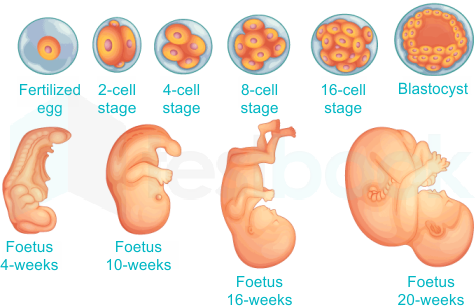
  • He cries and sucks at the time and sometimes the child doesn't even exhibit this behavior.
  • Only reflex actions are shown by the child at this stage which helps the child in his survival such as sucking which helps the child in breastfeeding.
  • Social behavior is seen as the child grows cognitively. It starts usually at the preoperational stage when the language development takes place.

Hence, it is concluded that Social behavior begins at birth is a false statement.

2

Jealousy is a ______ emotion.

  1. ((a))

    congenital

  2. ((b))

    excessive

  3. ((c))

    positive

  4. ((d))

    negative

Show Answer
Answer: ((d))

negative

Emotions influence our everyday behavior. Each one of us has experienced strong feelings that are associated with pleasant or negative experiences. Examples of emotion are feeling happy when enjoying a movie, getting embarrassed when we break a neighbor’s beautiful vase, or sadness after an argument with our best friend.

Key Points

  • Emotions are determined by the circumstance that triggers them.
  • Emotions are of two types: Positive and Negative emotions.
  • ​Positive emotions are emotions that we typically find pleasurable to experience such as Love, Joy, Satisfaction, Contentment, Interest, amusement, and Happiness.
  • Negative emotions are those that we typically do not find pleasurable to experience such as Fear, Anger, Disgust, Sadness, Rage, and jealousy.
  • In negative emotions, an attempt or intention to exclude is expressed. They are fueled by an underlying fear of the unknown, a fear of the actions of others, and a need to control them or stop them to avoid being harassed.
  • Jealousy is a kind of negative emotion that shows state of resentment, bitterness, or hostility toward someone because they have something that we don't have.
  • It is an unwanted feeling that we don't find pleasurable.

​Thus, it is concluded that Jealousy is a  negative emotion.

3

______ is one of the causes of foodborne diseases.

  1. ((a))

    contamination with microorganisms

  2. ((b))

    heating

  3. ((c))

    inflammation

  4. ((d))

    dysentery

Show Answer
Answer: ((a))

contamination with microorganisms

Concept:

  • Foodborne diseases are illnesses that result from the ingestion of contaminated food.
  • It can occur at any stage of the food production, delivery, and consumption chain.

Explanation:

Foodborne disease:

  • The most frequent causes of food poisoning are infectious organisms, such as bacteria, viruses, and parasites, or their toxins.
  • Constipation, nausea, vomiting, and diarrhoea are all possible signs of food poisoning.
  • Foodborne diseases are an important public health problem worldwide and have an important impact on travel, trade, and development.

Thus, contamination with microorganisms is one of the causes of foodborne diseases.

Important Points

Some common communicable diseases are:

Name of DiseaseMode of Spread
CholeraFood and water
TyphoidFood and water
Hepatitis (Jaundice)Food and water
Influenza (Flu)Air to air
Tuberculosis (T.B)Air to air
MalariaMosquito
TetanusBite or wound exposed to dust or Iron
PolioFood and water
Swine FluAir to Air
Small PoxAir to Air or body contact

 Additional InformationDysentery:

  • It is an infection of the intestine.
  • Dysentery is usually spread as a result of poor hygiene.
  • Dysentery is most often caused by shigella bacteria (shigellosis) or an amoeba.
  • In this disease, the main symptoms are diarrhoea with blood and mucus.

Inflammation:

  • Inflammation is an essential part of your body's healing process.
  • It occurs when inflammatory cells travel to the place of an injury or foreign body like bacteria.
  • Redness, swelling, and pain are some signs of inflammation.
4

Fungi like Mucor, Aspergillus and Ergot are common contaminants of _____ and _____.

  1. ((a))

    pork and beef

  2. ((b))

    tapeworm and ringworm

  3. ((c))

    bacteria and virus

  4. ((d))

    bread and cereals

Show Answer
Answer: ((d))

bread and cereals

Concept:

Fungi:

  • The fungi constitute a unique kingdom of heterotrophic organisms.
  • Some unicellular fungi, like yeast, are used to make bread and beer.
  • Other fungi cause diseases in plants and animals like wheat rust-causing Puccinia.
  • Reproduction in fungi can take place by vegetative means.
  • Fragmentation, fission, and budding are methods of reproduction in fungi.

Explanation:

Contaminants of bread and cereals:

  • In bread, product spoilage problems caused by fungal moulds occur after baking.
  • The most common fungi that affect **bakery products and cereals are Rhizopus, Aspergillus, Mucor, and Fusarium sp.
  • Fungi survive by taking nutrition from these food materials.
  • The moulds that create above these products are mainly colonies of fungal spores.
  • These fungi can travel through the air, and that's how they affect the food product.
  • Ergot is caused by the fungi known as Claviceps purpurea which develops into the grain of cereals.

Thus, fungi like Mucor, Aspergillus, and Ergot are common contaminants of bread and cereals.

Additional InformationRingworm:

  • Ringworm is a contagious fungal infection caused by common mould-like parasites that live on the cells in the outer layer of the skin.

Tapeworms:

  • Tapeworms are flatworms that can live in a person's digestive tract.

Bacteria:

  • Bacteria are small single-celled organisms.
  • They are found almost everywhere.

Virus:

  • A virus is an infectious microbe consisting of a segment of nucleic acid (either DNA or RNA) surrounded by a protein coat.
  • A virus cannot replicate alone; instead, it must infect cells and use components of the host cell to make copies of itself.
5

Wool almost loses its _______ strength when it gets wet.

  1. ((a))

    20 percent

  2. ((b))

    50 percent

  3. ((c))

    30 percent

  4. ((d))

    40 percent

Show Answer
Answer: ((d))

40 percent

Concept:

Wool: 

  • It is a natural animal fibre.
  • The fibre is made from sheep's and occasionally other animals' silky, hairy coats.
  • Wool is mostly produced by sheep, although it is also produced by goats, alpacas, and llamas.
  • In freshly shorn wool, lanolin and grease bind the fibres of the staple together.
  • When sheep are sheared, their wool falls off and resembles a blanket, also known as fleece.

Explanation:

20 percent: 

  • The fibres of wool become weaker when it gets wet.
  • When wet, the wool loses roughly 40% of its tensile strength.
  • The fibre is semi-permeable due to tiny pores in the epicuticle, which allow vapour to travel through to the fibre's core.
  • Wool can readily absorb moisture up to 30% of its weight without feeling soggy or clammy.
  • The strength of the yarn will increase with the length of the fibre.

Thus, wool almost loses its 40% strength when it gets wet.

Additional InformationSilk: 

  • One of the strongest natural fibres is silk.
  • However, it loses up to 20% of its strength when it gets wet.

Cotton: 

  • Cotton is a strong cellulosic fibre,
  • its wet strength is 20% greater when wet than dry strength.

Viscose Rayon:

  • A man-made fibre made of cellulose artificially is known as viscose rayon.
  • It becomes 50 to 70 percent weaker when wet.
  • It is likely to tear when wet.
6

______ fibers give the smell of burning hair.

  1. ((a))

    flax

  2. ((b))

    protein

  3. ((c))

    nylon

  4. ((d))

    rayon

Show Answer
Answer: ((b))

protein

Concept:

Natural fibres:

  • Natural fibres made of cellulose or plant matter can be obtained from almost every part of the plant such as the root, stem or shoot, leaf, fruit and bark from many tree species.
  • Fibre can be extracted from a leaf which is fibrous, pliable, strong and green.

Explanation:

Protein:

  • Proteins are polypeptides.
  • It is called the building block of our body.
  • They are linear chains of amino acids linked by peptide bonds.
  • Each protein is a polymer of amino acids.
  • We obtain proteins from animal as well as vegetable sources.
  • Some natural fibres that contain the protein are silk, wool, cotton etc.
  • In the case of silk, it is made up of 2 proteins namely fibroin and Sericine.
  • So when we burn this natural fibre actually we burn the protein molecules and its smells like human hair burns.

Thus, protein fibres give the smell of burning hair.

Additional InformationFlax:

  • It is a plant with natural fibre.
  • The bast of the flax plant's stem, which is found beneath the surface, is harvested for its fibre.
  • Flax fibre is soft, glossy, and flexible.

Nylon:

  • Nylon is man-made fibre.
  • It was prepared from coal, water and air.
  • It was the first fully synthetic fibre.
  • Nylon fibre was strong, elastic and light.
  • Nylon burned slowly or melts without burning.
  • Its smells like burning celery.

Rayon:

  • Rayon is called artificial silk.
  • Rayon is obtained from a natural source**, wood pulp,** which is a man-made fibre.
  • When it burns it smells like paper burning.
7

A bundle of yarn, 840 yards in length is known as _______.

  1. ((a))

    hank

  2. ((b))

    pound

  3. ((c))

    number one

  4. ((d))

    count to

Show Answer
Answer: ((a))

hank

Concept: 

Yarn:

  • It is a continuous strand of staple or filament fibres.
  • These fibres are arranged in a way that is useful for knitting, weaving, or other fabric assembly processes.
  • A yarn is a textile item with a significant length and comparatively tiny cross section made of filaments without twist and/or fibres with twist.

Explanation:

Hank:

  • Hank is a unit of measurement used in the textile industry.
  • It describe a length of yarn or a loose collection of fibres that together form a single strand,
  • It varies depending on the origin of the fibre.
  • A hank is 840 yards long made of spun cotton or short strands of discarded silk.
  • 300 yards make up a hank of linen.
  • A hank of worsted yarn, which is created from combed fibre, has 560 yards in it.

Thus, a bundle of yarn, 840 yards in length is known as hank.

Additional Information

 Pound:

  • The pound  is a non-metric unit of mass used in the imperial and common systems of measurement in the United States.
  • There are 16 ounces in one pound.
8

The plain fiber made of yarn is:

  1. ((a))

    chiffon

  2. ((b))

    creep

  3. ((c))

    calico

  4. ((d))

    georgette

Show Answer
Answer: ((c))

calico

Concept: 

Fabric: 

  • Plain weave is the simplest and most fundamental of the three main textile weaves.
  • It is frequently referred to as tabby weave.
  • Each filler yarn in each row is passed over and under each warp yarn to weave a high number of intersections.
  • Plain-weave fabrics with no printing or surface treatment have no right or wrong side.
  • They do not easily ravel and are less absorbent than other weaves, but they do have a tendency to wrinkle.

Explanation:

Calico: 

  • The fibres used to create calico fabric are half-processed and unbleached cotton fibres.
  • It is a rough, gritty fabric that is neither as fine nor as durable as Muslin or denim.
  • The cloth frequently has visible cotton seed flecks due to its incomplete state.
  • It typically has a cream or greyish finish, which makes it the ideal substrate for dyeing or printing.
  • The plain weave is used to make calico fabric.
  • It involves the longitudinal (weft) yarns flowing over and under the transverse (warp) yarns alternately in each row.

Thus, the plain fabric made of yarn is calico. 

Premium Photo | Unbleached calico cotton textile texture fabric background.

Additional Information

WeaveDescription
Chiffon- The chiffon weaving method produces a thin, plain-woven fabric with a delicate gloss. - The chiffon weave causes tiny puckers that give the fabric a slightly scratchy sense to the touch. - Crepe yarns with the s-twist and z-twist twists, which are twisted counterclockwise, are used to create these puckers. - The yarns are then knitted in a straightforward weave using a single weft thread that crosses over and under a single warp thread. - A few examples of the synthetic and natural textile types that can be utilised to weave sheer fabric include silk, nylon, rayon, and polyester.
Crepe- Fabric with a crinkled surface texture is called crepe. - It is possible to produce this puckered, gauze-like cotton fabric by embossing, utilising textured yarns, high twist yarns, unique weaves, or chemical processes. - It is typically created on a jacquard or dobby loom.
Georgette- Georgette is constructed from tightly twisted yarns and was originally produced from silk. - S- and Z-twist yarns alternated in the warp and weft give it its distinctive crinkly surface. - Georgette made of silk is rather fragile, although versions made of synthetic fibres may be more resistant to tearing. - The fabric is springier and less glossy than the closely related chiffon due to to the crepe type S- and Z- twist weave.
9

The grading of food based on the postprandial blood glucose response compared with the referenced food is called a ______ sign.

  1. ((a))

    fruit

  2. ((b))

    vegetation

  3. ((c))

    milk

  4. ((d))

    gycemic

Show Answer
Answer: ((d))

gycemic

Concept:

Postprandial blood glucose:

  • The glucose content in your blood in the two to four hours following a meal is known as postprandial blood sugar.
  • Your body attempts to keep the level of glucose in your blood constant by storing or burning any surplus and producing additional amounts (or drawing on reserves) as necessary.
  • Lower than 140 mg/dL of postprandial blood sugar is regarded as normal.
  • You may have prediabetes if your levels are between 140 and 199 mg/dL.
  • You may have diabetes if your reading is 200 mg/dL or above.

Explanation:

Glycemic:

  • The glycemic index (GI) assesses carbohydrates-rich foods according to how much they boost blood sugar levels.
  • In order to make better meal choices, people might utilise the glycemic index in combination with other diet strategies like calorie or carb counting.
  • The value is determined by comparing how much a dietary item elevates blood sugar levels to how much pure glucose raises blood sugar.
  • GI levels are often broken down into three groups: 
  • Low: 1 to 55
  • Medium: 56 to 69
  • High: 70 or more

Thus, the grading of food based on the postprandial blood glucose response compared with the referenced food is called a glycemic sign.

Additional InformationGlycemic Load:

  • A food's glycemic load (GL) is a measurement of how much it will increase a person's blood sugar levels after consumption.
  • The impact of consuming one gram of glucose is roughly approximated by one unit of glycemic load.
10

The Co-operative American Relief Everywhere (CARE) was established in 1945 to provide help to the survivors of ______.

  1. ((a))

    first world war

  2. ((b))

    cold war

  3. ((c))

    second world war

  4. ((d))

    kargil war

Show Answer
Answer: ((c))

second world war

Concept:

Emergency relief organizations :

  • These are social welfare organization that helps people in their need, especially during digester condition.
  • They provide essential emergency services to families, individuals and communities.
  • Examples are Direct relief, World vision international, Give India, World food programme, Save the Children etc.

Explanation:

CARE (Co-operative American Relief Everywhere):

  • A significant international humanitarian organisation provides both short-term emergency relief and long-term international development projects.
  • Founded in 1945, CARE is an independent, nonsectarian organisation.
  • Twenty-two U.S. charities, including civic, religious, cooperative, farm, and labour organisations, formed CARE in the beginning with the goal of supplying food aid to Europe in the years following World War II.
  • It is one of the biggest and most established humanitarian aid organisations dedicated to eradicating poverty worldwide.
  • The wide range of issues that CARE's programmes in developing countries tackle include emergency response, food security, water and sanitation, economic development, climate change, agriculture, education, and health.

Thus, the Co-operative American Relief Everywhere (CARE) was established in 1945 to provide help to the survivors of the second world war.

Additional Information

World war I:

  • ​The world war was an international conflict that started in Europe.
  • The First World War began in 1914 and lasted until 1918.
  • It resulted in an estimated nine million combatant deaths and thirteen million civilian fatalities.

​Cold war:

  • After World War II, the United States and the Soviet Union and their allies began to engage in an ongoing political conflict, called the Cold War.

Kargil war:

  • The Kargil War, also referred to as the Kargil conflict, was an armed conflict that took place between India and Pakistan in the Kargil district of Jammu and Kashmir.
  • Date: 3 May – 26 July 1999.
11

The yarn is ready for spinning in the ______ stage.

  1. ((a))

    carding

  2. ((b))

    balling

  3. ((c))

    slivering

  4. ((d))

    combing

Show Answer
Answer: ((c))

slivering

Concept:

Yarn:

  • A continuous strand of staple or filament fibres arranged in a way that is ideal for knitting, weaving, or other fabric assembly processes is known as yarn.
  • A yarn is a textile item with a significant length and a relatively small cross-section made of filaments with or without twist.
  • To add value or improve the appearance, the yarn can be twisted with one or more other yarns.
  • Staple fibres, or yarns made of them, are fibres with a limited length.
  • Continuous fibres are used to produce filament yarns.

Explanation:

Slivering:

  • A sliver is a length of fibre typically used to make yarn.
  • Sliver is a loose, soft, untwisted rope-like strand of textile fibre with a generally consistent thickness that is used in the manufacturing of yarn.
  • It is created by the carding procedure, which separates unprocessed fibres to get them ready for spinning.
  • In this process of carding or combing, fibres are pulled into extensive strips where the fibres are parallel, producing a sliver.
  • Sliver becomes roving when it is drawn out longer and given a small twist.

Thus, the yarn is ready for spinning in the slivering stage.

Additional Information

Yarn Processing StagesDescription
Carding- Carding is a method of separating individual fibres used in the manufacture of textiles. - It allows many of the fibres to lie parallel to one another and removes the majority of the residual contaminants.
Bailing- Bales of the fibre are firmly compressed and fastened with wires, hoops, and ropes. - Baling is done with regard to plant fibres immediately before the processed fibre is delivered to mills.
Combing- When the fibres are combed, the short fibres are cut out and the fibres are arranged in a flat bundle. - Each fibre points in the same direction. - Worsted yarn is frequently spun with this preparation.
12

The property of woolen fibers to become interlocked is called _______.

  1. ((a))

    felting

  2. ((b))

    structure

  3. ((c))

    shrink

  4. ((d))

    keratin

Show Answer
Answer: ((a))

felting

Concept:

Wool: 

  • Wool is a natural animal fibre made from the hair of sheep and various other animals, including goats, camels, alpacas, and others.
  • The fibre of wool is made of a type of protein called keratin.
  • When woven into fabrics, wool naturally possesses a crimp that is used to define its waviness.
  • Wool's natural bulkiness holds onto air, which contributes to its insulative properties, and are boosted by its crimp.
  • A woollen clothing is more insulative the more crimp it has.
  • More crimp can be found in some types of wool than others.

Explanation:

Felting:

  • Felting is the accumulation of particular fibrous materials using heat, moisture, and mechanical action to create the interlocking of fibres.
  • These fibres include fur, wool, and certain hair fibres that, due to their unusual structure and high degree of crimp, mat together under the right circumstances.
  • Even when blended with other fibres, wool can be felt.
  • Felts are produced without the use of an adhesive, in contrast to bonded fabrics.

Thus, the property of woolen fibers to become interlocked is called felting.

Additional Information

Structure:

  • The cuticle cells on the surface of wool fibres give them a special surface structure.
  • The fibre is anchored in the sheep's skin by the cuticle cells.
  • The cortex, which makes up the inside of the wool fibre, is formed of long, tapering cells that overlap and are encircled by the cell membrane complex (CMC).
  • The CMC is a network of waxy lipids and proteins that runs throughout the fibre.

Shrink: 

  • Scales of protein create wool fibres.
  • Heat and motion cause the scales to increase and rub against one another, which draws the fibres closer together.
  • The wool shrinks more as the fibres get closer together.
  • Wool shrinkage is usually between 20 and 50%

Keratin:

  • Hard alpha-keratins, a class of proteins, make up the majority of wool fibre.
  • These have a lot of sulphur, which is consistent with a lot of cysteine, an amino acid, in them.
13

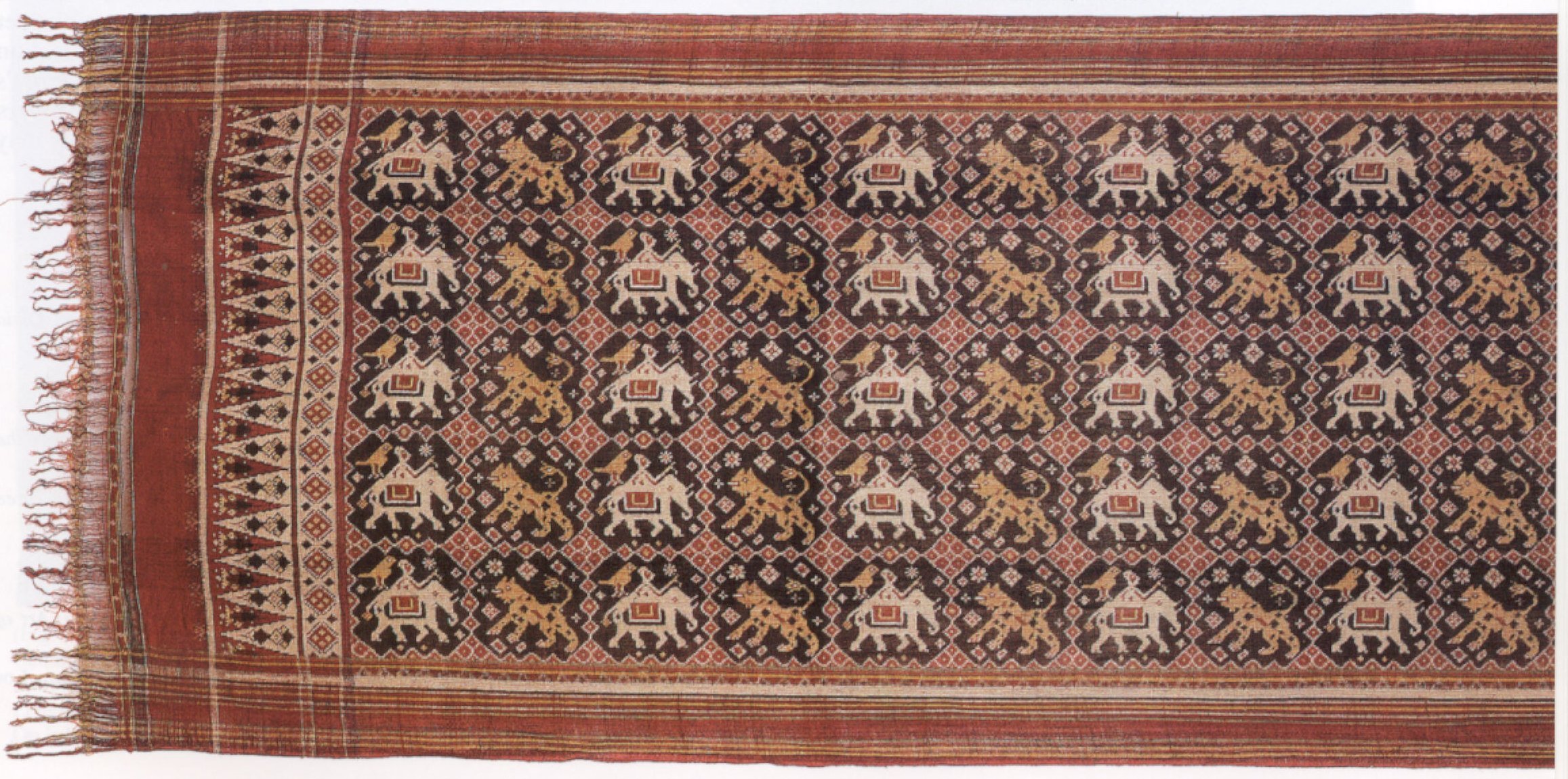
Dhaka muslin with woven pattern is known as _______.

  1. ((a))

    jamdani

  2. ((b))

    chanderi

  3. ((c))

    baluchar

  4. ((d))

    buti

Show Answer
Answer: ((a))

jamdani

Concept:

Muslin:

  • A loosely woven cotton cloth is called muslin.
  • A single weft thread alternates over and under a single warp thread which is known as the plain weave technique.
  • It is produced in a variety of weights, from fine sheers to thick sheeting.
  • Its name comes from the Iraqi city of Mosul, where it was initially produced.
  • The best muslins were thought to be made in Bengal's Dacca in the 17th and 18th century.

Dhaka Muslin: 

  • Dhaka is known for its fine and delicate thread.
  • The Dhaka muslin was the attire of the emperors, and it was worn not just by the Mughals but also by Marie Antoinette, the French queen.
  • It was referred to as 'woven air' by some and as the 'skin of the moon' by others.

Explanation:

Jamdari:

  • Fine muslin cloth called jamdani is handmade from cotton.
  • Jamdani was first referred to as Dhakai (Daccai), taking its name from the city of Dhaka (Dacca).
  • As Persian was the court tongue of the Mughals, the term Jamdani became widely used during the Mughal Empire.
  • Jamdanis are most commonly referred to as Dhakai Jamdani or just Dhakai.
  • Additional weft technology is used throughout the weaving process to use the weft to produce creative motifs.
  • Contrary to previous design techniques, the necessary designs are not scribbled onto the fabric.
  • It is instead drawn on graph paper and used as a guide beneath the fabric.
  • Typically, jamdani woven cloth is white or grey, perhaps with a touch of gold.
  • The finished product is so light that it practically disappears on the skin.

Thus, dhaka muslin with woven pattern is known as jamdani. 

Additional InformationChanderi:

  • The term Chanderi was given to the traditional ethnic fabric because it originated in the Madhya Pradesh town of Chanderi.
  • The ethnic weavers created the traditional sarees by hand from silk and cotton with delicate zari decorations.
  • The fabric is known for its light weight and opulent appearance.

Baluchar: 

  • A style of silk brocade sari made in the Murshidabad district of West Bengal in the 18th and 19th centuries.
  • It  was created with additional weft motifs including diagonal rows of small flowers worked on the central field and using the same technique, vivid images of aristocrats, soldiers, ships, and carriages on the endpieces.
14

______ is the center of origin of Chikankari art.

  1. ((a))

    Delhi

  2. ((b))

    Bombay

  3. ((c))

    Goa

  4. ((d))

    Lucknow

Show Answer
Answer: ((d))

Lucknow

Explanation:

Chikankari art:

  • Chikan directly means embroidery or thread or wire.
  • Chikankari is the name of the process used to create chikan works.
  • This is the royal art from Lucknow, India.
  • Currently, Lucknow is the centre of the Chikankari industry, and this type is referred to as Lucknawi chikan.
  • The Mughals are credited with introducing this art genre.
  • It can be done on a range of textiles, including muslin, silk, chiffon, organza, and net.
  • Chikan is a delicate and artistically executed hand embroidery.

Thus, Lucknow is the centre of origin of Chikankari art.

designing life: Chikankari, not just an embroidery! | Indian embroidery,  Embroidery patterns, Embroidery art

15

Questionnaires are one of the investigative forms for collecting information in research in child studies.

  1. ((a))

    truth

  2. ((b))

    false

  3. ((c))

    not related

  4. ((d))

    controversial

Show Answer
Answer: ((a))

truth

Data collection is an important step of an investigation that consists of various methods through which we obtain different types of data.

Key Points

  • Questionnaires are one of the investigative forms for collecting information in research in child studies.
  • A questionnaire consists of a large number of questions arranged under different headings and covers the research topic which is being studied by the researcher.
  • These questions are then sent or read out to the respondent (sample chosen for the study) and the questionnaire is filled in by the researcher or by the respondents themselves. These responses are then subjected to analysis and the results obtained are tabulated.
  • It includes specific questions with the goal to understand a topic from the respondents' point of view.
  • It typically has closed-ended, open-ended, short-form, and long-form questions.
  • It is a more feasible and efficient research method than in-depth interviews and a lot cheaper to conduct.
  • The questionnaire is the most popular method of personality assessment. It is a technique of personality measurement where the source of data is the subject himself/herself.

Hence, it is concluded that Questionnaires are one of the investigative forms for collecting information in research in child studies is truth.

Additional Information The different methods of data collection are :

  • Interview Method
  • Questionnaire and Surveys
  • Focus Groups
  • Direct Observation
  • Documents (Document Review)
16

______ is the name given to that behavior, when repeated, becomes automatic.

  1. ((a))

    Work schedule

  2. ((b))

    Insistence

  3. ((c))

    Motion

  4. ((d))

    Habit

Show Answer
Answer: ((d))

Habit

The variety of actions and etiquette displayed by persons, creatures, systems, or artificial things in a given environment is referred to as behavior.

Key Points

  • Habit is a straightforward learning method that involves changing behavior over time.
  • According to its definition, it is "an automatic reaction to a particular event, acquired generally as a result of repetition and learning."
  • In simple words, a routine of conduct that is routinely practiced and frequently happens unconsciously is referred to as a habit.
  • Habit refers to a behavior that has been so ingrained that it is largely automatic. In most cases, the habit doesn't need our conscious attention.
  • Habit formation is the process through which behavior is made automatic or habitual through repeated exposure.

Hence, we can conclude that habit is the name given to that behavior, when repeated, becomes automatic.

17

Each kidney is made up of one lakh functional units called _______.

  1. ((a))

    neutron

  2. ((b))

    nephron

  3. ((c))

    acid

  4. ((d))

    drugs

Show Answer
Answer: ((b))

nephron

Concept:

Kidney:

  • In humans, the excretory system consists of one pair of kidneys.
  • Kidneys are reddish-brown, bean-shaped structures.
  • It is situated between the levels of the last thoracic and third lumbar vertebra close to the dorsal inner wall of the abdominal cavity.
  • Each kidney of an adult human measures 10-12 cm in length, 5-7 cm in width, and 2-3 cm in thickness with.
  • The average weight of a kidney is 120- 170 g.
  • The kidneys filter waste and excess fluid from the blood.

Explanation:

Nephron:

  • Each kidney has nearly one lakh complex tubular structures called nephrons, which are the functional units of the kidney.
  • Each nephron has two parts the glomerulus and the renal tubule.
  • The glomerulus is a tuft of capillaries formed by the afferent arteriole a fine branch of the renal artery.
  • Blood from the glomerulus is carried away by an efferent arteriole.
  • The renal tubule begins with a double-walled cup-like structure called Bowman’s capsule, which encloses the glomerulus.
  • A hairpin-shaped Henle’s loop is the next part of the nephron tubule.
  • After distal convoluted tubule nephrons open into a straight tube called a collecting duct.

Thus, each kidney is made up of one lakh functional units called nephrons.

Nephrotic Syndrome in Adults | NIDDK

18

Dialysis is a procedure that can replace some of the normal functions of _______.

  1. ((a))

    eyes

  2. ((b))

    lungs

  3. ((c))

    heart

  4. ((d))

    kidney

Show Answer
Answer: ((d))

kidney

Concept:

Dialysis:

  • Dialysis is a procedure to remove waste products and excess fluid from the blood when the kidneys stop working properly.

Explanation:

Kidney:

  • In humans, the excretory system consists of one pair of kidneys.
  • Kidneys are reddish-brown, bean-shaped structures.
  • It is situated between the levels of the last thoracic and third lumbar vertebra close to the dorsal inner wall of the abdominal cavity.

Important Points

Dialysis process:

  • This process is sometimes known as an artificial kidney.
  • It often involves diverting blood to a machine to be cleaned.
  • Blood is drawn from the body by a machine, which then filters it through an artificial kidney called a dialyzer before reintroducing it to the system.
  • The dialysis facility does dialysis three times per week.

Thus, dialysis is a procedure that can replace some of the normal functions of the kidney.

AStepAway - New Search Experience | Kidney dialysis, Dialysis, Peritoneal  dialysis

Additional InformationEyes:

  • The human eye is one of the important sensory organs of the human body.
  • The eyeball acts as a camera, and the image of the objects received by the eyes is conducted to the brain.
  • The eyes are seated in a hollow cone-shaped cavity of the human skull named orbit.

Lungs:

  • Lungs are part of the respiratory system.
  • Humans have two lungs which are covered by a double-layered pleura.
  • The lungs are situated in the thoracic chamber which is anatomically an air-tight chamber.

Heart:

  • The heart is a part of the circulatory system of the body.
  • The main function of the heart is to move blood throughout your body.
  • It is situated in the thoracic cavity, in between the two lungs, slightly tilted to the left.
19

Rabies is also known as _______.

  1. ((a))

    extreme phobia

  2. ((b))

    hydrophobia

  3. ((c))

    anemophobia

  4. ((d))

    claustrophobia

Show Answer
Answer: ((b))

hydrophobia

Concept:

  • Hydrophobia is an extreme dread or fear of water.
  • It is associated with painful involuntary throat spasms from rabies infection.

Explanation:

Rabies or hydrophobia:

  • Hydrophobia is the historic name of rabies.
  • It is a viral disease caused by Rabies lyssavirus.
  • It infects the brain.
  • People were exposed to this fatal virus through the saliva of infected animals.
  • Animal bites, such as those from stray dogs, are the most common way that rabies is spread.
  • Fever, headaches, excessive salivation, muscle spasms, paralysis, and confusion are some symptoms.
  • It can be prevented by the administration of a vaccine.

Thus, Rabies is also known as hydrophobia.

Additional InformationAnemophobia:

  • Anemophobia or acrophobia is a phobia related to air.
  • In this phobia, people fear drafts, gusty wind, and sometimes fear swallowing wind.

Claustrophobia:

  • It is fear of enclosed places.
  • This phobia is triggered by tunnels, elevators, airplanes, etc.
20

The first three months of pregnancy are called ______ trimesters.

  1. ((a))

    first

  2. ((b))

    initial

  3. ((c))

    third

  4. ((d))

    last

Show Answer
Answer: ((a))

first

Concept:

Pregnancy:

  • The period during which a fetus develops inside a woman's womb or uterus is known as pregnancy.
  • When counting from the last menstrual cycle through delivery, a pregnancy typically lasts about 40 weeks or just over 9 months.
  • Pregnancy is divided into three trimesters, as described by healthcare professionals.

Explanation:

First trimesters:

  • The first trimester lasts from week one to week twelve.
  • The fetus grows from a fertilised ovum to about 6 cm long at 12 weeks during the first trimester.
  • The baby's heart begins to beat around the end of the first trimester.
  • The brain, stomach, and intestines are grown during this time as well.

Thus, the first three months of pregnancy are called the first trimesters.

Additional InformationSecond trimester:

  • From week 13 through the end of week 26, the second trimester is comprised.
  • The developing foetus kicks moves and has the ability to turn.
  • The ears have shifted from the neck to the sides of the head, and the eyes have progressively moved to the front of the face.

Third trimester:

  • Week 27 of the pregnancy till the end of the third trimester.
  • The lungs are still developing, and the foetus is moving toward a head-down position.
  • The foetus is roughly 19 to 21 inches long and weighs 6 to 9 pounds on average at the end of the third trimester.
21

______ is one of the world's largest and most amazing Beyond Borders programs for early childhood care and development.  

  1. ((a))

    N.I.N.

  2. ((b))

    I.C.M.R.

  3. ((c))

    I.C.D.S.

  4. ((d))

    W.H.O.

Show Answer
Answer: ((c))

I.C.D.S.

Integrated Child Development Services (ICDS), globally considered one of the world's largest and most unique community-based outreach systems for promoting early childhood care for survival, growth, and development, has covered many milestones since its inception in 1975.

Key Points

  • The ICDS programme is primarily a child welfare programme. It is the foremost symbol of the country’s commitment to its children and nursing mothers, as a response to the challenge of providing pre-school non-formal education on one hand and breaking the vicious cycle of malnutrition, morbidity, etc.

 The Major objectives of the program are as under:

  • Lay the foundation for the proper psychological, physical and social development of the child;
  • Improve the nutritional and health status of children below the age of six years;
  • •Reduce the incidence of mortality, morbidity, malnutrition, and school dropouts;
  • Achieve effective coordination of policy and implementation among various departments to promote child development;
  • Enhance the capability of the mother to look after the normal health, nutrition, and developmental needs of the child through proper community education.

Hence, it is concluded that ICDS is one of the world's most extensive and outstanding Beyond Borders programs for early childhood care and development.

Additional Information

  • NIN - National Institute of Nutrition
  • ICMR - Indian Council of Medical Research
  • WHO - World Health Organization

All the above are institutions.

22

Education does not mean telling people what they do not know. Education means teaching them to behave in a way they don't - who said that?

  1. ((a))

    Kelsey L.D.

  2. ((b))

    P. R. R. Sinha

  3. ((c))

    John Dewey

  4. ((d))

    Ruskin

Show Answer
Answer: ((d))

Ruskin

Education does not mean telling people what they do not know. Education means teaching them to behave in a way they don't  - John Ruskin. 

  • John Ruskin was an English writer, philosopher, art critic, and polymath of the Victorian era.
  • He wrote books on various subjects such as architecture, literature, botany, geology, political economy, and education.

Key Points Implications of Ruskin's Philosophy are -

  • Upholding the dignity of man, stressed that whatever hurts must be relentlessly rejected.
  • He thought that political economy took no account of the spirit of man and it concentrated on the material aspect of human welfare.
  • Attacked the mammon worship in society.
  • Thought that riches were a power like that of electricity, acting through inequalities or negations of itself. attach primary importance to education in their constructive programs.
  • Education is the discipline of the inherent instinct of man.
  • Took into consideration the child’s essential nature and emphasized that education must begin with the child.
  • Regarded individual taste, national character, and all those things which arose from the national character as reflections of home life.

Hence, it is concluded that John Ruskin is the correct answer.

23

Designed to encourage the free introduction of _______. 

  1. ((a))

    buzz session

  2. ((b))

    brain churn

  3. ((c))

    seminar

  4. ((d))

    conference

Show Answer
Answer: ((b))

brain churn

Small group techniques are the means or methods used in group situations to bring about group activities.  There are time-tested techniques like lecture, debate, forum, dialogue, symposium, brainstorming, etc through which group actions may be accomplished.

Key Points

  • There are different methods to activate the production of ideas by the human mind. These are known as brain churns.
  • It refers to the rapid generation of ideas, initially not critical, and evaluated about a topic or concern in a given period.
  • The riddles and puzzles are good examples of brain churns.
  • The Hanoi Tower is a very good example of brain churn developed in Singapore.
  • Brain churns are designed to encourage the free introduction of ideas on an unrestricted basis and without any limitations to feasibility.

Thus, it is concluded that Designed to encourage the free introduction of brain churn.

Additional Information

  • Buzz session:- With large groups when there is limited time for discussion, the audience may be divided into smaller units for a short period. This is called a buzz session.
  • Seminar:- It is one of the most important forms of group discussion and is more formal in nature. The seminar enables a study in depth to be made in specific areas under the guidance of experts.
  • Conference:- Pooling of experiences and opinions among a group of people who have special qualifications in an area.
24

______ is a visual teaching with pieces of flannel felt on a sandpaper.

  1. ((a))

    chalkboard

  2. ((b))

    flannel graph

  3. ((c))

    photograph

  4. ((d))

    painting

Show Answer
Answer: ((b))

flannel graph

Visual aids refer to the aids which maximize learning with the help of the visual system. It activates the sense of vision to enrich learners' knowledge and for heightening their intellectual abilities. They include graphic aids, display boards, print material, charts, blackboards, maps, flashcards, flannel graphs, etc.

Key Points

  • The flannel graph is a visual teaching aid with pieces of flannel felt on sandpaper.
  • It can be used for displaying various objects such as pictures, magazines or newspaper “cutouts”, graphs drawings, textbook material, and illustrations.
  • Flannel board, also known as felt board, consists of a stiff backing covered with felt material on one side. Flannelgraph is any graphic material presented on a flannel board.

Advantages of flannel graphs

  • Flannel graphs have the capacity to build up the story step-by-step.
  • Flannel graphs can create suspense.
  • One can place interesting pieces on the board and keep the audience wondering how the story will end.

Thus, it is concluded that flannel graph is a visual teaching aid with pieces of flannel felt on sandpaper.

Hint

  • ​Chalkboard: It is a board on which the teacher writes using chalk.
  • Photograph: It is also a kind of visual aid that has a still image on it.
  • Painting: It is a picture created by putting paint on a surface, or the activity or skill of creating pictures by using paint.​
25

The groups in which the membership role resides or there is some procedure for selecting the office bearer are known as _______ groups.

  1. ((a))

    informal

  2. ((b))

    formal

  3. ((c))

    local

  4. ((d))

    structural

Show Answer
Answer: ((b))

formal

Everyone knows what a group is in general. When two persons or more come together and interact at one place it may be called a group. The group may be defined in various ways.

  • By group, we mean any collection of social beings who enter into distinctive social relationships with one another.” It is clear that there must be social relationships between the individual members of a group

Key Points

 The two main types of groups are formal and informal groups.

  • Formal group: It is generally formed on the basis of specific norms, rules, and values.​
  • A formal group is deliberately created by an organization to achieve an objective.
  • It has a membership role and there is some procedure for selecting the office bearer.
  • It has structure, an operating procedure, and is led by a leader.
  • Formal groups are formed by individuals when they communicate with one another. These groups are not created by organizations and work democratically.​​​

​Thus, it is concluded that the groups in which the membership role resides or there is some procedure for selecting the office bearer are known as formal groups.

Additional Information

  • Informal group: The nature of the group is not formed at all. The rules are usually flexible. Playgroups, peer groups, social clubs, etc. are examples of informal groups.
26

Avoid large figure designs, if you are ______.

  1. ((a))

    weak

  2. ((b))

    lean

  3. ((c))

    thin

  4. ((d))

    gross body

Show Answer
Answer: ((d))

gross body

Concept:

  • Our clothes are recognized as “the second skin.
  • They cover our body and protect it from adverse climatic conditions.
  • Clothes enhance our personality.
  • A well-fitted dress, worn according to the occasion and time speaks a lot about the person’s habits, taste, social status, behaviour and many other traits.
  • The clothes that you choose to buy and wear are influenced by several factors such as climate, age, occasion, activity, and occupation.
  • Certain specialized activities require special apparel for example special overalls are worn in the laboratory, during mixing chemicals for pest control by people or by those who work in nuclear power plants.

Explanation:

  • In buying a readymade dress, it is important to look at the fit, design, price, and care and maintenance required before buying it.
  • The design of any item is guided by four important elements: basic style line, shape form, colour, and texture or the type of fabric.
  • The size and position of motifs or prints in a dress are in proportion to the size of the wearer.
  • The equal division makes a person look shorter and wider.
  • Large figure designs highlight body proportions and should be avoided if you have a gross body.
  • The unequal horizontal division makes a person look slimmer.

Thus, avoid large figure designs, if you are the gross body.

27

Antibiotics are also called _______.

  1. ((a))

    toxic

  2. ((b))

    fat

  3. ((c))

    immunoglobulins

  4. ((d))

    carbohydrate

Show Answer
Answer: ((c))

immunoglobulins

Concept:

  • Antibiotics are medicines that fight bacterial infections in people and animals.
  • They work by killing the bacteria or by making it hard for the bacteria to grow and multiply.

Explanation:

Antibiotics:

  • Antibiotics are produced by microbes.
  • It is also called immunoglobulins.
  • Anti is a Greek word that means ‘against’, and bio means ‘life’, together they mean ‘against life’.
  • Antibiotics are chemical substances, which are produced to kill or retard the growth of other (disease-causing) microbes.

Thus, antibiotics are also called immunoglobulins.

Additional Information Fat:

  • Fats and oils are concentrated sources of energy.
  • Fats are substances that our body stores for future use.
  • These are classified as simple lipids, compound lipids, and derived lipids.
  • Fats may be obtained from animal or vegetable sources.
  • When one gram of fat burns it gives us 9 k. cal of energy.

Carbohydrate:

  • Carbohydrates are the main source of energy for our bodies.
  • There are three major categories of carbohydrates, starch, sugar, and cellulose.
  • Our body breaks down sugar and starch into glucose to provide energy.
28

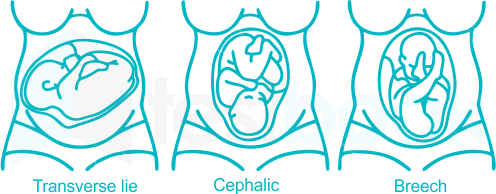
In the fetus, the buttocks come first, then the legs and arms and finally the head. This is the situation:

  1. ((a))

    breech birth

  2. ((b))

    device birth

  3. ((c))

    natural birth

  4. ((d))

    immediate birth

Show Answer
Answer: ((a))

breech birth

Concept:

  • Fetal presentation refers to the part of the baby that is overlying the maternal pelvis.
  • Fetal lie refers to the relationship between the longitudinal axis of the baby with respect to the longitudinal axis of the mother.
  • It is of three types: longitudinal lie, transverse lie, and oblique lie.

Explanation:

Breech birth:

  • A breech presentation occurs when the baby’s buttocks, feet, or both are positioned to come out first during birth.
  • This happens in 3–4% of full-term births.
  • There are three types of breech presentations: complete, incomplete, and frank.
  • The complete breech is when both of the baby's knees are bent and his feet and bottom are closest to the birth canal.
  • The incomplete breech is when one of the baby's knees is bent and his foot and bottom are closest to the birth canal.
  • Frank breech is when the baby's legs are folded flat up against his head and his bottom is closest to the birth canal.

Thus, in the fetus, the buttocks come first, then the legs and arms, and finally the head. This is situation is called a breech birth.

See the source image

Additional Information

  • Natural birth is giving birth using no medicines at all, instead using techniques such as relaxation and controlled breathing for pain.
29

The amount of energy required by the body at rest is:

  1. ((a))

    basic metabolism

  2. ((b))

    calories

  3. ((c))

    joule

  4. ((d))

    calorimetry

Show Answer
Answer: ((a))

basic metabolism

Concept:

  • The rate at which an endothermic animal expends energy per unit of time while at rest is known as the Basal Metabolism Rate (BMR).

Explanation:

Basal Metabolism Rate (BMR):

  • BMR involves breathing, blood flow, controlling body temperature, cell formation, nerve and brain function, and muscular contraction.
  • The BMR has an impact on how quickly someone burns calories and, ultimately, whether they gain or lose weight.

Thus, the amount of energy required by the body at rest is basic metabolism.

Additional InformationCalories:

  • A unit of energy is called calories.
  • Calories are also defined as, raising the temperature of 1 gram of water by 1 degree celsius, the amount of heat needed.

Joule:

  • In the SI unit, a joule is equal to the work done by force, acting through 1 meter of 1 newton.

Calorimetry:

  • Calorimetry means the measurement of heat.
  • A device in which heat measurement can be done is called a calorimeter.
  • Food calorimetry determines the number of calories present per gram of food.
30

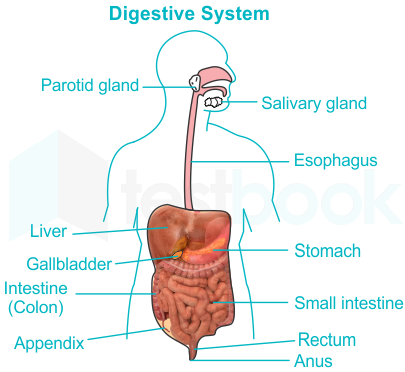
Bulk foods play a useful role in stimulating the movement of the large intestine.

  1. ((a))

    truth

  2. ((b))

    false

  3. ((c))

    controversial

  4. ((d))

    not related

Show Answer
Answer: ((a))

truth

Concept:

Large intestine:

  • The large intestine is a part of the digestive system.
  • The undigested and unabsorbed substances are passed on to the large intestine.
  • No significant digestive activity occurs in the large intestine.
  • The functions of the large intestine are:
  • Absorption of some water, minerals and certain drugs.
  • Secretion of mucus helps in adhering the waste particles together and lubricating it for an easy passage.

Explanation:

Bulk food:

  • Food products provided in big amounts are known as bulk foods.
  • Many whole grains, including whole wheat, wheat bran, barley, and rye, contain high levels of bulk-forming insoluble fibre.
  • Vegetables, especially corn, kale, broccoli, and carrots, are other good sources of insoluble fibre.
  • Fibre helps with colonic lubrication and transit by adding weight to the stool.
  • It is healthy for the digestive system.
  • Fibre helps pass the waste material large intestine to the rectum.

Thus, this statement that bulk foods play a useful role in stimulating the movement of the large intestine is true.

31

Amino acids which cannot be synthesized by the body are called ______ amino acids.

  1. ((a))

    non-essential

  2. ((b))

    essential

  3. ((c))

    partial

  4. ((d))

    ordinary

Show Answer
Answer: ((b))

essential

Concept:

Amino acids:

  • Amino acids are organic compounds containing an amino group and an acidic group.
  • The amino acid chemical formula is R-CH(NH2)-COOH.
  • Amino acids are mainly two types of essential and non-essential amino acids.

Explanation:

Essential amino acids:

  • The amino acids, which cannot be synthesised in the body and must be obtained through diet, are known as essential amino acids.
  • Complete proteins are foods that include all nine necessary amino acids.
  • Histidine, isoleucine, leucine, lysine, methionine, phenylalanine, threonine, tryptophan, and valine are the nine essential amino acids.
  • Beef, poultry, fish, eggs, dairy, soy,  and quinoa, are some of these foods.

Thus, amino acids which cannot be synthesized by the body are called essential amino acids.

Additional Information Non essential aminoacid:

  • The amino acids, which can be synthesised in the body, are known as nonessential amino acids.
  • This would include proline, glycine, serine, tyrosine, cysteine, glutamine, asparagine, arginine, aspartic acid, glutamic acid, and aspartic acid.
32

______ is the scientific name for household sugar.

  1. ((a))

    lactose

  2. ((b))

    maltose

  3. ((c))

    sucrose

  4. ((d))

    dextrose

Show Answer
Answer: ((c))

sucrose

**Concept:**​

Carbohydrates:

  • Carbohydrates are the main source of energy for our bodies.
  • There are three major categories of carbohydrates, starch, sugar, and cellulose.
  • Our body breaks down sugar and starch into glucose to provide energy.
  • 1 g of carbohydrates gives us 4 k.cal.

Explanation:

Sucrose:

  • One of the common disaccharides is sucrose or table sugar.
  • It is composed of the subunit of fructose and glucose.
  • Sucrose on hydrolysis gives an equimolar mixture of D-(+)-glucose and D-(-) fructose.
  • Sucrose molecular formula is C12H22O11.
  • It is a kind of non-reducing sugar.
  • The most common sugar, used in our homes is named sucrose.
  • It is a plant-derived carbohydrate, for human consumption.

Thus, sucrose is the scientific name for household sugar.

Additional InformationLactose:

  • It is more commonly known as milk sugar since this disaccharide is found in milk.
  • It is composed of β-D-galactose and β-D-glucose.
  • The linkage is between C1 of galactose and C4 of glucose.
  • Free aldehyde group may be produced at C-1 of glucose unit, hence it is also a reducing sugar.

Maltose:

  • Another disaccharide, maltose is composed of two α-D-glucose units in which C1 of one glucose.
  • It is linked to the C4 of another glucose unit.
  • The free aldehyde group can be produced at C1 of second glucose in solution, it is a reducing sugar.

Dextrose:

  • Glucose is aldohexose and is also known as dextrose.
  • It is a kind of monosaccharide.
  • Its molecular formula is C6H12O6.
33

Food with an adequate ratio of ______ tends to "stay with you" much longer.

  1. ((a))

    fat

  2. ((b))

    protein

  3. ((c))

    water

  4. ((d))

    carbohydrates

Show Answer
Answer: ((a))

fat

Explanation:

Fats:

  • Essential fatty acids are those found in fat that the body cannot produce on its own.
  • When lipids are present, vitamins A, D, and E are more likely to be absorbed by the body.
  • Fats help people feel full since they are the last nutrients to leave the gastrointestinal tract.
  • Thus, lipids can help us feel satiated for longer periods of time and prevent us from overeating or overindulging in snacks.
  • The body receives around 9 calories per gram of fat, more than twice as many as it receives from proteins or carbohydrates.
  • As a result of lipids' high energy efficiency, the body stores any extra energy as fat.

Thus, food with an adequate ratio of fats tends to "stay with you" much longer.

Additional Information Proteins: 

  • To repair and replace tissues, as well as to operate and expand, the body needs protein.
  • Protein is rarely used as a source of energy.
  • However, protein is broken down into ketone bodies to be used for energy if the body is not acquiring enough calories from other foods or from the fat stored in the body.

Water: 

  • Water consumption before, during, and after meals aids in the digestion and absorption of nutrients (digestion).
  • A healthy body needs water.
  • Additionally, water softens faeces, assisting in the prevention of constipation.

Carbohydrates: 

  • Because they work quickly and provide energy as soon as they are taken.
  • Carbohydrates, which have 4 kcal per gram, are the foods that are used as an energy source the most frequently.
  • The body and mind are propelled by this energy.
  • The breakdown of carbohydrates produces the energy that drives the body and brain.
34

Pellagra is a deficiency of _______.

  1. ((a))

    thiamine

  2. ((b))

    iodine

  3. ((c))

    niacin

  4. ((d))

    riboflavin

Show Answer
Answer: ((c))

niacin

Concept:

Pellagra:

  • Pellagra is a systemic disease caused by vitamin B3 (niacin) deficiency.
  • It is characterised by the 4 D's — dermatitis, diarrhoea, dementia and, if untreated, death.
  • The name 'pellagra' is derived from the Italian 'pelle agra' meaning sour or rough skin.

Explanation:

Vitamins:

  • Vitamins are organic substances that we require in adequate quantities for good health.
  • Vitamins are divided into two groups fat-soluble vitamins (Vitamins A, D, E, and K) and water-soluble vitamins (Vitamins of B group and Vitamin C).
  • Each vitamin has a specific function and its deficiency leads to a particular deficiency disease.

Nicene or Vitamin B3 :

  • Sources of vitamin B3 are whole cereals, tomatoes, potatoes, meat and fish.
  • Vitamin B3 need for healthy skin, digestion and the nervous system.
  • It is soluble in water and its formula is C₆H₅NO₂.
  • The deficiency of vitamin B3 causes pellagra.

Thus, Pellagra is a deficiency of Nicene.

Additional InformationThiamine or Vitamin B1:

  • Sources of thiamine or vitamin B1 are Seafood, milk, meat, peas, cereals, and green vegetables.
  • Vitamin B1 need for growth and development, releasing energy from carbohydrates.
  • It is a water-soluble vitamin.
  • The deficiency of vitamin B1 causes Beri Beri.

Iodine:

  • It is a mineral, its sources are  Iodised salt, seafood and water.
  • Iodine needs for the proper functioning of the thyroid.
  • Its deficiency cause goitre.
  • Symptoms of goitre are throat tightness, throat swelling etc**.**

Riboflavin or Vitamin B2:

  • Sources of Riboflavin or vitamin B2  are yeast, egg, meat, and peas.
  • Vitamin B2 need for body growth and red cell production, releasing energy from carbohydrates.
  • The deficiency cause skin diseases, retarded growth.
35

______ is required for the formation of hemoglobin.

  1. ((a))

    calcium

  2. ((b))

    protein

  3. ((c))

    fat

  4. ((d))

    iron

Show Answer
Answer: ((d))

iron

Concept:

Haemoglobin:

  • Red blood cells (RBCs) contain a form of a globular protein called haemoglobin.
  • It carries oxygen throughout our bodies through the blood.

Explanation:

Iron:

  • Iron is needed for the formation of haemoglobin.
  • Haemoglobin is a part of red blood cells that carry oxygen and remove carbon dioxide (a waste product) from the body.
  • Iron is mostly stored in the body in the haemoglobin.
  • About one-third of iron is also stored as ferritin and hemosiderin in the bone marrow, spleen, and liver.
  • Red blood cells can't transport enough oxygen to body tissues if they don't have enough iron.
  • Iron deficiency causes anaemia.
  • Sources of iron are meat, fish, liver, eggs, green vegetables, turnip, germinating wheat grains and yeast.

Thus, iron is required for the formation of haemoglobin.

Additional InformationCalcium:

  • It is a mineral whose sources are milk and milk products, green leafy vegetables.
  • It helps in the formation of strong bones, and teeth.
  • Its deficiency leads to clotting of blood, and muscle contraction.

Protein:

  • Proteins are called building blocks of our body.
  • About 20 per cent of our body weight comes from proteins.
  • Proteins are essential for the growth and repair of muscle and other body tissues.
  • Proteins are made of amino acids that contain the elements carbon, hydrogen, oxygen and nitrogen.

Fat:

  • Fats and oils are concentrated sources of energy.
  • Fats are substances that our body stores for future use.
  • These are classified as simple lipids (e.g. triglycerides), compound lipids (e.g. phospholipids), and derived lipids (e.g. cholesterol).
36

______ is a method of heating fruits and vegetables in boiling water or steam for some time.

  1. ((a))

    bottling

  2. ((b))

    covering

  3. ((c))

    blanching

  4. ((d))

    freezing

Show Answer
Answer: ((c))

blanching

Concept:

  • Blanching is scalding vegetables in boiling water or steam for a short time.

Explanation:

Blanching:

  • Blanching is a cooking process.
  • In this method, a food, usually a vegetable or fruit, is treated with boiling liquid or steam.
  • It is removed after a brief, timed interval.
  • Finally plunged into iced water or placed under cold running water to halt the cooking process.
  • Both in the home kitchen and the food business, blanching is a pre-treatment method.
  • Its primary goal in both situations is to deactivate the enzymes that result in browning, textural changes, and bad tastes.

Thus, blanching is a method of heating fruits and vegetables in boiling water or steam for some time.

Additional InformationFreezing:

  • Freezing is a food preservation technique that involves decreasing the temperature to stop bacterial growth.
  • There are two types of freezing methods present, one with a circulating refrigerator called mechanical freezing and another with liquid nitrogen application known as the cryogenic process.

 Bottling:

  • It is a process where drinks are put in bottles for sale, by a bottling company.
  • This process is done by Form Fill Sealing (FFS) machines..
37

Indian multipurpose food is prepared and marketed by _______.

  1. ((a))

    C. F. T. R. I.

  2. ((b))

    N. I. N.

  3. ((c))

    W. H. O.

  4. ((d))

    UNICEF

Show Answer
Answer: ((a))

C. F. T. R. I.

Concept:

Indian multipurpose food:

  • Protein supplements like Indian Multipurpose food based on groundnut flour and Bengal gram (Cicer arietinum) and Bal-Ahar based on wheat, groundnut flour, and Bengal gram are being used in school feeding programmes.
  • The difficulties of storing and cooking these foods were overcome by extrusion cooking which made them ready-to-serve foods.

Explanation:

Central Food Technological Research Institute (CFTRI):

  • Indian multipurpose food is prepared and marketed by Central Food Technological Research Institute (CFTRI)
  • CFTRI was established on 21 October 1950 in Mysore, Karnataka.
  • It is one of the constituent laboratories under the aegis of the Council of Scientific and Industrial Research (CSIR).
  • CFTRI also has its resource centers in Hyderabad, Lucknow, and Mumbai.
  • The institute develops technologies to increase efficiency and reduce post-harvest losses, add convenience, increase export, and find new sources of food products.

Thus, Indian multipurpose food is prepared and marketed by CFTRI.

Additional Information National Institute of Nutrition (NIN):

  • NIN is an Indian Public health, Biotechnology, and Translational research centre.
  • It is located in Hyderabad, India.
  • It was established in 1958.
  • NIN has attained global recognition for its pioneering studies on various aspects of nutrition research, with special reference to protein-energy malnutrition (PEM).
  • Institute’s activities are broad-based, encompassing the whole area of food and nutrition.


The World Health Organization (WHO):

  • WHO is the international body responsible for public health.
  • It is part of the United Nations and was established in 1948.
  • It is involved in many aspects of health policy and planning.
  • The WHO has played a major role in many of the public health successes of the last few decades.

United Nations International Children's Emergency Fund (UNICEF):

  • UNICEF works in over 190 countries and territories to save children's lives.
  • Organisation help children defend their rights and help them fulfill their potential, from early childhood through adolescence.
38

The Prevention of Food Adulteration Act was passed in the year_______.

  1. ((a))

    1951 

  2. ((b))

    1952 

  3. ((c))

    1953 

  4. ((d))

    1954 

Show Answer
Answer: ((d))

1954 

Explanation:

The Prevention of Food Adulteration Act:

  • The Act was passed in1954.
  • The Act aims to check the adulteration of food articles and ensure their purity so as to maintain public health.
  • Objectives of Prevention of Food Adulteration Act 1954 
  • It is to protect people from adulterated and poisonous food.
  • To restrain the sale of substandard food.
  • To protect the interests of the consumers by eliminating fraudulent practices.

Thus, The Prevention of Food Adulteration Act was passed in the year 1954.

Additional InformationThe Consumer Protection Act, 1986: 

  • The Consumer Protection Act, of 1986 seeks to protect and promote the interests of consumers.
  • The Act provides safeguards to consumers against defective goods, deficient services, unfair trade practices, and other forms of their exploitation.
39

______ gives meaning to life.

  1. ((a))

    Target

  2. ((b))

    Value

  3. ((c))

    Standard

  4. ((d))

    Fund

Show Answer
Answer: ((b))

Value

The life of an individual is different from every other individual in terms of experiences, attitudes, and values**.**

Key Points

  • Values may be defined as the criteria and moral judgment or certain subjective standards through which individuals or groups distinguish between good or bad, true or false, and ought to be or not to be, etc.
  • It shapes individual personality, and social morality and guides individuals to be a part of or function within the distinctive socio-cultural systems.
  • Values are the generally accepted basic assumptions about what is right and important. They define the purposes of life and the means of achieving them.

Hence, we can say that value gives meaning to life.

40

Long-term goals are likely to be considered as _______.

  1. ((a))

    permanent

  2. ((b))

    temporary

  3. ((c))

    flexible

  4. ((d))

    none of the above

Show Answer
Answer: ((a))

permanent

Life goals are all the things one wants to accomplish in life.  Meaningful goals can make a lasting impact on our life. They can be large and challenging goals, or they can be smaller and more personal.

Key Points

  • long-term goal is something that we want to accomplish in the future. They require time and planning.
  • They are not something that can be accomplished immediately.
  • Long-term goals are the skills, abilities, concepts, and values that you expect from yourself to achieve in the future.
  • Long-term goals are important for a successful career as a career cannot be established immediately and needs consistent efforts.
  • Temporary and flexible goals are only for a short duration and are modified with the situation and interest.

Thus, it is concluded that **Long-term goals are likely to be considered as permanent.**​

Additional Information Following are the characteristics of goals:-

  • Goals should be written down.
  • Goals should be precise, achievable, and measurable.
  • Goals should have a time frame.
  • Goals should be compatible with one another.
41

Making coffee is an example of a _______ decision.

  1. ((a))

    habitually

  2. ((b))

    immediately

  3. ((c))

    animate

  4. ((d))

    emergency

Show Answer
Answer: ((a))

habitually

Concept:

Decision Making:

  • Making decisions is a mental process that goes into management.
  • The steps in making a choice are:
  • Identifying the issue
  • Locating the alternate approaches
  • Examining the options
  • Choosing a substitute
  • Execution of the plan and acceptance of responsibility for the results.

Explanation:

Habitual Decision:

  • Habitual decision is the lowest decision level.
  • A person who has received training in systematic work will continue to do so throughout his life.
  • They are routine, automatic behaviours that people engage in every day.
  • When a choice is made habitually, the next action is hasty and spontaneous.

Additional Information

Immediate Decision:

  • The term "immediate" means "right then, when it was needed."
  • A decision that is made right away, without delay, perhaps even that very moment.

Emergency Decision: 

  • Because it plays a significant part in reducing the losses of lives and property brought on by disaster occurrences, emergency decision making (EDM) is a successful method for handling emergency circumstances.
42

______ efforts are where our eyes direct the movement of our bodies.

  1. ((a))

    psychic

  2. ((b))

    pedal

  3. ((c))

    sight

  4. ((d))

    torsal

Show Answer
Answer: ((c))

sight

Explanation:

Sight:

  • Every activity requires us to focus on the task at hand, adjust for the lighting, and use our eyesight to guide our motions.
  • This effort is called sight effort.
  • Constant eye muscle action and visual correction for various distances and lighting conditions occur.
  • Visual effort is required for tasks like meal preparation, table arranging, laundry, sewing, dusting, reading, watching television, and others.

Thus, sight efforts are where our eyes direct the movement of our bodies.

Additional Information

Psychic:

  • Any work requires mental effort, even the most common ones like cooking, cleaning, and laundry.
  • Even when one performs these duties on a daily basis, one still needs to consider how they should be carried out and mentally organise them in order.

Torsal:

  • It is the movement of the torsal.
  • Some of the more difficult domestic chores require torsal effort.
  • These require greater amount of energy.
  • For example: reaching, bending, elevating, holding, lifting, carrying, turning, leaning, tugging, kneeling, pushing, etc.

Pedal:

  • Pedal effort is required for any activity involving the legs and feet.
  • For example, moving, walking, standing, climbing stairs, etc.
  • While most home tasks demand a combination of multiple sorts of efforts, some tasks necessitate mental, visual, physical, torsional, and pedal effort.
43

Task simplifications represent _______ work methods.

  1. ((a))

    good

  2. ((b))

    better

  3. ((c))

    above all

  4. ((d))

    worst

Show Answer
Answer: ((c))

above all

Explanation:

Task/ Work simplification:

  • It entails using the simplest, quickest, and easiest technique possible to do the task with the least amount of time and effort.
  • The work-simplification techniques can be used in all aspects of homemaking.
  • The work simplification suggests that every home needs to alter and enhance its working practices.
  • If homemakers wish to make their chores simpler, they can readily accomplish so by carefully examining their working procedures.
  • Changes in the three classes, in the opinion of Gross and Crandall, will be readily accepted by all. These are:
  • Changes in the hand and body motions.
  • Changes in works and storage space and equipment.
  • Changes in the product.

Thus, task simplifications represent good/better work methods.

Important Points

The homemaker can save time and energy by implementing the following two strategies:

  • Work Simplification: This refers to choosing the simplest, easiest, and fastest technique to do the task with the least amount of time and effort expended.
  • Motion-mindedness: This refers to being aware of the movements necessary to complete a task and the potential for decreasing those movements.
44

______ is made up of a chain of management decisions, the process of using family resources.

  1. ((a))

    Family

  2. ((b))

    House

  3. ((c))

    Environment

  4. ((d))

    Skills

Show Answer
Answer: ((b))

House

Management is a set of principles relating to the set of functions of planning, organizing, directing, and controlling, and the application of these principles in harnessing physical, financial, human, and informational resources efficiently and effectively to achieve organizational goals. 

 Key Points

  • Home management is concerned with yourself, your home and family, and the resources needed for the well-being of individuals, the subject aims at providing maximum satisfaction to you and your family for harmonious living.
  • The subject also builds up scientific knowledge and skills for daily living.
  • It gives knowledge for facing new challenges, coping with knowledge explosion, technological advancements, new developments, and growing needs of individuals for successful living in society.
  • It trains you to face with confidence, the challenge of changing times for attaining satisfaction and harmonious living.

Hence,  it is concluded that home/house is made up of a chain of management decisions, and the process of using family resources.

45

______ plan is to be implemented.

  1. ((a))

    planning

  2. ((b))

    control

  3. ((c))

    evaluation

  4. ((d))

    to energize

Show Answer
Answer: ((b))

control

Controlling is one of the important functions of a manager. In order to seek planned results from the subordinates, a manager needs to exercise effective control over the activities of the subordinates.

In other words, controlling means ensuring that activities in an organization are performed as per the plans.

Key Points Controlling also ensures that an organization’s resources are being used effectively and efficiently for the achievement of predetermined goals. Controlling is, thus, a goal-oriented function.

Importance of control plans - 

  • Accomplishing organizational goals:
  • Implementation of task
  • Judging accuracy of standards
  • Making efficient use of resources
  • Improving employee motivation
  • Ensuring order and discipline
  • Facilitating coordination in action.

Hence, it is concluded that a control plan is to be implemented.

46

Defining the problem is a _______ step in the decision-making process.

  1. ((a))

    first

  2. ((b))

    second

  3. ((c))

    third

  4. ((d))

    fourth

Show Answer
Answer: ((a))

first

Problem-solving : It refers to thinking directed towards solving a specific task/situation.

  • This type of thinking has three stages starting from the stage of occurrence of a problem followed by a set of mental operations, leading to the solution of the problem.

Key Points Stages and Strategies of Problem-solving

A problem signifies a situation that requires a solution. It has three stages or steps as stated below:

  • Initial State: A problem:- It involves the identification and definition of the problem.
  • Operation: Actions Finding and analyzing the causes and possible solutions for it.
  • Goal State: Solution: Implementing the solutions and reviewing them.

Hence, It is concluded that defining the problem is the first step in the decision-making process.

47

Which is an example of both human and non-human resources?

  1. ((a))

    energy

  2. ((b))

    skills

  3. ((c))

    ability

  4. ((d))

    interest

Show Answer
Answer: ((a))

energy

Concept:

  • Resources are the means for achieving goals or for meeting the demands placed upon the family by certain events.
  • These resources may be non-human resources like money, assets in the family, etc., or human resources like time, knowledge skills and abilities of the people, etc.

Explanation:

Some resources can be considered as being both human and non-human resources, e.g. time and energy.

Non-human resource:

  • Non-human resources are external to the individual but are possessed, utilized, or controlled by the family.
  • These resources are very much essential for the achievement of goals and are limited in their availability.
  • Non-human resources include personal possessions, family possessions, and the resources available to the individual in his/her community, state, and nation.
  • The community facilities are included in nonhuman resources like parks, libraries, shopping, and recreational facilities.
  • The non-human resources are directly controlled or utilized by the human being.

Human resources:

  • Human resources are less tangible resources that originate internally and constitute personal characteristics or attributes.
  • Some resources are more tangible than others.
  • They are used for productive purposes.
  • Human resources play a vital role in creating a satisfied and successful individual.
  • Some of the important human resources are Knowledge, Abilities, Skills, interests, Attitude, Energy, etc.

Thus, an example of both human and non-human resources is energy.

48

______ Management means the application of science to management problems. 

  1. ((a))

    Problem

  2. ((b))

    Solution

  3. ((c))

    Scientist

  4. ((d))

    Artistic

Show Answer
Answer: ((c))

Scientist

Management refers to a set of responsibilities taken out considerably focusing on each and every aspect of the situation or event that has to be managed. It involves certain issues that need special attention called management problems.

Key Points

  • Scientific management means the application of science to management problems.
  • It uses scientific methods to analyze the most efficient production process in order to increase productivity.
  • According to Taylor, “Scientific Management is an art of knowing exactly what you want your men to do and seeing that they do it in the best and cheapest way”.
  • In Taylor's view, if work is analyzed scientifically it will be possible to find the best way to do it.
  • It is also known as Taylorism theory first advocated by Federick W. Taylor.
  • The objective of this theory is to increase production within an organization by increasing the productivity of the individual.
  • It focuses on repetitive, routine tasks - rather than complex or problem-solving activities.

​Hence, it is concluded that option 3 is the correct answer.

49

______ is defined as familiar knowledge combined with practical application to task performance.

  1. ((a))

    clumsiness

  2. ((b))

    skills

  3. ((c))

    disability

  4. ((d))

    stupidity

Show Answer
Answer: ((b))

skills

Skill is defined as the ability to apply familiar knowledge and applying it to carry out different tasks and perform a given job well. 

Key Points 

Skill learning takes place in three stages.

  • For example, while learning to ride a bicycle the individual learns what is required in the task and certain specific components of the task. This is the cognitive stage.
  • In the second stage called the ‘association stage,’ the skill is perfected with accuracy and precision.
  • Finally, the individual need not even think about the various aspects of the task to be performed. The skill becomes automatic.
  • Everyday life is full of activities that demand skills learning such as motor learning; eating with a spoon, talking, handwriting, typewriting, driving a car, playing a musical instrument, etc.
  • In all these, practice is required to make responses with speed and accuracy.
  • Motor skills require coordination between environmental and internal bodily stimuli and the action to be performed.

Hence, it is concluded that skill is defined as familiar knowledge combined with practical application to task performance.

50

_______ Arjan is referred to as Anand Arjan.

  1. ((a))

    Funds

  2. ((b))

    Real

  3. ((c))

    Spiritual

  4. ((d))

    Luggage

Show Answer
Answer: ((c))

Spiritual

Concept:

Anand Arjan:

  • Anand is used to describing mystical experiences, spiritual bliss, or states of awareness or being freed from the body while still in it.
  • According to the Upanisadic writings, Anand is one of the three innate qualities of the atman, or Brahman, together with sat and chit.
  • It acquired this definition of unadulterated happiness from the Taittiriya Upanisad.
  • Anand is one of the qualities of the Supreme Self according to Sikh theology as well, hence it can also refer to the condition of the individual soul.

Explanation:

Spiritual: 

  • The broad definition of spirituality is having faith in something greater than oneself.
  • It may involve religious practices that centre on the concept of a higher power, but it can also entail a broader conviction about one's interconnectedness with others and with the rest of the universe.
  • The worldview offered by spirituality argues that there is more to life than merely what humans can physically and sensory experience.
  • Instead, it implies that there is something more substantial linking every living creature to every other and to the universe as a whole.

Thus. spiritual Arjan is referred to as Anand Arjan.

Additional Information

Fund:

  • It is a  quantity of money or other resources with the principal or interest designated for achieving a particular goal.

Real: 

  • The flow of products, services, and community resources that are made available for a set period of time constitute real income.

Luggage:

  • The bags, luggage, etc. that you bring with you when you travel and contain your belongings.
51

_______ reduces economic insecurity in old age.

  1. ((a))

    Wages

  2. ((b))

    Salary

  3. ((c))

    Services

  4. ((d))

    Savings

Show Answer
Answer: ((d))

Savings

Concept:

Economic insecurity:

It is the inability to pay bills for needs like housing, medicine, clothing, etc. or the perception that one will not have enough money to do so.

Explanation: 

Savings:

  • It refers to money that is stored away for later use rather than being immediately spent.
  • In other words, the amount of money earned that is not used for immediate expenses is saved.
  • Savings accounts are extremely secure but typically provide very low rates of return.
  • Savings and investing can be compared because the latter includes putting money at risk in an effort to try to increase wealth.
  • Indicators of household debt or a negative net worth include negative savings.

Thus, savings reduces economic insecurity in old age.

Additional InformationWages:

  • A daily or weekly payment that is fixed and regular and is earned in exchange for labour or services.
  • Wages are typically made on an hourly, daily, or piecework basis.

Salary:

  • An employment contract may include a salary clause as a type of recurring payment from an employer to an employee.
  • It is paid on a monthly basis.

Services:

  • An act for which a consumer, corporation, or government is willing to pay is referred to as a service.
  • Services are fundamentally intangible actions that can be identified independently and satisfy needs.
52

______ means to clean the interior of a house by taking out the contaminated air and circulating pure air.

  1. ((a))

    Aspect

  2. ((b))

    Air movement

  3. ((c))

    Possibility

  4. ((d))

    Murom

Show Answer
Answer: ((b))

Air movement

Explanation:

Air movement/ Ventilation: 

  • Fresh air from the outdoors is distributed within a building or room by ventilation or air movement.
  • By diluting and removal of impurities that originate from the building, ventilation in buildings primarily aims to produce clean air for breathing.
  • Building ventilation is made up of three crucial elements.:
  • Airflow direction: the general direction of airflow in a building, which should be from clean zones to filthy zones;
  • Ventilation rate: the quantity and quality of outdoor air introduced into the space;
  • Air distribution or airflow pattern: each area of the space should have effective access to outside air, and each area should also have efficient removal of any airborne contaminants produced there.

 Additional Information

Aspect:

  • Aspect is the unique configuration of doors and windows in a building's exterior walls, especially in residential buildings.
  • It is concerned with the building's orientation in order to promote appropriate ventilation.

Murom:

  • Russia's Vladimir Oblast comprises the historic city of Murom, which stretches along the Oka River's left bank.
53

______ refers to the arrangement of lines, forms, colors, and structures.

  1. ((a))

    Form

  2. ((b))

    Figure

  3. ((c))

    Adjustment

  4. ((d))

    Design

Show Answer
Answer: ((d))

Design

Explanation:

Design: 

  • Basic components that are incorporated into a structure to convey a message make up a design.
  • These components serve as the foundation upon which you must create your design.
  • The main components are:
  • Line
  • Shape
  • Form
  • Colour
  • Value
  • Texture
  • Space.
  • Each element is crucial to a visual expression, and its arrangement determines how the design is perceived.
  • You can utilise any one of these components alone or together, depending on what you want to achieve.

Thus, design refers to the arrangement of lines, forms, colours, and structures.

Additional Information

Form:

  • The form is concerned with how a shape or physical arrangement takes up space.
  • A shape takes on the form when it develops depth and becomes three-dimensional.
  • Though they can also be amorphous, some of the most typical forms include cylinders, pyramids, and spheres.

Figure: 

  • The portrayal of a particular human shape.
  • It is a person's body's shape or form.
  • It can also be an image or other visual representation of text.

Adjustment:

  • A minor change made to something in order to improve or fix it.
54

Design principle refers to the law of _______ relation.

  1. ((a))

    proportion

  2. ((b))

    balance

  3. ((c))

    rhythm

  4. ((d))

    thrust

Show Answer
Answer: ((a))

proportion

Concept:

Design Principles:

  • The principles of design are a collection of guidelines that designers can use to produce visually appealing compositions**.**
  • These guidelines are intended to convey a message in the most structured and useful manner possible.
  • The main design principles are:
  • Unity
  • Balance
  • Emphasis
  • Contrast
  • Pattern
  • Repetition
  • Movement
  • Rhythm
  • Harmony
  • Variety
  • Proportion

Explanation:

Proportion: 

  • The term 'proportion' describes how one element of a design relates to another element or to the entire design.
  • Because it demonstrates the relationships between distinct items in a collection, this principle is also known as the 'Law of Relationship.'
  • These connections could be in terms of scale, proportion, colour, light, texture, or pattern.
  • Every item in a room needs to be proportionate to the size of the room and the other items there.

Thus, design principle refers to the law of proportion relation.

Additional InformationBalance:

  • Stability is created through maintaining balance.
  • There are three main kinds of balance:
  • Symmetrical Balance:
  • Symmetrical balance is the most fundamental method of achieving balance.
  • It is also called formal balance.
  • It  is achieved when the weight is evenly distributed on both the sides.
  • Radial Balance:
  • A center- point is present in this type of design.
  • Asymmetrical Balance:
  • Even though the sides do not appear to be the same, asymmetrical balance gives the impression that both sides are equally weighed.
  • Because they imply motion and spontaneity, asymmetrical designs are frequently referred to as informal designs.

Rhythm: 

  • It enables the eye to move around a design's many elements.
  • Rhythm can be achieved through:
  • Repetition of a form, color, line, texture, or space in a design.
  • Alternating sizes of things, shapes, or lines one after another.
  • Making use of an escalating colour palette from tints to shades.
  • Changing from one hue to a related hue.

Thrust: 

  • Thrust is the term for the force exerted perpendicularly on a body's surface.
55

Furniture with cushioned surface is called _______.

  1. ((a))

    drawer

  2. ((b))

    table

  3. ((c))

    chair

  4. ((d))

    upholstering

Show Answer
Answer: ((d))

upholstering

Concept:

Furniture:

  • Moveable objects designed to serve various human activities, such as seating, eating, storing items, and working with an item while eating and/or sleeping, are referred to as furniture.

Explanation:

Upholstering: 

  • The process of making furniture by physically packing seats and other items into frames with padding, springs, foam, or webbing and then covering it with fabric is known as upholstery.
  • This kind of work is quite technical and requires an expert.
  • The word 'upholstery' is derived from the Middle English 'upholder,' which denoted a craftsman who created textile furnishings.
  • An upholsterer is a person who works with upholstery.
  • An outsider or trimmer are other names for an apprentice upholsterer.

Thus, furniture with a cushioned surface is called upholstering.

56

______ is the tactile surface quality of the substance.

  1. ((a))

    Structure

  2. ((b))

    Confusion

  3. ((c))

    Influence

  4. ((d))

    Thing

Show Answer
Answer: ((a))

Structure

Concept:

Tactile surface:

  • Tactile concerns with the sense of touch.
  • It is that which is intended to be felt.
  • The Latin verb tangere, which means "to touch," and its form, tactus, are the origin of the word.
  • The physical characteristics of an object's surface that our hands can feel.
  • There is a tangible texture to every item.

Explanation:

Structure: 

  • An object's structure is determined by how its constituent parts are arranged and connected.
  • Material structures encompass both naturally occurring objects like biological creatures, minerals, and chemicals, as well as man-made objects like buildings and machines.
  • A structure can be felt and refers to a surface's tactile characteristics.

Thus, the structure is the tactile surface quality of the substance.

Additional InformationConfusion:

  • When one is confused, it's difficult to think clearly or rapidly for them as they normally would.
  • One might have confusion and struggle with focus, memory, and decision-making.

Influence:

  • It is the potential to control someone or something's behaviour, development, or character; furthermore, the effect itself.

Thing:

  • A thing is an inanimate object made of the material.
57

If an Rh-positive man marries an Rh-negative woman, the result will be a _______ fetus.

  1. ((a))

    positive

  2. ((b))

    negative

  3. ((c))

    dead delivery

  4. ((d))

    pre mature

Show Answer
Answer: ((a))

positive

Concept:

Rh grouping:

  • Rh factor or Rh antigen is present on the surface of RBCs and it is a type of surface protein.
  • If the Rh factor is present in the human body on RBC then these individuals are called Rh positive.
  • On the other hand, in whom this antigen is absent are called Rh negative.

Explanation:

Rh factor act upon fetus:

  • If an Rh-positive man marries an Rh-negative woman then this case will happen-
  • An Rh-ve person, if exposed to Rh+ve blood, will form specific antibodies against the Rh antigens.
  • A special case of Rh incompatibility (mismatching) has been observed between the Rh-ve blood of a pregnant mother and the Rh+ve blood of the foetus.
  • Rh antigens of the foetus do not get exposed to the Rh-ve blood of the mother in the first pregnancy as the two types of blood are well separated by the placenta.
  • However, during the delivery of the first child, there is a possibility of exposure of the maternal blood to small amounts of the Rh+ve blood from the foetus.
  • In such cases, the mother starts preparing antibodies against Rh antigen in her blood.
  • In the case of her subsequent pregnancies, the Rh antibodies from the mother (Rh-ve) can leak into the blood of the foetus (Rh+ve).

**Thus, If an Rh-positive man marries an Rh-negative woman, the result will be an Rh + ve fetus.**​​

Parental Rh typeChild's Rh type
+ and ++ or - (75% and 25% respectively)
+ and -+ or -  (75% and 25% respectively)
- and --

Additional InformationABO blood group:

  • ABO grouping is based on the presence or absence of two surface antigens on the RBCs namely A and B.
  • Similarly, the plasma of different individuals contains two natural antibodies.
  • The distribution of antigens and antibodies in the four groups of blood, A, B, AB and O.

Antigen:

  • The production of an antibody is initiated by a protein molecule that is an antigen.
  • This molecule is the cause of an immune response.

Antibody:

  • The antibody is a Y-shaped immunoglobulin.
  • This protein is produced by the B cells of the immune system in response to the exposure to antigen, an antibody is produced.

58

______ is called poor man's milk.

  1. ((a))

    Ragi

  2. ((b))

    Wheat

  3. ((c))

    Sorghum

  4. ((d))

    Millet

Show Answer
Answer: ((a))

Ragi

Concept:

Coarse grains:

  • Jowar, Bajra and ragi are the important millets grown in India.
  • Though these are known as coarse grains, they have very high nutritional value.

Explanation:

Ragi:

  • Ragi is a crop of dry regions and grows well on red, black, sandy, loamy and shallow black soils.
  • Major ragi-producing states are Karnataka, Tamil Nadu, Himachal Pradesh, Uttarakhand, Sikkim, Jharkhand and Arunachal Pradesh.
  • Ragi is very rich in iron, calcium, other micronutrients and roughage.
  • 5-8% of protein.
  • 1-2% of ether extractives.
  • 65-75% of carbohydrates.
  • 15-20% of dietary fibre.
  • 2.5-3.5% of minerals.
  • Highest levels of calcium (344 mg%).
  • Potassium of 408mg per cent.
  • Due to its low cost and high nutritional value, ragi malt is renowned as the "poor man's milk."

Thus, ragi is called poor man's milk.

Additional InformationWheat:

  • This is the second most important cereal crop.
  • This rabi crop requires a cool growing season and bright sunshine at the time of ripening.
  • It requires 50 to 75 cm of annual rainfall evenly distributed over the growing season.

Sorghum:

  • Jowar is the third most important food crop with respect to area and production.
  • It is a rain-fed crop mostly grown in moist areas which hardly need irrigation.
  • Major Jowar producing States were Maharashtra, Karnataka, Andhra Pradesh and Madhya Pradesh.

Millet:

  • Bajra grows well on sandy soils and shallow black soil.
  • Major Bajra producing States were: Rajasthan, Uttar Pradesh, Maharashtra, Gujarat and Haryana.
59

______ are common feeding problems of babies.

  1. ((a))

    Constipation

  2. ((b))

    Diarrhea

  3. ((c))

    Allergy

  4. ((d))

    All of the above

Show Answer
Answer: ((d))

All of the above

Concept:

Feeding problem of babies:

  • Babies, who refuse food, eat little or no food at all, eat a small variety of foods, or have trouble digesting food are said to have feeding problems.

Explanation:

Constipation:

  • Children and infants who have hard stools or difficulty passing them experience constipation.
  • After pushing or straining, a child may experience pain while passing stools or may not be able to go after all.
  • The cause of constipation in babies is eating insufficient fibre or not getting enough liquids in.

Diarrhoea:

  • The most common causes of diarrhoea are viruses and occasionally tainted food.

Allergy:

  • A bad or harmful immune response in babies that brought on by eating a particular food.

Thus, constipation, diarrhoea and allergy are common feeding problems of babies, so all options are correct.

60

Small amounts of water with sugar and salt can be given during _______.

  1. ((a))

    Vomiting

  2. ((b))

    Common cold

  3. ((c))

    Colic

  4. ((d))

    Tonsils

Show Answer
Answer: ((a))

Vomiting

Concept:

ORS (Oral rehydration solution):

  • ORS is a sugar, eloctrolite solution.
  • ORS consists of sodium, potassium, chloride, citrate and glucose.
  • ORS help with the absorption of salt and water in the intestine.

Explanation:

Vomiting:

  • Emesis, also known as vomiting, is the forceful expulsion of stomach contents through the mouth or occasionally the nose.
  • The causes of vomiting can range from food poisoning or gastritis to head injuries, they are just as diverse as those of nausea.​

Treatment for vomiting:

  • Dehydration as well as an imbalance in the body's salt and sugar levels could also result from vomiting.
  • One can take sugar and saltwater or ORS to bring them back to the normal range.
  • To replace the sugars and salts lost through vomiting, an ORS drink may be beneficial.

Thus, small amounts of water with sugar and salt can be given during vomiting.

 Additional InformationCommon cold:

  • A common throat- and nose-virus infection.
  • A common cold can be brought on by a wide variety of viruses.
  • The condition is typically harmless, and symptoms disappear in two weeks or less.
  • A fever, runny nose, sneezing, and congestion are symptoms.
  • Some common treatment for this is, to drink plenty of liquids, humidify the air and get adequate rest.

Colic:

  • Colic is characterised by occasional, gradually easing pain that usually has an intestinal or urinary origin.
  • Some common treatment for colic is pain relievers, anti-inflammatory drugs, and anti-sickness medication.

Tonsils:

  • Tonsils are two oval-shaped tissue pads located at the back of the throat.
  • Swollen tonsils, a sore throat, trouble swallowing, and tender lymph nodes on the sides of the neck are all indicators of tonsillitis.
  • For common treatment, doctors prescribe **antibiotics and painkillers.**​
61

______ development means progress in the control of body movements.

  1. ((a))

    acute

  2. ((b))

    slow

  3. ((c))

    induction

  4. ((d))

    average 

Show Answer
Answer: ((c))

induction

As the child is born and starts growing, body movements start developing in him. Initially, the child doesn't have control over body movements, but as he grows the abilities to control body movements increase. 

Key Points

  • Physical and motor development is one of the important aspects of development which should take place appropriately in every individual.
  • Induction development means progress in the control of body movements.
  • As this development is initiated in the child the ability to control the various body movements and use them in the appropriate situation increases.
  • Induction development plays an important role in the physical development of the whole body.
  • As control of body movements is necessary to perform different tasks using different body parts lack of induction development may become a major problem.

Hence induction development means progress in the control of body movements.

62

Nail biting and thumb sucking can be neglected till the age of _______.

  1. ((a))

  2. ((b))

  3. ((c))

  4. ((d))

Show Answer
Answer: ((d))

Thumb sucking and nail biting represent a learned maladaptive habit that is reinforced and maintained by its tension-reducing properties.

Key Points

  • These phenomena are demonstrated by children beyond 3 years of age.
  • While nail biting and thumb sucking are natural in children, when these habits continue to the age of 4 to 6 years old, dental issues can ensue.
  • These children start biting their nails each time they face stressful situations. Therefore, it is generally interpreted as a sign of nervousness and lack of confidence.
  • It is important to help the child to stop doing these habits.

Therefore, it is concluded that nail biting and thumb sucking can be neglected till the age of 3 years.

63

_______ is used to make soap.

  1. ((a))

    Gram Flour

  2. ((b))

    Rice

  3. ((c))

    Sorghum

  4. ((d))

    Millet 

Show Answer
Answer: ((a))

Gram Flour

Concept:

Soap:

  • Soaps are sodium or potassium salts of long-chain fatty acids.
  • The formula of soap is C17H35COONa.
  • These help in the removal of fats which bind other materials to the fabric or skin.

Explanation:

Gram Flour soap:

  • Gram Flour or besan is a natural ingredient used in making soap.
  • It has microbial agents and good clenching properties.
  • It helps to remove the dead cell.

Thus, gram flour is used to make soap.

Additional InformationSaponification:

  • Soaps containing sodium salts are formed by heating fat (glyceryl ester of fatty acid) with an aqueous sodium hydroxide solution.
  • This reaction is known as saponification.
64

______ is a fear-increasing stimulus for young children.

  1. ((a))

    Conversation

  2. ((b))

    Thinking

  3. ((c))

    Solitude

  4. ((d))

    Kindness

Show Answer
Answer: ((c))

Solitude

Young children demand parents' attention as well as everyone's attention around them. Solitude means a state of loneliness.

n the domain of psychoanalysis, solitude, as a state of being alone, has been described

as a fundamental human experience

 Key Points

  • In the early prehistoric days, men used to lead an isolated nomadic life in caves, rock shelters, forests, and stations on river banks. They lived in small groups in solitude in the midst of an unfriendly environment and often indulged in relentless wars against the tyrannies of nature.
  • In their quest to overpower nature, they wanted to form a human association.
  • Solitude is related to the first anxiety experiences in childhood.
  • The gang membership of children during childhood state should not be resented by parents and teachers because it provides them the opportunity for self-expression, and escapes from over-solitude, the feeling of importance, and security.

Hence, it is concluded that solitude is a fear-increasing stimulus for young children.

65

______ occurs due to severe deficiency of protein and calories in food.

  1. ((a))

    Marasmus

  2. ((b))

    Scurvy

  3. ((c))

    Beri beri

  4. ((d))

    Goiter

Show Answer
Answer: ((a))

Marasmus

Concept:

Protein:

  • Proteins are polypeptides.
  • They are linear chains of amino acids linked by peptide bonds.
  • Each protein is a polymer of amino acids.
  • As there are 20 types of amino acids.
  • 1g protein provides 4 calories.

Calories:

  • A calorie is a unit of energy.
  • We can get calories from food and drinks.

Explanation:

Marasmus:

  • Marasmus is produced by a simultaneous deficiency of proteins and calories.
  • It is found in infants less than a year in age if the mother’s milk is replaced too early by other foods.
  • In Marasmus**, protein deficiency impairs the growth and replacement of tissue proteins.**
  • Extreme emaciation of the body and thinning of limbs results, in the skin, becoming dry, thin and wrinkled.
  • Growth rate and body weight decline considerably.
  • Even growth and development of the brain and mental faculties are impaired.

Thus, marasmus occurs due to a severe deficiency of protein and calories in food.

Additional InformationScurvy:

  • General weakness, anaemia, gum disease, and skin haemorrhages are symptoms of the condition known as scurvy.
  • It is brought on by a sustained diet deficient in vitamin C (ascorbic acid).

Beri Beri:

  • It is a disease caused by a nutritional deficiency that is primarily identified by low levels of thiamine, or vitamin B-1, in the body's cells.

Goitre:

  • Swelling of the neck brought on by an enlarged thyroid gland is known as goitre.
  • This could be a result of a lack of dietary iodine, which is required for the production of an attempt to increase hormone output.

Other deficiency syndromes:

SyndromesCaused by
RicketsLack of Vitamine D
HypocalcemiaToo little calcium
KwashiorkorLack of protein
PellagraLack of Niacin ( Vitamin B complex)
XerophthalmiaVitamin A deficiency
66

Food infection is the ingestion of pathogenic bacteria, and microbes present in the food.

  1. ((a))

    False

  2. ((b))

    True

  3. ((c))

    Not Relevant

  4. ((d))

    Doubtful

Show Answer
Answer: ((b))

True

Concept:

Microorganisms:

  • It may be single-celled like bacteria, some algae and protozoa, or multicellular, such as many algae and fungi.
  • They live in all types of environments.
  • They are also found inside the bodies of animals including humans.

Explanation:

Food infection:

  • Food poisoning could be due to the consumption of food spoilt by some microorganisms.
  • Microorganisms that grow in our food sometimes produce toxic substances.
  • These make the food poisonous causing serious illness and even death.

Some food poisoning microbes are- 

  • Bacteria are salmonella or Escherichia coli (E. coli), Campylobacter, Staphylococcus
  • virus- norovirus
  • Fungi like Aspergillus flavus and Penicillium verrucosum.

Thus, the statement food infection is the ingestion of pathogenic bacteria, and microbes present in the food is - true.

Additional InformationSome Common Human Diseases caused by Microorganisms:

Human DiseaseCausative MicroorganismMode of Transmission
TuberculosisBacteriaAir
MeaslesVirusAir
ChickenPoxVirusAir/Contact
PolioVirusAir/Water
CholeraBacteriaWater/Food
TyphoidBacteriaWater
Hepatitis AVirusWater
MalariaProtozoaMosquito
67

Asbestos is a _______ fibre.

  1. ((a))

    Mineral

  2. ((b))

    Natural

  3. ((c))

    Thermoplastic

  4. ((d))

    Non - thermoplastic

Show Answer
Answer: ((a))

Mineral

Concept:

Minerals:

  • A mineral is an inorganic solid that occurs in nature and has a distinct chemical makeup and crystalline structure.
  • Mineral elements make up the earth, either individually or as part of countless different combinations known as compounds.
  • Examples - are calcium, phosphorus, potassium, sodium, chloride, magnesium, iron, zinc, and iodine.

Explanation:

Asbestos: It is a naturally found fibrous mineral.

  • Asbestos is a soft and flexible mineral
  • It's composed of a group of silicate minerals.
  • Its chemical formula is Mg3(Si2O5)(OH)4.
  • Its colours are mainly green, red, yellow, white, grey, and blue.
  • It is also a toxic material.
  • Its causes chronic lung disease, which is called asbestosis.

Thus, asbestos is a mineral fibre.

Additional InformationNatural fibre:

  • Natural fibre is composed of cellulose and sometimes lignin.
  • These fibres are classified by their source of origin.
  • Examples of fibre are cotton, wool, jute etc.

Thermoplastic:

  • Plastic which gets deformed easily on heating and can be bent easily is known as thermoplastics.
  • Polythene and PVC are some examples of thermoplastics.

Non-thermoplastic:

  • Non-thermoplastic materials are those that cannot repeatedly be heated to a point of softness where they can be moulded or extruded into desired shapes.
  • Examples- silicon, epoxy etc.
68

The fibers of vegetables feel _______ on touch.

  1. ((a))

    Cold

  2. ((b))

    Non-living

  3. ((c))

    Bright

  4. ((d))

    Hot

Show Answer
Answer: ((a))

Cold

Concept:

  • Nutrients are invisible compounds in food that are necessary for keeping the body healthy.
  • The common nutrients in our food are:
  • Carbohydrates
  • Proteins
  • Fats
  • Vitamins
  • Minerals
  • Fibre
  • Water

Explanation:

  • The fibres are thick-walled, elongated, and pointed cells,

generally occurring in groups, in various parts of the plant.

  • Fibre is present in foods of plant origin only.
  • Foods rich in fibre are:
  • whole wheat flour, dalia (porridge)
  • fruits such as guava, apples, pineapples, banana
  • whole pulses like lentil, rajma, Bengal gram
  • vegetables such as peas, beans, carrots, cauliflower, green leafy vegetables
  • Fresh fruits and vegetables contain fibre that helps in relieving constipation.
  • The fibres of vegetables feel cold to the touch.
  • When foods are processed there is a loss of fibre, vitamins, and minerals.

Thus, the fibres of vegetables feel cold to the touch.

Additional Information

Fibre performs many essential functions in the body:

  • It increases the bulk and softness of stool, thus making it easier to pass;
  • Foods that contain fibre require more chewing and thus have a high degree of satiety.
69

Wild silk looks different from cultured silk under the microscope.

  1. ((a))

    True

  2. ((b))

    False

  3. ((c))

    Not relevant

  4. ((d))

    Controversial

Show Answer
Answer: ((a))

True

Concept:

Wild Silk:

  • The cocoons of silkworms which are semi-autonomous, and live in a forest-dwelling are used to make wild silk.
  • Wild silkworms can survive on trees and find food on their own.
  • Tussah silk is another name for wild silk.

Cultured Silk:

  • Cultured silk comes from conventional silkworms (also known as mulberry silkworms) which are completely domesticated.
  • They cannot survive without human assistance.

Explanation:

True:

  • Under a microscope, the longitudinal view of cultured silk has a smooth surface, lacks structure, and resembles a triangular transparent rod.
  • Wild silk (also known as tussah silk) on the other hand, has a wider fibre with fine, longitudinal lines that cross the filament.
  • In the cross-sectional view, the triangular shape is having round corners whereas in wild silk, it looks more like a flat wedge or spindle-shaped.

Thus, it is true that wild silk looks different from cultured silk under the microscope.

Physical, Chemical and Mechanical Properties of Silk Fiber

70

______ is named according to the method or design adopted in weft of interlacing treads.

  1. ((a))

    Thread

  2. ((b))

    Fibre

  3. ((c))

    Cloth

  4. ((d))

    Weaving

Show Answer
Answer: ((d))

Weaving

Explanation:

Weaving: 

  • In order to create a fabric or cloth, two different sets of yarns or threads are interwoven at right angles during the weaving process.
  • The lateral threads are known as the weft, or filling, while the longitudinal threads are known as the warp.
  • On a loom, which holds the warp threads in place while filler threads are woven through them, the cloth is typically woven.
  • One of the three fundamental weaves—plain weave, satin weave, or twill weave—is used to make the majority of woven goods.

Thus, weaving is named according to the method or design adopted in the weft of interlacing threads.

Additional Information

Thread:

  • Thread is a tightly twisted ply yarn with a circular cross-section that is used in industrial, domestic, and hand sewing machines.
  • The thread size, or degree of fineness, is typically displayed on the end of the spool on which the thread is coiled.

Fibre: 

  • The term "fibre" refers to any material that may be woven or otherwise transformed into fabric.
  • A fibre is a flexible hair-like strand with a very small diameter compared to its length.
  • It can be regarded of as the smallest visible unit of textile manufacture.
  • The basic components or building blocks used to create textile yarns and fabrics are known as fibres.

Cloth:

  • Cloth is a fabric made from natural or synthetic fibres through weaving, knitting, pressing, or felting.
  • It can be put to use for cleaning, decoration, dressing, and other useful purposes.
71

The major storage polysaccharide of plants is:

  1. ((a))

    Starch

  2. ((b))

    Glucose

  3. ((c))

    Carbohydrate

  4. ((d))

    Fat

Show Answer
Answer: ((a))

Starch

Concept:

Polysaccharides:

  • Carbohydrates which yield a large number of monosaccharide units on hydrolysis are called polysaccharides.
  • Some common examples are starch, cellulose, glycogen, gums, etc.
  • Polysaccharides are not sweet in taste, hence they are also called non-sugars.

Explanation:

Starch:

  • Starch is the main storage polysaccharide of plants.
  • It is the most important dietary source for human beings.
  • The high content of starch is found in cereals, roots, tubers and some vegetables.
  • It is a polymer of α-glucose and consists of two components Amylose and Amylopectin.
  • Amylose is a water-soluble component which constitutes about 15-20% of starch.
  • Amylopectin is insoluble in water and constitutes about 80- 85% of starch.

Thus, the major storage polysaccharide of plants is starch.

Polysaccharides: Types, Structure, Functions with Videos and Examples

Additional InformationCarbohydrates:

  • Carbohydrates are primarily produced by plants and form a very large group of naturally occurring organic compounds.
  • Some common examples of carbohydrates are cane sugar, glucose, starch, etc.
  • Most of them have a general formula, Cx (H2O)y.

Glucose:

  • Glucose is aldohexose and is also known as dextrose.
  • It is the monomer of many of the larger carbohydrates, namely starch, and cellulose.
  • Its molecular formula was found to be C6H12O6.

Fat or simple lipid:

  • A simple lipid is a fatty acid ester having various alcohols with no other group.
  • For example, fats and waxes.
72

The _______ quotient is defined as the ratio of the amount of carbon dioxide produced and the amount of oxygen used to oxidize a given amount of nutrients.

  1. ((a))

    intelligence

  2. ((b))

    respiration

  3. ((c))

    circulation

  4. ((d))

    urinary

Show Answer
Answer: ((b))

respiration

Concept:

Oxidation: 

  • Gaining oxygen is oxidation.
  • One or more electrons are lost during the chemical reaction of oxidation, which takes place inside an atom or molecule.

Explanation:

Respiration: 

  • The process of gas exchange between the air and the cells of an organism is known as respiration.
  • Internal, external, and cellular respiration are three different forms of respiration.
  • The respiratory quotient (RQ), also known as the respiratory ratio, is the proportion of oxygen consumed to carbon dioxide exhaled during respiration.
  • When estimated from carbon dioxide production to oxygen absorption, it is a dimensionless quantity that is employed in computation for basal metabolic rate.
  • Given that proteins, carbohydrates, and lipids are all digested via various energy routes, the respiratory quotient number reveals which macronutrients are being consumed.
  • The respiratory quotient is roughly 0.7 for the metabolism of lipids, 0.8 for proteins, and 1.0 for the metabolism of carbohydrates.

Thus, the respiratory quotient is defined as the ratio of the amount of carbon dioxide produced and the amount of oxygen used to oxidize a given amount of nutrients.

Additional Information

Intelligence Quotient: 

  • Intelligence quotient or IQ is a score indicating a person's capacity for reasoning.
  • A person's score on a unique test is calculated by dividing it by their age, and then multiplying the result by 100.

Circulatory:

  • All of the body's cells receive nutrition and oxygen through the cardiovascular system, which circulates blood.
  • It is made up of the blood veins that run throughout the body and the heart. Blood leaves the heart through the arteries and returns through the veins.

Urinary: 

  • The bladder, ureters, kidneys, and urethra make up the urinary system.
  • The urinary system controls electrolytes, blood pressure, blood volume, blood pH, and metabolite levels in addition to removing waste from the body.
73

The term ______ is used for the stuffing of silk and wool.

  1. ((a))

    Napping

  2. ((b))

    Weightage

  3. ((c))

    Mooring

  4. ((d))

    Glazing

Show Answer
Answer: ((b))

Weightage

Concept:

Silk: 

  • A natural protein fibre called silk can be woven into certain types of fabric.
  • The majority of the protein fibre that goes into making silk, which is produced by specific insect larvae to construct cocoons, is fibroin.
  • The most well-known silk is produced from the cocoons of Bombyx mori mulberry silkworm larvae that are kept in captivity.

Wool: 

  • Natural fibres from the fleece of animals like sheep, goats, rabbits, camels, and others are used to make wool fabric.
  • Given that it is mostly made up of keratin-based proteins, wool is a raw material that is very elastic.

Explanation:

Weightage: 

  • Applying metallic salts to the silk during the weighting process gives it body and weight.
  • The procedure can be repeated and is not permanent.
  • The weighing technique is used to make silk heavier, giving the fibre a fuller hand, more gloss, and bulk, and preparing it for use in the production of fabrics.
  • The percentage weight gain above or below parity is used to express the weight increase.
  • When a fibre experiences parity weighting, it regains the weight it had before to the degumming procedure.

Thus, the term weightage is used for the stuffing of silk and wool.

Additional InformationNapping:

  • Woollens, spun silks, cotton and spun rayons, including both woven and knitted types, can all be napped to create a velvety, soft surface.
  • During the procedure, the fabric is passed over rotating cylinders with fine wires wrapped on them.
  • These wires lift the short, loose fibres, typically from the weft threads to the surface, generating a nap.
  • Woollens, worsteds, and blankets are typically treated with the technique, which makes them warmer.
  • Shearing is done for the same reason and lowers the higher nap to a standard height.

Mooring:

  • A mooring line is a substantial rope or cable that is used to anchor a boat.
  • Synthetic fibre mooring ropes offer a high degree of flexibility and are exceedingly light.
  • They are neutrally buoyant in the water due to their qualities.
  • Vinyl, plastic, fibre, and other synthetic materials may be combined to form a synthetic fibre rope.

Glazing:

  • A textile finish called glazing gives the fabric's surface gloss and smoothness.
  • Cotton with a simple weave is a common material for glazed fabrics.
  • The fabric is actually rubbed glossy by a friction calender, a specialised calendar (series of metal rollers).
  • Examples of glazed fabrics are polished cotton and glazed chintz.
74

Rippling is done to obtain ______ for the flax plant.

  1. ((a))

    Seed

  2. ((b))

    Stem

  3. ((c))

    Plant

  4. ((d))

    Rayon

Show Answer
Answer: ((d))

Rayon

Concept:

Flax plant:

  • It is a plant with natural fibre.
  • The bast of the flax plant's stem, which is found beneath the surface, is harvested for its fibre.
  • Flax fibre is soft, glossy, and flexible.
  • It is used for tablecloths, parachute making, and bed sheets.

Explanation:

Rayon:

  • Rayon is a cellulose-based fibre that is typically made from the stem of flax pulp, eucalyptus tree, bamboo, soy, cotton, etc.
  • This fibre was called rayon or artificial silk.
  • Rayon is mixed with cotton to make bed sheets or mixed with wool to make carpets.

Processing of flax fibre:

  • It consists of 6 stages cultivation, harvesting, rippling, retting, breaking and scutching, and hackling.
  • Rappelling process:
  • ​It is the process where seeds and leaves are removed from the stem.

Thus, rippling is done to obtain rayon for the flax plant.

Additional InformationOther methods of flax fibre  processing:

Cultivation:

  • In the month of March and April, the flax plant is sown.

Harvesting:

  • Harvesting is done after 30 days of flax plant growing.
  • It is done on a sunny day with a mechanical or manual process.

Retting:

  • It is the process of softening and separating the fibre from the core of the plant.

Breaking and scutching:

  • Breaking is the process of cutting the stem into little pieces.
  • Scutching is the 2nd process, where the breaking stem is separated from its unwanted woody material from the fibre.

Hackling:

  • It is a process that deals with the separates the long line fibre from the sorter tow.
75

______ is a bad conductor of heat.

  1. ((a))

    Cotton

  2. ((b))

    Silk

  3. ((c))

    Linen

  4. ((d))

    Rayon

Show Answer
Answer: ((b))

Silk

Concept:

Bad conductor of heat:

  • The materials which do not allow heat to pass through them easily are poor conductors of heat such as plastic and wood.
  • Poor conductors are known as insulators.

Conductor:

  • The materials which allow heat to pass through them easily are conductors of heat.

Explanation:

Silk:

  • Silk comes from silkworms.
  • Silk fibres are made of protein.
  • Silk is animal fibres.
  • It is a heat-sensitive fibre which decomposes at 165 degrees Celcius.
  • Its thermal conductivity is lowest than other fibres which are 0.042-0.083W/mK.
  • It does not conduct the heat easily like other conductors.
  • Silk is an insulator, not a conductor that does not make the heat pass through It easily.

Thus, silk is a bad conductor of heat.

Additional InformationCotton:

  • Cotton is an example of fibre obtained from plants.
  • It acts as a thermal insulator.
  • Cotton is a porous fabric that fills with air.
  • Because air is a bad conductor of heat, cotton also doesn't conduct heat.

Linen:

  • It is a natural fibre.
  • Linen thermal conductivity is high.
  • It is 0.188W/mK.

Rayon:

  • Rayon is a cellulose-based fibre that is typically made from wood pulp.
  • It does not retain heat.
  • Its thermal conductivity is 1-5 W/mK.
76

Patola sarees are produced by _______.

  1. ((a))

    Paithani

  2. ((b))

    Tie-Dying

  3. ((c))

    Himrus

  4. ((d))

    Block dying

Show Answer
Answer: ((b))

Tie-Dying

Concept:

Tie-dying:

  • A hand technique for creating patterns in textiles that involves tying specific pieces of the fabric or yarn so they won't absorb dye.

Explanation:

Patola saree:

  • A double ikat woven sari known as a patola is typically made of silk and is produced in Patan, Gujarat, India.
  • It takes six months to a year to make one sari.
  • This silk saree is designed to resist or tie-dyed into both warp and weft threads before the weaving process.
  • However, Surat is where most velvet patola styles are produced.
  • In 2013, it was given a Geographical Indication (GI) tag.

Thus, Patola sarees are produced by tie-dying.


Patola sari - Wikipedia

Additional InformationPaithan saree:

  • Sarees are made in the hand-woven Paithan region of Maharashtra and are known as Paithani.
  • It is crafted from incredibly fine mulberry silk.
  • Without any designing tools, it is woven on a basic pit or throw shuttle frame loom.

Himrus:

  • Himrus are the famous silk brocades of Hyderabad (Deccan).
  • The state’s second-largest town Aurangabad is the chief centre of the art of Himru-weaving.
  • Himru probably a derivative of the Sanskrit Him (snow) is a fabric used in winter.
  • The ground is cotton, and silk is used for the brocade on the surface.
  • The yarn used for weaving Himrus is spun so as to produce when woven, the effects of warm soft material like wool.

Block dying:

  • Block dying is a technique for dying tooled or textured leathers that uses a surface with a straight edge.
  • So that the high or raised parts are dyed while leaving the impressions largely untouched.
77

Surf is a _______.

  1. ((a))

    Detergent

  2. ((b))

    Soap

  3. ((c))

    Caustic Soda

  4. ((d))

    Fat

Show Answer
Answer: ((a))

Detergent

Concept:

Cleansing agent:

  • These improve the cleansing properties of water.
  • These help in the removal of fats which bind other materials to the fabric or skin.
  • The main purpose of cleansing agents is to get rid of dirt, dust, bad smells, and clutter to avoid different health hazards.

Detergent:

  • Detergent is a type of cleansing agent.
  • Two types of detergents are used as cleansing agents.
  • These are soaps and synthetic detergents.

Explanation:

Surf:

  • Surf is a laundry detergent.
  • It has cleansing properties in a dilute solution.
  • This is made with a long chain of alkyl hydrogen sulphate with sodium salt.
  • This cleansing agent is able to hold oil and dirt in suspension.

Thus, surf is a detergent.

Additional InformationSoap:

  • Soaps used for cleaning purposes are sodium or potassium salts of long chain fatty acids, e.g stearic, oleic and palmitic acids.
  • Soaps containing sodium salts are formed by heating fat with an aqueous sodium hydroxide solution.
  • This reaction is known as saponification.

Caustic Soda:

  • Caustic Soda is an alkali salt.
  • It is sodium hydroxide's (NaOH) common name.
  • It is a cleaning agent and is used in the production of washing soda.

Fat:

  • Fats and oils are concentrated sources of energy.
  • ​These are classified as simple lipids (e.g. triglycerides), compound lipids (e.g. phospholipids) and derived lipids (e.g. cholesterol).
  • Fats may be obtained from animal or vegetable sources.
78

The need for love and affection is a _______ need.

  1. ((a))

    Biological

  2. ((b))

    Egoistic

  3. ((c))

    Psycho-social

  4. ((d))

    Sensory

Show Answer
Answer: ((c))

Psycho-social

Concept:

Love and Affection: 

  • Love is a connection to someone that combines mental, physical, emotional, and spiritual elements.
  • When a person adores someone or something, it is called affection.

Explanation:

Psycho-social need: 

  • The psychosocial definition is how an individual manages and accepts their own thoughts and behaviours in relation to external factors, such as friends, family, colleagues, and community members.
  • It does this by examining the intersection of one's individual thoughts/needs and external social factors.
  • The social dimension encompasses connections, family and community networks, societal values, and cultural practices.
  • The psychological dimension covers internal, emotional, and thinking processes, thoughts, and reactions.
  • There are eight stages of psychosocial development, according to Erik Erikson's psychosocial theory.
  • Intimacy vs isolation is the sixth stage in theory.
  • This period lasts typically between the ages of 19 and 40 years of age.
  • At this point in life, developing close, loving relationships with others is the main source of strife.
  • Achieving this goal results in satisfying partnerships.
  • On the other hand, struggling at this point can make you feel isolated and alone.

Thus, the need for love and affection is a psycho-social need.

Additional InformationBiological Need:

  • The most critical needs for people are biological needs.
  • One cannot survive for more than a few days without these bare minimum requirements.
  • As a result, the importance of all other needs will be lower.
  • These include: food, shelter, air, water, sleep and warmth.

Egoistic Need:

  • These requirements include assurance in oneself, independence, success, status, and acknowledgement.
  • Only when the other more important needs have been met to a reasonable degree do these needs take precedence.

Sensory Need: 

  • When a youngster has trouble processing and reacting to information from their senses, they may experience sensory needs or issues.
  • Any sensory trigger, such as sound, light touch, taste, or smell, may be difficult for kids with sensory needs to handle.
79

_______ is the first molder of the child.

  1. ((a))

    Social Media

  2. ((b))

    Water

  3. ((c))

    Family

  4. ((d))

    Sand

Show Answer
Answer: ((c))

Family

The family has been defined as a fundamental unit of society where two or more people are related to each other either by marriage, blood, or adoption and share a common roof, kitchen, and source of income.

Key PointsThe family is the first group that offers support, affection, and help to each member of the group in carrying out its day-to-day functions.

A family provides to all its members:

  • protection from any danger to life
  • opportunities for emotional bonding among its members,
  • financial and emotional security
  • facilities for preparation for life through education
  • the passing of socio-cultural values
  • recreation

Hence,  it is concluded that the family is the first molder of the child.

80

The kidney secretes a _______, which is called renal erythropoietic factor.

  1. ((a))

    enzyme

  2. ((b))

    chemical

  3. ((c))

    acid

  4. ((d))

    hormone

Show Answer
Answer: ((a))

enzyme

Concept:

Kidney:

  • One pair of kidneys is a part of the excretory system.
  • Each kidney has over a million tubular structures called nephrons.
  • The nephron is the functional unit of the kidney.

Enzyme:

  • Enzymes are biocatalysts and they catalyse the biochemical reactions both in vivo as well as in vitro.
  • They are highly specific to their substrate and have great catalytic power.
  • It enhances the rate of reaction tremendously without being changed.

Explanation:

Renin enzyme:

  • In our kidneys, the renin enzyme is made by special cells and this enzyme acts like a hormone.
  • This enzyme controls the production of aldosterone.
  • It also helps to maintain the sodium and potassium level in our body.
  • It is released in our bloodstream when the blood pressure is very low.

Renal erythropoietin factors:

  • Renal erythropoietic factor (REF) is a substrate for a protein kinase that is dependent on cyclic nucleotides.
  • Increased erythropoietic activity is linked to REF phosphorylation.
  • REF is an erythropoietin-generating enzyme.
  • By encouraging the survival, proliferation, and differentiation of erythroid progenitor cells in peripheral blood, erythropoietin functions as a key regulator of erythropoiesis.

Thus, the kidney secretes an enzyme, which is called the renal erythropoietic factor.

The Role of the Renin-Angiotensin System in the Regulation of Erythropoiesis  - American Journal of Kidney Diseases

Additional InformationHormones:

  • Hormones are non-nutrient chemicals which act as intercellular messengers and are produced in trace amounts.
  • Examples of some hormones- Adrenocorticotropic hormone, Growth hormone, follicle-stimulating hormone etc.
81

Salmonella food poisoning is bacterial food poisoning.

  1. ((a))

    True

  2. ((b))

    False

  3. ((c))

    Not relvevant

  4. ((d))

    Controversial

Show Answer
Answer: ((a))

True

Concept:

Food poisoning:

  • Food poisoning could be due to the consumption of food spoilt by some microorganisms.
  • Microorganisms that grow in our food sometimes produce toxic substances.

Bacteria:

  • Single-celled microbes are known as bacteria.
  • They are prokaryotic microorganisms.

Explanation:

Samonella:

  • Salmonella sp is a pathogenic bacterium.
  • It is a rod-shaped Gram-negative bacteria.

Salmonella food poisoning is a bacterial food poisoning-True:

  • One of the most prevalent bacterial causes of food poisoning is salmonella.
  • It causes stomach cramps and diarrhoea, nausea, vomiting etc.
  • Salmonella spread through:
  • Eating foods that are undercooked and tainted with animal waste.
  • Consuming food that has been cooked on surfaces that have come into contact with raw meat.
  • Eating food that has been tainted with human waste.

Thus, salmonella food poisoning is bacterial food poisoning.

Additional InformationSome Common Human Diseases caused by Microorganisms:

Human DiseaseCausative MicroorganismMode of Transmission
TuberculosisBacteriaAir
MeaslesVirusAir
ChickenPoxVirusAir/Contact
PolioVirusAir/Water
CholeraBacteriaWater/Food
TyphoidBacteriaWater
Hepatitis AVirusWater
MalariaProtozoaMosquito
82

​Type-2 Diabetes Mellitus is called_______. 

  1. ((a))

    insulin based diabetes mellitus

  2. ((b))

    non-insulin based diabetes mellitus

  3. ((c))

    Malnutrition Diabetes Mellitus

  4. ((d))

    diabetes mellitus of pregnancy

Show Answer
Answer: ((b))

non-insulin based diabetes mellitus

Concept:

Hormones:

  • ​Hormones are non-nutrient chemicals which act as intercellular messengers and are produced in trace amounts.

Insulin:

  • Insulin is a peptide hormone.
  • It plays a major role in the regulation of glucose homeostasis.
  • The islets of Langerhans β-cells that are present in the pancreas, secret insulin hormones.

Explanation:

Debates Mellitus:

  • Diabetes mellitus is one of the endocrine diseases.
  • It is caused due to inadequate secretion of the hormone insulin from the pancreas.
  • It is two types type-1 and type -2.

Important Points

Type-2 or non-insulin-based diabetes mellitus:

  • This kind of diabetes is also known as insulin-independent diabetes.
  • It is characterised by a small amount of insulin production by the pancreas.
  • However, the amount of insulin produced is insufficient for the body's needs.
  • The cells are resistant to it.
  • Type 2 Diabetes Mellitus is the name given to this condition.

Thus, ​type-2 Diabetes Mellitus is called non-insulin-based diabetes mellitus.

Additional Information

Type-1 or insulin-based diabetes mellitus:

  • It is a type of diabetes in which the body's pancreas is unable to produce enough insulin.
  • Insulin-dependent diabetes is the term for it.
  • Insulin is injected under the skin during this procedure.

Gestational diabetes or diabetes mellitus of pregnancy:

  • It is a form of diabetes that typically develops when a pregnant woman experiences high blood sugar levels without having ever had the disease before.
83

The period after the childbirth is __________ and lactation.

  1. ((a))

    Pre-partum

  2. ((b))

    Post-partum

  3. ((c))

    Delivery

  4. ((d))

    Maturity

Show Answer
Answer: ((b))

Post-partum

Concept:

Birth:

  • Birth is the act or process of bearing or bringing forth progeny, often known as parturition in technical terms.
  • In this process, hormones stimulate the muscular walls of the uterus to contract in mammals.
  • That causes the foetus to be expelled at a developmental stage.

Explanation:

Post-partum:

  • As soon as the mother gives birth, the postpartum period starts in her body.
  • It including with her hormone levels and uterus size, returning to a non-pregnant state.
  • The first six weeks after childbirth are frequently referred to as the puerperium, puerperal period, or immediate postpartum period.

Thus, the period after childbirth is post-partum and lactation.

Additional Information

Pre-partum:

  • It is the stage before birth.

Pregnancy stages:

  • First trimester – conception to 12 weeks.
  • Second trimester – 12 to 24 weeks.
  • Third trimester – 24 to 40 weeks.

Maturation:

  • The process of reaching full development or growth is known as maturation.
  • The embryo and foetus develop inside the mother's womb until their organ systems are ready to support life outside the uterus.
84

Participation in remote education is _______ while school attendance is _______

  1. ((a))

    necessary, optional

  2. ((b))

    optional, necessary

  3. ((c))

    only, necessary

  4. ((d))

    only, optional

Show Answer
Answer: ((b))

optional, necessary

Remote learning is where the student and the educator, or information source, are not physically present in a traditional classroom environment. Information is relayed through technology, such as discussion boards, video conferencing, and online assessments. 

Key Points

  • In remote education, there will be less chance for a teacher to concentrate equally on each and every student as they are not physically present.
  • School attendance is given more importance in remote education because attendance is the single element that indicates the presence of the student.
  • Moreover, if attendance is ignored then there is a chance of many students neglecting remote education assuming it is not compulsory for them.
  • So participation in remote education is optional while school attendance is necessary.

Hence, we can conclude that option 2 is correct.

85

An example of a change of attitudes due to planned participation is:

  1. ((a))

    Partnership and decision making

  2. ((b))

    change in age

  3. ((c))

    chronic illness

  4. ((d))

    position of authority

Show Answer
Answer: ((a))

Partnership and decision making

Explanation: 

Partnership and decision making:

  • Developing a mechanism for efficient decision-making is one of the biggest obstacles to establishing and maintaining a successful partnership.
  • Decisions are usually taken by: consensusthrough a democratic process, or through delegation in order to prevent confusion and conflict among partners.
  • A consensus model incorporates all participants in the decision-making process.
  • Each partner is given the chance to voice their opinion and is tasked with outlining the benefits and drawbacks of the suggested course of action.
  • The other partners are welcomed to express any questions about a specific proposal in order to fully grasp that partner's stance.
  • In contrast to the consensus model, decisions made through the democratic process are ultimately decided by majority vote.
  • Delegation is the process of assigning selected partners the duty of making specific decisions on everyone else's behalf.

Thus, an example of a change of attitudes due to planned participation is partnership and decision making.

Additional InformationPosition of authority:

  • A "position of authority" is a position or title that confers power over others.
  • A boss or manager, a principal, a political leader, a military leader, etc. are examples of common positions of authority.
86

A _______ device is an instrument or communication device in which a message can be seen but cannot be heard.

  1. ((a))

    Audible

  2. ((b))

    Visual

  3. ((c))

    Both audible and visual

  4. ((d))

    None

Show Answer
Answer: ((b))

Visual

A visual device is an instrument or communication device in which a message can be seen but cannot be heard. Here there is more importance to sight and no or zero importance to audio which can be heard. 

Key Points

  • Examples of visual devices are graphs, charts, maps, schedules, or other visual texts.
  • Visual aids encourage students to make associations between pieces of information, soak up chunks of course content quickly, and function as a memory aid,
  • Visual aids communication quicker and simpler where there is no chance for confusion or ambiguity.
  • Emotions and visual information are processed in the same part of the human brain.
  • Visual stimuli and emotional responses are linked in a simple way and these two together generate what we call memories.

Hence a visual device is an instrument or communication device in which a message can be seen but cannot be heard.

87

_______ is the person who initiates the process of communication in operation.

  1. ((a))

    Supervisor

  2. ((b))

    Organizer

  3. ((c))

    Audience

  4. ((d))

    Communicator

Show Answer
Answer: ((d))

Communicator

Communication is a two-way process wherein the message in the form of ideas, thoughts, feelings, opinions are transmitted between two or more persons with the intent of creating a shared understanding. 

Key Points

  • Sender: The sender or the communicator is the person who initiates the conversation and has conceptualized the idea that he intends to convey to others.
  • Encoding: The sender begins with the encoding process wherein he uses certain words or non-verbal methods such as symbols, signs, body gestures, etc. to translate the information into a message.
  • Message: Once the encoding is finished, the sender gets the message that he intends to convey. The message can be written, oral, symbolic, or non-verbal.
  • Communication Channel: The Sender chooses the medium through which he wants to convey his message to the recipient. It must be selected carefully in order to make the message effective and correctly interpreted by the recipient.
  • Receiver: The receiver is the person for whom the message is intended or targeted. He tries to comprehend it in the best possible manner such that the communication objective is attained.
  • Decoding: Here, the receiver interprets the sender’s message and tries to understand it in the best possible manner.
  • Feedback: Feedback is the final step of the process that ensures the receiver has received the message and interpreted it correctly as it was intended by the sender.

Hence communicator is the person who initiates the process of communication in operation.

88

The _______ leader operates as if he cannot rely on people.

  1. ((a))

    Democratic

  2. ((b))

    Laissez-faire

  3. ((c))

    Dictatorship

  4. ((d))

    General

Show Answer
Answer: ((c))

Dictatorship

A dictatorship is a form of government, where one person effectively has all the power to run a country. In very few cases, a small group of people holds this power. This person is called a dictator.

 Key Points

  • A dictatorship that is ruled by soldiers is called a military dictatorship or junta.
  • The dictatorship leader operates as if he cannot rely on people, as he takes his own decisions and doesn't care how his decisions affect the lives of people.
  • In a dictatorship no elections take place or they are heavily regulated by restricting the number of political parties and limiting gatherings and associations.
  • In a dictatorship, little importance is given to fundamental rights, with the populace being generally subjected to constant policing, monitoring, and brutality.

Hence, we can conclude that the dictatorship leader operates as if he cannot rely on the people.

89

Early childhood is also known as _______ age.

  1. ((a))

    pre-birth

  2. ((b))

    pre-gang

  3. ((c))

    puberty

  4. ((d))

    pre-maturity

Show Answer
Answer: ((b))

pre-gang

Childhood is a beautiful phase of life. It is a period associated with play, fantasy, and innocence. It is the crucial phase in life and involves important aspects of growth and development which are critical for the entire life span. 

  • Early childhood covers the period from 2 to 6 years. In early childhood, the child learns to control the expression of emotion. It is called different names as the toy age, preschool age, troublesome age, or the pre-gang age.

 Key PointsIt is called pre-gang age because -

  • The child is exploring new ways of social exploration.
  • The child is involved in making new contacts and gains experience for being a part of the gang.
  • Prepares himself for a better social life at school.
  • The skill acquiring period as the child easily repeats and picks up skills.

Hence, it is concluded that early childhood is known as the pre-gang stage.

90

______ immunity is acquired either because of a vaccine being given or as a result of infection.

  1. ((a))

    Natural

  2. ((b))

    Active

  3. ((c))

    Passive

  4. ((d))

    Acquired 

Show Answer
Answer: ((d))

Acquired 

Concept:

Immunity:

  • This overall ability of the host to fight the disease-causing organisms, conferred by the immune system is called immunity.
  • Immunity is of two types:
  • Innate immunity
  • Acquired immunity.

Explanation:

Acquired immunity:

  • Acquired immunity, is pathogen-specific.
  • It is characterised by memory.
  • It encounters a pathogen for the first time and produces a response called primary response.
  • The principle of immunisation or vaccination is based on the property of ‘memory’ of the immune system.

Important Points

Effects on vaccination or infection:

  • In vaccination, a preparation of antigenic proteins of pathogen or inactivated/weakened pathogen (vaccine) is introduced into the body.
  • The antibodies produced in the body against these antigens would neutralise the pathogenic agents during actual infection.
  • The vaccines also generate memory B and T-cells that recognise the pathogen quickly on subsequent exposure and overwhelm the invaders with a massive production of antibodies.
  • If a person is infected with some deadly microbes to which a quick immune response is required then also acquired immunity acts on it.

Thus, immunity is acquired either because of a vaccine being given or as a result of infection.

Additional InformationActive immunity:

  • When a host is exposed to antigens, which may be in the form of living or dead microbes or other proteins, antibodies are produced in the host body.
  • This type of immunity is called active immunity.

Passive immunity:

  • When ready-made antibodies are directly given to protect the body against foreign agents, it is called passive immunity.
91

The prior statement form of communication is:

  1. ((a))

    to balk

  2. ((b))

    gesture

  3. ((c))

    emotional expressions

  4. ((d))

    all of the above

Show Answer
Answer: ((d))

all of the above

Communication is simply the act of transferring information from one place, person, or group to another. Every communication involves at least one sender, a message, and a recipient. 

Key Points

  • Gestures allow individuals to communicate a variety of feelings and thoughts, from contempt and hostility to approval and affection, often together with body language in addition to words when they speak.
  • Emotional expressions are one of the more important aspects of human communication. The face is responsible for communicating not only thoughts or ideas but also emotions.
  • Emotional expressions are necessary to enhance messages, convey authenticity, and develop trust.
  • Many times there may be a refusal from our side for the proposal made by the other person in the communication, here the need to balk becomes compulsory.

Hence the prior statement form of communication is all the above-given options.

92

Riboflavin was previously called:

  1. ((a))

    Vitamin B

  2. ((b))

    Vitamin B

  3. ((c))

    Vitamin B12 

  4. ((d))

    Vitamin B

Show Answer
Answer: ((d))

Vitamin B

Concept:

Vitamins:

  • Vitamins are organic substances that we require in adequate quantities for good health.
  • Our body, however, cannot synthesise them.
  • Vitamins are divided into two groups fat-soluble vitamins (Vitamins A, D, E, and K) and water-soluble vitamins (Vitamins of B group and Vitamin C).

Explanation:

Name of VitaminAnother nameDeficiency diseaseSourceWater soluble/fat solubleNeed
Vitamin B2RiboflavinSkin diseases, retarded growthYeast, egg, meat, peasWater solubleBody growth and red cell production, releasing energy from carbohydrates

Thus, riboflavin was previously called Vitamin B2.

Additional Information

Name of VitaminOther namesDeficiency diseaseSourceWater soluble/fat solubleNeed
Vitamin -ARetinolNight blindness, Irregular growth of teethMilk, butter, egg, carrots, cod liver oil, and tomatoes.Fat-solubleNormal growth and to keep eyes and skin healthy
Vitamin-DCalciferolRicketsCheese, butter, milk, green vegetables, fish liver oil, sunlightFat-solubleFormation of strong bones and teeth
Vitamin-ETocopherol_vegetable oils, spinach, lettuce, turnip leaves, butter, milk, whole grains, and nuts.Fat-solubleProtection of cell membrane, formation of red blood cells (RBC)
Vitamin-KPhylloquinoneExcessive bleeding from woundsCabbage, cauliflower, spinach and other green leafy vegetables, cereals, and soybeans.Fat-solubleClotting of blood
Vitamin-B1ThiaminBeri BeriSeafood, milk, meat, peas, cereals, and green vegetables.Water-solubleGrowth and development, releasing energy from carbohydrates
Vitamin-B3NiacinPellagra (affects the skin, alimentary canal and nervous system)Whole cereals, tomatoes, potatoes, meat and fish.Water- solubleHealthy skin, digestion and nervous system
Vitamin-B6PyridoxineMicrocytic anaemia, electroencephalographic abnormalities, dermatitisPork, fish, poultry, watermelonWater-solubleHelp with immune system
Vitamin-B12CobalaminAnaemiaLiver, milk, eggs, fish.Water-solubleForming RBC
Vitamin-CAscorbic acidScurvy (gums swell and bleed)Indian gooseberry (amla), lemons, lime, pineapple, oranges, and watermelon.Water-solubleMaintenance of ligaments, tendons, other supportive tissues and blood vessels
93

Due to the improper functioning of the kidney, water retention results in _______.

  1. ((a))

    sweat

  2. ((b))

    hunger 

  3. ((c))

    inflammation

  4. ((d))

    thirst

Show Answer
Answer: ((c))

inflammation

Concept:

Kidney:

  • In humans, the excretory system consists of one pair of kidneys, a pair of ureters, a urinary bladder and a urethra.
  • Each kidney has over a million tubular structures called nephrons.
  • The nephron is the functional unit of the kidney.

Inflammation:

  • An active immune system recruits many cells to the affected tissue to kill off the disease-causing microbes.
  • This recruitment process is called inflammation.

Explanation:

​Nephritis or inflammation of the kidney:

  • Nephritis is a term used to describe a condition that causes inflammation in the kidney bladder.
  • The interstitial tissues that surround the kidney's tubules and glomeruli are typically affected.
  • Immune disorders and infections, which affect not only the kidney but also other body organs, are the two main causes of this disease.

Important Points

It's mainly 3 types:

  • Glomerulonephritis: Inflammation of glomeruli of the kidney.
  • Pyelonephritis: Escherichia coli bacteria are the primary cause of it.
  • Interstitial nephritis or tubulointerstitial nephritis: It is a type of nephritis that results in an infection in kidney tubule spaces.​

Thus, due to the improper functioning of the kidney, water retention results in inflammation.

Additional Information

Uremia:

  • Malfunctioning of kidneys can lead to accumulation of urea in blood a condition called uremia.
  • It is highly harmful and may lead to kidney failure.

​Renal calculi:

  • ​​Stone or insoluble mass of crystallised salts (oxalates, etc.) formed within the kidney.
94

______ is a natural polymer.

  1. ((a))

    vitamin

  2. ((b))

    mineral 

  3. ((c))

    fat 

  4. ((d))

    protein

Show Answer
Answer: ((d))

protein

Concept:

Polymer:

  • Polymer is defined as huge molecules with high molecular mass (103 -107u).
  • These are also called macromolecules, which are formed by the joining of repeating structural units on a large scale.

Natural polymer:

  • These polymers are found in plants and animals.
  • Examples are proteins, cellulose, starch, some resins and rubber.

Explanation:

Protein:

  • Proteins are polypeptides.
  • It is called the building block of our body.
  • They are linear chains of amino acids linked by peptide bonds.
  • Each protein is a polymer of amino acids.
  • Protein is a natural heteropolymer, consisting of 20 types of amino acids (e.g alanine, cysteine, proline, tryptophan, lysine, etc).
  • We obtain proteins from animal as well as vegetable sources.

Thus, protein is a natural polymer.

<br>

Additional Information

Vitamins:

  • Vitamins are organic substances that we require in adequate quantities for good health.
  • Our body, however, cannot synthesise vitamins.
  • Vitamins are divided into two groups fat-soluble vitamins (Vitamins A, D, E, and K) and water-soluble vitamins (Vitamins of B group and Vitamin C).

Minerals:

  • Minerals are the nutrients that are very essential for the proper growth and functioning of our body and are required in small amounts.
  • Calcium, Chlorine, Copper, Fluoride, Iodine, Iron, Magnesium, Manganese, Phosphorus, Potassium, Sodium and Zinc are essential mineral nutrients.

Fat:

  • Fats and oils are concentrated sources of energy.
  • Fats are substances that our body stores for future use.
  • ​These are classified as simple lipids (e.g. triglycerides), compound lipids (e.g. phospholipids) and derived lipids (e.g. cholesterol).
  • Fats may be obtained from animal or vegetable sources.
95

Cereals are the main storehouse of food in the form of starch particles in ______.

  1. ((a))

    embryo

  2. ((b))

    endosperm

  3. ((c))

    alveron

  4. ((d))

    scutellum

Show Answer
Answer: ((b))

endosperm

Cereals:

  • Cereals such as wheat, rice, maize, millets and sorghum provide us with carbohydrates for energy requirements.
  • This editable component is composed of the endosperm,  germ and bran.
  • In cereal, carbohydrates are stored as starch particles.

Explanation:

Endosperm:

  • The endosperm is the tissue that surrounds and feeds the embryo in angiosperm seeds.
  • The central portion of the endosperm is the cereal starch.
  • Endosperm which is rich in starch and protein are two essential components of human food.
  • At maturity, the endosperm of some seeds is totally absorbed.
  • During seed development and germination, the endosperm plays a crucial role in promoting embryonic growth by delivering nutrients and protecting the embryo.

Whole grains – CIMMYT

Thus, cereals are the main storehouse of food in the form of starch particles in the endosperm.

Additional InformationEmbryo:

  • The embryo is small and situated in a groove at one end of the endosperm.
  • The zygote develops into an embryo.
  • After fertilising adult plant flowers, the embryo develops.
  • It is usually encapsulated within a seed or bud.

Scutellum:

  • The embryo consists of one large and shield-shaped cotyledon known as the scutellum.

Epidermis:

  • The outermost layer of cells is called the epidermis.
  • The epidermis is usually made of a single layer of cells.
  • The entire surface of a plant has this outer covering of the epidermis.
96

Bitot spot ______ vitamin deficiency.

  1. ((a))

  2. ((b))

  3. ((c))

  4. ((d))

Show Answer
Answer: ((a))

Concept:

Vitamins:

  • Vitamins are organic substances that we require in adequate quantities for good health.
  • Our body, however, cannot synthesise Vitamin.
  • Vitamins are divided into two groups fat-soluble vitamins (Vitamins A, D, E, and K) and water-soluble vitamins (Vitamins of B group and Vitamin C).

Explanation:

Name of VitaminAnother nameDeficiency diseaseSourceWater soluble/fat solubleNeed
Vitamin - ARetinolNight blindness, Irregular growth of teethMilk, butter, egg, carrots, cod liver oil, and tomatoes.Fat-solubleNormal growth and keeping eyes and skin healthy.
Bitot's spots: - These lesions have a triangular shape and are more frequently found on the temporal side. - They appear dry, whitish, and foamy.

Thus, Bitot spots vitamin A deficiency.

Additional Information

Name of VitaminDeficiency diseaseSourceWater soluble/fat solubleNeed
Vitamin -B2Skin diseases, retarded growth.Yeast, egg, meat, peasWater solubleBody growth and red cell production, releasing energy from carbohydrates
Vitamin-DRicketsCheese, butter, milk, green vegetables, fish liver oil, sunlightFat-solubleFormation of strong bones and teeth
Vitamin-E_vegetable oils, spinach, lettuce, turnip leaves, butter, milk, whole grains, and nuts.Fat-solubleProtection of cell membrane, formation of red blood cells (RBC)
Vitamin-KExcessive bleeding from woundsCabbage, cauliflower, spinach and other green leafy vegetables, cereals, and soybeans.Fat-solubleClotting of blood
Vitamin-B1Beri BeriSeafood, milk, meat, peas, cereals, and green vegetables.Water-solubleGrowth and development, releasing energy from carbohydrates
Vitamin-B3Pellagra (affects the skin, alimentary canal and nervous system)Whole cereals, tomatoes, potatoes, meat and fish.Water- solubleHealthy skin, digestion and nervous system
Vitamin-B6Microcytic anaemia, electroencephalographic abnormalities, dermatitisPork, fish, poultry, watermelonWater-solubleHelp with the immune system
Vitamin-B12AnaemiaLiver, milk, eggs, fish.Water-solubleForming RBC
Vitamin-CScurvy (gums swell and bleed)Indian gooseberry (amla), lemons, lime, pineapple, oranges, and watermelon.Water-solubleMaintenance of ligaments, tendons, other supportive tissues and blood vessels
97

______ is necessary for blood to clot.

  1. ((a))

    vitamin A

  2. ((b))

    vitamin K

  3. ((c))

    vitamin C

  4. ((d))

    vitamin D

Show Answer
Answer: ((b))

vitamin K

Concept:

  • Coagulation is the process by which blood changes from a liquid to a gel, forming a blood clot.

Explanation:

  • Vitamin K: It is also called Phytonadione.
  • Vitamin – K is essential in coagulation.
  • Without vitamin K, blood coagulation is seriously impaired, and uncontrolled bleeding occurs.
  • Vitamin K activates the clotting factors II (prothrombin), VII, X & (IX - intrinsic) by carboxylation.
  • These clotting factors then perform the coagulation of blood.

Thus, Vitamin K is necessary for blood to clot.

Additional InformationVitamin A:

  • It is also called Retinol.
  • The deficiency of Vitamin A leads to a disease called Nyctalopia (night blindness) where the patient suffers from poor vision at night.
  • Also, it may cause premature death in children below the age of 5.

Vitamin D

  • It is also called Calciferol.
  • It helps in the absorption of calcium dissolved in the blood, It prevents the weakening of bone and teeth.
  • Vitamin D also has other functions in the body, including cell growth, neuromuscular and immune function, and reduction of inflammation.

Vitamin C

  • Vitamin C is also known as Ascorbic acid.
  • Scurvy is caused due to a deficiency of Vitamin C.
  • It acts as an antioxidant.
  • It is an essential nutrient for the body as it is involved in tissue repair and enzyme-related functions.
  • Ascorbic acid or Vitamin C is primarily present in citrus fruits like lemon, orange, and guava.
98

The fermented product of milk is:

  1. ((a))

    ghee

  2. ((b))

    cheese

  3. ((c))

    butter

  4. ((d))

    khoya 

Show Answer
Answer: ((b))

cheese

Concept:

Fermentation:

  • In fermentation, the incomplete oxidation of glucose is achieved under anaerobic conditions by sets of reactions where pyruvic acid is converted to CO2 and ethanol.
  • The enzymes, pyruvic acid decarboxylase and alcohol dehydrogenase catalyse these reactions.
  • Other organisms like some bacteria produce lactic acid from pyruvic acid.
  • A number of traditional drinks and foods are made by fermentation by microbes.

Explanation:

Cheese:

  • Cheese is one of the oldest dairy food items in which microbes were used.
  • The process of making cheese begins with the lactic acid fermentation of milk.
  • Rennin's enzyme activity causes the milk protein to coagulate, resulting in the creation of curd.
  • The watery portion of the milk is removed from the curd after it has been heated, pressed, salted, and then allowed to ripen.

Thus, the fermented product of milk is cheese.

Additional Information

Ghee:

  • Ghee, which belongs to the category of healthy fats, is essentially clarified butterfat.
  • It is devoid of casein and lactose.

Butter:

  • Butter is a dairy product made from stirred cream's fat and protein components.
  • At room temperature, it is an emulsion that is semi-solid and contains about 80% butterfat.

Khoya:

  • It is a dairy product that is frequently used in Indian cuisine.
  • It is either made of dried whole milk or milk that has been heated in an open iron pan to make it thicker.
  • Compared to typical fresh cheeses like ricotta, it has less moisture.
99

Making bed is _______ energy work.

  1. ((a))

    light

  2. ((b))

    medium

  3. ((c))

    heavy

  4. ((d))

    very heavy

Show Answer
Answer: ((a))

light

Concept:

Energy work:

  • Based on the expenditure of energy, work is divided into three categories: light, moderate and heavy.

Explanation:

Light Work: 

  • Activities that involve little or small amount of energy.
  • Examples: watching television, making bed, listening to music, reading, etc., are referred to as light work.

Thus, making bed is a light kind of work. 

Additional Information

Moderate Work: 

  • Activities requiring average energy levels are considered moderate work.
  • Moderate work includes tasks like grass mowing and house cleaning. car cleaning,  sweeping, and other daily activities.

Heavy/Strenuous Work: 

  • The tasks that demand a lot of energy are considered heavy work.
  • Examples: trekking, bicycling fast, carrying heavy loads etc.
100

When there is a deficiency of hemoglobin in the blood, we get ______.

  1. ((a))

    fever

  2. ((b))

    headache 

  3. ((c))

    chicken pox

  4. ((d))

    anemia

Show Answer
Answer: ((d))

anemia

The condition of having a lower-than-normal number of red blood cells or quantity of haemoglobin is known as anemia.

 Key Points

Anemia is defined as the state in which the red cell mass of blood is decreased below the normal level for the age and sex of the patient.

  1. As a result of this, the oxygen-carrying capacity of blood is decreased.
  2. It is characterized by a decrease in hemoglobin, packed red cell volume (PCV), and red blood cell (RBC) count.
  3. Red cell indices are useful in classifying anemia. Anemias are classified etiologically and morphologically.

Hence, it is concluded that when there is a deficiency of hemoglobin in the blood, we get anemia.

Additional Information

  • Fever - High temperature and body ache.
  • Headache - Severe pain in the brain.
  • Chicken Pox - Communicable viral disease.
101

Starch simply breaks down into _______.

  1. ((a))

    mouth 

  2. ((b))

    small intestine

  3. ((c))

    stomach 

  4. ((d))

    large intestine

Show Answer
Answer: ((b))

small intestine

Concept:

Small intestine:

  • The small intestine is distinguishable into three regions, a ‘C’ shaped duodenum, a long coiled middle portion jejunum and a highly coiled ileum.
  • The opening of the stomach into the duodenum is guarded by the pyloric sphincter.
  • The ileum opens into the large intestine.
  • It consists of the caecum, colon and rectum.

Explanation:

Carbohydrate breakdown:

  • Carbohydrates digestion is mainly done by enzymes like amylase, maltase and sucrase and lactase.
  • The enzymes amylase and glucosidase primarily break down starches into glucose molecules in the small intestine.
  • The process begins in the mouth.
  • The simple substances thus formed are absorbed in the jejunum and ileum regions of the small intestine.

Thus, starch simply breaks down into the small intestine**.**

Additional InformationProtein breakdown:

  • The breakdown of protein happens in different parts of our body like the mouth, small intestine, and stomach.
  • This process is done by several enzymes like pepsin that helps to break down proteins into peptides.
  • Some other enzyme like trypsin, elastase, and chymotrypsin helps to break down peptide into smaller peptide.

Fat digestion:

  • Bile helps in the emulsification of fats, i.e., breaking down the fats into very small micelles.
  • Fats are broken down by lipases with the help of bile into di-and monoglycerides. 
  • Fats→ Diglycerides→ Monoglycerides.
102

According to 'Parker', comfort is the motivational value of human behaviour.

  1. ((a))

    true

  2. ((b))

    false 

  3. ((c))

    is not related 

  4. ((d))

    controversial

Show Answer
Answer: ((a))

true

Parker was an American social theorist known for introducing ideas about human psychology and human relations into industrial management. Her articles and essays had a profound influence on the field of organizational behaviour. 

Key Points

  • According to 'Parker', comfort is the motivational value of human behaviour.
  • According to her human relationships and behaviour with each other depends upon the level of comfort they get through that specific behaviour.
  • Among all the important values that affect human behaviour Parker gave more and specific importance to comfort.
  • She considered comfort value as the motivational aspect of human behaviour because according to her the positive or negative shades in the behaviour of humans depend mostly on the level of comfort.

Hence, we can conclude that the above-given statement about Parker is true.

103

The three steps in decision making are given by _______.

  1. ((a))

    Ogel

  2. ((b))

    John Dewey

  3. ((c))

    Swaminathan

  4. ((d))

    Srilakshmi

Show Answer
Answer: ((b))

John Dewey

Explanation:

John Dewey:

  • John Dewey formally proposed the buyer decision process in 1910.
  • The buyer decision-making process is essentially a cost-benefit analysis.
  • It describes the process a client goes through to make a purchase and thereafter.
  • The most important three steps in the decision-making process for buyers
  • Recognizing the issue or need
  • Information search
  • Alternatives evaluation
  • The other two steps are: 
  • Purchasing decision
  • Post purchase behaviour

Thus, the three steps in decision making are given by John Dewey. 

 Additional Information

Swaminathan:

  • M.S. Swaminathan was designated the inaugural recipient of the World Food Prize.
  • He won the award for creating and leading the introduction of high-yielding wheat and rice varieties into India in the 1960s.
  • It was the time when that nation faced the possibility of widespread starvation.

Srilakshmi:

  • For the past 12 years, B. Srilakshmi has coordinated the Indira Gandhi National Open University's MSc (Dietetics and Food Service Management) programme at Chennai's SCS Kothari Academy for Women.
104

______ is a resource we all share, although it is also one of which we are generally careless.

  1. ((a))

    money

  2. ((b))

    time

  3. ((c))

    energy 

  4. ((d))

    water 

Show Answer
Answer: ((b))

time

Concept: 

Resources:

  • Resources are of two types: Human and Non-Human:
  • Resources that belong to a person and cannot be taken away by others are known as human resources.
  • Human resources include—energy, skill, knowledge, and abilities.
  • On the other hand, non-human resources may belong to one individual or a group of people. These are transferable to others.

Explanation:

Time: 

  • It is a crucial non-human resource for a family to accomplish its objectives.
  • One resource that each and every member of the family has access to equally is time.
  • Every person has 24 hours every day to finish their work.
  • Basic knowledge and practice are required for effective time management.
  • Of all the resources, time is the one that deteriorates the fastest.
  • There is no replacement for time.

Thus, time is a resource we all share, although it is also one of which we are generally careless.

Additional Information

ResourcesDescription
Money- A non-human resource with purchasing power is money. - It is tradable for products and services. - The homemakers must carefully handle the money because it is limited and not distributed equally to all families.
Energy- Energy is a valuable human resource. - This is referred to as having the necessary skills. - Human energy is required for all tasks such as standing, sitting, walking, climbing stairs, and other domestic chores including dusting, cleaning, washing, and cooking. - When the energy of various family members is used wisely for domestic tasks to accomplish family goals, then they are seen as a resource for that family.
Water- For all living things, water is one of the most important resources. - Despite being a renewable resource, clean water scarcity is a major problem in many regions of the world. - We require water for a variety of things, including food production, personal hygiene, electrical generation, fire control, and most importantly, survival etc.
105

An operations chart is a step by step description of the method used to perform a task.

  1. ((a))

    true

  2. ((b))

    false

  3. ((c))

    is not related  

  4. ((d))

    controversial

Show Answer
Answer: ((b))

false

Concept:

Methods/Techniques of Work Simplification: 

  • They are of two types: Formal and informal.
  • The formal work simplification approaches include cycle graphs, micromotion and memo motion picture analysis, etc.
  • They need a few specialized tools.
  • They are more precise and successful.
  • Pathway charts, operation charts, process charts, etc. are examples of informal techniques.
  • They focus on macro-body movement.

Explanation:

Operation Chart:

  • An operation chart is a chart that is only used to study hand movements.
  • Using this operation chart makes it feasible to observe both hand movements in detail.
  • Three symbols are used in this diagram.
  • They are the triangle, small circle, and huge circle.
  • Each sign will indicate whether the hand and fingers are actively moving or not.
  • This chart requires a minimum of three persons to prepare.
  • One will actually perform the work the other two observe the right-hand and left-hand functions.

Thus, an operations chart is a step by step description of the method used to perform a task is false.

 Additional InformationProcess Chart:

  • The process chart is a step-by-step breakdown of the worker's working procedure.
  • It was helpful to find the unnecessary moves by analysing the motions of the workers.
  • This chart needed to be prepared by a minimum of two people, one of whom would work and the other would watch.
  • Symbol repetition is counted in order to analyse a piece of work.
  • This is employed to detect movement mistakes.
  • And this can show exactly where improvement is required.

Pathway Chart:

  • A straightforward tool for conducting a motion and time study at home is the pathway chart.
  • All that is required to create such a study is a floor plan that has been scaled and attached to a drawing board or wallboard using pins and thread.
  • On the floor plan, pins or thumb tacks are placed where the worker turns.
  • The length of her path is calculated as she works from the thread looped around the pins.
106

______ income is the flow of satisfaction that arises from everyday experiences.

  1. ((a))

    spiritual

  2. ((b))

    money

  3. ((c))

    real 

  4. ((d))

    quality

Show Answer
Answer: ((a))

spiritual

Concept:

Income: 

  • The family's income is defined as whatever is earned in the form of money that enters the household.
  • This income could originate from a number of places.
  • Income may come from a job's wage, part-time classes, rent from a home or business, bank interest, the sale of shares or other investments.
  • It could also mean making money through your abilities, selling domestic goods for a profit, etc.

Explanation:

Spiritual income:

  • It is the level of accomplishment, fulfilment, and happiness you derive from your daily tasks.
  • Spiritual income is a crucial consideration while assessing a new or current professional situation.
  • Your employment may endanger your total welfare, as well as your bodily and mental health, if you don't have a high degree of spiritual income.

Thus, spiritual income is the flow of satisfaction that arises from everyday experiences.

Additional InformationMoney: 

  • The family receives this revenue in the form of cash, cheques, or bank drafts.
  • All revenue that is received in the form of money is referred to as money income.
  • This includes pay or wages, house rent, gifts, interest on bank deposits, and other investments.
  • Because it may be used to pay for items and services like food, clothing, shelter, medical bills, educational costs, and other things necessary for human survival, money is prized by individuals and families.

Real:

  • The flow of goods and services that families can use to meet their needs and wants constitutes real income.
  • Families may also earn real income in addition to monetary income.
  • There are two types of real income: direct and indirect.
  • Direct:
  • It consists of tangible products and services that family members can access without spending money.
  • Indirect:
  • The family's access to goods and services that require the use or exchange of money constitutes indirect real income.
107

______ is essentially a formulation of an action plan based on available opportunities.

  1. ((a))

    planning

  2. ((b))

    acepting

  3. ((c))

    working 

  4. ((d))

    choosing 

Show Answer
Answer: ((a))

planning

Explanation:

Planning:

  • The managerial function's most important action is planning.
  • It is a process of planning a future course of action or considering the actions necessary to reach the desired objective.
  • The process of planning entails choosing the most appropriate course of action, or plan.
  • Since planning is dependent on future situations, it is a dynamic process.
  • By setting goals, the planning function aids managers in enhancing future performance.
  • It enables effective cooperation inside a home or company.
  • It assists in arranging all resources that are available.
  • It gives the organisation the proper guidance.
  • Future prospects and threats are noted.
  • Additionally, it aids in decision-making.

Thus, planning is essentially a formulation of an action plan based on available opportunities.

Important PointsOther processes of management includes: 

Organizing

  • Activities are divided and grouped as part of organising.
  • They are then distributed to each member.

Controlling:

  • Some degree of control is necessary for the plan's proper execution.
  • Controlling necessitates a careful performance observation.

Evaluation:

  • It considers both the management procedure and the outcomes.
  • Evaluation is useful in determining whether a plan of action is successful and effective or not.
108

The ______ standard is not widely accepted by the community.

  1. ((a))

    traditional

  2. ((b))

    both (A) and (D) 

  3. ((c))

    neither (A) nor (D)

  4. ((d))

    variable

Show Answer
Answer: ((d))

variable

Traditional standard is a similar and known pattern that has been followed by everyone for many years. This type of standard is easily accepted by the community as it is totally registered in their minds. 

Key Points

  • Whereas the variable standard is the one that has many changes and is totally opposite and contrasting to the traditional one.
  • The variable standard is not widely accepted by the community, they are more chances of denial of the variable standard among the community.
  • This happens because the community can't understand and adjust to variable standards so quickly as they can't allow the changes.
  • The community will be so strongly associated with the traditional standard and believe it so positively that there is very less chance of the community accepting the variable standard.

Hence the variable standard is not widely accepted by the community.

109

A child's education is an example of _______ decisions.

  1. ((a))

    result

  2. ((b))

    group

  3. ((c))

    person

  4. ((d))

    techneque

Show Answer
Answer: ((c))

person

Etymologically, the word "Education" is derived from the Latin words "Educare" and "educere".

  • Educare refers to "to bring up' or "to nourish", whereas the word 'educere" means "to bring forth" or "to drag out".

Key Points

  • Any act, or experience that has a positive and worthwhile effect on the mind, character, and ability of an individual during his life can be called ‘education’.
  • **Education is a human enterprise -**It deals with human beings who have intellect, emotions, and conscience. It deals with the harmonious development of human personality.
  • It is the right of the person to make decisions for himself for education based on their needs and interests.
  • Proper direction from an educative agent help the child to choose the right course of studies recognizing his individual differences and needs.

Hence, it is concluded that a child's education is an example of person decisions.

110

"Simplification of a task can be defined as the conscious finding of the simplest, easiest and quickest way to do a task." Who said this?

  1. ((a))

    Nickel and Dorsey

  2. ((b))

    Gross and Crandall

  3. ((c))

    Varghese, Ogel

  4. ((d))

    Elizabeth Harlock

Show Answer
Answer: ((a))

Nickel and Dorsey

Concept:

Work Simplification:

  • Work simplification is the process of using an uncomplicated and simple working method.
  • The basic tenets of work simplification are to accomplish as much as you can with the time and resources you have available or to use as little of them as you can while still producing work that is of the same calibre or standard.

Explanation:

Nickel** and Dorsey:**

  • Nickell and Dorsey defined Work simplification as “conscious seeking of the simplest, easiest and quickest method of doing work”.
  • Work simplification is, thus, the process of completing a task with the least amount of time and effort.
  • The deliberate search for the simplest, easiest, and fastest way to do a task is referred to as work simplification.
  • With this technique, a complicated task is first broken down into a number of tiny, straightforward actions or pieces.
  • To lessen the physical and mental strains of home upkeep for disabled people or their family members, specific equipment, ergonomics, functional planning, and behaviour modification are used.

Thus, "Simplification of a task can be defined as the conscious finding of the simplest, easiest and quickest way to do a task." is said by Nickel and Dorsey.

Additional Information

AuthorsDefinitions
Gross and CrandallWork Simplification is accomplishing more work with a given amount of time and energy or reducing the amount of either or both to accomplish a given amount of work.
Varghese et alHome Management is the mental process of utilising the available resources to achieve what you want in life.
Elizabeth HarlockDevelopmental psychology is the branch of psychology that studies intra-individual changes and inter-individual changes within these intra-individual changes. Its task is not only description but also an explication of age-related changes in behaviour in terms of antecedent consequent relationship.
111

Carrying three main body weights in a straight line –this principle applies to _______.

  1. ((a))

    change in body position 

  2. ((b))

    change in production order 

  3. ((c))

    change in finished product

  4. ((d))

    change in raw material 

Show Answer
Answer: ((a))

change in body position 

Concept:

Principles of Work Simplification: 

  • The five factors listed by Marvin Mundel (1985) that affect the nature of work are as follows.
  • Change in work arrangement and equipment.
  • Change in body position.
  • Change in finished product.
  • Change in production order.
  • Change in raw material.

Explanation: 

Change in body position:

  • By making efficient use of every bodily part, work can be made simpler.
  • You can accomplish this by,
  • Maintaining alignment of body parts.
  • Moving rhythmically while carrying out the task.
  • Effectively using muscles.
  • Gaining expertise at work.

Thus, carrying three main body weights in a straight line –this principle applies to change in body position.

Additional Information

Principles of Work SimplificationDescription
Change in work arrangement and equipmentThe productivity of work will increase with the use of labor-saving instruments, the layout of work surfaces at the right height, depth, and width with the right tools, appropriate storage space, and lighting.
Change in finished productBy altering the criteria or expectations for the end result, work could be made simpler.
Change in production orderWhen there are numerous home jobs to complete, time and energy can be saved by condensing the labour into fewer tasks and omitting pointless stages.
Change in raw materialThis refers to altering the raw ingredients to provide the same end results.
112

The service of a gardener is wages while that of a bank manager is:

  1. ((a))

    award 

  2. ((b))

    loan

  3. ((c))

    salary

  4. ((d))

    bonus 

Show Answer
Answer: ((c))

salary

Concept:

Gardener:

  • A person who as a hobby or profession, cultivates and maintains gardens.

Bank manager:

  • A bank manager is someone who oversees a bank or a specific branch of a bank and is responsible for deciding whether or not to lend money to companies and private individuals.

Explanation:

Wages:

  • A daily or weekly payment that is fixed and regular and is earned in exchange for labour or services.
  • It is paid on an hourly, daily basis or weekly basis.
  • It is usually earned by mainly unskilled workers or semi-skilled workers.
  • They get fewer responsibilities.
  • Examples - factory workers, jute mill workers, gardeners, different kinds of labour etc.

Salary:

  • A fixed regular payment is made by an employer to an employee, especially a professional, usually on a monthly basis but sometimes expressed as an annual sum.
  • It is paid monthly.
  • It is usually earned by office workers.
  • They get more responsibility.
  • Examples - teachers, doctors, engineers, bank managers etc.

Thus, the service of a gardener is wages while that of a bank manager is salary.

Additional InformationAward:

  • An award, also known as a distinction, is something that is presented to the winner as a symbol of appreciation for their excellence in a particular field.

Loan:

  • A loan is the lending of money by one or more people, businesses, or other entities to other people, businesses, or other entities.

Bonus:

  • Employees typically receive a bonus payment in addition to their base pay as part of their wages or salary.
113

Critical requirements can be ignored in _______ planning.

  1. ((a))

    mental

  2. ((b))

    written

  3. ((c))

    semi-written

  4. ((d))

    none

Show Answer
Answer: ((a))

mental

Concept:

Planning:

  • The management process's primary activity is regarded as planning.
  • It entails a sequence of choices regarding the family's numerous activities, the use of resources, and the alteration of family wants in order to achieve the objectives.

Explanation:

Mental:

  • Planning requires regular use of thinking, memory, observation, reasoning, and creative faculties.
  • We make decisions based on our views and past experiences.
  • By using our imagination, we arrange the facts into new relationships and patterns after observing how they relate to one another.
  • It becomes simpler to prepare and respond to situations in daily life as we grow in these abilities.
  • A mental plan is saved in mind, and is not available in any physical form.
  • A drawback of such a plan is that, it can sometimes ignore some critical requirements.

Thus, critical requirements can be ignored in mental planning.

 Additional Information

 Written Plan:

  • This type of plan is written in detail in order to remember each and every step of the plan.
  • It is easier to follow.
  • It helps in checking each step at the execution stage.

Semi- Written Plan:

  • In this type of plan, some important points are written and not the whole plan.
114

According to ______ the habitat of man is much more than protection from external elements.

  1. ((a))

    Gross and Crandall

  2. ((b))

    Bear

  3. ((c))

    Agan Tesik

  4. ((d))

    Neeru Garg

Show Answer
Answer: ((b))

Bear

A habitat is a place where an organism makes its home. A habitat meets all the environmental conditions an organism needs to survive. The main components of habitat are shelter, water, food, and space.

Key Points

  • A habitat is said to have a suitable arrangement when it has the correct amount of all of these. Sometimes, a habitat can meet some components of a suitable arrangement, but not all.
  • Generally, good habitat is considered as the one which protects man from all external elements.
  • But according to Bear the habitat of man is much more than protection from external elements.
  • According to him, the habitat should not only ensure to protect of man from external elements but also ensure much more characteristics of good habitat.

Hence according to Bear the habitat of man is much more than protection from external elements.

115

______ bulbs are used in table lamps.

  1. ((a))

    incandescent

  2. ((b))

    fluorescence

  3. ((c))

    tube

  4. ((d))

    table

Show Answer
Answer: ((a))

incandescent

Concept:

Electricity:

  • Electricity is a controllable and convenient form of energy for a variety of uses in homes, schools, hospitals, industries etc.
  • Electric current is expressed by the amount of charge flowing through a particular area in unit time.
  • The SI unit of electric charge is coulomb (C).

Table lamp:

  • The base's contact points extend upward into the bulb's interior.
  • A pure tungsten wire is located at the bulb's core.
  • When electricity is applied to tungsten in a low-oxygen environment, it heats up and produces a lot of light.

Explanation:

Incandescent:

  • Incandescent bulbs are often used for lighting table lamps but they also give heat.
  • It means that a part of the electricity consumed is used in producing heat.
  • Incandescence is the process of a solid emitting light after being heated until it glows or emits light.
  • The colour of an iron bar when heated to a very high-temperature changes from red to white as the temperature increases.
  • This is not desirable as it results in the wastage of electricity.

Thus, incandescent bulbs are used in table lamps.

Additional InformationFluorescence:

  • A glass tube emits light when mercury vapour's ultraviolet radiation causes phosphor on its interior surface to fluoresce.

Tubes:

  • Tubes are low-pressure mercury vapour gas discharge lamps that emit visible light through fluorescence.
  • Mercury vapour is excited by an electric current in the gas to produce short-wave ultraviolet light, which illuminates a phosphor coating inside the lamp.
116

_____ denotes the name of the colour.

  1. ((a))

    light

  2. ((b))

    colour

  3. ((c))

    value

  4. ((d))

    depth 

Show Answer
Answer: ((b))

colour

Explanation:

Colour:

  • A word or phrase that refers to a certain colour is known as a colour name.
  • The term "colour" can refer to either an underlying physical characteristic, such as a particularly visible light wavelength or to human perception of that colour influenced by the visual context.
  • It is a phenomenon of light that help to differentiate between identical objects.
  • Additionally, numerical systems for specifying colour are known as "colour spaces."

Thus, colour denotes the name of the colour.

Pin on Kunstiõpetus nooremale kooliastmele

Additional InformationLight relation with colour:

  • Each wavelength of light, which makes up light, has a distinct colour.
  • The wavelengths reflected back to our eyes give rise to the colour we see.

Value relation with colour:

  • Value, which determines how close a colour is to white or black, is the degree of lightness or darkness of a colour.
  • Colours have independent properties called chroma and value.

Colour and its meaning:

ColoursMeaning
YellowHappiness, Hope, Deceit.
GreenNew Beginnings, Abundance, Nature.
BlueCalm, Responsible, Sadness.
PurpleCreativity, Royalty, Wealth
BlackMystery, Elegance, Evil
GrayMoody, Conservative, Formality
BrownNature, Wholesomeness, Dependability
WhitePurity, Cleanliness, Virtue
117

"The purpose of flower arrangements is to fill happiness, life and beauty all around." Who said this?

  1. ((a))

    A. H. Rat

  2. ((b))

    Raheena Begum

  3. ((c))

    Srilakshmi

  4. ((d))

    Sumati Mudambi

Show Answer
Answer: ((a))

A. H. Rat

Explanation:

Flower Arrangement:

  • In flower vases, flowers, greenery, and other plants are placed so that they create a pleasing aesthetic with a pleasing texture and colour scheme.
  • Flowers can be strategically arranged to provide colour, life, and beauty to a home.
  • An individual's personality can be expressed through flower arrangements.
  • It conveys one's appreciation of beauty.
  • The purpose of flower arrangements is to fill happiness, life and beauty all around as said by A. H. Rat.

Thus, the purpose of flower arrangements is to fill happiness, life and beauty all around was said by A. H. Rat.

Additional Information

Raheena Begum:

  • She is a well known for her book on food, nutrition and dietician.

Sri Lakshmi:

  • She is an Indian actress who is known for her comic roles in Telugu films.
  • She has also appeared in Tamil films.

Sumati Mudambi:

  • She is a well known for her book on food, nutrition and dietician.
118

The menu for a buffet should be such that the guest can eat it with _______.

  1. ((a))

    simple form

  2. ((b))

    simplicity

  3. ((c))

    difficulty 

  4. ((d))

    ambition

Show Answer
Answer: ((b))

simplicity

Concept:

Buffet:

  • A buffet is a style of serving where the food is arranged in a shared space and guests are free to assist themselves.
  • In a number of settings, including hotels, restaurants, weddings and other social occasions, buffets are offered.

Explanation:

Simplicity:

  • It is true that simplicity leads to sophistication.
  • Serving too many foods increases the probability that they won't be able to taste them all, along with overwhelming the visitor and ruining their appetite.
  • A few dishes, neither too few nor too many, should be prepared so that your guests can enjoy each one.

Thus, the menu for a buffet should be such that the guest can eat it with simplicity.

Additional Information 

A la carte: 

  • When individual dishes from a menu are selected.
  • "According to the menu" is how the French phrase "a la carte" is translated into English.
119

From the eighth week till birth, the embryo is called _______.

  1. ((a))

    fetus

  2. ((b))

    embryo

  3. ((c))

    zygote

  4. ((d))

    egg

Show Answer
Answer: ((a))

fetus

Concept:

  • Humans are sexually reproducing and viviparous.
  • The reproductive events in humans include
  • formation of gametes (gametogenesis), i.e., sperms in males

and ovum in females,

  • transfer of sperms into the female genital tract (insemination)
  • fusion of male and female gametes (fertilization)
  • formation of zygote
  • formation and development of blastocyst
  • its attachment to the uterine wall (implantation),
  • embryonic development (gestation)
  • delivery of the baby (parturition).

Explanation:

  • After union with the sperm, the ovum enters the germinal period, a time of very rapid cell division, which lasts for about two weeks.
  • This is followed by the embryonic period of about six weeks, during which structural development of the embryo takes place.
  • The last stage of prenatal development is the fetal stage, which lasts from two months after conception until birth.
  • From the beginning of the third month until birth, the

time period is known as the foetal period.

Thus, from the eighth week till birth, the embryo is called a fetus.

Additional Information

Egg:

  • An egg/ova cell is a female gamete.
  • An egg is produced by the meiotic division of female reproductive cells/germinal cells.
  • An ova is a single cell.

Zygote:

  • Fertilization results in the formation of zygotes.
  • The zygote divides repeatedly to give rise to a ball of cells.
  • The cells then begin to form groups that develop into different tissues and organs of the body.

Embryo:

  • The developing structure is termed an embryo.
  • The embryo gets embedded in the wall of the uterus for further development.
  • In this stage, all the major organs form, and the embryo becomes very fragile.
120

The study of food on function in the body is defined as _______.

  1. ((a))

    science

  2. ((b))

    food science

  3. ((c))

    diet

  4. ((d))

    nutrition

Show Answer
Answer: ((d))

nutrition

Concept:

  • The term ‘food’ refers to anything that we eat and which nourishes the body.
  • It includes solids, semi-solids, and liquids.
  • Nutrients are organic or inorganic substances that help in our survival and in maintaining proper health.
  • A nutrient supplies energy to the body, builds and

repairs body tissues and regulates the body's metabolism.

Explanation:

  • Nutrition is defined as the science of foods, nutrients, and other substances they contain; and of their actions within the body.
  • Actions such as ingestion, digestion, absorption, metabolism, and excretion are all studied under nutrition.
  • While this summarises the physiological dimensions, nutrition has social, psychological, and economic dimensions too.
  • It is the science of food and nutrients and their action

on our health.

  • Health depends to a large extent on nutrition, and nutrition depends on food intake.

Thus, the study of food on function in the body is defined as nutrition.

Additional InformationScience:

  • Science is the study and application of knowledge of things and processes happening around us.
  • Science is defined as the observation, identification, description, experimental investigation, and theoretical explanation of natural phenomena.

Food science:

  • The study of the chemical and physical properties of foods and of changes that may occur during processing, storage, etc.
  • It is a multi-disciplinary field involving chemistry, biochemistry, nutrition, microbiology, and engineering.

Diet: 

  • Diet is the food taken by living organisms.
  • A balanced diet is one that includes a variety of foods in adequate amounts and correct proportions to meet the day’s requirements of all essential nutrients such as proteins, carbohydrates, fats, vitamins, minerals, water, and fibre.
121

100 ml of human milk contains _____ grams of proteins.

  1. ((a))

    1.1 

  2. ((b))

    1.2 

  3. ((c))

    1.3 

  4. ((d))

    1.4 

Show Answer
Answer: ((b))

1.2 

Concept:

  • Nutrients are invisible compounds in food that are necessary for keeping the body healthy.
  • The common nutrients in our food are:
  • Carbohydrates and Fats: they provide energy to the body
  • Proteins: They are body-building molecules.
  • Vitamins and minerals: They are protective food and help our body fight against diseases.
  • Fibre: It helps our body get rid of undigested food.
  • Water: Water helps our body to absorb nutrients from food and also to eliminate waste.

Explanation:

  • Nutritional requirements of infants are met through the composition of human breast milk and contributions from complementary foods given to them.
  • 100 ml of human milk contains approximately 1.2 g of protein.
  • An average secretion of 850 ml of breast milk of a well-nourished mother should provide all the nutrients for the first 4–6 months.

Thus, 100 ml of human milk contains 1.2 g of protein.

Additional Information

Proteins:

  • Proteins are needed for muscle building and repairing worn-out cells and tissues.
  • One gram of protein gives four kilo calories of energy (kcal).
  • An adult needs 1gm of protein for every kilogram of body weight per day
  • Sources of protein are meat, egg, fish, milk, pulses, peas soybeans, etc.
122

Irregular bowel emptying or non-vacancy is called _____.

  1. ((a))

    diarrhea

  2. ((b))

    dysentery 

  3. ((c))

    constipation

  4. ((d))

    none 

Show Answer
Answer: ((c))

constipation

Food is one of the basic requirements of all living organisms. The major components of our food are carbohydrates, proteins and fats. They have to be broken down and converted into simple substances in the digestive system. 

Key Points

  • This process of conversion of complex food substances to simple absorbable forms is called digestion and is carried out by our digestive system by mechanical and biochemical methods.
  • The digestive wastes, solidified into coherent faeces in the rectum initiate a neural reflex causing an urge or desire for its removal. The egestion of faeces to the outside through the anal opening (defaecation) is a voluntary process and is carried out by a mass peristaltic movement.
  • Constipation is a digestive disorder.
  • Constipation is a term which is used when bowel movement becomes difficult or less frequent. The faeces become excessively dry and hard. This happens when the undigested food passes slowly through the colon and a large amount of water is absorbed in the large intestine.

Hence, it is concluded that Irregular bowel emptying or non-vacancy is called constipation.

Additional Information

  • Diarrhoea - The abnormal frequency of bowel movement and increased liquidity of the faecal discharge is known as diarrhoea. It reduces the absorption of food.
  • Dysentery - Entamoeba is an intestinal parasite in humans and causes amoebic dysentery. The symptoms of the disease are frequent loose, mucus-filled watery stools, abdominal pain and spasms.
123

The reaction of tissues to a specific substance is called _______.

  1. ((a))

    eczema

  2. ((b))

    allergy

  3. ((c))

    fits

  4. ((d))

    tetanus

Show Answer
Answer: ((b))

allergy

The exaggerated response of the immune system to certain antigens present in the environment is called allergy. 

Key Points

  • The substances to which such an immune response is produced are called allergens.
  • The antibodies produced to these are of IgE type.
  • Common examples of allergens are mites in dust, pollens, animal dander, etc.
  • Symptoms of allergic reactions include sneezing, watery eyes, running nose, and difficulty in breathing.
  • Allergy is due to the release of chemicals like histamine and serotonin from the mast cells.

Hence, it is concluded that the reaction of tissues to a specific substance is called allergy.

124

_______ develops the physical, emotional and intellectual potential of a child.

  1. ((a))

    play 

  2. ((b))

    eat

  3. ((c))

    shout 

  4. ((d))

    taking supplements

Show Answer
Answer: ((a))

play 

Children’s play can be defined in many ways but we can say that it is a creative process in which a child uses the mind and body free from externally imposed goals. 

Key Points Importance of Play - 

  1. Play is a child’s choice to act or engage with objects, peers, or just with themselves.
  2. Play provides an opportunity to explore, experiment, and experience in non-threatening ways.
  3. It facilitates their growth and development.
  4. The presence of other children enhances the social value of play. During play, children get the opportunity to interact with peers, which strengthens social relations.
  5. Children learn how to work, how to obey others, and how to be disciplined.
  6. Emotional development is the result of play.
  7. When children play together, they exchange ideas, discuss, argue, and share their thoughts and feelings. All these are essential for their language development.
  8. It increases their power of reasoning, imagination, and thinking.
  9. They also learn good habits and values from each other.
  10. Children learn about the characteristics and properties of objects, people, and animals through play which is helpful for their social, emotional, and cognitive development.

Hence, it is concluded that play develops the physical, emotional, and intellectual potential of a child.

125

Kashmir Embroidery is called _______.

  1. ((a))

    herringbone

  2. ((b))

    pashmina

  3. ((c))

    farida

  4. ((d))

    embracery

Show Answer
Answer: ((d))

embracery

Concept:

  • Embroidery is the art of creating decorative effects on the surface of a fabric using designs and stitches made with the help of needles and thread.
  • It can be beautifully described as a painting with needles and thread.
  • Embroidery can also be done with other materials, such as pearls, beads, quills, sequins, shells, precious and semi-precious stones, seeds, etc.
  • The art of embroidery is practised on different kinds of pliable materials, like cotton, linen, silk, wool, and leather, which can be pierced with the sharp needle

Explanation:

  • Embroidery usually takes inspiration from surroundings, nature, and the environment where it is practised.
  • It can be observed that the embroidery of Kashmir, India shows its flora in the form of leaves of chinar (maple leaf) and flowers of saffron, etc.,

Embracery:

  • It is one of the most ancient and traditional types of intrinsic art.
  • It has gained maximum popularity, fame and recognition in the ethnic land of Jammu and Kashmir.
  • Motifs such as birds, leaves, and trees are used**.**
  • These are carved using beads and mirrors into the fabric.

Thus, Kashmir Embroidery is called embracery.

Important Points

Herringbone:

  • It describes a distinctive V-shaped weaving pattern
  • It is usually found in twill fabric.
  • The pattern is called herringbone because it resembles the skeleton of a herring fish.
  • Its origin can be related to Egypt, but the pattern became common during world war II.

Dropping Knowledge: Herringbone | GQ

Pashmina:

  • It is a type of wool obtained from Changthangi goat.
  • The term is now generally used to refer to shawls made from pashmina wool.
  • The shawls and other clothing are known for their extremely fine and soft texture.
  • This is commonly produced in Kashmir.

Additional Information

StateEmbroidery
PunjabPhulkari
BengalKantha
KarnatakaKasuti
Uttar PradeshChikankari
GujaratKutchi
RajasthanMochi Bharat

Attempt this paper under real exam conditions

Timed interface, section switching, instant scoring, and question-by-question analytics — free.

Start Timed Attempt