Official Paper

UP TGT Home Science 2013 Official Paper (Held on 25th Jan, 2015) (Previous Year Paper)

125 questions · 120 minutes · with answers · free

Test (125 questions)

1

The sprouting of pulses is nutritionally important, because

  1. ((a))

    It increases digestibility.

  2. ((b))

    Increases Vitamin A.

  3. ((c))

    Increases bioavailability of flame element

  4. ((d))

    all of the above

Show Answer
Answer: ((a))

It increases digestibility.

Concept:

  • Loss of nutrients during pre-preparation, preparation, and cooking can be minimized.
  • It can be achieved through age-old, time-tested methods of:
  • Germination/Sprouting
  • Fermentation
  • Supplementation/Combination

Explanation:

  • Germination/sprouting is a process in which small shoots come out of the dal or cereal when these are kept with a small amount of water.
  • Grains like wheat, bajra, and jawar can also be sprouted.
  • Pulses like moong, peas, and black grams are also sprouted first and then steamed and eaten.
  • The time and water that each grain or pulse or legume needs for soaking and sprouting are different.
  • Normally 8-16 hours are needed for soaking and 12-24 hours

for sprouting depending upon the season.

  • The advantages of sprouting food items are:
  • It leads to an increase in vitamin C and whole B-complex.
  • It increases the digestibility of foods.
  • When sprouting is followed by fermentation the vitamin content becomes much more.

Thus, the sprouting of pulses is nutritionally important, because It increases digestibility.

2

Adult education program focuses on :

  1. ((a))

    on literacy

  2. ((b))

    on promotion

  3. ((c))

    on skill development for economic activities

  4. ((d))

    on all of the above

Show Answer
Answer: ((a))

on literacy

Education is not limited to preparation for life, but education is life itself, which means that it is a never-ending process. It is through education that one can change the face of the world.

Key Points

  • Adult education is a practice of teaching adults who didn't attend school on a regular basis or left school before completing a certain level of schooling. It aims to develop the personality of adults and to make them self-reliant.
  • Adult education should be under the control of educated persons in which government, teachers, and non-voluntary organizations are included.
  • Adult Education Programme aims at imparting literacy, functionality, and awareness to adults in the 15-35 age group along with non-formal education for children below 14 years of age.

Important Points 

The objectives of this programme are as follows:

  • To increase the literacy rate of the country to the persons belonging to the economically and socially deprived sections of the society.
  • To create an awareness among illiterate adults about their helplessness due to education.
  • To raise the functional capabilities of the adults in their occupations or vocations.
  • To make the adults self-dependent.
  • To make education related with the work and life situations of the adult.

Thus, it is concluded that Adult education program focuses on  literacy.

3

Which of the following is a mineral Fibre?

  1. ((a))

    Glass

  2. ((b))

    Asbestos

  3. ((c))

    Nylon

  4. ((d))

    acetate

Show Answer
Answer: ((b))

Asbestos

Concept:

  • ​Mineral fibers are a general term for any nonmetallic, inorganic fibers.
  • Examples of mineral fibers are Asbestos, graphite, and glass.

Explanation:

  • Asbestos is a group of minerals that take the form of tiny fibers.
  • It refers to a group of fibrous minerals used to strengthen and fireproof material.
  • Asbestos has been used as insulation against heat and fire in buildings.
  • Loose asbestos fibers breathed into the lungs can cause several serious diseases, including lung cancer and malignant mesothelioma (cancer found in the lining of the lungs, chest, or abdomen).

Thus, Asbestos is a mineral fiber

Additional Information

NylonNylon is a very strong man-made material that is used for making clothes, rope, brushes, etc.
GlassGlass is usually a transparent or translucent material consisting typically of a mixture of silicates.
4

Both are required for the formation of hemoglobin?

  1. ((a))

    iron and zinc

  2. ((b))

    iron and calcium

  3. ((c))

    iron and folic acid

  4. ((d))

    iron and ascorbic acid

Show Answer
Answer: ((c))

iron and folic acid

Concept:

Haemoglobin:

  • Red blood cells (RBCs) contain a form of a globular protein called haemoglobin.
  • It carries oxygen throughout our bodies through the blood.

Explanation:

Iron:

  • Iron is needed for the formation of haemoglobin.
  • Haemoglobin is a part of red blood cells that carry oxygen and remove carbon dioxide (a waste product) from the body.
  • Iron is mainly stored in the body in the haemoglobin.
  • About one-third of iron is stored as ferritin and hemosiderin in the bone marrow, spleen, and liver.
  • Red blood cells can't transport enough oxygen to body tissues if they don't have enough iron.
  • Iron deficiency causes anaemia.
  • Sources of iron are meat, fish, liver, eggs, green vegetables, turnip, germinating wheat grains and yeast.

​Folic acid:

  • Folic acid, a B vitamin, is needed to form heme.
  • Heme is the pigmented, iron-containing portion of the haemoglobin in red blood cells (erythrocytes).
  • A deficient intake of folic acid impairs the maturation of young red blood cells, which results in anaemia.

Thus, iron and folic acid are required for the formation of haemoglobin.

Additional InformationCalcium:

  • It is a mineral whose sources are milk and milk products, green leafy vegetables.
  • It helps in the formation of strong bones, and teeth.
  • Its deficiency leads to clotting of blood, and muscle contraction.

Ascorbic acid (vitamin C):

  • Ascorbic acid is used as a dietary supplement when the amount of ascorbic acid in the diet is not enough.
  • People most at risk for ascorbic acid deficiency are those with a limited variety of food in their diet.
  • And those who have intestinal malabsorption problems from cancer or kidney disease.
5

Which one of the following services is included in the Integrated Child Development Scheme?

  1. ((a))

    Adult Education and Family Planning

  2. ((b))

    Non-Formal Pre-School Education and Nutrition Education

  3. ((c))

    training to earn income

  4. ((d))

    none of these

Show Answer
Answer: ((b))

Non-Formal Pre-School Education and Nutrition Education

The Integrated Child Development Scheme is a centrally sponsored scheme for early childhood care and development.

Important Points 

ICDS Scheme covers six services:

  • Supplementary Nutrition.
  • Pre-school non-formal education.
  • Nutrition & health education.
  • Immunization.
  • Health check-up and.
  • Referral services

Key Points

  • ​It provides daycare facilities to children of the age group of 6 months to 6 years of working women.
  • It works to reduce the level of stunting, undernutrition, anemia, and low birth weight in babies by reducing malnutrition, and anemia among young children and adolescent girls, pregnant women, and lactating mothers.
  • It enhances the capability of the mother to look after the normal health and nutritional needs of the child.

Hence, we can say that ICDS includes Non-Formal Pre-School Education and Nutrition Education services.

Additional Information The  various Schemes Under the ICDS are:

  • Anganwadi Services Scheme
  • Pradhan Mantri Matru Vandana Yojana
  • National Creche Scheme
  • POSHAN Abhiyaan
  • Scheme for Adolescent Girls
6

According to Parker, the motivational values ​​of human behavior are

  1. ((a))

    leisure, health, sports

  2. ((b))

    love, desire for knowledge, ambition

  3. ((c))

    All of the above

  4. ((d))

    none of these

Show Answer
Answer: ((c))

All of the above

Concept:

  • Motivation is defined as any driving force that gives rise to human behaviour and this helps in the attainment of the end points or goals.
  • They ultimately act as the motive in the fulfilment of the goals.
  • There are various theories suggested for the motivation of human behaviour.

Explanation:

Mary Parker Fellott:

  • She was an American sociologist.
  • She is also known as the Mother Of Modern Management.
  • She proposed the theory of management which is acceptable today.

Principles of Theory of Management:

  • Integration: 
  • ​She argued workers of all levels should integrate to reach a business’s goals.
  • Power: 
  • She believed leaders should practice co-active power.
  • Powering with your team is better than controlling them; this way, each member feels just as valued as the next
  • Group Power: 
  • Her theory suggests that true leaders create power for the group rather than keeping it for themselves.
  • After all, organizations do not exist for one person’s benefit, but rather for the entire company of workers and customers.

Hence, according to Parker all of the above-mentioned options are the motivational values of human behaviour.

Additional Information

Parker's theory of Management was based on these principles:

  • Direct contact: 
  • Direct contact between employees and managers helps organizations avoid conflict and misunderstandings.
  • Holding regular meetings or discussing assignments in person is a simple way to practice this principle.
  • Early stages: 
  • Managers should learn and master coordination straightaway.
  • No employee should feel less important than the next; each has a significant role that complements others.
  • Reciprocal relationship: 
  • Every worker, regardless of their level in the hierarchy, is responsible for pulling their weight and integrating with the rest of the organization.
  • No one person should be trying less or more than another – it’s a team effort.
  • Continuous process: 
  • Managers must maintain coordination.
  • Don’t just learn these principles and forget about them; channel them in everything you do.
7

Puppets are________

  1. ((a))

    audio material

  2. ((b))

    visual material

  3. ((c))

    audiovisual material

  4. ((d))

    All of the above

Show Answer
Answer: ((b))

visual material

Teaching-learning materials (TLMs) also known as instructional aids, facilitate a teacher in achieving the learning objectives formulated by her/him prior to teaching-learning activities start.

Key Points

  • Visual Aids: The aids which call upon the visual senses and thus help the learners to learn through viewing. The important and under this head are Blackboard, Charts, Pictures, Graphs, Models, Film strips, Slides, puppets, flashcards, games, etc.
  • A puppet is a doll or figure representing a person, animal, object, or idea and is used to tell a story.
  • The puppet is made of various materials and can be moved in different ways.
  • Puppets are helpful in telling a story to the children in an interesting manner to help them learn a lesson.

Thus, it is concluded that Puppets are visual material.

8

For effective and real dissemination work, it should be.

  1. ((a))

    initiating from rural level

  2. ((b))

    well organized

  3. ((c))

    government support

  4. ((d))

    sufficient funds

Show Answer
Answer: ((a))

initiating from rural level

The National Knowledge Commission's overarching goal is to ensure that our nation becomes a leader in the invention, application, and transmission of knowledge. This will be accomplished by taking actions that will give India the "knowledge edge" in the next decades.

  • The dissemination of knowledge emphasizes ensuring universal elementary education, particularly for girls and other historically underprivileged groups, fostering a culture of lifelong learning, particularly for skilled workers, boosting literacy rates, and utilizing information and communication technology (ICT) to improve educational standards and widely disseminate easily accessible knowledge that is beneficial to the general public.

Key Points

  • The work we have to do in this direction has to reach the villages and the rural areas, as having to do with the masses.
  • The most essential responsibility before the Government of India is to build, maintain, and strengthen the country's free public libraries so that they can function as a system. The rural public library should be the primary focus in this area.
  • The Government of India and the State Governments will provide adequate financial support for the development of libraries and information systems.
  • The national and state governments should allocate 6 to 10 percent of their education budgets for library spending. Every educational institution should devote 6–10% of its overall budget to its own library.
  • Parent organizations should fully support institutional and departmental libraries.
  • Public libraries, particularly those at rural levels, should use the resources of all local government organizations, including those involved in remote learning (such as the National Adult Education Program, the Agriculture Extension Program, etc.).

Hence, we can conclude that for effective and real dissemination work, it should be initiated from a rural level.

9

Which of the following is not associated with function simplification?

  1. ((a))

    budget chart

  2. ((b))

    process chart

  3. ((c))

    flow chart

  4. ((d))

    operating chart

Show Answer
Answer: ((a))

budget chart

Concept:

Work Simplification:

  • Work simplification is the process of using an uncomplicated and simple working method.
  • The basic tenets of work simplification are to accomplish as much as you can with the time and resources you have available or to use as little of them as you can while still producing work that is of the same calibre or standard.

Explanation:

Budget Chart:

  • Techniques of work simplification are of two types: Formal and informal.
  • The formal work simplification approaches include cycle graphs, micromotion and memo motion picture analysis and stop watch.
  • They need a few specialized tools.
  • They are more precise and successful.
  • Pathway charts, operation charts, and process charts. are included in informal techniques.
  • They are also known as paper-pencil techniques.

Thus, the budget chart is not associated with function simplification.

Additional Information

Process Chart:

  • The process chart is a step-by-step breakdown of the worker's working procedure.
  • It was helpful to find the unnecessary moves by analysing the motions of the workers.
  • This chart needed to be prepared by a minimum of two people, one of whom would work and the other would watch.
  • Symbol repetition is counted in order to analyse a piece of work.
  • This is employed to detect movement mistakes.
  • And this can show exactly where improvement is required.

Pathway Chart:

  • A straightforward tool for conducting a motion and time study at home is the pathway chart.
  • All that is required to create such a study is a floor plan that has been scaled and attached to a drawing board or wallboard using pins and thread.
  • On the floor plan, pins or thumb tacks are placed where the worker turns.
  • The length of her path is calculated as she works from the thread looped around the pins.

Operation Chart:

  • An operation chart is a chart that is only used to study hand movements.
  • Using this operation chart makes it feasible to observe both hand movements in detail.
  • Three symbols are used in this diagram.
  • They are the triangle, small circle, and huge circle.
  • Each sign will indicate whether the hand and fingers are actively moving or not.
  • This chart requires a minimum of three persons to prepare.
  • One will actually perform the work the other two observe the right-hand and left-hand functions.
10

Knitted fabrics do not necessarily require:

  1. ((a))

    washing

  2. ((b))

    ironing

  3. ((c))

    starching 

  4. ((d))

    none of these

Show Answer
Answer: ((c))

starching 

Concept:

Knitted Fabrics:

  • Knitting involves looping at least one set of threads together.
  • With a pair of two needles for flat textiles or a pair of four needles for circular fabrics, it can be done by hand.
  • Machines can also be used to knit.
  • Making a sequence of loops along the knitting needle or machine bed is the procedure.
  • The first row of loops is interloped to create each subsequent row.
  • Weft knitting, or filling knitting, refers to the movement of the yarn down the width of the fabric.

Explanation:

Starching:

  • Its major objective is to improve the fabric's look by adding gloss and getting rid of creases that formed during fabric preparation.
  • Starch has been a typical finishing agent for cotton and rayon fabrics for the past century, despite the fact that it offers a non-durable finish.
  • By binding with starch, various filling agents increase the weight of the fabric and improve its fullness or handling.
  • It also stiffens the fabric by increasing its resistance to bending.
  • This increase in stiffness makes clothes more wearable and helps it keep their shape.
  • There are many different sources of starch, including wheat, potatoes, rice, maize, sago, etc.
  • The fundamental distinction between finishing woven and knit fabrics is that knit fabrics do not require a resizing operation, hence the formation of the effluent load is relatively low.
  • In this case, lubricants are employed to treat the knit yarn rather than the starch or polymeric materials used for woven items.

Thus, knitted fabrics do not necessarily require starching.

Knit Fabric Finishing

Additional Information

Washing: 

  • The fabric is carefully cleaned at this point.
  • It gets cleaned up from any manufacturing-related dirt and is made ready for colouring and dying.
  • Bleaching is one of the most fundamental chemical finishing processes that take place at this stage.
  • To get a fabric ready for dyeing, all of its natural colours must be removed with bleach.

Ironing:

  • To achieve a final texture, some fabrics are ironed.
  • At the industrial level, calendering is used to smooth out the fabric surface.
  • In general, calendering is an ironing technique that gives the fabric a sheen.
  • The technique changes depending on the kind of finish that is wanted.
  • Calendars are large devices with at least two rolls.
  • One is made of soft materials like wood, cotton fibre, paper, corn husks, or cotton and corn husk mixtures, while the other is made of cold steel.
11

The game is_______.

  1. ((a))

    Action that has no specific purpose

  2. ((b))

    An action that is enjoyable

  3. ((c))

    The action that is time bound is not necessary

  4. ((d))

    All of the above

Show Answer
Answer: ((d))

All of the above

Concept:

Game:

  • Games are a wide range of activities that a person or a group of people engage in with the intention of amusement, enjoyment, and pleasure.
  • Indoor and outdoor games are the two main types of games.
  • People may play games for enjoyment for some occasions or for reward or recognition on other occasions.
  • They can be played singly, in groups, or online and can be played by beginners as well as by experts.
  • A game can be played at any time of the day.
  • A game is, in general, any activity that is done for pleasure or recreation and usually includes competitiveness.

Thus, all of the above statements are true for the game.

Important PointsImportance of games:

  • The body's energy gets boosted while playing a physical game.
  • The body's bones and muscles become stronger because of physical games.
  • Playing games improves human concentration and immunity.
  • Improves positive thinking.
12

All natural fibers are staple fibers in addition to only ...

  1. ((a))

    wool

  2. ((b))

    silk

  3. ((c))

    cotton

  4. ((d))

    linen

Show Answer
Answer: ((b))

silk

Concept:

  • Fibers are the basic building blocks of fabrics.
  • The properties of fiber contribute to the properties of the final fabric.
  • Fiber is a fine hair-like strand and is the basic unit of textiles from which yarns are made.
  • Textile fibers can be classified:
  • on the basis of their origin (natural or man-made or manufactured).
  • general chemical type (cellulosic, protein, or synthetic).
  • generic types (animal hair or animal secretion)
  • trade name (polyester, as terene or dacron).
  • length of fiber (staple or filament).

​Explanation:

Staple fibers:

  • The short-length fibers are called staple fibers
  • They are measured in inches or centimeters,
  • Most natural fibers are staple fibers e.g., cotton, wool and linen.

Filaments:

  • The long fibers are known as filaments.
  • They are measured in yards/meters.
  • For example silk and all man-made fibers.

Important Points

Name of fiberOriginLength
CottonCotton PlantStaple
SilkSilkwormFilament
WoolFleece of sheepStaple
LinenBast of flaxStaple

Thus, all-natural fibers are staple fibers except for silk.

13

Which one of the following is not a developmental function of adolescence?

  1. ((a))

    business selection

  2. ((b))

    achieve object stabilization

  3. ((c))

    development of self-identity

  4. ((d))

    accepting physical changes

Show Answer
Answer: ((b))

achieve object stabilization

Adolescence is the transitional stage from childhood to adulthood that occurs between ages 11 and 19. It is a stressful period of life characterized by discernible physical, mental, emotional, social, and, behavioral changes.

Key PointsThe development changes in adolescents include :

  • Accepting physical changes: Rapid and dramatic physical development and growth mark adolescence, including the development of sexual characteristics. This age is marked by a rapid growth spurt followed by the development of secondary sexual characteristics.
  • Business Selection: They explore different career opportunities and seek financial independence.
  • Development of Self-identity: influenced by gender, peer group, cultural background, and family expectation and seek more responsibility, both at home and at school.
  • Emotional development: Adolescents have to cope, not only with changes in their physical appearance but also with associated emotional changes and emerging and compelling sex urges. Bodily changes cause emotional stress and strain as well as abrupt and rapid mood swings.

Thus, it is concluded that Achievement of object stabilization is not a developmental characteristic of adolescents.

14

The basic factor of early social development of the child :

  1. ((a))

    his physical condition

  2. ((b))

    his hereditary characteristics

  3. ((c))

    his social interactions

  4. ((d))

    his mental state

Show Answer
Answer: ((c))

his social interactions

Social development refers to the process through which children learn to build relationships by learning the values, knowledge, and skills necessary to understand how to get along with others.

Key Points

 The factors of early social development of the child include:

FactorCharacteristic
Family- Family status has a significant influence on a child’s development. In youngsters, there are a lot of differences. One of the reasons for this is because of one’s familial heritage. For a child to develop a balanced personality, parents and children must work together closely.
Teacher's Role- The school, and the influential function of a teacher, is the next location where the majority of social development occurs. The more positive and friendly the atmosphere in the classroom is, and the better the teacher-student interaction is, the better the social development will be.
Parental Style- For the sack of children, the parenting style must be highly democratic and participatory. Children with a democratic and involved parenting style demonstrate more social growth and emotional maturity.
Peer Group- A youngster gains social independence and makes friends in a peer group. Some choices to make to establish his or her function. Here, a youngster expresses and is affected by his or her sensations and emotions. Children begin to acquire self-confidence, and new habits form through time, shaping a child’s personality.
Media- There is a massive information explosion these days. Everyone gets simple access to a wide range of information. The internet, cable TV, and mobile phone systems are the most ubiquitous informational devices.

Hence, we can conclude that option 3 is correct as all the given factors are important for a child's social interactions in early social development.

15

Infant heart rate is________.

  1. ((a))

    70-90 per minute

  2. ((b))

    80-100 per minute

  3. ((c))

    90-110 per minute

  4. ((d))

    120-140 per minute

Show Answer
Answer: ((d))

120-140 per minute

Concept:

  • Heart rate is the number of times the heart beats within a minute.
  • It varies from person to person, depending on their
  • age
  • occupation
  • physical activity
  • external weather conditions

Explanation:

  • An infant's heartbeat is much faster than that of adults so as to:
  • support their rapid growth.
  • and greater heat loss to their environment.
  • this helps in maintaining a higher metabolic rate.
  • Their growth rate is drastically high in the initial years of their life.
  • They burn food in every cell of their bodies to fuel that growth.
  • The process requires not only an abundance of milk but also oxygen, and it produces large amounts of carbon dioxide as waste.
  • Their hearts work overtime to keep supplying oxygen and removing carbon dioxide to fuel their amazing growth.

Thus, infant's heart rate is 120-140 per minute.

16

The child's relationship with his parent is considered to be the main determinant of the child's :

  1. ((a))

     development of cognitive 

  2. ((b))

    growth and development

  3. ((c))

    behavioral

  4. ((d))

    cognitive and affective development

Show Answer
Answer: ((d))

cognitive and affective development

A child's relationship with his parents is an essential factor in his development. It impacts the child's social as well as emotional development.

Key Points

  • It determines the cognitive development of the child as it determines the experiences of the child that helps in cognitive development.
  • It determines the emotional development of the child which is also known as the affective domain by Benjamin Bloom's taxonomy.
  • A strong and warm relationship with parents results in the development of a strong and calm personality whereas a cold relationship with parents makes an individual doubtful.
  • It also impacts the socialization of an individual that influences his/her personality as a whole.

Hence, it is concluded that a child's relationship with his parent is considered to be the main determinant of the child's cognitive and affective development.

17

Pectin is found______.

  1. ((a))

    in banana

  2. ((b))

    in guava

  3. ((c))

    in wheat

  4. ((d))

    in egg

Show Answer
Answer: ((b))

in guava

Concept:

Pectin:

  • Pectins are a class of starches found in plants.
  • It is a heteropolysaccharide.
  • Pectins are soluble fibres.
  • Cell wall of plants consists of cellulose, hemicellulose, pectins and proteins.

Explanation:

  • Pectin is found in the highest concentration in fruits, especially citrus fruits.
  • Pectin is found in guava.
  • Pectin is used commercially to produce jams and jellies.
  • It is manufactured commercially as a white to light brown powder, mainly extracted from citrus fruits.

Thus, pectin is found in guavas. 

Additional Information

AcidsItems
Acetic AcidVinegar
Benzoic acidCranberries, Prunes and Plums
Butyric acidDecomposition of Butter
Citric AcidCitrus Fruits- Lemon, Orange
Lactic acidMilk Digestion
Malic AcidApple
Oxalic AcidTea, Cocoa, Pepper
Tannic AcidTea
Tartaric AcidGrapes, Pineapples, Potatoes, Carrots
18

Butyric acid is found _________.

  1. ((a))

    in egg

  2. ((b))

    in mustard oil

  3. ((c))

    in butter

  4. ((d))

    in fruits

Show Answer
Answer: ((c))

in butter

Explanation:

Butyric acid:

  • Butyric acid is a colourless liquid.
  • It is soluble in ethanol, water, and ether.
  • Butyric acid is found in rancid butter.
  • It is also found in milk and parmesan cheese.
  • Butyric acid is used to make esters.
  • It is also used as a fishing bait additive.

Thus, butyric acid is found in butter.

Additional Information

AcidsFood Items
Acetic AcidVinegar
Benzoic acidCranberries, Prunes and Plums
Butyric acidDecomposition of Butter
Citric AcidCitrus Fruits- Lemon, Orange
Lactic acidMilk Digestion
Malic AcidApple
Oxalic AcidTea, Cocoa, Pepper
Tannic AcidTea
Tartaric AcidGrapes, Pineapples, Potatoes, Carrots
19

The enzyme required for the digestion of fats:

  1. ((a))

    renin

  2. ((b))

    amylase

  3. ((c))

    lipase

  4. ((d))

    pepsin

Show Answer
Answer: ((c))

lipase

Concept:

  • The pancreatic juice contains inactive enzymes – trypsinogen, chymotrypsinogen, procarboxypeptidases, amylases, lipases and nucleases.

Explanation:

  • Fats are broken down by lipases with the help of bile into di-and monoglycerides.
  • Lipase is also called steapsin.
  • It acts on emulsified fats to produce fatty acids and glycerol.

Thus, the enzyme used for the digestion of fats is lipase.

Additional Information

  • Rennin is an enzyme that digests protein.
  • Amylase is an enzyme that digests starch.
  • Pepsin is an enzyme used to digest protein.
20

According to Guilford's model, human intelligence can be divided :

  1. ((a))

    in 60 factors

  2. ((b))

    in 120 factors

  3. ((c))

    in 180 factors

  4. ((d))

    in 220 factors

Show Answer
Answer: ((c))

in 180 factors

J. P. Guilford's interest in individual differences started in his childhood when he observed the differences in ability among the members of his own family.

  • INTELLIGENCE is the ability to learn or understand or deal with new situations and apply reasoning and logic appropriately.

Key Points

  • Guilford believed that intelligence was not a monolithic, global attribute but a combination of multiple abilities, which were relatively independent. He applied the factor analytic method to study these mental abilities.
  • According to Guilford’s Structure of Intellect (SI) Model, intelligence is viewed as comprising operations, contents, and products.
  • 6 kinds of operations: cognition, memory recording, memory retention, divergent production, convergent production, and evaluation.
  • 6 kinds of products: units, classes, relations, systems, transformations, and implications.
  • 5 kinds of content: visual, auditory, symbolic, semantic, and behavioural.
  • He first proposed a model with 120, later on, revised to 180 independently operating factors in intelligence.

Hence, we conclude that According to Guilford's model, human intelligence can be divided in 180 factors.

Additional Information 

  • Guilford's original model was composed of only 120 components.
  • The original model had not separated Figural Content into separate Auditory and Visual contents.
  • The memory component consisted of Memory Recording and Memory Retention.
  • When he separated Figural into Auditory and Visual contents, his model increased to 5 x 5 x 6 = 150 categories.
  • When Guilford separated the memory functions, his model finally increased to 180 factors.
21

Green, orange and purple are__________.

  1. ((a))

    primary color

  2. ((b))

    secondary color

  3. ((c))

    intermediate color

  4. ((d))

    tertiary color

Show Answer
Answer: ((b))

secondary color

Concept:

  • We have many different types of colours.
  • But all these colours are not naturally found in nature.
  • There are some colours which occur naturally or originally.
  • And some colours are obtained by mixing basic colours proportionally.
  • There are three categories in which colours are divided:
  • primary
  • secondary
  • tertiary

Explanation:

Secondary colour:

  • The combination of colours which is obtained by mixing two primary colours is secondary colours.
  • On the colour wheel, secondary colours are located between primary colours.
  • Example: violet, orange and green.

Thus, green, orange and purple are secondary colours.

Pin on Kunstiõpetus nooremale kooliastmele

Additional Information 

Primary colour:

  • These colours are the basic colours which can't be recreated by colour mixing.
  • There are three primary colours red, yellow, and blue.
  • Rest all the colours are the result of mixing these primary colours.

Tertiary colour:

  • The combination of primary and secondary colors is known as tertiary or intermediate colours.
  • Colour wheel tertiary colors are between primary and secondary.
22

The ability of a fiber to regain its shape after being pressed, bent and compressed :

  1. ((a))

    resilience

  2. ((b))

    elasticity

  3. ((c))

    tensility

  4. ((d))

    density

Show Answer
Answer: ((b))

elasticity

Concept:

  • Fibres are tiny and fine hair-like structures and are the basic building blocks of fabrics.
  • There are two types of fibres, natural fibres, and synthetic fibres.
  • Natural fibres are those which are available to us in nature.
  • There are four types of natural fibres:
  • Cellulosic fibres: cotton, hemp, jute, coir.
  • Protein fibers: wool, silk
  • Mineral fibre: Asbestos
  • Natural rubber
  • ​Synthetic fibres, on the other hand, are made by human beings.
  • The first manufactured fibre was Rayon and was commercially produced in AD 1895.
  • Examples of manufactured fibres are rayon, nylon, polyester, terrene, lurex, etc.

Explanation:

  • The properties of fibre contribute to the properties of the final fabric.
  • For a fibre to be really important and useful, it must be available in large quantities and be economical.
  • The most essential property is its spinnability, resilience, tensility, density, and elasticity.
  • Spinnability is a characteristic that is essential for ease of conversion into yarn and later into the fabric.

Important Points

Elasticity: 

  • The property of a body, by virtue of which it tends to regain its original size and shape when the applied force is removed, is known as elasticity.
  • The deformation caused is known as elastic deformation.
  • Fibres that have elasticity regain their shape and size after being, pressed, bent, and compressed.
  • The elastic behaviour of fibres plays an important role

in textile design.

Thus, the ability of a fibre to regain its shape after being pressed, bent, and compressed is called elasticity.

Additional Information 

Tensility: 

  • The property of a substance to withstand extension or elongation.
  • The term “tensile” has been derived from the word “tension”.
  • Tensile strength is a very important property of textile materials.
  • It represents the ratio between the force required to break a specimen and the cross-sectional area of that specimen.

Density: 

  • Density is defined as mass per unit volume.
  • Fibre density is the weight of a given volume of the solid component only.
  • Fibre density directly affects its strength.

​Resilience:

  • Resilience is the ability of a material to absorb energy when it is deformed elastically and release that energy upon unloading.
  • It is used as a measure of the elastic properties of a material.
  • Resilience is the ability of a material to deform elastically.
23

Vinegar consists of ________.

  1. ((a))

    citric acid

  2. ((b))

    lactic acid

  3. ((c))

    hydrochloric acid

  4. ((d))

    acetic acid

Show Answer
Answer: ((d))

acetic acid

Concept:

Acid:

  • An acid is a substance which furnishes hydrogen ions (H+) when dissolved in water.
  • The term acid comes from the Latin term ‘accre’ which means sour.
  • Acids can be classified as mineral acids or organic acids.
  • Hydrochloric acid is a mineral acid.
  • Organic acids are those that consist of carbon compounds.
  • These acids find daily application in things such as vinegar and fruits such as citrus fruits.
  • The following are properties of acids:
  • They are sour in taste
  • They turn blue litmus red
  • They are good conductors of electricity.

Explanation:

  • Vinegar tastes sour.
  • It is due to the presence of acetic acid.
  • Acetic acid is also known as ethanoic acid and consists of two carbon molecules.
  • It has the formula CH3COOH.

​Thus, vinegar consists of acetic acid.

Additional Information

  • Hydrochloric acid (HCl) is present in gastric juice.
  • Lactic acid is present in milk.
  • Citric acid is present in oranges and lemons.
24

Fresh fruits and vegetables included in the diet:

  1. ((a))

    as a bodybuilding diet

  2. ((b))

    as an energy source

  3. ((c))

    as a protective diet

  4. ((d))

    none of these

Show Answer
Answer: ((c))

as a protective diet

Concept:

  • Nutrients are the constituents in food that must be supplied to the body in suitable amounts.
  • These include carbohydrates, proteins, fats, minerals, vitamins, water, and fibre.
  • These are required in varying amounts in different parts of the body for performing specific functions.
  • The science of food and nutrients and their action on our health is called nutrition.
  • There are several types of food items and each type can not be studied individually.
  • Therefore, they have been categorized into different food groups.

Explanation:

Based on the functions that are performed by various types of food items available, they can be broadly divided into three groups.

Energy giving food: 

  • Foods containing fats and carbohydrates are also called ‘energy-giving foods’.
  • Carbohydrates mainly provide energy to our bodies.
  • Fats give much more energy as compared to the same amount of carbohydrates.
  • Carbohydrate-containing food items are rice, potato, sugar, etc.
  • Fats containing food items are butter and ghee.

Bodybuilding food: 

  • Foods containing proteins are often called ‘body-building foods’.
  • Proteins are needed for the growth and repair of our bodies.
  • Examples of food items containing proteins are pulses, milk, meat, etc.

Regulatory and protective food: 

  • ​Vitamins and minerals help in protecting our bodies against diseases.
  • They also help in keeping our eyes, bones, teeth, and gums healthy.
  • Fruits and vegetables contain vitamins and minerals.

​​Thus, fresh fruits and vegetables are included in the diet as a protective diet.

Additional Information

FunctionNutrientFood
Energy giving foodCarbohydrates and fatsCereals, Fats, Sugar
Bodybuilding foodProteinsPulses, Milk, Meat, Chicken
Regulatory and  protective foodsVitamins and mineralsFruits and Vegetable
25

The average daily requirement of protein for an Indian adult male :

  1. ((a))

    0.6 g/kg body weight

  2. ((b))

    0.8 g/kg body weight

  3. ((c))

    2.0 g/kg body weight

  4. ((d))

    1.5 g/kg body weight

Show Answer
Answer: ((b))

0.8 g/kg body weight

Concept:

  • A balanced diet is one that includes a variety of foods in adequate amounts and correct proportions to meet the day’s requirements of all essential nutrients such as proteins, carbohydrates, fats, vitamins, minerals, water, and fibre.
  • A balanced diet takes care of the following aspects:
  • Includes a variety of food items
  • Meets the RDA for all nutrients
  • Includes nutrients in correct proportions
  • Provides a safety margin for nutrients
  • Promotes and preserves good health
  • Maintains acceptable body weight for height

Explanation:

  • ​Nutritional requirements are influenced by:
  • age
  • height/weight
  • gender
  • climatic condition
  • health
  • occupation
  • physiological condition
  • Nutritional requirements vary with gender.
  • Mostly men are taller and heavier than women.
  • The average daily requirement of protein for an Indian adult male is 0.8 g/kg body weight.
  • This is because they are more muscular while women have more fat cells.
  • Thus, their body types are different leading to different nutrient requirements.

Thus, the average daily requirement of protein for an Indian adult male is 0.8 g/kg body weight.

Additional Information

Proteins
MenSedentary work0.8 g/kg body weight
Moderate work
Active work
WomenSedentary work0.78 g/kg body weight
Moderate work
Active work
Pregnant woman1.42 g/kg body weight
Lactating woman1.34 g/kg body weight
26

The minimum legal age of marriage for boys :

  1. ((a))

    24 years

  2. ((b))

    21 years

  3. ((c))

    18 years

  4. ((d))

    23 वर्षyears

Show Answer
Answer: ((b))

21 years

Marriageable age refers to the general age or a legal age or as the minimum age subject to parental, religious, or other forms of social approval, at which a person is legitimately allowed for marriage. 

Key Points

  • The Child Marriage Restraint Act of 1929 decides the minimum age of marriage for both boys and girls.
  • The minimum legal age of marriage for boys is 21 years according to The Child Marriage Restraint Act.
  • Earlier it was 18 years but in 1978, it was raised to 21 years.
  • For females, the minimum age of marriage is 18 years which was 14 years in 1929 and later raised to 18 in 1978.
  • Minimum ages for marriages are fixed to avoid child marriages in India as it has severe consequences for both males and females.

Hence, it is concluded that **the minimum legal age of marriage for boys is 21 years.**​

27

Alkaline agent should be used to remove______ 

  1. ((a))

    to animal stains

  2. ((b))

    to botanical stains

  3. ((c))

    to mineral stains

  4. ((d))

    To greasy stains

Show Answer
Answer: ((b))

to botanical stains

Concept:

  • A stain is an unwanted mark or colouration on a fabric.
  • It is caused by contact and absorption of foreign matter, which cannot be removed by the normal washing process and requires special treatment.
  • Stains (dyes) are used to colour parts of the cell to study the detailed structure.
  • A base is a substance that furnishes hydroxide ions (OH– ) when dissolved in water.
  • **Bases that are soluble in water are called alkalis.**​

Explanation:

The stains can be classified as:

  • Vegetable/botanical stains: tea, coffee, fruits, and vegetables.
  • Animal stains: blood, milk, meat, eggs, etc.
  • Oil stains: oils, ghee, butter, etc.
  • Mineral stains: ink, rust, coal tar, medicine, etc.
  • Dye bleeding: colour from other fabrics.

Important Points

  • Soaps and detergents are sodium and potassium salts of long-chain fatty acids.
  • They are majorly alkaline in nature.
  • Vegetable stains are acidic by nature and can be removed by an alkaline medium.
  • Some alkaline stains are ammonia, borax, and baking soda.

​Thus, an alkaline agent should be used to remove botanical stains.

Additional Information

  • Mineral stains should be washed first in an acidic medium and then in an alkaline medium.
  • Stains from dye bleeding can be removed either by dilute alkalies or acids depending on the fabric type.
  • Oil stains are removed by the use of grease solvents and absorbents.
  • Animal stains are proteins in nature and are removed by detergents in cold water only.
28

Sewing machine runs heavy:

  1. ((a))

    lack of oil and cleanliness

  2. ((b))

    more pressure on the pressure foot

  3. ((c))

    more loose belt

  4. ((d))

    thread getting stuck in the shuttle

Show Answer
Answer: ((a))

lack of oil and cleanliness

The correct answer is Lack of oiling and cleaning.

Key Points

  • The first functional sewing machine was invented by the French tailor, Barthelemy Thimonnier, in 1830.
  • Sewing machine runs heavily when the belt is too tight and therefore puts excessive pressure on the bearings.
  • If the belt is too loose, it slips on the balance wheel.
  • Possible causes for the sewing machine runs heavily are
  • Dust or lint clogging under the feed dog
  • Insufficient oiling
  • Machine not used for sometime with the result that the parts have jammed
29

A method of preserving food by using high heat to prevent the growth of micro-organisms_______.

  1. ((a))

    radiation

  2. ((b))

    drying

  3. ((c))

    by smoke

  4. ((d))

    disinfection

Show Answer
Answer: ((d))

disinfection

Concept:

  • Food preservation is a form of processing food to prevent it from spoilage and making it possible to store it in a fit condition for future use.
  • Food gets spoilt mainly due to the presence of microorganisms, enzymes (present in food), insects, worms, and rats.

Need for preservation:

  • To increase the shelf life of foods.
  • To prepare new products like jams, papads, pickles, etc.
  • Such products are enjoyed by everyone all year round.
  • Processing reduces the bulk of fruits and vegetables.
  • Storage and transportation become easier, e.g., 1 kg of carrots would take more space than 1 kg of carrot murabba.
  • Helps in utilizing the foodstuffs when available in excess.

Explanation:

Food preservation methods:

  • Exposing food to low temperature
  • Exposing food to high temperature (disinfection)
  • Using preservatives
  • Dehydrating food
  • Reduction of pH
  • Controlling the availability of oxygen

Important Points

Disinfection:

  • A method of preserving food by using high heat to prevent the growth of microorganisms is known as disinfection.
  • It kills microorganisms that cannot tolerate extreme temperatures.
  • At high temperatures, enzymes stop functioning.

Thus, a method of preserving food by using high heat to prevent the growth of microorganisms is disinfection.

Additional Information 

Radiation:

  • The UV rays, X rays, and gamma rays kill all the unwanted microbes present in food.
  • ​This method is also known as cold sterilization.

Drying:

  • ​It is the process of removal of water from food, also known as dehydration.
  • It is the simplest method and prevents food spoilage by removing water.
  • This is one of the oldest methods of food preservation.

Smoke:

  • ​Smoking prevents dehydration in fish and meat.
  • This prevents spoilage.
  • Wood smoke contains a large number of anti-microbial compounds that slow the rancidification of animal fats.
30

Which of the following pairs are correctly matched?

  1. ((a))

    Silk-humanized fiber

  2. ((b))

    Rayon-natural fiber

  3. ((c))

    Linen-natural fiber

  4. ((d))

    wool-metallic fiber

Show Answer
Answer: ((c))

Linen-natural fiber

Concept:

  • Fiber is a fine hair-like strand.
  • It is the basic unit of textiles from which yarns are made.
  • From these yarns, the fabric is constructed.
  • The properties of fiber contribute to the properties of the final fabric.
  • For a fiber to be really important and useful, it must be available in large quantities and be economical.
  • The most essential property is its spinnability, i.e., a

the characteristic which is essential for ease of conversion into yarn and later into the fabric.​

Explanation:

Types of FibreName of fiberPropertiesSource
Natural Fibers
PlantsCottonCellulosic, absorbent, porous, and coolCotton ball
LinenCellulosic, shiny, smooth, durable, and easy to washBark of flax
AnimalsWoolProteinaceous, soft, smooth, absorbentHair of sheep, goats, llama
SilkProteinaceous, soft, fine, smooth, lustrous, warmSilkworm
Synthetic fibers
SyntheticNylonNon-cellulosic, thermoplasticChemical
Polyester
Acrylic
RegeneratedRayonlustrous, smooth, cool, and absorbent but is weak in nature

Important Points

Man-Made fibres:

  • The fibres which are made in laboratories using chemicals are known as man-made fibres.
  • Rayon is a man-made/humanized fibre.
  • It is cheaper than silk and can be woven like silk fibres.

Natural fibers: 

  • All the fibres obtained from nature, i.e., plants or animals, are known as natural fibres.
  • Silk is a natural fiber obtained from the cocoons of silkworms.
  • Linen/cotton is a natural fiber obtained from cotton plants.
  • Wool is a natural fiber obtained from the fleece of sheep.

Thus, 

  • Silk-humanized fiber Incorrect
  • Rayon-natural fiber Incorrect
  • Linen-natural fiber Correct
  • wool-metallic fiber Incorrect
31

Wool gives after burning.

  1. ((a))

    black ash

  2. ((b))

    gray ash

  3. ((c))

    black rash

  4. ((d))

    none of these

Show Answer
Answer: ((a))

black ash

Concept:

  • Wool is obtained from the fleece of domestic goats, sheep, rabbits, etc.
  • The color of wool fibers may vary from off-white to light cream.
  • Fabrics made from wool are soft, smooth, absorbent, and do not wrinkle easily.
  • These do not allow the body heat to go out and act as insulators. This is why the fabric made out of these fibers is used for winter wear

Explanation:

  • Wool is a weak fiber and is easily affected by common washing soaps, powders, and friction.
  • The burning test tells us about the composition of fibers. i.e., whether the fibers of a fabric are from a plant/animal source or are man-made.
  • To recognize the composition of fabrics by the burning test, the sample of fiber, yarn, or fabric should be moved slowly toward a small flame and the reaction to the heat carefully observed.
  • Wool burns with a flickering flame and leaves a black residue or black ash.

Thus, wool after burning gives black ash.

Additional Information

  • It is the basic unit of textiles from which yarns are made.
  • It can be classified on the basis of origin or on the basis of the length of fibers.
  • The burning test is a good preliminary test for identifying categories of tex­tile fibres, whether they are natural or synthetic.
OriginSourcePropertiesResponse to burn test
JuteNaturalBark of jute plantCellulosic, short, rough, and lustrousSoft gray ash
CottonNaturalcotton ballCellulosic, absorbent, porous, and coolGray or white smoke, soft ash that can easily crumble
LinenNaturalBark of hemp/flaxCellulosic, shiny, smooth, durable, and easy to washtakes longer to ignite, leaves feathery gray residue
WoolNaturalFleece of sheep, goat, llamaProteinaceous, soft, smooth, absorbentCrisp black ash
SilkNaturalSilkwormProteinaceous, soft, fine, smooth, lustrous, warmCrisp dark ash
RayonSyntheticChemicalsLustrous, smooth, cool, and absorbent but is weak in natureSoft black ash
32

Embryology lasts

  1. ((a))

    From conception to 02 weeks

  2. ((b))

    02 weeks to 08 weeks

  3. ((c))

    08 weeks to 24 weeks

  4. ((d))

    08 weeks to birth

Show Answer
Answer: ((b))

02 weeks to 08 weeks

Concept:

  • Reproduction may be defined as the biological process by which organisms give rise to their own kind.
  • Humans are sexually reproducing and viviparous.
  • These reproductive events occur after puberty.
  • There are remarkable differences between the reproductive events in the male and in the female.

Explanation:

  • Embryology is the science that deals with the study of the development of an embryo from the ovum after fertilization.
  • After coitus, sperms are transported to the ampulla, where the sperm fertilizes the ovum leading to the formation of a diploid zygote.
  • The presence of X or Y chromosome in the sperm determines the sex of the embryo.
  • The zygote undergoes repeated mitotic division to form a blastocyst, which is implanted in the uterus
  • This takes 2-8 weeks.

Thus, embryology lasts 2-8 weeks.

Additional Information

The reproductive events in humans include:

  • Gametogenesis:  The process of formation of gametes, i.e., sperms in males and ovum in females.
  • Insemination: The transfer of sperm into the female genital tract.
  • Fertilization: The process of fusion of a sperm with an ovum is called fertilization. It takes place in the ampullary region of the fallopian tube in the female reproductive tract.
  • After fertilization, the formation of the zygote takes place in the fallopian tube.
  • Implantation: The formation and development of blastocyst and its attachment to the uterine wall. This takes 2-8 weeks
  • Gestation: The period of development of the embryo into a full-grown fetus is known as gestation. In humans, it lasts for 280 days.
  • Parturition: The process of childbirth is called parturition which is induced by a complex neuroendocrine mechanism involving cortisol, estrogens, and oxytocin.
33

Pernicious anemia (anemia) is caused by a deficiency of:

  1. ((a))

    folic acid

  2. ((b))

    iron element

  3. ((c))

    vitamin B12

  4. ((d))

    vitamin B6

Show Answer
Answer: ((c))

vitamin B12

Anaemia:

  • Anaemia is when you lack enough healthy red blood cells to carry adequate oxygen to your body's tissues.
  • Having anaemia, also referred to as low haemoglobin, can make you feel tired and weak.
  • Pernicious anaemia is a type of vitamin B12 anaemia.
  • The body needs vitamin B12 to make red blood cells.
  • You get this vitamin from eating meat, poultry, shellfish, eggs, and dairy products.
  • A special protein, called intrinsic factor (IF), binds vitamin B12 so that it can be absorbed in the intestines.

Thus, pernicious anaemia (anaemia) is caused by a deficiency of vitamin B12. 

Important Points

VitaminVitamersSolubilityDiseasesSources
Vitamin ARetinol, retinal, and four carotenoidsFatNight-blindness, Hyperkeratosis, and KeratomalaciaOrange, ripe yellow fruits, leafy vegetables, carrots, pumpkin, squash, spinach, liver
Vitamin B1ThiamineWaterBeriberi, Wernicke-Korsakoff syndromePork, oatmeal, brown rice, vegetables, potatoes, liver, eggs
Vitamin B2RiboflavinWaterAriboflavinosisDairy products, bananas, popcorn, green beans, asparagus
Vitamin B3Niacin, niacinamideWaterPellagraMeat, fish, eggs, many vegetables, mushrooms, tree nuts
Vitamin B5Pantothenic acidWaterParesthesiaMeat, broccoli, avocados
Vitamin B6Pyridoxine, pyridoxamine, pyridoxalWaterAnaemia peripheral neuropathy.Meat, vegetables, tree nuts, bananas
Vitamin B7BiotinWaterDermatitis, enteritisRaw egg yolk, liver, peanuts, certain vegetables
Vitamin B9Folic acid, folinic acidWaterMegaloblast and deficiency during pregnancy are associated with birth defects, such as neural defects.Leafy vegetables, pasta, bread, cereal, liver
Vitamin B12Cyanocobalamin, hydroxycobalamin, methylcobalaminWaterMegaloblastic anaemiaMeat and other animal products
Vitamin CAscorbic acidWaterScurvyMany fruits and vegetables, liver
Vitamin DCholecalciferolFatRickets and OsteomalaciaFish, eggs, liver, mushrooms
Vitamin ETocopherols, tocotrienolsFatDeficiency is very rare; mild hemolytic anemia in newborn infants.Many fruits and vegetables, nuts and seeds
Vitamin Kphylloquinone, menaquinonesFatBleeding diathesisLeafy green vegetables such as spinach, egg yolks, liver

Additional Information

Folic Acid:

  • Folate (vitamin B-9) is important in red blood cell formation and for healthy cell growth and function.
  • The nutrient is crucial during early pregnancy to reduce the risk of birth defects in the brain and spine.​

Iron element:

  • Iron deficiency anaemia is a common type of anaemia — a condition in which blood lacks adequate healthy red blood cells.
  • Red blood cells carry oxygen to the body's tissues.
  • As the name implies, iron deficiency anaemia is due to insufficient iron.

Vitamin B6:

  • Vitamin B6 deficiency causes peripheral neuropathy and a pellagra-like syndrome, with seborrheic dermatitis, glossitis, and cheilosis.
  • in adults, it can cause depression, confusion, electroencephalogram abnormalities, and seizures.
  • Rarely, deficiency or dependency causes seizures in infants.
34

Child's development is:

  1. ((a))

    result of environment and learning

  2. ((b))

    result of heredity and environment

  3. ((c))

    result of inheritance and learning

  4. ((d))

    none of these

Show Answer
Answer: ((b))

result of heredity and environment

Development refers to orderly and progressive changes in a human being due to maturation and experience. It addresses changes as a whole.

Key PointsDevelopment is a result of various factors :

  • Heredity factors: It plays an important part at the time of conception in the mother’s womb as well as decides the characteristics of a child.
  • It constitutes the genes and chromosomes transferred to the child from his parents.
  • It is the basis for all the growth and development that take place later in the life of the child.
  • Environmental Factors: Different conditions and forces of the environment after birth influence the child's growth and development in many ways.
  • The quality of the physical environment, medical care, and nourishment.
  • The social and cultural environment for the growth and development of his potential influences the entire course of development of the child.
  • The economic and social status of the parents and the family and the quality of educational and vocational facilities and opportunities available to a child affects his development.

Hence, we conclude that a Child's development is the result of heredity and environment.

35

The psychosocial development theory was propounded by:

  1. ((a))

    Jean Piaget

  2. ((b))

    Eric Erikson

  3. ((c))

    Freud

  4. ((d))

    none of these

Show Answer
Answer: ((b))

Eric Erikson

Erik Erikson’s theory of psychosocial development is one of the best-known theories of personality in psychology. Much like Sigmund Freud, Erikson believed that personality develops in a series of stages. Unlike Freud’s theory of psychosexual stages, Erikson’s theory describes the impact of social experience across the whole lifespan. 

Key Points

  • Erik Erikson, a developmental psychologist has proposed the 'Theory of Psychosocial Development', in which he has covered human personality development.
  • He described the impact of social experience across the whole lifespan, and how social interaction and relationships played a role in the development and growth of human beings.
  • It consists of 8 stages, each stage builds on the preceding stages and paves the way for the following periods of development.
  • In each stage, people experience a conflict that serves as a turning point in development.
  • These conflicts are centered on either developing a psychological quality or failing to develop that quality.

Important Points

Erikson's Stages of Psychosocial Development: 

AgeConflictImportant EventsOutcome
Infancy (birth-2 years)Trust vs. MistrustFeedingHope
Early Childhood (2-3 years )Autonomy vs. Shame and DoubtToilet TrainingWill
Preschool (4 to 6 years)Initiative vs. GuiltExplorationPurpose
School Age (6 to 11 years )Industry vs. InferioritySchoolConfidence
Adolescence (11-18 years )Identity vs. Role ConfusionSocial RelationshipsFidelity
Young Adulthood (18-40years )Intimacy vs. IsolationRelationshipsLove
Middle Adulthood (40-60 years )Generativity vs. StagnationWork and ParenthoodCare
Old Age (60 to till death )Ego Integrity vs. DespairReflection on LifeWisdom

Thus, it is concluded that The psychosocial development theory was propounded by Erik Erikson.

Additional Information

  • Jean Piaget, a Swiss psychologist proposed a theory of cognitive development that helps us in understanding a child’s cognitive development.
  • Freud's Psychoanalytical Theory: The proponent of this theory is Sigmund Freud. The central hypothesis of Freudian psychoanalysis is that human behavior is determined in large part by unconscious motives. Our behavior and actions are determined by thoughts and feelings contained in the unconscious mind.
36

A snack that gives 12 grams of carbohydrates and 3 grams of fat, how many kcal will it give to the body?

  1. ((a))

    60 kcal

  2. ((b))

    135 kcal

  3. ((c))

    75 kcal

  4. ((d))

    none of these

Show Answer
Answer: ((c))

75 kcal

Concept:

Calorie Consumption:

  • The ideal daily calorie intake is influenced by a variety of factors, including age, metabolism, level of physical activity, and others.
  • With moderate exercise, an adult man weighing 60 kg needs 2730 calories per day, while an adult woman weighing 55 kg needs 2230 calories per day.
  • Carbohydrates contain 4 calories per gram, protein offers 4 calories per gram, and fat gives 9 calories per gram.

Explanation:

75Kcal: 

  • The snack has 12g of carbohydrates and 3 grams of fats,
  • Therefore, 12×4 = 48 and 3×9 = 27
  • 48+27 = 75
  • Hence, 75 Kcal is the correct answer.

Thus, a snack that gives 12 grams of carbohydrates and 3 grams of fat, will give 75 Kcal to the body.

37

Democratic decentralization is imposed by:

  1. ((a))

    blocks 

  2. ((b))

    government 

  3. ((c))

    autonomous bodies

  4. ((d))

    panchayati raj

Show Answer
Answer: ((d))

panchayati raj

Concept:

  • In 1992, the 73rd and 74th constitutional amendments were passed by the Parliament.
  • The 73rd Amendment is about rural local governments (which are also known as Panchayati Raj Institutions.
  • The 74th amendment made provisions relating to urban local government (Nagarpalikas).
  • Democratic decentralization is the development of reciprocal relationships between central and local governments and between local governments and citizens.

Explanation:

Panchayati Raj

  • All States now have a uniform three-tier Panchayati Raj structure.
  • The Balwant Rai Mehta Committee ( 1957) suggested ways of democratic decentralization in a three-tier structure of Panchayati Raj.
  • ​The Panchayati Raj system is the first tier or level of democratic government.
  • Within the guidelines given in the Constitution, each state in the country has its own laws with regard to

Panchayats.​

  • Each village or sometimes a group of villages has a gram panchayat.
  • Panchayat is a council consisting of several ward members called panch and the head or the sarpanch.
  • Gram Sabha is an assembly that consists of all eligible voters of the village.
  • The Panch and the Gram Panchayat are answerable to the Gram Sabha because it is the members of the Gram Sabha who elected them.

Important Points

  • The Panchayati Raj System is a process through which people participate in their own government.
  • This idea of people's participation in the Panchayati Raj system extends to two other levels.
  • One is the Block level, which is called the Janpad

Panchayat or the Panchayat Samiti.

  • The Panchayat Samiti has many Gram Panchayats under it.
  • Above the Panchayat Samiti is the District Panchayat or the Zila Parishad.

​Thus, democratic decentralization is imposed by Panchayati raj.

Additional InformationBlocks:

  • The intermediary level in Panchayati raj is the Mandal.
  • It is also referred to as Block or Taluka.
  • A few gram panchayats are grouped together to form a block.
  • Today there are about 6,000 block or intermediary Panchayats in urban India.

Autonomous bodies:

  • Autonomous Bodies are set up for functions that are outside the governmental setup and require independence and flexibility.
  • These are set up by the Ministries/Departments concerned with the subject matter and are funded through grants-in-aid, either fully or partially.

Government:

  • The government works at different levels: at the local level, at the level of the state and at the national level.
  • The government makes laws and everyone who lives in the country has to follow these.
38

Match list - I with list - II and select the correct code from the given code.

List - IList - II
A.egg1.gluten
B.milk2.avidin
C.wheat3.Casein
D.meat4.collagen
  1. ((a))

    a - 1, b - 2, c - 3, d - 4

  2. ((b))

    a - 2, b - 3, c - 1, d - 4

  3. ((c))

    a - 4, b - 1, c - 2, d - 3

  4. ((d))

    a - 3, b - 2, c - 4, d - 1

Show Answer
Answer: ((b))

a - 2, b - 3, c - 1, d - 4

Concept:

  • Proteins and carbohydrates are essential constituents of

our food.

  • Proteins are the most abundant biomolecules of the living system
  • Proteins are polypeptides.
  • They are linear chains of amino acids linked by peptide bonds
  • There are many types of proteins based on their structure and composition.

Explanation:

Gluten

  • It is a protein found in cereals like wheat, barley, rye, etc.
  • It acts like a binder and aids in holding food together.
  • Gluten helps foods maintain their shape eg bread, pizza, etc

Avidin 

  • It is a basic protein found in eggs.
  • It is believed to function as an antibiotic in the eggs of birds, reptiles, and amphibians.
  • It is a tetrameric glycoprotein.
  • It is majorly found in egg whites.

Casein 

  • ​​It is a protein found in milk that gives white color to milk.
  • It is a phosphoprotein.
  • It is the most widely consumed protein powder.
  • It is broken down by trypsinogen in the human digestive system.

Collagen

  • It is the most abundant protein in the animal world
  • It is found in meat.
  • It makes the connective tissue in the human body.

​Thus, the correct match is a - 2, b - 3, c - 1, d - 4.

List 1List 2
A.Egg2.Avidin
B.Milk3.Casein
C.Wheat1.Gluten
D.Meat4.Collagen
39

Vacuum cleaner works on the principle of ………

  1. ((a))

    convection

  2. ((b))

    suction

  3. ((c))

    condensation

  4. ((d))

    evaporation

Show Answer
Answer: ((b))

suction

Concept:

  • Cleaning is the removal of visible soil (e.g., organic and inorganic material) from objects and surfaces.
  • Dirt is any substance that makes the appearance of a surface/object unattractive, it can also be a health hazard.​
  • The following methods can be used for cleaning:
  • Dusting
  • Shaking and beating
  • Sweeping
  • Mopping
  • Washing
  • Polishing
  • To aid in the cleaning processes, the following cleaning equipment are used:
  • Dusters, polishing clothes and Mops
  • Dustpans
  • Broom and brushes
  • Vacuum cleaner

Explanation:

  • Suction is the process of creating a partial vacuum in order to force a fluid or solid into that space.
  • A vacuum cleaner works on this principle.
  • The vacuum cleaner works on electricity and has a fan.
  • The fan reduces the air pressure inside the machine which creates a vacuum, with the help of an electric motor.
  • This sucks in the dirt and dust from the surfaces and stores it in a disposable bag inside.
  • This bag should be emptied regularly.

​Thus, a vacuum cleaner works on the principle of suction.

Additional Information

Convection:

  • It is the process of transfer of heat by the actual movement of particles.
  • It takes place most commonly in fluids i.e. liquids and gases.
  • Convection is not commonly observed in solids as the particles in solids are tightly bound to each other and hence cannot show bulk movement.

Condensation 

  • It is the process of conversion of vapour to liquid when temperature decreases.
  • It is an exothermic process.
  • Droplets of water seen on plant leaves on an early winter morning are caused by condensation of water vapour to dew drops.

Evaporation 

  • ​It is the process of conversion of liquid to vapour.
  • Evaporation is an endothermic process, hence it cools the surroundings.
  • For example, water kept in clay pots remains cool due to evaporation.
40

Human cells contain:

  1. ((a))

    21 pairs of chromosomes

  2. ((b))

    22 pairs of chromosomes

  3. ((c))

    23 pairs of chromosomes

  4. ((d))

    24 pairs of chromosomes

Show Answer
Answer: ((c))

23 pairs of chromosomes

Concept:

  • A cell may be defined as a unit of protoplasm bound by plasma or cell membrane and possessing a nucleus.
  • Anton Von Leeuwenhoek first saw and described a live cell.
  • Cells that have membrane-bound nuclei are called

eukaryotic whereas cells that lack a membrane-bound nucleus are prokaryotic.

  • A typical eukaryotic cell consists of a cell membrane, nucleus, and cytoplasm.
  • Robert Brown discovered the nucleus.

Explanation:

  • The nucleus contains the chromosomes which in turn contain the genetic material, DNA.
  • Every cell of a human being contains 46 chromosomes.
  • Out of the 23 pairs of chromosomes, 22 pairs are termed autosomes.
  • The 23rd pair (X and X in females and X and Y in males) are called sex chromosomes.
  • Genes are responsible for heredity.
  • They are present on chromosomes at fixed points.

Important Points

In all the cells of eukaryotes, chromosomes show the following typical characteristics:

  • They are present in pairs, one from the father and the other from the mother.
  • They can be seen only during cell division.
  • The paired chromosomes are present in a fixed number. A fixed set of chromosomes is termed the ‘diploid’ (paired) number and designated as 2n.
  • Each chromosome is made of one molecule of the chemical called DNA or deoxyribonucleic acid and some proteins.
  • Before cell division, the DNA molecule of a chromosome replicates (duplicates) to give two molecules of DNA which are called ‘chromatids.’

Thus, human cells contain 23 pairs of chromosomes.

Additional Information

OrganismNumber of chromosomes pairs
Horse32
Pea7
Rice12
Dog39
Corn10
41

Flash cards are suitable for:

  1. ((a))

    for social advertising

  2. ((b))

    to promote the event

  3. ((c))

    to understand the process or steps

  4. ((d))

    to provide program information

Show Answer
Answer: ((c))

to understand the process or steps

Flashcards are a set of pictures on compact paper cards flashed one by one in logical, - sequence. They can be self-made or commercially prepared and are made up of charts or drawing paper using colors, ink for writing and drawing

  • Vibrant and colorful flashcards can teach kids about different concepts.

Key Points

  • Flashcards are an incredibly versatile study tool.
  • They are used to understand the process or steps.
  • Flash cards can be used for discussion and health education, preferably for a single message to an audience of 15 people. This can be used for giving important information.
  • Flash cards can be bright and colorful and make a real impact on visual learners.
  • They are a handy resource to have and can be useful at every stage of the class.
  • They are a great way to present, practice, and recycle when students become familiar with the activities used in class.

Hence, we conclude that Flashcards can be used to understand the process or steps of different topics in the classroom. ​

42

To make the cotton cloth transparent and tough, ________ is processed.

  1. ((a))

    caustic soda

  2. ((b))

    sulfuric acid

  3. ((c))

    sodium perborate

  4. ((d))

    none of these

Show Answer
Answer: ((b))

sulfuric acid

Concept: 

Cotton:

  • The cotton plant's seeds are surrounded by fibers called cotton.
  • Most frequently, the fibre is spun into yarn and utilised to create a supple, breathable textile.
  • Because just 10% of the raw weight is lost during processing, cotton is a lucrative crop.
  • The remaining material is a natural polymer of pure cellulose after the wax, protein, etc. have been eliminated.
  • Because of the way this cellulose is structured, cotton has special qualities of strength, durability, and absorbency.

Explanation:

Sulfuric Acid: 

  • Organdie or organdy finish is a type of finishing which requires the use of sulfuric acid.
  • This treatment is typically given to cotton cloth.
  • During this procedure, sulfuric acid is applied to cotton cloth at room temperature for 4–5 seconds.
  • This finishing process gave cotton fabric more sheen, transparency, and rigidity similar to woollen plain cloth.

Thus, to make the cotton cloth transparent and tough, sulfuric acid is processed.

Additional InformationCaustic Soda:

  • The process of making and using caustic soda, also known as sodium hydroxide or lye, began with the manufacture of soap.
  • It is now widely utilised in the textile industry for operations including scouring, mercerization, and dyeing, crucial steps in the production of textiles.

Sodium Perborate: 

  • The main application of sodium perborate is as a bleaching agent for various fabrics, including cotton, wool, linen, rayon, etc.
  • Additionally, it serves as an oxidising agent and a colour fixative.
43

Insulin is useful in:

  1. ((a))

    gaining weight

  2. ((b))

    reducing blood sugar

  3. ((c))

    losing weight

  4. ((d))

    raising blood sugar

Show Answer
Answer: ((b))

reducing blood sugar

Concept:

  • Hormones are non-nutrient chemicals that act as intercellular messengers and are produced in trace amounts.
  • The endocrine glands and hormone-producing diffused tissues/cells located in different parts of our body constitute the endocrine system.
  • Pituitary, pineal, thyroid, adrenal, pancreas, parathyroid,

thymus and gonads (testis in males and ovary in females) are the organised endocrine bodies in our body

Explanation:

Insulin:

  • Insulin is secreted by the beta cells of the Islets of Langerhans of the pancreas.
  • Insulin is a peptide hormone, which plays a major role in the regulation of glucose homeostasis.
  • Insulin acts mainly on hepatocytes and adipocytes (cells of adipose tissue) and enhances cellular glucose uptake and utilization.
  • Insulin thus helps in reducing blood sugar.
  • As a result, there is a rapid movement of glucose from the blood to hepatocytes and adipocytes resulting in decreased blood glucose levels (hypoglycemia).
  • Insulin also stimulates the conversion of glucose to glycogen (glycogenesis) in the target cells.

Thus, insulin is useful in reducing blood sugar.

Additional Information

Diabetes:

  • Diabetes is caused by inadequate secretion of the hormone insulin from the pancreas.
  • Insulin regulates the level of sugar in our bodies.
  • Lack of insulin causes an increase in sugar in our body leading to the condition called diabetes mellitus.
  • Common symptoms of this are an increase in hunger, frequency of urination, and growing thirst.
44

A low sodium diet is recommended:

  1. ((a))

    to diabetic patient

  2. ((b))

    to high blood pressure patient

  3. ((c))

    to a patient with constipation

  4. ((d))

    to a patient with jaundice

Show Answer
Answer: ((b))

to high blood pressure patient

Concept: 

  • A balanced diet is one that includes a variety of foods in adequate amounts and correct proportions to meet the day’s requirements of all essential nutrients such as proteins, carbohydrates, fats, vitamins, minerals, water, and fiber.
  • Sodium, potassium, iron, and calcium are some important minerals required by the body.
  • Minerals are mostly protective in function.
  • Sodium is most commonly obtained through salt.
  • The main function of sodium in our body is to maintain blood volume and hence help to stabilize blood pressure.

Explanation:

  • Diabetes and hypertension are two diseases caused by lifestyle disorders.
  • **Hypertension is the term for blood pressure that is higher than normal (**120/80).
  • If repeated checks of the blood pressure of an individual are 140/90 (140 over 90) or higher, it shows hypertension.
  • High blood pressure leads to heart diseases and also affects vital organs like the brain and kidneys.
  • Sodium helps in water retention and hence intake of a large amount of sodium can lead to a rise in water content.
  • The added water puts stress on the heart and blood vessels, leading to a shooting up of blood pressure
  • A person with high blood pressure is recommended to take low sodium in their diet.

Thus, A low sodium diet is recommended for high blood pressure patients.

Additional Information

Diabetes:

  • Diabetes is caused by inadequate secretion of the hormone insulin from the pancreas.
  • Insulin regulates the level of sugar in our bodies.
  • Lack of insulin causes an increase in sugar in our body leading to the condition called diabetes mellitus.
  • Common symptoms of this are an increase in hunger, frequency of urination, and growing thirst.
  • A low-sugar diet is recommended for people with diabetes.

Jaundice:

  • In jaundice, the liver is affected, and skin and eyes turn yellow due to the deposition of bile pigments.
  • They are caused by viruses that are transmitted through water.

Constipation:

  • In constipation, the faeces are retained within the colon

as the bowel movements occur irregularly.

45

ATP is related with:

  1. ((a))

    mitochondria

  2. ((b))

    golgi

  3. ((c))

    nucleus

  4. ((d))

    chromosome

Show Answer
Answer: ((a))

mitochondria

Concept:

  • The cell is the fundamental structural and functional unit of all living organisms.
  • Anton Von Leeuwenhoek first saw and described a live cell.
  • A cell may be defined as a unit of protoplasm bound by plasma or cell membrane and possessing a nucleus.
  • Cells that have membrane-bound nuclei are called

eukaryotic whereas cells that lack a membrane-bound nucleus are prokaryotic.

  • A typical eukaryotic cell consists of a cell membrane, nucleus, and cytoplasm.
  • Plant cells have a **cell wall and mitochondria. **​

​Explanation:

Mitochondria:

  • Mitochondria help in oxidative phosphorylation and

generation of adenosine triphosphate.

  • They are bound by a double membrane; the outer membrane is smooth and the inner one folds into several cristae.
  • Mitochondria are the sites of aerobic respiration.
  • They produce cellular energy in the form of ATP, hence they are called ‘power houses’ of the cell.

Thus, ATP is related to mitochondria.

Additional Information 

Nucleus:

  • The nucleus contains nucleoli and a chromatin network.
  • It not only controls the activities of organelles but also plays a major role in heredity.

Golgi Apparatus:

  • The Golgi apparatus, first described by Camillo Golgi, consists of a system of membrane-bound vesicles (flattened sacs) arranged approximately parallel to each other

in stacks called cisterns.

  • These membranes often have connections with the membranes of ER and therefore constitute another portion

of a complex cellular membrane system.

  • Its functions include the storage, modification, and packaging of products in vesicles.

Chromosome:

  • During different stages of cell division**, cells show structured chromosomes in place of the nucleus.**
  • Chromatin contains DNA and some basic proteins called histones, some non-histone proteins and also RNA.
46

5 grams of protein will give

  1. ((a))

    18 kilocalorie

  2. ((b))

    20 kilocalorie

  3. ((c))

    25 kilocalorie

  4. ((d))

    45 kilocalorie

Show Answer
Answer: ((b))

20 kilocalorie

Concept:

  • Proteins are the most important nutrient in a balanced diet.
  • They are body-building foods.
  • They are synthesized from basic units called amino acids.
  • They are essential to maintaining cellular integrity and functioning.
  • Proteins are present in every cell of the human body.
  • All the tissues in our body such as muscle, blood, bone, skin and hair are made up of proteins.
  • Good sources of proteins are meat, fish, eggs, milk and milk products such as cheese, curd, paneer, etc.

Explanation:

  • Nutrients absorbed by the human body provide some amount of energy.
  • It is calculated in the unit kilo calories.

For proteins,

1 gram of protein provides 4 kilo calories of energy.

If 1 gram protein = 4 kilo calories

then 5 gram proteins= 5 X 4 kilo calories

= 20 kilo calories

Thus, 5 grams of protein will provide 20-kilo calories of energy.

Additional InformationEnergy provided by some important nutrients are:

NutrientAmount (in gram)Energy provided (kilo calories)
Carbohydrates14
Proteins14
Fats19
47

The cause of rickets disease in children is deficiency of:

  1. ((a))

    vitamin A

  2. ((b))

    vitamin D

  3. ((c))

    vitamin E

  4. ((d))

    vitamin K

Show Answer
Answer: ((b))

vitamin D

The deficiency of one or more nutrients can cause diseases or disorders in our bodies. Diseases that occur due to a lack of nutrients over a long period are called deficiency diseases.

Key Points

  • It can result from a lack of a certain nutrient.
  • Rickets is the softening and weakening of bones in children
  • It is caused usually because of an extreme and prolonged vitamin D deficiency.
  • Rare inherited problems also can cause rickets.
  • Vitamin D helps our body absorb calcium and phosphorus from food.
  • Not enough vitamin D makes it difficult to maintain proper calcium and phosphorus levels in bones, which can cause rickets.
  • Signs and symptoms of rickets include:
  • Delayed growth
  • Delayed motor skills
  • Pain in the spine, pelvis, and legs
  • Muscle weakness
  • It can cause skeletal deformities such as:
  • Bowed legs or knock knees
  • Thickened wrists and ankles
  • Breastbone projection

Hence, it is concluded that the cause of rickets disease in children is a deficiency of vitamin D.

48

A good manager is who:

  1. ((a))

    monitors continuously

  2. ((b))

    delegates responsibilities to others

  3. ((c))

    interferes with the work of the employee

  4. ((d))

    condemns

Show Answer
Answer: ((b))

delegates responsibilities to others

Concept:

Manager:

  • A manager is someone who oversees an organisation or team of employees.
  • Or a person who is respected for their expertise in managing resources, particularly those of a home.

Explanation:

Delegates' responsibilities to others:

  • A manager can divide the job and assign it to the subordinates, known as delegation.
  • This aids in lightening his workload so that he can concentrate on key areas.
  • Effective managers are aware of the tasks that need to be delegated.
  • This helps them to have time to plan, work with other team members, and keep an eye on their employees' performance.
  • This also provides the employees with opportunities for growth.

Thus, a good manager is one who delegates responsibilities to others.

49

A la carte menu is:

  1. ((a))

    fixed menu

  2. ((b))

    selected menu

  3. ((c))

    conjugate menu

  4. ((d))

    circular menu

Show Answer
Answer: ((b))

selected menu

Concept:

Menu:

  • The menu is French originated word that means cuisine.
  • The menu in a restaurant lists the foods and drinks that are available to patrons along with their prices.
  • A menu could be table d'hôte or à la carte.

Explanation:

A la carte:

  • The earliest à la carte occurrences date back to 1816.
  • Foods selected from a bill of fare are described as "à la carte," or "according to the board**,**".
  • The original menus that gave customers a choice were prepared on a small chalkboard in the French 'a carte'.
  • For each course on a restaurant's à la carte menu, you have a choice of dishes that are each individually priced, which makes it a selected menu.

Thus, the A la carte menu is the selected menu.

Additional InformationTable d'hôte:

  • A table d'hôte menu is a menu used in restaurants where multiple-course meals are offered with a limited number of options for a set price.
  • A prix fixe menu may be used to describe it.

Circular menu:

  • The sub-menu items in a circle menu are arranged around a toggle button that has an arc or circle shape.
50

Which of the following theories indicates the main point of home science propagation?

  1. ((a))

    simple to complex

  2. ((b))

    learning by doing

  3. ((c))

    tangible to intangible

  4. ((d))

    part to whole

Show Answer
Answer: ((b))

learning by doing

The use of appropriate teaching strategies and the improvement of classroom instruction through the use of educational philosophy are very beneficial.

Key Points

  • Home Science refers to the art of efficiently managing your resources as well as the science of obtaining a healthy and happy home as well as a successful career.
  • Learning by doing:  The best way for a child to learn is through activity in addition to academic knowledge.
  • The teacher helps the children with these exercises so that each student can grow in his or her inherent skills. both efficient and appealing.
  • Home science education is part of the curriculum. The main point of home science propagation is the principle of learning by doing. Here, the students will learn by doing the activities.
  • A person with knowledge of home science can live a balanced existence. Home science teaches people how to manage their homes, families, finances, wardrobes, traditions, and other aspects of their lives.

Hence, we can conclude that learning by doing indicates the main point of home science propagation.

Additional Information

  • The Wardha Education Conference in 1937 recommended that students between the ages of 7 and 14 get a basic education, and curricular recommendations were made in accordance. For boys, general science was heavily emphasized, while for girls, home science.
51

Cotton fiber has a length.

  1. ((a))

    5-6''

  2. ((b))

    4-5''

  3. ((c))

    112\frac{1}{2}-2''

  4. ((d))

    6-7''

Show Answer
Answer: ((c))

112\frac{1}{2}-2''

Concept:

Cotton:

  • Cotton fibres encircle the seeds of the cotton plant.
  • The fibre is mostly spun into yarn which makes a breathable and comfortable textiles.
  • Cotton is a profitable crop since only 10% of the raw weight is lost during processing.
  • After removing the wax, protein, etc., what is left is a natural polymer of pure cellulose.
  • Cotton has unique properties of strength, durability, and absorbency due to the structure of its cellulose.

Explanation:

112\frac{1}{2}-2'' :

  • The primary determinant of cotton quality is the length of these fibres, also known as staples.
  • The three classification of cotton fibre on the basis of its length are: short, long and extra long.
  • The most common form of plant with individual fibres measuring 1 1/8" is known as short-staple.
  • Long staple cotton has individual fibres measuring 1 1/4".
  • Extra-long staple plants have fibres measuring 2".

Thus, cotton fibre has a length 112\frac{1}{2}-2''.

Additional InformationShort staple: 

  • Cotton made from short staple fibres is excellent for regular, everyday use.
  • Upland cotton is the name given to the most popular short-staple cotton.
  • Due to its soft, robust, and low-care fibres, upland is mainly used to produce flannel and denim jeans.

Long staple: 

  • Cotton's feel gets softer and silkier as staple length increases.
  • Because of this, long-staple cotton is a preferred material for making sheets, towels, and other high-quality goods.
  • A greater fibre length produces a smoother surface throughout the spinning and weaving process with fewer exposed fibre ends.

Extra long staple: 

  • Extra-long staple cotton is used to create the most opulent cotton goods.
  • Examples are Egyptian cotton, pima cotton etc.
52

Bitot's spots are caused due to the lack of:

  1. ((a))

    iodine

  2. ((b))

    vitamin B

  3. ((c))

    vitamin 'A'

  4. ((d))

    calcium

Show Answer
Answer: ((c))

vitamin 'A'

Concept:

Vitamins:

  • Vitamins are organic substances that we require in adequate quantities for good health.
  • Our body, however, cannot synthesise Vitamin.
  • Vitamins are divided into two groups fat-soluble vitamins (Vitamins A, D, E, and K) and water-soluble vitamins (Vitamins of B group and Vitamin C).

Minerals:

  • Minerals are the nutrients that are very essential for the proper growth and functioning of our body and are required in small amounts.
  • Examples - Calcium, Chlorine, Copper, Fluoride, Iodine, Iron etc.

Explanation:

Name of VitaminAnother nameDeficiency diseaseSourceWater soluble/fat solubleNeed
Vitamin - ARetinolNight blindness, Irregular growth of teethMilk, butter, egg, carrots, cod liver oil, and tomatoes.Fat-solubleNormal growth and keeping eyes and skin healthy.
Bitot's spots: - These lesions have a triangular shape and are more frequently found on the temporal side. - They appear dry, whitish, and foamy.

Thus, Bitots's spots lack Vitamin A.

Additional Information

Name of VitaminDeficiency diseaseSourceWater soluble/fat solubleNeed
Vitamin -B2Skin diseases, retarded growth.Yeast, egg, meat, peasWater solubleBody growth and red cell production, releasing energy from carbohydrates
Vitamin-B1Beri BeriSeafood, milk, meat, peas, cereals, and green vegetables.Water-solubleGrowth and development, releasing energy from carbohydrates
Vitamin-B3Pellagra (affects the skin, alimentary canal and nervous system)Whole cereals, tomatoes, potatoes, meat and fish.Water- solubleHealthy skin, digestion and nervous system
Vitamin-B6Microcytic anaemia, electroencephalographic abnormalities, dermatitisPork, fish, poultry, watermelonWater-solubleHelp with the immune system
Vitamin-B12AnaemiaLiver, milk, eggs, fish.Water-solubleForming RBC
Name of the mineralsDeficiency diseaseSourceNeed
Iodinedeficiency causes goitreIodised salt, seafood and waterProper functioning of the thyroid
Calciumclotting of blood; muscleMilk and milk products, green leafy vegetables.Formation of strong bones, and teeth;  contraction
IronanaemiaMeat, fish, liver, eggs, green vegetables, turnip, germinating wheat grains and yeastFormation of haemoglobin
53

Monetary income is:

  1. ((a))

    direct income

  2. ((b))

    indirect income

  3. ((c))

    regular income

  4. ((d))

    real income

Show Answer
Answer: ((a))

direct income

Concept:

Income:

  • Income, which is typically expressed in monetary terms, is the consumption and saving opportunity gained by an entity within a given timeframe.

Explanation:

Monetary income:

  • Money or currency is related to the definition of monetary.
  • In the monetary system, people pay with paper money or bills.
  • Monetary income is a direct income that retrieves from direct business operations.
  • Examples: Income from investment, salary or wages, profit one make from any shop etc.

Thus, monetary income is direct income.

Additional InformationIndirect income:

  • Indirect income is one that comes from non-commercial endeavours.
  • Examples: sales of outdated publications, cardboard box sales, etc.

Regular income:

  • Regular income includes wages or pension benefits that are received on a consistent basis.

Real income:

  • Real income is an individual's or a country's income after accounting for inflation.
  • To determine it, divide nominal income by the level of prices.
54

Biological value used to measure quality of:

  1. ((a))

    carbohydrate

  2. ((b))

    protein

  3. ((c))

    fat 

  4. ((d))

    vitamin

Show Answer
Answer: ((b))

protein

Concept:

Biological value:

  • It is defined as the proportion of protein retained in the body for growth and maintenance and expressed in the per cent of nitrogen absorbed.
  • Biological value is the value that tells us how efficiently the body has absorbed the protein from the consumption through the diet.

Explanation:

​Protein:

  • Protein is a polymer of amino acids.
  • Dietary proteins are the source of essential amino acids.
  • Proteins carry out many functions in living organisms such as transporting nutrients across the cell membrane.
  • Protein also helps in fighting infectious organisms.

Thus, biological value is used to measure the quality of proteins.

Additional Information 

Carbohydrates:

  • Carbohydrates are the source of energy for the body of living beings.
  • Some common examples of carbohydrates are cane sugar, glucose, starch, etc.

​Vitamins:

  • Vitamins are accessory food factors required in the diet.
  • They are classified as fat-soluble (A, D, E, and K) and water-soluble (Β group and C).

Fat:

  • Fat is an important macronutrient.
  • It is also an important part of the diet for all animals and humans.
  • Body stores fat for protection, warmth, and energy.
  • Different types of fats, which are saturated and unsaturated, keep our bodies healthy in different ways.
55

Which of the following foods contains cholesterol?

  1. ((a))

    green leafy vegetables

  2. ((b))

    rice

  3. ((c))

    eggs

  4. ((d))

    peanuts

Show Answer
Answer: ((c))

eggs

Concept:

Nutrients:

  • The food we consume breaks down to simpler products before it is absorbed and utilised by the body.
  • These simpler substances are called nutrients.
  • Our body utilises nutrients for building and repairing, obtaining energy and for protection from diseases.

Explanation:

Cholesterol:

  • Cholesterol is the most common derivative of steroids.
  • Synthesised primarily by the liver, cholesterol is the key precursor of all steroid hormones, including testosterone and estradiol.
  • Cholesterol is also found in the plasma membrane of most eukaryotes, where it provides rigidity.
  • One person can get cholesterol from a different kind of food they eat.
  • The food item that contains cholesterol is meat, fish, eggs, butter, cheese, and milk.
  • Egg:
  • One egg contains 186.5 mg of cholesterol.
  • Its mainly found in the egg yolk.

Thus, the egg contains cholesterol.

Additional InformationOther food items and their nutrients:

Food groupFood itemsNutrients
Cereals, MilletsRice, wheat, bajra, maize, Jowar, ragiCarbohydrates, proteins
PulsesLentil, grams, soya, peasCarbohydrates, proteins
Milk and milk productMilk, yoghurt, cheese, paneer, ice-creamFats, proteins, minerals, water, carbohydrates, vitamins
Meat, fish and fowlMeat, fish, chicken, peanutsProteins, fats
VegetablesGreen leafy vegetables, roots  minerals, waterCarbohydrates, vitamins
FruitsOrange, banana, apple etc.Carbohydrates, vitamins
56

Functional development takes place in the near-distance order:

  1. ((a))

    head to toe

  2. ((b))

    head to chest

  3. ((c))

    center to periphery

  4. ((d))

    chest to toe

Show Answer
Answer: ((c))

center to periphery

Movements among children require balanced control to keep the center of mass over the base of support. Motor skills are the abilities that help us move and perform tasks on a daily basis. 

Key Points 

  • Functional development in a child can be defined as playing with toys or items based on their intended function (e.g., rolling a ball, pushing a car on the floor, pretending to feed a doll).
  • The functional development in children takes place in the center line of the body outward towards the distant or peripheral parts referred to as 'proximodistal' or 'near to distance'.
  • In this sequence, the spinal cord of the individual develops first, and then outward development takes place. For example, babies cut their front teeth before they cut their side ones.

Hence, we can conclude that functional development takes place in the near-distance order center to periphery.

Additional Information 

 There are two types of motor skills: Fine and Gross. 

Fine motor skills:- Fine motor skills are those that necessitate a high level of control and precision in the small hand muscles (such as using a fork).
Gross motor skills:- Gross motor skills make use of the body's large muscles to provide balance, coordination, reaction time, and physical strength, allowing us to perform larger movements such as walking and jumping.
57

The recommended dietary requirement of energy for a light working woman is:

  1. ((a))

    1275 kcal

  2. ((b))

    1450 kcal

  3. ((c))

    1650 kcal

  4. ((d))

    1875 kcal

Show Answer
Answer: ((d))

1875 kcal

Concept:

  • A balanced diet is one that includes a variety of foods in adequate amounts and correct proportions to meet the day’s requirements of all essential nutrients such as proteins, carbohydrates, fats, vitamins, minerals, water, and fiber.
  • A balanced diet takes care of the following aspects:
  • Includes a variety of food items
  • Meets the RDA for all nutrients
  • Includes nutrients in correct proportions
  • Provides a safety margin for nutrients
  • Promotes and preserves good health
  • Maintains acceptable body weight for height

Explanation:

  • Recommended Dietary Allowances = Requirements + Margin of safety.
  • Allowances of nutrients that cover the needs of practically all healthy individuals are recommended dietary allowances.
  • These are not requirements for any individual but guidelines that tell us the number of nutrients to be consumed daily.
  • ​Nutritional requirements are influenced by:
  • age
  • height/weight
  • gender
  • climatic condition
  • health
  • occupation
  • physiological condition
  • Nutritional requirements vary with gender.
  • Indian Council of Medical Research (ICMR) after conducting a lot of research has recommended nutritional intakes for various age groups.

<br>

Important Points

GroupCategoryEnergy requirement (kcal)
MenSedentary work2425
Moderate Work2875
Active work3800
WomenSedentary work1875
Moderate work2225
Active work2925
Pregnant women3225

Thus, the recommended dietary requirement of energy for a light-working woman is 1875 kcal.

58

The exhibition scenes are:

  1. ((a))

    posters and charts

  2. ((b))

    chalk and flannel board

  3. ((c))

    picture and film

  4. ((d))

    graphs and maps

Show Answer
Answer: ((a))

posters and charts

An exhibition is an organized presentation and display of a selection of items**.** They usually occur within a cultural or educational setting such as a museum, art gallery, park, library, exhibition hall, or World's fair.

Key Points

  • An exhibition includes the display of students' activities that includes posters, charts, models, etc.
  • Chalk and flannel board are not exhibition materials, They are used by the teacher as a teaching aid in the classroom.
  • Pictures and film can also be used by the teacher as a teaching resource in the classroom.
  • Graphs and maps are also resources used by the teacher in making teaching-learning effective.

Hence, it is concluded that Posters and Charts are the materials that are shown in an exhibition.


Additional Information

  • Exhibitions can include many things such as art in both major museums and smaller galleries.
  • Interpretive exhibitions, natural history museums, and history museums, and also varieties such as more commercially focused exhibitions and trade fairs.
  • Modern-day exhibitions are also concerned with preservation, education, and demonstration.
  • Early exhibitions were designed only to attract public interest and curiosity.
59

Chemically nylon is:

  1. ((a))

    polyester

  2. ((b))

    poly amide

  3. ((c))

    poly acrylonitrile

  4. ((d))

    none of these

Show Answer
Answer: ((b))

poly amide

Key Points

Nylon:

  • Chemically, nylon is a condensation polymer made of repeating units with amide linkages between them.
  • It is frequently referred to as a polyamide.
  • Nylon is man-made fibre.
  • It was prepared from coal, water and air.
  • Nylon fibre was strong, elastic and light.
  • It was lustrous and easy to wash.
  • Nylon was discovered by Wallace Carothers.

​Thus, chemically nylon is polyamide.

Additional InformationPoly acrylonitrile:

  • Polyacrylonitrile (PAN) fibre, is one of the most importantly synthetic fibres.
  • It has been widely used for household and technical textiles.
  • Because of its good warmth retention and resistance to light, mildew, etc.

Polyester:

  • Polyester is a synthetic fabric that’s usually derived from petroleum.
  • This fabric is one of the world’s most popular textiles.
  • It is used in thousands of different consumer and industrial applications.
  • Chemically, polyester is a polymer primarily composed of compounds within the ester functional group.
  • Most synthetic and plant-based polyester fibres are made from ethylene.
  • It is a constituent of petroleum that can also be derived from other sources.
  • While some forms of polyester are biodegradable.
  • Polyester production and use contribute to pollution around the world.
60

Tryptophan is:

  1. ((a))

    essential fatty acids

  2. ((b))

    nonessential fatty acids

  3. ((c))

    essential amino acids

  4. ((d))

    nonessential amino acids

Show Answer
Answer: ((c))

essential amino acids

Amino acids:

  • Amino acids are molecules that combine to form proteins.
  • Amino acids and proteins are the building blocks of life.
  • **When proteins are digested or broken down, amino acids are left.**​

Essential amino acids:

  • Essential amino acids cannot be made by the body.
  • As a result, they must come from food.
  • The 9 essential amino acids include histidine, isoleucine, leucine, lysine, methionine, phenylalanine, threonine, tryptophan, and valine.

Nonessential amino acids:

  • Nonessential amino acids mean that our bodies can produce the amino acid, even if we do not get it from the food we eat.
  • Nonessential amino acids include alanine, arginine, asparagine, aspartic acid, cysteine, glutamic acid, glutamine, glycine, proline, serine, and tyrosine.

Key Points​Tryptophan:

  • Tryptophan is an amino acid needed for average growth in infants and for producing and maintaining the body's proteins, muscles, enzymes, and neurotransmitters.
  • It is an essential amino acid.
  • This means your body cannot produce it, so you must get it from your die

Thus, tryptophan is an essential amino acid.

Additional Information

Fatty acids:

  • Fatty acids are the building blocks of the fat in our bodies and in the food we eat.
  • During digestion, the body breaks down fats into fatty acids, which can then be absorbed into the blood.
  • Fatty acid molecules are usually joined together in groups of three, forming a molecule called triglyceride.

Essential fatty acids :

  • The term essential fatty acids (EFA) refers to those polyunsaturated fatty acids (PUFA) that must be provided by foods.
  • Because these cannot be synthesized in the body yet are necessary for health.

Nonessential fatty acids:

  • Nonessential fatty acids are the other type of fatty acids the body can synthesize, either through various biochemical reactions or by converting the essential amino acids.
  • Such as alanine, asparagine, aspartic acid, cystine, glutamic acid, glutamine, glycine, proline, serine, and tyrosine.
61

Work study is done:

  1. ((a))

    by process chart

  2. ((b))

    by operation chart

  3. ((c))

    by micro-motion study

  4. ((d))

    all of the above

Show Answer
Answer: ((d))

all of the above

Concept:

Work Simplification:

  • Work simplification is the process of using an uncomplicated and simple working method.
  • The basic tenets of work simplification are to accomplish as much as you can with the time and resources you have available or to use as little of them as you can while still producing work that is of the same caliber or standard.

Explanation:

Process Chart:

  • The process chart is a step-by-step breakdown of the worker's working procedure.
  • It was helpful to find the unnecessary moves by analysing the motions of the workers.
  • This chart needed to be prepared by a minimum of two people, one of whom would work and the other would watch.
  • Symbol repetition is counted in order to analyse a piece of work.
  • This is employed to detect movement mistakes.
  • And this can show exactly where improvement is required.

Operation Chart:

  • An operation chart is a chart that is only used to study hand movements.
  • Using this operation chart makes it feasible to observe both hand movements in detail.
  • Three symbols are used in this diagram.
  • They are the triangle, small circle, and huge circle.
  • Each sign will indicate whether the hand and fingers are actively moving or not.
  • This chart requires a minimum of three persons to prepare.
  • One will actually perform the work the other two observe the right-hand and left-hand functions.

Micro Motion and Memo Motion Film Analysis: 

  • These two methods are typically employed for thorough and accurate task analysis.
  • These strategies assess the tasks that are simple to complete.
  • This involves creating a movie or video of the task while it is still operating normally.
  • An expert individual conducts an additional analysis of this working recording.
  • These methods are helpful for examining hand or other body part motions.
  • Because they are so expensive, these methods are rarely utilised to study everyday tasks.

Thus, work-study is done by all of the above methods.

Additional Information Pathway Chart:

  • A straightforward tool for conducting a motion and time study at home is the pathway chart.
  • All that is required to create such a study is a floor plan that has been scaled and attached to a drawing board or wallboard using pins and thread.
  • On the floor plan, pins or thumb tacks are placed where the worker turns.
  • The length of her path is calculated as she works from the thread looped around the pins.

Stop Watch:

  • In order to find out how long a task is taking to finish, a stopwatch is employed.
  • Additionally, it can be applied in combination with other approaches.

The use of this strategy successfully increases workers' awareness of time.

Cyclo-graph:

  • It is an electronic camera.
  • A small electric bulb attached to a body component projects a path of light, which is registered using a cycle graph.
  • The device-generated task graph displays the type of movement, such as smooth, rhythmic or non-rhythmic motions.
  • This strategy is useful for researching ways to lessen movements and strategies to improve work.
62

Weight per unit length or length per unit length indicates:

  1. ((a))

    thread number

  2. ((b))

    thread strength

  3. ((c))

    twists of thread

  4. ((d))

    a similarity of thread

Show Answer
Answer: ((a))

thread number

Concept:

Thread:

  • Threads are specialised multi-layer yarns with multiple layers that are manufactured and created to move quickly through a sewing machine.
  • It can be created from a wide range of materials, including as cotton, linen, nylon, and silk, among others.
  • Sewing threads are typically three ply with sporadic two or four-ply constructions.

Explanation:

Thread Number:

  • The size or count of sewing thread can be used as a numerical representation of the relationship between the length and weight of yarn.
  • There are two types of numbering systems: fixed-length and fixed-weight systems, sometimes known as direct and indirect systems, respectively.
  • In indirect systems where the thread count specifies the number of length units in one weight unit, a greater thread count denotes a finer thread and vice versa.
  • In the direct system, which specifies the number of weight units in one length unit, a smaller count denotes a finer thread and vice versa.

Thus, weight per unit length or length per unit weight indicates thread number. 

Additional Information

Twist of thread:

  • The number of turns per unit length is known as the twist.
  • A thread with an insufficient twist might fray and break, but one with enough twist can snarl, loop, and knot.
  • The secret is to balance, which a good sewing thread has.
  • The finishing twist's direction is crucial; it can be inserted in either direction and is referred to as a Z or S twist.
  • The majority of typical machines employ a Z twist thread.

Thread Strength: 

  • The sewing thread's tensile strength is defined as the smallest load that will cause it to break.
  • It is measured in grammes, kilogrammes, or pounds and can change depending on the humidity and temperature.
  • It's used to figure out how different sewing threads with the same size or ticket number behave in terms of tensile strength.
63

If you are short and fat then to look tall and slim you will wear:

  1. ((a))

    pleated skirt and blouse

  2. ((b))

    skirts and blouses with wide plait

  3. ((c))

    full length dress whose cut is the princess line

  4. ((d))

    full length dress with short jacket

Show Answer
Answer: ((c))

full length dress whose cut is the princess line

Concept:

Selection of clothes:

  • Clothing should be chosen based on the season, age, occasion, income, style, and body type.
  • Through clothing, one can draw attention to specific personality traits and, to some extent, conceal imperfections in their physical attributes.

Explanation:

Full-length dress whose cut is the princess line:

  • The princess line refers to the absence of a horizontal join or division at the waist in a woman's fitted dress or other item fashioned in long panels.
  • Instead of employing darts to shape the garment, long seams (also known as princess seams) and contoured pattern pieces are used to get the desired fit.
  • When they fit properly, princess line dresses with full length are attractive because they help to produce lean, elegant lines.
  • The curvier woman can wear them best.
  • The vertical seam lines lengthen the torso, define the waist, and direct the eye upward.

Thus, if you are short and fat then to look tall and slim you will wear a full-length dress whose cut is the princess line. 

Additional InformationVertical Lines:

  • By highlighting length and downplaying width, vertical stripes and patterns deceive the eyes into perceiving a taller body.
  • As a result, they are slimming as well as elongating.

Horizontal Lines:

  • Horizontal lines should be worn with caution.
  • If you would not want to appear bigger and shorter, for instance, avoid wearing them at your neckline and midsection.

Diagonal Lines:

  • By drawing attention away from the body's true mass and width, diagonal lines help people look slimmer.
64

The target group in TRYSEM scheme is:

  1. ((a))

    urban women

  2. ((b))

    rural youth

  3. ((c))

    urban youth

  4. ((d))

    rural youth and women below poverty line

Show Answer
Answer: ((b))

rural youth

Concept:

TRYSEM:

  • Training of Rural Youth for Self-Employment (TRYSEM) aims to give the rural poor in the age range of 18 to 35 fundamental technical and entrepreneurial skills.
  • This will enable them to engage in income-generating enterprises (self/wage employment).
  • From April 1999, the programme had been combined with IRDP, DWCRA, and other programmes to form Swarnajayanti Gram Swarojgar Yojana (SGSY).
  • TRYSEM was implemented in each of the 5000 blocks across the nation as part of the IRDP's "self-employment for youth" component.​

Explanation:

Rural Youth: 

  • In order to prepare youth to work for themselves, each block was to choose **forty young people—40 men and 40 women—**and train them in entrepreneurship and skill development.
  • It had been stipulated that at least 50% of rural youth should be trained from SC/ST communities.
  • At least half of the overall beneficiaries should be women.
  • The amount of rural youth moving to urban regions may be reduced because it was producing activities in the rural areas.
  • Rural development would also benefit from the ability to meet local needs using nearby resources.

Thus, the target group in TRYSEM scheme is rural youth. 

Important PointsShortcomings of TRYSEM:

  • In general, implementation was unequal.
  • The potential for self-employment and financial feasibility was not sufficiently considered when choosing a trade.
  • The training materials in the bundle were insufficiently technological.
  • There hasn't been enough assistance with marketing and the supply of raw materials.
  • The help given to TRYSEM trainees from IRDP programmes was frequently unrelated to the training they had received.
  • TRYSEM training facilities were not available **in every district.**​
65

The percentage of total water content in the body is:

  1. ((a))

    60%

  2. ((b))

    70%

  3. ((c))

    80%

  4. ((d))

    90%

Show Answer
Answer: ((b))

70%

Key Points

Human Body:

  • Around 70% of the human body is water.
  • It is the most essential component of our body.
  • It controls the body temperature.
  • It also regulates biochemical reactions.

Important Points

Functions of water in the body:

  • The unique qualities and properties of water are what make it so important and basic to life.
  • The cells in our bodies are full of water.
  • The excellent ability of water to dissolve so many substances allows our cells to use valuable nutrients, minerals, and chemicals in biological processes.
  • Water is a main component of saliva. It’s essential for breaking down solid food and keeping the mouth healthy.
  • Staying hydrated is crucial to maintaining body temperature.
  • The body loses water through sweat during physical activity and in hot environments.
  • Water consumption helps lubricate and cushion your joints, spinal cord, and tissues.
  • This will help in enjoying physical activity and lessen the discomfort caused by conditions like arthritis.
  • Water carries helpful nutrients and oxygen to your entire body.
  • Reaching the daily water intake will improve circulation and have a positive impact on overall health.


Thus, the percentage of total water content in the body is 70%.

Additional Information Some organs and their composition:

OrgansPercentage of water
Lungs83%
Brain and heart73%
Skin64%
Kidneys79%
Bones31%
66

Fermentation increase:

  1. ((a))

    digestibility

  2. ((b))

    vitamin A

  3. ((c))

    calcium  

  4. ((d))

    total protein

Show Answer
Answer: ((a))

digestibility

Concept:

  • Loss of nutrients during pre-preparation, preparation, and cooking can be minimized.
  • It can be achieved through age-old, time-tested methods of:
  • Germination/Sprouting
  • Fermentation
  • Supplementation/Combination

Explanation:

  • Fermentation is a process by which some microbes are added to the food to make it soft and fluffy.
  • During fermentation, the micro-organisms use up some of the nutrients present in the batter and change them into better quality nutrients**.**
  • Examples of fermented food are idli, dosa, and toddy.
  • Fermentation is a process by which sugar is converted into alcohol and carbon dioxide by microbes.
  • Fermentation by the yeast Saccharomyces yields beer and that by Lactobacillus, yields buttermilk.
  • Fermentation is carried out at a large scale for the commercial production of food items and beverages.

Important Points

The advantages of fermentation are:

  • Fermentation improves the digestibility of food items.
  • The micro-organisms which cause fermentation break the proteins and carbohydrates into smaller parts, which are easier to digest.
  • Fermented foods become spongy and soft and thus become, especially, useful for young children and elderly people.
  • During fermentation of cereals and foods like peas, beans, etc. the minerals, calcium, phosphorus, and iron are changed into better quality ones.

Thus, fermentation increases digestibility.
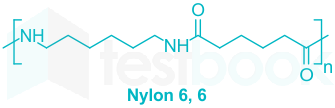
67

Golden oblong is the valid standard:

  1. ((a))

    for local relationships

  2. ((b))

    for furniture arrangement

  3. ((c))

    for home decor

  4. ((d))

    for all of the above

Show Answer
Answer: ((d))

for all of the above

Concept:

Golden Oblong:

  • The dimensions of the human body and a study of subtle spatial interactions were the foundations upon which the ancient Greek designers developed their principles.
  • The "golden oblong," which served as the foundation for their spatial divisions, is a widely accepted measure of spatial relationships.

​Explanation:

For all of the above:

  • An excellent proportional benchmark is the Greek oblong.
  • The dimensions of this Greek oblong were roughly two units on the short side and three units on the long side.
  • It is known as the golden rectangle's mean.
  • The Greeks utilised a ratio of roughly 2:3 or 3:5, 5:8, or 8:13 for their flat surfaces.
  • Their preferred ratio for solids is roughly 5:7:11.

Thus, the golden oblong is the valid standard for all of the above.

68

Which of the following cooking methods destroys the maximum amount of vitamin A carotene?

  1. ((a))

    by pressure cooking

  2. ((b))

    bleaching

  3. ((c))

    by frying method

  4. ((d))

    none of these

Show Answer
Answer: ((c))

by frying method

Concept:

Vitamin A:

  • A vital ingredient for people, vitamin A is a fat-soluble vitamin.
  • Retinol, retinal, retinoic acid, and a number of provitamin A carotenoids are among the chemical substances that make up this group.
  • Vitamin A is a crucial component for eyesight.
  • It is also essential for cell growth and the upkeep of healthy organs like the heart, lungs, and kidneys.

Beta-carotene: 

  • It is a member of a group of compounds known as carotenoids.
  • It gives fruits and vegetables their red, yellow, and orange colour.
  • Some animal products, such as egg yolks also contain these.
  • It is present in carrots, squash, and other yellow or other fruits and vegetables containing orange color.
  • The body converts beta carotene to retinol (vitamin A).

Explanation:

Frying Method:

  • It is the act of preparing food in hot oil or fat.
  • You have two options for frying food: shallow or deep.
  • Small amounts of oil are used while shallow frying.
  • Deep frying refers to completely submerging food in hot fat or oil.
  • Foods like spinach, methi, carrots, etc. contain vitamin A.
  • In fats and oils, vitamin A dissolves effortlessly.
  • Vitamin A thus leaves the food and enters the oil when food is fried in it.

Thus, the frying method destroys the maximum amount of vitamin A carotene.

Additional Information 

10 Basic types of cooking methods

69

The non-conventional energy source for cooking is:

  1. ((a))

    electricity

  2. ((b))

    solar 

  3. ((c))

    LPG gas

  4. ((d))

    coal 

Show Answer
Answer: ((b))

solar 

Concept:

  • Energy is required for all activities.
  • It is needed to cook, to provide light and heat, to propel

vehicles and to drive machinery in industries.

  • Energy can be generated from fuel minerals like coal, petroleum, natural gas, uranium, and electricity.
  • Energy resources can be classified as conventional

and non-conventional sources.

​Explanation:

  • Conventional sources include firewood, cattle dung cake,

coal, petroleum, natural gas, and electricity (both hydel and thermal).

  • Nonconventional energy sources are ‘those resources which can be harnessed without depletion’.
  • Most of these resources are free from pollution and some of them can be used in all places.
  • Non-conventional sources include solar, wind, tidal, geothermal, biogas, and atomic energy.
  • The energy from the sun can be harnessed, to cook food without any large, complex systems of lenses or mirrors.

Thus, the non-conventional energy source for cooking is solar energy.

Important Points 

Solar energy: 

  • Solar energy supports all life on earth and is the basis for almost every form of energy we use.
  • Direct solar energy can be used as heat, light, and electricity through the use of solar cells.
  • The use of solar energy causes no environmental pollution because no chemical waste or toxic gases get released while using solar energy.
70

One of the best important indicators is:

  1. ((a))

    crude death rate

  2. ((b))

    infant mortality rate

  3. ((c))

    maternal mortality rate

  4. ((d))

    child mortality (0-5 years)

Show Answer
Answer: ((d))

child mortality (0-5 years)

Concept:

  • Demography is the systematic study of the population.
  • The education, health, and nutritional status of the people, and their specialized training determine the quality of the population as a human resource.
  • The quality of the population as a human resource in any country is greatly influenced by the pattern of population change.
  • The change can be in terms of population growth or population negative growth.
  • Population growth or population change refers to the change in the number of inhabitants of territory during a specific period of time.
  • Some of the indicators of population growth are crude death rate, crude birth rate, growth rate, infant mortality rate, maternal mortality rate, under-five child mortality rate, etc.

Explanation:

Child Mortality rate:

  • This indicator is the number of children who die by the age of 5 years, per 1000 live births.
  • According to WHO, it is a baseline indicator of how a country is progressing towards assuring children's rights - in particular, their rights to life, health care services, nutrition, water, social security, and protection.
  • It is hence considered to be one of the most important indicators.

Thus, one of the best important indicators is child mortality (0-5 years).

Additional Information

Crude death rate:

  • ​The number of deaths per thousand of the population in a given year under a particular territory is called Crude Death Rate (popularly known as the death rate).
  • The death rate plays an active role in population change.

Infant mortality rate:

  • ​Infant mortality is the death of young children under the age of one year.
  • This death toll is measured by the infant mortality rate (IMR), i.e the number of deaths of children under one year of age per 1000 live births.

Maternal mortality rate:

  • ​Maternal mortality refers to death that occurs due to complications during pregnancy and childbirth.
  • Maternal Mortality Ratio (MMR) is defined as the number of maternal deaths during a given time per 1,00,000 live births during the same time.
71

The first silk fiber was produced in:

  1. ((a))

    India 

  2. ((b))

    Indonesia

  3. ((c))

    China

  4. ((d))

    Japan

Show Answer
Answer: ((c))

China

Concept:

  • Fibre is a hair-like strand from which all fabrics are made.
  • Various fibrous materials are found in nature.
  • Some of them are used to make fabrics and are called textile fibres.
  • Some of the fibres commonly used in textile weaving are:
  • cotton
  • silk
  • wool
  • mixture of the above
  • gold and silver thread, etc.

Explanation:

  • Silk is a natural, protein filament produced by silk worm.
  • Fabrics made from silk are soft, fine, smooth, lustrous, warm and stronger than wool.
  • It is called ‘Queen of the Fibres’ and is used for formal wear.
  • The production of silk originated in China in the Neolithic age.
  • Silk fibres come from cocoons of the silk moth.
  • The process of silk production is known as sericulture.
  • It was discovered by the Chinese 5,000 years ago.
  • Silk remained confined to China until the Silk Road opened during the later half of the first millennium BC.

Thus, the first silk fiber was produced in China.

Additional Information

  • India produces plenty of silk on a commercial scale.
  • India is the only source of tussar silk that comes from the Antheria Assamia moth, which feeds on the leaves of the Som and Wali trees.
72

The essence of housekeeping is:

  1. ((a))

    setting family goals

  2. ((b))

    time management

  3. ((c))

    energy management

  4. ((d))

    use of available resources

Show Answer
Answer: ((d))

use of available resources

Concept:

Housekeeping:

  • Housekeeping is the daily or long-term maintenance of a home, including maintaining its cleanliness, tidiness, upkeep, and smooth operation.
  • Good housekeeping is the collective term for the various practices used to keep and maintain everything in the home in good and presentable order.

Explanation:

Use of available resources:

  • Although all resources are useful, their usefulness varies depending on the aim.
  • Resources are available in limit.
  • The restriction could be either quantitative or qualitative.
  • For instance, energy is a finite resource.
  • Money is quantitatively measured.
  • The family members' capacities are constrained by their training and innate skills.
  • The efficient utilisation and exploitation of the various resources have an impact on housekeeping.
  • How well a person uses their resources, such as through utilising labour-saving machinery, has an impact on their quality of life.
  • This leads to better-quality food, clothing, and household sanitation products while also saving time and energy.

Thus, the essence of housekeeping is the use of available resources.

73

Babies in all cultures begin to babble at roughly the same age, which indicates that this behavior is influenced by:

  1. ((a))

    impersonation

  2. ((b))

    reinforcement

  3. ((c))

    maturity

  4. ((d))

    atmosphere

Show Answer
Answer: ((c))

maturity

Babbling: Between six and ten months, the infant begins to babble. The child repeats syllables like 'ma', 'day, 'ki', and 'ne' over and over again so that we can hear sounds like "dadada ...", bbkikikikiki...", "mamama....". This is referred to as babbling.

Key Points

  • The language development of all children follows a certain sequence. This means that there are stages in the learning of a language that are universal. This means that all children go through the same stages while acquiring language and they do so at approximately the same ages, irrespective of the language they speak.
  • A child has an urge to use his developing doing, thinking, and feeling abilities, and he frequently follows through on this urge wholeheartedly. Growing includes balancing opposing urges and needs. The child fights against these as he works to mature.
  • For example, to babble, sit in a proper posture, to walk with steady steps, etc., are attained after a specific age. The behavior which is the outcome of maturity of the child is known as the natural behavior and not the learned behavior.

Hence, we can conclude that ​babies in all cultures begin to babble at roughly the same age, which indicates that this behavior is influenced by maturity.

74

Wheat germ oil is an excellent source of ________.

  1. ((a))

    vitamin A

  2. ((b))

    vitamin D

  3. ((c))

    vitamin E

  4. ((d))

    vitamin K

Show Answer
Answer: ((c))

vitamin E

Concept: 

  • The major nutrients in our food are named carbohydrates, proteins, fats, vitamins, and minerals.
  • Vitamins help in protecting our bodies against diseases.
  • Vitamins also help in keeping our eyes, bones, teeth, and gums healthy.
  • Vitamins are of different kinds and are known by different names.
  • Based on solubility Vitamins are classified as either fat-soluble (lipid soluble) or water-soluble.
  • Vitamins A, D, E, and K are fat-soluble Vitamin C and B is

water soluble.

​Explanation:

Vitamin A:

  • It plays an important role in helping the eyes adjust to light changes.
  • Vitamin A is supplied primarily by foods of animal origin such as dairy products, fish, and liver.

​Vitamin D:

  • ​Vitamin D plays a critical role in the body’s use of calcium and phosphorous.
  • The primary food sources of vitamin D are milk and other dairy products fortified with vitamin D.
  • Vitamin D is also found in oily fish (e.g. herring, salmon, and sardines) as well as in cod liver oil.

Vitamin E:

  • ​​Vitamin E benefits the body by acting as an antioxidant and protecting vitamins A and C, red blood cells, and essential fatty acids from destruction.
  • Food sources of Vitamin E are wheat germ oil, vegetable oil (soybean, corn, cottonseed, and safflower), fruits and vegetables, grains, nuts (almonds and hazelnuts), seeds (sunflower)

and fortified cereals.

​Vitamin K:

  • It plays an essential role in normal blood clotting, promoting bone health, and helping to produce proteins for blood, bones, and kidneys.
  • Good food sources of vitamin K are green, leafy vegetables and vegetable oils including soybean oil, cottonseed oil, canola oil, and olive oil.

​Thus, wheat germ oil is an excellent source of Vitamin E.

75

The principles of extension education enable the extension worker.

  1. ((a))

    understanding people's needs

  2. ((b))

    planning appropriate activities

  3. ((c))

    effective implementation of the plan

  4. ((d))

    all of the above

Show Answer
Answer: ((d))

all of the above

Extension education is an applied science consisting of content derived from research, accumulated field experiences, and relevant principle, drawn for the behavioral science synthesized with the useful technology into a body of philosophy, principle, content, and method, focusing on the problem of out of school education for adults and youths.

Key PointsThe extension is a process of working with rural people in order to improve their livelihoods. The extension is an informal educational process directed toward the rural Education and Development population.

The principles of extension education enable the extension worker.

  • understanding people's needs
  • planning appropriate activities
  • effective implementation of the plan
  • to take similar decisions in the future on their own
  • to advise people in the decision-making process

​Thus, it is concluded that all the above options are correct.

76

Which of the following pair is not correctly matched?

  1. ((a))

    anemia - low intake of iron

  2. ((b))

    marasmus - low energy intake

  3. ((c))

    kwashiorkor - low protein intake

  4. ((d))

    scurvy - low vitamin B12 ingestion

Show Answer
Answer: ((d))

scurvy - low vitamin B12 ingestion

Concept: 

  • The major nutrients in our food are named carbohydrates, proteins, fats, vitamins, and minerals.
  • The deficiency of one or more nutrients can cause diseases or disorders in our bodies.
  • Nutrition is the sum of the processes by which an organism takes in, metabolites, and utilizes food substances for its various biochemical activities.
  • Diseases that occur due to a lack of nutrients over a long period are called deficiency diseases

Explanation:

Anemia:

  • Anaemia is a decrease in the total amount of red blood cells (RBCs) or haemoglobin in the blood.
  • Symptoms mainly include weakness, fatigue, irregular heartbeats, etc.
  • It is caused due to deficiency of iron.

Marasmus:

  • Marasmus is produced by a simultaneous deficiency of proteins and calories which causes overall energy deficiency.
  • In Marasmus, energy deficiency impairs the growth and replacement of tissue proteins; extreme emaciation of the body and thinning of limbs results, in the skin becoming dry, thin, and wrinkled.
  • Growth rate and body weight decline considerably.
  • Even growth and development of the brain and mental faculties are impaired

Kwashiorkor:

  • Kwashiorkor is produced by protein deficiency.
  • It results from the replacement of mother’s milk with a high calorie low protein diet in a child more than one year in age.
  • Extensive edema and swelling of body parts are seen.

Scurvy:

  • Symptoms of scurvy are bleeding gums, pain in joints, and general weakness.
  • It is caused due to deficiency of Vitamin C in the diet.

​Thus,

Anaemia - low intake of iron: Correct

Marasmus - low energy intake: Correct

Kwashiorkar - low protein intake: Correct

Scurvy - low intake of Vitamin B 12 : Incorrect

Additional InformationVitamin B12:

  • Vitamin B12, also known as cobalamin, aids in the building of genetic material, the production of normal red blood cells, and the maintenance of the nervous system.
  • Vitamin B12 can only be found only in foods of animal origin such as meats, liver, kidneys, fish, eggs, milk and milk products, oysters, and shellfish.
  • Symptoms of deficiency include anaemia, fatigue, neurological disorders, and degeneration of nerves resulting in numbness and tingling.
77

The principle of art is:

  1. ((a))

    line

  2. ((b))

    light 

  3. ((c))

    balance

  4. ((d))

    all of the above

Show Answer
Answer: ((c))

balance

Concept:

Principles of Art:

  • The principles of art explain how a creator use the various components of art to accomplish their goals and spread their intended message.
  • Balance, emphasis, contrast, proportion, rhythm, pattern and unity/variety are among the principles of art and design.

Explanation:

Balance:

  • Balance describes how visually significant each component of the composition is.
  • It is an impression that the artwork is solid and appropriate.
  • The spectator experiences discomfort as a result of imbalance.
  • Three strategies can be used to attain balance:
  • When a composition is symmetrical, the same elements are present on both sides, as in a mirror image or on the two sides of a face.
  • Asymmetry, in which any two aesthetic elements can be contrasted to balance the composition.
  • Radial symmetry has elements that are evenly distributed around a centre point.

Thus, the principle of art is balance.

Additional InformationLine: 

  • Lines are seen as an element of art and design.
  • They speak of the relationship between two points in space.
  • Lines, whether they be vertical, diagonal, or horizontal, can help draw the viewer's attention to a particular area of your picture.
  • Instead of only using straight lines, texture can also be produced by using other sorts of lines, such as curved or patterned lines.

Light:

  • Light may change the size and ambience of a space.
  • By using various lighting techniques, a location can elicit a variety of feelings.
  • In every room, either the entire area can be illuminated or certain aspects can be brought to attention.
78

Diet planning is important:

  1. ((a))

    for nutritional adequacy of diet

  2. ((b))

    for budget planning

  3. ((c))

    to use time

  4. ((d))

    to save energy

Show Answer
Answer: ((a))

for nutritional adequacy of diet

Concept:

  • Food nourishes our bodies and maintains our health.
  • A food group, quite simply, consists of a number of food items sharing some common characteristics.
  • A healthy diet should consist of simple, natural, and/or

well-cooked foods which promote health and protect us from diseases.

Explanation:

  • Dietary planning is the process of developing meal plans

for adequate nutrition within the available resources.

  • Nutritional requirements and food choices vary with regard to

their age, sex, activity level, and physiological condition.

  • It helps us to decide what to eat each day and in each meal.
  • Diet  planning helps us to:
  • fulfil the nutritional requirements
  • make the food economical
  • cater to the food preferences of individual members
  • use leftover food

Thus, diet planning is important for the following reasons the nutritional adequacy of the diet.​

Additional Information

  • A balanced diet is one that contains different types of foods in such quantities that the individual’s need for the various nutrients is adequately met, and some amounts of nutrients are stored in the body to withstand short periods of low dietary intake.
  • A therapeutic diet is a special diet given to a person suffering from a disease, to facilitate recovery. It is a modification of the normal diet.
79

The function of thermostat in electrothermal equipment is:

  1. ((a))

    heat transmission

  2. ((b))

    heat convection

  3. ((c))

    heat control

  4. ((d))

    none of these

Show Answer
Answer: ((c))

heat control

Concept:

  • Thermal energy, also called heat, is a form of energy that gives us the sensation of hotness.
  • Like other forms of energy, its SI unit is Joule (J).

Explanation:

  • The instrument whose working depends on the heating effects of the measuring current is known as the electrothermal or electrothermic instrument.
  • This device is used for measuring high-frequency currents.
  • A thermostat is used in the electrothermic instrument.
  • The thermostat is a temperature-controlling device.
  • The thermostat is an appliance fitted, to regulate the temperature, inside an oven or a refrigerator, etc.

Important Points

  • A thermostat is a device for regulating temperature.
  • Thermostat, a device to detect temperature changes for the purpose of maintaining the temperature of an enclosed area essentially constant.
  • In a system including relays, valves, switches, etc.,
  • The thermostat generates signals, usually electrical when the temperature exceeds or falls below the desired value.
  • A thermostat is a device that automatically regulates temperature, or activates a device when the temperature reaches a certain point.
  • Thus, it can be used to maintain a constant temperature of a water bath, refrigerator or oven.

Thus, the function of the thermostat in electrothermal equipment is heat control.

80

Javelle Water is:

  1. ((a))

    bleaching agent

  2. ((b))

    indigo agent

  3. ((c))

    starch

  4. ((d))

    finish

Show Answer
Answer: ((a))

bleaching agent

Concept:

  • Products other than the cleansers, required to give good finish to the fabrics during the process of laundering are known as Auxillaries.
  • These are
  • Blues/Indigo agent
  • Optical brightening agents
  • Chemical bleaches
  • Stain removing agents
  • Stiffening agent

Explanation:

Bleaching agent:

  • Sodium hypochlorite is also called javelle water.
  • Its chemical formula is Na2ClO3.
  • A bleaching agent is any material or compound that whitens or brightens the fabric through chemical action.
  • This action may be oxidizing or reducing.
  • Example of oxidising bleaches are sun light, potassium permanganate, hydrogen peroxide and javelle water.
  • Example of reducing bleaches are sodium hydrosulphite and sodium bisulphite.
  • These bleaches help in removing colouring matter from fabrics.
  • These are also used as stain removal agents.

Thus, javelle water is bleaching agent.

Additional Information

Indigo agent:

  • A blue is defined as a chemical used as a fabric whitener.
  • There are many types of blues and their colour varies from violet to blue to bluish green.

Starch:

  • ​Starch is a stiffening agent.
  • It is used for cotton clothes.

Finish

  • ​Finish involves pressing, ironing and storing of clothes.
81

Glycogen is stored in:

  1. ((a))

    adipose tissue

  2. ((b))

    the liver

  3. ((c))

    the muscles

  4. ((d))

    the kidney

Show Answer
Answer: ((b))

the liver

Concept:

  • All living cells require energy to carry out various cellular activities.
  • This energy is stored in the chemical bonds of organic molecules (e.g. carbohydrates, fats, proteins) that we eat as food.
  • These organic molecules are broken down by enzymatic reactions in cells to generate energy in the form of adenosine triphosphate (ATP).
  • Organic molecules that are taken by food are stored to be used as energy reserves in the form of molecules such as glycogen, fats, etc.

Explanation:

Glycogen:

  • Glycogen is a polymer of α-D-glucose and the branches in glycogen tend to be shorter (about 13 glucose units) and branching is frequent.
  • Glycogen is easily converted back to glucose to provide energy.
  • During digestion both starch and sugars are absorbed as glucose.
  • The surplus glucose is changed into glycogen which is stored in the liver for subsequent use.
  • Glycogen is synthesized depending on the demand for glucose and ATP (energy).
  • Glycogen is also known as animal starch.
  • Glycogen is also found in yeast and fungi.

Important Points Liver:

  • The liver is the largest gland of the body weighing about 1.2 to 1.5 kg in an adult human.
  • It is situated in the abdominal cavity, just below the diaphragm, and has two lobes

Thus, glycogen is stored in the liver.

Additional InformationAdipose tissue:

  • Adipose tissue is a type of loose connective tissue located mainly beneath the skin.
  • The cells of this tissue are specialized to store fats.
  • The excess nutrients that are not used immediately are stored as fat.

Kidney:

  • Kidneys are reddish brown, bean-shaped structures responsible for the process of excretion in humans.
  • The nephron is the functional unit of the kidney and has two portions.

Muscles:

  • There are more than 600 muscles in human body.
  • All these muscles provide movement to bones as well as soft body parts like the heart, intestines etc.
82

Fully mature babies are those who are born after _______ weeks of conception.

  1. ((a))

    30

  2. ((b))

    32

  3. ((c))

    34

  4. ((d))

    37

Show Answer
Answer: ((d))

37

Concept:

  • The process by which a living organism produces its own kind is known as reproduction.
  • Humans are sexually reproducing and viviparous.
  • The reproductive system in males consists of the following organs – a pair of testes, a pair of the epididymis, a pair of vasa deferentia, urethra, penis, and accessory glands.
  • The female reproductive system consists of a pair of ovaries, a pair of fallopian tubes, a uterus, vagina, and external genitalia.

Explanation:

The reproductive events in humans include:

  • Formation of gametes (gametogenesis), i.e., sperms in males and ovum in females.
  • Transfer of sperms into the female genital tract (insemination)
  • Fusion of male and female gametes (fertilization) leading to the formation of zygote. (Day 1). This step is called conception.
  • This is followed by the formation and development of blastocyst (Day 5).
  • Its attachment to the uterine wall (implantation)(Week 1).
  • The developing embryo is about the size of a pea is formed (in 4 weeks)
  • Embryo (now called fetus) with human features, and limbs appear. It floats in amniotic fluid (6 weeks).
  • Growth of the fetus (37 weeks). It takes about 37 weeks for the development of a fully mature baby.
  • Delivery of the baby (parturition).

Thus, fully mature babies are those who are born after 37 weeks of conception.

83

Which of the following factors does not affect a person's basal metabolic rate (BMR)?

  1. ((a))

    age

  2. ((b))

    physical activity

  3. ((c))

    thyroid gland activity

  4. ((d))

    height (length)

Show Answer
Answer: ((d))

height (length)

Concept:

  • Nutrition is the requirement of the body from external sources to sustain life.
  • The requirement comprises of:
  • foods that provide energy i.e. carbohydrates, fats,

proteins,

  • provide the building blocks such as proteins and amino acids or
  • act as the functional molecules such as micronutrients and vitamins acting as co-enzymes and carrier molecules.

Explanation:

  • Basal metabolic rate is the energy requirement of the body when the body, as well as the brain, is at rest i.e. Basal condition.
  • It is the energy requirement of the body for its life-sustaining processes such as respiration, circulation, peristalsis, maintenance of body temperature etc.
  • It is expressed in Kcal of energy consumed per hour by the person for every square meter of the body’s surface area.
  • BMR is not a static property of the body.
  • It is dependent on various physiological and pathological states.
  • BMR is affected by :
  • age,
  • sex,
  • activity level,
  • thyroid gland activity,
  • body mass

Thus, height does not affect a person's basal metabolic rate (BMR).

Additional Information

  • BMR is higher in ‘hypermetabolic’ states such as in pregnancy, fever, etc.
  • It is also higher in growing age groups such as children and adolescents.
  • Athletes and individuals with higher muscle mass also have significantly higher BMR.
  • The average BMR of an adult male is 40 Kcal / Hr/ sq m.
  • The average BMR of an adult female is 36 Kcal/ Hr/ sq m.
84

Examples of universal changes include all of the following, except:

  1. ((a))

    first word pronunciation

  2. ((b))

    move

  3. ((c))

    read

  4. ((d))

    smile

Show Answer
Answer: ((c))

read

The development includes both genetically programmed and environmental-influenced processes. Development occurs in many domains, including the physical, cognitive, linguistic, social, emotional, and others.

  • One component of a child's social development is, For example, his improved capacity to fit in with others and establish friends.

Key PointsThe term "development" is typically used to describe the dynamic process by which a person develops and undergoes change over the course of a lifetime. It is frequently described as the qualitative change that occurs from conception to death.

  • Even when a person reaches physical maturity, they are still in the process of developing (growth). As they interact with their surroundings, people are always changing.
  • Development has certain universal changes which include First-word pronunciation, moving, smiling, etc.
  • Nature and nurture work together in a cultural setting to impact development.
  • Nature is the genetic material that a child inherits from their parents during conception. Many features of a person's physical structure and functioning, as well as some psychological traits, are to some part determined by genetics.
  • Nurture refers to the influences of the complex physical and social environment in which we develop and grow. The development results are significantly influenced by a number of factors of the child's ecology, including physical facilities, social institutions and rituals, and school.

Hence, we can conclude that examples of universal changes include all of the following, only read.

Hint

  • As reading is not the thing which one can learn from the environment or just from our surroundings. For example, In order to learn to read the English language, one has to be taught the English alphabet first and then one-word, two-word, and so on. Here, reading is a cognitive process and one can not acquire this by the environment it has to be taught.
85

Marriage is:

  1. ((a))

    universal organization

  2. ((b))

    universal institution

  3. ((c))

    universal society

  4. ((d))

    universal community

Show Answer
Answer: ((b))

universal institution

Explanation:

  • Marriage is an important social institution.
  • Marriage is a universal institution to satisfy the physical, psychological, social, cultural, and economic needs of men and women.
  • It permits men and women to establish a stable relationship with each other in order to form a family.
  • Marriage is a multi-dimensional relationship between man and woman.

Thus, marriage is universal institution.

86

Which of the following audio and video materials can be used at different places in the country?

  1. ((a))

    puppet play

  2. ((b))

    graph

  3. ((c))

    pamphlet

  4. ((d))

    textbook

Show Answer
Answer: ((a))

puppet play

​Audio-visual aids are those which require the involvement of learners’ visual and audio senses (both “seeing” and “hearing”). These are also termed multi-sensory materials.

Key Points

  • Puppets play can be used at different places in the country.
  • Children like to see puppets as puppets make the characters of the story life-like. When the puppet talks, children feel that the puppet is talking to them and will respond. Puppets are the most popular of all supports.
  • Our country has a rich heritage of puppets.
  • Traditional puppets are used all over the country.
  • Making puppets is an age-old art and for many people, puppetry is a means of earning a living. For example:- leather puppets of Andhra Pradesh or the string puppets of Rajasthan.

Thus, it is concluded that puppet play is the correct answer.

87

Horizontal lines in the garment would suit:

  1. ((a))

    on a thin woman

  2. ((b))

    on the tall and fat woman

  3. ((c))

    on fat woman

  4. ((d))

    none of these

Show Answer
Answer: ((a))

on a thin woman

Concept:

Lines:

  • There are numerous characteristics of a line, including its length, direction, thickness, and edge sharpness.
  • When wearing an outfit, lines provided the eyes with a path of vision.
  • A line has a variety of purposes, including defining shape, establishing a point of attention, leading the eye, creating an illusion, and indicating length and width.
  • Straight and curved lines are the only two types of lines.
  • Four directions are possible for straight lines. zigzag, vertical, horizontal, or diagonal.
  • A curved line might be very strong, or it can be very soft or subtle.

Horizontal Lines:

  • These lines increase the garment's width while reducing its apparent height.
  • For example: by dividing the clothing into two sections, a wide belt in a contrasting colour shortens the wearer's height.
  • However, a belt in the same colour will not have the same impact.

Explanation:

On a thin woman:

  • Horizontal lines provide the impression that the figure is wider.
  • However, the form will appear leaner and taller if there are numerous horizontal lines (such as narrow stripes).
  • Wide contrast stripes on the contrary will make the figure appear shorter and wider.
  • While wearing a horizontal lines remember to avoid placing a jacket hem at the widest section of the hips and avoid placing a skirt hem at the thickest part of the legs.

Thus, horizontal lines in the garment would suit thin women.

Additional Information

Vertical Lines: 

  • By highlighting length and downplaying width, vertical stripes and patterns deceive the eyes into perceiving a taller body.
  • As a result, they are slimming as well as elongating.

Diagonal Lines:

  • Depending on their slope, these lines can increase or decrease the wearer's height.
  • The lengthening and most striking of all lines are those with long, continuous diagonals that seem almost vertical.
88

The most suitable method to reduce fatigue in household work is:

  1. ((a))

    reducing static work

  2. ((b))

    reducing dynamic

  3. ((c))

    using labor and time saving equipment

  4. ((d))

    alternating static and dynamic work

Show Answer
Answer: ((c))

using labor and time saving equipment

Concept:

Fatigue:

  • Fatigue is being excessively exhausted, lacking in energy, and having a strong desire to sleep, which interferes with regular everyday tasks.

Explanation:

Using labour and time saving equipment:

  • The efficient utilisation of the energy has an impact on the housekeeping.
  • How well a person uses their energy, such as through utilising labour-saving machinery, has an impact on their quality of life.
  • This leads to better-quality food, clothing, and household sanitation products while also saving time and energy.
  • Utilizing electric labour-saving tools can help you save time and energy.
  • Using a toaster to toast bread or a mixer grinder to ground spices are two examples.

Thus, the most suitable method to reduce fatigue in household work is using labour and time-saving equipment.

Additional InformationTo reduces fatigue, one should:

  • Break the task down into smaller actions to reduce weariness.
  • Eliminate any unnecessary movements and integrate tasks.
  • Put your work in better order.
  • Improve your abilities at work.
  • Adopt the right position.
  • Work at appropriate heights and keep items close to the use area.
89

The most appropriate method for attitude changes in adults is:

  1. ((a))

    mass meeting

  2. ((b))

    home visit

  3. ((c))

    role acting

  4. ((d))

    method demonstration

Show Answer
Answer: ((c))

role acting

Attitudes are extremely essential in our lives because they impact how we react to people and items in our surroundings. Our likes and dislikes for other people and things are expressed through our attitudes. They influence or direct how we behave in social settings.

Key PointsAttitudes are consistent ways of reacting toward objects yet they are not static; they can be changed under different conditions. It is necessary to modify unhealthy or irrational attitudes for learning new things.

  • Attitudes are defined as our favorable or unfavorable evaluations of people, objects, and situations.
  • The communicator is the one who conveys the message. If the message is delivered by professionals who are viewed as reliable, appealing, and similar to the recipient, your likelihood of changing your attitude is increased.
  • As a result, young children who look up to cricketer Sachin Tendulkar as a sports role model are probably the target audience if Tendulkar claims that a certain beverage gives him energy. They're more likely to purchase the beverage because they believe they can "play like him."
  • Attitude change is possible when a message plays on the emotions of others.

Hence, we can conclude that the most appropriate method for attitude changes in adults is role acting.

90

Money, time and power are the most needed of all three:

  1. ((a))

    in the first stage of the life cycle

  2. ((b))

    in the second stage of the life cycle

  3. ((c))

    in the third stage of the life cycle

  4. ((d))

    in all of the above

Show Answer
Answer: ((b))

in the second stage of the life cycle

Concept:

Family life cycle:

  • A family begins with two young people, evolves naturally into a bigger group of people of various ages, and then shrinks back down to the tiny group of two elderly people.
  • The three main stages of a family's life cycle are the beginning family, the expanding family, and the contracting family.
  • Although these stages can overlap one another, each stage nevertheless has distinct conditions and issues.

Explanation:

In the second stage of life cycle: 

  • This stage of the family life cycle lasts longer than the first and third stages do.
  • It starts when the first child is born, progresses through numerous stages, and finally ends when the last child moves out to start a family.
  • At this point, the family structure and the parents' lifestyles will change as a result of the arrival of the children.
  • The demands of resources will change.
  • When children are extremely young, mothers' time will be in great demand, and when they begin attending school and college, financial resources may be even more in demand.
  • The ageing of the family members will exacerbate resource demands in addition to growing family size.

Thus, money, time and power are the most needed in the second stage of the life cycle.

Additional InformationBeginning Stage:

  • The formation of the family is at this stage.
  • It starts with the union of two people, and it lasts until the birth of the first child.
  • During this period, both partners will get to know one another as well as their families, lifestyles, and other things.
  • They attempt to create both short-term and long-term goals at this stage, and then they decide to work toward reaching those goals.

Contracting Stage:

  • The launching period, in which children leave the home, the financial recovery period, and the retirement period are the three substages that make up this stage.
91

One of the basic elements of art                   .

  1. ((a))

    balance

  2. ((b))

    rhythm

  3. ((c))

    line

  4. ((d))

    conformity

Show Answer
Answer: ((c))

line

Concept:

Elements of art: 

  • The principles of art organise and harmonize the elements of art, which are physical visual components.
  • The seven fundamental art components are colour, line, form, form, space, value and texture.
  • These components frequently cross over and influence one another.

Explanation:

Line: 

  • Lines are seen as an element of art and design.
  • They speak of the relationship between two points in space.
  • Lines, whether they be vertical, diagonal, or horizontal, can help draw the viewer's attention to a particular area of your picture.
  • Instead of only using straight lines, texture can also be produced by using other sorts of lines, such as curved or patterned lines.

Thus, one of the basic elements of art is a line.

Additional InformationBalance:

  • Balance describes how visually significant each component of the composition is.
  • It is an impression that the artwork is solid and appropriate.
  • The spectator experiences discomfort as a result of imbalance.
  • Three strategies can be used to attain balance:
  • When a composition is symmetrical, the same elements are present on both sides, as in a mirror image or on the two sides of a face.
  • Asymmetry, in which any two aesthetic elements can be contrasted to balance the composition.
  • Radial symmetry has elements that are evenly distributed around a centre point.

Rhythm: 

  • The movement of the eye from one element to another in the composition is called rhythm.
  • Repetition or alternation of certain elements or patterns can accomplish this.
  • Rhythm is a product of repetition frequency and contrast strength.
92

Housekeeping is a process.

  1. ((a))

    speech

  2. ((b))

    planning

  3. ((c))

    learn

  4. ((d))

    all of the above

Show Answer
Answer: ((b))

planning

Concept:

Housekeeping:

  • Housekeeping is the daily or long-term maintenance of a home, including maintaining its cleanliness, tidiness, upkeep, and smooth operation.
  • Good housekeeping is the collective term for the various practices used to keep and maintain everything in the home in good and presentable order.

Explanation:

Planning:

  • The most crucial phase of housekeeping is planning.
  • Finding different methods to use the resources at hand to accomplish the intended goals is made possible through planning.
  • It entails a sequence of choices regarding the family's numerous activities, the use of resources, and the alteration of the family wants in order to achieve the objectives.
  • Planning entails issue solving.
  • It comprises the decision-making steps of problem identification, information gathering, developing potential courses of action, weighing the pros and cons of each option, and choosing the approach that seems most appropriate.
  • Because of being future-focused, plans differ in detail depending on the situation.
  • One must define the issue or objective in order to create an effective plan.
  • Based on time and energy requirements, for diiferent house chores, planning needs to be done before starting the work.
  • The main aim should be to use minimum time and energy to accomplish a task.
  • Or it should focus on combining similar tasks in order to avoid time and energy wastage.

Thus, housekeeping is a process that includes planning.

93

Food poisoning is transmitted by Clostridium botulinum.

  1. ((a))

    by toxins produced in low to moderately acidic foods, especially in packaged foods

  2. ((b))

    Toxins produced by undercooked meat

  3. ((c))

    Toxins produced by milk products

  4. ((d))

    All of the above 

Show Answer
Answer: ((a))

by toxins produced in low to moderately acidic foods, especially in packaged foods

Concept:

  • Food safety and quality are important at the home level.
  • It is critical in large-scale food production and processing, and also where food is freshly prepared and served.
  • The quality of foodstuff, raw as well as processed is of public health concern and must be addressed.

Explanation:

  • Food Poisoning results from the ingestion of live pathogenic organisms which multiply in the body and cause disease.
  • Food poisoning could be due to the consumption of food spoilt by some microorganisms.
  • Over spraying pesticides on fruits and vegetables can make them poisonous.
  • Microorganisms that grow in our food sometimes produce toxic substances.
  • Salmonella and Clostridium botulinum are classic example of microbes that cause food poisoning. 
  • Salmonella is spread through cross-contamination.
  • The symptoms of infection include diarrhea, fever, and abdominal cramps.
  • Food poisoning is also transmitted by Clostridium botulinum.
  • It is by toxins produced in low to moderately acidic foods, especially in packaged foods.
  • Botulism is a rare but deadly form of food poisoning.
  • Vomiting, diarrhea, constipation, and abdominal swelling may also occur.

Thus, food poisoning is transmitted by Clostridium botulinum by toxins produced in low to moderately acidic foods, especially in packaged foods.

Additional Information

  • Food preservation is a form of processing food to prevent it from spoilage and make it possible to store in a fit condition for future use.
  • Salts and edible oils are the common chemicals generally used to check the growth of microorganisms. Therefore

they are called preservatives.

  • The principles of food preservation:
  • By killing the micro-organisms.
  • By preventing or delaying the action of microorganisms.
  • By stopping the action of enzymes
94

_______ is a tool of assessment in extension education.

  1. ((a))

    research studies

  2. ((b))

    reliability

  3. ((c))

    communication medium

  4. ((d))

    record

Show Answer
Answer: ((d))

record

Assessment refers to the process of collection of quantitative and qualitative information on specific issues based on which steps can be taken for facilitating/ enhancing learning.

Key Points

  • An assessment tool is a technique or method of evaluating information to determine how much a person knows and whether this knowledge aligns with the bigger picture of a theory or framework.
  • An extension is a recording tool of assessment in education.
  • Educational assessment tools help teachers to track and evaluate progress throughout the learning process.
  • They provide enough data for improving the overall teaching and learning experiences.

Hence option 4 - record is the correct solution.

Important Points Assessment tools include : 

  • Observation
  • Tests
  • Checklist
  • Portfolio
  • Anecdotal Record
  • Rating Scale
  • Questionnaire
  • Interview
95

Each gram of carbohydrate gives                  .

  1. ((a))

    four calories

  2. ((b))

    five calories

  3. ((c))

    seven calories

  4. ((d))

    nine calories

Show Answer
Answer: ((a))

four calories

Concept:

Calories:

  • A unit of energy is called calories.
  • 1 calorie equals 4.2 Jules.
  • A calorie from food is the amount of energy required to raise a litre of water's temperature by one degree.
  • A device in which calorie measurement can be done is called a calorimeter.

Explanation:

Carbohydrates:

  • Carbohydrates are the main source of energy for our bodies.
  • There are three major categories of carbohydrates, starch, sugar and cellulose.
  • Our body breaks down sugar and starch into glucose to provide energy.
  • Sources of carbohydrates are bread, cereals, natural fruits, milk and milk products, and vegetables including potatoes and carrots.
  • Each gram of carbohydrate gives four calories.

Thus, each gram of carbohydrate gives four calories.

Additional Information

Protein:

  • Proteins are called building blocks of our body.
  • About 20 per cent of our body weight comes from proteins.
  • Proteins are essential for the growth and repair of muscle and other body tissues.
  • Proteins are made of amino acids that contain the elements carbon, hydrogen, oxygen and nitrogen.
  • Each gram of protein gives four calories.

Fat:

  • Fats and oils are concentrated sources of energy.
  • Fats are substances that our body stores for future use.
  • These are classified as simple lipids, compound lipids, and derived lipids.
  • Each gram of fat gives nine calories.
96

The formula for calculating IQ is                .

  1. ((a))

    Actual Age / Mental Age × 100

  2. ((b))

    Mental Age / Actual Age × 100

  3. ((c))

    2 × (mental age) / actual age × 100

  4. ((d))

    (mental age)2 / actual age × 100

Show Answer
Answer: ((b))

Mental Age / Actual Age × 100

Intelligence Quotient IQ is a measure of the ability to reason and solve problems. It essentially reflects how well you did on a specific test as compared to other people of your age group.

Key Points

  • IQ tests assess the measuring of short- and long-term memory. It “measures a set of skills that are important to society,”
  • They also measure how well people can solve puzzles and recall information they’ve heard and how quickly.
  • The IQ of a person is given by the formula Mental Age / Actual Age × 100.
  • This formula is given by German Psychologist William Sternberg in 1912.​
  • If an individual of 10 years of age had a mental age of 10, his IQ would be 100.
  • If the mental age was greater than their real age (e.g., 12 rather than 10), then IQ would be 120. Similarly, if their mental age was lower than their real age, their IQ would be lower than 100.

Hence, it is concluded that  Mental Age / Actual Age × 100 denotes the formula for calculating the IQ score of an individual.


Additional Information

  • The average score on an IQ test is 100. These labels are often given for IQ scores:
  • 1 to 24: Profound mental disability
  • 25 to 39: Severe mental disability
  • 40 to 54: Moderate mental disability
  • 55 to 69: Mild mental disability
  • 70 to 84: Borderline mental disability
  • 85 to 114: Average intelligence
  • 115 to 129: Above average or bright
  • 130 to 144: Moderately gifted
  • 145 to 159: Highly gifted
  • 160 to 179: Exceptionally gifted
  • 180 and up: Profoundly gifted
  • Scientists discovered that most people (about 68 percent) have an IQ between 85 and 115.
  • Only a small fraction of people have a very low IQ (below 70) or a very high IQ (above 130).
97

Hookworm outbreaks are usually caused by              .

  1. ((a))

    beriberi

  2. ((b))

    kwashiorkar

  3. ((c))

    anemia

  4. ((d))

    typhoid

Show Answer
Answer: ((c))

anemia

Hookworm is a parasitic nematode worm that inhabits the intestines of humans and other animals. It has hook-like mouthparts with which it attaches itself to the wall of the gut, puncturing the blood vessels and feeding on the blood.

Key Points

  • Hookworm infection is mainly acquired by walking barefoot on contaminated soil or transmitted through the ingestion of larvae.
  • People face gastrointestinal symptoms, especially those who are infected for the first time.
  • The most serious effect of hookworm infection is blood loss leading to anemia as one loses blood to the hookworms, in addition to protein loss.
  • It also causes weight loss, diarrhea, and, breathing complications.

Thus, it is concluded that Hookworm outbreaks are usually caused by anemia.

Hint

  • Beriberi is caused by a deficiency of thiamine (vitamin B1).
  • Kwashiorkor is a form of malnutrition caused by protein deficiency in the diet, typically affecting young children in the tropics.
  • Typhoid is a bacterial infection that causes typhoid fever that can be fatal in some cases.
98

Moirings are manufactured                   .

  1. ((a))

    by using color

  2. ((b))

    by moisture, heat and pressure

  3. ((c))

    by hot rollers

  4. ((d))

    by chemicals

Show Answer
Answer: ((c))

by hot rollers

Concept:

  • Moirings are devices used in fastening the boat or aircraft.
  • It is done by using lines or anchors.
  • They are made up of metals like iron.

Explanation:

  • When ships or boats are tied to anchors to stand still then these moirings are used.
  • These are made up of metals so can be shaped at high temperatures.
  • Also, metals have the tendency to expand at high temperatures, helping in the formation of moi rings.
  • Hot rollers use temperature to shape these by applying both temperature and pressure.

Thus, moirings are manufactured by hot rollers,

99

The work that uses the most energy is.

  1. ((a))

    knit

  2. ((b))

    kneading dough

  3. ((c))

    mopping the floor

  4. ((d))

    dusting

Show Answer
Answer: ((c))

mopping the floor

Concept:

Energy work:

  • Based on the expenditure of energy, work is divided into three categories: light, moderate and heavy.

Explanation:

Mopping the floor:

  • Activities that involve little or small amount of energy are called light work.
  • Examples: watching television, making bed, listening to music, dusting, making dough, knitting, reading, etc., are referred to as light work.
  • Activities requiring average energy levels are considered moderate work .
  • Moderate work includes tasks like grass mowing and house cleaning. car cleaning, sweeping, mopping floor and other daily activities.

Thus, the work that uses the most energy is mopping the floor. .

Additional Information

Heavy/Strenuous Work: 

  • The tasks that demand a high amount of energy are considered heavy work.
  • Examples: trekking, bicycling fast, carrying heavy loads etc.
100

The main function of Vitamin K is              .

  1. ((a))

    in blood clotting

  2. ((b))

    as anti oxidants

  3. ((c))

    in the synthesis of collagen

  4. ((d))

    maintaining vision

Show Answer
Answer: ((a))

in blood clotting

Vitamins:

  • Vitamins are organic substances that we require in adequate quantities for good health.
  • Our body, however, cannot synthesise them.
  • Therefore, we need to consume natural sources such as fruits and vegetables.
  • Vitamins are divided into two groups–fat-soluble vitamins (Vitamins A, D, E, and K) and water-soluble vitamins (Vitamins of B group and VitaminC).
  • Each vitamin has a specific function and its deficiency leads to a particular deficiency disease'


Key PointsVitamin K:

  • Vitamin K helps to make various proteins that are needed for blood clotting and the building of bones.
  • Prothrombin is a vitamin K-dependent protein directly involved with blood clotting.
  • Osteocalcin is another protein that requires vitamin K to produce healthy bone tissue.

Thus, the main function of vitamin K is in blood clotting.


Additional InformationAs antioxidants:

  • Three of the major antioxidant vitamins are beta-carotene, vitamin C, and vitamin E.

In the synthesis of collagen:

  • Vitamin C (Vit C) plays a critical role in the maintenance of a normal mature collagen network in humans.

Maintaining vision:

  • Vitamin A plays a crucial role in vision by maintaining a clear cornea, which is the outside covering of your eye.


Important Points

VitaminVitamersSolubilityDiseasesSources
Vitamin ARetinol, retinal, and four carotenoids maintaining visionFatNight-blindness, Hyperkeratosis, and KeratomalaciaOrange, ripe yellow fruits, leafy vegetables, carrots, pumpkin, squash, spinach, liver
Vitamin B1ThiamineWaterBeriberi, Wernicke-Korsakoff syndromePork, oatmeal, brown rice, vegetables, potatoes, liver, eggs
Vitamin B2RiboflavinWaterAriboflavinosisDairy products, bananas, popcorn, green beans, asparagus
Vitamin B3Niacin, niacinamideWaterPellagraMeat, fish, eggs, many vegetables, mushrooms, tree nuts
Vitamin B5Pantothenic acidWaterParesthesiaMeat, broccoli, avocados
Vitamin B6Pyridoxine, pyridoxamine, pyridoxalWaterAnaemia peripheral neuropathy.Meat, vegetables, tree nuts, bananas
Vitamin B7BiotinWaterDermatitis, enteritisRaw egg yolk, liver, peanuts, certain vegetables
Vitamin B9Folic acid, folinic acidWaterMegaloblast and deficiency during pregnancy are associated with birth defects, such as neural defects.Leafy vegetables, pasta, bread, cereal, liver
Vitamin B12Cyanocobalamin, hydroxycobalamin, methylcobalaminWaterMegaloblastic anaemiaMeat and other animal products
Vitamin CAscorbic acidWaterScurvyMany fruits and vegetables, liver
Vitamin DCholecalciferolFatRickets and OsteomalaciaFish, eggs, liver, mushrooms
Vitamin ETocopherols, tocotrienolsFatDeficiency is very rare; mild hemolytic anaemia in newborn infants.Many fruits and vegetables, nuts and seeds
Vitamin Kphylloquinone, menaquinonesFatBleeding diathesisLeafy green vegetables such as spinach, egg yolks, liver
101

According to ___________ adolescence is a state of "stress and storm".

  1. ((a))

    Stanley Hall

  2. ((b))

    Ross

  3. ((c))

    Aristotle

  4. ((d))

    Harlock

Show Answer
Answer: ((a))

Stanley Hall

Adolescence is the transitional stage from childhood to adulthood that occurs between ages 11 and 18. It is characterized by a set of physical, cognitive, social as well as emotional changes.

Key Points

  • ​Psychologist G. Stanley Hall coined the term "storm and stress" in 1904 in his written work, Adolescence.
  • It describes the decreased levels of self-control and increased levels of sensitivity exhibited by adolescents.
  • This term was used by Hall as adolescence is a period of inevitable turmoil that takes place during the transition from childhood to adulthood.
  • 'Storm' refers to a decreased level of self-control, and 'stress' refers to an increased level of sensitivity.
  • Three main categories of storm and stress described by Hall are:
  • Conflict with parents: Adolescents tend to rebel against authority figures such as parents and teachers as they seek greater independence and autonomy.
  • Mood disruption: Hormonal changes and the psychological stress of adolescence can cause uncontrollable shifts in emotions.
  • Risky behavior: The combination of a neurological need for stimulation and emotional immaturity lead to increased risk-taking behavior during adolescence.

Hence, it is concluded that Stanley Hall is the proponent of the term Storm and Stress used for adolescence.

102

What is the stage of the family life cycle that begins after the children leave home and become self-dependent?

  1. ((a))

    architectural period

  2. ((b))

    rearrangement period

  3. ((c))

    launch time

  4. ((d))

    vacation time

Show Answer
Answer: ((c))

launch time

Families have a developmental history that is marked by periods

of dynamic action and relative calm. These periods of action and calmness are experienced by all families across the world within a day, week and season.

  • Each family grows through the years in its own particular way. Just as the individual is born, grows, develops, matures, ages and undergoes successive changes and development from conception to death in her or his own way, each family lives out its life cycle in its own unique fashion.

Key Points

 A family life cycle is divided into three major stages, namely, beginning family, expanding family, and the contracting family.

  • Beginning Stage: This is the stage of establishment of the family. It begins with the marriage of two adults and it continues until the first child is born. Here both the partners will acquaint themselves with each other, with their family members, lifestyles, etc. During this stage, they try to formulate short-term and long-term goals and decide to work towards achieving those goals.
  • The Expanding Family: This stage covers a longer period than first and third stages of the family life cycle. It starts with the birth of the first child and includes a number of sub-stages and lastly ends with the last child leaving the home to settle down with his family. The family pattern and lifestyles of the parents will change during this stage due to the arrival of children.
  • The contracting stage: This stage has three sub-stages; the launching period, during which children leave the home, the financial recovery period, and the period of retirement.
  • ​The launching period starts when the first child completes its education and takes up employment and lasts up to the last child becoming financially independent. During this period, children become self-dependent and leave their homes for further growth.
  • Financial recovery:- Once the children are settled independently and become self-sufficient, the period of financial recovery starts for the parents. The regular expenditures may be reduced and they have to clear the accumulated debts during the earlier stages of the family life cycle.
  • The period of retirement is the last stage of the family life cycle. This is the stage when the person employed will retire from his occupation and starts living at home.

Thus, from the above-mentioned points, it is clear that launch time is the stage of the family life cycle that begins after the children leave home and become self-dependent.

103

The first stage of Piaget's cognitive development is       .

  1. ((a))

    preoperative stage

  2. ((b))

    concrete operational state

  3. ((c))

    sensory-motor stage

  4. ((d))

    formal operational stage

Show Answer
Answer: ((c))

sensory-motor stage

Jean Piaget, a Swiss psychologist, has made a systematic study of cognitive development in his theory that is categorized into four stages. 

  • He observed his children and their process of making sense of the world around them and developed a model of how the mind processes new information encountered.

Key Points

Piaget’s Four Stages of Cognitive Development:

Sensorimotor stage: Birth to 2 years -  The infant learns about the world through their senses and through their actions moving around and exploring their environment.

Preoperational stage: Ages 2 to 7 - During this stage, young children can think about things symbolically such as a word or an object. A child’s thinking is dominated by how the world looks, not how the world is.

Concrete operational stage: Ages 7 to 11 - During this stage, children begin to think logically about concrete events. Children begin to understand the concept of conservation; understanding that, although things may change in appearance, certain properties remain the same.

Formal operational stage: Ages 12 and up - During this stage, adolescents can deal with abstract ideas and can deal with hypothetical problems with many possible solutions.

Hence, we conclude that the sensorimotor stage is the first stage in Piaget's Cognitive Stage of development.

104

AIDS is transmitted                .

  1. ((a))

    by kissing

  2. ((b))

    by blood donation

  3. ((c))

    by touching

  4. ((d))

    from mosquito bites

Show Answer
Answer: ((b))

by blood donation

AIDS refers to Acquired Immuno-Deficiency Syndrome that is caused by Human Immunovirus (HIV).

Key Points

  • It is a syndrome caused by a virus termed HIV (human immunodeficiency virus).
  • The Human Immunovirus attacks cells that help the body fight infection, making a person more vulnerable to other infections and diseases.
  • (HIV) is an infection that attacks the body’s immune system, specifically the white blood cells called CD4 cells.
  • It is spread by contact with certain bodily fluids (blood and semen )of a person with HIV, such as through sharing injection or through blood donation by an infected person.
  • It can be caused by transmission from mother to baby during pregnancy, birth, or breastfeeding.
  • It does not spread through physical touch, kissing, or mosquito bites.

Hence,  we conclude that AIDS is transmitted by blood donation.

Additional Information

  • Antiretroviral medicines are used to treat HIV.
  • They work by stopping the virus from replicating in the body, allowing the immune system to repair itself and preventing further damage.
  • Without treatment, the immune system becomes severely damaged, and life-threatening illnesses such as cancer and severe infections can occur.
105

Flour is sifted twice or thrice in cake making              .

  1. ((a))

    to remove the fibers present

  2. ((b))

    to ensure the cleanliness of the flour

  3. ((c))

    for air entry

  4. ((d))

    none of these

Show Answer
Answer: ((c))

for air entry

Concept:

Sifting:

  • The act of preparing something by putting it through a sieve with a mesh bottom and a dry ingredient like sugar or flour is known as sifting.

Explanation:

Flour sifting in cake making:

  • Sifting is the process of aerating something to make it lighter and more uniform in texture, which enhances baking or food preparation.
  • In this method, the ingredient being used is combined with air by sifting two-three times.
  • Any lumps in the flour are also broken up during this process.
  • Sifting also ensures that ingredients like salt, baking powder, baking soda, cocoa powder, and others are distributed evenly throughout the flour.

Thus, flour is sifted twice or thrice in cake making for air entry.

Additional InformationBaking:

  • Food is cooked using dry heat in the baking process, which can also be done on hot stones or in hot ashes.
106

Human milk is the source of            .

  1. ((a))

    ferrous

  2. ((b))

    of protein

  3. ((c))

    of vitamin K

  4. ((d))

    of vitamin B12

Show Answer
Answer: ((b))

of protein

Concept:

Minerals:

  • Minerals are the nutrients that are very essential for the proper growth and functioning of our body and are required in small amounts.
  • Examples - Calcium, Chlorine, Copper, Fluoride, Iodine, ferrous, Iron, Magnesium etc.

Human milk:

  • Human milk contains
  • 3–5 per cent fat, 0.8–0.0 per cent protein, 6.9–7.2 per cent lactose-calculated carbohydrates, and 0.2–0.3 per cent mineral.
  • 100ml of the liquid has 60–75 kcal of energy.

Explanation:

Ferrous minerals:

  • These are mainly metallic minerals.
  • This type of mineral contains irons.
  • Some examples of ferrous minerals are manganese, chromite, iron ore etc.
  • Study shows that human milk contains some minerals like iron, manganese and chromite etc.
  • These are mainly ferrous minerals which transport across the mammary gland epithelium.
  • These minerals help in the growth and development of our bodies.

Thus, human milk is a source of ferrous.

Additional InformationProteins:

  • Proteins are called building blocks of our body.
  • About 20 per cent of our body weight comes from proteins.
  • Proteins are essential for the growth and repair of muscle and other body tissues.
  • Proteins are made of amino acids that contain the elements carbon, hydrogen, oxygen and nitrogen.
  • We obtain proteins from animal as well as vegetable sources.

 Vitamins:

Name of VitaminDeficiency diseaseSourceWater soluble/fat solubleNeed
Vitamin-KExcessive bleeding from woundsCabbage, cauliflower, spinach and other green leafy vegetables, cereals, and soybeans.Fat-solubleClotting of blood
Vitamin-B12AnaemiaLiver, milk, eggs, fish.Water-solubleForming RBC

Non-ferrous mineral:

  • A mineral that does not contain iron.
  • Examples:zinc,lead,gold etc**.**
107

Home management                   .

  1. ((a))

    performance of work

  2. ((b))

    responsibility of head of household

  3. ((c))

    use of family resources

  4. ((d))

    main means of achieving family goals

Show Answer
Answer: ((d))

main means of achieving family goals

Concept:

Home Management:

  • The administrative side of family life is home management.
  • Planning, organisation, controlling, and evaluation are all part of it.

Explanation:

Main means of achieving family goals:

  • The idea of management is about attaining objectives through deliberate action.
  • It is a crucial aspect of family life.
  • The study of home management is closely related to the values, norms, and objectives that give significance to the family members' lives, ideas, feelings, and experiences.
  • The family is motivated to make choices and work toward their desired goals by these values, norms, and objectives since they are interconnected.
  • Home management is described by Gross and Crandall as "using what you have to get what you want."
  • What you have are the resources you have access to, such as time, money, expertise, and skills, and what you desire are the objectives you have established.

Thus, home management is main means of achieving family goals. 

Additional InformationFamily resources:

  • A resource is anything that satisfies our requirements or wants.
  • Resources for the family are those things that aid in reaching family objectives.
  • Goals cannot be accomplished without resources.
  • Every resource is limited and requires management.
108

What is meant by task simplification?

  1. ((a))

    change in work habits

  2. ((b))

    use of labor saving equipment

  3. ((c))

    organize work space

  4. ((d))

    skill development in action

Show Answer
Answer: ((a))

change in work habits

Explanation:

Work Simplification:

  • Work simplification is the process of using an uncomplicated and simple working method.
  • The basic tenets of work simplification are to accomplish as much as you can with the time and resources you have available or to use as little of them as you can while still producing work that is of the same calibre or standard.
  • Work simplification can be accomplished by using different methods to determine the unnecessary and wasteful steps.
  • These methods can be formal or informal.
  • Formal methods include micro-motion or memo motion film analysis, stopwatch, and cyclograph.
  • Informal methods include a Process chart, pathway chart, and operation chart.

Thus, change in work habits is meant by task/work simplification. 

Additional Information

Process Chart:

  • The process chart is a step-by-step breakdown of the worker's working procedure.
  • It was helpful to find the unnecessary moves by analysing the motions of the workers.
  • This chart needed to be prepared by a minimum of two people, one of whom would work and the other would watch.
  • Symbol repetition is counted in order to analyse a piece of work.
  • This is employed to detect movement mistakes.
  • And this can show exactly where improvement is required.

Operation Chart:

  • An operation chart is a chart that is only used to study hand movements.
  • Using this operation chart makes it feasible to observe both hand movements in detail.
  • Three symbols are used in this diagram.
  • They are the triangle, small circle, and huge circle.
  • Each sign will indicate whether the hand and fingers are actively moving or not.
  • This chart requires a minimum of three persons to prepare.
  • One will actually perform the work the other two observe the right-hand and left-hand functions.

Micro Motion and Memo Motion Film Analysis: 

  • These two methods are typically employed for thorough and accurate task analysis.
  • These strategies assess the tasks that are simple to complete.
  • This involves creating a movie or video of the task while it is still operating normally.
  • An expert individual conducts an additional analysis of this working recording.
  • These methods are helpful for examining hand or other body part motions.
  • Because they are so expensive, these methods are rarely utilised to study everyday tasks.

Pathway Chart:

  • A straightforward tool for conducting a motion and time study at home is the pathway chart.
  • All that is required to create such a study is a floor plan that has been scaled and attached to a drawing board or wallboard using pins and thread.
  • On the floor plan, pins or thumb tacks are placed where the worker turns.
  • The length of her path is calculated as she works from the thread looped around the pins.

Stop Watch:

  • In order to find out of how long a task is taking to finish, a stopwatch is employed.
  • Additionally, it can be applied in combination with other approaches.
  • The use of this strategy successfully increases workers' awareness of time.

Cyclo-graph:

  • It is an electronic camera.
  • small electric bulb attached to a body component projects a path of light, which is registered using a cycle graph.
  • The device-generated task graph displays the type of movement, such as smooth, rhythmic or non-rhythmic motions.
  • This strategy is useful for researching ways to lessen movements and strategies to improve work.
109

The goal of universal immunization was set.

  1. ((a))

    by world health organization

  2. ((b))

    by UNICEF

  3. ((c))

    by UNESCO

  4. ((d))

    by Indian Council of Medical Research

Show Answer
Answer: ((a))

by world health organization

Explanation:

World Health Organization (WHO):

  • The World Health Organization (WHO) is a United Nations specialised body that studies public health issues.
  • There are 194 countries that are members of the WHO.
  • When diplomats met to form the United Nations in 1945, one of the things they discussed was setting up a global health organization.
  • The World Health Organization's Constitution went into effect on April 7, 1948, which is now known as World Health Day.
  • The WHO's global headquarters are in Geneva, Switzerland.​

Important Points

Goals:​

  • WHO aims to promote health, keep the globe secure, and help the vulnerable worldwide.
  • One of the main objectives is to ensure that all people are immunised against diseases that can be prevented by vaccines.
  • It ensures that a billion more people have access to universal health coverage.
  • It protects people from health emergencies and improves their health and well-being.

Thus, the goal of universal immunization was set by the world health organization.

Logo

Additional Information

AgenciesFull formFoundedGoals
UNICEFThe United Nations International Children's Emergency Fund11 December 1946 headquarter, New York, The United State of America- No poverty. - Zero hunger. - Good health and well-being. - Quality education. - Gender equality. - Clean water and sanitation. - Affordable and clean energy
UNESCOThe United Nations Educational, Scientific and Cultural Organization16 November 1945, London, United Kingdom- Advancing inclusive quality education for all - Promoting integrated water resources management - ocean sustainability and protection of biodiversity.
ICMRIndian Council of Medical Research1911, New Delhi- Formulation, coordination and promotion of biomedical research.
110

Osteomalacia is a mineral deficiency             .

  1. ((a))

    of iodine

  2. ((b))

    of iron

  3. ((c))

    of calcium

  4. ((d))

    all of the above 

Show Answer
Answer: ((c))

of calcium

Mineral deficiency:

  • Mineral deficiency is a lack of the dietary minerals, the micronutrients that are needed for an organism's proper health.
  • The cause may be a poor diet, impaired uptake of the minerals that are consumed, or a dysfunction in the organism's use of the mineral after it is absorbed.

Key Points

Osteomalacia:

  • Osteomalacia is softening of the bones.
  • It most often occurs because of a problem with vitamin D, which helps your body absorb calcium.
  • The body needs calcium to maintain the strength and hardness of your bones. In children, the condition is called rickets.

Thus, osteomalacia is a mineral deficiency of calcium.

Additional Information

Iron deficiency :

  • Iron deficiency is a common cause of too few healthy red blood cells in the body (anaemia).
  • In a pregnant woman, iron deficiency puts the baby at risk of developmental delays.
  • Fatigue is the most common symptom.
  • Treatment includes iron supplements and a focus on any underlying causes

Iodine deficiency :

  • Iodine deficiency is the most common cause of thyroid enlargement and goitre.
  • Within a goitre, nodules can develop.
  • Patients with a large goitre may experience symptoms of choking, especially when lying down, and difficulty swallowing and breathing.
111

Hexamethylene is a polymer of diamine and adipic acid.

  1. ((a))

    nylon 11

  2. ((b))

    nylon 6

  3. ((c))

    nylon 6, 6

  4. ((d))

    nylon 6, 10

Show Answer
Answer: ((c))

nylon 6, 6

Concept:

Polymer:

  • The term polymer is defined as very large molecules having high molecular mass (103-107u).
  • These are also referred to as macromolecules, which are formed by joining repeating structural units on a large scale.

Explanation:

Nylon:

  • Polymers possessing amide linkages are important examples of synthetic fibres and are termed nylons.

Nylon 6,6:

  • It is prepared by the condensation polymerisation of hexamethylenediamine with adipic acid under high pressure and at high temperatures.
  • Nylon 6, 6 is fibre forming solid.
  • It possesses high tensile strength.
  • This characteristic can be attributed to strong intermolecular forces like hydrogen bonding.
  • These strong forces also lead to close packing of chains and thus impart crystalline nature.
  • Nylon 6, 6 is used in making sheets, bristles for brushes and in the textile industry.

Thus, nylon 6, 6 Hexamethylene is a polymer of diamine and adipic acid.

Additional InformationNylon 6:

  • It is obtained by heating caprolactam with water at a high temperature.
  • Nylon 6 is used for the manufacture of tyre cords, fabrics and ropes.

Nylon 11:

  • The polymerization of 11- aminoundecanoic acid produces nylon 11 or polyamide 11, a bioplastic and member of the nylon family of polymers.
112

When the child is one year old, the weight of the child becomes _________ times the birth weight.

  1. ((a))

    two

  2. ((b))

    three

  3. ((c))

    four

  4. ((d))

    five

Show Answer
Answer: ((b))

three

A baby's development is a gradual and continuous process that follows a predictable pattern that is universal.

Key Points

 A one-year-old child has the following developmental milestones:

  • The weight of the child becomes three times the birth weight.
  • Babies also grow by 50% about 9 to 11 inches and their brain is about 60% of their adult size.
  • By one year, babies sleep less during the day and more at night.
  • Shift from breast milk to cow's milk and other food items as the baby needs more nutrition for growth and development.
  • One-year-olds learn language by imitating and mimicking their parent's speech.

Thus, it is concluded that when the child is one year old, the weight of the child becomes three times the birth weight.

Additional Information Other developmental milestones of a one-year-old child include:

  • Sit without assistance
  • Get into a hands-and-knees position
  • Crawl
  • Walk holding onto furniture, and possibly a few steps without support
  • Use pincer grasp (thumb and forefinger)
  • Say “dada” and “mama”
  • Use exclamations, such as “oh-oh!”
  • Try to imitate words
  • Respond to “no” and simple verbal requests
  • Use simple gestures, such as shaking the head “no” and waving bye-bye
  • Explore objects in many ways (shaking, banging, throwing, dropping)
  • Begin to use objects correctly (drinking from a cup, brushing hair)
  • Find hidden objects easily
113

Domestic production by family members is           .

  1. ((a))

    real income

  2. ((b))

    social income

  3. ((c))

    indirect

  4. ((d))

    none of these

Show Answer
Answer: ((a))

real income

Concept:

Domestic Production:

  • These are created using raw materials already available.
  • Example are: vegetables, flowers and fruits from their own gardens, food that they have prepared at home, etc.

Explanation:

Real Income: 

  • Families may also earn real income in addition to monetary income.
  • The flow of goods and services that families can use to meet their needs and wants constitutes real income.
  • There are two types of real income: direct and indirect.
  • Direct Income:
  • It consists of the products and services that the family members can access without spending any money.
  • Examples include homegrown fruits, vegetables, and flowers, as well as other services.
  • These services include those which are provided by family members who cook, take care of other family members, clean the house, and assist their mothers with household chores, etc.
  • Free housing, free healthcare, free education programmes etc., provided by corporations to employees are also included.
  • The community's free or social income is another form of direct income.
  • Indirect Income:
  • The family's access to products and services including the use or exchange of money constitutes indirect real income.

Thus, domestic production by family members is real income.

Additional Information

Social Income:

  • Thecommunity provides social income.
  • Social income refers to goods and services such as public parks, libraries, schools, community centres,  fire protection, and police protection that families do not necessarily need to pay for.
114

Communication model is included in             .

  1. ((a))

    sender-message-destination and receiver

  2. ((b))

    speaker-statement-media and audience

  3. ((c))

    sender-communicator-signal-receiver

  4. ((d))

    sender-message-treatment-medium-receiver

Show Answer
Answer: ((d))

sender-message-treatment-medium-receiver

A model is a methodical, idealized, and abstract representation of an object or event. Models are by their nature somewhat arbitrary. When something is abstracted, certain aspects are left out to concentrate on the important things. However, a model's utility is mostly determined by how closely it resembles the fundamental factors that influence communication behavior on a point-by-point basis.

Key PointsGeneral Communication Model:

  • Communication takes place when the sender selects a certain message and gives it a special treatment for transmission over a selected channel to a receiver who interprets the message before taking the desired action. This can be represented as sender-message-treatment-medium-receiver.
  • ​Sender: A sender is also known as a speaker, communicator, or source. You are the message sender in the context of expansion and development. You choose the messages to convey, how to deliver them, and the channel to employ so that your audience may understand and act upon them. Poor decisions will probably cause your conversation to fall flat.
  • Message: The technical know-how or informational bundle of extension and development programs is known as the message. A pamphlet or booklet may have all the information, or it may only contain a single line of text and an image, as in a poster.
  • Treatment: It speaks of the methods used to process the message before it is broadcast on the channel. Its goal is to make the audience's understanding of the message clear and believable.
  • Channel: The communication's path is referred to as the channel. News publications, radio, television, and other media are examples of channels.
  • Receiver: When we write a letter, the recipient could be a single person, a group of readers of a circular letter or newsletter, or the general public who watch television, listen to radio programs, or read newspapers. The likelihood of efficient communication increases with receiver homogeneity.

Hence, we can conclude that the communication model is included in the sender-message-treatment-medium-receiver.

115

Tomato is red             .

  1. ((a))

    because of lycopene

  2. ((b))

    due to anthoxanthine

  3. ((c))

    due to anthocyanins

  4. ((d))

    due to carotenoids

Show Answer
Answer: ((a))

because of lycopene

Pigment:

  • A substance occurring in plant or animal tissue and producing a characteristic colour.
  • Sas chlorophyll in green plants and haemoglobin in red blood.

Key Points

Lycopene:

  • Lycopene is a type of organic pigment called a carotenoid.
  • It is related to beta-carotene and gives some vegetables and fruits (e.g., tomatoes) a red colour.
  • Lycopene is a powerful antioxidant that might help protect cells from damage.

Thus, tomato is red because of lycopene.

Additional InformationAnthoxanthins :

  • Anthoxanthins are a type of flavonoid pigment in plants.
  • Anthoxanthins are water-soluble pigments which range in colour from white or colourless to creamy to yellow, often on petals of flowers.

Anthocyanins:

  • Anthocyanins are coloured water-soluble pigments belonging to the phenolic group.
  • The pigments are in glycosylated forms.
  • Anthocyanins responsible for the colours, red, purple, and blue, are in fruits and vegetables.
  • Berries, currants, grapes, and some tropical fruits have high anthocyanin content.

Carotenoids:

  • Carotenoids are a class of more than 750 naturally occurring pigments synthesized by plants, algae, and photosynthetic bacteria.
  • These richly coloured molecules are the sources of the yellow, orange, and red colours of many plants.
  • Fruit and vegetables provide most of the 40 to 50 carotenoids found in the human diet.
116

Psychosexual theory of personality presented            .

  1. ((a))

    by Sigmund Freud

  2. ((b))

    by Eric Ericsson

  3. ((c))

    by leville

  4. ((d))

    by piaget

Show Answer
Answer: ((a))

by Sigmund Freud

Freud believed that personality gets well established during childhood, largely before the age of five years. Psychosexual Theory describes the development of a child from birth that is followed by a set of stages accompanying sexual behaviors. The psychosexual energy, or libido, is the driving force behind an individual's behavior.

Key Points

  • The psychosexual theory of personality was presented by famous psychologist Sigmund Freud.
  • Freud believed that personality develops through a series of childhood stages in which the pleasure-seeking energies become focused on certain erogenous areas.
  • He gave five stages of psychosexual development :
  • The Oral Stage( Birth to 1 Year ): During the oral stage, the infant's primary source of interaction occurs through the mouth. The child obtains pleasure through the mouth by sucking.
  • The Anal Stage ( 1 to 3 years ): The primary focus of the libido or pleasure is derived from controlling bladder and bowel movements.
  • The phallic Stage ( 3 to 6 years ): The primary focus of pleasure is on the genitals. Children also begin to discover the differences between males and females.​
  • Oedipus complex- ​Freud also believed that boys begin to view their fathers as a rival for the mother’s affections.
  • Electra complex-  It describes a similar set of feelings experienced by young girls. Freud believed that girls experience penis envy.
  • ​​​The Latency Stage ( 6 to puberty ): Children develop social skills, values, and relationships with peers and adults outside of the family due to which the pleasure principle gets dominated and gets hidden.
  • The Genital Stage ( Puberty to death ): It is characterized by a strong sexual interest in the opposite sex.

​Thus, it is concluded that the Psychosexual theory of personality presented by Sigmund Freud.

117

Evaluation is required               .

  1. ((a))

    at the end of the program

  2. ((b))

    at the start of the program

  3. ((c))

    once during the program

  4. ((d))

    at each stage of the program

Show Answer
Answer: ((d))

at each stage of the program

Evaluation is integral to the teaching-learning process as it helps in facilitating student learning and improving instruction.

  • It is a systematic way of collecting information to make a judgment about student learning.

Key Points

  • Evaluation is a continuous process, not a periodic exercise.
  • It helps in forming the values of judgment, educational status, or achievement of students.
  • Evaluation in one form or the other is inevitable in teaching-learning, as in all fields of activity of education judgments need to be made.
  • Evaluation plays an enormous role in the teaching-learning process. In learning, it contributes to the formulation of objectives, designing of learning experiences, and assessment of learner performance.
  • Besides this, it is very useful to bring improvement in teaching and curriculum. It provides accountability to society, parents, and to the education system.

Thus, we can conclude that evaluation is required at each stage of the program.

Additional Information

  • Formative evaluation:- It refers to continuous evaluation by means of unit tests, assignments, etc.
  • Summative evaluation:- It refers to term tests, annual tests, and external examinations.
118

Synthetic detergents are better for cleaning than soaps because they

  1. ((a))

    does not precipitate in hard water.

  2. ((b))

    cleans well in hot water.

  3. ((c))

    soft water is required.

  4. ((d))

    cleans well in cold water.

Show Answer
Answer: ((a))

does not precipitate in hard water.

Concept:

Detergent:

  • Detergents are used as cleansing agents.
  • These improve the cleansing properties of water.
  • These help in the removal of fats which bind other materials to the fabric or skin.
  • These are mainly two types soaps and synthetic detergents.

Explanation:

Synthetic detergent:

  • Synthetic detergents are cleansing agents which have all the properties of soaps but do not contain any soap.
  • Detergents are much in vogue and get preference over soap.
  • Long-chain carboxylic acid ammonium or sulphonate salts are found in detergents.
  • The charged ends of these won't precipitate because of the calcium and magnesium in hard water.
  • These can be used both in soft and hard water as they give foam even in hard water.

Thus, synthetic detergents are better for cleaning than soaps because they do not precipitate in hard water.

Additional InformationSoap:

  • Soaps are the detergents used for cleaning purposes and are sodium or potassium salts of long chain fatty acids.
  • Hard water contains calcium and magnesium ions.
  • These ions form insoluble calcium and magnesium soaps respectively when sodium or potassium soaps are dissolved in hard water.
  • These insoluble soaps separate as scum in water and are useless as a cleansing agent in hard water.
119

The audio-visual material introduced in the following teaching aids is                 .

  1. ((a))

    puppet play

  2. ((b))

    doordarshan

  3. ((c))

    documentary

  4. ((d))

    all of the above

Show Answer
Answer: ((d))

all of the above

Audio-visual (AV) materials are teaching aids that appeal to both the sense of hearing (audio) and the sense of sight (visual), providing a multi-sensory learning experience.

Key Points

All the options listed combine auditory and visual elements for instructional purposes:

  • Puppet Play: The learner sees the puppets and their actions (visual) and hears the dialogue, narration, and sound effects (audio).
  • Doordarshan: This refers to television or broadcast media. The learner sees the moving images on the screen (visual) and hears the speech, music, and sound (audio).
  • Documentary: A documentary is a type of film or video that uses images, footage, charts, and text (visual) combined with narration, interviews, and music (audio) to present factual information.

Since all three materials simultaneously engage both senses, the most accurate answer is all of the above.

120

One of the main causes of behavioral problems in children is               .

  1. ((a))

    poor health

  2. ((b))

    matrimony

  3. ((c))

    family size

  4. ((d))

    wisdom

Show Answer
Answer: ((a))

poor health

Behavioral problem or problematic behavior stands for that type of serious abnormality in the behavior of an individual child which while causing a problem for his proper adjustment to self and the environment, proves quite detrimental to his own welfare along with that of the society.

Key Points

  • It includes : ​
  • Often being angry or losing one’s temper
  • Often arguing with adults or refusing to comply with adults’ rules or requests
  • Often resentful or spiteful
  • Deliberately annoying others or becoming annoyed with others
  • Often blaming other people for one’s own mistakes or misbehavior
  • Any kind of behavioral problem can be caused by :
  • Underlying Health Conditions: It refers to the poor health of the child due to some disease or malnutrition.
  • Birth Factors and Early Years: Complicated pregnancies and deliveries can lead to behavioral and developmental problems in children.
  • Stress or Emotional Trauma: Growing up can be stressful for kids as they are constantly surrounded by new stimuli and things that they can’t understand.

Hence, it is concluded that poor health is one of the main causes of behavioral problems in children.

Important Points There are many different disorders that can cause behavioral problems in kids. These include:

  • Attention Deficit Hyperactivity Disorder (ADHD)
  • Autism Spectrum Disorder (ASD)
  • Anxiety Disorder
  • Bipolar Disorder
  • Depression
  • Emotional Behavior Disorder
  • Learning Problems
  • Oppositional Defiant Disorder (OSD)
121

"The child's mind is a "blank slate" or "tabula rasa". This idea was given by - 

  1. ((a))

    John Locke

  2. ((b))

    Froebel

  3. ((c))

    Plato

  4. ((d))

    Charles Darwin

Show Answer
Answer: ((a))

John Locke

Home is the school of schools and parents are teachers par excellence. The child’s intimacy with the parents during the formative years influences the personality of the child. Again the personality of an adult individual is generally influenced by the childhood experiences at home.

Key Points

  • **John Locke, says that the child’s mind is a 'blank state' or ‘Tabula Rasa’ (**Latin, meaning ‘clean slate’).
  • Parents can write anything on this clean slate. All the knowledge about family is derived from the experiences of the child’s early life.
  • A home provides every life situation in which a child needs training. It is the first socializing agency.

Thus, it is concluded that "The child's mind is a "blank slate" or "tabula rasa" is given by John Locke.

122

_______ is necessary for the utilization and retention of calcium and phosphorus.

  1. ((a))

    vitamin 'A'

  2. ((b))

    vitamin 'C'

  3. ((c))

    vitmin 'D'

  4. ((d))

    vitamin 'K'

Show Answer
Answer: ((c))

vitmin 'D'

Concept:

Vitamins:

  • Vitamins are organic substances that we require in adequate quantities for good health.
  • Our body, cannot synthesise Vitamin.
  • Vitamins are divided into two groups fat-soluble vitamins (Vitamins A, D, E, and K) and water-soluble vitamins (Vitamins of B group and Vitamin C).

Explanation:

Name of VitaminAnother nameDeficiency diseaseSourceWater soluble/fat solubleNeed
Vitamin - DCalciferolRicketsCheese, butter, milk, green vegetables, fish liver oil, sunlightFat-solubleCheese, butter, milk, green vegetables, fish liver oil, sunlight

Important Points

Utilization and retention of calcium and phosphorus:

  • When the human body is exposed to sunlight, the epidermal layer of the skin usually begins to synthesise vitamin D.
  • The body requires vitamin D in order to absorb calcium and phosphorus, both of which are necessary for strong bones.
  • The primary job of vitamin D is to maintain the body's calcium (Ca) and phosphorus (P) levels by encouraging their absorption from the kidneys and intestines.
  • Only 10% to 15% of calcium and 50% to 60% of phosphorus can be absorbed from food when there is a vitamin D deficiency.

Thus, vitamin D is necessary for the utilization and retention of calcium and phosphorus.

Additional Information

Name of VitaminDeficiency diseaseSourceWater soluble/fat solubleNeed
Vitamin -B2Skin diseases, retarded growth.Yeast, egg, meat, peasWater solubleBody growth and red cell production, releasing energy from carbohydrates
Vitamin-ANight blindness, Irregular growth of teethMilk, butter, egg, carrots, cod liver oil, and tomatoesFat-solubleNormal growth and keeping eyes and skin healthy.
Vitamin-E_vegetable oils, spinach, lettuce, turnip leaves, butter, milk, whole grains, and nuts.Fat-solubleProtection of cell membrane, formation of red blood cells (RBC)
Vitamin-KExcessive bleeding from woundsCabbage, cauliflower, spinach and other green leafy vegetables, cereals, and soybeans.Fat-solubleClotting of blood
Vitamin-B1Beri BeriSeafood, milk, meat, peas, cereals, and green vegetables.Water-solubleGrowth and development, releasing energy from carbohydrates
Vitamin-B3Pellagra (affects the skin, alimentary canal and nervous system)Whole cereals, tomatoes, potatoes, meat and fish.Water- solubleHealthy skin, digestion and nervous system
Vitamin-B6Microcytic anaemia, electroencephalographic abnormalities, dermatitisPork, fish, poultry, watermelonWater-solubleHelp with the immune system
Vitamin-B12AnaemiaLiver, milk, eggs, fish.Water-solubleForming RBC
Vitamin-CScurvy (gums swell and bleed)Indian gooseberry (amla), lemons, lime, pineapple, oranges, and watermelon.Water-solubleMaintenance of ligaments, tendons, other supportive tissues and blood vessels
123

Which of the following is least affected by insects and mold?

  1. ((a))

    plant fibers

  2. ((b))

    regenerated cellulose fibers

  3. ((c))

    animal fibers

  4. ((d))

    synthetic fibers

Show Answer
Answer: ((d))

synthetic fibers

Explanation:

Synthetic Fibers:

  • Man-made fibers are known as synthetic fibers.
  • These fibers are created during the extrusion process of fiber, at the manufacturing stage using either one of these spinning techniques: melt, wet, or dry.
  • After passing through a number of refinement steps, synthetic fibers are created utilizing raw resources like petroleum.
  • Examples are: nylon, polyester, acrylic.
  • These fibers are actually crystalline filaments.
  • They are strong and highly elastic.
  • They are significantly less expensive than natural fibers.
  • They are more durable than fibers found in nature.
  • They are extremely robust.
  • They are used to make dress textiles because they dry up quickly.
  • They are simple to clean.
  • These fibers are resistant to chemicals.
  • They contain very little to no contaminants or dirt.
  • Due to the fabric's man-made character, it is not susceptible to insect and mold damage like natural fibers.

Thus, synthetic fibers are least affected by insects and mold. 

Additional Information Plant Fibers: 

  • These are obtained from plant sources.
  • Plant fibers include seed hairs, like those found in cotton, stem fibers, like those found in flax and hemp, leaf fibers, like sisal, and husk fibers, like those found in coconut.
  • Usually, the fibers obtained from plants are composed of cellulose.

Animal Fibers: 

  • The natural fibers that can be obtained from animals are called animal fibers. These fibers are often composed of different protein types.
  • The two most well-known types of animal fibers are silk and wool.
  • Silk is made of fibroin and sericin, whereas wool is made of keratin.

Regenerated Cellulose Fibers:

  • Cellulose from wood pulp is removed, chemically dissolved, and extruded as a continuous filament that can be cut into staple fibers to create regenerated cellulosic fibers.
  • These are neither truly synthetic nor truly natural fibers.
  • Examples are: rayon, acetate. viscose.
124

A person with ________ blood group is called a universal donor.

  1. ((a))

    'A' blood group

  2. ((b))

    'B' blood group

  3. ((c))

    'AB' blood group

  4. ((d))

    'O' blood group

Show Answer
Answer: ((d))

'O' blood group

Blood group:

  • There are 4 main blood groups (types of blood) – A, B, AB and O.
  • A person's blood group is determined by the genes we inherit from our parents.
  • Each group can be either RhD positive or RhD negative, which means in total there are 8 blood groups.

Key Points Blood group O :

  • This blood group has no antigen on an anti-A, B antibody so it can donate blood to any group.
  • As it has no particular antigen present on it.

Thus, a person with 'O' blood group is called a universal donor.

Additional InformationBlood group A:   

  • This blood group has A antigen on RBC and an anti-B antibody in plasma.
  • So, it can donate only to the person with blood group A.

Blood group B: 

  • This blood group has B antigen on RBC and anti-A antibody in plasma.
  • So, it can donate only to people with blood group B.

Blood group AB:  

  • This blood group has antigens A, B and it doesn’t have any antibodies that will fight blood groups.
  • So, it can receive blood from any of the blood groups.
  • It can donate blood only to AB blood groups.
125

The last stage of the extension teaching-learning process is:

  1. ((a))

    Whistleblower

  2. ((b))

    Satisfaction

  3. ((c))

    proceeding

  4. ((d))

    none of these

Show Answer
Answer: ((b))

Satisfaction

Extension teaching is not giving knowledge or skills to people or communities; extension teaching is the process of providing opportunities for people or communities to produce relatively permanent change through their engagement in learning experiences that are provided by extension and development workers.

Key Points

  • The nature and characteristics of the learning process, the ways children learn, and the different trends of teaching guided by the dominant beliefs influence the teaching-learning process.
  • The teaching-learning process involves various methods to make teaching-learning effective.

The following steps are involved in the extension teaching process:-

  • Attention:- First task as an extension and development professional is to attract the attention of people to new and better ideas for development
  • Interest:-: Once attention is captured, extension and development professionals can bring the audience’s attention to developmental needs and arouse their interest in further consideration of ideas.
  • Desire:- It concerns the continuation of the audience’s interest in the developmental ideas or better practices until that interest becomes a desire, or, a motivating force.
  • Conviction:- In this step, people know what action is necessary and just how to take that action.
  • Action:- Unless this conviction is converted into action, the efforts of extension for development will go unrewarded. It is the job of extension and development agents to make it easy for the people to act.
  • **Satisfaction:-**Satisfaction is the end product of the extension teaching process. Follow-up by extension and development workers helps people to learn and evaluate the development progress. The saying, ‘a satisfied customer is the best advertisement’, also applies to development work. Satisfaction helps people to continue development work with increased attention, interest, desire, conviction, and action.

Hence, it is concluded that satisfaction is the last stage of the extension teaching-learning process.

Attempt this paper under real exam conditions

Timed interface, section switching, instant scoring, and question-by-question analytics — free.

Start Timed Attempt