Official Paper

MP Patwari Group-2 (Sub Group-4) 2022 Official Paper (Held On: 24 Apr, 2023 Shift 2) (Previous Year Paper)

200 questions · 180 minutes · with answers · free

Test (200 questions)

1

Who has become the first player from India to get elected in the Athletes' Commission of the International Table Tennis Federation (ITTF)?

  1. ((a))

    Sharath Kamal

  2. ((b))

    Manav Thakkar

  3. ((c))

    Nikhat Zareen

  4. ((d))

    Sathiyan Gnanasekaran

Show Answer
Answer: ((a))

Sharath Kamal

The correct answer is Sharath Kamal.

Key Points

  • Star Indian paddler Sharath Kamal has become the first player from India to get elected in the Athletes' Commission of the International Table Tennis Federation (ITTF).
  • Eight athletes, including four male and four female, were elected from Asia, Africa, the Americas, Europe, and Oceania and will serve in the Athletes' Commission for four years from 2022 to 2026.
  • Sharath Kamal expressed gratitude to the whole of Asia and all the voters for their support and faith in him.
  • He also thanked the Committee of Administrators (CoA) for forwarding his name to ITTF.
  • Sharath Kamal has already been selected for the Major Dhyan Chand Khel Ratna Award, the country's highest sports recognition this year.

Additional Information

  • The International Table Tennis Federation (ITTF) is the governing body for all national table tennis associations.
  • The role of the ITTF includes overseeing rules and regulations and seeking technological improvement for the sport of table tennis.
  • The ITTF is responsible for the organization of numerous international competitions, including the World Table Tennis Championships, which has continued since 1926.
  • The Athletes' Commission is an elected body within ITTF that represents the interests and views of athletes in the decision-making processes.
  • Sharath Kamal is considered one of India's greatest table tennis players, having won multiple national and international titles.

2

Shankar Laxman of Mhow was an eminent -

  1. ((a))

    Hockey forward

  2. ((b))

    Hockey centre-back

  3. ((c))

    Hockey goalkeeper

  4. ((d))

    Hockey centre-forward

Show Answer
Answer: ((c))

Hockey goalkeeper

The correct answer is Hockey goalkeeper.

Key Points

  • Legendary Goalkeeper – Shankar Laxman was one of India's most celebrated hockey goalkeepers, known for his incredible reflexes and bravery.
  • Olympic Star – He represented India in three Olympic Games1956 (Melbourne), 1960 (Rome), and 1964 (Tokyo). India won gold in 1956 and 1964, and silver in 1960.
  • Captaincy – He made history by becoming the first goalkeeper in the world to captain a national hockey team during the 1966 Asian Games.
  • From Mhow (MP) – He hailed from Mhow, Madhya Pradesh, and was deeply rooted in the town's military and sporting tradition.
  • Army Man – Shankar Laxman served in the Indian Army, which also played a role in nurturing his hockey career.
  • Awards & Honors – He was awarded the Arjuna Award in 1965 for his outstanding contribution to Indian hockey.
3

By what other names is the Pole Star known?

  1. ((a))

    West star

  2. ((b))

    North star

  3. ((c))

    South star

  4. ((d))

    East star

Show Answer
Answer: ((b))

North star

The correct answer is North Star.

Key Points

  • The Pole Star is commonly referred to as the North Star.
  • It is also known as Polaris, derived from the Latin name Stella Polaris, which means "Pole Star."
  • The North Star is located nearly in a direct line with the Earth's rotational axis above the North Pole.
  • It has been historically used for navigation as it remains almost fixed in the sky, indicating the direction of true north.

Additional Information

  • Polaris:
  • Polaris is a part of the constellation Ursa Minor (Little Bear).
  • It is a multiple star system, consisting of the main star Polaris A and its companions Polaris B and Polaris Ab.
  • Guiding Star:
  • Historically, mariners and explorers used Polaris for navigation, as it provided a stable reference point in the night sky.
  • Lodestar:
  • The term "lodestar" is an old English term meaning a star that leads or guides.
  • It is often used metaphorically to refer to someone or something that acts as a guiding principle.
  • Precession of the Equinoxes:
  • The Earth's rotational axis undergoes a slow wobble called precession, which causes the position of the North Star to change over thousands of years.
  • In a few thousand years, Polaris will no longer be the North Star, and another star will take its place.
4

Where is the headquarters of the 'Indian Banks Association' situated?

  1. ((a))

    Delhi

  2. ((b))

    Chennai

  3. ((c))

    Mumbai

  4. ((d))

    Kolkata

Show Answer
Answer: ((c))

Mumbai

The correct answer is Mumbai.

Key Points

  • Headquarters – The Indian Banks' Association (IBA) is headquartered in Mumbai, Maharashtra, which is also the financial capital of India.
  • Established – It was founded on 26 September 1946, with the goal of improving cooperation among banks in India.
  • Purpose – IBA represents banking interests, frames policies, provides a platform for discussion and coordination, and helps in resolving industry-wide issues.
  • Membership – It consists of public sector banks, private sector banks, foreign banks, cooperative banks, and regional rural banks (RRBs) operating in India.
  • Key Role – IBA plays a major role in areas like human resource development, wage negotiations, and banking reforms.
  • Regulatory Interface – Though not a regulatory body, IBA works closely with RBI, Ministry of Finance, and other key institutions for smooth functioning of the banking system.
5

Which is the largest state of India by area?

  1. ((a))

    Madhya Pradesh

  2. ((b))

    Rajasthan

  3. ((c))

    Maharashtra

  4. ((d))

    Uttar Pradesh

Show Answer
Answer: ((b))

Rajasthan

The correct answer is Rajasthan.

Key Points

  • Largest by Area – Rajasthan is the largest state in India in terms of geographical area, covering around 342,239 sq km.
  • Desert State – A major part of the state is covered by the Thar Desert, also known as the Great Indian Desert.
  • Border State – Rajasthan shares its international border with Pakistan and national borders with several Indian states like Gujarat, Madhya Pradesh, Punjab, and Haryana.
  • Historical Importance – Known for its rich cultural heritage, forts, palaces, and royal history, with cities like Jaipur, Udaipur, Jodhpur, and Jaisalmer.
  • Capital City – The capital of Rajasthan is Jaipur, often referred to as the Pink City.
  • Population vs. Area – Though it's the largest by area, Rajasthan is not the most populous state—that title goes to Uttar Pradesh.
6

By which section of the States Reorganization Act, 1956, permanent benches of the High Court of Madhya Pradesh at Indore and Gwalior were established through presidential notification?

  1. ((a))

    Subsection (1) of section 50

  2. ((b))

    Subsection (2) of section 51

  3. ((c))

    Subsection (2) of section 54

  4. ((d))

    Subsection (1) of section 56

Show Answer
Answer: ((a))

Subsection (1) of section 50

The correct answer is Subsection (1) of section 50.

Key Points

  • The States Reorganization Act, 1956 was a major reform of the boundaries and governance of India's states and territories.
  • Section 50 (1) of the Act empowered the President of India to establish permanent benches of High Courts.
  • Through the presidential notification, permanent benches of the High Court of Madhya Pradesh were established at Indore and Gwalior.
  • This legal provision aimed to facilitate better access to judicial services for residents of different regions within Madhya Pradesh.
  • The establishment of these benches was part of broader efforts to reorganize state boundaries and administrative structures post-independence.

Additional Information

  • States Reorganization Act, 1956:
  • The Act was passed by the Parliament of India to reorganize states based on linguistic lines.
  • This legislation led to the creation of several new states and the alteration of boundaries for existing states.
  • The Act came into effect on 1 November 1956, marking a significant change in India's administrative map.
  • High Courts in India:
  • High Courts are the principal civil courts of original jurisdiction in each state and union territory.
  • They also have appellate jurisdiction over lower courts.
  • The establishment of permanent benches helps in reducing the burden on the main High Court and ensures faster disposal of cases.
  • Presidential Notifications:
  • These are orders issued by the President of India under various constitutional and legal provisions.
  • Such notifications are used for administrative purposes, including the establishment of judicial benches.
  • Judicial Administration:
  • Effective judicial administration is crucial for upholding the rule of law and ensuring justice.
  • The establishment of regional benches helps in decentralizing judicial services.
7

Who was the Viceroy at the time of Lala Lajpat Rai's death?

  1. ((a))

    Lord Irwin

  2. ((b))

    Lord Wellington

  3. ((c))

    Lord Linlithgow

  4. ((d))

    Lord Reading

Show Answer
Answer: ((a))

Lord Irwin

The correct answer is Lord Irwin.

Key Points

  • Lala Lajpat Rai was a prominent freedom fighter who played a significant role in India's independence movement.
  • He died on November 17, 1928, after sustaining injuries from a police lathi charge during a protest against the Simon Commission.
  • At the time of Lala Lajpat Rai's death, Lord Irwin was the Viceroy of India.
  • Lord Irwin, also known as Edward Frederick Lindley Wood, served as Viceroy from 1926 to 1931.
  • Lord Irwin succeeded Lord Reading and was in office during the period of significant political unrest in India.

Additional Information

  • Lala Lajpat Rai:
  • Lala Lajpat Rai was a leader of the Indian National Congress and a key figure in the Indian independence movement.
  • He was part of the Lal-Bal-Pal trio, which included Bal Gangadhar Tilak and Bipin Chandra Pal, advocating for self-rule.
  • He contributed to the founding of the Punjab National Bank and the Lakshmi Insurance Company.
  • He wrote several books, including "The Story of My Deportation," "Young India," and "England's Debt to India."
  • Lord Irwin:
  • Lord Irwin's tenure as Viceroy included the period of the Civil Disobedience Movement led by Mahatma Gandhi.
  • He played a role in the negotiations leading to the Gandhi-Irwin Pact in 1931.
  • His policies and actions were significant in shaping the political landscape of colonial India during his tenure.
  • After his term as Viceroy, Lord Irwin continued to be involved in British politics and held various positions, including Foreign Secretary.
  • Simon Commission:
  • The Simon Commission was formed by the British government in 1927 to review the political situation in India and propose constitutional reforms.
  • It faced widespread opposition in India because it did not include any Indian members.
  • Protests against the Commission were led by prominent leaders, including Lala Lajpat Rai, who was injured during a demonstration.
  • The Commission's report eventually led to the Government of India Act 1935, which provided provincial autonomy but was criticized for not granting full independence.
8

Who is the current president of Board of Control for Cricket in India (BCCI)?

  1. ((a))

    Roger Binny

  2. ((b))

    Mohinder Amarnath

  3. ((c))

    Sachin Tendulkar

  4. ((d))

    Chetan Sharma

Show Answer
Answer: ((a))

Roger Binny

The correct answer is Roger Binny.

Key Points

  • Roger Binny was appointed as the president of the Board of Control for Cricket in India (BCCI) in October 2022.
  • He succeeded Sourav Ganguly, who served as the BCCI president from 2019 to 2022.
  • Roger Binny is a former Indian cricketer who was part of the 1983 World Cup-winning team.
  • He has previously served as a selector for the Indian national team and has been involved in cricket administration at various levels.
  • His appointment was part of the BCCI's Annual General Meeting held in Mumbai.

Additional Information

  • Sourav Ganguly
  • He served as the president of BCCI from 2019 to 2022.
  • Ganguly is a former Indian cricketer and captain of the Indian national team.
  • Under his leadership, Indian cricket saw significant administrative changes.
  • BCCI
  • The Board of Control for Cricket in India is the governing body for cricket in India.
  • It was established in December 1928.
  • BCCI is responsible for organizing domestic and international cricket matches involving the Indian team.
  • 1983 Cricket World Cup
  • India won its first Cricket World Cup in 1983 under the captaincy of Kapil Dev.
  • Roger Binny was a key player in the team, contributing significantly with both bat and ball.
  • The victory is considered a landmark moment in Indian cricket history.
  • Selectors in Cricket
  • Selectors are responsible for choosing players for the national team.
  • They assess player performance in domestic and international matches.
  • Roger Binny has served as a selector for the Indian national team.
9

Who is the India's first Test tube baby?

  1. ((a))

    Sakshi Sinha

  2. ((b))

    Karan Mehta

  3. ((c))

    Rajkumar Pathak

  4. ((d))

    Kanupriya Agarwal

Show Answer
Answer: ((d))

Kanupriya Agarwal

The correct answer is Kanupriya Agarwal.

Key Points 

  • India’s First Test Tube BabyKanupriya Agarwal (also known as Durga) was born on October 3, 1978, in Kolkata, making her India’s first test tube baby.
  • Pioneering Doctor – She was conceived through IVF (In Vitro Fertilization) under the guidance of Dr. Subhash Mukhopadhyay, a pioneering Indian scientist and gynecologist.
  • Controversial Recognition – Although Dr. Mukhopadhyay achieved the feat in 1978, he was not recognized for his contribution during his lifetime. Recognition came posthumously after years of struggle and debate.
  • Born in Kolkata – Kanupriya was born in Kolkata, West Bengal, just months after Louise Brown, the world’s first test tube baby born in the UK.
  • Against All Odds – Dr. Mukhopadhyay faced bureaucratic indifference and professional opposition, which led to immense personal struggle despite his groundbreaking work.
  • Symbol of Scientific Achievement – Today, Kanupriya represents a milestone in India’s medical and scientific history, opening the doors for IVF technology in India.
10

Upto 12 nautical miles does India's territorial limit further extends towards the sea. 12nautical miles = ?

  1. ((a))

    about 40 km

  2. ((b))

    about 30 km

  3. ((c))

    about 21.9 km

  4. ((d))

    about 52.3 km

Show Answer
Answer: ((c))

about 21.9 km

The correct answer is 3) about 21.9 km.

Key Points

  • India's territorial sea limit extends up to 12 nautical miles from its baseline.
  • 1 nautical mile is equivalent to 1.852 kilometers.
  • Therefore, 12 nautical miles equals approximately 21.9 kilometers.
  • This territorial sea limit is in accordance with the United Nations Convention on the Law of the Sea (UNCLOS).
  • Within this 12-nautical-mile limit, India has sovereignty over the air space above and the sea bed and subsoil beneath.

Additional Information

  • United Nations Convention on the Law of the Sea (UNCLOS):
  • It is an international agreement that defines the rights and responsibilities of nations in their use of the world's oceans.
  • UNCLOS provides guidelines for businesses, the environment, and the management of marine natural resources.
  • The convention was opened for signature on December 10, 1982, and came into force on November 16, 1994.
  • Exclusive Economic Zone (EEZ):
  • The EEZ extends from the edge of the territorial sea out to 200 nautical miles from the baseline.
  • Within this zone, a coastal nation has rights to the exploration and use of marine resources, including energy production from water and wind.
  • Contiguous Zone:
  • This zone extends up to 24 nautical miles from the baseline, where a state can enforce laws in four specific areas: customs, taxation, immigration, and pollution.
  • Baseline:
  • The baseline is the low-water line along the coast as officially recognized by the coastal state.
  • It is used to measure the breadth of the territorial sea, contiguous zone, and EEZ.
11

Which of the following scheme is not related to poverty inclusion?

  1. ((a))

    Pradhan Mantri awas yojana

  2. ((b))

    Pradhan mantari yuva yojana

  3. ((c))

    Integrated rural development program

  4. ((d))

    Pradhan mantri garib kalyan yojana

Show Answer
Answer: ((b))

Pradhan mantari yuva yojana

The correct answer is Pradhan mantari yuva yojana.

Key Points

  • Focus on EntrepreneurshipPradhan Mantri Yuva Yojana (PMYY) is aimed at promoting entrepreneurship education and training, mainly among the youth, rather than directly targeting poverty alleviation.
  • Training-Based Scheme – The scheme provides entrepreneurship development programs through institutes and colleges, helping young people build and run their own ventures.
  • Not a Direct Poverty Scheme – Unlike other schemes like PM Awas Yojana or Garib Kalyan Yojana, PMYY doesn’t directly offer financial assistance, housing, or subsidies to the poor.
  • Target Group – It focuses on students, aspiring entrepreneurs, and start-ups, not necessarily people below the poverty line.
  • Launched in 2016 – The scheme was launched to promote the Start-up India mission and enhance job creators, not job seekers.
  • Other Schemes are Poverty-Related:
  • PM Awas Yojana: Provides affordable housing to the poor.
  • Integrated Rural Development Program (IRDP): A classic anti-poverty program.
  • PM Garib Kalyan Yojana: Offers financial support and food security to poor and vulnerable sections.
12

In which year was a Constitutional Amendment Act passed which is also called the "Mini Constitution" or the "Constitution of Indira" and also inserted the new Part IVA of the Indian Constitution?

  1. ((a))

    1976

  2. ((b))

    1975

  3. ((c))

    1977

  4. ((d))

    1978

Show Answer
Answer: ((a))

1976

The correct answer is 1976.

Key Points

  • 42nd Constitutional Amendment Act – Passed in 1976, during the Emergency period under Prime Minister Indira Gandhi, it is famously called the "Mini Constitution" due to its wide-ranging changes.
  • Part IVA Introduced – This amendment introduced a new Part IVA to the Constitution, which contains the Fundamental Duties (Article 51A) for Indian citizens.
  • Indira Gandhi’s Influence – The amendment reflected the strong influence of Indira Gandhi’s government, which is why it's also called the "Constitution of Indira".
  • Major Constitutional Changes – It made significant changes to the Preamble, strengthened the Directive Principles, curtailed the powers of the judiciary, and increased the term of the Lok Sabha and State Assemblies from 5 to 6 years (later reverted).
  • Controversial Nature – The amendment faced criticism for centralizing power, reducing judicial independence, and impacting democratic balance.
  • Historical Context – It was enacted during the Emergency period (1975–1977), a time marked by suspension of civil liberties and press freedom.
13

Revenue Board or Revenue Police was established on behalf of which Act?

  1. ((a))

    Charter Act 1853

  2. ((b))

    Charter Act 1813

  3. ((c))

    Charter Act 1793

  4. ((d))

    Charter Act 1833

Show Answer
Answer: ((c))

Charter Act 1793

The correct answer is Charter Act 1793.

Key Points

  • Charter Act, 1793 separated the revenue and judicial functions which previously worked together.
  • This Act marked the beginning of government by written laws, ending the personal laws governing people and their properties.
  • Charter Act, 1793 allowed the East India Company to issue licenses for country trade, significantly increasing the opium trade to China.
  • John Shore was the Governor-General of Bengal during the Charter Act, but the separation of revenue and judicial functions was carried out by Lord Cornwallis under the Cornwallis Code.
  • The Charter Act granted the East India Company a license to conduct business and trade for the next 20 years.

Additional Information

  • Charter Act 1813:
  • Renewed the charter issued to the British East India Company and continued the Company's rule in India.
  • Provided financial grants for the revival of Indian literature and the promotion of science.
  • Allocated Rs. 1 lakh for the education of Indians.
  • Charter Act 1853:
  • Empowered the British East India Company to retain territories and revenues in India in trust for the crown without a specified period.
  • Unlike previous Charter Acts, it did not renew the charter for a fixed term of 20 years.
  • Cornwallis Code (1793):
  • Enactment by Lord Cornwallis that constituted the administrative framework in British India known as the Cornwallis or Bengal system.
  • Gave legal form to measures that separated revenue and judicial functions.
  • Wood's Dispatch (1854):
  • Known as the Magna Carta of Indian Education.
  • Implemented by British rulers to promote educational reforms in pre-independent India.
14

What is 'Stagflation'?

  1. ((a))

    Inflation after deflation

  2. ((b))

    Deflation with growth

  3. ((c))

    Inflation with depression

  4. ((d))

    Inflation with growth

Show Answer
Answer: ((c))

Inflation with depression

The correct answer is Inflation with depression.

Key Points

  • Stagflation refers to an economy that is experiencing a simultaneous increase in inflation and stagnation of economic output.
  • It is a period of rising inflation and unemployment but falling output.
  • Stagflation is a combination of stagnant economic growth, high unemployment, and high inflation.
  • Stagflation was first recognized during the 1970s, where many developed economies experienced rapid inflation and high unemployment as a result of an oil shock.
  • Generally, stagflation occurs when the money supply is expanding while supply is being constrained.

Additional Information

  • Deflation
  • It is a decrease in the general price levels of goods and services, i.e., opposite to inflation.
  • Inflation
  • It is the rate at which the general level of prices for goods and services is rising, leading to a decrease in purchasing power.
  • Recession
  • A significant decline in economic activity spread across the economy, lasting more than a few months.
  • It is typically recognized by a fall in GDP in two successive quarters.
  • Economic Depression
  • A severe and prolonged downturn in economic activity, characterized by significant declines in income, employment, industrial production, and trade.
  • The Great Depression of the 1930s is the most well-known example.
15

Which of the following article provides for the constitution of inter-state water disputes?

  1. ((a))

    Article 275

  2. ((b))

    Article 262

  3. ((c))

    Article 263

  4. ((d))

    Article 280

Show Answer
Answer: ((b))

Article 262

The correct answer is Article 262.

Key Points

  • Article 262 – This article specifically provides for the resolution of disputes between states regarding water distribution and the establishment of inter-state water tribunals.
  • Inter-State Water Disputes – Article 262 empowers the Parliament to create laws for the adjudication of disputes related to the sharing of river waters between states.
  • Water Tribunals – This article also allows the formation of a tribunal to resolve any conflicts between states, as seen with the Krishna, Cauvery, and Godavari water disputes.
  • Supremacy of Parliament – The article gives Parliament the exclusive authority to legislate on such matters, ensuring a central authority in case states cannot resolve disputes by themselves.
  • Precedence in Disputes – Historically, inter-state water disputes tribunals have been formed under the provisions of this article to ensure an equitable distribution of water resources.
  • Non-Judicial Resolution – It also limits the jurisdiction of courts in such matters, as disputes related to water sharing are to be handled by tribunals instead.
16

A few interdependent firms dominate the market and are likely to change their prices according to their competitors. This defines a _________ market structure.

  1. ((a))

    Oligopolistic

  2. ((b))

    Monopolistic

  3. ((c))

    Socialistic

  4. ((d))

    None of the given option

Show Answer
Answer: ((a))

Oligopolistic

The correct answer is Oligopolistic.

Key Points

  • Oligopoly is a market structure characterized by a small number of firms that dominate the market.
  • Firms in an oligopolistic market are interdependent, meaning the decisions of one firm affect the others.
  • Price rigidity is common in oligopolistic markets due to the strategic behavior of firms.
  • Products in an oligopoly can be either homogeneous or differentiated.
  • Barriers to entry are typically high in oligopolistic industries, preventing new competitors from easily entering the market.

Additional Information

  • Monopolistic Competition
  • Monopolistic competition exists when many firms sell products that are similar but not identical.
  • Firms have some degree of market power, allowing them to set prices within a certain range.
  • Examples include retail clothing stores and restaurants.
  • Monopoly
  • A monopoly exists when a single firm controls the entire market for a product or service.
  • There are significant barriers to entry, such as high costs or exclusive rights.
  • Examples include utility companies and patented pharmaceuticals.
  • Perfect Competition
  • Perfect competition is a theoretical market structure characterized by many small firms producing identical products.
  • There are no barriers to entry or exit in a perfectly competitive market.
  • Firms are price takers, meaning they accept the market price determined by supply and demand.
  • Examples are rare but include agricultural markets for certain crops.
17

In which edict Ashoka mentions the casualties of the Kalinga war and announces his abdication?

  1. ((a))

    Maski Edict

  2. ((b))

    Rock Edict XI

  3. ((c))

    Rock Edict X

  4. ((d))

    Rock Edict XIII

Show Answer
Answer: ((d))

Rock Edict XIII

The correct answer is Rock Edict XIII.

Key Points

  • Rock Edict XIII of Ashoka mentions the casualties of the Kalinga war.
  • It states that 150,000 people were deported, 100,000 were killed, and many more died due to other causes.
  • After witnessing the devastation, Ashoka felt deep remorse for the suffering caused by the war.
  • He announced his commitment to Dharma and non-violence, renouncing further conquest.

Additional Information

  • Major Rock Edicts of Ashoka:
  • Ashoka issued 14 major rock edicts, which are inscriptions on rocks and pillars.
  • These edicts outline his policies, principles of governance, and his commitment to Dharma.
  • Concept of Dharma:
  • Dharma in Ashoka's context refers to moral laws, ethics, and social responsibilities.
  • Ashoka promoted non-violence, tolerance, and welfare of his subjects as part of his Dharma policy.
  • Impact of Kalinga War:
  • The Kalinga War was a turning point in Ashoka's reign, leading to his conversion to Buddhism.
  • It significantly influenced his governance, focusing on peace and humanitarian values.
  • Historical Context:
  • Ashoka ruled from 268 to 232 BCE, and his edicts are crucial sources for understanding ancient Indian history.
  • The edicts were spread across various regions, including India, Nepal, Pakistan, and Afghanistan.
18

Which rate is the official interest rate at which RBI provides loan to banks for long term?

  1. ((a))

    Bank Rate

  2. ((b))

    Marginal Adjustment Facility Rate

  3. ((c))

    Reverse Repo Rate

  4. ((d))

    Repo Rate

Show Answer
Answer: ((a))

Bank Rate

The correct answer is Bank Rate.

Key Points

  • Bank Rate is the official interest rate at which the Reserve Bank of India (RBI) lends to commercial banks for the long-term.
  • The Bank Rate influences the cost of borrowing for commercial banks, thereby affecting the volume of credit and the supply of money in the economy.
  • An increase in the Bank Rate typically indicates a tightening of monetary policy by the RBI, aiming to control inflation.
  • The Bank Rate is distinct from short-term rates like the Repo Rate and Reverse Repo Rate, which are used for short-term liquidity management.

Additional Information

  • Cash Reserve Ratio (CRR):
  • CRR is the percentage of a bank's total deposits that must be maintained with the RBI in the form of reserves.
  • Higher CRR reduces liquidity in the banking system, while lower CRR increases it.
  • Repo Rate:
  • Repo Rate is the rate at which the RBI lends money to commercial banks in case of a shortfall of funds.
  • It is a short-term measure used by the RBI to control inflation and manage liquidity.
  • Reverse Repo Rate:
  • Reverse Repo Rate is the rate at which the RBI borrows money from commercial banks by lending government securities.
  • It is used by the RBI to absorb excess liquidity from the banking system.
19

Of the six systems of Hindu philosophy, four are given with their founders. Find the wrongly matched option -

  1. ((a))

    Nyaya - Gautama

  2. ((b))

    Sankhya - Kapila

  3. ((c))

    Mimansa - Kannada

  4. ((d))

    Yoga - Patanjali

Show Answer
Answer: ((c))

Mimansa - Kannada

The correct answer is Mimansa - Kannada.

Key Points

  • Mimansa - The Mimansa philosophy was founded by Rishi Jaimini, not Kannada.
  • Nyaya - Founded by Gautama, this system deals with logic and epistemology.
  • Sankhya - Established by Kapila, it explores the understanding of the creator and creation.
  • Yoga - Founded by Patanjali, this system outlines the eight limbs of yoga for spiritual development.

Additional Information

  • Vaisheshika - Founded by Kanada, this philosophy acknowledges the existence of the supreme soul and focuses on the true nature of the soul.
  • Nyaya - Focuses on the suffering caused by the cycle of death and rebirth and emphasizes logical reasoning and epistemology.
  • Sankhya - Proposes the existence of two eternal realities: soul and nature.
  • Yoga - Emphasizes eight limbs, including moral conduct, discipline, posture, breathing, sense withdrawal, concentration, meditation, and ultimate bliss or salvation.
  • Vedanta - Grounded by Ved Vyasa, it includes various sub-schools like Advaita, Vishista Advaita, and Dvaita, focusing on the relationship between God and the universe.
20

What was the main reason for the decline of the port of Surat in the 18th century?

  1. ((a))

    Competition from other ports

  2. ((b))

    Decline in trade with Europe

  3. ((c))

    Natural calamities

  4. ((d))

    All of the given options

Show Answer
Answer: ((a))

Competition from other ports

The correct answer is Competition from other ports.

Key Points

  • The decline of the port of Surat in the 18th century was primarily due to competition from other emerging ports such as Bombay (Mumbai) and Calcutta (Kolkata).
  • The British East India Company shifted its focus and resources to Bombay, enhancing its infrastructure and trading facilities.
  • Surat's decline was also influenced by the shift in major trading routes and the growing importance of new ports under British control.
  • The loss of Surat's monopoly over international trade significantly impacted its economic status, leading to its gradual decline.

Additional Information

  • Bombay (Mumbai):
  • The British East India Company took control of Bombay in 1668 and developed it as a major port.
  • Strategically located with a natural deep-water harbor, it provided better facilities and security for traders.
  • Calcutta (Kolkata):
  • Calcutta emerged as a significant port in the 18th century with the establishment of the British East India Company's base.
  • It became a major trading hub for the export of goods like jute, tea, and indigo.
  • British East India Company:
  • The company played a crucial role in shifting trade to new ports under their control, impacting traditional ports like Surat.
  • They invested heavily in the infrastructure and fortifications of Bombay and Calcutta, making them more attractive to traders.
  • Surat's Historical Significance:
  • Before its decline, Surat was one of the most important ports in India, known for its prosperous trade in textiles, spices, and other goods.
  • It was a key hub for the Mughal Empire's overseas trade.
21

Find the most appropriate option for the given blank space which can make the given sentence grammatically and contextually correct.

They had been ________ married for years.

  1. ((a))

    special

  2. ((b))

    easy

  3. ((c))

    unhappily

  4. ((d))

    happy

Show Answer
Answer: ((c))

unhappily

The correct answer is 'unhappily'.


Key Points

  • The word "unhappily" means in a way that is not happy. (दुखद रूप से)
  • It is used to describe a state of being unhappy, especially in the context of relationships or situations.
  • The other options: "special," "easy," and "happy" do not fit the context as appropriately.

​Therefore, the correct answer is 'Option 3'.

Complete Sentence: They had been unhappily married for years.

Additional Information

  • Special (विशेष): means better, greater, or otherwise different from what is usual.
  • Easy (आसान): means achieved without great effort; presenting few difficulties.
  • Happy (खुश): means feeling or showing pleasure or contentment.
22

In the below question, a sentence has been given in Active/Passive Voice. Out of the four alternatives suggested, select the one which best expresses the same sentence in Passive/ Active Voice.

He had held music dear to his heart ever since he was a young boy.

  1. ((a))

    Music is held by him dear to his heart, ever since he was a young boy.

  2. ((b))

    Music is being held by him dear to his heart, ever since he was a young boy.

  3. ((c))

    Music was held by him dear to his heart, ever since he was a young boy.

  4. ((d))

    Music had been held by him dear to his heart, ever since he was a young boy.

Show Answer
Answer: ((d))

Music had been held by him dear to his heart, ever since he was a young boy.

The correct answer is Option 4.


Key Points

  • Passive voice structure: The object of the active voice sentence becomes the subject of the passive voice sentence.
  • In the active voice, the sentence is: "He had held music dear to his heart ever since he was a young boy."
  • To convert to passive voice: Place the object "music" at the beginning.
  • Change the active verb form "had held" to "had been held" (past perfect passive).
  • Add the preposition "by" followed by the original subject "him."
  • Ensure the time phrase "ever since he was a young boy" remains at the end of the sentence for clarity.

Therefore, the correct answer is Option 4.


Correct Sentence: "Music had been held by him dear to his heart, ever since he was a young boy."


Additional Information

  • Option 1: "Music is held by him dear to his heart, ever since he was a young boy." – Incorrect tense (present simple passive).
  • Option 2: "Music is being held by him dear to his heart, ever since he was a young boy." – Incorrect tense (present continuous passive).
  • Option 3: "Music was held by him dear to his heart, ever since he was a young boy." – Incorrect tense (past simple passive).
23

Identify the segment which contains the grammatical error.

  1. ((a))

    No error

  2. ((b))

    in develop a strong supply chain of

  3. ((c))

    The company has been involved

  4. ((d))

    local vendor partners in its businesses.

Show Answer
Answer: ((b))

in develop a strong supply chain of

The correct answer is '2' i.e. in develop a strong supply chain of .

Key Points

  • The error in the sentence is in the phrase "in develop a strong supply chain of".
  • The correct form should be "in developing a strong supply chain of" to maintain proper grammatical structure.
  • The verb "involve" is often followed by a gerund (verb + -ing).

Correct sentence: The company has been involved in developing a strong supply chain of local vendor partners in its businesses.

Additional Information

  • Gerund Usage:
  • Structure: Verb + -ing.
  • Example: She is interested in learning new languages.
  • Usage: Gerunds are used after prepositions and certain verbs.
  • Infinitive Usage:
  • Structure: To + base verb.
  • Example: He decided to join the club.
  • Usage: Infinitives are used after certain verbs, adjectives, and nouns.
24

The sentences given in below question, when properly sequenced, form a coherent paragraph. Each sentence is labelled with a letter. Choose the most logical order of sentences from among the given choices to construct a coherent paragraph.

A. Who can trace to its first beginnings the love of Damon for Pythias, of David for Jonathan, of Swan for Edgar?

B. Similarly with men.

C. There is about great friendships between man and man a certain inevitability that can only be compared with the age-old association of ham and eggs.

D. One simply feels that it is one of the things that must be so.

E. No one can say what was the mutual magnetism that brought the deathless partnership of these whole some and palatable foodstuffs about.

  1. ((a))

    CEDBA

  2. ((b))

    CEABD

  3. ((c))

    ACEBD

  4. ((d))

    ACBED

Show Answer
Answer: ((a))

CEDBA

The correct answer is Option 1.


Key Points

  • The paragraph starts by introducing the concept of deep and eternal friendships, using rhetorical questions to prompt reflection.
  • Sentence C is the first sentence as it introduces the idea of inevitability in friendships, which sets the tone for the rest of the paragraph:
  • "There is about great friendships between man and man a certain inevitability that can only be compared with the age-old association of ham and eggs."
  • Sentence E follows as it explains this inevitability using the analogy of ham and eggs, giving a concrete example:
  • "No one can say what was the mutual magnetism that brought the deathless partnership of these wholesome and palatable foodstuffs about."
  • Sentence D is the third sentence as it reinforces the idea by stating that such friendships feel destined:
  • "One simply feels that it is one of the things that must be so."
  • Sentence B is the fourth sentence as it applies the analogy to human relationships:
  • "Similarly with men."
  • The correct sequence is CEDBA.


Coherent paragraph after rearrangement:

"There is about great friendships between man and man a certain inevitability that can only be compared with the age-old association of ham and eggs. No one can say what was the mutual magnetism that brought the deathless partnership of these wholesome and palatable foodstuffs about. One simply feels that it is one of the things that must be so. Similarly with men. Who can trace to its first beginnings the love of Damon for Pythias, of David for Jonathan, of Swan for Edgar?"

25

Four alternatives are given for the idiom/phrase bracket in the sentence. Choose the alternative which best expresses the meaning of the idiom/phrase and mark it.

Having bought the house, they decided (to go the whole hog) and buy all the furniture needed.

  1. ((a))

    To go in the fog

  2. ((b))

    To go all the way

  3. ((c))

    To do it completely

  4. ((d))

    To live there

Show Answer
Answer: ((c))

To do it completely

The correct answer is: Option 3.

Key Points

  • The phrase "to go the whole hog" means to do something completely and thoroughly, without holding back. (पूरी तरह से करना)
  • Example: If you are planning to redecorate your house, why not go the whole hog and renovate it entirely?
  • "To go all the way" implies proceeding to the very end or completing an action fully. (पूरी तरह से जाना)
  • Example: They decided to go all the way and finish the marathon despite the bad weather.
  • Hence, we can infer that the closest meaning to "to go the whole hog" is "to do it completely".

Therefore, the correct answer is: Option 3.

Additional Information

Here are the other options explained along with their Hindi meanings and example sentences:

  • To go in the fog (धुंध में जाना): Moving ahead without clear direction or understanding.
  • Example: She felt like she was going in the fog while trying to figure out the complex problem.
  • To go all the way (पूरी तरह से जाना): Proceeding to the very end or completing an action fully.
  • Example: They decided to go all the way and finish the marathon despite the bad weather.
  • To live there (वहाँ रहना): Reside in a particular place.
  • Example: They chose to live there after buying the house.
26

Out of the following choose the word which expresses the right meaning of the given word.

Amnesty

  1. ((a))

    Freedom

  2. ((b))

    Reward

  3. ((c))

    Pardon

  4. ((d))

    Generosity

Show Answer
Answer: ((c))

Pardon

The correct answer is: Option 3 i.e., Pardon.

Key Points

  • The word "Amnesty" means an official pardon for people who have been convicted of political offences. (क्षमा)
  • Example: The government granted amnesty to all political prisoners.
  • "Pardon" refers to the action of forgiving or being forgiven for an error or offence. (माफी)
  • Example: The president issued a pardon to the convicted felon.

Therefore, the correct answer is: Option 3 i.e., Pardon.

Additional Information

Here are the other options explained along with their Hindi meanings and example sentences:

  • Freedom (स्वतंत्रता): The power or right to act, speak, or think as one wants without hindrance or restraint.
  • Example: After years of oppression, the people finally gained their freedom.
  • Reward (इनाम): A thing given in recognition of one's service, effort, or achievement.
  • Example: She received a reward for her excellent performance at work.
  • Generosity (उदारता): The quality of being kind and generous.
  • Example: His generosity towards the poor is well-known in the community.
27

Out of the following choose the word which expresses the right meaning of the given word.

Plebeian

  1. ((a))

    Noble

  2. ((b))

    Aristocrat

  3. ((c))

    Commoner

  4. ((d))

    Peasant

Show Answer
Answer: ((c))

Commoner

The correct answer is: Commoner.

Key Points

  • The word "Plebeian" means a member of the lower social classes; a common person. (साधारण व्यक्ति)
  • Example: In ancient Rome, plebeians had fewer rights than the patricians.
  • "Commoner" refers to an ordinary person, without rank or title. (साधारण व्यक्ति)
  • Example: Despite his wealth, he remained a commoner at heart.

Therefore, the correct answer is: Commoner.

Additional Information

Here are the other options explained along with their Hindi meanings and example sentences:

  • Noble (उच्च कुलीन): Belonging to a class with high social or political status.
  • Example: The noble family had a long history of service to the country.
  • Aristocrat (अभिजात): A member of the aristocracy, a class of people holding exceptional rank and privileges.
  • Example: The aristocrat lived in a grand mansion on the hill.
  • Peasant (किसान): A poor farmer of low social status who owns or rents a small piece of land for cultivation.
  • Example: The peasant worked tirelessly in the fields to provide for his family.
28

Directions: Each of the following questions has underlined idioms/phrases. Each sentence is followed by four options. Choose the option that best describes the meaning of the underlined idiom/phrase.

Lead someone a (merry) dance

  1. ((a))

    Make someone very happy and contended

  2. ((b))

    Marry someone you are in love with

  3. ((c))

    Cause someone a great deal of trouble or worry

  4. ((d))

    Ask someone for a favour

Show Answer
Answer: ((c))

Cause someone a great deal of trouble or worry

The correct answer is: Option 3.

Key Points

  • The phrase "Lead someone a (merry) dance" means to cause someone a great deal of trouble or worry. (किसी को बहुत परेशानी में डालना)
  • Example: He led his parents a merry dance with all his mischievous activities.
  • Cause someone a great deal of trouble or worry refers to putting someone in a difficult or troublesome situation. (किसी को बहुत परेशानी में डालना)
  • Example: The fraudulent contractor led the investors a merry dance, causing them significant financial losses.

Therefore, the correct answer is: Option 3.

Additional Information

Here are the other options explained along with their Hindi meanings and example sentences:

  • Make someone very happy and contented (किसी को बहुत खुश और संतुष्ट करना):
  • Example: The surprise party made her very happy and contented.
  • Marry someone you are in love with (किसी से शादी करना जिससे आप प्यार करते हैं):
  • Example: He finally married the woman he was in love with.
  • Ask someone for a favour (किसी से एहसान माँगना):
  • Example: She asked her friend for a favour to help her move to the new house.
29

Select the word with the correct spelling.

  1. ((a))

    colandeer

  2. ((b))

    bulfrog

  3. ((c))

    assemble

  4. ((d))

    paraket

Show Answer
Answer: ((c))

assemble

The correct answer is option 3.

Key Points

The misspelled words are 'colandeer', 'bulfrog', and 'paraket'.

  • The correct spellings would be 'colander', 'bullfrog', and 'parakeet' respectively.
  • The word 'assemble' is correctly spelled and means 'to gather together in one place for a common purpose'. (इकट्ठा करना)
  • For Example -
  • The students assembled in the auditorium for the meeting.

Therefore, the correct answer would be 'assemble'.

Additional Information

Let's understand the meanings of the misspelled words - 

  • Colander - a bowl with holes used for draining food such as pasta or rice (छलनी)
  • Bullfrog - a very large frog that has a deep croak (एक प्रकार का मेंढक)
  • Parakeet - a small parrot with predominantly green plumage and a long tail (तोता)
30

In the following question, out of the four alternatives, select the word similar in meaning to the given word.

Qualm

  1. ((a))

    Impunity

  2. ((b))

    Persevere

  3. ((c))

    Distress

  4. ((d))

    Scruple

Show Answer
Answer: ((d))

Scruple

The correct answer is: Option 4.

Key Points

  • The word "Qualm" refers to an uneasy feeling of doubt, worry, or fear, especially about one's own conduct. (संदेह, चिंता)
  • Example: She felt a qualm of guilt after lying to her friend.
  • "Scruple" is a feeling of doubt or hesitation regarding the morality or propriety of an action; it often prevents one from doing something wrong. (नैतिक संकोच)
  • Example: He had scruples about cheating in the exam.
  • Hence, we can infer that the word similar in meaning to 'Qualm' is 'Scruple'.

Therefore, the correct answer is: Option 4.

Additional Information

Here are the other options explained along with their Hindi meanings and example sentences:

  • Impunity (दण्ड से मुक्ति): Exemption from punishment or freedom from the injurious consequences of an action.
  • Example: The corrupt officials operated with impunity for many years.
  • Persevere (लगातार प्रयास करना): Continue in a course of action even in the face of difficulty or with little or no prospect of success.
  • Example: Despite the challenges, she persevered with her studies.
  • Distress (कष्ट): Extreme anxiety, sorrow, or pain.
  • Example: The news of the accident caused her great distress.
31

In the below question, a sentence has been given in Active/Passive Voice. Out of the four alternatives suggested, select the one which best expresses the same sentence in Passive/Active Voice.

Dinah was awakened suddenly by the sound of the door.

  1. ((a))

    The sound of the door awakes Dinah suddenly.

  2. ((b))

    The sound of the door awokened Dinah suddenly.

  3. ((c))

    The sound of the door awakened Dinah suddenly.

  4. ((d))

    The sound of the door awake Dinah suddenly.

Show Answer
Answer: ((c))

The sound of the door awakened Dinah suddenly.

The correct answer is '3' i.e. The sound of the door awakened Dinah suddenly .

Key Points

  • The given sentence is in the passive voice. The subject (Dinah) receives the action.
  • In passive voice sentences, the structure is typically subject + auxiliary verb + past participle + by + agent.
  • The active voice equivalent should place the agent (sound of the door) at the beginning followed by the verb and the receiver of the action.

Correct sentence: The sound of the door awakened Dinah suddenly.

Additional Information

  • Active Voice:
  • Structure: Subject + verb + object.
  • Example: The teacher teaches the students.
  • Usage: Commonly used to make sentences clear and direct.
  • Passive Voice:
  • Structure: Object + auxiliary verb + past participle + (by + subject).
  • Example: The students are taught by the teacher.
  • Usage: Used to emphasize the action or the recipient of the action rather than the doer.
32

Select the most appropriate meaning of the given idiom.

Give someone the cold shoulder

  1. ((a))

    To ignore someone

  2. ((b))

    To display superiority

  3. ((c))

    To involve in a verbal dispute

  4. ((d))

    To delay things

Show Answer
Answer: ((a))

To ignore someone

The correct answer is: Option 1 i.e., To ignore someone.

Key Points

  • The idiom "Give someone the cold shoulder" means to intentionally ignore or show indifference to someone. (किसी को अनदेखा करना)
  • Example: After their argument, she decided to give him the cold shoulder whenever they met at work.
  • "To ignore someone" refers to the act of deliberately paying no attention to someone or something. (किसी को अनदेखा करना)
  • Example: He felt hurt when his friends ignored him at the party.

Therefore, the correct answer is: Option 1 i.e., To ignore someone.

Additional Information

Here are the other options explained along with their Hindi meanings and example sentences:

  • To display superiority (श्रेष्ठता प्रदर्शित करना): To show that one is better or more important than others.
  • Example: He often displays superiority by talking down to his colleagues.
  • To involve in a verbal dispute (मौखिक विवाद में शामिल होना): To engage in an argument or disagreement.
  • Example: They got involved in a verbal dispute over the new policy changes.
  • To delay things (चीजों में देरी करना): To postpone or put off actions or decisions.
  • Example: He tends to delay things until the last minute, causing unnecessary stress.
33

In the following question a sentence is given in Direct/Indirect speech. Out of the four alternatives choose the one which best expresses the same sentence in Indirect/Direct Speech.

She said to me, "I have no time for you."

  1. ((a))

    She pleaded that she has no time for me.

  2. ((b))

    She informed me that she has no time for you.

  3. ((c))

    She told me that I had no time for you.

  4. ((d))

    She told me that she had no time for me.

Show Answer
Answer: ((d))

She told me that she had no time for me.

The correct answer is Option 4.


Key Points

  • Indirect Speech: She told me that she had no time for me.
  • Key Conversions:
  • "I have no time for you" becomes "she had no time for me"
  • Pronoun "I" changes to "she" to reflect the person reporting the speech.
  • Pronoun "you" changes to "me" to reflect the speaker's perspective.
  • Present tense "have" changes to past tense "had" to maintain tense consistency in Indirect Speech.
  • Reporting verb:
  • Indirect: "said to" changes to "told" for reporting speech.
  • Punctuation and Format:
  • Direct speech is enclosed in quotation marks.
  • Starts with a capital letter "She" in the reporting speech.
  • The indirect speech is placed without quotation marks and follows the reporting verb.

Therefore, the correct answer is Option 4.


Correct Sentence: "She told me that she had no time for me."


Additional Information

  • Option 1: "She pleaded that she has no time for me."
  • Incorrect use of "pleaded" for reporting speech.
  • Tense mismatch: "has" instead of "had" for indirect speech.
  • Option 2: "She informed me that she has no time for you."
  • Pronoun "you" should be "me" in indirect speech to match the speaker's perspective.
  • Tense inconsistency: "has" should be "had" in indirect speech.
  • Option 3: "She told me that I had no time for you."
  • Incorrect subject "I" in indirect speech; it should be "she" instead.
34

In the following question a sentence is given in Direct/Indirect speech. Out of the four alternatives choose the one which best expresses the same sentence in Indirect/Direct Speech.

Morpheus promised me, "I will do this task for you tomorrow if you pay for this."

  1. ((a))

    Morpheus promised me that he would do that task for me the next day if I paid for that.

  2. ((b))

    Morpheus promised me that I will do this task for him the following day if I pay for that.

  3. ((c))

    Morpheus promised me that he would do that task for him the next day if he is paid for that.

  4. ((d))

    Morpheus confessed that he will do that task for him the following day if I paid him for that.

Show Answer
Answer: ((a))

Morpheus promised me that he would do that task for me the next day if I paid for that.

The correct answer is Option 1.


Key Points

  • Indirect Speech: Morpheus promised me that he would do that task for me the next day if I paid for that.
  • Key Conversions:
  • "I will do this task for you tomorrow if you pay for this" becomes "he would do that task for me the next day if I paid for that"
  • Pronoun "I" changes to "he" to reflect Morpheus as the speaker.
  • "Will" changes to "would" to reflect the shift in tense when converting to indirect speech.
  • "This" becomes "that" and "tomorrow" changes to "the next day" to reflect the shift in time and perspective.
  • Reporting verb:
  • Indirect: "promised" is used as the reporting verb.
  • Punctuation and Format:
  • Direct speech is enclosed in quotation marks.
  • The indirect speech is placed without quotation marks and follows the reporting verb.

Therefore, the correct answer is Option 1.


Correct Sentence: "Morpheus promised me that he would do that task for me the next day if I paid for that."


Additional Information

  • Option 2: "Morpheus promised me that I will do this task for him the following day if I pay for that."
  • Incorrect tense usage: "will" should be "would" in indirect speech to maintain consistency with the reporting verb "promised."
  • Pronoun confusion: "I" should refer to Morpheus, but the structure suggests "I" refers to the speaker.
  • Option 3: "Morpheus promised me that he would do that task for him the next day if he is paid for that."
  • Incorrect pronoun usage: "him" should be "me" to match the speaker’s perspective.
  • Tense inconsistency: "is paid" should be "I paid" to match the structure of indirect speech.
  • Option 4: "Morpheus confessed that he will do that task for him the following day if I paid him for that."
  • The use of "confessed" is incorrect here, as "promised" is the appropriate verb.
  • Tense inconsistency: "will" should be "would" to maintain past tense in indirect speech.
35

In the following question, a sentence has been given in Active/Passive Voice. Out of the four alternatives suggested, select the one which best expresses the same sentence in Passive/Active Voice.

Every morning, my mother waters the plants in the garden.

  1. ((a))

    The plants in the garden were watered every morning by my mother.

  2. ((b))

    The plants in the garden are being watered every morning by my mother.

  3. ((c))

    The plants in the garden were being watered every morning by my mother.

  4. ((d))

    The plants in the garden are watered every morning by my mother.

Show Answer
Answer: ((d))

The plants in the garden are watered every morning by my mother.

The correct answer is '4' i.e. The plants in the garden are watered every morning by my mother. .

Key Points

  • The given sentence is in the active voice, with the subject (my mother) performing the action (waters) on the object (the plants in the garden).
  • To convert this sentence to the passive voice, the object of the active sentence becomes the subject of the passive sentence.
  • The verb form changes to a form of 'be' + past participle (are watered).
  • The doer of the action (my mother) is introduced by the preposition 'by'.

Correct sentence: The plants in the garden are watered every morning by my mother.

Additional Information

  • Active Voice:
  • Structure: Subject + Verb + Object.
  • Example: My mother waters the plants.
  • Usage: Focuses on the doer of the action.
  • Passive Voice:
  • Structure: Object + form of 'be' + past participle + (by Subject).
  • Example: The plants are watered by my mother.
  • Usage: Focuses on the action or the receiver of the action.
36

In the question below, an idiom is given, followed by four options. Select the option that gives the correct meaning of the idiom.

Clouds on the horizon

  1. ((a))

    unpredictable nature of someone

  2. ((b))

    unpleasant weather

  3. ((c))

    trouble ahead

  4. ((d))

    additional expenditure

Show Answer
Answer: ((c))

trouble ahead

The correct answer is: Option 3 i.e., trouble ahead.

Key Points

  • The idiom "Clouds on the horizon" means that there is trouble or difficulty expected in the future. (आने वाली परेशानी)
  • Example: Despite the current success of the company, there are 645962b76d466eb9a1568681 due to the emerging competition.
  • "Trouble ahead" indicates that problems or difficulties are expected to arise in the near future. (आगे मुसीबत)
  • Example: With the looming financial crisis, there's definitely 645962b76d466eb9a1568681 for the economy.
  • Hence, we can infer that 'Clouds on the horizon' means 'trouble ahead'.

Therefore, the correct answer is: Option 3 i.e., trouble ahead.

Additional Information

Here are the other options explained along with their Hindi meanings and example sentences:

  • Unpredictable nature of someone (किसी का अप्रत्याशित स्वभाव): The tendency of someone to be unpredictable or erratic.
  • Example: His unpredictable nature makes it difficult to work with him.
  • Unpleasant weather (अप्रिय मौसम): Weather conditions that are not pleasant or enjoyable.
  • Example: The forecast predicts unpleasant weather for the weekend, with heavy rains and strong winds.
  • Additional expenditure (अतिरिक्त खर्च): Extra costs or expenses incurred beyond what was initially expected.
  • Example: The project had additional expenditure due to unforeseen complications.
37

In the following question, a sentence has been given in Active/Passive Voice. Out of the four alternatives suggested, select the one which best expresses the same sentence in Passive/Active Voice.

The event is being organised by St. Stephens College.

  1. ((a))

    St. Stephens College has organised the event.

  2. ((b))

    St. Stephens College organises the event.

  3. ((c))

    St. Stephens College organised the event.

  4. ((d))

    St. Stephens College is organising the event.

Show Answer
Answer: ((d))

St. Stephens College is organising the event.

The correct answer is Option 4.


Key Points

  • Passive voice structure: The object of the active voice sentence becomes the subject of the passive voice sentence.
  • In the active voice, the sentence is: "They will organise the event."
  • To convert to passive voice: Place the object "the event" at the beginning.
  • Change the active verb form "will organise" to "will be organised" (future simple passive).
  • Add the preposition "by" followed by the original subject "them."
  • Ensure the time phrase remains at the end of the sentence for clarity.

Therefore, the correct answer is Option 4.


Correct Sentence: "The event will be organised by St. Stephens College."


Additional Information

  • Option 1: "St. Stephens College has organised the event." – This is the active voice version in present perfect tense, which is incorrect for this context.
  • Option 2: "St. Stephens College organises the event." – This is present tense, which is incorrect because the original sentence uses future tense.
  • Option 3: "St. Stephens College organised the event." – Incorrect tense (past simple), not matching the original future tense.
38

Find the most appropriate option for the given blank space which can make the given sentence grammatically and contextually correct.

Police officers should also be _______ drivers.

  1. ((a))

    refuse

  2. ((b))

    skillful

  3. ((c))

    cover

  4. ((d))

    repair

Show Answer
Answer: ((b))

skillful

The correct answer is 'skillful'.


Key Points

  • The word "skillful" means having or showing skill. (कुशल)
  • Police officers need to be proficient and capable drivers due to the nature of their job.
  • The other options: "refuse," "cover," and "repair" do not fit the context as appropriately.

​Therefore, the correct answer is 'Option 2'.

Complete Sentence: Police officers should also be skillful drivers.

Additional Information

  • Refuse (अस्वीकार करना): means to decline or reject.
  • Cover (कवर): means to put something on top of or to protect.
  • Repair (मरम्मत करना): means to fix or restore.
39

In the given sentence, a blank is given indicating that something is missing. From the given four options, choose the one that provides the correct word to be filled in the blank, thereby making the sentence grammatically and contextually correct.

A sustained decline in Chinese consumption would be even more ________ than the current US-China trade dispute.

  1. ((a))

    Satisfy

  2. ((b))

    Worry

  3. ((c))

    Worrying

  4. ((d))

    Disturb

Show Answer
Answer: ((c))

Worrying

The correct answer is 'worrying'.


Key Points

  • The word "worrying" means causing anxiety or concern. (चिंताजनक)
  • A sustained decline in Chinese consumption would be even more concerning.
  • The other options: "satisfy," "worry," and "disturb" do not fit the context as appropriately.

​Therefore, the correct answer is 'Option 3'.

Complete Sentence: A sustained decline in Chinese consumption would be even more worrying than the current US-China trade dispute.

Additional Information

  • Satisfy (संतुष्ट करना): means to meet the expectations or desires.
  • Worry (चिंता): means to feel anxious or concerned.
  • Disturb (परेशान करना): means to interfere with the normal arrangement or functioning.
40

The question below consists of a set of labelled sentences. Out of the four options given, select the most logical order of the sentences to form a coherent paragraph.

(P) Biographies of great men can also help us in learning good manners.

(Q) Courtesy and politeness is the key to good manners.

(R) No doubt these are little words but if they are spoken at the right moment and in a soft and sweet voice, they are bound to work wonders.

(S) The use of polite words like "Sorry", "Please", "Thank you", "Beg your pardon", "Sir" etc. creates a healthy impact on the minds of others.

  1. ((a))

    QPSR

  2. ((b))

    RPSQ

  3. ((c))

    PRSQ

  4. ((d))

    SPQR

Show Answer
Answer: ((a))

QPSR

The correct answer is Option 1.


Key Points

  • The paragraph begins by discussing the importance of courtesy and politeness as the key to good manners.
  • Sentence Q is the first sentence as it introduces the main topic:
  • "Courtesy and politeness is the key to good manners."
  • Sentence P follows as it extends the idea of learning good manners from biographies of great men:
  • "Biographies of great men can also help us in learning good manners."
  • Sentence S is the third sentence because it discusses the use of polite words which create a healthy impact:
  • "The use of polite words like 'Sorry', 'Please', 'Thank you', 'Beg your pardon', 'Sir' etc. creates a healthy impact on the minds of others."
  • Sentence R is the fourth as it explains the power of these polite words when used appropriately:
  • "No doubt these are little words but if they are spoken at the right moment and in a soft and sweet voice, they are bound to work wonders."
  • The correct sequence is QPSR.


Coherent paragraph after rearrangement:

"Courtesy and politeness is the key to good manners. Biographies of great men can also help us in learning good manners. The use of polite words like 'Sorry', 'Please', 'Thank you', 'Beg your pardon', 'Sir' etc. creates a healthy impact on the minds of others. No doubt these are little words but if they are spoken at the right moment and in a soft and sweet voice, they are bound to work wonders."

41

In the following question, out of the four alternatives, select the alternative which best expresses the meaning of the idiom/Phrase.

Back to the drawing board

  1. ((a))

    When you are extremely desperate you need to take drastic actions.

  2. ((b))

    When an attempt fails and it's time to start all over.

  3. ((c))

    When someone finds it difficult to choose between two alternatives.

  4. ((d))

    When you complain about a loss from the past.

Show Answer
Answer: ((b))

When an attempt fails and it's time to start all over.

The correct answer is: Option 2 i.e. When an attempt fails and it's time to start all over.

Key Points

  • The idiom "Back to the drawing board" means returning to the planning stage after an unsuccessful attempt. (फिर से योजना बनाना)
  • Example: After the prototype failed, the team had to go back to the drawing board to devise a new plan.
  • "Back to the drawing board" refers to starting over from scratch after a failed attempt. (फिर से शुरू करना)
  • Example: When the first marketing campaign didn't yield results, they went back to the drawing board to create a new strategy.
  • Hence, we can infer that the correct interpretation of the idiom 'Back to the drawing board' is Option 2.

Therefore, the correct answer is: Option 2 i.e. When an attempt fails and it's time to start all over.

Additional Information

Here are the other options explained along with their Hindi meanings and example sentences:

  • Option 1 (जब आप बेहद हताश होते हैं तो आपको कठोर कदम उठाने की आवश्यकता होती है): When you are extremely desperate you need to take drastic actions.
  • Example: When the company faced bankruptcy, it had to take drastic actions to survive.
  • Option 3 (जब किसी को दो विकल्पों के बीच चयन करना मुश्किल होता है): When someone finds it difficult to choose between two alternatives.
  • Example: She was torn between accepting a promotion and moving to a new city.
  • Option 4 (जब आप अतीत के नुकसान के बारे में शिकायत करते हैं): When you complain about a loss from the past.
  • Example: He kept complaining about the missed opportunity from last year.
42

Read the following group of sentences. The first and the last sentences are numbered 1 and 6, the rest are numbered P, Q, R, and S. Arrange these four sentences in proper order to form a meaningful  paragraph/sentence.

  1. Time is the most powerful element in life

P. One day while keeping the old books in a box

Q. But its beauty lies in its eternal movement.

R. It flees with the blink of an eye.

S. I found a very old photo album.

  1. Nostalgia took me to the depths of past
  1. ((a))

    RQPS

  2. ((b))

    PSQR

  3. ((c))

    RPQS

  4. ((d))

    SRQP

Show Answer
Answer: ((a))

RQPS

The correct answer is Option 1.

Key Points

  • The paragraph begins by introducing the concept of time, highlighting its power and fleeting nature.
  • Sentence R is the first sentence as it directly follows the idea of time being powerful and fleeting:
  • "It flees with the blink of an eye."
  • Sentence Q follows as it adds to the description of time's nature:
  • "But its beauty lies in its eternal movement."
  • Sentence P is the third sentence as it introduces a personal anecdote related to time:
  • "One day while keeping the old books in a box"
  • Sentence S is the fourth as it concludes the anecdote:
  • "I found a very old photo album."
  • The correct sequence is RQPS.

Coherent paragraph after rearrangement:

"It flees with the blink of an eye. But its beauty lies in its eternal movement. One day while keeping the old books in a box, I found a very old photo album. Nostalgia took me to the depths of past."

43

Out of the following choose the word which expresses the right meaning of the given word.

PROSCRIBE

  1. ((a))

    ban

  2. ((b))

    remember

  3. ((c))

    manipulate

  4. ((d))

    harmonise

Show Answer
Answer: ((a))

ban

The correct answer is: Option 1 i.e., ban.

Key Points

  • The word "proscribe" means to forbid or prohibit by law; to ban. (प्रतिबंधित करना)
  • Example: The government decided to proscribe the use of certain chemicals in agriculture.
  • "Ban" refers to officially or legally prohibiting something. (निषेध करना)
  • Example: Smoking is banned in all public places.

Therefore, the correct answer is: Option 1 i.e., ban.

Additional Information

Here are the other options explained along with their Hindi meanings and example sentences:

  • Remember (याद रखना): To recall or bring to mind.
  • Example: She always remembers her grandmother's advice.
  • Manipulate (हेरफेर करना): To control or influence someone or something cleverly or unscrupulously.
  • Example: He tried to manipulate the results to his favour.
  • Harmonise (संतुलित करना): To make things compatible or consistent.
  • Example: The two teams worked together to harmonise their strategies.
44

Select the most appropriate option to substitute the bracket segment in the given sentence. If no substitution is required, select No correction required required.

The word riot' evokes (an visceral reaction), calling up visions of chaos, disorder and offence to civil society.

  1. ((a))

    A visceral react

  2. ((b))

    An instinctively reaction

  3. ((c))

    No correction required

  4. ((d))

    A visceral reaction

Show Answer
Answer: ((d))

A visceral reaction

The correct answer is '4' i.e., a visceral reaction .

Key Points

  • The correct form of the phrase should be "a visceral reaction".
  • The use of the article "an" is incorrect here as it should be "a" before a word starting with a consonant sound.
  • "Visceral" is an adjective meaning related to deep inward feelings rather than to the intellect.

Correct sentence: The word 'riot' evokes a visceral reaction, calling up visions of chaos, disorder and offence to civil society.

Additional Information

  • Usage of Articles:
  • Article "a": Used before words starting with a consonant sound.
  • Example: A dog, A university (Note: "university" starts with a consonant sound).
  • Article "an": Used before words starting with a vowel sound.
  • Example: An apple, An hour (Note: "hour" starts with a vowel sound).
45

In the below question, a part of the sentence is bracketed. Below are given alternatives to the bracketed part which may improve the sentence. Choose the correct alternative. In case no improvement is required, choose "No Improvement' option.

The report highlighted that the (last few years ago) demonetisation have witnessed a sea change in the payments landscape, with large growth in digital payments.

  1. ((a))

    The last few year since

  2. ((b))

    No improvement

  3. ((c))

    The last fewer years since

  4. ((d))

    The last few years since

Show Answer
Answer: ((d))

The last few years since

The correct answer is '4' i.e., The last few years since .

Key Points

  • The given sentence requires a correction in the bracketed part to make it grammatically accurate and contextually appropriate.
  • The bracketed part "(last few years ago)" is incorrect because "ago" refers to a specific point in the past, and "last few years ago" is not a proper phrase.
  • The correct phrasing should be "The last few years since," which implies the period starting from a few years ago up to now.

Correct sentence: The report highlighted that the last few years since demonetisation have witnessed a sea change in the payments landscape, with large growth in digital payments.

Additional Information

  • Ensure that the correct phrase fits logically within the context of the sentence.
  • Check for any grammatical errors and make sure the sentence flows smoothly.
  • "The last few years since" is a correct phrase indicating the time period from a few years ago to the present.
46

Bathing regularly does NOT keep our body free from -

  1. ((a))

    Germs

  2. ((b))

    Intestinal worms

  3. ((c))

    Body lice

  4. ((d))

    Dirt

Show Answer
Answer: ((b))

Intestinal worms

The correct answer is Option 2.

Key Points

  • Bathing regularly helps in maintaining personal hygiene and keeping the body free from germs, dirt, and body lice.
  • Regular bathing with soap and water removes dead skin cells, dirt, and sweat which can harbor bacteria.
  • Maintaining cleanliness through regular bathing can prevent skin infections and promote overall health.
  • However, intestinal worms are typically acquired through contaminated food, water, or soil and not prevented by regular bathing.

Additional Information

  • Intestinal Worms:
  • Intestinal worms are parasites like roundworms, tapeworms, and hookworms that infect the gastrointestinal tract of humans and other animals.
  • They are commonly transmitted through ingestion of contaminated food or water.
  • Symptoms of intestinal worm infections can include abdominal pain, diarrhea, nausea, and weight loss.
  • Personal Hygiene:
  • Personal hygiene involves practices like bathing, washing hands, brushing teeth, and wearing clean clothes to maintain cleanliness and health.
  • Good personal hygiene can prevent the spread of diseases and infections.
  • Body Lice:
  • Body lice are tiny insects that infest human clothing and bedding, causing itching and rash.
  • They can be eliminated through regular washing of clothes and bedding at high temperatures.
  • Germs:
  • Germs are microorganisms like bacteria, viruses, fungi, and protozoa that can cause diseases.
  • Regular handwashing and bathing are effective ways to reduce the presence of harmful germs on the body.
47

Which part of the brain helps walking in a straight line?

  1. ((a))

    Cerebrum

  2. ((b))

    Cerebellum

  3. ((c))

    Medulla

  4. ((d))

    Pons

Show Answer
Answer: ((b))

Cerebellum

The correct answer is Cerebellum.

Key Points

  • The cerebellum is located at the back of the brain, underneath the cerebrum.
  • It is primarily responsible for coordinating voluntary movements, including maintaining balance and coordination during walking.
  • The cerebellum fine-tunes movements to ensure smooth, coordinated motion.
  • While the motor cortex in the cerebrum also contributes to walking control, the cerebellum is crucial for the precision and smoothness of the movement.

Additional Information

  • Medulla:
  • The medulla oblongata is a part of the brainstem located between the pons and the spinal cord.
  • It controls several involuntary functions such as breathing, heart rate, blood pressure, and digestion.
  • Cerebrum:
  • The cerebrum is the largest part of the brain and is divided into two hemispheres.
  • It is responsible for complex functions like conscious thought, reasoning, sensory processing, motor control, language, and memory.
  • The cerebrum is involved in the conscious perception of walking.
  • Pons:
  • The pons is a region of the brainstem located above the medulla and below the midbrain.
  • It acts as a bridge connecting different parts of the brain and plays a role in relaying signals between the cerebrum and the cerebellum.
  • The pons also regulates sleep, breathing, swallowing, and facial movements.
48

Carrot grass is a type of -

  1. ((a))

    Cyprus rotundus

  2. ((b))

    Alligator weed

  3. ((c))

    Parthenium

  4. ((d))

    Cockleburs

Show Answer
Answer: ((c))

Parthenium

The correct answer is Parthenium.

Key Points

  • Carrot grass, scientifically known as Parthenium hysterophorus, is an invasive weed species.
  • It is native to the Americas and has spread to many countries, including India, causing significant environmental and health issues.
  • Parthenium is known for its high adaptability and rapid growth, often outcompeting native vegetation and reducing biodiversity.
  • This weed is also notorious for causing allergic reactions in humans, such as skin rashes, respiratory problems, and asthma.
  • Efforts to control its spread include biological control methods, chemical herbicides, and manual removal.

Additional Information

  • Cyperus rotundus:
  • Commonly known as nut grass or purple nutsedge, it is a perennial weed found in tropical and subtropical regions.
  • It is known for its extensive underground tuber system, making it difficult to eradicate.
  • Alligator Weed:
  • Scientifically known as Alternanthera philoxeroides, it is an aquatic weed native to South America.
  • It invades waterways, reducing water flow and affecting aquatic life.
  • Cockleburs:
  • Plants belonging to the genus Xanthium, known for their spiny burs that can attach to animals and clothing.
  • They are common weeds in agricultural fields and can be toxic to livestock if ingested.
  • Biological Control of Weeds:
  • Involves the use of natural enemies like insects, pathogens, or grazing animals to control invasive weed species.
  • Examples include the use of Zygogramma bicolorata beetles to control Parthenium in India.
49

When is a cyclone alert issued

  1. ((a))

    24 hours in advance

  2. ((b))

    48 hours in advance

  3. ((c))

    32 hours in advance

  4. ((d))

    18 hours in advance

Show Answer
Answer: ((b))

48 hours in advance

The correct answer is Option 2.

Key Points

  • A cyclone alert is issued 48 hours in advance to provide adequate preparation time.
  • It helps in ensuring the safety of people and minimizing damage to property.
  • The alert allows for timely evacuation and implementation of emergency measures.
  • Issued by meteorological departments based on weather forecasts and satellite data.
  • Essential for coastal areas prone to cyclones to avoid catastrophic impacts.

Additional Information

  • Tropical Cyclones
  • These are well-developed low-pressure systems forming over warm ocean waters.
  • They are characterized by strong winds, heavy rains, and can cause significant coastal flooding.
  • Known by different names in various regions: Hurricanes (Atlantic), Typhoons (Pacific), Cyclones (Indian Ocean).
  • Hurricane
  • A type of tropical cyclone with a calm, rainless center known as the eye.
  • Winds can exceed 74 mph and are categorized on the Saffir-Simpson scale.
  • Can cause widespread destruction through wind, storm surge, and heavy rainfall.
  • Anticyclone
  • Opposite of a cyclone, characterized by high pressure at the center.
  • Associated with clear, calm weather conditions.
  • Isobars are far apart indicating weak pressure gradients.
  • Typhoon
  • A tropical cyclone occurring in the northwest Pacific Ocean.
  • Most frequent from July to October, affecting countries like Japan, Philippines, and China.
  • Characterized by torrential rain, strong winds, and thunderstorms.
50

Trinitrotoluene is used-

  1. ((a))

    Used as an explosive

  2. ((b))

    Used as an abrasive

  3. ((c))

    Used to fuse two metals

  4. ((d))

    Used to melt metals

Show Answer
Answer: ((a))

Used as an explosive

The correct answer is Used as an explosive.

Key Points

  • Trinitrotoluene (TNT):
  • Trinitrotoluene (TNT) is a pale yellow, solid organic nitrogen compound.
  • TNT is primarily used as an explosive due to its stability and the ease with which it can be detonated.
  • It is commonly used in military shells, bombs, and grenades, as well as in industrial applications.
  • TNT melts at 82°C and does not explode below 240°C, making it safe to handle and transport under controlled conditions.
  • Abrasive:
  • Abrasives are materials used to grind, smooth, or polish other softer materials.
  • Common examples include sandpaper, grinding wheels, and emery boards.
  • Abrasives are used in manufacturing processes to shape parts and finish surfaces.
  • Fusing Metals:
  • Fusing metals involves joining two or more metal pieces by melting them together.
  • Common techniques include welding, soldering, and brazing.
  • These processes are vital in construction, manufacturing, and repairs.
  • Melting Metals:
  • Melting metals involves heating them until they become liquid.
  • This process is used in metal casting, recycling, and alloy production.
  • Metals like iron, aluminum, and gold have specific melting points which determine the heat required for melting.

Additional Information

  • Explosives Classification:
  • Explosives are classified into low and high explosives based on their detonation speed.
  • Low explosives, such as black powder, deflagrate or burn rapidly.
  • High explosives, including TNT and dynamite, detonate with a supersonic shock wave.
  • Research & Development Explosive (RDX):
  • RDX is another well-known explosive, also known as cyclonite or hexogen.
  • It is more powerful than TNT and is used in military and industrial applications.
  • RDX is often used in mixtures with other substances to create various explosive compositions.
  • Alfred Nobel:
  • Alfred Nobel was a Swedish chemist, engineer, and inventor.
  • He is best known for inventing dynamite and establishing the Nobel Prizes.
  • Nobel's work in explosives laid the foundation for modern industrial and military applications.
  • Explosive Safety:
  • Handling explosives requires strict safety protocols to prevent accidental detonation.
  • Protective gear, controlled environments, and proper storage are essential for safety.
  • Regulatory bodies oversee the manufacture, transport, and use of explosives to ensure public safety.
51

A mixture of sand and naphthalene can be separated by

  1. ((a))

    Sublimation

  2. ((b))

    Fractional distillation

  3. ((c))

    Chromatography

  4. ((d))

    Filteration

Show Answer
Answer: ((a))

Sublimation

The correct answer is Sublimation.

Key Points

  • Sublimation ProcessSublimation is the process where a substance changes directly from a solid to a gas without passing through the liquid phase. Naphthalene undergoes sublimation when heated.
  • Naphthalene’s Property – Naphthalene has the ability to sublime, meaning it will turn directly into a gas when heated, leaving the sand behind.
  • Sand’s Inertness – Sand does not sublime and remains in its solid form when heated, so it can be easily separated from naphthalene.
  • Practical Method – In the laboratory, the mixture of sand and naphthalene can be heated in a sublimation apparatus, allowing the naphthalene to vaporize and then condense back into a solid on a cold surface.
  • Simplicity – This is an efficient and simple method to separate volatile substances like naphthalene from non-volatile substances like sand.
  • Other Methods – The other methods like fractional distillation, chromatography, and filtration are not suitable for separating sand and naphthalene because of their physical properties.
52

Which among the following cities has the National Sugar Research Institute (NSRI)?

  1. ((a))

    Nagpur

  2. ((b))

    Lucknow

  3. ((c))

    Bhopal

  4. ((d))

    Kanpur

Show Answer
Answer: ((d))

Kanpur

The correct answer is Kanpur.

Key Points

  • The National Sugar Institute (NSI) is indeed located in Kanpur, Uttar Pradesh.
  • It was established in 1936 and is situated in the Kalyanpur area of Kanpur.
  • The institute functions under the Ministry of Consumer Affairs, Food & Public Distribution, Government of India, and serves as a premier institution for research, training, and advisory services to the sugar and allied industries. ​
53

Which of the following is the equation for calculating momentum?

  1. ((a))

    Momentum = Mass × Velocity

  2. ((b))

    Momentum = Force × Velocity

  3. ((c))

    Momentum = Force / Velocity

  4. ((d))

    Momentum = Mass / Velocity

Show Answer
Answer: ((a))

Momentum = Mass × Velocity

The correct answer is Momentum = Mass × Velocity.

Key Points

  • Momentum is a fundamental concept in physics, defined as the product of an object's mass and its velocity.
  • The equation for momentum is p = m × v, where 'p' represents momentum, 'm' represents mass, and 'v' represents velocity.
  • Momentum is a vector quantity, meaning it has both magnitude and direction.
  • In the International System of Units (SI), momentum is measured in kilogram meters per second (kg·m/s).
  • The conservation of momentum principle states that the total momentum of a closed system remains constant if no external forces act on it.

Additional Information

  • Impulse:
  • Impulse is the change in momentum of an object when a force is applied over a time interval.
  • It is given by the equation Impulse = Force × Time.
  • Impulse is also a vector quantity and is measured in Newton seconds (N·s).
  • Newton's Second Law of Motion:
  • This law states that the rate of change of momentum of an object is directly proportional to the applied force and occurs in the direction of the force.
  • It is mathematically expressed as F = m × a, where 'F' is force, 'm' is mass, and 'a' is acceleration.
  • Elastic and Inelastic Collisions:
  • In an elastic collision, both momentum and kinetic energy are conserved.
  • In an inelastic collision, momentum is conserved, but kinetic energy is not.
  • Real-world collisions are often partially elastic or inelastic.
  • Applications of Momentum:
  • Momentum concepts are crucial in fields such as automotive safety (e.g., airbags and crumple zones).
  • They are also important in sports science, rocketry, and various engineering disciplines.
54

Taj Mahal is also a victim of pollution which has led to the same to suffer from 'Marble cancer. Which of the following is mainly responsible for this?

  1. ((a))

    Soil erosion

  2. ((b))

    Water pollution

  3. ((c))

    Acid Rain

  4. ((d))

    Noise pollution

Show Answer
Answer: ((c))

Acid Rain

The correct answer is Acid Rain.

Key Points

  • When acid rains fall on the Taj Mahal, they react with the marble to form a powder-like substance that is washed away by the rain. This phenomenon is known as marble cancer.
  • The Mathura oil refinery near Agra emits soot particles that contribute to the yellowing of the Taj Mahal's marble.
  • Acid rain contains sulfur dioxide (SO2) and nitrogen oxides (NOx), which are released from industrial processes and vehicles, and these compounds react with water vapor to form acids.
  • The Taj Mahal has been subjected to acid rain, which has eroded its marble facade over time, contributing to its deterioration.
  • Despite protective measures, the Taj Mahal continues to suffer from environmental pollution, showcasing a significant decline in its condition over recent years.

Additional Information

  • Soil Erosion
  • It is the natural process in which the topsoil is carried away by wind and water.
  • Soil erosion leads to the loss of fertile topsoil, reducing agricultural productivity and causing ecological degradation.
  • Noise Pollution
  • Also known as sound pollution, it refers to excessive noise that adversely affects human and animal life.
  • Common sources include industrial activities, transportation, and urbanization.
  • Water Pollution
  • Water pollution is the contamination of water bodies such as lakes, rivers, and oceans due to human activities.
  • It disrupts aquatic ecosystems and poses health risks to humans and wildlife.
  • Acid Rain
  • Acid rain is formed when sulfur dioxide (SO2) and nitrogen oxides (NOx) emitted by industrial activities and vehicles react with water vapor in the atmosphere to form acids.
  • It can cause significant damage to buildings, monuments, and ecosystems by eroding surfaces and altering soil and water chemistry.
Code
55

When two identical bodies are in motion, the body with a higher velocity has ________

  1. ((a))

    Higher Kinetic Energy

  2. ((b))

    No Kinetic Energy

  3. ((c))

    Lower Kinetic Energy

  4. ((d))

    Potential energy

Show Answer
Answer: ((a))

Higher Kinetic Energy

The correct answer is Higher Kinetic Energy.

Key Points

  • Kinetic energy is directly proportional to the mass and the square of the velocity of an object (KE = 1/2 m v^2).
  • Given two identical bodies in motion, the body with the higher velocity will have a higher kinetic energy.
  • Kinetic energy increases quadratically with velocity, meaning even small increases in velocity can result in significant increases in kinetic energy.
  • In the context of identical bodies, since mass remains constant, the determining factor for kinetic energy is velocity.

Additional Information

  • Potential Energy:
  • Potential energy is the energy stored in an object due to its position or configuration.
  • Unlike kinetic energy, potential energy does not depend on the object's velocity.
  • Law of Conservation of Energy:
  • Energy cannot be created or destroyed, only converted from one form to another.
  • Kinetic energy can be transformed into potential energy and vice versa.
  • Velocity:
  • Velocity is the rate at which an object changes its position.
  • It is a vector quantity, meaning it has both magnitude and direction.
  • Mass:
  • Mass is the measure of the amount of matter in an object.
  • It remains constant regardless of the object's position or velocity.
56

Which of the following elements is the most abundant in the universe?

  1. ((a))

    Nitrogen

  2. ((b))

    Oxygen

  3. ((c))

    Helium

  4. ((d))

    Hydrogen

Show Answer
Answer: ((d))

Hydrogen

The correct answer is Hydrogen.

Key Points

  • Hydrogen is the most abundant element in the universe, making up about 75% of its elemental mass.
  • It is the lightest element, with an atomic number of 1 and an atomic weight of approximately 1.008.
  • Hydrogen exists primarily in the form of molecular hydrogen (H2), and is a major component of stars, including the Sun.
  • In stars, hydrogen undergoes nuclear fusion to form helium, which releases energy that powers the stars.
  • It is a colorless, odorless, and highly flammable gas at standard temperature and pressure.

Additional Information

  • Isotopes of Hydrogen:
  • Hydrogen has three naturally occurring isotopes: Protium (¹H), Deuterium (²H or D), and Tritium (³H or T).
  • Protium is the most common isotope, with no neutrons in its nucleus.
  • Deuterium, also known as heavy hydrogen, has one neutron.
  • Tritium is radioactive and has two neutrons.
  • Hydrogen in the Universe:
  • Hydrogen is found in large quantities in stars and gas giant planets.
  • It plays a crucial role in the formation of celestial bodies and the chemical evolution of the universe.
  • The fusion of hydrogen in stars is responsible for the production of heavier elements.
  • Applications of Hydrogen:
  • Hydrogen is used in various industries, including the production of ammonia for fertilizers, petroleum refining, and as a fuel source.
  • It is also being explored as a clean energy carrier in fuel cells, which produce electricity through the reaction of hydrogen and oxygen, emitting only water as a byproduct.
  • Physical Properties:
  • Hydrogen has a boiling point of -252.87°C and a melting point of -259.14°C.
  • It is the lightest and simplest element, consisting of only one proton and one electron.
57

Which one of the following is an example of Amphoteric Oxide?

  1. ((a))

    Aluminium Oxide

  2. ((b))

    Copper Oxide

  3. ((c))

    Sodium Oxide

  4. ((d))

    Carbon dioxide

Show Answer
Answer: ((a))

Aluminium Oxide

The correct answer is Aluminium Oxide.

Key Points

  • Amphoteric Oxides – These are oxides that can react with both acids and bases to form salt and water. They show both acidic and basic behavior.
  • Aluminium Oxide (Al₂O₃) – It is a classic example of an amphoteric oxide. It reacts with:
  • Acids (like HCl) to form aluminium salts
  • Bases (like NaOH) to form sodium aluminate
  • Chemical Reactions:
  • With acid:

Al₂O₃ + 6HCl → 2AlCl₃ + 3H₂O

  • With base:

Al₂O₃ + 2NaOH + 3H₂O → 2Na[Al(OH)₄]

  • Other Amphoteric Oxides – Besides aluminium oxide, oxides like zinc oxide (ZnO) and lead(II) oxide (PbO) also show amphoteric behavior.
  • Why Not Others:
  • Copper Oxide is basic.
  • Sodium Oxide is strongly basic, reacting only with acids.
  • Practical Use – Amphoteric oxides like Al₂O₃ are used in catalysis, ceramics, and as abrasives due to their unique chemical behavior.
58

Which of the following are amongst the few carbon-containing compounds NOT classified as organic?

  1. ((a))

    Propane

  2. ((b))

    Nucleic acids

  3. ((c))

    Methane

  4. ((d))

    Cyanides

Show Answer
Answer: ((d))

Cyanides

The correct answer is Cyanides.

Key Points

  • Cyanides are one of the few carbon-containing compounds not classified as organic.
  • They contain the cyano group (-CN) where carbon is triple-bonded to nitrogen.
  • Cyanides can exist in various forms such as hydrogen cyanide (HCN) and metal cyanides like sodium cyanide (NaCN).
  • These compounds are typically highly toxic and are used in various industrial processes.
  • Cyanides are considered inorganic due to their simple molecular structure and the presence of the cyano group.

Additional Information

  • Organic vs. Inorganic Compounds
  • Organic compounds generally contain carbon-hydrogen (C-H) bonds.
  • Inorganic compounds typically do not contain C-H bonds, although there are exceptions like cyanides.
  • Uses of Cyanides
  • Cyanides are used in gold mining, electroplating, and as precursors to many chemical compounds.
  • Despite their toxicity, they are essential in certain industrial processes.
  • Toxicity of Cyanides
  • Exposure to cyanides can be fatal as they inhibit cellular respiration.
  • Protective measures and proper handling are crucial when working with cyanides.
  • Hydrogen Cyanide (HCN)
  • HCN is a colorless, extremely poisonous liquid that boils slightly above room temperature at 26 °C (79 °F).
  • It has a faint, bitter, almond-like odor that some people are unable to detect due to a genetic trait.
59

The molecular formula of sucrose is -

  1. ((a))

    C10H20O11

  2. ((b))

    C10H22O11

  3. ((c))

    C12H22O11

  4. ((d))

    C11H22O12

Show Answer
Answer: ((c))

C12H22O11

The correct answer is C12H22O11.

Key Points

  • Chemical Formula – The molecular formula of sucrose is C₁₂H₂₂O₁₁, which means it contains 12 carbon, 22 hydrogen, and 11 oxygen atoms.
  • Disaccharide Sugar – Sucrose is a disaccharide, formed by the combination of glucose and fructose through a glycosidic bond.
  • Common Table Sugar – It is the sugar most commonly used in households, often referred to as table sugar or cane sugar.
  • Natural Sources – Sucrose is naturally found in sugarcane, sugar beet, and various fruits.
  • Not a Reducing Sugar – Unlike glucose or fructose, sucrose is non-reducing because its aldehyde and ketone groups are involved in the bond between the two monosaccharides.
  • Solubility and Use – Sucrose is highly soluble in water and widely used in food, beverages, and pharmaceuticals.
60

Which of the following organisms perform autotrophic nutrition?

  1. ((a))

    Fungi

  2. ((b))

    Green plants

  3. ((c))

    Bacteria

  4. ((d))

    Animals

Show Answer
Answer: ((b))

Green plants

The correct answer is Green plants.

Key Points

  • Autotrophic nutrition is a mode of nutrition in which organisms produce their own food from simple inorganic substances like carbon dioxide and water.
  • Green plants are the primary examples of organisms that perform autotrophic nutrition through the process of photosynthesis.
  • During photosynthesis, green plants use sunlight, water, and carbon dioxide to produce glucose and oxygen.
  • This process occurs in the chloroplasts of plant cells, which contain the pigment chlorophyll that captures light energy.
  • Photosynthesis is essential for the survival of plants and also provides oxygen and food for other organisms in the ecosystem.

Additional Information

  • Photosynthesis:
  • A biochemical process in which green plants, algae, and some bacteria convert light energy into chemical energy stored in glucose.
  • The general equation for photosynthesis is: 6CO2 + 6H2O + light energy → C6H12O6 + 6O2.
  • Photosynthesis consists of two main stages: the light-dependent reactions and the Calvin cycle (light-independent reactions).
  • Chlorophyll:
  • A green pigment found in the chloroplasts of plants, algae, and cyanobacteria.
  • It plays a crucial role in absorbing light energy for photosynthesis.
  • Autotrophs:
  • Organisms that are capable of synthesizing their own food from inorganic substances using light or chemical energy.
  • They are classified into photoautotrophs (e.g., green plants) and chemoautotrophs (e.g., certain bacteria).
  • Nutrients:
  • Essential substances that organisms need for growth, reproduction, and maintenance of health.
  • In plants, nutrients include macronutrients like nitrogen, phosphorus, and potassium, and micronutrients like iron, manganese, and zinc.
61

"Heating a china dish containing copper powder makes the copper powder become coated with a black substance." Which of the following equations is a correct translation of the statement?

  1. ((a))

    Fe + CuSO4 FeSO4 + Cu

  2. ((b))

    2Cu + O2 → 2CuO

  3. ((c))

    CuO + H2 Cu + H2O

  4. ((d))

    2Cu + O2 CuO +O3

Show Answer
Answer: ((b))

2Cu + O2 → 2CuO

The correct answer is 2) 2Cu + O2 → 2CuO.

Key Points

  • When copper powder is heated in the presence of oxygen, it reacts to form copper(II) oxide, which appears as a black coating on the copper.

  • The chemical reaction can be represented by the equation: 2Cu+O2→2CuO2Cu+O2→2CuO2Cu+O2→2CuO

    .

  • This reaction is an example of a combination reaction where two reactants combine to form a single product.

  • The black substance formed is copper(II) oxide (CuO), which is a common compound of copper in its +2 oxidation state.

Additional Information

  • Oxidation: Oxidation is a chemical process in which a substance gains oxygen or loses electrons and hydrogen. In the given reaction, copper is oxidized to copper(II) oxide.

  • Combination Reaction: This type of reaction involves two or more substances combining to form a single compound. The reaction 2Cu+O2→2CuO2Cu+O2→2CuO2Cu+O2→2CuO

    is a classic example of a combination reaction.

  • Copper(II) Oxide (CuO): Copper(II) oxide is a black solid that is used in various applications, including as a pigment, in batteries, and in the production of copper salts.

  • Properties of Copper: Copper is a reddish-brown metal known for its high electrical and thermal conductivity. It is widely used in electrical wiring, plumbing, and the production of various alloys.

  • Reactivity of Metals: The reactivity of metals like copper can vary. Copper reacts slowly with oxygen at room temperature but reacts more readily when heated to form copper(II) oxide.

62

Green Army was started by which country for environmental protection?

  1. ((a))

    England

  2. ((b))

    Russia

  3. ((c))

    China

  4. ((d))

    Australia

Show Answer
Answer: ((d))

Australia

The correct answer is Australia.

Key Points

  • The Green Army was an Australian government initiative aimed at addressing environmental issues through direct action by young Australians aged 17 to 24.
  • It was launched by the Australian government in 2014 as part of their environmental conservation efforts.
  • The program focused on practical environmental activities such as conservation projects, restoring and protecting the environment, and enhancing Australia's natural resources.
  • The Green Army provided participants with skills and experience in environmental management, leading to improved job prospects in the environmental sector.
  • It was part of Australia's broader strategy to address climate change and biodiversity conservation.

Additional Information

  • Environmental Protection Initiatives:
  • Several countries have launched initiatives to combat environmental degradation and climate change, such as the Clean India Mission in India and the Green New Deal in the United States.
  • These initiatives aim to promote sustainability, reduce carbon emissions, and conserve natural resources.
  • Climate Change Mitigation:
  • Climate change mitigation refers to efforts to reduce or prevent the emission of greenhouse gases.
  • Key strategies include transitioning to renewable energy, enhancing energy efficiency, and protecting forests.
  • Conservation Projects:
  • Conservation projects focus on preserving and restoring natural habitats and biodiversity.
  • Examples include reforestation, wetland restoration, and wildlife conservation.
  • Sustainable Development Goals (SDGs):
  • The United Nations' SDGs include specific targets for environmental sustainability, such as clean water and sanitation, affordable and clean energy, and life on land and below water.
  • Countries worldwide are working towards achieving these goals by 2030.
63

Which of the following is present at the growing tips of stems and roots and increases the length of the stem and the root?

  1. ((a))

    Cambium

  2. ((b))

    Intercalary meristem

  3. ((c))

    Vacuoles

  4. ((d))

    Apical meristem

Show Answer
Answer: ((d))

Apical meristem

The correct answer is Apical meristem.

Key Points

  • Apical meristem is responsible for the active division of cells and is present at the tips of roots and shoots.
  • It is located in the apical and axillary buds of plants.
  • Apical meristem facilitates the longitudinal growth of the plant, contributing to the increase in length.
  • Behind the root cap, the apical meristem comprises actively dividing cells essential for primary growth.
  • Most cells produced by the apical meristem are added to the elongation region, enhancing growth in length.

Additional Information

  • Vacuoles
  • Vacuoles are storage sacs within cells for solid or liquid contents, including food reserves.
  • Cambium
  • The cambium promotes the growth of secondary xylem and phloem and is situated between primary xylem and phloem.
  • Intercalary meristem
  • Located near the nodes in some plants, the intercalary meristem aids in the growth of leaves and internodes.
  • Meristematic Tissue
  • Meristematic tissues are regions in plants where cells are continuously dividing, contributing to growth.
64

In the formula of Hexane how many hydrogen are present?

  1. ((a))

    10

  2. ((b))

    12

  3. ((c))

    14

  4. ((d))

    16

Show Answer
Answer: ((c))

14

The correct answer is 14.

Key Points

  • Molecular Formula – The chemical formula of hexane is C₆H₁₄, meaning it has 6 carbon atoms and 14 hydrogen atoms.
  • Alkane Family – Hexane belongs to the alkane series, which follows the general formula CₙH₂ₙ₊₂.

For hexane:

C=6C=6 C = 6

C=6, so

H=2×6+2=14H=2×6+2=14 H = 2×6 + 2 = 14

H=2×6+2=14

  • Straight-Chain Hydrocarbon – It is a saturated hydrocarbon (contains only single bonds) with a straight-chain or branched structure.
  • Uses – Commonly used as a non-polar solvent in laboratories and industries, and also found in gasoline.
  • Isomers – Hexane has several structural isomers (like 2-methylpentane, 3-methylpentane, etc.), but all have the same molecular formula C₆H₁₄.
  • Physical Properties – It is a colorless, volatile liquid with a relatively low boiling point and is insoluble in water.
65

The functional connection between two neurons is a

  1. ((a))

    Neuroglia

  2. ((b))

    Synapse

  3. ((c))

    Axon

  4. ((d))

    Dendrites

Show Answer
Answer: ((b))

Synapse

The correct answer is Synapse.

Key Points

  • Synapse: Synapses, also called neuronal junctions, refer to the points of contact between neurons where information is passed from one neuron to the next.
  • It is the site of transmission of electric nerve impulses between two nerve cells (neurons) or between a neuron and a gland or muscle cell (effector).
  • A synaptic connection between a neuron and a muscle cell is called a neuromuscular junction.
  • The end portions of the axon have swollen ends like "bulbs" which store chemicals called neurotransmitters.
  • This junction of two neurons is called a synapse and the space at the synapse separating the two neurons is called the synaptic cleft.

Additional Information

  • Neurons: Cells within the nervous system, called neurons, communicate with each other in unique ways.
  • The neuron is the basic working unit of the brain, a specialized cell designed to transmit information to other nerve cells, muscle, or gland cells.
  • Neuroglia: Also known as glial cells, these are non-neuronal cells in the nervous system that provide support and protection for neurons.
  • Axon: A long, slender projection of a nerve cell, or neuron, that typically conducts electrical impulses away from the neuron's cell body.
  • Dendrites: Branch-like structures of neurons that receive messages from other neurons and allow the transmission of electrical signals to the cell body.
66

Organisms called ______ are found to be very sensitive to the levels of contaminants like sulphur dioxide in the air.

  1. ((a))

    lichens

  2. ((b))

    protozoa

  3. ((c))

    bacteria

  4. ((d))

    leech

Show Answer
Answer: ((a))

lichens

The correct answer is lichens.

Key Points

  • Lichens are composite organisms formed from a symbiotic relationship between fungi and algae or cyanobacteria.
  • They are known to be highly sensitive to air pollution, particularly sulphur dioxide, making them effective bioindicators of air quality.
  • Lichens can absorb pollutants directly from the air through their thallus, which is the vegetative body of the lichen.
  • The presence or absence of certain lichen species can give scientists important clues about the levels of air pollution in a particular area.
  • Due to their sensitivity, lichens are often used in studies to monitor environmental changes and pollution levels.

Additional Information

  • Bioindicators
  • Bioindicators are species or groups of species whose function, population, or status can reveal the qualitative status of the environment.
  • They are used to monitor the health of the environment, including air and water quality, and can indicate the presence of pollutants.
  • Sulphur Dioxide (SO2)
  • Sulphur dioxide is a toxic gas that is released from the burning of fossil fuels and industrial processes.
  • It can cause respiratory problems and contribute to the formation of acid rain.
  • Symbiosis
  • Symbiosis is an interaction between two different organisms living in close physical association, typically to the advantage of both.
  • Lichens are a classic example of symbiosis between fungi and algae or cyanobacteria.
  • Thallus
  • The thallus is the vegetative body of a lichen, which is often used for the absorption of water and nutrients.
  • The thallus structure can vary greatly between different lichen species.
67

Ozone thickness is expressed in terms of ______ from the ground to the top of the atmosphere

  1. ((a))

    Decibel units

  2. ((b))

    Dobson units

  3. ((c))

    Kelvin units

  4. ((d))

    Pascal units

Show Answer
Answer: ((b))

Dobson units

The correct answer is Dobson units.

Key Points

  • Ozone thickness is measured in Dobson units (DU), which represent the amount of ozone in a column of the atmosphere.
  • One Dobson unit corresponds to a layer of ozone 0.01 millimeters thick at standard temperature and pressure.
  • The average amount of ozone in the Earth's atmosphere is approximately 300 Dobson units.
  • Dobson units are named after G.M.B. Dobson, a pioneer in ozone research, who developed the Dobson spectrophotometer.
  • This measurement is crucial for monitoring the ozone layer, which protects life on Earth from harmful ultraviolet radiation.

Additional Information

  • Ozone Layer:
  • The ozone layer is a region of Earth's stratosphere that absorbs most of the Sun's ultraviolet (UV) radiation.
  • It contains a high concentration of ozone (O3) molecules, which are formed through the interaction of ultraviolet light with molecular oxygen (O2).
  • The ozone layer is located about 10 to 30 kilometers above Earth's surface.
  • It plays a critical role in protecting living organisms by preventing harmful UV radiation from reaching the Earth's surface.
  • Ozone Depletion:
  • Ozone depletion refers to the thinning and reduction of the ozone layer.
  • It is primarily caused by human-made chemicals such as chlorofluorocarbons (CFCs), halons, and other ozone-depleting substances (ODS).
  • The most significant ozone depletion occurs over Antarctica, leading to the formation of the "ozone hole."
  • International agreements like the Montreal Protocol aim to phase out the production and use of ozone-depleting substances.
  • Ultraviolet (UV) Radiation:
  • UV radiation is a form of electromagnetic radiation that comes from the Sun and artificial sources like tanning beds.
  • It is divided into three types based on wavelength: UVA, UVB, and UVC.
  • UVA has the longest wavelength and is the least harmful, while UVC has the shortest wavelength and is the most dangerous but is mostly absorbed by the ozone layer.
  • Prolonged exposure to UV radiation can lead to skin cancer, cataracts, and other health issues.
  • Dobson Spectrophotometer:
  • The Dobson spectrophotometer is an instrument used to measure the concentration of ozone in the atmosphere.
  • It was developed by G.M.B. Dobson in the 1920s.
  • The device measures the intensity of sunlight at different wavelengths to determine the amount of ozone present.
  • It has been instrumental in monitoring ozone levels and studying ozone depletion over the years.
68

The hearing range of human ear is

  1. ((a))

    20 Hz to 20,000 Hz

  2. ((b))

    Less than20 Hz

  3. ((c))

    More than 20,000 Hz

  4. ((d))

    20 Hz to 25,000 Hz

Show Answer
Answer: ((a))

20 Hz to 20,000 Hz

The correct answer is 1) 20 Hz to 20,000 Hz.

Key Points

  • The hearing range of a healthy human ear is from 20 Hz to 20,000 Hz, also known as the audible range.
  • Frequencies below 20 Hz are termed as infrasonic, and those above 20,000 Hz are termed as ultrasonic.
  • Sounds within the range of 20 Hz to 20,000 Hz are detectable by the average human ear.
  • Infrasonic sounds are typically produced by large-scale natural events like earthquakes and volcanic eruptions.
  • Ultrasonic sounds are used in various applications like medical imaging and are detectable by certain animals like bats and dolphins.

Additional Information

  • Frequency:
  • Frequency is defined as the number of sound wave cycles per second.
  • The unit of frequency is Hertz (Hz).
  • Infrasonic:
  • Infrasonic sounds have frequencies below 20 Hz.
  • These sounds are generally not audible to the human ear.
  • Ultrasonic:
  • Ultrasonic sounds have frequencies above 20,000 Hz.
  • These sounds are often used in medical and industrial applications.
  • Applications of Ultrasonic Sound:
  • Ultrasonic waves are used in medical imaging techniques like ultrasound.
  • They are also used in cleaning delicate objects and in industrial nondestructive testing.
69

Bacterial decomposition of biological material under anaerobic condition is-

  1. ((a))

    Contamination

  2. ((b))

    Fertilization

  3. ((c))

    Composting

  4. ((d))

    Fermentation

Show Answer
Answer: ((d))

Fermentation

The correct answer is Fermentation.

Key Points

  • Fermentation is the process by which molecules such as glucose are broken down anaerobically.
  • By the process of fermentation, sugars are converted into acid and alcohol.
  • Enzymes like pyruvic acid decarboxylase and alcohol dehydrogenase catalyze these reactions.
  • It occurs typically in yeast cells, bacteria, and in the muscles of animals.
  • Fermentation results in a net gain of only two molecules of ATP for each molecule of glucose degraded to pyruvic acid.

Additional Information

  • Contamination
  • Refers to the presence of unwanted or harmful substances in a material or environment.
  • It doesn't specifically relate to bacterial decomposition or biological processes.
  • For example, if a water sample contains pollutants or impurities, it is considered contaminated.
  • Fertilization
  • The process by which male and female gametes (sperm and egg) fuse to form a zygote.
  • Essential for sexual reproduction in biology.
  • It doesn't directly involve bacterial decomposition or anaerobic conditions.
  • Composting
  • A natural process where organic materials decompose into nutrient-rich soil.
  • Occurs under aerobic (with oxygen) conditions.
  • Beneficial microorganisms, including bacteria, break down the organic matter into compost.
70

Consider the following features of a particular gas-

  1. It is a reddish-brown gas with pungent smell.
  2. It indirectly causes acid-rain.

Which of the following gases is being talked about?

  1. ((a))

    NO2

  2. ((b))

    SO3

  3. ((c))

    CFC

  4. ((d))

    SO2

Show Answer
Answer: ((a))

NO2

The correct answer is NO2.

Key Points

  • Nitrogen dioxide (NO2) is a reddish-brown gas with a characteristic pungent odor.
  • It is primarily produced from combustion processes, such as vehicle engines and power plants.
  • NO2 is a significant air pollutant that contributes to the formation of ground-level ozone and particulate matter, which are harmful to human health.
  • When NO2 reacts with water vapor in the atmosphere, it forms nitric acid (HNO3), which is a component of acid rain.

Additional Information

  • Acid Rain:
  • Acid rain is caused by the deposition of acidic components, such as sulfuric acid (H2SO4) and nitric acid (HNO3), in precipitation.
  • It results from the emission of sulfur dioxide (SO2) and nitrogen oxides (NOx) into the atmosphere, which react with water and oxygen.
  • Acid rain can have harmful effects on plants, aquatic life, infrastructure, and human health.
  • Sources of NO2:
  • Major sources include motor vehicle emissions, power generation, industrial processes, and residential heating.
  • Natural sources include lightning and microbial activity in soils.
  • Health Impacts of NO2:
  • Short-term exposure to high levels of NO2 can cause respiratory issues, such as coughing and shortness of breath.
  • Long-term exposure can decrease lung function and increase the risk of respiratory infections and asthma.
  • Environmental Impacts of NO2:
  • NO2 contributes to the formation of ground-level ozone, which is a key component of smog.
  • It also plays a role in the formation of fine particulate matter (PM2.5), which can penetrate deep into the lungs and bloodstream.
71

What is the shortcut key for Justify Alignment?

  1. ((a))

    Ctrl + J

  2. ((b))

    Ctrl + L

  3. ((c))

    Ctrl + V

  4. ((d))

    Ctrl + C

Show Answer
Answer: ((a))

Ctrl + J

The correct answer is Ctrl + J.

Key Points

Key Points

  • Ctrl + J is the keyboard shortcut used to justify text in many word processing applications, such as Microsoft Word.
  • Justify alignment means that the text is evenly distributed so that each line starts and ends at the same point, creating a clean, professional look.
  • This shortcut is commonly used to improve the readability and aesthetics of a document, especially in formal writing.
  • Using keyboard shortcuts like Ctrl + J can significantly speed up formatting tasks, enhancing productivity.
  • Other text alignment shortcuts include Ctrl + L for left alignment, Ctrl + E for center alignment, and Ctrl + R for right alignment.

Additional Information

Additional Information

  • Using justified text can sometimes create large gaps between words, especially in narrow columns. This is known as "rivers" of white space and can make text harder to read.
  • To minimize these gaps, it's essential to use hyphenation and adjust the spacing settings in your word processor.
  • Justified text is commonly used in newspapers, magazines, and books to create a neat and organized appearance.
  • In web design, justified text is less common because web pages need to be responsive and adapt to different screen sizes, which can disrupt the uniformity of justified text.
72

Which menu is used to apply various visual effects to the slide in power point?

  1. ((a))

    Animation

  2. ((b))

    Design

  3. ((c))

    Slide show

  4. ((d))

    Transitions

Show Answer
Answer: ((d))

Transitions

The correct answer is Transitions.

Key Points

Key Points

  • Transitions in PowerPoint are used to add visual effects when moving from one slide to the next.
  • They enhance the presentation by providing a dynamic and engaging way to display slides.
  • Transitions can be customized with different effects, speeds, and directions to fit the presentation's theme.
  • Examples of transition effects include Fade, Wipe, and Fly In.
  • To apply a transition, you select the slide, go to the "Transitions" tab, and choose the desired effect.

Additional Information

Additional Information

  • Transitions are different from animations, which are used to add effects to individual elements within a slide.
  • Proper use of transitions can help maintain the audience's attention and make the presentation more cohesive.
  • Overusing transitions can be distracting, so it's important to use them sparingly and purposefully.
  • In PowerPoint, you can preview transitions to see how they will appear during the presentation.
73

Which is an application layer of internet standard protocol used by local e-mail clients to retrieve e-mail from a remote server over a TCP/IP connection?

  1. ((a))

    POP

  2. ((b))

    FTP

  3. ((c))

    IP

  4. ((d))

    UDP

Show Answer
Answer: ((a))

POP

The correct answer is POP.

Key Points

  • POP stands for Post Office Protocol, which is an application layer protocol used by local e-mail clients to retrieve e-mail from a remote server over a TCP/IP connection.
  • POP is designed to allow users to download their emails from the mail server to their local computer.
  • Once the emails are downloaded, they can be read, managed, and responded to offline.
  • The most common version of POP in use today is POP3 (Post Office Protocol version 3).
  • POP3 typically uses port 110 for non-encrypted communication and port 995 for encrypted communication using SSL/TLS.
  • Unlike IMAP (Internet Message Access Protocol), POP3 does not keep emails on the server once they are downloaded to the client.

Additional Information

  • POP3 is a simple protocol and is widely supported by most e-mail clients and servers.
  • Due to its simplicity, POP3 is easier to configure and troubleshoot compared to IMAP.
  • POP3 is suitable for users who primarily access their email from a single device.
  • However, if you need to access your email from multiple devices, IMAP might be a better option as it allows for email synchronization across devices.
74

Which of the following types of a variable is volatile?

  1. ((a))

    Immutable variable

  2. ((b))

    Dynamic variable

  3. ((c))

    Mutable variable

  4. ((d))

    Volatile variable

Show Answer
Answer: ((b))

Dynamic variable

The correct answer is Dynamic variable.

Key Points Icon

Key Points

  • A dynamic variable is a type of variable whose value can change during the execution of a program.
  • Dynamic variables are typically allocated in the heap memory and can be modified at runtime.
  • Unlike immutable variables that cannot be changed once created, dynamic variables can have different values at different times during the program's execution.
  • Dynamic variables are essential in scenarios where the data size is not known beforehand or can change over time.
  • Examples of dynamic variables include objects, arrays, and data structures that can grow or shrink during execution.

Additional Information Icon

Additional Information

  • Dynamic variables are managed using pointers and dynamic memory allocation functions such as malloc, calloc, and free in languages like C.
  • In higher-level programming languages like Python or Java, the runtime environment manages dynamic memory allocation for dynamic variables.
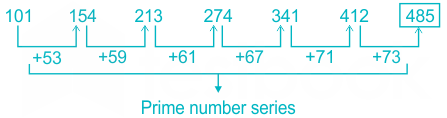
  • Proper management of dynamic variables is crucial to prevent memory leaks and ensure efficient memory usage.
  • Dynamic variables are often used in data structures such as linked lists, trees, and graphs.
75

Which device converts sound to identical analog electrical signal?

  1. ((a))

    Amplifier

  2. ((b))

    Speaker

  3. ((c))

    Microphone

  4. ((d))

    Webcam

Show Answer
Answer: ((c))

Microphone

The correct answer is Microphone.

Key Points

Key Points

A microphone is a device that converts sound into an electrical signal.

  • When sound waves reach the microphone, its diaphragm vibrates in response to the pressure variations.
  • These vibrations are converted into an analogous electrical signal, which represents the original sound waves.
  • Microphones are used in various applications, including telephones, hearing aids, public address systems, and audio recording.
  • Common types of microphones include dynamic microphones, condenser microphones, and ribbon microphones.
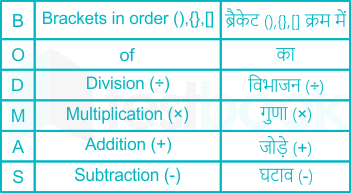
  • Microphones are essential in audio technology, enabling sound recording and amplification.
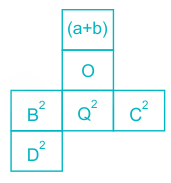
Additional Information

Additional Information

  • Microphones can be categorized based on their directional characteristics: omnidirectional, bidirectional, and unidirectional (cardioid, supercardioid, and hypercardioid).
  • In professional audio recording, condenser microphones are often preferred for their sensitivity and accuracy in capturing sound.
  • Dynamic microphones are robust and can handle high sound pressure levels, making them suitable for live sound applications.
  • The first practical microphone was invented by Emile Berliner in 1877.
76

The tags in HTML are ______.

  1. ((a))

    In Uppercase

  2. ((b))

    Case-Sensitive

  3. ((c))

    Not Case Sensitive

  4. ((d))

    In Lowercase

Show Answer
Answer: ((c))

Not Case Sensitive

The correct answer is Not Case Sensitive.

Key Points

Key Points

  • HTML tags are not case sensitive, which means that tags can be written in uppercase, lowercase, or a mix of both.
  • For example,
  • This is designed to make HTML easier to write and more forgiving for beginners.
  • However, it is a common practice to write tags in lowercase to maintain consistency and readability.
  • HTML5 specifications recommend using lowercase tags, but browsers will still process uppercase tags correctly.

Additional Information

Additional Information

  • HTML attributes are also not case sensitive, so attributes like "HREF" and "href" are treated the same.
  • However, the values assigned to attributes can be case sensitive depending on the context (e.g., URLs).
  • It is recommended to use lowercase for element names and attribute names to adhere to modern web development best practices.
  • The case insensitivity of HTML tags originates from SGML (Standard Generalized Markup Language), which is the standard on which HTML is based.
77

The data Flow Diagram is the basic component of _______ system.

  1. ((a))

    None of the given options

  2. ((b))

    Logical

  3. ((c))

    Physical

  4. ((d))

    Conceptual

Show Answer
Answer: ((b))

Logical

The correct answer is Logical.

Key Points

  • A Data Flow Diagram (DFD) is a graphical representation of the flow of data through an information system.
  • DFDs are used to visualize how data is processed by a system in terms of inputs and outputs.
  • The main components of a DFD are processes, data stores, data flows, and external entities.
  • DFDs can be used to represent both the logical and physical aspects of a system.
  • However, the basic component of a DFD is typically associated with the logical view of the system.
  • This means that a DFD focuses on the logical flow of information within the system, without getting into the specifics of how the system is physically implemented.

Additional Information

  • DFDs are commonly used during the analysis phase of system development.
  • They help in understanding how the current system operates and how it can be improved.
  • DFDs are also helpful in communicating the functional requirements of a system to stakeholders and developers.
  • There are different levels of DFDs, such as Level 0 (context diagram), Level 1, and Level 2, each providing more detail about the system.
  • Creating accurate DFDs requires a good understanding of the system's processes and data flows.
78

What is the name of the cyber-attack that hits after a network vulnerability is announced but before a patch or solution is implemented?

  1. ((a))

    Denial of Service attack

  2. ((b))

    DNS Tunneling

  3. ((c))

    SQL Injection

  4. ((d))

    Zero-day exploit

Show Answer
Answer: ((d))

Zero-day exploit

The correct answer is Zero-day exploit.

Key Points

  • A Zero-day exploit is a cyber-attack that occurs on the same day a vulnerability is discovered in software, before a patch or solution is implemented.
  • The term "zero-day" refers to the fact that the developers have "zero days" to fix the problem and protect users before the attack happens.
  • These attacks are highly dangerous because they exploit vulnerabilities that are not yet known to the software vendor or the users.
  • Hackers can use zero-day exploits to gain unauthorized access to systems, steal data, or cause other forms of damage.
  • Organizations and individuals are often unprepared for zero-day attacks, making them particularly effective.
  • Zero-day exploits can be discovered through various means, including sophisticated hacking techniques or accidental discovery.

Additional Information

  • To mitigate the risk of zero-day exploits, it is essential to implement robust security practices, such as regular software updates, network monitoring, and using advanced threat detection tools.
  • Organizations can also participate in bug bounty programs to encourage ethical hackers to report vulnerabilities before they can be exploited.
  • Zero-day vulnerabilities are often sold on the black market to malicious actors who seek to exploit them for personal or financial gain.
  • Security researchers and software vendors work tirelessly to identify and patch zero-day vulnerabilities to protect users and systems.
79

______ pairs of traversals is not sufficient to build a unique binary tree.

  1. ((a))

    None of the given options

  2. ((b))

    Preorder and Inorder

  3. ((c))

    Postorder and Inorder

  4. ((d))

    Postorder and Preorder

Show Answer
Answer: ((d))

Postorder and Preorder

The correct answer is Postorder and Preorder.

Key Points

  • Postorder and Preorder traversals are not sufficient to build a unique binary tree.
  • To uniquely construct a binary tree, you generally need the Inorder traversal paired with either Preorder or Postorder traversal.
  • Inorder traversal provides information about the relative positioning of nodes, which is crucial in tree reconstruction.
  • Without Inorder traversal, multiple binary trees can yield the same Postorder and Preorder traversals, making it impossible to determine a unique structure.

Additional Information

  • Inorder traversal is essential because it provides the relative positions of nodes in the tree, which cannot be derived from Preorder and Postorder traversals alone.
  • Preorder traversal lists nodes in the order of root, left subtree, and right subtree.
  • Postorder traversal lists nodes in the order of left subtree, right subtree, and root.
  • Example:
  • Consider a tree with nodes arranged such that multiple structures yield the same Preorder and Postorder traversals but differ in their Inorder traversal.
  • Without Inorder traversal, these different structures cannot be distinguished.
80

Which shortcut key is applicable to create a new document in MS Powerpoint?

  1. ((a))

    Ctrl + M

  2. ((b))

    Ctrl + N

  3. ((c))

    Ctrl + V

  4. ((d))

    Ctrl + X

Show Answer
Answer: ((b))

Ctrl + N

The correct answer is Ctrl + N.

Key Points

Key Points

  • Ctrl + N is the shortcut key to create a new document in MS PowerPoint.
  • When you press Ctrl + N, PowerPoint opens a new blank presentation for you to start working on.
  • This shortcut helps you quickly start a new project without navigating through the menu options.
  • Keyboard shortcuts like Ctrl + N enhance productivity by saving time.

Additional Information

Additional Information

  • Ctrl + M is used to insert a new slide in the current presentation.
  • Ctrl + V is used to paste copied content into a slide.
  • Ctrl + X is used to cut selected content and move it to the clipboard.
  • Knowing various keyboard shortcuts can significantly enhance your efficiency while using MS PowerPoint.
81

Data sent using HTTPS is secured via Transport Layer Security protocol. How many key layers of protection are provided by the protocol?

  1. ((a))

    5

  2. ((b))

    4

  3. ((c))

    3

  4. ((d))

    2

Show Answer
Answer: ((c))

3

The correct answer is 3.

Key Points

Key Points

  • Transport Layer Security (TLS) provides three key layers of protection:
  • Encryption: This ensures that the data being transferred between the client and server is unreadable to any third party who might intercept it. It uses symmetric encryption to secure the communication.
  • Integrity: This ensures that the data is not altered during transit. It uses message authentication codes (MACs) to provide this feature, ensuring that any change in the data can be detected.
  • Authentication: This confirms the identities of the communicating parties. Typically, this involves the use of certificates issued by trusted certificate authorities (CAs) to authenticate the server, and optionally the client.

Additional Information

Additional Information

  • These layers work together to provide a secure communication channel over the internet, protecting data from eavesdropping, tampering, and forgery.
  • TLS is widely used in securing web applications, email, instant messaging, and other internet-based communications.
  • The protocol has undergone several versions, with TLS 1.3 being the latest and most secure version as of now.
  • HTTPS (HTTP Secure) is the implementation of HTTP over TLS, ensuring secure communication between web browsers and servers.
82

'D' in MS DOS is short for which of the following?

  1. ((a))

    Drive

  2. ((b))

    Disk

  3. ((c))

    Data

  4. ((d))

    Database

Show Answer
Answer: ((b))

Disk

The correct answer is Disk.

Key Points

  • In MS-DOS, the letter 'D' stands for Disk.
  • MS-DOS, short for Microsoft Disk Operating System, was an operating system for x86-based personal computers mostly developed by Microsoft.
  • MS-DOS primarily used disks as the main storage medium, which included floppy disks and hard disks.
  • The term 'Disk' in MS-DOS refers to the disk drives used for storing and retrieving data.
  • MS-DOS commands often involved operations on these disks, such as formatting, copying files, and managing directories.
  • Examples of such commands include "FORMAT D:" to format a disk drive and "COPY A: D:" to copy files from one disk to another.

Additional Information

  • MS-DOS was widely used in the 1980s and early 1990s before the advent of more advanced operating systems like Windows.
  • MS-DOS was a command-line operating system, meaning users interacted with it by typing text commands.
  • Many early PC games and software applications were designed to run on MS-DOS.
  • Although MS-DOS is largely obsolete today, it played a crucial role in the history of personal computing and laid the foundation for modern operating systems.
83

In M.S Excel which of the following is the correct Steps for protecting a sheet by password?

  1. ((a))

    Data tab -> protect sheet

  2. ((b))

    Review tab -> Protect sheet

  3. ((c))

    Review tab -> Protect current sheet

  4. ((d))

    Data tab -> protect current sheet

Show Answer
Answer: ((b))

Review tab -> Protect sheet

The correct answer is Review tab -> Protect sheet.

Key Points

Key Points

  • To protect a sheet in M.S Excel, you need to use the Review tab where the Protect Sheet option is available.
  • Here are the steps to protect a sheet by password:
  • Open the Excel workbook that contains the sheet you want to protect.
  • Go to the Review tab on the Ribbon.
  • Click on the Protect Sheet option.
  • In the Protect Sheet dialog box, enter a password if you want to prevent others from unprotecting the sheet.
  • Choose the elements you want to allow users to interact with while the sheet is protected.
  • Click OK to apply the protection.
  • This process helps in securing the data in the sheet from unauthorized modifications.

Additional Information

Additional Information

  • The Review tab also includes other security features such as Protect Workbook and Allow Users to Edit Ranges.
  • Protecting a sheet does not encrypt the data; it only prevents accidental or unauthorized changes.
  • You can also unprotect the sheet by going back to the Review tab and clicking Unprotect Sheet, then entering the password if one was set.
  • Excel provides various ways to secure data, including password protection for opening the workbook and encrypting the workbook.
84

Which of the following worm targeted machines with Windows XP and Windows 2000 operating systems in 2004

  1. ((a))

    Brain

  2. ((b))

    Zeus

  3. ((c))

    Creeper

  4. ((d))

    Sasser

Show Answer
Answer: ((d))

Sasser

The correct answer is Sasser.

Key Points

  • Sasser is a computer worm that targeted machines running Windows XP and Windows 2000 operating systems.
  • It was first discovered in April 2004 and spread rapidly across the internet.
  • Sasser exploited a buffer overflow vulnerability in the Local Security Authority Subsystem Service (LSASS).
  • The worm caused infected machines to reboot repeatedly and interfered with normal operations, leading to significant disruptions.
  • Unlike many other worms, Sasser did not require user intervention to spread; it propagated automatically by scanning random IP addresses for vulnerable systems.

Additional Information

  • The Sasser worm was created by a German computer science student named Sven Jaschan, who was later arrested and convicted for his actions.
  • Microsoft released a patch to fix the LSASS vulnerability, but many systems were infected before the patch could be applied.
  • The Sasser worm highlighted the importance of regular system updates and prompt application of security patches.
  • Organizations were urged to enhance their cybersecurity measures to prevent similar attacks in the future.
85

Determine the OSI layer responsible for token management.

  1. ((a))

    Network Layer

  2. ((b))

    Data Link Layer

  3. ((c))

    Presentation Layer

  4. ((d))

    Transport Layer

Show Answer
Answer: ((b))

Data Link Layer

The correct answer is Data Link Layer.

Key Points Icon

Key Points

  • The Data Link Layer is the second layer in the OSI model and is responsible for node-to-node data transfer, error detection and correction, and flow control.
  • One of the key responsibilities of the Data Link Layer is token management, which is crucial in network topologies like Token Ring.
  • In Token Ring networks, a token circulates around the network; devices must capture the token to send data, ensuring that only one device transmits at a time to avoid collisions.
  • The Data Link Layer also handles MAC addressing, ensuring that data frames are delivered to the correct hardware addresses.
  • This layer is subdivided into two sublayers: the Logical Link Control (LLC) sublayer and the Media Access Control (MAC) sublayer.

Additional Information Icon

Additional Information

  • The Network Layer (Layer 3) is responsible for logical addressing and routing, but not token management.
  • The Presentation Layer (Layer 6) deals with data translation, encryption, and compression, and is not involved in token management.
  • The Transport Layer (Layer 4) ensures end-to-end communication and error recovery but does not manage tokens.
  • Token management is critical for maintaining organized data flow in specific network environments, making the Data Link Layer indispensable in such scenarios.
86

Which of the following is not a Desktop publishing software?

  1. ((a))

    QuarkXpress

  2. ((b))

    CorelDraw

  3. ((c))

    Adobe Indesign

  4. ((d))

    Dream weaver

Show Answer
Answer: ((d))

Dream weaver

The correct answer is Dreamweaver.

Key Points Icon

Key Points

  • Dreamweaver is a web development tool rather than a desktop publishing software.
  • Dreamweaver is used for designing, coding, and managing websites and web applications.
  • It provides a visual interface along with a code editor for HTML, CSS, JavaScript, and other web technologies.
  • Dreamweaver includes features like live preview, syntax highlighting, and code completion.
  • It supports various web standards and frameworks, making it a versatile tool for web development.

Additional Information Icon

Additional Information

  • Dreamweaver integrates with other Adobe tools, enhancing its capabilities for web design and development.
  • It offers features like version control, FTP client, and compatibility with multiple browsers.
  • Dreamweaver is suitable for both beginners and experienced developers due to its user-friendly interface and advanced features.
  • It supports responsive design, allowing developers to create websites that work well on various devices and screen sizes.
87

Which of the following must be done in order to ensure the integrity of your electronic communication?

  1. ((a))

    Encrypt the message with the public key of the recipient and sent and the encrypted message

  2. ((b))

    Hash the message without any key digitally sign the hash, and then sent it to the recipient along with the message

  3. ((c))

    None of the given options

  4. ((d))

    Hash the message with public key of the recipient and sent the hash value of the message along with the massage

Show Answer
Answer: ((b))

Hash the message without any key digitally sign the hash, and then sent it to the recipient along with the message

The correct answer is Hash the message without any key digitally sign the hash, and then sent it to the recipient along with the message.

Key Points

  • To ensure the integrity of electronic communication, it is essential to verify that the message has not been tampered with during transmission.
  • Hashing the message without any key generates a unique hash value, also known as a message digest, that represents the content of the message.
  • Digitally signing the hash involves encrypting the hash value using the sender's private key. This creates a digital signature that can be verified by the recipient using the sender's public key.
  • The recipient can then hash the received message and compare it with the decrypted hash value from the digital signature. If they match, it confirms that the message has not been altered.
  • This process ensures that any unauthorized modifications to the message can be detected, thereby maintaining the integrity of the communication.

Additional Information

  • Hash functions are designed to be one-way functions, meaning it is computationally infeasible to reverse the hash value to obtain the original message.
  • Common hashing algorithms include SHA-256, SHA-3, and MD5, though MD5 is no longer considered secure for cryptographic purposes.
  • Digital signatures not only verify integrity but also authenticate the identity of the sender, providing non-repudiation.
  • Public Key Infrastructure (PKI) is commonly used to manage digital certificates and public-private key pairs for secure communication.
88

HTML links are defined with the _______ tag.

  1. ((a))
    <a>
  2. ((b))
    <hl>
  3. ((c))
    <p>
  4. ((d))
    <link>
Show Answer
Answer: ((a))
<a>

The correct answer is <a>.

Key Points

  • The <a> tag in HTML is used to define hyperlinks, which allow users to navigate between web pages.

  • It stands for "anchor" and is written as <a href="URL">Link Text</a>.

  • The href attribute specifies the destination URL of the link.

  • Links can point to other websites, files, email addresses, or sections within the same page.

  • Without the <a> tag, clickable links would not exist in HTML.

Additional Information The <a> tag can also be used with other attributes like target="_blank" to open links in a new tab.

  • HTML5 introduced new link types, such as rel="nofollow" for SEO purposes.
  • Other tags like <p> (paragraph), <hl> (invalid), and <link> (for external resources) do not create clickable hyperlinks.
  • The <a> tag is a fundamental element in web development, enabling navigation and interconnectivity across the internet.

This makes <a> the correct answer for defining HTML links.

89

In Gmail, what is the maximum limit for messages automatically forwarded to another account?

  1. ((a))

    10000

  2. ((b))

    15000

  3. ((c))

    2000

  4. ((d))

    100

Show Answer
Answer: ((a))

10000

The correct answer is 10000.

Key Points

  • In Gmail, the maximum limit for messages that can be automatically forwarded to another account is 10000 per day.
  • This limit helps prevent spam and ensures that Gmail's infrastructure remains efficient and reliable.
  • If you exceed this limit, Gmail will stop forwarding messages until the limit resets the next day.
  • Automatic forwarding can be set up in Gmail settings under the "Forwarding and POP/IMAP" tab.
  • This feature is useful for users who want to consolidate their emails from multiple accounts into one primary account.
  • It is important to be aware of this limit to avoid interruptions in email forwarding.

Additional Information

  • If you need to forward more than 10000 messages per day, consider using other email management tools or services that can handle higher volumes.
  • Be mindful of Gmail's usage policies to avoid temporary suspension or other restrictions.
  • Regularly check your forwarding settings to ensure they are configured correctly and that you are not missing important emails.
  • For businesses, using Google Workspace can offer more flexibility and additional features for managing large volumes of email.
90

In PDF, which of the following statement is false regarding image space?

  1. ((a))

    All images are one unit by one unit in user space.

  2. ((b))

    The transformation from image space to user space is predefined and cannot be changed.

  3. ((c))

    All images are defined in image space.

  4. ((d))

    The transformation from image space to user space is provided by a matrix called the image matrix.

Show Answer
Answer: ((d))

The transformation from image space to user space is provided by a matrix called the image matrix.

The correct answer is Option 4.

Key Points

Key Points

  • In PDF, all images are defined in image space.
  • The transformation from image space to user space is provided by a matrix called the image matrix.
  • The transformation from image space to user space can be changed, contrary to what option 2 suggests.
  • All images are not necessarily one unit by one unit in user space, contrary to what option 1 suggests.

Additional Information

Additional Information

  • PDFs use a coordinate system where the origin is at the bottom-left corner of the page.
  • The image matrix allows for scaling, rotating, and translating images within the PDF.
  • Understanding the image matrix is crucial for precise placement and manipulation of images in PDF documents.
  • PDFs maintain a consistent method for handling images across different viewers and platforms.
91

A paper is folded and cut, as shown below. How will it appear when unfolded?

  1. ((a))

  2. ((b))

  3. ((c))

  4. ((d))

Show Answer
Answer: ((a))

When the paper is unfolded:

Hence, the correct answer is "Option (1)".

92

A man leaves from his office for his home. He walks towards East. After moving a distance of 20 m, he turns South and walks 10 m. Then he walks 35 m towards the west and further 5 m towards the north. He then turns towards east and walks 15 m. What is the straight distance (in metres) between his initial and final position?

  1. ((a))

    10

  2. ((b))

    5

  3. ((c))

    7

  4. ((d))

    12

Show Answer
Answer: ((b))

5

Given:

A man leaves from his office for his home.

He walks towards East.

After moving a distance of 20 m, he turns South and walks 10 m.

Then he walks 35 m towards the west and further 5 m towards the north.

He then turns towards east and walks 15 m.

So, the man is 5 Km far from his initial and final position'.

Hence, the correct answer is "Option (2)".

93

If the alphabets are written in reverse order after interchanging alphabets from 'D to L' with those form R to Z' respectively, which letter would be midway between W and E in the new order?

  1. ((a))

    E

  2. ((b))

    N

  3. ((c))

    Z

  4. ((d))

    D

Show Answer
Answer: ((b))

N

We will draw a table consisting of three rows and 27 columns;

Row 1 represents all the alphabets before rearranging

Row 2 represents all the alphabets are written in reverse order after interchanging alphabets from 'D to L' with those form to Z' respectively.

Row 3 represents the arrangement of alphabets of 2nd row in reverse order

1ABCDEFGHIJKLMNOPQRSTUVWXYZ
2ABCRSTUVWXYZMNOPQDEFGHIJKL
3LKJIHGFEDQPOMNZYXWVUTSRCBA

The letter 'N' midway between W and E in the new order.

Hence, the correct answer is "Option (2)".

94

Find the next term of the given series.

nature, ensure, tense, spent, spurn,?

  1. ((a))

    thrash

  2. ((b))

    asset

  3. ((c))

    upturn

  4. ((d))

    pushup

Show Answer
Answer: ((c))

upturn

nature, ensure, tense, spent, spurn, upturn

Here the letter ‘n’ moves one step forward in the next word of the series.

Hence, the answer is "upturn".

95

If book is called notebook, notebook is called pen, pen is called pencil, pencil is called bag, bag is called class and class is called blackboard. Where a child put on his books?

  1. ((a))

    Pencil

  2. ((b))

    Class

  3. ((c))

    Bag

  4. ((d))

    Pen

Show Answer
Answer: ((b))

Class

The logic followed here is:

WordCalled as
booknotebook
notebookpen
penpencil
pencilbag
bagclass
classblackboard

A child puts book on bag and bag called class.

Hence, the correct answer is "class".

96

Select the related word/letters/number from the given alternatives.

129 : 9 :: 382 : ?

  1. ((a))

    28

  2. ((b))

    30

  3. ((c))

    24

  4. ((d))

    22

Show Answer
Answer: ((c))

24

The logic follows here:

1st number product of digits ÷ 2 = 2nd number.

Given:

129 : 9

⇒ (1 × 2 × 9) ÷ 2 = 18 ÷ 2 = 9 = 2nd number. 

Similarly,

382 : ?

⇒ (3 × 8 × 2) ÷ 2 = 48 ÷ 2 = 24 = 2nd number. 

Hence, the correct answer is "Option (3)".

97

From the given responses, find the missing letter in the series.

FKP, GMQ, HOR, ?

  1. ((a))

    CYI

  2. ((b))

    IFH

  3. ((c))

    SNK

  4. ((d))

    IQS

Show Answer
Answer: ((d))

IQS

<br>

The logic is shown below:

Letser09871

Hence, IQS will be the next term in the series.

98

Select the related letters from the given alternatives.

TSQ : JHG :: LTM : ?

  1. ((a))

    FBC

  2. ((b))

    ACD

  3. ((c))

    NGO

  4. ((d))

    UVO

Show Answer
Answer: ((c))

NGO

Here alphabets are changed according to their reverse values for example-

Positional value of T is 20 and reverse of T is G (As reverse value of G = 27 - 7 = 20)

So, the pattern followed here is,

AASSSSSSSSSAAAAAAAAAAASSSSS

Similarly,

LKKKKKSDJSJHJSH

So, the code for LTM will be NGO.

Hence, the correct answer is "Option (3)".

99

In the following question, select the numbers which can be placed at the sign of question marks (?) in first and second row respectively from the given alternatives.

2418
3012


2016
2412


?20
30?
  1. ((a))

    24 and 11

  2. ((b))

    24 and 12

  3. ((c))

    25 and 15

  4. ((d))

    26 and 13

Show Answer
Answer: ((c))

25 and 15

The logic follows here:

Sum of uper side number = Sum of lower side number.

Given:

2418
3012

⇒ 24 + 18 = 42 = 30 + 12

And,

2016
2412

⇒ 20 + 16 = 36 = 24 + 12

Similarly, In option (3):

?20
30?

⇒ 20 + 25 = 45 = 30 + 15

Hence, the correct answer is "Option (3)".

100

Some boys are sitting in a row. P is sitting fourteenth from the left and Q is seventh from the right. If there are four boys between P and Q, how many boys are there in the row?

  1. ((a))

    23

  2. ((b))

    21

  3. ((c))

    25

  4. ((d))

    19

Show Answer
Answer: ((c))

25

The logic followed here is:

Position of P from the left = 14th

Position of Q from the right = 7th

There are 4 boys between P and Q.

So, Position of Q from the left = Position of P from the left + 4 (boys between P and Q) + 1 (Q itself)

= 14 + 4 + 1

= 19th

Now, the total number of boys in the row = Position of Q from the left + Position of Q from the right - 1

= 19 + 7 - 1

= 25

Hence, the correct answer is "Option 3".

101

Three of the following four letter-clusters are alike in a certain way and one is different.

Pick the odd one out.

  1. ((a))

    ​XBFJ

  2. ((b))

    DHLP

  3. ((c))

    HLPT

  4. ((d))

    CGKQ

Show Answer
Answer: ((d))

CGKQ

Alphabet

The pattern followed here is:

1) 

F2 T.D Pallavi 17-Nov-2019 D 4

2) 

F2 T.D Pallavi 17-Nov-2019 D 6

3) 

F2 T.D Pallavi 17-Nov-2019 D 5

4) 

F2 T.D Pallavi 17-Nov-2019 D 7

Hence, the correct answer is "CGKQ".

102

Select the related number from the given alternatives.

PMU : 37 :: QVS : ?

  1. ((a))

    58

  2. ((b))

    40

  3. ((c))

    36

  4. ((d))

    29

Show Answer
Answer: ((c))

36

The logic follows here:

Sum of 1st and 3rd letter position value = Coded number.

Given:

PMU : 37

⇒ P(16) + U(21) = 16 + 21 = 37

Similarly,

QVS : ?

⇒ Q(17) + S(19) = 17 + 19 = 36

Hence, the correct answer is "Option (3)".

103

If 'P' means '×', 'Q' means '+', 'S' means '÷', and 'R' means '-', then

12 P 2 Q 14 S 7 = ?

  1. ((a))

    21

  2. ((b))

    26

  3. ((c))

    24

  4. ((d))

    27

Show Answer
Answer: ((b))

26

BODMAS Rule:

Decoding the given information:

AlphabetPQRS
Meaning×+÷-

Given Equation: 12 P 2 Q 14 S 7 = ?

Now replacing the sign from left to right using BODMAS Rule, we get:

12 × 214 ÷ 7

⇒ 24 + 2

⇒ 26

Hence, the correct option is "Option 2".

104

If a mirror is placed on the line AB, then which of the answer figures is the image of the given figure?

  1. ((a))

  2. ((b))

  3. ((c))

  4. ((d))

Show Answer
Answer: ((d))

The correct mirror image of the given figure is:

Hence, the correct answer is "Option 4".

105

Select the related number from the given alternatives.

0.5 : 2 :: 0.125 : ?

  1. ((a))

    6

  2. ((b))

    12

  3. ((c))

    8

  4. ((d))

    16

Show Answer
Answer: ((c))

8

The logic follows here:

⇒ 1 ÷ 1st number = 2nd number.

In 0.5 : 2

⇒ 1 ÷ 0.5 = 2

Similarly,

⇒ 1 ÷ 0.125 = 8

Hence, the correct answer is "Option (3)".

106

What comes in place of (?) in the figures given below.

64125
216405
827
64?
  1. ((a))

    121

  2. ((b))

    100

  3. ((c))

    125

  4. ((d))

    99

Show Answer
Answer: ((d))

99

The logic followed here is:

Hence, "Option 4" is the correct answer.

107

Shahrukh starts driving from point A and drives 12 km towards north. He takes a right turn and drive 20 km. He now drives 8 km after taking a left turn. Finally he takes a left turn; and drives 20 km and stops at point B.

Towards which direction does Shahrukh move before stopping at point B?

  1. ((a))

    Northwest

  2. ((b))

    West

  3. ((c))

    Southeast

  4. ((d))

    East

Show Answer
Answer: ((b))

West

Given:

Shahrukh starts driving from point A and drives 12 km towards north.

He takes a right turn and drive 20 km.

He now drives 8 km after taking a left turn.

Finally he takes a left turn; and drives 20 km and stops at point B.

Thus, Shahrukh should move in the west direction before stopping at point B.

Hence, "Option 2" is the correct answer.

108

A piece of paper is folded and punched as shown below in the question figures. From the given answer figures, indicate how it will appear when opened.

  1. ((a))

  2. ((b))

  3. ((c))

  4. ((d))

Show Answer
Answer: ((c))

The figure which will look like the paper when unfolded is shown below:

Thus, option Figure 4 will look like the paper when unfolded.

Hence, "Option 3" is the correct answer.

109

DIRECTIONS: Select one alternative out of given four alternatives, which has same relationship as first two terms of given question.

Y2 : 4 :: V2 : ?

  1. ((a))

    9

  2. ((b))

    25

  3. ((c))

    49

  4. ((d))

    16

Show Answer
Answer: ((b))

25

The logic followed here is:

Y2 : 4

Similarly,

V2 : ?

Hence, "Option 2" is the correct answer.

110

Find the next term in the following series.

101 154  213  274  341  412 ?

  1. ((a))

    485

  2. ((b))

    486

  3. ((c))

    488

  4. ((d))

    484

Show Answer
Answer: ((a))

485

The logic followed here is:

Hence, "Option 1" is the correct answer.

111

In question, a few statements have been given followed by some conclusions. Consider the statements to be true and answer which of the given conclusions are correct with respect to the statements..

Statements:

Some bowls are plates.

No plate is a glass.

Conclusions:

I. Some glasses are not bowl.

II. All glasses being bowl is a possibility.

  1. ((a))

    either conclusion I or II follows

  2. ((b))

    neither conclusion I nor II follows

  3. ((c))

    only conclusion II follows

  4. ((d))

    conclusion I follows

Show Answer
Answer: ((c))

only conclusion II follows

The least possible Venn diagram is shown below:

Conclusions:

  1. Some glasses are not bowl → False (Some bowls are plates, and no plate is a glass implies that those part of bowls which are plates can never be glass).

2.All glasses being bowl is a possibility → True (Some bowls are plates, and no plate is a glass implies that no statement restricts all glasses being bowls, therefore it is possible.)

Thus, only conclusion II follows.

Hence, the correct answer is "Option 3".

112

If "α" denotes "added to", "β" denotes "subtracted from", "∂" denotes "divided by" and "Θ" denotes "multiplied by", then

55 Θ 5 ∂ 55 β 5 α 55 =?

  1. ((a))

    5

  2. ((b))

    55

  3. ((c))

    555

  4. ((d))

    85

Show Answer
Answer: ((b))

55

Decoding signs:

SignαβΘ
Stands For+-÷×

Given: 55 Θ 5 ∂ 55 β 5 α 55 =?

55 Θ 5 ∂ 55 β 5 α 55 =? ⇒ 55 × 5 ÷ 55 - 5 + 55 =?

⇒ 55 × 5 ÷ 55 - 5 + 55 =?

⇒ 55 × 0.09 - 5 + 55 =?

⇒ 5 + 55 - 5 =?

60 - 5 =?

55 = ?

Hence, "Option 2" is the correct answer.

113

Choose the box that is NOT similar to the box formed from folding the given sheet of paper.

.

  1. ((a))

  2. ((b))

  3. ((c))

  4. ((d))

Show Answer
Answer: ((d))

The folding the paper cutting along the lines to make a cubical box is shown below:

⇒ As the alternate positions become opposite to each other, the remaining two faces become opposite to each other.

So, opposite pairs are:

(a + b) → Q2

B2 → C2

O → D2

So, each checking option one by one:

Option 1)

⇒ Can be made because all are opposite sides.

Option 2) 

⇒ Can be made because all are opposite sides.

Option 3) 

⇒ Can be made because all are opposite sides.

Option 4) 

⇒ Cannot be made because 'B2' is adjacent to 'C2'.

Hence, "Option 4" is the correct answer.

114

A tower has a height of 50 m. It has an angle of elevation from two points on the ground level on its opposite sides 30° and 60° respectively. Calculate the distance between two points.

  1. ((a))

    107.56 m

  2. ((b))

    115.47 m

  3. ((c))

    110.97 m

  4. ((d))

    120.93 m

Show Answer
Answer: ((b))

115.47 m

Given:

Height of tower = 50 m.

The angle of elevation on the ground level on opposite sides are 30° and 60°.

Calculation:

Let OT be the tower.

⇒ OT = 50 m

Let A and B be the two points on the ground on the opposite sides of OT.

⇒ Then, ∠TAO = 30°, ∠TBO = 60°

⇒ Distance between AB = AO + OB = x + y

Now, in a right-angled triangle ATO,

⇒ tan30° = OT/AO = 50/x

⇒ x = 50√3 m = 86.60 m

In right angled triangle BTO,

⇒ tan60°  = OT/OB = 50/y

⇒ y = 50/√3 = 28.86 m

∴ Required distance = x + y = 28.86 + 86.60 = 115.47 m

The correct answer is option 2 i.e.115.47 m

115

Tickets numbered 1 to 25 are mixed up and then a ticket is drawn at random. What is the probability that the ticket drawn has a number which is a multiple of 3 or 5?

  1. ((a))

    25\frac{2}{5}

  2. ((b))

    1125\frac{11}{25}

  3. ((c))

    1225\frac{12}{25}

  4. ((d))

    1325\frac{13}{25}

Show Answer
Answer: ((c))

1225\frac{12}{25}

Concept Used:

Probability = number of favourable outcomes / total number of outcomes

Calculation:

First, let's determine the number of tickets that are multiples of 3 or 5.

Multiples of 3 between 1 and 25 are: 3, 6, 9, 12, 15, 18, 21, 24. That's a total of 8.

Multiples of 5 between 1 and 25 are: 5, 10, 15, 20, 25. That's a total of 5.

So, total we have 8 + 5 = 13.

But notice we counted the number 15 twice because it's a multiple of both 3 and 5. So we should not double count that.

So the correct total is 13 - 1 = 12.

The probability of drawing a number which is a multiple of 3 or 5 :

⇒ 1225\dfrac{12}{25}

The correct answer is option 3

116

A number is first increased by 22% and then increased by 18%. The number, so obtained, is now decreased by 30% What is the net increase or decrease percent in the original number (nearest to an integer)?

  1. ((a))

    1% increase

  2. ((b))

    7% increase

  3. ((c))

    3% decrease

  4. ((d))

    1% decrease

Show Answer
Answer: ((a))

1% increase

Given:

The number first increased by 22%.

then same increased by 18%. 

The number, so obtained, is now decreased by 30% 

Calculation:

Let the number be 100x 

The number first increased by 22%.

⇒ 100x×122100100x \times \dfrac{122}{100}  = 122x 

Now the same increased by 18%.

⇒ 122x×118100122x \times \dfrac{118}{100}  = 143.96x 

Now decreased by 30%.

⇒ 143.96x×70100143.96x \times \dfrac{70}{100}  = 100.77x

Net increase or decrease percent in the original number.

⇒ 100.77x - 100x = .77x  \simeq  1 % increase.


The correct answer is 1% increase

117

Which of the following options will complete the given series:

_ A _ _ C _ B _ _ A _ B

  1. ((a))

    CBBBBCB

  2. ((b))

    CBBABCB

  3. ((c))

    CBABABC

  4. ((d))

    CABACBB

Show Answer
Answer: ((b))

CBBABCB

Given series: _ A _ _ C _ B _ _ A _ B

Option 1) CBBBBCB → C A B B C B B B C A B B → (It doesn't follow any pattern)

Option 2) CBBABCB → C A B B C A B B C A B B → (It follows the pattern of: CABB - CABB - CABB)

Option 3) CBABABC → C A B A C B B A B A C B → (It doesn't follow any pattern)

Option 4) CABACBB → C A A B C A B C B A B B → (It doesn't follow any pattern)

Hence, "Option 2" is the correct answer.

118

Study the following bar graph carefully and answer the question based on it.

The following bar graph shows the political turnover in the period of four years during the time of different American presidents.

During which President the political turnover was maximum?

  1. ((a))

    H.W. Bush

  2. ((b))

    W. Bush

  3. ((c))

    Clinton

  4. ((d))

    Reagan

Show Answer
Answer: ((d))

Reagan

Calculation:


Political Turnover of President Reagan:

⇒ 17 + 40 + 13 + 8 = 78%

Political Turnover of President H.W Bush:

⇒ 7 +18 +32 +9  = 66%

Political Turnover of President Clinton :

⇒ 11 + 27 + 20 + 16 = 74%

Political Turnover of President W Bush:

⇒ 6 + 27 + 25 +15  = 73%

Political Turnover of President Obama:

⇒ 9 + 15 + 43 + 4 = 71%

From above We can say Reagan's President the political turnover was maximum.

∴The correct answer is option 4 i.e. Reagan

119

Anu and Manu enter into a partnership with capitals in the ratio of 7 ∶ 9 and at the end of 7 months, Manu withdraws his money. If they receive profits of Rs.600 and Rs.900 respectively. Find how long Anu's capital was used.

  1. ((a))

    7 months

  2. ((b))

    4 months

  3. ((c))

    5 months

  4. ((d))

    6 months

Show Answer
Answer: ((b))

4 months

Given:

Anu and Manu  enter into a partnership with capitals 7: 9,

At the end of 7 months Manu withdraws; if they receive a profit of Rs.600 and Rs.900 respectively.

Calculation:

Let the initial capital of Anu and Manu be 7 and 9

Let Anu capital be used for ‘t’ months.

We know that, the ratio of Share of Anu: Manu = (Amount of money × Number of months)

⇒ X : Y = 7×t9×7=600900\dfrac{7 × t}{9 × 7} = \dfrac{600}{900}

⇒ 63 × 9t = 54 × 42 

⇒ 9t=54×42639t = \dfrac{54 \times 42}{63}   = 9t = 36

⇒ t = 4 

Anu's capital was used for 4months.

120

If cos A = 3/2\sqrt{3} / 2 and sin B = 1/21 / \sqrt{2} , then what is the value of sin(B - A)?

  1. ((a))

    (31)/22(\sqrt{3}-1) / 2 \sqrt{2}

  2. ((b))

    (31)/33(\sqrt{3}-1) / 3 \sqrt{3}

  3. ((c))

    (3+1)/22(\sqrt{3}+1) / 2 \sqrt{2}

  4. ((d))

    (31)/3(\sqrt{3}-1) / 3

Show Answer
Answer: ((a))

(31)/22(\sqrt{3}-1) / 2 \sqrt{2}

`Given:

cos A = √3 / 2

sin B = 1 / √2

Formula Used:

sin(B - A) = sin B × cos A - cos B × sin A

Calculation:

cos A = √3 / 2 ⇒ A = 30°

sin B = 1 / √2 ⇒ B = 45°

sin(B - A) = sin B × cos A - cos B × sin A

sin 45° = 1 / √2, cos 30° = √3 / 2

cos 45° = 1 / √2, sin 30° = 1 / 2

sin(B - A) = (1 / √2 × √3 / 2) - (1 / √2 × 1 / 2)

= (√3 / (2√2)) - (1 / (2√2))

= (√3 - 1) / (2√2)

∴ sin(B - A) = (√3 - 1) / (2√2)

121

A word has been given, followed by four other words, one of which cannot be formed by using the letters from the given word. Find that word.

MERCHANDISE

  1. ((a))

    CHANGE

  2. ((b))

    CHARM

  3. ((c))

    DICE

  4. ((d))

    MESH

Show Answer
Answer: ((a))

CHANGE

Given word: MERCHANDISE

Option 1) CHANGE: We cannot form as we have no ‘G’ in MERCHANDISE.

Option 2) CHARM: Can be formed as MERCHANDISE

Option 3) DICE: Can be formed as MERCHANDISE

Option 4) MESH: Can be formed as MERCHANDISE

Hence, "Option 1" is the correct answer.

122

A bookshelf contains 2 English, 3 Hindi and 4 Sanskrit books. If two books are picked at random, then what is the probability that both of them are Sanskrit books?

  1. ((a))

    112\frac{1}{12}

  2. ((b))

    136\frac{1}{36}

  3. ((c))

    19\frac{1}{9}

  4. ((d))

    16\frac{1}{6}

Show Answer
Answer: ((d))

16\frac{1}{6}

Given: 

Number of English Books = 2

Number of Hindi Books = 3

Number of Sanskrit Books=  4

Formula used:

P(E) = n(E)/ n(S)

Here n(E) = Number of the desired event

n(S) = Number of sample space

nCx=n!(nx)! n!^n C_x = {n! \over (n-x)!\ n!}

Calculation:

The total number of ways two Sanskrit books can be selected is

4C2=4!(42)! 2!^4 C_2 = {4! \over (4-2)!\ 2!} = 6 Ways 

The total number of ways to select two books out of nine can be calculated with a combination.

⇒ 9C2=4!(92)! 2!^9 C_2 = {4! \over (9-2)!\ 2!} = 36 Ways

So the probability that both the books are Sanskrit books is the number of favourable outcomes divided by the total number of outcomes.

Therefore, the probability is  636\dfrac{6}{36}  = 16\dfrac{1}{6}

The correct answer is option 4 i.e. 16\dfrac{1}{6}

123

In an opinion poll conducted by a popular magazine, it was found that out of 360 people surveyed, 50% watch Z TV, 25% watch Sony TV and 25% watch Star TV. 75% of the surveyed were women. If 40% of the men watch Z TV and 20% of the women watch Star TV, then what percentage of those who watch Sony TV, were women?

(Assume that each person watches exactly one channel)

  1. ((a))

    60%

  2. ((b))

    80%

  3. ((c))

    40%

  4. ((d))

    90%

Show Answer
Answer: ((b))

80%

Calculation:

Total number of people surveyed = 360

Number of people who watch Z TV = 50% of 360 = 180

Number of people who watch Sony TV = 25% of 360 = 90

Number of people who watch Star TV = 25% of 360 = 90

Total number of women in the survey = 75% of 360 = 270

So, the number of men in the survey = 360 - 270 = 90

Number of men that watch Z TV = 40% of 90 = 36

Number of women who watch star TV = 20% of 270 = 54

Now, we can calculate the number of women who watch Z TV and Sony TV.

We know that total number watching Z TV = is 180, out of which 36 are men, so rest, i.e., 180-36=144 must be women.

Number of women watching Sony TV = Total women - Women watching Z TV - Women watching Star TV = 270 - 144 - 54 = 72

Hence, the percentage of those who watch Sony TV, who were women is = (72/90) × 100 = 80%.

The correct answer is option 2 i.e. 80%

124

A cycle seller gives 10% discount and gets 26% profit on a cycle. If marked price of a cycle is Rs 840, then what amount he pays for that cycle?

  1. ((a))

    Rs 700

  2. ((b))

    Rs 650

  3. ((c))

    Rs 750

  4. ((d))

    Rs 600

Show Answer
Answer: ((d))

Rs 600

Given,

Marked price = Rs. 840

Discount = 10%

Calculation:

∴ Discount amount = 0.10 × 840 = 84

∵ Selling price = Marked price – Discount

∴ Selling price = 840 – 84 = Rs. 756…..(1)

Let, Cost price for the dealer = Rs. x

Given, Profit = 26%

∵ Selling price = Cost price + Profit

∴ Selling price = x + 0.26x = 1.26x……(2)

∴From (1) and (2)

⇒1.26x = 756

⇒ x = Rs. 600

The correct answer is option 4 i i.e.  Rs. 600

125

The question below consists of a question and two statements numbered I and II given below it. You have to decide whether the data

provided in which of the statements are sufficient to answer the question. Choose your answer from the options based on this.

Which word can be coded as '21'?

I. 'Popular on demand' is written as '77 63 21'.

II. 'Always demand more' is written as '63 12 76'.

  1. ((a))

    If the data in statement I alone are sufficient to answer the question, while the data in statement II alone are not sufficient to answer the question.

  2. ((b))

    If the data in both the statements I and II together are not sufficient to answer the question.

  3. ((c))

    If the data either in statement I alone or in statement II alone are sufficient to answer the question.

  4. ((d))

    If the data in statement II alone are sufficient to answer the question, while the data in statement I alone are not sufficient to answer the question.

Show Answer
Answer: ((b))

If the data in both the statements I and II together are not sufficient to answer the question.

According to the question:

I. 'Popular on demand' is written as '77 63 21'.

Here, either of the words given can be coded as '21'. Thus, data in statement I alone is insufficient to answer the question.

II. 'Always demand more' is written as '63 12 76'.

Here, no word given can be coded as '21'. Thus, data in statement II alone is insufficient to answer the question.

Combing I and II: 'Popular on demand' is written as '77 63 21'. 'Always demand more' is written as '63 12 76'.

Here, either Popular or on can be coded as 21, thus the data in both the statements I and II together are not sufficient to answer the question.

Hence, "Option 2" is the correct answer.

126

Select the option that is related to the figure in the same way that the second figure is related to the first figure.

  1. ((a))

  2. ((b))

  3. ((c))

  4. ((d))

Show Answer
Answer: ((c))

The logic followed here is:

→ Mirror image

Similarly,

→ Mirror image

Hence, "Option 3" is the correct answer.

127

A merchant buying goods abroad at a discount of 33.33% on the catalogue price has to pay import duty of 20% on the net cost of goods, realize a profit of 25% on his outlay, what must he charge for an article priced Rs. 228 in the catalogue?

  1. ((a))

    228

  2. ((b))

    317

  3. ((c))

    Cannot be determined

  4. ((d))

    322

Show Answer
Answer: ((a))

228

Given:

A merchant buying goods abroad at a discount of 33.33% .

Import duty  = 20% , profit must be  = 25%

Calculation:

Discount = 33.33% of 228 = 0.3333 x 228 = Rs. 75.99 (approx)

Net amount after discount = Catalogue price - Discount = 228 - 75.99 = Rs. 152.01

The import duty is 20% on Rs. 152.01:

Import Duty = 20% of 152.01 = 0.20 x 152.01 = Rs. 30.40 (approx)

Total cost after adding the import duty = Net amount + Import Duty = 152.01 + 30.40 = Rs. 182.41

Price the merchant should charge to realize a profit of 25%:

Profit = 25% of 182.41 = 0.25 x 182.41 = Rs. 45.60 (approx)

Price the merchant should charge = Total cost + Profit = 182.41 + 45.60 = Rs. 228.01 (approx)

The correct answer is option 1 i.e.Rs 228

128

The table given below shows the number of applicants who have applied for exam at various centres as percentage of total number of applicants. The table also shows the number online applicants and absent applicants as a percentage of total applicants of each centre. Total number of applicants is 12,000.

Exam centreTotal applicantsOnline applicantsAbsent Applicants
A15%30%36%
B25%44%25%
C20%52%32%
D24%46%18%
E16%38%20%

What are the total number of present applicants from exam centre B and C together?

  1. ((a))

    3882

  2. ((b))

    3426

  3. ((c))

    2518

  4. ((d))

    3382

Show Answer
Answer: ((a))

3882

Concept Used : 

Total Number of applicants = Total present applicants + Total absent applicants

Calculation:

Total number of present applicants from Center B:

⇒ 25100×75100×12000\dfrac{25}{100} \times \dfrac{75}{100} \times 12000 

⇒ 2250

Total number of present applicants from Center C:

⇒ 20100×68100×12000\dfrac{20}{100} \times \dfrac{68}{100} \times 12000

⇒ 1632

Total number of present applicants from exam centres B and C together :

⇒ 2250 + 1632 = 3882

129

Find the missing term.

  1. ((a))

    131

  2. ((b))

    118.5

  3. ((c))

    129

  4. ((d))

    105.5

Show Answer
Answer: ((a))

131

The logic followed here is:

Hence, "Option 1" is the correct answer.

130

A Navy captain going away from a radar at the speed of 3(√3-1) m/s. He observes that it takes him 45 seconds to change the angle of elevation of the top of the radar from 60° to 45°. What is the height of radar (in meters)?

  1. ((a))

    1353135 \sqrt{3}

  2. ((b))

    135(31)135(\sqrt{3}-1)

  3. ((c))

    2703270 \sqrt{3}

  4. ((d))

    270(31)270(\sqrt{3}-1)

Show Answer
Answer: ((a))

1353135 \sqrt{3}

Given:

Speed of radar = 3(√3-1) m/s

Takes him 45 seconds to change the angle of elevation of the top of the radar from 60° to 45°.

Calculation:

Let the height ofradar  AB = H metre

In ΔABC;

BC = H/tan 60°

⇒ BC = H/√3

In ΔABD;

BD = H/tan 45°

⇒ BD = H

Since the Navy captain takes 45 seconds to cover distance CD with speed of 3(√3 - 1) m/s;

∴ CD = 3(√3 - 1) × 45

⇒ H - H/√3 = 135√3 - 135

⇒ H(√3 - 1) = 135√3(√3 - 1)

⇒ H = 135√3 metres

∴ Height of the radar = 135√3 metres

131

_______is the big problem for every organization.

  1. ((a))

    Performance appraisal

  2. ((b))

    Promotion and transfer

  3. ((c))

    Attracting and retaining

  4. ((d))

    recruiting and selecting

Show Answer
Answer: ((c))

Attracting and retaining

The correct answer is - Attracting and retaining

Key Points

  • Attracting and retaining employees is a critical challenge faced by organizations due to:
  • Increased competition for skilled talent in the job market.
  • The need to offer competitive salaries, benefits, and growth opportunities to attract the best candidates.
  • Employee turnover, which leads to higher costs for recruitment, training, and onboarding new hires.
  • Creating a positive organizational culture to enhance job satisfaction and employee loyalty.
  • Organizations must focus on building a strong employer brand to be seen as a preferred workplace.
  • Failure to attract and retain top talent can negatively impact productivity, innovation, and overall organizational success.

Additional Information

  • Related Challenges in HR Management:
  • Performance Appraisal:
  • While it is essential for identifying employee strengths and areas for improvement, it can be subjective and lead to dissatisfaction.
  • Ineffective appraisals can demotivate employees and affect retention rates.
  • Promotion and Transfer:
  • Fair and transparent policies are required to ensure that deserving employees are rewarded.
  • Perceived bias in promotions can lead to dissatisfaction and attrition.
  • Recruiting and Selecting:
  • An effective recruitment process ensures the right fit for both the role and the organization.
  • Delays or inefficiencies in recruitment can lead to missed opportunities in hiring top talent.
  • Strategies for Attracting and Retaining Talent:
  • Offer competitive compensation and benefits packages.
  • Invest in employee development through training and growth opportunities.
  • Foster a positive work environment that values diversity, inclusion, and employee well-being.
  • Implement effective employee engagement initiatives to increase job satisfaction and retention.
132

Which of the following process that deals with a relatively permanent change in behavior that occurs as a result of experience for reinforced practice.

  1. ((a))

    Learning

  2. ((b))

    leadership

  3. ((c))

    communication

  4. ((d))

    Motivation

Show Answer
Answer: ((a))

Learning

The correct answer is - Learning

Key Points

  • Learning
  • Learning refers to a relatively permanent change in behavior that occurs as a result of experience or reinforced practice.
  • It involves acquiring new knowledge, skills, or attitudes and is a fundamental process for personal and professional development.
  • Reinforcement, whether positive or negative, plays a key role in strengthening learned behaviors.
  • Examples of learning processes include:
  • Classical conditioning - Learning through association.
  • Operant conditioning - Learning through consequences (rewards or punishments).
  • Cognitive learning - Learning through observation and understanding.

Additional Information

  • Leadership
  • Leadership refers to the ability to influence and guide individuals or groups toward achieving goals.
  • It involves skills such as decision-making, communication, motivation, and vision-setting.
  • While leadership may involve learning, it is not directly related to the process of acquiring knowledge or behavior changes through practice.
  • Communication
  • Communication is the process of exchanging information, ideas, or feelings between individuals or groups.
  • It can be verbal, non-verbal, or written.
  • Although communication is essential for sharing knowledge, it is not inherently a process for behavioral change through experience.
  • Motivation
  • Motivation refers to the inner drive or external stimuli that encourage individuals to act or achieve goals.
  • It plays a role in learning by influencing the willingness to engage in practice or new experiences.
  • However, motivation itself is not a process of learning, but rather a factor that supports it.
133

Who is known as the "lender of last resort" ?

  1. ((a))

    BoB

  2. ((b))

    RBI

  3. ((c))

    SBI

  4. ((d))

    PNB

Show Answer
Answer: ((b))

RBI

The correct answer is - RBI

Key Points

  • RBI (Reserve Bank of India) is referred to as the "lender of last resort".
  • The term "lender of last resort" means that the central bank (RBI) provides financial assistance to commercial banks or financial institutions facing liquidity crises.
  • When no other institution is willing or able to lend, the RBI steps in to maintain the stability of the banking system and prevent financial crises.
  • This role is critical for ensuring confidence in the banking system and safeguarding the economy.
  • Other options are incorrect:
  • BoB (Bank of Baroda), SBI (State Bank of India), and PNB (Punjab National Bank) are commercial banks, not central banks. They do not have the authority or responsibility to act as a "lender of last resort".

Additional Information

  • Functions of RBI:
  • Acts as the monetary authority, formulating and implementing monetary policy to control inflation, stabilize currency, and promote economic growth.
  • Serves as the issuer of currency, ensuring the availability of adequate and secure currency notes.
  • Regulates and supervises banks to ensure the soundness of the banking system.
  • Manages the country's foreign exchange and acts as the custodian of foreign reserves.
  • Importance of the lender of last resort role:
  • Prevents bank failures and systemic risks that could destabilize the economy.
  • Ensures liquidity in the financial system during crises, maintaining public trust in banks.
  • Supports the orderly functioning of financial markets and institutions.
  • Historical context:
  • The concept of a "lender of last resort" was first formalized by economist Walter Bagehot in his book Lombard Street, emphasizing the need for central banks to lend freely during financial panics.
  • In India, the RBI has played this role effectively since its establishment in 1935.
134

Median is

  1. ((a))

    the mode of the data

  2. ((b))

    the positional value of the data

  3. ((c))

    the weightage mean of the data

  4. ((d))

    the mean of the data

Show Answer
Answer: ((b))

the positional value of the data

Explanation:

The median is the middle value in a data set when the values are arranged in ascending or descending order. It represents the positional average, unlike the mean which is based on the arithmetic average.

∴ Median is the positional value of the data.

135

Which is an unethical business practice?

  1. ((a))

    Respect to other stakeholders

  2. ((b))

    Exploitation of workers

  3. ((c))

    Respect to goods suppliers

  4. ((d))

    Respect to employees

Show Answer
Answer: ((b))

Exploitation of workers

The correct answer is - Exploitation of workers

Key Points

  • Exploitation of workers
  • This practice involves unfair treatment of employees, such as underpaying wages, overworking, or denying basic rights.
  • It is considered unethical because it violates principles of fairness, justice, and respect for human dignity.
  • Examples include:
  • Ignoring safety regulations, leading to hazardous working conditions.
  • Using child labor, which deprives children of education and proper development.
  • Engaging in forced labor, where workers are compelled to work against their will.
  • Exploitation undermines trust and damages the reputation of businesses within the community and marketplace.

Additional Information

  • Ethical Business Practices
  • Respecting stakeholders such as employees, suppliers, and customers fosters trust and long-term success.
  • Providing employees with:
  • Fair wages according to labor laws.
  • A safe working environment free from hazards.
  • Opportunities for skill development and career growth.
  • Consequences of Unethical Practices
  • Legal repercussions such as fines, lawsuits, or loss of licenses.
  • Damage to the business's reputation, leading to customer and investor mistrust.
  • Lower employee morale, resulting in reduced productivity and higher turnover rates.
  • Promoting Ethical Practices
  • Establishing a code of conduct that aligns with ethical principles.
  • Conducting regular audits to ensure compliance with labor laws and ethical standards.
  • Encouraging transparency in business operations and decision-making.
136

The adverse affect of Employee grievance only on production function includes

  1. ((a))

    Increase in the wastage of material

  2. ((b))

    Reduction in the level of employee morale

  3. ((c))

    Reduction in the level of employee commitment

  4. ((d))

    Strains the superior-subordinate relations

Show Answer
Answer: ((a))

Increase in the wastage of material

The correct answer is - Increase in the wastage of material

Key Points

  • Increase in the wastage of material
  • Employee grievances can lead to lower focus and concentration during work, causing errors and inefficiencies in the production process.
  • Such grievances often result in improper handling of resources, leading to material wastage.
  • The production function is directly impacted, as employees may fail to adhere to standard operating procedures and quality guidelines.
  • This outcome is specific to the production function and does not necessarily extend to aspects like morale or interpersonal relations.

Additional Information

  • Other adverse effects of employee grievances
  • Reduction in the level of employee morale
  • Grievances can lead to emotional distress, reducing motivation and overall morale.
  • This impacts teamwork, communication, and overall productivity.
  • Reduction in the level of employee commitment
  • Unresolved grievances can result in a lack of trust in the organization, leading to lower commitment.
  • Employees may feel undervalued and disengaged from their roles.
  • Strains the superior-subordinate relations
  • Grievances often escalate into conflicts, damaging the relationship dynamics between superiors and subordinates.
  • Such strained relations can hinder effective communication and collaboration.
  • Importance of grievance management
  • Effective grievance handling ensures employee satisfaction and minimizes disruptions in organizational operations.
  • Organizations must implement transparent systems for grievance redressal to maintain productivity and morale.
137

Which of the following services does not comes under business services category?

  1. ((a))

    Transportation

  2. ((b))

    Insurance

  3. ((c))

    Education services provided by NGOs

  4. ((d))

    Banking

Show Answer
Answer: ((c))

Education services provided by NGOs

The correct answer is - Education services provided by NGOs

Key Points

  • Business services refer to services that support or facilitate business operations.
  • Examples of business services include:
  • Transportation: Ensures the movement of goods or people, crucial for business logistics.
  • Insurance: Provides risk management solutions to protect businesses against losses.
  • Banking: Offers essential financial services like loans, credit, and account management for businesses.
  • Education services provided by NGOs do not fall under the category of business services because:
  • They are primarily focused on social welfare or non-commercial activities.
  • Their objectives are often aligned with charitable or developmental goals, rather than supporting business operations.

Additional Information

  • Categories of services:
  • Business services: Services that assist in the smooth operation of businesses, such as IT services, legal services, and financial services.
  • Social services: Services aimed at improving societal well-being, such as healthcare, education, and welfare activities provided by NGOs.
  • Personal services: Services that cater to individual needs, such as hospitality, grooming, and entertainment.
  • Key distinction:
  • Business services are typically revenue-generating and focused on commercial gain.
  • Education services by NGOs are non-commercial and driven by social objectives.
  • Understanding these distinctions is crucial for categorizing services correctly in exams and real-world applications.
138

Opinion Poll is an example of

  1. ((a))

    Judgment sampling

  2. ((b))

    Cluster sampling

  3. ((c))

    Quota sampling

  4. ((d))

    Multistage sampling

Show Answer
Answer: ((c))

Quota sampling

The correct answer is - Quota sampling

Key Points

  • Quota sampling
  • Quota sampling is a non-probability sampling technique where researchers divide the population into groups (quotas) based on specific characteristics, such as age, gender, or income.
  • In opinion polls, researchers collect data from a subset of individuals who meet specific quotas to ensure that the sample reflects the population's key attributes.
  • This method ensures representation of different segments of the population, making it suitable for gathering public opinions efficiently.
  • Unlike probability sampling, participants are selected based on researcher judgment rather than random sampling.

Additional Information

  • Judgment sampling
  • This is another form of non-probability sampling, where the researcher uses their expertise to select participants who are most representative of the population.
  • It is useful in cases where a quick decision is needed, but it is more prone to researcher bias compared to quota sampling.
  • Cluster sampling
  • A probability sampling method where the population is divided into clusters, and entire clusters are randomly selected to form the sample.
  • This method is used when the population is geographically spread out, and it is cost-efficient for large-scale studies.
  • Multistage sampling
  • This is an advanced form of cluster sampling where sampling is conducted in multiple stages to refine the sample selection.
  • It is useful for large and diverse populations but requires more time and resources compared to simpler methods like quota sampling.
139

Which of the following is not an e-banking service?

  1. ((a))

    Digital cash and electronic bank transfer

  2. ((b))

    Automated teller machines ATM

  3. ((c))

    Real Time Gross Settlement

  4. ((d))

    Filling of deposit receipt at Bank

Show Answer
Answer: ((d))

Filling of deposit receipt at Bank

The correct answer is option 4: Filling of deposit receipt at Bank

Key Points

e-Banking services (Electronic Banking) refer to banking activities that are conducted through electronic means, such as the internet, mobile apps, ATMs, and payment systems. These services are designed to offer convenience and remote access to banking functions.

Explanation of options:

  • Option 1 – Digital cash and electronic bank transfer: ✅ These are online methods of transferring and receiving money electronically — part of e-banking.
  • Option 2 – Automated Teller Machines (ATM): ✅ ATMs are electronic devices used for banking transactions like withdrawals, deposits, and balance checks — also part of e-banking.
  • Option 3 – Real Time Gross Settlement (RTGS): ✅ A digital payment system used to transfer large amounts in real time — part of e-banking.
  • Option 4 – Filling of deposit receipt at Bank: ❌ This is a manual, physical process done at a bank branch and not part of e-banking services.

Hence, the correct answer is: option 4: Filling of deposit receipt at Bank

140

An organisational system that consists of:

  1. ((a))

    Middle and operation

  2. ((b))

    Line and staff people

  3. ((c))

    Top management and middle management

  4. ((d))

    None of the given options

Show Answer
Answer: ((b))

Line and staff people

The correct answer is - Line and staff people

Key Points

  • Line and staff people
  • In an organizational system, "line and staff people" are typically categorized based on their roles and responsibilities.
  • Line people are directly involved in the core activities of the organization, including production, sales, and operations.
  • Staff people provide specialized support and advice to line personnel, such as HR, finance, legal, and IT departments.
  • This structure ensures that operational tasks are executed efficiently while receiving the necessary support for decision-making and strategic planning.

Additional Information

  • Organizational Structure
  • An organizational structure defines how tasks, responsibilities, and authority are distributed across the organization.
  • Key components include:
  • Top management: Responsible for strategic decisions and overall direction of the organization.
  • Middle management: Acts as a bridge between top management and operational staff, ensuring the implementation of strategies.
  • Operational staff: Focuses on executing tasks and activities at the ground level.
  • Line vs Staff Authority
  • Line authority: Direct chain of command that enables managers to give instructions and oversee operations.
  • Staff authority: Advisory role that supports line personnel without direct control over tasks.
  • Importance of Line and Staff Organization
  • Enhances operational efficiency by dividing responsibilities.
  • Promotes specialization and expert advice from staff personnel.
  • Ensures smoother coordination between different departments.
141

Atal Pension Yojana and Pradhanmantri jandhan Yojana is a

  1. ((a))

    Transportation schemes

  2. ((b))

    education schemes

  3. ((c))

    communication network

  4. ((d))

    social security schemes

Show Answer
Answer: ((d))

social security schemes

The correct answer is - Social Security Schemes

Key Points

  • Atal Pension Yojana (APY)
  • Launched in 2015, it aims to provide a fixed pension to workers in the unorganized sector after retirement.
  • Beneficiaries contribute monthly, quarterly, or yearly to receive a guaranteed pension ranging from Rs. 1,000 to Rs. 5,000 after the age of 60.
  • It ensures financial security for individuals during their old age.
  • Pradhan Mantri Jan Dhan Yojana (PMJDY)
  • Launched in 2014, this scheme aims at financial inclusion by providing universal access to banking services.
  • Under PMJDY, individuals can open zero-balance bank accounts and access services such as insurance, pensions, and credit.
  • It is considered a cornerstone for ensuring social security for economically disadvantaged groups.
  • Both schemes are designed to provide financial protection and improve the economic stability of underprivileged sections of society.

Additional Information

  • Social Security Schemes
  • They are government initiatives aimed at ensuring basic economic and social protection for citizens.
  • Examples include schemes for pension, healthcare, insurance, and financial inclusion.
  • Key Benefits of Social Security Schemes
  • They help reduce poverty and provide a safety net for vulnerable groups.
  • Promote financial literacy and encourage savings and investment among citizens.
  • Enhance access to formal financial systems, thereby reducing reliance on informal borrowing.
  • Government Focus Areas
  • Improving financial inclusion through initiatives like PMJDY.
  • Ensuring economic security for the aging population through pension schemes like APY.
  • Providing targeted schemes for marginalized groups such as rural workers and small-scale farmers.
142

Non random sampling is related 

  1. ((a))

    cluster sampling

  2. ((b))

    systematic random sampling

  3. ((c))

    judgment sampling

  4. ((d))

    multistage sampling

Show Answer
Answer: ((c))

judgment sampling

The correct answer is - Judgment Sampling

Key Points

  • Non-Random Sampling
  • This sampling method does not rely on randomization; instead, it involves subjective selection of samples based on specific criteria.
  • Judgment sampling is a classic example of non-random sampling as the researcher selects samples based on their expertise and judgment.
  • It is often used in exploratory research, where the goal is to gain insights rather than generalize findings to a larger population.
  • Judgment Sampling
  • Also known as purposive sampling, it involves selecting samples that the researcher believes are most representative of the population.
  • For example, a researcher studying consumer behavior might choose participants who frequently shop online, as they are more likely to provide relevant insights.
  • This method is efficient in terms of time and cost, but it may introduce bias as the selection process is not random.

Additional Information

  • Other Sampling Methods
  • Cluster Sampling
  • A random sampling method where the population is divided into clusters, and some clusters are randomly selected for study.
  • It is commonly used in large-scale surveys to reduce costs and logistical challenges.
  • Systematic Random Sampling
  • A probability sampling method where every nth element in the population is selected, starting with a randomly chosen point.
  • It ensures equal chance for selection but may introduce bias if there is a hidden pattern in the population.
  • Multistage Sampling
  • A complex probability sampling method that involves multiple levels of randomization, such as selecting clusters first and then individuals within those clusters.
  • It is commonly used in large, geographically dispersed populations.
  • Advantages and Disadvantages of Non-Random Sampling
  • Advantages:
  • Less time-consuming and more cost-effective than random sampling.
  • Useful for exploratory studies or when a specific subgroup is of interest.
  • Disadvantages:
  • Prone to selection bias, which can limit the generalizability of findings.
  • Results may not be representative of the entire population.
143

A quartile divides the series into

  1. ((a))

    100 equal parts

  2. ((b))

    8 equal parts

  3. ((c))

    10 equal parts

  4. ((d))

    4 equal parts

Show Answer
Answer: ((d))

4 equal parts

Concept Used:

A quartile divides a data series into four equal parts.

  1. The first quartile (Q1) or the lower quartile is the value below which lies the 25% of the data.
  2. The second quartile (Q2), also known as the median, divides the data in half. 50% of the data is below this point and 50% is above.
  3. The third quartile (Q3) or the upper quartile is the value below which lies 75% of the data.

In essence, each quartile represents 25% of the data set, so when the data is divided into quartiles, it is segmented into four equal parts.

The correct answer is 4 equal parts

144

The systems approach has failed to spell out the precise relationship between various subsystems comes under which of the following limitations of system approach.

  1. ((a))

    Limited view of organisation environment interface

  2. ((b))

    Abstract analysis

  3. ((c))

    None of the given options

  4. ((d))

    Lack of unification

Show Answer
Answer: ((b))

Abstract analysis

The correct answer is - Abstract analysis

Key Points

  • Abstract analysis
  • The systems approach often provides a generalized and conceptual framework for understanding organizations, but fails to provide specific, measurable relationships between subsystems.
  • This limitation is referred to as abstract analysis because it focuses on high-level, theoretical constructs without delving into the practical intricacies of organizational operations.
  • In the given question, the inability to spell out precise relationships between subsystems directly reflects the abstract nature of the systems approach.

Additional Information

  • Key Limitations of the Systems Approach
  • Limited view of organization-environment interface:
  • While the systems approach emphasizes the interaction between an organization and its environment, it often fails to fully explore the complex dynamics of this relationship.
  • Specific environmental factors such as competition, regulation, and cultural influences are not always adequately addressed.
  • Lack of unification:
  • The systems approach does not provide a single, unified theory applicable to all organizations.
  • This limitation makes it challenging to develop standardized solutions across different organizational contexts.
  • Abstract analysis:
  • As discussed, the systems approach focuses on theoretical frameworks, making it less practical for solving specific operational problems.
  • It tends to overlook the day-to-day realities and detailed interactions within subsystems.
  • Importance of the Systems Approach
  • Despite its limitations, the systems approach is valuable for understanding organizational complexity and providing a holistic perspective.
  • It encourages managers to consider interdependencies between various parts of the organization and the external environment.
145

GNP minus depreciation is-

  1. ((a))

    Gross Domestic Product

  2. ((b))

    Net Domestic Product

  3. ((c))

    Gross National Product

  4. ((d))

    Net National Product

Show Answer
Answer: ((d))

Net National Product

The correct answer is - Net National Product

Key Points

  • GNP minus depreciation is the formula for calculating Net National Product (NNP).
  • Gross National Product (GNP) refers to the total market value of all final goods and services produced by a country's residents in a given period, including income earned abroad.
  • Depreciation refers to the loss of value of physical assets (like machinery, buildings) over time due to wear and tear or obsolescence.
  • When depreciation is subtracted from GNP, the resulting figure is Net National Product (NNP), which represents the actual income available to the economy after accounting for asset wear and tear.
  • Correct Answer: Option 4 because NNP is derived by deducting depreciation from GNP.

Additional Information

  • Relation between GDP, GNP, and NNP:
  • Gross Domestic Product (GDP) is the total market value of all goods and services produced within a country's borders in a specific time period.
  • Gross National Product (GNP) includes GDP plus income earned by residents from overseas investments, minus income earned by foreign residents within the country.
  • Net National Product (NNP) is GNP minus depreciation.
  • Key terms to remember:
  • Depreciation: The reduction in the value of capital assets over time due to use and obsolescence.
  • National Income: NNP at factor cost, which is obtained by deducting indirect taxes and adding subsidies to NNP at market prices.
  • Importance of NNP:
  • It represents the actual economic output available to the nation for consumption and investment after accounting for asset wear and tear.
  • It is a more accurate measure of a nation's economic well-being compared to GNP or GDP.
146

Which of the following is a recognised drawback of starting a business compared to other methods of entering the market?

  1. ((a))

    there are more funds required

  2. ((b))

    less satisfaction of the owners

  3. ((c))

    less help from various agencies

  4. ((d))

    there is a high failure rate

Show Answer
Answer: ((d))

there is a high failure rate

The correct answer is - there is a high failure rate

Key Points

  • High failure rate is a recognised drawback of starting a business when compared to other methods of entering the market:
  • When starting a new business, entrepreneurs face significant risks, including financial, operational, and market-related uncertainties.
  • Statistical data indicates that a large percentage of startups fail within the first few years due to factors such as lack of market demand, poor financial management, and inadequate planning.
  • This high failure rate is often attributed to the absence of established customer bases and brand recognition, making it harder to achieve profitability in the early stages.

Additional Information

  • Other methods of entering the market:
  • Acquiring an existing business:
  • Provides a proven business model and access to an existing customer base.
  • Reduces the risk of failure since the business already has an established track record.
  • However, it may require a larger initial investment compared to starting from scratch.
  • Franchising:
  • Allows entrepreneurs to leverage an established brand and a proven operating system.
  • Reduces the risk of failure compared to starting a business, but comes with ongoing royalty fees and limited operational freedom.
  • Challenges of starting a business:
  • Financial challenges:
  • Significant upfront costs for setup, marketing, and operations.
  • Difficulty in securing funding or loans, especially for first-time entrepreneurs.
  • Operational challenges:
  • Requires significant time and effort to establish processes and hire skilled employees.
  • Entrepreneurs must handle all aspects of the business, from strategy to daily operations.
  • Market challenges:
  • New businesses often face intense competition from established players.
  • Difficulty in building brand awareness and gaining customer trust.
147

Why is the economy of a country dependent on small businesses?

  1. ((a))

    They give an outlet for entrepreneurs

  2. ((b))

    They can be innovators of new products

  3. ((c))

    All of the given options

  4. ((d))

    They can provide specialist support to larger companies

Show Answer
Answer: ((c))

All of the given options

The correct answer is - All of the given options

Key Points

  • Small businesses provide an outlet for entrepreneurs
  • Small businesses serve as a platform for individuals to launch innovative ideas and ventures.
  • They allow entrepreneurs to experiment with new business models without requiring large-scale investments.
  • Promoting entrepreneurship contributes to the creation of jobs and the overall growth of the economy.
  • Small businesses are innovators of new products
  • Small businesses often drive product innovation by identifying niche markets and customer needs.
  • Innovations from small businesses can lead to the development of unique solutions that larger companies may adopt or integrate.
  • Such innovations contribute to the economy by enhancing competitiveness and stimulating industrial growth.
  • Small businesses provide specialist support to larger companies
  • Many small businesses act as suppliers, offering specialized components and services to larger corporations.
  • They focus on customized solutions that complement the operations of large-scale industries.
  • This interdependence fosters a collaborative ecosystem, boosting efficiency and productivity across sectors.

Additional Information

  • Role of small businesses in the economy
  • Small businesses contribute significantly to employment generation, especially in developing economies.
  • They play a crucial role in fostering regional development, promoting balanced economic growth across urban and rural areas.
  • Through their participation in local markets, they help in building a more resilient economy.
  • Support for small businesses
  • Governments provide financial incentives such as subsidies and tax breaks to encourage small business growth.
  • Access to affordable credit and training programs helps small businesses improve their operations and scalability.
  • Policies aimed at reducing bureaucratic hurdles ensure a more conducive environment for small businesses to thrive.
  • Challenges faced by small businesses
  • Small businesses often struggle with limited access to capital and resources, impacting their growth potential.
  • The lack of adequate infrastructure and technological support can hinder their productivity.
  • Globalization poses competitive pressures, requiring small businesses to adapt rapidly to changing market dynamics.
148

________ refers to conflict, encounter & dispute in OCTAPAC culture

  1. ((a))

    ​autonomy

  2. ((b))

    confrontation

  3. ((c))

    trust

  4. ((d))

    openness

Show Answer
Answer: ((b))

confrontation

The correct answer is - Confrontation

Key Points

  • Confrontation
  • The term confrontation refers to addressing and resolving conflicts, disputes, or disagreements in a constructive manner.
  • In the context of the OCTAPAC culture, it signifies the ability to face issues directly rather than avoiding them.
  • Confrontation encourages open dialogue and problem-solving, contributing to a healthier organizational environment.
  • This approach ensures that misunderstandings or disputes are resolved effectively, improving collaboration and mutual understanding.
  • It is a key component of the OCTAPAC culture, which promotes organizational health and trust.

Additional Information

  • OCTAPAC Culture
  • The term OCTAPAC stands for Openness, Confrontation, Trust, Autonomy, Proactivity, Authenticity, and Collaboration.
  • It is a concept used to describe a healthy organizational culture that fosters growth, innovation, and teamwork.
  • Each component of OCTAPAC plays a unique role in ensuring organizational effectiveness:
  • Openness: Encourages sharing of ideas, feedback, and constructive criticism.
  • Confrontation: Promotes addressing issues openly and resolving conflicts constructively.
  • Trust: Builds confidence in relationships among team members.
  • Autonomy: Empowers individuals to make decisions and take responsibility for their actions.
  • Proactivity: Encourages taking initiative and anticipating future challenges.
  • Authenticity: Advocates for genuine and honest interactions within the organization.
  • Collaboration: Emphasizes teamwork and collective problem-solving.
  • Importance of Confrontation in Organizations
  • Constructive confrontation is critical for resolving workplace issues, ensuring clarity, and preventing misunderstandings.
  • It fosters a culture of transparency and accountability, leading to improved team dynamics and productivity.
  • When handled effectively, confrontation can strengthen relationships and build trust within the team.
149

A term of trade which is used in trade documents to say that mistakes and things that have been forgotten should be taken into account is known as

  1. ((a))

    cash on delivery

  2. ((b))

    errors and omission excepted

  3. ((c))

    cost insurance and freight

  4. ((d))

    free on board or free on Rail

Show Answer
Answer: ((b))

errors and omission excepted

The correct answer is - Errors and omission excepted

Key Points

  • Errors and omission excepted
  • This phrase is commonly abbreviated as E&OE.
  • It is used in trade documents such as invoices, contracts, and quotations to indicate that clerical errors or items unintentionally omitted will not affect the validity of the document.
  • It serves as a disclaimer to ensure that small mistakes or omissions do not lead to legal disputes or misinterpretations.
  • For example, a pricing error on a quotation marked "E&OE" allows the issuer to correct it without breaching the agreement.

Additional Information

  • Cash on Delivery (COD)
  • COD is a payment method where the buyer pays for goods at the time of delivery.
  • It is unrelated to disclaimers like "Errors and omission excepted."
  • Cost Insurance and Freight (CIF)
  • CIF is an international trade term that specifies the seller's responsibility for cost, insurance, and freight until the goods reach the buyer's port.
  • It is unrelated to addressing errors or omissions in trade documents.
  • Free on Board (FOB) or Free on Rail (FOR)
  • FOB and FOR refer to trade terms where the seller delivers goods to a specified transport point, such as a ship or rail.
  • They do not address clerical errors or omissions.
150

Which of the following is requisite of a sound compensation plan?

  1. ((a))

    Inadequate

  2. ((b))

    Fair and equitable

  3. ((c))

    Inflexible

  4. ((d))

    Uneconomical

Show Answer
Answer: ((b))

Fair and equitable

The correct answer is - Fair and equitable

Key Points

  • Fair and equitable
  • A compensation plan must be fair to ensure employees feel valued and adequately rewarded for their contributions.
  • Equity in compensation ensures that employees in similar roles and with similar performance are compensated equally, which promotes trust and organizational harmony.
  • It motivates employees to perform better when they perceive the system as being just and transparent.
  • Fair compensation prevents workplace dissatisfaction, reducing the risk of high employee turnover.

Additional Information

  • Key characteristics of a sound compensation plan
  • Adequacy: Compensation must be sufficient to meet the basic needs of employees and their families.
  • Flexibility: A good plan is adaptable to changes in market conditions, economic situations, and organizational growth.
  • Cost-effectiveness: While fair compensation is critical, the plan must also be economical and sustainable for the organization.
  • Compliance: The plan must adhere to labor laws, industry standards, and ethical practices.
  • Common pitfalls of poor compensation plans
  • Inadequacy: Low compensation can lead to dissatisfaction and increased employee attrition.
  • Inflexibility: Rigid plans fail to adapt to changing business needs, affecting employee satisfaction and company performance.
  • Uneconomical: Overly generous plans may strain the organization's financial resources, impacting its long-term sustainability.
151

A certain sum amounts to Rs. 11520 at the end of two years and Rs. 15300 at the end of five years at a certain rate of simple interest. If two-third of the sum invested at half of the rate of simple interest, then what it becomes after three years.

  1. ((a))

    Rs. 7340

  2. ((b))

    Rs. 7410

  3. ((c))

    Rs. 7500

  4. ((d))

    Rs. 7260

Show Answer
Answer: ((d))

Rs. 7260

Given :

Amount in 2 years =  Rs. 11520

Amount in 5 years = Rs. 15300

Formula used :

Principal = amount - simple interest (S.I.)

Solution :

If the amount of 2  years is subtracted from the amount of 5 years, then we will get S.I. for 3 years.

⇒ S.I. for 3 years = 15300 - 11520

⇒ S.I. for 3 years =  Rs. 3780

⇒ S.I. for 1 year  = 1260

⇒ S.I. for 2 years = 1260 × 2  = 2520

⇒ Principal = 11520 -  2520 = 9000

Rate of S.I.= 1260/ 9000 = 14% 

Now, If two-thirds of the sum is invested at half of the rate of simple interest, then what does it become after three years

⇒ SI = 9000 × 23 \dfrac{2}{3}  × 7100×3 \dfrac{7}{100} \times 3

⇒ SI = 1260

∴ the Sum is = 9000 + 1260 = 10260

The correct answer is 10260.

152

What will come in place of the question mark in the following question?

87 × 2÷ 82.4 = 8?

  1. ((a))

    6.6

  2. ((b))

    8.6

  3. ((c))

    9.6

  4. ((d))

    10.6

Show Answer
Answer: ((a))

6.6

Given:

87 × 26 ÷ 82.4 = 8?

Concept Used:

a n× a m = a n+m

a n ÷ a  m = a n-m

Calculation :

87 × 26 ÷ 82.4 = 8x

⇒ 87 × 8÷ 82.4 = 8x

⇒  7 + 2 - 2.4 = x 

⇒  6.6 = x 

The correct answer is option 1 i.e.6.6

153

If the radius of a cylinder is decreased 20% and height is increased 56.25 %. What will change in the volume of cylinder.

  1. ((a))

    12% Increase

  2. ((b))

    Neither increases nor decreases

  3. ((c))

    8% Increase

  4. ((d))

    12% Decrease

Show Answer
Answer: ((b))

Neither increases nor decreases

Given :

The radius of a cylinder is decreased by 20%.

The height of the cylinder increased to 56.25.%

Formula Used:

The volume of the Cylinder is =  πr2h.

Calculation:

decrease in radius = 20% = -1/5 

increased in height = 50% = +9/16

Initial radius = 5 and New radius = (5 - 1) = 4

While finding volume we will take the value of radius 2 times 

Initial height = 16 and New height = 25

Initial volume = r × r × h = 5 × 5 × 16 = 400

New volume = R × R × H = 4 × 4 × 25 = 400

Change in the volume of a cylinder. = 400 - 400 = 00 %

The correct answer is option 2 i.e. Neither increases nor decreases.

154

A coin is tossed two times. Find the probability of getting head on first toss and tail on second toss.

  1. ((a))

    14\frac{1}{4}

  2. ((b))

    29\frac{2}{9}

  3. ((c))

    19\frac{1}{9}

  4. ((d))

    25\frac{2}{5}

Show Answer
Answer: ((a))

14\frac{1}{4}

Calculation:

The probability of a single event in a fair two-sided coin (heads or tails) is 12 \dfrac{1}{2}

Since the coin tosses are independent events, we calculate the joint probability by multiplying the individual event probabilities together:

So, the probability of getting a head on the first toss (1/2) and a tail on the second toss (1/2) is:

12 \dfrac{1}{2}  ×  12 \dfrac{1}{2}

⇒ 14 \dfrac{1}{4}

The correct answer is option 1 i.e. 14 \dfrac{1}{4}

155

If the side of an equilateral triangle is 28 cm, find its perimeter.

  1. ((a))

    84 cm

  2. ((b))

    83 cm

  3. ((c))

    82 cm

  4. ((d))

    81 cm

Show Answer
Answer: ((a))

84 cm

Given:

side = 28 cm

Formula used:

The perimeter of an equilateral triangle = 3a, where a = side of the triangle 

Calculations:

The perimeter of an equilateral triangle

⇒ 3 × 28 = 84 cm

The correct answer is option 1 i.e. 84 cm

156

A car can finish a certain journey in 20 hours at a speed of 132 kmph. In order to cover the same distance in 16.5 hours, the speed of the car must be increased by (in km/hr)

  1. ((a))

    25

  2. ((b))

    28

  3. ((c))

    24

  4. ((d))

    33

Show Answer
Answer: ((b))

28

Given:

A car can finish a certain journey in 20 hours at a speed of 132 kmph. 

Concept Used:

When Distance is the same :

S1T1 = S2T2

Calculation:

Let the speed of the car be x km/hr, then

⇒ x × 16.5 = 20 × 132 

⇒ x =  160 km/hr

So, car increased its speed by = 160 - 132 = 28 km/hr

The correct answer is option 2 i.e.28 kmph

157

An amount of Rs. 12000 becomes Rs. 18720 in four years at simple interest. In what time Rs. 8000 becomes Rs. 10396.8 at same rate of compound interest?

  1. ((a))

    1 year

  2. ((b))

    2 years

  3. ((c))

    4 years

  4. ((d))

    3 years

Show Answer
Answer: ((b))

2 years

Given (Simple Interest):

Principal (P) = 12000

Amount (A) = 18720

Time (t) = 4 years

Formula Used (Simple Interest):

A = P + (P × r × t)/100

Calculation (Simple Interest):

18720 = 12000 + (12000 × r × 4)/100

⇒ 18720 - 12000 = 480 × r

⇒ 6720 = 480 × r

⇒ r = 6720 / 480 = 14%

Given (Compound Interest):

Principal (P) = 8000

Amount (A) = 10396.8

Rate (r) = 14%

Formula Used (Compound Interest):

A = P(1 + r/100)n

Where, n = time in years

Calculation (Compound Interest):

10396.8 = 8000(1 + 14/100)n

⇒ 10396.8 / 8000 = (1 + 0.14)n

⇒ 1.2996 = (1.14)n

⇒ (1.14)2 = 1.2996

⇒ n = 2

∴ The time required is 2 years.

158

The ratio between Sagar's and Praneeti's age at present is 2 ∶ 3. Sagar is 7 years younger than Praneeti. The ratio of Sagar's age to Praneeti's age after 10 years will be:

  1. ((a))

    27 ∶ 35

  2. ((b))

    3 ∶ 8

  3. ((c))

    24 ∶ 31

  4. ((d))

    11 ∶ 23

Show Answer
Answer: ((c))

24 ∶ 31

Given:

Sagar: Parineeti = 2 : 3

The difference between the age of Sagar and Parineeti = 7

Calculation:

Sagar: Parineeti = 2x: 3x

 Difference between their ages (3x - 2x)

⇒  x = 7

Sagar present age = 2x = 2 × 7 = 14 years

Parineeti present age = 3x = 3 × 7 = 21 years

The ratio of Sagar's age to Praneeti's age after 10 years will be:

⇒ (14 +10) : (21 + 10)

⇒ 24 : 31 

The correct answer is option 3 i.e. 24 : 31

159

What should come in place of the question mark (?) in the following question?

1÷1+1÷(1+1÷2)]=?1 \div{1+1 \div(1+1 \div 2)}]=?

  1. ((a))

    12\frac{1}{2}

  2. ((b))

    1

  3. ((c))

    35\frac{3}{5}

  4. ((d))

    2

Show Answer
Answer: ((c))

35\frac{3}{5}

Given:

1÷1+1÷(1+1÷2)]=?1 \div{1+1 \div(1+1 \div 2)}]=?

Calculation:

Let the number which find is x 

1÷1+1÷(1+1÷2)]=x1 \div{1+1 \div(1+1 \div 2)}]=x

⇒ 1÷1+1÷(32)]=x1 \div{1+1 \div(\frac{3}{2} )}]=x

⇒ 1÷1+(32)]=x1 \div{1+(\frac{3}{2} )}]=x

⇒ 1÷52]=x1 \div{\frac{5}{2} }]=x

⇒ 25\dfrac{2}{5}

The correct answer is option 3 i.e. 25\dfrac{2}{5}

160

Average of all even numbers from 104 to 148 is.....

  1. ((a))

    130

  2. ((b))

    124

  3. ((c))

    128

  4. ((d))

    126

Show Answer
Answer: ((d))

126

Given:

The average of all even numbers from 104 to 148 

Concept Used :

Average  = Sum of observation/number of observation.

Calculation:

All even numbers from 104 to 148 are :

⇒ 104, 106, 108, 110, 112, 114, 116, 118, 120, 122, 124, 126, 128, 130, 132, 134, 136, 138, 140, 142, 144, 146, 148 

The sum is = 104 + 106 +108 +110 +112 +114 +116 +118 +120 + 122 + 124 + 126 + 128 + 130 + 132+ 134 + 136 + 138 + 140 + 142 + 144 +146 + 148 

⇒ 2898 

Number of observations = 23

∴ average is = 2898 / 23  = 126 

The correct answer is option 4 i.e.126

161

What is the Number of candidates who had applied for a job, if the ratio of selected to unselected was 14 ∶ 25. If 35 less had applied and 10 less selected, the ratio of selected to unselected would have been 3 ∶ 5?

  1. ((a))

    275

  2. ((b))

    200

  3. ((c))

    175

  4. ((d))

    195

Show Answer
Answer: ((d))

195

Given:

The ratio of selected to unselected candidates was 14: 25. If 35 fewer had applied and 10 fewer selected, the ratio of selected to unselected would have been 3: 5

Calculation:

Let the number of selected candidates be 14x and the number of unselected candidates be 25x ber of candidates is 195 who had applied for a job.

So, the total number of applied candidates is 14x + 25x = 39x

According to the question,

If 35 fewer applied, then the resulting number of candidates applied is (39x - 35)

If 10 fewer candidates are selected, then the resulting no of candidates selected is (14x - 10).

So, the resulting no of unselected candidates is (applied - selected)

⇒ (39x - 35) - (14x - 10)

⇒ 25x - 25

Now, the given ratio of resulting selected to the resulting unselected candidates is 3: 5

So, (14x - 10)/(25x - 25) = 3/5

⇒ x = 5

So, the number of candidates who had applied = 39x

⇒ 39 × 5

= 195

∴ The Number of candidates is 195 who had applied for a job.

162

A train of length 850 m crosses a person who is running at a speed of 61.2 km/hr in the same direction as the train in 25 sec. In how much time will the train cross a platform of length 986 m (in seconds)?

  1. ((a))

    50

  2. ((b))

    20

  3. ((c))

    36

  4. ((d))

    40

Show Answer
Answer: ((c))

36

Given:

A train of length 850 m crosses a person who is running at a speed of 61.2 km/hr in the same direction as the train in 25 sec.

Concept Used: 

Relative Speed of the Same Direction:

(S1 -S2) = DistanceTime \dfrac{Distance }{Time}

Distance = Speed × Time

Calculation:

Let Speed of the train = S1 and the Speed of Man =  S2. Relative Speed between them is :

⇒ (S1 - 61.2 × 518 \dfrac{5}{18}) = 85025 \dfrac{850}{25}

⇒ (S1 - 17) = 34 

⇒ S1  = 34 + 17 = 51 m/s

Time to cross the Train a platform of length 986 m :

⇒  Lenght of Platform + Lenght of Train / Speed of Train.

⇒  986+85051 \dfrac{986 +850}{51} = 183651 \dfrac{1836}{51} seconds

⇒  36 seconds.

The correct answer is option 3 i.e. 36 seconds.

163

A took 30 s to cross a rectangular field walking diagonally at the rate of 40 m/min and B took the same time to cross the same field along its sides walking at the rate of 56 m/min. The area of the field is:

  1. ((a))

    154 square metre

  2. ((b))

    172 square metre

  3. ((c))

    132 square metre

  4. ((d))

    192 square metre

Show Answer
Answer: ((d))

192 square metre

Given:

A took 30 s to cross a rectangular field walking diagonally at the rate of 40 m/min.

B took the same time to cross the same field along its sides walking at the rate of 56 m/min. 

FormulaUsed:

Distance =  speed × time 

 (l + b)2 = l2 + b2 + 2lb

√(l2 + b2) = h2

Calculation:

Length of diagonal = (40 × 30/60) m = 20 m

∴ √(l2 + b2) = 20 (∵ The diagonal of the rectangle is hypotenuse)

Or l2 + b2 = 400

Distance travelled by B along its sides (l + b) in 30 s 

= (56 × 30/60) m = 28 m

So l + b = 28

Area = l × b 

We know (l + b)2 = l2 + b2 + 2lb

⇒ 282 = 400 + 2lb

So lb = (784 – 400)/2

⇒ 384/2 = 192 square metre

∴ Area of the field = 192 square metre

164

One side of a rectangular field is 24 m and one of its diagonals is 25 m. find the area of the field?

  1. ((a))

    120 sqm

  2. ((b))

    168 sqm

  3. ((c))

    250 sqm

  4. ((d))

    125 sqm

Show Answer
Answer: ((b))

168 sqm

Given:

One side of the rectangular field = 24 m

Diagonal = 25 m 

Formula used:

Area of rectangle = Length × breadth

Pythagoras theorem,

Hypotenuse2 = Perpendicular2 + Base2

Calculation:

Let

BD = Hypotenuse , AB = Perpendicular 

AD = Base

According to Pythagoras theorem,

BD2 = AB2 + AD2

⇒ 252 – 242 = AD2

⇒ AD2 = 625 - 576= 49

⇒ AD = 7 m

Area = Length × breadth

⇒ A = 7m × 24m

⇒ A = 168 m2

∴ The area of the field is 168 m2

165

A man bought some fruits at the rate of 15 for Rs. 27 and sold them at the rate of 12 for Rs. 32.4. What is the profit per cent?

  1. ((a))

    25%

  2. ((b))

    60%

  3. ((c))

    50%

  4. ((d))

    40%

Show Answer
Answer: ((c))

50%

Given:

CP of 15 dragon fruits = Rs 27

SP of 12 dragon fruits = Rs 32.4

Formula Used:

Profit % = {(SP – CP)/CP} × 100

Calculation:

Equal the Quantity bought and Sold.

CP of 60 dragon fruits = Rs 108

SP of 60 dragon fruits = Rs 162

Profit % = (162 – 108)/108 × 100

= 54/108 × 100  = 50%

∴ Profit% is 50%

166

To complete a certain work, the ratio of efficiency of Pankaj to that of Mohan is 8 ∶ 9. Working together, they can complete the work together in 141214 \frac{1}{2} days. They work together for 8 days. 61713%61 \frac{7}{13} \% of The remaining work will be completed by Pankaj alone in:

  1. ((a))

    8128 \frac{1}{2}  days

  2. ((b))

    6126 \frac{1}{2}  days

  3. ((c))

    7 days

  4. ((d))

    9 days

Show Answer
Answer: ((a))

8128 \frac{1}{2}  days

Shortcut Trick

Ratio of efficiency P ÷ M = 8 ÷ 9 → Total Efficiency = 17 units/day.

Total Work = Total Efficiency × Total Time = 17 × 14.5 = 246.5 units.

Remaining work after 8 days = 17 × (14.5 − 8) = 17 × 6.5 = 110.5 units.

Work to be done = 110.5 × 61 7/13 % = 110.5 × (8/13) = 68 units.

Time for Pankaj = Work ÷ Efficiency = 68 ÷ 8 = 8.5 days.

∴ The correct answer is 8 1/2 days.

Alternate Method

Given:

Efficiency of Pankaj (P) = 8 units/day

Efficiency of Mohan (M) = 9 units/day

Together time = 14 1/2 days = 14.5 days

Formula Used:

Total Work = Combined Efficiency × Time

PersonDaysTotal WorkEfficiency
Pankaj30.8125246.58
Mohan27.38899

Calculations:

⇒ Combined efficiency of Pankaj and Mohan = 8 + 9 = 17 units/day ⇒ Total work = 17 × 14.5 = 246.5 units ⇒ Work completed in 8 days = 17 × 8 = 136 units ⇒ Remaining work = 246.5 − 136 = 110.5 units ⇒ Fraction to be completed = 61 7/13 % = (61 × 13 + 7) / 13 % = 800/13 % = 8/13 ⇒ Required work = 110.5 × 8/13 = (221/2) × (8/13) = 17 × 4 = 68 units ⇒ Time taken by Pankaj = 68 ÷ 8 = 8.5 days

∴ The correct answer is 8 1/2 days.

Additional Information

Work and Efficiency Relation

Work is directly proportional to efficiency when time is constant. Total Work = Efficiency × Time.

Time and Efficiency Inverse Rule

For a constant amount of work, the time taken is inversely proportional to efficiency: T1 ÷ T2 = E2 ÷ E1.

Percentage to Fraction Conversion

To convert a mixed percentage like 61 7/13 % to a fraction, use (Integer × Denominator + Numerator) ÷ (Denominator × 100).

167

If P is 25% more than Q and 25% less than R, then what is the value of Q + R?

  1. ((a))

    25P/12

  2. ((b))

    34P/15

  3. ((c))

    35P/12

  4. ((d))

    32P/15

Show Answer
Answer: ((d))

32P/15

Given:

P is 25% more than Q ⇒ P = 1.25Q

P is 25% less than R ⇒ P = 0.75R

Formula used:

Q = P ÷ 1.25

R = P ÷ 0.75

Calculations:

⇒ Q = P ÷ 1.25 = 0.8P

⇒ R = P ÷ 0.75 = 1.333P

Q + R = 0.8P + 1.333P

Convert to fraction:

0.8 = 4/5

1.333… = 4/3

Q + R = 4/5 P + 4/3 P

⇒ (12P + 20P) / 15

⇒ 32P / 15

∴ Q + R = (32/15)P.

168

The difference between the compound interest and simple interest on Rs.x at 8% per annum for 2 years is Rs. 19.20. What is the value of x?

  1. ((a))

    2,800

  2. ((b))

    3,000

  3. ((c))

    3,200

  4. ((d))

    2,500

Show Answer
Answer: ((b))

3,000

Given:

The difference between the compound interest and simple interest on Rs. X at 8% per annum for 2 years is Rs. 19.20

Formula used:

Difference between the compound interest and simple interest for 2 years = PR2/100 × 100

Calculation:

P × 8 × 8 /100 × 100 = 19.20

⇒ P = 3000

∴ Value of X is Rs 3000.

169

2.6 × 0.91 = ?

  1. ((a))

    2.366

  2. ((b))

    0.2366

  3. ((c))

    23.66

  4. ((d))

    236.6

Show Answer
Answer: ((a))

2.366

Given:

2.6 × 0.91 = ?

Calculation:

Let value to be find is x 

2.6 × 0.91 = x 

x = 2.366

The correct answer is option 1

170

If 20% of the goods are sold at 50% profit, 40% of the goods at 20% loss, 20% of the goods at 5% loss and the remaining at no loss or no profit, then find the overall profit percentage.

  1. ((a))

    4%

  2. ((b))

    5%

  3. ((c))

    8%

  4. ((d))

    1%

Show Answer
Answer: ((d))

1%

Given:

20% of the goods are sold at 50% profit

40% of the goods at a 20% loss

20% of the goods at a 5% loss

And the remaining at no loss or no profit

Solution:

Let the cost price of goods be Rs. 100

Since cost price of 20% of goods is Rs. 20

⇒ The selling price of 20% goods is Rs. 20 × 150% = Rs. 30

Since cost price of 40% of goods is Rs. 40

⇒ The selling price of 40% goods is Rs. 40 × 80% = 32

Since cost price of 20% of goods is Rs. 20

⇒ The selling price of 20% goods is Rs. 20 × 95% = 19

Since the remaining amount of goods is 20%

⇒ Selling price = Rs. 20

⇒ The total selling price = 30 + 32 + 19 + 20 = Rs. 101

⇒ The overall profit percentage = (101 - 100)/100 × 100

∴ The overall profit percentage is 1%

171

A raft travels in a still water with a speed of 12 kmph while the rate of the flowing water is 4 kmph. Find the distance travelled against the direction of water by the raft in 15 minutes.

  1. ((a))

    2 km

  2. ((b))

    2.4 km

  3. ((c))

    4 km

  4. ((d))

    3 km

Show Answer
Answer: ((a))

2 km

Given:

Speed of raft = 12 kmph.

Speed of Water =4 kmph.

Calculation:

Upstream speed = 12 – 4  = 8 kmph

Distance travelled against the direction of water by the raft :

⇒ 8×15608 \times \dfrac{15}{60}   = 2 km.

The correct answer is option1 i.e.2 km.

172

In a fruit shop, the average price of apples and bananas is Rs. 15. The average price of apples is Rs. 20 and the average price of bananas is Rs. 8. Find the ratio of the number of bananas to the number of apples in the fruit shop.

  1. ((a))

    2 ∶ 5

  2. ((b))

    2 ∶ 3

  3. ((c))

    5 ∶ 7

  4. ((d))

    3 ∶ 7

Show Answer
Answer: ((c))

5 ∶ 7

Given:

The average price of a box containing apples and bananas is Rs. 15.

The average price of apples is Rs. 20 and the average price of bananas is Rs. 8. 

Concept Used:

Average = (sum of elements)/(number of elements)

Calculation: 

Let the number of banana fruits and an apple fruits in a box be m and n respectively.

The ratio of the number of banana fruits and apple fruits = m/n

The average price of apples in a box is Rs. 20 and the average price of bananas is Rs. 8

Total price of an apples in a box = 20 × n = 20n

Total price of bananas in a box = 8 × m = 8m

Total price of a box containing apples and bananas = 20n + 8m

⇒ 15m + 15n = 20n + 8m

⇒ 15m - 8m = 20n - 15n

⇒ 7m = 5n

⇒ (m/n) = 5/7

The ratio of the number of banana fruits and apple fruits = m : n  = 5: 7

173

If 2x2+x=322\frac{\sqrt{2}-x}{\sqrt{2}+x}=3-2 \sqrt{2} , then the value of x will be equal to:

  1. ((a))

    1+32\sqrt{1+\frac{\sqrt{3}}{2}}

  2. ((b))

    1+32132\sqrt{1+\frac{\sqrt{3}}{2}}-\sqrt{1-\frac{\sqrt{3}}{2}}

  3. ((c))

    1

  4. ((d))

    1+32+132\sqrt{1+\frac{\sqrt{3}}{2}}+\sqrt{1-\frac{\sqrt{3}}{2}}

Show Answer
Answer: ((c))

1

Given:

(√2 - x) / (√2 + x) = 3 - 2√2

Calculation:

(√2 - x) / (√2 + x) = 3 - 2√2

⇒ √2 - x = (3 - 2√2) × (√2 + x)

⇒ √2 - x = 3√2 + 3x - 2√2 × √2 - 2√2x

⇒ √2 - x = 3√2 + 3x - 4 - 2√2x

⇒ √2 + 4 - 3√2 = 3x - 2√2x + x

⇒ 4 - 2√2 = 4x - 2√2x

⇒ 4 - 2√2 = x(4 - 2√2)

⇒ x = (4 - 2√2) / (4 - 2√2)

⇒ x = 1

The value of x will be equal to 1.

174

Three taps A, B and C can fill a tank in 12,15 and 20 hours respectively. if A is open all the time and B and C are open for one hour each alternately, then the tank will be full in:

  1. ((a))

    7 hrs

  2. ((b))

    6236 \frac{2}{3} hrs

  3. ((c))

    7127 \frac{1}{2}  hrs

  4. ((d))

    6 hrs

Show Answer
Answer: ((a))

7 hrs

Given:

Three taps A, B and C can fill a tank in 12,15 and 20 hours respectively.

FIrst A is open all the time and B and C are open for one hour each alternately.

Calculation:

A and B’s 1 hour work = 1/12 + 1/15 = 3/20

A and C’s 1-hour work = 2/15

Part filled in 2 hours = 3/20 + 2/15 = 17/60

Part filled in 6 hours = 3 × 17/60 = 17/20

Remaining part = 1 - 17/20 = 3/20

Now, it’s A and B’s turn.

Time taken by A and B to fill 3/20 = 1 hour

∴ Total time taken to fill the tank = 6 + 1 = 7 hours

The correct answer is option 1 i.e.7 hrs

175

Find the least square number which is divisible by 6, 8 and 15?

  1. ((a))

    3600

  2. ((b))

    4500

  3. ((c))

    4900

  4. ((d))

    2500

Show Answer
Answer: ((a))

3600

Given:

The least-square number which is divisible by 6, 8 and 15.

Calculation:

LCM of 6, 8,15 is 360.


360 should be multiplied by 10 to make a perfect square number.

⇒ 2 × 2 × 2 × 3 × 3 × 5 × 3 × 5 = 3600

⇒ √3600 = 60

∴ 3600 is the least number which is a perfect square number that is divisible by 6, 8, 15

The correct option is 1 i.e. 3600

176

निम्नलिखित में से किस विकल्प में विराम-चिन्हों का सही प्रयोग किया गया है?

  1. ((a))

    किसान अपने खेत में गेहूँ, जौ, मक्का आदि फसलें उगाता है।

  2. ((b))

    किसान अपने खेत में - गेहूँ, जौ, मक्का आदि फसलें उगाता है।

  3. ((c))

    किसान अपने खेत में गेहूँ जौ मक्का आदि फसलें उगाता है।

  4. ((d))

    किसान, अपने खेत में गेहूँ जौ मक्का आदि फसलें उगाता है।

Show Answer
Answer: ((a))

किसान अपने खेत में गेहूँ, जौ, मक्का आदि फसलें उगाता है।

इस प्रश्न का सही उत्तर किसान अपने खेत में गेहूँ, जौ, मक्का आदि फसलें उगाता है, होगा ।

अत: विकल्प 1 सही होगा।

  • विराम का अर्थ “रुकना” है।
  • वाक्य लिखते समय विराम को प्रकट करने के लिए लगाये जाने वाले चिन्ह को ही विराम चिन्ह कहते है।

Key Points

  • विराम चिन्ह की परिभाषा:- वाक्य को लिखते अथवा बोलते समय बीच में कहींं थोड़ा बहुत रुकना पड़ता है,जिससे भाषा स्पष्ट, अर्थवान एवं भावपूर्ण हो जाती है।लिखित भाषा में इस ठहराव को दिखाने के लिए कुछ विशेष प्रकार के चिन्हों का प्रयोग करते है। इन्हें ही विराम चिन्ह कहा जाता है।
  • यदि विराम चिन्ह का प्रयोग किया जाए तो अर्थ का अनर्थ हो जाता है।

उदहारण:-

  1. रोको मत, जाने दो।
  2. रोको, मत जाने दो।

दोनों वाक्यों को पढ़ने के बाद अर्थ में साफ अन्तर समझा जा सकता है।

  • अल्पविराम(,):- एक ही प्रकार के कई शब्दों का प्रयोग होने पर प्रत्येक शब्द के बाद अल्पविराम लगाया जाता है।

उदहारण:-

  • रवि अपनी संपत्ति, भूमि, प्रतिष्ठा और मान-मर्यादा सब खो बैठा।

Additional Information कुछ विराम चिन्हों के नाम और विराम चिन्ह:-

विराम चिन्ह के नामविराम चिन्ह
अल्प विराम,
अर्द्ध विराम;
अपूर्ण विराम:
पूर्ण विराम
प्रश्न सूचक चिह्न?
विस्मय सूचक चिह्न!
योजक चिह्न/समासचिह्न-
विवरण चिह्न:——
कोष्ठक( ) { } [ ]
हंसपदˆ
177

निम्नलिखित में से कौन-सी रचना, रचनाकार धर्मवीर भारती द्वारा लिखी गई है?

  1. ((a))

    गुनाहों का देवता

  2. ((b))

    भ्रमर गीत

  3. ((c))

    दीपशिखा

  4. ((d))

    पद्यावत

Show Answer
Answer: ((a))

गुनाहों का देवता

इस प्रश्न का सही उत्तर गुनाहों का देवता होगा।

अत: विकल्प 1 सही है।

गुनाहों का देवता हिंदी उपन्यासकार धर्मवीर भारती के शुरुआती दौर के और सर्वाधिक पढ़े जाने वाले उपन्यासों में से एक है।

गुनाहों का देवता पहली बार वर्ष 1949 में प्रकाशित हुई थी।

Key Points

  • ​धर्मवीर भारती की गुनाहों का देवता सबसे पहले 1949 में प्रकाशित हुई थी।
  • धर्मवीर भारती आधुनिक हिन्दी साहित्य प्रमुख लेखक,कवि,नाटककार और सामाजिक विचारक थे।
  • उनकी उपनयास गुनाहों का देवता सदाबहार रचना मानी जाती है।
  • “गुनाहों का देवता” एक प्रसिद्ध हिंदी काव्य उपन्यास है

अन्य विकल्प:-

रचनारचनाकार
भ्रमर गीतसूरदास
दीपशिखामहादेवी वर्मा
पद्यावतमलिक महोम्मद जायसी
178

निम्नलिखित में से कौन-सा शब्द "वत्" प्रत्यय का प्रयोग कर बनाया गया है?

  1. ((a))

    पुत्रवत्

  2. ((b))

    घुमक्कड़

  3. ((c))

    शक्तिमान

  4. ((d))

    धनवान्

Show Answer
Answer: ((a))

पुत्रवत्

इस प्रश्न का सही उत्तर पुत्रवत् होगा। 

अत: सही विकल्प 1 होगा।

पुत्रवत् = पुत्र( मूल शब्द) + वत् (प्रत्यय) से मिलकर बना है।

Key Points

  • प्रत्यय:- जो शाब्दांश शब्दों के अंत में जुड़कर उनके अर्थ में विशेषता या परिवर्तन ला देते हैं, वे प्रत्यय होते है।
  • उपसर्ग:- जो शब्दांश शब्दों के आदि में जुड़कर उनके अर्थ में कुछ विशेषता लाते है, वे उपसर्ग कहलाते है।
  • पुत्रवत् का अर्थ होता है:- पुत्र के समान
  • अर्थात जो पुत्र जैसा हो ।

अन्य विकल्प:- 

  • घुमक्कड़ में अक्कड़ प्रत्यय है।
  • शक्तिमान में मान प्रत्यय है।
  • धनवान् में वान् प्रत्यय है।
179

निम्नलिखित में से कौन-सा शब्द द्विगु समास का सही उदाहरण है?

  1. ((a))

    गुणयुक्त

  2. ((b))

    त्रिवेणी

  3. ((c))

    नवयुवक

  4. ((d))

    आगापीछा

Show Answer
Answer: ((b))

त्रिवेणी

इस प्रश्न का सही उत्तर त्रिवेणी होगा। 

अत: विकल्प 2 सही होगा। 

शब्द त्रिवेणी में पूर्व पद संख्यावाचक विशेषण है। 

जिस शब्द में पूर्वपद संख्यावाचक विशेषण हो उसमें द्विगु समास होता है। 

 Key Points

  • द्विगु समास:- जिस वाक्य के प्रथम पद में संख्यावाचक होता है एवं द्वितीय पद या समस्त-पद किसी समूह या समाहार का बोध करवाता है, तो उसे द्विगु समास कहते हैं।

द्विगु समास के उदहारण:- 

समस्त-पदविग्रह
दोपहरदो पहरों का समाहार
शताब्दीसौ सालों का समूह
पंचतंत्रपांच तंत्रों का समाहार
सप्ताहसात दिनों का समूह
चौराहाचार राहों का समूह
त्रिकोणतीन कोणों का समूह
तिरंगातीन रंगों का समूह
त्रिफलातीन फलों का समूह
चारपाईचार पैरों का समूह
चतुर्मुखचार मुखों का समाहार
180

निम्नलिखित में से "मुँहचोर" में कौन-सा समास हैं ?

  1. ((a))

    द्विगु समास

  2. ((b))

    द्वंद्व समास

  3. ((c))

    तत्पुरुष समास

  4. ((d))

    कर्मधारय समास

Show Answer
Answer: ((c))

तत्पुरुष समास

इस प्रश्न का सही उत्तर तत्पुरुष समास होगा।

अत: विकल्प 3 सही होगा।

इस प्रश्न में करण तत्पुरुष समास है।

तत्पुुरुष समास:- जिस सामासिक शब्द का उत्तर पद प्रधान होता है उसे तत्पुरुष समास कहते हैं।

**करण तत्पुरुष:-**समास इस तरह के समास में दो कारक चिन्हों ‘से और के द्वारा में लोप होता है।

Key Points

  • तत्पुरुष समास की परिभाषा:- जिस समास में बाद का अथवा उत्तरपद प्रधान होता है तथा पदों के बीच का कारक चिन्ह लुप्त हो जाता है,उसे तत्पुरुष समास कहते है।
  • करण तत्पुरुष की परिभाषा:- समास इस तरह के समास में दो कारक चिन्हों ‘से और के द्वारा में लोप होता है।

करण तत्पुरुष समास के उदाहरण:-

समास विग्रहसमस्त-पद
गुण से युक्तगुणयुक्त
मन से चाहामनचाहा
रेखा से अंकितरेखांकित
शोक से ग्रस्तशोकग्रस्त
बन्धन से मुक्तबन्धनमुक्त

Additional Information तत्पुरुष समास के भेद:-

  1. कर्म तत्पुरुष।
  2. करण तत्पुरुष ।
  3. संप्रदान तत्पुरुष।
  4. अपादान तत्पुरुष।
  5. संबंध तत्पुरुष।
  6. अधिकरण तत्पुरुष।
181

निम्नलिखित में से शब्द-युग्म "आसन - आसन्न " के सही अर्थ भेद का चयन कीजिए-

  1. ((a))

    उपस्थिति - उपलब्धता

  2. ((b))

    लेटने या बैठने का वस्त्र - निकट

  3. ((c))

    करण - साधन

  4. ((d))

    ऋतु - मौसम

Show Answer
Answer: ((b))

लेटने या बैठने का वस्त्र - निकट

इस प्रश्न का सही उत्तर लेटने या बैठने का वस्त्र - निकट होगा।

अत: विकल्प 2 सही होगा।

शब्द आसन का अर्थ होता है:- वह वस्त्र का टुकड़ा जिसपर बैठा जाए (पूजा आदि करने के लिए)।

शब्द आसन्न का अर्थ होता है:- जब कोई चीज बहुत समीप हो।

 Key Points

  • आसन का उदाहरण:- कृपया कर सभी लोग पूजा में अपने-अपने आसन पर बैठे।
  • आसन्न का उदाहरण:- वह समय आसन्न ही है जब ट्रेन प्लेटफार्म पर आएगी।

शब्द युग्म के अन्य उदाहरण:-

शब्द-युग्मअर्थ
अन्न-अन्यअनाज-दूसरा
अनिल-अनलहवा-आग
अम्बु-अम्बजल-माता,आम
अथक-अकथबिना थके हुए-जो कहा न जाय
अध्ययन-अध्यापनपढ़ना-पढ़ाना

Additional Information

  • शब्द युग्म ऐसे जोड़े होते है, जो लिखने,पढ़ने और बोलने में तो लगभग एक जैसे लगते है परन्तु अर्थ अलग-अलग होते है।
182

निम्नलिखित में से मुहावरा "बड़े घर की हवा खाना" का क्या अर्थ है?

  1. ((a))

    जेल जाना

  2. ((b))

    अत्यधिक बुद्धिमान होना

  3. ((c))

    विजय प्राप्त करना

  4. ((d))

    ढुलमुल होना

Show Answer
Answer: ((a))

जेल जाना

इस प्रश्न का सही उत्तर जेल जाना होगा ।

Key Points

  • यहां बड़े घर का अर्थ जेल है।
  • मुहावरा अरबी भाषा का शब्द है। जब कोई वाक्यांश अपने सामान्य अर्थ को छोड़ कर विशेष अर्थ में रूढ़ हो जाता है, उसे मुहावरा कहते है।
मुहावराअर्थवाक्य प्रयोग
बड़े घर की हवा खानाजेल जानाआज कल राहुल बड़े घर की हवा खा रहा है।

Additional Information अन्य महत्वपूर्ण उदाहरण:-

मुहावरेअर्थ
आँख का ताराबहुत प्यारा
खून का प्यासाजानी दुश्मन होना
गधे को बाप बनानाकाम निकालने के लिए मूर्ख की खुशामद करना
183

निम्नलिखित में से अपूर्णभूतकाल का सही उदाहरण कौन-सा है?

  1. ((a))

    बच्चे मैदान पर क्रिकेट खेल रहे थे।

  2. ((b))

    वह नाचे तो मैं कमाऊँ ।

  3. ((c))

    मैंने अभी चाय पी है।

  4. ((d))

    शायद पुलिस ने चोर को पकड़ लिया होगा।

Show Answer
Answer: ((a))

बच्चे मैदान पर क्रिकेट खेल रहे थे।

इस प्रश्न का सही उत्तर बच्चें मैदान पर क्रिकेट खेल रहे थे होगा।

  • अत: सही विकल्प 1 होगा।
  • अपूर्णभूतकाल का अर्थ है जो कार्य बीते हुए समय में आरम्भ हो चुका हो परन्तु समाप्त न हो या समाप्त होना न पाया गया हो।

Key Points

  • अपूर्णभूतकाल की परिभाषा:- बीते हुए समय में क्रिया प्रारम्भ होती है,परन्तु क्रिया की समाप्ति में अपूर्णता रहती है।

उदाहरण:-

  1. सीता पढ़ रही थी।
  2. रीता बाजार जा रही थी।
  3. बच्चें खेल रहें थे।
  4. नैनीताल में मुसलाधार बारिश हो रही थी।

अन्य विकल्प:- 

वाक्यकाल
शायद पुलिस ने चोर को पकड़ लिया होगासंभाव्य वर्तमान काल
मैंने अभी चाय पी हैआसन्न भूतकाल
वह नाचे तो मैं कमाऊँहेतुहेतुमद् भविष्यकाल

Additional Information **भूतकाल के 6 भेद होते है।**​

  1. सामान्य भूतकाल
  2. आसन्न भूतकाल
  3. पूर्ण भूतकाल
  4. अपूर्ण भूतकाल
  5. संदिग्ध भूतकाल
  6. हेतु हेतुमद् भूतकाल
184

निम्नलिखित में से मुहावरा "चेहरे पर हवाइयाँ उड़ना" का क्या अर्थ है ?

  1. ((a))

    फीका पड़ जाना।

  2. ((b))

    एहसान न रखना।

  3. ((c))

    जी खोल कर बात करना ।

  4. ((d))

    जान की पर���ाह न करना ।

Show Answer
Answer: ((a))

फीका पड़ जाना।

इस प्रश्न का सही उत्तर फीका पड़ जाना होगा।

अत: सही विकल्प 1 होगा।

Key Points

  • मुहावरे की परिभाषा:- मुहावरा अरबी भाषा का शब्द है। जब कोई वाक्यांश अपने सामान्य अर्थ को छोड़ कर विशेष अर्थ में रूढ़ हो जाता है, उसे मुहावरा कहते है।
  • हवाइयाँ उड़ना= फीका पड़ना।
मुहावराअर्थवाक्य प्रयोग
चेहरे पर हवाइयाँ उड़नाफीका पड़ जानाचोर ने जब पुलिस को आते देखा तो उसके तर

अन्य विकल्प:-

मुहावराअर्थवाक्य प्रयोग
एहसान न रखना।उपकार न माननारवि किसी का एहसान नहीं रखता।
जी खोल कर बात करना।संकोच न रहनाप्रिया अपने दोस्तों से जी खोल कर बात करती है।
जान की परवाह न करना।जान जोखिम में डालनाभारतीय सेना बिना जान की परवाह किए बोर्डर पर तैनात है।

Additional Informationअन्य उदाहरण:-

मुहावराअर्थवाक्य प्रयोग
अपने मुँह मियाँ मिट्ठू बननाअपनी तारीफ खुद करनाविनोद हमेशा अपने मुँह मियाँ मिट्ठू बनना रहता है।
अपने पैरों पर खड़ा होनाअपनी जिम्मेदारी खुद उठानाअपनी पढ़ाई पूरी करने के बाद मंगल अपने पैरों पर खड़ा हो गया।
185

निम्नलिखित में से 'वह गरीबों को धन देता है" इस वाक्य में 'को' किस कारक की विभक्ति हैं ?

  1. ((a))

    अपादान कारक

  2. ((b))

    सम्बोधन कारक

  3. ((c))

    करण कारक

  4. ((d))

    संप्रदान कारक

Show Answer
Answer: ((d))

संप्रदान कारक

इस प्रश्न का सही उत्तर संप्रदान कारक होगा।

अत: विकल्प 4 सही होगा।

  • जहाँ स्वेच्छा से कोई वस्तु दी जाए वहा संप्रदान कारक होता है।
  • संप्रदान कारक की विभक्ति को,के लिए होती है ।
  • यह तत्पुरुष कारक का भेद है।

Key Points

  • तत्पुरुष समास की परिभाषा:- जिस समास में बाद का अथवा उत्तरपद प्रधान होता है तथा पदों के बीच का कारक चिन्ह लुप्त हो जाता है,उसे तत्पुरुष समास कहते है।
  • संप्रदान समास की परिभाषा:- इसमें संप्रदान कारक की विभक्ति के लिए लुप्त हो जाती है।

संप्रदान कारक के कुछ उदाहरण:-

समास विग्रहसमस्त-पद
प्रयोग के लिए शालाप्रयोगशाला
स्नान के लिए घरस्नानघर
यज्ञ के लिए शालायज्ञशाला
गौ के लिए शालागौशाला
देश के लिए भक्तिदेशभक्ति
परीक्षा के लिए भवनपरीक्षा भवन

Additional Information तत्पुरुष समास के भेद:-

  1. कर्म तत्पुरुष।
  2. करण तत्पुरुष।
  3. संप्रदान तत्पुरुष।
  4. अपादान तत्पुरुष
  5. संबंध तत्पुरुष।
  6. अधिकरण तत्पुरुष।
186

निम्नलिखित में से एकवचन बहुवचन के सही शब्द-युग्म का चयन कीजिए-

  1. ((a))

    बचिया- बचीया

  2. ((b))

    बुढिया - बुढ़या

  3. ((c))

    चिड़िया - चिड़ियाँ

  4. ((d))

    मचिया- मचीया

Show Answer
Answer: ((c))

चिड़िया - चिड़ियाँ

इस प्रश्न का सही उत्तर चिड़िया - चिड़ियाँ होगा।

अत: विकल्प 3 सही होगा।

  • जिन स्त्रीलिंग संज्ञाओं के अन्त में 'या' आता है, उनमें 'या' के ऊपर चन्द्रबिन्दु लगाने से बहुवचन बनता है।

​ 

Key Points

  • जिन स्त्रीलिंग संज्ञाओं के अन्त में 'या' आता है, उनमें 'या' के ऊपर चन्द्रबिन्दु लगाने से बहुवचन बनता है।​
  • जैसे:- बिंदिया-बिंदियाँ,डिबिया-डिबियाँ,गुड़िया-गुड़ियाँ आदि।
  • वचन:- संज्ञा, सर्वनाम, विशेषण के जिस रूप से हमें संख्या का पता चले उसे वचन कहते हैं।

वचन के दो प्रकार होते है:-

  1. एकवचन।
  2. बहुवचन।
187

निम्नलिखित में से भाववाच्य में ________प्रधानता होती है।

  1. ((a))

    भाव की

  2. ((b))

    कर्म की

  3. ((c))

    कर्ता की

  4. ((d))

    अलंकार की

Show Answer
Answer: ((a))

भाव की

इस प्रश्न का सही उत्तर भाव होगा।

अत: विकल्प 1 सही होगा।

  • अगर कोई वाक्य भाव वाच्य का हो तो उसमें भाव की प्रधानता होती है।
  • भाव वाच्य में क्रिया का न होना पाया जाता है।

Key Points

  • भाव वाच्य की परिभाषा:- भाव वाच्य में क्रिया का न होना पाया जाता है।
  • भाव वाच्य के वाक्य में कर्ता के साथ से कारक चिन्ह अर्थात परसर्ग काा प्रयोग होता है।
  • नोट जब वाक्य में कर्ता के साथ से तथा क्रिया के साथ न,ना,नी, नहीं आदि निषेधात्मक शब्द आए वहा भाव वाच्य होगा।

भाव वाच्य के कुछ उदाहरण:-

  1. सहवाग से क्रिकेट नहीं खेला जाता।
  2. आप से पढ़ा नहीं जाता।
  3. मेरे से चला नहीं जाता।
188

निम्नलिखित में से कौन-सा शब्द वृद्धि स्वर संधि का सही उदाहरण है?

  1. ((a))

    सत्येन्द्र

  2. ((b))

    अत्यावश्यक

  3. ((c))

    लोकैषणा

  4. ((d))

    कार्यालय

Show Answer
Answer: ((c))

लोकैषणा

लोकैषणा में वृद्धि स्वर संधि है।

अत: सही विकल्प 3 होगा।

  • संधि:- दो समीपवर्ती वर्णों के मेल से जो विकार (परिवर्तन) होता है, वह संधि होती है।

        जैसे:- देव + आलय = देवालय।

  • लोकैषणा में वृद्धि स्वर संधि है।
  • **लोक + एषणा (अ+ए)= लोकैषणा।**​

Key Points

  • वृद्धि संधि,स्वर संधि के भेदों में से एक है।
  • स्वर संधि की परिभाषा:- स्वर के बाद स्वर अर्थात दो स्वरों के मेल से जो विकार(परिवर्तन) होता है,उसे स्वर संधि कहते है।
  • स्वर संधि के 5 भेद है।
  1. दीर्घ स्वर संधि ।
  2. वृद्धि स्वर संधि ।
  3. गुण स्वर संधि।
  4. अयादी स्वर संधि।
  5. यण स्वर संधि।
  • वृद्धि स्वर संधि कि परिभाषा:- जब हम संधि करते है तो अ, आ के साथ ए, ऐ हो तो ‘ऐ‘ बनता है और जब अ, आ के साथ ओ, हो तो ‘औ‘ बनता है,उसे वृधि संधि कहते हैं।

वृद्धि संधि के उदाहरण:-

  1. मत + एक्य = मतैक्य ( अ + ए = ऐ )
  2. एक + एक= एकैक (अ + ए = ऐ)
  3. महा + औषध= महौषद (आ + औ = औ)

Additional Information

संधि विच्छेदसंधि
अ + ए
आ + ए
अ + ओ
आ + औ

अन्य विकल्प:-

  1. कार्यालय= कार्य +आलय (दीर्घ संधि)
  2. अत्यावश्यक= अति+आवश्यक (यण संधि)
  3. सत्येन्द्र = सत्य + इंद्र (गुण संधि(
189

निम्नलिखित में से कौन-सा मुहावरे का प्रचलित /सही रूप है?

  1. ((a))

    हाथी के पैर में सबका सैर

  2. ((b))

    हाथी के पैर में सबकी खैर

  3. ((c))

    हाथी के पैर में सबका पैर

  4. ((d))

    हाथी के पाँव में सबका दाव

Show Answer
Answer: ((c))

हाथी के पैर में सबका पैर

इस प्रश्न का सही उत्तर हाथी के पैर में सबका पैर है।

अत: विकल्प 3 ठीक है।

अन्य विकल्प निरर्थक है।

हाथी के पैर में सबका पैर का अर्थ:- बड़ों के साथ छोटों की भी निभ जाती है।

Key Points

  • मुहावरे की परिभाषा:- मुहावरा शब्द मूलतः अरबी भाषा का शब्द है। जिसका अर्थ होता है बातचीत करना या उत्तर देना।
  • मुहावरे की विशेषताएँ:-
  1. मुहवरा प्रसंग के अनुरूप अर्थ देता है।
  2. मुहावरा पूर्ण वाक्य नहीं होता है।
  3. मुहावरे का सामान्य अर्थ नहीं, विशिष्ट अर्थ लिया जाता है।

मुहावरे के उदाहरण:-

मुहावरेअर्थ
अंडे सेनाघर ही में बैठे रहना
एक ही थैली के चट्टे बट्टेसब एक समान
कान फूँकनादीक्षित करना
सूरत नजर आनाबहुत दिनों बाद दिखाई पड़ना
दाम लगानामूल्य आँकना
190

निम्नलिखित में से शुद्ध वर्तनी वाले शब्द का चयन कीजिए-

  1. ((a))

    प्रदेशिक

  2. ((b))

    सान्निध्य

  3. ((c))

    सहानुभुति

  4. ((d))

    भतृहरि

Show Answer
Answer: ((b))

सान्निध्य

शुद्ध वर्तनी सान्निध्य होगी।

अत: विकल्प 2 सही होगा।

अन्य सभी विकल्प निरर्थक है।

Key Points

  • वर्तनी की परिभाषा:- लिखने की रीति को वर्तनी या अक्षरी कहते हैं।इसे हिज्जे भी कहा जाता है।

अन्य विकल्प की सही वर्तनी:-

अशुद्धशुद्ध
प्रदेशिकप्रादेशिक
सहानुभुतिसहानुभूति
भतृहरिभर्तृहरि

Additional Information

शुद्ध अशुद्ध वर्तनी के अन्य उदाहरण:-

अशुद्धशुद्ध
अप्रसंगिकअप्रासंगिक
अनाधिकारअनधिकार
अनेकोंअनेक
अन्तःराष्ट्रीयअन्तर्राष्ट्रीय
उज्जवलउज्ज्वल
191

निम्नलिखित में से "धावक " किस स्वर संधि का सही उदाहरण है?

  1. ((a))

    अयादि संधि

  2. ((b))

    यण संधि

  3. ((c))

    गुण संधि

  4. ((d))

    दीर्घ संधि

Show Answer
Answer: ((a))

अयादि संधि

धावक में अयादि स्वर संधि है।

अत: विकल्प 1 सही है।

  • धावक का संधि विच्छेद "धौ + अक" होता है।
  • इसमें अयादि स्वर संधि लागू होती है।

Key Points

  • स्वर संधि की परिभाषा:- जब स्वर के साथ स्वर का मेल होता है,यानी दो स्वरों के मिलने पर जो परिवर्तन होता है वह स्वर संधि कहलाता है।

         स्वर संधि के उदाहरण:-

  1. हिम + आलय = हिमालय।
  2. विद्या + आलय = विद्यालय।
  • अयादि संधि की परिभाषा:- जब संधि करते समय ए , ऐ , ओ , औ के साथ कोई अन्य स्वर हो तो (ए का अय), (ऐ का आय), (ओ का अव), (औ – आव) बन जाता है। उसे अयादि संधि कहते है।

        अयादि संधि के उदाहरण:-

  1. ने + अन = नयन (ए + अ = अय)
  2. नौ + इक = नाविक (औ + इ = आव)

Additional Information स्वर संधि के भेद:-

  1. गुण संधि
  2. वृद्धि संधि
  3. यण संधि
  4. अयादि संधि
  5. दीर्घ संधि
192

ओठों की स्थिति के अनुसार स्वर वर्ण "उ, ऊ, ओ, औ" के सही भेद का चयन कीजिए-

  1. ((a))

    वृत्तमुखी स्वर

  2. ((b))

    अनुओष्ठिक स्वर

  3. ((c))

    ओष्ठिक स्वर

  4. ((d))

    अवृत्तमुखी स्वर

Show Answer
Answer: ((a))

वृत्तमुखी स्वर

वृत्तमुखी स्वर "उ, ऊ, ओ, औ" होते है।

अत: विकल्प 1 सही होगा।

  • ओष्ठ या होठ की आकृति के आधार पर स्वर के भेद 2 होते है।
  1. वृत्ताकार
  2. अवृत्ताकार

Key Points

  • स्वर की परिभाषा:- स्वर उन ध्वनियों को कहते हैं जो बिना किसी अन्य वर्णों की सहायता के उच्चारित किये जाते हैं।
  • स्वर के  मुख्यता 4 भेद होते है।
  1. मात्रा व उच्चारण के आधार पर।
  2. ओष्ठ या होठ की आकृति के आधार पर।
  3. जीभ की आकृति के आधार पर।
  4. मुख आकृति के आधार पर।

Additional Informationओष्ठ या होठ की आकृति के आधार पर स्वर के भेद 2 होते है।

  1. वृत्ताकार:- उ,ऊ,ओ,औ।
  2. अवृत्ताकार:- अ,आ,इ,ई,ऋ,ए,ऐ।
193

नीचे दी गई पंक्तियों में कौन-सा रस है और उसका स्थायी भाव क्या है?

" यमराज बिल्कुल ठीक कह रहे,

वर्क लोड काफी बड़ गया है

भांग - गांजे का नशा भी कम पड़ गया है;

अफीम चरस का दाम काफी बढ़ गया है;

सो कभी-कभी पॉलिथीन भी लेता हूँ।"

  1. ((a))

    रौद्र रस - क्रोध

  2. ((b))

    शांत रस - निर्वेद

  3. ((c))

    हास्य रस - हास

  4. ((d))

    करुण रस - जुगुप्सा

Show Answer
Answer: ((c))

हास्य रस - हास

इस प्रश्न का सही उत्तर हास्य रस-हास होगा।

अत: सही विकल्प 3 होगा।

  • हास्य रस :- किसी वस्तु या व्यक्ति की वेश-भूषा, उसका आकार, चाल-ढाल किसी घटना और भावना से उत्पन्न रस को हास्य रस कहते हैं।
  • जैसे- बिहसि लखन बोले मृदु बानी। अहो मुनीसु महाभर यानी।। पुनि पुनि मोहि देखात कुहारु। चाहत उड़ावन कुंकी पहारू।

Key Points

  • रस की परिभाषा:- काव्य को पढ़ने या सुनने से अथवा चिन्तन करने से जिस अत्यंत आनन्द का अनुभव होता है,उसे ही रस कहा जाता है।
  • रस का शाब्दिक अर्थ है ‘आनन्द’
  • स्थायी भाव - 

स्थायी भाव का अभिप्राय है- प्रधान भाव

रस की अवस्था तक पहुंचने वाले भाव को प्रधान भाव कहते हैं।

स्थायी भाव काव्य या नाटक में शुरुआत से अंत तक होता है।

Additional Information

  • रस और उनके स्थायी भाव -
रसस्थायी भाव
श्रृंगाररति
हास्यहास
करुणशोक
रौद्र रसक्रोध
वीर रसउत्साह
भयानकभय
वीभत्सजुगुप्सा (घृणा)
अद्भुतविस्मय
शांतनिर्वेद
194

दिए गए वाक्य के लिए निम्न में से एक शब्द का चयन कीजिए-

"जो मनुष्य के लिए उचित न हो"

  1. ((a))

    अपवाद

  2. ((b))

    अमानुषिक

  3. ((c))

     अनागतविधाता

  4. ((d))

    असंख्य

Show Answer
Answer: ((b))

अमानुषिक

प्रश्न में दिए गए वाक्य के लिए एक शब्द अमानुषिक है।

अत: विकल्प 2 सही होगा।

  • वाक्यांश के लिए एक शब्द:- जब किसी वाक्य को कम से कम शब्दों में प्रकट किया जाता है,
  • वह शब्द वाक्यांश के अर्थ को पूरी तरह सिद्ध करता हो, तो उसे वाक्यांश के लिए एक शब्द कहते हैं।

Key Points

  • जो मनुष्य के लिए उचित न हो:- अमानुषिक होता है।
  • अन्य विकल्प:-
शब्दअर्थ
अनागतविधाताअग्रसोची या दुरंदेश आदमी।
असंख्यजिसकी गणना न की जा सके।
अपवादअपनी श्रेणी की सभी सामान्य गतिविधियों का खंडन स्वयं करता हो।

Important Points

  • हिंदी भाषा में वाक्यांश को हम "अंशवाक्य" कहते हैं।
  • वाक्यांश वह भाग होता है, जो एक पूर्ण वाक्य का अविभाज्य हिस्सा होता है, और स्वतंत्रता से समझा जा सकता है।
  • यह अंशवाक्य अकेले भी वाक्य की भावना या विचार को प्रकट करता है, और संक्षेप में ज्ञात कराता है।
  • इसे साहित्यिक काव्य, प्रोज लेख, और भाषण में उपयोग किया जाता है, ताकि विचार और अभिव्यक्ति को सुगमता से प्रस्तुत किया जा सके।

Additional Information अन्य वाक्यांश के लिए एक शब्द:-

वाक्यांशशब्द
जो पहले जन्मा होअग्रज
जो इंद्रियों द्वारा न जाना जा सकेअगोचर
जो अपने स्थान या स्थिति से अलग न किया जा सकेअच्युत
आवश्यकता से अधिक बरसातअतिवृष्टि
जो बीत गया होअतीत
195

दिए गए वाक्य के लिए निम्न में से एक शब्द का चयन कीजिए-

"यात्रियों के ठहरने के लिए धर्मार्थ बना हुआ घर "

  1. ((a))

    केन्द्राभिमुख

  2. ((b))

    धर्मशाला

  3. ((c))

    धर्मात्मा

  4. ((d))

    कामचोर

Show Answer
Answer: ((b))

धर्मशाला

यात्रियों के ठहरने के लिए धर्मार्थ बना हुआ घर के लिए वाक्यांश के लिए एक शब्द धर्मशाला होगा।

अत: विकल्प 2 सही होगा।

वाक्यांश के लिए एक शब्द:- जब किसी वाक्य को कम से कम शब्दों में प्रकट किया जाता है, और वह शब्द वाक्यांश के अर्थ को पूरी तरह सिद्ध करता हो, तो उसे वाक्यांश के लिए एक शब्द कहते हैं।

Key Points

  • यात्रियों के ठहरने के लिए धर्मार्थ बना हुआ घर:- धर्मशाला होता है।
  • प्रश्न वाक्य में विशेष शब्द धर्मार्थ में संधि:-
  1. धर्मार्थ = धर्म + अर्थ ( दीर्घ स्वर संधि )
  • धर्मार्थ का अर्थ:- धर्म कार्य हेतु
  • अन्य विकल्प:-
शब्दअर्थ
केन्द्राभिमुखकेंद्र की ओर अपना मुख किए हुये
धर्मात्माधर्मानुसार आचरण करनेवाला
कामचोरकाम से जी चुराने वाला

Important Points

  • हिंदी भाषा में वाक्यांश को हम "अंशवाक्य" कहते हैं।
  • वाक्यांश वह भाग होता है, जो एक पूर्ण वाक्य का अविभाज्य हिस्सा होता है, और स्वतंत्रता से समझा जा सकता है।
  • यह अंशवाक्य अकेले भी वाक्य की भावना या विचार को प्रकट करता है, और संक्षेप में ज्ञात कराता है।
  • इसे साहित्यिक काव्य, प्रोज लेख, और भाषण में उपयोग किया जाता है, ताकि विचार और अभिव्यक्ति को सुगमता से प्रस्तुत किया जा सके।

Additional Informationअन्य वाक्यांश के लिए एक शब्द के लिए उदाहरण:-

वाक्यांशशब्द
बहुत कम बरसात होनाअल्पवृष्टि
जो छुआ न गया होअछूता
सीमा का अनुचित उल्लंघनअतिक्रमण
जो कभी मरता न होअमर
जो साधा न जा सकेअसाध्य
196

निम्नलिखित में से आयुष्मान् का स्त्रीलिंग शब्द क्या होगा?

  1. ((a))

    आयुष

  2. ((b))

    आयुष्मती

  3. ((c))

    आयुष्मानी

  4. ((d))

    अयुष्मति

Show Answer
Answer: ((b))

आयुष्मती

आयुष्मान् का स्त्रीलिंग शब्द आयुष्मती होगा।

अत: विकल्प 2 सही होगा।

  • लिंग की परिभाषा:- शब्द के जिस रूप से यह जाना जाए कि कोई भी वस्तु या व्यक्ति पुरुष जाति का है या स्त्री जाति का, तो उसे लिंग कहते है।

Key Points

  • अयुष्मान् पुल्लिंग शब्द है, जिसका स्त्रीलिंग आयुष्मती होता है।
  • हिन्दी में लिंग के दो भेद होते है:-
  1. स्त्रीलिंग :- जिन शब्दों से स्त्री जाति का बोध होता है, उन्हें स्त्रीलिंग शब्द कहते है। जैसे:- माता, गंगा, यमुना, बहन आदि।
  2. पुल्लिंग :- जिन शब्दों से पुरुष जाति का बोध होता है, उन्हें पुल्लिंग शब्द कहते है। जैसे:- पिता, भाई, लड़का, पेड़ आदि।
  • अन्य सभी विकल्प असंगत है।

Additional Information अन्य स्त्रीलिंग पुल्लिंग के उदाहरण:-

स्त्रीलिंगपुल्लिंग
अनुजाअनुज
अभिनेत्रीअभिनेता
इंद्राणीइंद्र
कवयित्रीकवि
कुम्हारिनकुम्हार
गायिकागायक
गुड़ियागुड्डा
विदुषीविद्वान
छात्राछात्र
देवीदेव
197

निम्नलिखित में से लोकोक्ति "दीवार के भी कान होते हैं" का क्या अर्थ है?

  1. ((a))

    नई चीज बहुत दिन नहीं चलती।

  2. ((b))

    सावधानी से गुप्त बातें करें, कोई सुन न ले।

  3. ((c))

    नौकरी की नींद कच्ची नहीं होती है।

  4. ((d))

     कमाए कोई, खाए कोई ।

Show Answer
Answer: ((b))

सावधानी से गुप्त बातें करें, कोई सुन न ले।

दीवार के भी कान होते हैं लोकोक्ति का अर्थ सावधानी से गुप्त बातें करें, कोई सुन न ले होगा।

अत: विकल्प 2 सही है।

  • लोकोक्ति:- लोकोक्तियाँ क्षेत्र विशेष के मनोभावों को कम शब्दों में प्रकट करती हैं।
  • ये स्थानीय भाषा के हिसाब से अलग अलग क्षेत्रों में प्रयोग की जाती हैं। इसी को कहावत भी कहते है।

Key Points

  • लोकोक्ति का अर्थ:- लोक में प्रचलित उक्ति होता है।
  • लोकोक्ति में संधि विच्छेद:- लोकोक्ति = लोक + उक्ति।
  • लोकोक्ति को कहावत भी कहते है।

Important Points 

  • लोकोक्ति एक पूरा वाक्य होती है, अर्थात लोकोक्ति में उद्देश्य और विधेय दोनों होते हैं।
  • लोकोक्ति एक पूरे वाक्य के रूप में होती है, इसलिए उनका स्वत्रंत प्रयोग संभव है।
  • लोकोक्ति अंतर्कथाओं से भी संबंध रखती है।
  • लोकोक्तियों को कहावतों के नाम से भी जाना जाता है।

Additional Informationलोकोक्ति के संबंधित अन्य उदाहरण:- 

लोकोक्तिअर्थ
बाँझ का जाने प्रसव की पीड़ापीड़ा को सहकर ही समझा जा सकता है।
बासी बचे न कुत्ता खायजरूरत के अनुसार ही सामान बनाना।
बिल्ली और दूध की रखवाली?भक्षक रक्षक नहीं हो सकता।
बाप भला न भैया, सबसे भला रुपइयाधन ही सबसे बड़ा होता है।
बाप से बैर, पूत से सगाईपिता से दुश्मनी और पुत्र से लगाव।
198

निम्नलिखित में से असंगत / बेमेल शब्द का चयन कीजिए-

  1. ((a))

    अर्वाचीन

  2. ((b))

    पुरातन

  3. ((c))

    प्राचीन

  4. ((d))

    पूर्वकालीन

Show Answer
Answer: ((a))

अर्वाचीन

असंगत/बेमेल शब्द अर्वाचीन है।

अत: अन्य सभी विकल्प संगत है।

Key Points

  • अर्वाचीन का अर्थ:- आधुनिक या नया होता है।
  • अन्य विकल्प:-
  • सभी पुरातन, प्राचीन,पूर्वकालीन का अर्थ पुराना या जो पहले हो चुका हो से संबंधित है।
  • अर्थात अन्य सभी विकल्प समानार्थी शब्द है।
  • समानार्थी शब्द:-  अलग-अलग शब्द होते हैं जिनका अर्थ समान या समान होता है।
  • जैसे:-
शब्दसमानार्थी
अश्वघोड़ा, तुरंग, घोटक, हय।
अरण्यजंगल, वन, कानन,कान्तार, विपिन।
अंधकारतम, अँधेरा, तिमिर
अंबरआकाश, आसमान, गगन, फलक, नभ।
अमृतमधु, सुधा, पीयूष ,अमी, सोम ,सुरभोग।
199

निम्नलिखित में से विभाव के कितने प्रकार हैं?

  1. ((a))

    6

  2. ((b))

    2

  3. ((c))

    5

  4. ((d))

    4

Show Answer
Answer: ((b))

2

विभाव दो प्रकार के होते है।

अत: विकल्प 2 सही है।

  • रस के अंग या अव्यय 4 होते है:-
  1. स्थायी भाव
  2. विभाव
  3. अनुभाव
  4. संचारी/व्यभिचारी भाव

Key Points

  • विभाव के दो प्रकार होते है।
  1. आलंबन विभाव:- ​जिसका आलंबन या सहारा पाकर स्थायी भाव जगते है, आलंबन विभाव कहलाता है।
  • जैसे:- नायक-नायिका आदि।
  • आलंबन विभाव के दो पक्ष होते है।
  • आश्रयालंबन अर्थात जिसके मन में भाव जगे।
  • विषयालंबन अर्थात जिसके कारण मन में भाव जगे।      2. उद्दीपन विभाव:- जिन वस्तुओं या परिस्थितियों को देखकर स्थायी भाव उद्दीप्त होने लगता है, उद्दीपन विभाव कहलाता है।
  • जैसे:- चाँदनी, कोकिला आदि।

Important Points

  • रस:- रस का शाब्दिक अर्थ आनंद होता है। काव्य को पढ़ने या सुनने से जिस आनंद की अनुभूति होती है, उसे रस कहा जाता है।
  • पाठक या श्रोता के ह्रदय में स्थित भाव ही विभावादि से संयुक्त होकर रस रूप में परिणत हो जाता है।
  • रस को काव्य की आत्मा/प्राण तत्व माना जाता है।
200

निम्नलिखित में से अशुद्ध वर्तनी वाले शब्द का चयन कीजिए-

  1. ((a))

    कृतघ्न

  2. ((b))

    हिन्दुस्तान

  3. ((c))

    निर्दय

  4. ((d))

    निरपराधी

Show Answer
Answer: ((d))

निरपराधी

अशुद्ध वर्तनी वाला शब्द निरपराधी होगा।

अन्य सभी विकल्पों में शुद्ध वर्तनी है।

Key Points

  • निरपराधी शुद्ध रूप निरपराध होता है।
  • निरपराध का अर्थ होता है:- बिना अपराध किए।
  • वर्तनी:- वर्तनी एक शब्द है जिसका अर्थ है एक भाषा में शब्दों को सही ढंग से उच्चारण और लिखना। हर भाषा में वर्तनी के नियम होते हैं।
  • जो शब्दों के उच्चारण और लिखने को सही बनाते हैं।
  • कुछ अन्य उदाहरण:-
अशुद्धशुद्ध
अप्रसंगिकअप्रासंगिक
अनेकोंअनेक
उज्जवलउज्ज्वल
पूज्यनीयपूजनीय
सप्ताहिकसाप्ताहिक

Attempt this paper under real exam conditions

Timed interface, section switching, instant scoring, and question-by-question analytics — free.

Start Timed Attempt